
Terremotos
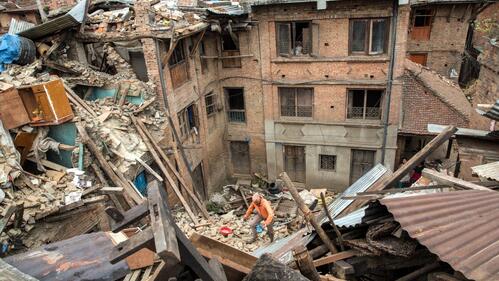
Un terremoto es una sacudida repentina y rápida del suelo causada por el desplazamiento de rocas debajo de la superficie terrestre o por la actividad volcánica o magmática en la tierra. Los terremotos ocurren repentinamente, sin previo aviso, y pueden ocurrir en cualquier momento. Pueden provocar la muerte, lesiones, daños a la propiedad, pérdida de vivienda y medios de vida y la interrupción de la infraestructura crítica. La mayoría de las muertes se deben al derrumbe de edificios o a peligros secundarios, como incendios, tsunamis, inundaciones, deslizamientos de tierra y liberación de sustancias químicas o materiales tóxicos.
Llamamientos de emergencia
Venezuela: Terremotos 2026
Venezuela: Terremotos 2026
Filipinas: Terremoto y tifones
Filipinas: Terremoto y tifones
Afganistán: Terremoto de 2025
Afganistán: Terremoto de 2025
Myanmar: Terremoto
Myanmar: Terremoto
¿Sabe cómo prepararse y mantenerse seguro durante un terremoto?
Evaluar y planificar
Infórmese con las autoridades locales dónde los riesgos de terremotos son más altos en su área. Tómese el tiempo para identificar los lugares más seguros de su casa o edificio, incluso en cada habitación. Los lugares más seguros están ubicados lejos de paredes exteriores, paredes divisorias no aseguradas, ventanas, vidrio y objetos pesados y chimeneas abiertas. En el exterior, estará más seguro en áreas abiertas lejos de peligros aéreos y subterráneos, como árboles, postes telefónicos o edificios.

Reducir riesgos
Si construye una casa nueva, evite hacerlo en pendientes inestables, terreno débil o encima o dentro de los 15 metros de fallas sísmicas conocidas. Siga las prácticas de construcción resistentes a los terremotos para los nuevos edificios y viviendas y repare o modernice (adáptese para hacer más fuertes) los existentes. Asegure las pertenencias grandes, como librerías, guardarropas o calentadores, dentro de su casa que podrían caer, romperse o deslizarse en un terremoto.
Prepárese para responder
Aprenda a realizar un simulacro de terremoto y practíquelo con regularidad. Confíe en sus instintos: cuando sienta un temblor que pueda ser un terremoto, actúe de inmediato. Vaya al lugar más seguro que haya identificado, apague todas las llamas y aléjese de ventanas, vidrios, paredes exteriores y objetos inestables. Si se encuentra en un lugar cerrado, siga el procedimiento "agáchese, cúbrase, agárrese" y mantenga la calma.

Qué hacer y qué no hacer
-
 Identify safest places inside and outside your building
 -
 Secure loose items that could fall, slide or collide
 -
 Don't build on unstable or steep ground, or directly on fault lines
 -
 Build and maintain your property with earthquakes in mind
 -
 Practise earthquake drills in your home, office or children's school
 -
If you are indoors during an earthquake: drop, cover and hold on
-
 Expect and watch out for aftershocks
 -
 Avoid the coastline when the quake stops in case of tsunami
 -
 Don't light any flames until you have checked for gas leaks