Disaster Response Emergency Fund
Annual Plan 2025
Turning global solidarity into life-saving local action

Message from the IFRC Secretary General
Small and medium sized disasters may not make the headlines, but they are no less devastating for the people affected. That’s where the IFRC’s Disaster Response Emergency Fund (IFRC-DREF) comes in. It is central to our ability to respond efficiently, quickly, transparently, and in a locally-led way.
That means getting funding directly to local humanitarians - both before and after a crisis strikes.
In 2024, the IFRC-DREF made more than 200 allocations.
The scale and frequency of disasters was so extreme that, for the first time, the response required reached a financial threshold that triggered our innovative insurance policy.
That policy provided a payout that enabled the fund to grow and allocate, overall, more than 80 million Swiss francs to assist more than 20 million people. 1.5 million of them benefited directly from the insurance payout.
Whether responding to mpox or cholera outbreaks in Africa, hurricanes in the Americas, or floods across Asia, the IFRC-DREF consistently proved essential.
Humanitarian needs are growing so fast that in future years we aim to grow IFRC-DREF considerably, to at least 100 million Swiss francs over the course of 2025 and significantly more beyond. Our priority is and always will be to give power to the people at the local level, to ensure that no one facing disaster is left behind.
Jagan Chapagain
Secretary General and CEO

What is the IFRC-DREF?
Two pillars in one efficient, transparent and fully localized pooled fund.
Pillar 1: Disaster response
IFRC-DREF not only addresses small and medium-scale disasters but also acts as a critical bridge by providing initial contingency funding for immediate locally-led disaster and crisis response efforts. This essential role helps ensure timely aid until further resources are raised through Emergency Appeals.
Pillar 2: Anticipatory action
By funding anticipatory action, IFRC-DREF aims to save more lives and livelihoods by acting before hazards become disasters. Financial resources are pre-agreed and released automatically once a predetermined trigger is reached, ensuring timely and effective early action by local humanitarians.
The IFRC’s Disaster Response Emergency Fund (IFRC-DREF) remains a cornerstone of swift, localized humanitarian action, empowering National Red Cross and Red Crescent Societies to respond effectively to crises.
Over the past four decades, the IFRC-DREF has supported more than 230 million people worldwide, demonstrating its unique ability to combine localization, anticipatory action, and emergency response. In 2025, the IFRC–DREF will build on this strong foundation by focusing on consolidation, sustainability, and innovation to address the growing complexity of humanitarian challenges.
Introduction

The International Federation of Red Cross and Red Crescent Societies’ (IFRC) Disaster Response Emergency Fund (DREF) remains at the forefront of humanitarian action, enabling rapid responses to disasters worldwide.
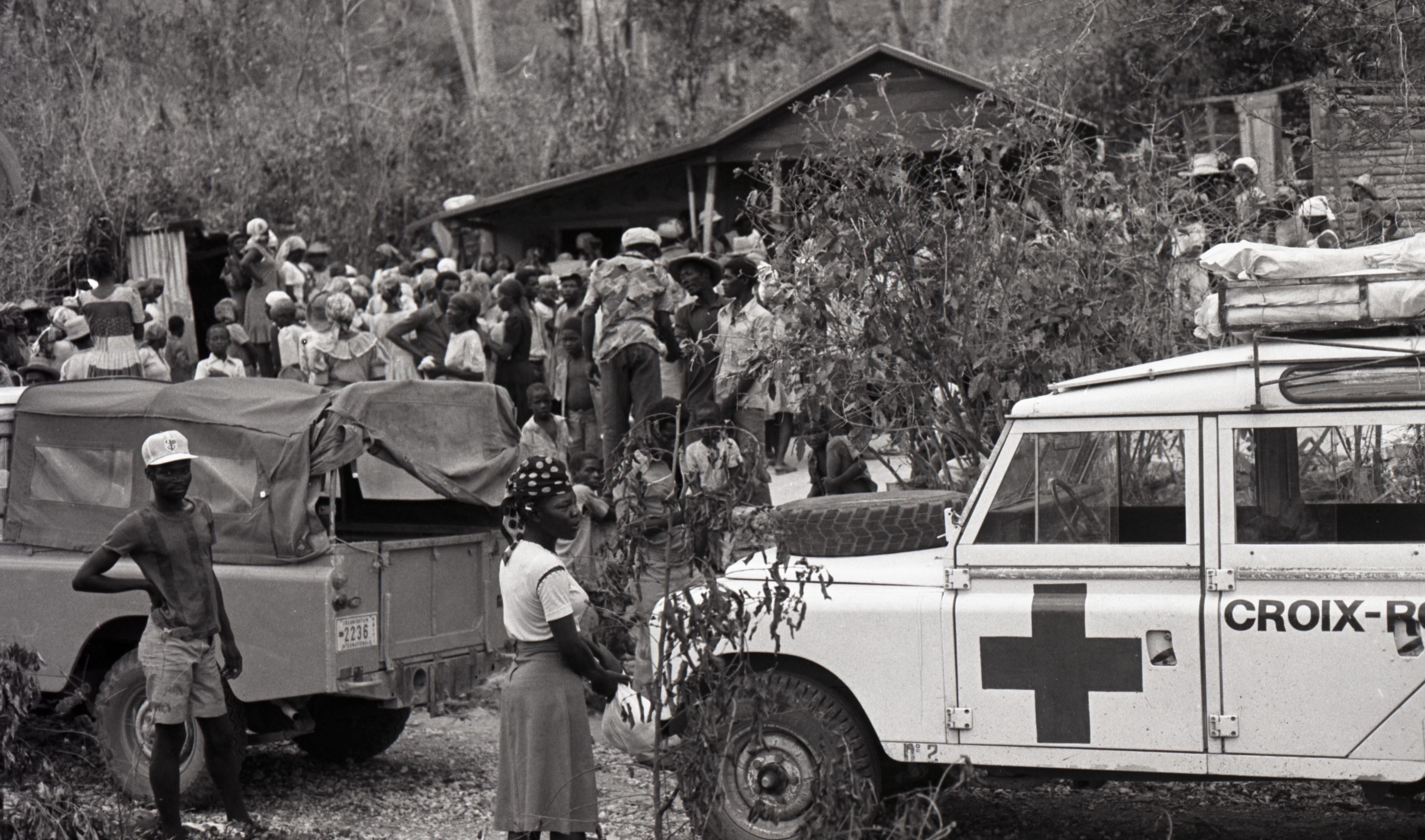
Since its establishment in 1979, the IFRC-DREF has played a critical role in supporting and empowering National Societies to anticipate and respond swiftly and effectively to emergencies of varying scales and provided life-saving assistance to the most at-risk people.
The IFRC-DREF is an efficient, transparent, and truly localized funding mechanism, that enables National Red Cross and Red Crescent Societies to access international support when national resources are insufficient. For more than four decades, it has served as a cornerstone of the IFRC network’s emergency response and stands as one of the oldest humanitarian pooled funds in the world.

Building on the substantial progress made under the DREF 2.0 initiative launched in 2023 including digitalization, increased funding ceilings, and revised modalities, in 2025 the IFRC will continue focusing on championing localization by improving its way of working and reinforcing these previous advancements.
This will include the publication of new procedures and guidelines, accompanied by a comprehensive dissemination plan to ensure their effective implementation. These procedures will enhance the timeliness of the fund, ensuring that local actors are provided with relevant funds as early as possible.
A new review mechanism will be introduced in 2025 to drive further improvements in the timeliness of application reviews and fund transfers to National Societies. This mechanism will allow for a fast-track review process, significantly reducing the time required for fund approval.
Additionally, an IFRC-DREF advance modality will be implemented, enabling an advance on the full allocation of funds while the National Society works on completing their application. By streamlining these processes, the IFRC-DREF will ensure faster access to resources, empowering National Societies to respond promptly to emergencies.

"Volunteers went from shelter to shelter to see how we were doing. They taught us how to keep our shelters clean and how to prevent diseases such as cholera. But most importantly, they listened to us when we talked about the hardships we had been through and all the loved ones we had lost."
Madi, an internally displaced person, on the services she received from Cameroon Red Cross with IFRC-DREF support.
The introduction of IFRC-DREF Insurance has further enhanced the fund’s capacity. This innovative mechanism provides access to additional financial resources, ensuring the fund’s solvency and effectiveness even during extraordinary needs.
Triggered for the first time in 2024, the insurance enabled access to 14.4 million Swiss francs through payouts, exemplifying the fund’s capacity to adapt and scale in response to crises during years of exceptional demand.
Focus on quality of emergency operations
In 2025, the IFRC-DREF will prioritize the quality of emergency operations it supports. This focus will encompass strengthening the alignment of funded operations with humanitarian principles, operational standards, and best practices.
The IFRC-DREF will enhance its monitoring and review mechanisms to ensure accountability and effectiveness, emphasizing measurable outcomes and impact. Capacity-enhancing initiatives for National Societies will play a key role, enabling them to design and implement operations that are both efficient and effective. By ensuring high-quality responses, the IFRC-DREF will solidify its reputation as a reliable, transparent and effective mechanism for addressing urgent humanitarian needs induced by small and medium-scale disasters.
Newly developed or upgraded modalities such as advance payment mechanisms, revised imminent allocation processes, and direct contributions to IFRC Emergency Appeals will be officially launched in 2025. These innovations aim to provide National Societies with greater flexibility and timeliness in their responses, reinforcing the fund’s role as a dynamic and adaptive resource.

As identified during 2024, there is a significant backlog in reporting on DREF operations, which results in delayed reports, and a lack of compliance and accountability, and also represents a risk in lack of knowledge sharing and learning from the implemented operations. To address this during 2025, a series of workshops - with regional colleagues in planning, monitoring, evaluation and reporting (PMER), operations, IFRC-DREF and finance will be organized to identify specific issues and propose immediate solutions and actions to reduce the backlog.
Evaluations and reviews will continue the scale-up launched in 2024, and aim at conducting thematic, process and single operations review with the support of IFRC Regions and IFRC-DREF Advisory Group members also to further facilitate knowledge sharing, identifying best practices to address administrative or operational issues.
A transition year and strategic outlook
As the 2020-2025 strategic cycle concludes, 2025 will mark a pivotal transition year. The year will focus on consolidating recent innovations while preparing for the launch of the IFRC–DREF’s 2026-2030 Strategic Ambition in the final quarter of the year.
This new strategy will introduce further evolutions for the future of the fund, informed by lessons learned and emerging humanitarian challenges. An ambitious funding strategy will complement these efforts, ensuring the sustainability and growth of the fund to meet escalating global needs.

Strengthening feedback mechanisms
To ensure continuous improvement, the recently launched IFRC-DREF internal feedback mechanism will play a central role in 2025. This system will enable the collection and analysis of feedback from National Societies and the IFRC, ensuring that the fund remains responsive andadaptive. Beyond internal partners, the IFRC-DREF will expand its feedback approach to include affected communities.
In partnership with Ground Truth Solutions, the IFRC-DREF will develop a dedicated community feedback mechanism and toolkit for launch in 2026. This initiative will empower communities to share their perspectives and experiences, ensuring that their voices inform the design and delivery of the humanitarian support they receive.

Enhancing collaboration and learning with other pooled funds
To strengthen its position among humanitarian pooled funds, the IFRC-DREF will continue fostering collaboration, exchange, and coordination with other mechanisms such as the UN Central Emergency Response Fund and the Start Network.
Building on the Community of Practice event held in November 2024, the IFRC-DREF will engage in joint initiatives, including policy development, advocacy, and technical exchanges. These collaborations aim to enhance learning and drive innovation, ensuring that pooled funds collectively contribute to more effective and efficient humanitarian responses. Opportunities for joint research, studies, and advocacy will be explored, reinforcing the shared commitment to addressing global humanitarian challenges through cooperation and mutual support.
By prioritizing innovation, efficiency, and collaboration, the IFRC-DREF will continue to evolve and adapt to the complexities of the global humanitarian landscape, reaffirming its role as the simplest, fastest, and most localized funding mechanism for disaster response and anticipatory action.
“Many people think Mpox is just a myth. We put in extra effort to explain, with patience, the importance of preventive measures. During one visit, residents thanked us for our work and even incorporated WASH practices into their daily routines.”
Architophel Ntsiakulu, Gabonese Red Cross volunteer involved in health activities supported by the IFRC-DREF
Overview and highlights

Main achievements in 2024
The year 2024 was marked by significant progress for the IFRC-DREF. The fund allocated 85,308,746 Swiss francs to 167 operations in support of 97 National Societies, directly assisting 19.3 million people. This included innovative efforts in anticipatory action.
The fund’s Anticipatory Pillar allocated 9,254,311 Swiss francs with 19 Early Action Protocols (EAPs) and simplified EAPs (sEAPs) approved in 2024 - and 32 EAPs and sEAPs ready to be activated - allowing National Societies to enhance readiness, prepositioning, and anticipatory action to mitigate the impacts of hazards. These efforts spanned a range of crises, including weather-related hazards such as floods, droughts, heatwaves and cold waves, as well as non-weather hazards such as population movement and disease outbreaks, specifically dengue fever and cholera.
Allocations to Response Pillar operations also reached a record high in 2024 - 76,054,435 Swiss francs were allocated in response to 137 small-, medium-, and large-scale emergencies. Out of this, 36,965,854 Swiss francs were disbursed in 75 allocations to kick-start Emergency Appeals.

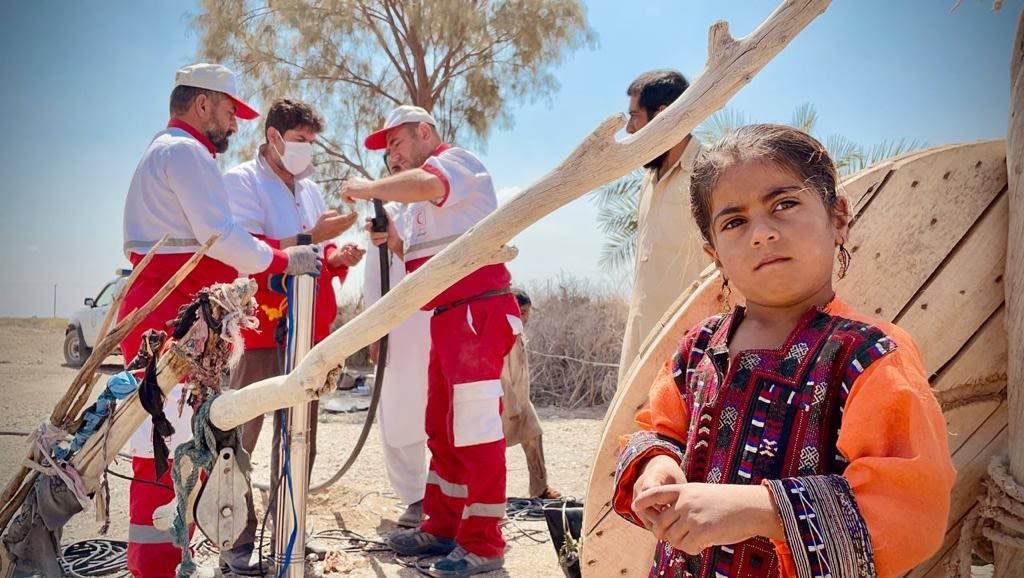
A notable achievement was the successful pilot of the Drought Modality across nine countries, addressing critical challenges such as drought, water shortages, and food insecurity. Transparency and operational efficiency were enhanced through strengthened risk management, accountability measures, and the integration of digital innovations.
The IFRC-DREF also surpassed its fundraising target for the year, raising more than 85 million Swiss francs. This included some 74 million Swiss francs from more than 40 donors through voluntary contributions, and some 14.4 million Swiss francs generated by the innovative DREF Insurance mechanism. The growth of the DREF Council, now boasting 15 members, further underscores donor trust and commitment. These achievements underscore the IFRC-DREF’s capacity to evolve, scale, and address escalating global humanitarian needs effectively.
85,308,746 Swiss francs
were allocated in 2024 to
97 National Societies
leading local action through
167 operations
supporting and protecting
19.3 million people


IFRC-DREF in action:
Philippines
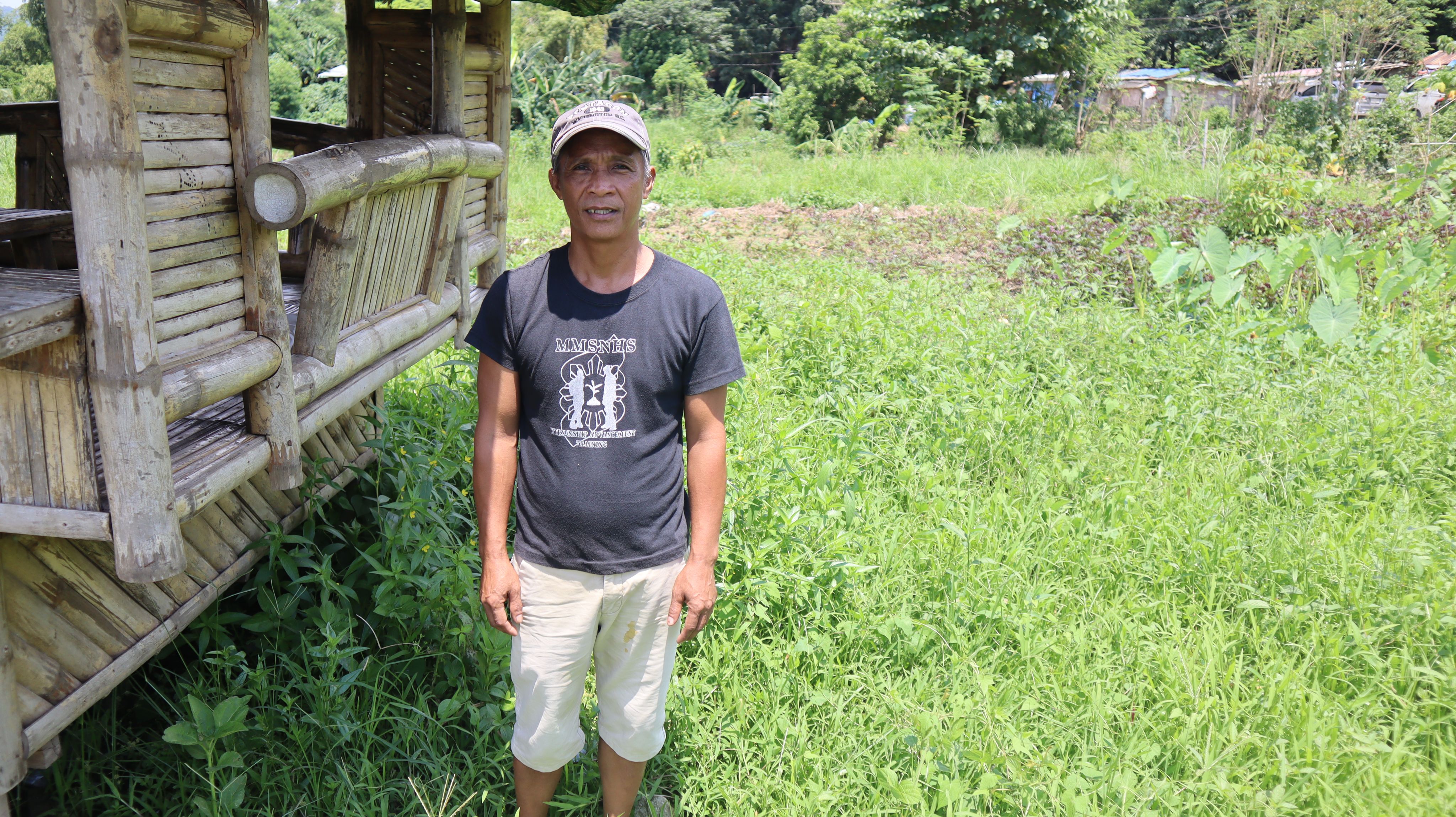
IFRC-DREF support is critical to people like Edgardo Sibbaluca, a construction worker in Rizal, a province in Central Luzon. His family of six experienced the full force of Super Typhoon Carina that hit in July 2024.
“We couldn’t save anything; we lost all our belongings. But I’m thankful that at least our lives were spared.
"I’ll rebuild my house and fix my surroundings. I’ll plant again and go back to work. I’ll restore everything to how it was so I can get back on my feet.”

Looking ahead to 2025
Strategic directions
The 2025 IFRC-DREF plan is centered on three strategic objectives and three enabling actions, with key priorities and milestones driving its mission.
The three strategic objectives are: enabling local action, saving more lives through anticipatory action, and addressing slow-onset and complex crises.
To empower localized responses, the IFRC-DREF will aim for an ambitious 100 million Swiss franc funding target, leveraging innovative financing mechanisms and strengthening regional capacity. National Societies will remain central to this strategy, with enhanced training and knowledge-sharing initiatives that foster local leadership in disaster response.

In 2025, the IFRC-DREF will manage a continuously growing pipeline of Anticipatory Action with its pre-agreed funding protocols (EAPs/simplified EAPs), launch the digital version for the development and activation of these protocols on the IFRC GO Platform, and further develop its monitoring system to contribute to more efficiency in the implementation of those protocols.
At the same time, much effort will be directed towards the implementation of the changes that were designed in 2024, which aim at making this pillar more efficient, agile, transparent, and better fit for purpose. Learning from past operations will be ensured by carrying out reviews and by organizing a global workshop to unpack all the challenges faced in the EAP lifecycle and start proposing additional opportunities for improvement.
Capacity strengthening activities will continue with more emphasis on the role of IFRC delegations in the management and activation of the protocols, aiming to reduce gaps which often delays implementation and can sometimes result in missed activations.
A new submission process was introduced and will be rolled out in 2025, which should significantly speed up and provide greater transparency of the review process of a protocol for National Red Cross and Red Crescent Societies.


Further plans for 2025 include a workshop cohosted by the IFRC’s Climate and Resilience and IFRC-DREF global teams, which aims to bring together regional anticipatory action and IFRC-DREF focal points to share knowledge, identify shared challenges, and develop actionable solutions to enhance anticipatory action for the coming year ahead.
The IFRC-DREF is evolving to address the growing complexity of humanitarian crises, in line with its 2021-2025 Strategic Ambition. In 2024, the Drought DREF Guidance was developed to enhance responses to slow-onset crises like drought, food insecurity, and water shortages.
For 2025, the main objective will be to support National Societies and IFRC Delegations to boost operational effectiveness through implementing the Drought DREF Modality, improve capacity strengthening by integrating this modality into training opportunities, revamping donor engagement as well as increasing monitoring and evaluation initiatives to drive informed interventions.
Enabling actions for 2025
IFRC-DREF continues to invest efforts into strengthening the overall accountability and compliance aspects of the fund. This has included the continued refinement and improvement of the various compliance and risk management tools and processes. These efforts will continue to be undertaken in the coming year.
For 2025, emphasis will be placed on ensuring alignment of the various compliance and risk management processes with the new procedures and decision-making processes. Moreover, it remains important to further integrate the anticipatory action pillar into the compliance and risk management processes. This will not only allow for better tracking of key issues and risks, but also for timely follow-up and increased accountability to enable risk-informed decision-making for operations supported through the anticipatory pillar.
IFRC-DREF in action:
Belize
After drought and wildfires in the in the Toledo and Cayo districts, Belize Red Cross activated emergency plans with support from the IFRC-DREF.
Cirilia, a farmer who formed a fire brigade to help her community, used cash and voucher support to buy supplies after her land and crops were damaged by the fires.
"I’m sketching my plans and thinking ahead to minimize the impact of disasters. I’m determined to be proactive so I can protect my farm and family," she said.
"I’m also planning to expand into other crops, like vanilla, and explore new possibilities for my farm. I’ll be buying seeds, especially vegetable seeds, because my kids love gardening."
Read Cirilia's story on ifrc.org


Audits of IFRC-DREF supported operations are important activities that provide the fund and IFRC with assurance and allow for operations and ways of working to be continuously improved. As such, collaboration with the IFRC Office of Internal Audit and Investigations (OIAI) will continue to be strengthened in 2025.
In 2024, the IFRC-DREF’s anticipatory pillar focused on strengthening capacity to act early, reaching 1,150 people, including anticipatory action training reaching 39 National Societies (180 people), while anticipatory action specific webinars, and simulations reaching 750 people and a further 240 people were reached through tailored briefings.
Key updates to IFRC-DREF procedures, based on feedback from the 2022 IFRC-DREF Evolution, are ongoing and will be finalized in 2025. This includes revising and disseminating resources and guidelines to align with the latest operational priorities.
The development of the IFRC-DREF Community of Practice (CoP) progressed in 2024, with plans to launch the CoP in 2025 alongside updated guidelines and a revised training package. These materials will integrate the “One Fund, Two Pillars” approach, covering both anticipatory and response pillars, and address new scenarios such as drought and heatwaves.
In 2025, efforts will focus on launching revised guidelines and the CoP platform for collaborative learning; expanding the operational learning dashboard with AI tools to summarize and disseminate key insights, and strengthening feedback loops through platforms like World Red Cross and Red Crescent Day and Regional Dialogue Platforms to incorporate National Society input.
By integrating these initiatives, IFRC aims to enhance the relevance and effectiveness of IFRC-DREF support, ensuring National Societies are better equipped to respond to crises effectively.
In 2024, the IFRC-DREF Feedback Process was designed, piloted, and officially launched, providing tools such as an online feedback box, targeted surveys, and guidelines for in-person sessions. These tools aim to collect insights from IFRC staff and National Societies, ensuring feedback informs decision-making.
In 2025, the process will be scaled up with a focus on increasing participation in underrepresented regions, promoting the tools through regional champions, and integrating findings into operational and regional planning. Collaboration with the Information Management team will incorporate AI to streamline feedback analysis and produce actionable recommendations, closing the feedback loop and fostering ownership among all involved parties.

Building on progress made last year, the IFRC-DREF Operational Reviews tools will be further refined in 2025 to improve data analysis through AI technology. Reviews will prioritize single-country operations, focusing on strategic relevance and alignment with IFRC-DREF objectives. Findings will be systematically disseminated to National Societies and delegations to inform operational improvements.
The updated Operational Reviews Framework will better address anticipatory action and align with revised evaluation standards, ensuring a comprehensive approach to evaluating IFRC-DREF funded operations. Efforts will also include translating key review findings into all official IFRC languages and publishing them in the Evaluation Database for broader accessibility. These initiatives aim to strengthen fund management, enhance learning, and support the growth of DREF as a responsive, data-driven funding mechanism.

Regional outlook
Across IFRC’s five Regions, the IFRC-DREF will adapt its strategies to meet the specific needs and challenges of National Societies.
In Africa, capacity-building workshops and the Drought Modality will address recurrent crises such as drought, food insecurity, and epidemics.
Similarly, Asia Pacific will be focusing on capacity building and strengthening towards the Drought Modality, while also continuing to scale up the momentum built in 2024 around sEAPs and anticipatory action. Hazards that are in focus are climate-induced risks like heatwaves and monsoon floods, and more complex situations such as epidemics and displacement.
In Europe and Central Asia, cross-cutting coordination will be strengthened with tailored sEAP scenarios for climate-related hazards, primarily heatwaves and cold waves and their health impacts.
The Americas will focus on leveraging community-based feedback mechanisms to ensure inclusive responses to hurricanes and floods.
In the Middle East and North Africa, efforts will centre on integrating anticipatory actions into operations addressing floods, drought and population movement.
This 2025 IFRC-DREF Annual Plan also marks the transition to the next strategic phase, with significant focus on developing the fund’s 2026–2030 Strategic Ambition. By consolidating its scale- up and leveraging feedback from partners, the IFRC-DREF will continue to set the benchmark for swift, localized, and anticipatory humanitarian action.
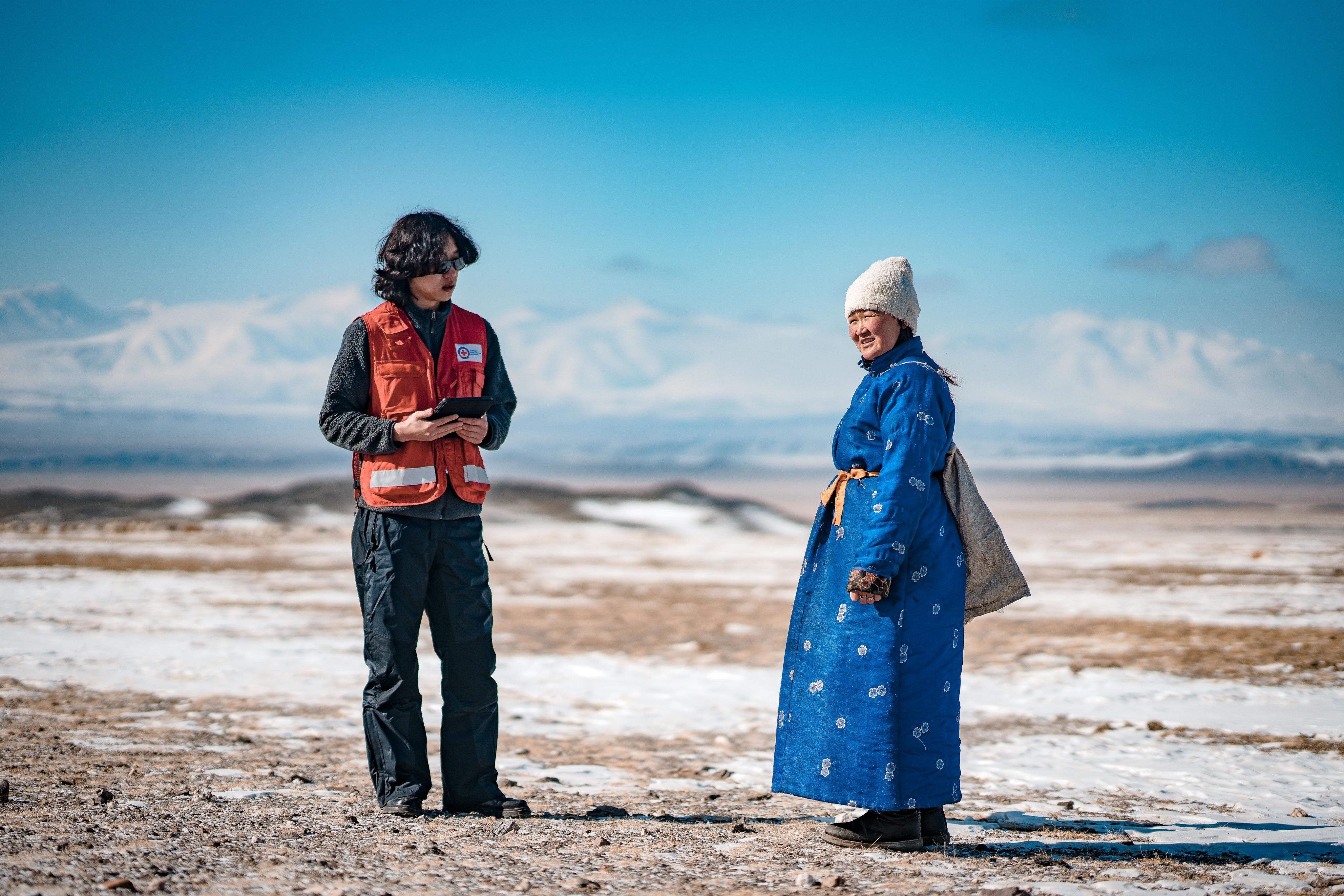
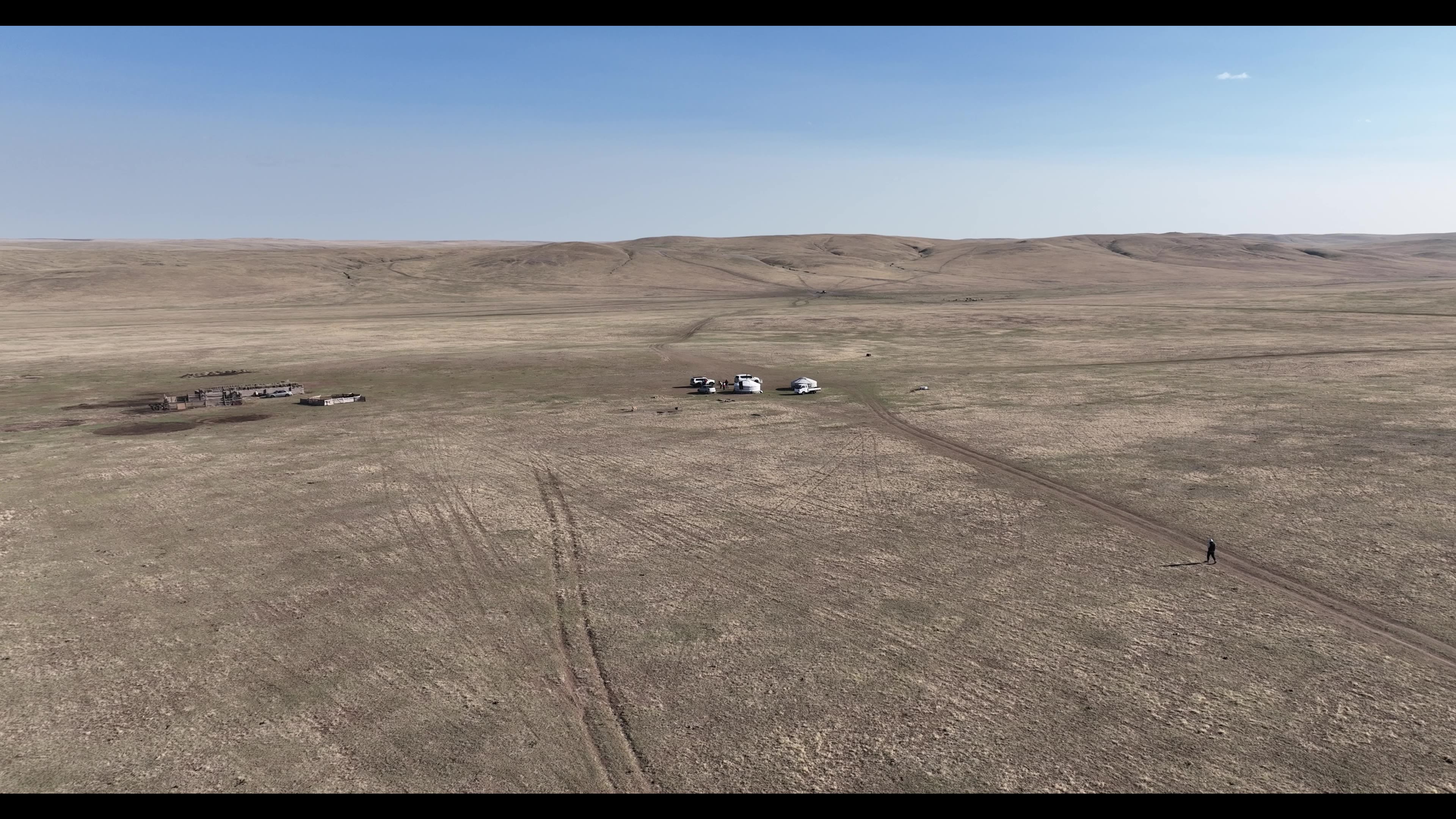
“Heads of herder households particularly had difficulties coping with the stress of losing their beloved animals [in the extreme coldwave known as dzud]. Livestock loss negatively impacts their mental health, and this leaves them feeling hopeless and stressed for their future."
Dr. Gantulga Batbyamba of Mongolian Red Cross Society, which worked closely with at-risk herder communities with IFRC-DREF support
Strategic objectives

1. Enabling local action
2025 funding target
For 2025, the IFRC-DREF has set a funding target of 100 million Swiss francs. To achieve this goal, efforts will focus on increasing contributions from existing donors and actively pursuing new donors, particularly from the private sector and emerging government sources. Regional offices will spearhead enhanced fundraising initiatives, leveraging regional networks and opportunities, especially from new government donors.
Additionally, the IFRC-DREF will capitalize on innovative financing mechanisms and strengthen partnerships to establish a diverse and sustainable funding base. A Pledging Conference will serve as a key event to galvanize support and secure commitments from donors.

Communication and visibility enhancements in 2024
In 2024, the IFRC-DREF significantly bolstered its communication and visibility initiatives:
■ The launch of a dedicated newsletter marked a major milestone, doubling its subscriber base to more than 400 and demonstrating growing interest in the fund’s actions.
■ The IFRC-DREF webpage underwent a comprehensive revamp to better highlight both the response and anticipatory pillars as integral components of the fund, moving beyond a sole emphasis on response. This included updated content to align with the year’s keymessages and improved donor visibility. Notably, IFRC-DREF Council donors now have a dedicated subpage, and a separate subpage for the IFRC-DREF Pledging Conference was created, consolidating live streams and related materials to enhance user experience.
■ A revised donor visibility plan was finalized, ensuring that recognition is appropriate and proportionate to contributions. This updated plan, which grants the highest visibility to IFRC-DREF Council donors, will be implemented in 2025.
Field engagement and media outreach
Several successful communication field trips were conducted in 2024. For instance:
■ A mission to the Philippines documented the aftermath of a cyclone, with interviews of fund recipients featured in The Guardian.
■ Public awareness efforts surrounding the IFRC-DREF Insurance mechanism garnered attention, with articles published by Reuters and the World Economic Forum.

Enhancing accountability through feedback
In 2025, the IFRC-DREF will collaborate with Ground Truth Solutions to implement a project aimed at strengthening accountability systems in DREF operations. This initiative will co-create methodologies with National Societies to systematically gather and utilize community feedback. The project will:
■ Support National Societies in two countries, Colombia and Ethiopia (tentative), by designing tailored data collection tools and strategies.
■ Focus on real-time, actionable feedback to inform decision-making, improve programme adaptation, and reinforce community-led action.
The tools and guidance developed through this initiative will be applicable to all IFRC-DREF operations, ensuring that localized responses remain impactful and adaptive to the needs of affected communities.
2. Saving more lives by anticipating crises and acting earlier
In 2024, the number of Early Action Protocols (EAPs) submitted to the IFRC-DREF has increased compared to 2023. This will lead to an increase in stock prepositioning and readiness activities in 2025, and most likely to an increase in activation of protocols. Considering the growing number of protocols under development and the interest of new participating National Societies in supporting the development of protocols, we expect this trend to continue in 2025 with a constantly increasing EAP pipeline to manage.

The monitoring of the EAPs under implementation or newly approved will be strengthened with a tighter follow-up of the readiness and activation reports, and of the signature of the Project Funding Agreements.
More improvements have been worked on this year, namely:
■ Simplification of the EAP submission procedure for a quicker and more transparent process
■ Revision of the Imminent DREF modality into a rapid allocation which fits better the purpose of this tool (to mitigate the impact of rapid onset disasters when an alert is issued, and when the National Society has no pre-agreed protocol in place)
■ Multiple activation of full EAPs: with the implementation of the new IFRC-DREF procedures, all National Societies having a full EAP in place will be allowed to activate their protocol twice before having to revise and resubmit it.
The IFRC-DREF team will dedicate much effort in the implementation and the monitoring of those changes in 2025.

In addition, after several months of designing a new structure for the Validation Committee with its current members, the finalization of the new structure, the enrolment of the new members and the setting up of this new system will take place during the first quarter of 2025. The purpose of this expansion is to be able to cope with the growing workload of the committee, proportionate to the scaling up of the approach, and the needs for additional expertise to review non-weather-related hazards protocols such as epidemics and population movements.
The anticipatory action for population movement working group led by the IFRC-DREF and Australian Red Cross has achieved substantial work in 2024. The findings accumulated till now will be used to start developing a recommendations document for National Societies and partners who would like to develop a protocol on population movement. Those recommendations should be finalized mid-2025. It will be followed by the revision of the EAP and sEAP criteria which should be disseminated towards the end of 2025.
Similarly, the sEAP proforma for cholera prevention/mitigation will soon be finalized in collaboration with the IFRC water, sanitation and hygiene (WASH) team. Next year, we shall discuss how to use this, and the guidance produced by the health for anticipatory action global working group and recently finalized, to assess how to adjust the EAP and sEAP criteria accordingly.
With increasing ambition within the organization and a growing demand to scale up anticipatory action in response to rising hazards worsened by climate change, conflicts, and crises, it is essential to review the IFRC’s strategy, approach, and tools for anticipatory action.
In addition, there is a need to better integrate scientific modelling in the anticipatory action approach as part of the humanitarian community’s mind-shift towards allocating resources based on risk levels and not only on observed damages. This part has taken a huge role and tends to complicate the approach at the expense of localization. Therefore, we wish to carry out a collective review to determine whether the organization is on the right track and assess whether current approaches and tools are truly fit for purpose in meeting both internal and external demands.
The Climate and Resilience and the IFRC-DREF global teams will co-organize a three-day workshop in Geneva in January 2025. The event will facilitate knowledge-sharing, identify shared challenges, and develop actionable solutions to enhance anticipatory action, with specific focus on the pre-agreed early action protocols supported by the IFRC.
During 2025, the simplified Early Action Protocol (sEAP) will conclude its three year pilot phase. A review will be undertaken to assess the utility of the sEAP funding mechanism and will take stock of recommendations to adjust the tool to ensure its continued relevance. Also in this year, work will progress on integrating the sEAPs onto the IFRC’s GO Platform.
This will allow National Societies to submit their sEAPs directly on the GO Platform and check the status during the validation process as well as activating and reporting. Once fully integrated on the GO Platform, lessons emerging from sEAPs activations can also be systematically captured on the Operational Learning database, along with lessons from IFRC-DREF response operations and Emergency Appeals.
Also during 2025, capacity strengthening related to anticipatory action will continue to be scaled up in support of the targets in IFRC’s Operational Framework for Anticipatory Action, which is due to conclude at the end of the year (2021 – 2025).
“Tackling measles and other communicable diseases begins and ends in communities. Something as simple as a vaccine can help prevent many unavoidable deaths and illnesses. But we have a far way to go to tackle vaccine hesitancy in the country.”
Chingiz Djakipov, President of the Red Crescent Society of Kyrgyzstan, which has received IFRC-DREF support for emergency health work

IFRC-DREF in action:
Nigeria
Salisu Garba is a health coordinator for the Nigeria Red Cross Society in Kano, and one of many National Society volunteers and staff who responded when a deadly outbreak of diphtheria ravaged communities in the area.
The IFRC-DREF allowed the National Society to respond quickly where it matters most: in the affected communities.
"Our connection with communities allows us to reach more people effectively,” he said. “Together, we are working tirelessly to ensure that every person in Kano is informed, vaccinated, and protected from diphtheria."

3. Increasing the value of IFRC-DREF in slow onset, protracted, and complex events
The recurrence, protracted nature and complexity of ongoing and developing humanitarian crises warrants the IFRC to continuously adapt its services to remain fit for purpose to National Societies. Considering this, the IFRC-DREF, in alignment with its 2021-2025 Strategic Ambition, has continuously engaged and collaborated with various teams across the organization and with its donors to ensure sustained availability of funds to enable coverage of emergency needs as needed.
In 2024, the IFRC-DREF coordination team, with support from the operations coordination, livelihoods, and recovery teams at Headquarters and Regional Offices, developed guidance to operationalize the Drought Modality developed to support anticipation and response to slow onset events, specifically drought, food insecurity, and water shortages. The aim of this guidance is to enhance the effectiveness of interventions in these slow-onset crises which, when left unaddressed, unavoidably lead to more complex and protracted humanitarian situations.
To address the increasing demand for support in slow onset, protracted, and complex crises, and to advance the strategic objective outlined in the 2021-2025 Strategic Ambition, the following key steps will be implemented in 2025.
1. Develop and disseminate operational guidance
■ Finalize and disseminate the Drought DREF Modality guidance document, including eligibility criteria, triggers for activation, planning for anticipatory actions, immediate response and early recovery, reinforcing the systematic inclusion of a transition strategy to all operational plans.
■ Provide support to operations team to develop Federation-wide guidelines for addressing slow onset, protracted crises and complex emergencies, such as civil unrest, population movement, epidemic outbreaks, clarifying how IFRC-DREF funds can be used in such cases, as well as conditions for multiple allocations to the same crisis.
■ Provide support to Surge in developing criteria for surge deployments and external support in addressing slow onset, protracted crises and complex emergencies, especially within the framework of an IFRC-DREF operation.
■ Build on IFRC-DREF operational reviews to refine analytical tools (with support from information management colleagues) and criteria for triggering and sustaining IFRC-DREF support in prolonged crises.
2. Capacity strengthening of National Societies
■ Roll out a dissemination campaign for National Societies about the new Drought DREF modality, including webinars, translated guidance documents, and tailored Regional/Delegation brown bag sessions to ensure awareness and understanding.
■ Integrate elements of the Drought DREF modality into the IFRC-DREF training for anticipatory action and response, to enhance effective use of the tool.
■ In collaboration with Global and Regional Operations and Livelihoods teams, set up workshops on planning and executing anticipatory, response, and early recovery actions through the Drought DREF, emphasizing their integration for long-term impact.
3. Reinforce donor communication and partner engagement
■ Use operational reviews and success stories to demonstrate the value of funding for anticipatory action and protracted crises to donors.
■ Advocate for increased contributions by showcasing the IFRC-DREF’s impact and adaptability in slow-onset, protracted and complex crises.
4. Strengthening monitoring, evaluation, and learning
■ In collaboration with the planning, monitoring, evaluation and reporting (PMER) and operations coordination teams, promote the systematic set up and follow-up of a results- based monitoring framework for IFRC-DREF operations.
■ Conduct regular IFRC-DREF operational reviews of slow onset, protracted and complex crisis interventions to identify best practices and operational gaps.
■ In collaboration with the information management and operations coordination teams, support the setup of robust data collection systems for forecasting and tracking slow onset, protracted and complex crises to better inform anticipatory actions.
■ Promote the systematic use of IFRC Operations Learning Platform on GO to National Societies to build on past experience when planning andimplementing slow onset, protracted and complex interventions.
This plan positions IFRC-DREF to effectively contribute to addressing the growing needs arising from slow onset, protracted, and complex crises, ensuring high-impact support for the most at-risk communities.
Enablers


1. A lean efficient fund
Efforts to enhance the fund’s accountability, compliance, and risk management processes have continued to strengthen during 2024. Thanks to all its tools and processes, the IFRC-DREF is systematically documenting, monitoring, and communicating issues and risks. These efforts are supporting risk- informed decision-making for IFRC-DREF allocations and are promoting adherence to the fund’s rules and procedures. This approach continues to be essential for ensuring the fund’s sustainable growth as well as maintaining the confidence of IFRC-DREF’s partners and donors.
The focus in 2025 will remain on refining processes and, importantly, in ensuring that existing tools and processes employed by IFRC-DREF are in alignment with the fund’s latest modalities and procedures. It also remains imperative to continue efforts aimed at increasing the accountability of key actors linked with IFRC-DREF operations. With the new procedures, IFRC-DREF will work to ensure that all the important steps within the preparation, implementation and reporting stages of its supported operations are clearly communicated and understood by National Society and IFRC teams.
Collaboration with the IFRC Office of Internal Audit and Investigations (OIAI) and Risk Management teams will remain a priority in 2025, supporting greater risk awareness and preparedness. Recognizing the importance of audits of operations that it is supporting, IFRC-DREF will continue to work with OIAI during 2025 to ensure that these important exercises are implemented.
During 2024, IFRC-DREF started developing a Community of Practice with other similar pooled funding mechanisms. In 2025, IFRC-DREF will seek to further develop this community and to build on the initiatives and experiences shared by pooled funds on compliance and risk management, either through the generation of joint initiatives or improved or new tools and processes.
During 2024 the IFRC-DREF team, in close collaboration with information management colleagues, worked on the initial development of frameworks to create the process of EAP and sEAP development, submission and approval, through the GO Platform. In 2025 the target is to launch this module in GO and advance in the reporting and activation modules for EAPs and sEAPs. This process will streamline all IFRC-DREF applications through GO and systematize the information.
Revisions to the existing IFRC-DREF processes in GO are planned for 2025, with expanded development efforts to address both Early Action Protocols and improvements to existing forms and workflows. These efforts will focus on implementing fixes, upgrades, and quality-of-life enhancements. A key priority for 2025 is the introduction of multilingual functionality, enabling National Societies to submit applications for review in multiple IFRC languages.
2. Increased support to strengthening National Societies
In 2024, capacity strengthening efforts continued with anticipatory action training (seven sessions reaching 39 National Societies, almost 180 people), National Society DREF training (seven sessions for 12 National Societies), webinars, simulations and outreach dissemination activities. These initiatives aim to enhance the skills and capacity of National Societies, ensuring they are well-equipped to engage with the evolving IFRC-DREF modalities.
The revision of IFRC-DREF procedures continued throughout 2024. These revisions were informed by feedback gathered during the continuous implementation of the changes introduced as part of the 2022 DREF Evolution. Updates to the procedures are intended to ensure that the fund remains even more relevant and efficient for National Societies, addressing their operational needs and challenges.
Due to the ongoing nature of this revision process, the majority of activities planned for 2024, particularly around the dissemination and revision of existing resources, were rolled over to 2025. This adjustment will ensure that these efforts fully incorporate all relevant changes to the IFRC-DREF procedures, ensuring their alignment with the latest updates and priorities
The work on the IFRC-DREF Community of Practice (CoP) has started with the development of terms of reference and the identification of the IFRC Communities platform as the venue to host the DREF CoP. For 2025, the plan is to flesh out the DREF CoP in coordination with the IFRC’s National Society development team responsible for the Communities platform. Additionally, its launch will be synchronized with the dissemination strategy planned for the release of the revised DREF procedures and guidelines.
The IFRC-DREF training package will be revised based on the new procedures and guidelines aligned to the IFRC-DREF evolution. All existing training material and dissemination resources will be reviewed and updated to ensure full alignment with the revised procedures. For the IFRC-DREF training for National Societies, the development process will incorporate a modular approach to ensure coherence between the Anticipatory and Response pillars, while also including focused content on othercritical aspects of DREF such as monitoring and reporting.
The IFRC’s online tier one anticipatory action training remains highly relevant for the IFRC network to promote the concept of acting in advance of a hazard with the aim to reduce or mitigate the impact of that hazard. For 2025, the aim is to continue to rollout the training package, however the intention is to develop new additional scenarios for drought/food insecurity and heatwaves.

With the launch of the revised operational learning dashboard on the GO platform, which now includes information from Emergency Appeals as well as the IFRC-DREF, and the integration of AI-generated summaries of the insights gained, 2025 will focus on its dissemination. Continued development of the dashboard will take place in collaboration with colleagues involved in the initiative. Lessons learned methodologies will be aligned and revised for both the Anticipatory and Response pillars to support their dissemination and application effectively.
Capacity strengthening initiatives will remain relevant to the needs of IFRC-DREF users and the IFRC Delegations that support them. The feedback loop will be completed in a number of ways: via the Communities platform, where partners can ask questions or request real time assistance. Feedback can also be provided via the surveys under the IFRC-DREF Feedback Process. Face to face feedback can also be solicited via the in-person Red Cross and Red Crescent Day at The Global Dialogue Platform as well as Regional Platforms in Asia Pacific, Americas, and Africa. The Red Cross and Red Crescent Day is hosted by the Anticipation Hub, the IFRC, the Red Cross Red Crescent Climate Centre and the German Red Cross.
These occasions provide an important opportunity for the IFRC-DREF team to interact directly with IFRC-DREF users to gather feedback, ensuring that National Societies have input into the changes proposed to the funding guidelines andprocesses of the anticipatory pillar of the IFRC-DREF.

IFRC-DREF peer exchange programme
In 2025, the IFRC-DREF Peer Exchange Programme will continue to expand its impact by strengthening regional disaster response capabilities of the IFRC-DREF regional focal points, allowing them to provide improved support to regional operations coordination teams and project managers. Building on the success of 2024, the programme will focus on enhancing operational resilience, institutionalizing best practices, and deepening knowledge-sharing among IFRC-DREF focal points while fostering a cohesive network to ease adaptative strategies.
The expected outcome will be to strengthen their disaster response experiences, ensuring uninterrupted support during peak periods, and sustain a collaborative network for long-term efficiency and innovation for IFRC-DREF across the IFRC.
3. National Society ownership and trust
IFRC-DREF feedback process
In 2024, the design and pilot of the IFRC-DREF feedback process was concluded, and three key tools for feedback collection were finalized: an online feedback box to all IFRC staff, and user and partner National Societies; two targeted surveys for IFRC staff and user National Societies; and guidelines for in-person feedback sessions. With endorsement from IFRC senior management, the process was officially launched in September 2024.
The focus in 2025 will remain on the dissemination of the feedback collection tools to all user National Societies, IFRC staff, and partners. The dissemination strategy of the process will be reviewed to target regions with lower participation rates, establish the feedback box as a permanent and accessible tool, and close the feedback loop by streamlining reporting on the findings and action points.
Collaboration with IFRC-DREF communications focal point will continue in the promotion of the feedback collection tools, with further work to engage other teams and IFRC offices at different levels. Special attention will be paid on the championing of IFRC-DREF regional focal points in the process, as main voices for the tool in their regions. Attention will be made to the inclusion of targeted DREF feedback sessions, when suitable in other activities, such as training and workshops.
Special focus will be put into the analysis of the findings, in collaboration with the Information Management team on the inclusion of AI in the processing of the pieces of feedback and production of briefs to inform decision making. This will be an essential step to close the feedback loop and promote ownership of the process. In this line, a goal for next year is to establish a sustainable analysis tool for the findings that would allow for the prioritization of challenges and findings in key sectors and channeling of these results to the respective teams. The aim is to have the collected feedback streamlined to cross-cutting capacity strengthening and regional planning and prioritization.
IFRC-DREF operational reviews
IFRC-DREF team, in coordination with the IFRC evaluation and information management teams, will focus on further refining the data collection tools contained in the operational reviews’ toolbox, looking into how AI-based technology can support quicker evidence analysis and reporting, to enhance both speed and quality of the reviews conducted. This is to ease the overall review exercise and ensure learning from reviews are made available to National Societies and Delegations in a timely manner to support decision making for strategic and operational purposes.
In 2025, the objective will be to increase the percentage of single country reviews conducted using the IFRC-DREF review toolbox, while also laying groundwork for reviews which will be conducted in 2026.
A quarterly prioritization exercise will be done to ensure continued relevance of the proposed review topics. Indeed, the main aim of these reviews per DREF Operational Reviews Framework is to collect learning to support the management and growth of the fund, while also providing useful insights for strengthening operational management. Where a Real Time Evaluation is planned by IFRC operations and PMER teams, the IFRC-DREF team will avoid duplication of efforts and overburdening of National Society teams.
Milestones and future actions

Strategic objectives
1. Enabling local action - enough funding as directly as possible
1. Enhancement of collaboration with other pooled funds for joint initiatives and improving tools and processes.
2. Continue the work on establishing the IFRC-DREF Contributions Dashboard to showcase historical and current donor contributions.
3. Further develop existing partnerships with donors, as well as with the new ones to increase donations and to ensure multi-year, predictable support to the IFRC-DREF.
4. Based on lessons learned from previous years, organize the 2025 Pledging Conference, to provide a platform for partners to announce new and continued commitments to the IFRC-DREF.
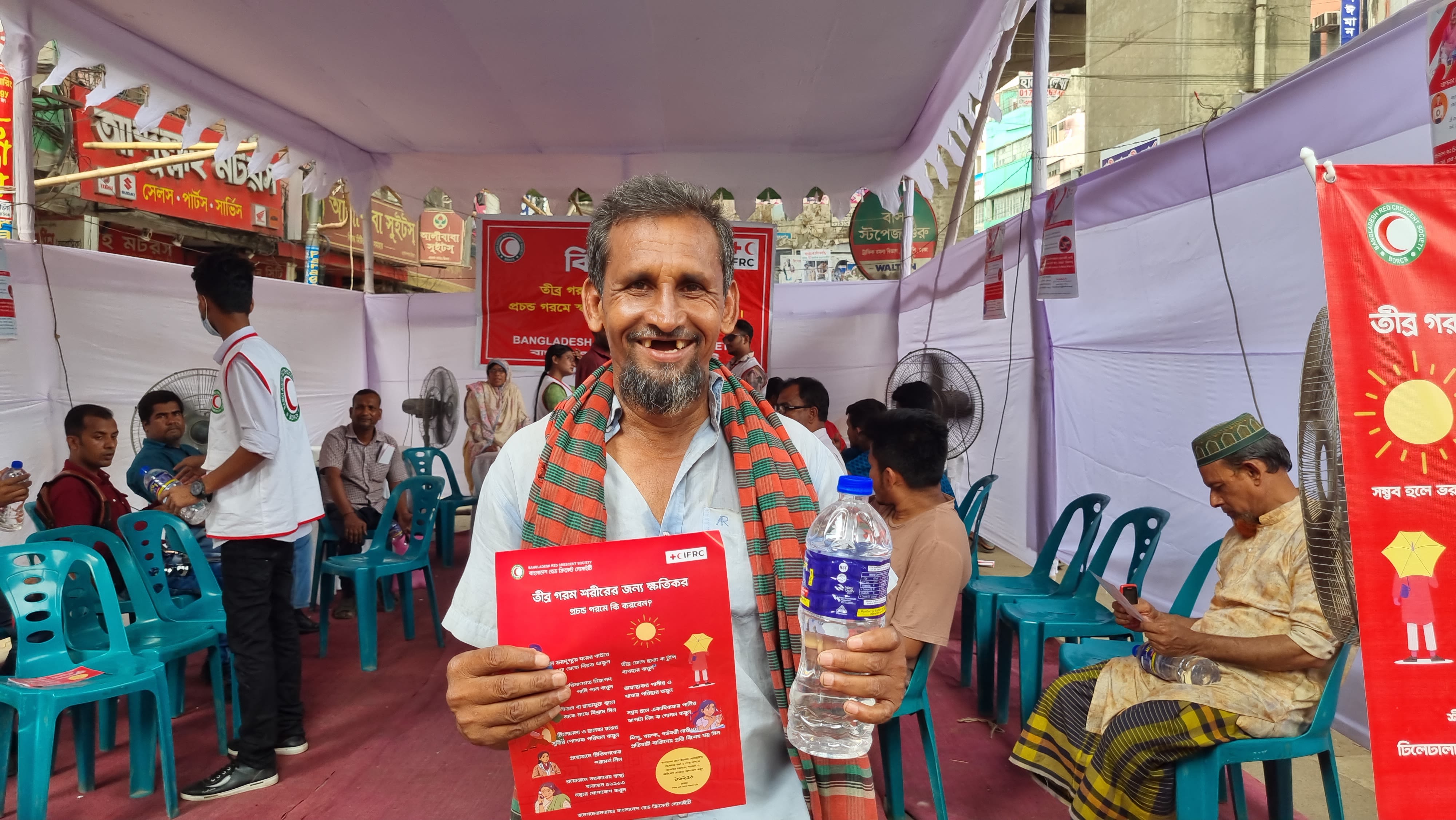
2. Saving more lives by anticipating crises and acting earlier
1. Update the DREF Operational Reviews Framework, to better incorporate the review of anticipatory pillar operations, while ensuring alignment to the revised IFRC Framework for Evaluations.
2. Pilot anticipatory processes for new crises like population movement, epidemics and civil unrest.
3. Simplification of the EAP submission procedure for a quicker and more transparent process.
4. Revision of the imminent DREF modality into a rapid allocation which fits better the purpose of this tool (to mitigate the impact of rapid onset disasters when an alert is issued, and when the National Society has no pro-agreed protocol in place).
5. Multiple activation of full EAPs with the implementation of the new DREF procedures, all National Societies having a full EAP in place will be allowed to activate their protocol twice before having to revise and resubmit it.
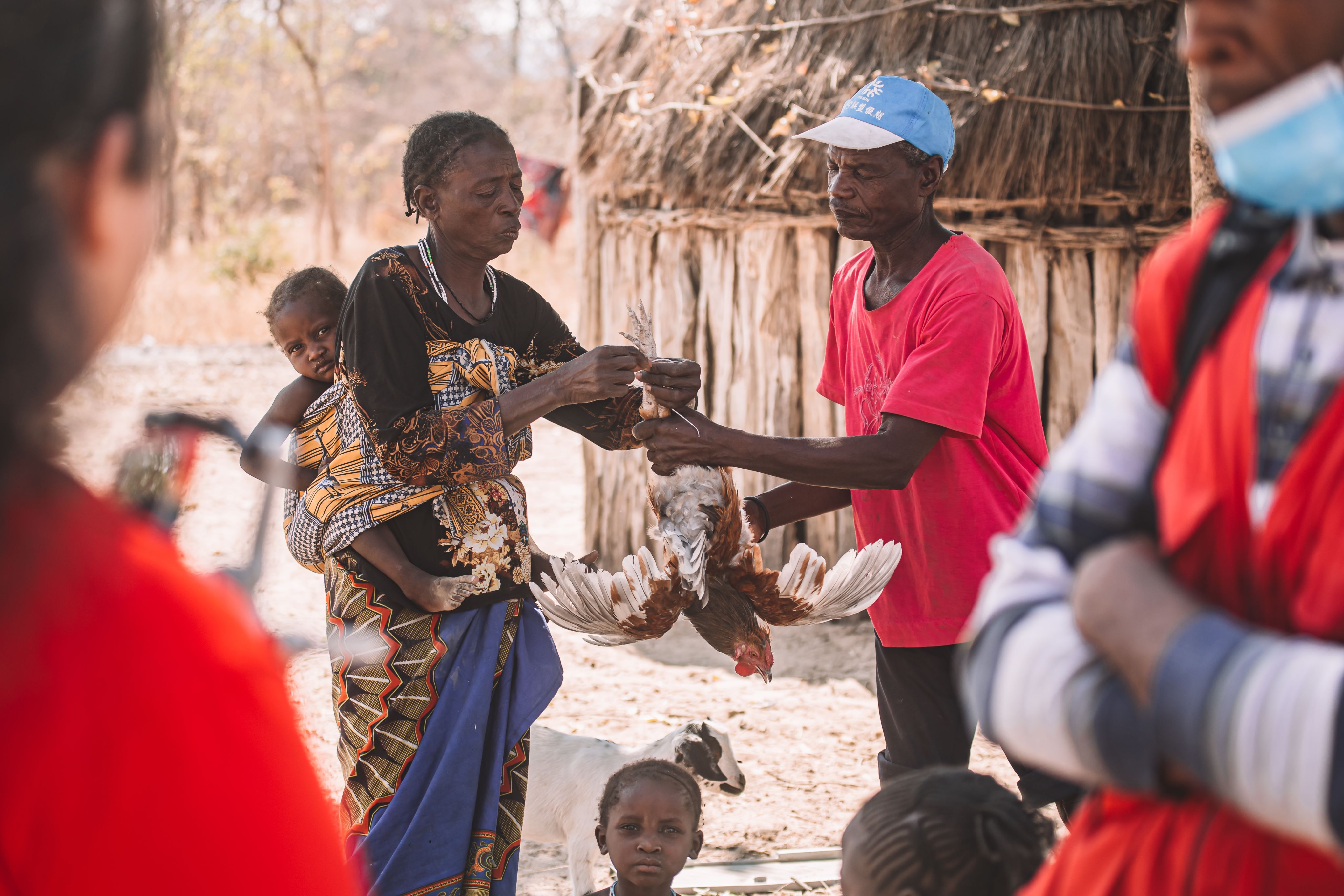
3. Increasing the value of IFRC-DREF in protracted, slow onset and complex events
1. Widely disseminate the Drought DREF Modality and related guidance on slow onset, protracted and complex crises and integrate key elements into the IFRC-DREF training in anticipatory action and response to increase understanding and effective use of the tool.
2. IFRC-DREF training package revised including face to face and online training resources updated against the approved procedures and revised guidelines. Supplement the anticipatory action tier one training to include other hazard scenarios, including drought/food insecurity as well as heatwave.
Enablers
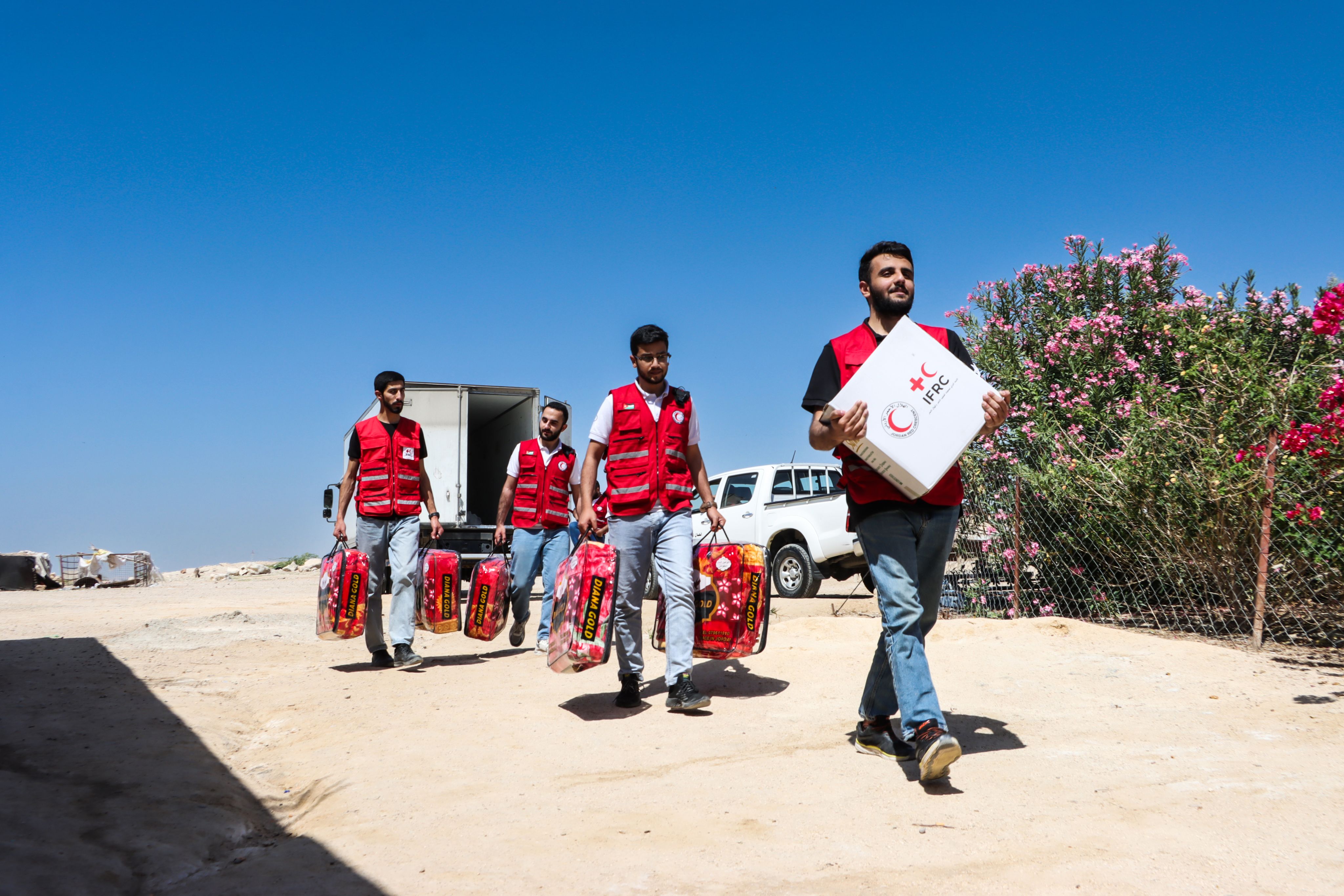
1. A lean, efficient fund
1. Alignment of IFRC-DREF tools and processes with latest procedures.
2. Continued use of compliance and risk data to inform decision-making.
3. Maintenance of collaboration with finance and audit and risk management unit, enabling increased level of risk awareness and preparedness.
4. Revised IFRC-DREF guidelines reflecting the "One Fund, Two Pillars" of the IFRC-DREF, produced and rolled out in the IFRC regions and delegations, including the revised guidelines for using Imminent IFRC-DREF.
5. Set up and scale up monitoring, evaluation and learning systems in IFRC-DREF operations, ensuring dynamic responsiveness and sustainability of the fund.
6. Engage more broadly for the inclusion of the updated IFRC-DREF funding mechanism and the two pillars in relevant training and learning processes, such as the Surge learning paths.
7. Engage with Regional Offices in a series of solutions workshops to identify reporting issues and propose immediate actions/solutions.
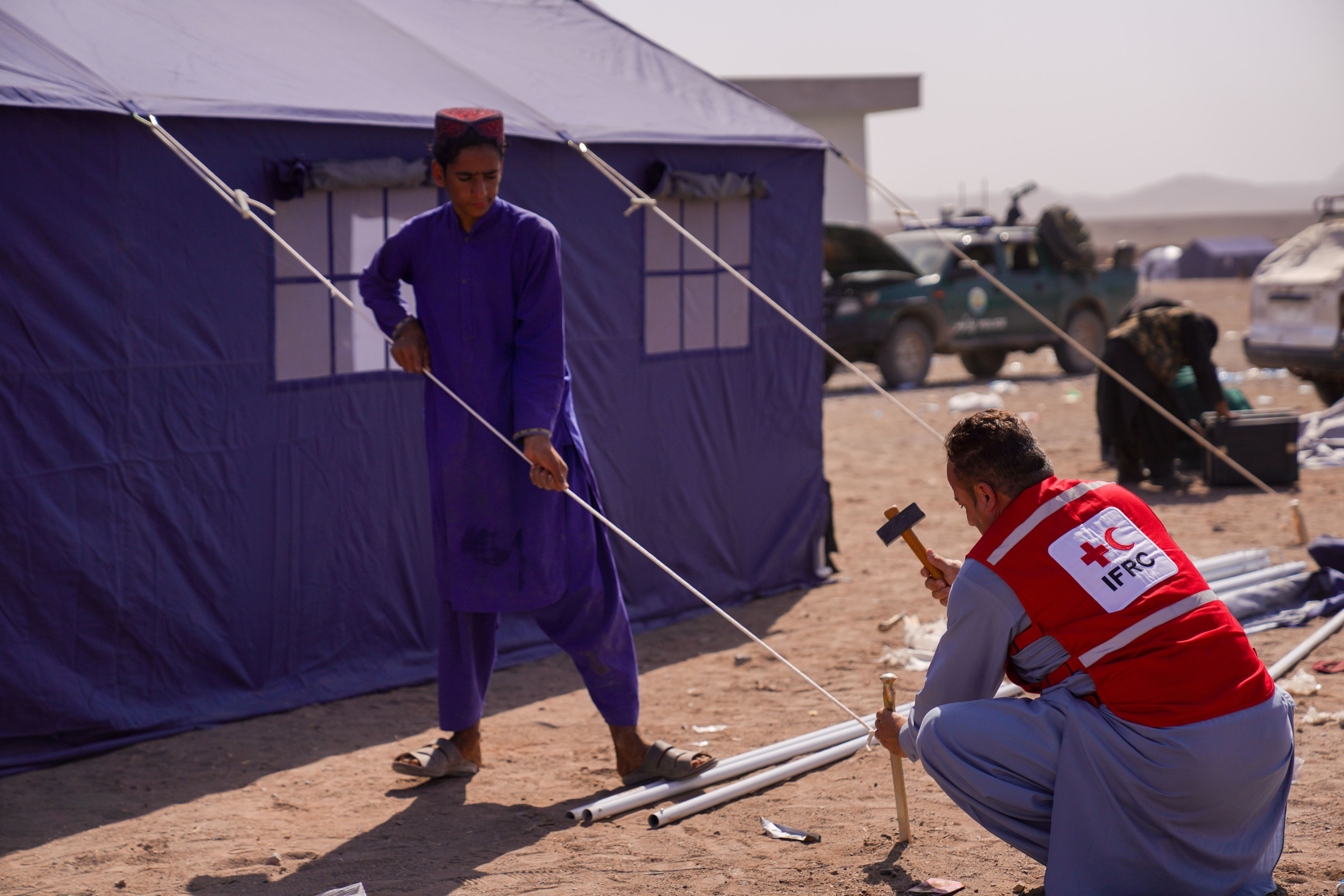
2. Increased support to strengthening National Societies
1. Launch IFRC-DREF Community of Practice, including training such as IFRC-DREF mentors training, peer to peer support, participation in reviews, lessons learned etc. The Community of Practice will draw on candidates from National Societies, partners and the IFRC Delegations that support them.
2. Hold regular discussion sessions, including webinars, brown bag sessions as well as targeted outreach across the regions and in the four IFRC languages, following the launch of the new IFRC-DREF procedures and guidelines, for National Societies and the Delegations, including technical sectors, and partners that support them to ensure that the changes in IFRC-DREF modalities and mechanisms are consolidated and clearly communicated and understood.
3. Expand the exchange programme deployments to cover critical periods while enhancing knowledge sharing and collaboration to boost operational effectiveness as well as facilitate continuous learning and innovation across the IFRC.
3. National Society ownership and trust
1. Establish the IFRC-DREF feedback process as a credible tool to inform decision making among IFRC teams and management, increasing the number of National Societies and IFRC staff addressing the surveys.
2. Establish the IFRC-DREF feedback box as a sustainable tool for users and partner National Societies and IFRC staff.
3. Set up a sustainable process to analyze, channel and visualize the collected feedback.
4. Enhancement of accountability of key actors linked with IFRC-DREF operation preparation, implementation and monitoring.
5. Compliance and accountability issues systematically collected and updated in Issue and Risk Register.
6. Launch of IFRC-DREF fast track review with initial allocation of 25% of the amount requested when the request and National Society are fully compliant.
7. Launch of the IFRC-DREF Advance Modality for National Societies requesting it.
8. Support direct engagement with National Societies, through consultation at the Red Cross and Red Crescent days at the Global and Regional Dialogue Platforms, via written feedback through the IFRC-DREF Feedback Process as well via the Communities platform, which allows for two-way communication as a way of promoting the new IFRC-DREF procedures and guidelines, as well as an opportunity to gather feedback and best practices from National Societies.
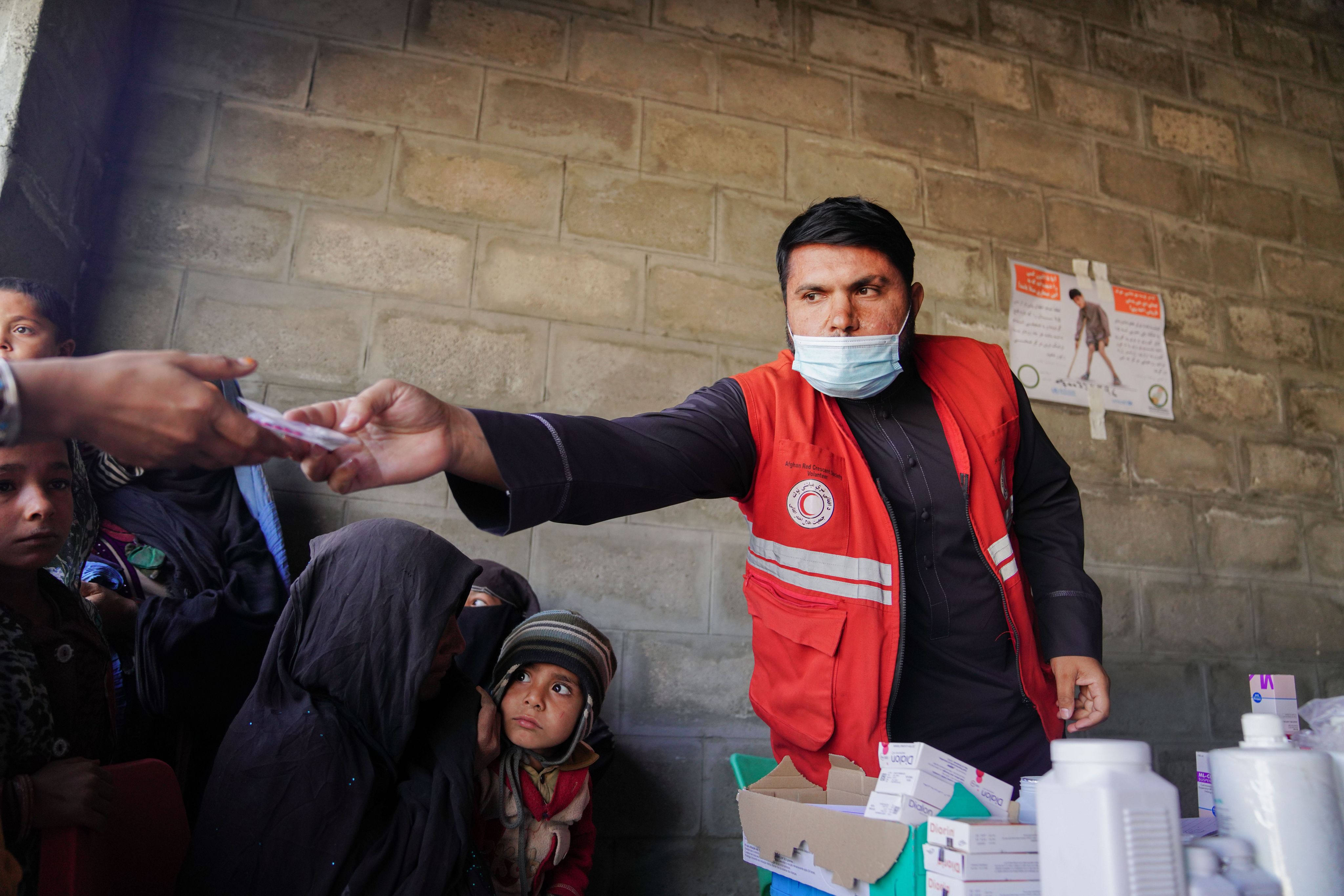
Within an hour [of arrival at the camp], the Afghan Red Crescent Society had brought us hot meals and provided a tent for our family. They also gave us a health screening and vaccinated my daughter. For the first time, I was able to rest — even if only briefly — under shelter.”
Salima, a returnee from Pakistan, who gave birth at the border and was supported by the Afghanistan Red Crescent and IFRC-DREF
Photo credits
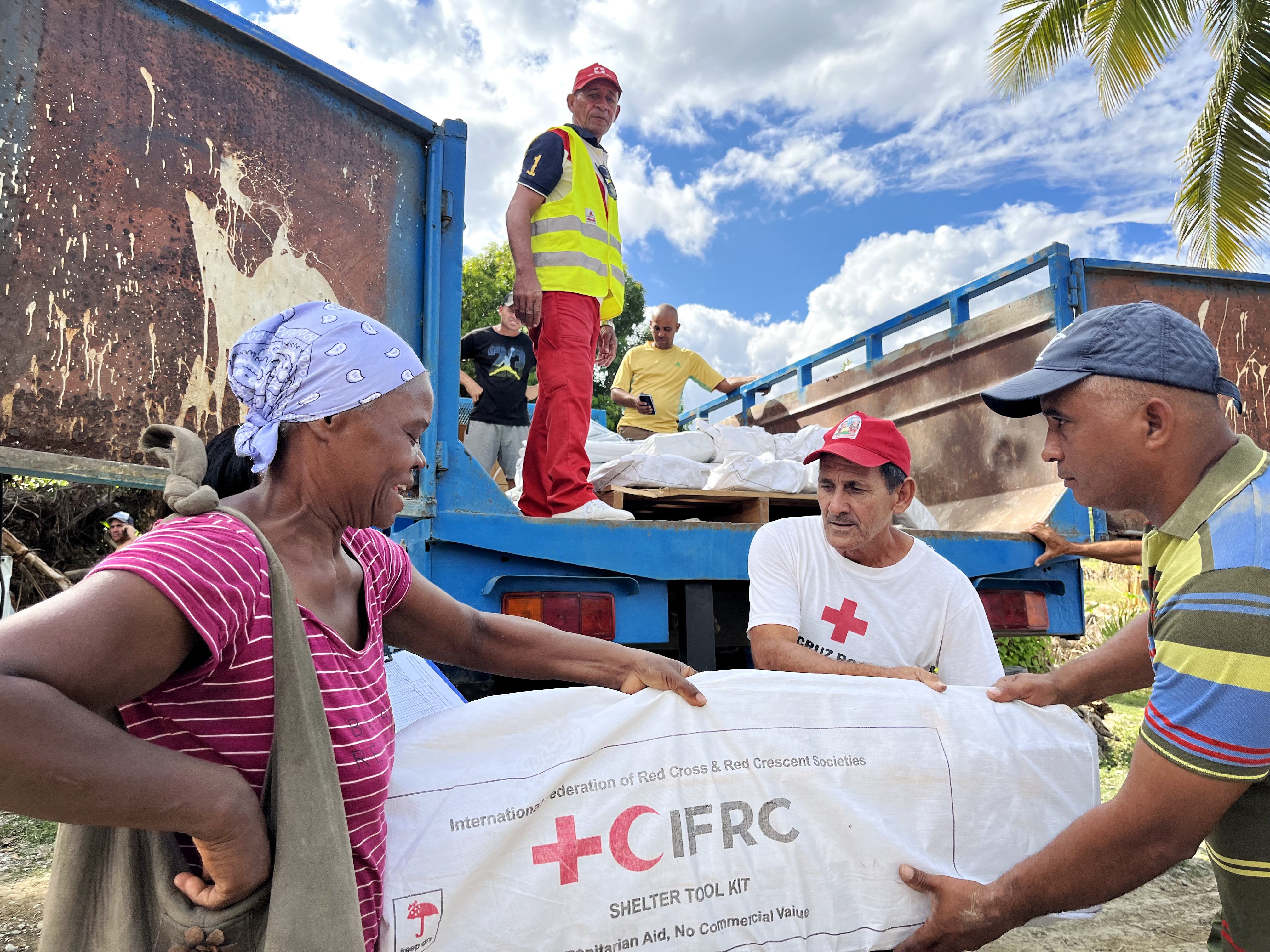
1. In Greece, Red Cross teams mobilize to support responders battling fires. © Hellenic Red Cross
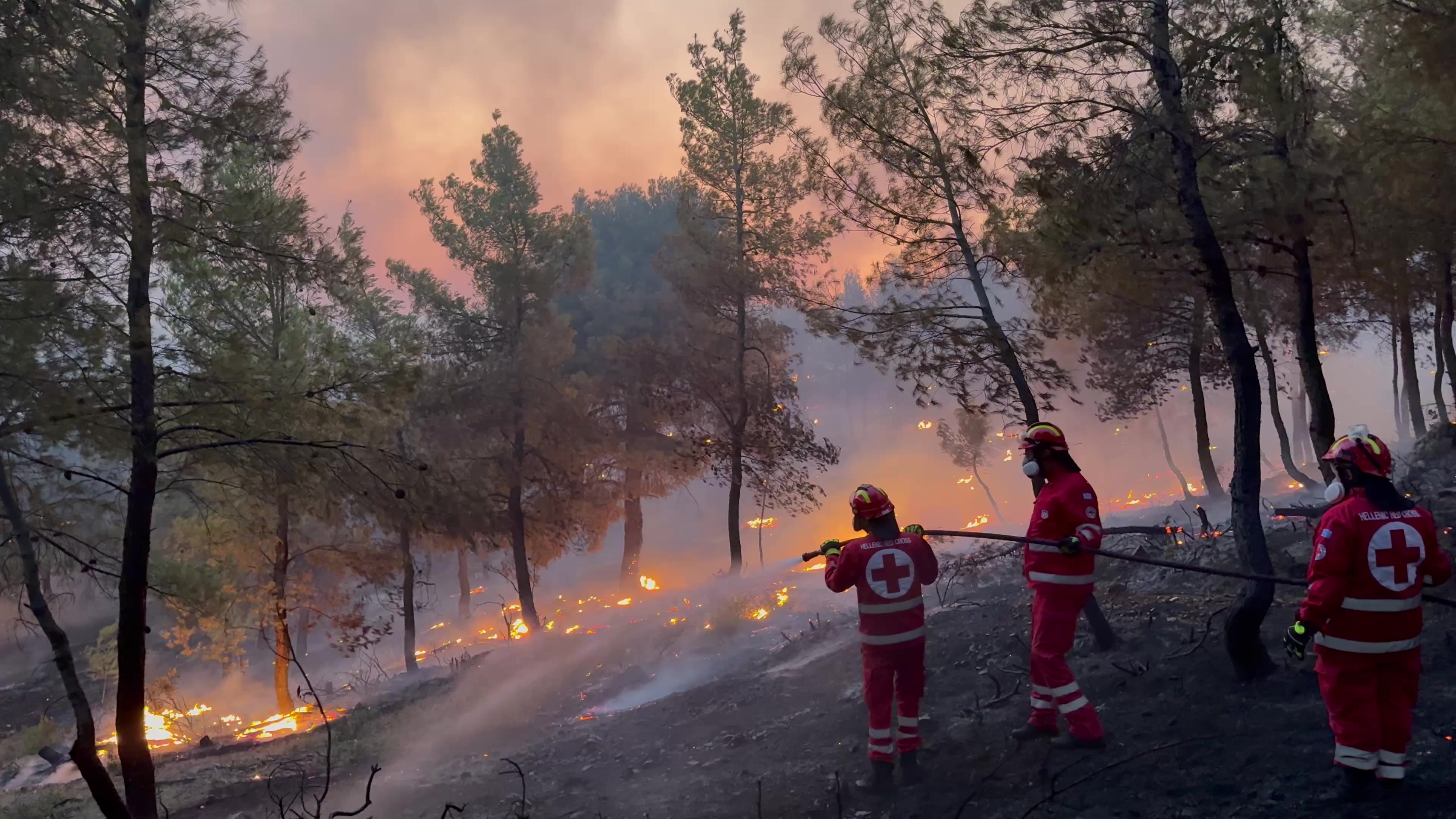
2. IFRC Secretary General Jagan Chapagain travelling to a disaster site in Indonesia. © IFRC
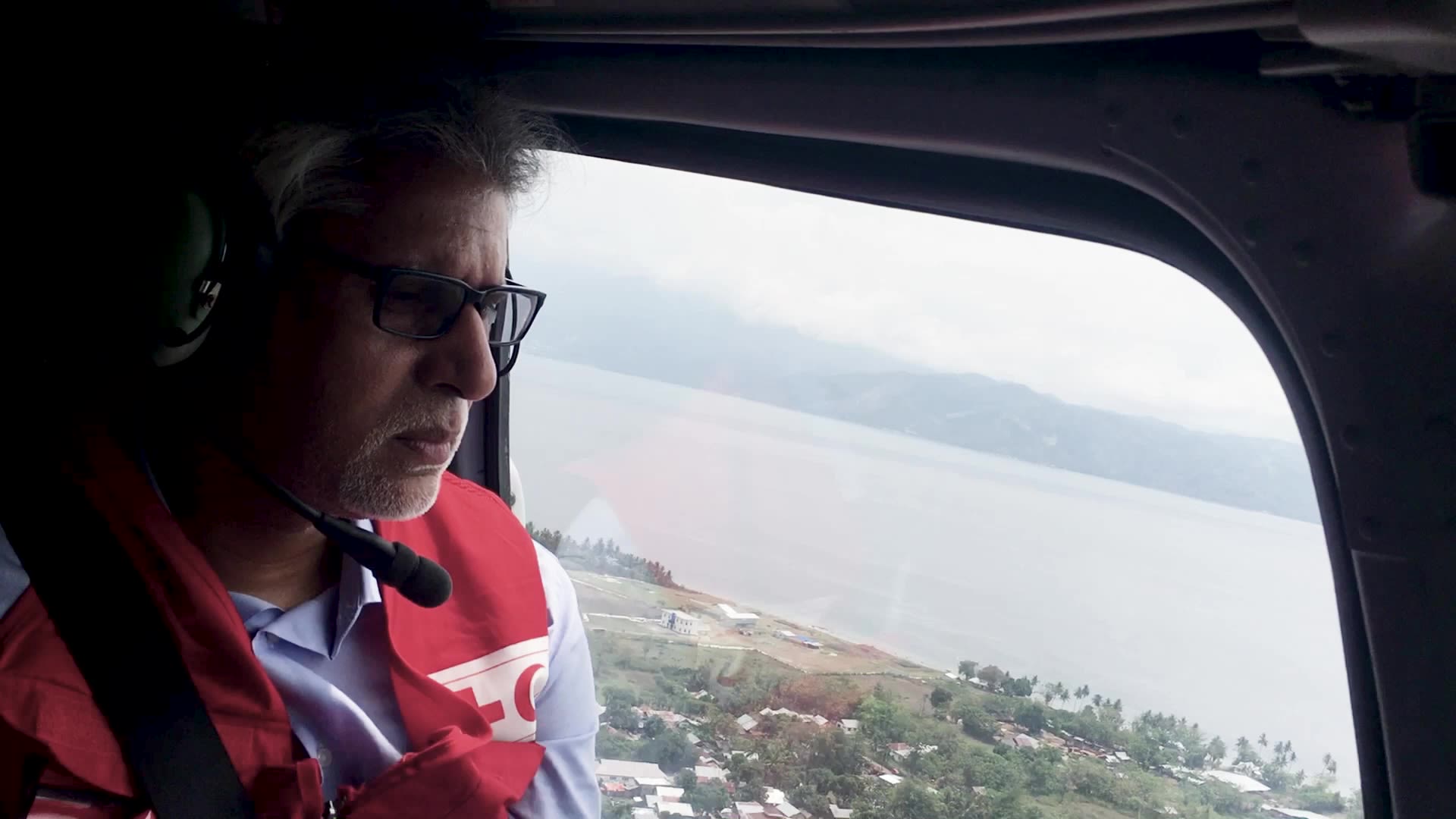
3. People affected by Hurricane Oscar receive aid provided by the Cuban Red Cross and IFRC. © IFRC
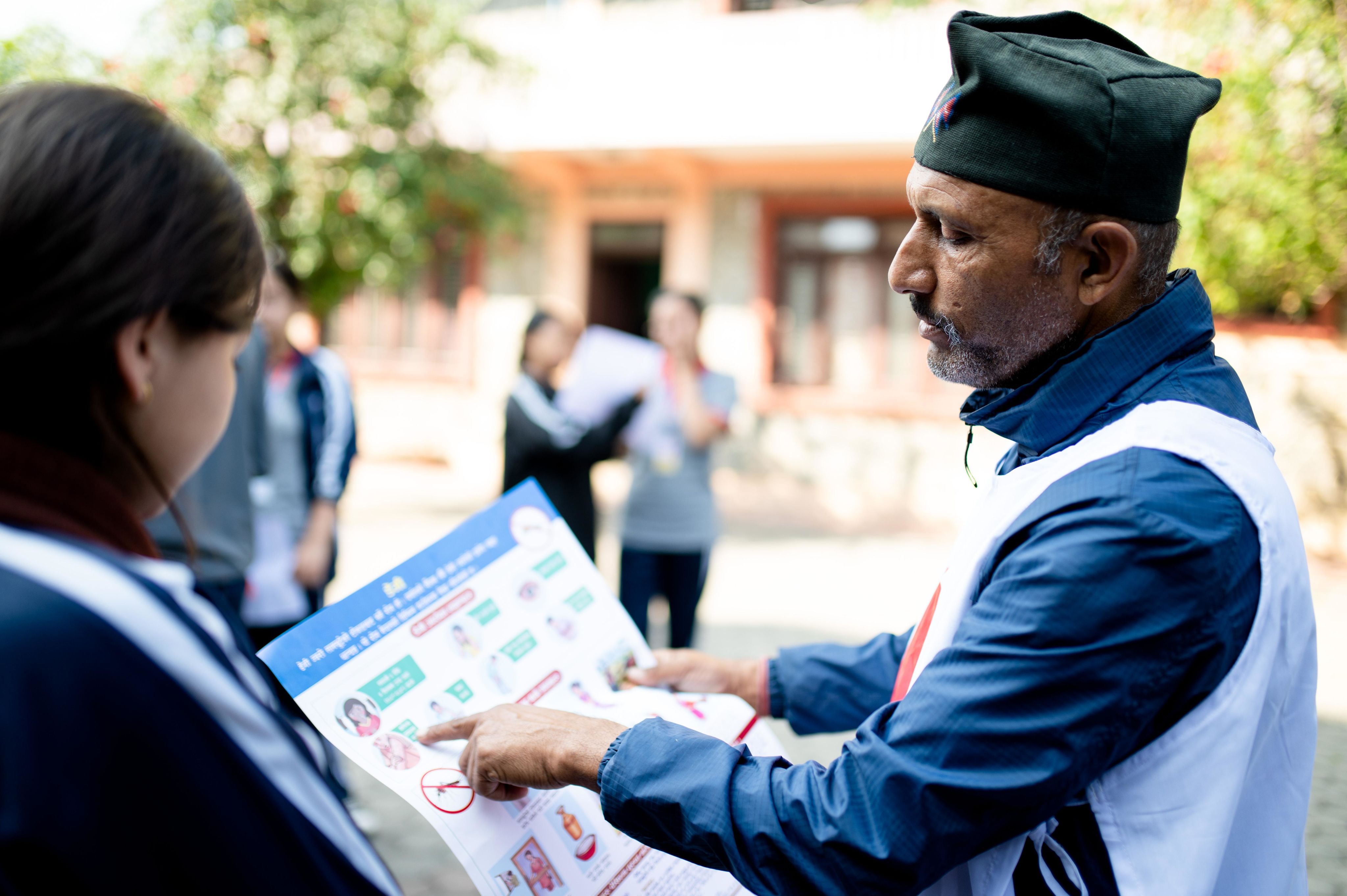
4. The Nepal Red Cross raising awareness of vector-borne disease prevention in at-risk communities. © IFRC
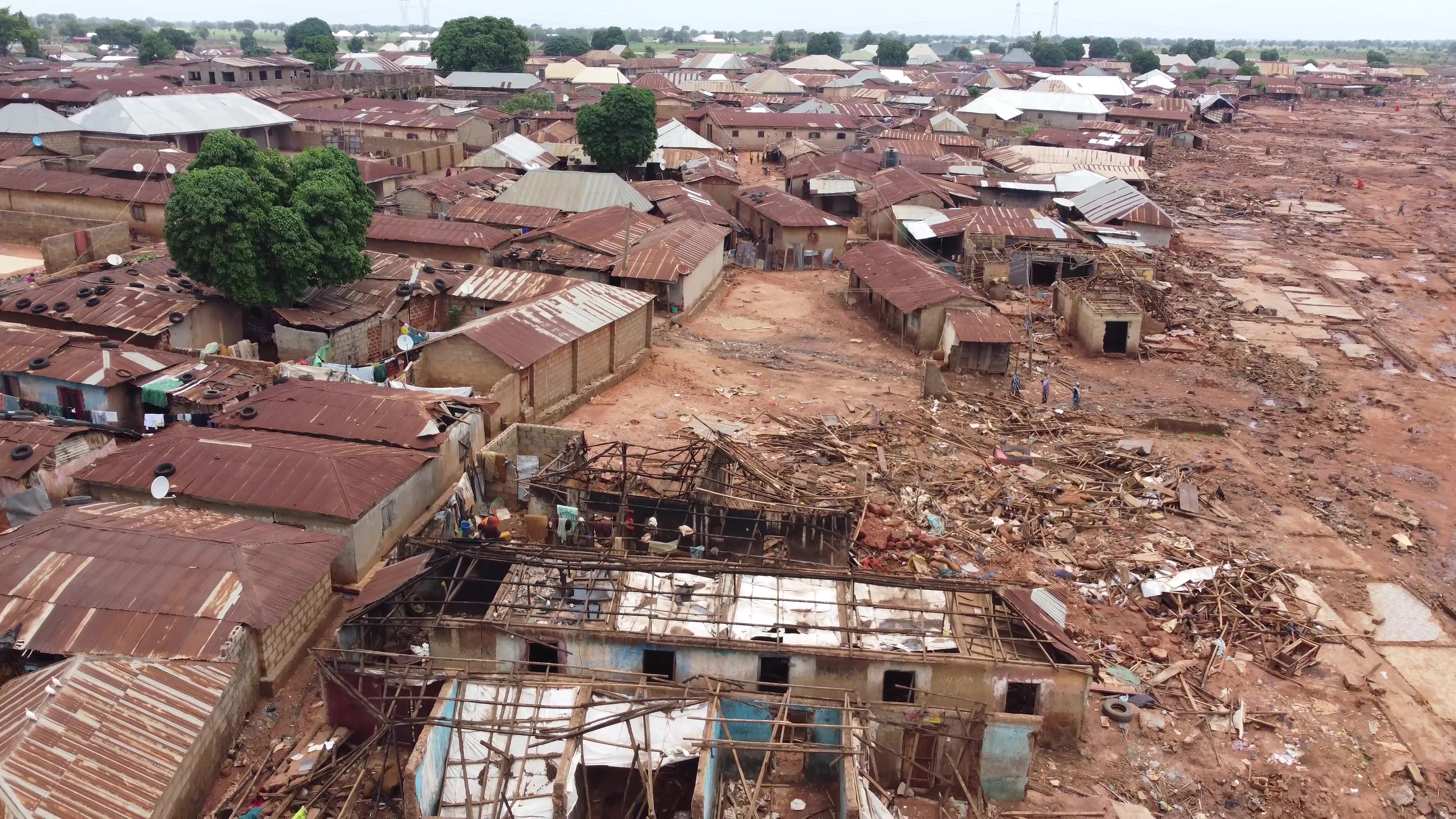
5. The aftermath of devastating floods in Mokwa Local Government Area in Niger State, Nigeria. © Nigerian Red Cross Society
6. Haiti, 1980. The response to Hurricane Allen was one of the first to receive support from the IFRC-DREF. © IFRC
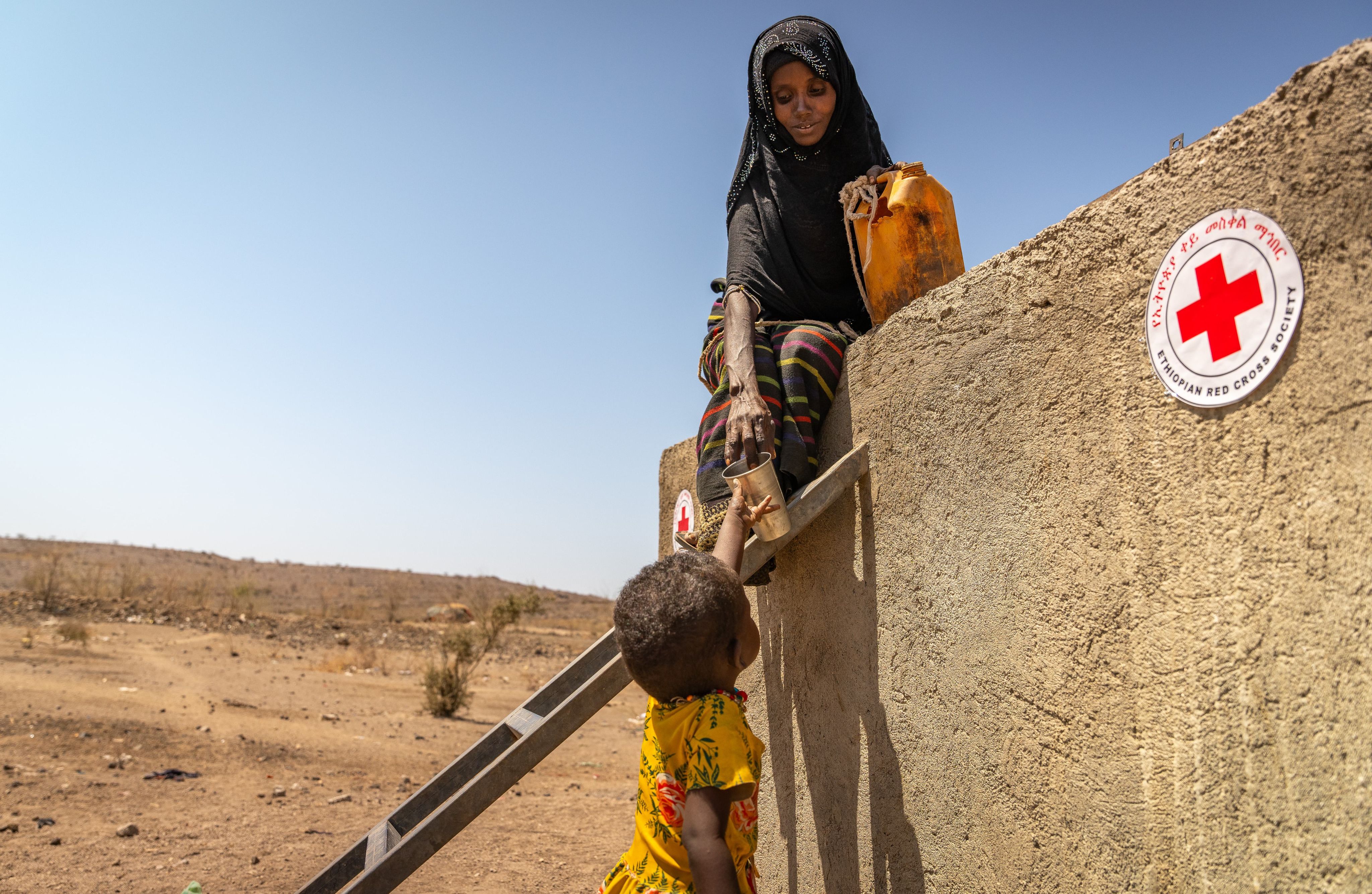
7. Rehabilitation of water sources in Shekoyta, a village in the Dubti district of Ethiopia. © Finnish Red Cross
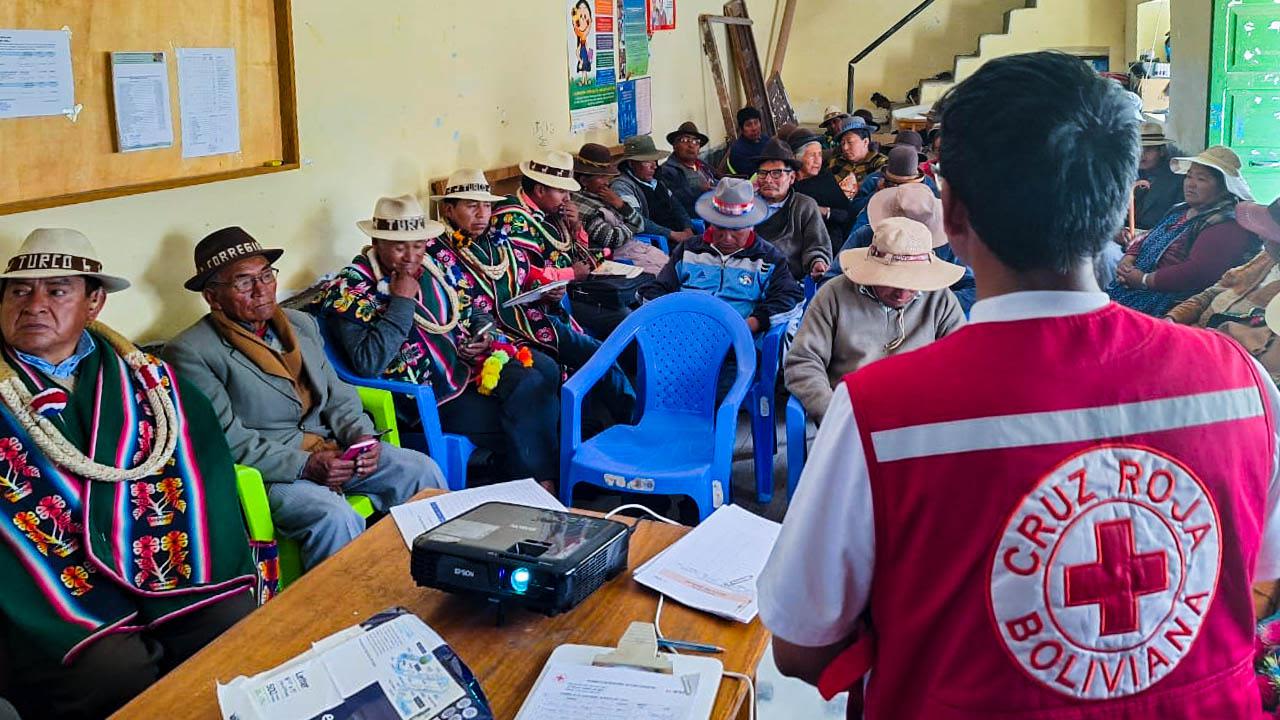
8. Consulting communities in the Gutierrez Lagunillas district of Bolivia. © Bolivian Red Cross
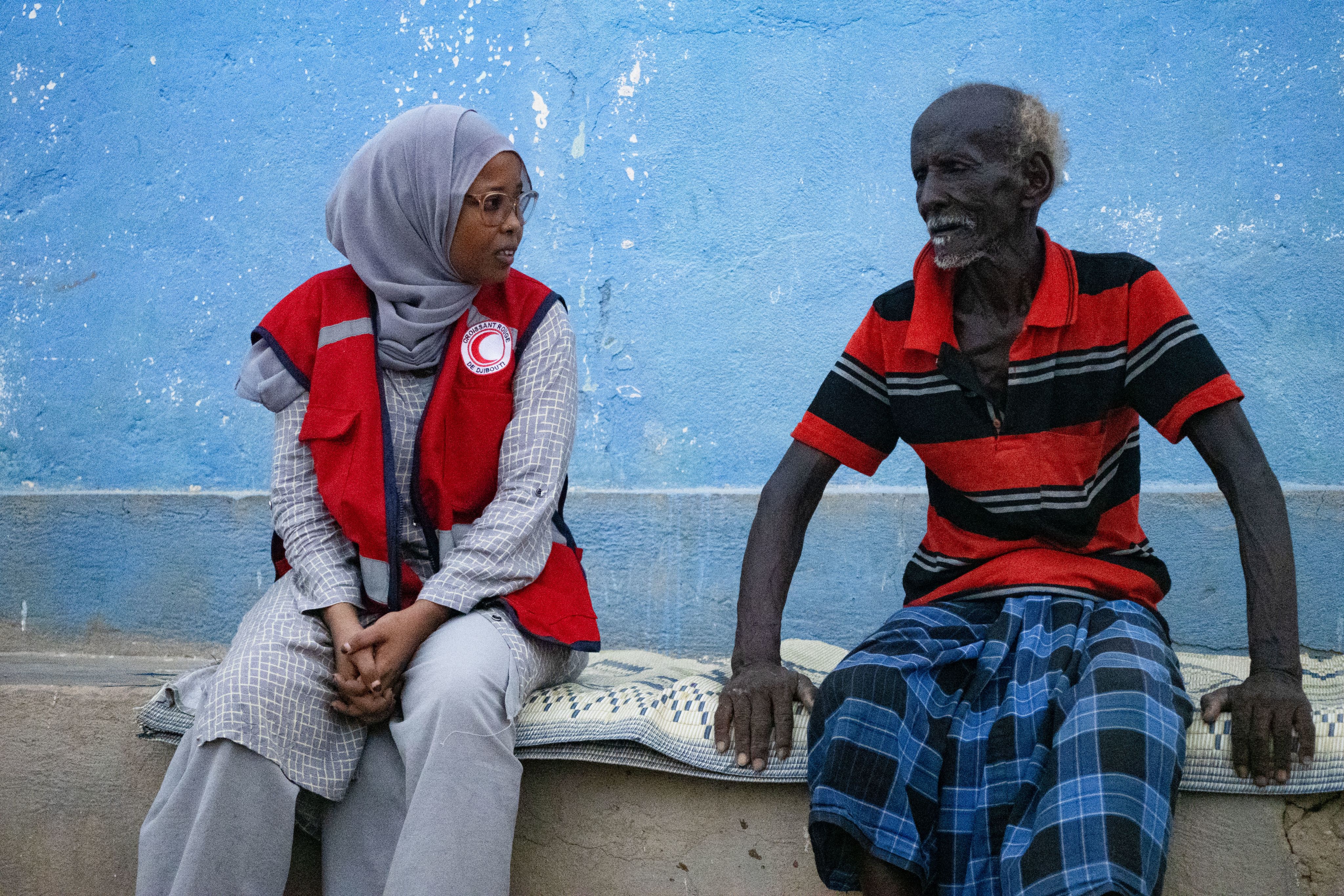
9. A Djibouti Red Crescent staff member speaks to a man supported by cash distribution in Chekyeti, south-western Djibouti. © IFRC
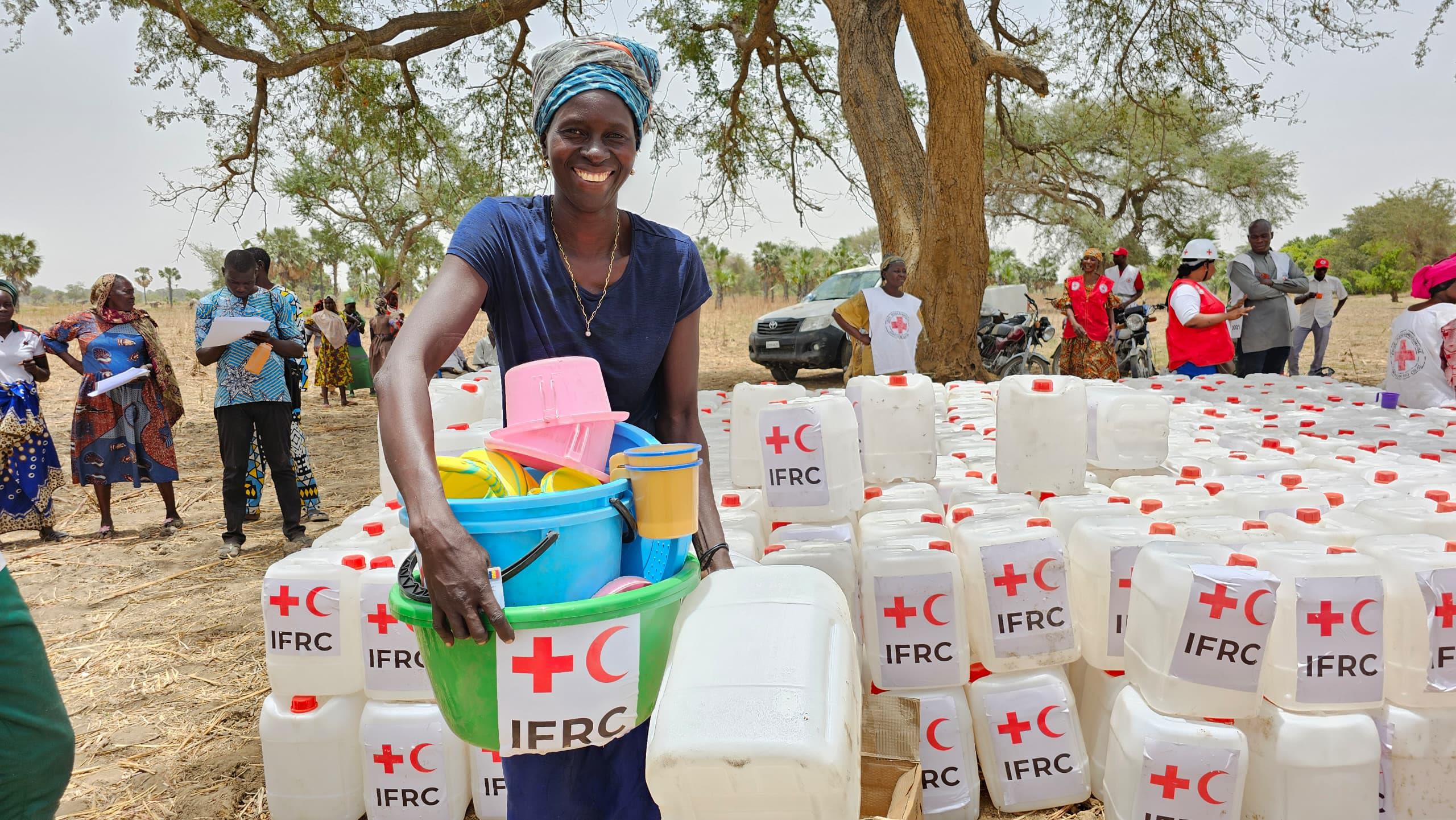
10. Distribution of water, sanitation and hygiene kits to people in need in Cameroon’s Far North Region. © IFRC
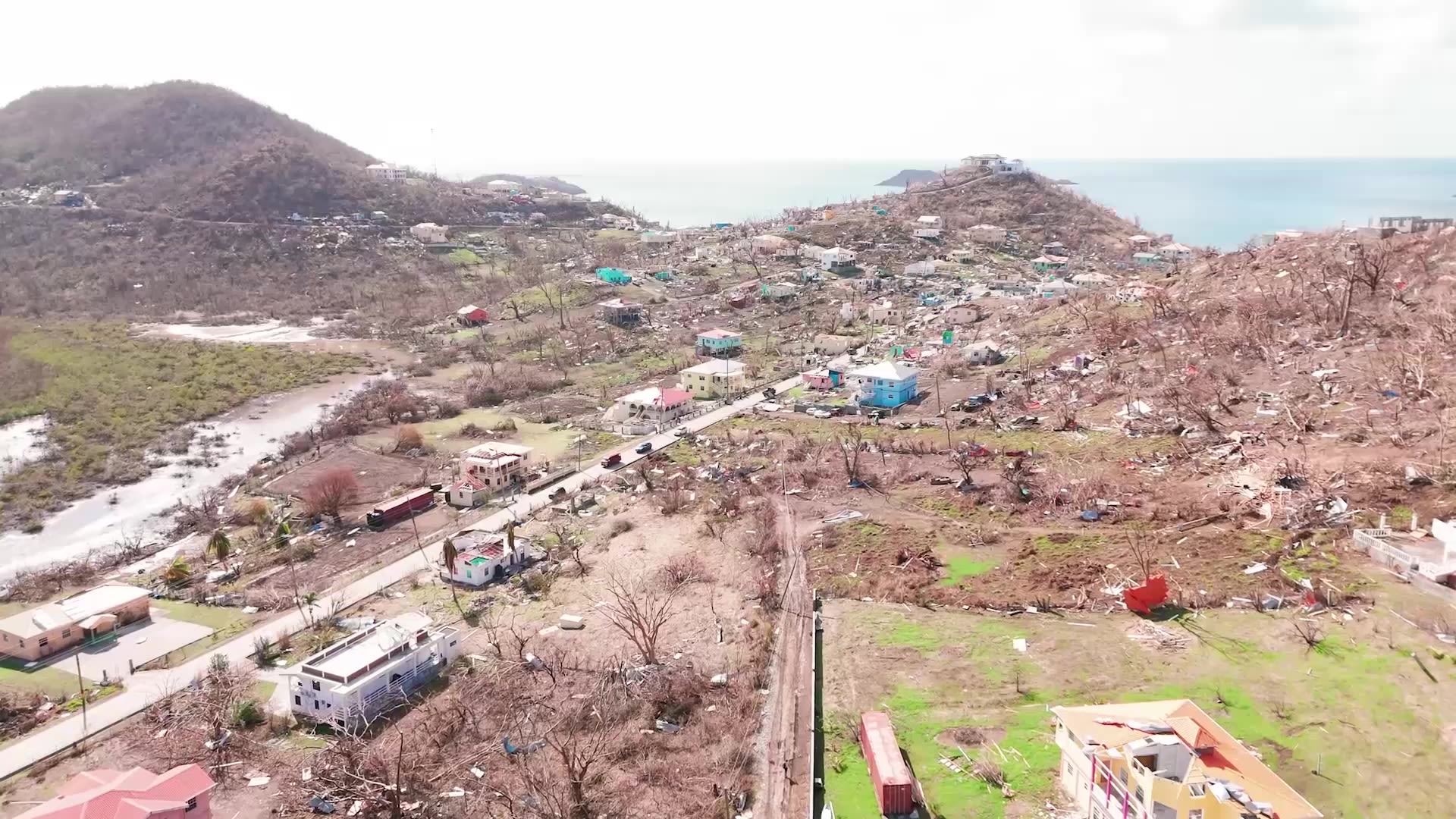
11. Drone footage shows the aftermath of Hurricane Beryl in Grenada. © Floyd Robison/Grenada Red Cross
12. Iranian Red Crescent teams work to improve water supplies for communities affected by drought. © Iranian Red Crescent Society
13. A Hellenic Red Cross volunteer helps to keep communities safe from wildfires near Athens, Greece. © Hellenic Red Cross
14. Edgardo, who survived with his family after Super Typhoon Carina hit the Philippines. © IFRC
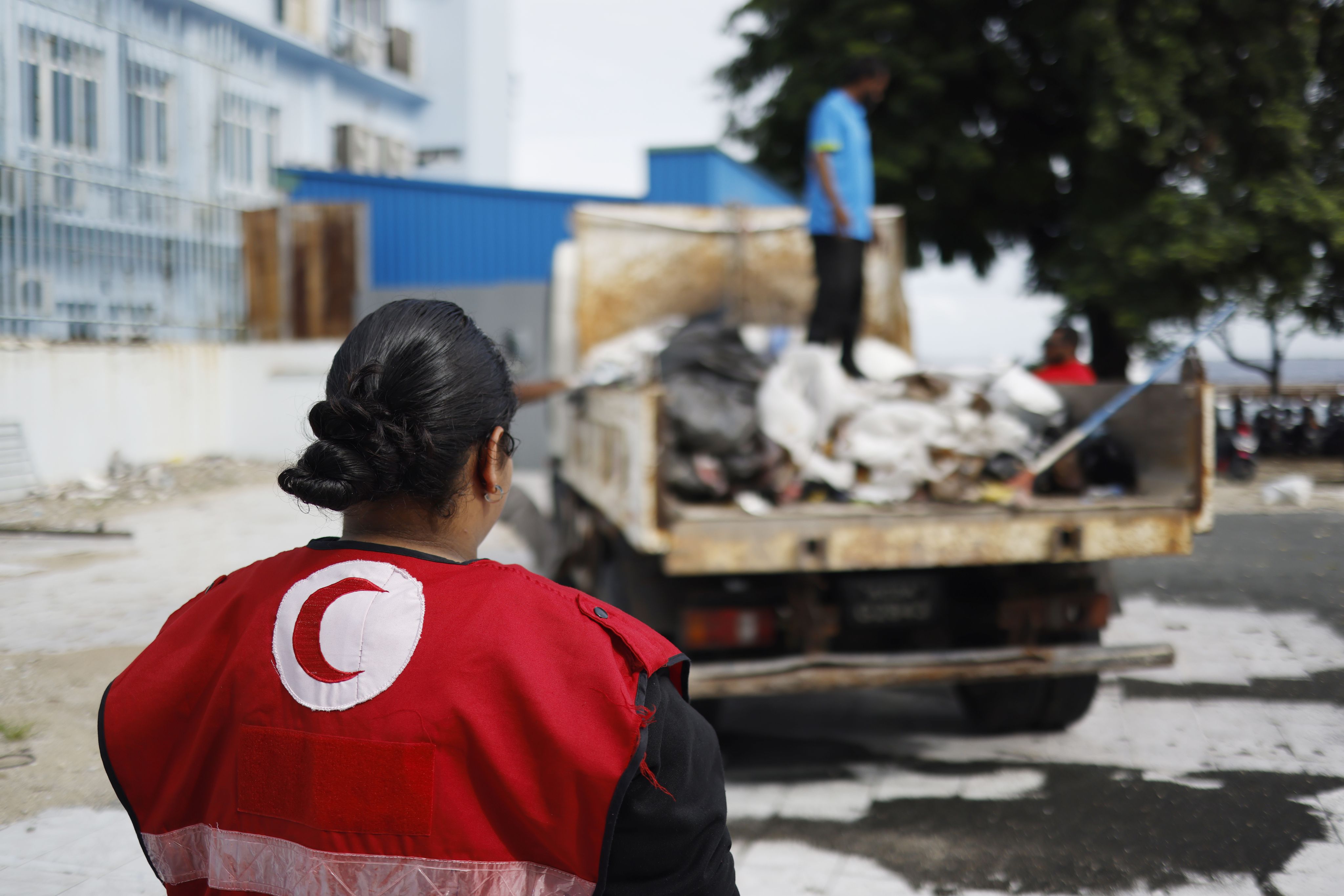
15. In the Maldives, the National Society responds to an outbreak of filariasis in the country by tackling mosquito breeding sites. © Maldivian Red Crescent Society
16. Iranian Red Crescent Society teams provide services to people affected by snowstorms across 25 provinces. © Iranian Red Crescent Society
17. Cirilia, a farmer from Belize, who was supported after drought and wildfires. © IFRC
18. The Mongolia Red Cross Society supporting traditional herders affected by dzud. © Mongolia Red Cross Society
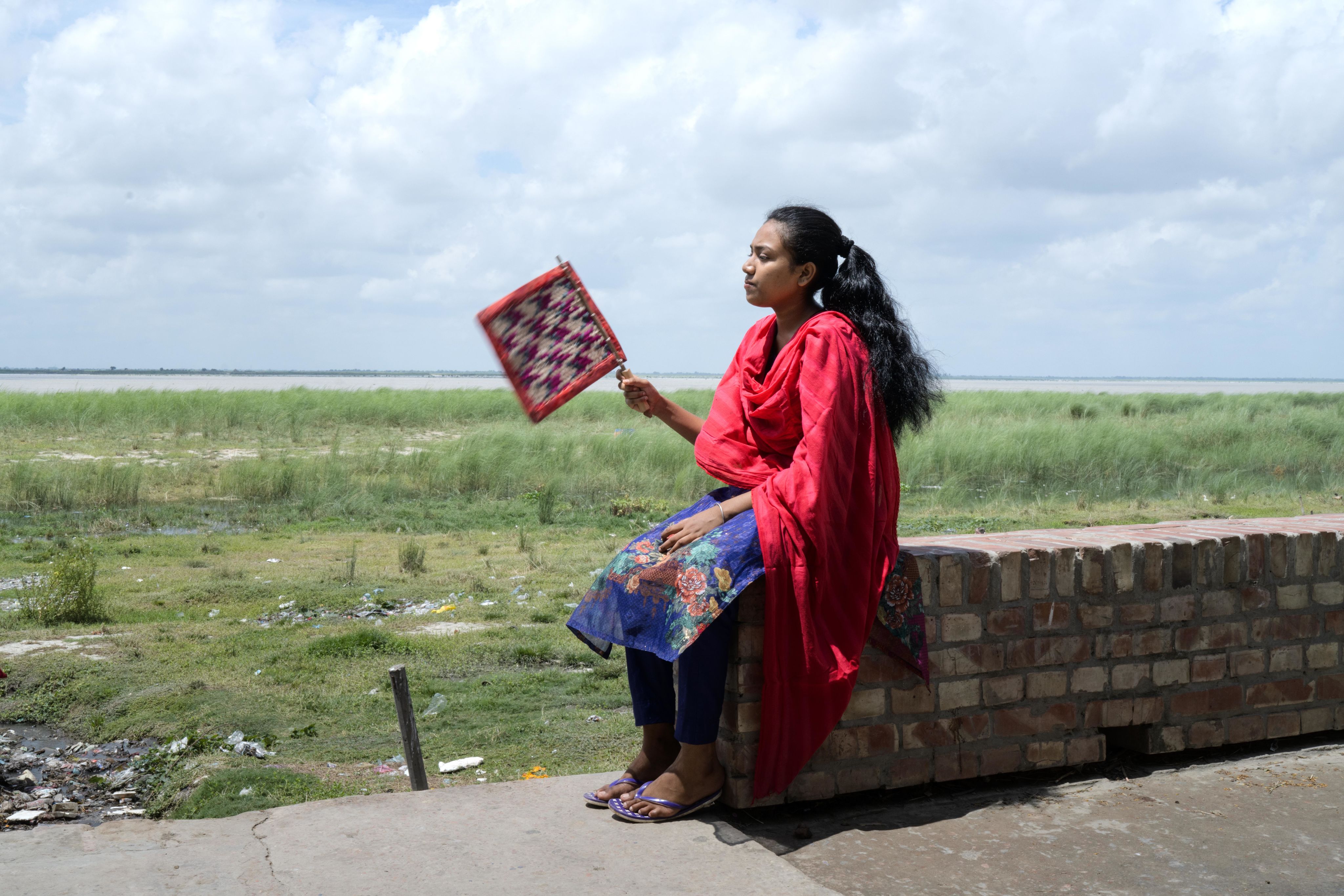
19. A woman affected by heatwaves tries to keep cool in Rajshahi, Bangladesh. © IFRC
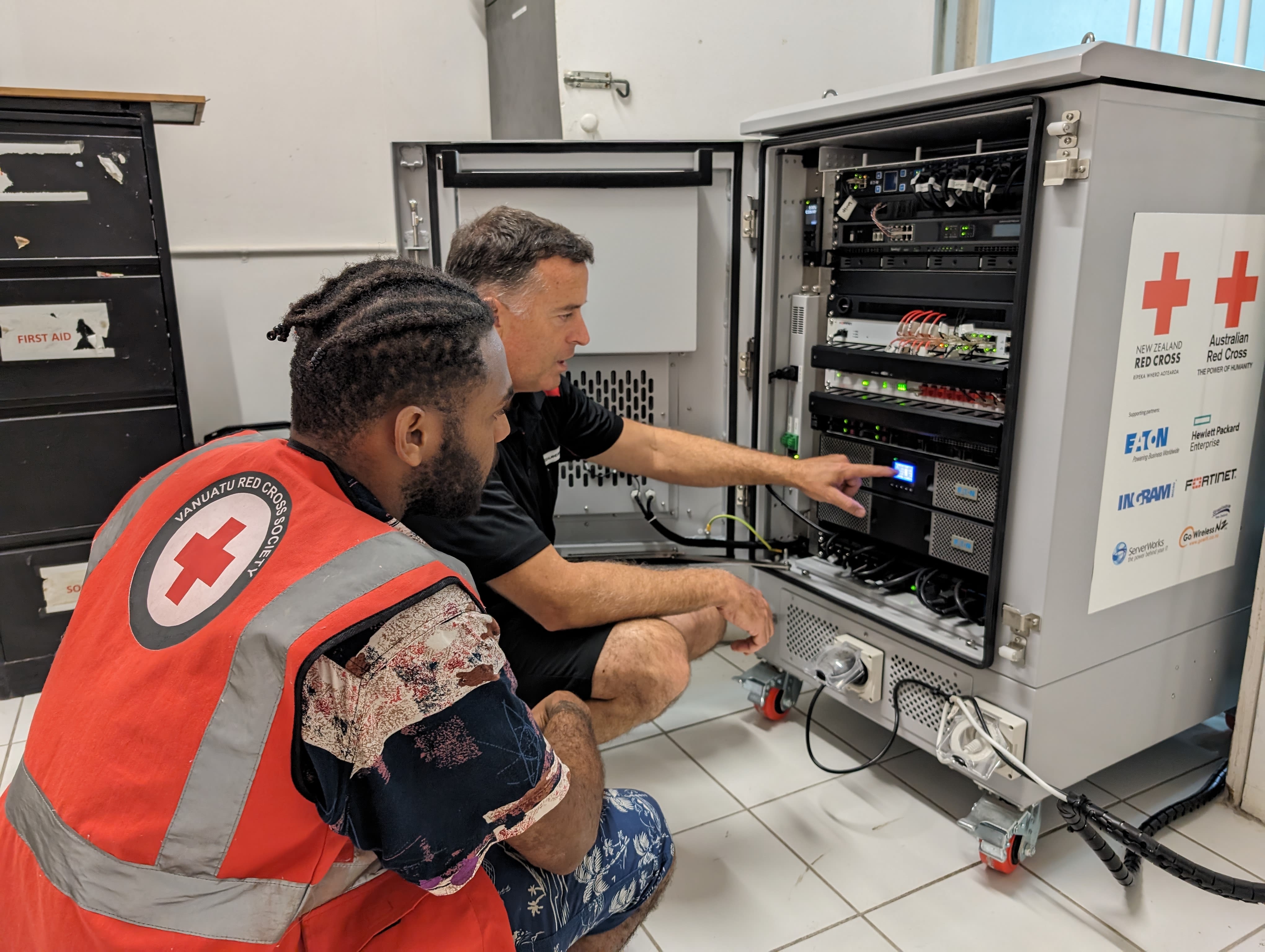
20. New Zealand Red Cross supporting Vanuatu Red Cross staff following the 2024 earthquake. © New Zealand Red Cross Society
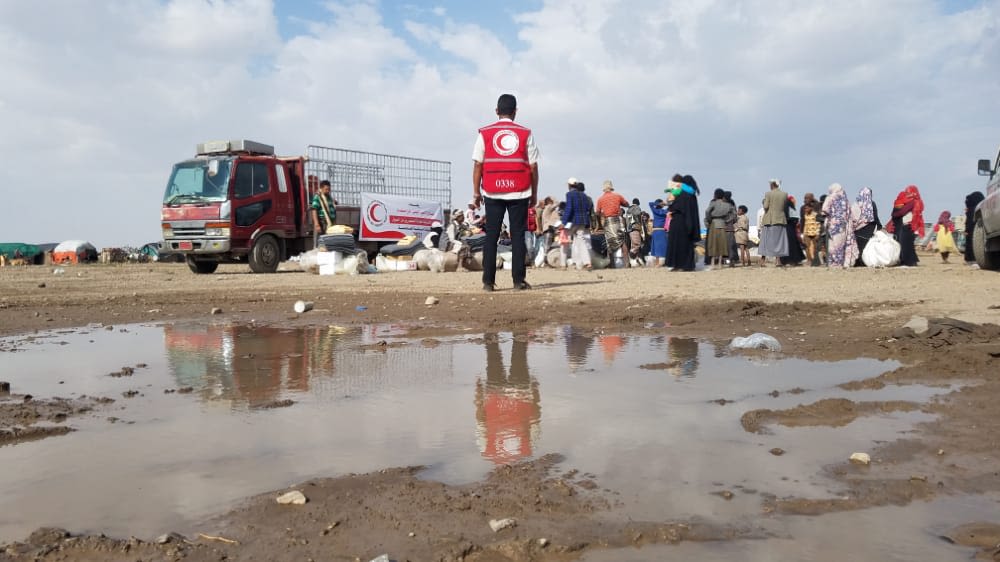
21. The Yemen Red Crescent Society supporting communities following heavy flooding in the country. © Yemen Red Crescent Society
22. IFRC and Mongolia Red Cross teams visit herder families recovering from the dzud. © Dash-Ochir Sukhbaatar/Mongolia Red Cross Society
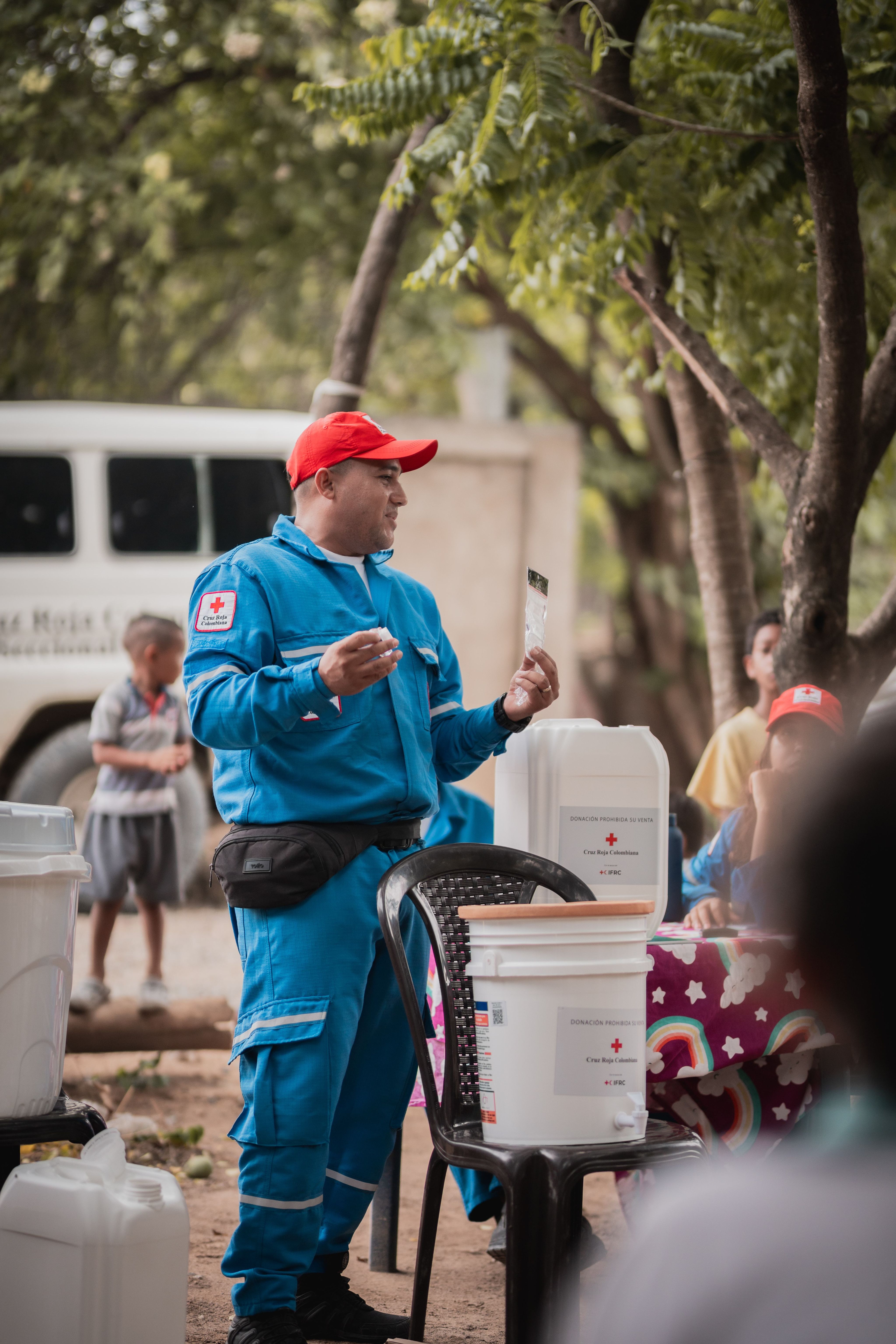
23. The Colombian Red Cross delivers water treatment and storage kits, and food supplies, to communities in Riohacha following flooding. © Colombian Red Cross
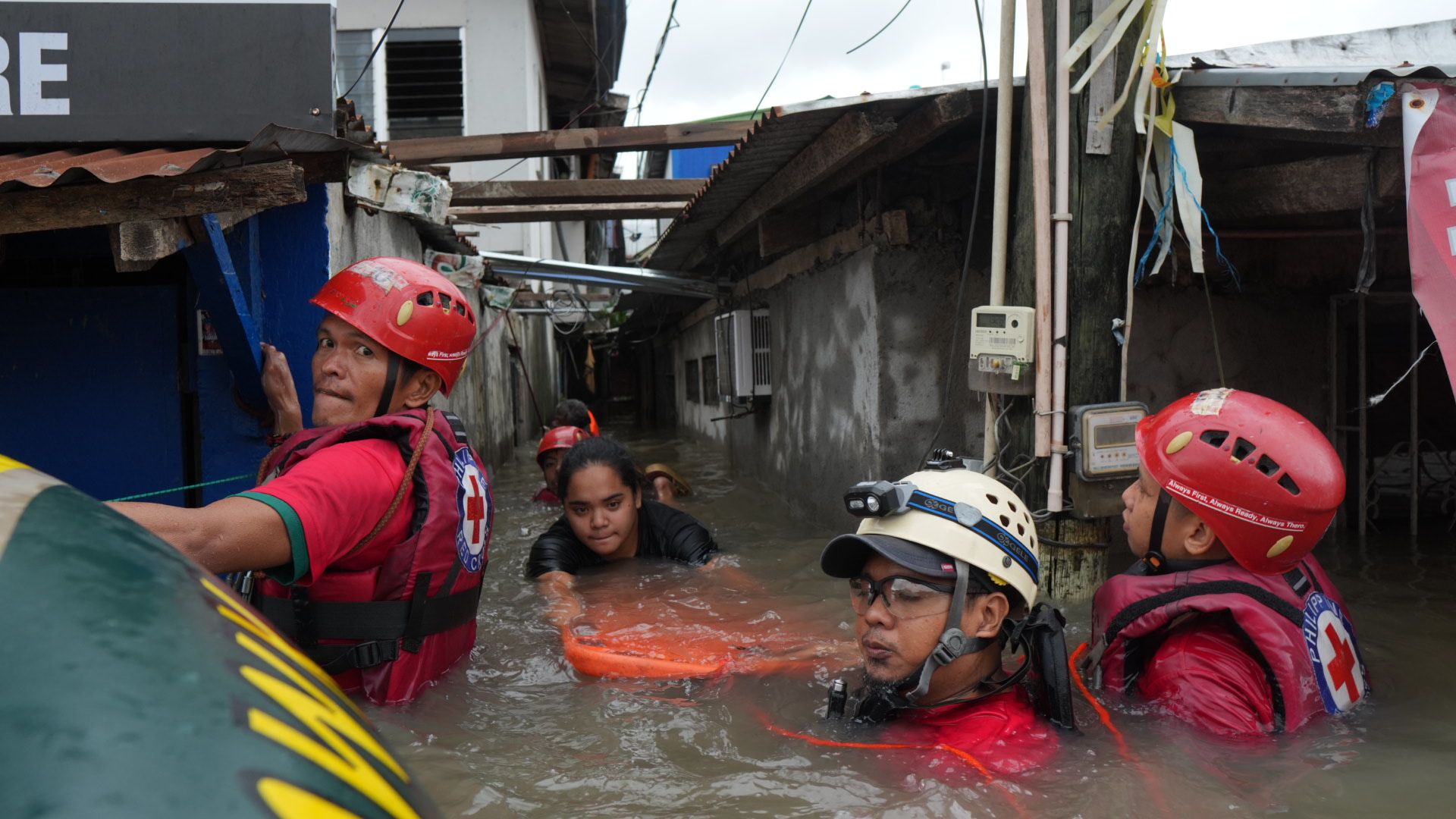
24. Philippine Red Cross teams rescue people affected by Severe Tropical Storm Kristine. © Philippine Red Cross
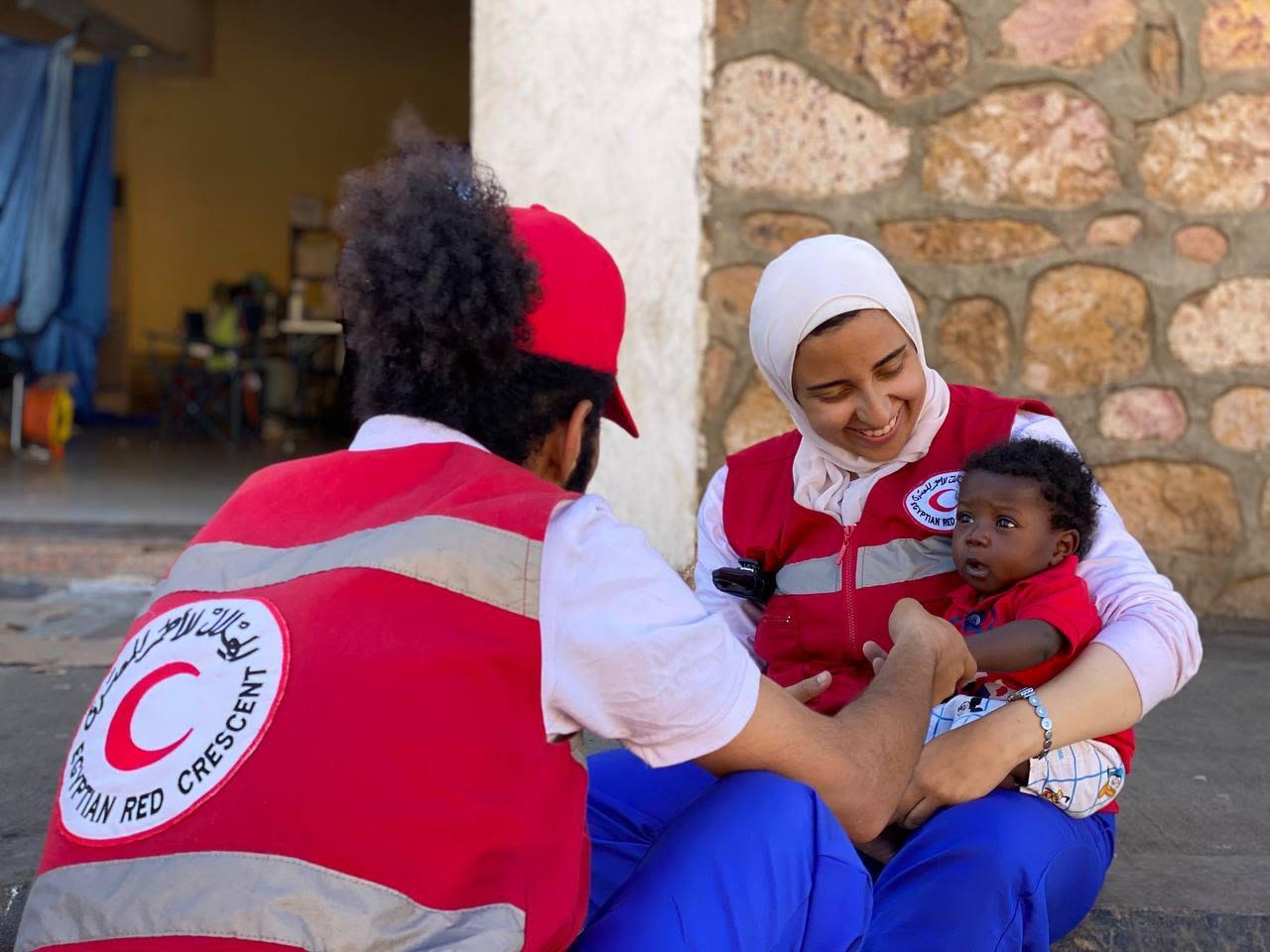
25. Egyptian Red Crescent volunteers are supporting people – of all ages – who fled the conflict in Sudan. © Egyptian Red Crescent Society
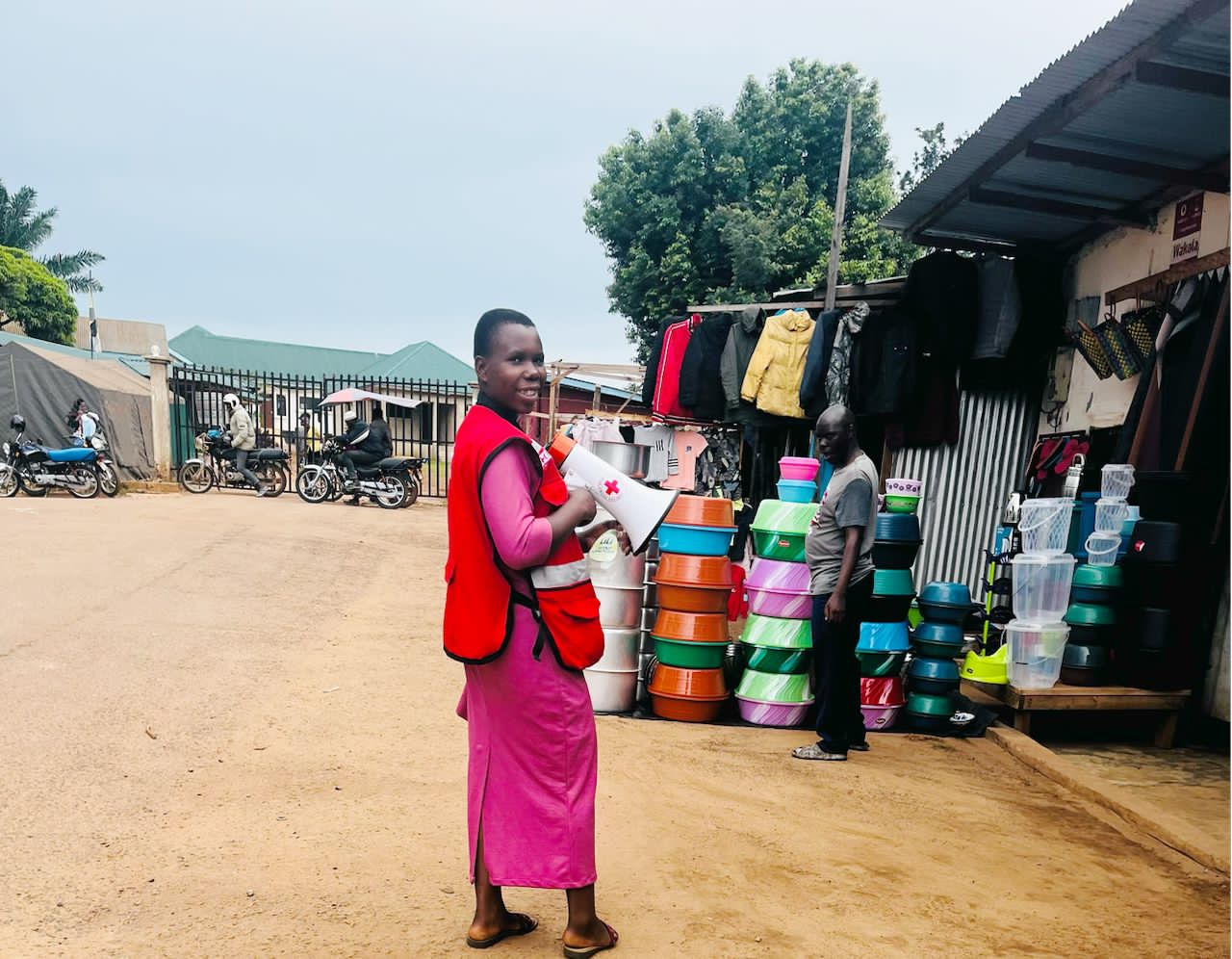
26. A Tanzania Red Cross volunteer raising community awareness of epidemic prevention in Bukoba, Urban. © Tanzania Red Cross Society
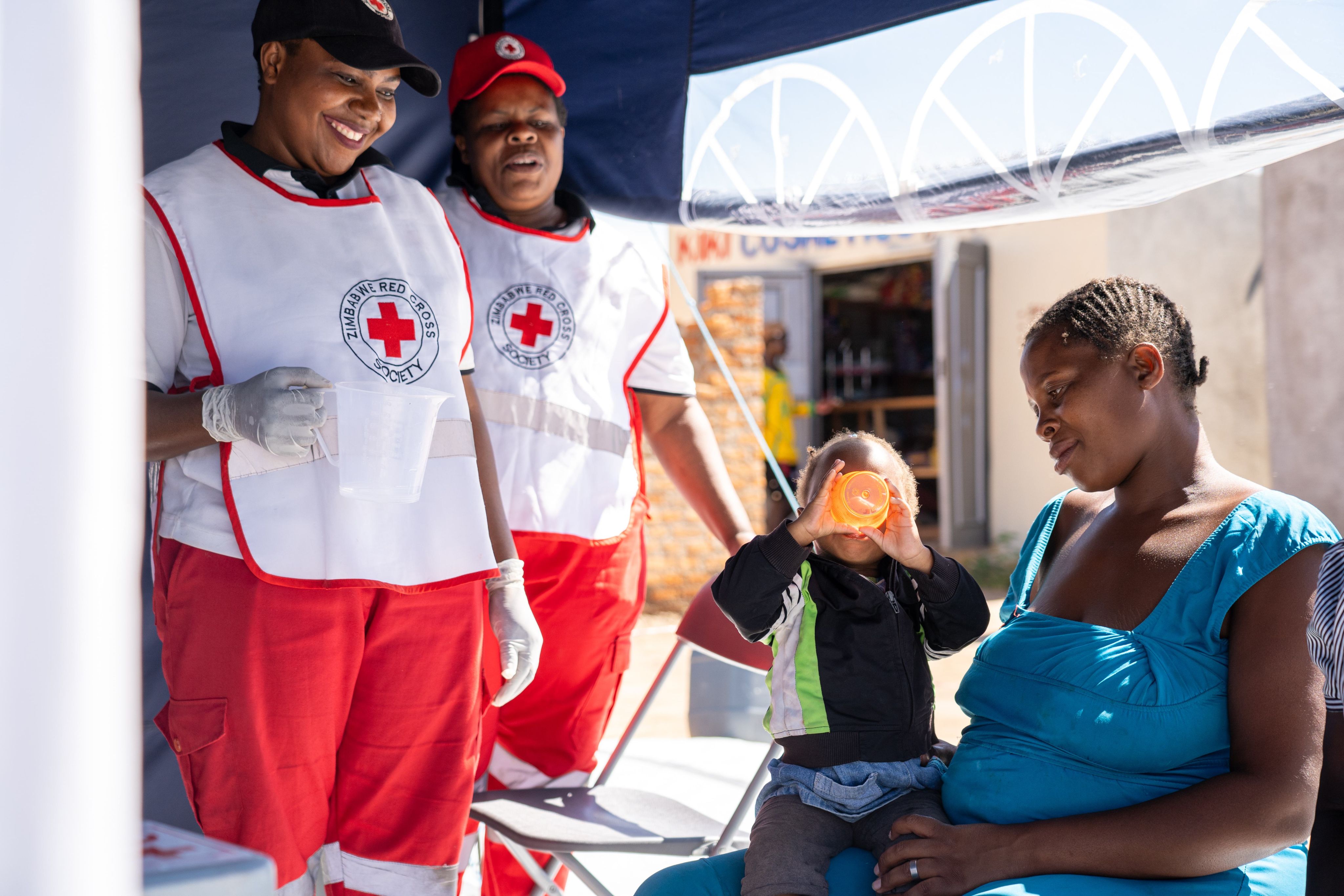
27. Two-year-old Mirriam receives oral rehydration solution at a Zimbabwe Red Cross oral rehydration point in Hopley, Harare. © Finnish Red Cross
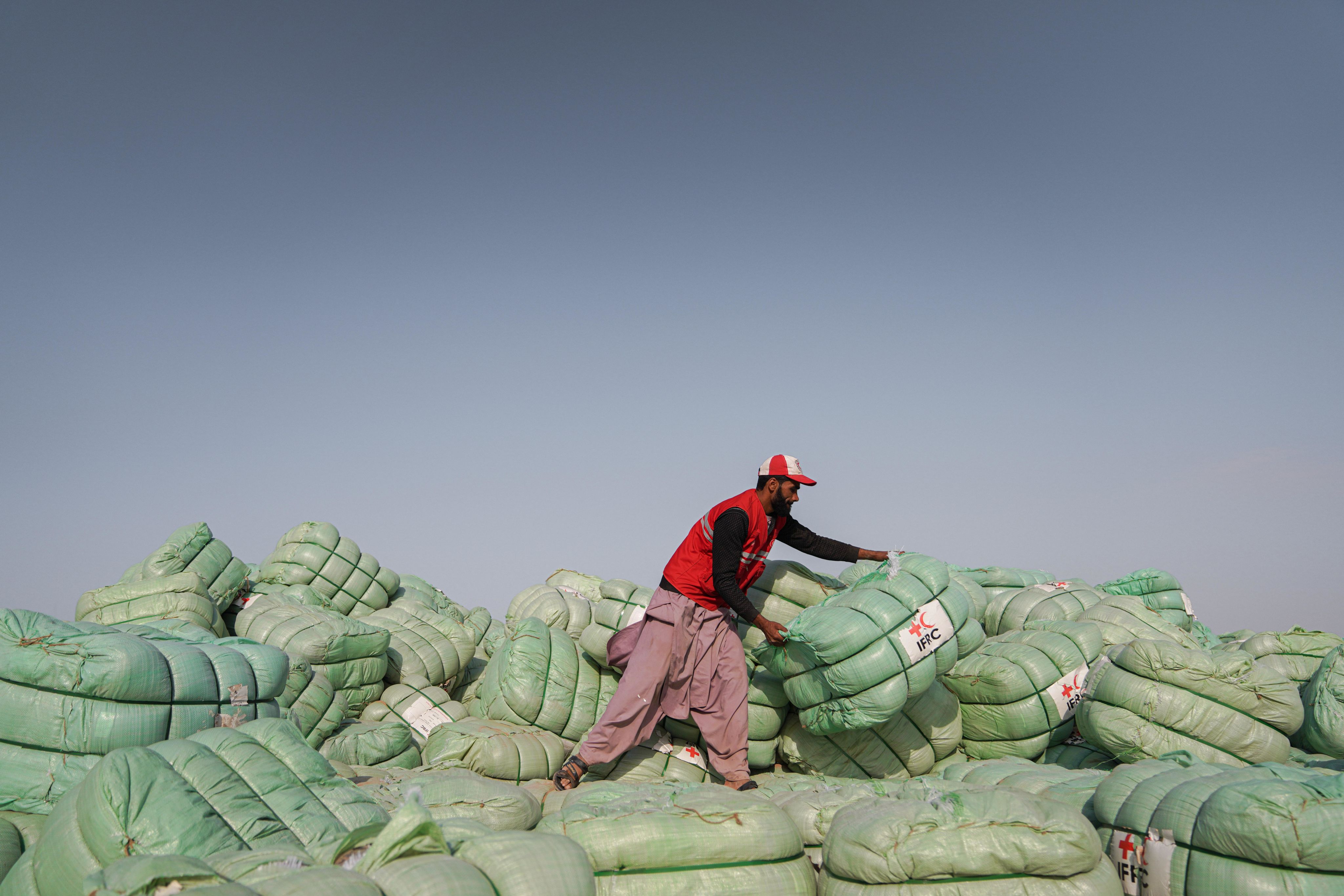
28. Afghan Red Crescent Society teams preparing relief and recovery materials for people affected by earthquakes in the country. © IFRC
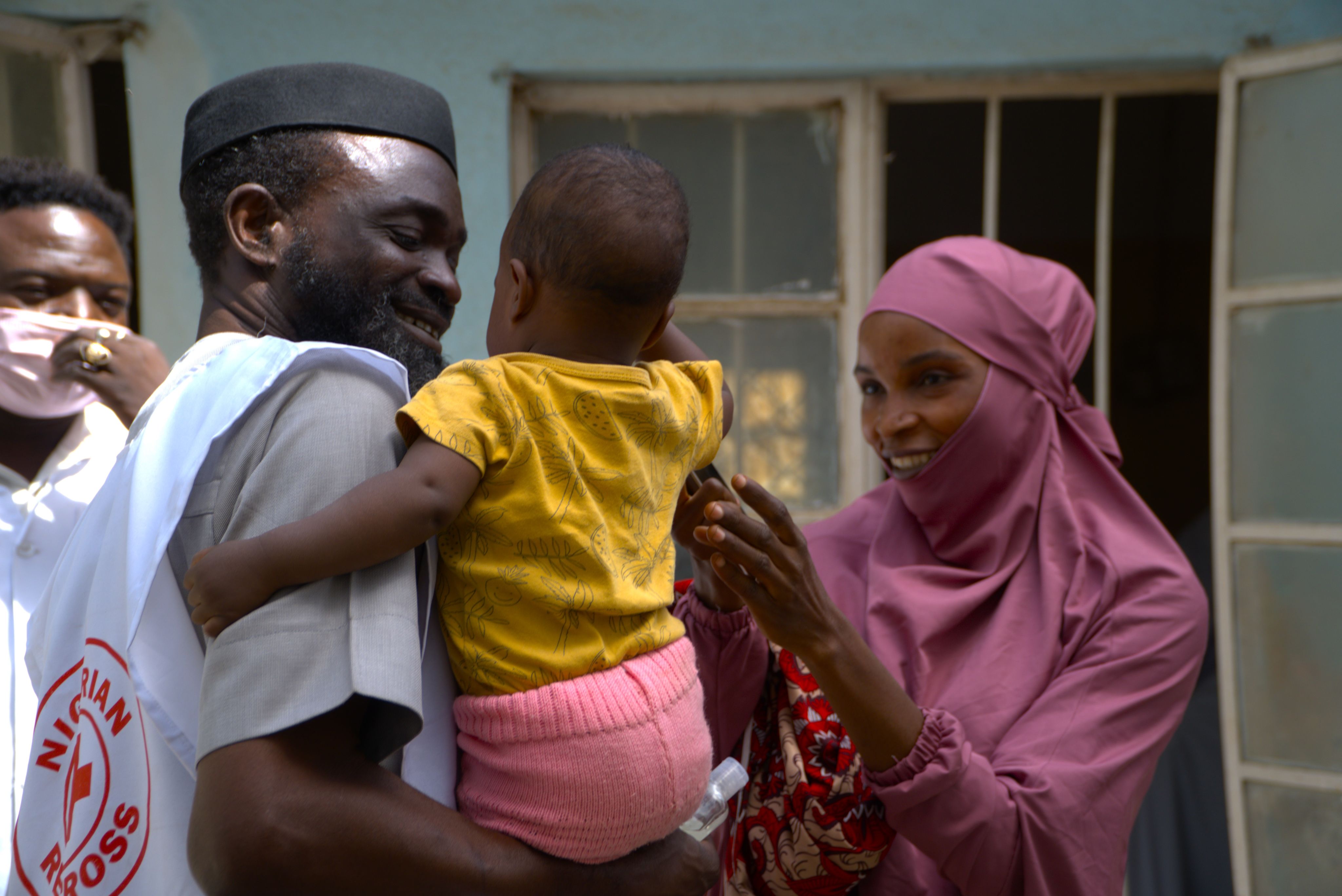
29. Salisu, health coordinator at Nigeria Red Cross Society's Kano branch, with community members. © IFRC
30. Devastation caused by Storm Daniel in the port city of Derna, eastern Libya. © IFRC
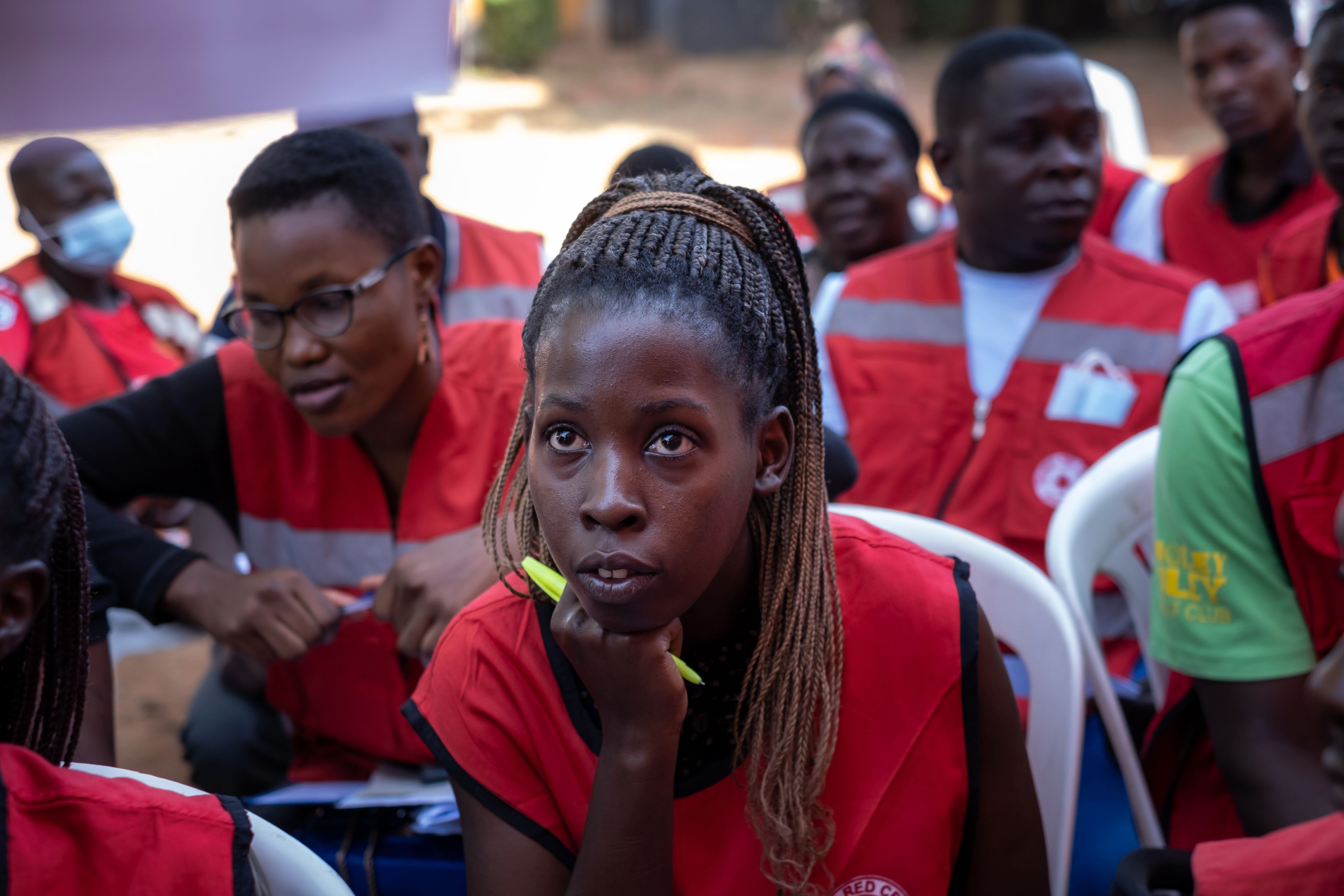
31. Uganda Red Cross volunteers are briefed on upcoming community health activities. © Badru Sultan Katumba/Uganda Red Cross Society
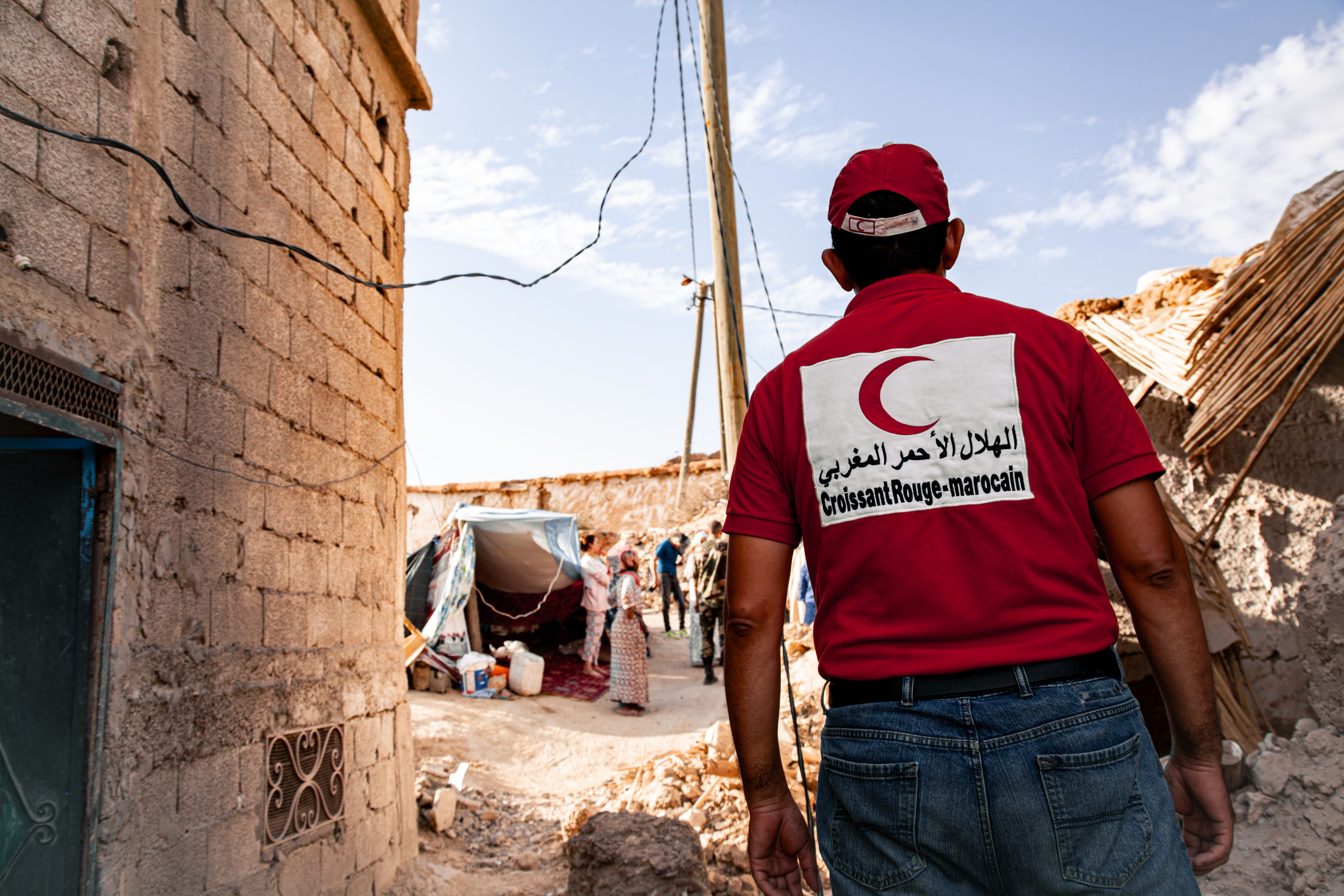
32. Moroccan Red Crescent teams assess the widespread damage in the aftermath of the September 2023 earthquake. © IFRC
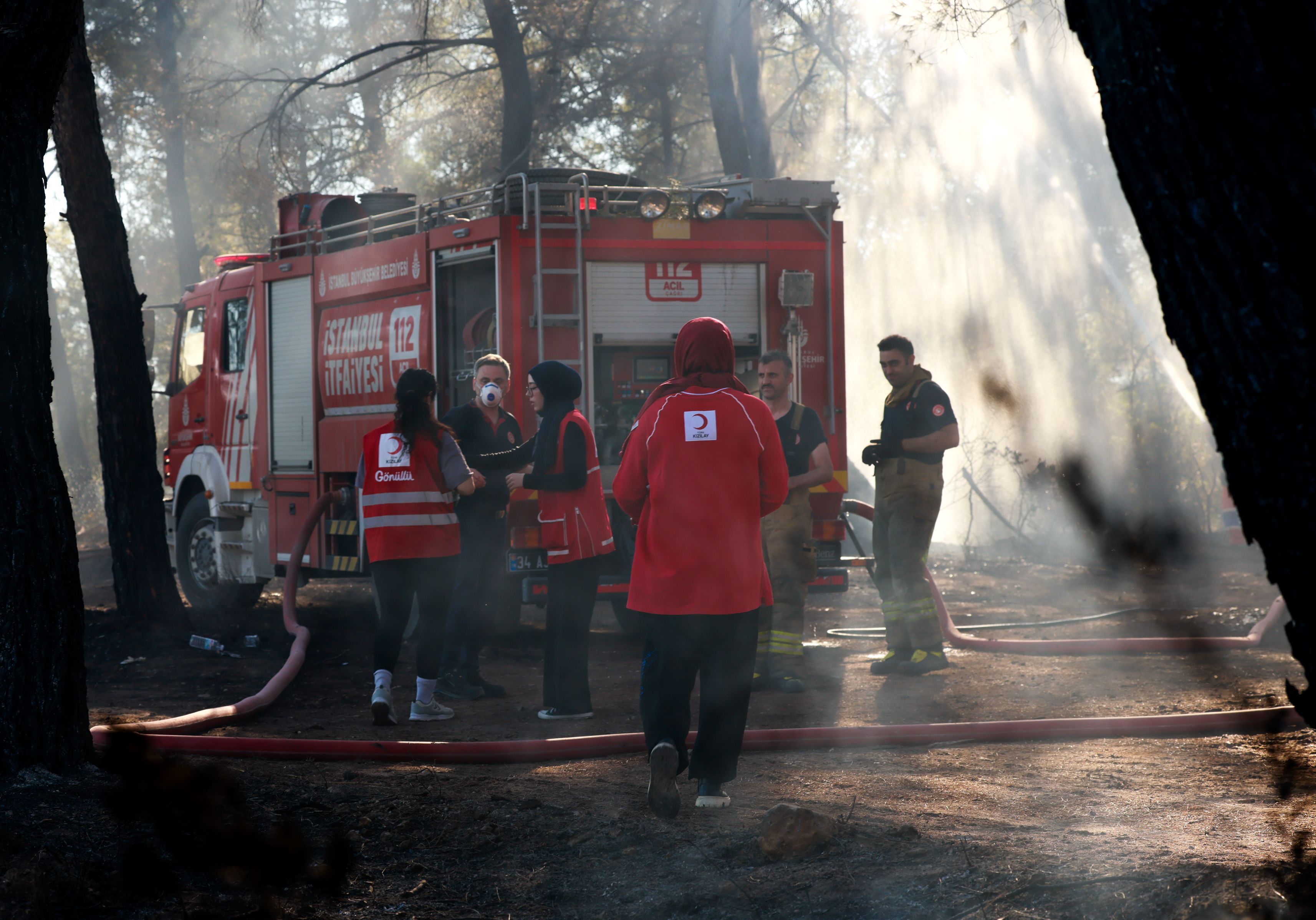
33. The Turkish Red Crescent supporting firefighters tackling wildfires across Türkiye. © Turkish Red Crescent
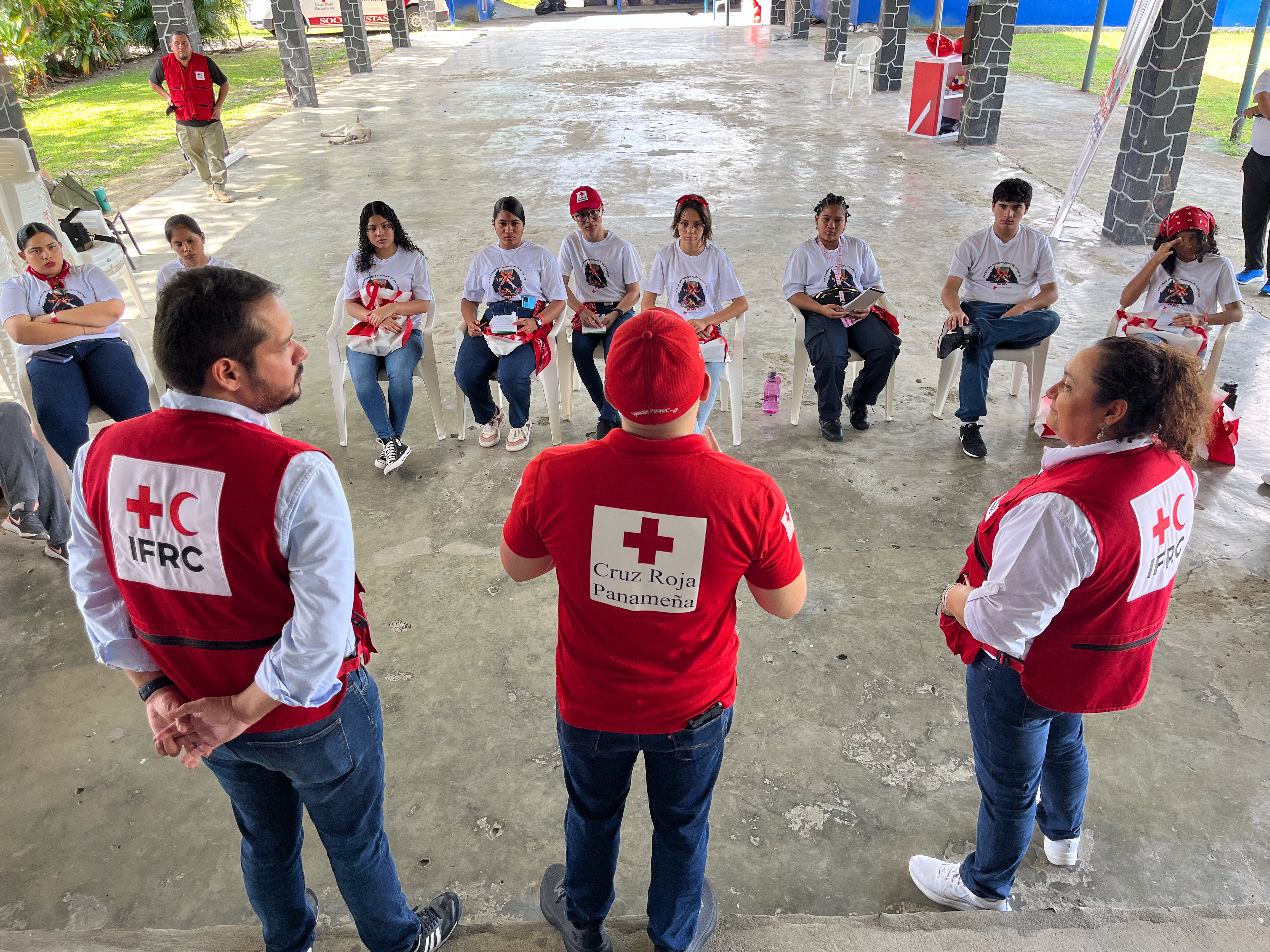
34. A training session run by Panama Red Cross and IFRC during a national youth camp. © IFRC
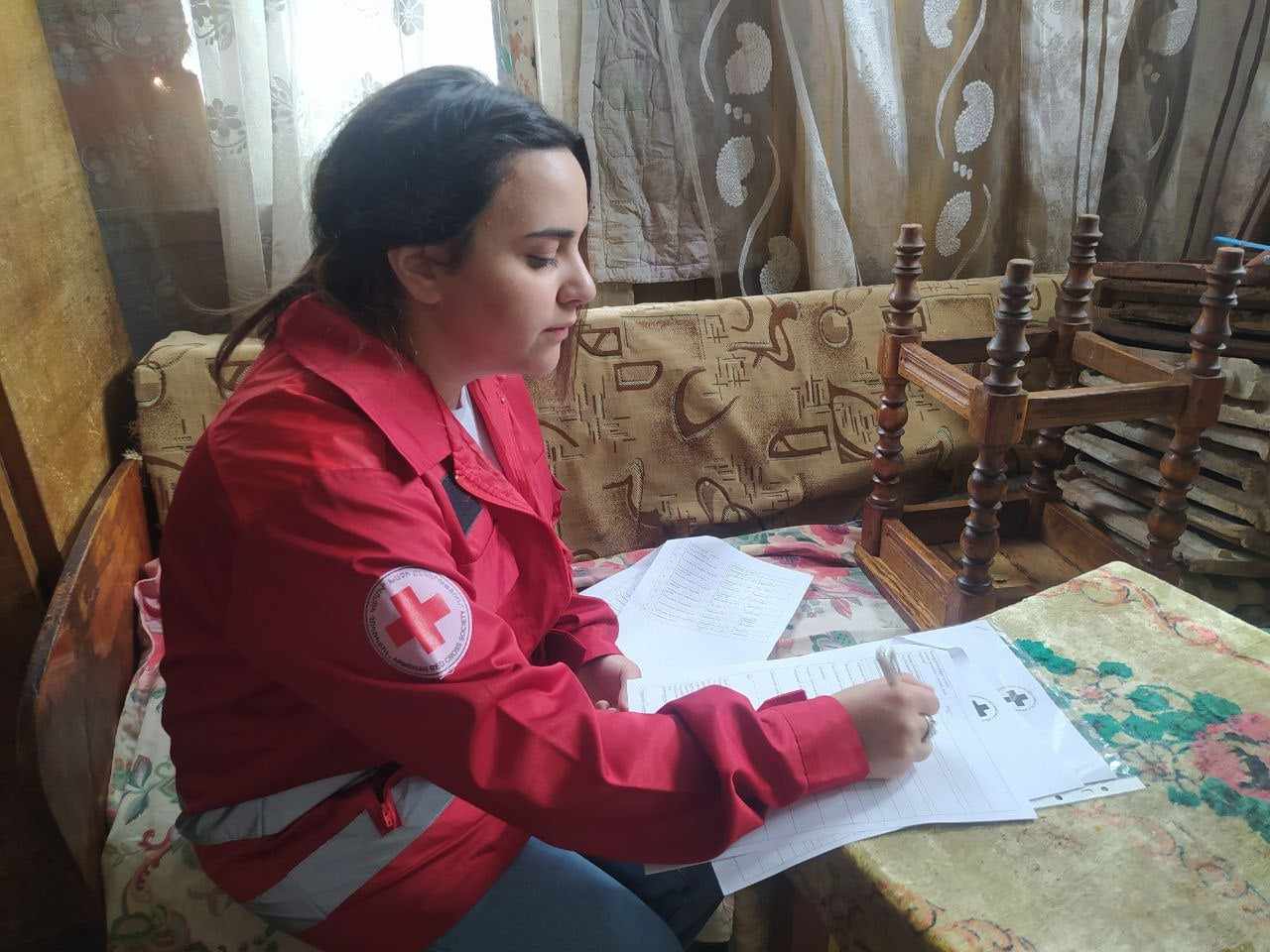
35. An Armenian Red Cross worker prepares paperwork for support with cash and water, sanitation and hygiene following severe hailstorms. © Armenian Red Cross
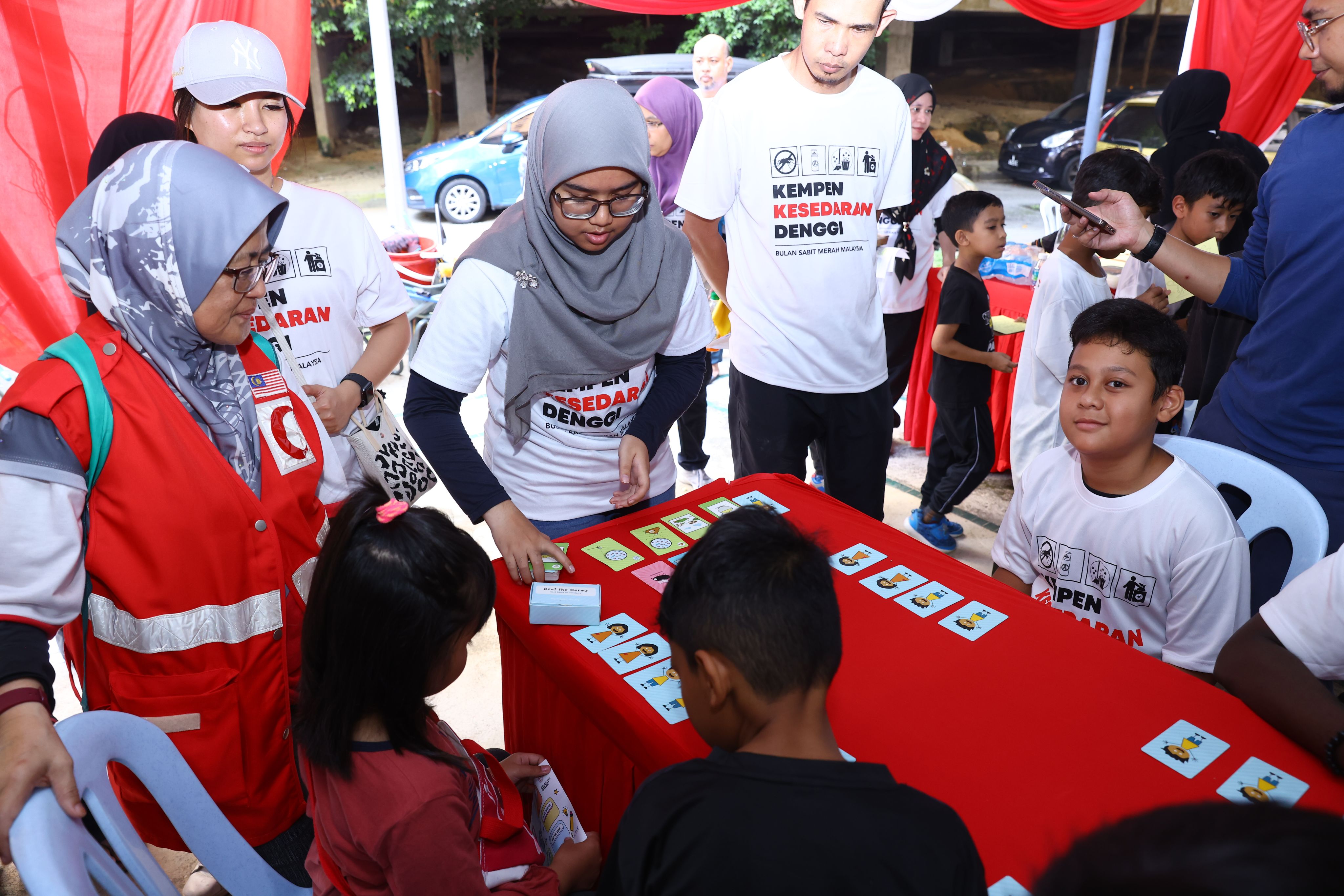
36. Malaysian Red Crescent teams conduct community sessions on how to prevent the spread of dengue. © Malaysian Red Crescent
37. Sudan Red Crescent volunteers approach a camp for people displaced from Ethiopia. © IFRC
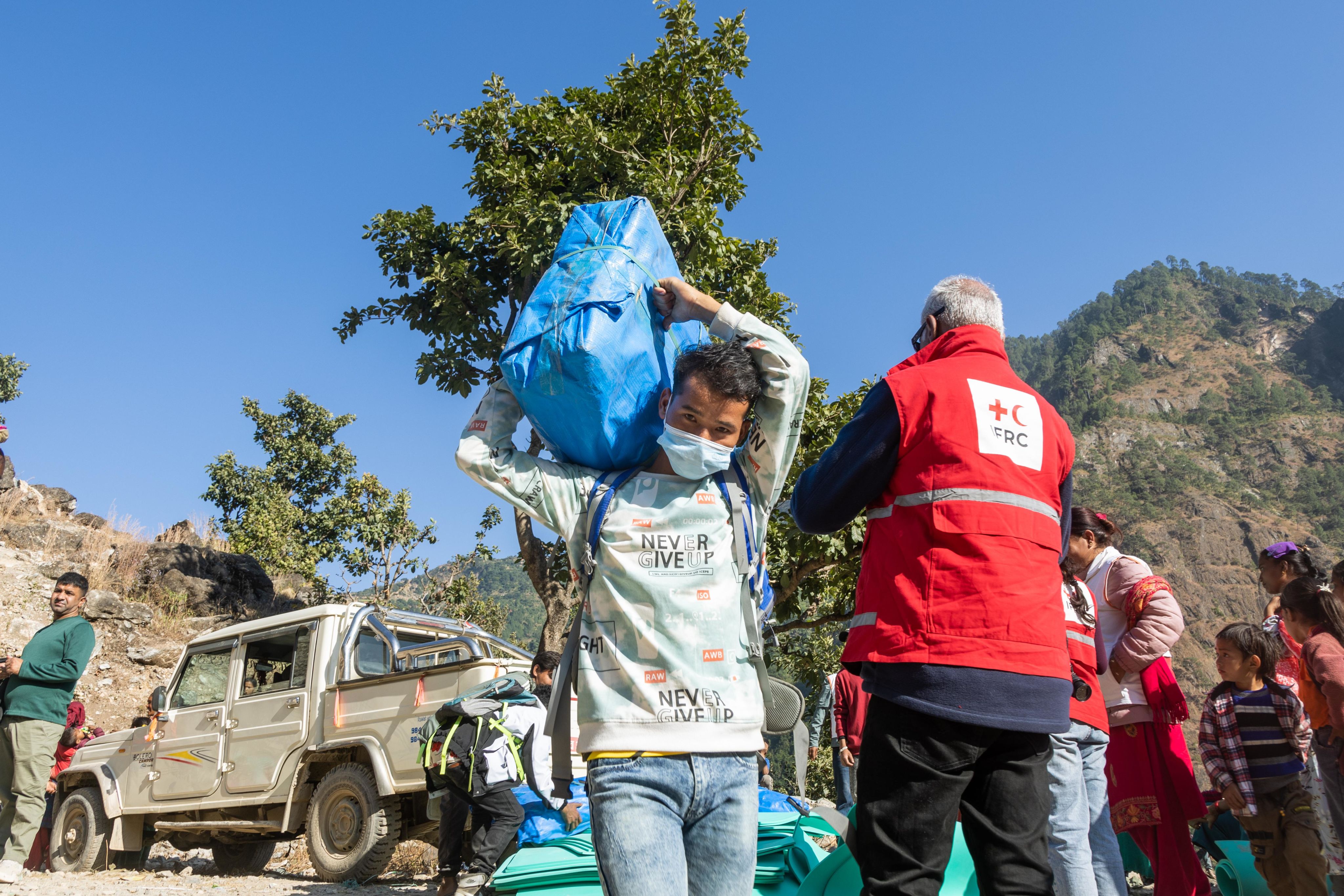
38. People affected by an earthquake receive support from the Nepal Red Cross Society. © IFRC
39. A rickshaw driver visits a Bangladesh Red Crescent cooling station in Dhaka City. © Bangladesh Red Crescent Society
40. Angola Red Cross volunteers support communities affected by drought. © IFRC
41. The Jordan National Red Crescent Society distributing emergency relief supplies to people affected by flooding and a cold wave. © Jordan National Red Crescent Society
42. Afghan Red Crescent and IFRC construct shelter for survivors of a devastating earthquake in the country. © IFRC
43. People returning to Afghanistan from Pakistan receive support from the Red Crescent and IFRC. © IFRC
 Built with Shorthand