
On the front lines of humanity
The unwavering dedication of Palestine Red Crescent Society volunteers and staff.
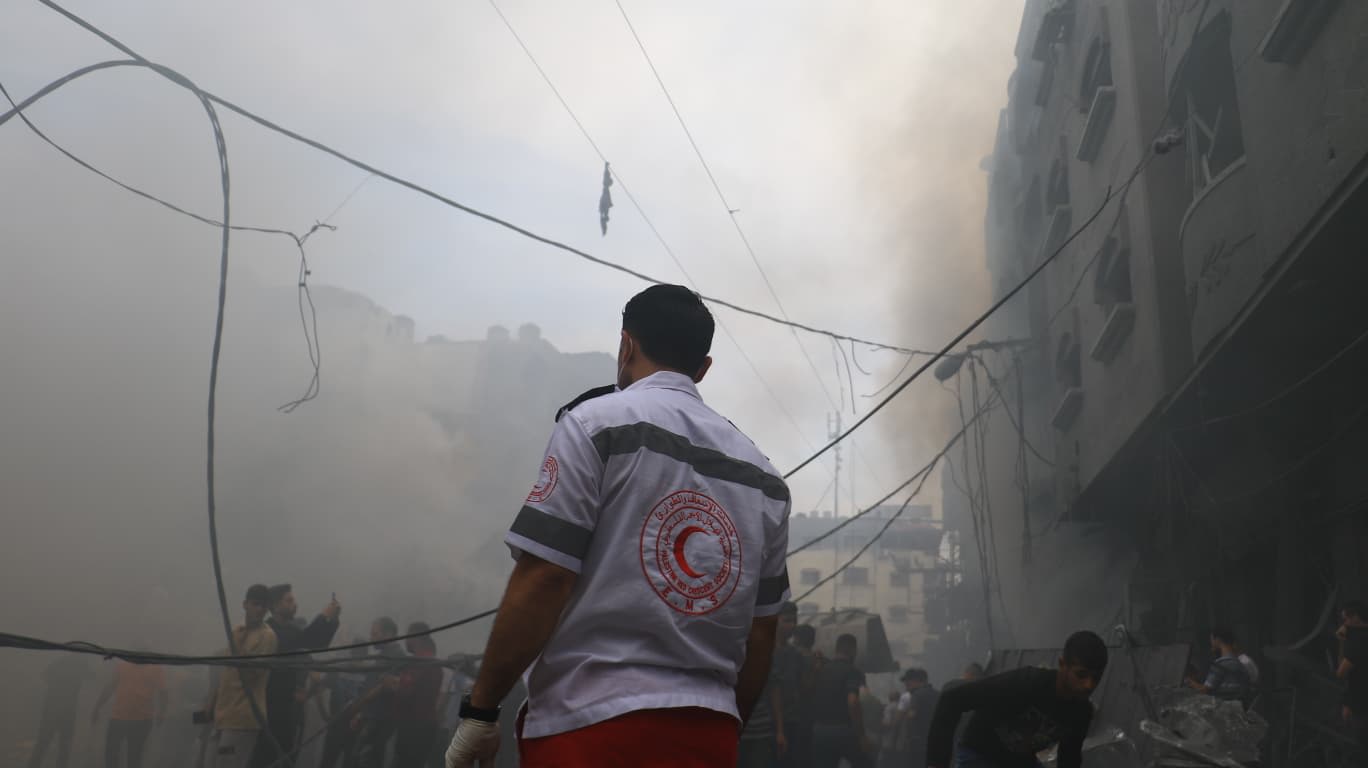

In Gaza… nothing is as it should be.
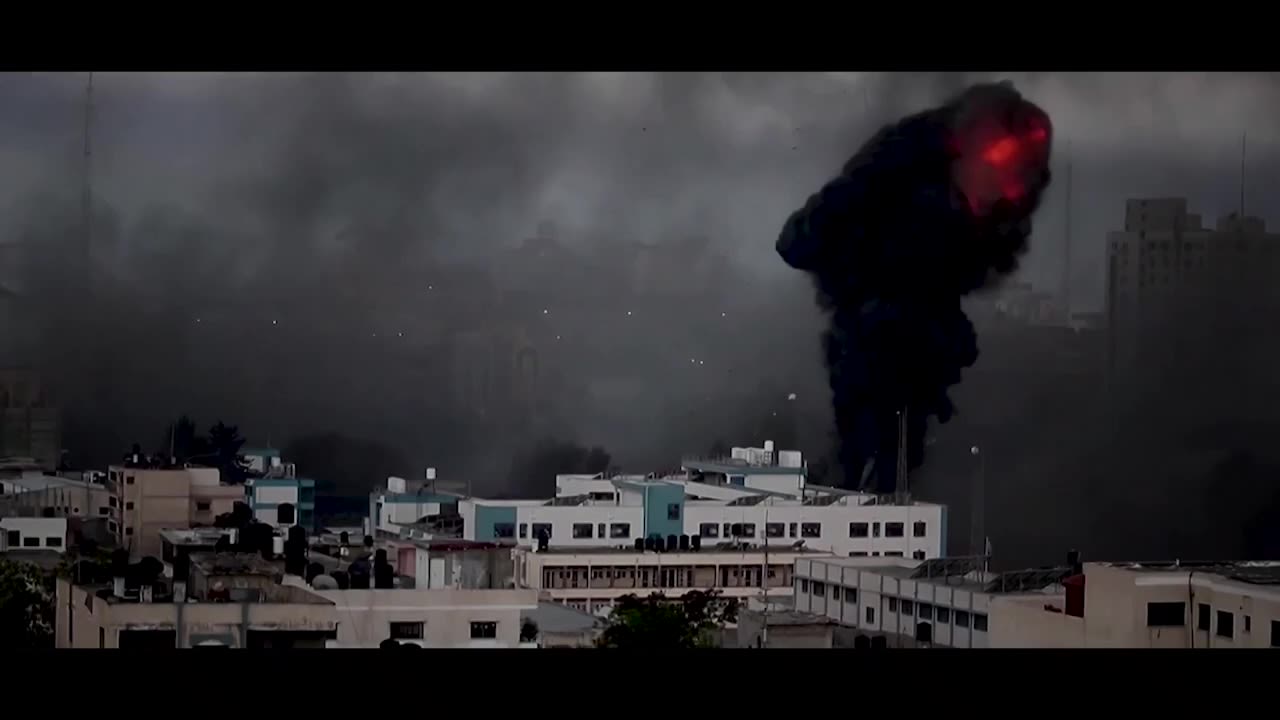

“I speak to you today not as a distant narrator delivering news, but as a human being recounting agony, from a small dot on the map that bears wounds heavier than entire continents could endure. In Gaza, when you hear the sound of planes, you don’t look up to admire them, you hold your children close and pray that it’s not your turn.”
These words are not from a distant narrator. They come from Mohammed Abu Mosabeh, Head of the Palestine Red Crescent Society branch in Deir Al Balah, who describes daily life in Gaza with raw honesty.
When he writes, “In Gaza, there’s no difference between night and day. Fear has no schedule, and death does not respect sleeping hours. Homes are no longer safe, schools are no longer shelters, and hospitals are no longer enough… even a mother’s embrace no longer shields from flying shrapnel,” he is not painting a metaphor. He is describing reality.
Amid this reality, the Palestine Red Crescent Society (PRCS) continues its unwavering mission: to save lives, no matter the cost.

Bearing witness:
a story of survival
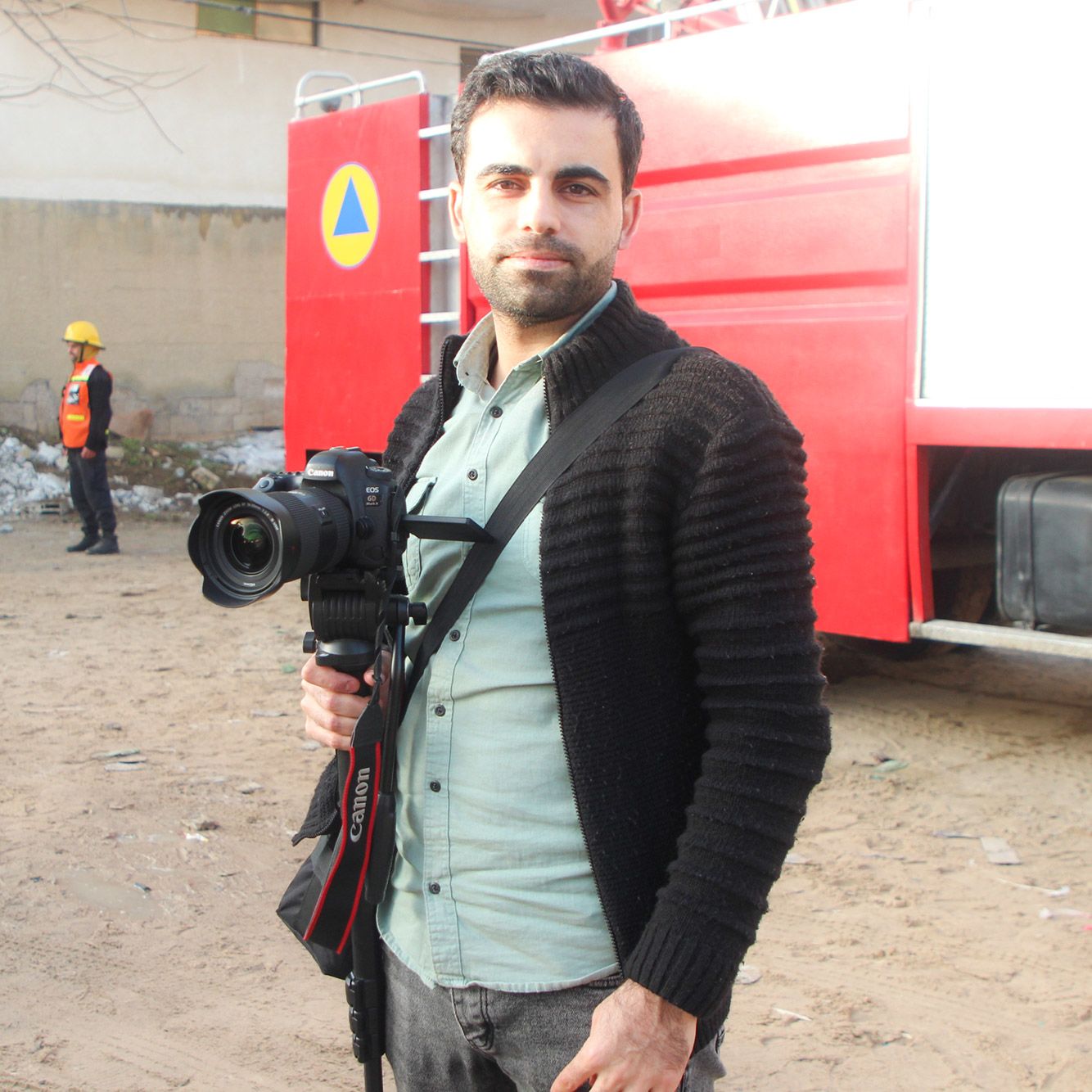
Amr Ali, a PRCS media officer, is also a husband, a father, and a survivor. Displaced from his home like so many others, he continues to carry his camera to document the courage of his colleagues.
“There are so many tragic stories engraved in my memory: the injured, the dead, their families. These scenes will never leave me. Sleep escapes me, haunted by the fear that my loved ones may suffer the same fate.”
Amr’s words echo those of Abu Mosabeh: people who live and resist, even when life no longer resembles life.
Impact and loss:
The cost of saving lives

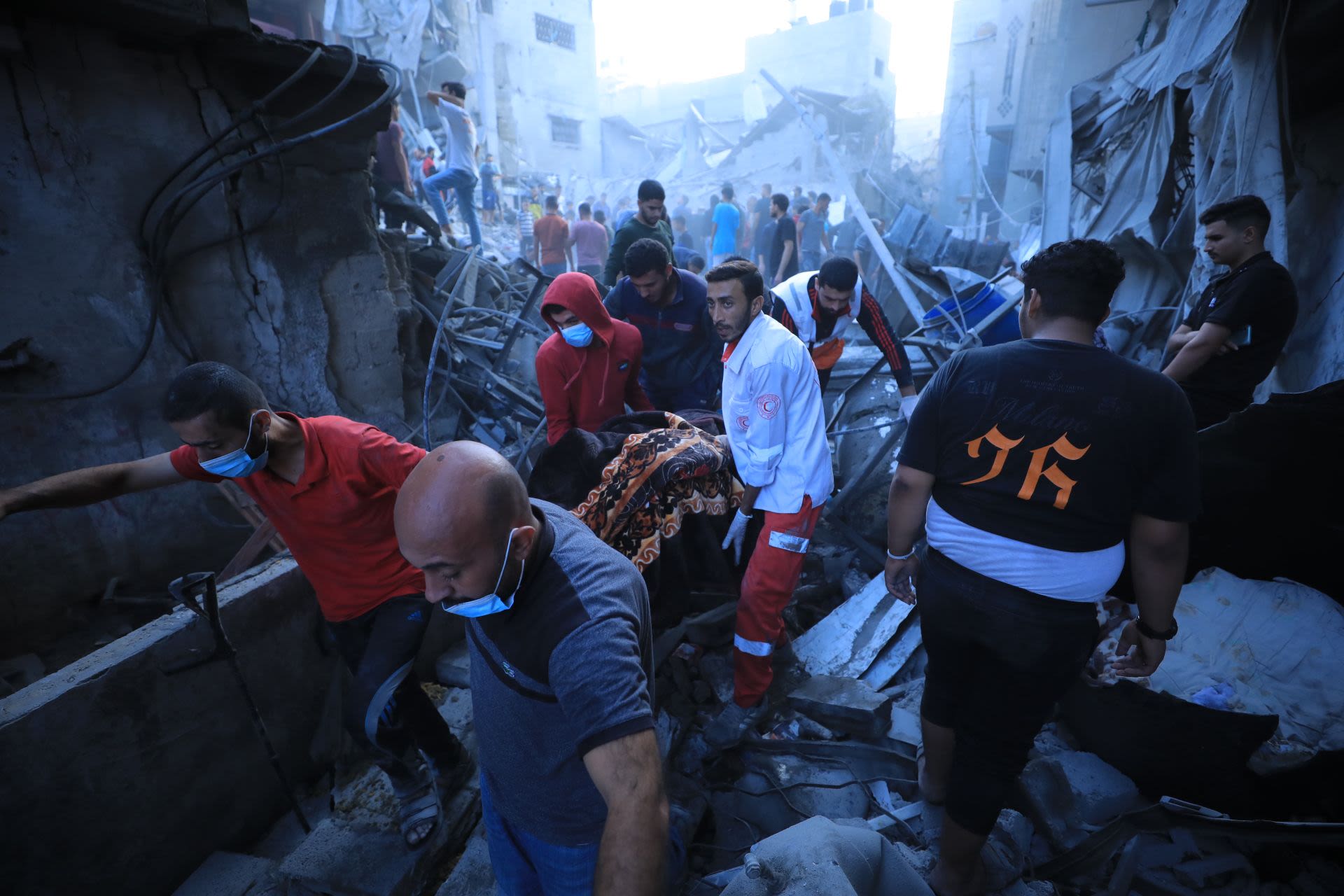
Since October 2023, PRCS has been the backbone of the medical and humanitarian response in Gaza and the West Bank.
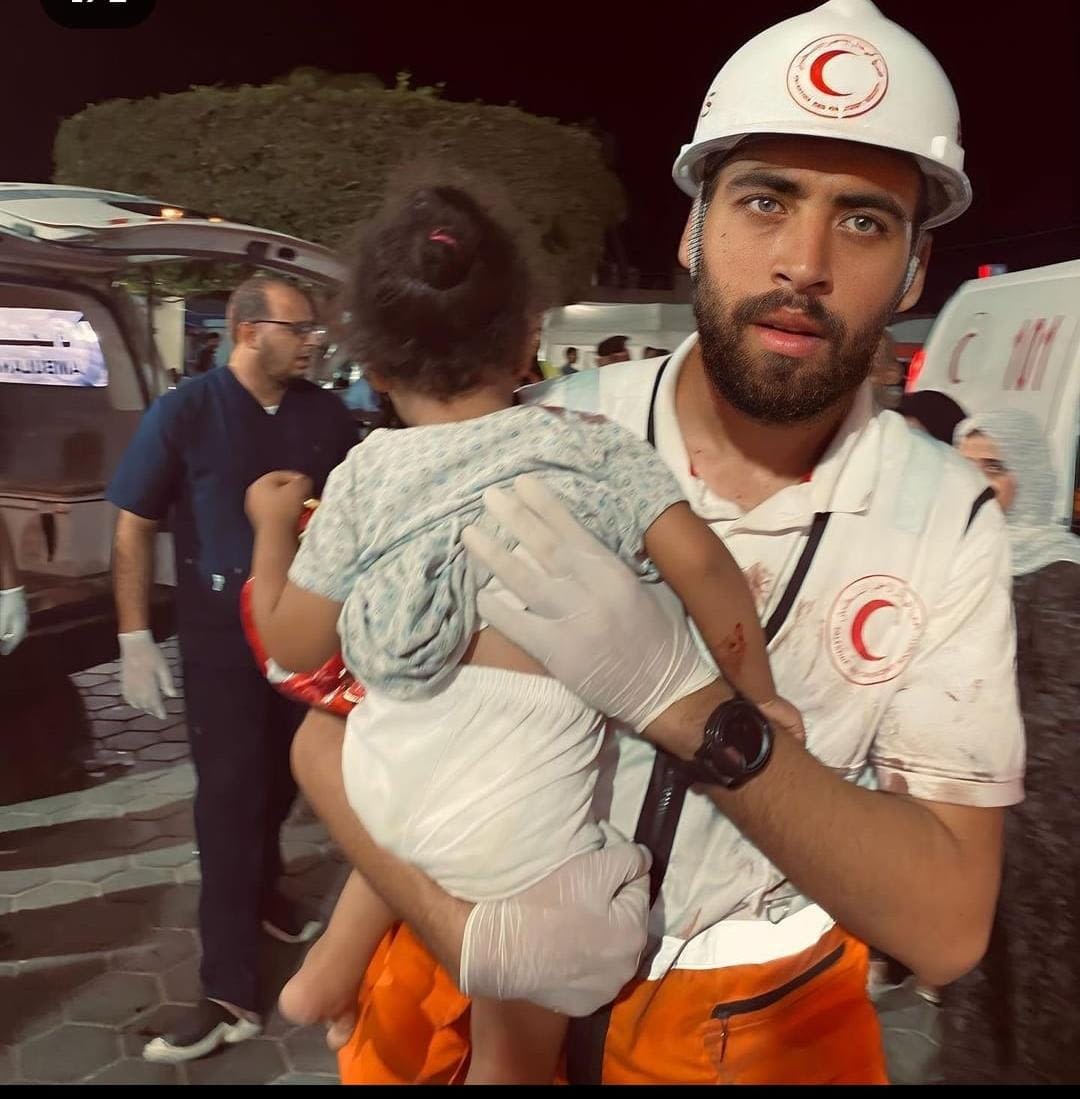
Its hospitals and clinics have treated tens of thousands of patients, while ambulance crews and first aid teams have braved life-threatening conditions to rescue the wounded and deliver emergency care to even the hardest-hit areas.
Despite immense risks, PRCS teams have worked around the clock, providing food, water, shelter, and psychological support in addition to medical aid.
But this work has come at a staggering cost: more than 50 staff and volunteers have been killed, including at least 31 while on duty and clearly displaying the Red Crescent protective emblem. Ambulances and medical posts have also been hit repeatedly, despite bearing a symbol protected under international humanitarian law.
Every number hides a story: an ambulance stranded without fuel leaving people in desperate need of assistance alone, a nurse who never returned home to her family just because she wanted to help others, a child treated under candlelight without appropriate anesthesia.
Two years of unbroken response
The past two years can be traced through an unbroken line of sacrifice and resilience:
Barriers and threats
Working in Gaza means confronting increasingly impossible barriers every day. Border closures choke aid convoys. Medicines and fuel remain blocked while patients die waiting.
Abu Mosabeh describes it starkly:
“In Gaza, it’s not just hunger that kills, nor thirst that torments; it’s the waiting. Waiting for a ceasefire, waiting for an ambulance, waiting to hear the voice of someone you love.”
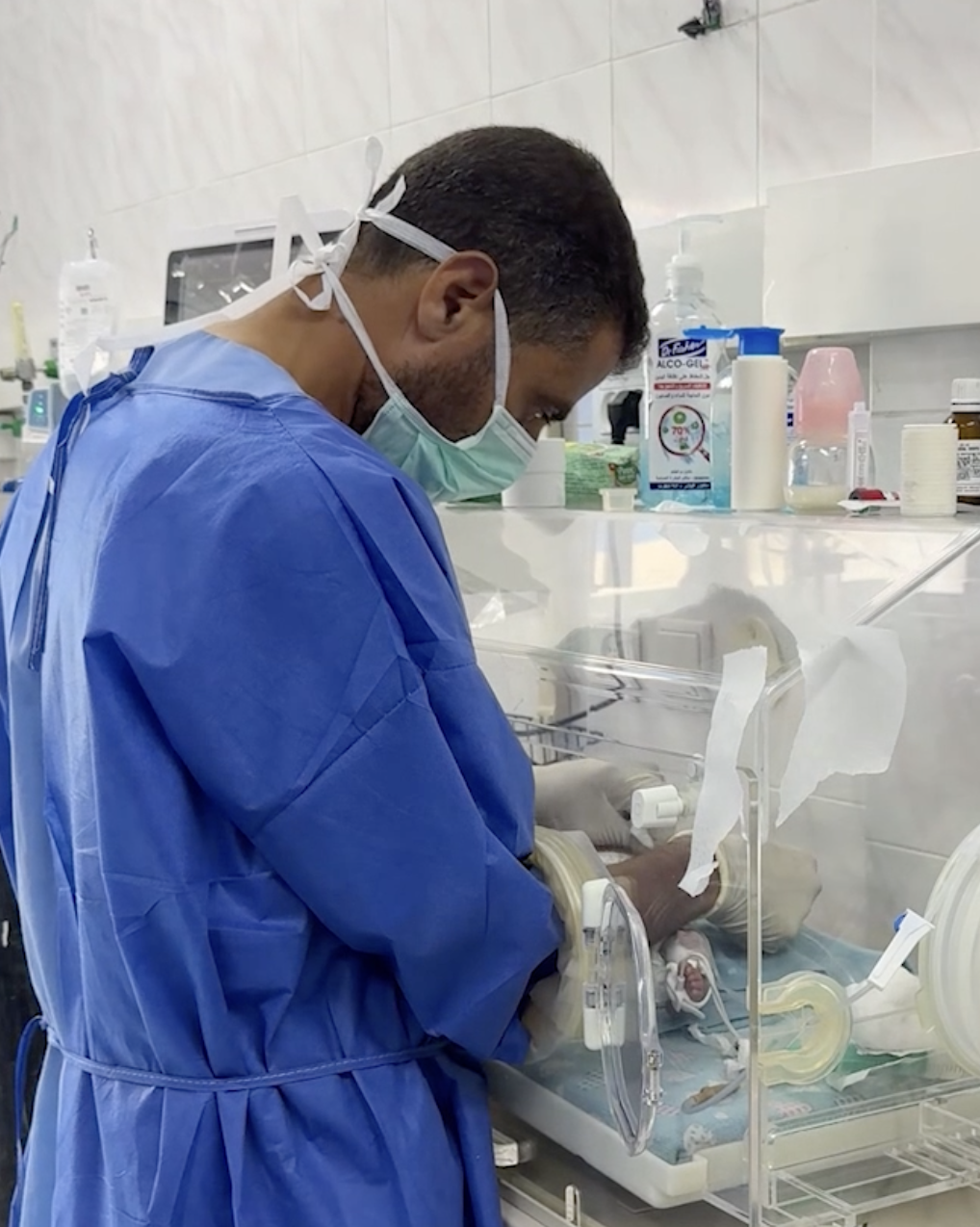
Fuel shortages continue to cripple essential services. Without it, hospitals go dark, ambulances stall, and children in incubators face immediate danger. Empty storerooms, silent machines, and destroyed vehicles have become symbols of the impossible choices PRCS teams face each day.

Voices from the field

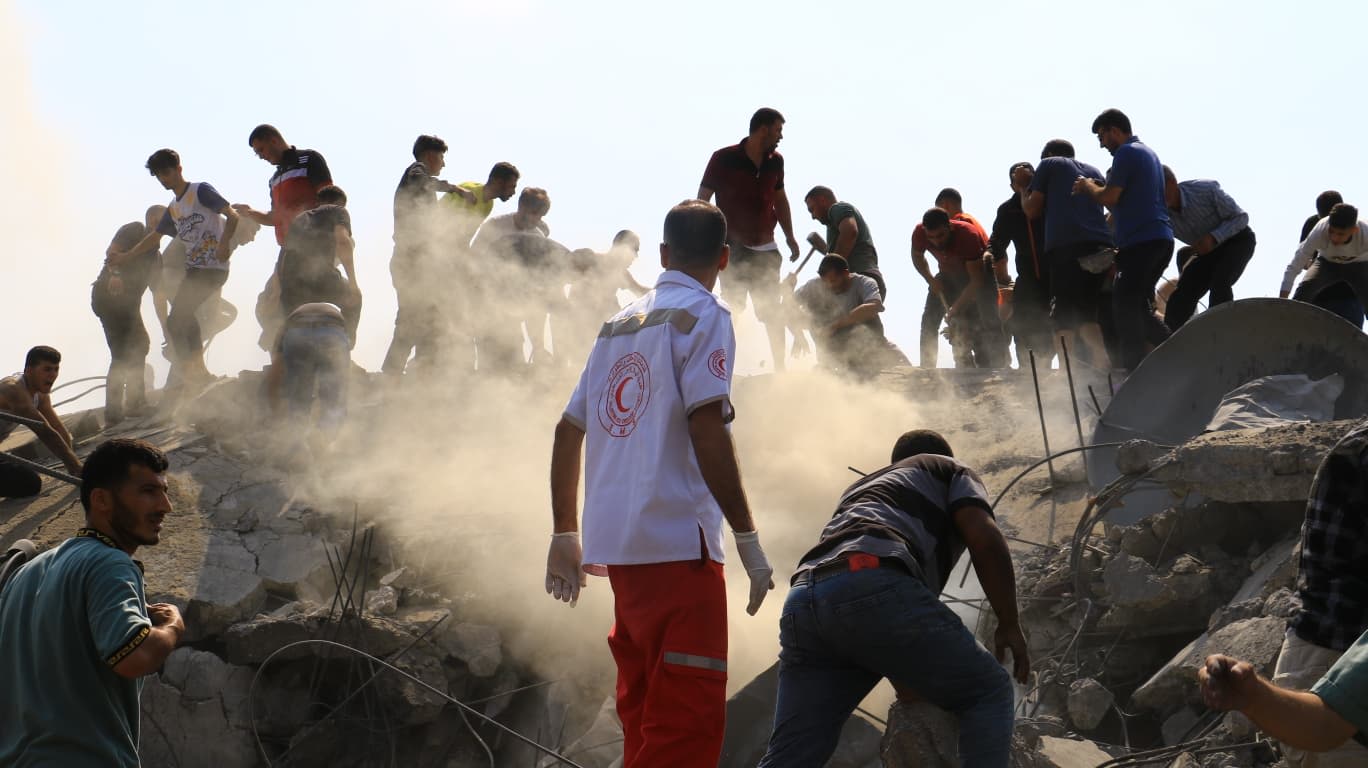
“Imagine a mother trapped under the rubble, screaming her children’s names with no response. Imagine a child searching through debris for their toy, their shoe, their sibling — anything that still connects them to life.”
“A mother of three tells us how she boils water with tree leaves and calls it juice, so her daughters can have something to sip.”
“Many of our colleagues are malnourished and weak, surviving on just one meal a day. But even then, most choose to give that meal to their children.”
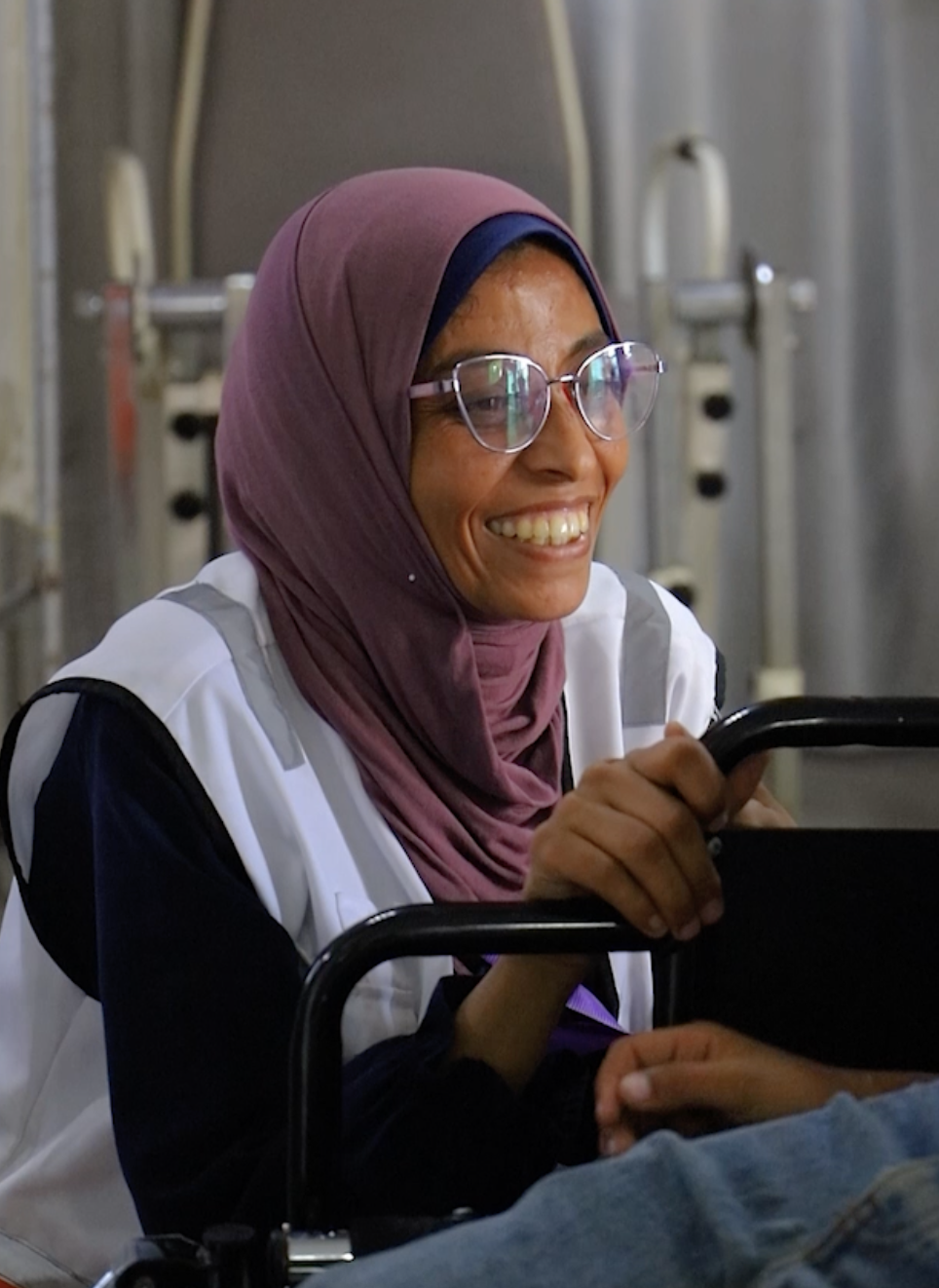
“We walk two kilometers every day to reach the medical point where we volunteer. We continue to serve our people in Gaza because it is our humanitarian duty.”
Hospitals under attacks and blockades
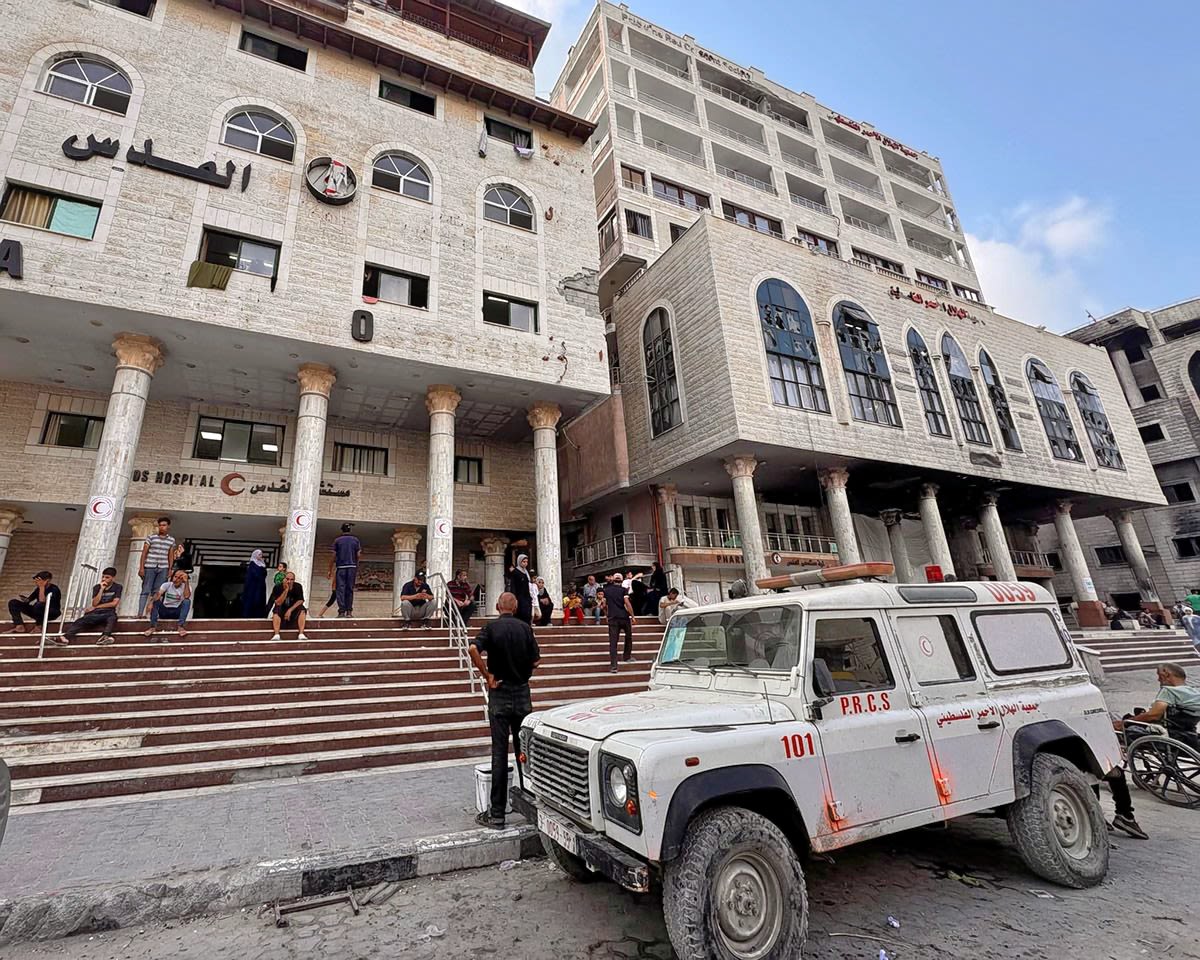
Hospitals that should be sanctuaries have themselves become targets.
At Al-Quds Hospital in Gaza City, repeated strikes forced doctors to treat hundreds of patients under bombardment, while displaced families crowded the corridors for shelter.
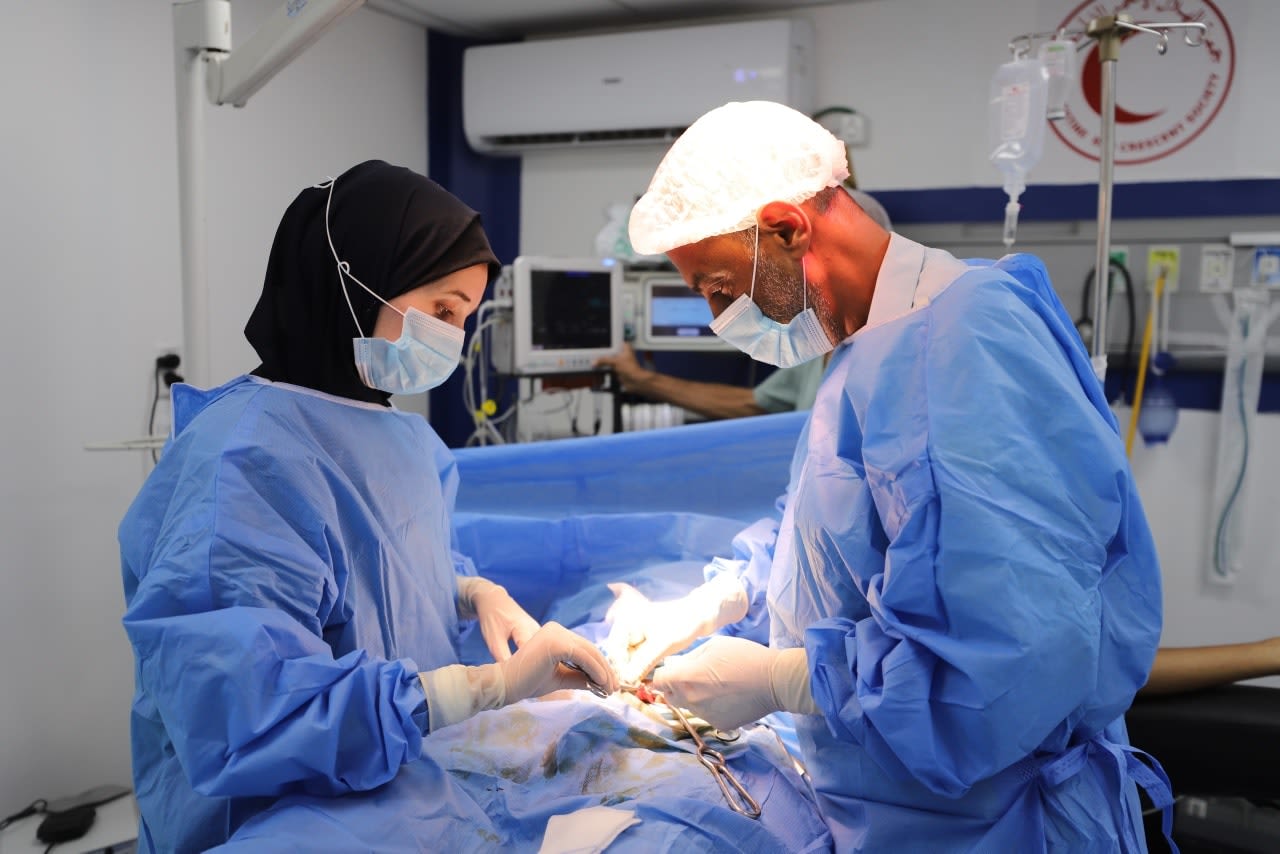
At Al-Amal Hospital in Khan Younis, staff endured multiple attacks while continuing to run emergency services. Even when surrounded and cut off, medical teams carried out life-saving surgeries with rapidly dwindling medicines and equipment.
These assaults on Al-Quds and Al-Amal are not isolated. They reflect a broader collapse of healthcare under fire, where hospitals are transformed from places of healing into stark symbols of Gaza’s suffering.
Across Gaza, the blockade of humanitarian aid has cut off the flow of vital medical supplies, leaving hospitals unable to provide even the most basic care.

An unyielding chain of care
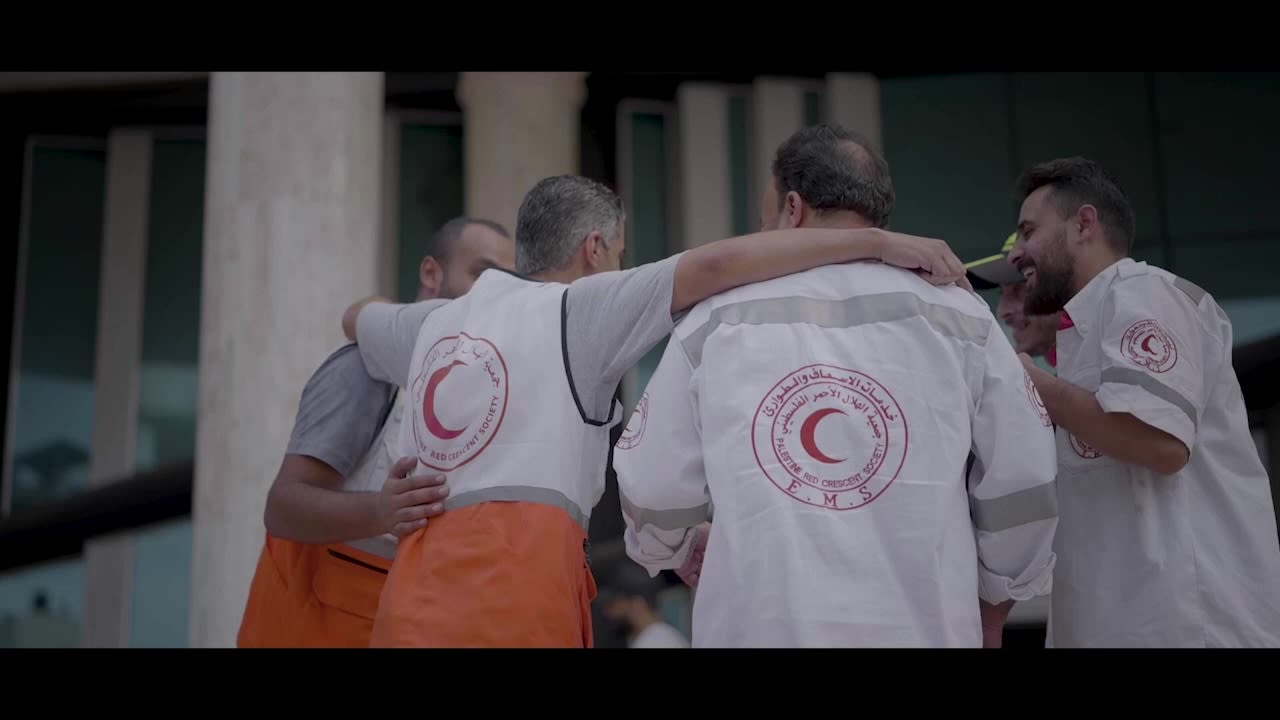

Despite every barrier, Palestine Red Crescent has kept its chain of services intact.
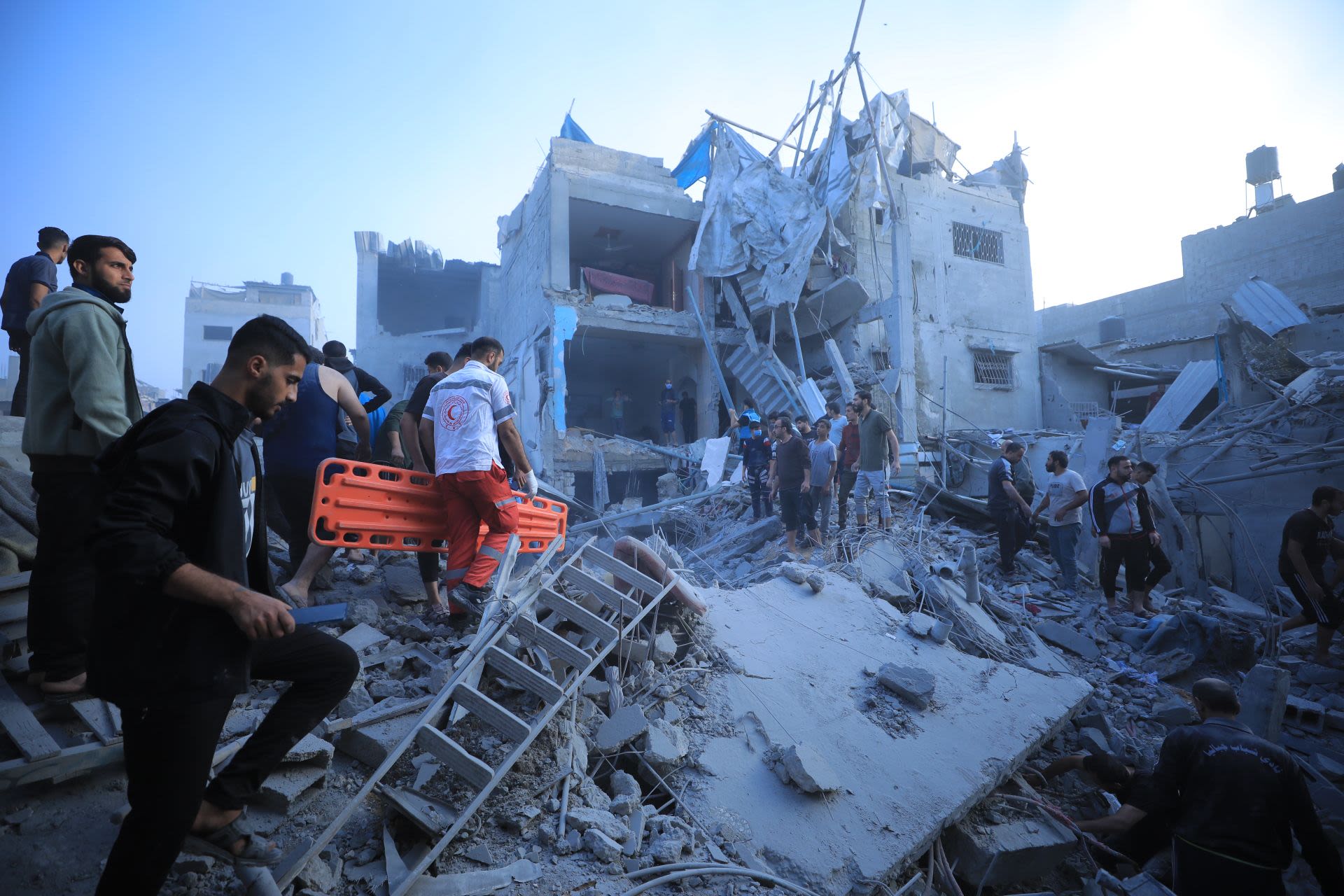
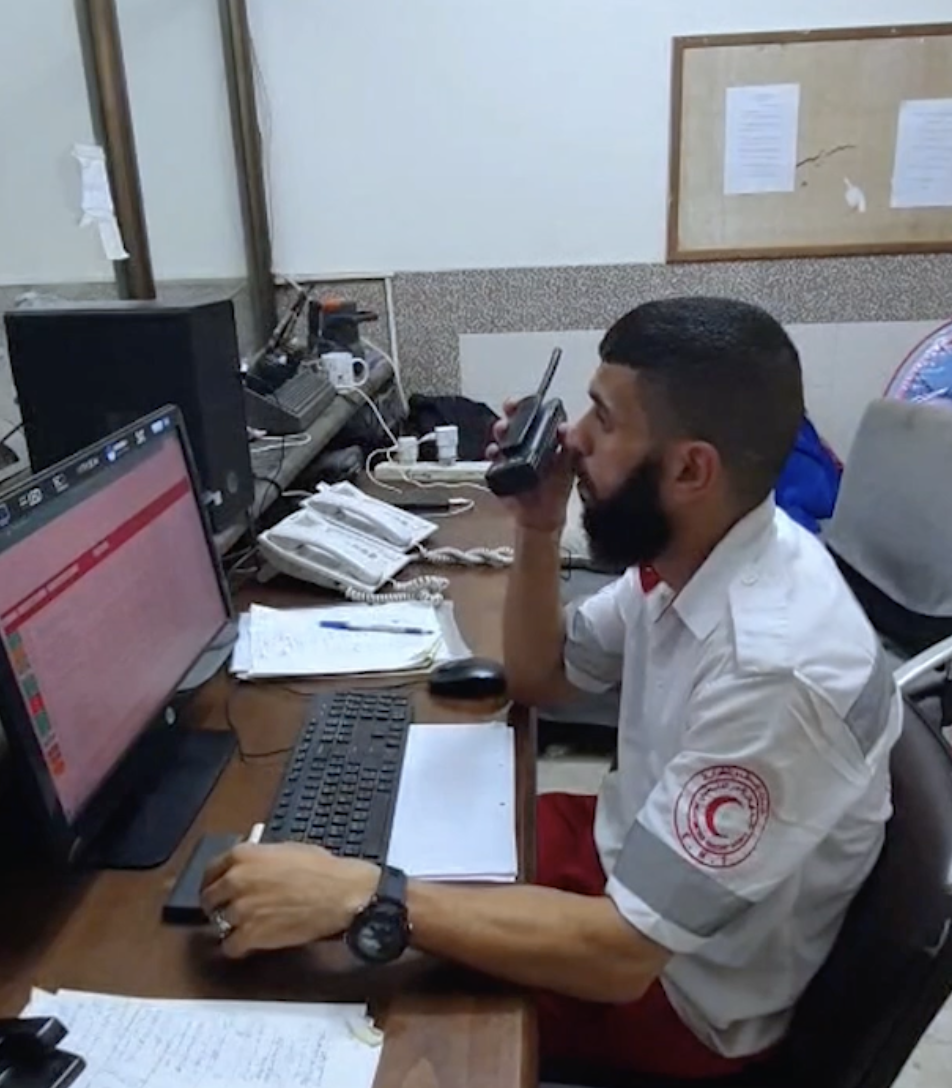
First responders continue to arrive at bombing sites, often the first and only line of help.
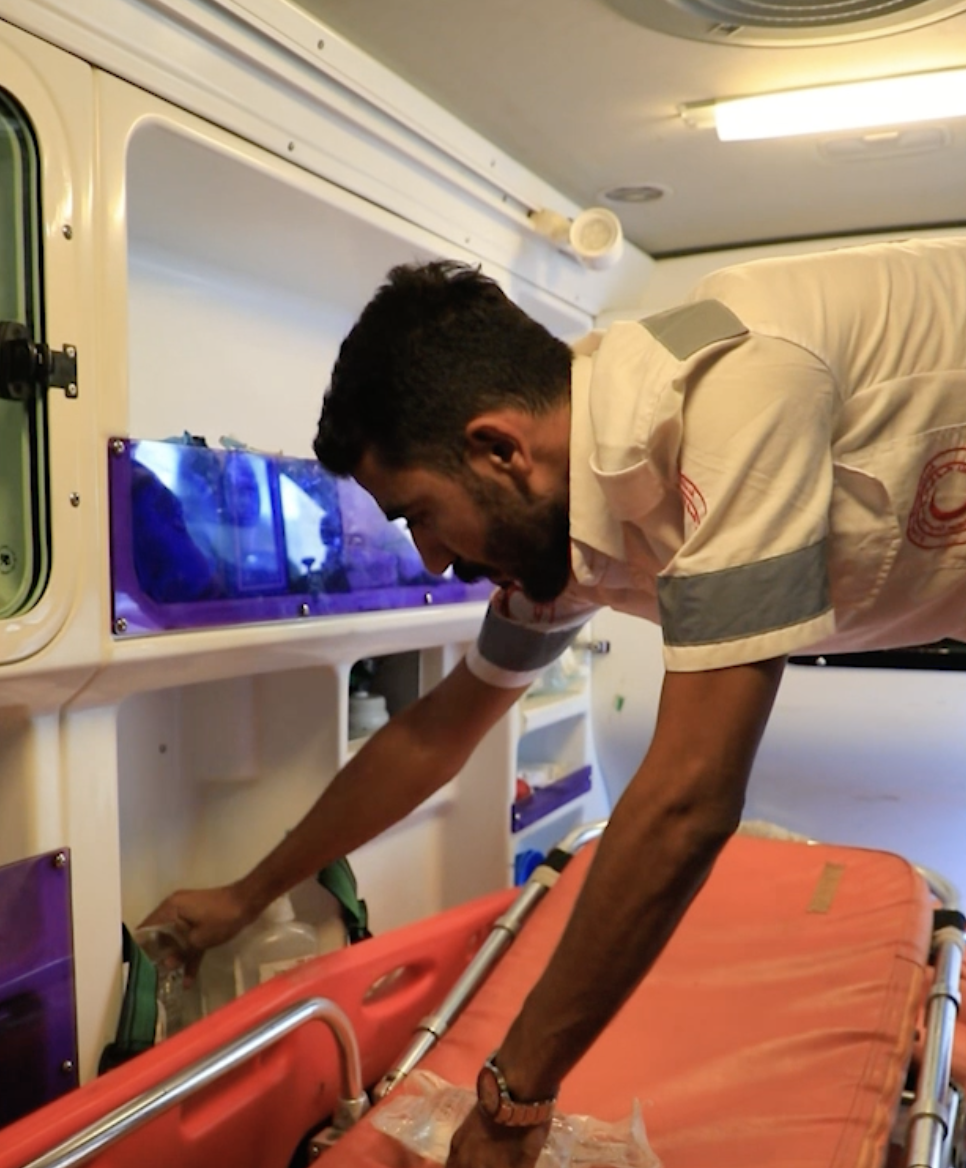
Ambulances, even if few, still transport the wounded through lifeless streets where entire neighbourhoods have vanished.
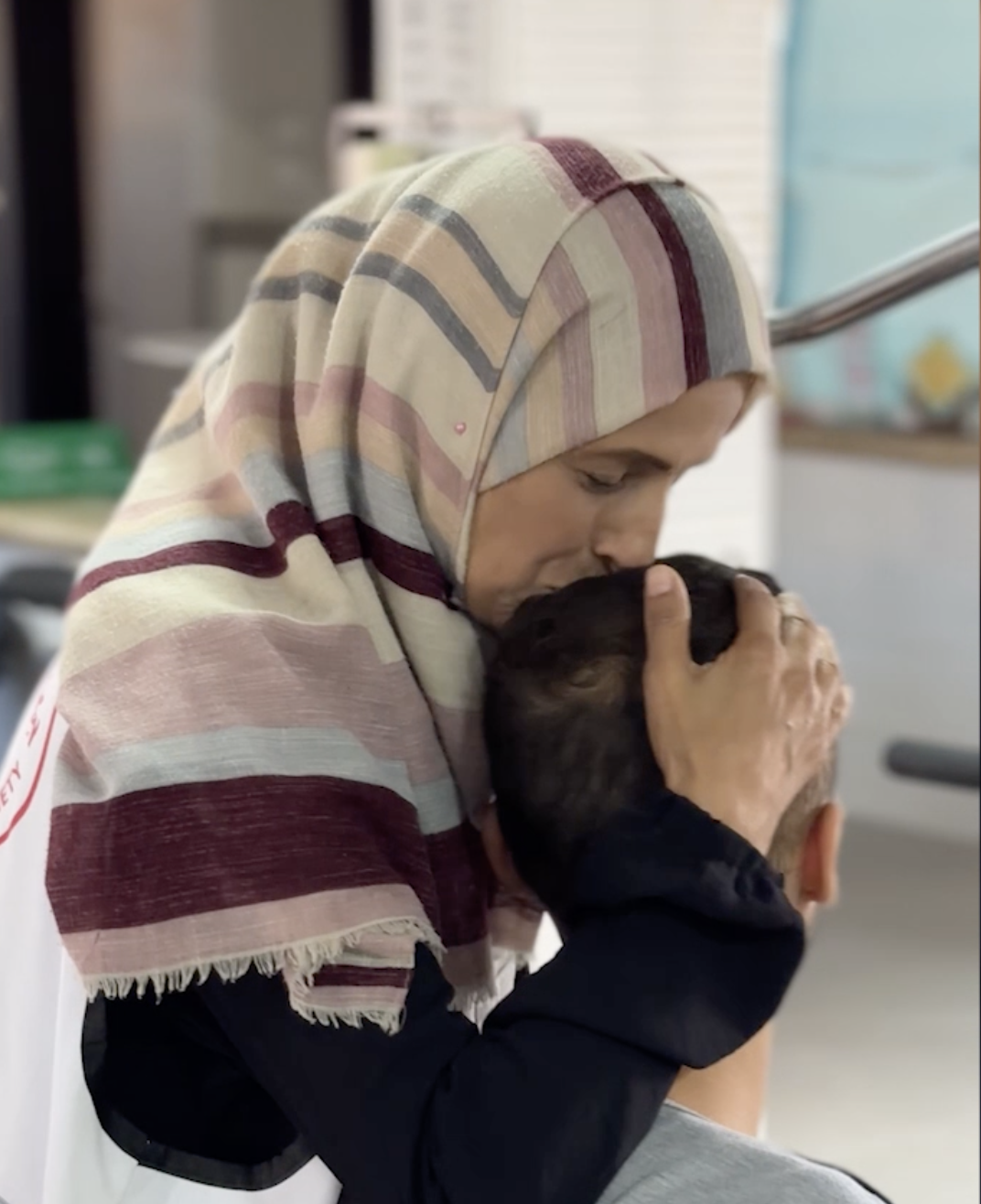
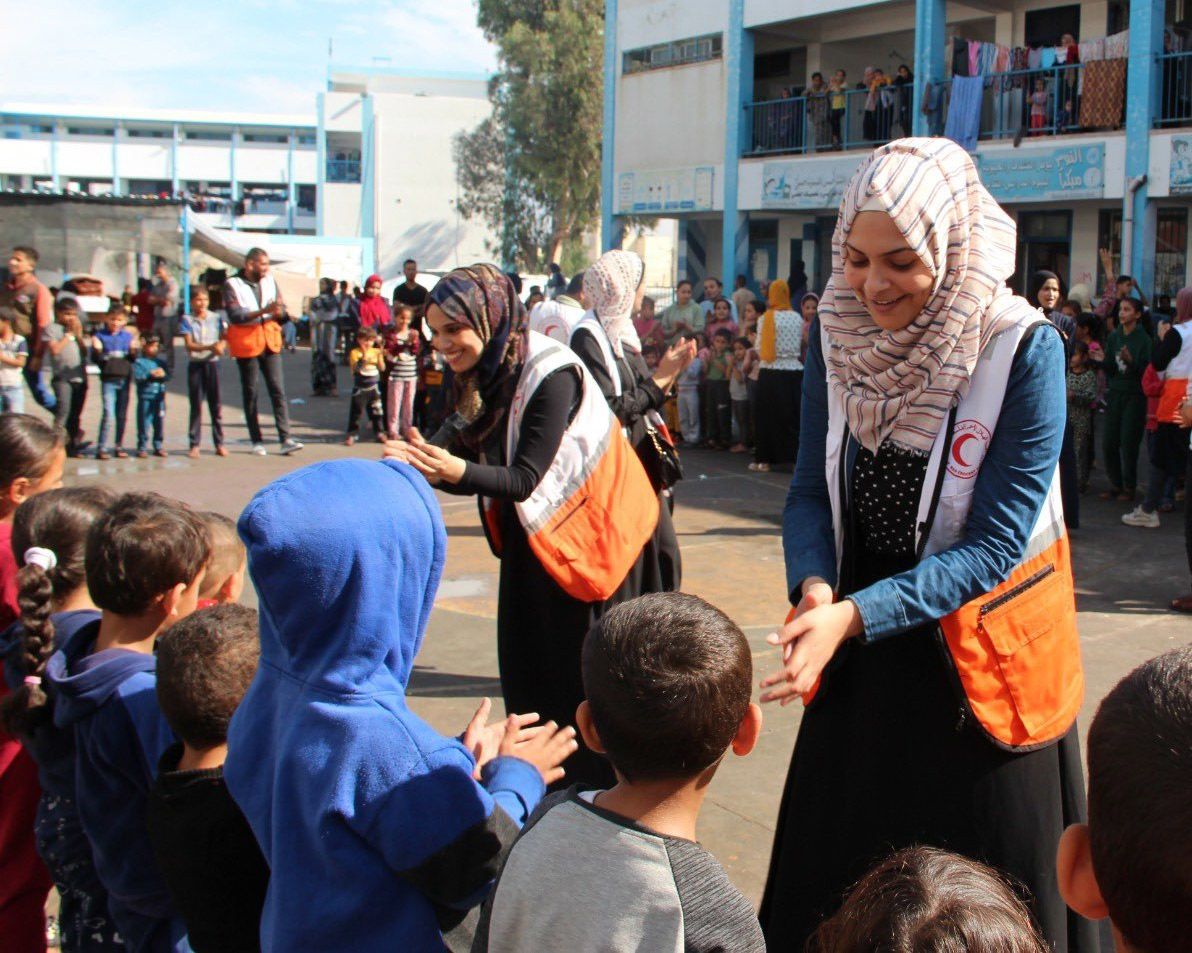
Volunteers provide psychosocial support to children, offering games, drawings, and moments of relief.
Clinics distribute whatever food, water, and medicine they can secure, often under fire.
These actions are threads in the same fabric of care: from the moment of injury to the ambulance ride, to hospital treatment, to the fragile steps toward healing.


Support across our Network
The Palestine Red Crescent Society has not stood alone.
At the Rafah border, the Egyptian Red Crescent has been a lifeline, facilitating aid convoys, managing medical evacuations, and receiving patients in Egyptian hospitals. The Jordan Red Crescent has mobilized resources and supported PRCS operations, demonstrating the regional solidarity that has characterized this crisis.
The International Federation of Red Cross and Red Crescent Societies (IFRC) and its network have stood alongside PRCS throughout these two years, providing financial resources and technical expertise. At the same time, IFRC has amplified PRCS’s voice on the world stage, calling for the protection of humanitarian workers and respect for international humanitarian law.
Beyond the region, dozens of National Red Cross and Red Crescent Societies around the world have provided financial aid, medical supplies, and raised their voices in advocacy.




Famine: a confirmed reality
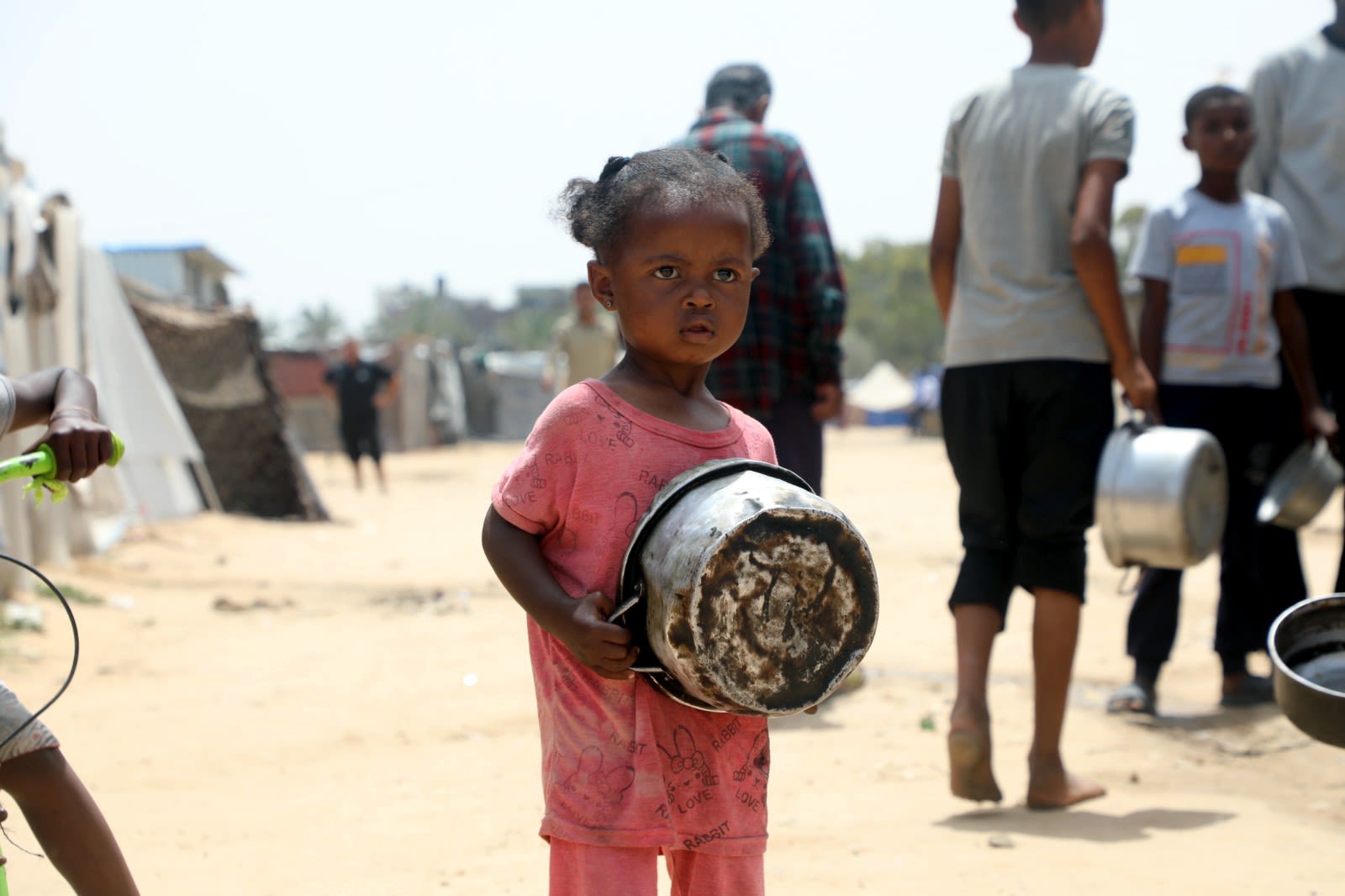
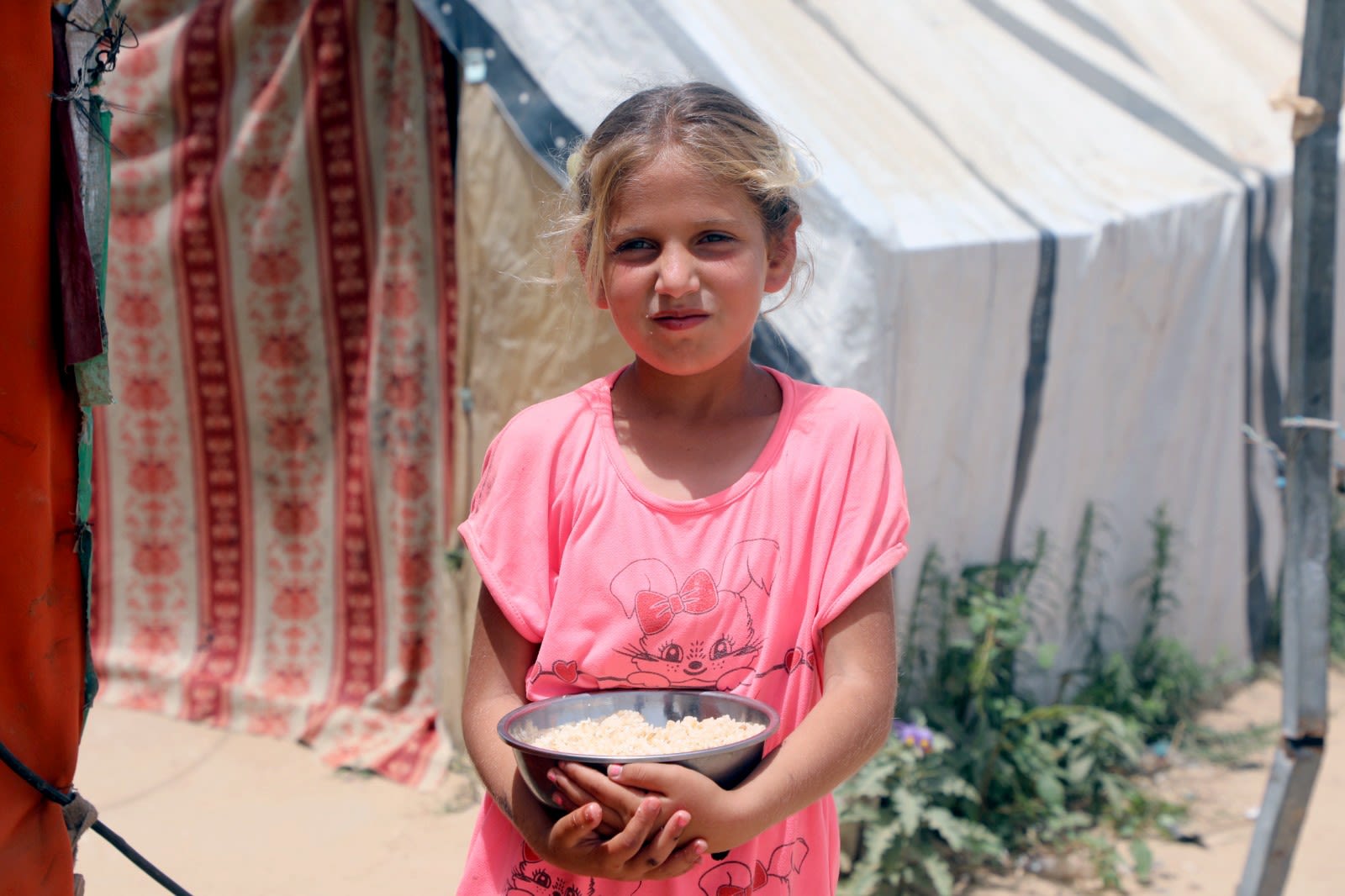
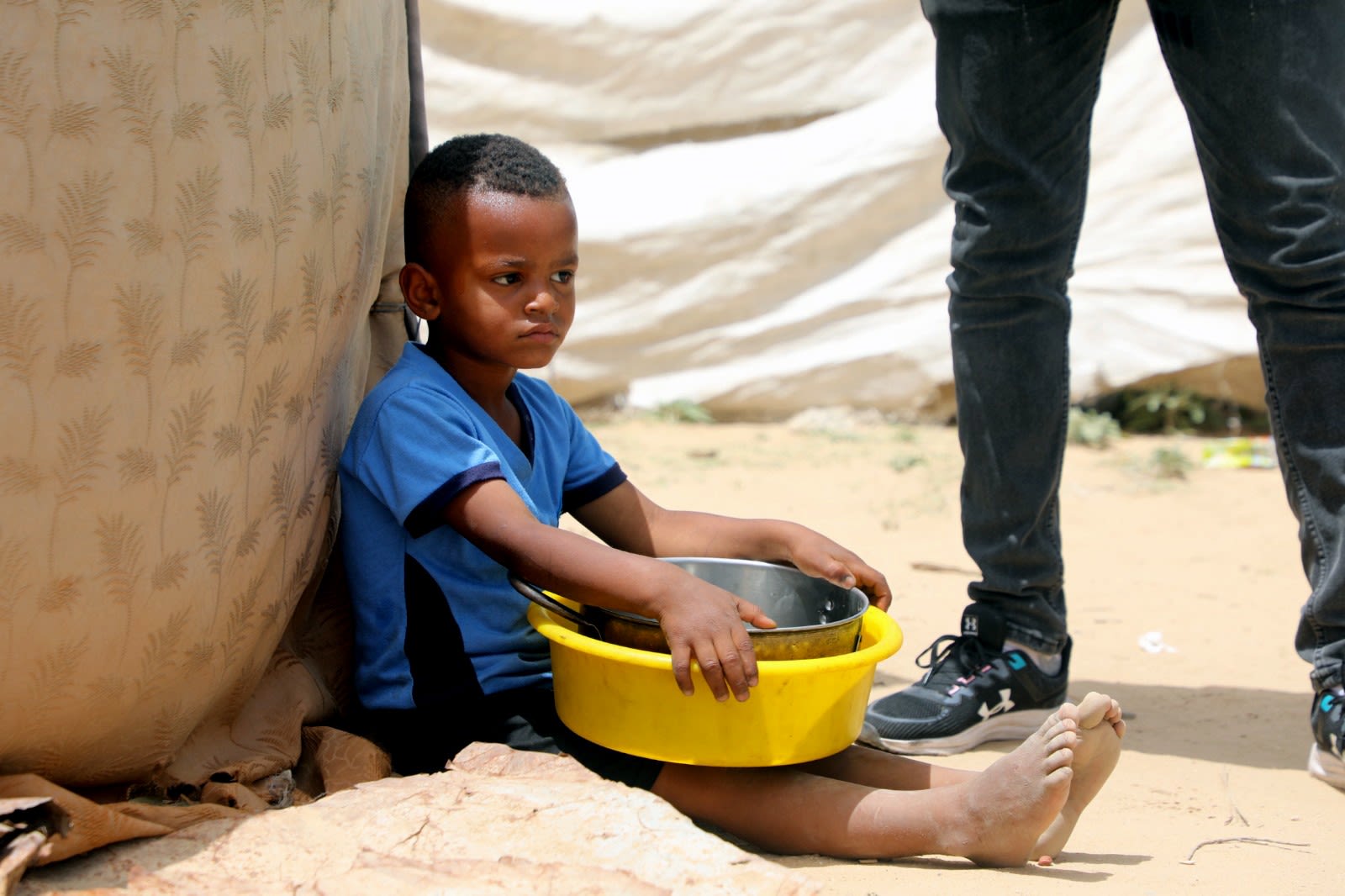
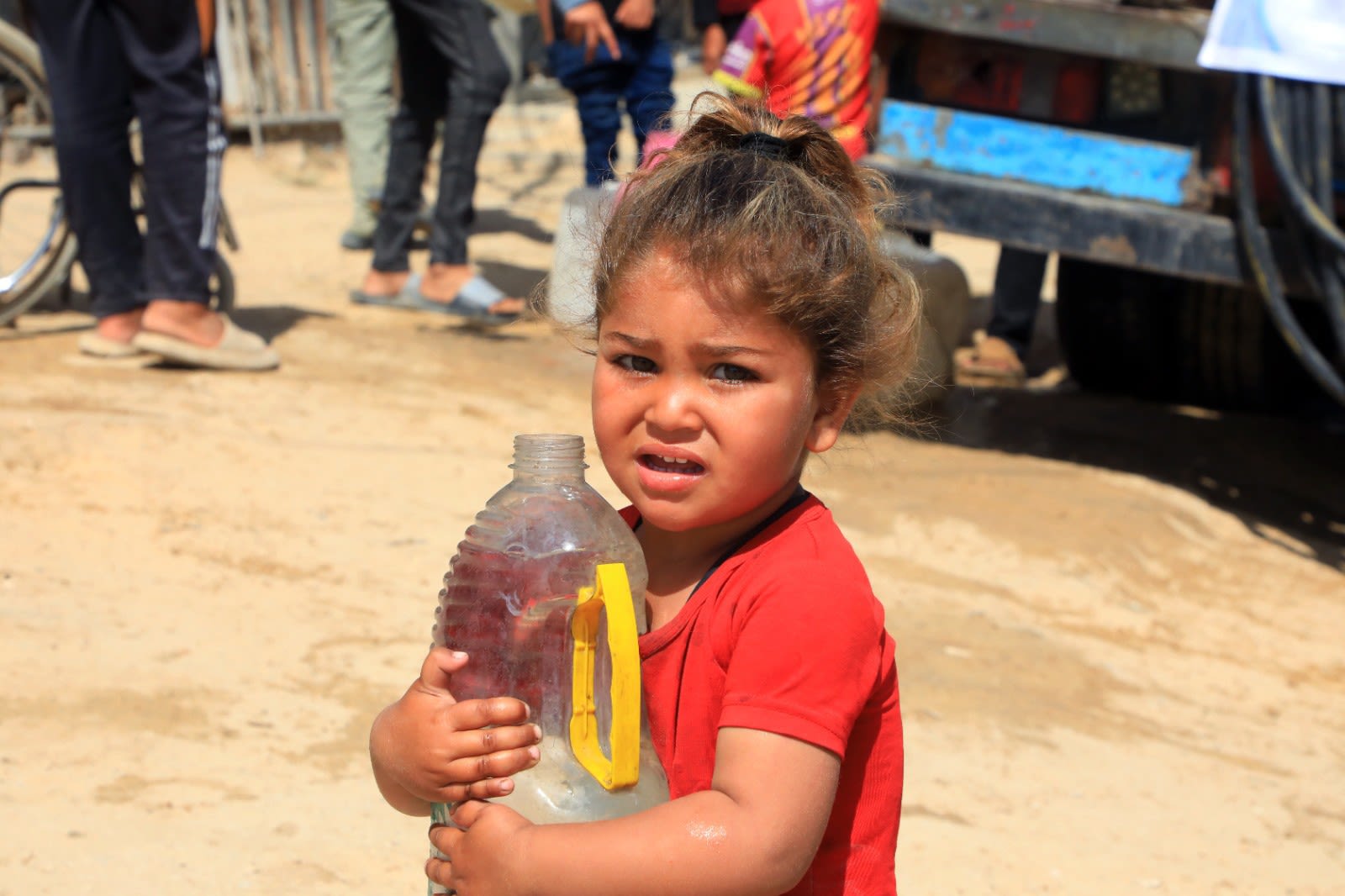
Now, on top of it all, people in Gaza are experiencing famine, as officially recognized by the Integrated Food Security Phase Classification (IPC).
Famine is no longer a looming threat but a confirmed reality.
Abu Mosabeh captures what that means:
“Do you know what it means to get used to hunger?
"It means, that food becomes a dream. It means that you learn to save a loaf of bread to last the whole day. It means that you apologize to your children because all you can offer to them is: ‘Be patient.’”
Malnutrition is soaring. Children are dying of hunger, while the health facilities that could save them lie in ruins.
This is not only about survival. It is about dignity. To go to bed hungry, night after night, is itself a form of violence.
Resilience and a call to solidarity
Despite bombardments, blockades, and famine, PRCS continues. Ambulances still answer calls. Clinics still open their doors. Volunteers still refuse to walk away.
As Abu Mosabeh concludes:
“Even with all this, Gazans don’t die of hunger. They fight to live. They stand at the edge of existence and insist on saying: We are here… we are staying.”
And as Amr Ali reminds us:
“I fear for my loved ones. But every day, I pick up my camera, because their stories must be told.”
Their stories compel us to act.
As IFRC President Kate Forbes has said:
“Humanitarian workers embody the best of humanity.
They enter danger when others flee.
They provide medical care under bombardment.
Their courage humbles me, their sacrifice compels me, and their memory fuels my determination.
We must raise our voices louder, together. We must demand accountability where there is impunity.
And we must continue to insist on the protection and respect that humanitarian law guarantees.”
Protect humanitarians.
Respect International Humanitarian Law.
Stand in solidarity.

 Built with Shorthand