
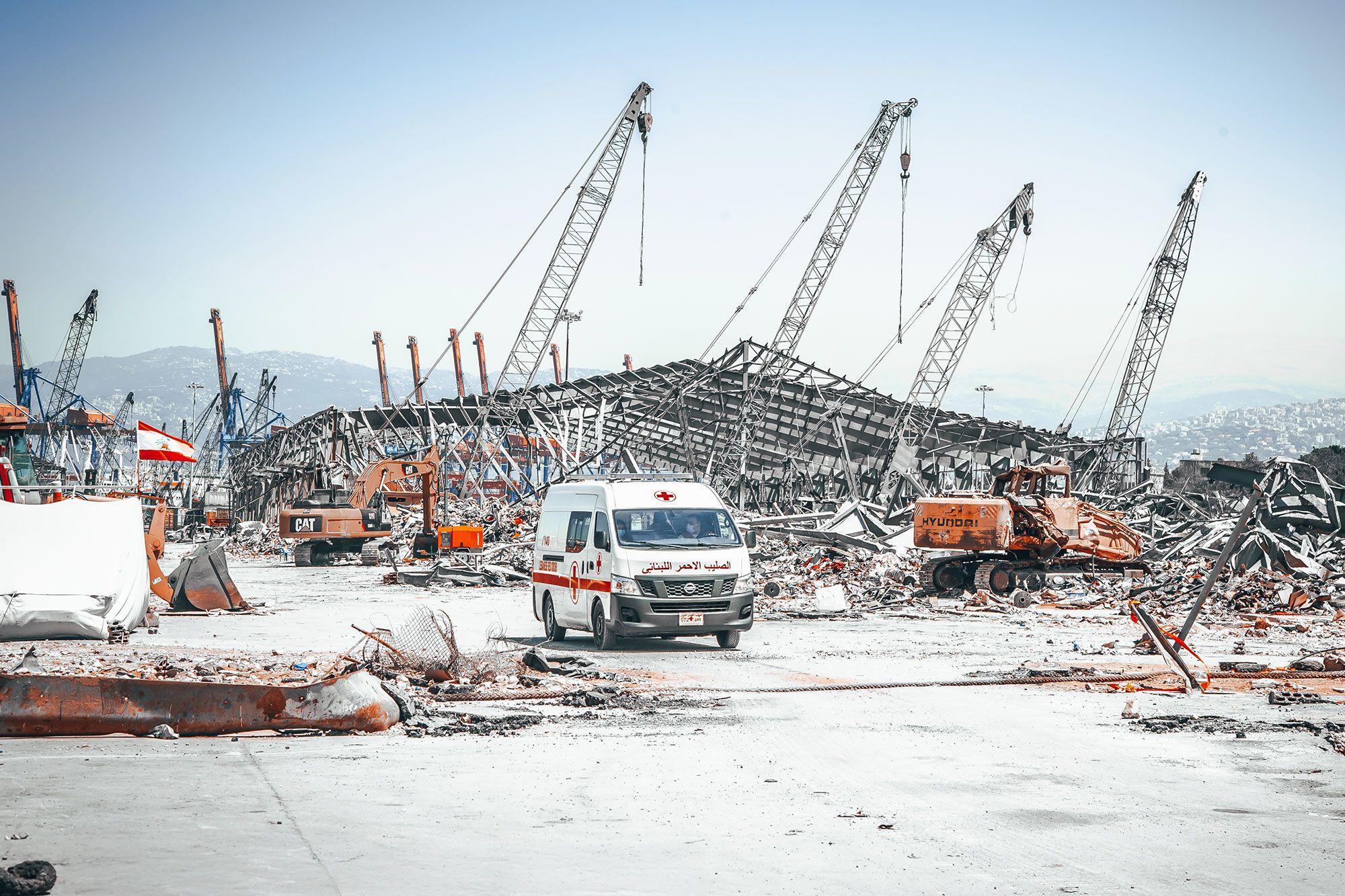
“We did not know how to respond to something like this”
What the Lebanese Red Cross learned from the 2020 Beirut explosion
Photo credit: Lebanese Red Cross

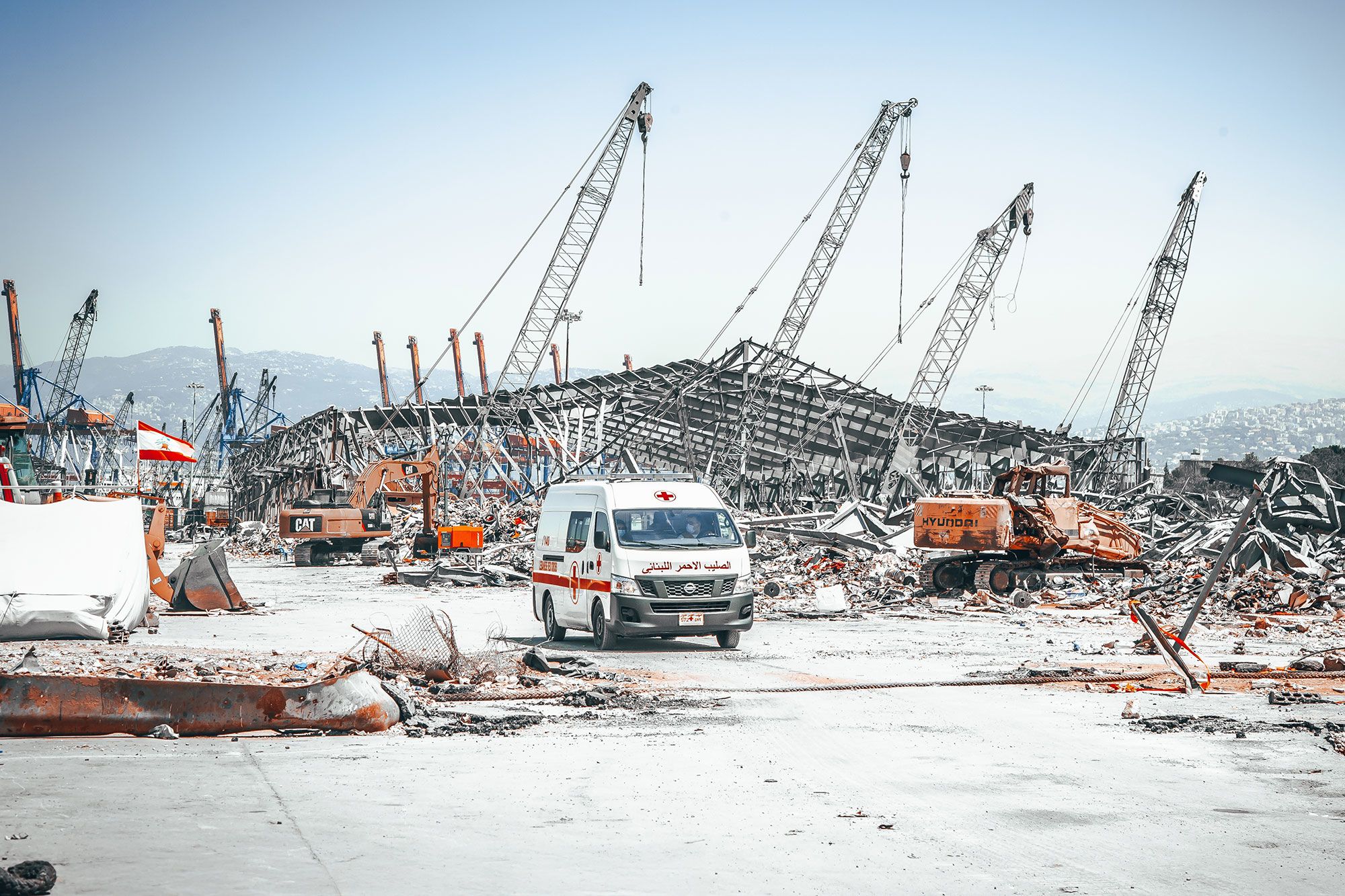
“We did not know how to respond to something like this”
What the Lebanese Red Cross learned from the 2020 Beirut explosion
Photo credit: Lebanese Red Cross

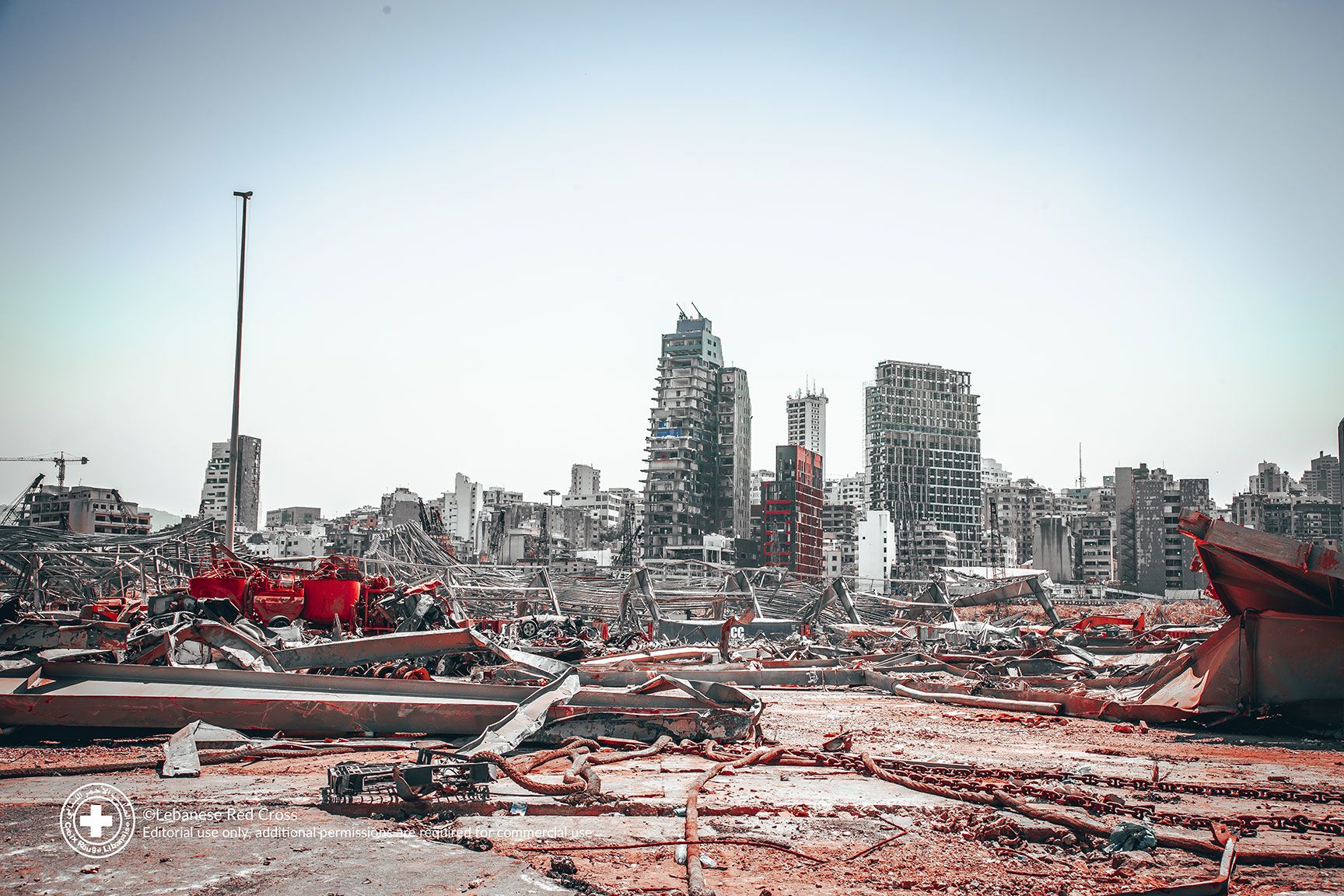

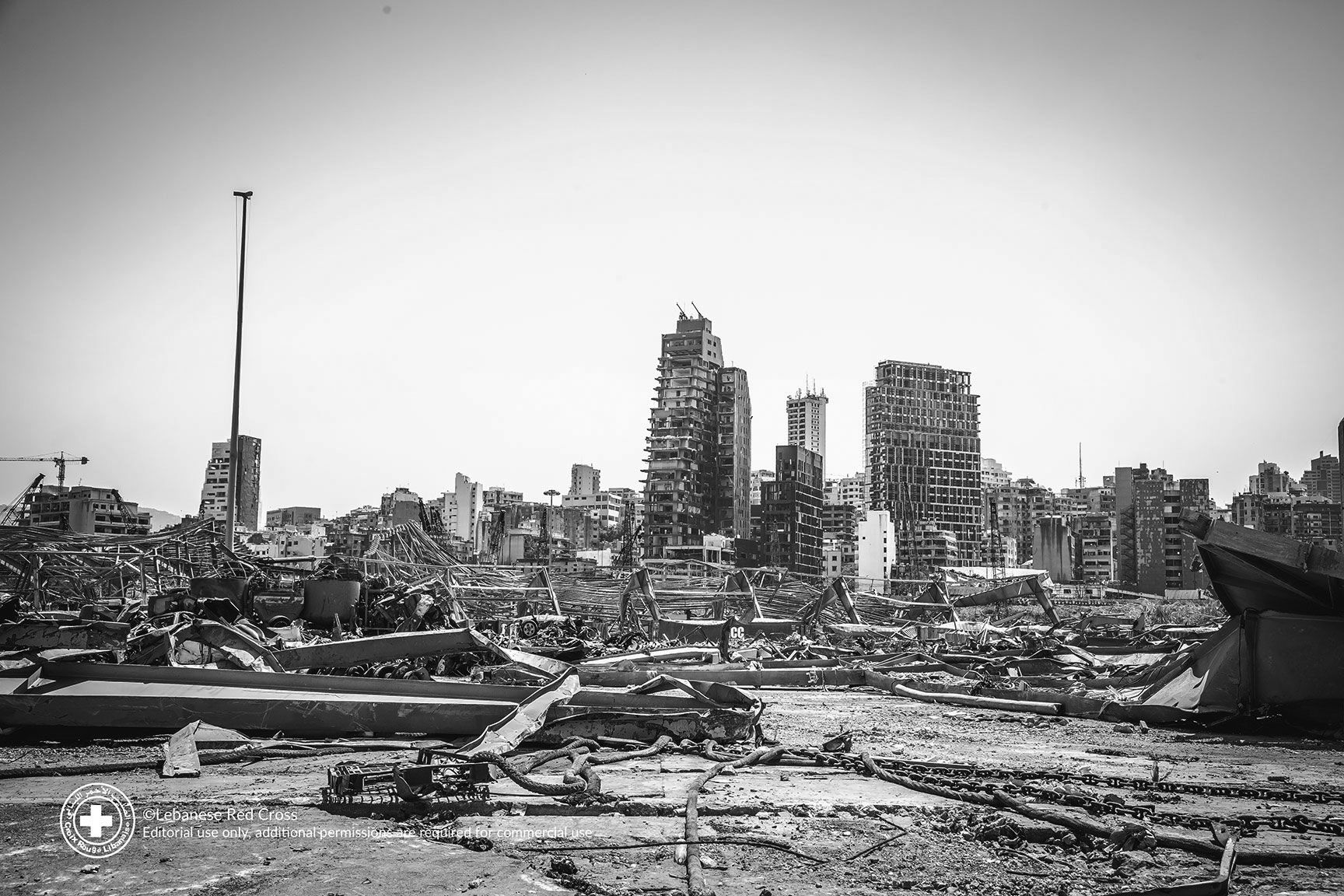
“There was blood everywhere… it was something unreal, an explosion beyond reason.”
For the people who lived through the Beirut Port Explosion on 4 August 2020, the horror of that moment remains impossible to forget.
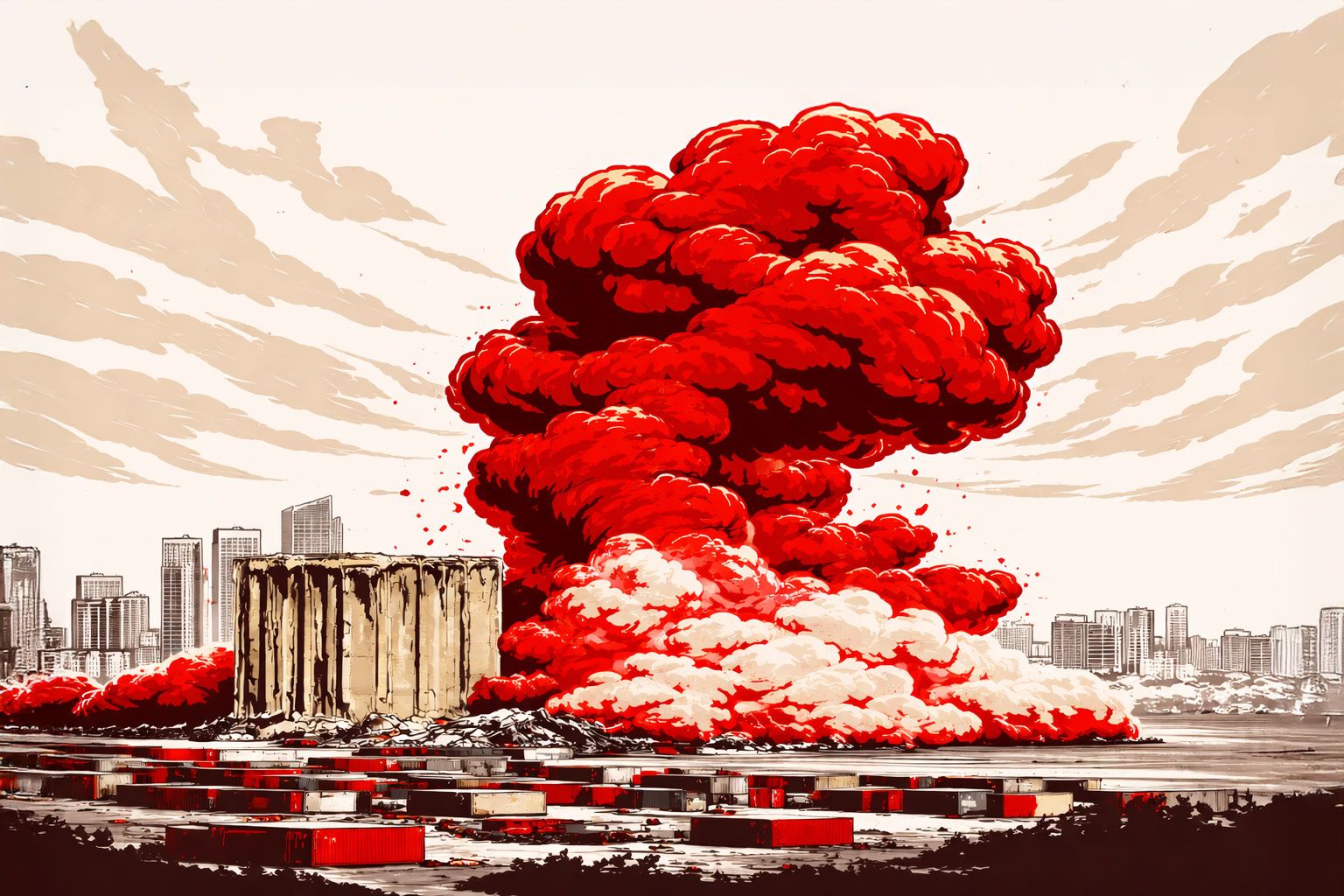
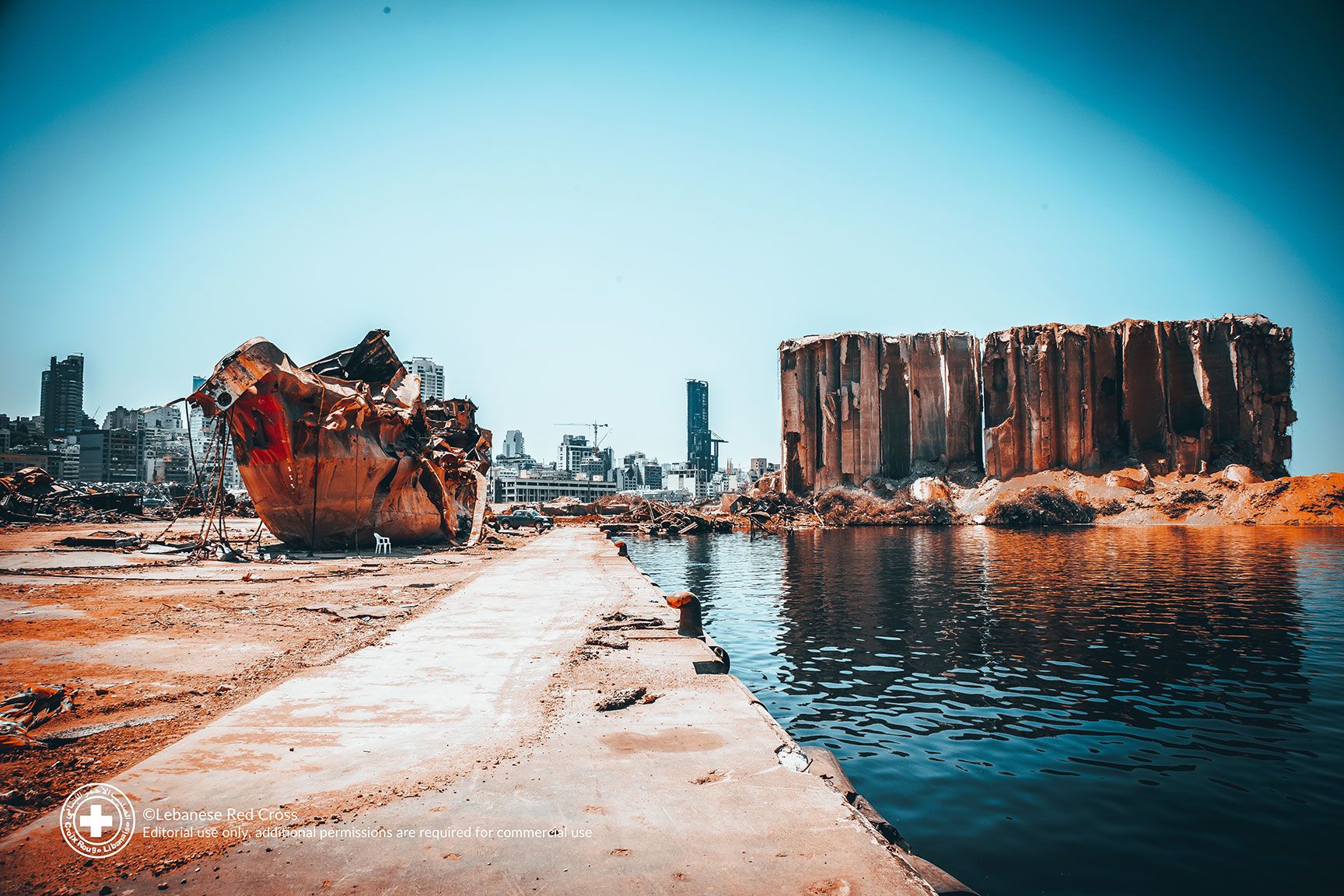
A massive blast tore across the capital city in seconds, killing over 200 people, injuring more than 7,000, shattering buildings and blowing apart homes. Streets filled with dust and screams. Families ran through debris, not fully understanding what had happened. Hospitals, many damaged themselves, struggled to cope.
Amid this chaos, the Lebanese Red Cross launched one of the most complex emergency operations in its history; it did so despite the absence of a Disaster Risk Management (DRM) law - the legal backbone that guides preparedness and coordination across national and humanitarian actors in major crises.
This is the story of those who survived, those who responded, and why stronger disaster-related laws are needed to ensure clarity, coordination, and preparedness when crises strike.
When the city shattered

In Achrafieh, Rola Yahchouchi had been half-asleep when the blast struck. She remembers opening her eyes to find shattered glass everywhere, unable to piece together how it had happened.
“I barely remember anything… I opened my eyes and all the glass had come in,” she says.
What she recalls clearly is regaining consciousness inside a Lebanese Red Cross ambulance; she drifted in and out while paramedics reassured her that her family was safe and explained that there had been an explosion.
They told her they were trying to find a hospital that would accept her. Most had been damaged or overwhelmed.
“They took me from hospital to hospital for hours. No one would take me in,” she recalls.
For nearly fourteen hours, ambulance crews moved her from one facility to another until a doctor in Byblos finally agreed to operate on her eyes. The operation was successful, and she eventually recovered.
Her home was completely destroyed. Her children did not let her see it for a month because it had been so severely damaged.
Across the city, Boghos Katkotoma was trying to reach his children through the dust-filled rooms of his home. The force of the explosion had thrown them across the house, and once he found them, he tried to get them out as quickly as possible.
When he finally managed to break open the front door, “the street was full of glass, blood, people crying and bleeding,” he says.
His shop was destroyed and his home was badly damaged. He lost one eye and can see only partially with the other. For nearly two years afterward, one of his children, who already had speech and hearing difficulties before the explosion, panicked at every loud sound.
“If something happens now, should I run outside or hide the kids inside? We still don’t know what to do,” Boghos says. “No one has told us.”
Like thousands of families, they lived through a disaster with little guidance, structure, and information.

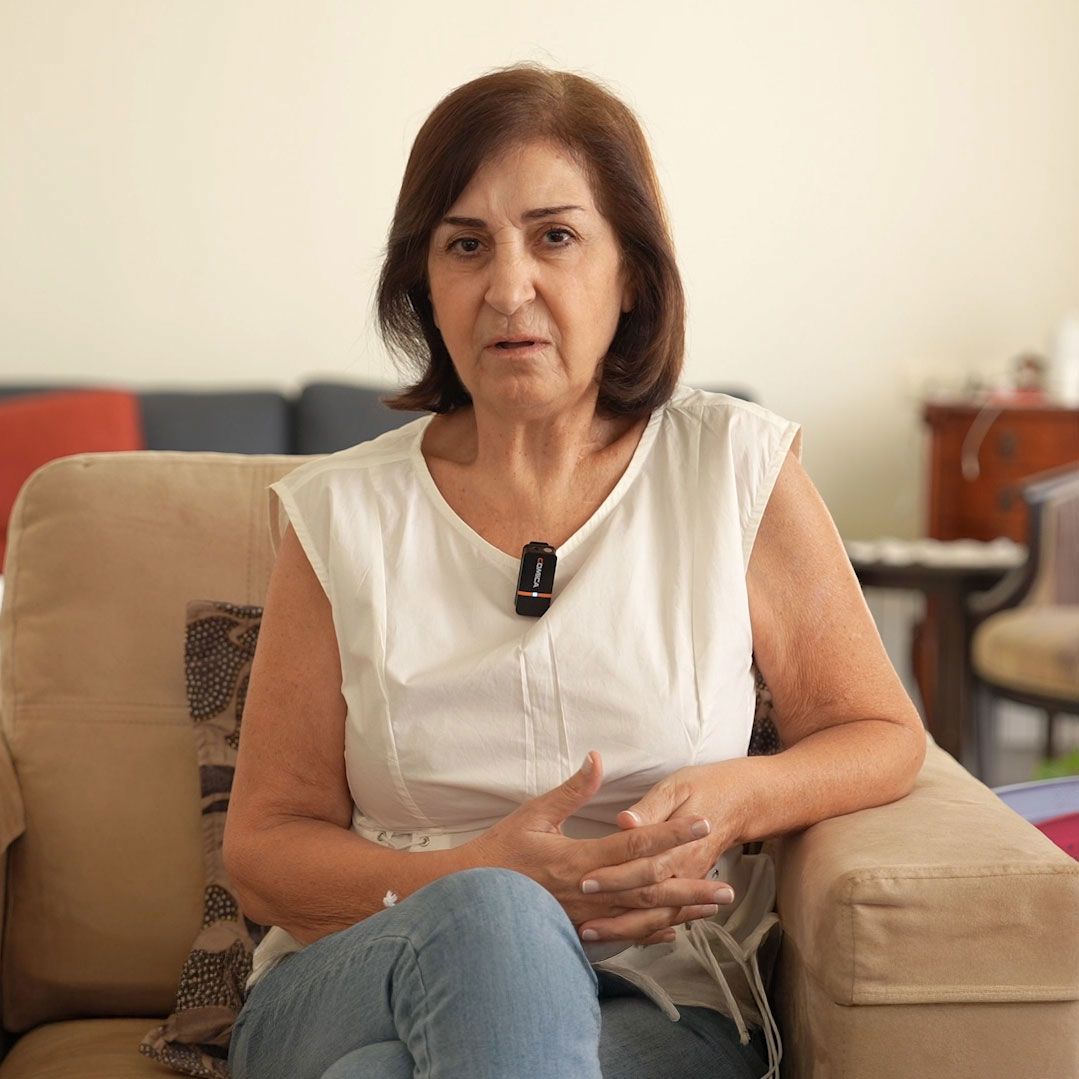
Rola Yahchouchi
Rola Yahchouchi
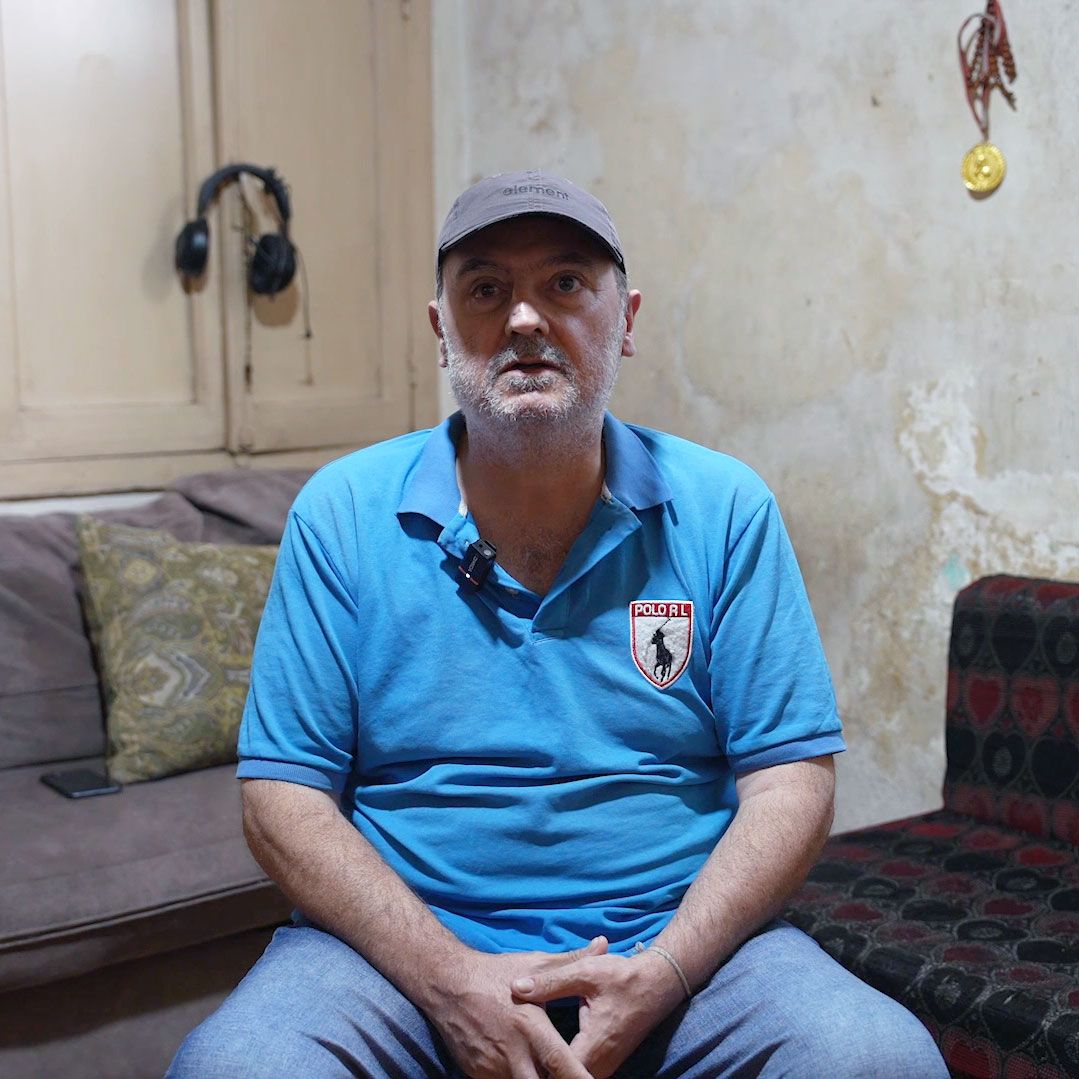
Boghos Katkotoma
Boghos Katkotoma

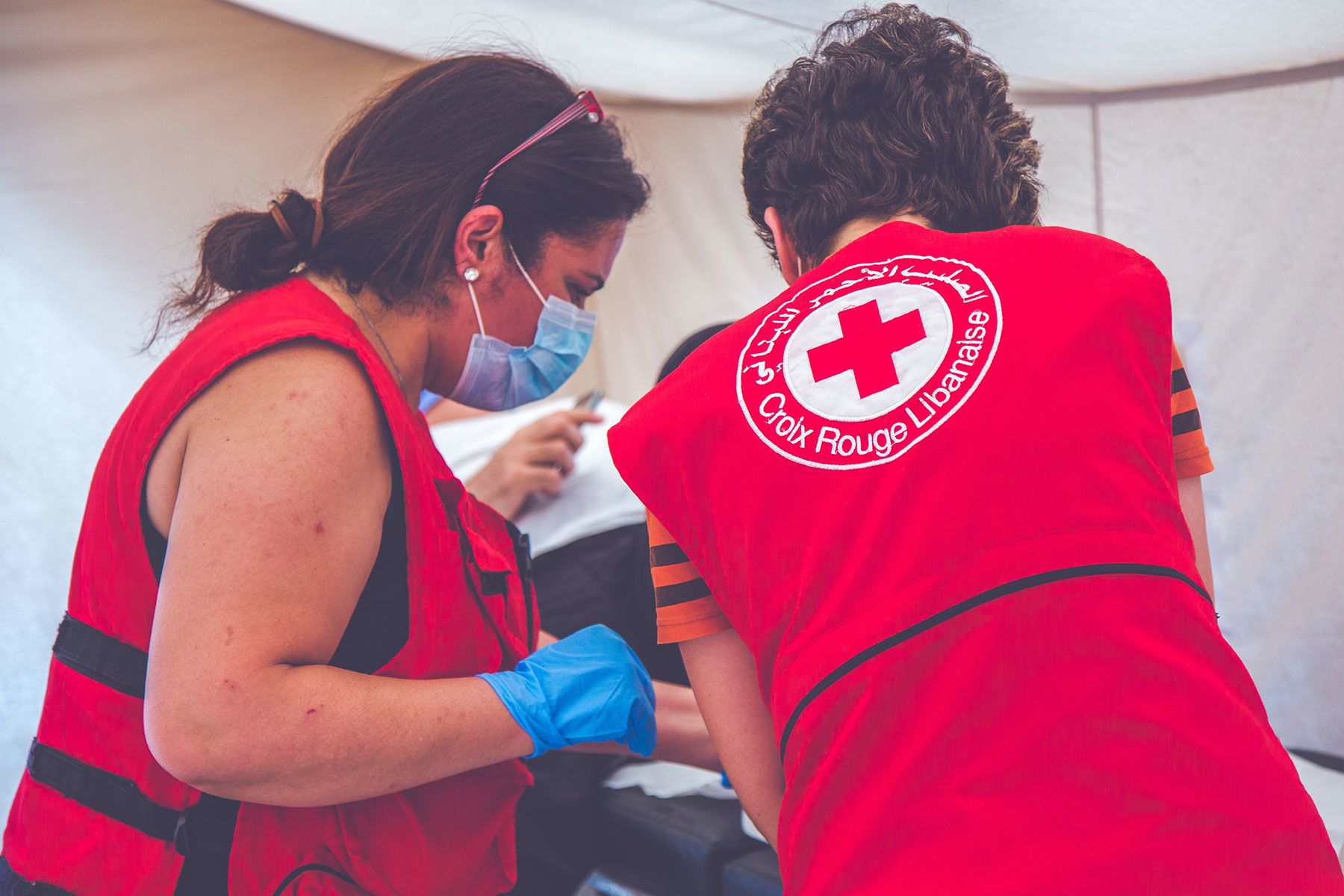
The first responders who ran toward the unknown
As families tried to escape the devastation, Lebanese Red Cross teams faced their own crisis.
Wadih Nassif, Head of Beirut District – Emergency Medical Services at the Lebanese Red Cross, was in the town of Bikfaya – about 25 kilometres east of the capital – attending a family event when the explosion happened.
He tried immediately to reach his station and his team, “but we didn’t understand what had happened right away… communication was almost impossible because the lines were down,” he says. Calls were cut or busy, and no one understood the scale of the disaster.
When he reached the Emergency Medical Services station in Gemmayzeh - Beirut, barely 500 metres from the port, “everything was destroyed,” Wadih recalls. The building was heavily damaged. All the ambulances were damaged. The street outside was in ruins and filled with injured people.
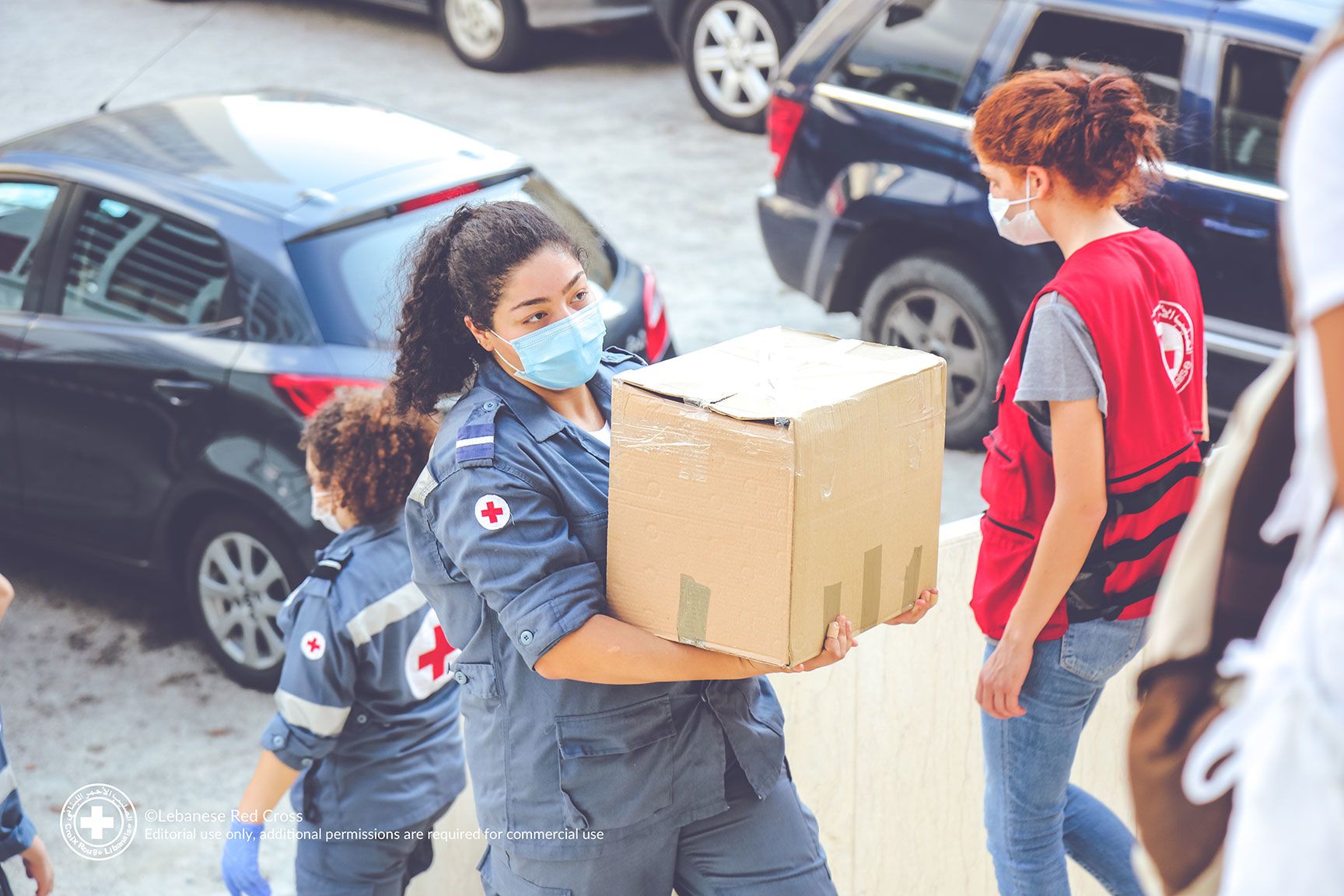
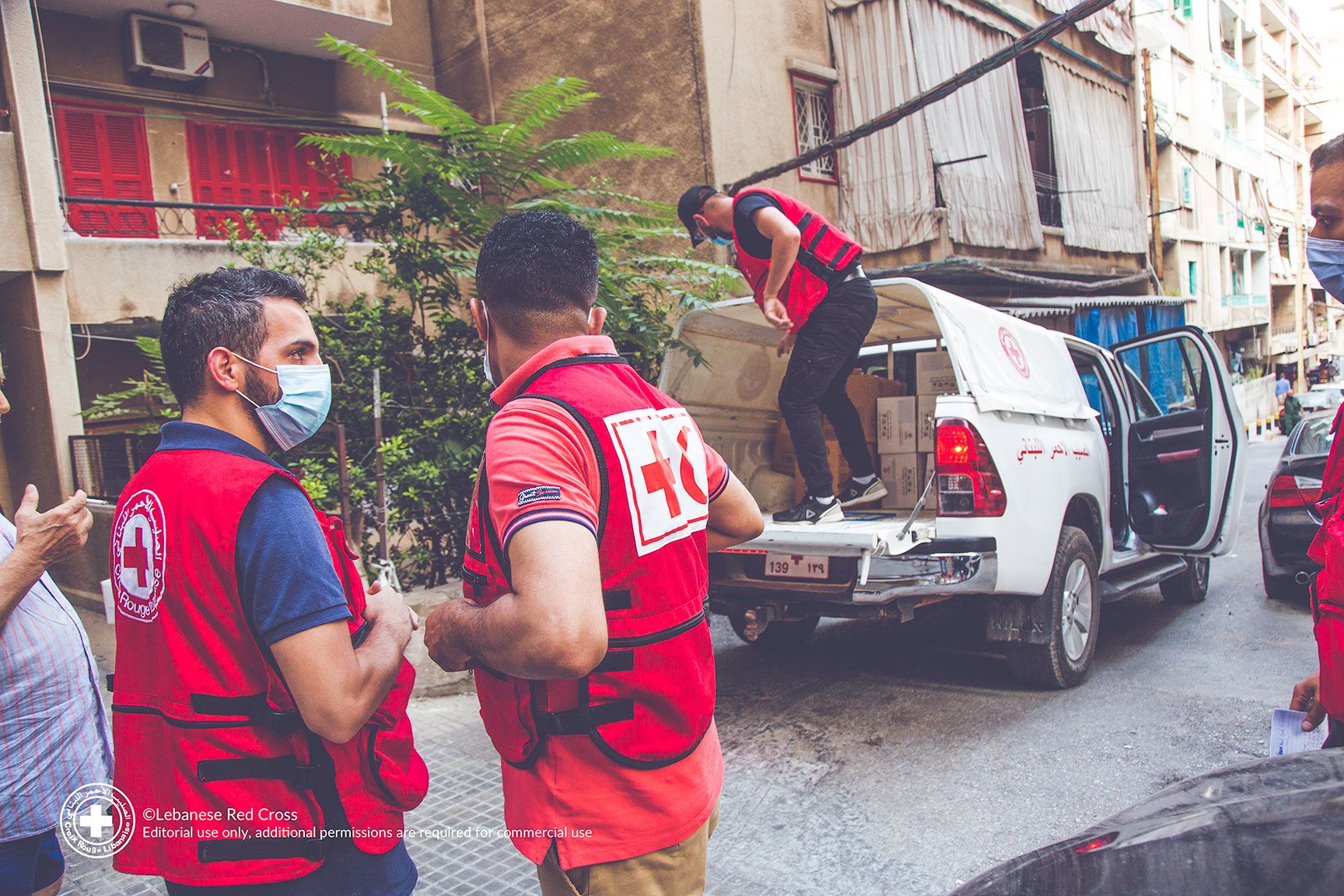
Because the station was unusable, volunteers carried supplies and stretchers outside and transformed the parking area into an improvised medical point.

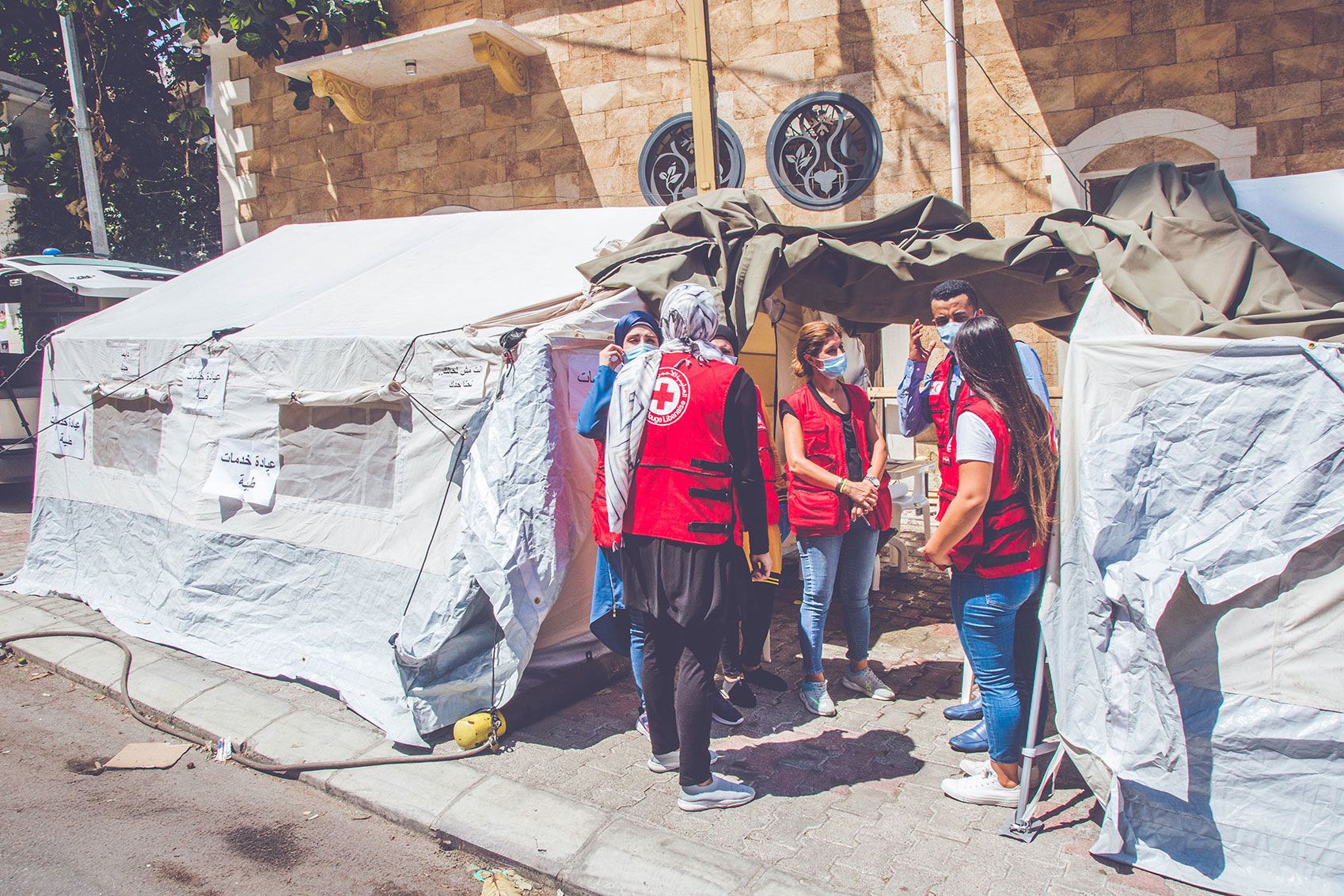
“We immediately began implementing our Mass Casualty Incident protocol and turned the parking area into a Casualty Clearing Station,” he says.
People from the neighbourhood rushed there for help. Civilians supported the teams. “Civilians helped massively. Honestly, without them, we couldn’t have managed.” Former paramedics who had left the Red Cross many years earlier also returned to assist.
With communications severely disrupted, they relied on radios and walkie-talkies, formed small teams, and moved on foot through the area to treat people in the streets. Many nearby hospitals, including St. George, Geitaoui, and Wardieh, were badly damaged and needed support to evacuate patients to other cities.
“The challenges were enormous, and the scale of the incident was massive,” Wadih says. The explosion affected many responders personally, making their work even more difficult. “How can anyone truly be prepared for something like that?”
That night, there was also fear of toxic gases in the air. Teams had only N95 masks. In the following years, the Lebanese Red Cross increased training and preparedness for chemical, biological, radiological, and nuclear emergencies.

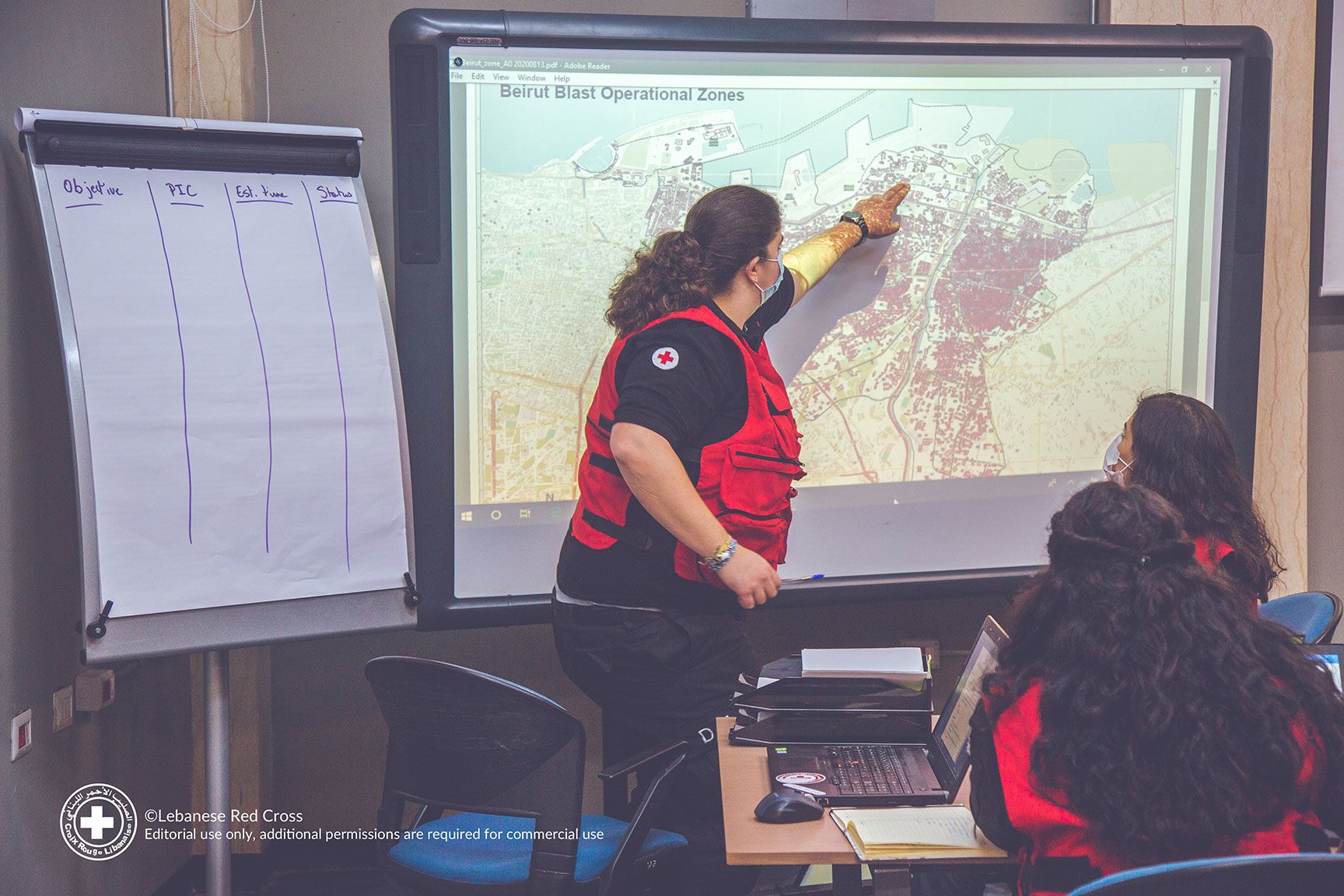

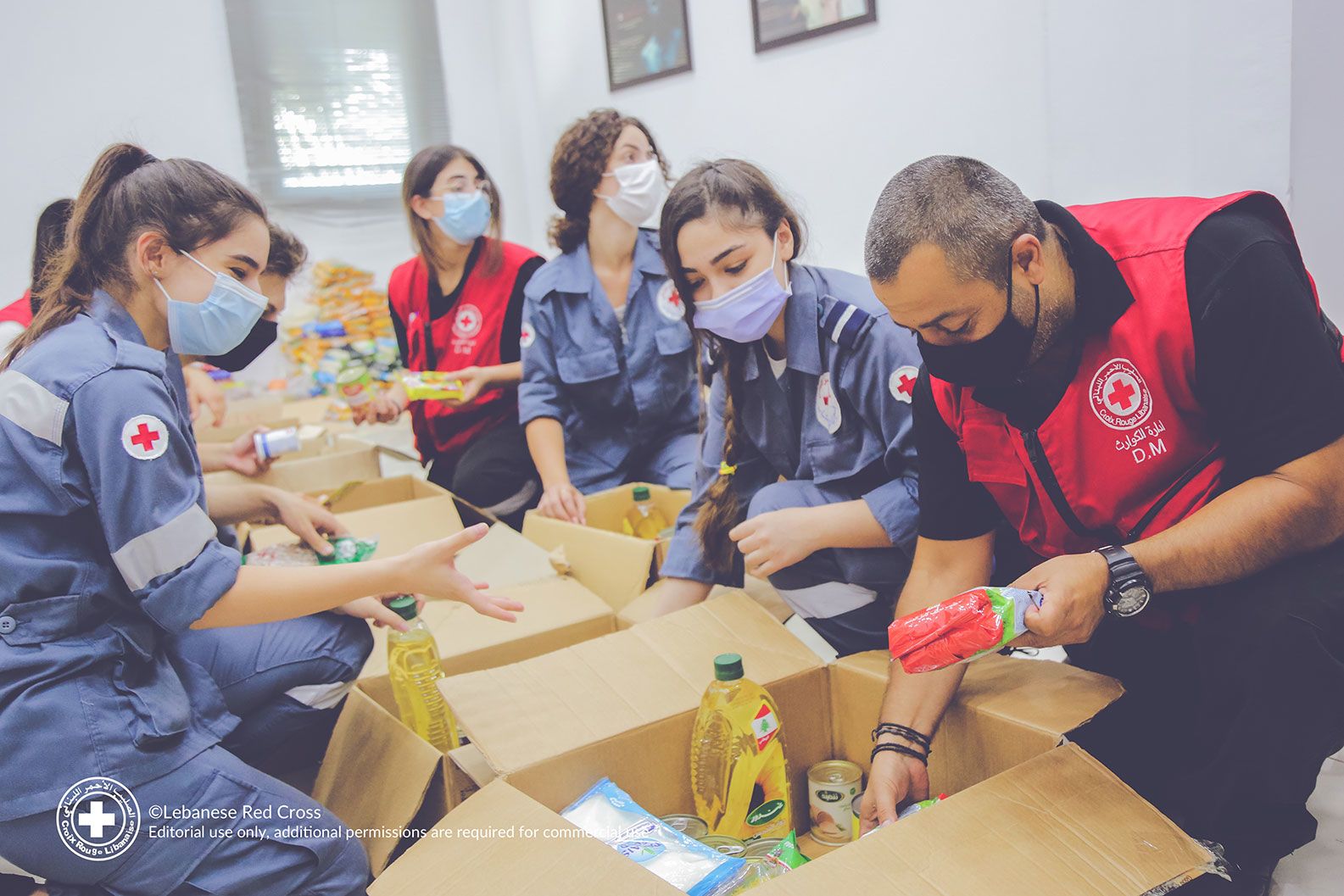


A National Society responds with everything it has
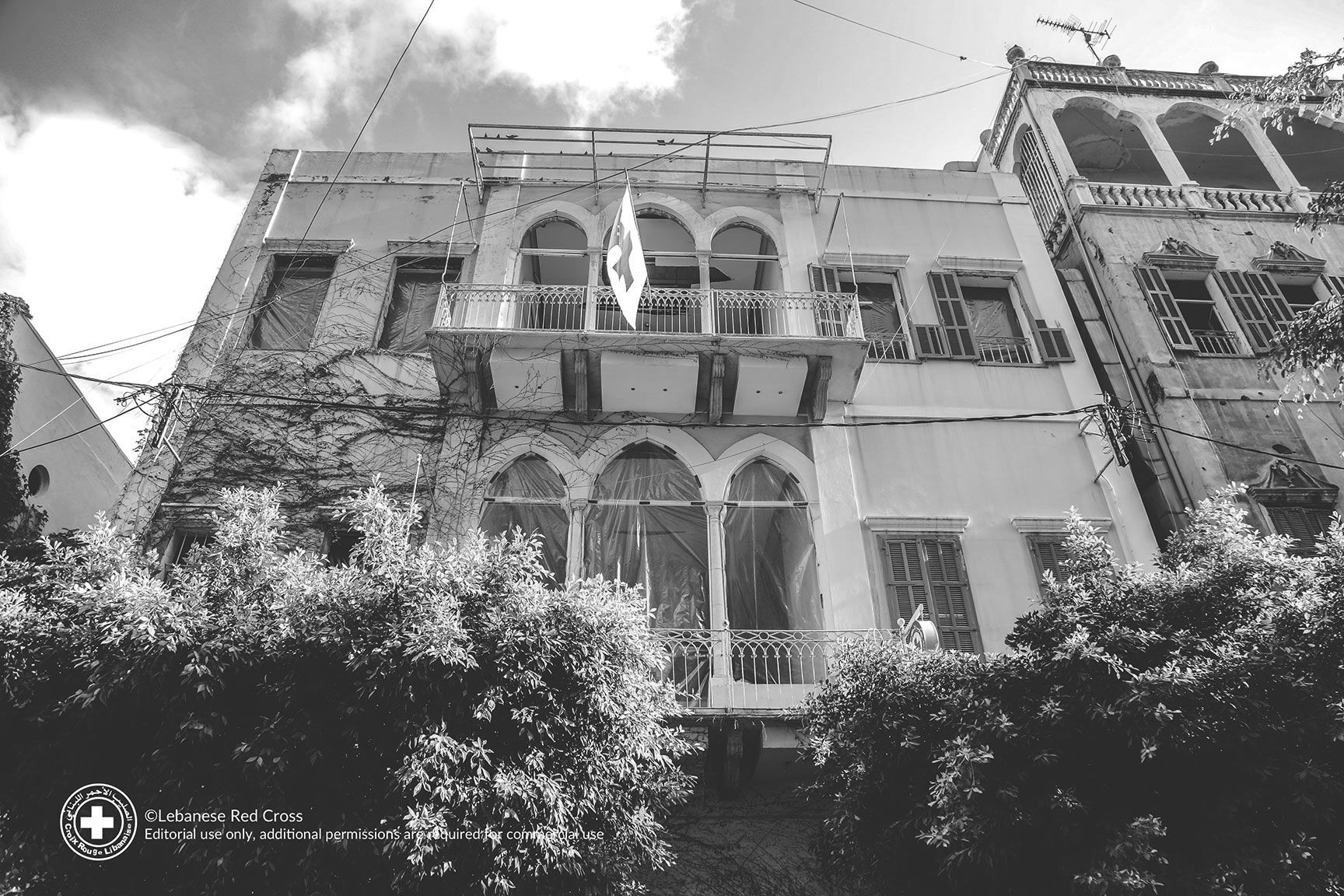
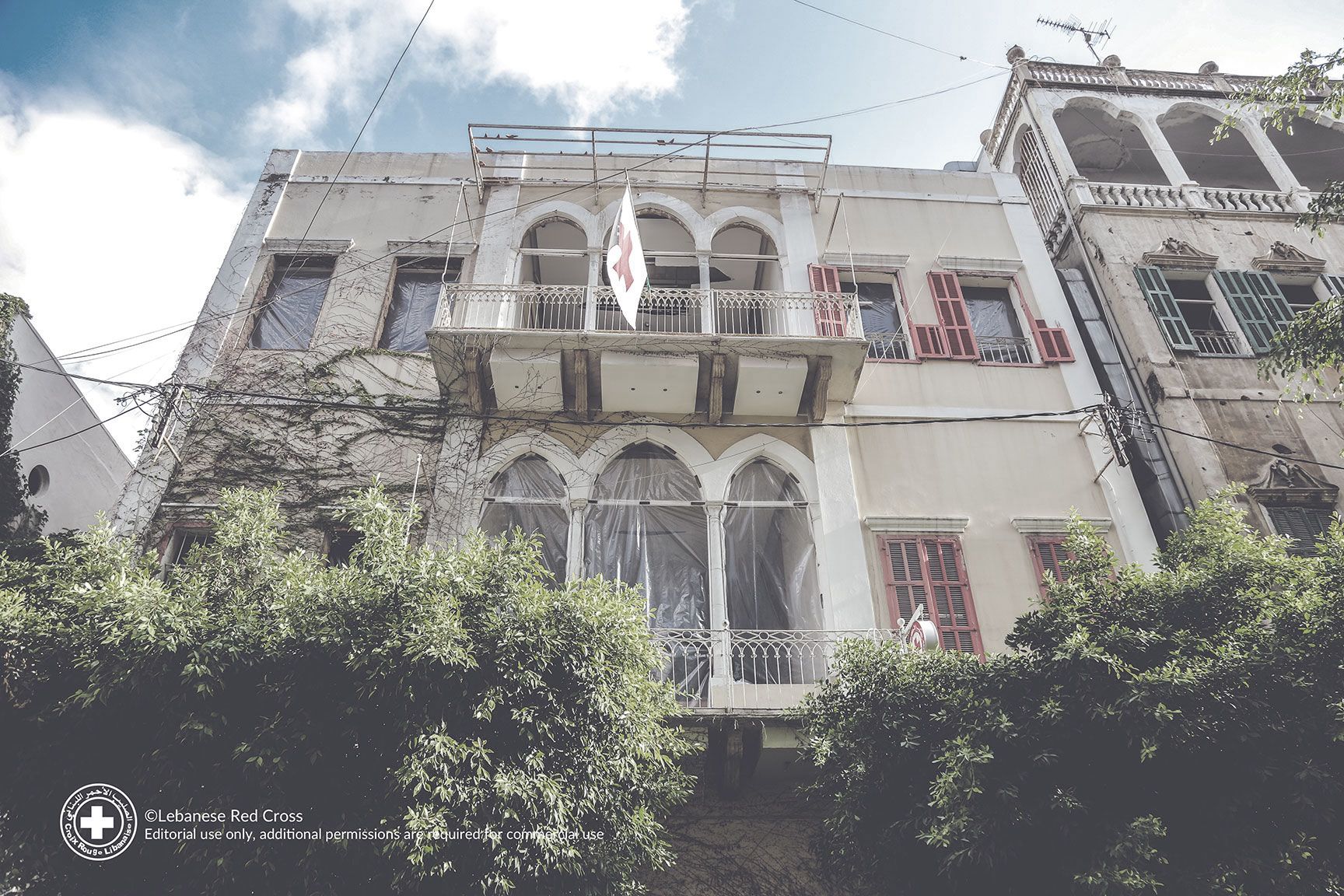
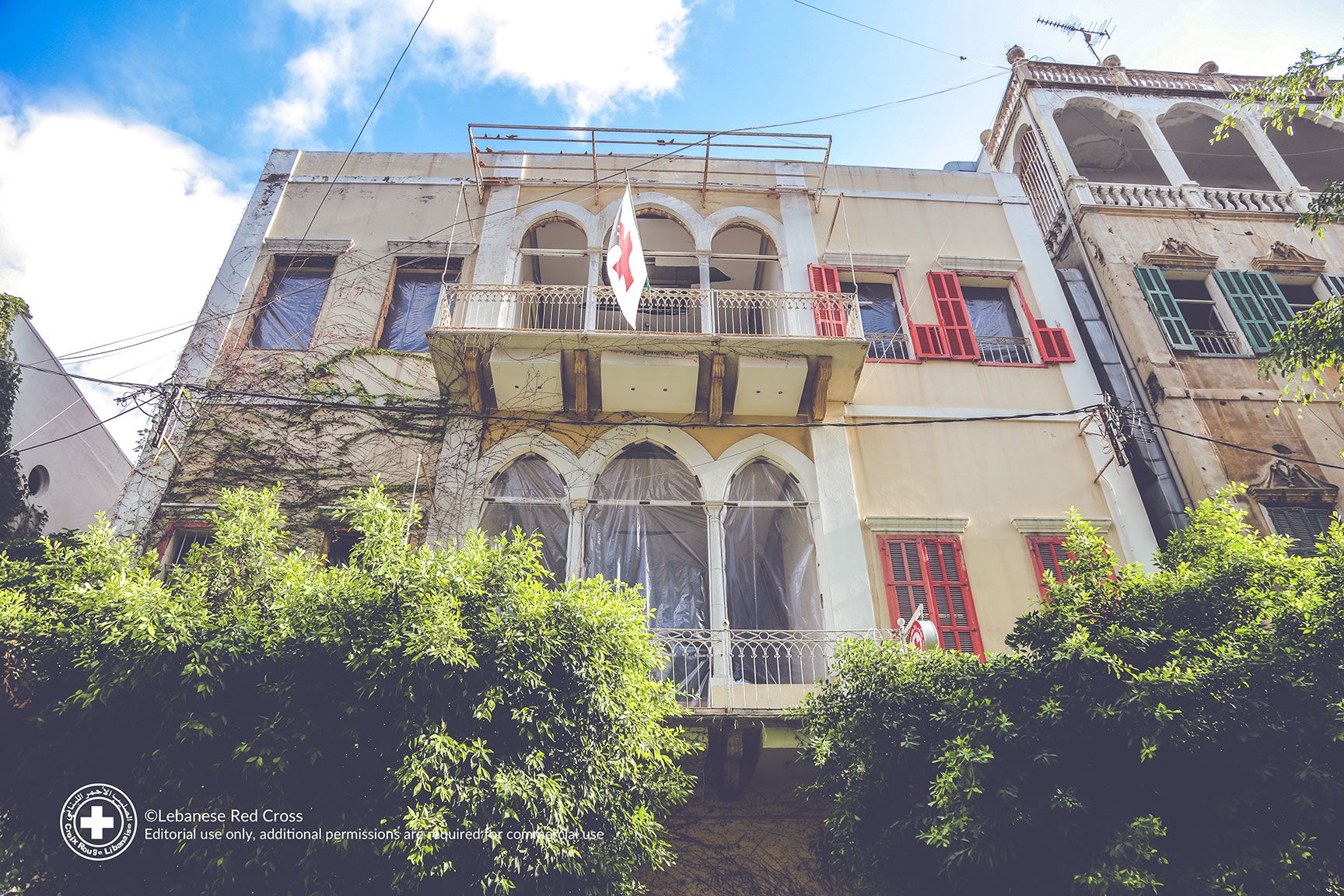
Even the Lebanese Red Cross headquarters had been damaged; windows were broken and part of the building was affected. Despite this, teams gathered within hours to begin organizing the response.
Ziad El Rayess, Director of the Disaster Management Sector, remembers how staff and volunteers mobilized from across the country, even though many of them had lost their own homes or had family members injured.
“Some of our volunteers lived in the blast zone; their homes were damaged and a few were injured, yet they still came to help,” he says.
“Reaching the affected areas was very challenging. The streets were blocked, and communication was overwhelmed,” Ziad explains.
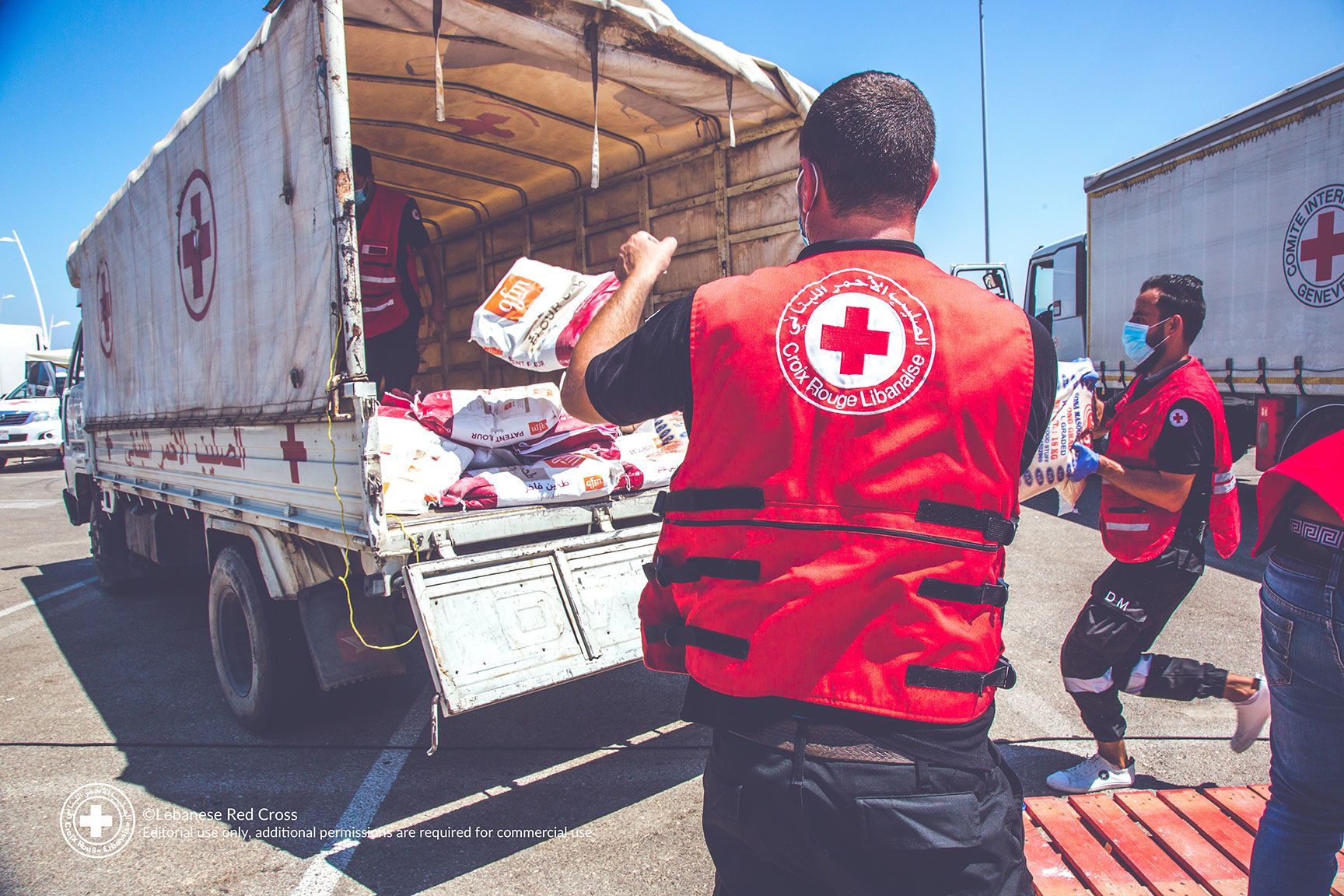
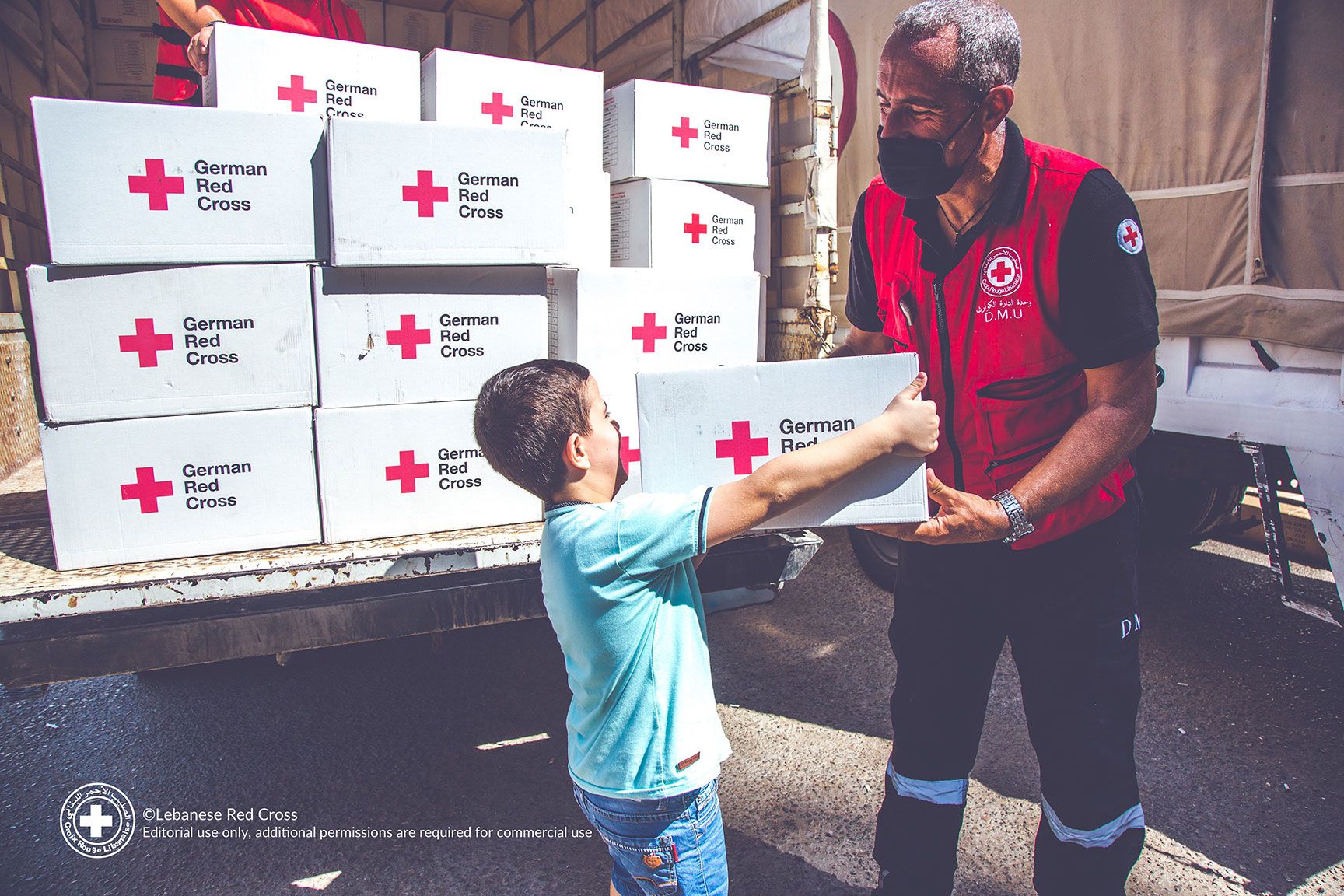
As night fell, responders helped families who could no longer stay in their homes. They identified temporary shelters and distributed food, water, blankets, and essential items, doing everything possible to meet urgent needs.
In the days that followed, the Lebanese Red Cross continued to support people whose lives had been upended.
The scale and speed of the crisis revealed how quickly an urban disaster can overwhelm existing systems and highlighted the need for stronger preparedness.
"The Beirut Blast forced us to rethink everything," Ziad says.
"It pushed us to strengthen our internal capacity and update our disaster management strategy."
A crisis without a framework
Throughout these testimonies, one reality appears again and again: Lebanon did not have a national DRM law.
Lebanese Red Cross Secretary-General, Georges Kettaneh, explains it clearly:
“There is no national law related to disasters. There is a decree that defines the roles of different ministries and institutions, including the Lebanese Red Cross, Security Forces, Civil Defense, and the Fire Brigade; but there is no disaster law.

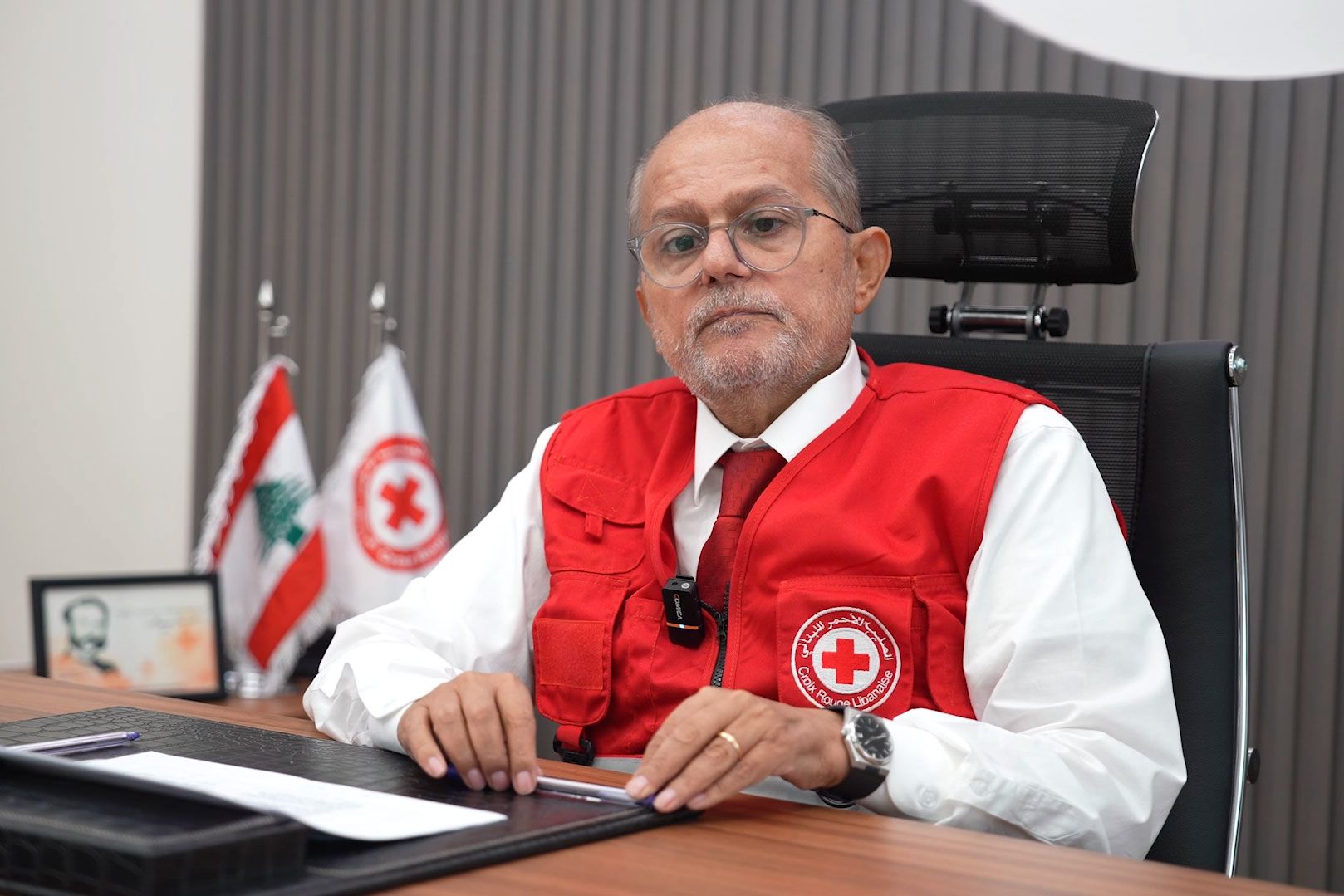
Georges Kettaneh
George Kettaneh
“The Beirut blast was a shock to everybody; we did not know how to respond to something like this. A disaster law, for us, is a mandatory law. It can help us know our roles and responsibilities and prepare ourselves to be ready to respond to any crisis, whether man-made or a natural disaster.”
Without such a law, institutions coordinated as best they could, based on plans and existing relationships. Yet many gaps remained, from overall leadership of the response to systems for preparedness and clear coordination between ministries, services, and humanitarian partners.
Why disaster law matters, and what comes next
Lebanon’s current disaster-related responsibilities are spread across multiple entities, potentially resulting in fragmented coordination, overlapping mandates, and unclear leadership.
A comprehensive DRM law would address these gaps and provide a stronger foundation for national response, as it would:
- Set out, in advance, who is responsible for what when disaster strikes.
- Identify which authority leads the response, how ministries and emergency services coordinate, how emergency funds can be released quickly, and how contingency plans are activated.
- Create the legal basis for cooperation with humanitarian and international partners when national capacity is overwhelmed.
While such a law cannot always prevent crises or catastrophic events, it can reduce risks and significantly limit their impact. More importantly, it shapes how quickly and effectively a country responds afterward.
In Vanuatu, for example, investments in preparedness — including formalizing roles and responsibilities in national legislation and disaster law — helped the Red Cross lead a coordinated humanitarian response to Cyclone Harold even as the COVID-19 pandemic unfolded, with pre-positioned supplies, trained volunteers, and quicker access to funding already in place.
Had such a framework been in place in Beirut, some of the confusion in the first hours might have been reduced:
- A designated lead authority could have coordinated hospitals more quickly, helping ensure patients like Rola were directed to facilities with available capacity instead of being moved from one hospital to another for hours.
- Clear emergency procedures could have streamlined evacuations from damaged hospitals and defined who was responsible for public communication.
- Pre-established contingency plans might also have clarified how ministries, emergency services, and humanitarian actors worked together when phone networks collapsed and streets were blocked.
As Chaden El Daif, Disaster Law Programme Coordinator at IFRC Middle East and North Africa, explains:
“Our responders are always present when disaster strikes, but true protection begins long before an emergency unfolds. A central disaster risk management law would fundamentally strengthen community and national safety by ensuring preparedness, clarifying responsibilities, and enabling coordinated and funded action in the face of rising risks. As disasters grow more frequent and complex, legal preparedness becomes one of the strongest safeguards a nation can offer its people.”
The Beirut Port Explosion demonstrated the consequences of facing a large-scale urban disaster without a legal foundation, and the lesson extends far beyond Lebanon.
Kassem Chaalan, Director of the Disaster Risk Reduction Unit at the Lebanese Red Cross, explains:
“When a crisis hits, that is not the moment to start preparing; it is the moment to activate the plan you have already trained on. This is true not only for Lebanon or the Middle East. Everywhere, risks are rising, whether from climate-related disasters or armed conflicts.”
Large-scale crises often exceed the capacity of governments and institutions to respond alone. Kassem highlights the path forward:
“This is why investing in training, preparedness, and community engagement is essential. And why investing in governance — to develop policies and laws that take these measures into account — is crucial to building safer and more resilient communities.”
Strong disaster-related laws, inspired by global best practice and adapted to local contexts, help ensure that when disaster strikes, the systems needed to protect people are already in place. They allow institutions to act with clarity, communities to respond with confidence, and countries to coordinate more effectively at every level.
Lebanon should adopt a comprehensive disaster risk management law to ensure better coordination, clearer leadership, and stronger readiness for future crises.
Preparedness is not optional; it is a global necessity and a shared responsibility.




 Built with Shorthand