
This article is based on the emergency response efforts as of 2 April 2026.
In Israel, Magen David Adom (MDA) has raised its alert level to maximum, mobilizing all ambulances, intensive care units, emergency motorcycles, and rapid response vehicles nationwide.
MDA teams have treated and transported more than 1,700 injured people to hospitals, providing lifesaving care in several cities impacted by missile attacks.
They are also conducting secondary transfers of bedridden and ventilated patients from non-sheltered facilities to protected locations, while leading a national blood-donation campaign in secure sites and offering public webinars with clear, life-saving guidance for civilians during missile attacks.
Here are the stories of three MDA first responders who share their frustrations and sadness about what they’ve experienced, as well as the satisfaction, pride and hope that comes when lives are saved.
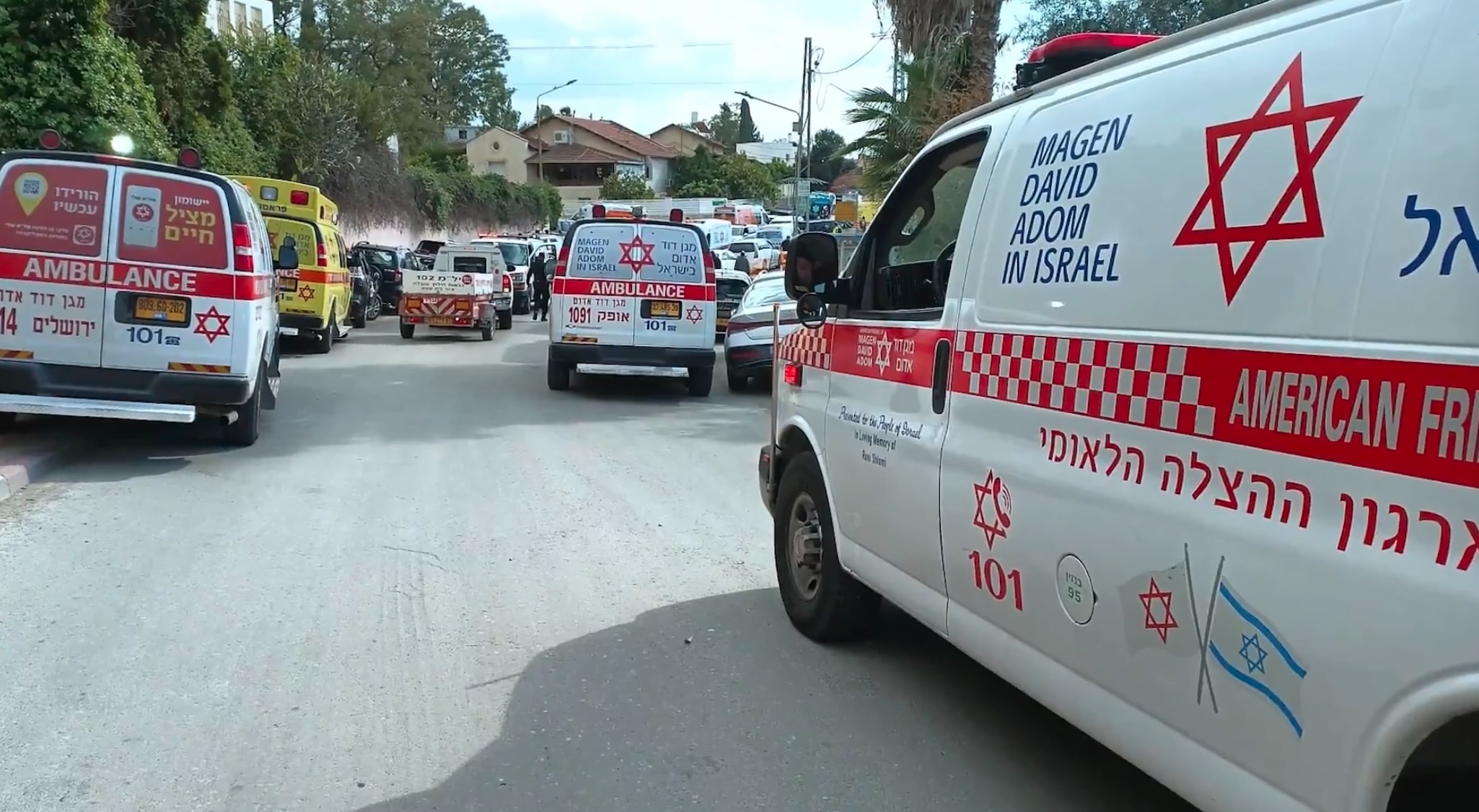
Emergency responders from Magen David Adom have treated and transported more than 1700 injured people to hospitals, providing lifesaving care in several cities impacted by missile attacks.
Photo: Magen David Adom in Israel
‘A feeling of helplessness’
“This is something that I will probably, I'll carry with me for life, the feeling of helplessness in being able to help someone in such a dire experience,” says Magen David Adom paramedic Avigail Danino, who was among the first responders who treated the injured after a missile strike on Beit Shemesh in Israel, where nine people were killed and dozens injured.
“Sunday morning when the [missile] fall in Beit Shemesh happened, I was one of the paramedics on call with an ambulance,” she recalls. “Once I arrived at the scene I understood that there was a complex destruction area.
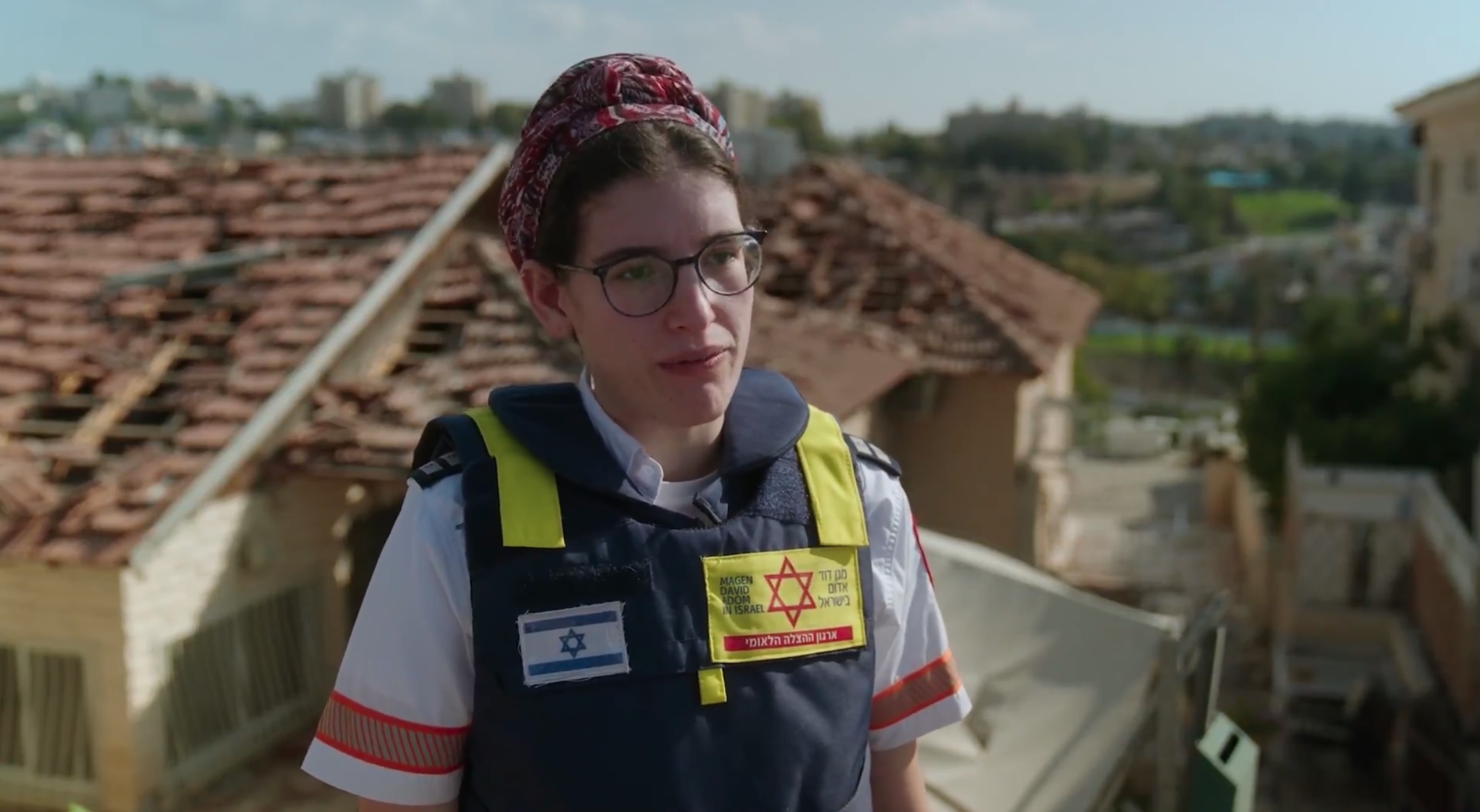
Magen David Adom paramedic Avigail Danino.
Photo: Magen David Adom in Israel
“One of the people that I had to treat was someone who lives by the crash site. Additionally, he has a brother who lives nearby the crash site, and he knew that his brother went [there] during the sirens to the safe place where the crash occurred.”
That’s when the man saw emergency medical personnel removing a body from the place where the missile struck.
“He saw a gurney with a body bag over it and he recognized his brother's shoes, and that's how he understood that his brother was killed during the missile attack.”
Frustration that ‘doesn’t go away’
Magen David Adom volunteer EMT Reuven Harow was also among the first responders who treated the injured after the same missile strike on Beit Shemesh in Israel.
“I got here at that point we just looked for how can we help and the way to help find somebody who needs help and take them to the hospital,” he says, recalling the team’s rapid response.
“I found a woman who was having trouble breathing. I put her in the ambulance and took her and we got her out of here and then I came back and went to see what else I could do to help.
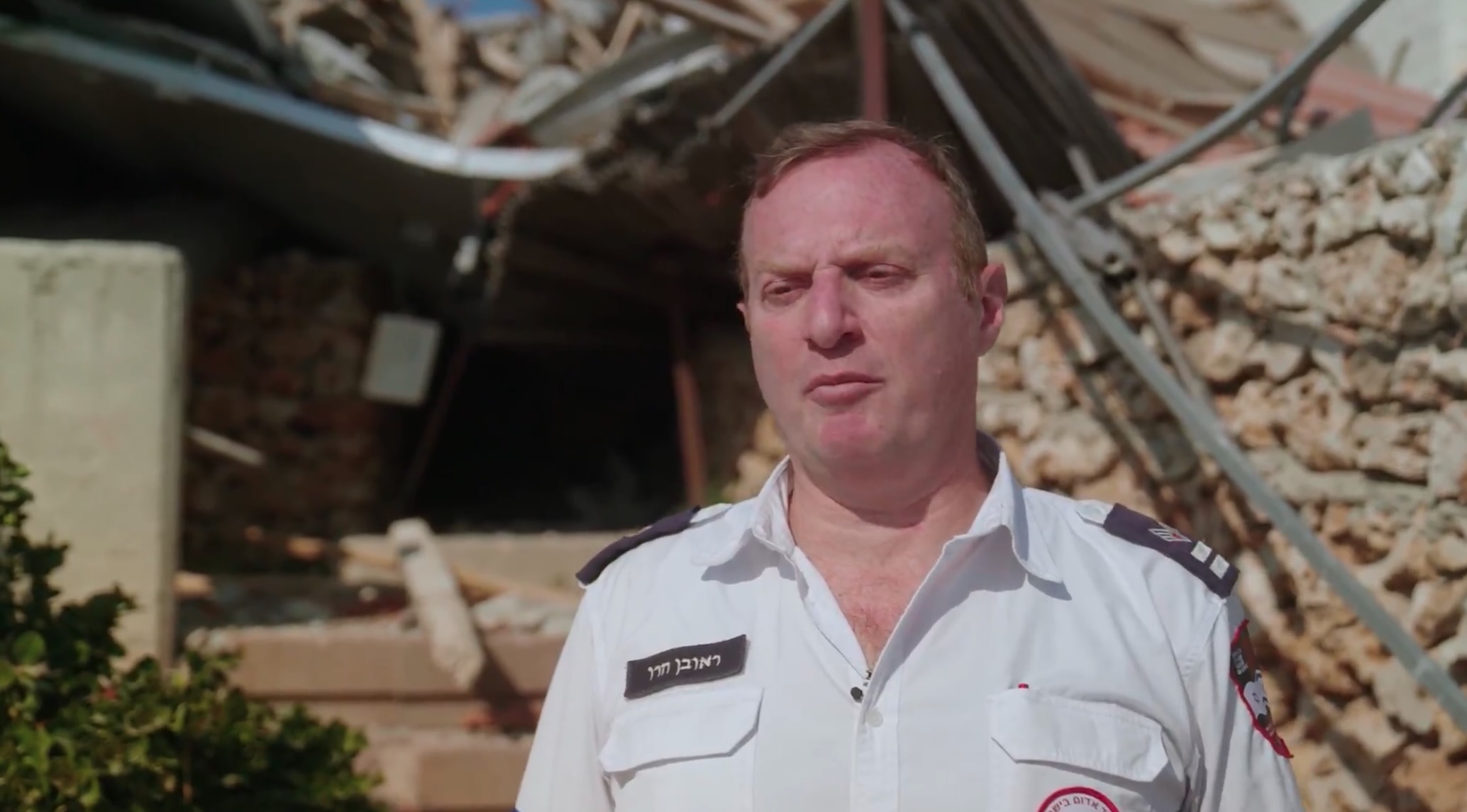
Magen David Adom volunteer EMT Reuven Harow.
Photo: Magen David Adom in Israel
Harow says that as a volunteer for Magen David Adom, he feels proud that he can help friends and neighbors in the city where he grew up and raised a family. “The fact that I can put on my shirt or I can put on my emergency vest, and I can go out and I can help people, and it's a tremendous feeling of satisfaction that I get from the work that I do.”
But he adds that because this is happening in his hometown, “the level of frustration that you feel when you can't fix something, it doesn't go away.”
'It was a surreal moment' — an MDA paramedic welcomed new life amid the sirens
MDA Paramedic Elad Pas was transporting a woman in labor from one of the Bedouin communities in southern Israel, when he realized that the baby was about to be born, and that he would need to deliver the baby himself.
“The baby was born blue and wasn’t breathing,” he recalled. “We had to provide ventilation until his condition improved, and he began breathing on his own.”
During those tense minutes, the team provided professional medical care while also following safety procedures due to alarms sounding in the area.
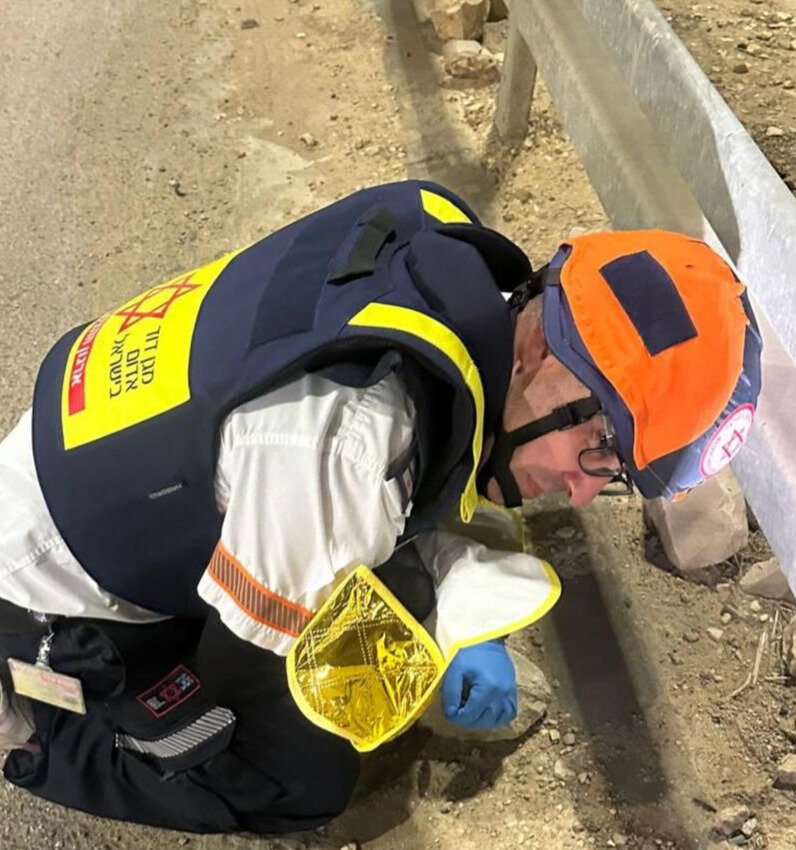
“It was a surreal moment,” said Elad, who is himself a father of five who has served with Magen David Adom for twenty years. “On one hand, the background noise of sirens and uncertainty; on the other, a newborn baby — a powerful symbol of life and hope. All I wanted was to protect him and give him one more moment of safety.”
For Elad, the experience reflects the deeper meaning of his work. “When I’m with a patient, I am completely there for that person,” he explained. “We often face people’s most difficult moments and sometimes, like this time, their very first.”
He added that this constant encounter with the extremes of life provides perspective and inner strength. “It reminds me to appreciate health, family, and the everyday things we often take for granted. We see sorrow and loss, but also incredible moments of humanity and renewal.”
“Magen David Adom brings together people from all parts of Israeli society — Jews and Arabs, religious and secular, young and old, united by one mission: saving lives. I only wish that this spirit of solidarity could spread further. It truly shows what is possible.”
The newborn and his mother are both well.


