
Costa Rica's tropical ecosystems are home to 23 species of venomous snake. If one of these snakes bites someone, whether a child or an adult working in the fields, every minute counts. In an emergency like this, the distance to the nearest medical centre can mean the difference between life and death.
The Costa Rican Red Cross has decades of experience treating people bitten by venomous snakes, particularly in areas where access to medical centres is limited. It plays a fundamental role in providing a first response to stabilize patients and organize urgent transfers to hospitals.
So far in 2025 alone, the Costa Rican Red Cross has transported 46 people in a critical condition after they were bitten by snakes. Every year, around 600 people are bitten by snakes in Costa Rica.
However, the Red Cross is not the only institution that responds to snakebites: the Clodomiro Picado Institute (ICP) at the University of Costa Rica (UCR) has also been involved since 1970.
It is the only producer of antivenom in Central America and Panama. Since its foundation, the Institute's mission has been to produce antivenom to help treat patients affected by snakebites in Costa Rica and other developing countries.
Currently, the laboratory produces around 120,000 vials of antivenom each year, saving lives in Costa Rica and across Central America, South America and Africa.
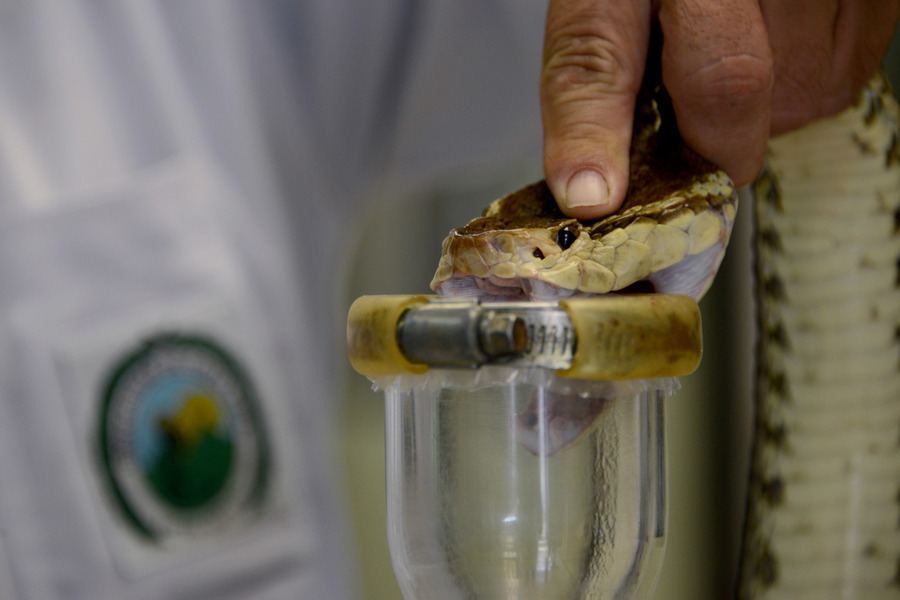
The Clodomiro Picado Institute at the University of Costa Rica contributes to significantly reducing deaths from snake bites in America and Africa.
Photo: Laura Rodríguez Rodríguez, UCR
An agreement of hope
On 8 September 2025, the Costa Rican Red Cross and the ICP signed an agreement to improve the response to snakebites outside of hospitals. The two organizations have joined forces to make freeze-dried antivenom serum available in the most remote communities in the country.
The institute will donate 30 vials of freeze-dried antivenom serum to the Costa Rican Red Cross each year. The serum's powdered formulation does not require refrigeration, making it easier to transport and store in strategic locations – allowing Red Cross volunteers and staff to provide life-saving support even in hard-to-reach communities.
Dyanne Marenco González, president of the Costa Rican Red Cross, said “Through our collaboration with the Ministry of Health and the University of Costa Rica — specifically the Clodomiro Picado Institute — we will enhance pre-hospital care, ensuring a prompt response to snakebites and saving lives in remote communities where immediate care is crucial.
“This agreement reaffirms the Costa Rican Red Cross' humanitarian commitment to being present in the most remote areas of the country.”
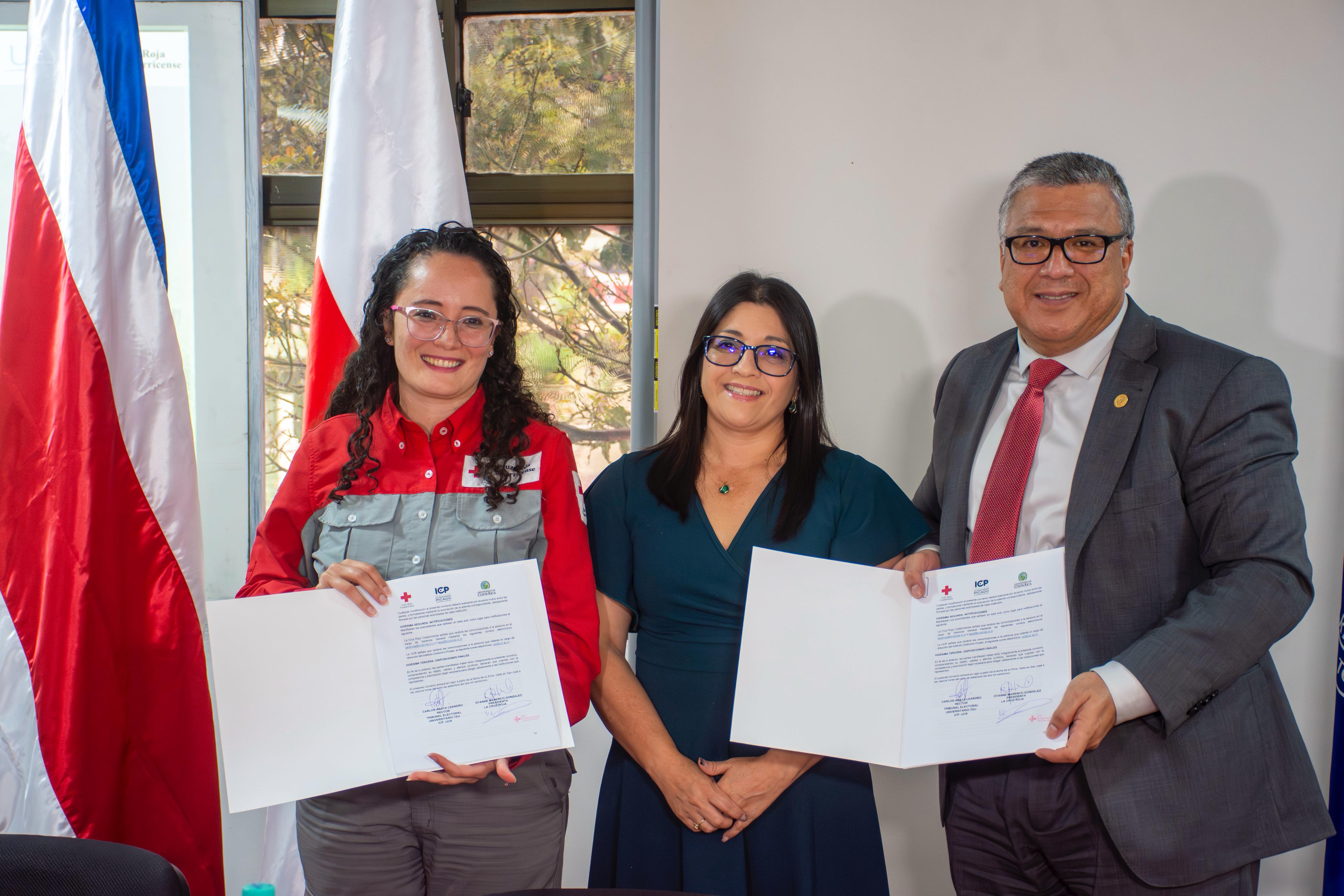
Dyanne Marenco González, president of the Costa Rican Red Cross, and Dr Carlos Araya Leandro, rector of the University of Costa Rica, formalised the signing of a collaboration agreement. Dr Mariela Marín Mena, deputy minister of health, attended the ceremony as an honorary witness.
Photo: Costa Rican Red Cross
Under the terms of the agreement, the Red Cross will be able to administer the antivenom in the field instead of waiting for the affected person to arrive at a hospital, thereby reducing serious complications and even deaths.
In addition, the UCR will train Red Cross personnel to administer the serum and strengthen prevention campaigns in communities at greater risk due to their daily activities and geographical location.
By placing science, cooperation and solidarity at the service of the most at-risk people, the Costa Rican Red Cross and the Clodomiro Picado Institute are reaffirming that no life should be at risk from a snakebite due to distance or a lack of resources.
For families working in agriculture and living in rural areas, knowing that help and antivenom can reach their community offers a more secure future. Early access to serum saves more lives, results in fewer permanent long-term health issues, and brings more hope to rural communities.