
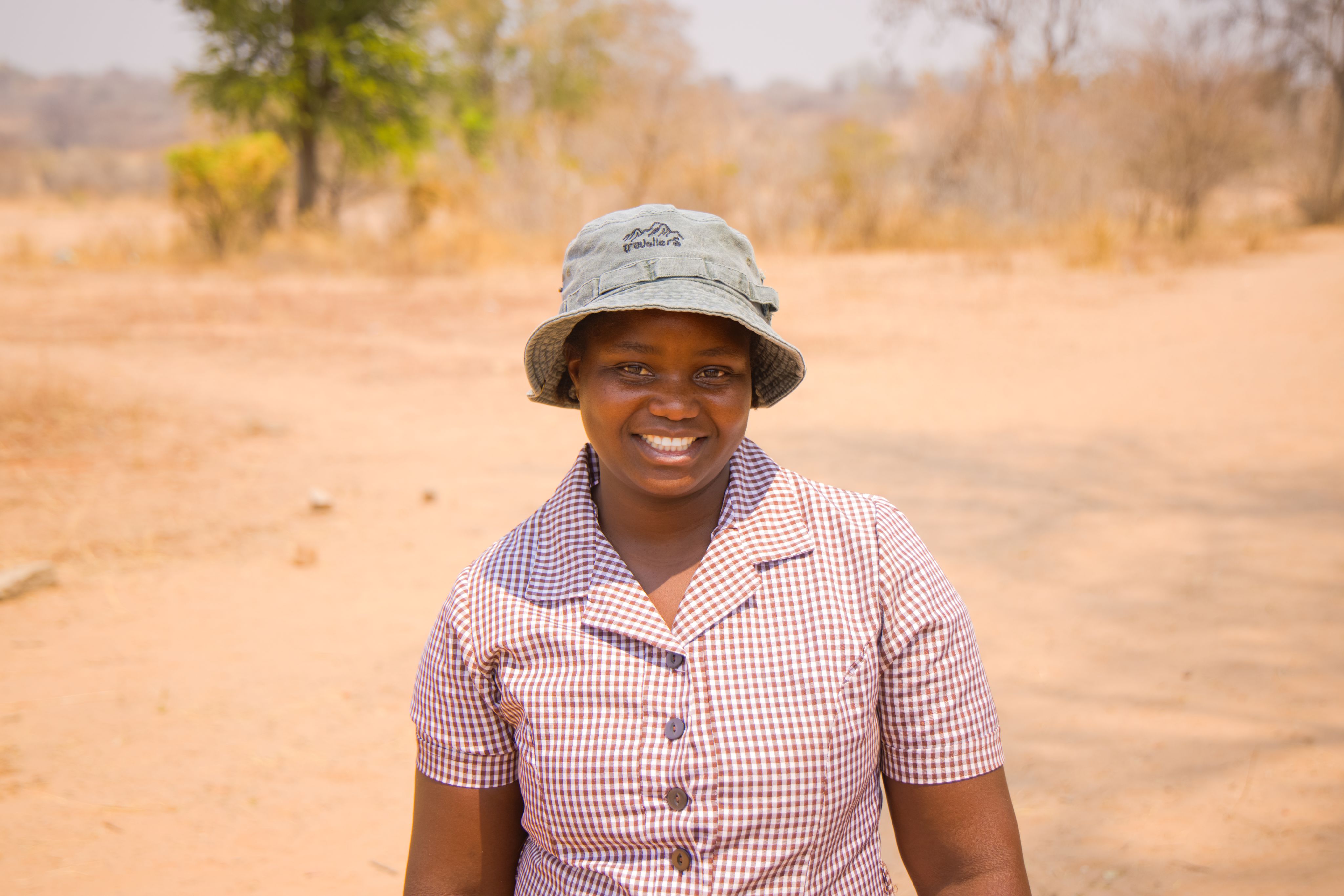
'They know I will come'
How a unique initiative – powered by local women – improved community health and left a lasting legacy of trust in central Zimbabwe.
Special International Women's Day tribute

'That trust is everything'
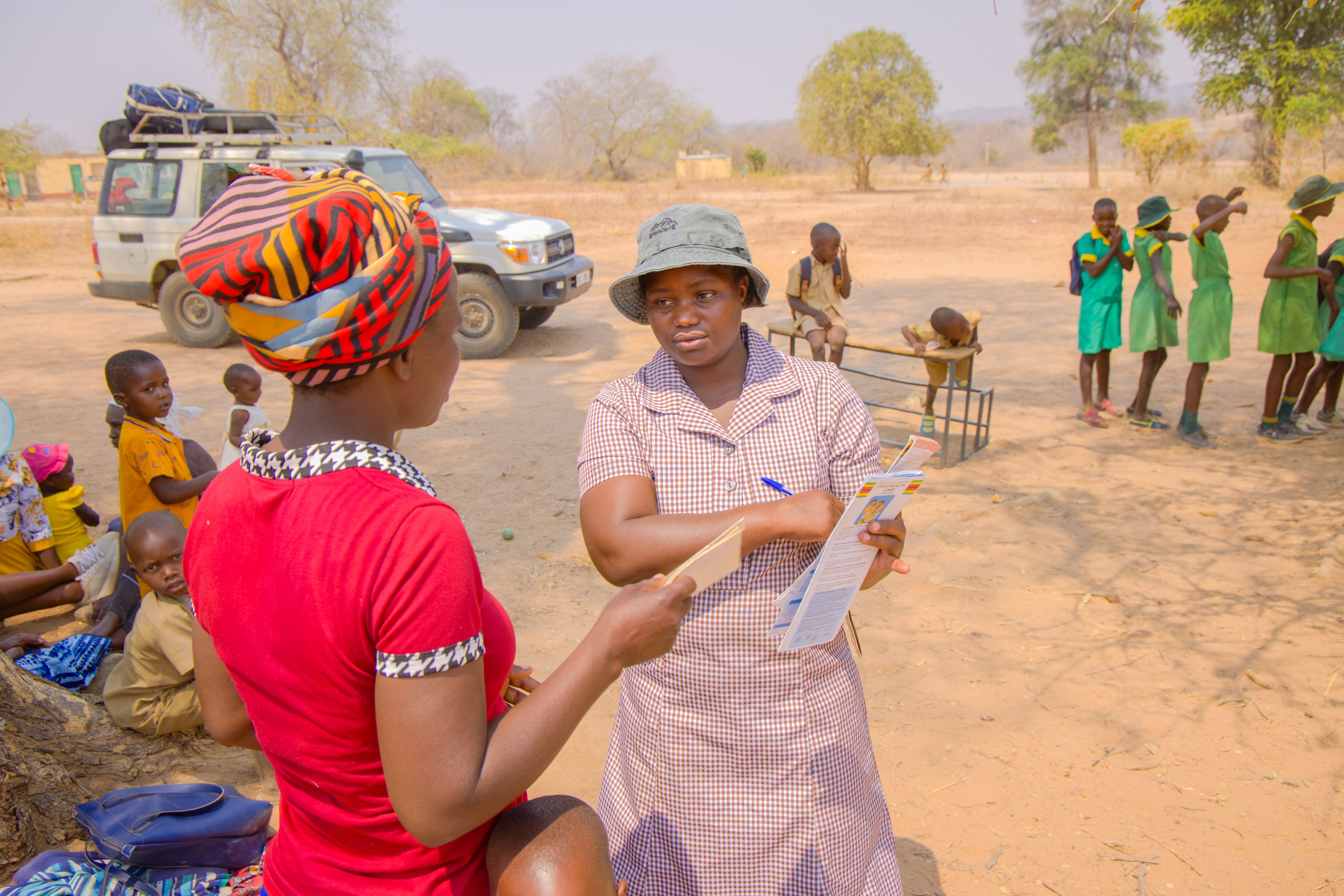
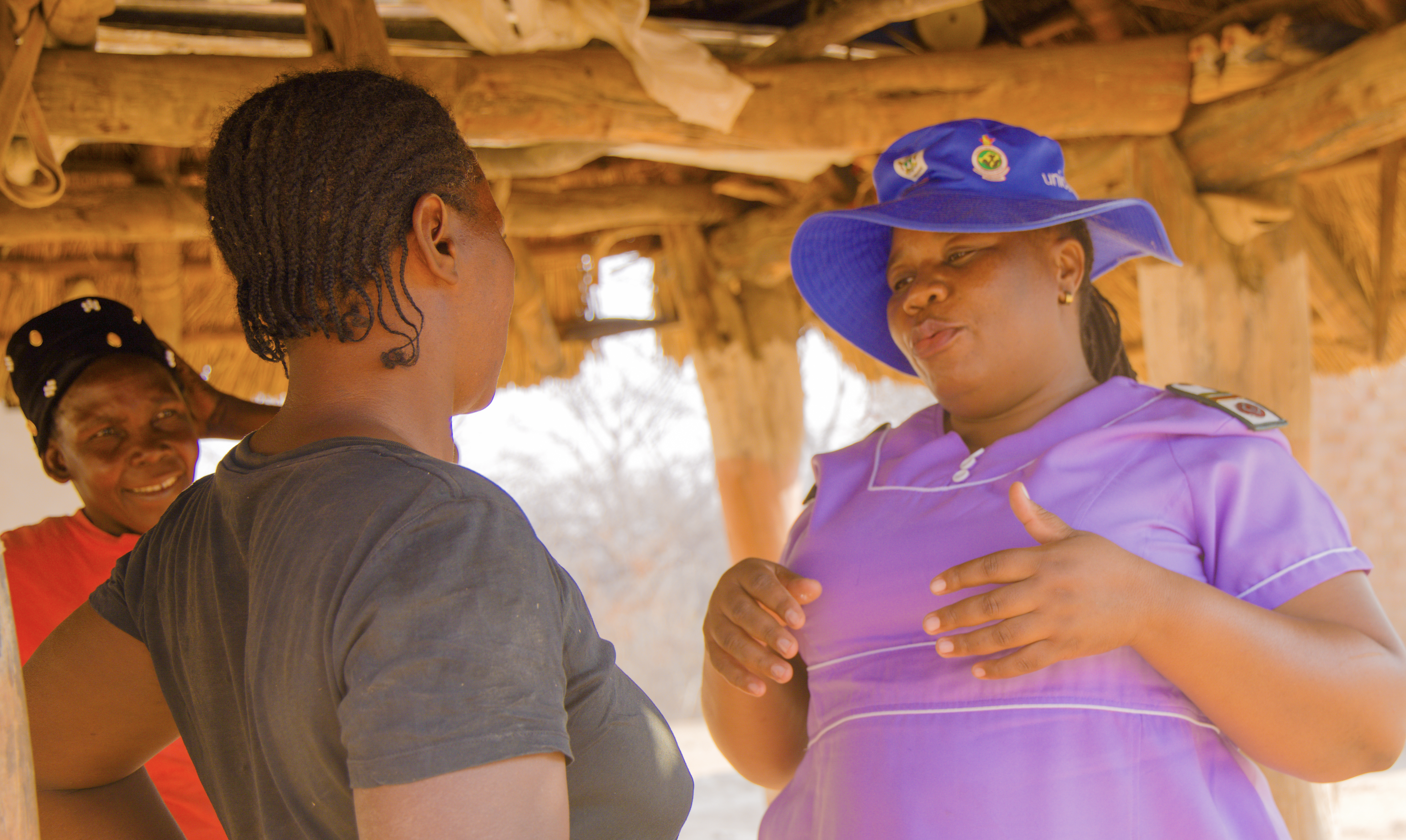
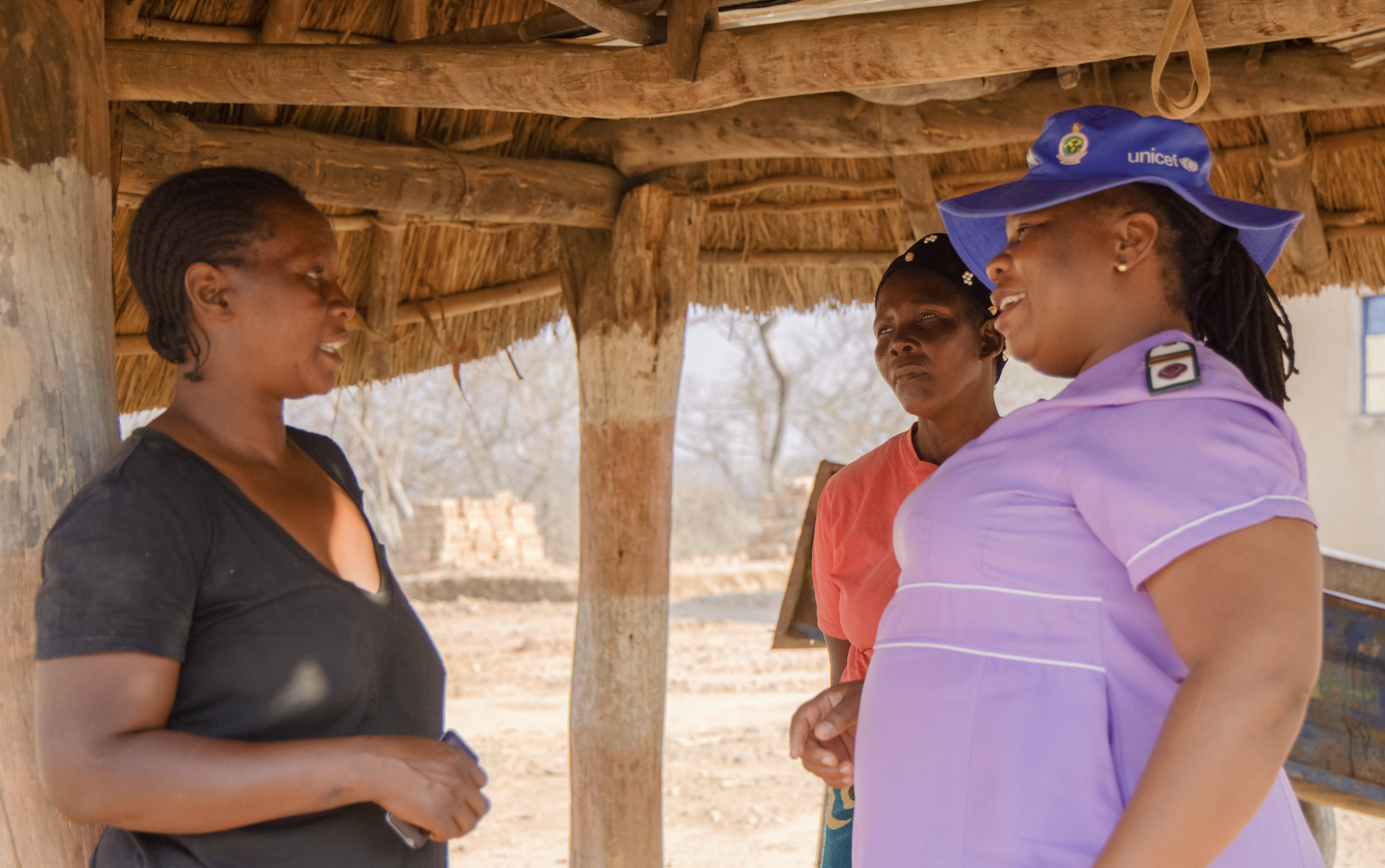
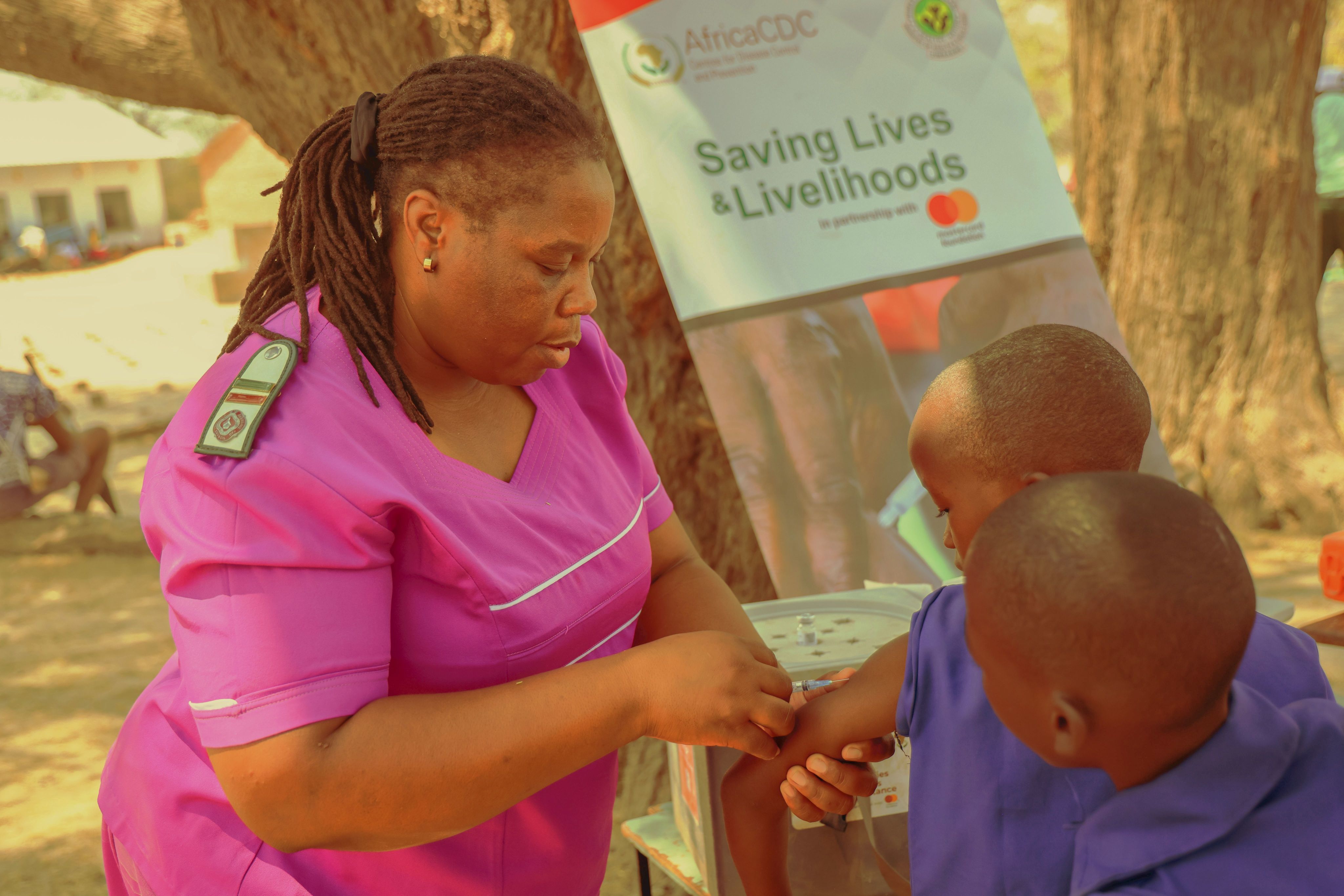
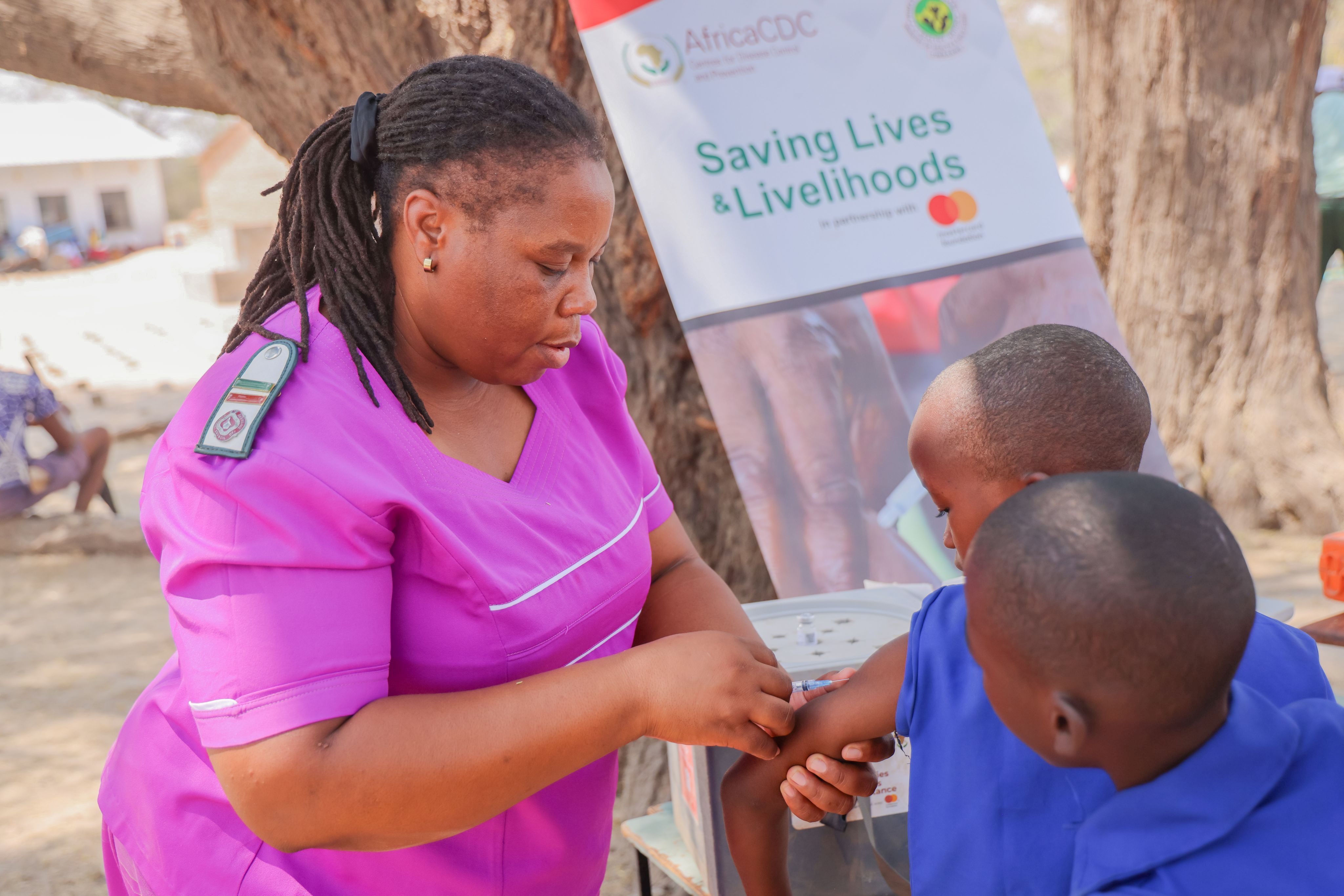
Under the shade of a tree, Lisa Gondongwe counsels a mother about routine immunisation.
The conversation is calm, personal and grounded in familiarity. In communities where distance, misinformation and competing priorities can delay healthcare, trust is everything.
“When I speak to a mother, I am not just talking about vaccines,” Lisa explains. “I am talking about her child’s future. If she trusts me, she will come to the clinic. That trust is everything.”
In the rural districts of Gokwe, in central Zimbabwe, that legacy of trust has been built largely due to the impact of an innovative project known as the Saving Lives and Livelihoods (SLL) initiative and it continues to have a concrete impact: when newborns are weighed in rural clinics, when children are immunised against deadly diseases, and when mothers and health workers meet under the shade of trees to discuss maternal and infant health.
And at the centre of that legacy are women like Lisa Gondongwe.
This International Women’s Day 2026, we honour the village health workers, nurses and community mobilisers like Lisa whose leadership powered the SLL initiative in Zimbabwe — and whose work continues long after the programme’s official close.
During the implementation of SLL — delivered in partnership with Africa CDC and supported by the Mastercard Foundation — women like Lisa became trusted health advocates, strengthening confidence in routine immunisation and primary healthcare services.
That trust remains.
“Even after the project ended, the mothers still call me,” she says. “They know I will come.”

In the wide open plains of Gokwe North, in Zimbabwe’s Midlands Province, access to healthcare has long been shaped by distance.
For many families, getting to the nearest clinic once meant walking for hours — sometimes an entire day — to reach medical help.
Children missed vaccinations. Older people delayed treatments. Preventable illnesses often went unmanaged.
Between April and November 2025, the Saving Lives and Livelihoods initiative helped bring health services closer to communities.
Implemented by the Zimbabwe Red Cross Society (ZRCS), with technical coordination from the International Federation of Red Cross and Red Crescent Societies (IFRC), the programme strengthened community engagement and improved access to life-course immunisation services.
While the project formally concluded in 2025, its impact continues — carried forward by community health workers and volunteers who remain active today.

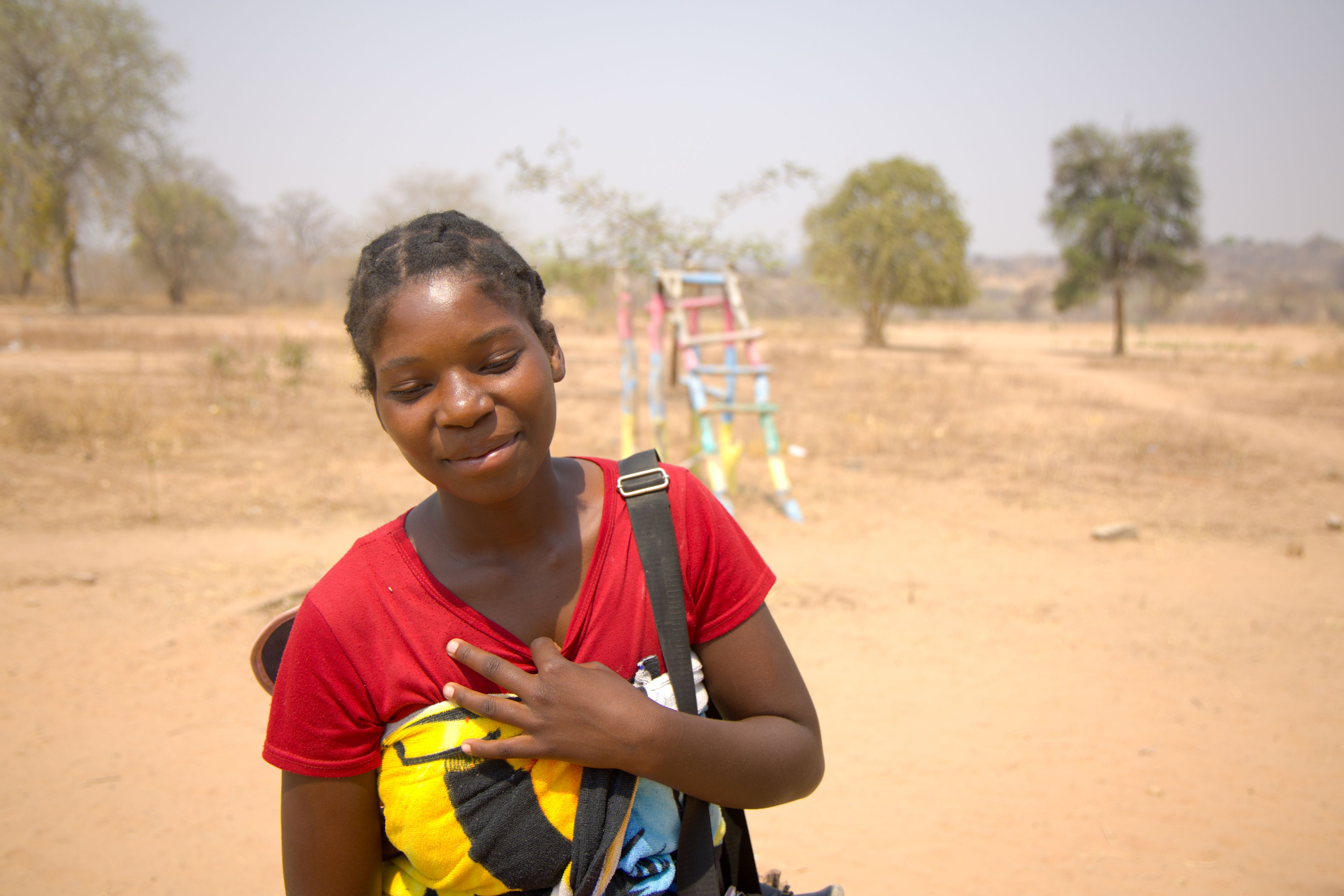
'The journey was worth it'
That legacy of the initiative continues every time Letticia Marindo comes to someone’s doorway in Gokwe.
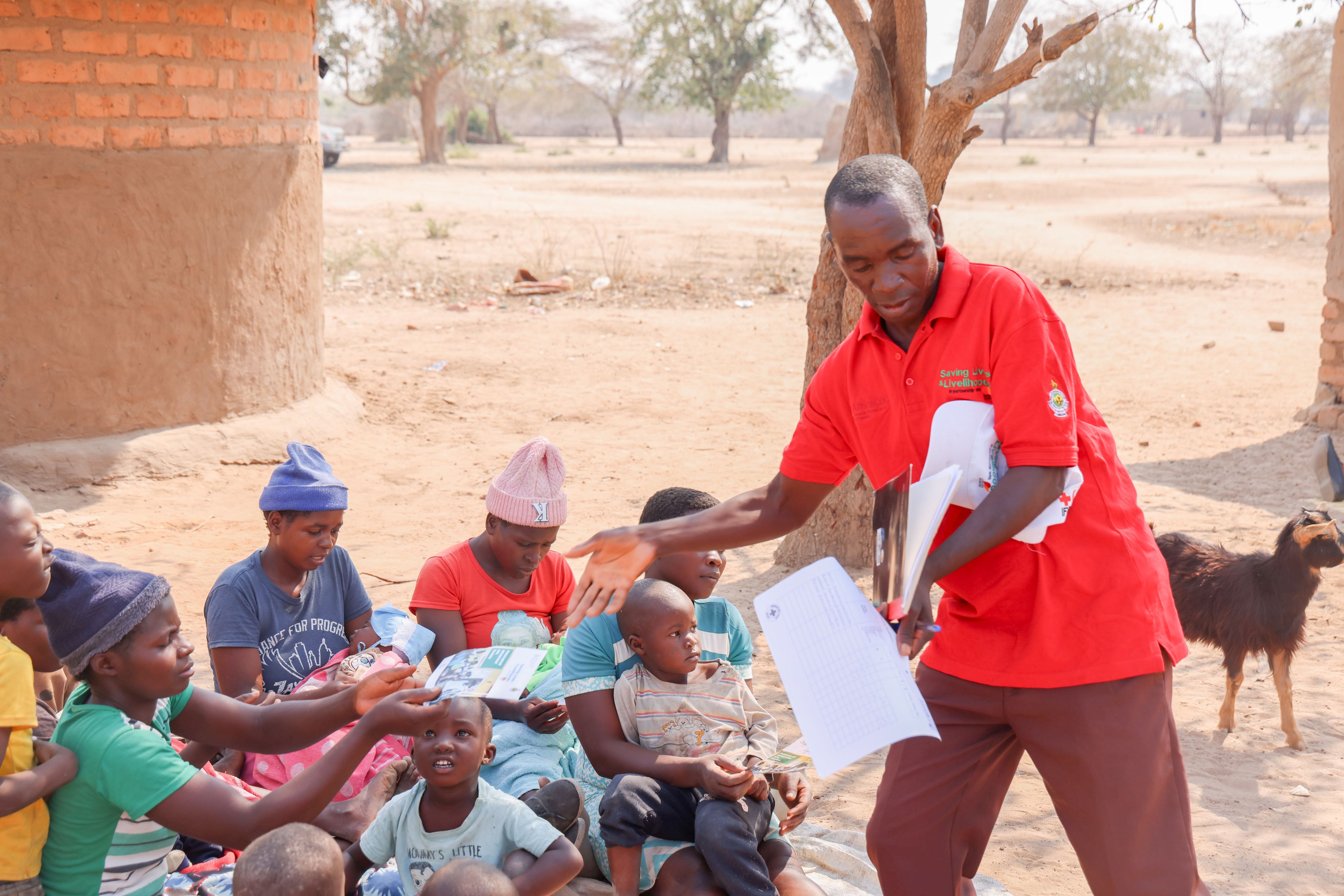
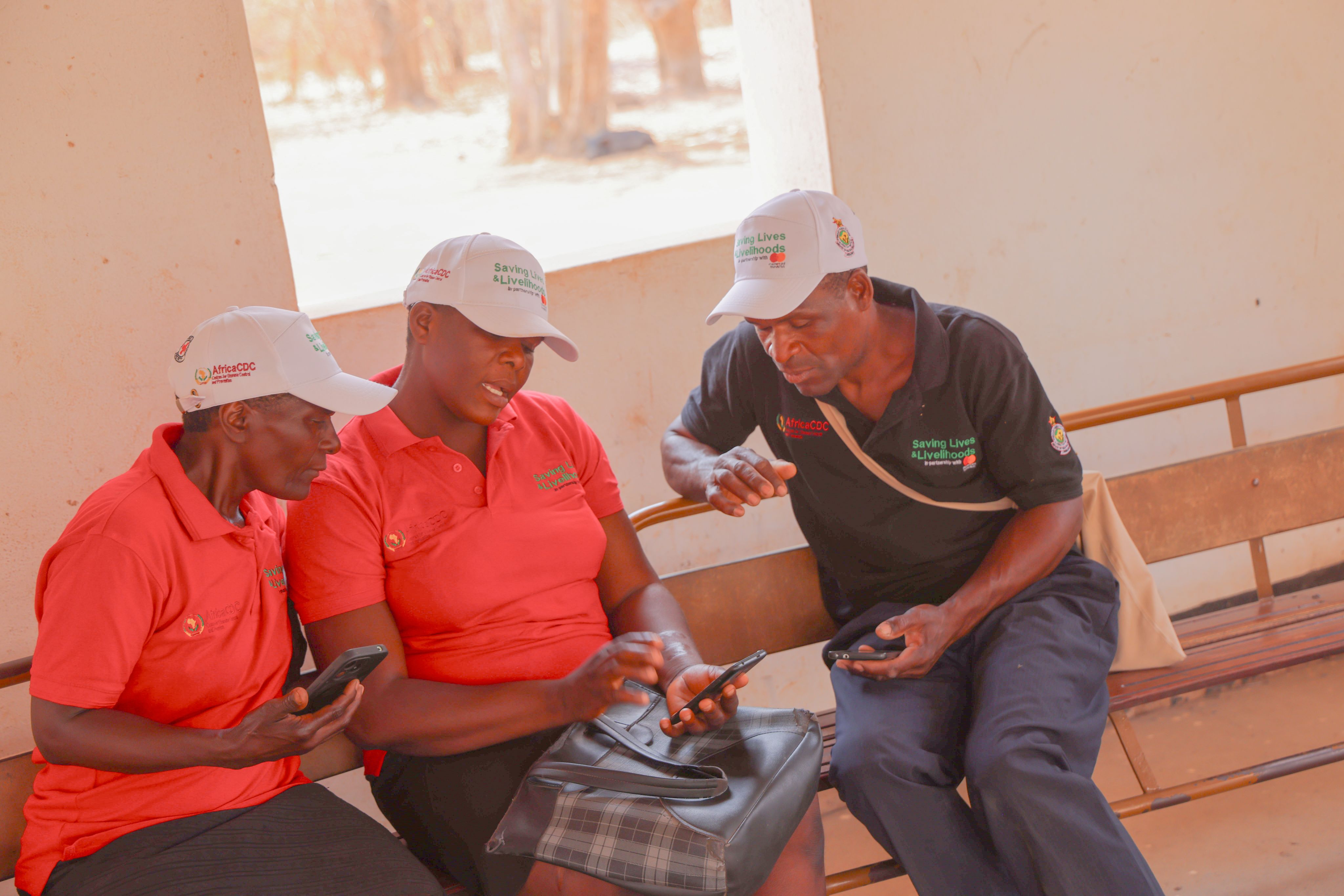
Door-to-door mobilisation formed the backbone of the initiative.
Before every outreach session, women health workers moved from household to household, ensuring families were informed and prepared.
For Letticia, every visit carries weight.
“Some homes are far," she says.. "Sometimes we walk for hours.”
“But when I see a child come for immunisation because I visited that family, I know the journey was worth it.”

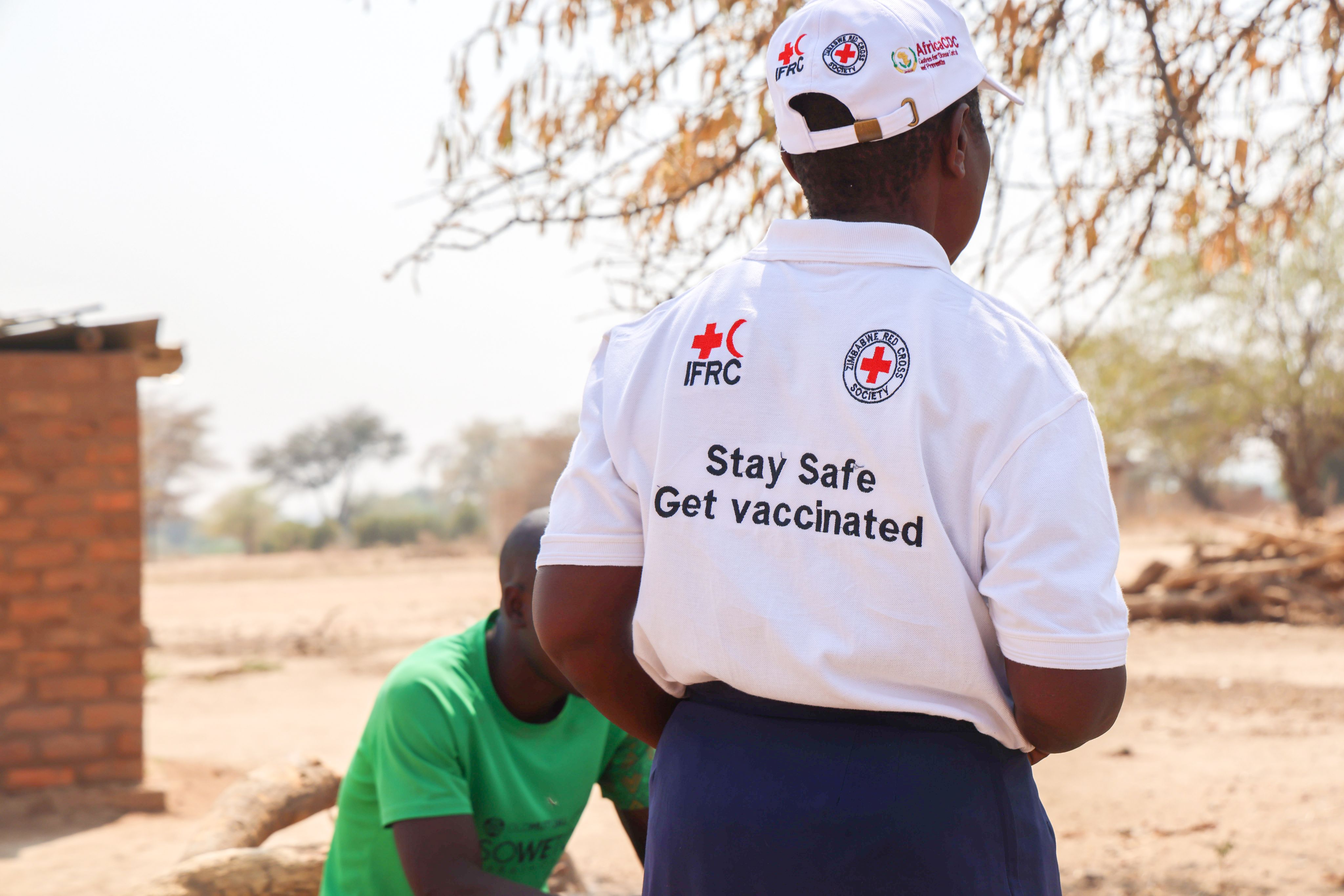
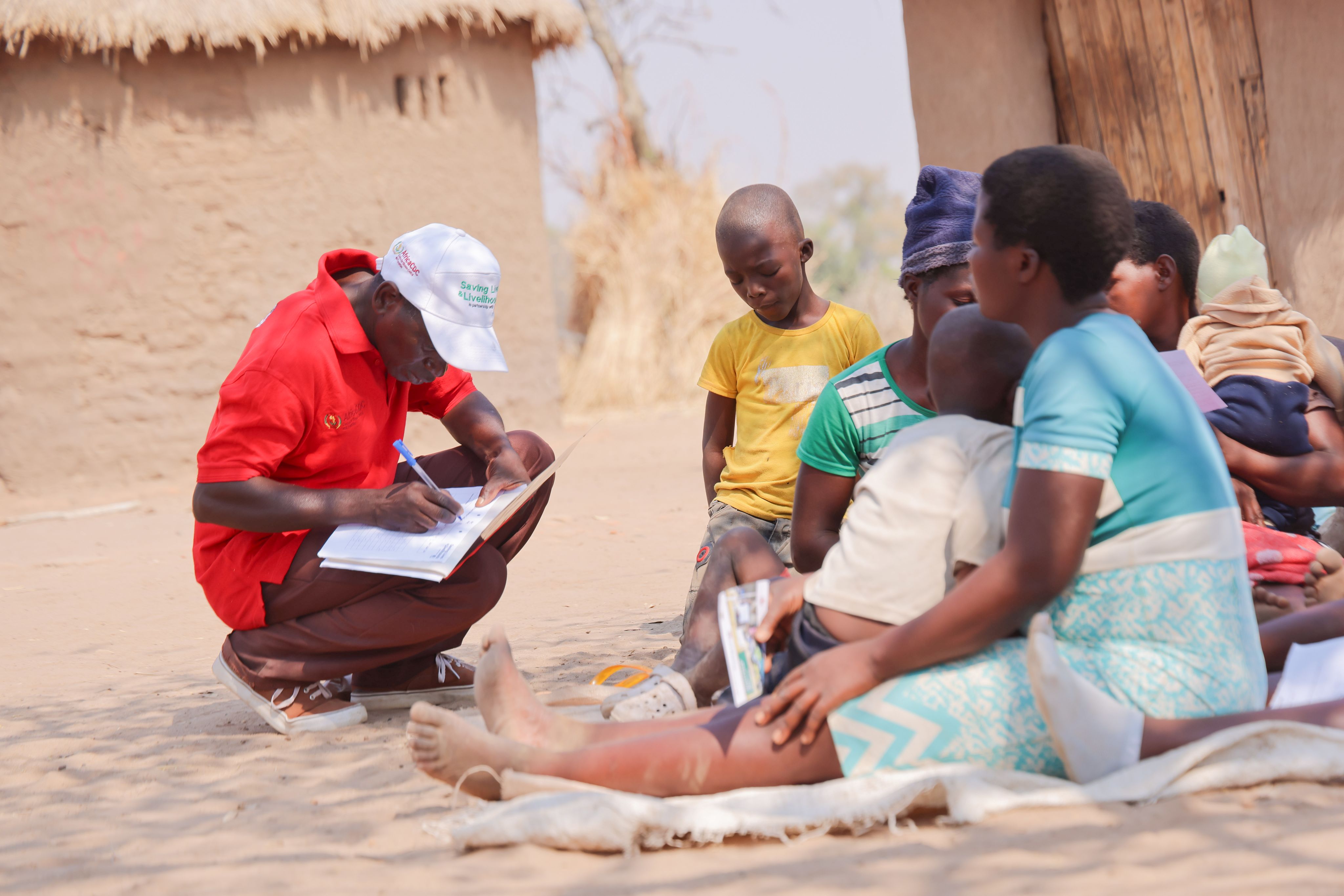
Letticia's colleague, Tandiwe Tasara, focuses on meticulous household registration — a simple administrative task that is nonetheless critical to ensuring health coverage is complete and equitable.
“When I register families, I feel accountable,” Tandiwe explains.
“If I miss one name, that child might miss protection. So I double-check everything.”
Through their consistency and diligence, Tandiwe and the other women health workers ensured that no child was left behind — particularly in remote areas where access to healthcare is limited.

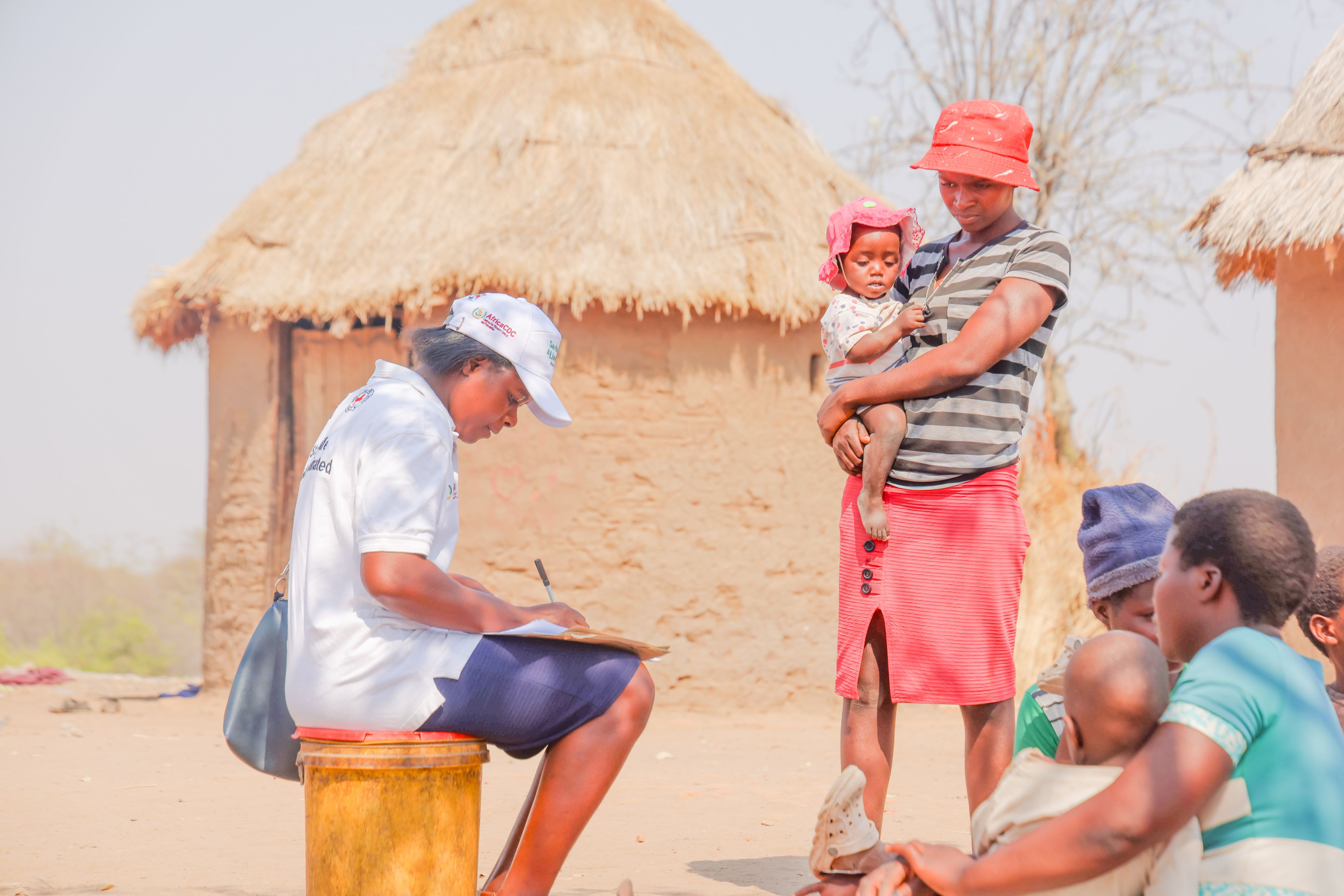
'My steps can save a life'
In some of the most isolated corners of Gokwe, village health workers like Senzeni and Edlyn begin their days at local clinics before setting out for long walks under intense heat.
“The sun is strong, yes,” Senzeni says with a smile. “But I remind myself why I am walking. If I don’t go, some mothers will not know about the outreach. My steps can save a life.”
Their work does not happen in isolation. Close coordination with clinic nurses ensures outreach days run smoothly and efficiently.
“We prepare the community before vaccination day,” Edlyn explains. “When the nurses arrive, families are ready. It feels good to see everything working together.”
When SLL concluded in 2025, what remained was not only improved immunisation coverage — but strengthened local capacity, improved coordination and empowered community health leadership.
Clinical care rooted in compassion
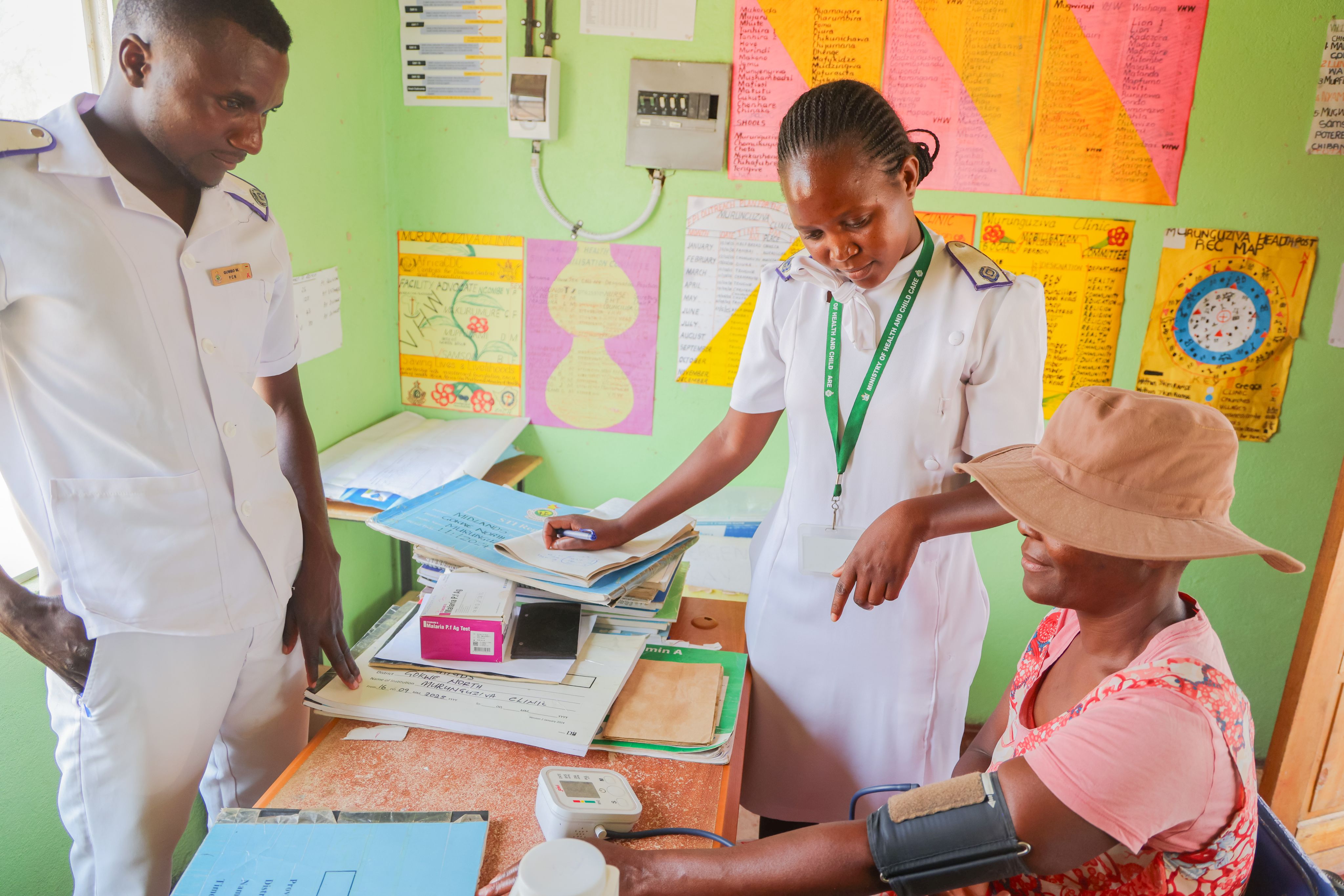
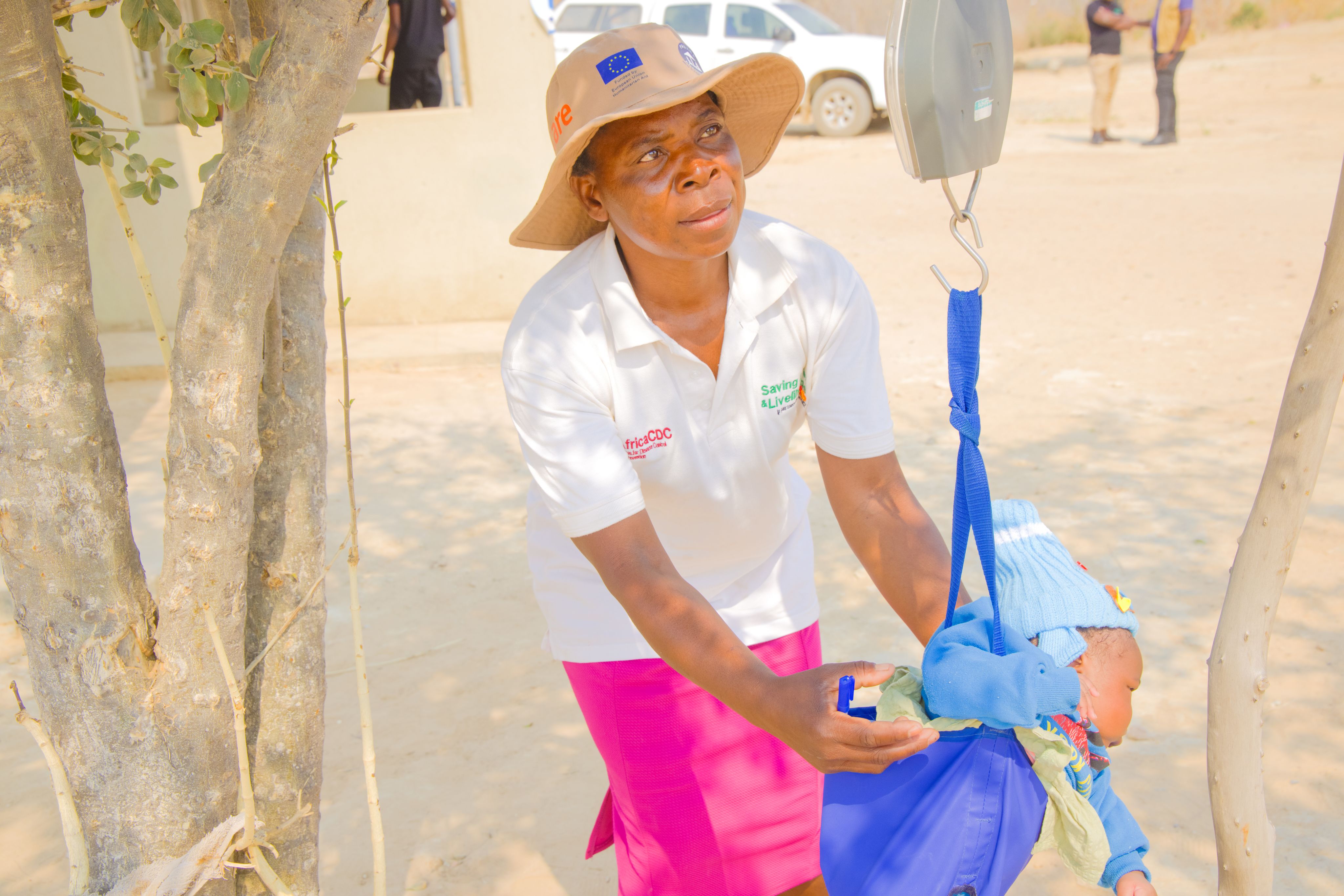
At Murunguziva Clinic, Revai Samson carefully weighs a baby before immunisation. Each measurement, each entry in the register, is part of a broader commitment to safeguarding children’s futures.
“When I weigh a baby, I am checking more than numbers,” Revai says. “I am checking growth, health and hope. Mothers look at me for reassurance.”
Clinic nurses anchor the technical delivery of services — maintaining cold chain standards, administering vaccines safely and ensuring accurate data reporting. But beyond technical precision lies compassion.
“Sometimes mothers are afraid,” one nurse explains. “We take time to explain, to comfort them. We want them to leave confident, not worried.”
SLL enhanced outreach capacity and strengthened supply systems. Women ensured those services were delivered with dignity.

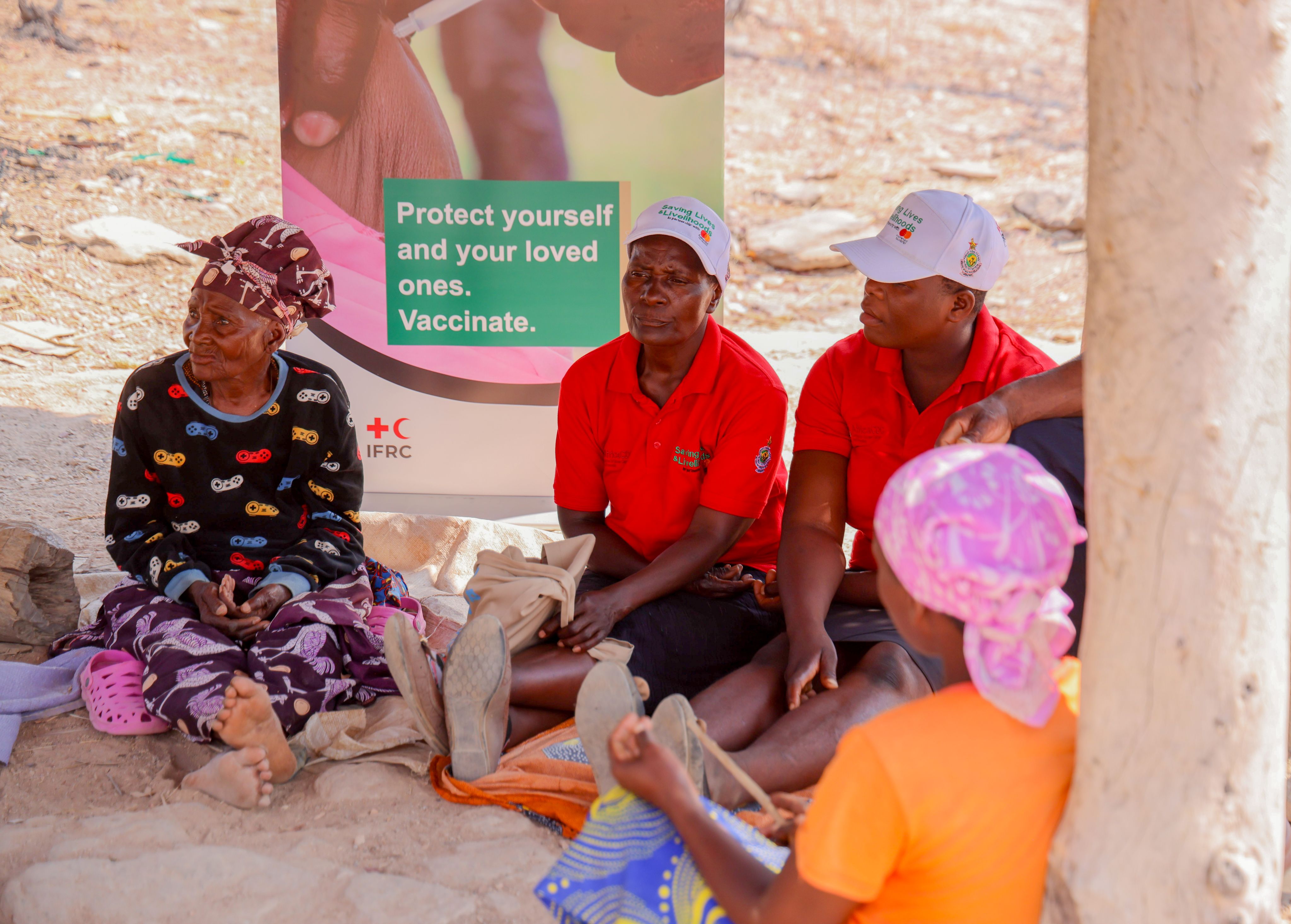
Senzeni and Edlyn at a door-to-door visit at the Bhunhu homestead in Bhunu Village.
Senzeni and Edlyn at a door-to-door visit at the Bhunhu homestead in Bhunu Village.

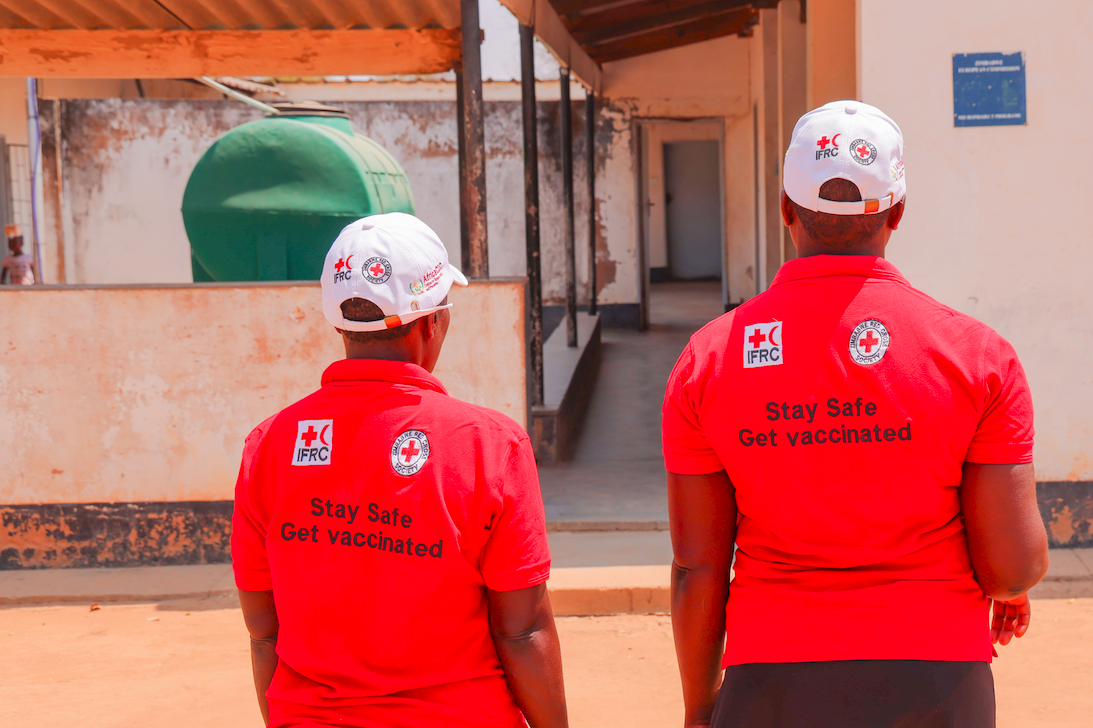
Door-to-door visits from the Zimbabwe Red Cross plays a key role in demand creation and community mobilisation through its network of village health workers.
Door-to-door visits from the Zimbabwe Red Cross plays a key role in demand creation and community mobilisation through its network of village health workers.

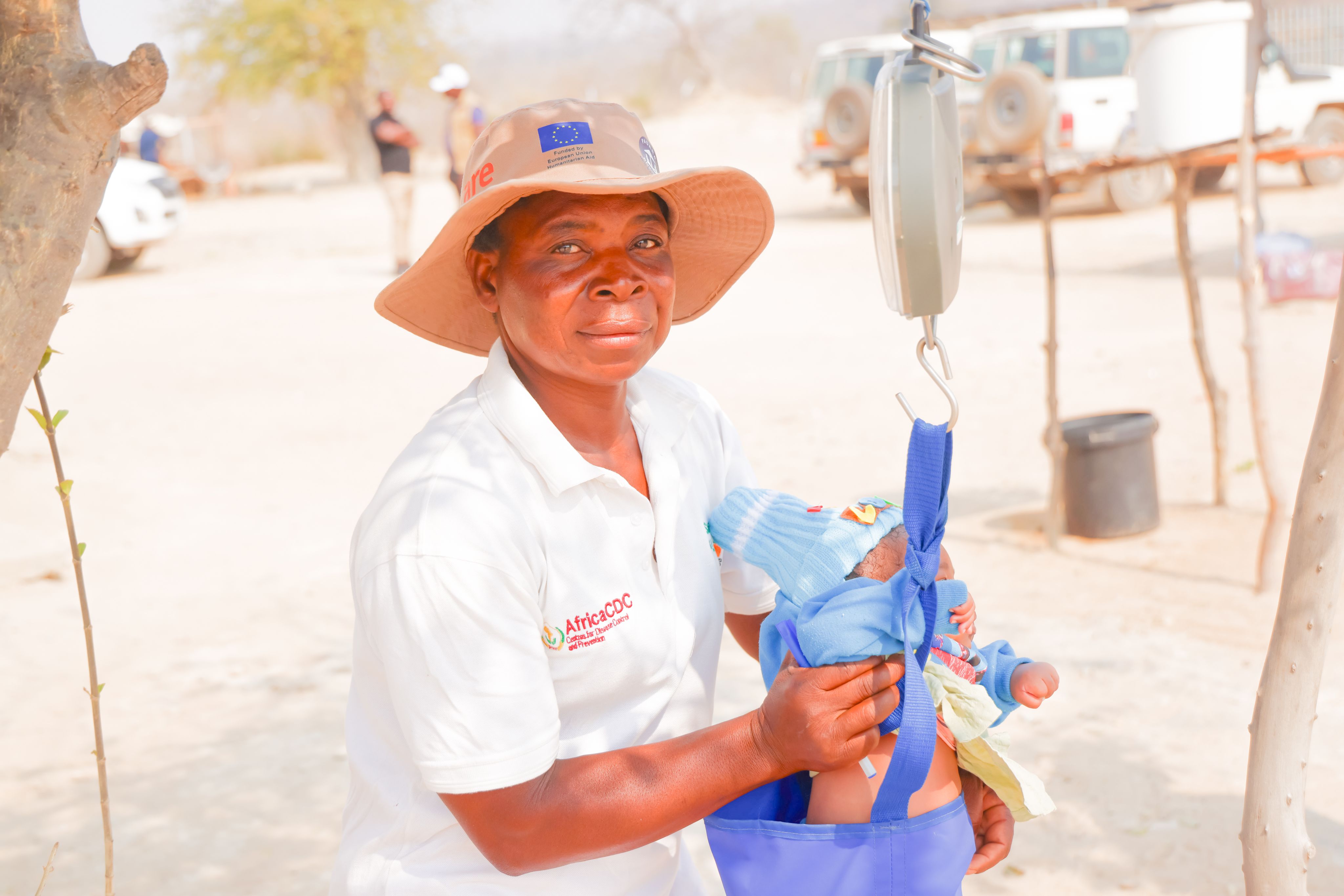
Revai Samson weighing a baby at Murunguziva Clinic.
Revai Samson weighing a baby at Murunguziva Clinic.
Linking communities to clinics
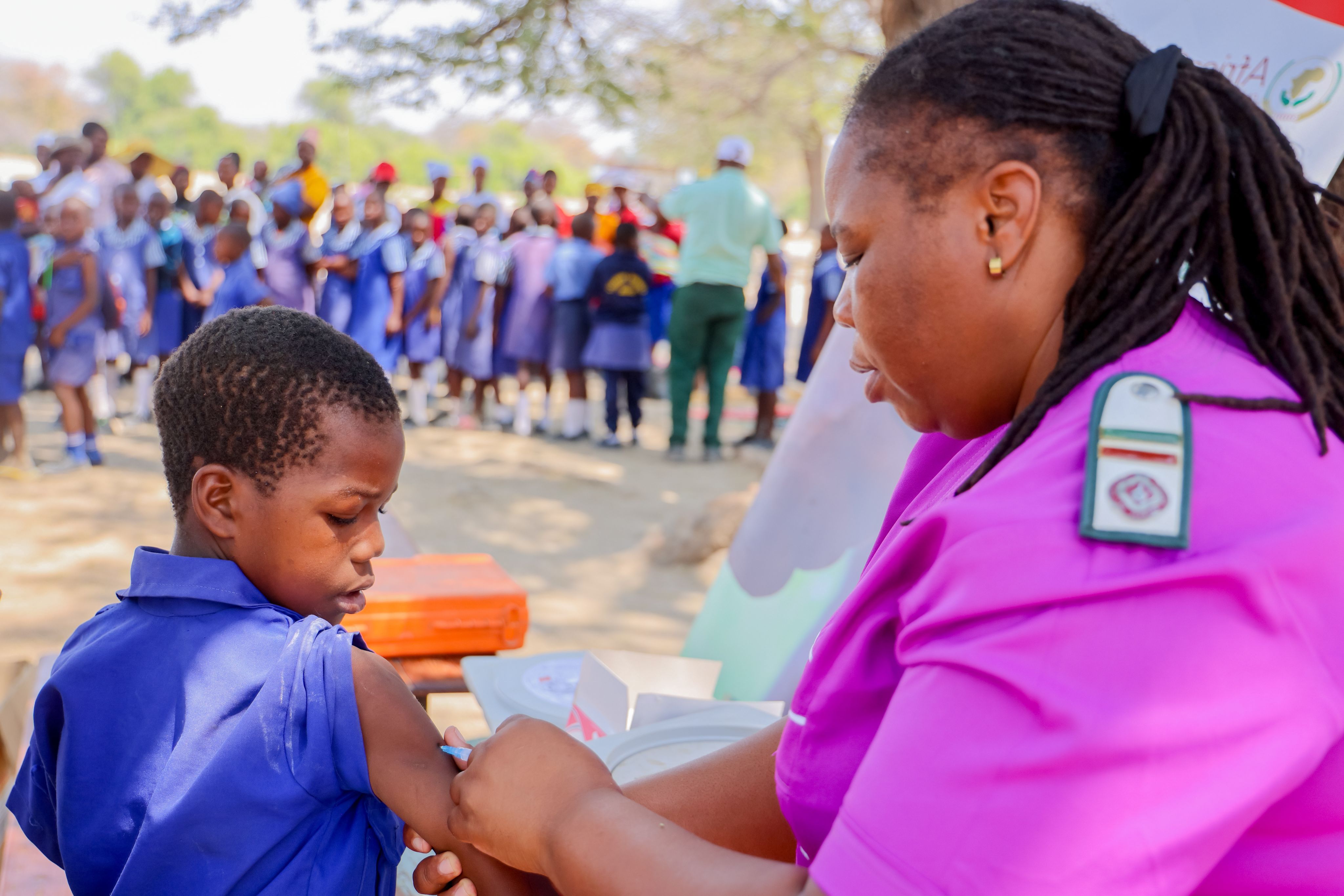
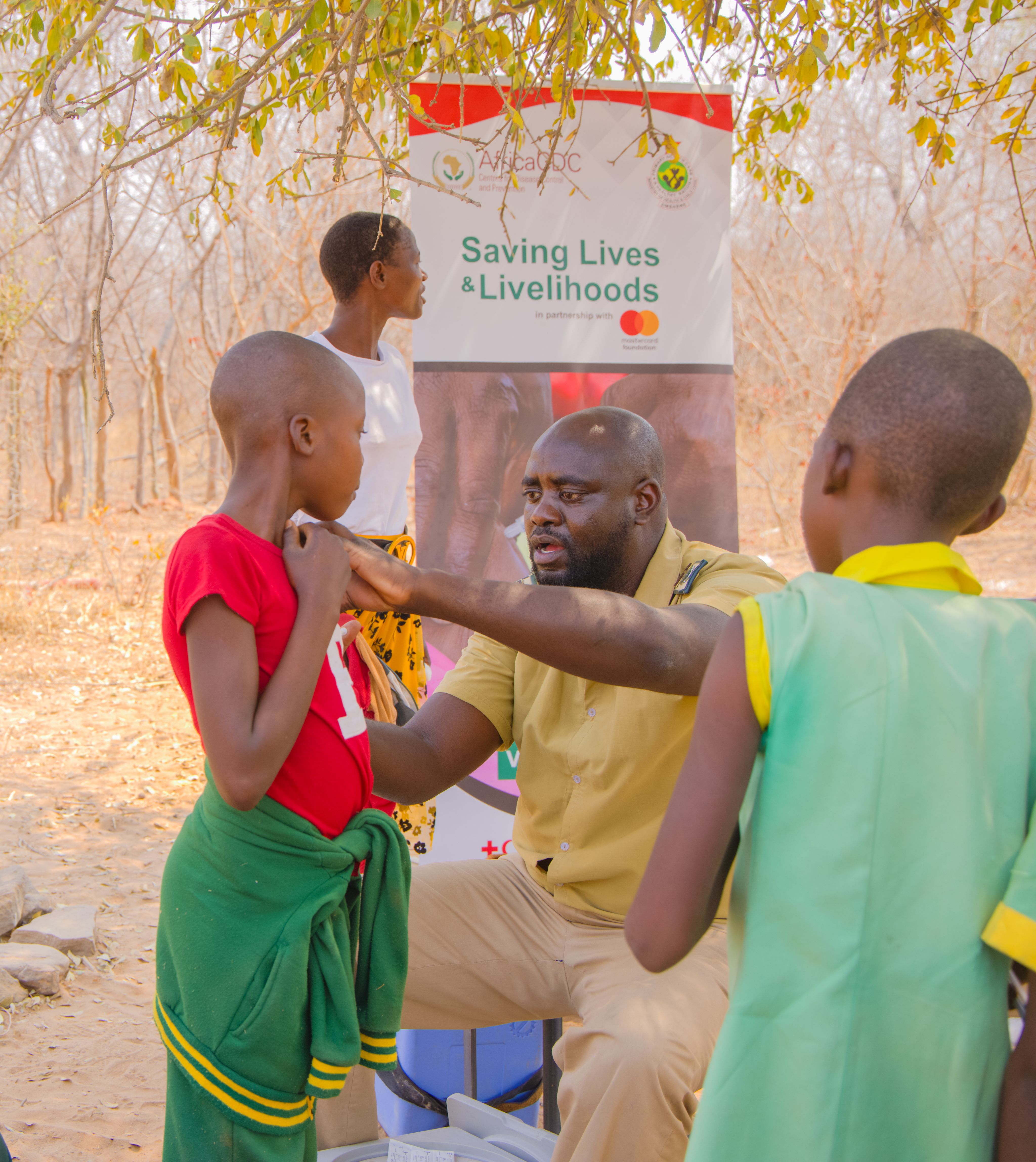
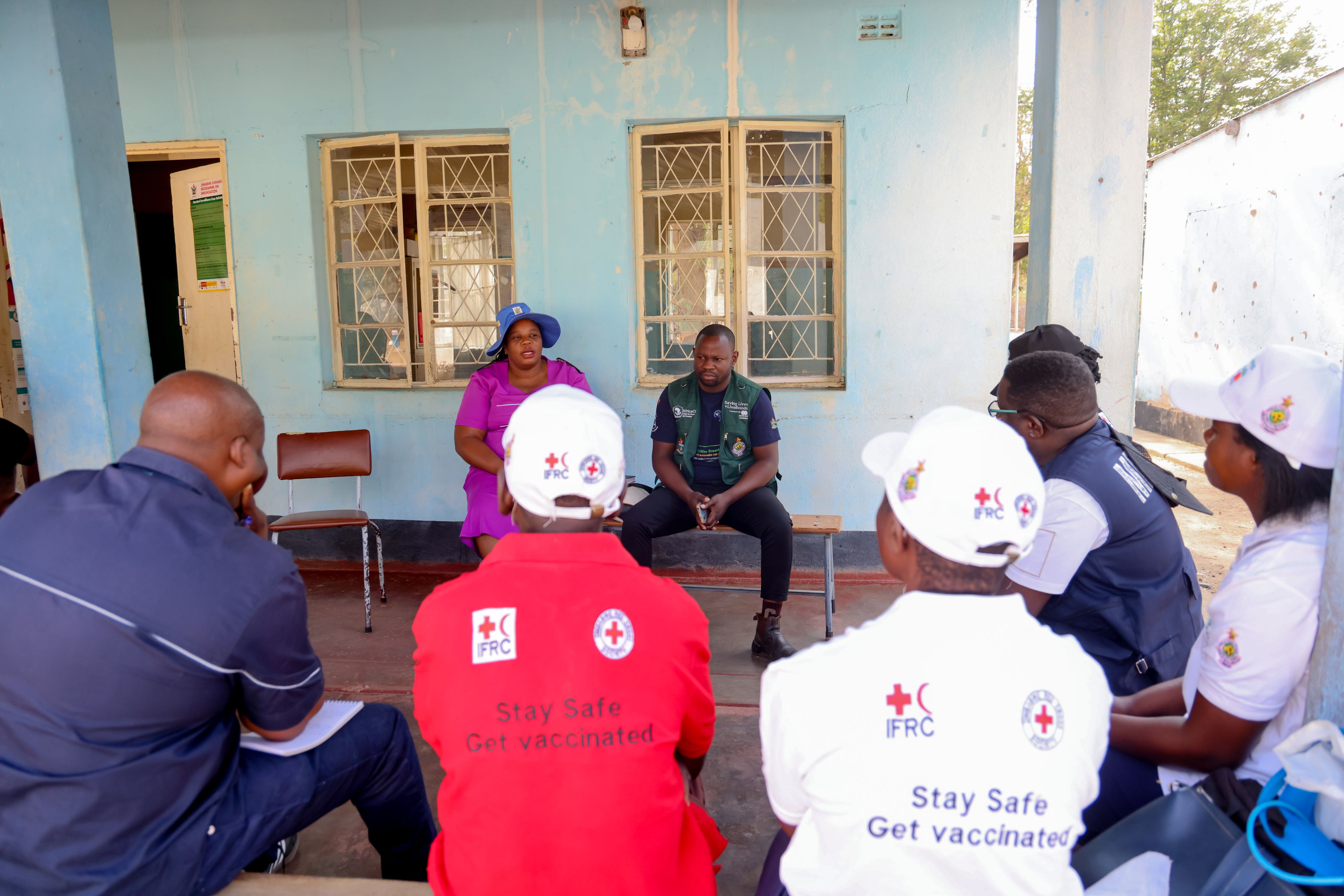
At outreach points set up in schools, churchyards and shaded gathering spaces, nurses delivered vaccinations while volunteers coordinated arrivals and follow-ups.
For Sister Caritas Mbombe, District Nursing Officer for Gokwe North, the change has been significant.
“The trained village health workers are a game changer,” she says. “They are connecting households to clinics and helping us reach the hardest-to-reach communities. This is how we transform access to healthcare.”
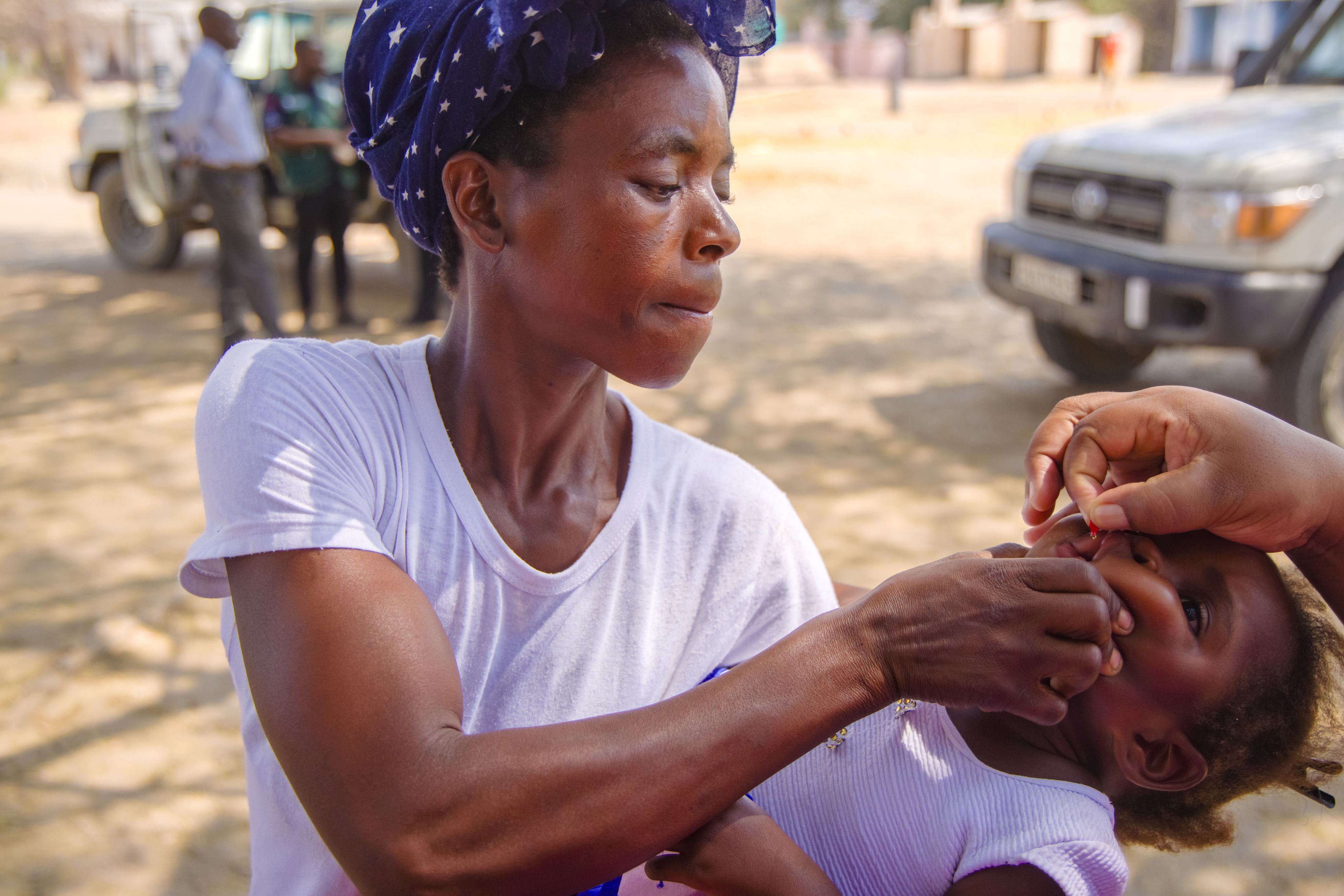
Integrated outreach sessions provided HPV and tetanus-diphtheria vaccines alongside health screenings, reducing barriers for families who previously struggled to reach facilities.


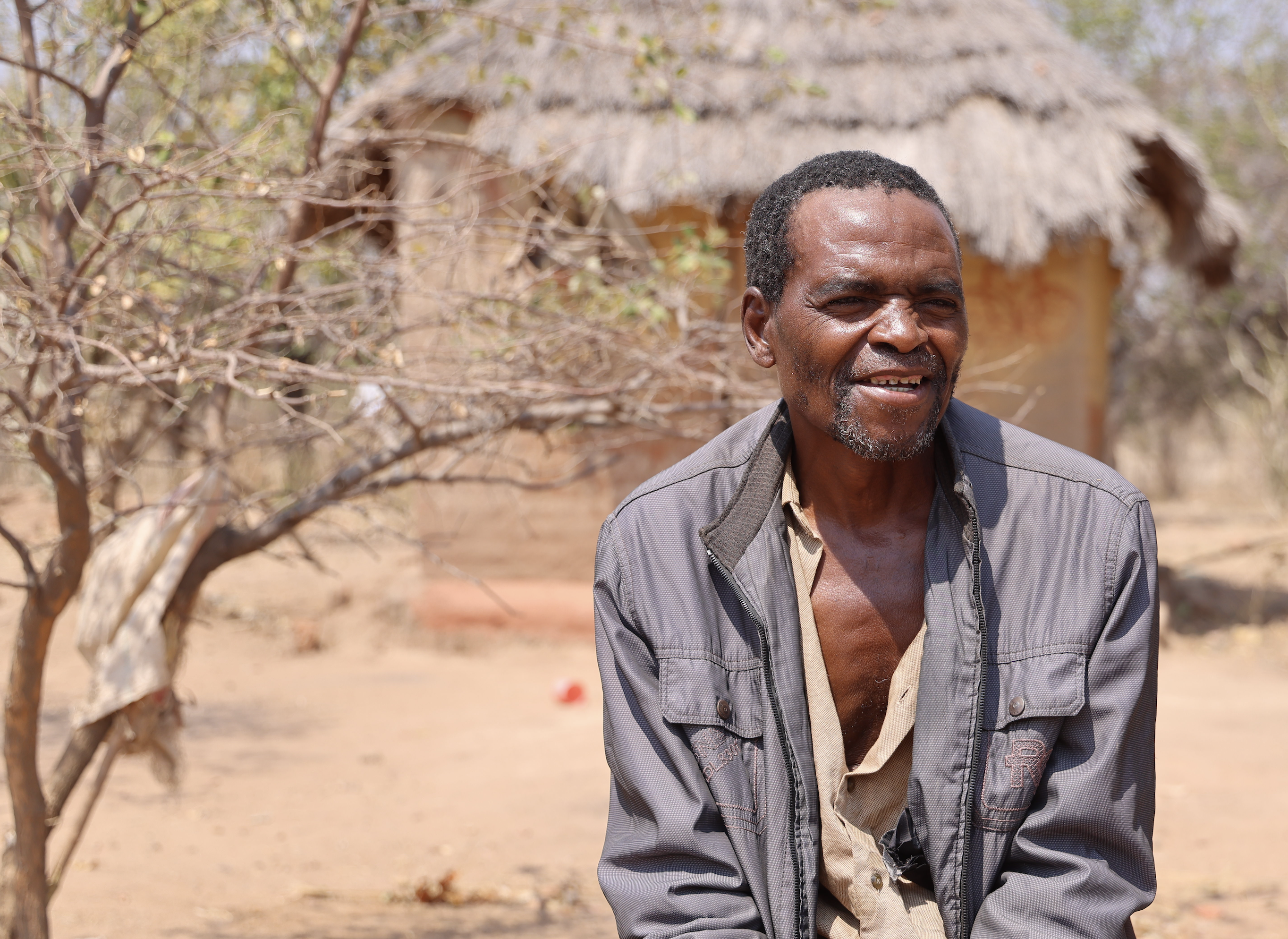
Before and after, in his own words.
“People walked long distances just to find medical help. Sometimes they arrived too late. Now services come closer to us.”

Lasting impact
The story told in numbers

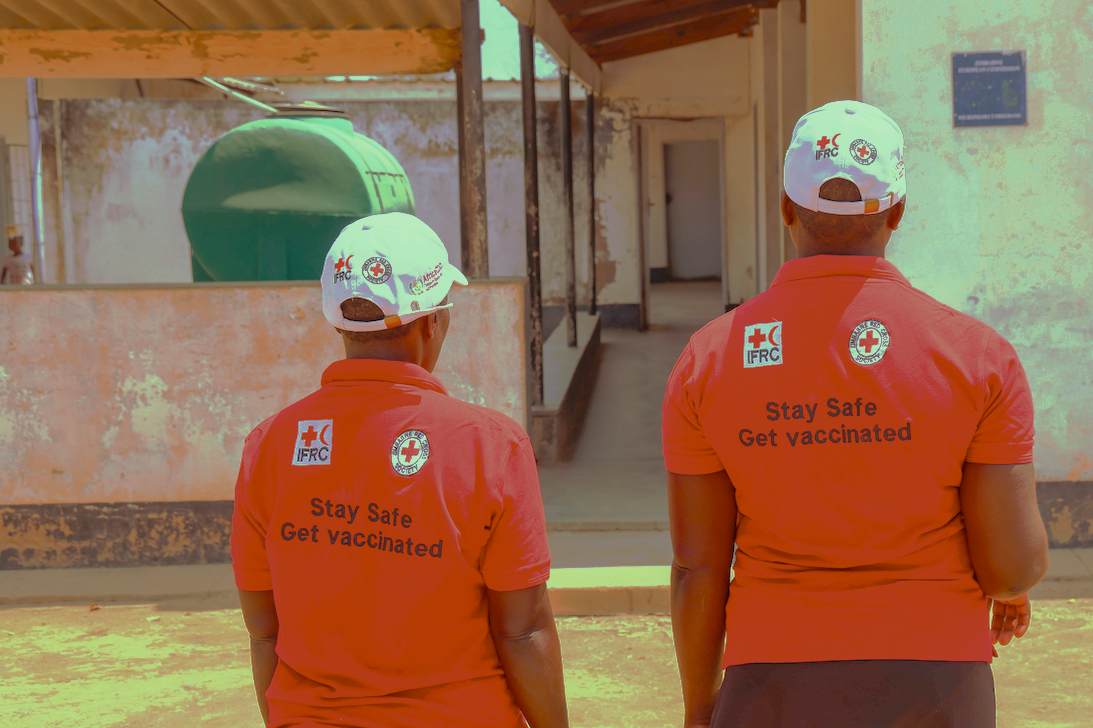
16,785
The number of people reached through door-to-door visits from community health workers who shared health information, counselling and referrals to vaccination services.

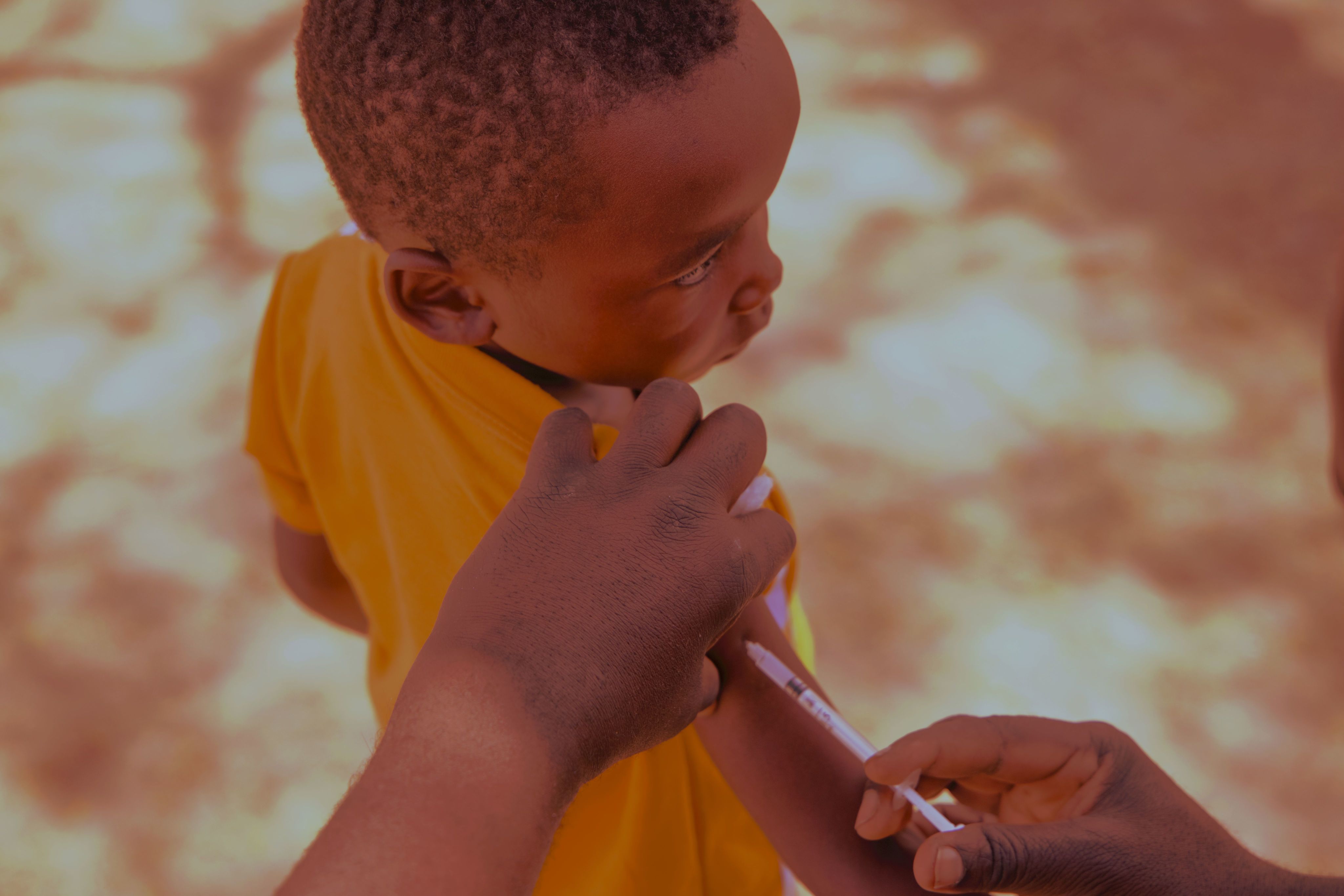
4,072
Number of eligible community members who accessed vaccination services — demonstrating how community engagement directly translated into health outcomes.

66
Number of village health workers — 35 women and 31 men — trained by the initiative and working alongside nurses, local leaders and community volunteers.
A community effort
While women played a central leadership role in mobilisation, community health delivery depended on collaboration.
The programme trained and deployed 66 Village Health Workers — 35 women and 31 men — working alongside nurses, local leaders and community volunteers.
Many male volunteers and health workers were also involved. They supported logistics, mobilised households and helped address vaccine hesitancy among men, reinforcing shared responsibility for community wellbeing.
Community members themselves contributed transport such as scotch carts to help nurses reach remote outreach sites — a reflection of growing local ownership.

A legacy that continues
Through the Saving Lives and Livelihoods initiative, thousands of families gained improved access to immunisation and community-based health services. But the most enduring outcome may be less visible.
It is found in empowered local women who continue to mobilise, educate and guide their communities — even beyond the lifespan of the project.
“Before, some families were hesitant,” Lisa reflects. “Now they understand. Even without the project, the knowledge is still here.”
Senzeni agrees. “We did not stop when the programme ended. The community still needs us. And we are still here.”
“We are ordinary women, but when we work together, we can protect a whole community.”

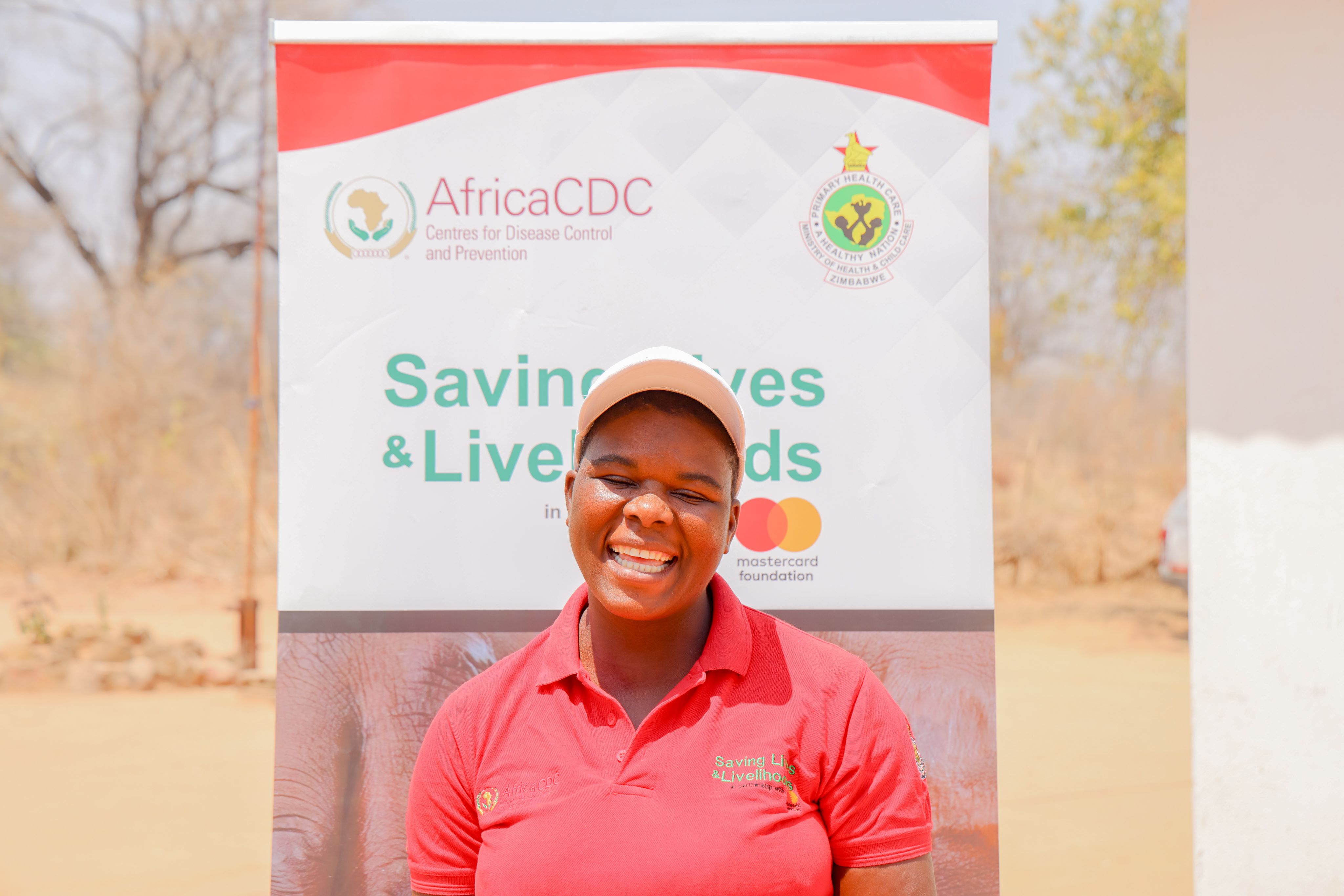
Photo and story by Rumbidzai Nenzou
Communications Officer, Country Cluster Delegation for Zimbabwe, Zambia and Malawi
 Built with Shorthand