
Women supporting women
On International Women’s Day 2026, we tell the stories of women around the world helping shape a safer, more equal future for the next generation.
Together they are #LocalEverywhere
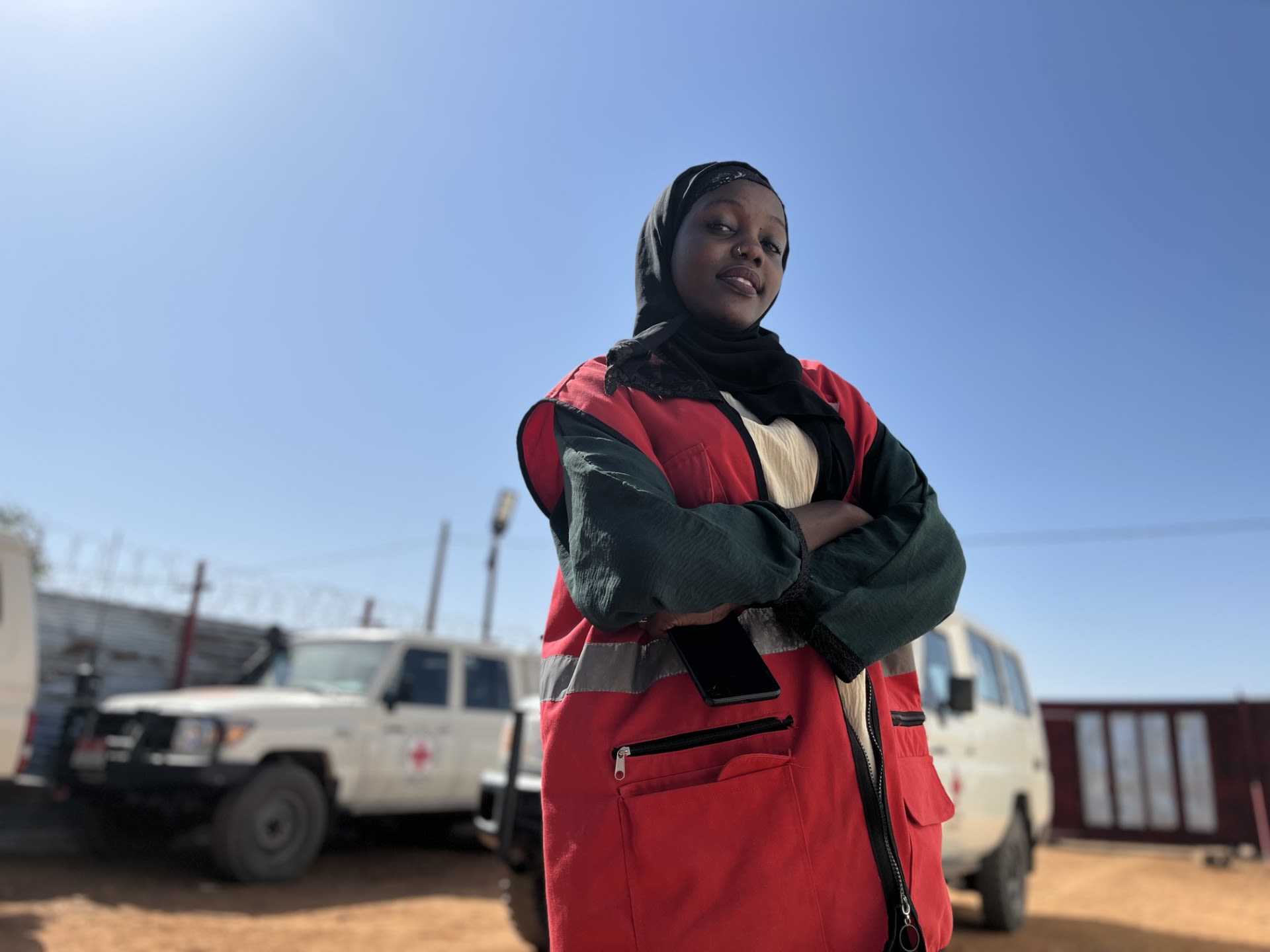

We start our journey in South Sudan...
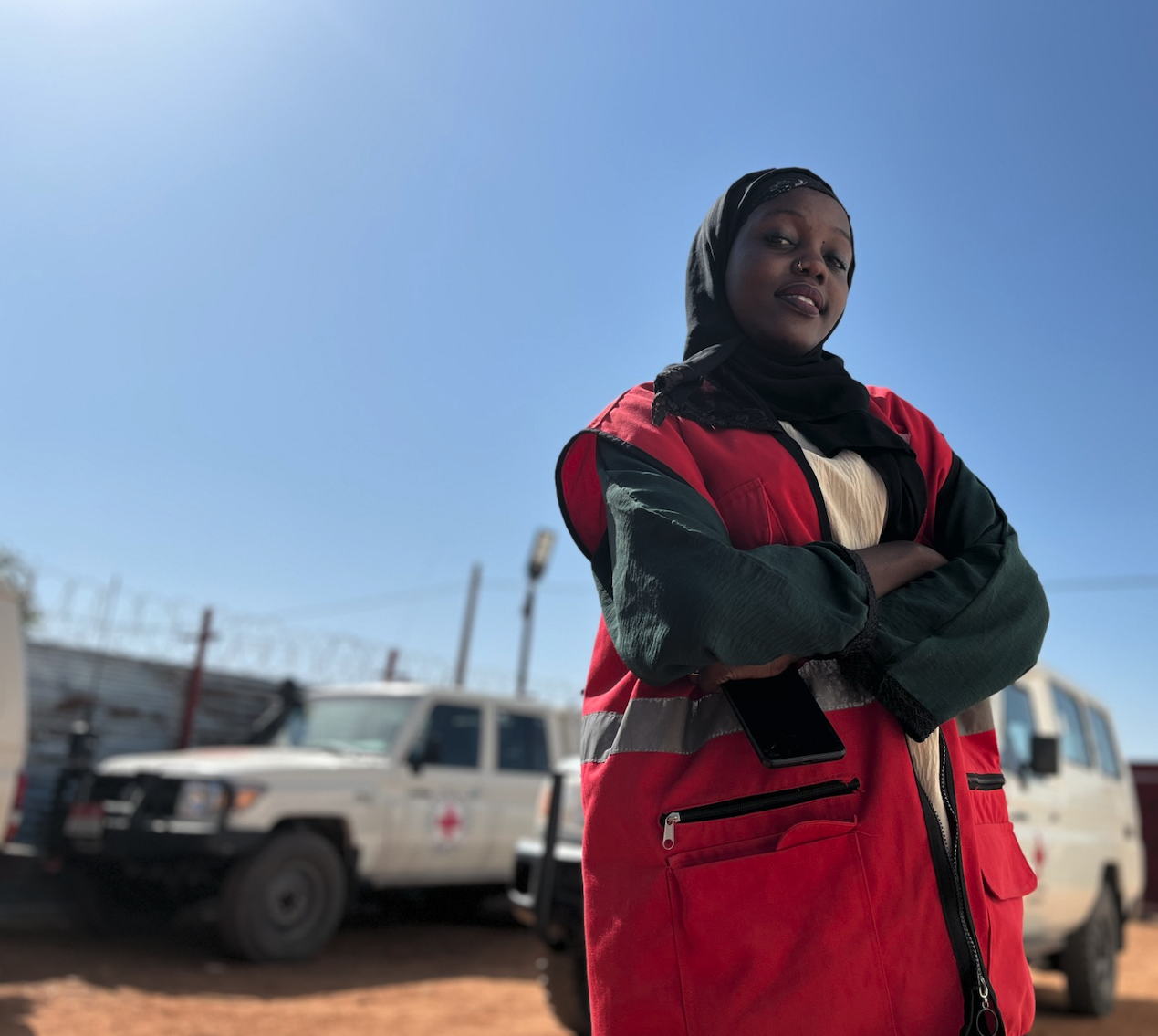
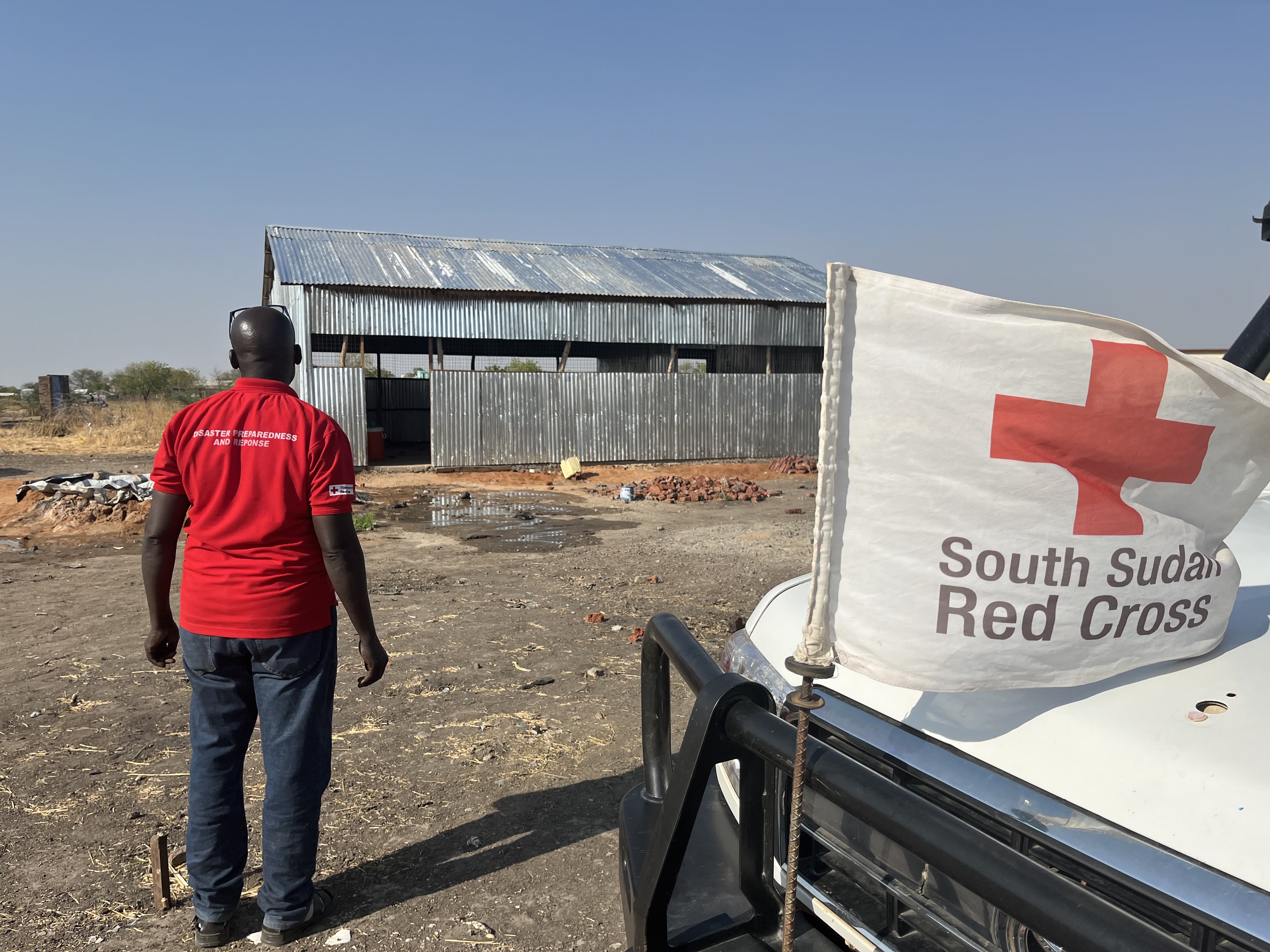
... where local volunteers and community workers such as Amou, Veronica and Besma are there providing critical relief supplies, creating safe spaces, supporting proper hygiene care and offering guidance to young girls in vulnerable situations.
Most of the people they are helping are fleeing violence in neighbouring Sudan.
Many women fleeing conflict in Sudan arrive in South Sudan with nothing. Sometimes all they have are the clothes they are wearing.
Often they lack even the basic necessities of personal hygiene care.
“When their period comes, some women don’t use anything,” says 27-year-old Amou, a volunteer with the South Sudan Red Cross.
“Or they use pieces of cloth as a sanitary pad, which can lead to infections. They tell us: ‘If I buy sanitary pads, my children don’t have anything to eat."
To address this urgent need, the South Sudan Red Cross distributes dignity kits to women and girls. Each kit contains sanitary pads, underwear, soap, a towel, and a flashlight with batteries.
“The flashlight is very important,” Amou explains. “It helps women feel safer at night when they need to go to the toilet.”
Providing these items means women no longer have to choose between their own dignity and feeding their families.
In addition to distributing dignity kits, Amou raises general awareness in the community about hygiene and sanitation.
“I show families how to build a toilet,” she says. “If waste is left outside, people can get diarrhoea."
"Some people drink unsafe water from the Nile, which can cause disease outbreaks. When the rains come, the situation becomes even more difficult.”

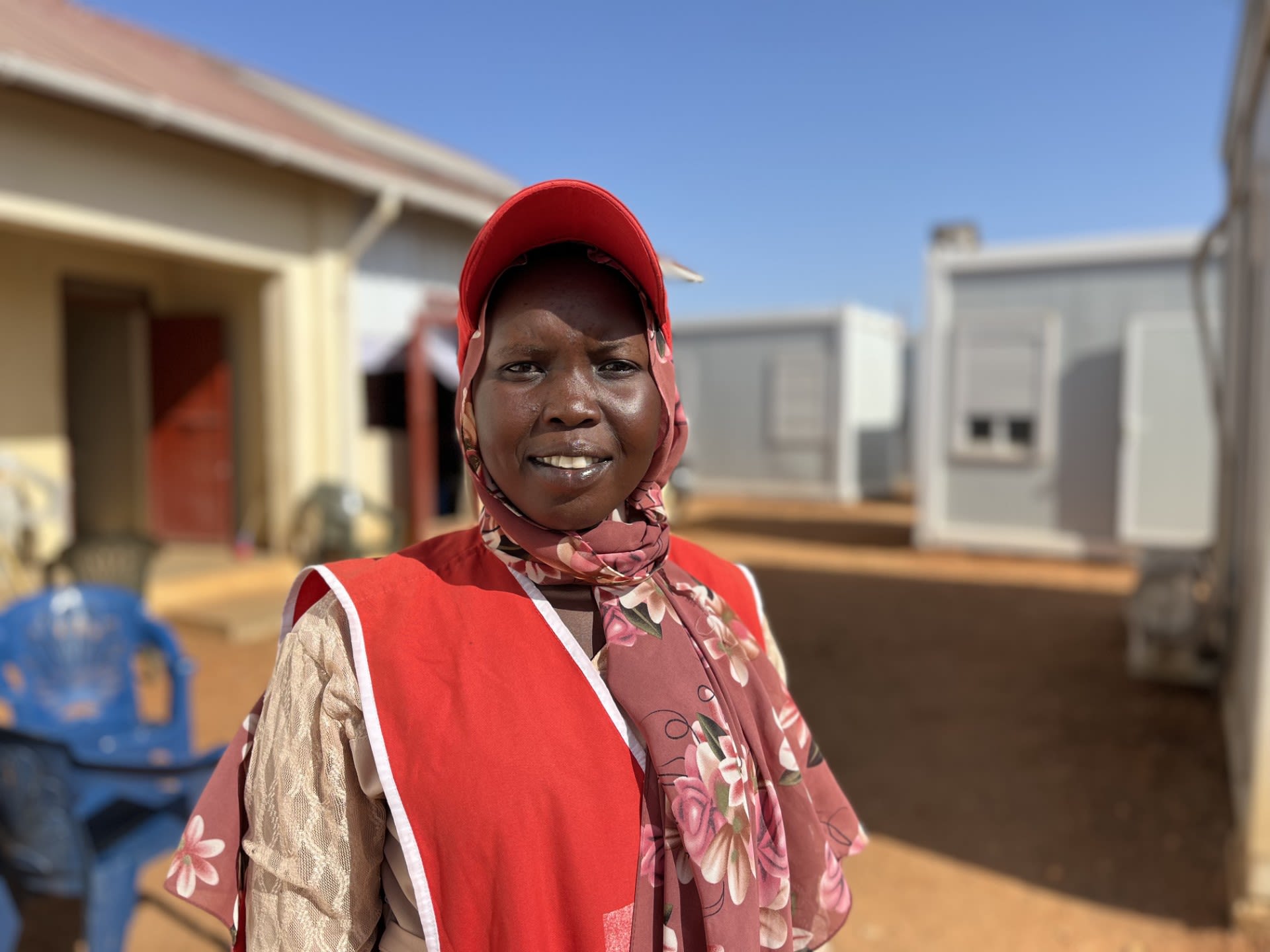
Besides providing emergency relief such as food, water and hygiene supplies, these women play a key role in the South Sudan Red Cross's investment in the long-term protection and empowerment of women.
Recently, they established a brand new female-friendly centre. The centre offers a safe and private space where women can meet, participate in activities, and speak confidentially about experiences of sexual violence.
“There is still a lot of stigma,” says 32-year-old Veronica, Protection Coordinator at the South Sudan Red Cross.
“In this centre, we keep fighting the stigma. We keep repeating to girls and women who suffer gender-based violence: 'It is not your fault. You can get help. We are here to help you, anonymously.'”
The female friendly centre will also be a place where women can generate their own income, Veronica says.
“Many women depend financially on a man,” she explains.
To strengthen women’s independence, the South Sudan Red Cross, with support of the IFRC, provides bedsheets and other materials, so women can knit traditional bedsheets and sell these at the market.
“When women earn their own income, they feel more empowered," Veronica says. "They become less dependent on their husband. And when they are working with their hands, it becomes easier to open up and share their stories. This place is a safe space.”

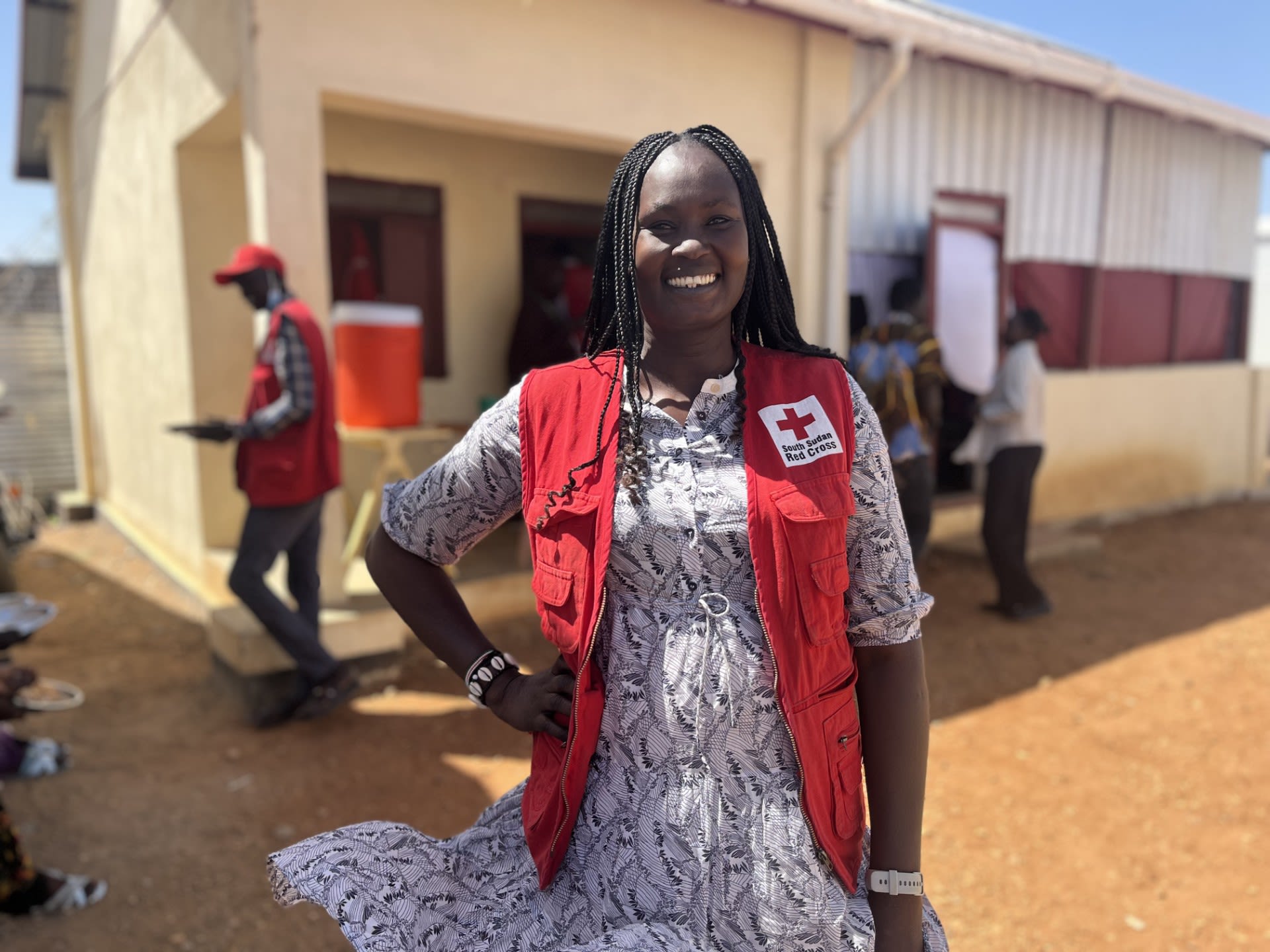
'We are strong'
The centre will also focus on awareness-raising among young girls. 22-year old volunteer Besma has been volunteering with the South Sudan Red Cross for four years. She looks forward to the events she will help organise for young girls at the centre.
“We will organise dances for young girls,” she explains. “Afterwards, we will sit together in a safe space and talk."
"Some girls are married at 14," she adds. "It makes me feel horrible. They can face serious health risks when they become pregnant so young. At the same time, it motivates me in my work. ”
For Besma, this work is part of a larger personal motivation. “If I complete my studies, I want to become a doctor,” she says.
For Veronica, early child marriage is also a personal issue..
"I know how important it is. I myself married when I was 16. That same year, I had my first child. "
"By sharing my own story, I hope to bring change. I want to teach young girls how important it is to finish their education."
'The same humanitarian heart'
Female volunteers play a crucial role in reaching vulnerable people within communities displace by conflict, Veronica adds.
“As a woman, we feel safe talking to fellow women. They feel safe to share their stories and experiences. We connect on another level.”
For Amou, volunteering is also about the community as a whole. “We are all equal as volunteers. It does not matter where you are from, or whether you are male or female. We share the same humanitarian heart.”
She pauses, then adds: “When I see a little girl, I hope she can go to school, stays healthy, and grows up in a safe environment, without any violence.”
Besma echoes that message:
“There is still stigma around sexual violence. But when we speak openly, people begin to share their stories. We should not forget: women are strong. We are strong.”


We continue our journey in Chad ...
... where women are again playing a key role helping people impacted by conflict, climate change and displacement.
'I don't like to see people suffer'
A conversation with two women with a passion and a vision for helping people impacted by climate change, displacement and violence.

'The spirit of humanity'
At the Chad Red Cross, Cécile Tomente oversees the activities related to protection of vulnerable people, including the training of volunteers related to gender-based violence, psychological support, migration and the prevesion of sexual abuse and exploitation.
"My commitment goes back a long way. Even as a child, I was driven by a deep sense of humanism. I used to follow the volunteers of the Chad Red Cross when they came to intervene at my primary school.
One day, there was an accident, and I saw them provide first aid and organize the response. That moment deeply marked me.
It was that spirit of humanity that led me to join the Red Cross. For me, humanism means providing concrete assistance to those who need it most.
Today, as a woman leader within the Red Cross, I understand that this comes with great responsibility. Being close to the community is essential.
You cannot claim to act for a community if you do not understand what it is going through. When the community trusts you and tells you that it does not feel alone, that is a true source of pride. "

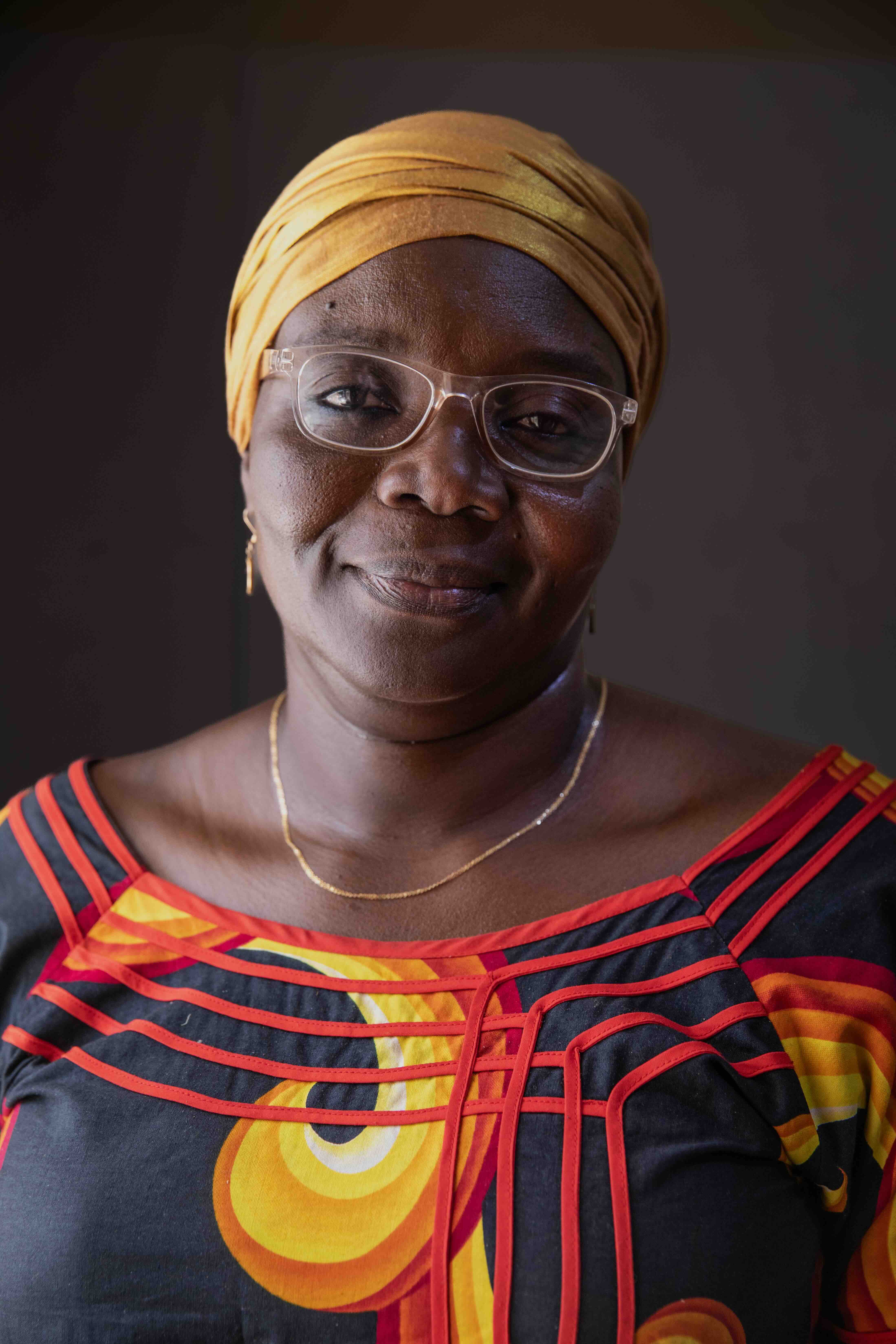
"For me, humanism means providing concrete assistance to those who need it most. Today, as a woman leader within the Red Cross, I understand that this comes with great responsibility. Being close to the community is essential. You cannot claim to act for a community if you do not understand what it is going through."
– Cécile Tomente

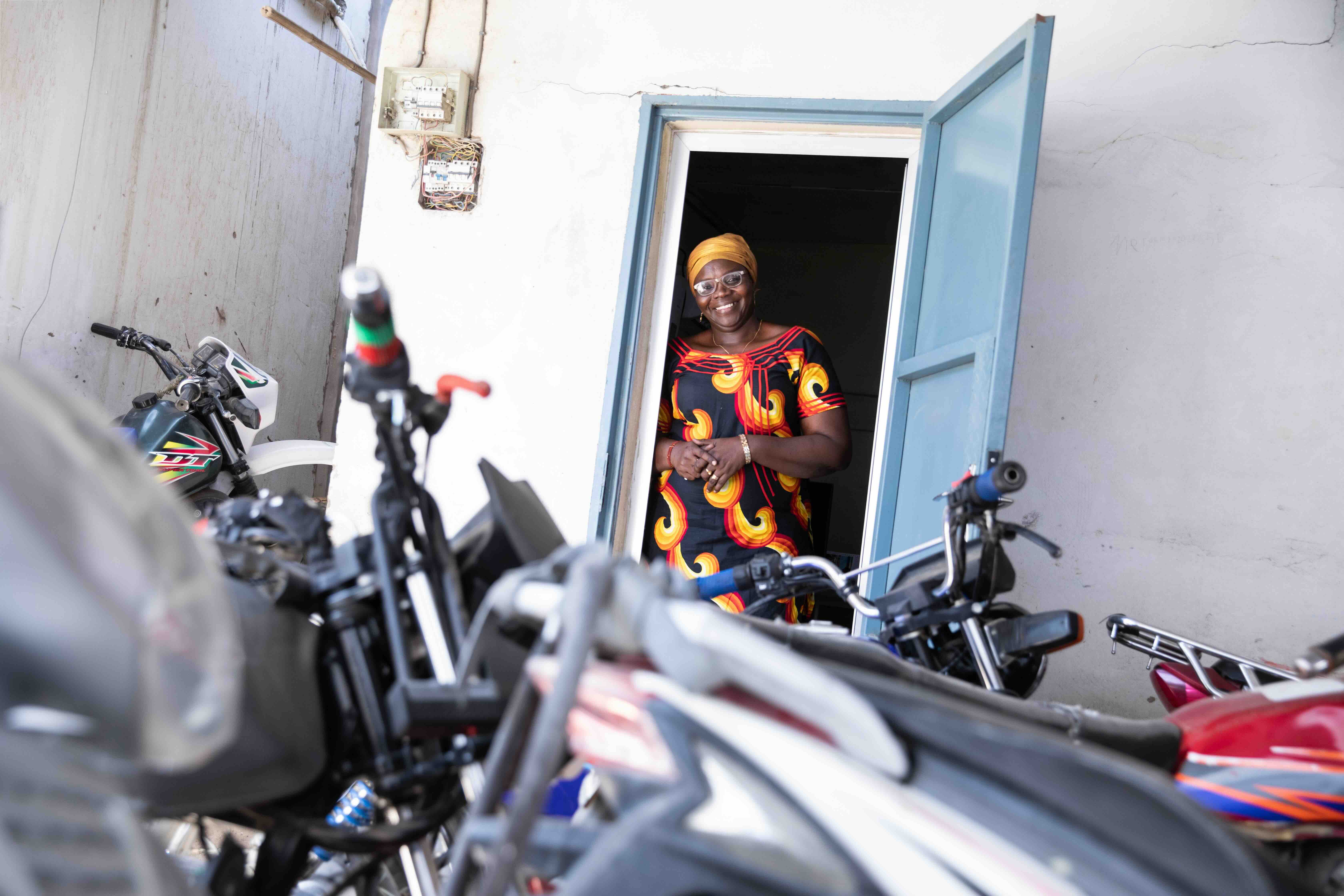
'I don’t like seeing anyone suffer'
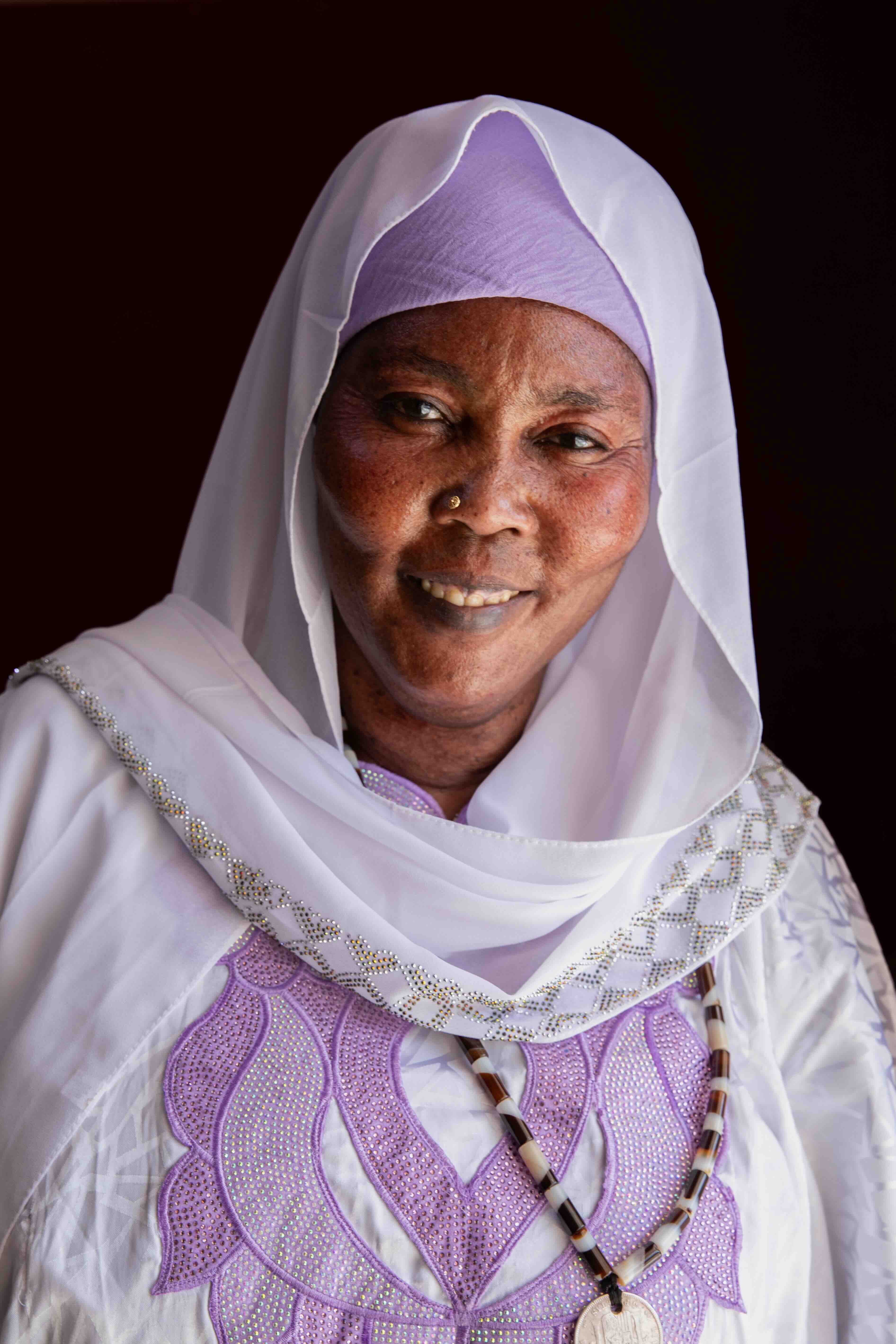
Long time Chad Red Cross volunteer Raouda Abderamane Hellou talks about what guides her vision, dedication and humanitarian leadership.
“I am a volunteer with the Red Cross of Chad. I started at a very young age and have held several responsibilities, including [now working on staff] as Treasurer General.
I have spent 28 years with the Red Cross. What impressed me most is humanity: we help people, we provide relief, without discrimination.
I don’t like seeing anyone suffer. That is what motivates me to stay alongside vulnerable people. I love my work and I am proud to be part of the Red Cross family.”

Next our International Women's Day journey takes us to Bangladesh ...
... where women like Jamila and Setara have not only restarted their own livelihoods after an horrific escape from violence, they are helping other women follow in their footsteps.
It was raining heavily that morning they fled; it wasn’t just the sky that was crying — but Jamila Begum’s heart was too.
“It was raining so hard,” she remembers, “as if the clouds were feeling our pain.”
40-year-old Jamila Begum still recalls the fear, and heartbreak of that day, when she and her husband, along with three young sons, fled their country, Myanmar, due to violence.
When Jamila and her family arrived in Bangladesh, they found themselves in a crowded, noisy informal settlement, full of thousands of strangers from the same land.
“I didn’t know where to go, what to eat, or how to live.”
Her husband was badly injured while escaping. He could not move properly, and so, Jamila became the only person who was strong enough to take care of the family.
“I was so scared, but I had no choice. I had to be strong for my children.”
Long days turned into longer months. At the beginning, life in the displacement camps of Ukhiya, Cox’s Bazar was riddled with uncertainties — no durable shelters, runny, muddy pathways, no safe water to drink, no safe bathrooms and endless waiting for one.
Lost and alone
One afternoon, while sitting outside her shelter, Jamila heard a few women talking with camp volunteers who had come to visit their block.
They were discussing a nearby centre; a place where women could learn new skills like sewing, embroidery, and fishing net-making.
“I felt very shy,” Jamila recalls. “I have never gone out alone in this new country. I didn’t even know how to talk to the volunteers.”
But something inside urged me to go and see.
“There were women like me, scared, tired, but smiling while learning something new. I felt warmth there.”
She saw sewing machines, colorful threads, and women stitching together with laughter. It was not just a learning space, it was a safe space. Women are chatting by themselves; and there were also good toilet facilities for women, with privacy.
Stitching her life back together
And so Jamila Begum joined a sewing course months after crossing the border. “When I touched the fabric and started to sew, I felt like I was stitching my life back together.”
Not long after, Jamila became a Red Crescent volunteer and along with sewing, she built the capacity of the community through discussions and awareness sessions on child marriage, trafficking, positive parenting, safety and gender-based violence.
“I had never heard about these things before,” she admits. “I learned that we, as women, also have rights, and we can support each other.”
As a volunteer in the camps, she is the voice of the community to Identify protection cases and refer those cases to the respective actors through referral pathway.

From learner to leader
Jamila Begum’s passion for learning did not go unnoticed. The Bangladesh Red Crescent staff at the Dignity, Access, Participation and Safety (DAPS) centre saw her dedication, her patience, and her natural ability to help others.
“I couldn’t believe it,” she said happily. “There was a time I was sitting hopelessly outside my shelter. Now, I was being trusted to teach others.”
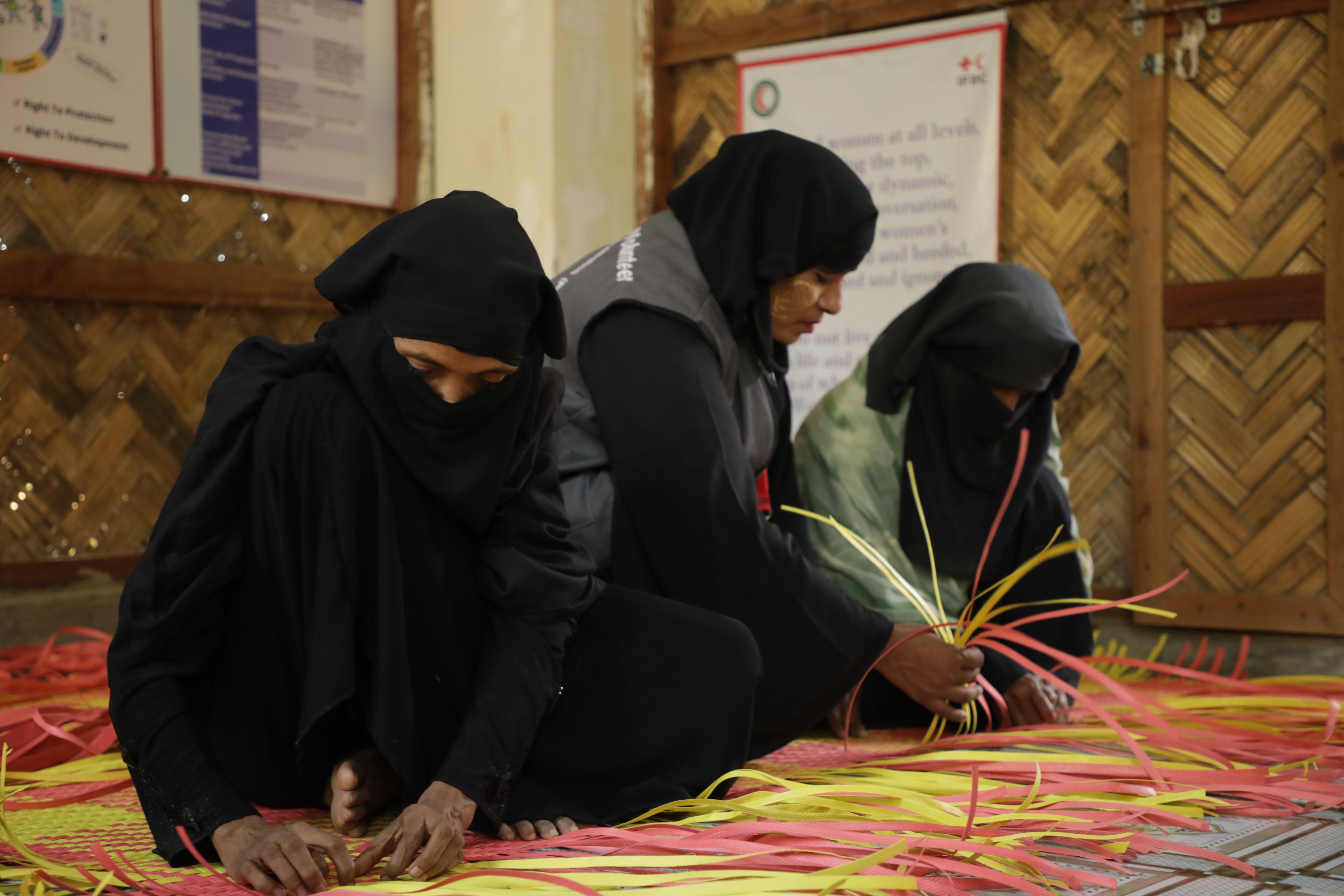
As a volunteer with the Bangladesh Red Crescent Society (BDRCS) and the DAPS centre, Jamila began training other women in sewing and embroidery. So far, she has trained around 150 women from her community.
The DAPS centre is part of a wider initiative by the BDRCS and IFRC to create safe spaces where men, women, and children come to receive training for various income-generating skills.
There are also play areas and child-friendly informal learning for children, plus awareness sessions on health, hygiene, and protection for different age groups.
Among other things, participants learn how to weave fish nets and floor mats, make ornaments, and do hand embroidery.
“This is my greatest reward, when I see the women and adolescent girls I trained, start working, having a good time and smiling confidently.”

A life rewoven
Jamila Begum now has her own sewing machine which she proudly bought using her own savings from her income. She earns an income making clothes for people in the camp, and she also receives a monthly allowance from the centre as her contribution as a volunteer in the DAPS Centre.
Looking back, Jamila reflects: “If I hadn’t come here in the DAPS centre, I might never have known the value of learning.”
The camp, once a place of fear and helplessness, has now become a place of empowerment. She is no longer just a displaced woman; she is a community leader and a teacher.
“Before, I used to think I had lost everything,” she says softly. “But now I know, when you learn, you never lose. You always gain something back.”
Jamila continues her volunteer work, teaching new batches of women each month. She encourages them not only to learn skills but to believe in themselves. “We may live in a camp, but our dreams should not be trapped inside it,” she says with determination. “The skills we are learning here would help us if we would go back to our own country.”

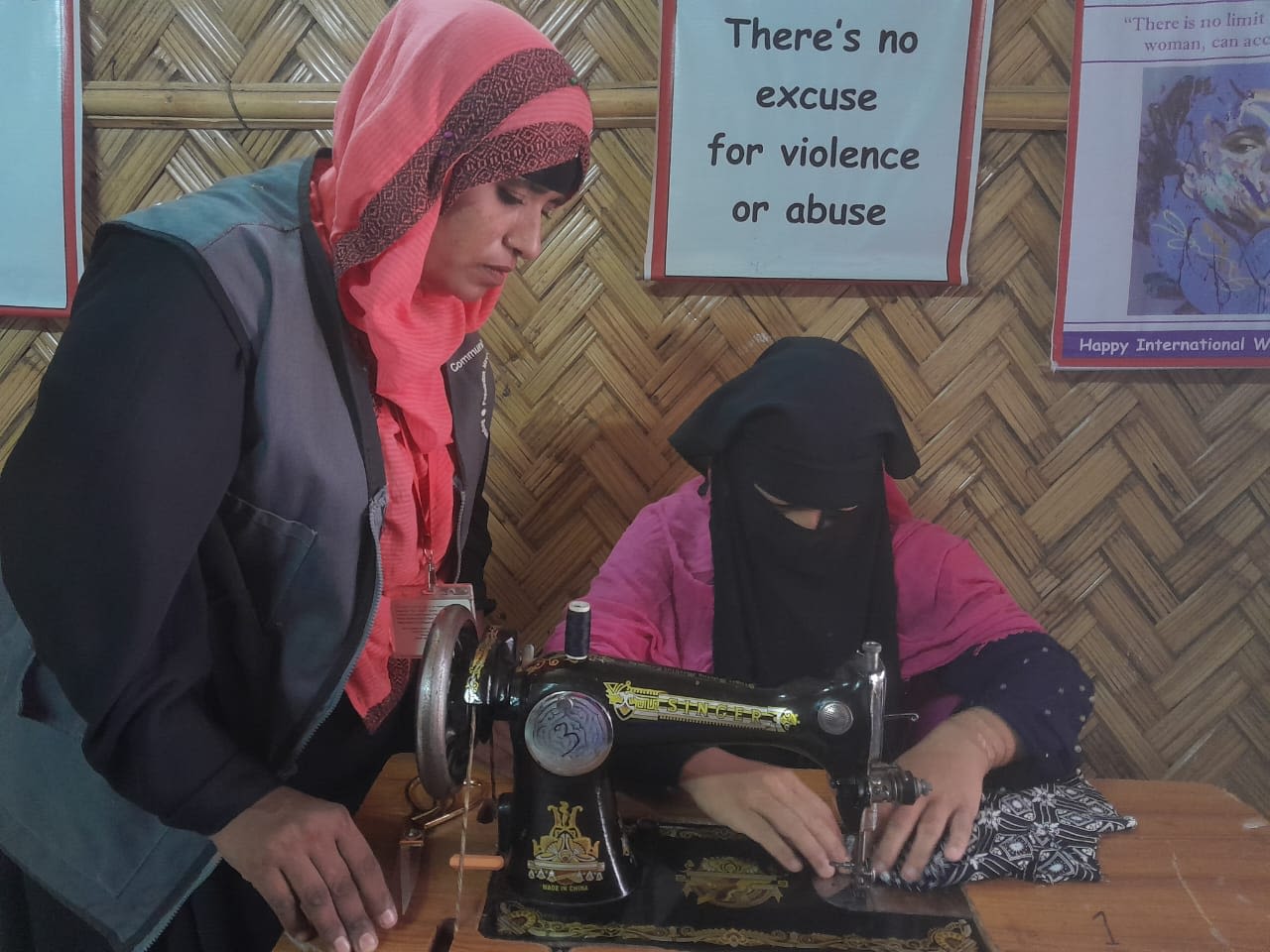
A worried mother: These livelihoods trainings must continue, she says.
The overall camp situation now worries Jamila Begum, however, as many activities and programmes including livelihood training are closing down due to funding constraints.
“If young people of my son’s age are sitting around without any work, this is a huge risk. Many of them get involved in online gambling; moreover, they become desperate to go outside the camps or other countries in search of work — and most of the time, it ends up with trafficking.”
To protect young people from these threats, Jamila says there should be more education and job opportunities for young people, as well as skills and vocational training for women.
Through these trainings, women can earn money that helps them invest in their children’s education and overall welfare.

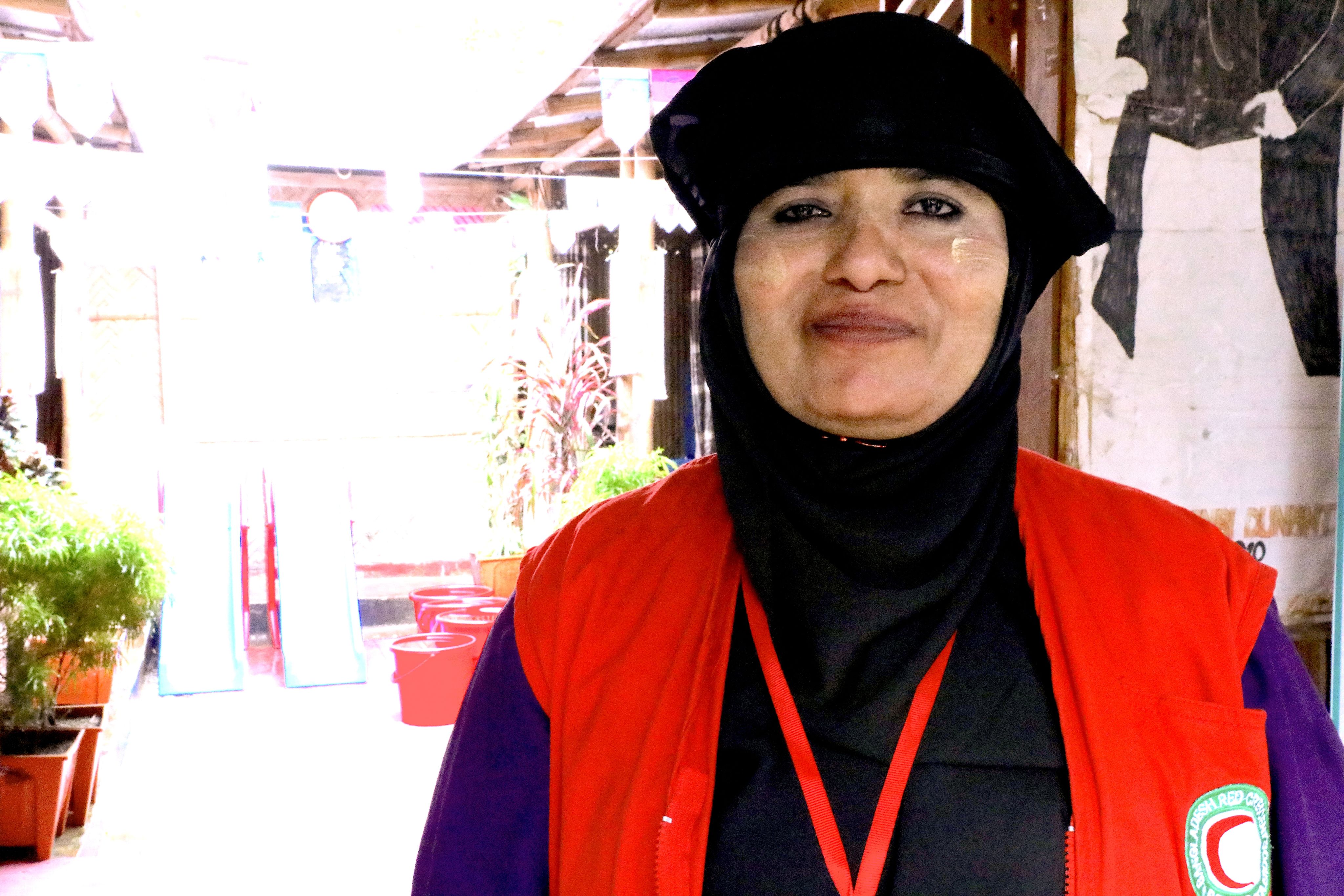
A centre of safety
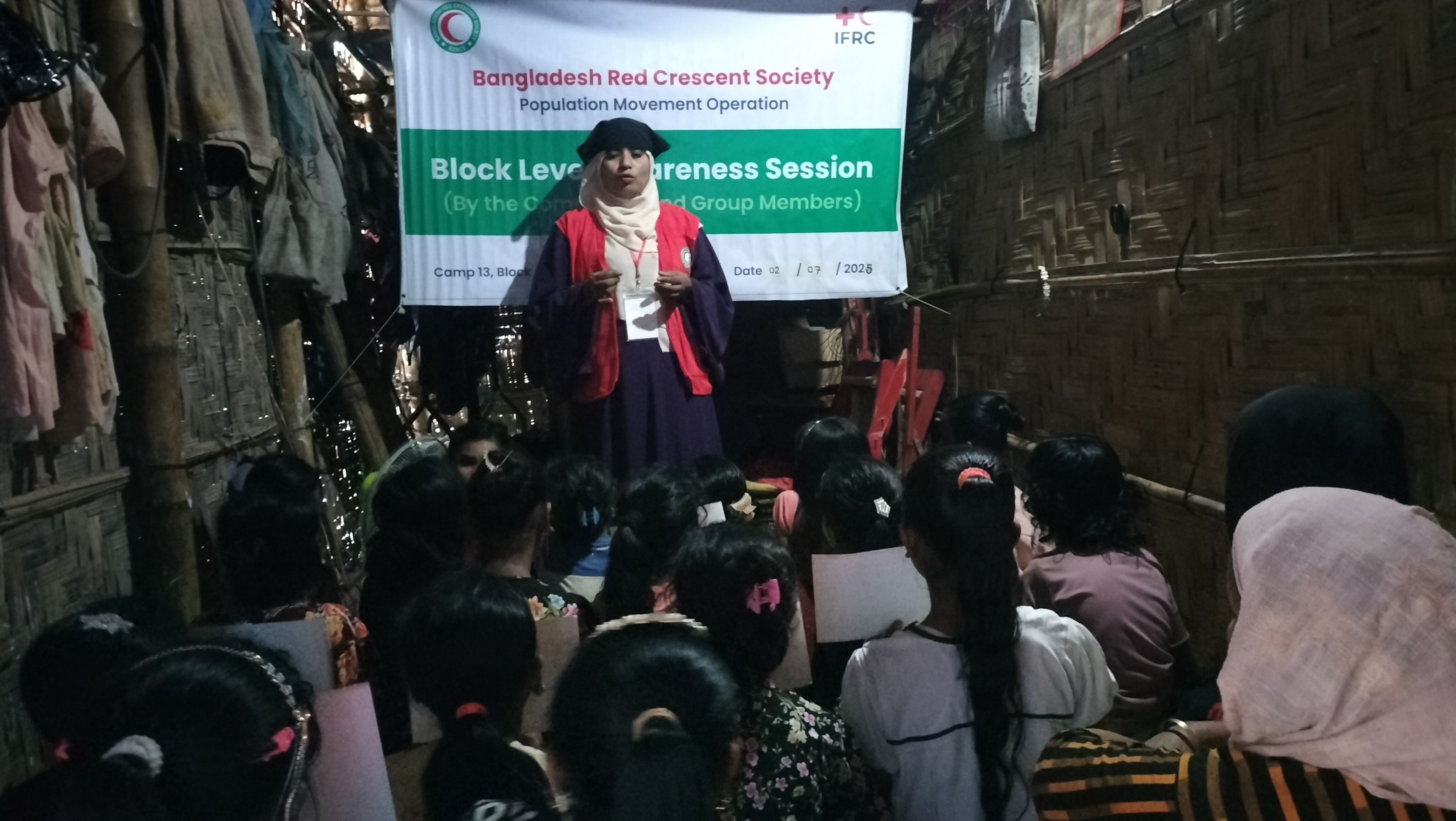
Volunteers like Jamila from the community often go door-to-door and sometimes arrange different outreach programs in different blocks of the camps to speak about and share information abouthe centre and encourage people to come for a visit.
To date, more than 580,000 displaced people from Rakhine state, Myanmar living in the Cox’s Bazar camps, Bangladesh, have been supported at DAPS centres between 2022 to 2025. Among them there were 16, 999 people with disabilities.

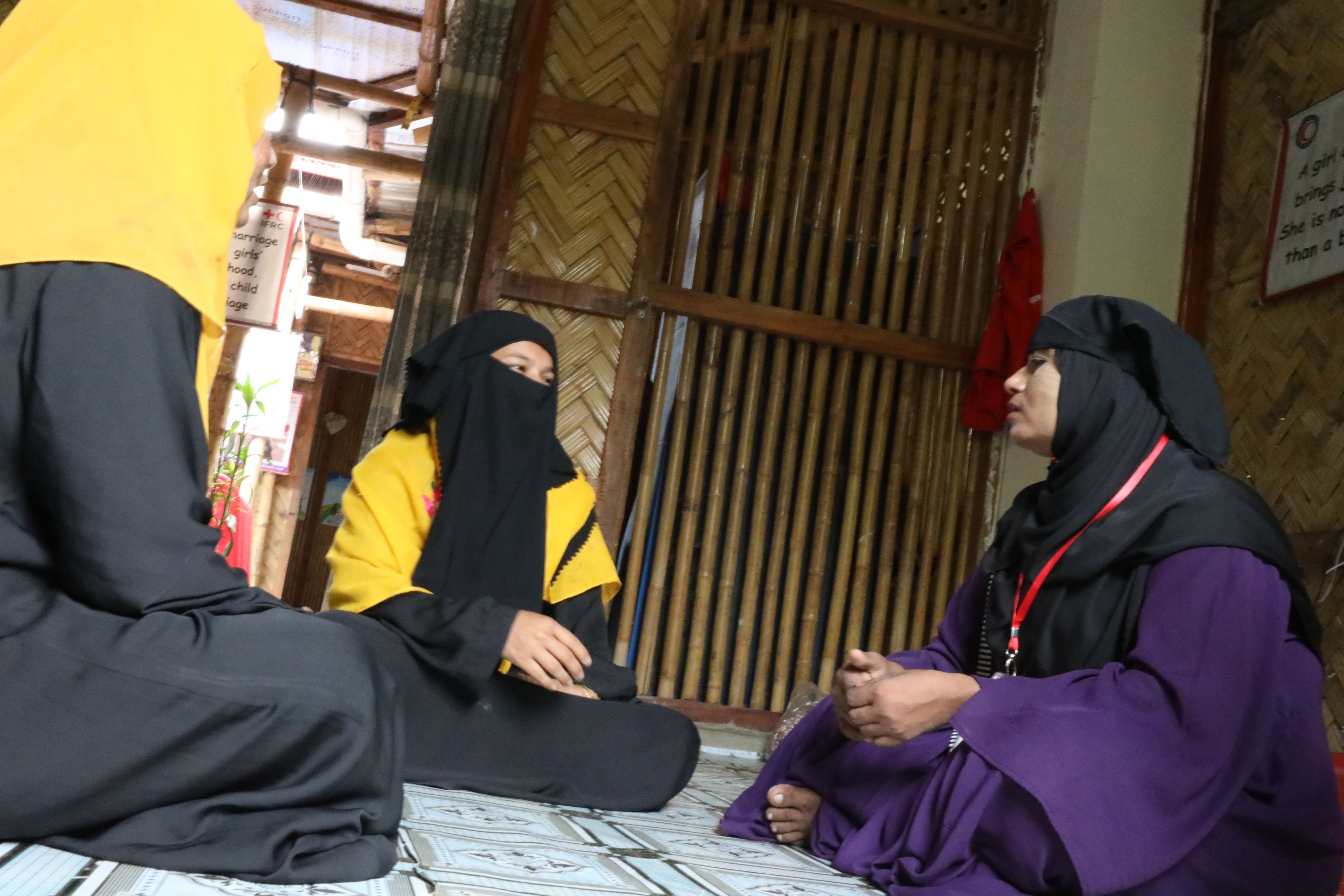
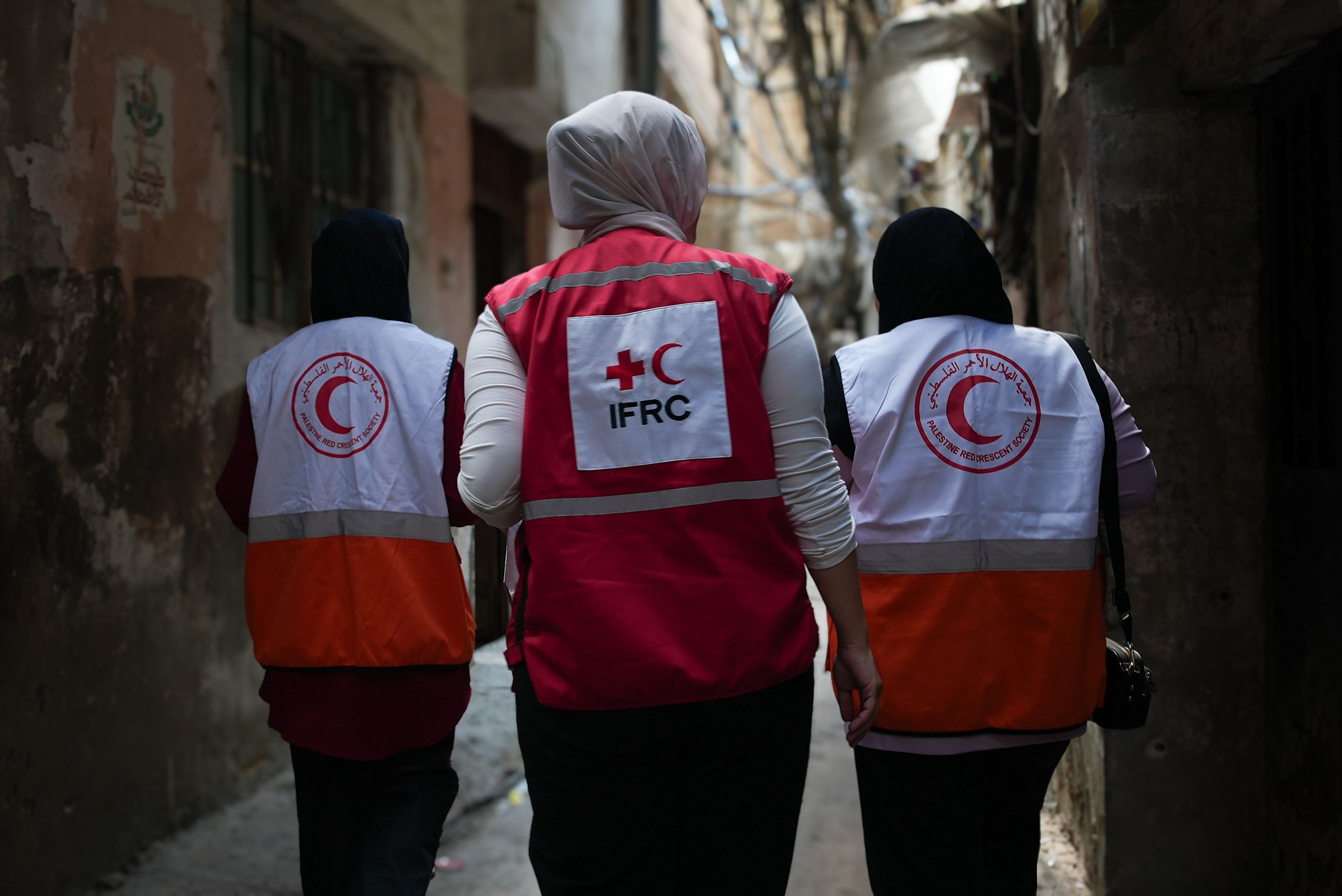
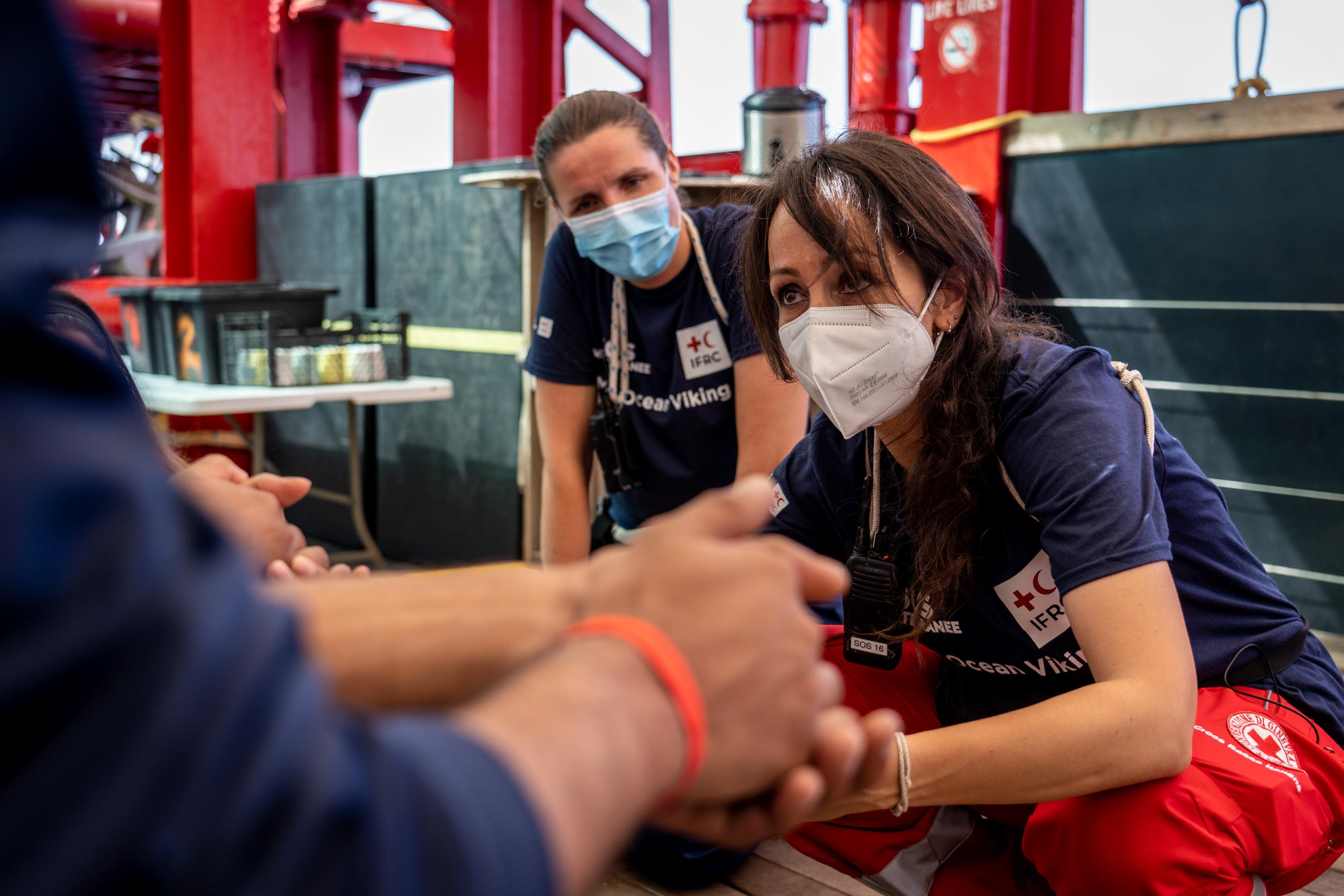
Around the world, the Red Cross Red Crescent network is often led by women – leaders in their communities – and they play a central role in our response to crisis.
In the Philippines, women playing a key role in response to back-to-back cyclones.
In Paraguay, women play a lead role in new efforts to strengthen neonatal care.
In Zimbabwe, women are at the heart of community health care in places in remote villages where health care is many kilometres away.
In the Americas, the strengthening of women's leadership in humanitarian emergency response is yielding many positive results.
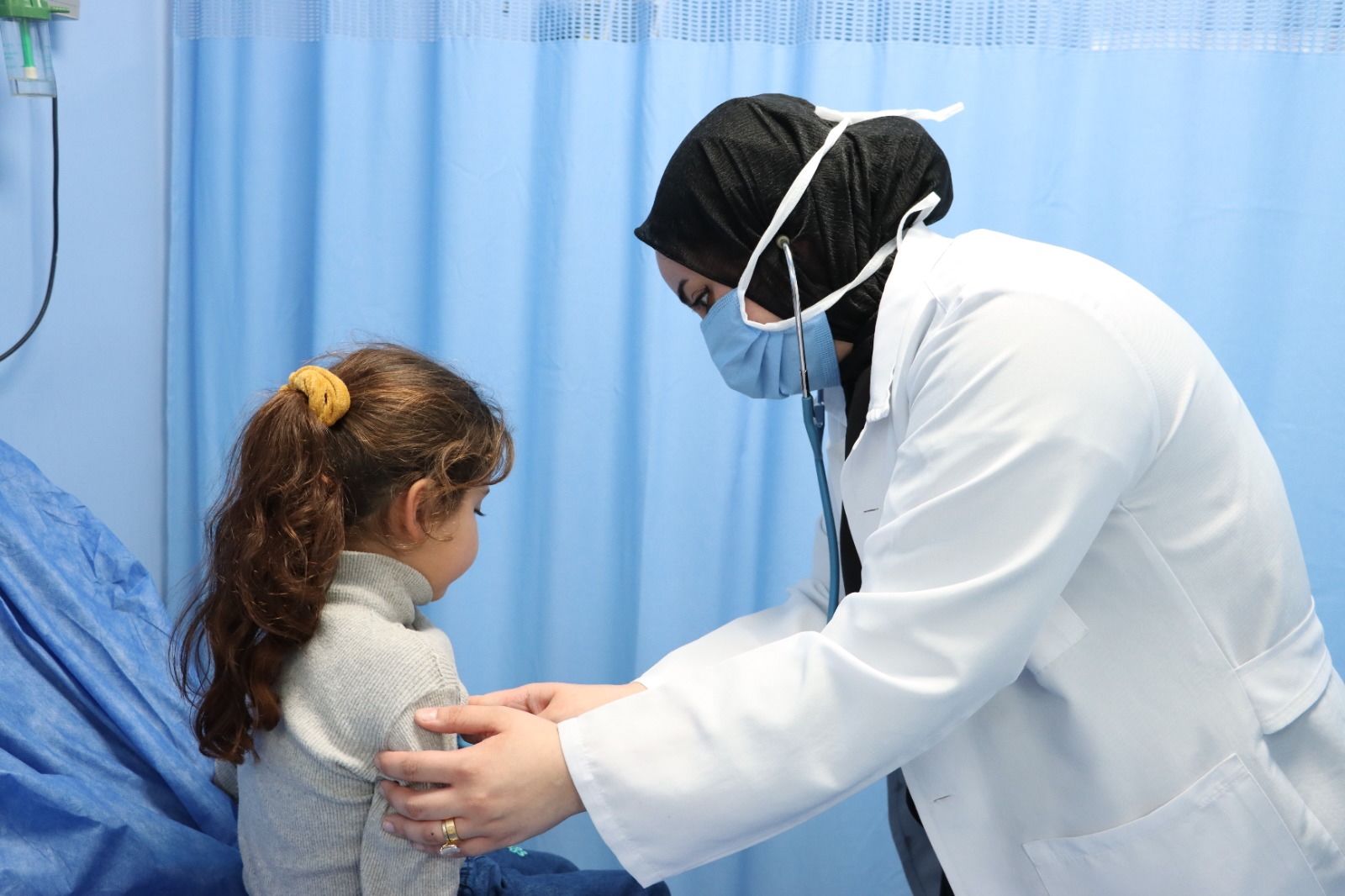
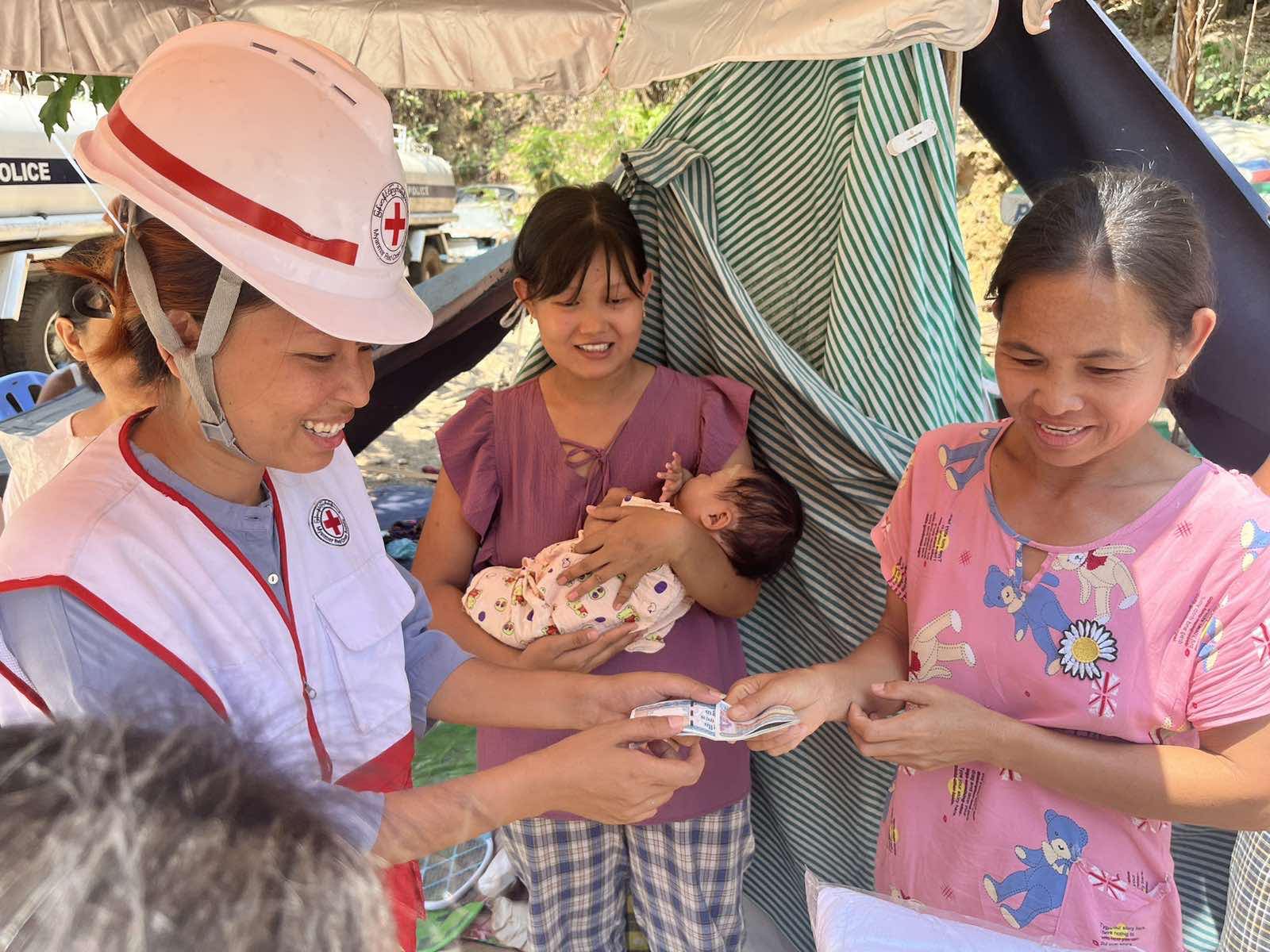
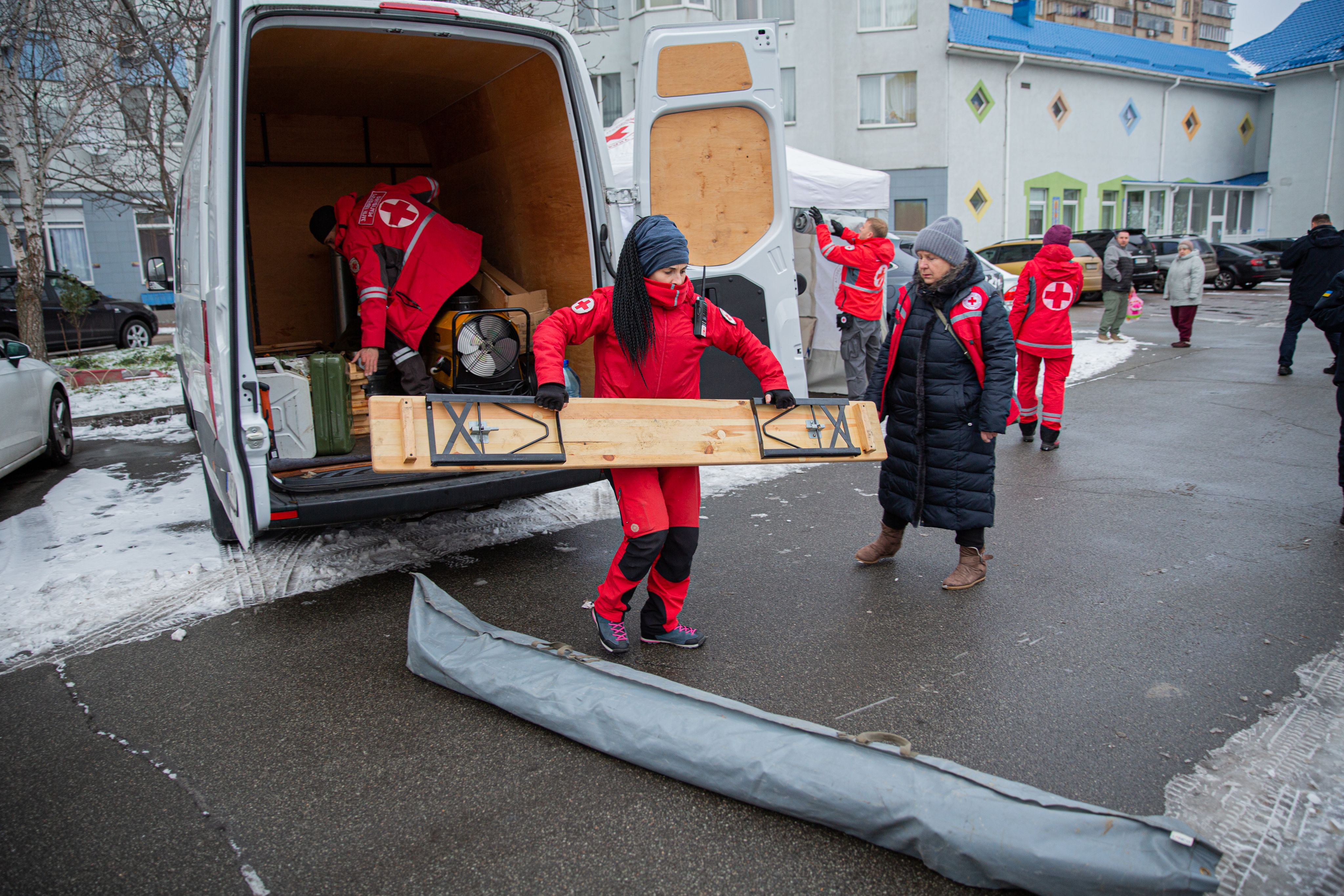
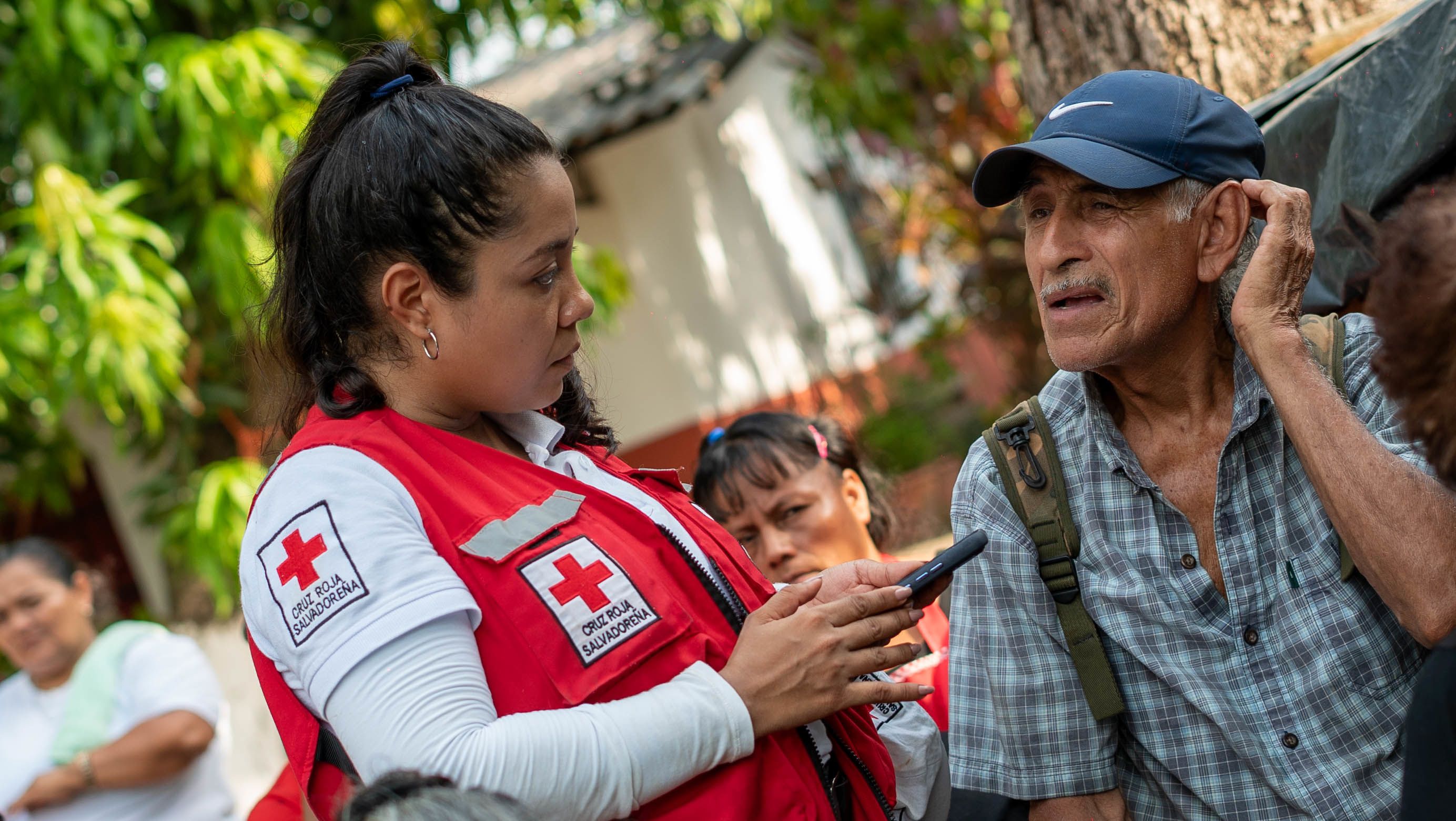
Wherever you are, women are making a positive and powerful difference. See our global photo gallery below.
Together, we are #LocalEverywhere
Learn more about diversity and inclusion at the IFRC


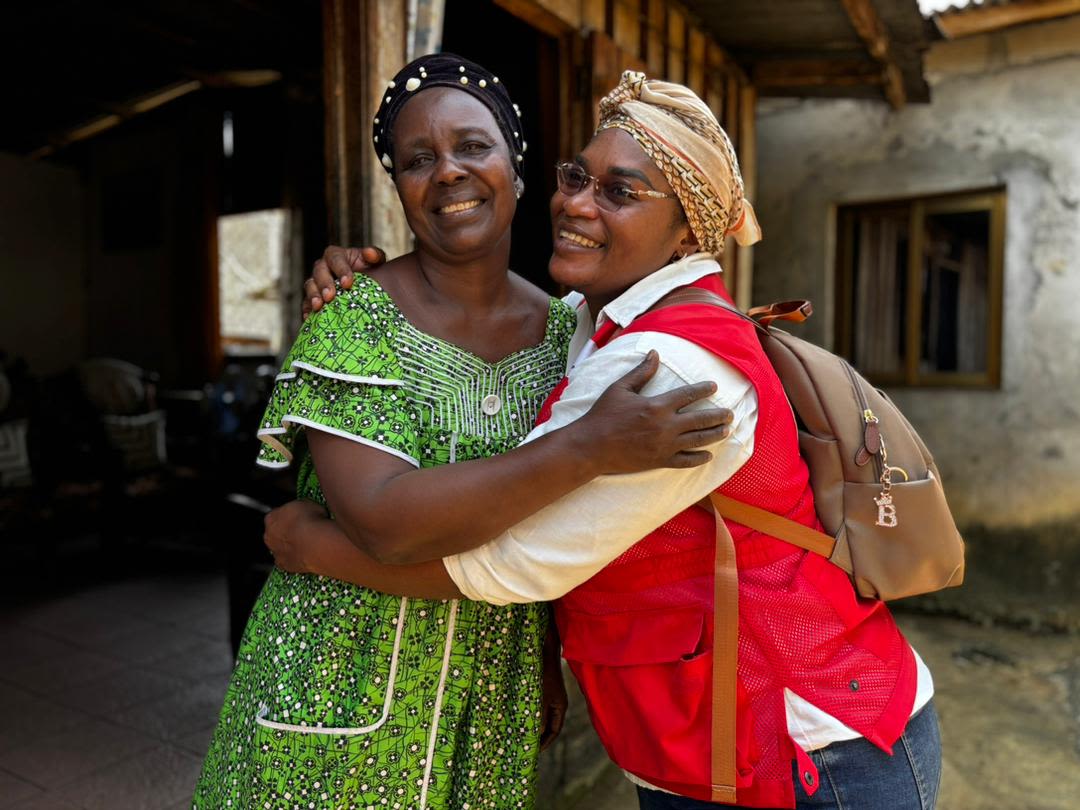
Ursula, a volunteer with the Gabonese Red Cross, comforts a woman affected by the violent winds in Gabon
Ursula, a volunteer with the Gabonese Red Cross, comforts a woman affected by the violent winds in Gabon





 Built with Shorthand