
A journey to recovery
A story of homes, family, livelihoods and hope in the wake of overwhelming floods.

'This shelter is a blessing'
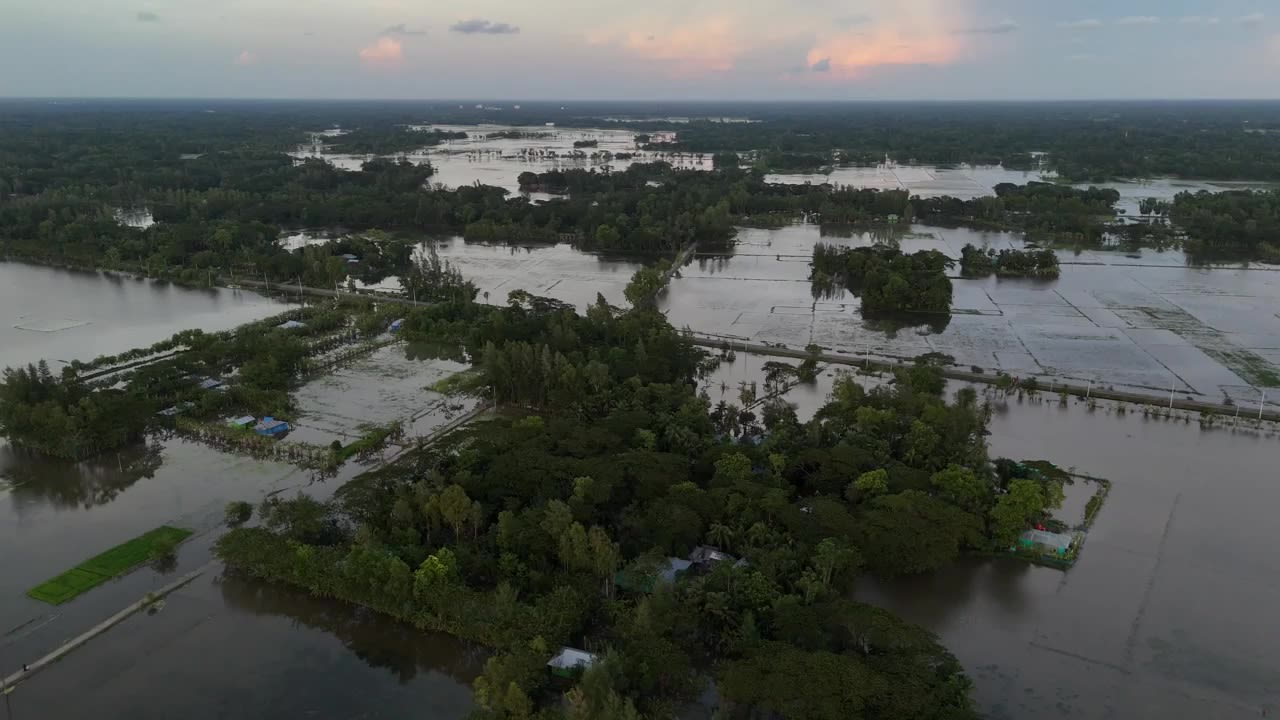
It is mid-monsoon season, and heavy rain pours over Lakhimpur and Noakhali in the southern delta region of Bangladesh.
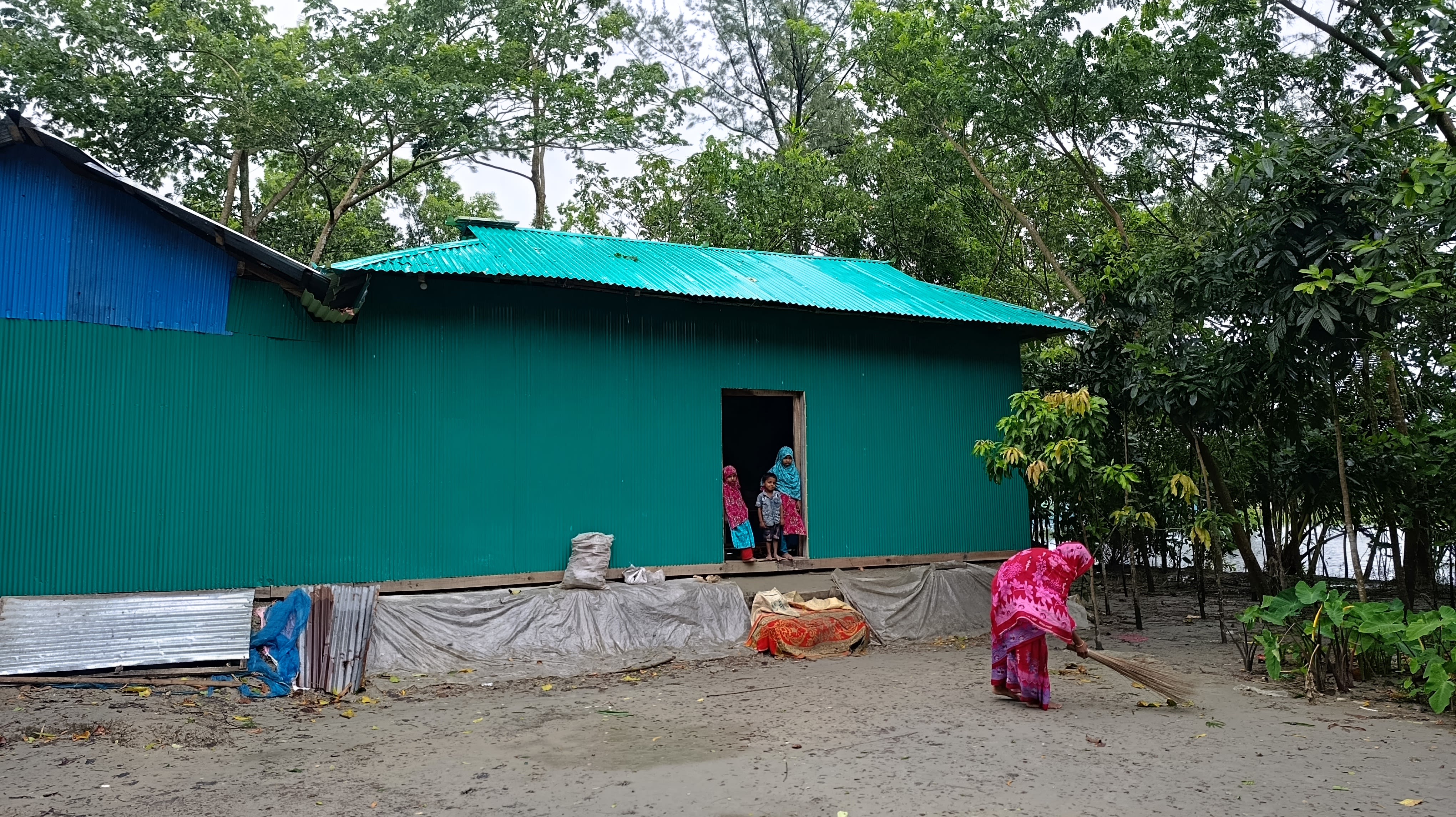
A small canal, swollen and rushing like a river, cuts through the village where rows of the newly built tin-roofed shelters now stand.
These green-roofed homes are a symbol of resilience – part of a larger recovery journey supported by the Bangladesh Red Crescent Society (BDRCS), the International Federation of Red Cross and Red Crescent Societies (IFRC) and other partners.
As part of this joint flood operation, over 302,000 people across the districts of Feni, Noakhali and Lakshmipur are rebuilding their lives and livelihoods with renewed hope.
But it’s been a long, hard journey for many who lost their homes and livelihoods when an excessively severe monsoon season in 2024 led to extensive flooding that impacted nearly 6 million people.
While the scale of the disaster was vast, the flood operation has focused on the most vulnerable households with targeted, life-changing support.
Noyon’s story
Among those affected is Noyon Akter.
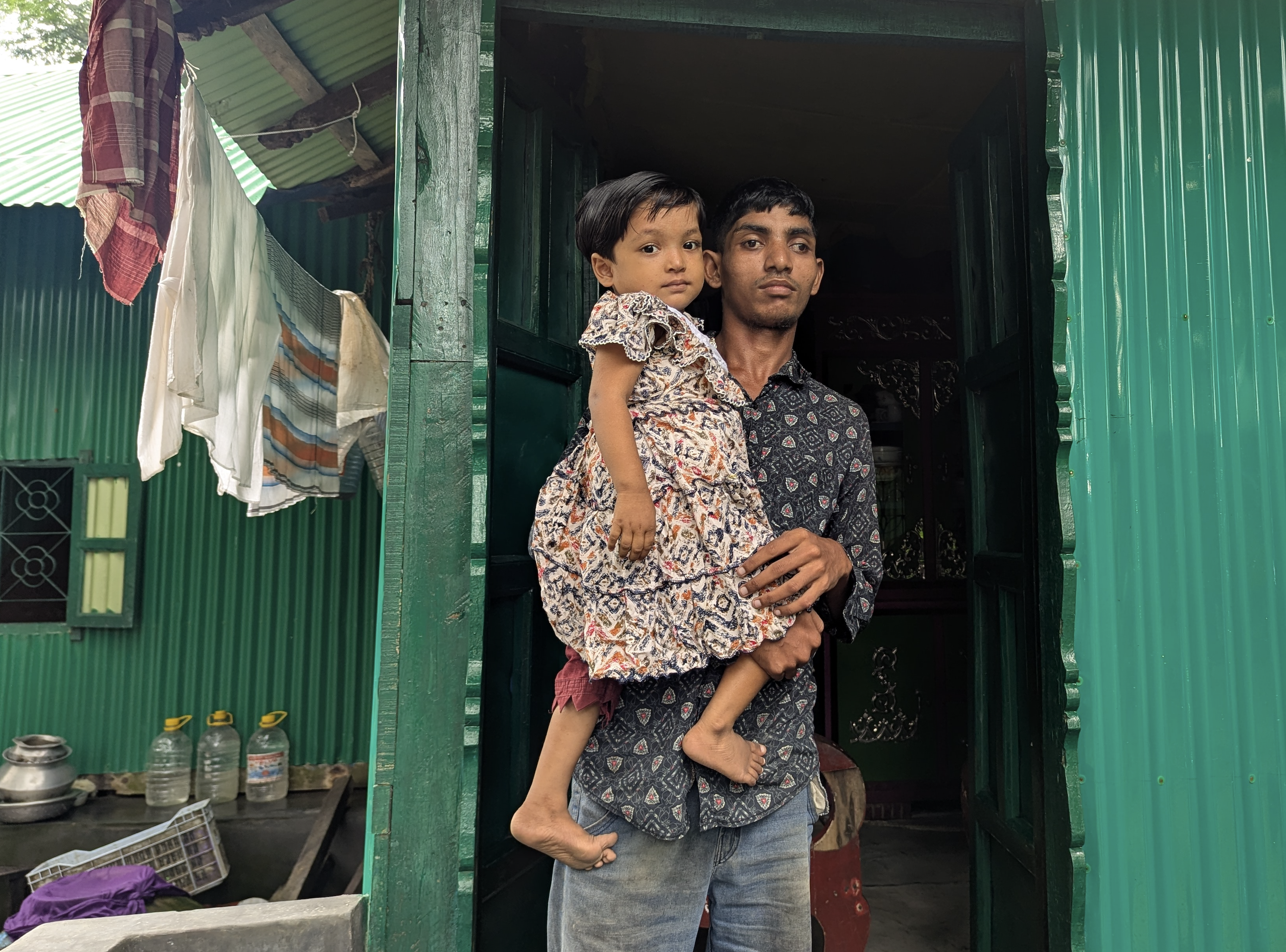
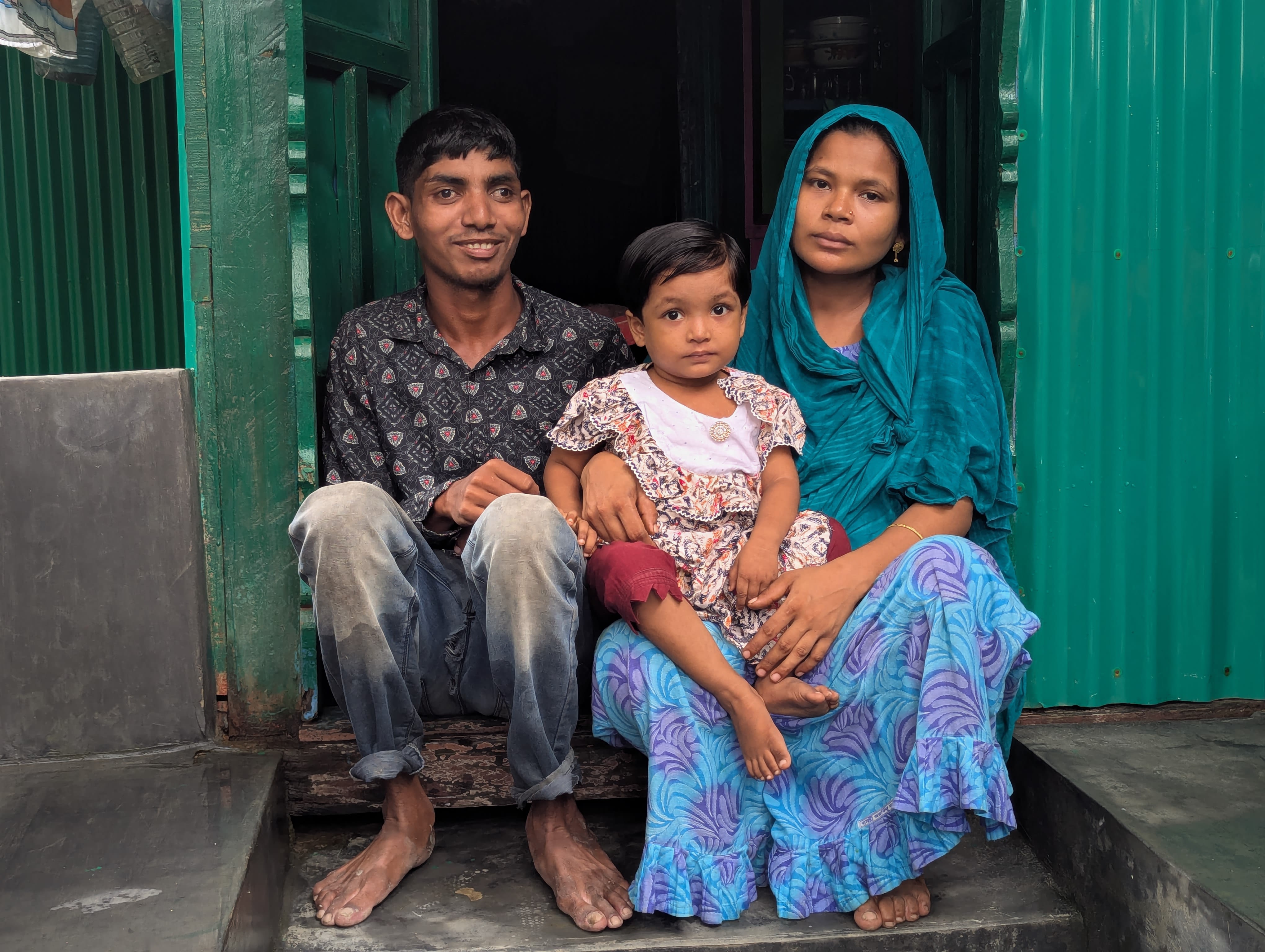
Noyon’s family, in Kamalnagar village of Char Kadira Union, Lakhsmipur, is among 791 families that received new shelters. The flood operation helped another 946 households gain access to safe latrine facilities.
Noyon is also one of the 237,460 people who received multi-purpose cash grants (BDT 6,000 or approximately US$50 each household) as part of broader efforts to restore dignity, safety, and hope at the emergency phase.
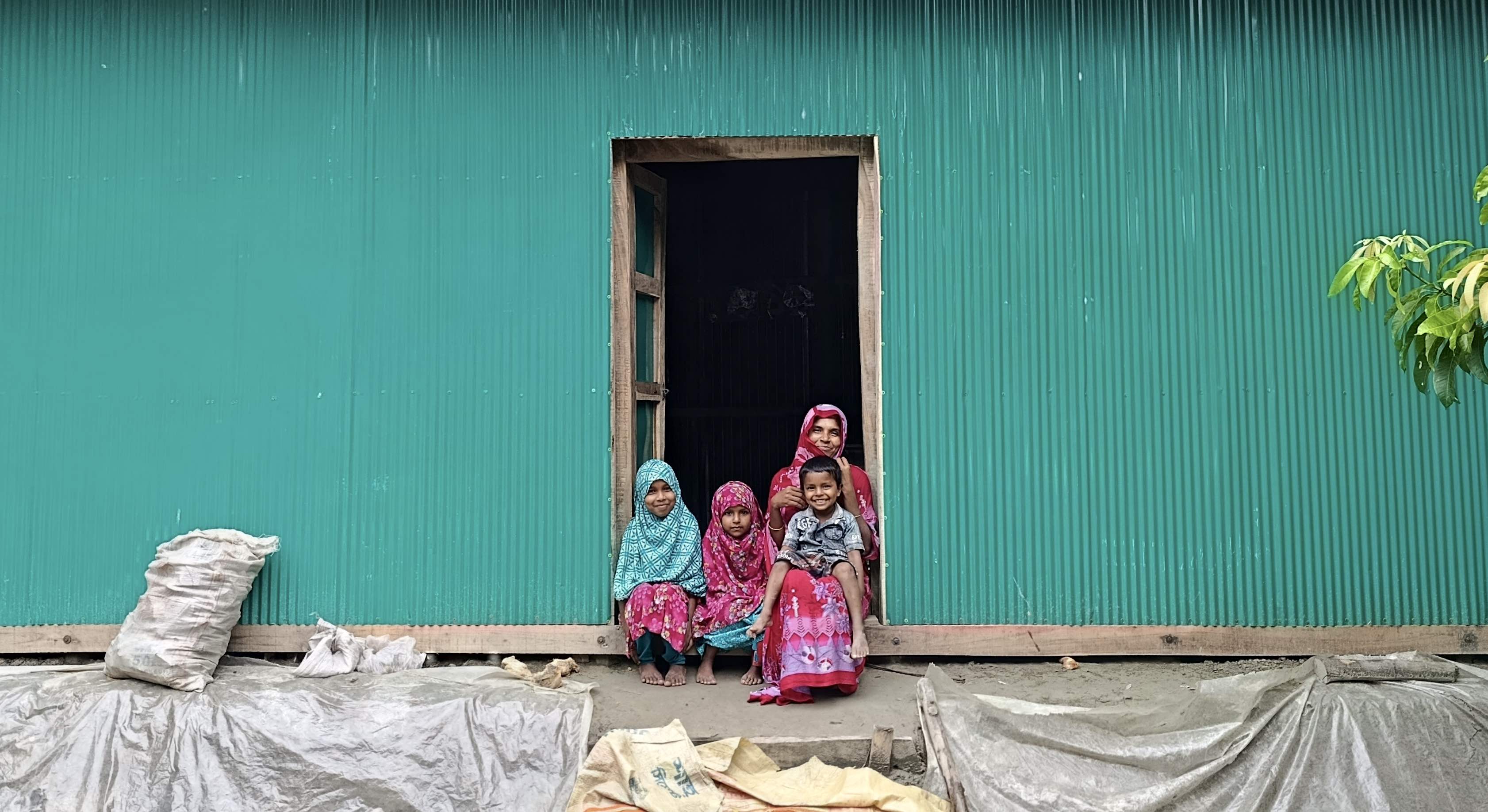
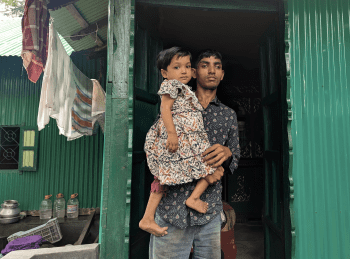
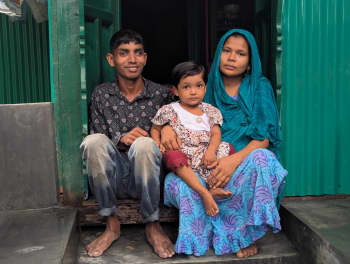
“I have three daughters and one son,” says Noyon, sitting in front of her new shelter as her eldest daughter returns from school.
“This shelter is a blessing. During and after the flood, my biggest worry was my children’s safety and dignity.”
Like many, her family at first took refuge in temporary shelters for 20-25 days. Red Crescent volunteers provided food and emergency supplies. But returning to her battered home was devastating.
Remembering those days, Noyon says:
“At the shelter, Red Crescent volunteers provided us with food and other support, so I was not too worried about that. But when we came home, everything was gone.
"The house and latrine were destroyed. My husband could not find work for days. We survived with the unconditional cash grant from the Red Crescent”.
While cyclones and river erosion are common in that part of the country, the 2024 south-eastern flood, caused by record-breaking rainfall, was unprecedented.

Not alone
The scale of the emergency prompted the IFRC to launch an emergency appeal seeking 7.5 million Swiss Francs to address urgent needs related to shelter, food security, livelihoods, health, and water, sanitation and hygiene in the eight most affected districts.
Through these initiatives, over 1,027 families have been supported with rebuilding and repairing their shelters which has been destroyed and damaged during flood.
Around 1,100 families started new income-generating activities through livelihood support from IFRC. As a part of disaster-risk-reduction and green-response initiative, over 100,000 saplings were distributed and around 14,000 packets of vegetables seed were distributed.
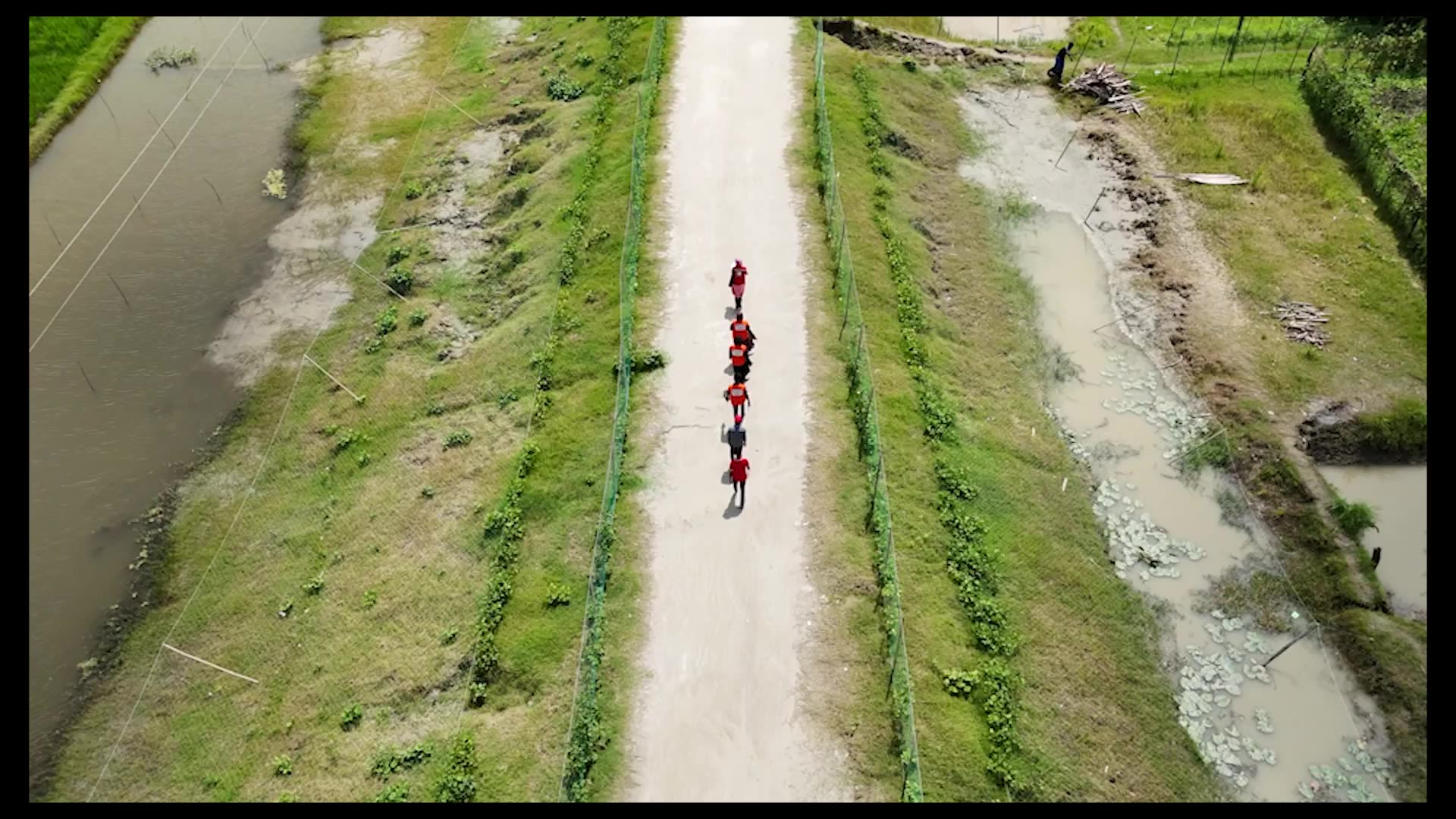
Watch the video below to learn more about the Bangladesh Red Crescent's emergency response and recovery support.

Community-led recovery
After families returned from the emergency shelters, BDRCS teams conducted detailed needs assessments, made door-to-door visits, listened to people and collected data about their needs and concerns.
“They saw our situation and listened. Based on that, we received support for rebuilding shelters, latrines, and livelihoods,” Noyon said.
Her husband Rokon, who has traditional caught fish for a living, often faces seasonal income shortages. He takes jobs as a labourer, but his earnings are never enough.
Noyon supplements this by making hand-knitted caps, earning BDT 1,000–1,200 per piece ($US 8), but she can only make one each month as it takes long time to complete and other household chores.
“My husband earns around BDT 7,000-8,000 (around 52 CHF) per month, which is very hard to run the household with this.
"Sometimes we even get less ... From fishing. It’s tough to feed four children.”
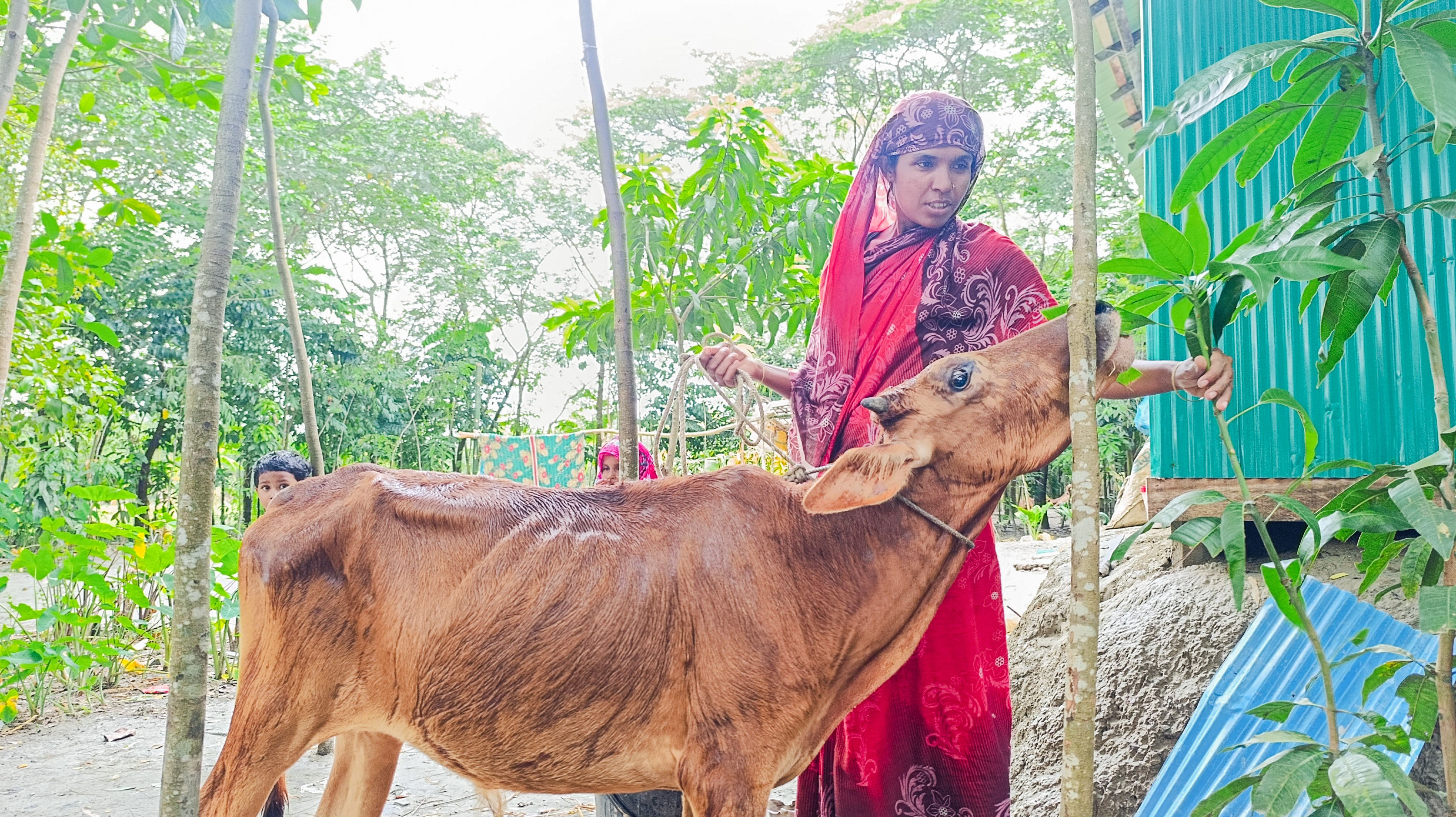
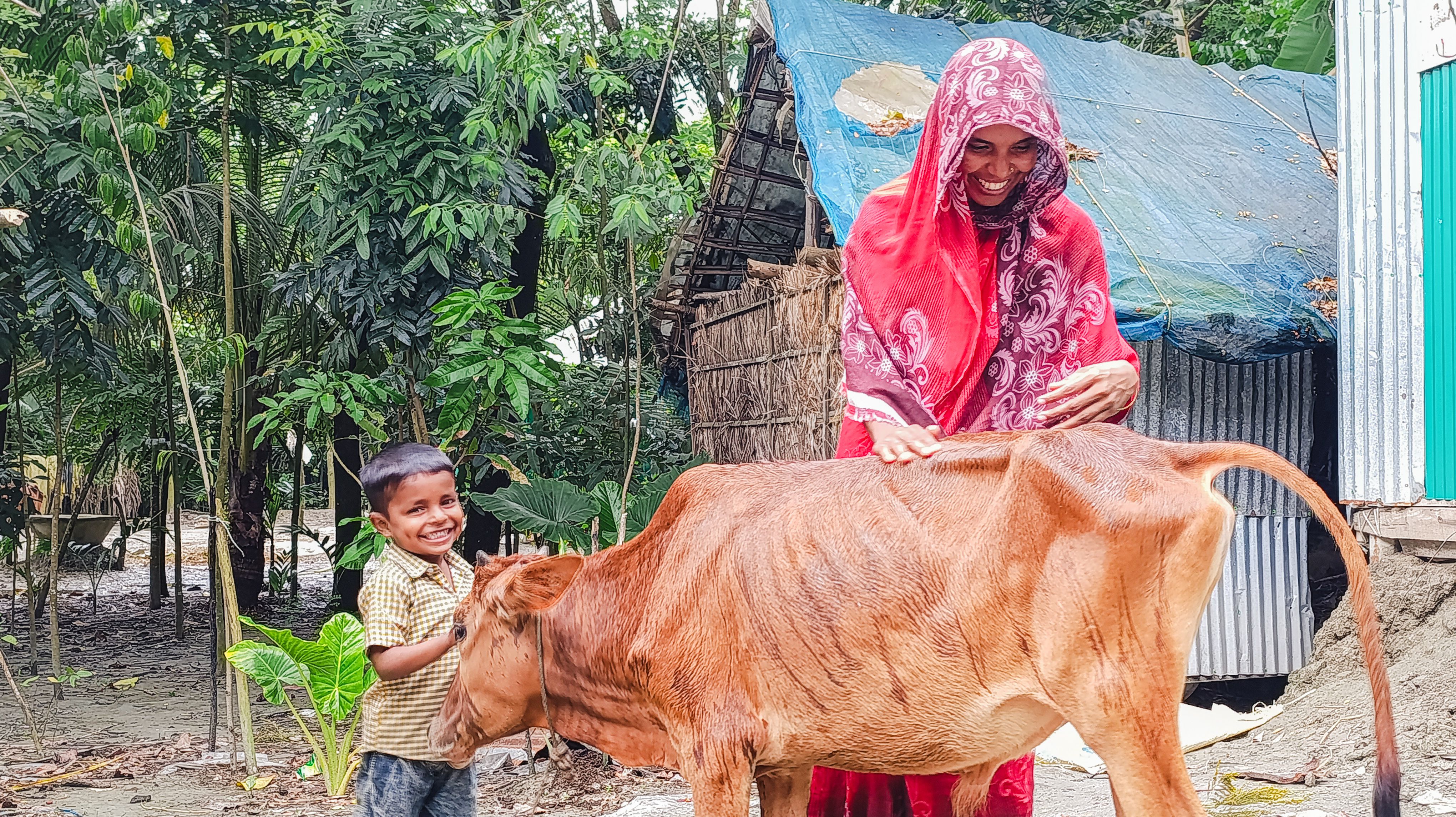
But after receiving the livelihood support, Noyon is dreaming for a sustainable solution for her children. That’s why she used her cash grant from the BDRCS to buy a cow.
“Since grass is available and free here, it doesn’t cost much to raise,” she says. “I’m hopeful that after one year and a half, after we get a baby cow from this one, it will start generating income."
"I have plan to sell milk to earn a little bit more income and with that, I want to make sure my children can finish school.”
Helping people get their livelihoods back
Noyon and her family were just one of many to receive cash grants to people who lost their sources of income and food production due to the floods.
‘These families went through a lot during and after the flood,” says Anirban Sarker Manob, a water, sanitation and hygiene volunteer in BDRCS's National Disaster Response Team (NDRT).
“Our first priority was to ensure safe shelters and sanitation. Now we focus on income generation.”
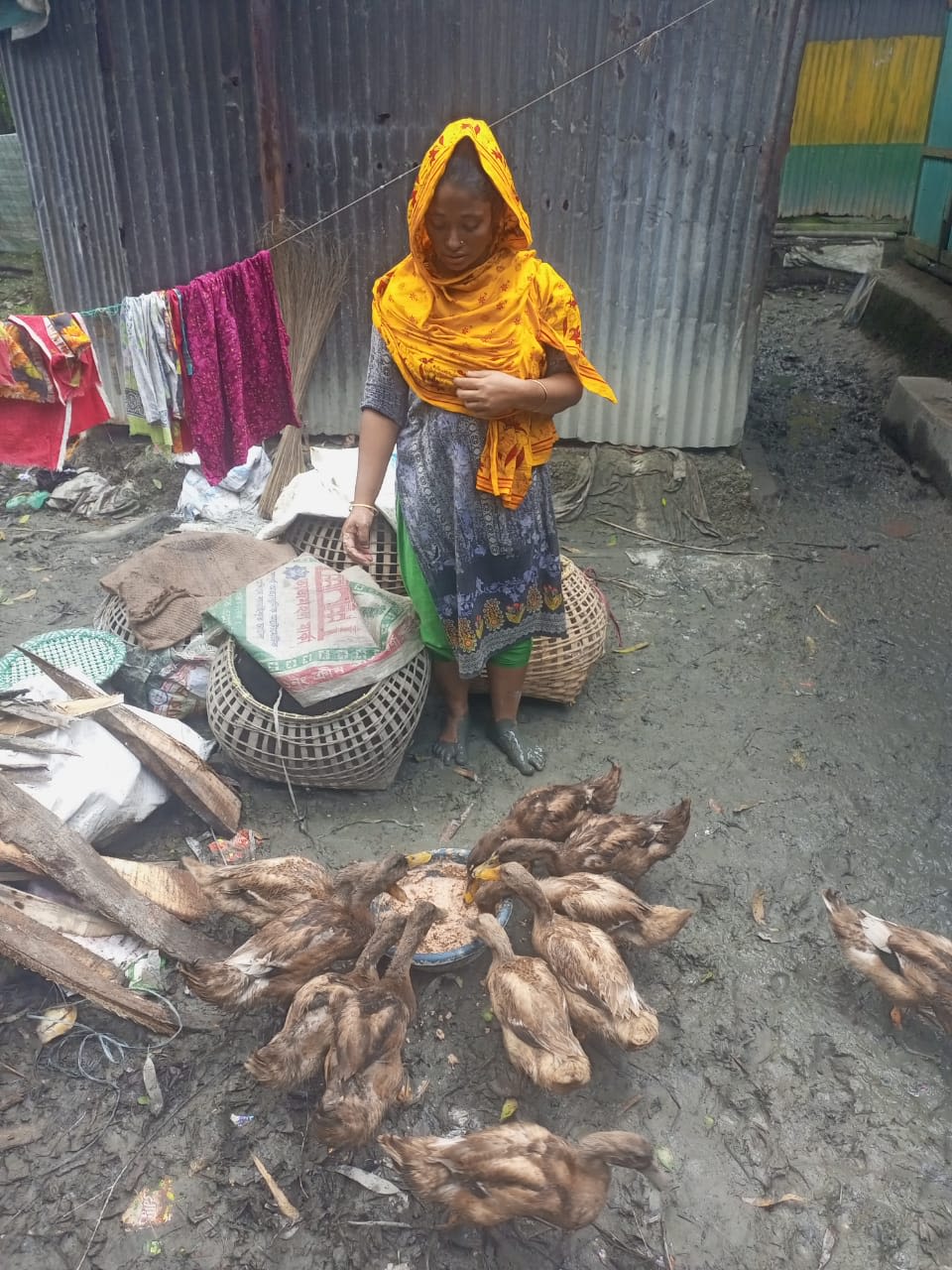
The woman in this photo, for example, used money she received to grow her flock of ducks. By rearing chicks from her poultry, she is able to continue to grow her flock and her small income.
The video and photos below show four other families that have been able to revitalise their livelihoods thanks to small cash grants from BDRCS and the IFRC.


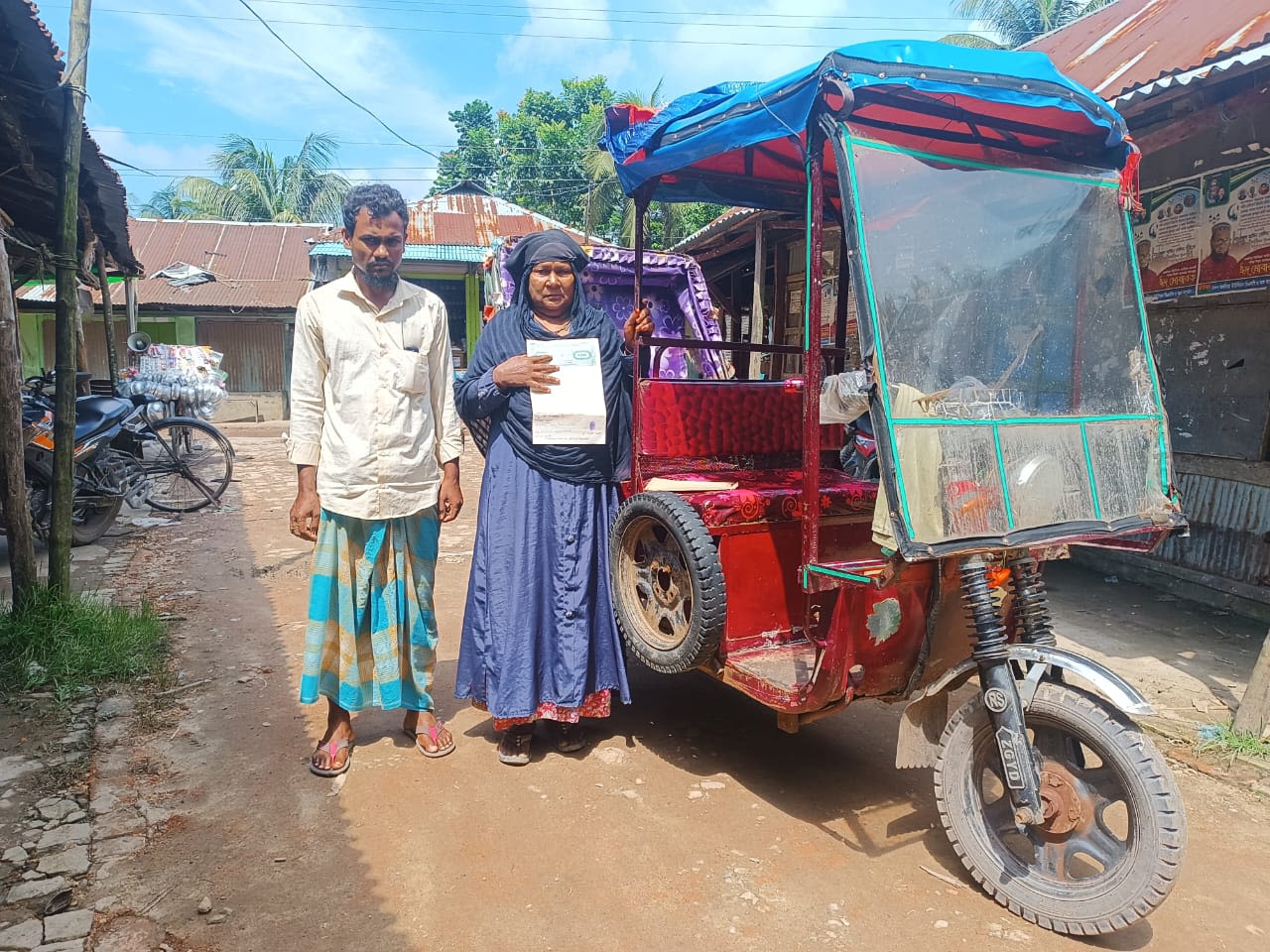
A husband and wife post in front of the auto-rickshaw they recently bought with a small cash grant provided under the flood-recovery operation. Photo: Bangladesh Red Crescent
A husband and wife post in front of the auto-rickshaw they recently bought with a small cash grant provided under the flood-recovery operation. Photo: Bangladesh Red Crescent

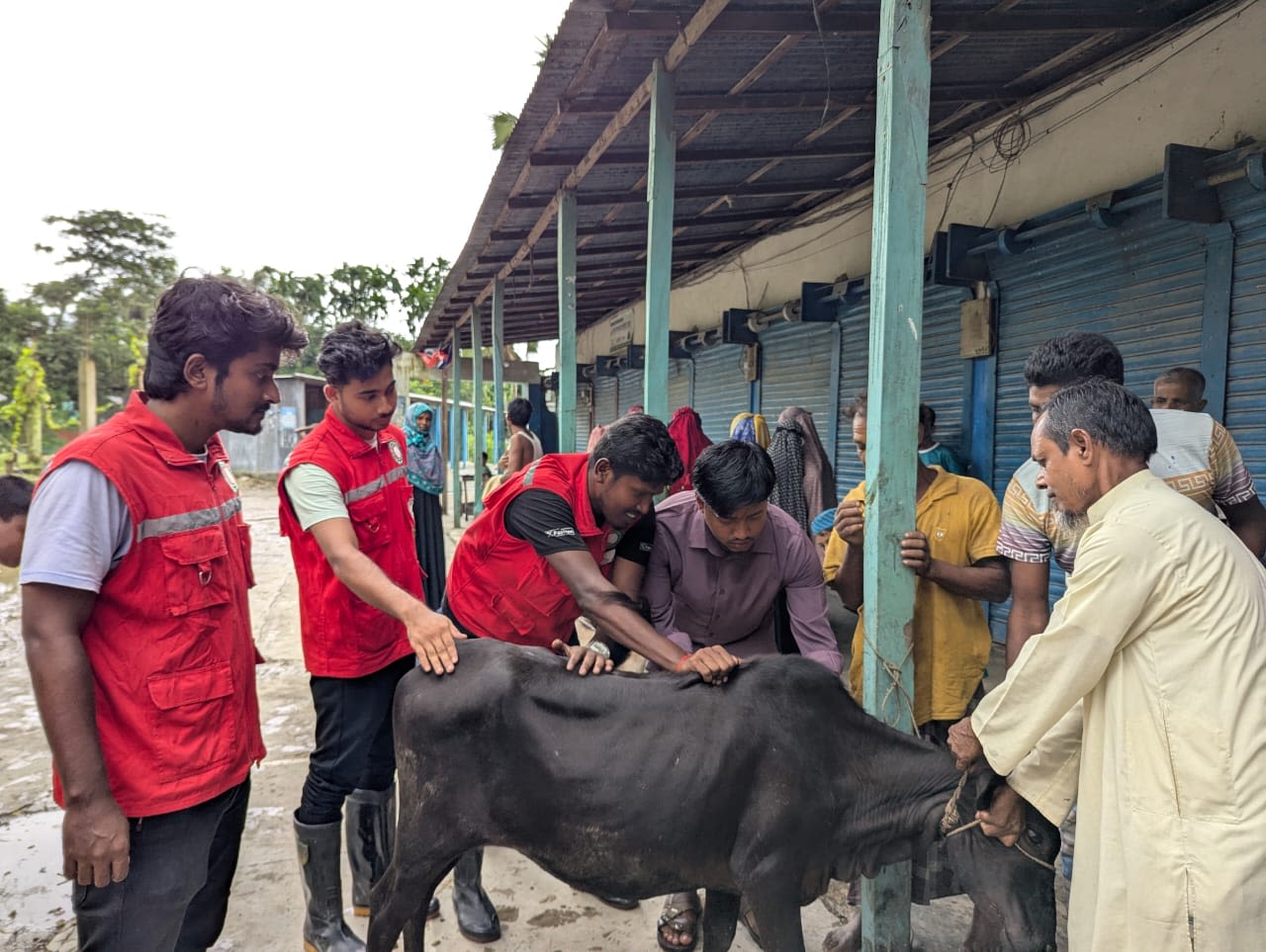
Bangladesh Red Crescent volunteers and staff help local farmers during a livestock vaccination as part of the flood recovery operation. Photo: Bangladesh Red Crescent
Bangladesh Red Crescent volunteers and staff help local farmers during a livestock vaccination as part of the flood recovery operation. Photo: Bangladesh Red Crescent
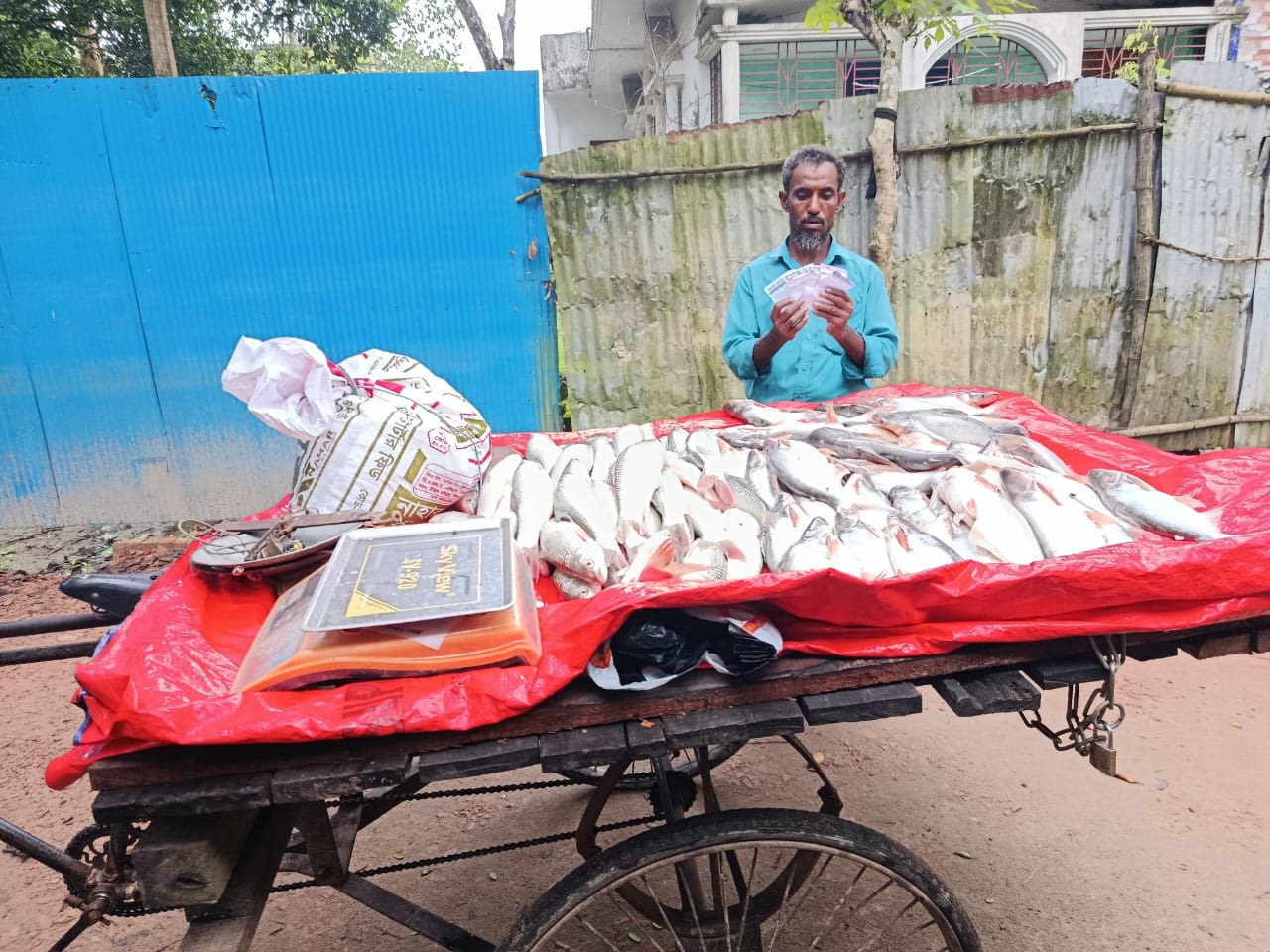
A local fish seller stands in front of his display of fresh fish. The man used a cash grant from the flood response operation to create a new small fish selling business. Photo: Bangladesh Red Crescent
A local fish seller stands in front of his display of fresh fish. The man used a cash grant from the flood response operation to create a new small fish selling business. Photo: Bangladesh Red Crescent
Side-by-side, each step of the way
The Bangladesh Red Crescent's flood response went beyond shelter and livelihood support. The operation was designed as a step-by-step journey in which the Bangladesh Red Crescent accompanies families along their path to recovery.
The BDRCS-IFRC operation, for example, also provides psychosocial support, hygiene promotion, school awareness campaigns, and more to help build community resilience to future potential shocks.
“We listen to the community and act together, ensuring accountability and inclusiveness,” Anirban adds.
Following these many interventions, Noyon proudly shares that her children have become hygiene advocates.
“Now they remind us to wear sandals when using the latrine and to wash our hands properly!” she says.
Ismail’s new beginning
The Red Crescent’s continued local presence in the flood-affected areas, along with their approach of listening closely to local needs, means that each intervention can be designed to meet the specific needs of each community.
It means people like Ismail are able to get the specific support they need to protect their health and to fully recover.
A person with multiple disabilities, and a proud father of one daughter, Ismail lives with his extended family.
“My family was affected during the flood – the flood water was nearly waist high," he says.
"When Red Crescent volunteers came, they assessed our situation, and helped rebuild my home. They also helped to build a latrine that fits my needs.”
Ismail’s father, a small-scale fish vendor, has long struggled to support the family. He buys fish and sells them in the community. With his limited income, it’s always hard to support this big family.
Thanks to the flood operation, livelihood support is also on the way.
“I will give that money to my father to help him expand the fish business. Then he can support me and my family more easily,” Ismail shared with a shy smile.


Our response so far
Looking at the flood recovery through the numbers.
Water, sanitation, and hygiene
580 communal water points were repaired and disinfected and 90 were newly installed.
The Red Crescent distributed 569,705 liters of water, in addition to
248,700 water purification tablets.
1,429 safe and hygienic latrines were constructed.
54,285 people were reached with hygiene-promotion activities.
Health and care
16 mobile medical teams provided care to 27,160 patients.
Psychosocial support was provided for 3,681 people in multiple districts.
Volunteers distributed 18,000 dengue test kits and 2,000 mosquito nets.
10 Mother and Child Health (MCH) centres have been equipped, and renovation of five additional MCH centres has been completed.
Food distribution

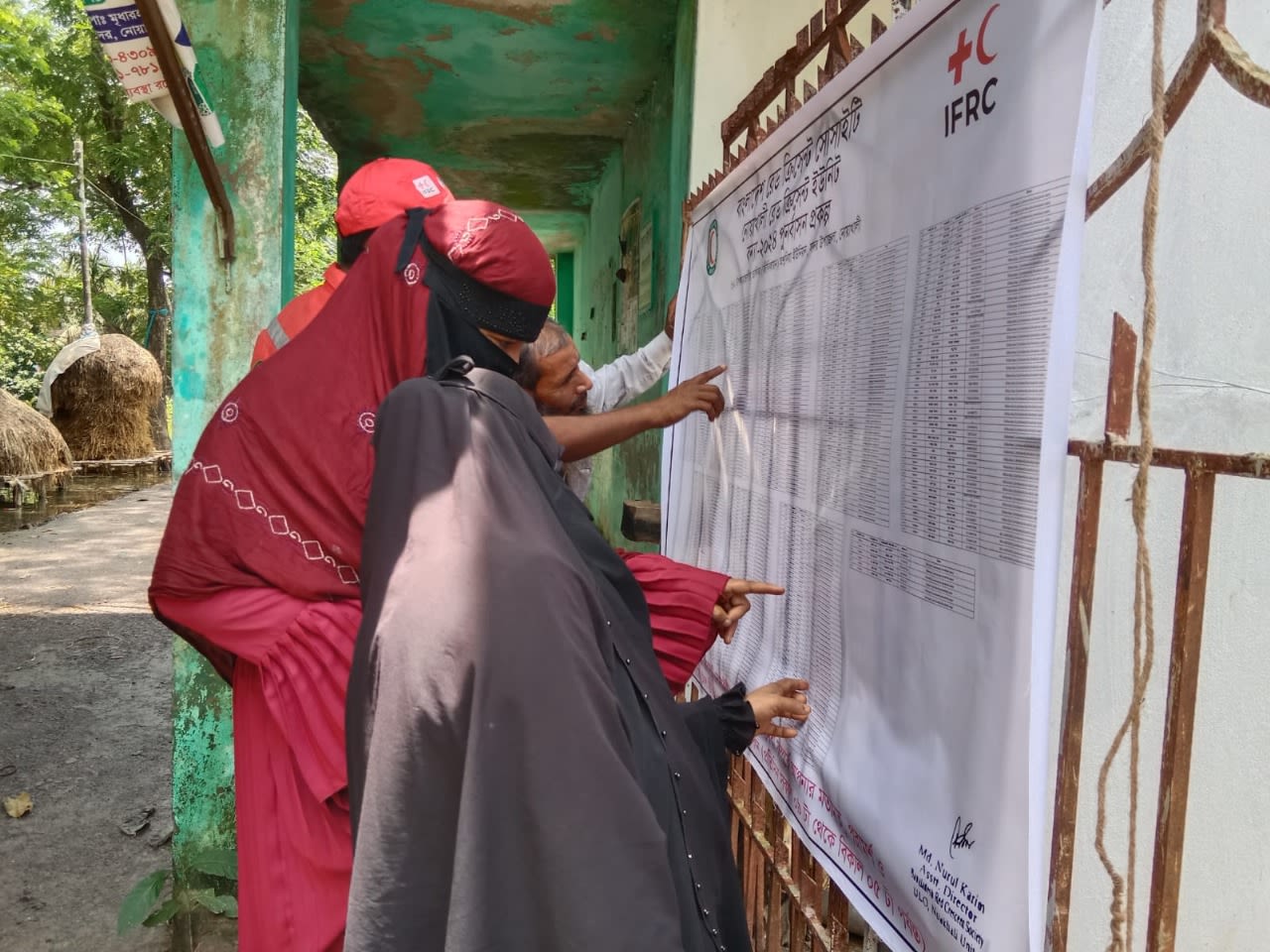
15,550 meals were prepared and distributed in three districts.
52,540 households received dry food packages.
60,340 households were supplied with seven, 15-day food packages.
Protection, gender, and inclusion
The Red Crescent reached out to more than 238,000 people to raise awareness and ensure that everyone in each community had accesss to life-saving messages.
Community engagement and accountability
Volunteers responded to and addressed more than 2,200 cases of feedback to our response from community members through a toll-free number.
People with disabilities

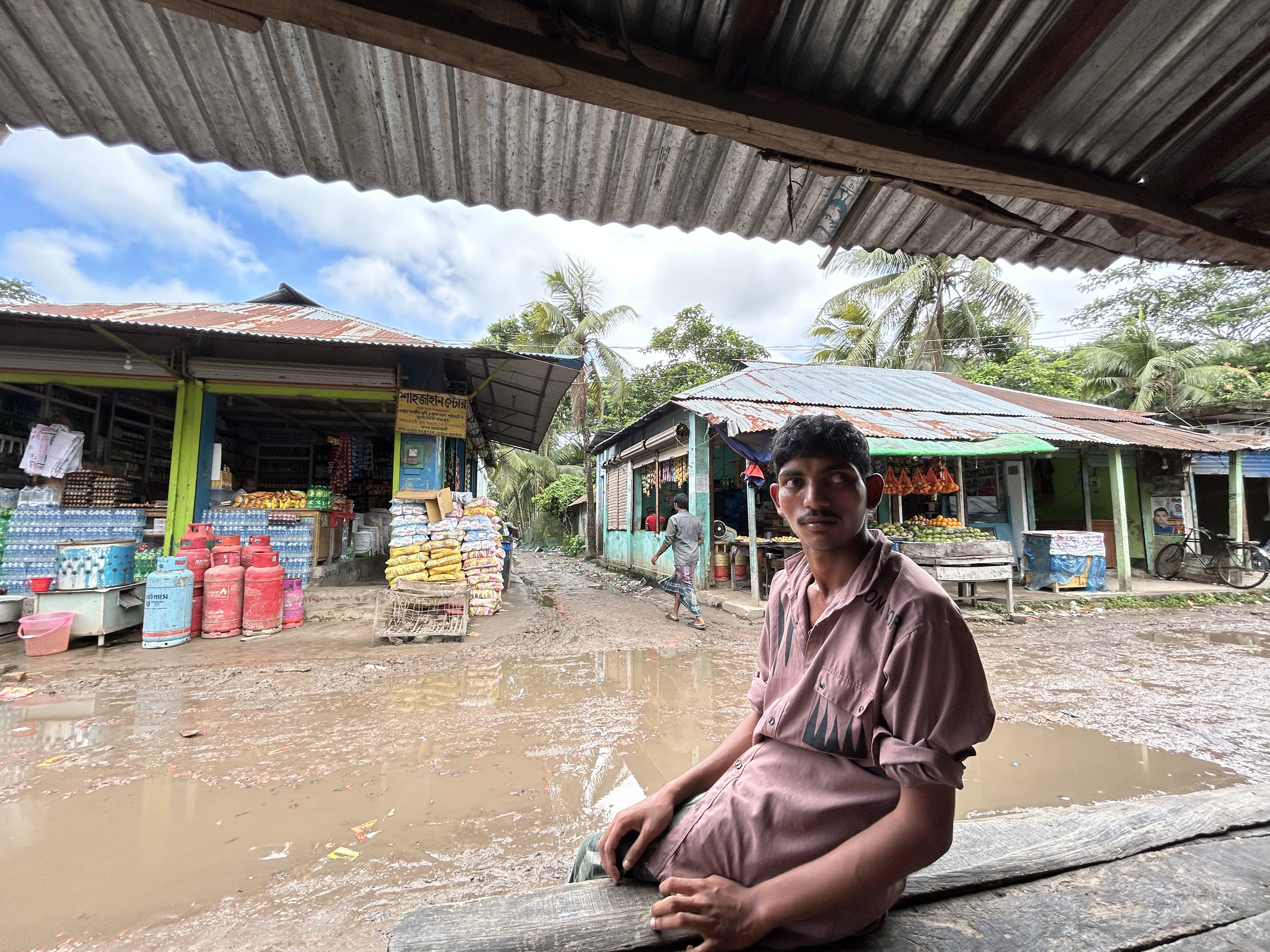
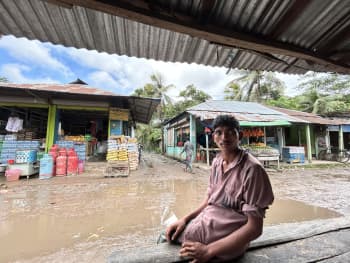
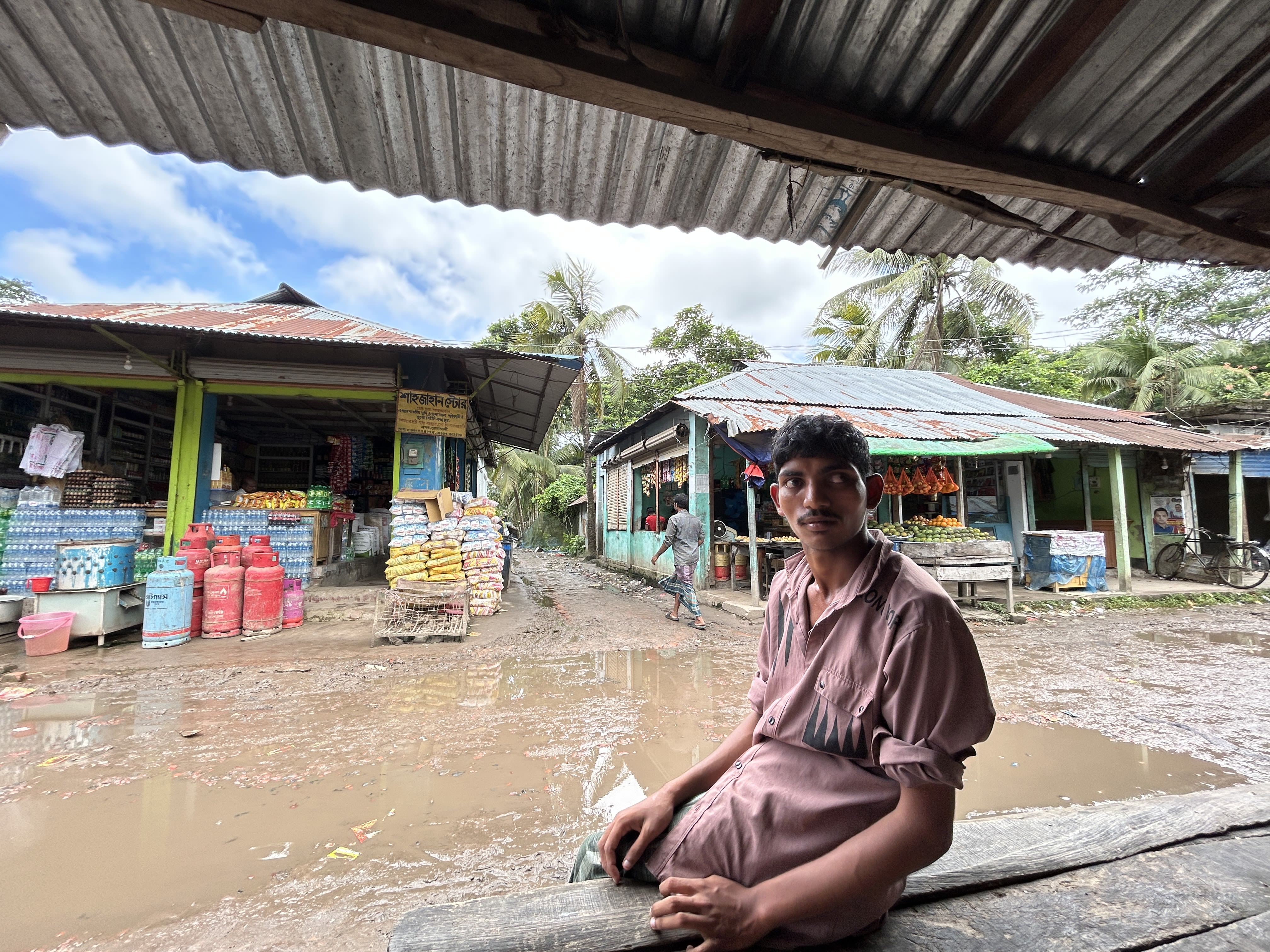
Ismail sits under the awning at a local market near his home. Photo: IFRC
Ismail sits under the awning at a local market near his home. Photo: IFRC
A total of 1,100 families of people with disabilities received additional small grants of BDT 6,000.
Reflecting on the flood operation, BDRCS Secretary General Dr. Kabir M. Ashraf Alam, emphasized the strength of communities and the solidarity of partners.
“With the support of IFRC and our partners, we reached thousands of families in Feni, Noakhali, and Lakshmipur who were devastated by the floods.
Today, it is heartening to see people beginning to rebuild their lives with courage and hope.
I am truly humbled by the dedication of our volunteers and community mobilizers who stood shoulder to shoulder with affected families when they needed us the most.
Together with IFRC and our partners, we will always remain by the side of the people of Bangladesh; in times of crisis and in their journey to recovery.”

Story and Text: Shameul Islam Shovon, senior communications officer IFRC, with editing by Rachel Punitha, IFRC senior communications officer.
Photos: Shameul Islam Shovon and Bangladesh Red Crescent Society
Videos: Shameul Islam Shovon
 Built with Shorthand