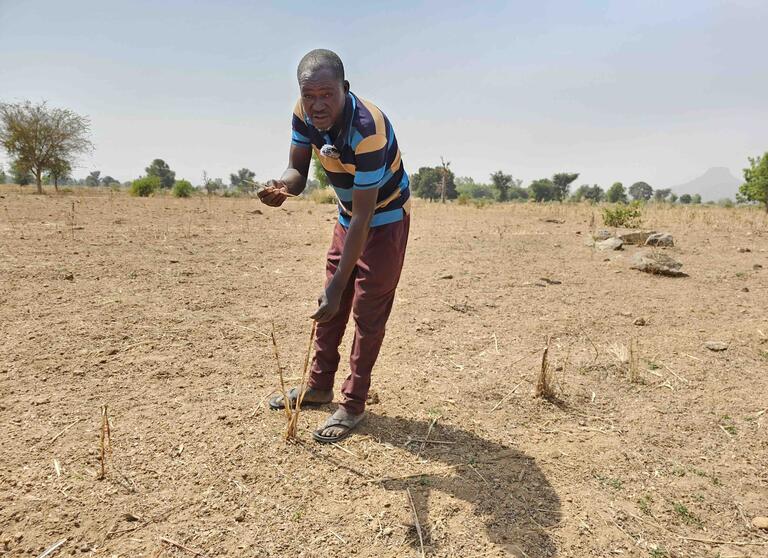

'Mothers in survival mode'
Standing together against food insecurity in Cameroon


Across Cameroon, food insecurity is no longer a temporary hardship. It is becoming structural.
In communities affected by floods, prolonged conflict and economic instability, families are not simply facing a bad season but confronting the gradual collapse of their coping capacity. Meals are reduced. Livelihood assets are sold. Children’s nutrition is compromised. What was once seasonal stress has evolved into persistent deprivation.
From the flood-affected plains of the Far North to the conflict-impacted areas within the Lake Chad Basin, including Logone-et-Chari, Mayo-Danay and Mayo-Sava, communities are navigating the combined pressures of climate shocks, insecurity, displacement and inflation. Markets may function, but purchasing power has eroded. Food may be available, but it is no longer affordable.
A recent community assessment conducted by the Cameroon Red Cross across nearly 6,000 households confirms a worrying trend: food insecurity is deepening, coping strategies are becoming increasingly harmful, and resilience is rapidly declining.
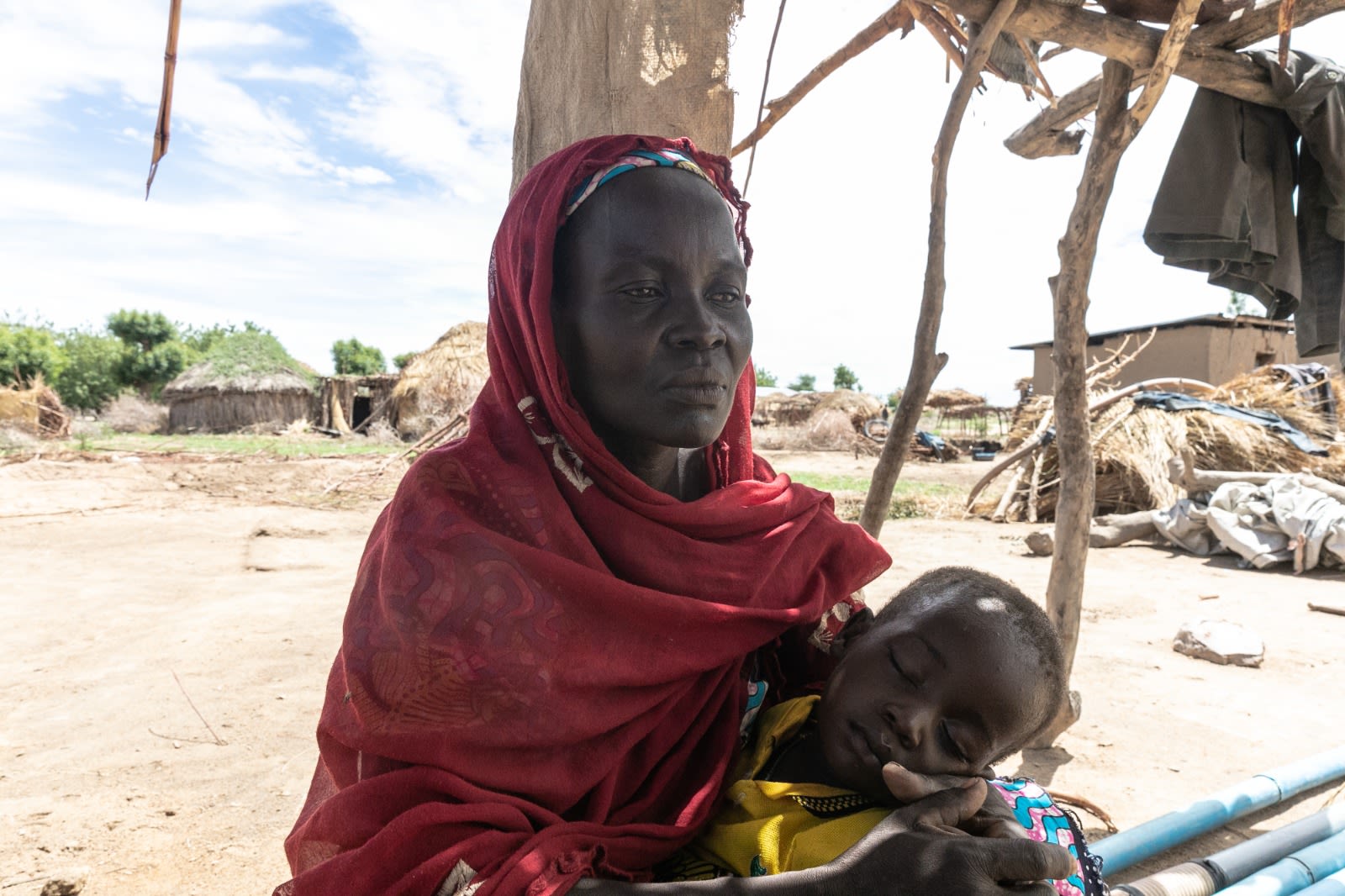
Behind the statistics are families like Mariam, Delphine and Awa, mothers making impossible decisions every day to keep their children alive.
This article explores how why urgent action in 2026 is critical to prevent further structural collapse of food supply system.

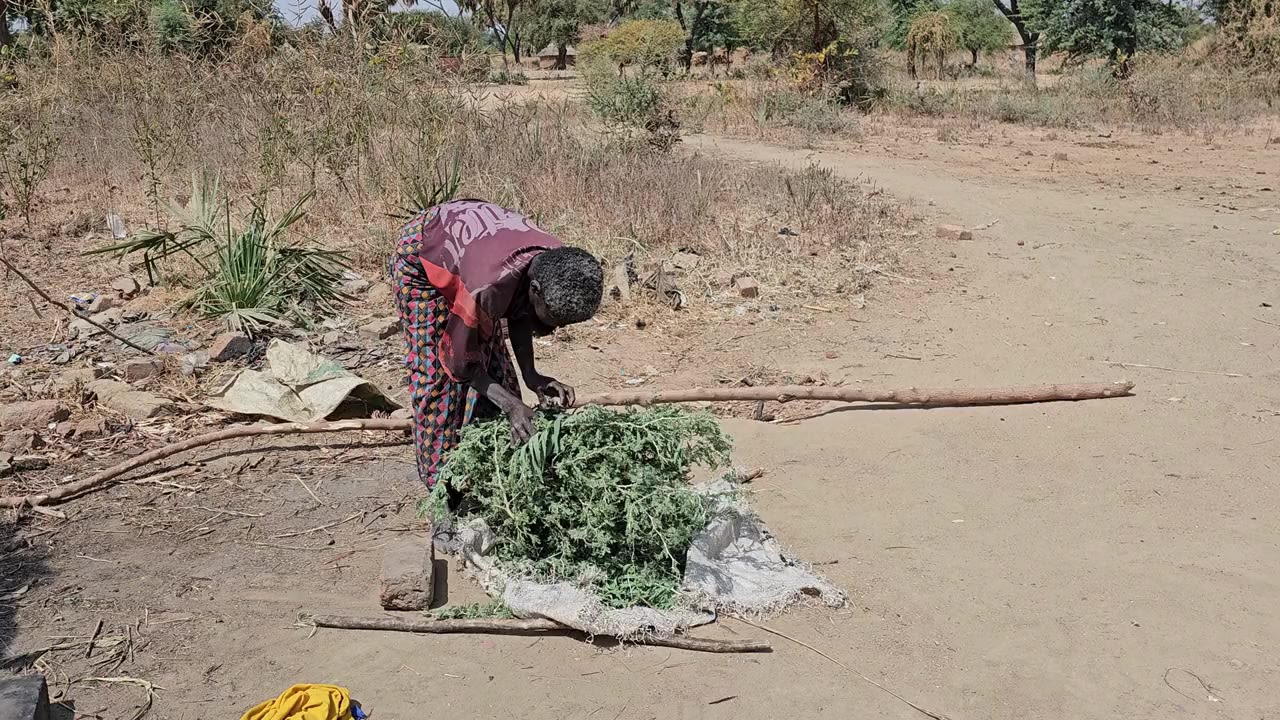
"I sell grass to survive"
Mariam, Mother of 5
When the floods came, they did not just destroy Mariam’s crops. They erased her entire livelihood.
A widow and mother of five in the Far North region, Mariam once survived through small-scale agriculture. Millet, groundnuts, seasonal harvests, enough to feed her children and sell a small surplus.
Then the floods arrived.
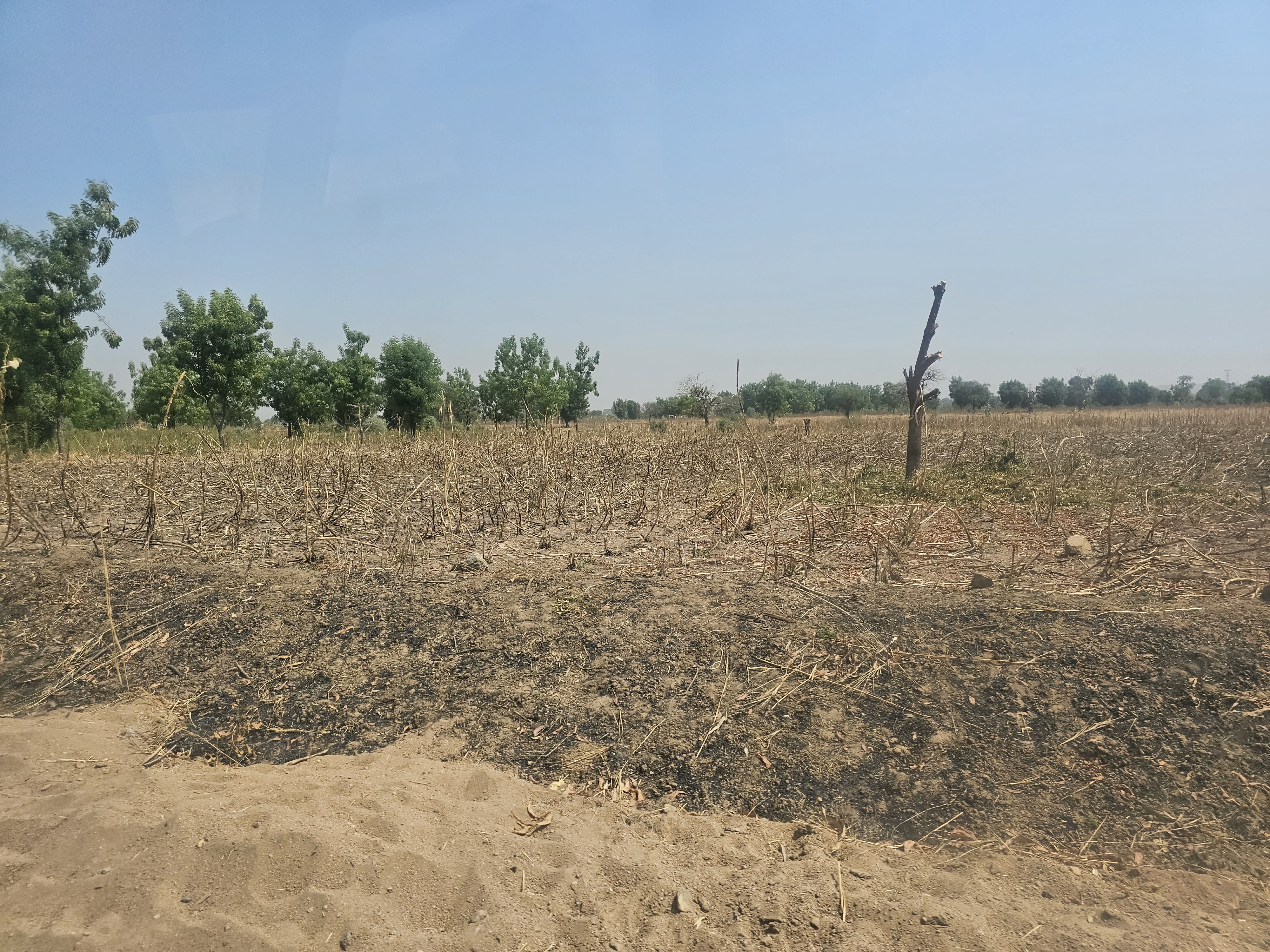
Her fields were submerged. Her harvest disappeared. Her reserves were buried under water.
Today, Mariam sells wild grass to livestock owners. It is exhausting work, and it brings almost nothing.
But it is all she has left.
During our interview, her daughter was sick.
With the little income she earns, Mariam faces an impossible decision: Buy food for her other children or take her sick daughter to a health center.
She chooses food.
Not because the illness is minor. But because hunger affects all five children.
This is not a coping mechanism. It is survival triage.

"One thousand CFA francs for two days"
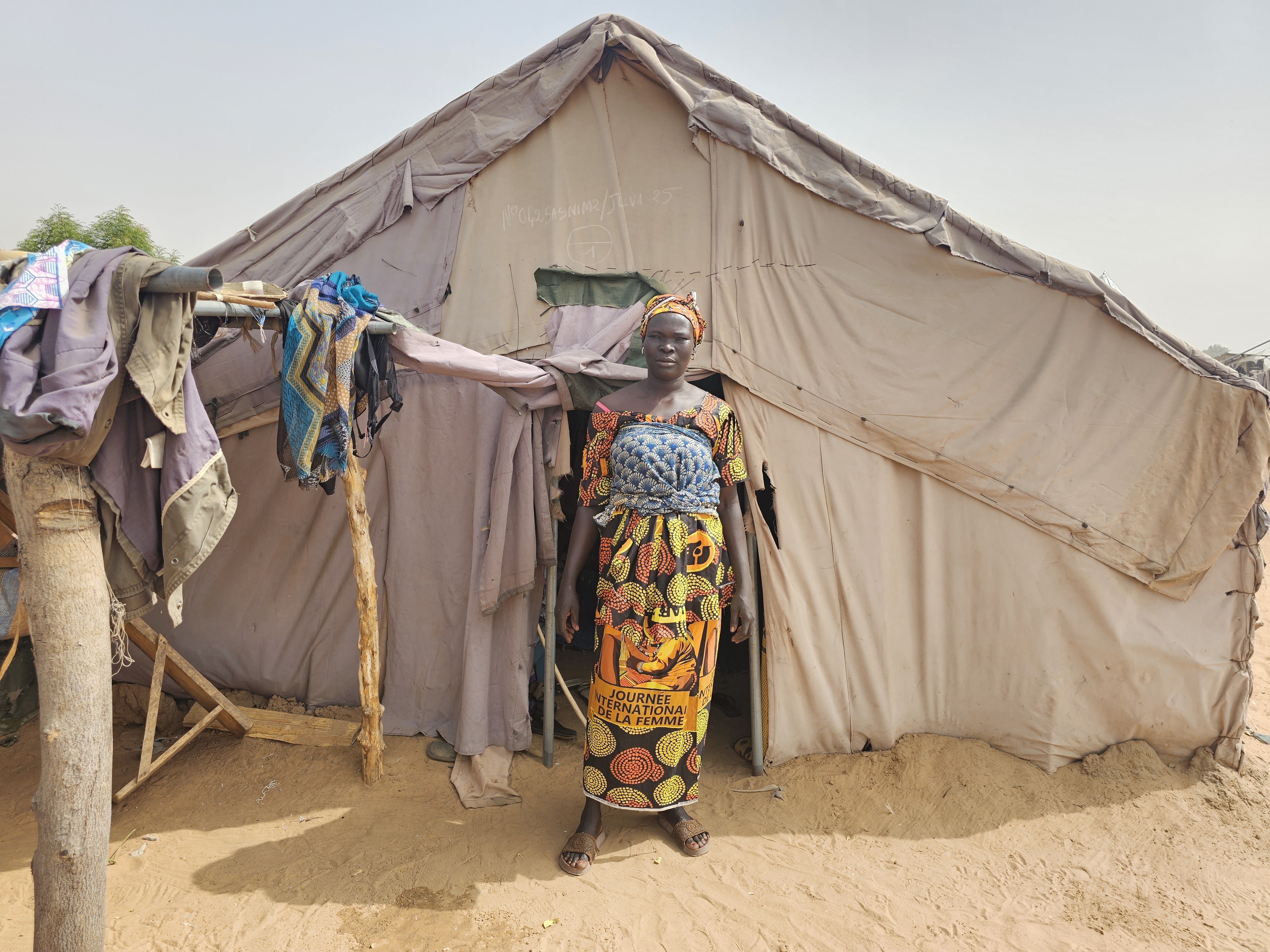
For Delphine, the crisis unfolded differently.
Her fields did not flood. They simply failed to produce.
Irregular rainfall left crops stunted. Previous flooding had already washed away her small trading business, and her house.
Agriculture failed. Commerce failed. What remains is firewood.
She now cuts and sells wood to feed her children. A full day of labor brings around 1,000 CFA francs, barely enough to buy millet that does not last two days.
Some days, her children eat once. Very often, they go to bed hungry.
The erosion is gradual but relentless. Assets disappear first. Then savings. Then meals.

A story of hunger told in numbers.
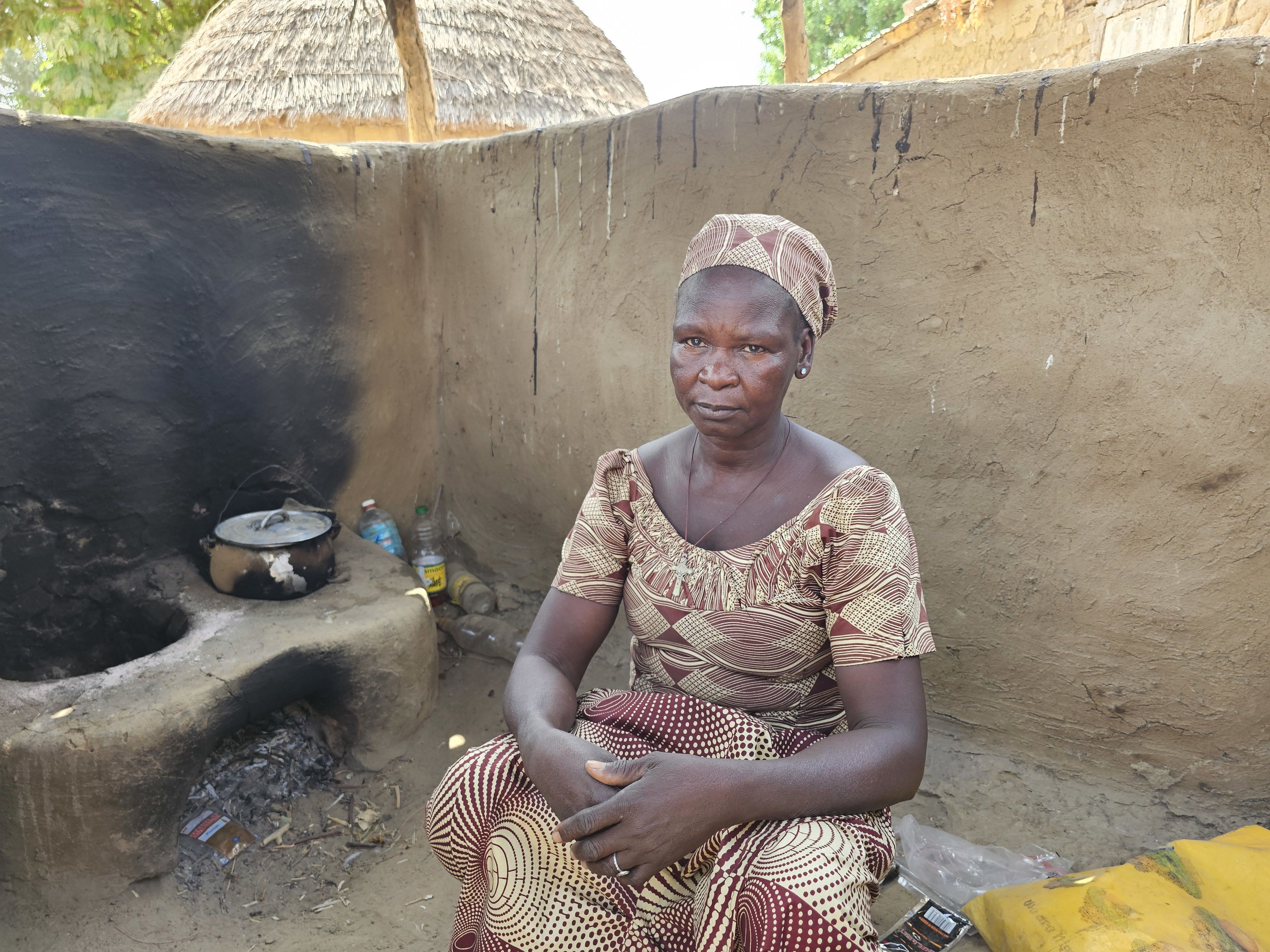
She is from one of the communities affected by prolonged conflict. For many years, this situation has been endured by thousands of people across the region.
In the Lake Chad Basin, particularly in the departments of Logone-et-Chari, Mayo-Danay and Mayo-Sava, communities continue to face the compounded effects of insecurity, displacement and repeated climate shocks.
In these communities:
– 64% of households face severe food insecurity
– Only 8% maintain an acceptable diet
– Food stocks last just 0.5 months on average
– 92% report insufficient cash to meet food needs
– 81% of children do not meet minimum dietary diversity
– 61% rely on extreme coping strategies
Adults skip meals so children can eat. Families consume seed stocks meant for planting. Productive assets are sold.
These figures are not projections. They come from a community-based assessment conducted by the Cameroon Red Cross, with the support of the movement partners, across nearly 6,000 households in affected divisions.
The findings confirm that food Insecurity in the Lake Chad Basin is no longer periodic, it is structural.

A national crisis escalating
Between 2023 and 2026, food insecurity in Cameroon has risen from 2.1 million people in need to a projected 2.9 million in 2026.
Overall, 3.3 million people are currently affected by food insecurity and its related impacts across the country.
The deterioration has been driven by:
– 12.8% food inflation in 2023
– Devastating floods in the Far North in 2024
– Persistent insecurity in the Lake Chad Basin
– Approximately 510,000 internally displaced persons recorded in 2025
Markets are often accessible. Food is available.
But purchasing power has collapsed.
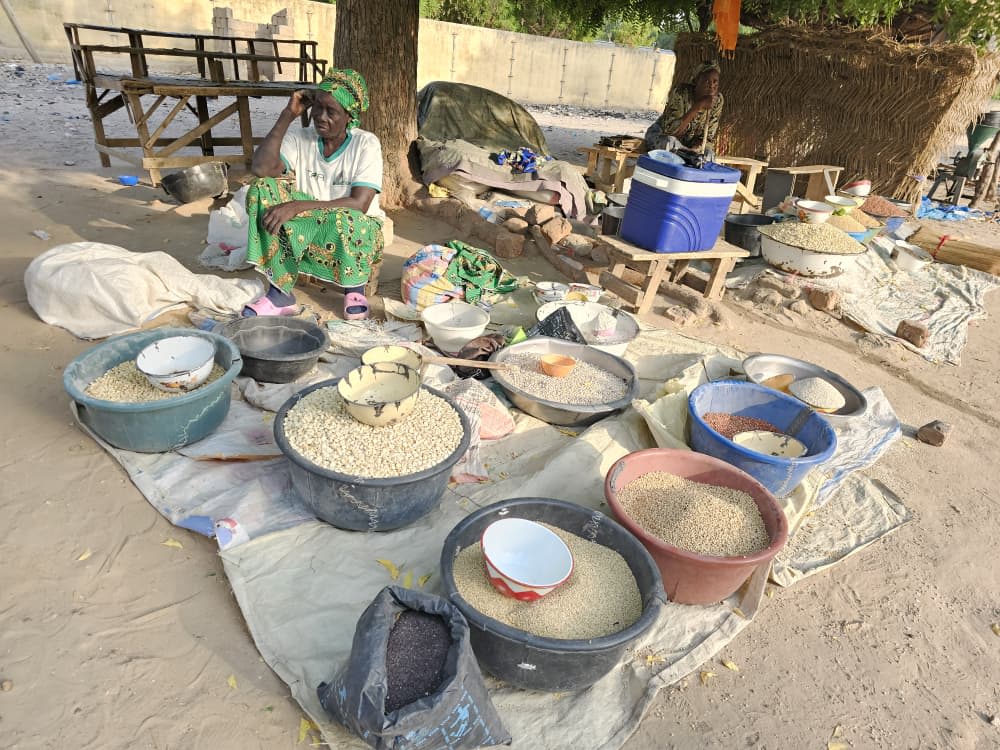
More than 90% of affected households report insufficient cash to meet basic food needs. Food Insecurity is increasingly income-driven rather than supply-driven.

What happens if no action is taken in 2026?
Breakdown of livelihood systems: More than 60% of households rely on extreme coping strategies. Continued asset depletion will undermine future planting cycles and entrench chronic dependence.
Market failure under income collapse: With widespread cash insufficiency, inflation shocks will deepen structural poverty even where food is physically available.
Protection and social stability risks: Food insecurity increases distress migration, child labor, early marriage and unsafe livelihood activities. In displacement-affected areas, competition over resources intensifies tensions.
Escalation risk: With 510,000 internally displaced persons already recorded and most households unable to absorb additional shocks, any new climate or security event could trigger large-scale displacement.
Preventive intervention now is significantly more cost-effective than managing expanded multi-sector humanitarian crises later.
IFRC is launching an Emergency appeal
As food insecurity deepens across climate- and conflict-affected regions, the IFRC, in support of the Cameroon Red Cross, has launched a 9.6 million CHF Emergency Appeal to scale up urgent and life-saving assistance.
The response is grounded in direct evidence from affected communities and reflects the severity of collapsing livelihoods and purchasing power.
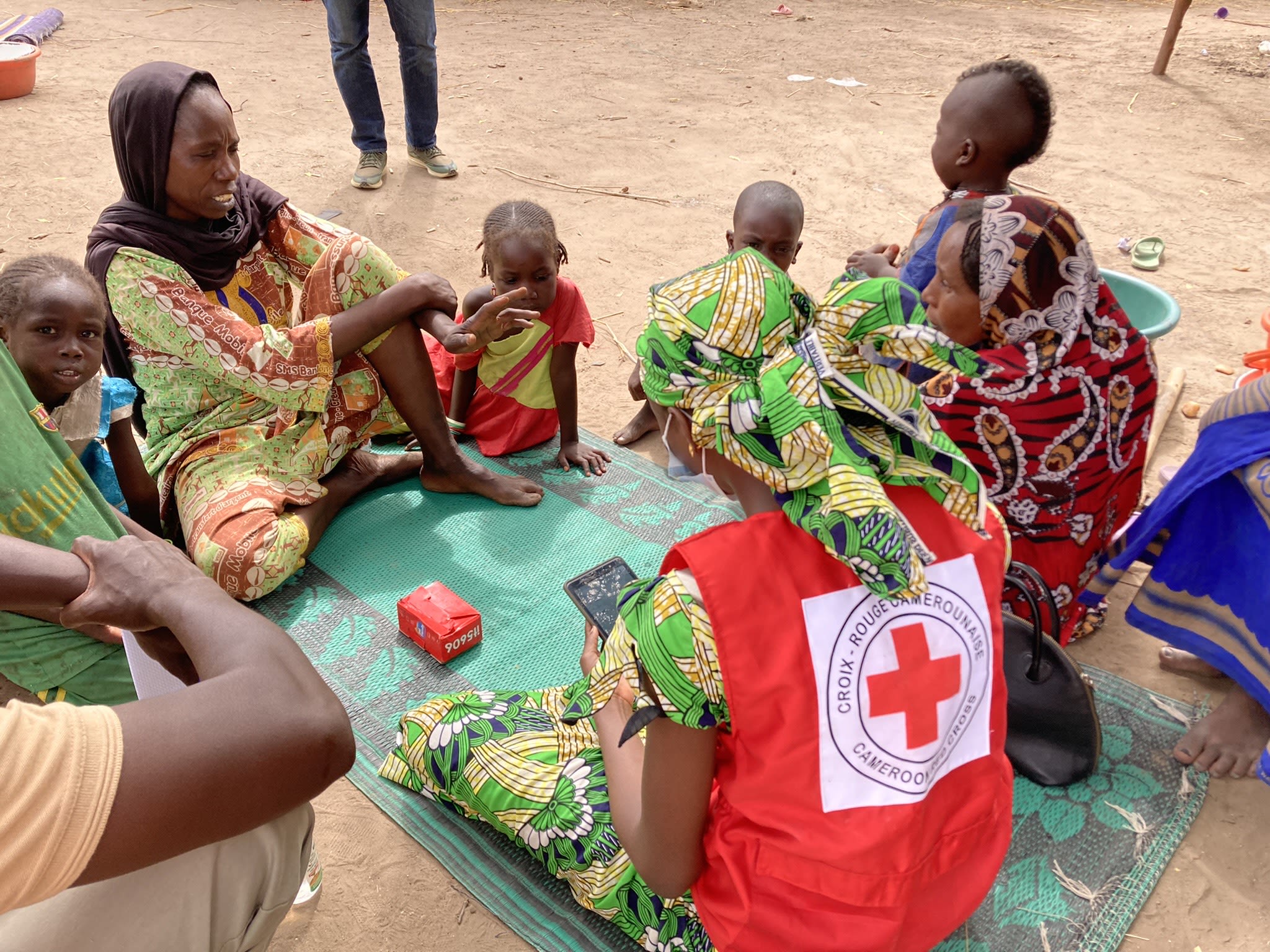
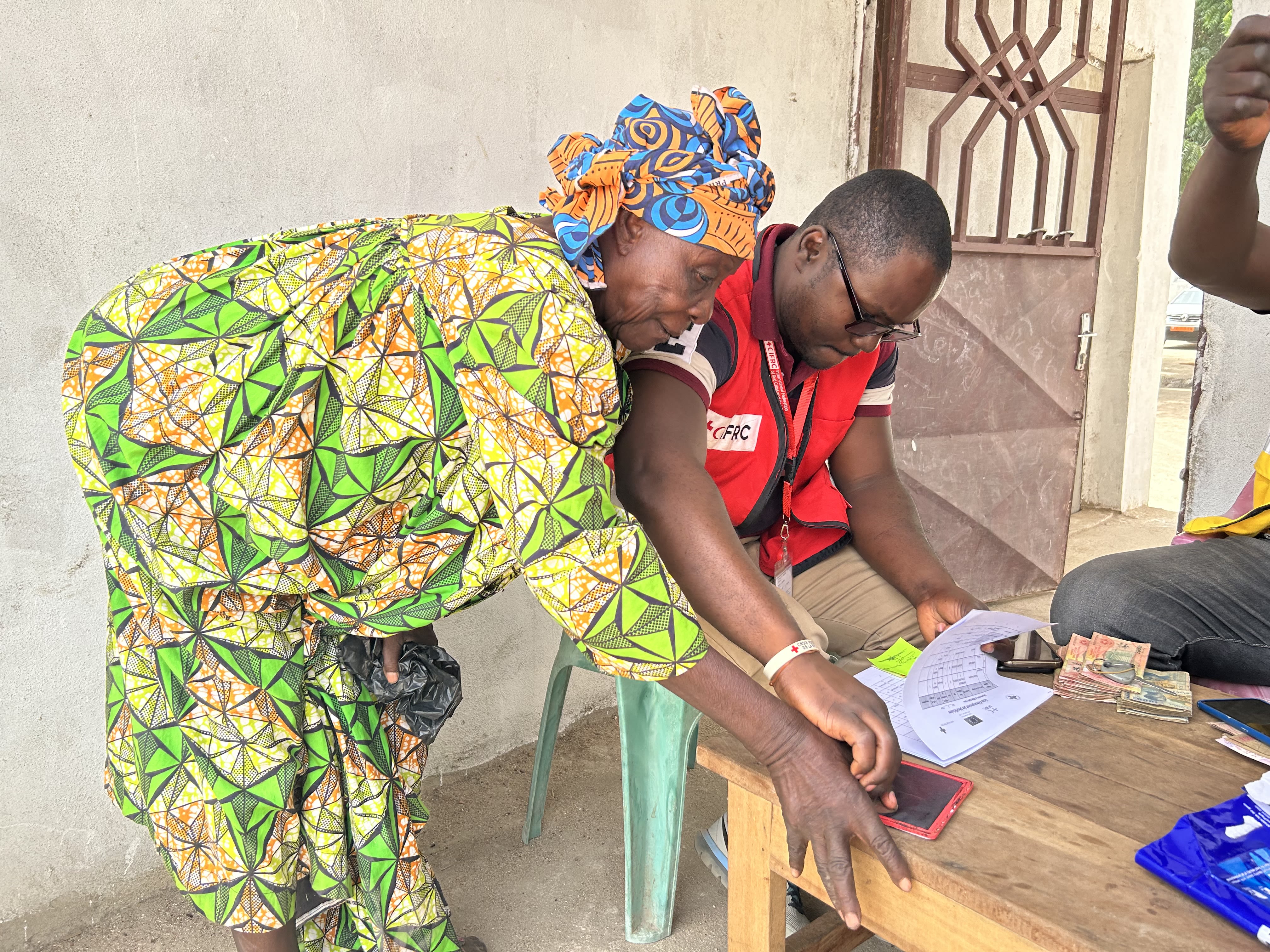
With the support of the IFRC network and partners, the Cameroon Red Cross is already implementing integrated interventions, including:
– Multi-purpose cash assistance to restore purchasing power and allow families to prioritize urgent needs
– Livelihood recovery support to prevent further asset depletion
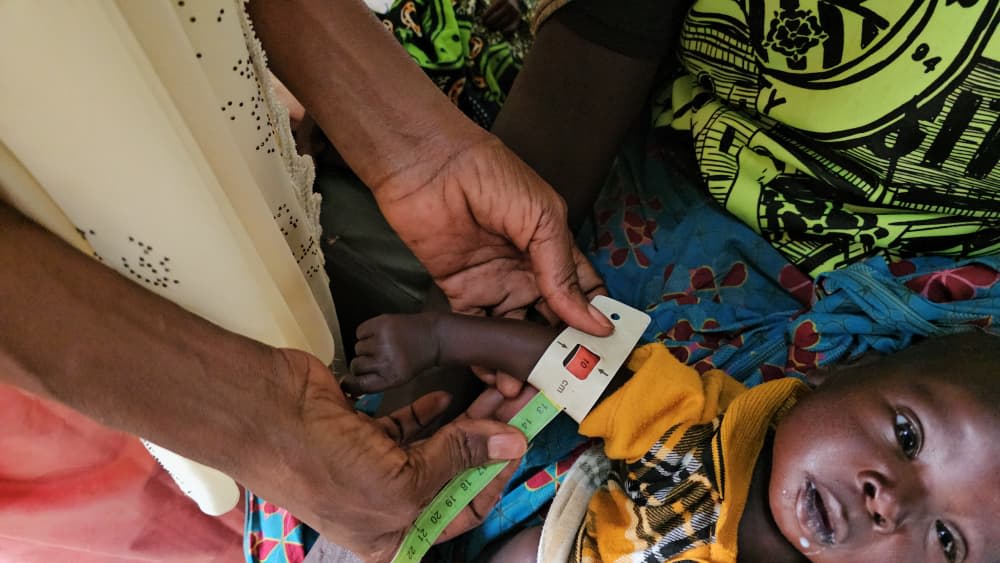
– Nutrition screening and health outreach to protect vulnerable children and women
– Water, sanitation and hygiene services to reduce health risks
– Protection, Gender and Inclusion programming to address heightened vulnerability
– Community engagement and climate adaptation initiatives to strengthen resilience
The 9.6 million CHF Appeal seeks to support 330,000 people affected from the Far North, with a focus on households facing severe food insecurity and extreme coping strategies.
Specifically, the Appeal aims to:
– Stabilize household income and purchasing power
– Protect child nutrition and prevent irreversible developmental harm
– Prevent long-term livelihood collapse through asset protection and recovery
– Strengthen resilience in climate- and conflict-affected areas, including the Lake Chad Basin
– Reduce protection risks linked to food insecurity, displacement and social tension
This is not only a response to immediate needs. It is an investment in preventing deeper structural deterioration and safeguarding the resilience of vulnerable communities.



 Built with Shorthand