
“Our village has experienced cholera cases in the recent past, and at first the situation was very alarming. Thankfully, Zambia Red Cross stepped in to support us… Because of this support, we have seen a noticeable reduction in cholera cases in our area.”
— Rodaness Chipesa, mother from Tonga Village, Mpulungu District
When cholera resurfaced in northern Zambia’s Mpulungu District in September 2025, there was no waiting for external teams or emergency deployments. The first responders were already there.
Zambia Red Cross volunteers — neighbours, shopkeepers, teachers, fishermen — moved rapidly through their own communities. With megaphones slung over their shoulders and chlorine sprayers in their hands, they went from home to home, sharing lifesaving information, supporting the sick, disinfecting water sources, and helping families act before the disease could spread.
There was urgency. But there was also familiarity.
People knew these volunteers, and they trusted them.
That trust made the difference.
Response rooted in trust
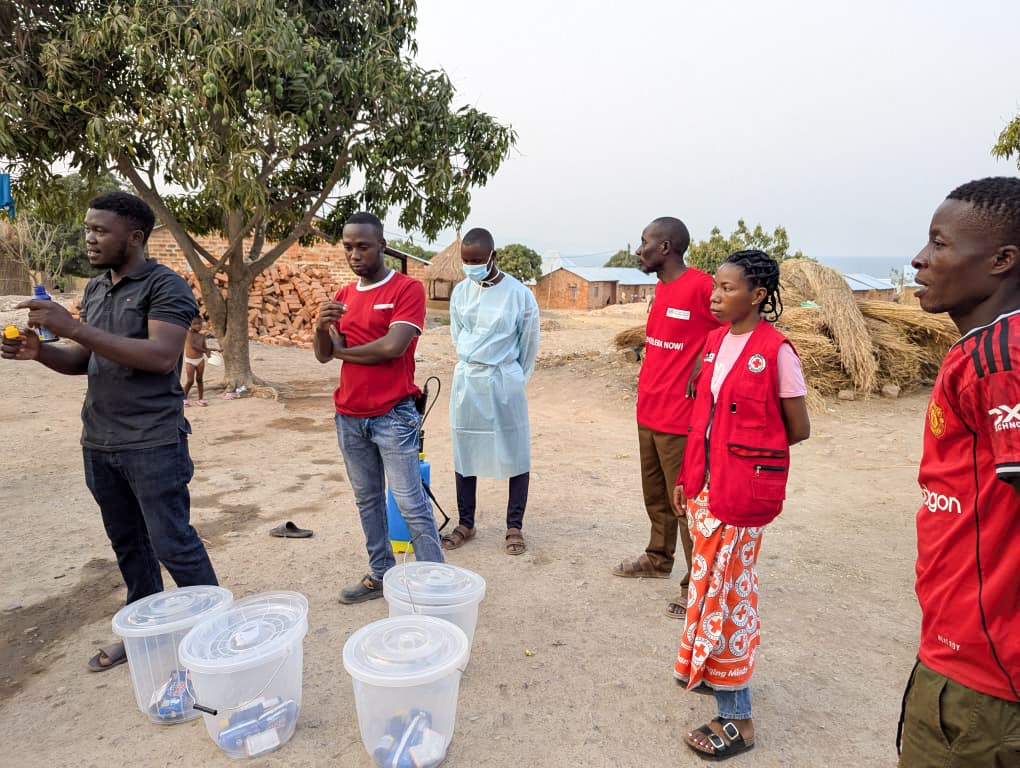
In Mpulungu, Nsama, and Mbala, volunteers moved swiftly with local health teams. They were not strangers in reflective vests — they were familiar faces who understood the rhythm of daily life, the gathering spaces, the water sources, and the elders who needed checking on.
“People listen to us because we are part of them,” one Mpulungu volunteer shared. “They know that when we knock on a door, it is because we want them to stay safe.”
Where cholera once crossed districts in days, outbreaks slowed, then stopped. This same approach had already halted transmission in Lusaka, Kabwe, and Chililabombwe during the previous season — proof that when trust leads, containment is possible.
Prevention begins at home
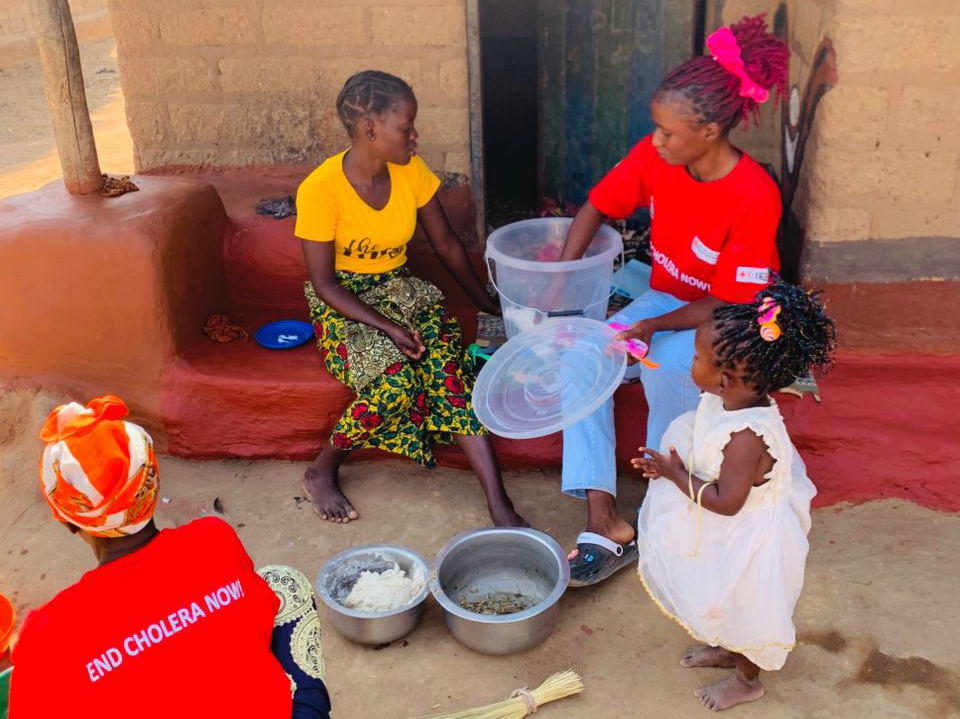
Cholera isn’t defeated in treatment centres alone — it is prevented in kitchens, community wells, and conversations between neighbours.
Across six provinces, Zambia Red Cross Society volunteers have been visiting households to share practical guidance on safe water storage, handwashing, food hygiene, and early treatment. Nearly 14,000 families have also received hygiene kits including soap, chlorine, zinc and oral rehydration salts — small items that make a powerful difference in cholera prevention.
For families like those in Tonga Village, that shift has been life-changing. Rodaness explains how receiving chlorine, soap, water buckets and hygiene education helped protect her children and neighbours — evidence that when households understand both “why” and “how,” communities become safer.
Systems strengthened for the future
Zambia’s cholera success is rooted in strong national preparedness and community leadership. The country is the first in Africa to launch a National Simulation Exercise Framework — led by ZNPHI with support from Africa CDC, UKHSA, and IFRC — ensuring that outbreaks are met not with improvisation but with coordinated, well-practised action. As British High Commissioner Rebecca Terzeon noted, it is “a testament to what is possible when communities are trained, trusted, and empowered to lead.”
This rapid response didn’t happen by chance. Months of preparation under the Case Area Targeted Interventions (CATI) approach — supported by IFRC’s Country Support Platform and funded by Foreign, Commonwealth & Development Office — gave communities a head start. Volunteers had already drilled outbreak triggers, health facilities were linked with community watch points, and prevention messages reached families before the first case appeared.
“The difference today is confidence,” says Dr Adive Seriki of the IFRC Country Support Platform for Africa. “Communities aren’t waiting for help — they are the help. This is what preparedness looks like when local action meets global solidarity.”
Resilience begins and ends with people
From canoe ports along Lake Tanganyika to the dense markets of Lusaka, Zambia’s cholera response tells a larger story — one of ordinary people stepping into extraordinary roles.
Prepared volunteers. Engaged communities. Local health systems strengthened through partnership, not replacement.
“This is the future of humanitarian response,” says Dr Seriki. “When communities lead, outbreaks don’t stand a chance.”
The fight against cholera is far from over — but something fundamental has shifted. Fear has been replaced with readiness. Isolation has been replaced with partnership, and vulnerability has been replaced with agency.
Across Zambia, homes are safer, communities are stronger, and the first line of response now begins where it matters most: With the people who live there.