
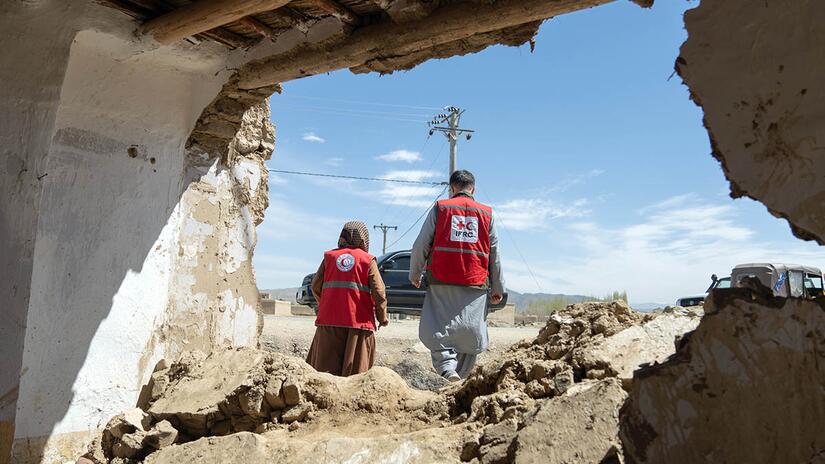
Kuala Lumpur, 30 June 2026 – The International Federation of Red Cross and Red Crescent Societies (IFRC) is scaling up early action across the Asia Pacific as El Niño conditions take hold, raising the risk of drought, extreme heat and growing pressure on food security for millions of people across the region.
El Niño conditions are already affecting Asia Pacific, with forecasts indicating a high likelihood of a very strong event developing and intensifying into late 2026 and early 2027, fuelled by unusually warm ocean temperatures in the Pacific that are already altering global weather patterns.
Asia is expected to be among the regions most exposed to El Niño impacts, with intensifying heat, drought and pressure on agriculture, water and energy systems amid warnings that a potential “super El Niño” could further amplify risks, making extreme weather more intense, less predictable and more disruptive for vulnerable communities.
“Communities across Asia and the Pacific are entering this El Niño already under pressure from rising food and fuel costs. This is not a future risk: it is an unfolding crisis,” said Alexander Matheou, IFRC Regional Director for Asia Pacific.
“What we are doing differently now is acting before the worst impacts arrive. We are using early warning data, anticipatory action, and community-based preparedness to reduce risks before they turn into disasters. Acting early is not only more effective, but also far more cost-efficient. Every dollar invested early saves lives, protects livelihoods and reduces the cost of humanitarian response.”
Across much of Southeast Asia and the Pacific, below-average rainfall and prolonged dry conditions are expected to increase water shortages, food insecurity and risks to livelihoods, particularly for rural and vulnerable communities. At the same time, other parts of the region may face heavier rains and flooding, underscoring the complex and uneven impacts of El Niño events. Rising temperatures are compounding these challenges, increasing the risk of heat stress and worsening existing vulnerabilities.
National Red Cross and Red Crescent Societies across Asia Pacific are already on the frontlines, working within communities to prepare for and respond to these evolving climate risks. Their actions include strengthening early warning systems, supporting communities to conserve and access water, providing cash and livelihoods assistance, and promoting health, hygiene and climate-resilient agricultural practices. These locally led efforts are critical in reducing the impact of slow-onset crises such as drought, which can gradually erode food security, livelihoods and health outcomes over time.
In countries like Afghanistan, preparedness is being structured in phases—monitoring heat and water stress now, while preparing for potential floods and health risks in 2027—highlighting the need for flexible, multi-hazard planning.
The International Federation of Red Cross and Red Crescent Societies (IFRC) is supporting these efforts by scaling up forecast-based action, mobilizing emergency funding and strengthening preparedness and response capacities. Early action—based on forecasts and risk analysis—can significantly reduce the humanitarian impact of El Niño, protect lives and livelihoods, and prevent crises from escalating.
As the region braces for the months ahead, the IFRC calls for sustained support to locally led efforts—ensuring communities are better prepared for the growing threat of climate-related disasters. “There is still a window to act,” said Matheou. “We know where the risks are emerging, and we have the tools to respond early. What is needed now is the commitment to invest ahead of the crisis—rather than paying a far higher price later.”
For more information or to request an interview, please contact: [email protected]
In Kuala Lumpur: Afrhill Rances, +60 19 271 3641