
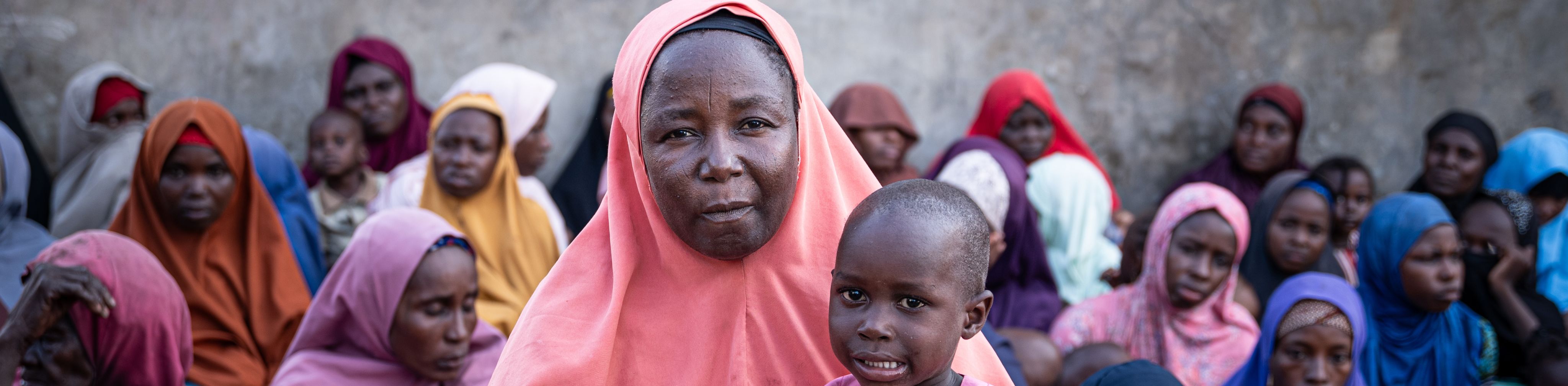
'A child belongs to the community'
The Red Cross has launched an Emergency Appeal across nine states in northern Nigeria, to tackle the ongoing malnutrition crisis.
Nigeria is facing a severe nutrition emergency with malnutrition contributing to 45% of all deaths among children under five. An estimated two million children suffer from severe acute malnutrition in Nigeria, yet only two in ten are receiving treatment. This is due to a number of compounding factors including conflict, displacement, climate shocks, economic pressures, and weakened health services.

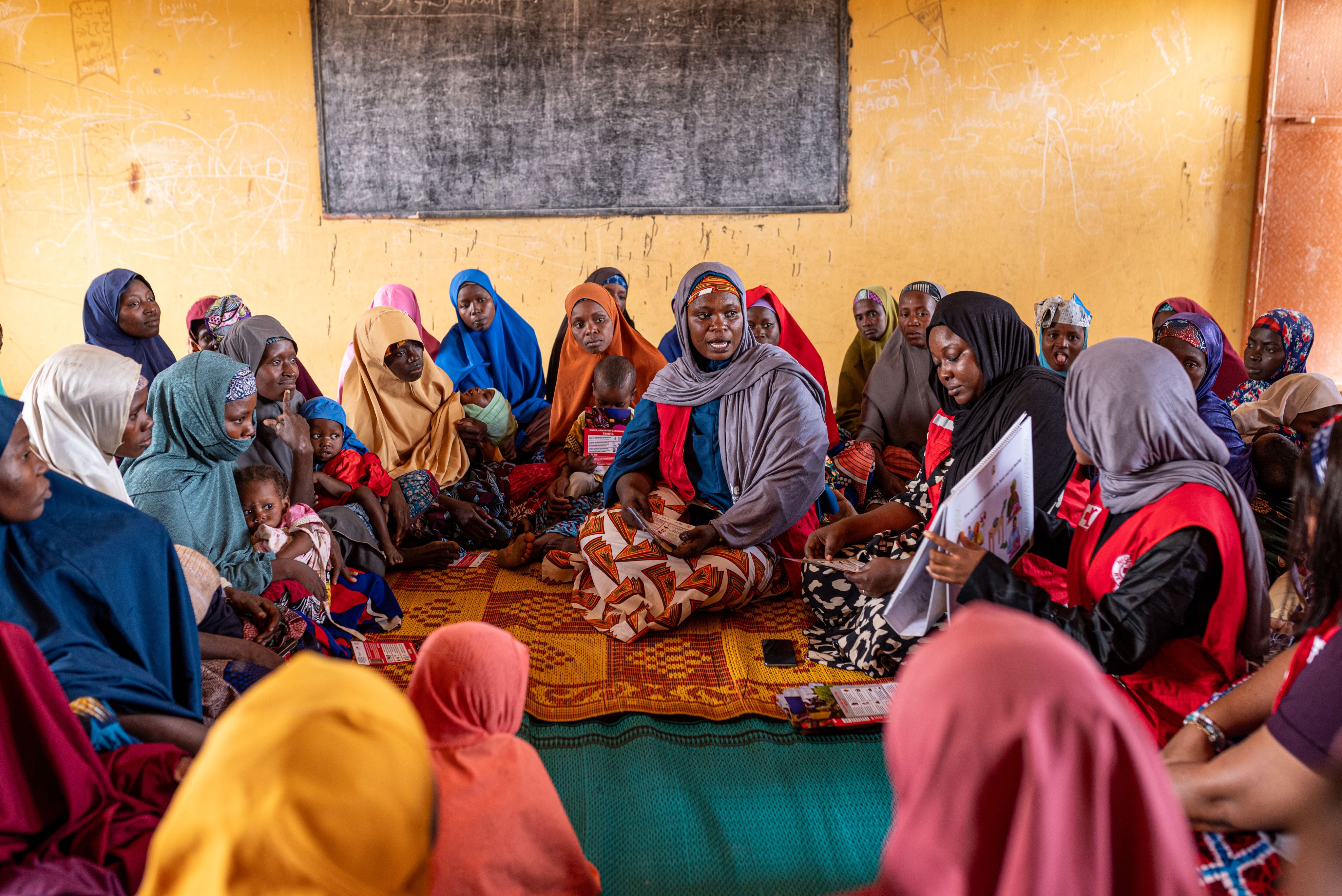
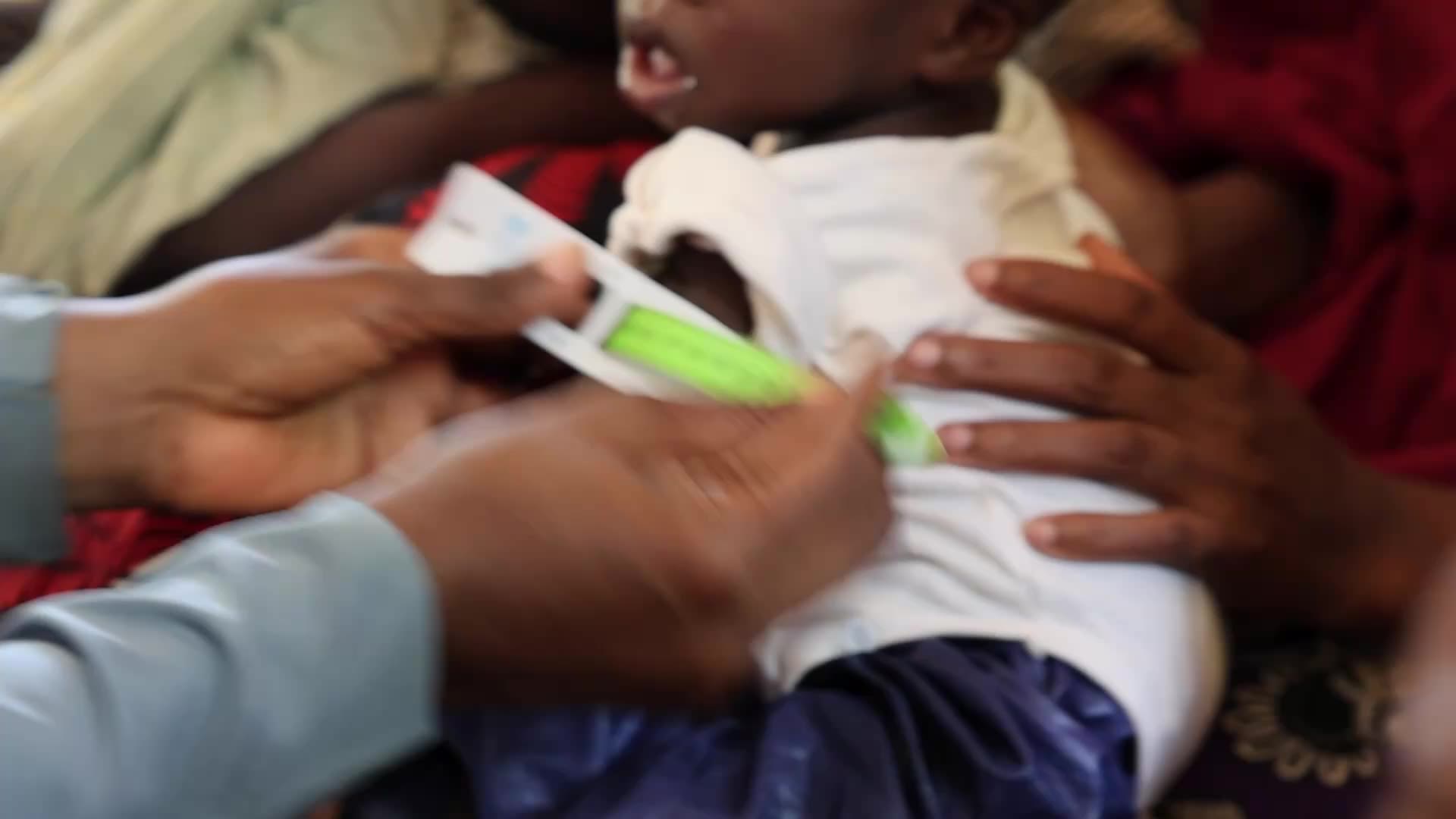
Mothers' Club, Maradun South, Zamfara
Mothers' Club, Maradun South, Zamfara
45%
of deaths of children under 5 in Nigeria are malnutrition related
The Nigerian Red Cross Society (NRCS) has been on the frontline of this response since the escalation of the malnutrition crisis in August 2024. They are now in the process of expanding their lifesaving work through an Emergency Appeal, aiming to reach 1 million people across nine northern states: Adamawa, Benue, Borno, Katsina, Niger, Sokoto, Taraba, Yobe, and Zamfara.

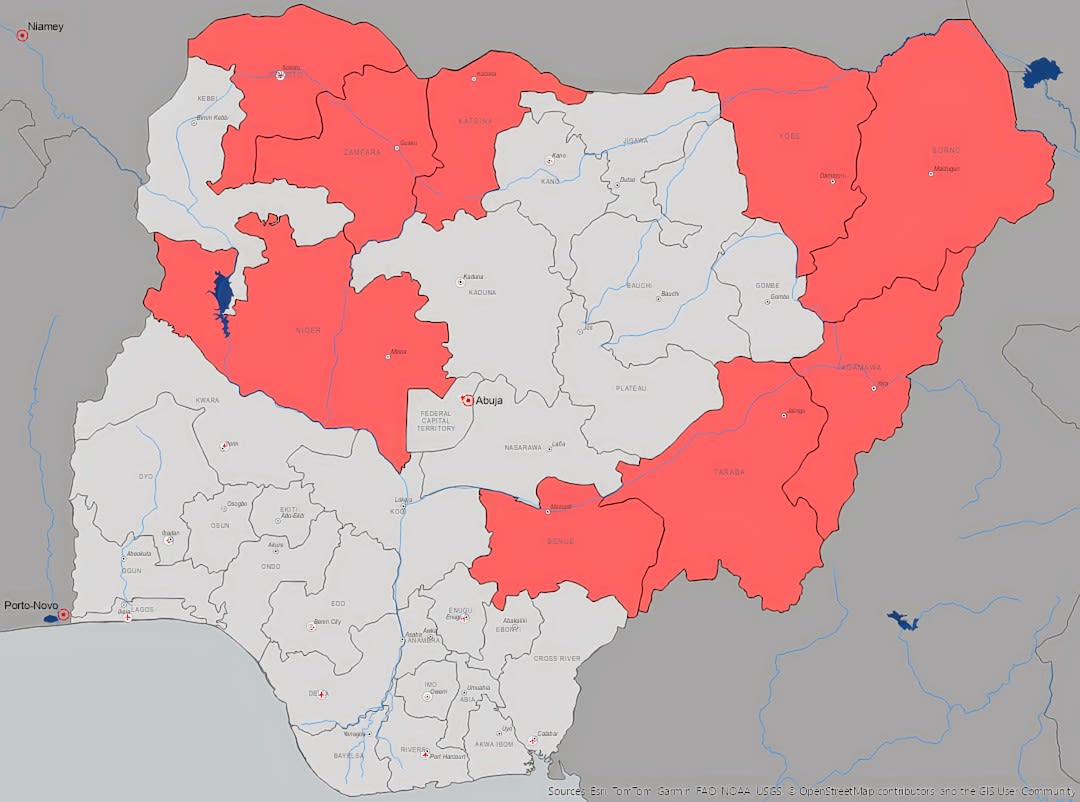
States of Support (map 1)
States of Support (map 1)
In Sokoto, Red Cross volunteers like Jemila are supporting women through localized interventions like Mothers' Clubs. At Mothers' Clubs women are taught how to prepare an alternative to ready-to-use supplementary food called Tom Brown, which is a locally produced flour mix of grains, soy, and peanuts inspired by a traditional Nigerian recipe. It is used to support children with moderate acute malnutrition (MAM) to recover.

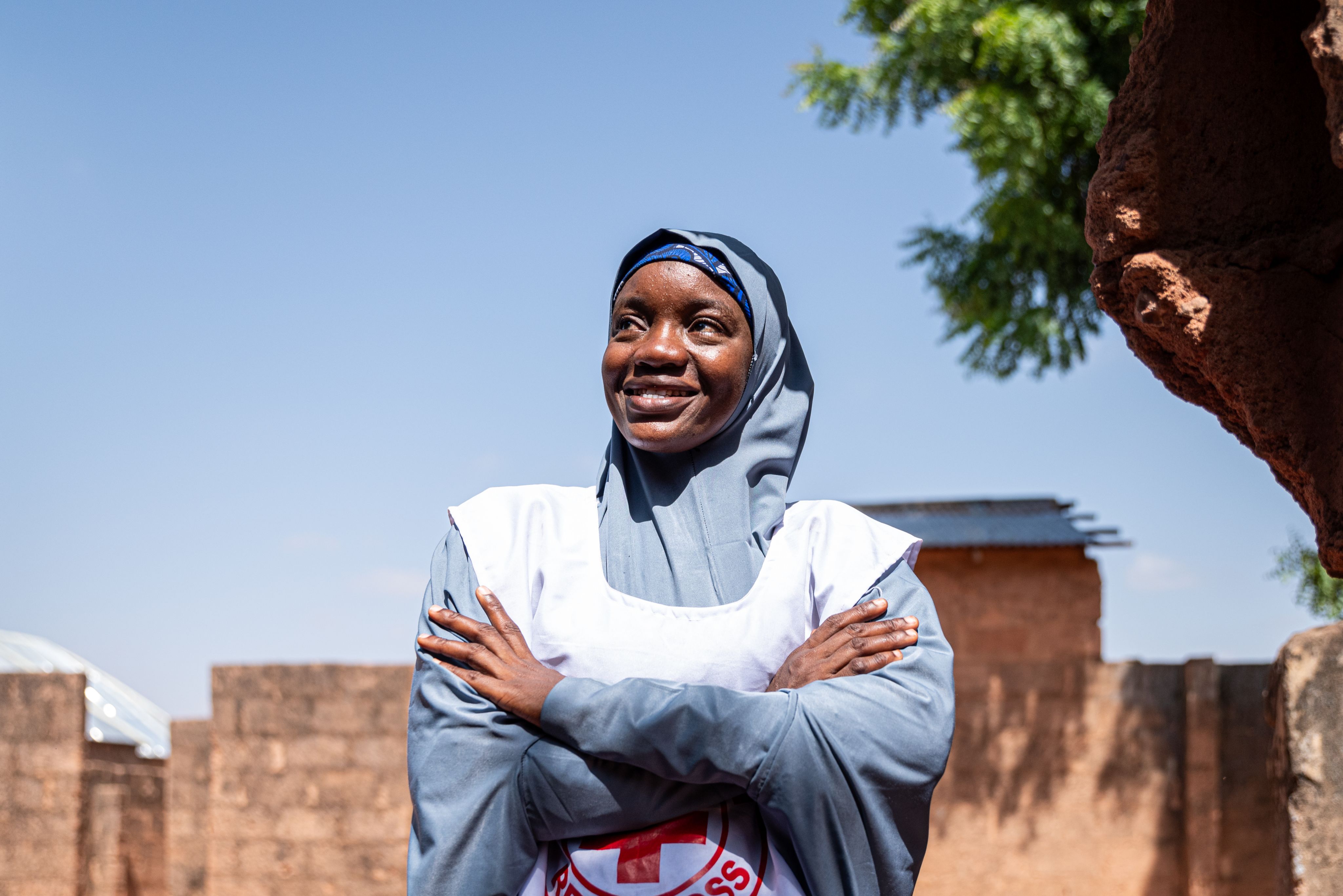
Jemila
Jemila
“I want to help people. When I see women, mothers looking unhealthy, I’m not happy, that’s why I joined the Red Cross and why I became a volunteer,” Jemila says.
“We teach the mothers skills because we want them to depend on themselves. Their husband might not have money for them to buy soap or something that they need, but if we teach them the skills to make things, they can sell them. I teach them how to use sesame seeds to provide snacks. I also teach them how to make nutritional pap called Tom Brown which is given to small children."
In Nigeria’s northeast and northwest regions, about 5.44 million children are malnourished, alongside 800,000 pregnant and lactating women. Of the 5.44 million children, 1.8 million could face severe acute malnutrition (SAM) and 3.6 million moderate acute malnutrition (MAM). As you can see Borno, Sokoto, Katsina, Yobe and Zamfara are severely affected.
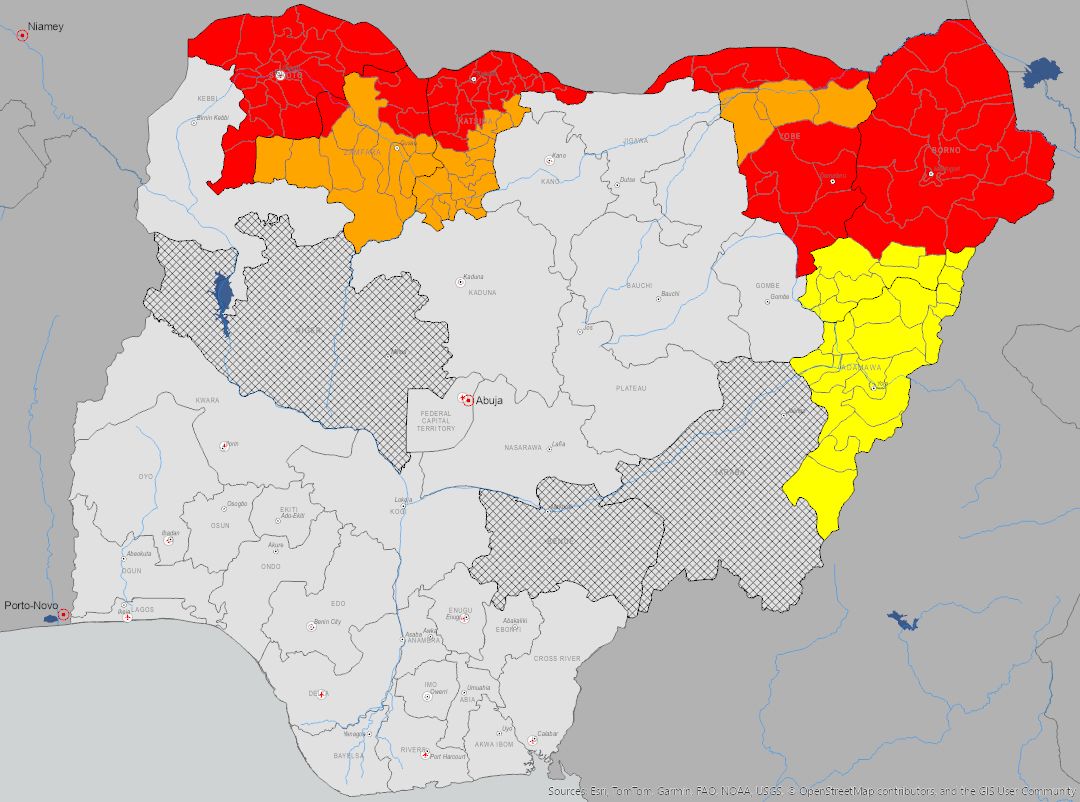
Acute Malnutrition Numbers May 2024 - April 2025 (map 2)
Source: https://data.humdata.org/dataset/nigeria-acute-malnutrition-data/resource/c3fd5b8e-999d-4f6a-aadf-cb9ab42a05a3
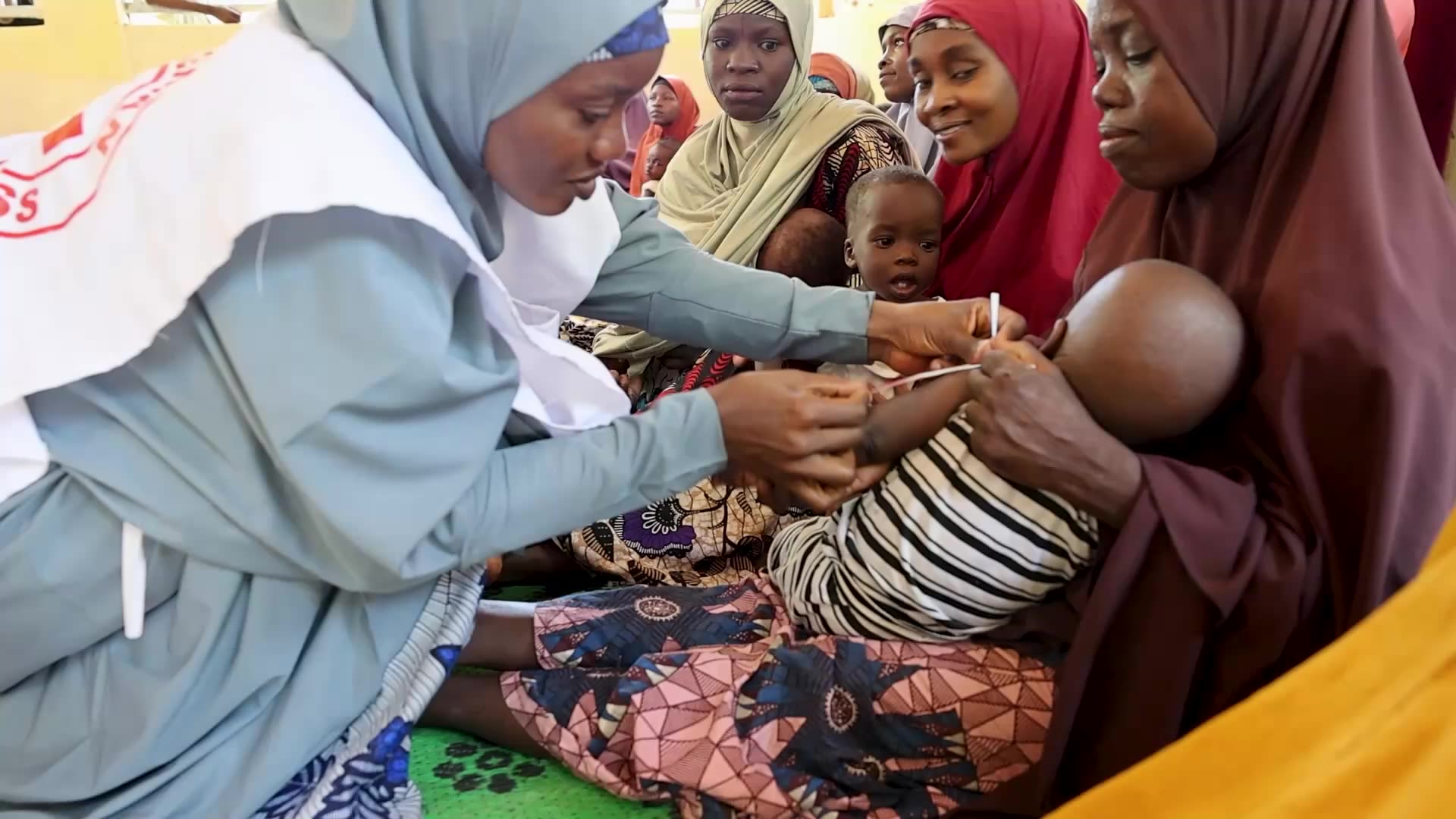

For pregnant and lactating women, there is a risk of maternal mortality due to anaemia, infections or haemorrhage, as well as complications during childbirth such as low birth weight and pre-term deliveries. According to WHO data, Nigeria is the most dangerous nation in the world to give birth in, accounting for more than a quarter (28.7%) of all estimated global maternal deaths in 2023. Malnourished mothers face an increased risk of giving birth to malnourished infants, perpetuating the cycle of malnutrition.
“There are women that don’t even attend the hospital to deliver their babies," Jemila explains. "But after we meet them as a group and help to educate them on the disadvantages of not seeking health services, they start going to the hospital for antenatal care, labour and immunisation.”
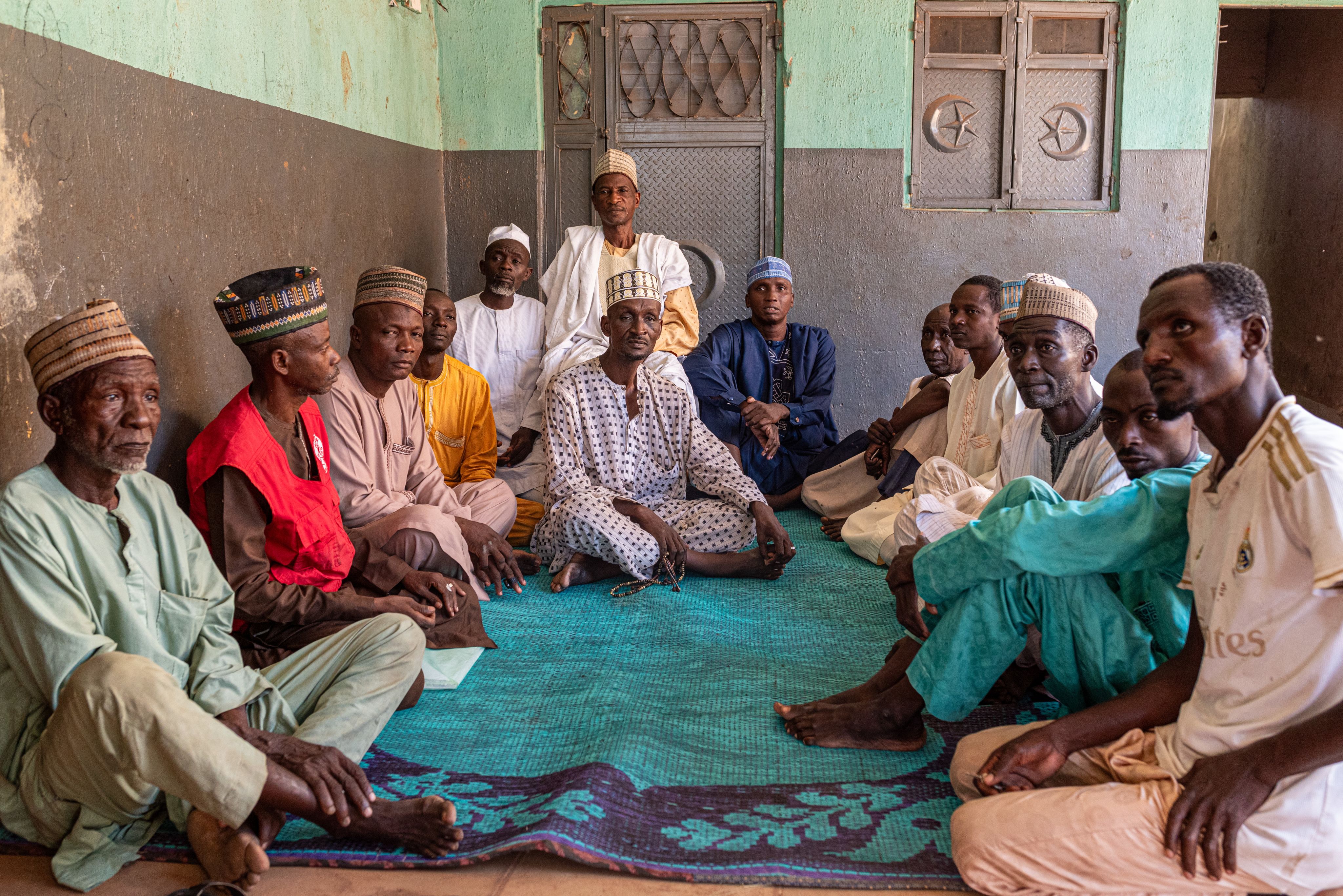
Papas' Club meeting, Kofar Atiku, Sokoto
Papas' Club meeting, Kofar Atiku, Sokoto
Samaila, is a farmer, Papas' Club leader and Red Cross volunteer in Gumbi area, Sokoto. Papas' Clubs support and complement Mothers' Clubs. They are community groups made up of men who play an essential role in promoting better nutrition and health within their families and communities. These clubs are designed to tap into the influence that fathers and male figures have in household decision making.
“I’m a Red Crosser,” Samaila says. “I decided to join Red Cross because I wanted to help my community during disasters. Sometimes floods can happen and we don’t know how to control them. When I saw the activities of Red Cross on television, I said let me join this association so I can assist my community.

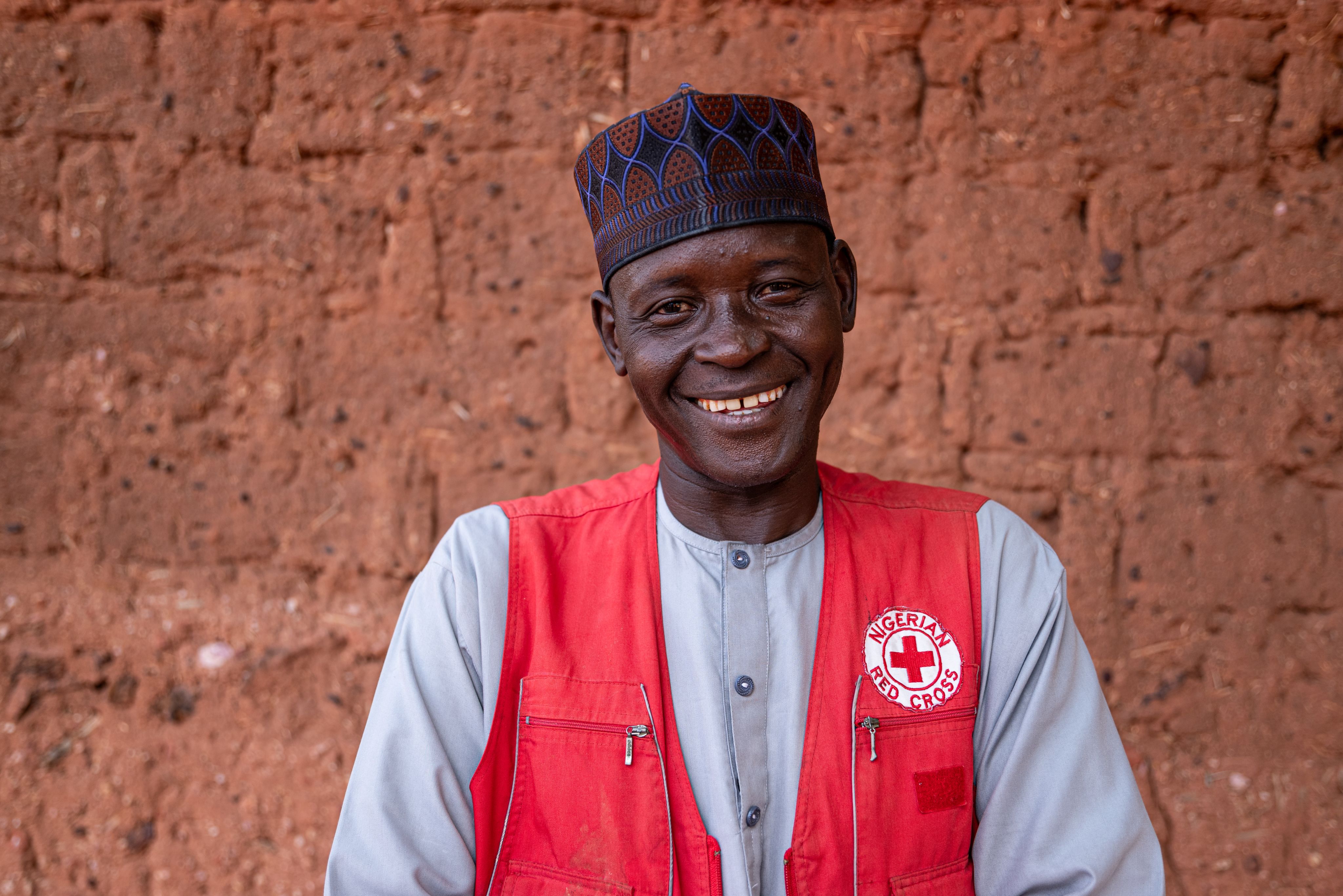
Samaila
Samaila
"Papas' Club is very important because it is about self-help. Sometimes there are activities you want to do but you don’t have the money. When we say to the men ‘bring ten naira, bring ten naira, bring twenty naira’ and collect the money, we can give it to someone to do these activities, especially if they want to create a business. We can gather together and help them do it.”
Nasiru is also part of a Papas' Club in Wanke Ward, Zamfara. Thanks to the Red Cross his daughter recovered from Typhoid. He continues to follow the nutrition advice he was given by Red Cross volunteers, to ensure his seven children remain healthy.
“My daughter here was sick, she was diagnosed with Tamuwa (typhoid) after a medical check-up but by God’s grace she has now recovered and no longer has Tamuwa. She was prescribed medicine by my friend at the Red Cross and I was told to give her foods like vegetables, eggs and beans. The Red Cross were able to help my daughter recover,” he says.
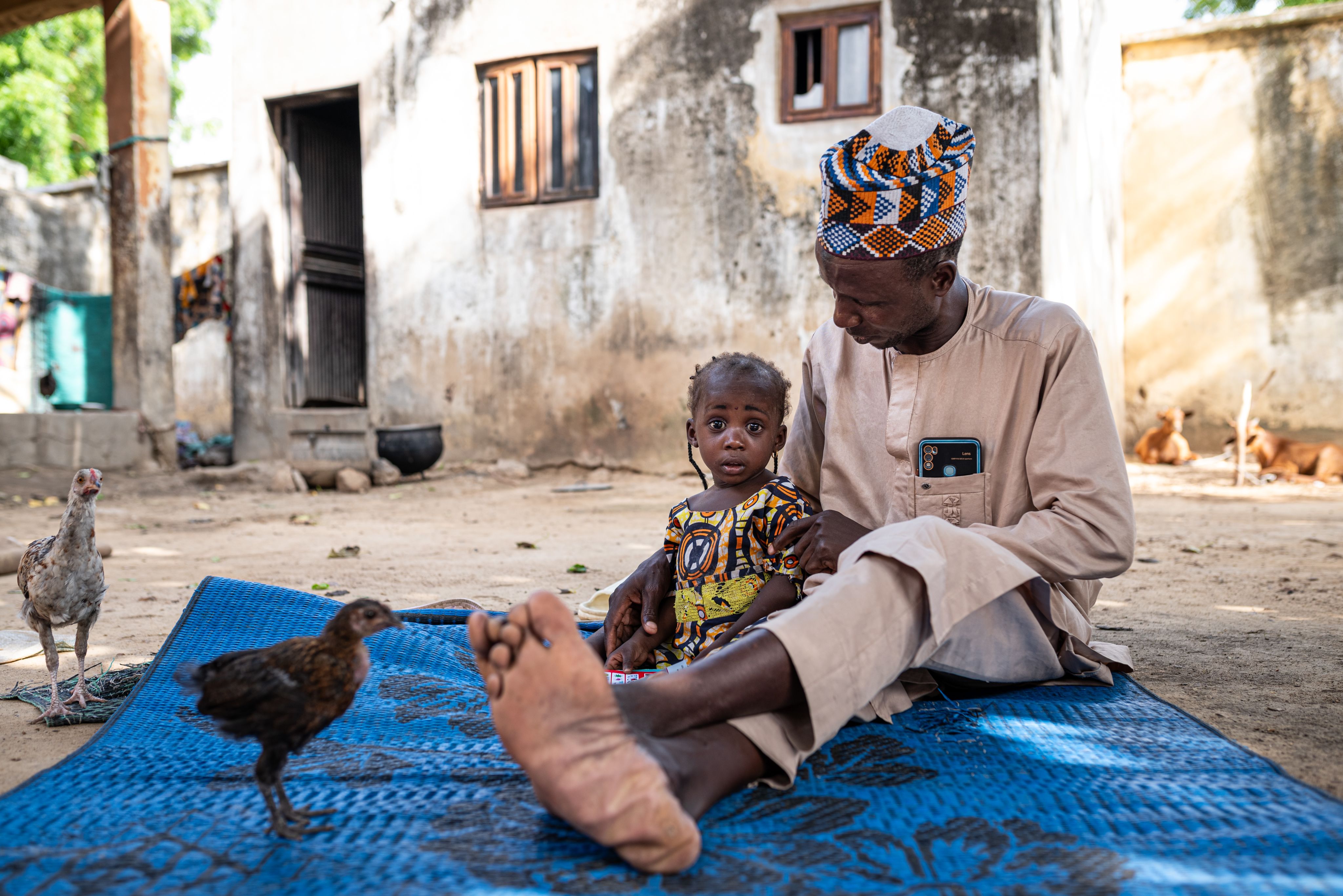
Nasiru
Nasiru
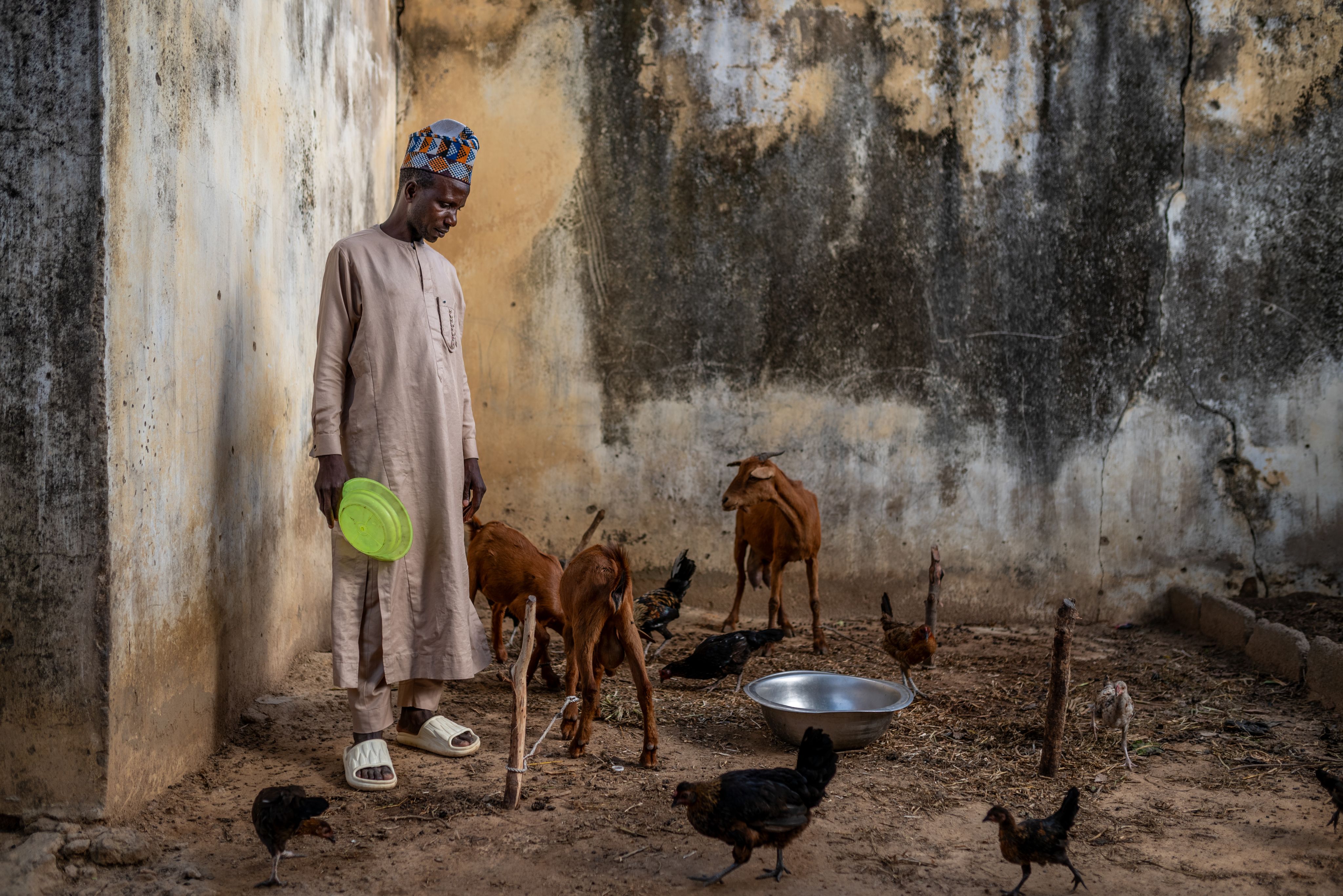
Many northern states severely impacted by this malnutrition crisis have an economy based on agriculture or animal husbandry. Interestingly, although Benue is considered the food basket of the nation due to its fertile land and abundant agricultural produce, in recent times, the state has been experiencing farmer-herder clashes, attacks by gunmen, and communal clashes which contribute to malnutrition.
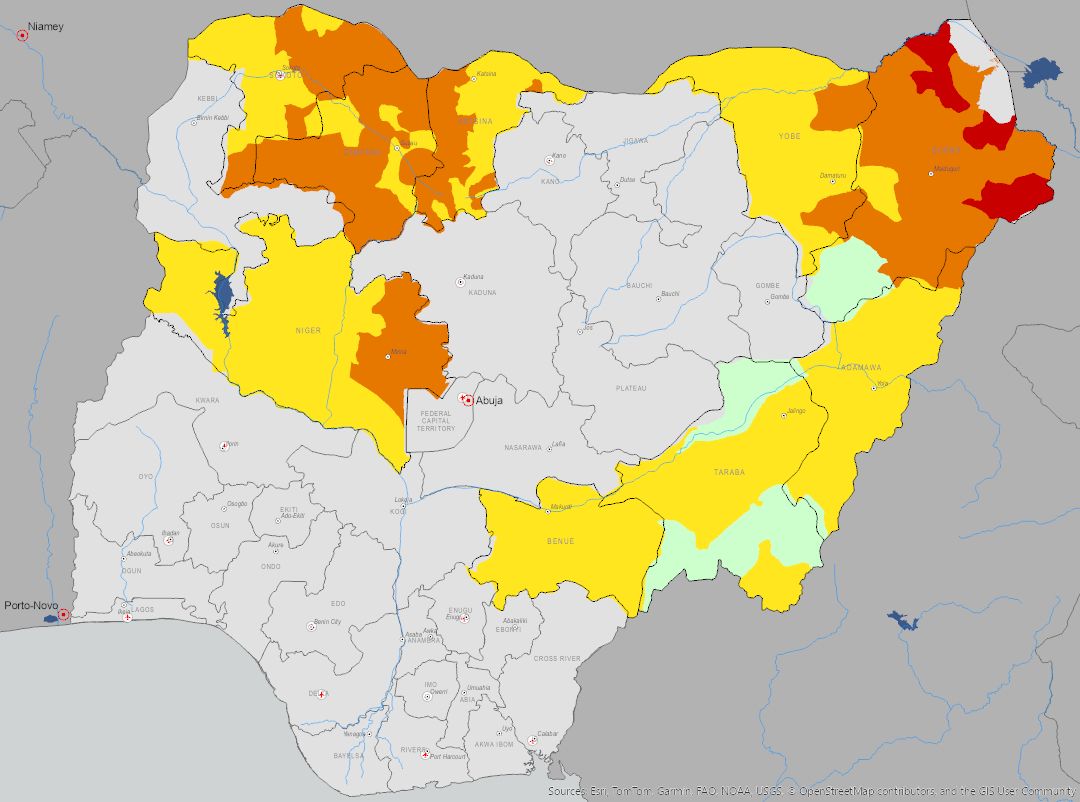
Food Security Phases in the States of Support (map 3)
Source: (https://fews.net/west-africa/nigeria ) - Projections February 2025 to May 2025

Ummar is the director of a primary healthcare facility in Maradun local government, Zamfara.
“There are many problems linked to malnutrition,” he explains. “There are some migrant issues due to banditry attacks in our area. Many of these people don’t have anything to eat, so there are some severe and some moderate cases of malnutrition. Here, at this facility, we have 367 cases of children who are severely or moderately malnourished.”
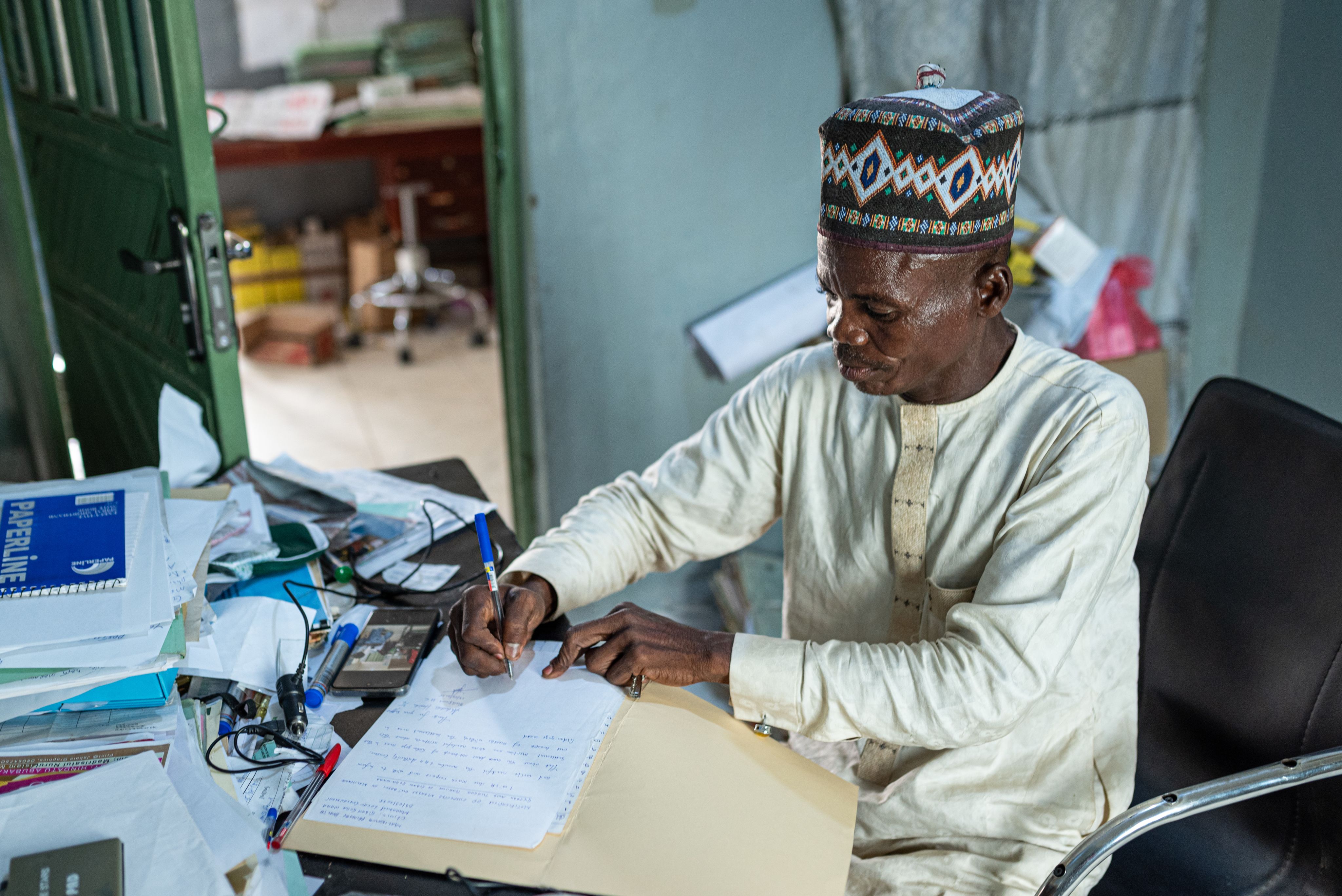
Ummar
Ummar

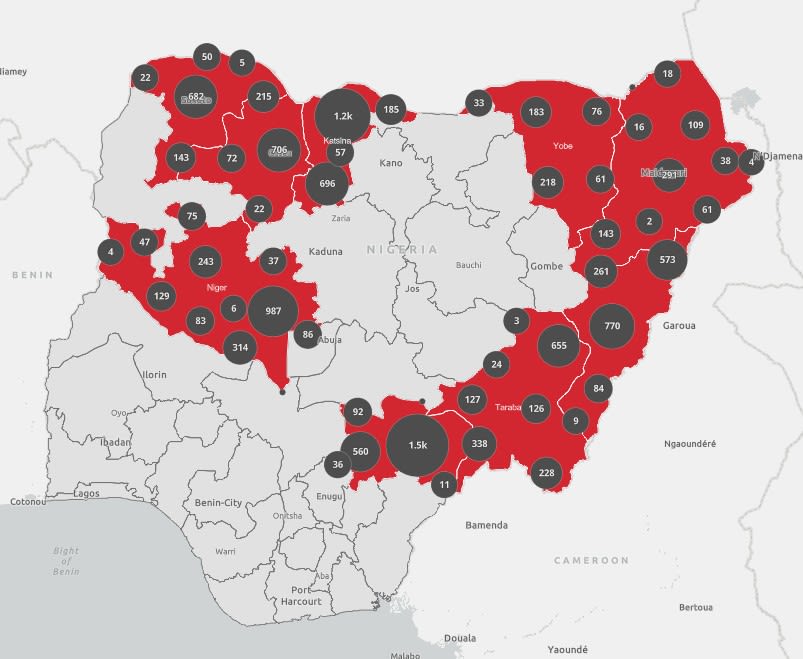
Nigeria Health facilities in the Areas of Support (map 4)
Source: https://msdat.fmohconnect.gov.ng/state-health-facility
The map (map 4) shows the number of primary health care facilities with malnutrition referral pathways in affected states. What the map is unable to show is which of these are functioning. Overall, as of late 2024, only 20% of Nigeria’s 34,000 primary healthcare centres are fully functioning. Because of this, access to acute malnutrition treatment remains a major challenge, with less than 20% of SAM cases being treated in health facilities. Health services are overwhelmed, and the number of functional Outpatient Therapeutic Programmes (OTPs) is limited due to resource shortages.
Historically, the inadequate management of MAM cases at the community level has contributed to the rapid deterioration of MAM cases into SAM cases in some local government areas. However, The Nigerian Red Cross is working with the government to address this challenge, through their extensive network of volunteers who help maintain and build trust.
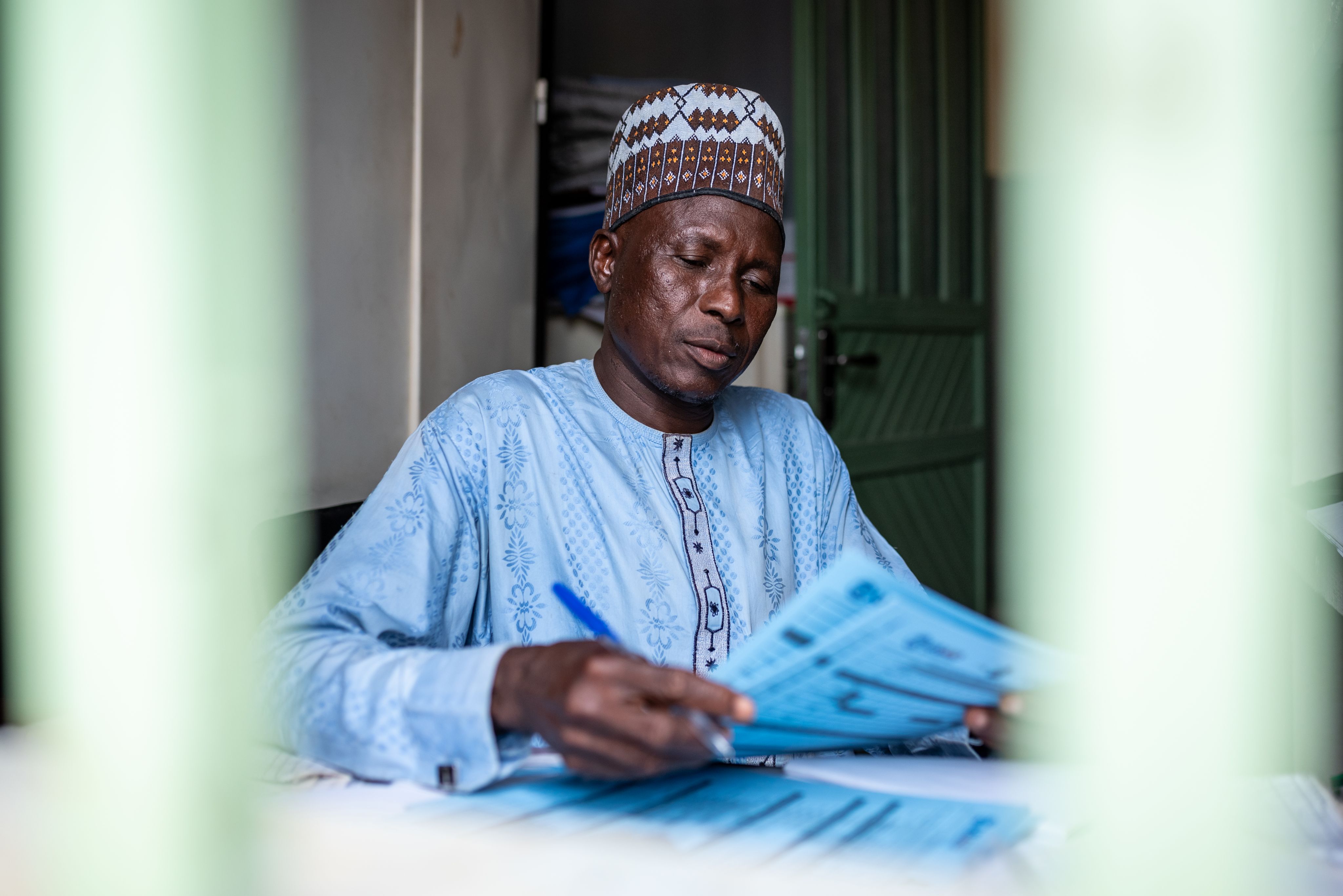
Hussein
Hussein
Hussein works as the assistant nutritional officer at the same facility as Ummar.
"Before the Red Cross intervention, we received too many severely malnourished children within this centre," Hussein says. "Now, we receive them, but they are not as severely malnourished due to the house-to-house screening.
“Red Cross house-to-house mobilisation has helped with the distance between people and the facility, but there still needs to be more surveillance and house-to-house monitoring in the community.
Then with other partners, we need support with more Plumpy’Nut*, so we can give it to malnourished children at the facility and improve their health status.”
*Plumpy'Nut is a ready-to-use therapeutic food (RUTF) used to treat severe acute malnutrition in children.
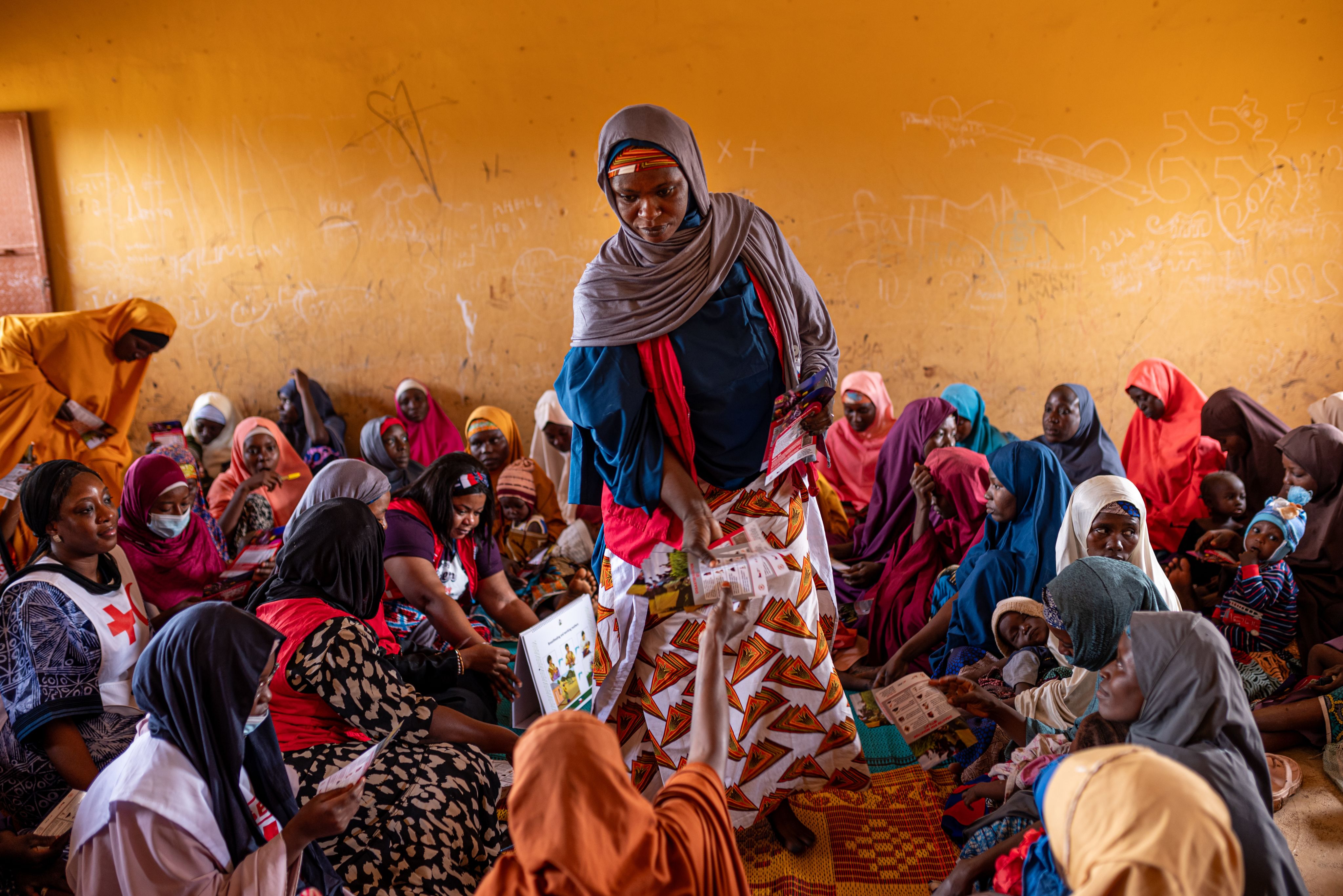
Mothers' Club, Maradun South, Zamfara
Mothers' Club, Maradun South, Zamfara
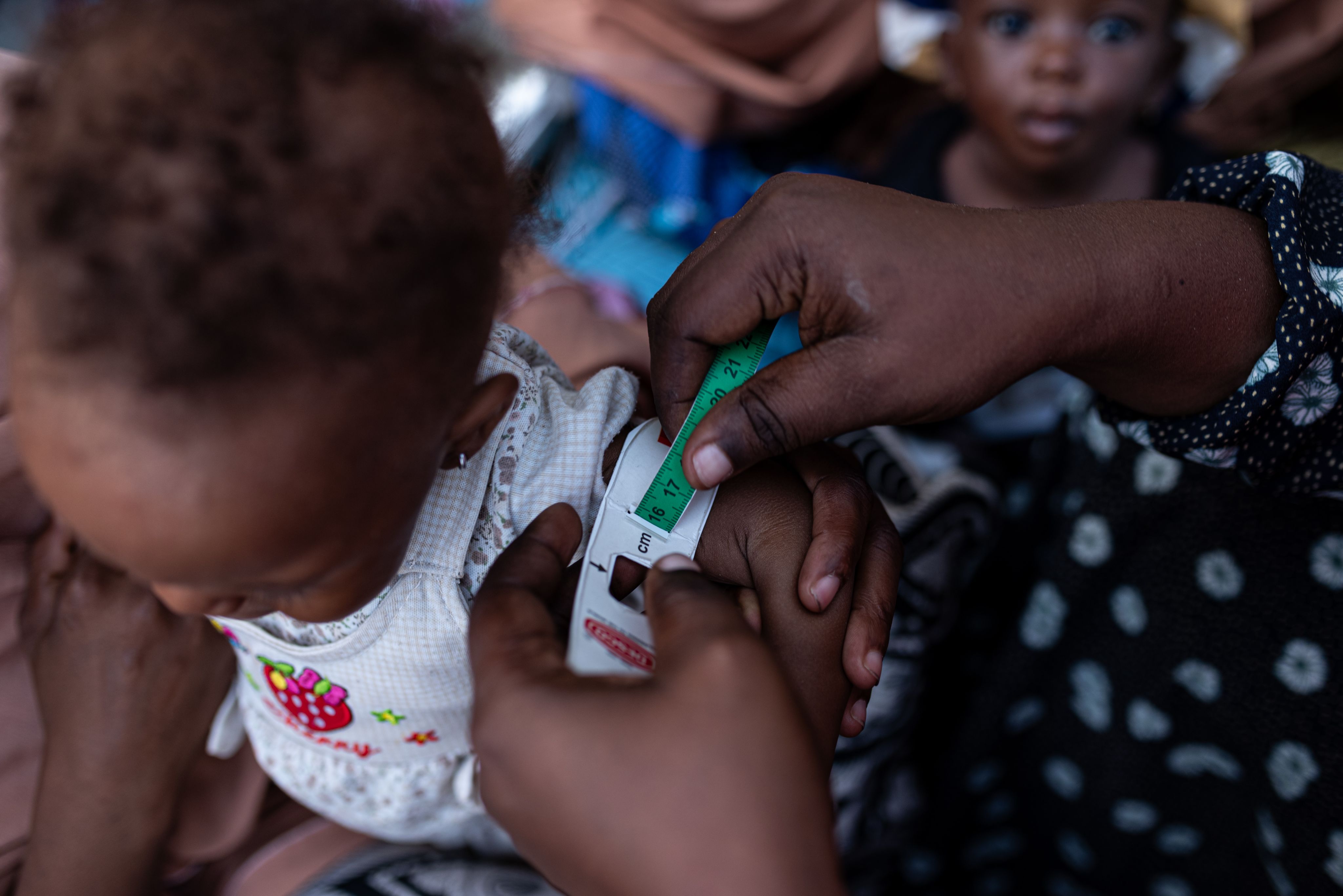
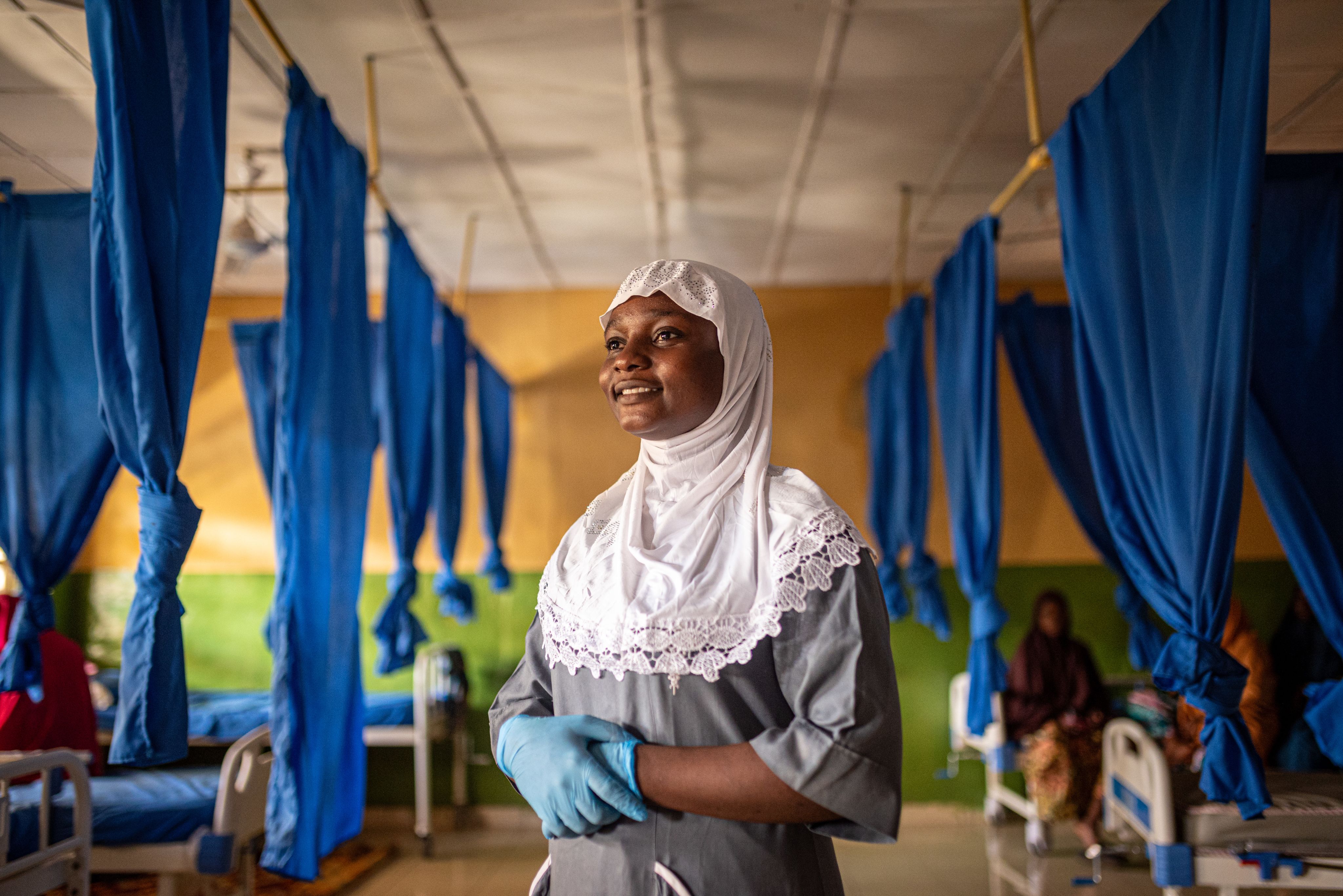
In Sokoto North, Abida works as a community health extension worker at a primary health care facility. Unfortunately, she reports there has been an overall increase in cases of malnutrition in the last twelve months.
“I have seen some patients here recover after treatment, while others unfortunately return with recurring malnutrition issues. In some cases, children die," she says.
“I hope the Red Cross will continue running their outreach programme to educate people in the communities about nutritious and affordable food options."
“A child does not belong to one person, a child belongs to the community. You have to help because you don’t know which child will be able to support you tomorrow.”
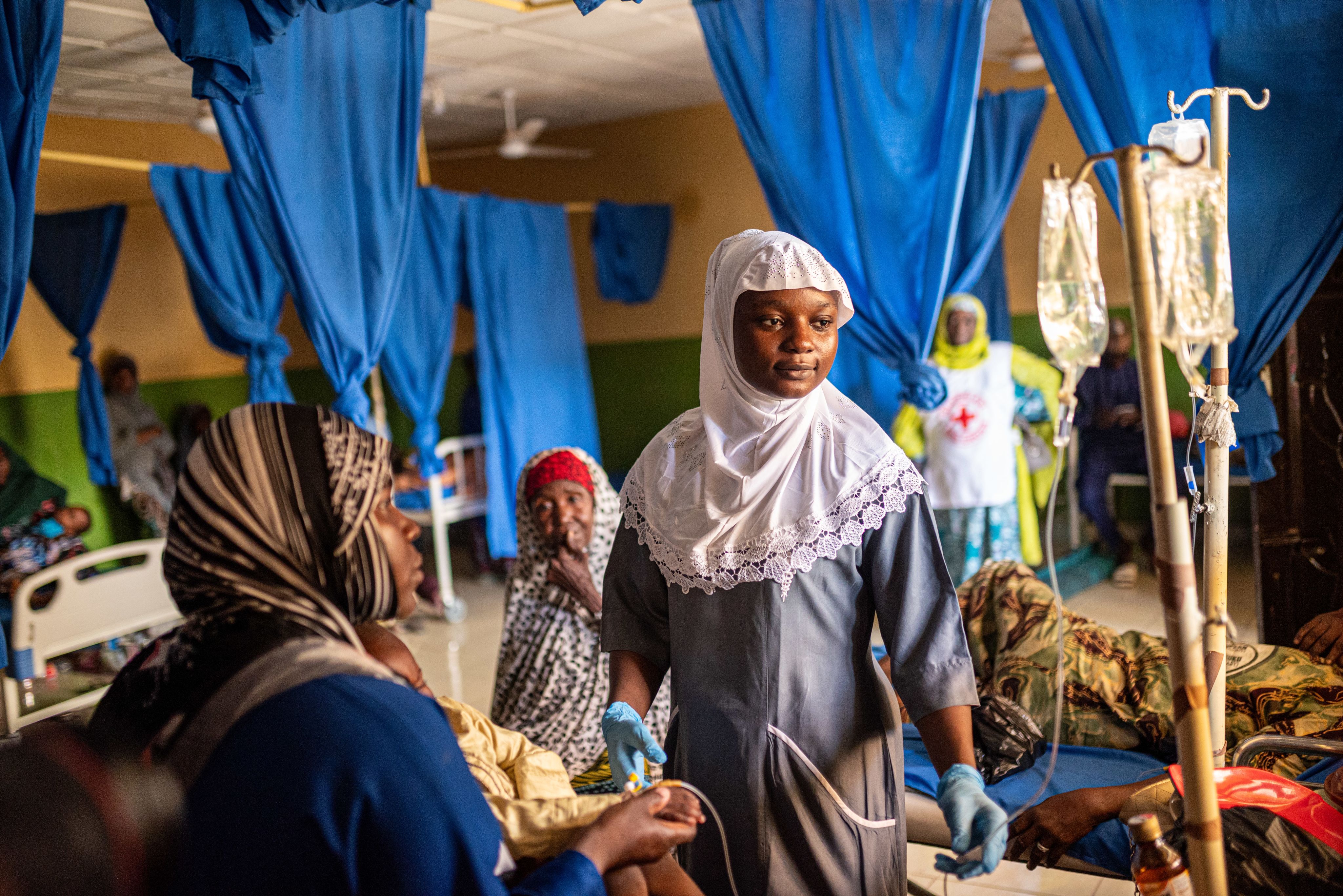
Abida at a primary health care facility in Sokoto North
Abida at a primary health care facility in Sokoto North
 Built with Shorthand