
Where art meets education, resilience grows
Grenada Red Cross worked alongside communities to strengthen Ecological Connectivity and Community Resilience
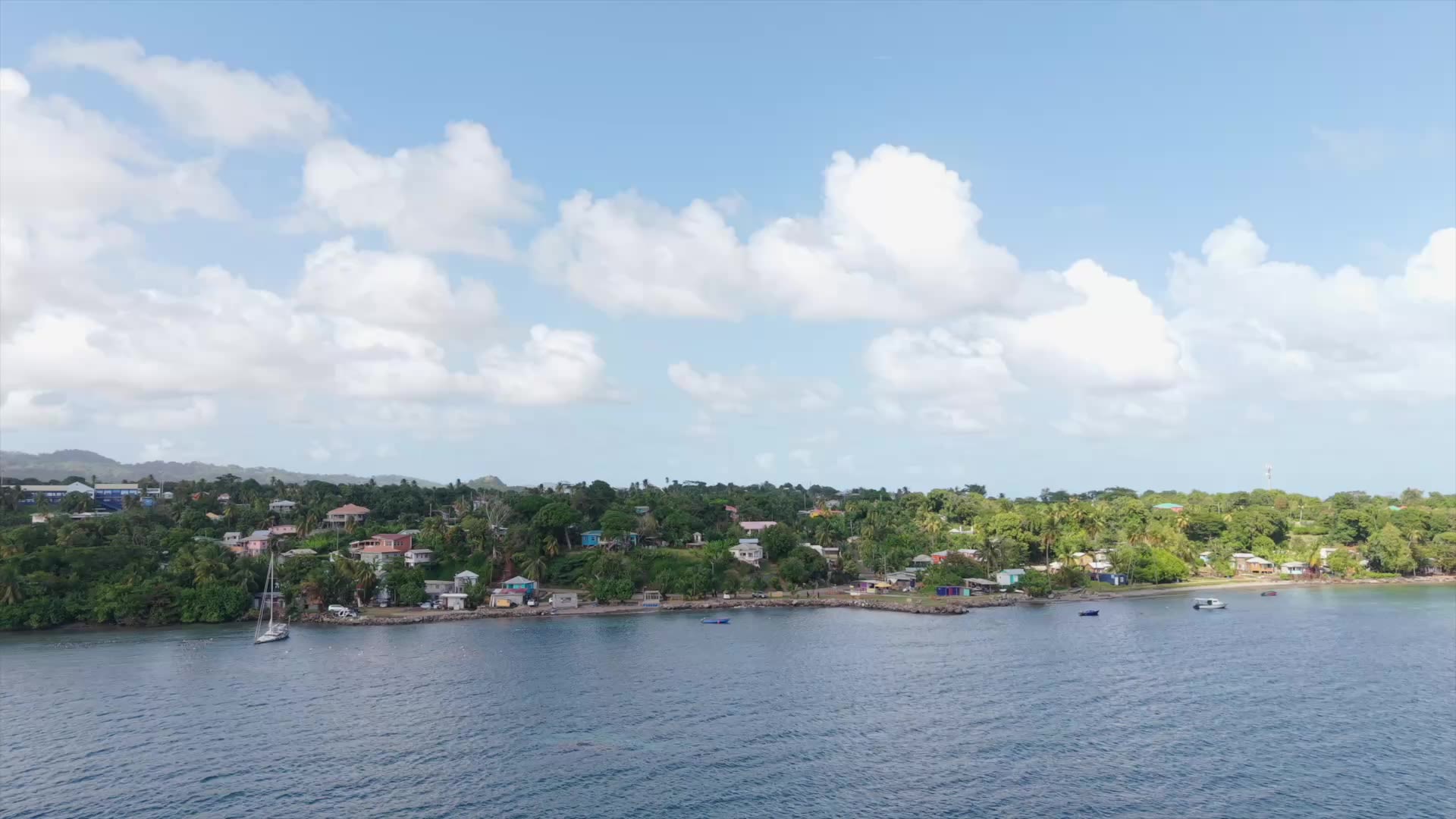

Climate change poses an existential threat to Caribbean Small Island Developing States (SIDS), and Grenada is no exception.
As a three-island nation of just 380 km² and 110,000 people, the country faces escalating risks from rising temperatures, stronger storms, landslides during the rainy season, and even volcanic activity.
With over half of the population exposed to multiple hazards and among the countries most affected globally by climate-related losses, Grenada’s coastal, rural, and urban communities' conditions are increasingly vulnerable.
Beyond sudden disasters, slow-onset impacts such as sea-level rise, drought, and shifting weather patterns continue to threaten lives, livelihoods, and critical infrastructure.
In this multi-hazard scenario, adapting to climate change is critical to the region's survival.
Healthy ecosystems are key to climate adaptation. The various services they provide, such as regulating the climate, reducing exposure to and the risk of natural hazards, and controlling erosion, have long been recognised.
They also provide food, water and medicinal resources, and create cultural resources such as recreation and tourism, which promote mental health and well-being, as well as education and research.
However, many of our ecosystems are degraded, which means they cannot fully provide these services.
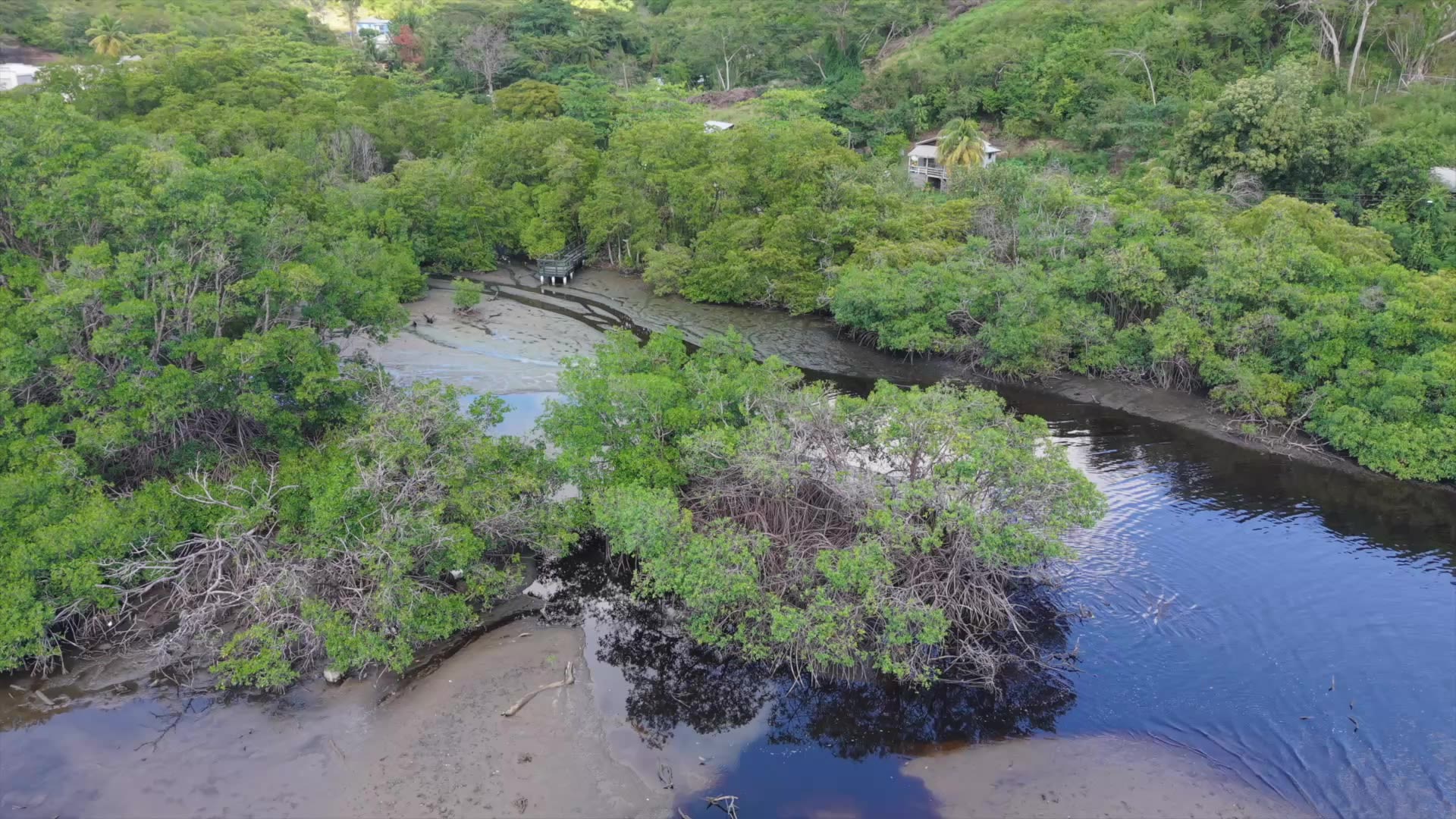


Finding sustainable ways to work with nature will help Caribbean SIDS adapt to climate change and build community resilience.
This is the goal of the Ecological Connectivity and Community Resilience (ECCR) project.
Supported by the Caribbean Biodiversity Fund, this initiative aims to enhance climate resilience through ecosystem-based adaptation and environmental education.
In Grenada, the ECCR Project was implemented in the communities of Woburn Clarke's Court Bay Marine Protected Area and Telescope, in Greater Grenville, St. Andrew.
Community Mural:
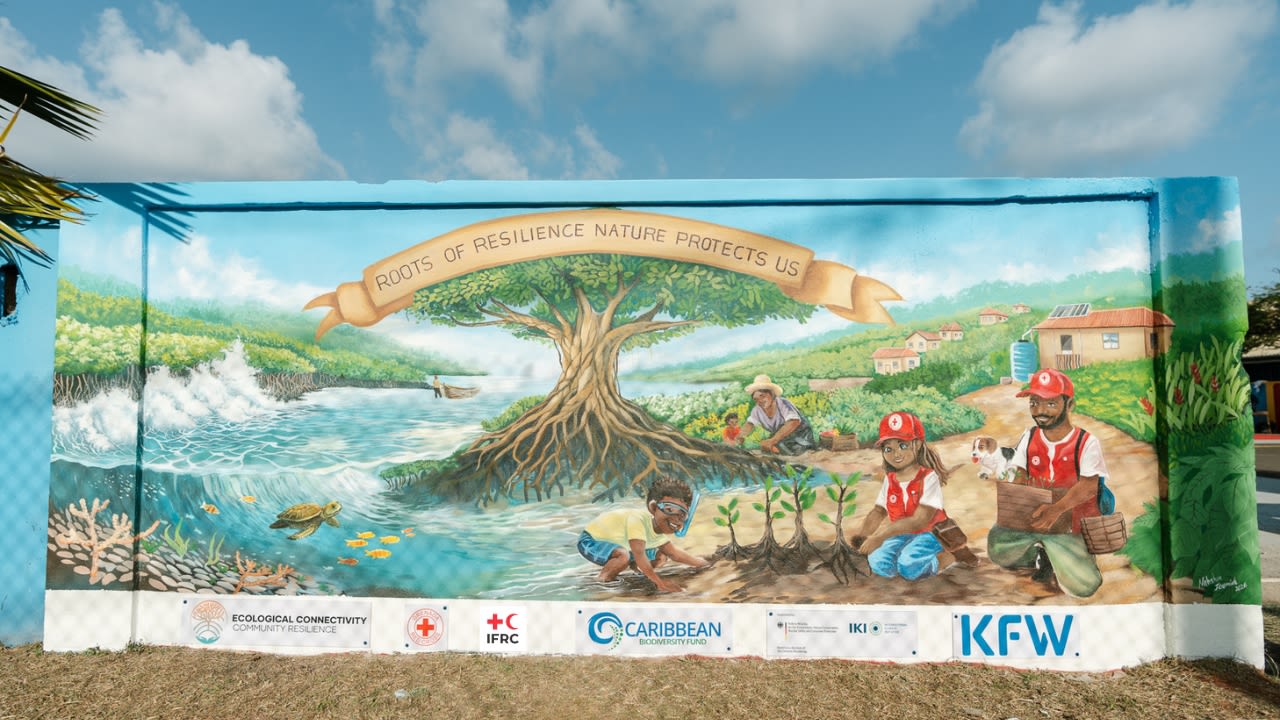
As part of the ECCR project, the Grenada Red Cross Society developed a community mural at Saint Andrew’s Anglican Secondary School in Telescope, with the technical support of the International Federation of Red Cross and Red Crescent Societies (IFRC).
The aim of the community mural is to promote coexistence in public spaces, revitalize social and cultural life in communities, and enhance climate resilience.
The mural educates students and the wider community about the importance of mangroves in protecting coastlines, conserving biodiversity and mitigating the effects of climate change.
Created through the active involvement of students and community members, the artwork reflects local realities and fosters a sense of collective responsibility for public spaces.

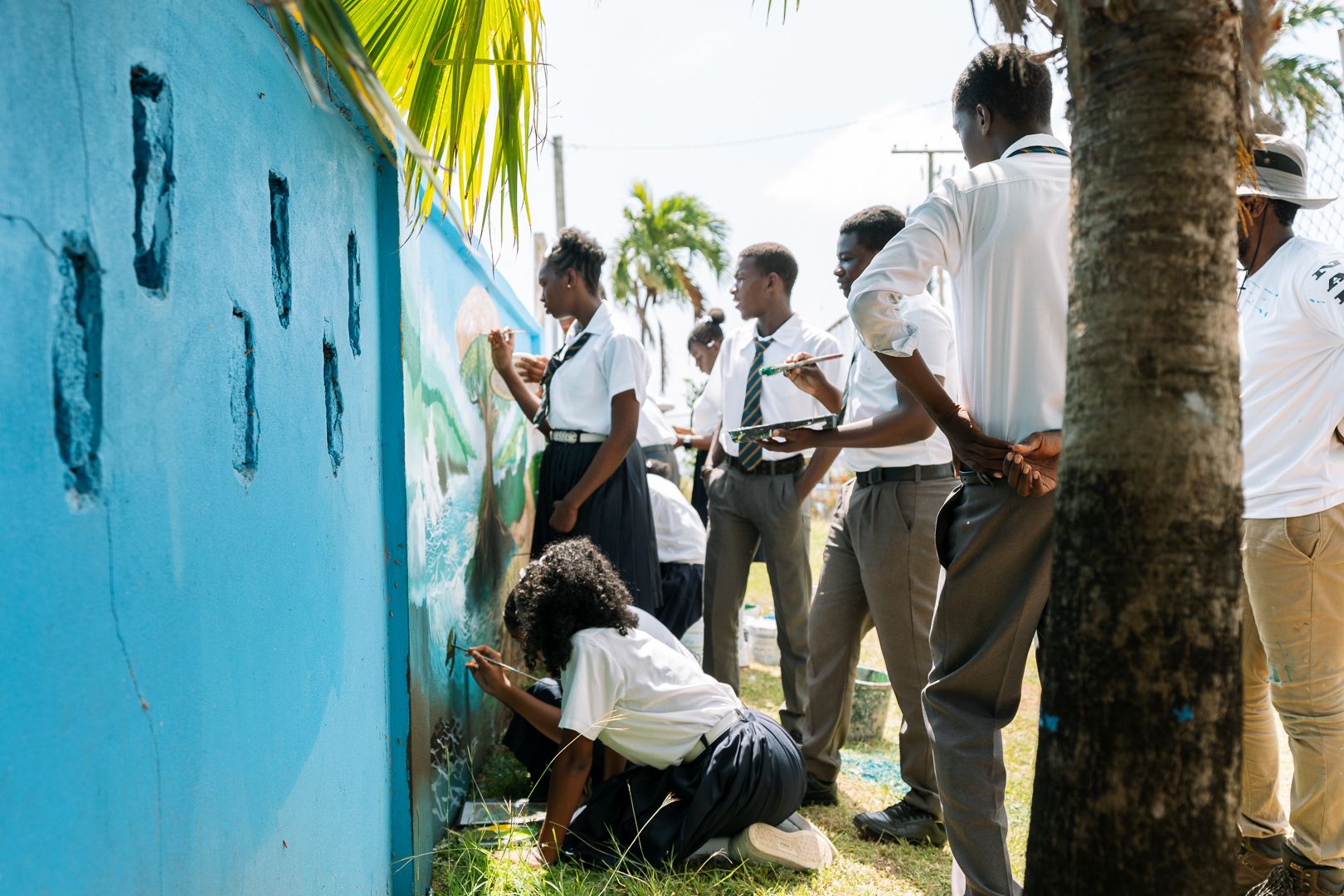
Take a closer look at the painting process

Children's book “Mangrove Heroes: Saving Our Shores!”
Another product developed under the ECCR project is the new children’s book, Mangrove Heroes: Saving Our Shores!, which brings a message of environmental stewardship directly to students.
Designed especially for primary-age readers, the vibrant and engaging story introduces children to the world of mangroves, showing how these remarkable ecosystems protect coastlines and homes, nurture marine life, and help communities face climate challenges.

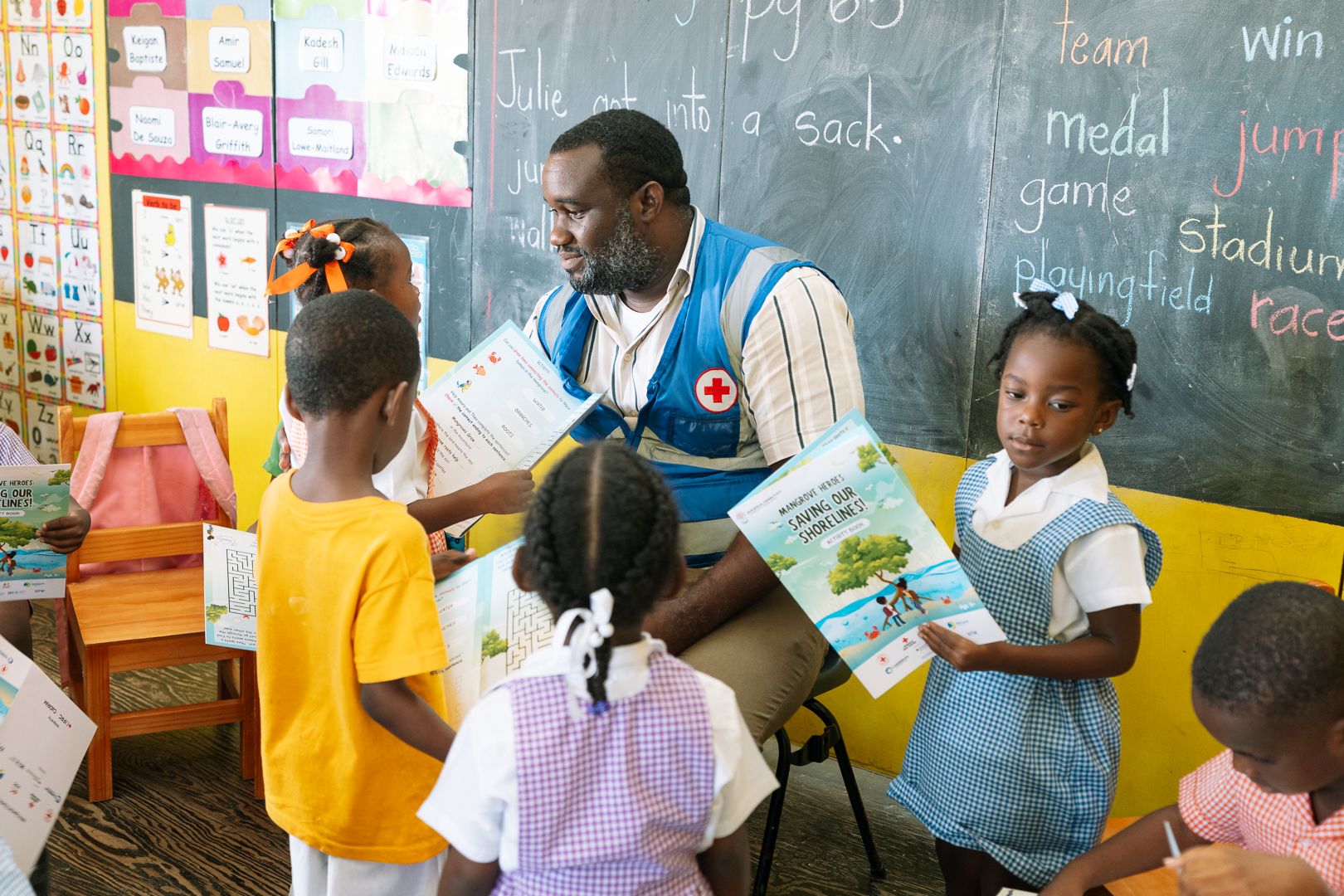
The book translates complex environmental concepts into simple, relatable storytelling.
Through colorful illustrations and accessible language, young readers are encouraged to see themselves as “mangrove heroes,” capable of caring for and protecting the natural spaces around them.
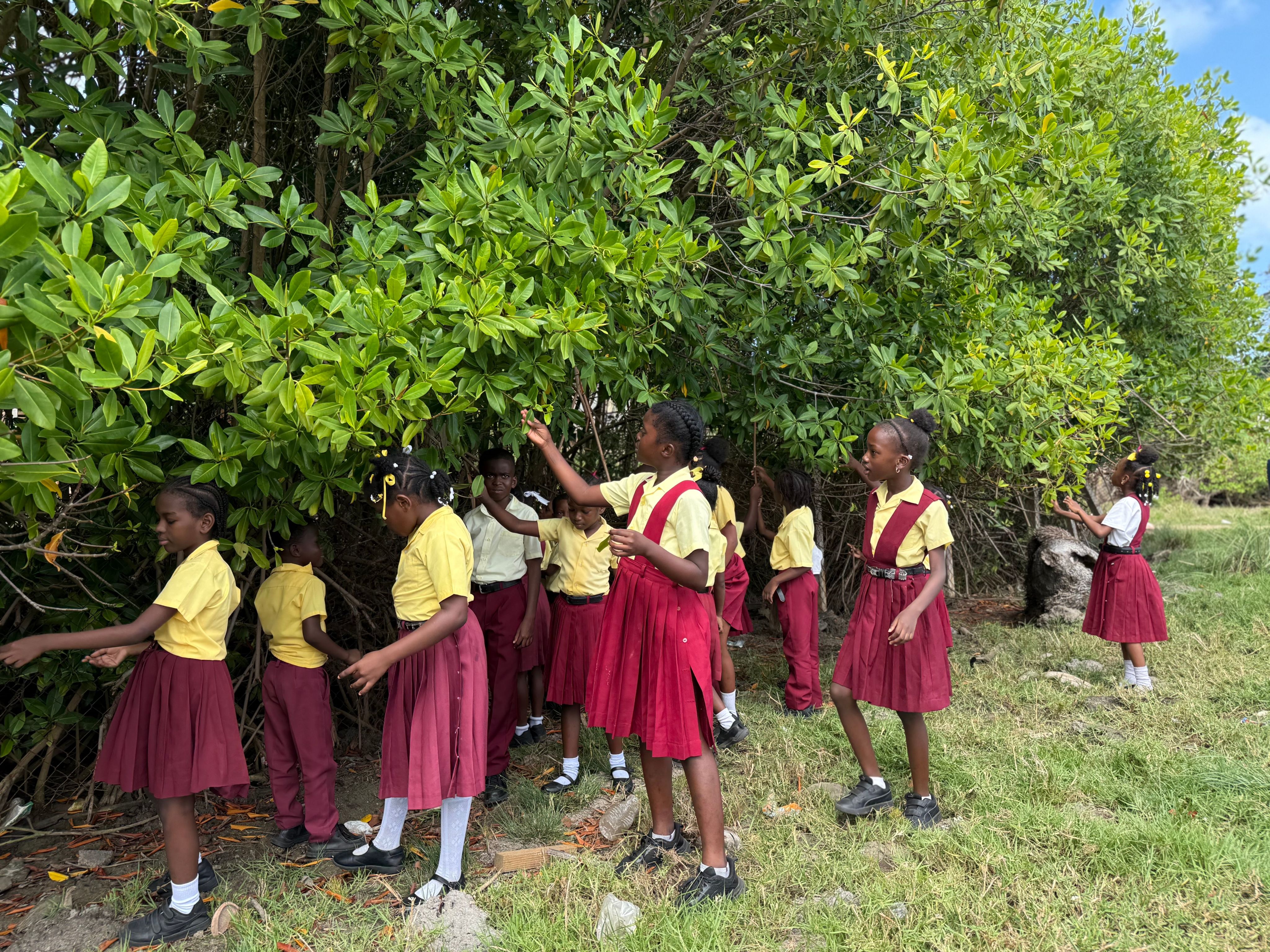
In both Woburn Primary School and Telescope Pre-Primary School, the Grenada Red Cross liaised with teachers to create an immersive experience for learning, curiosity, and pride.
By investing in environmental education at an early age, the Grenada Red Cross is helping children build a lifelong connection to their ecosystems.

The mural and the book are part of a broader resilience-building framework under the ECCR project. Key achievements to date include:
- The completion of an enhanced Vulnerability and Capacity Assessment (eVCA) in both communities.
- The development of an advocacy strategy and policy brief for the Woburn Clarke’s Bay Marine Protected Area.
- The creation of community resilience plans to guide sustainable adaptation actions both in Woburn and Telescope.
These efforts support evidence-based decision-making and long-term climate adaptation at the community level, ensuring that local voices shape resilience solutions.


 Built with Shorthand