

Early detection, early action, healthier communities.
Celebrating eight years of the Community Epidemic and Pandemic Preparedness Progamme (CP3).
Earlier this summer, IFRC bid a fond farewell to one of our longest-running programmes - the Community Epidemic and Pandemic Preparedness Programme (CP3). We reflect on what the programme has achieved since it started back in 2018, and the legacy it will leave behind in countless communities around the world.
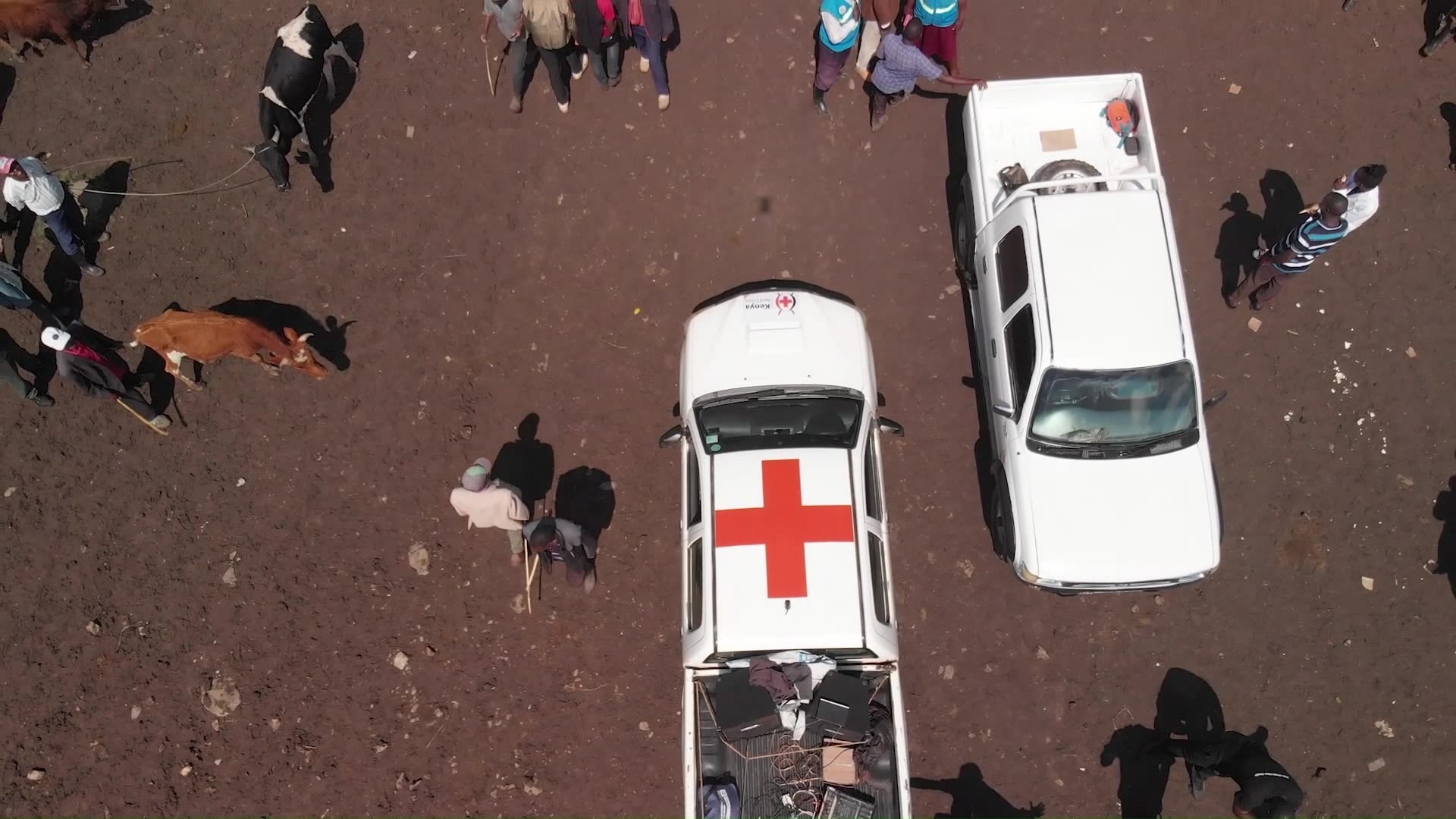

Imagine that you live in a rural community in a developing country. The nearest health centre is many kilometres away and only accessible by a bumpy dirt track which becomes flooded during the rainy season. You don’t have a car, and there are no ambulances nearby.
One day, you notice that people in your community are falling sick with mysterious health symptoms. You’re not sure what’s going on and you don’t know who to turn to, or how. People in your community are panicking. Fear and misinformation are spreading each day. Meanwhile, more and more people are falling ill.
By the time news of this illness reaches health authorities many days or weeks later, it’s already too late. It’s now an outbreak which has spread far and wide, claimed lives and is overwhelming the region’s capacity to respond.
Sadly, this scenario has played out countless times in communities around the world—causing untold death and suffering. But it doesn’t have to be this way.

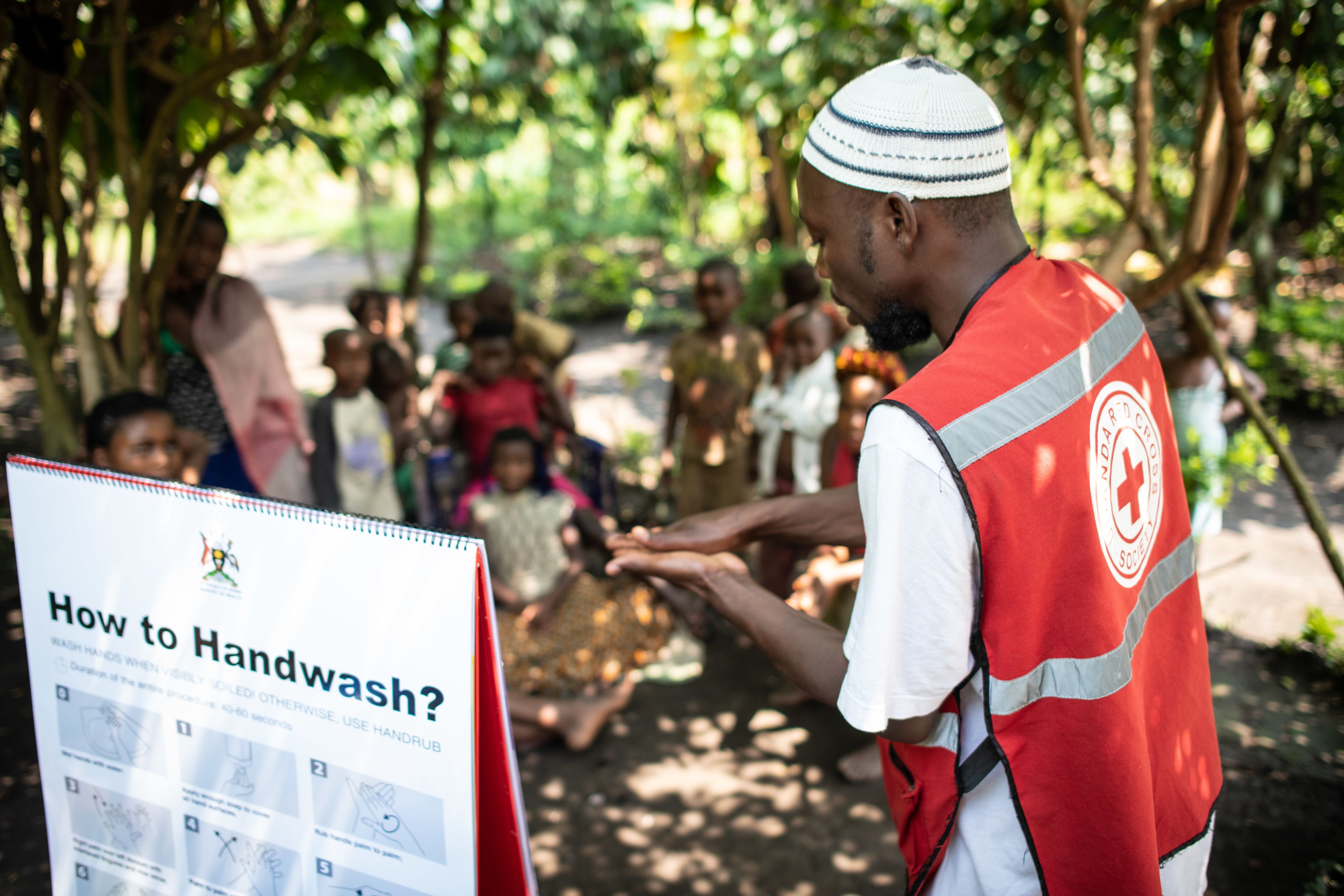
Imagine, this time, that you’re living in this same community. But when the first person falls sick, their family knows to alert their local Red Cross or Red Crescent volunteer who lives nearby. The volunteer has been trained in how to recognize and report different infectious diseases. They arrive promptly, recognize the symptoms and immediately alert their supervisor and local authorities using a simple digital system.
Health authorities arrive the next day, during which time the volunteer has gone around the community to raise awareness about the disease and share simple steps everyone can take to stay safe. The outbreak is quickly contained, lives are saved, an epidemic is averted.
This is exactly what the Community Epidemic and Pandemic Preparedness Programme - also known as ‘CP3’ - has done over the past eight years: stopped disease outbreaks in their tracks, helped communities reduce their risks of disease, and saved countless lives.

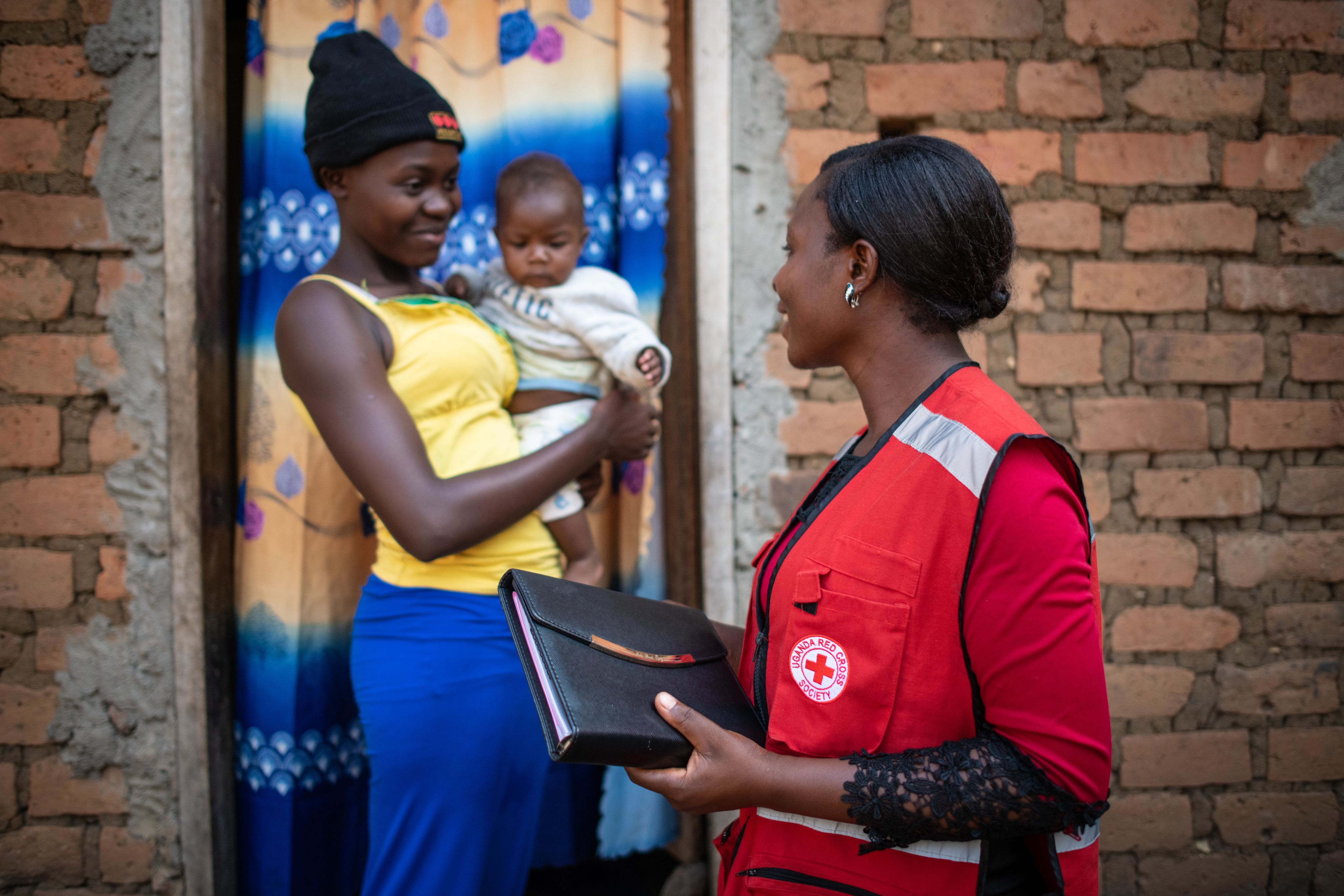
What has CP3 achieved?
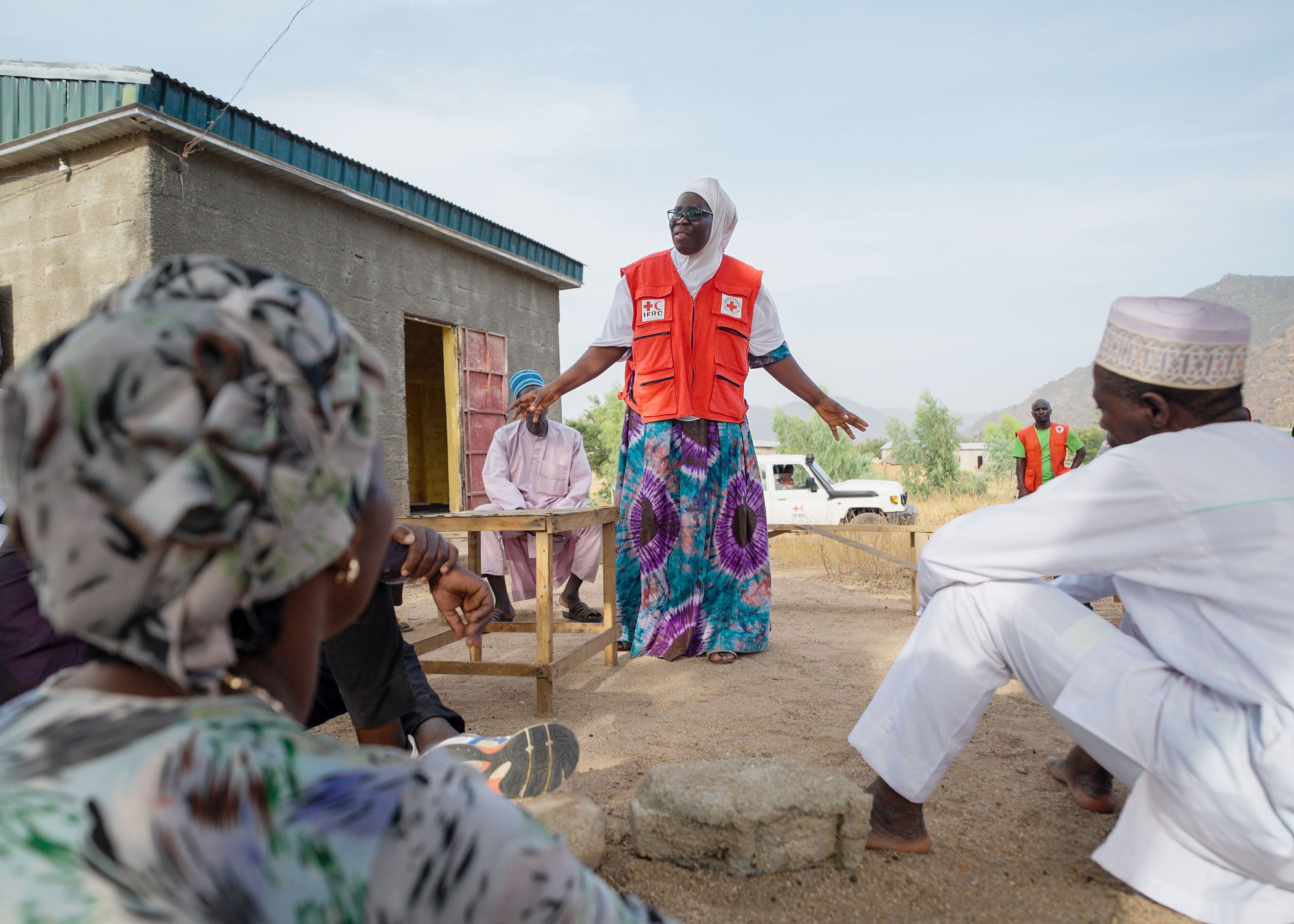
6,000+
Number of local volunteers trained in epidemic control and community-based surveillance to keep their communities safe and healthy.

22,000+
Number of infectious disease alerts detected and reported by CP3 teams through community-based surveillance and confirmed by government ministries.
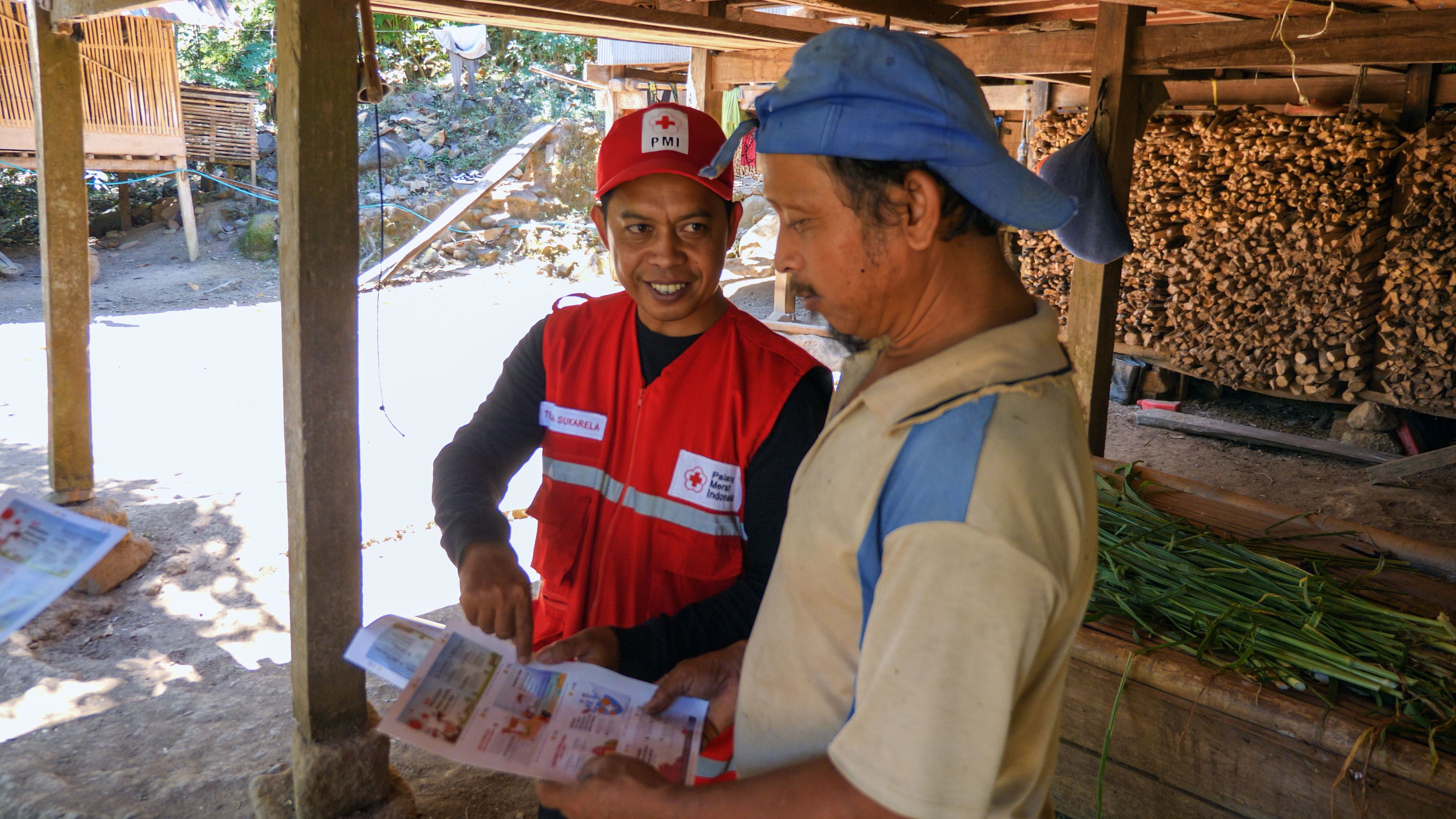
2.2 million
Household visits conducted by trained volunteers to share trusted, life-saving information about disease risks and prevention measures.
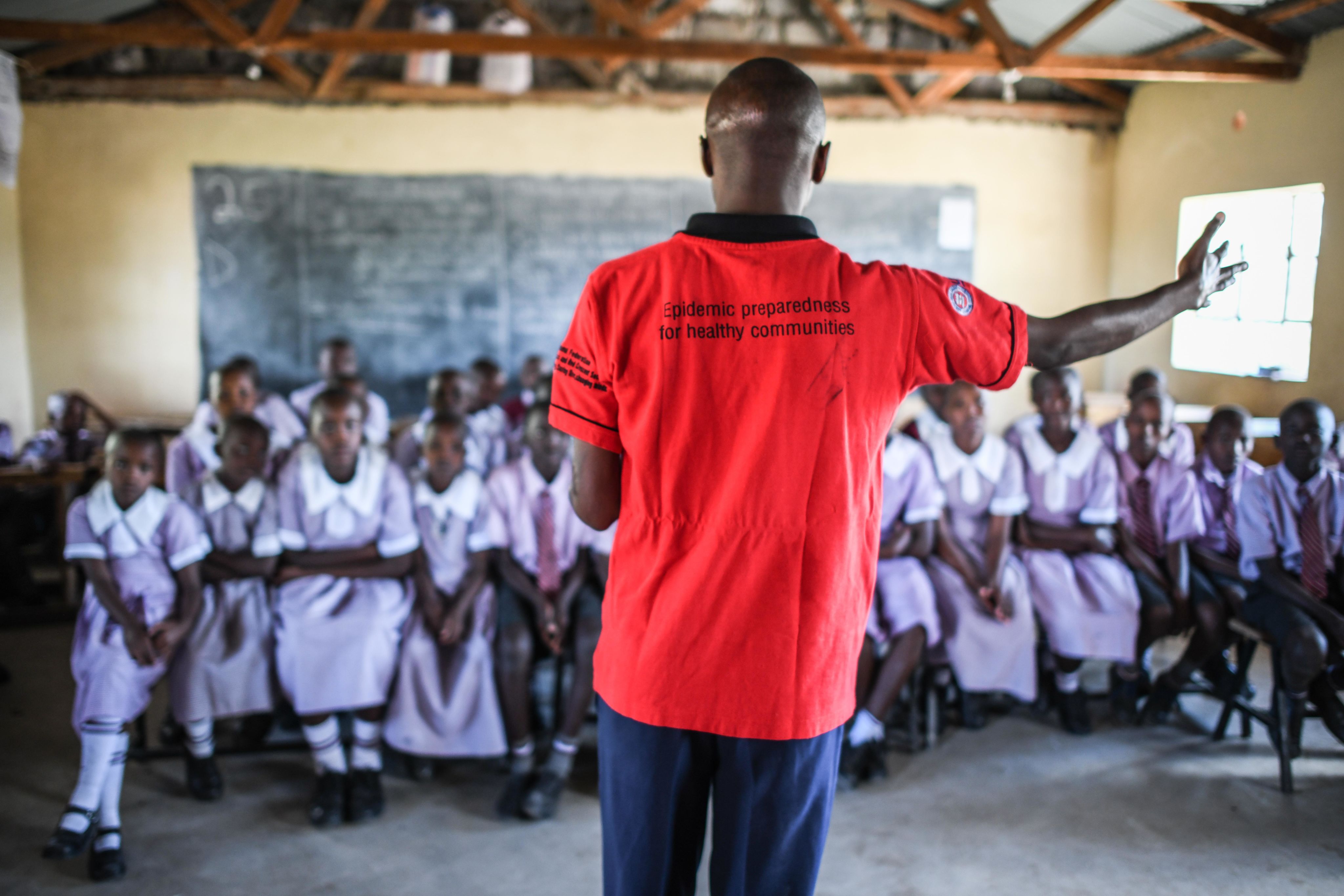
500
Schools engaged through awareness campaigns and School Health Clubs to promote health education and improve community resilience to disease threats.

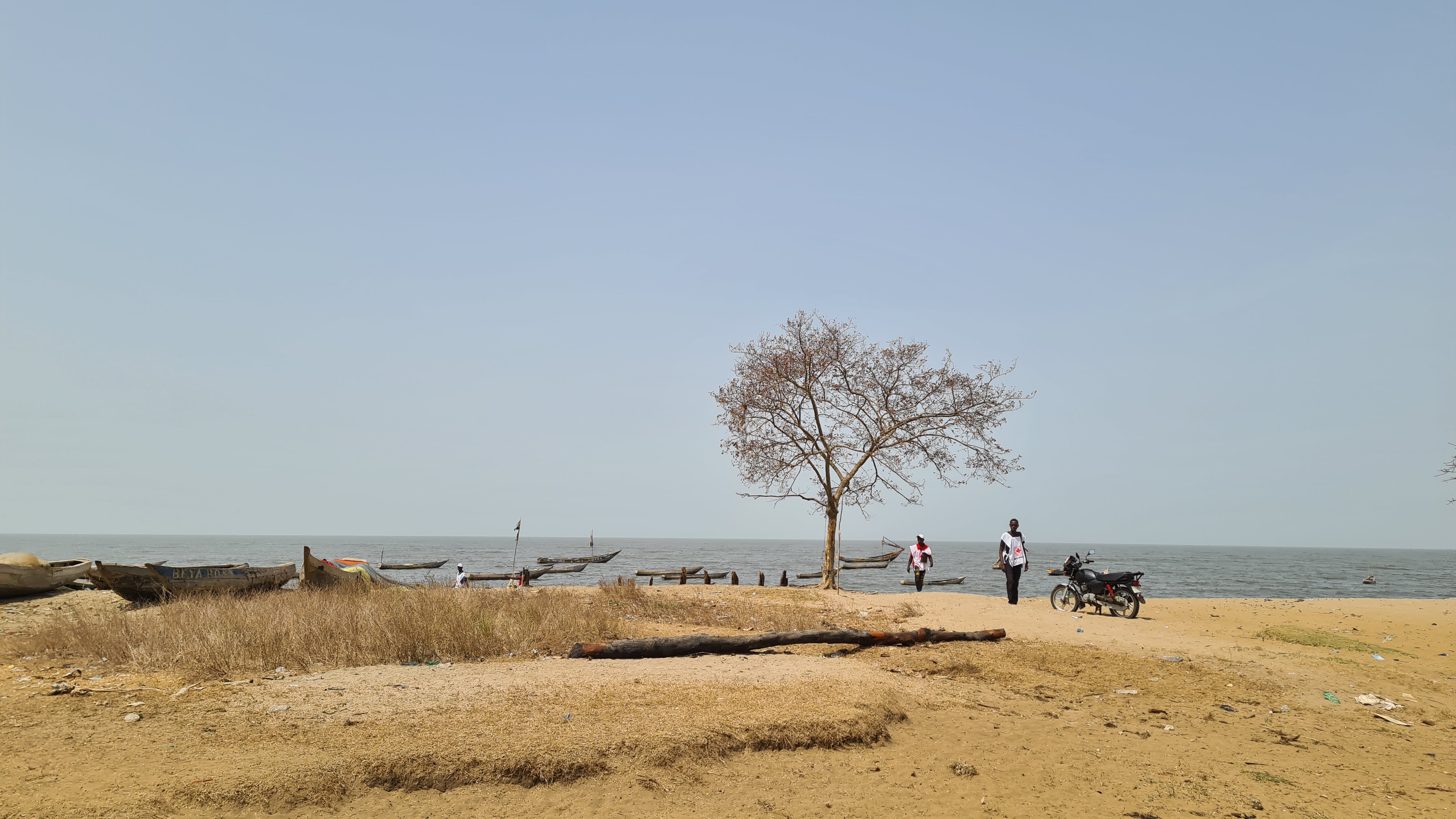
CP3 didn’t just focus on preparing communities for epidemics and pandemics. It also made sure that National Societies improved their epidemic preparedness and response capacity through training, tools, and technical assistance.
And through the programme, we engaged with governments, the private sector, religious leaders, the media and many other key stakeholders across society, supporting them to play a valuable role in preventing, detecting and supporting communities during disease outbreaks.
This work is particularly important at a time when epidemics and pandemics are on the rise, spreading further and faster than ever before. Known epidemics -such as cholera, measles, Ebola, and malaria - continue to threaten large parts of the world’s population. And, as we saw with COVID-19, the world is also at risk from new infectious diseases that can claim millions of lives, bring health systems to their knees, and reverse decades of development progress.
What do communities say about CP3?
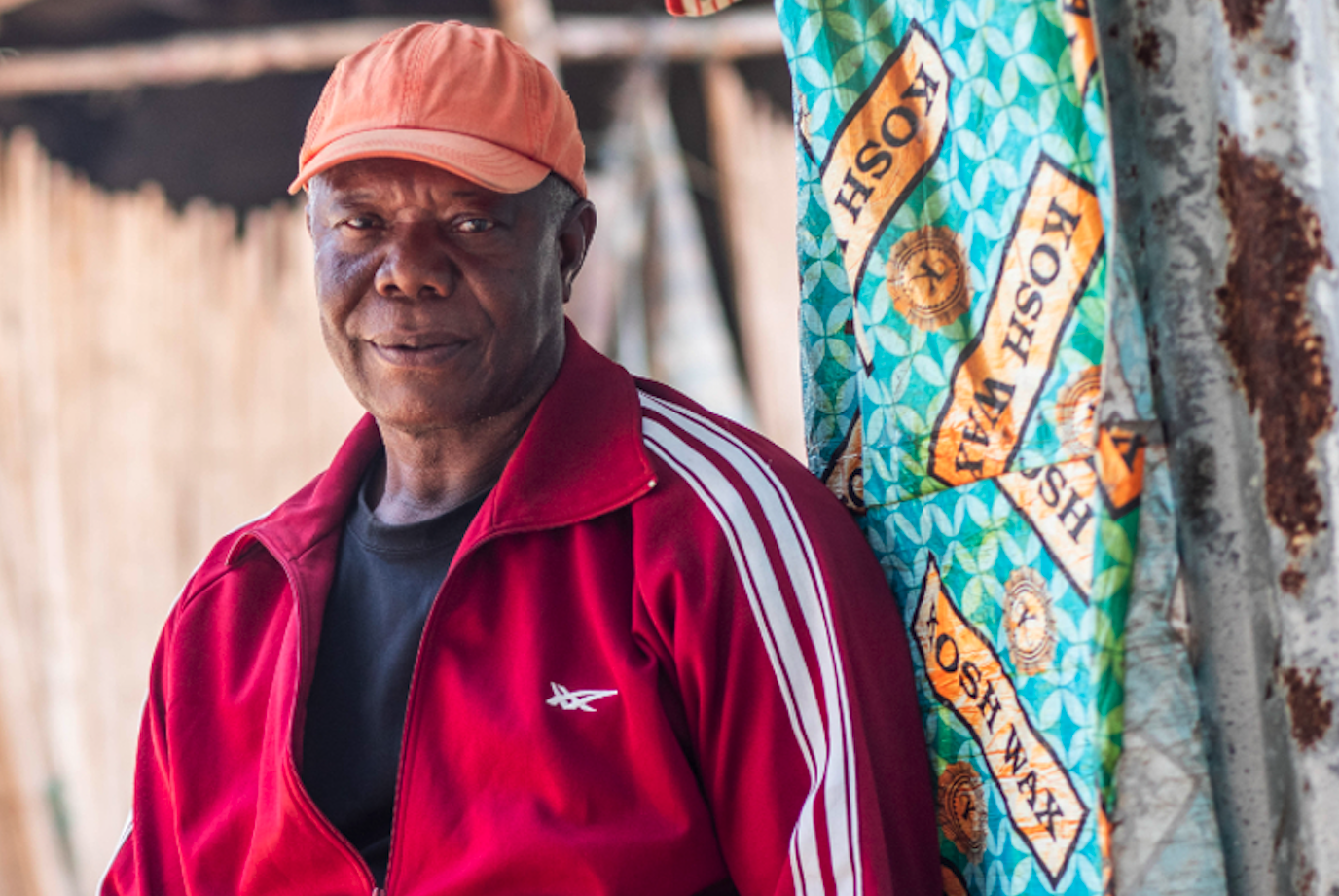
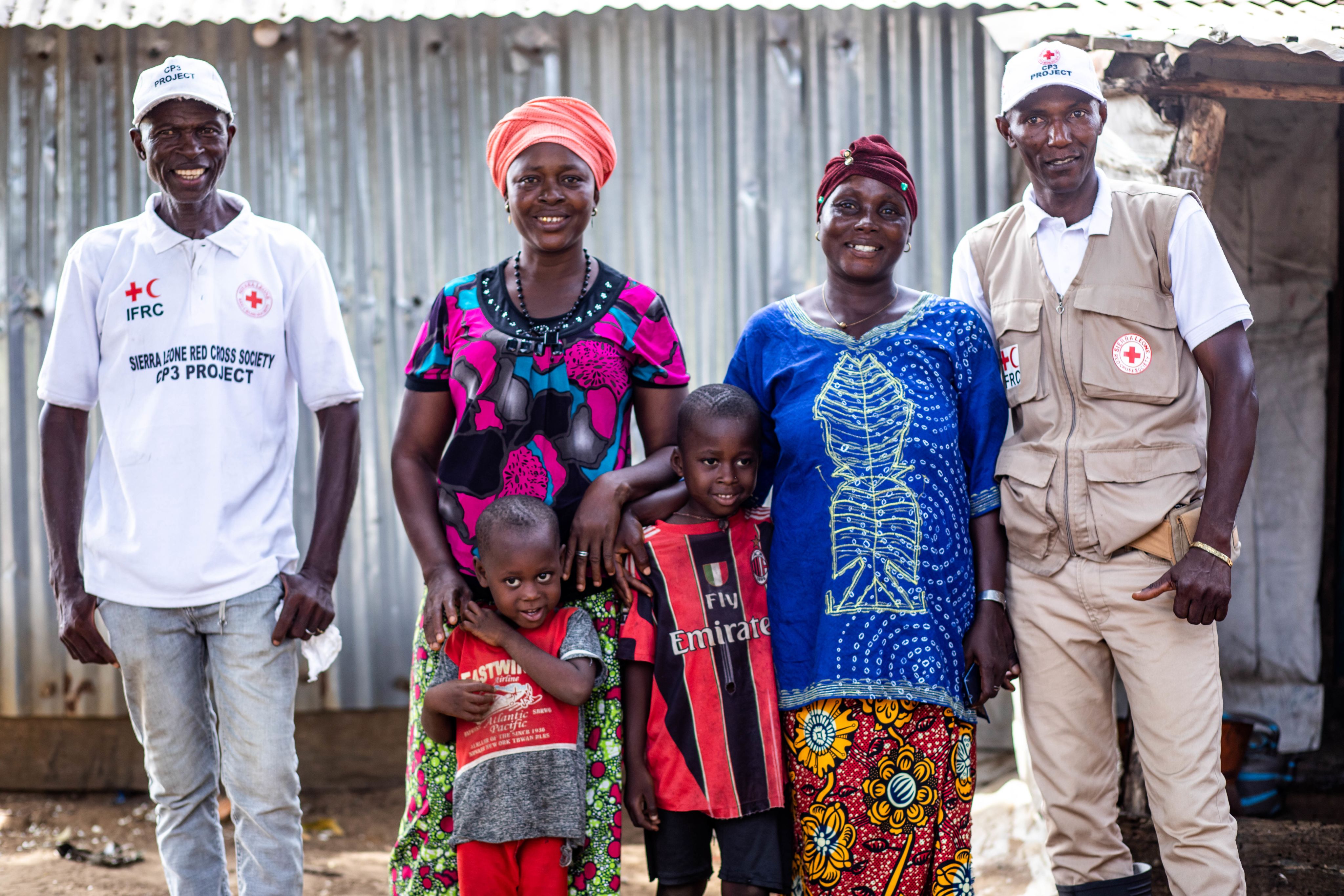
"I feel happy that CP3 volunteer Momoh is here in our village. He’s always available for our community - any day, any time. He’s very patient. When our people are sick, he makes sure they are taken to hospital. I feel my community is safe with Momoh. God forbid there is another outbreak, we know Momoh is here for us."
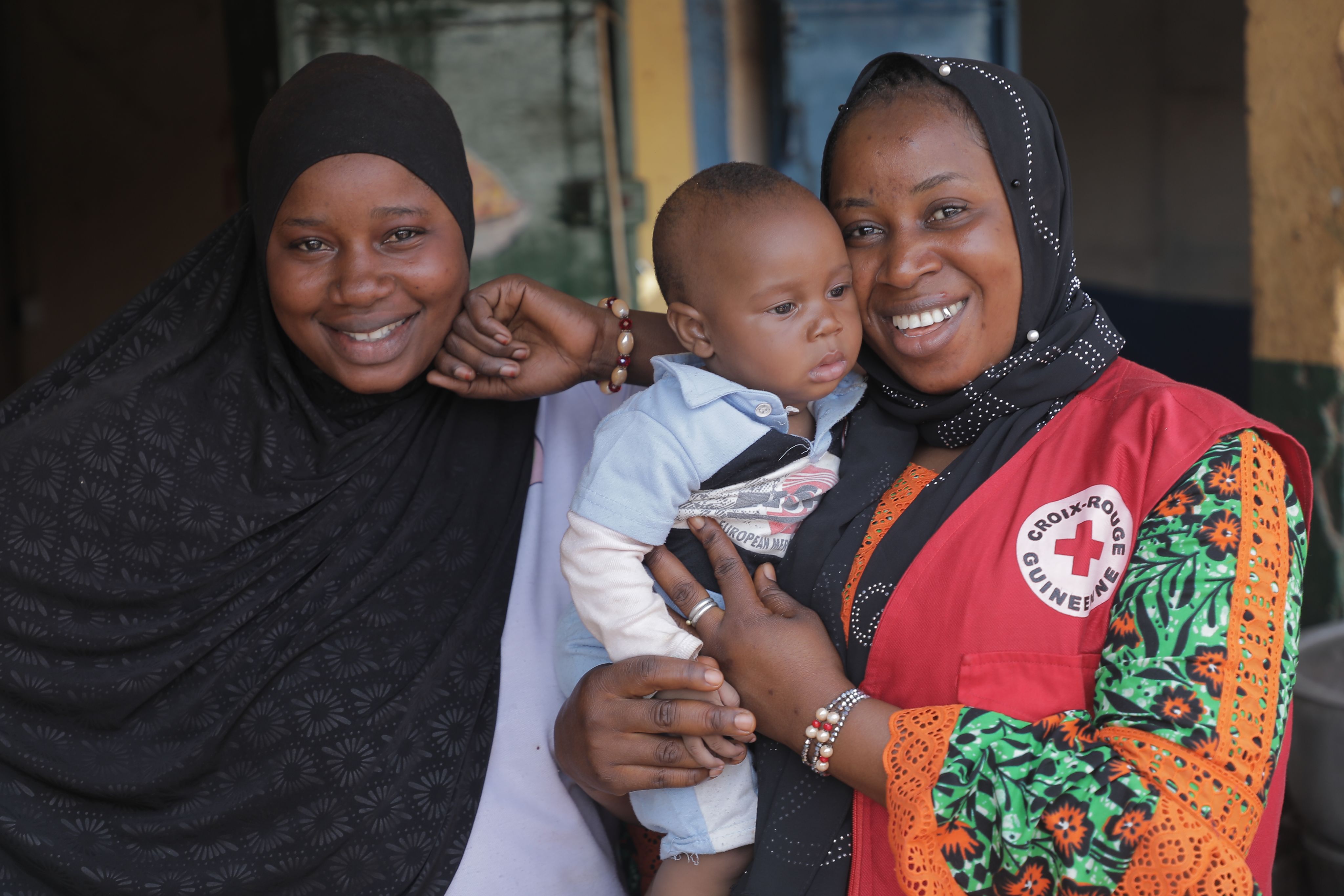
"My advice to mothers is to agree to their children getting vaccinated. Since the Red Cross and CP3 came to help me vaccinate my baby, I’ve seen that it’s good for children. And I tell all mothers to go and get their children vaccinated at the health centre."
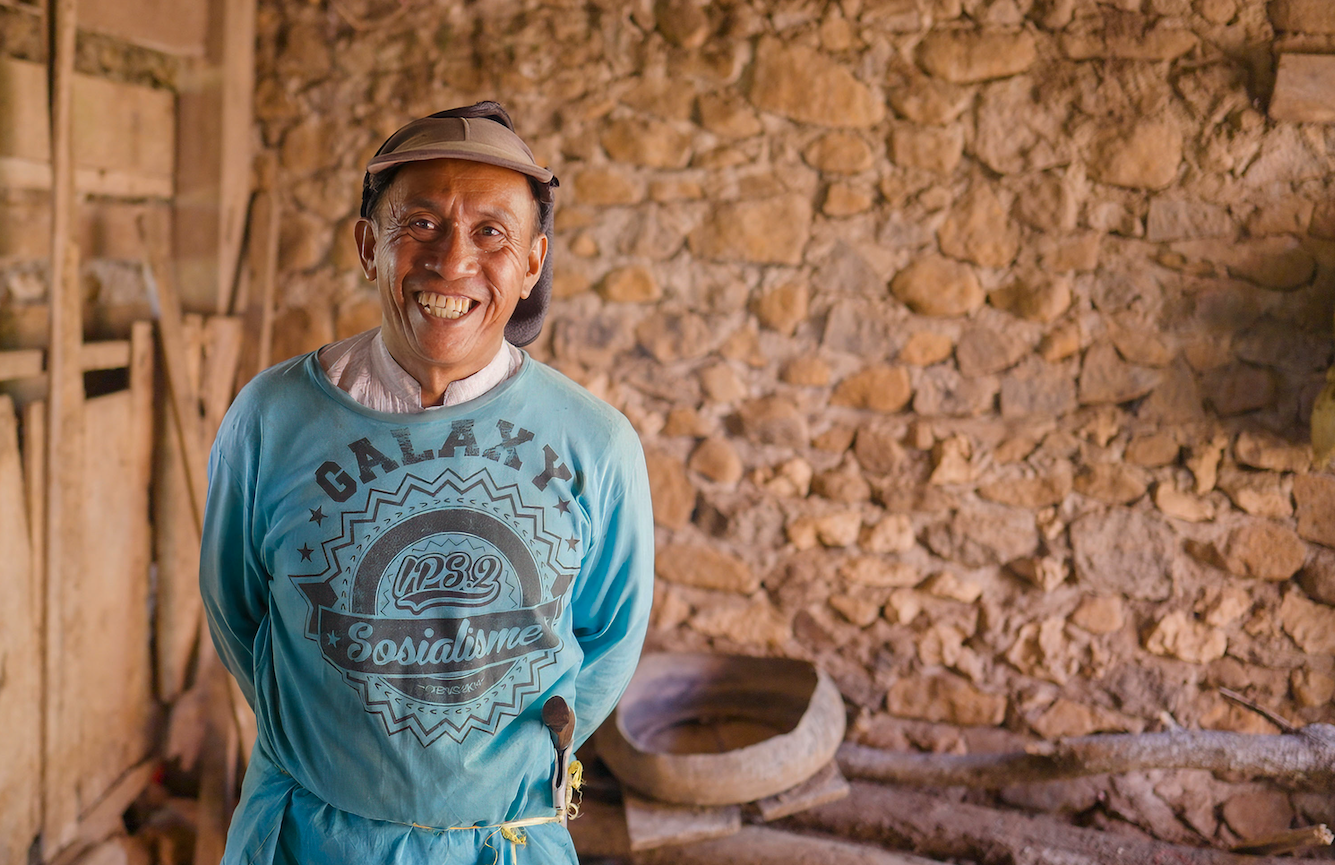
"I feel proud, and thankful because CP3 has explained this disease [foot and mouth], and now I understand it better. Thank God, since CP3 came, since my cattle were vaccinated and injected, they’ve all remained healthy. There haven’t been any more disease outbreaks."

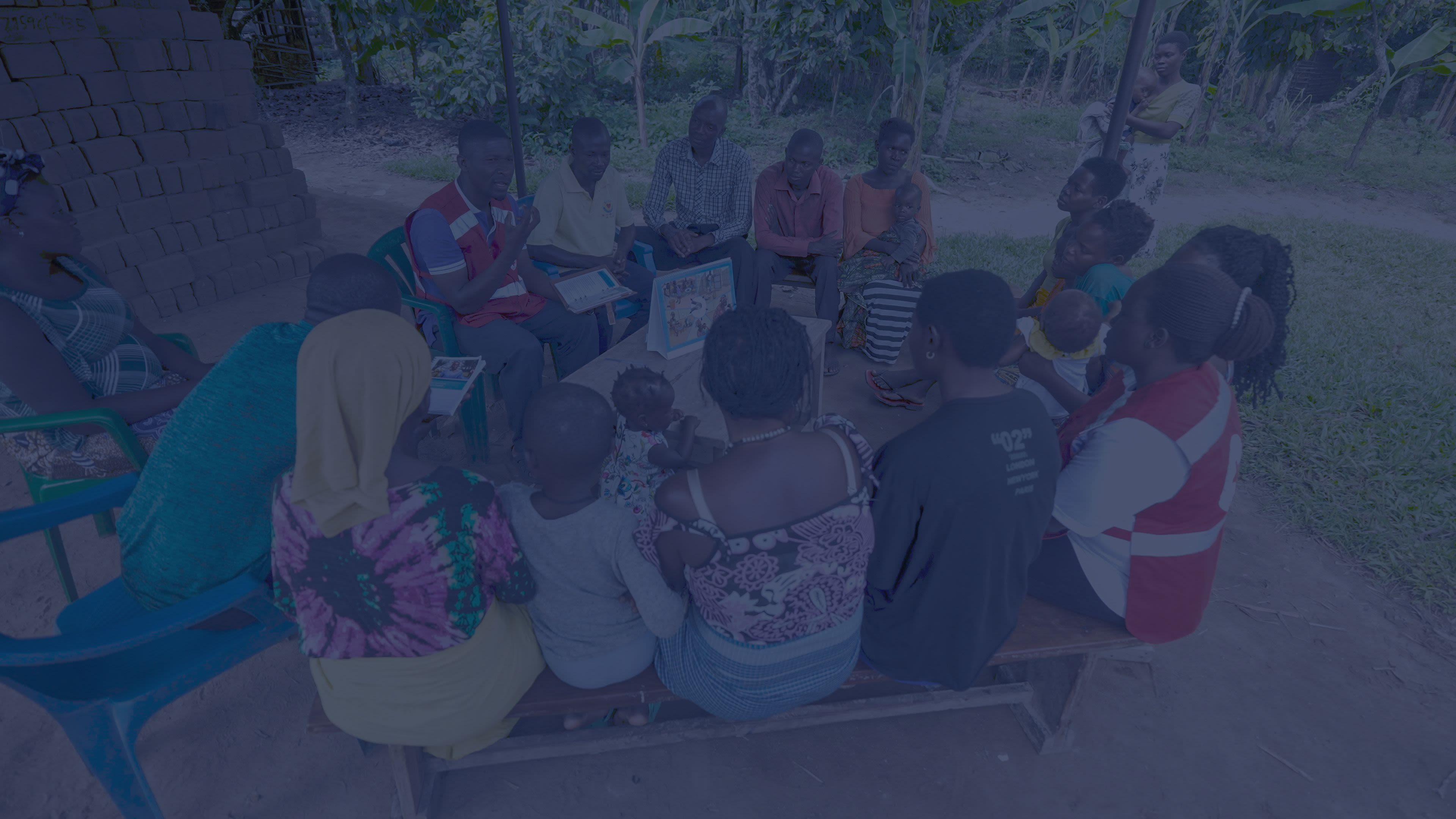
What next?
Though CP3 has drawn to a close, we sincerely believe that the lessons, skills, knowledge, tools and partnerships built through the programme will be carried forward by National Societies, partners and communities.
IFRC continues to support epidemic and pandemic preparedness efforts around the world through other programmes and initiatives, which we hope to expand in the coming months and years.

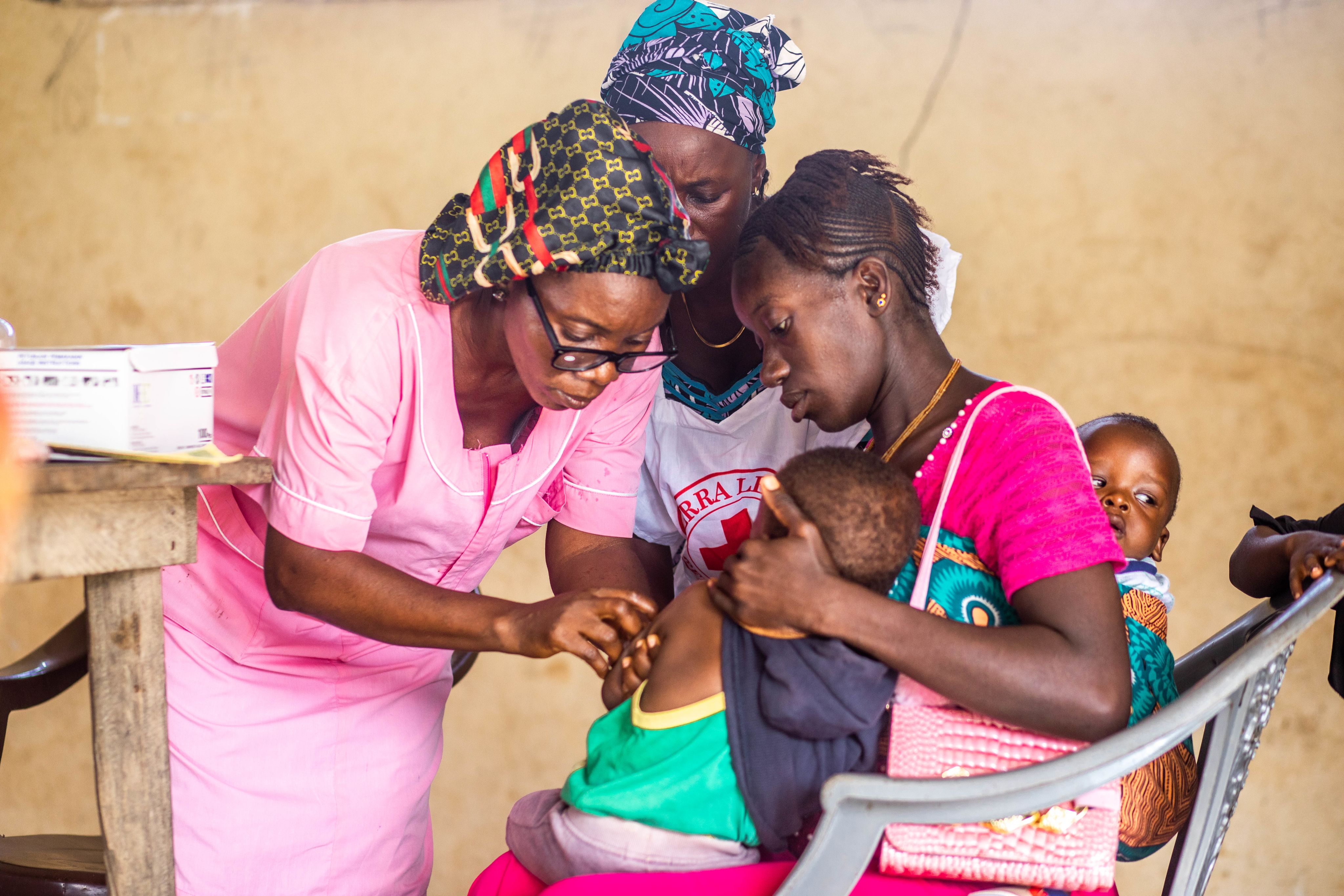
If you’d like to learn more about what the CP3 programme achieved, check out this new brochure which showcases the programme’s impact and how communities around the world have been supported to become healthier and safer.

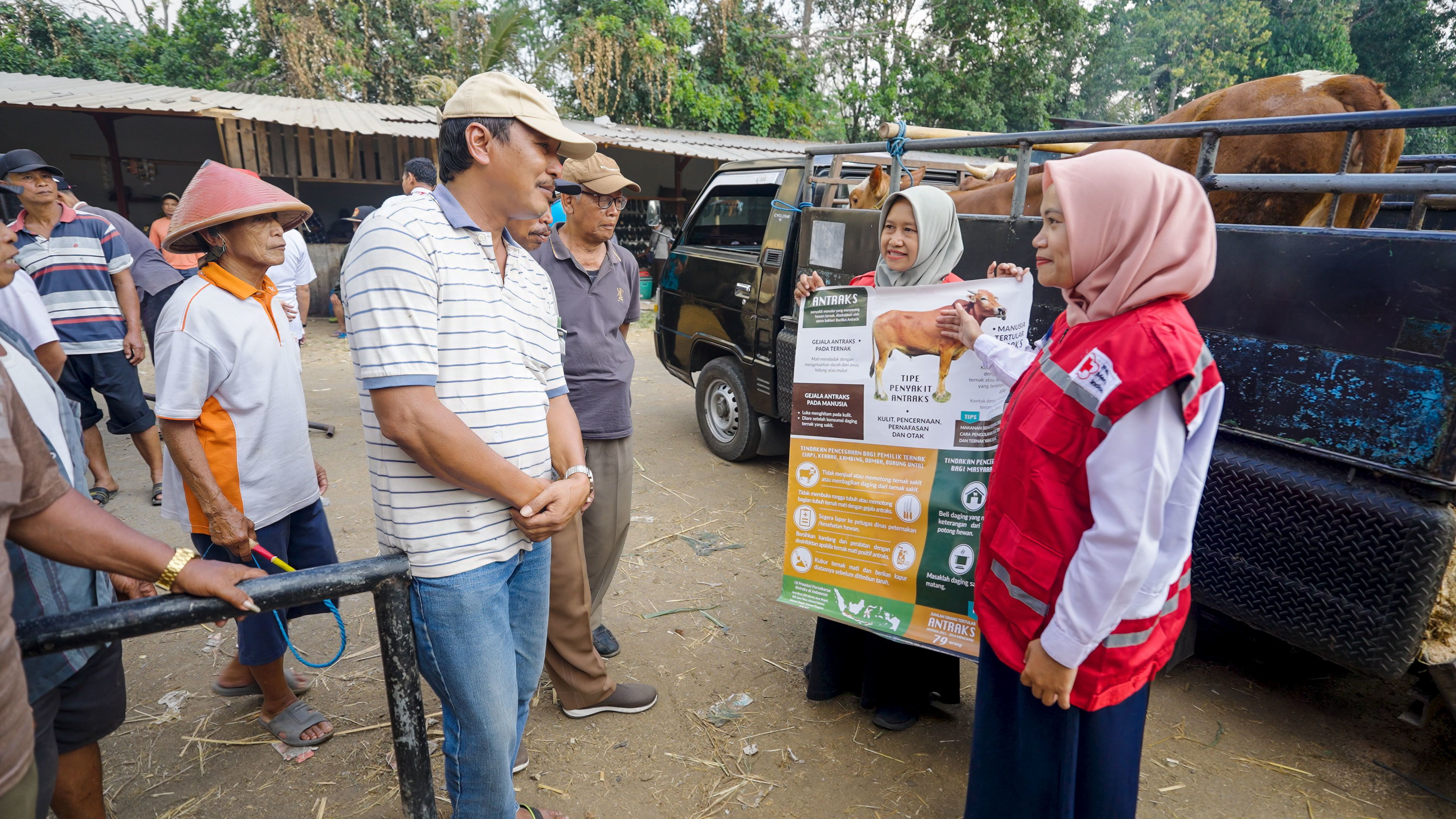
The Community Epidemic and Pandemic Preparedness Programme (CP3) ran from 2018-2025 and was funded by the U.S. Government

Some examples where CP3 made a difference:
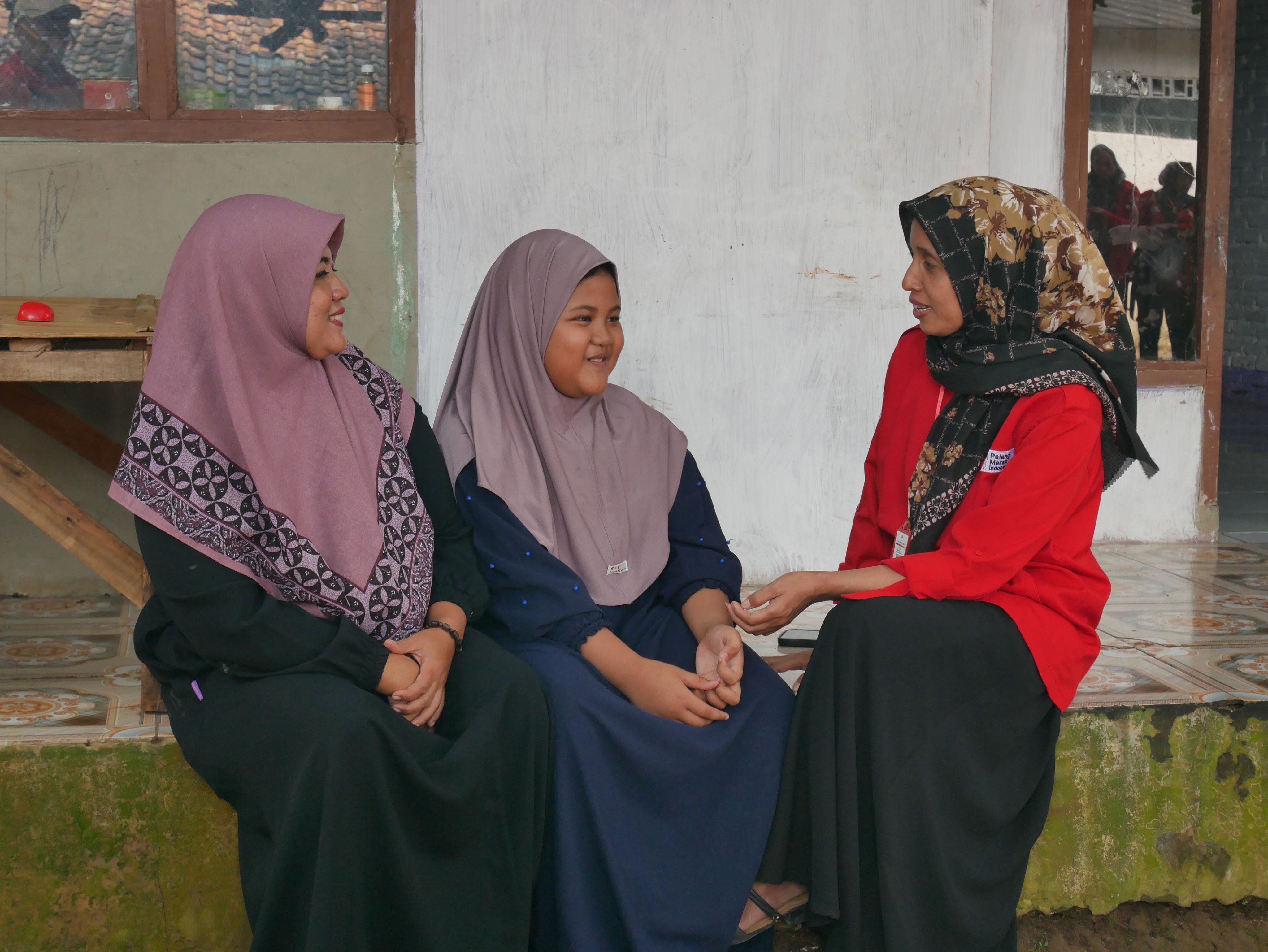
Indonesia: Early detection and action save young girl from dengue
Discover how quick action by Indonesian Red Cross teams helped save a young girl in Pandeglang from dengue and how their continued preparedness efforts are helping communities reduce their dengue risks to stay healthy and safe.
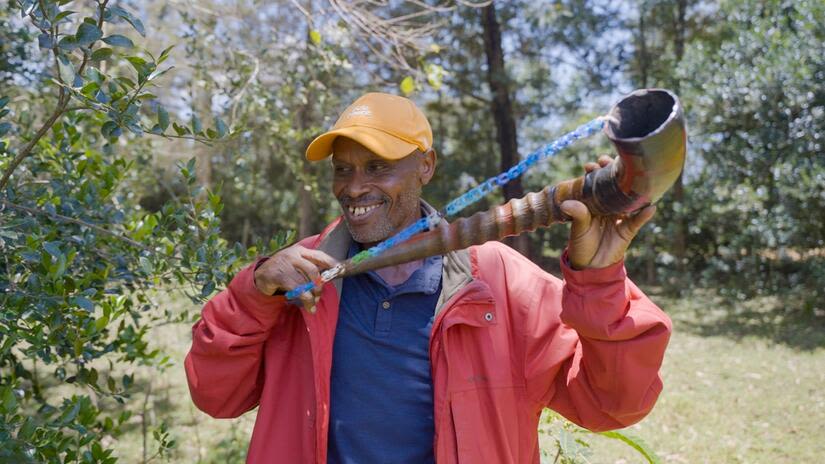
Kenya: How a village Elder and his horn are keeping people safe from diseases
Some people use WhatsApp. Others prefer a phone call. But in Kipajit village, when you need to communicate with lots of people quickly in a crisis, there’s only one option: the Kigondit.

Cameroon: Early detection and action stop a measles outbreak
In the North region of Cameroon, discover how swift action by trained Cameroon Red Cross Society volunteers ensured the rapid response to a measles outbreak.
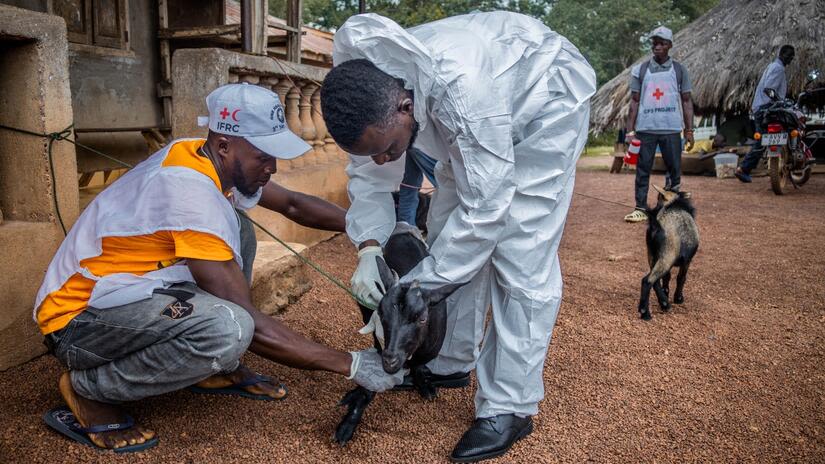
Sierra Leone: Halting a sheep and goat plague outbreak to protect livelihoods
When an outbreak of sheep and goat plague - threatened to wipe out people’s livelihoods in Kamasasa village, quick action from trained Red Cross volunteers and local authorities stopped the spread of disease.
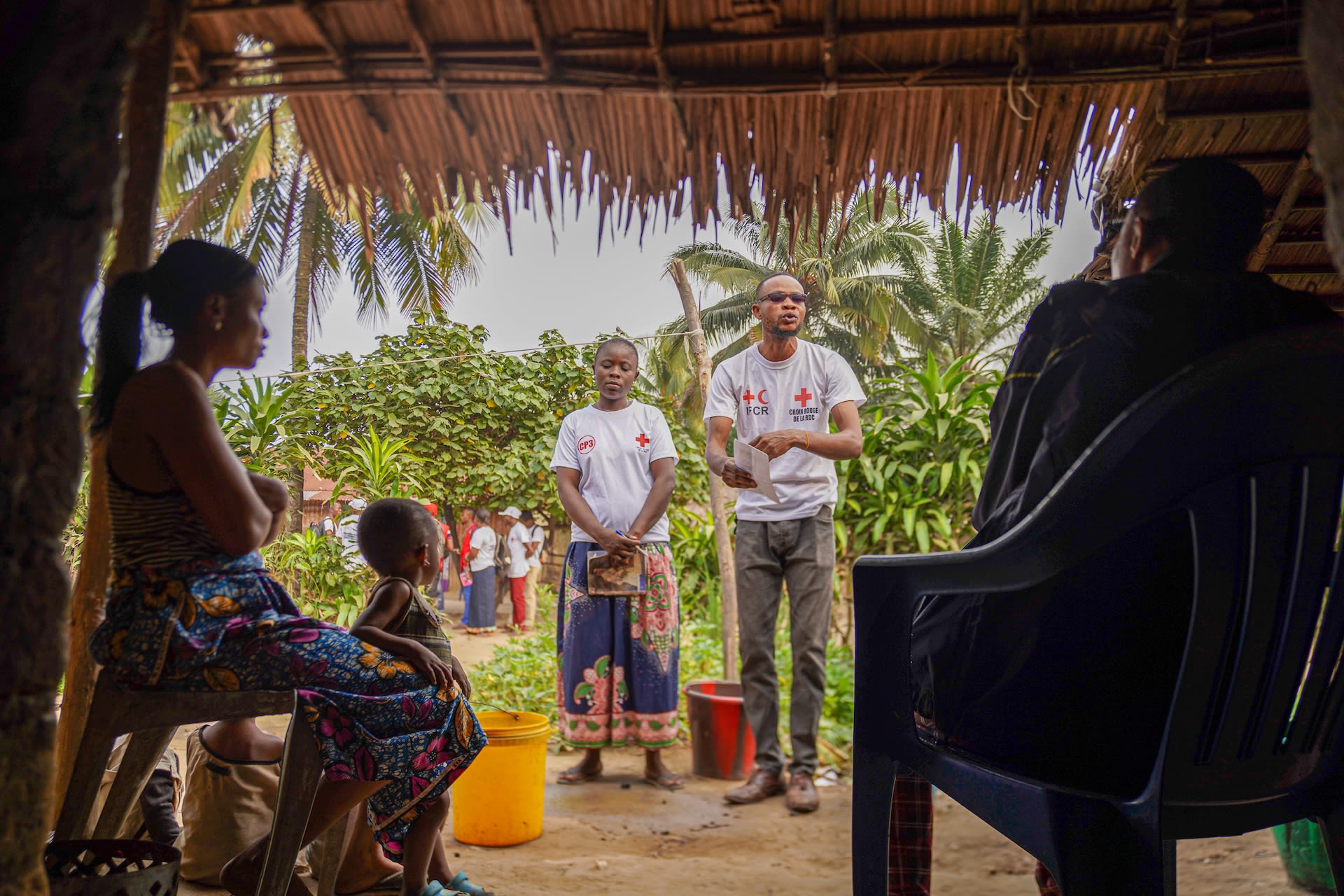
DRC: How being prepared for epidemics leads to a more effective response to Mpox outbreak
Discover how epidemic preparedness efforts in the Democratic Republic of the Congo (DRC) have helped the DRC Red Cross to respond more effectively to the Mpox outbreak.
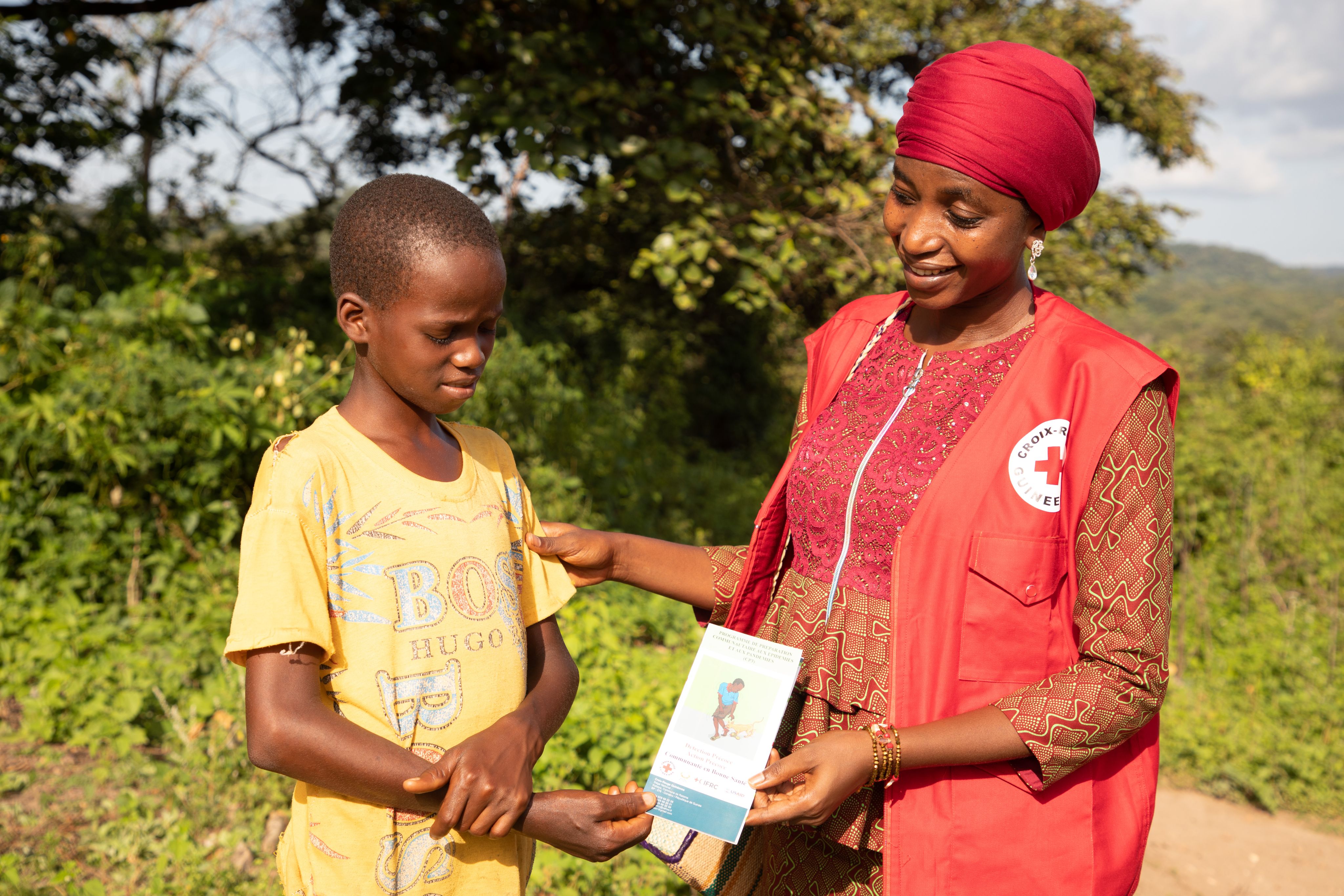
Guinea: Red Cross supports rural community to build its own health post to prevent epidemics
Discover how villagers from a small rural community came together to build their own health post, overcome their challenges to accessing healthcare, and protect themselves from epidemics.
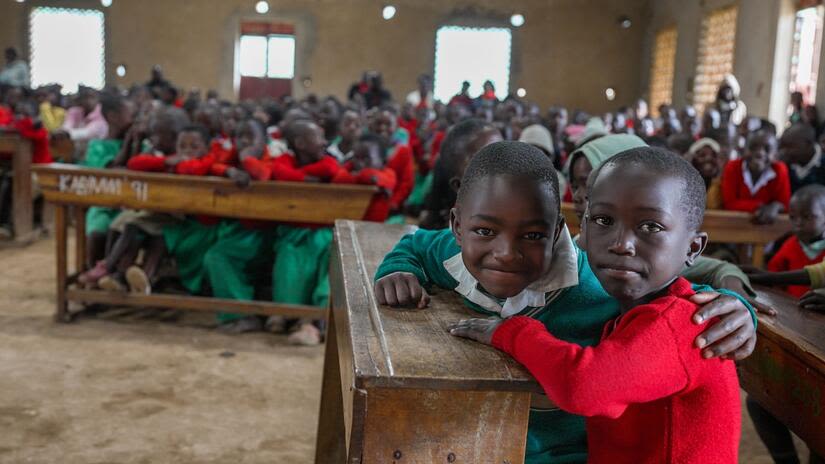
Uganda: School Health Club helps students and communities stay safe from diseases
Despite much progress on health in recent decades, Uganda remains vulnerable to a variety of life-threatening diseases, such as Ebola, malaria, and rabies. Discover how the Uganda Red Cross is helping school students learn about different disease threats so they can help keep their families and communities safe.
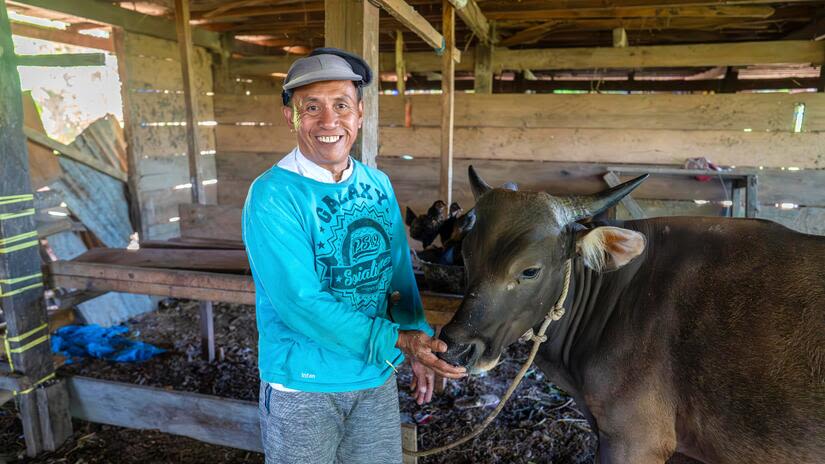
Indonesia: 'These cows are our hope': Stopping a foot and mouth disease outbreak
When an outbreak of foot and mouth disease in Tallasa Baru threatened to wipe out people’s livelihoods, quick action from trained Red Cross volunteers and local authorities halted the spread of disease and paved the way for a healthier, more resilient community.
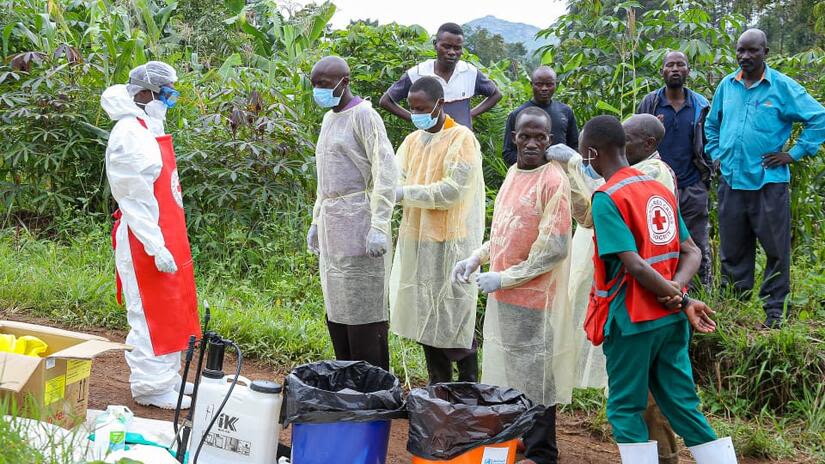
Uganda: Ebola outbreak, the importance of safe and dignified burials
In countries around the world, burial rituals -whether cultural, traditional, or religious - are an important way of honouring the dead and helping people grieve. For many communities, special burial practices enable them to bid farewell to their loved ones in a respectful and meaningful way.
 Built with Shorthand