
Ebola in DRC:
A race against time to save lives

A husband's story of loss and dignity
After years of relative calm, Ebola has resurfaced in the Democratic Republic of the Congo, striking Kasaï Province for the first time since 2008.
The return of this deadly virus has reignited fear and uncertainty among communities already coping with fragile health systems and limited healthcare resources.
But Ebola is more than a health crisis. It is a human crisis, tearing apart the fabric of communities, forcing people to isolate from one another, and robbing families of the chance to grieve as they would in normal times.
Funerals — once spaces of solidarity and tradition — become sources of contagion. Touching, washing, or even approaching a body can spread the virus further.
Once again, families are confronted with the painful reality of loss, isolation, and the urgent struggle to protect their loved ones.
Among those caught in this crisis is Samuel, a father from Bulape, whose wife died suddenly, leaving him devastated and alone.
“I was convinced that my wife’s body would decompose on the bare ground,” he recalls.
In the turmoil of the outbreak, her body was left abandoned and untouchable — a painful reflection of the stigma and fear that Ebola brings.
Thanks to the support of Red Cross volunteers, however, Samuel found comfort and his wife was finally given a dignified burial.
"Thanks to the Red Cross volunteers, she was buried with respect,” he says. “They truly supported me during this difficult period. They are not our enemies — on the contrary, they often come to share our pain and bring us comfort. May the government think of them.”
His story is not only about grief. It is about dignity restored, and about the power of human compassion in the face of one of the world’s deadliest viruses.

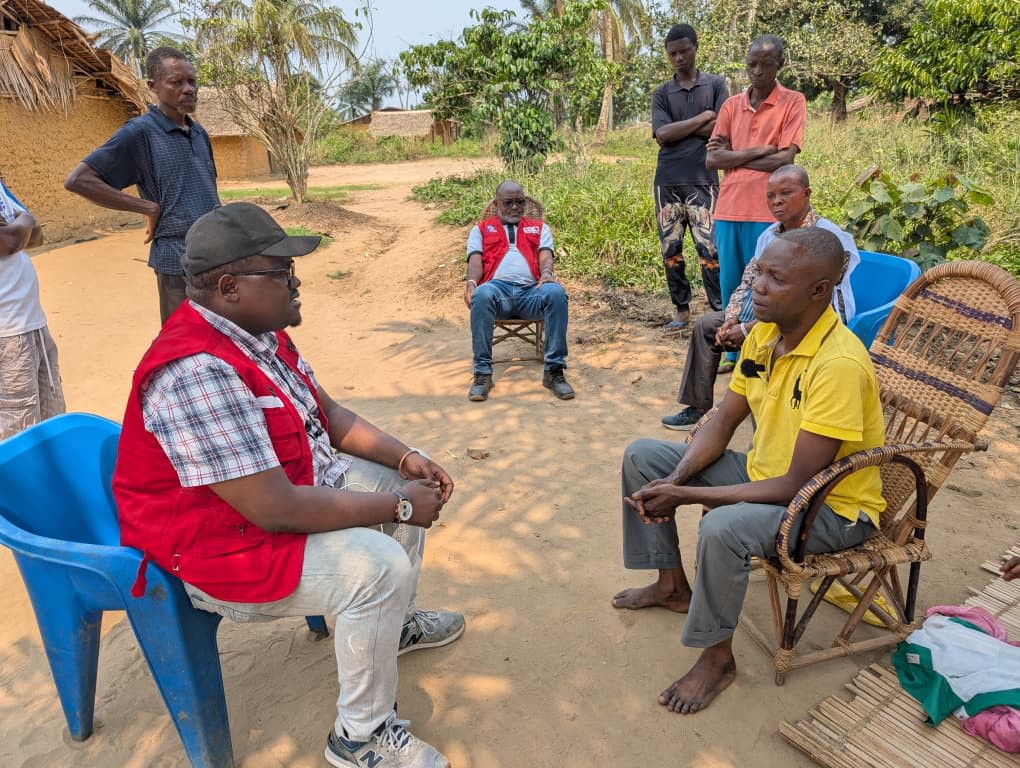
"Thanks to the Red Cross volunteers, she was buried with respect. They truly supported me during this difficult period."
Samuel Mbantshi, from Bulape, shares how, thanks to the support of Red Cross volunteers, his wife was able to receive a dignified burial.
Samuel Mbantshi, from Bulape, shares how, thanks to the support of Red Cross volunteers, his wife was able to receive a dignified burial.
Volunteers on the frontline
Samuel’s experience reflects the lifeline that the DRC Red Cross is providing in Kasaï, with a clear focus on :
- Safe and dignified burials and psychosocial support.
- Risk communication and community engagement.
- Infection prevention and control, along with water, sanitation and hygiene to support decontamination and disinfection efforts.
By 11 September, just a week after the outbreak was declared, the DRC Red Cross had already deployed two safe and dignified burial teams, carrying out 16 safe burials.
These burials are not just about preventing further infections — they are about protecting the dignity of families through a traumatic experience and ensuring communities do not suffer from any stigmas associated with the disease.
At the same time, 100 volunteers have been mobilized to lead communication and community engagement activities. They go door-to-door in affected neighborhoods, engaging with families, dispelling myths, and sharing lifesaving information about how to stay safe.
Volunteers are also on the ground disinfecting households, promoting handwashing, and distributing sanitizers. Their presence reassures communities, bridging the gap between fear and trust.
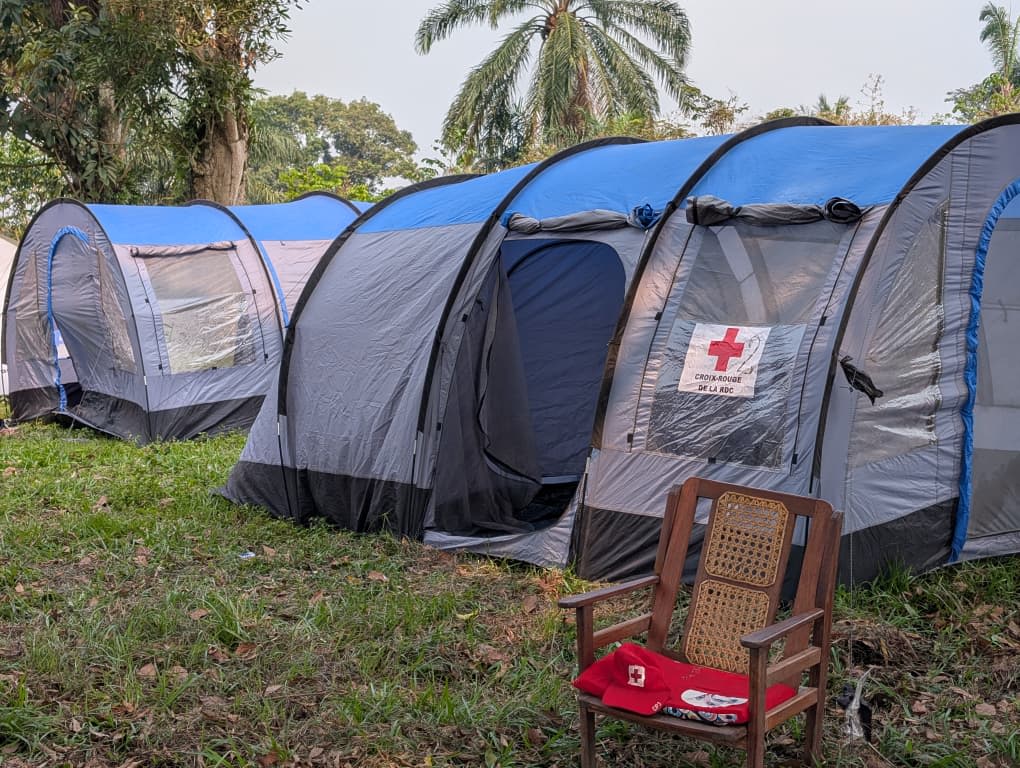
Emergency tents set up by the Red Cross of the Democratic Republic of the Congo in Kasai provide a base for volunteers responding to the Ebola outbreak.
Emergency tents set up by the Red Cross of the Democratic Republic of the Congo in Kasai provide a base for volunteers responding to the Ebola outbreak.
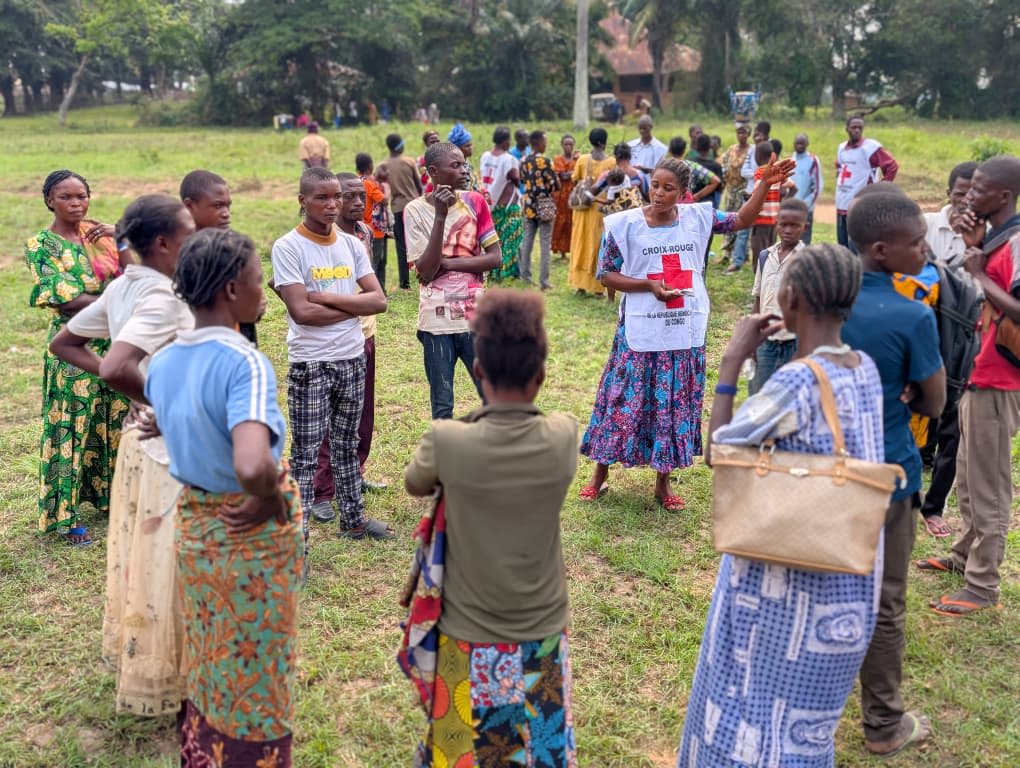
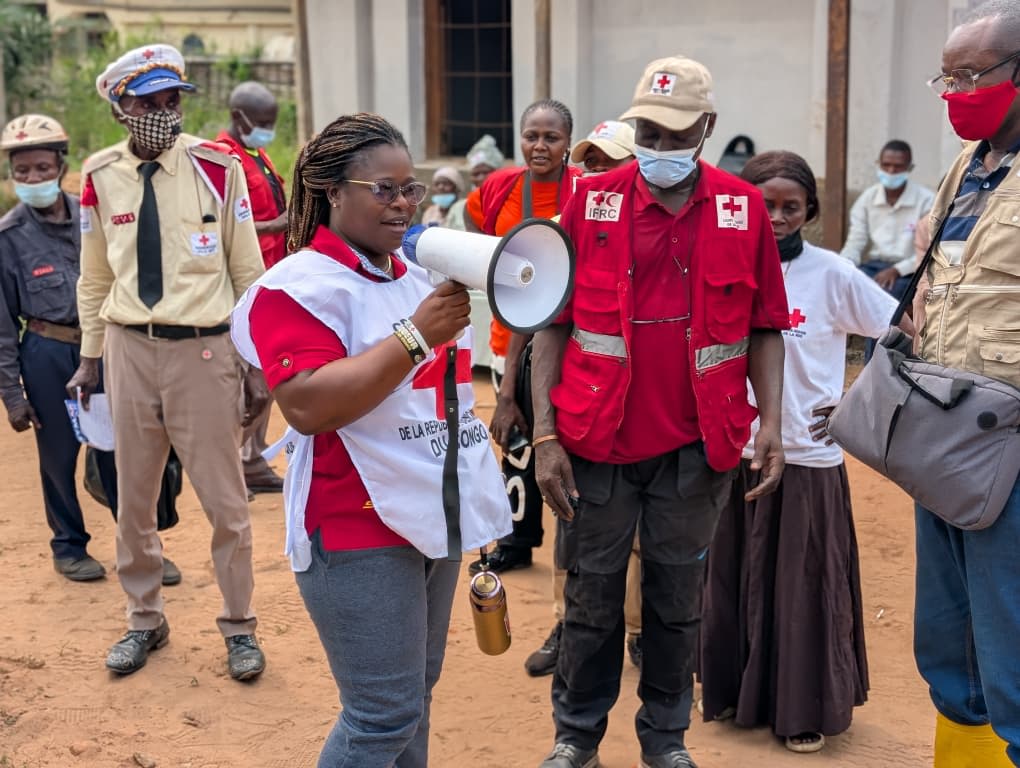
In Bulape, Red Cross volunteers are leading awareness campaigns to inform communities about the Ebola virus and essential prevention measures.
In Bulape, Red Cross volunteers are leading awareness campaigns to inform communities about the Ebola virus and essential prevention measures.
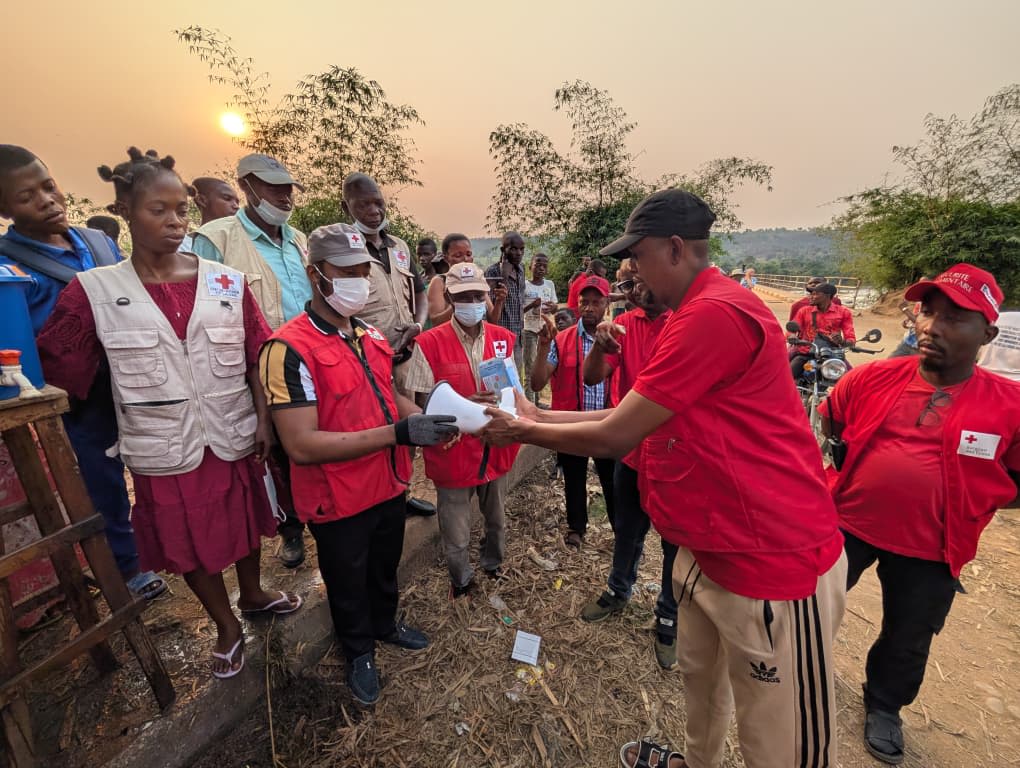
In Bulape, Red Cross volunteers are leading awareness campaigns to inform communities about the Ebola virus and essential prevention measures.
In Bulape, Red Cross volunteers are leading awareness campaigns to inform communities about the Ebola virus and essential prevention measures.
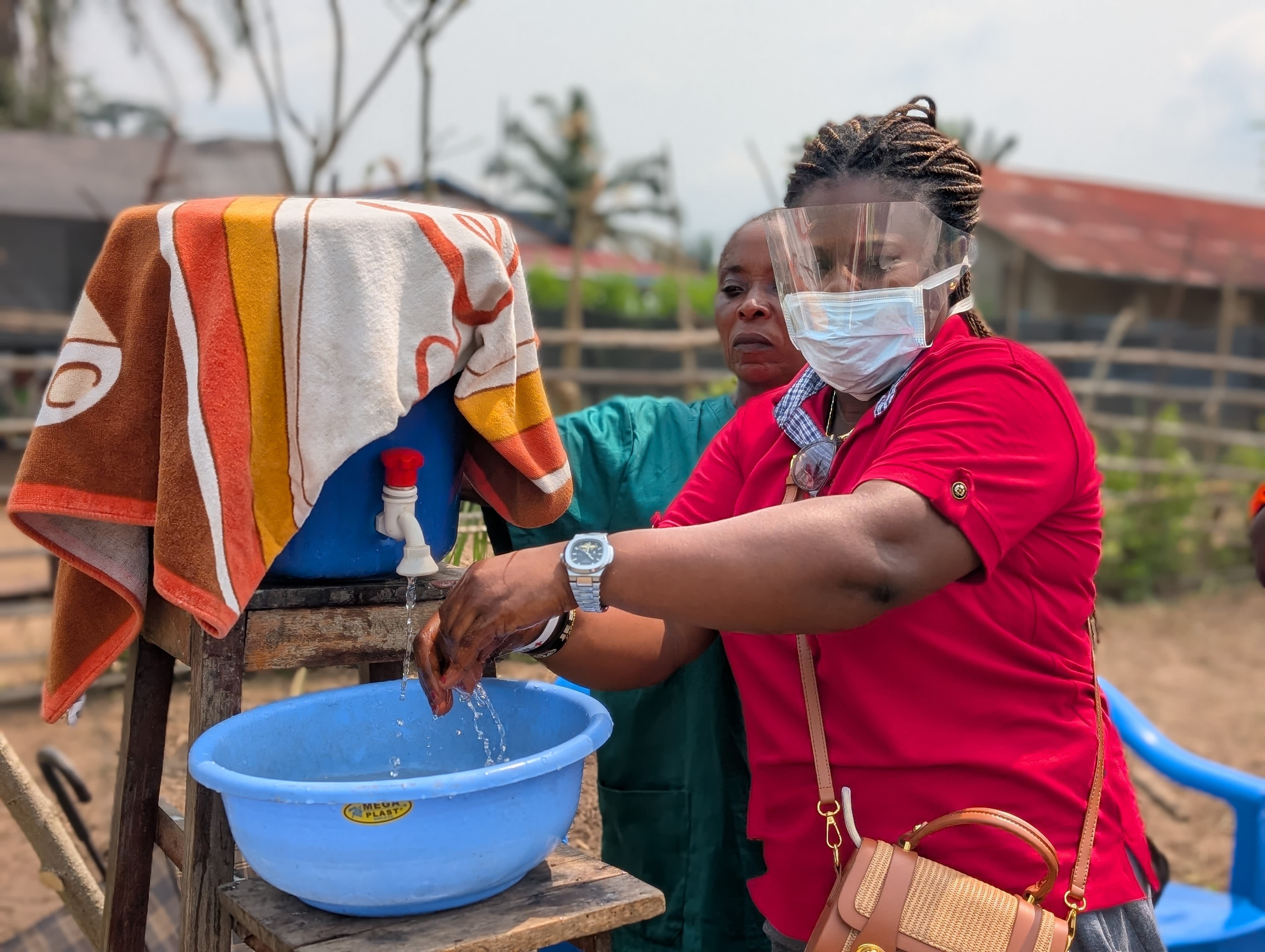
Handwashing remains a vital practice to curb the spread of the virus. Here, a Red Cross volunteer demonstrates proper handwashing to the community.
Handwashing remains a vital practice to curb the spread of the virus. Here, a Red Cross volunteer demonstrates proper handwashing to the community.
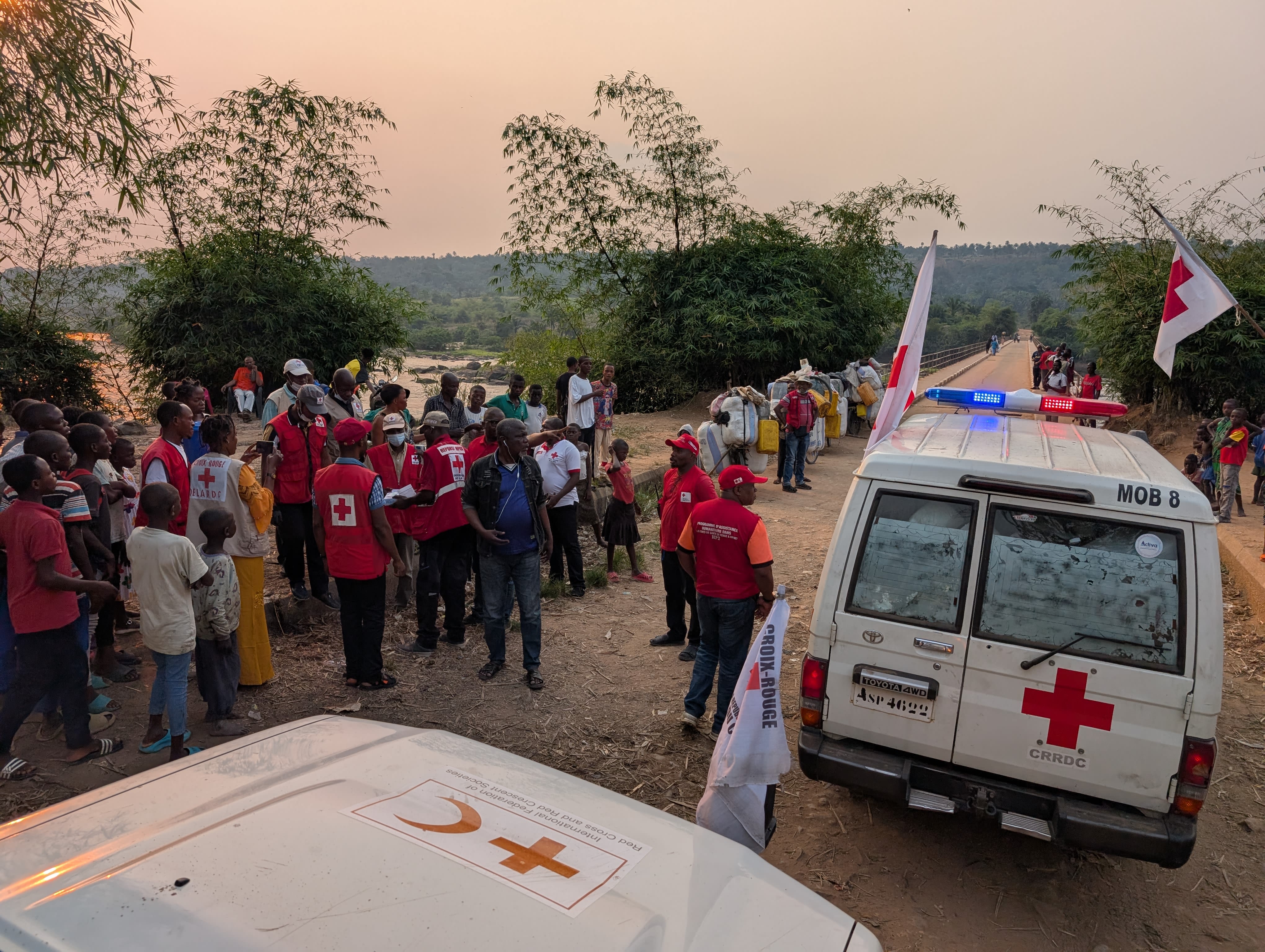
In Bulape, Red Cross volunteers are leading awareness campaigns to inform communities about the Ebola virus and essential prevention measures.
In Bulape, Red Cross volunteers are leading awareness campaigns to inform communities about the Ebola virus and essential prevention measures.
A race against time
While volunteers are doing all they can, the situation on the ground remains precarious. Health facilities are overwhelmed, essential supplies are scarce, and power outages are crippling the response.
“We’ve just received urgent updates from our volunteers and staff in Bulape, the epicentre of this outbreak. Health facilities are overwhelmed, essential supplies are not available, and the area is without power."

IFRC launches emergency appeal
Behind the volunteers stands the strength of the IFRC network. Supply chains are activated: stocks of safe and dignified burial kits stored in Goma were flown via Kinshasa and are now en route to Kasaï. Emergency procurement is underway in Dubai to replace expired items.
To reinforce this frontline response, the International Federation of Red Cross and Red Crescent Societies (IFRC) has launched a 20 million Swiss francs Emergency Appeal
This appeal will help contain the outbreak before it spreads further and deepens an already deadly crisis. Funds will support safe burials, protect health workers, strengthen risk communication, and scale up psychosocial support for families living with grief and trauma.
According to the Ministry of Health, as of 18 September 2025, the provisional toll stands at 37 confirmed cases and 19 deaths, including four health workers. The outbreak is concentrated in the Bulape and Mweka health zones.
Reaching these communities is a challenge in itself: the journey from Kinshasa can take three days by road, with poor infrastructure and limited transport options. Health facilities are already stretched beyond capacity. The main isolation centre in Bulape has just a few spaces for patients, leaving many without proper care.
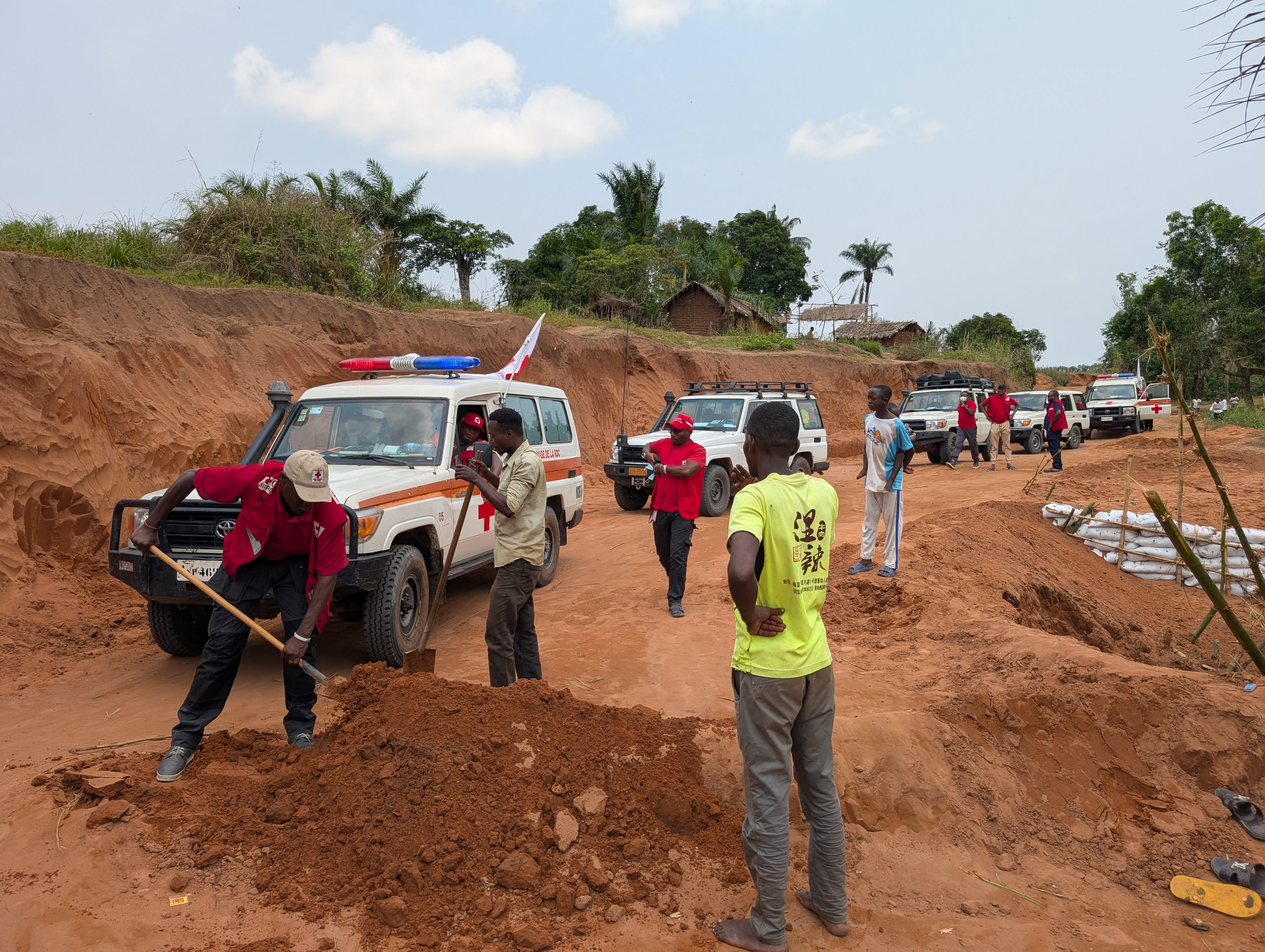
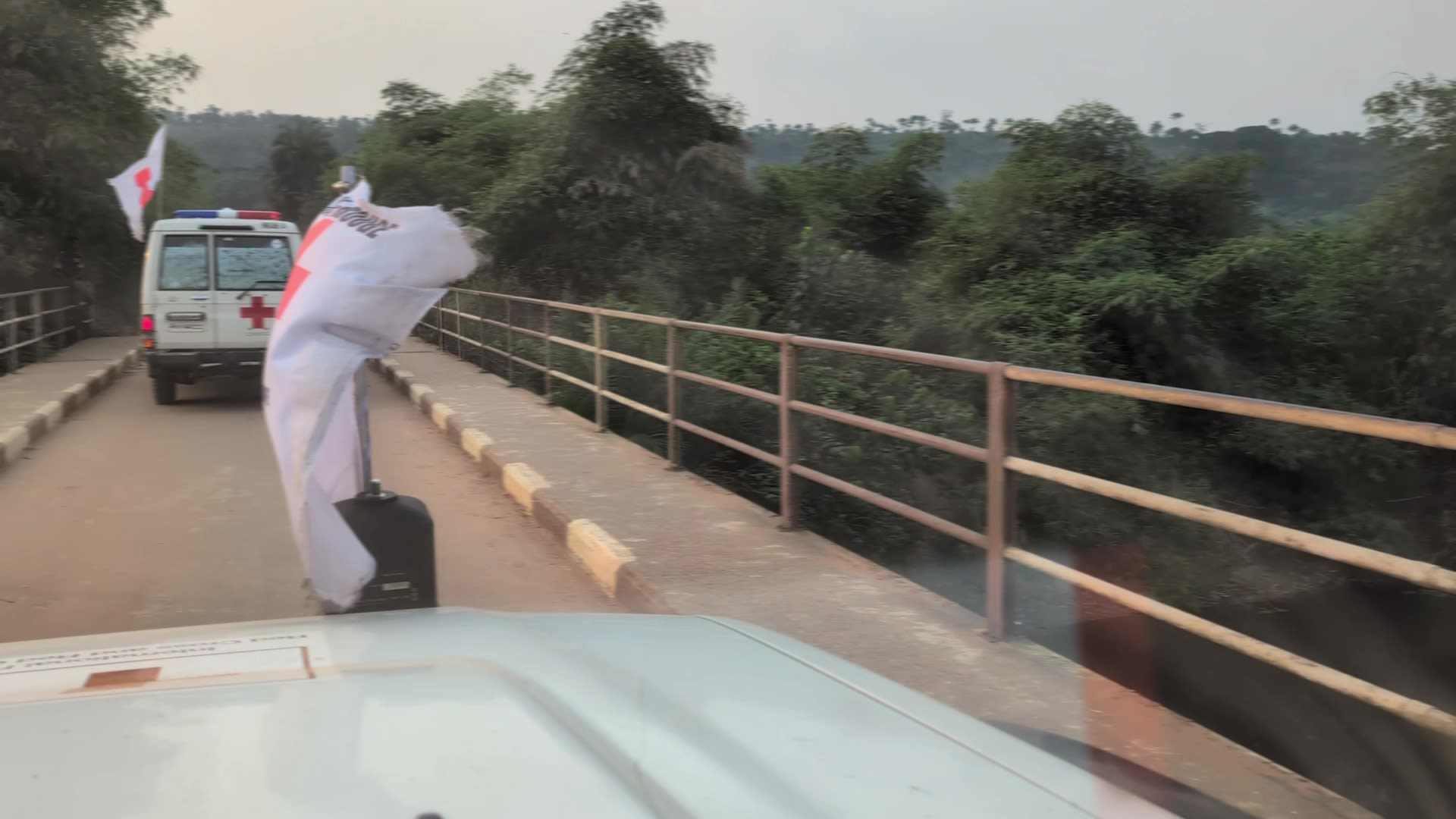
Red Cross volunteers in the Democratic Republic of Congo are clearing the road to allow the convoy to move forward and reach the affected areas.
Red Cross volunteers in the Democratic Republic of Congo are clearing the road to allow the convoy to move forward and reach the affected areas.
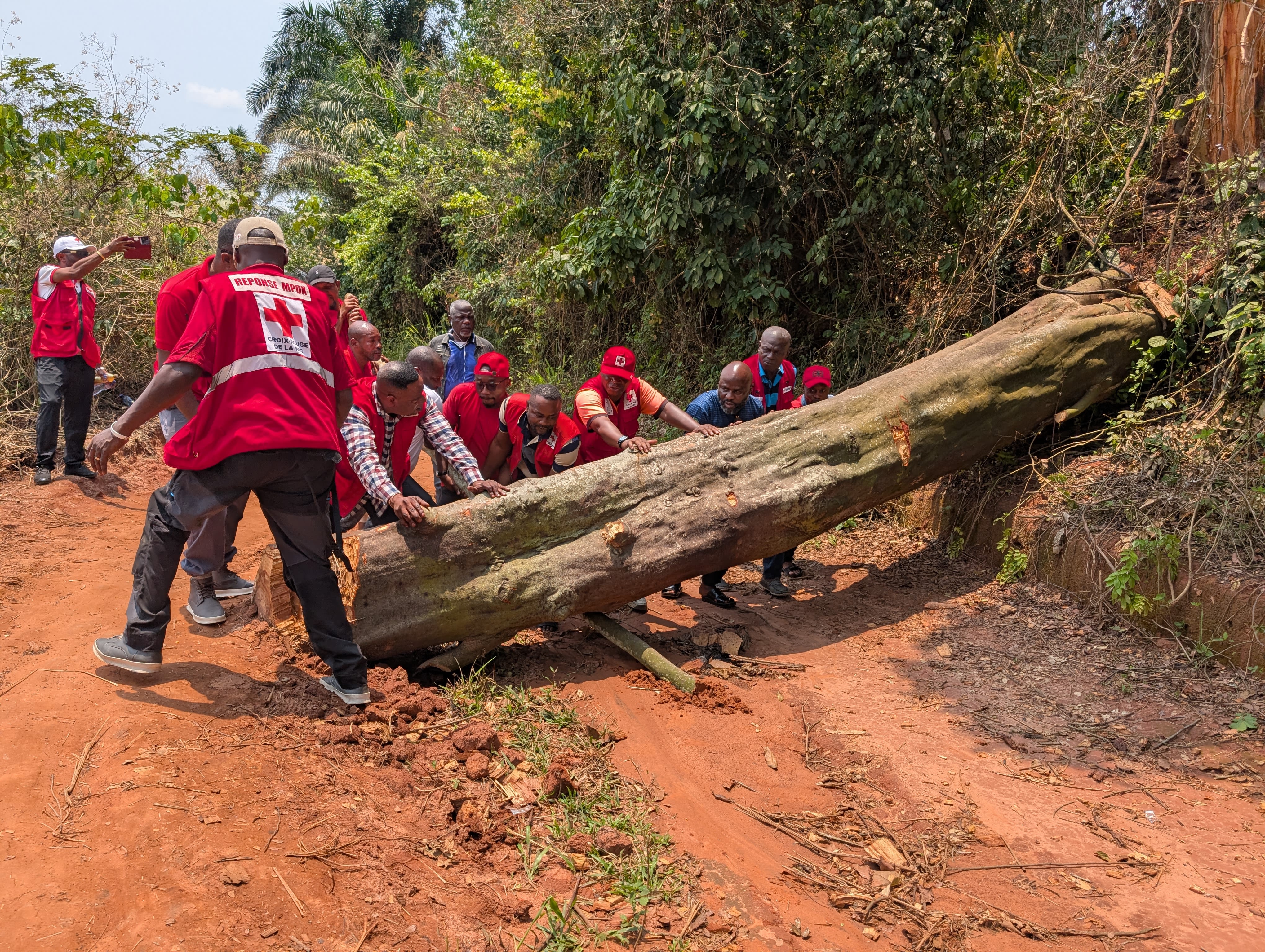
The volunteers are removing a log that had fallen on the road.
The volunteers are removing a log that had fallen on the road.
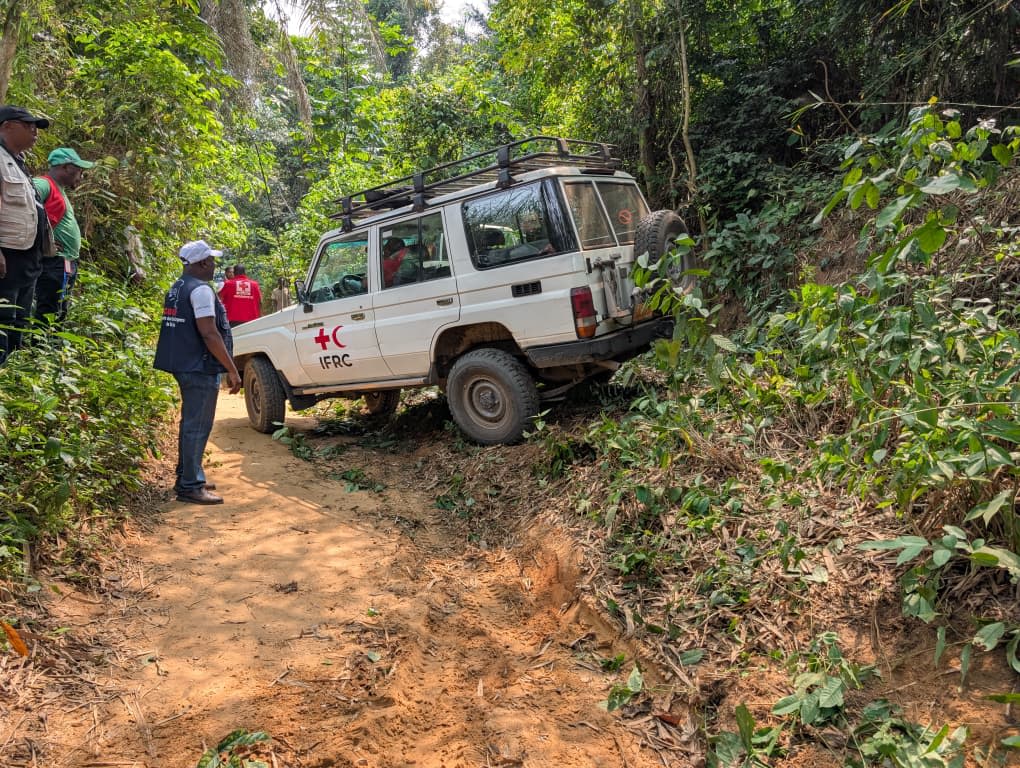
Vehicule embourbé
Vehicule embourbé
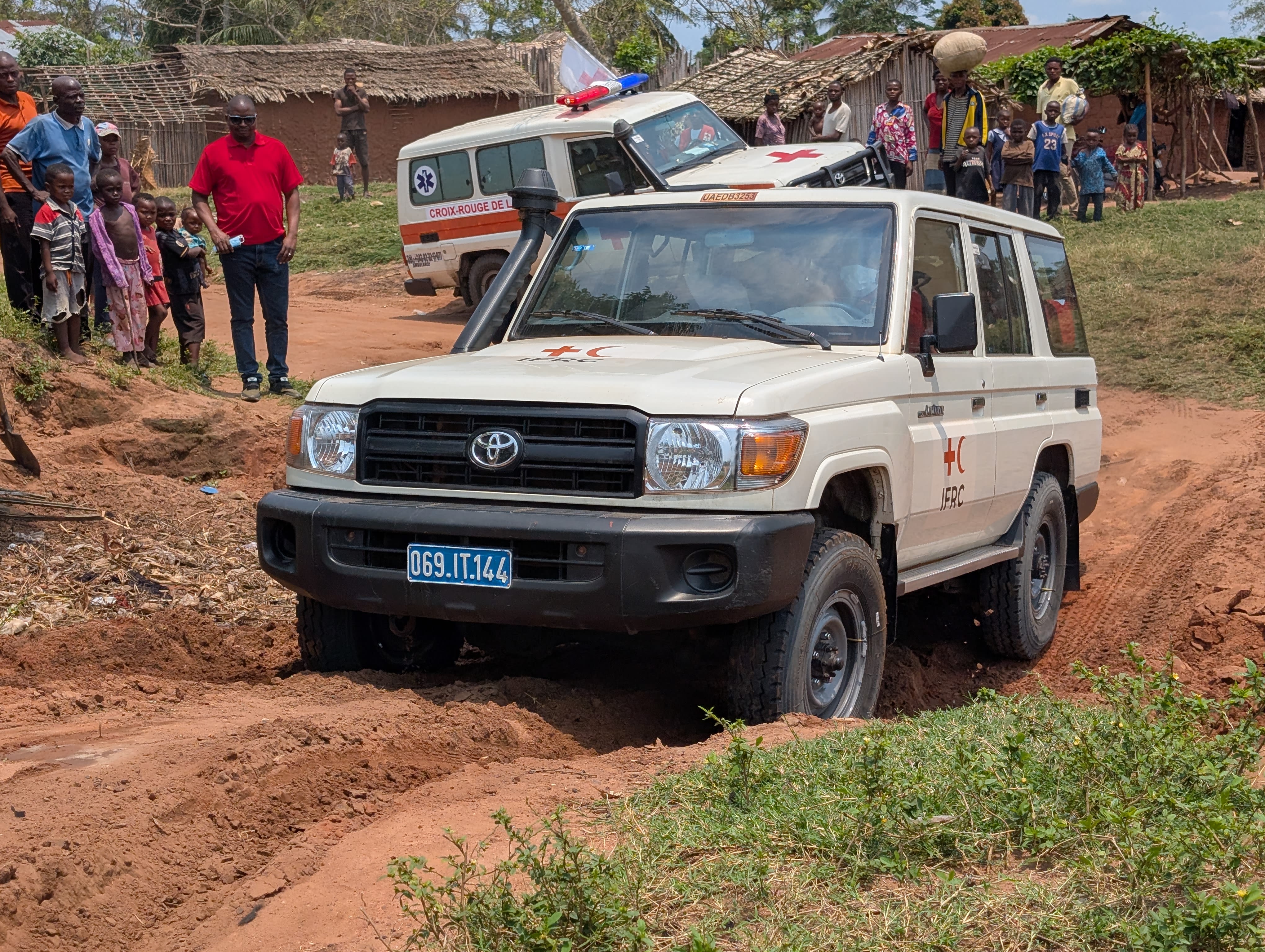
véhicule embourbé
véhicule embourbé
A heavy burden
For nearly half a century, the Democratic Republic of the Congo (DRC) has carried the heavy burden of Ebola virus disease. Since the very first outbreak in 1976, the virus has returned time and again, testing communities and health systems to their limits.
The country has faced 16 separate outbreaks, each one forcing families to confront fear, stigma, and devastating loss.
 Built with Shorthand

