
In the eye
of Typhoon Kalmaegi
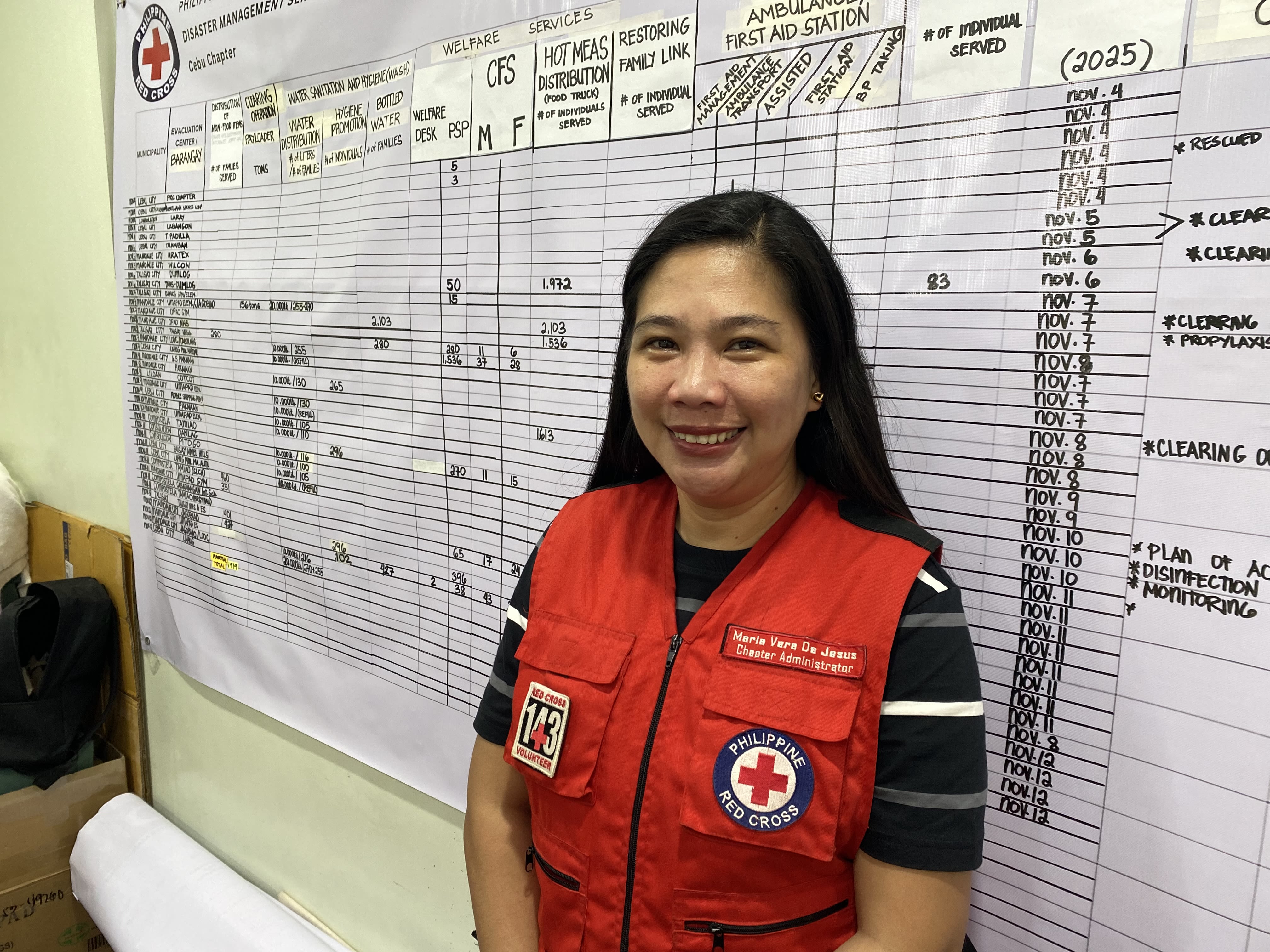
Maria Vera De Jesus is the Administrator for Cebu Chapter of Philippine Red Cross, the province hit by both the 6.9 magnitude earthquake on 30 September and Typhoon Kalmaegi in the early hours of Tuesday 4 November.
This is the story of the first 72 hours of Red Cross response to Typhoon Kalmaegi, in her own words.

The weekend before.
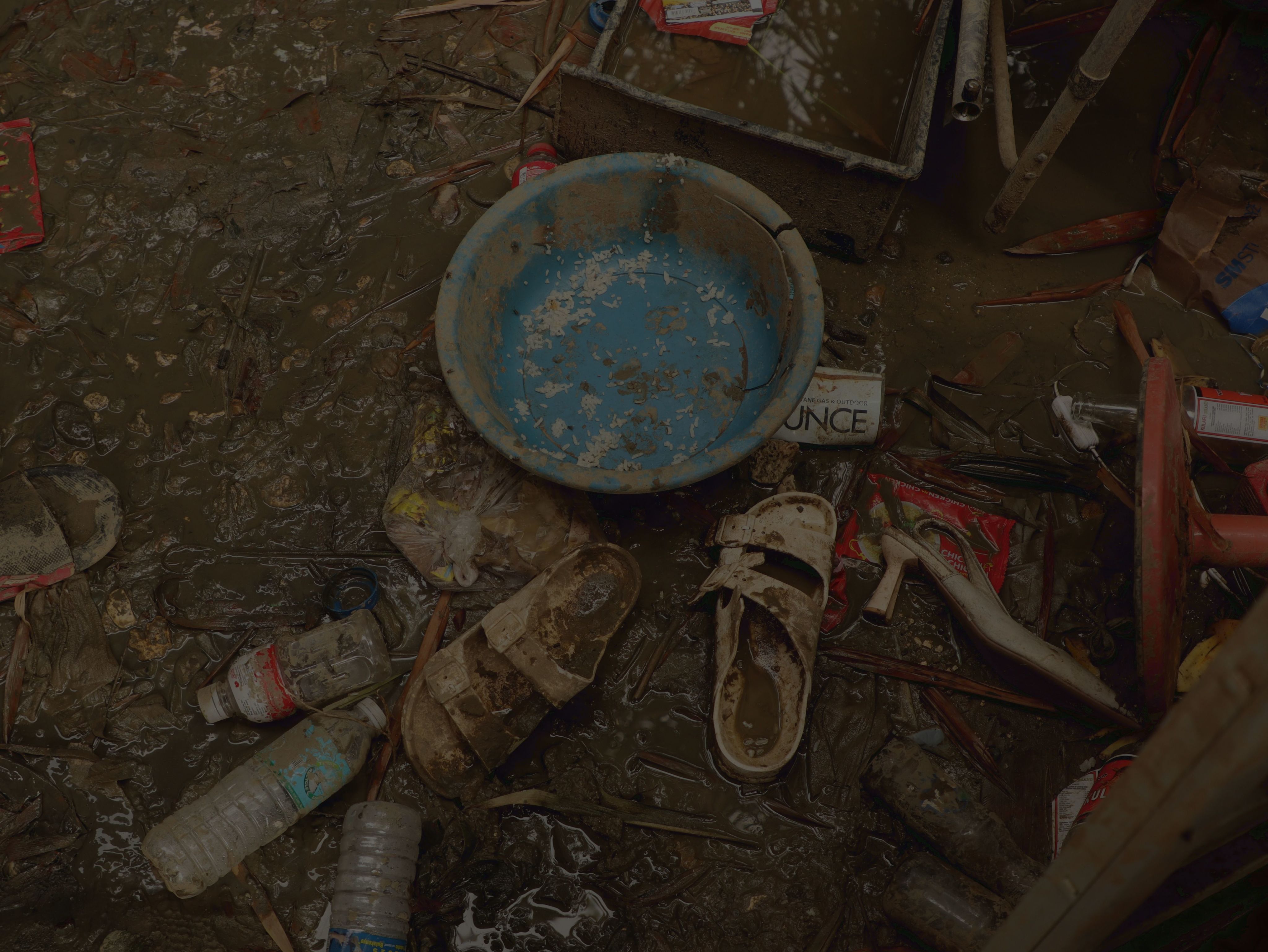
"I’ve handled many emergency response operations, but I have never been so scared as I was about Typhoon Kalmaegi. I felt the fear because of the situation in the north of Cebu Island.
"The earthquake had only hit one month ago, and it caused a lot of damage.
We had people living in two tent cities, as well as a lot more people living in temporary shelters and I didn't want to imagine what it would be like if Kalmaegi hit them hard."
"I instructed the team to move the people staying in the tent cities to a safer place – many moved to the Bogo Sports Complex, the main evacuation centre, but a lot of people preferred to shelter with family. Then the volunteers started packing up the tents on the Saturday. It had taken us five days to put up the two tent cities but now we had to take them down in two days, and everyone was exhausted already."

The night before.
"By Monday night, our volunteers in Cebu City, the centre of Cebu Island, were staying in the branch on standby, ready to respond to the Typhoon, and our volunteers in the north of the island had to leave the rest of the tents just before midnight because the wind was already picking up and debris were flying around.
We were expecting Kalmaegi to hit around 8am or 9am on Tuesday 4 November but it was very quick to get to us, making landfall in Liloan (an hour north of Cebu City) around midnight on the Monday."
"Then I got really scared because I knew we were next; it was going to hit us right in Cebu City, not the North."
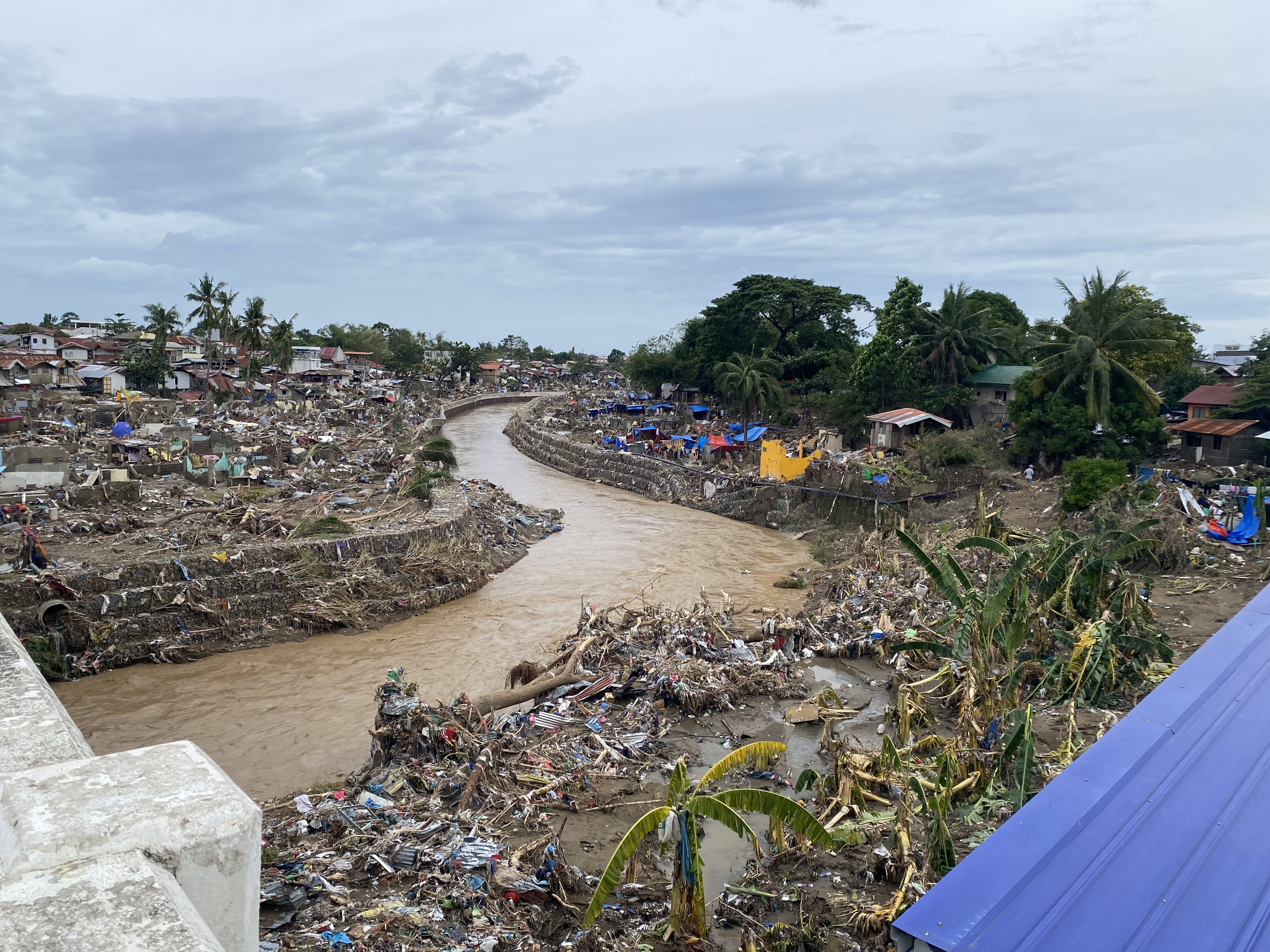
"We got the first distress calls around 3am and then we were bombarded by them. People were desperately asking for help because the flooding was like an ocean but we couldn’t do anything because the conditions were too dangerous."

In the eye of the storm.
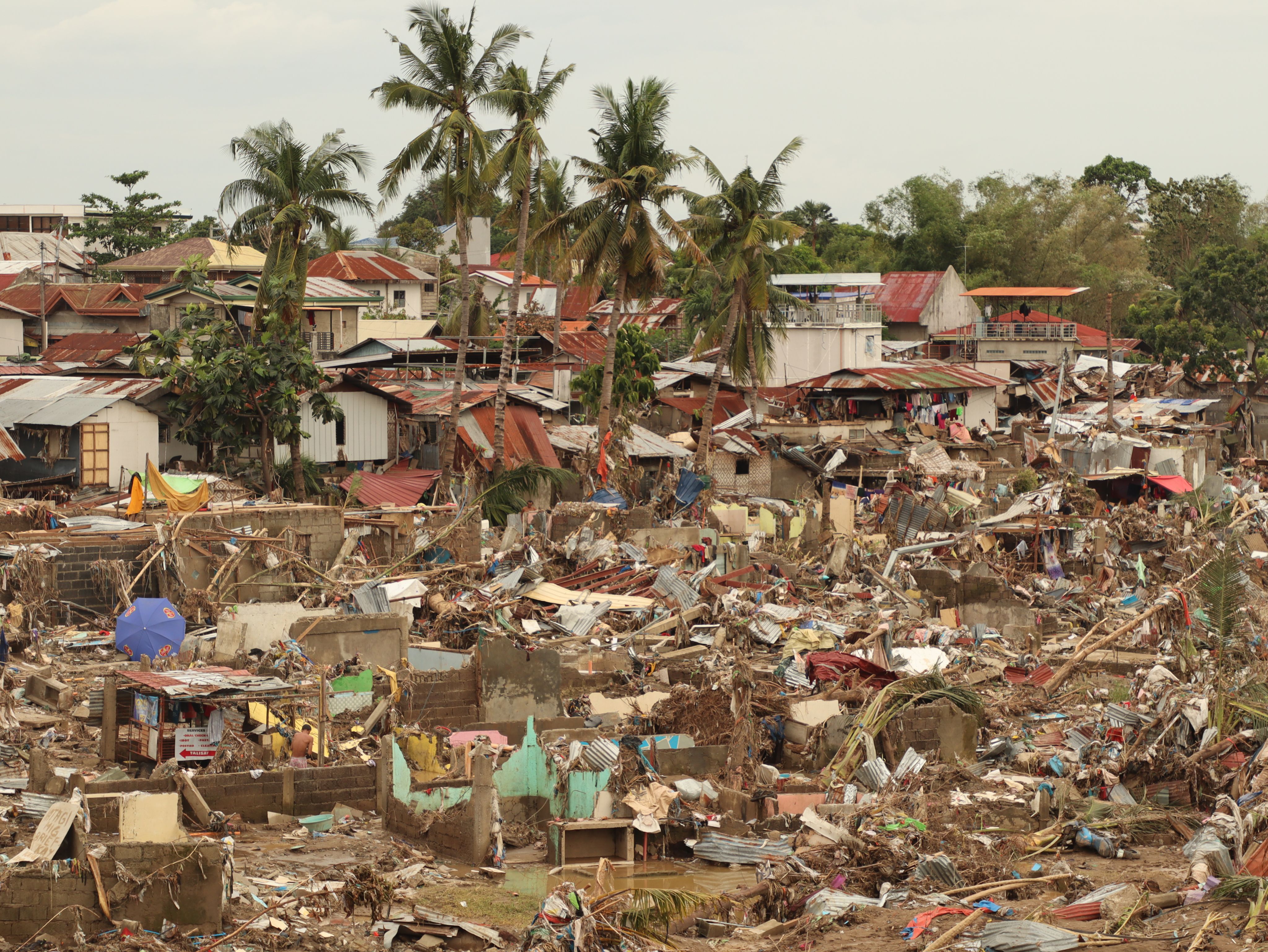
"The electricity began to falter around 1am and by 2am I could hear the howling of the wind. We got the first distress calls around 3am and then we were bombarded by them. People were desperately asking for help because the flooding was like an ocean – in some places two-thirds of the houses you could only see the rooftops - but we couldn’t do anything because the conditions were too dangerous."
"We started talking people through how to rescue themselves as safely as possible, but the number of calls was overwhelming.
I felt so guilty because we couldn’t do anything."
I began writing down all the callers so we could go back and check on them later. It was the only thing I could do.
"But about 6am a call came in about a woman giving birth and the team knew they needed to go, even though the conditions were still really dangerous. The water was too high for the ambulance to get through so they ended up using a rescue boat to transport mother and child from the evacuation centre to the ambulance so they could get them to the hospital."

The immediate aftermath.
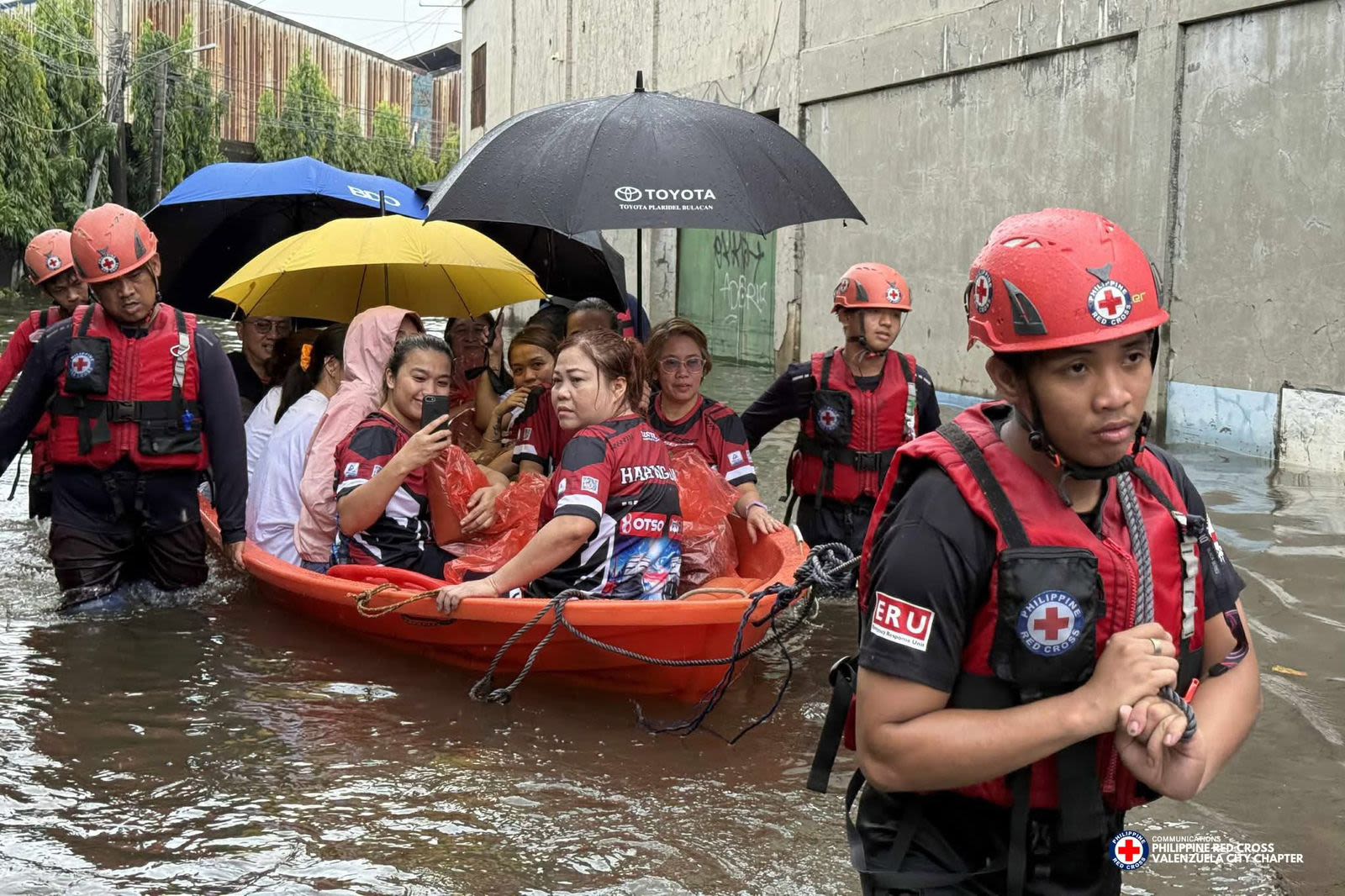
"That entire first day was rescuing people from their rooftops. We couldn’t even distribute food because the truck couldn’t get through. Even Wednesday [5 November] the teams were still rescuing people because the floodwaters hadn’t subsided in some places."
"I lost my balance. I’m not used to asking for help because we have handled big operations, but I was so tired. I didn’t know what to do first.
I needed a magic wand.
Today, whenever I look around at all our people, I know I’m not alone."

Looking ahead.
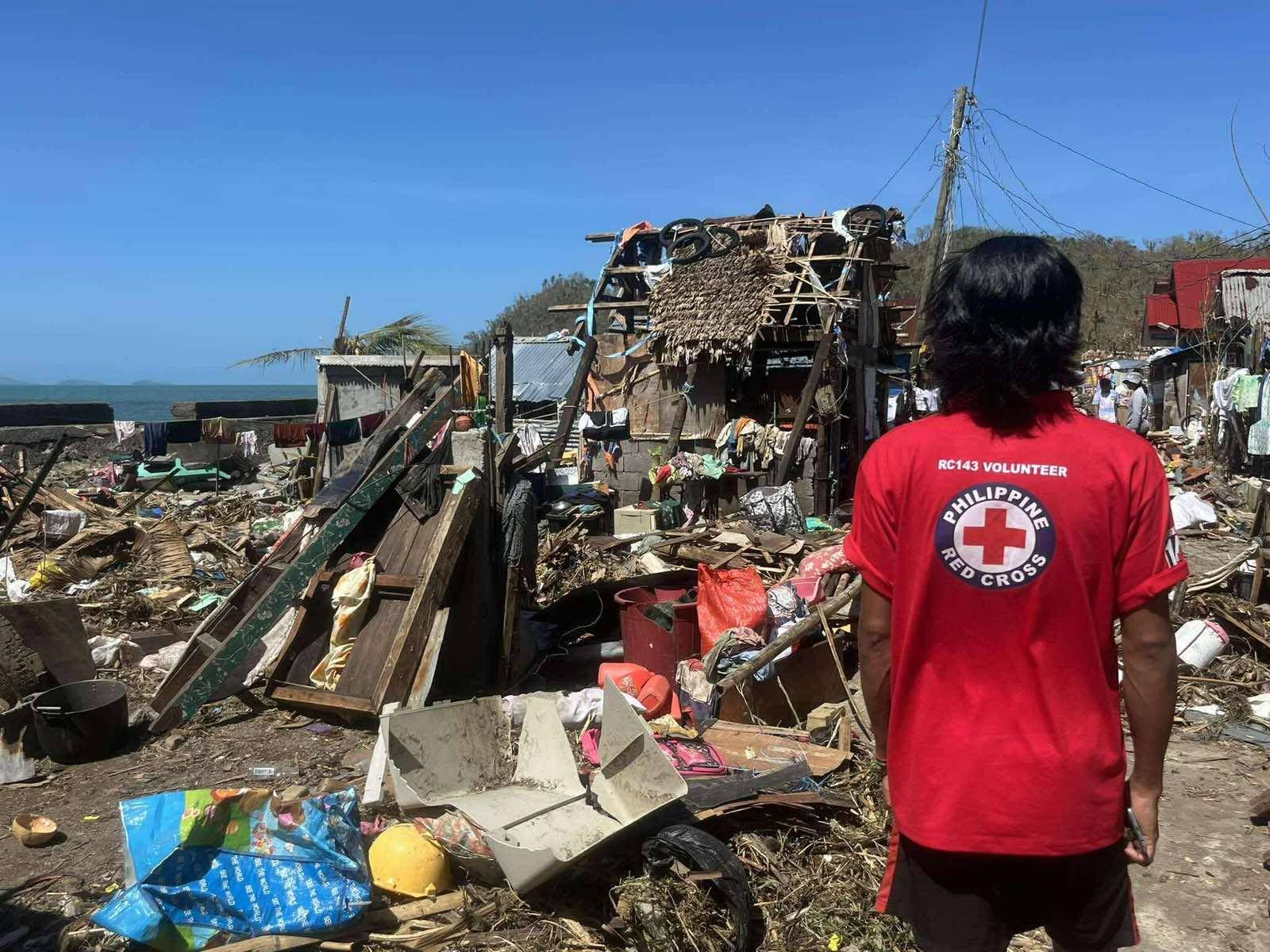
"The emergency phase is done now but all these people who are affected are worried about what they do next. It’s hard to rebuild and the most affected are not rich."
"Where are people going to go? "
"There is a lot of work ahead of us and we are already spread thinly. The power of Red Cross is in the volunteers – even if we don’t call them, they arrive - but even responders get tired and we cannot run everything on heart and dedication alone. We need funds. We need support."
"The power of Red Cross is in the volunteers but even responders get tired and we cannot run everything on heart and dedication alone.
We need funds.
We need support."

"We have been distributing essential relief items to people staying in evacuation centres, including hygiene items, kitchen sets, sleeping mats and jerry cans. At the very first distribution I saw an old woman who was hugging the goods as if they would run away from her. I could see the sincerity in her eyes as she gave me a huge smile.
Even when I feel like I can’t give any more, I see the smile and it’s worth it."

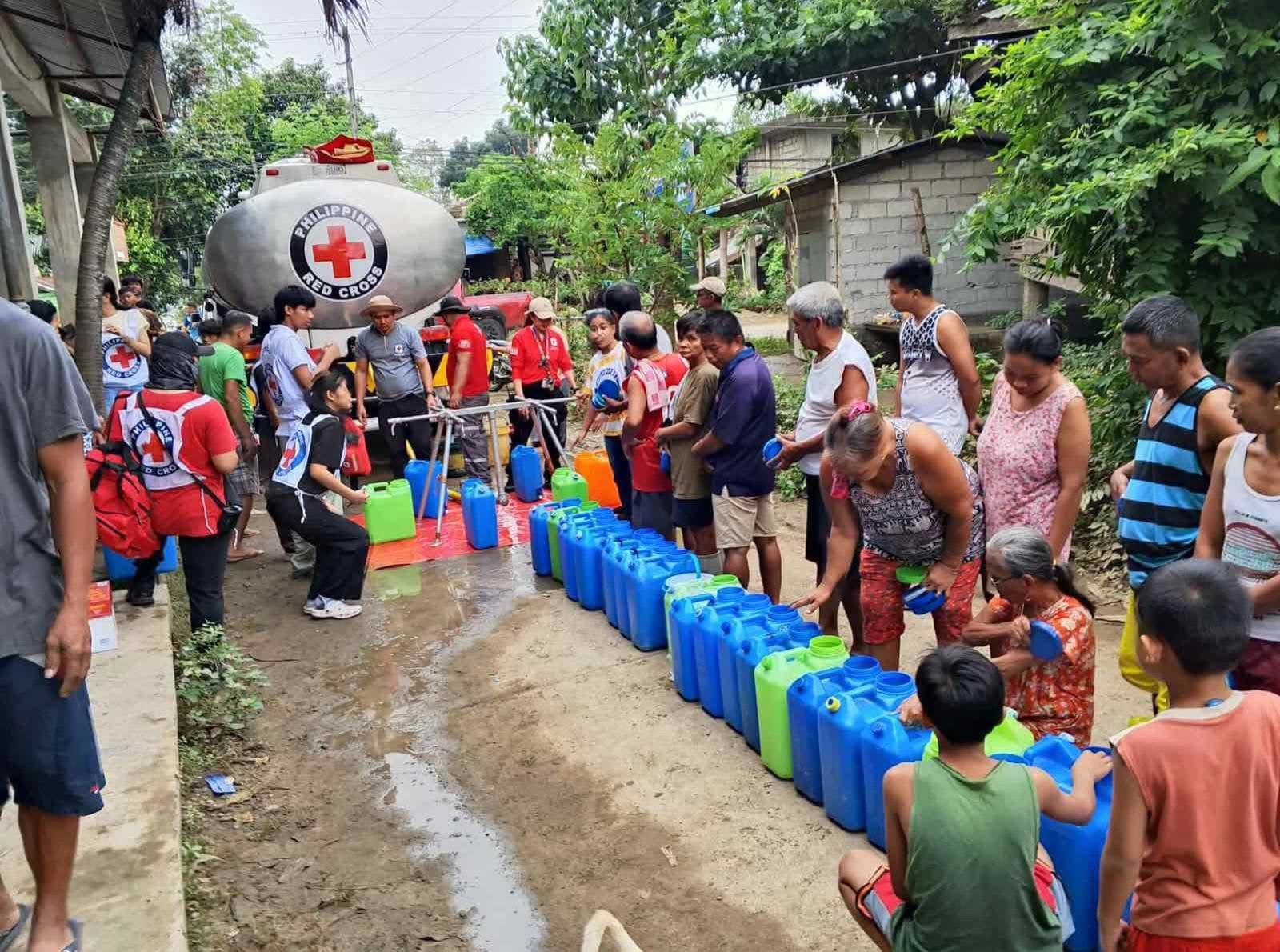
A few days later, Super Typhoon Fung-Wong slammed into northern and eastern Philippines. Philippine Red Cross continues to be on the ground providing critical assistance to people affected by both disasters.
To support Philippine Red Cross in scaling up its response and reaching more people affected by the earthquake, Typhoon Kalmaegi and Typhoon Fung-wong the International Federation of Red Cross and Red Crescent Societies (IFRC) has launched a revised Emergency Appeal for CHF 15.5 million. This funding is urgently needed to expand operations and ensure that lifesaving aid reaches those who need it most.
Story and Text: Ellie Van Baaren, Surge communications officer IFRC
Photos: Ellie van Baaren and Philippine Red Cross
 Built with Shorthand

