Double disaster duty
Three months ago, a devastating typhoon hit a part of the Philippines that had just suffered a catastrophic earthquake one month before. As always, volunteers in hard-hit communities played a critical role. Here are their stories.

Facing the dangers, helping neighbours
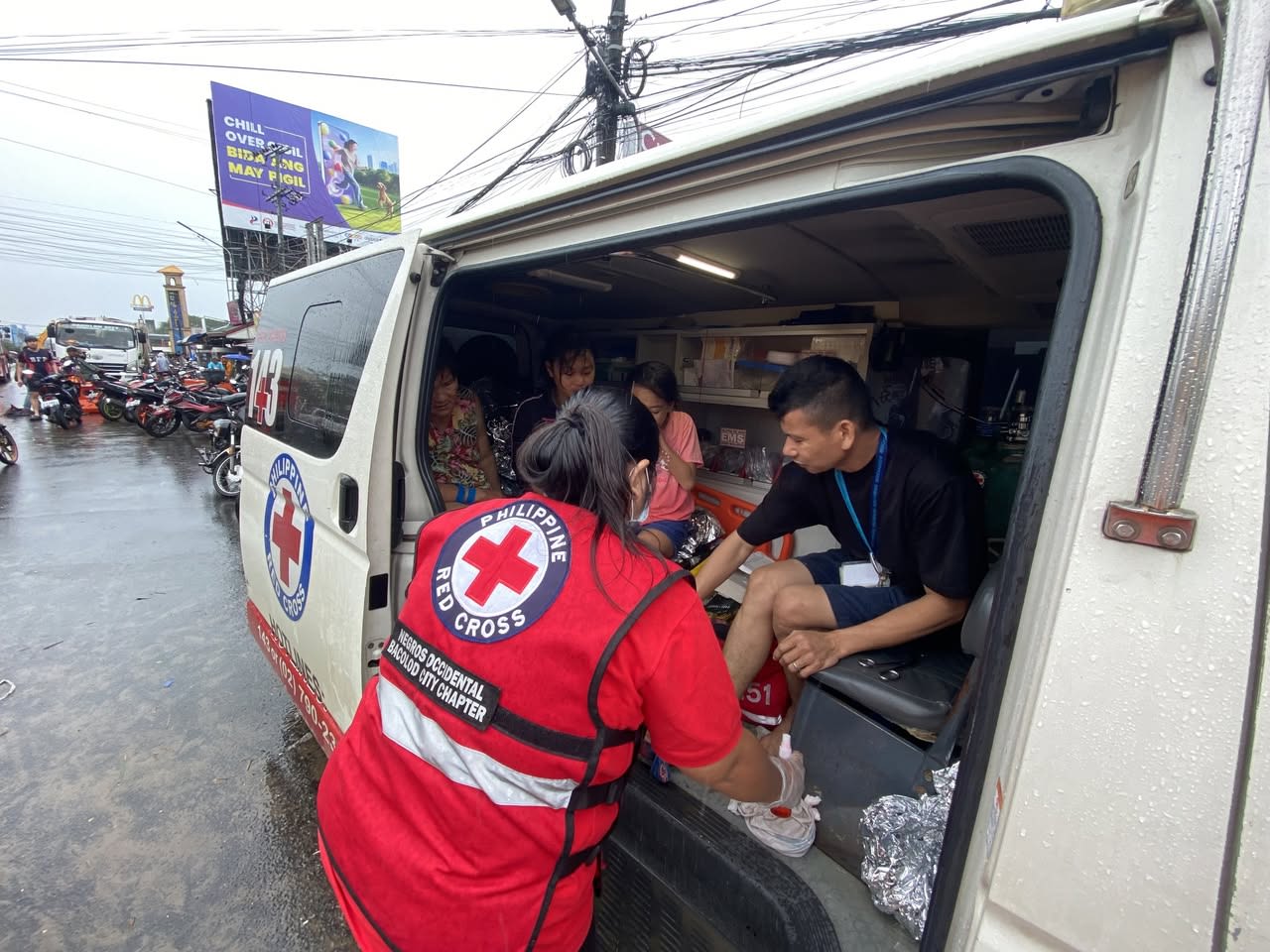
In each of the major disasters that hit the Philippines in late 2025 — the Cebu earthquake, Typhoon Kalmaegi (Tino) and Super Typhoon Fung-Wong (Uwan) — teams of Philippine Red Cross Society (PRCS) volunteers and staff were on the ground rescuing families, providing relief and comfort.
With 2026 being designated as the International Year of Volunteers, we pay tribute to the life-saving and life-changing work they do, while also highlighting the need for continued support for their efforts as communities rebuild three months after the storms have passed.
Over the past four months since the earthquake, more than 1,100 volunteers have been actively contributing to the combined response, supported by the PRCS and the IFRC through a global emergency appeal for the combined crises. Despite fears for their own loved ones and their personal losses, they continue to show up day after day to support their communities as they recover.
As these stories show, their local presence meant they were able to move quickly, helping their friends, neighbours and family find safety and get care — something highlighted in IFRC’s Local, Everywhere campaign.
Their local proximity, however, means they and their families are also susceptible to the same dangers, injuries, losses and heartbreaks as those they are striving to help.
Here are the stories of just five volunteers, in their own words, who gave their all to help others, even as they themselves were reeling under the same disasters.

Christian Rosal: 'I feel good that I’m helping others, but I’m hurting.'
Christian Rosal drives an ambulance and is learning to help the Philippine Red Cross medical teams. He had only been volunteering with Philippine Red Cross in Cebu City for a month when Typhoon Kalmaegi hit, destroying his home and sweeping away his mother in the floodwaters.
Sadly, at the time of writing, she has still not been found and is presumed to have passed away.
“I’ve been staying at the branch since I started volunteering so I can learn everything about Red Cross – the protocols, the people, first aid. I was always sending my mother photos and messages about what I was doing. She was very happy for me.
I was buying food for the other volunteers when I got a message from my cousins saying my mother was missing. I thought it was a bad joke. But it wasn’t.
She was my only family – I do not have brothers or sisters. After Kalmaegi I had nothing left. My house was gone; I had just the small amount of clothing in a duffel bag here at the branch building. I’m still staying here while I try to rebuild.
Every morning, I get up and tidy up, clean the kitchen and wash the dishes. It gives me something to focus on. I also received a shelter toolkit from Red Cross when they came to my barangay, which will help.
My Dad was a Jeepney [public transport] driver before he passed away, and I learned to drive because I wanted to make him proud. Now I drive an ambulance for Red Cross.
I feel guilty because I was responding and helping others, but I wasn’t there to help my own family.
I make jokes to try to make things fun not just for myself but also for the other volunteers, but inside I’m feeling very low. I feel good that I’m helping others, but I’m hurting. I really miss my Mum. I wish I could have placed her at rest. Red Cross is my family now.

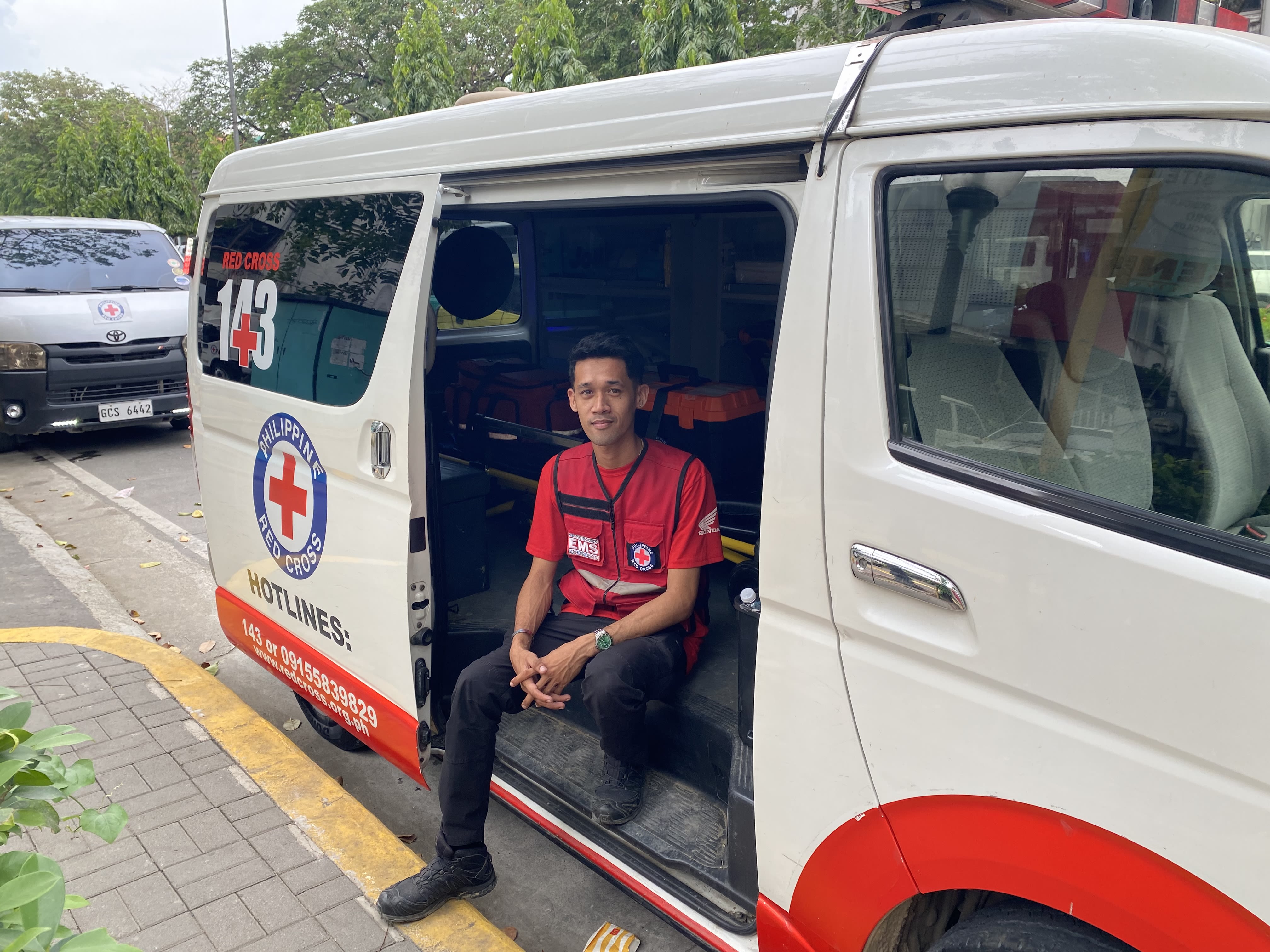
Christian Rosal sits inside the ambulance he drives for the Philippine Red Cross Society.
Christian Rosal sits inside the ambulance he drives for the Philippine Red Cross Society.
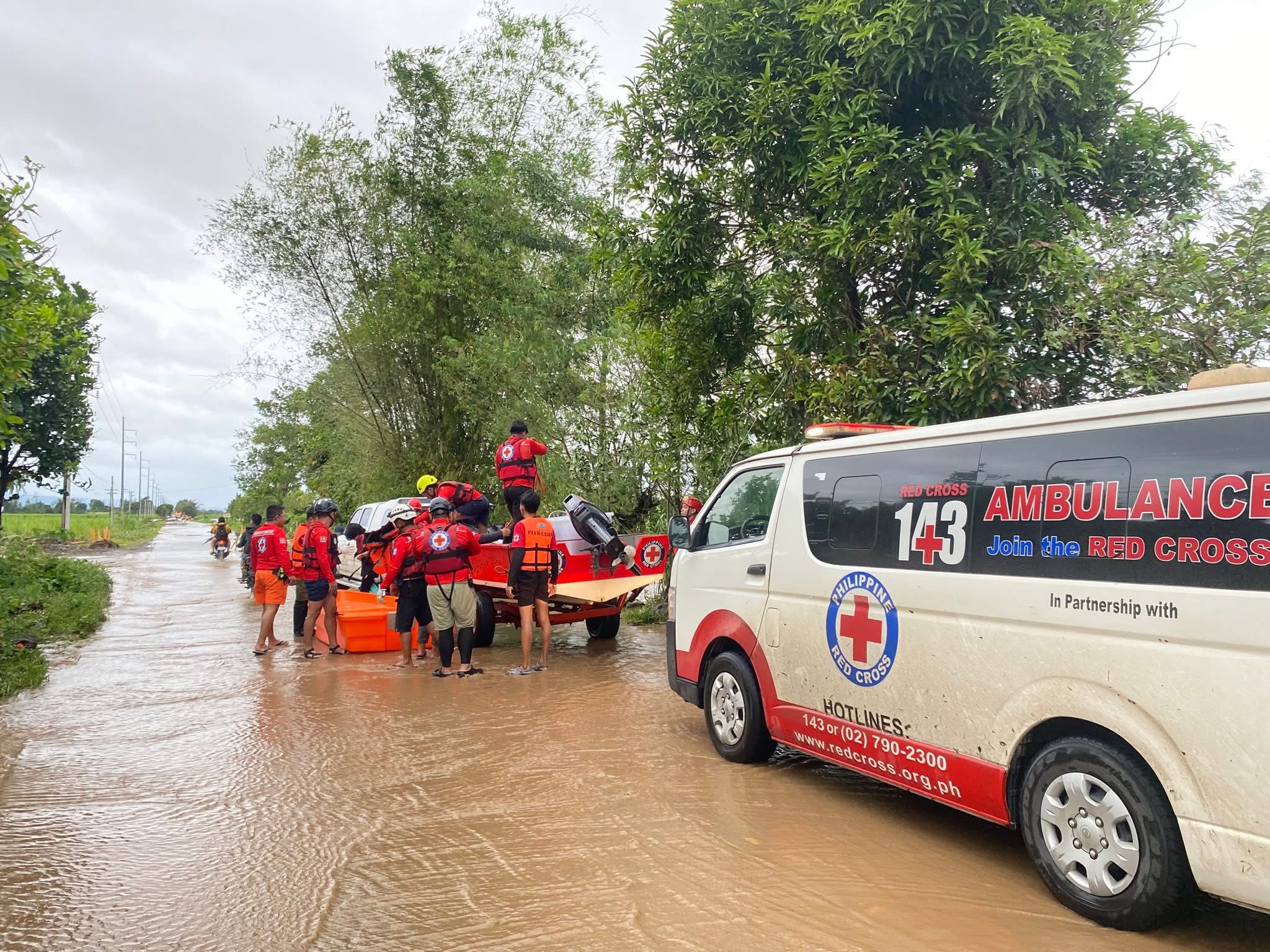
A Philippine Red Cross ambulance team responds during Typhoon Kalmaegi.
A Philippine Red Cross ambulance team responds during Typhoon Kalmaegi.
Princess and Mark: ‘We were not panicking but I was full of adrenaline’.
Mark Nino Abriniga, 21, and Princess Mary Balagulan, 20, are are both nursing students and part of a Philippine Red Cross Emergency Medical Services [RP1] team in Cebu City that rescued a mother and newborn baby from the local market.
The mother was sheltering there during Typhoon Kalmaegi when she went into labour.
Mark: At about 7.15am we went out to answer a call about an obstetric emergency. When we got there the area around the building was flooded with waist-deep water and we were the only ones out there. It was a woman, 19 years old, and she had just had the baby. We were not panicking but I was full of adrenaline."
Princess: The four of us had not yet been exposed to this kind of emergency in real life. I was nervous. It’s different when as a nursing student at a hospital, and you have a supervisor present.
This location was also different because this wasn’t a sterilised setting – there were a lot of people in the market building [which was being used as the evacuation centre] and it wasn’t clean. The decisions you make are critical – you’re not thinking about yourself – and we had two patients, the mother and the baby.
Mark: We checked the mother and she wasn’t in pain but had lost a lot of blood and the baby was crying. We clamped the [umbilical] cord and stabilised the mother so we could transport them both to hospital. Firefighters helped us get them into a rescue boat so we could take them to the ambulance and then to the hospital.
I live in Talisay City. The neighbours woke my mum and sister up because it was flooding. They wanted to go outside but the water was already hip-height and the current was so strong that they almost got swept away.
The other neighbours saved them and then they went to the second floor. We are still cleaning. All the appliances are damaged, we have electricity but no water and we are using the village pump.
We received hygiene items, kitchen kit, sleeping kit and drinking water from Red Cross. The sleeping kit is a really big help for us, plus the soap and toothbrushes in the hygiene kit.
Princess: When I’m around the community, I can see the people still have hope but you can also see the damage. It’s so sad that people are suffering, but I also see how resilient the volunteers are. They’re brave and they continue serving even when they have their own problems in their families and communities.
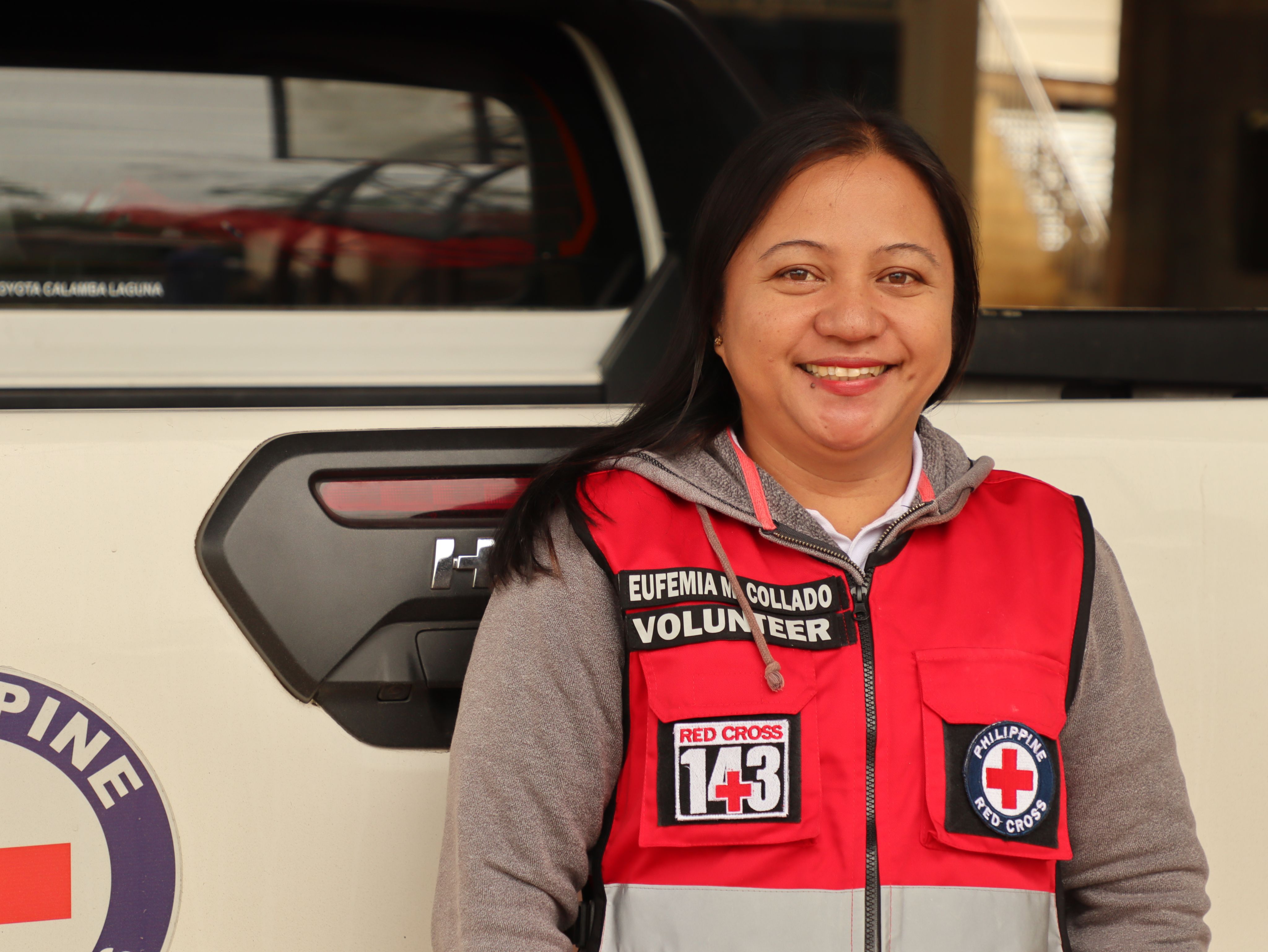
Eufemia Collado: ‘People said it seems hopeless, but there is sunshine after the rain’.
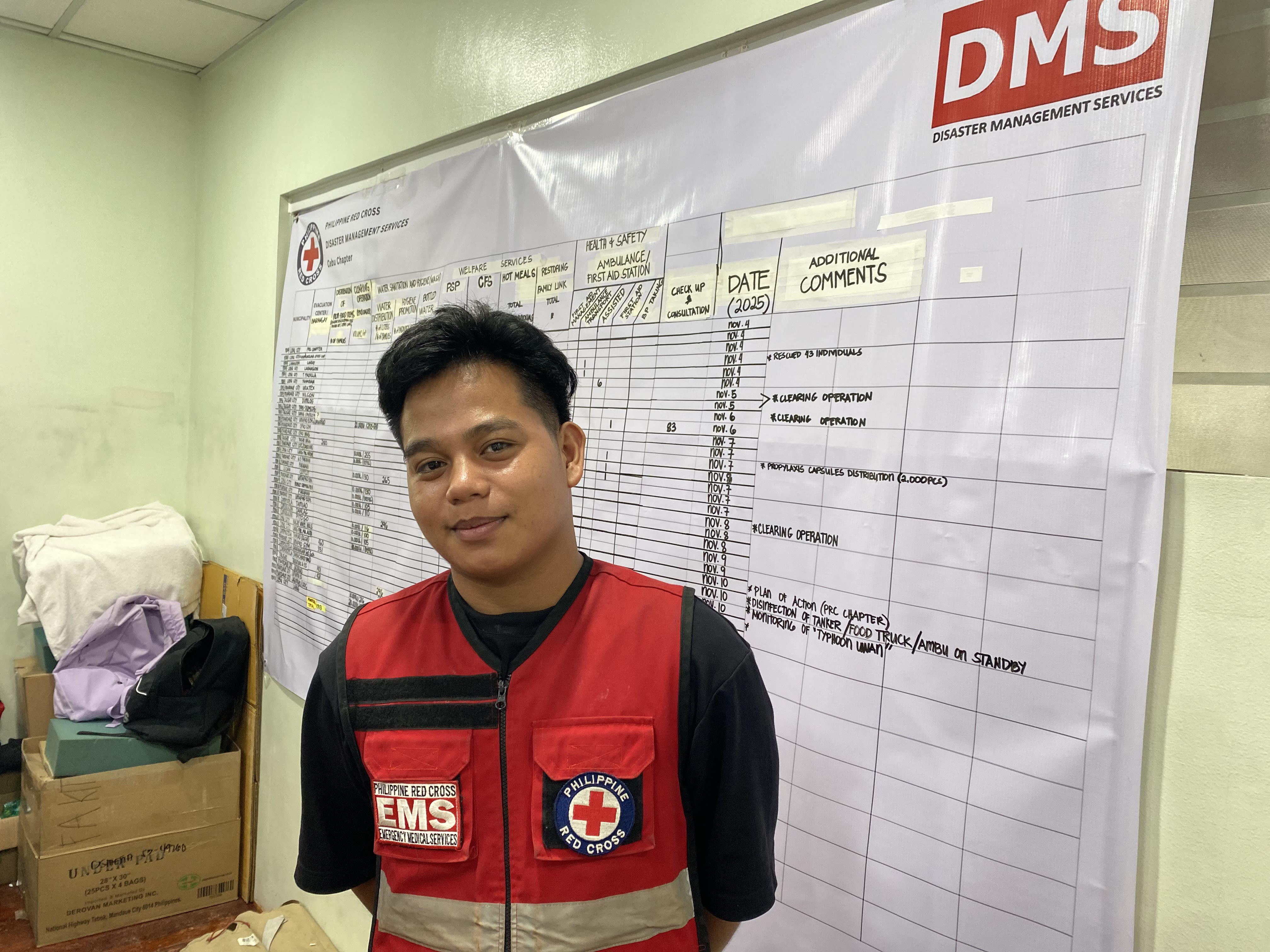
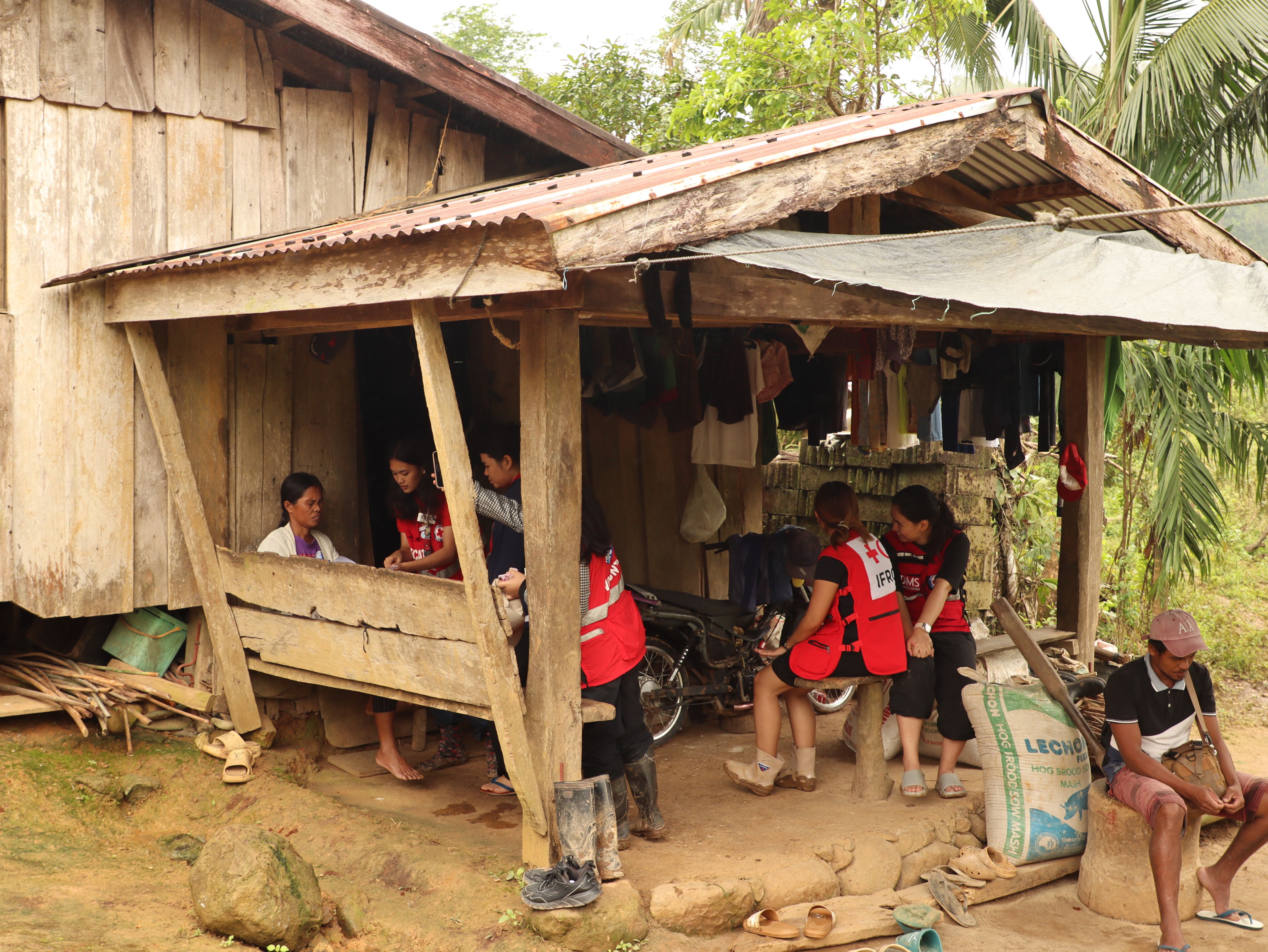
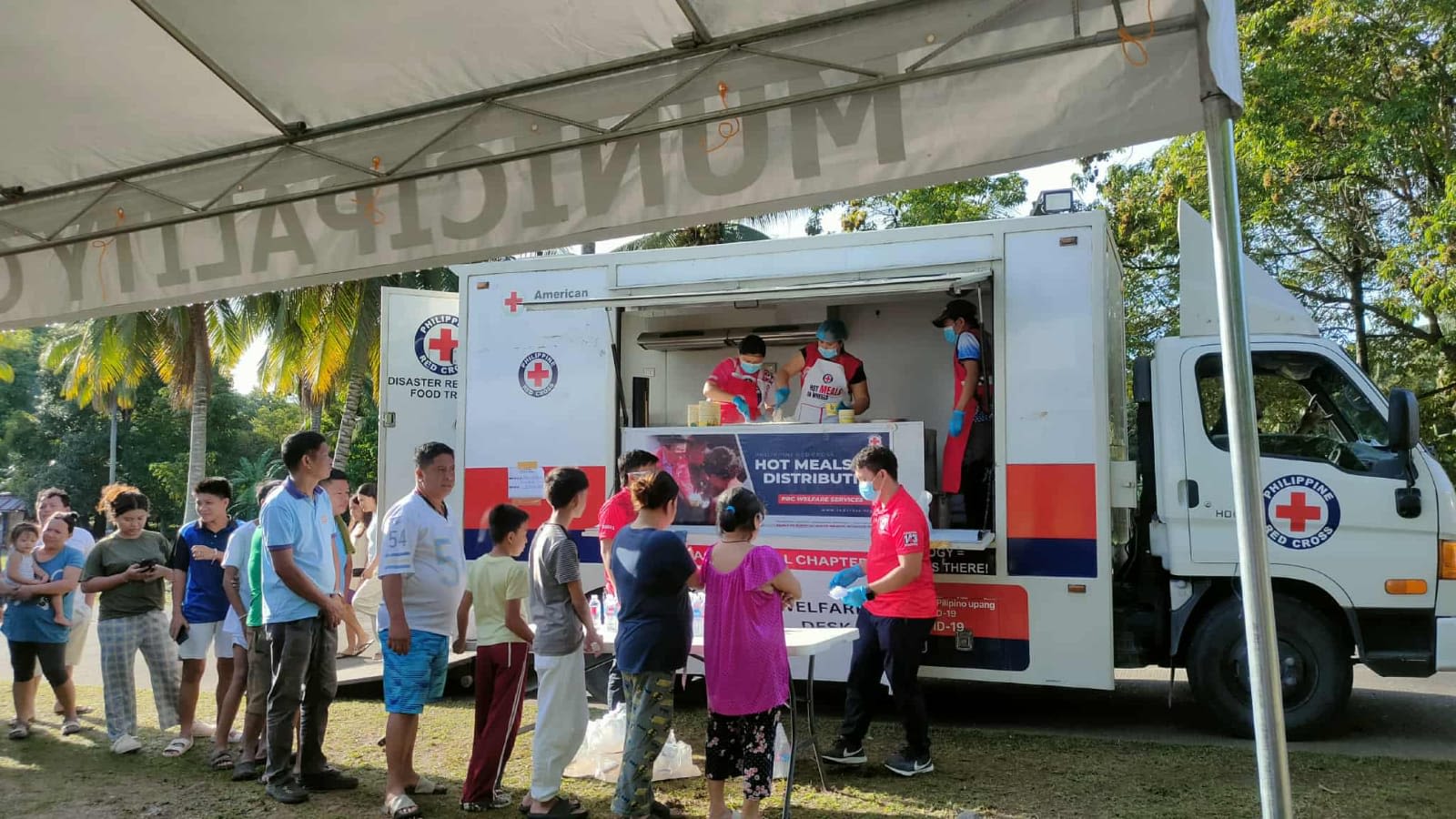
Eufemia Collado has been volunteering with Philippine Red Cross for more than five years. She was part of the team in Quirino Chapter, Northern Luzon, that helped people strengthen their homes ahead of Super Typhoon Fung-Wong and then delivered hot meals in evacuation centres before and after the storm hit.
“We were busy all day on 8 November with our anticipatory action - making sure people had their shelter strengthening kits and knew how to install them. Then on 9 November we delivered hot meals to the people who were already in the evacuation centres. We didn’t get back to the chapter until around 7 pm and the wind was already getting stronger.
I tried to go home where my two children (aged 13 and 8) were with my 75-year-old mother, but every road we tried was blocked by landslides or fallen trees and the weather was getting worse. It wasn’t safe anymore.
Luckily, we still had signal so I could call my children. I was sad that I was not there to sleep with them when they got scared. I couldn’t sleep because I was thinking about them all night. It was like I was divided in two – my commitment to work and my family.
I got up at first light because I wanted to get home as soon as possible. There were debris and fallen trees everywhere. I didn’t know where to start. But my nephew took me on his motorcycle as far as he could.
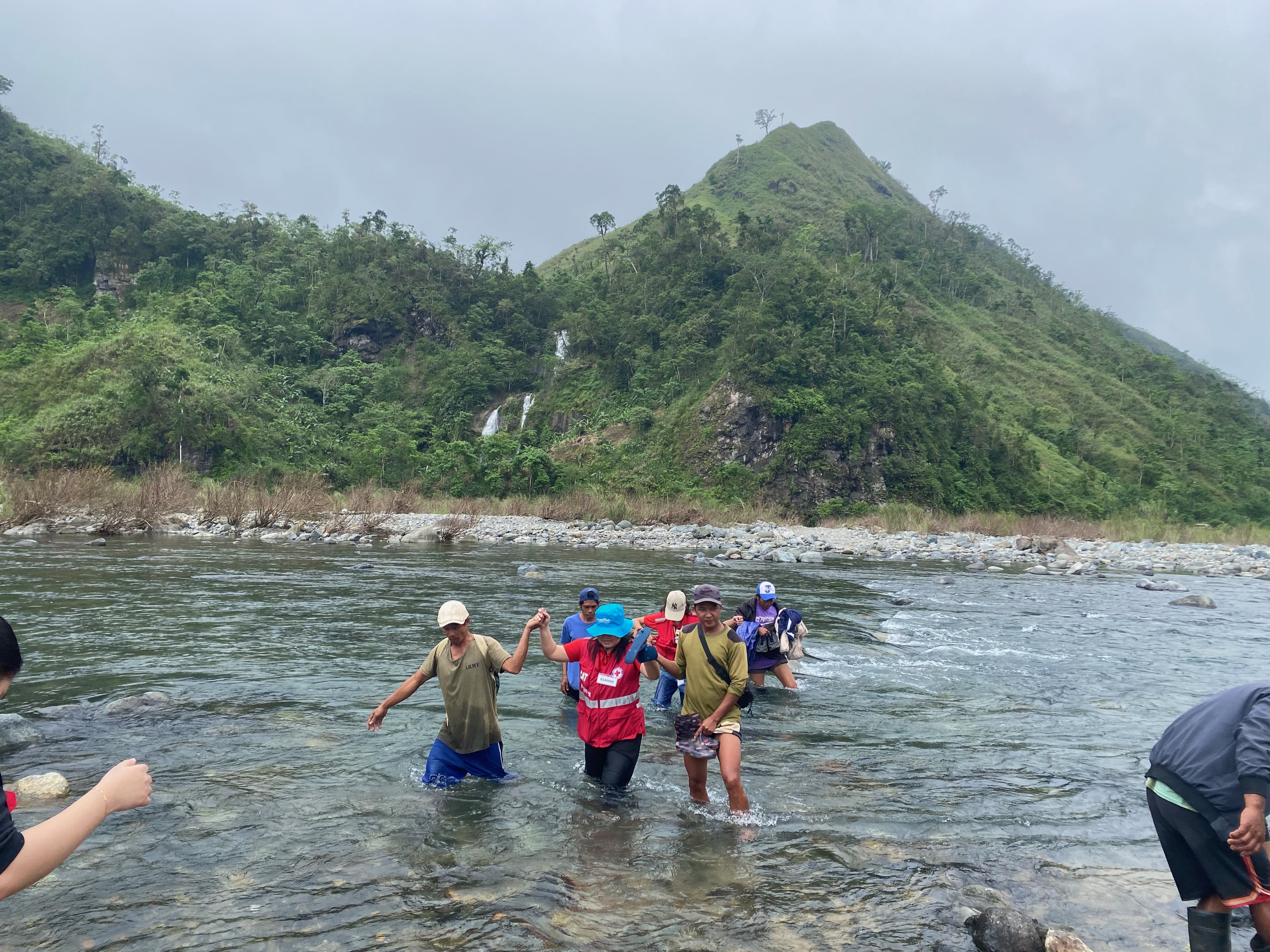
When we got to the last bridge, the water was still too high for the motorbike – it was up to my thighs - but I couldn’t wait for it to go down. I waded through it and hurried home.
When my children heard my voice, they rushed to me. It was like I had come home from a long trip. I didn’t go out that day. People said it seems hopeless, but there is sunshine after the rain.

Algon Gomez: ‘We thought the building was going to collapse.’
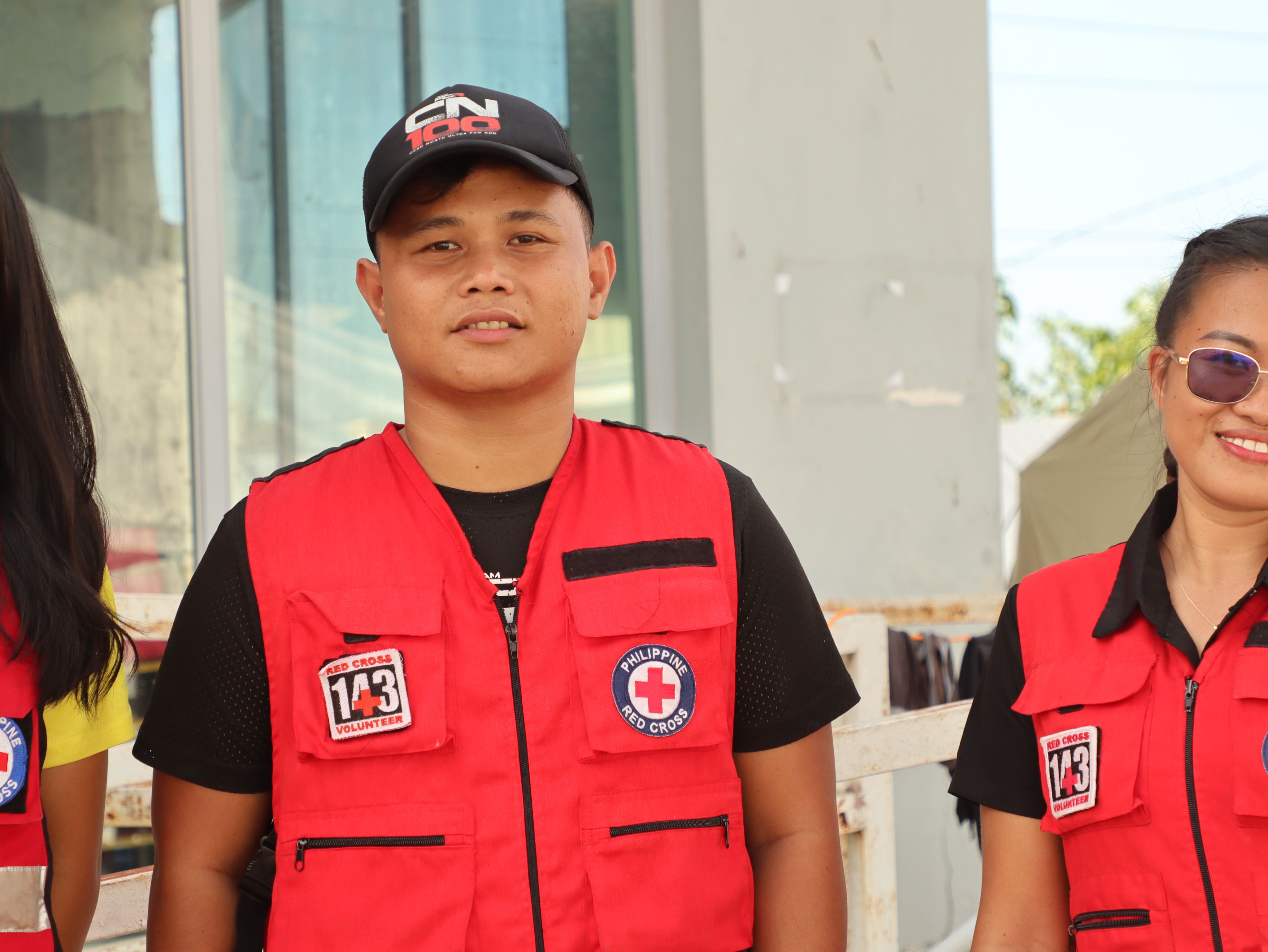
Algon Gomez is part of the Philippine Red Cross EMS (emergency medical services) crew in Bogo City and was on the evening shift on 30 September 2025, when the earthquake hit Cebu Province.
“We had received a call at 9pm so we were awake when the earthquake hit, which was good because if we had been asleep we would have been gone today. Getting out of the building was hard, the windows shattered and we thought the building was going to collapse. I thought I was going to die. We had bruises all over us.
My phone was in the building so the only way to contact my family that night was via the ambulance. At least then I could be reassured that my family was safe and they knew I was safe. We contacted each other after every major aftershock.
Throughout the night we continued to help people around the city, from street to street, barangay to barangay. We encountered all kinds of calls that night and morning - there were many casualties and one dead person.
At one point we received a call from one of our teammates that they could not get hold of our team leader Ian. From 1am-10am we were part of the retrieval effort but sadly Ian had passed away. At least his son survived.

Where things stand now
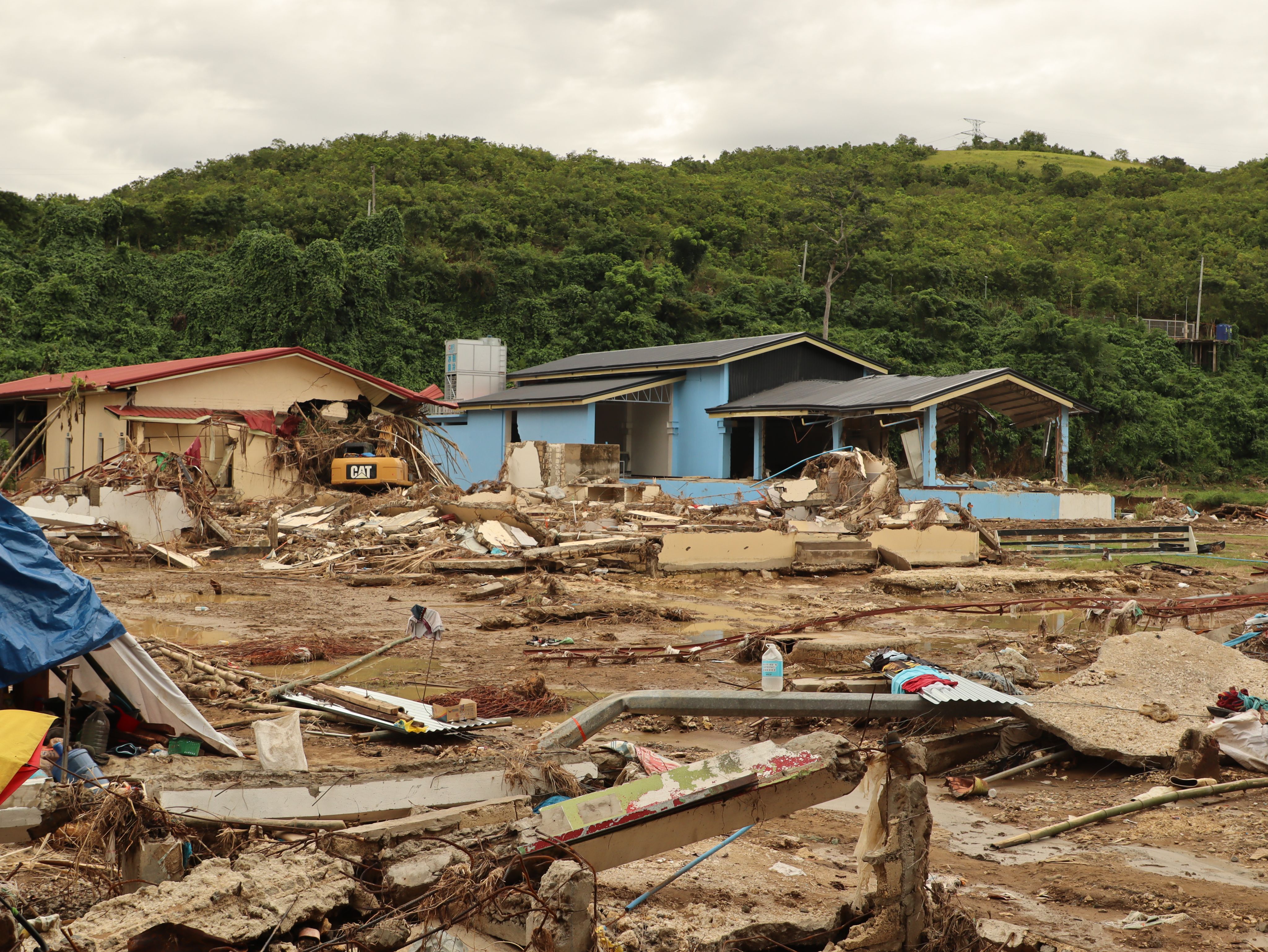
Four months after the earthquake and three months after the two typhoons, people in affected areas are still struggling to rebuild their homes and livelihoods.
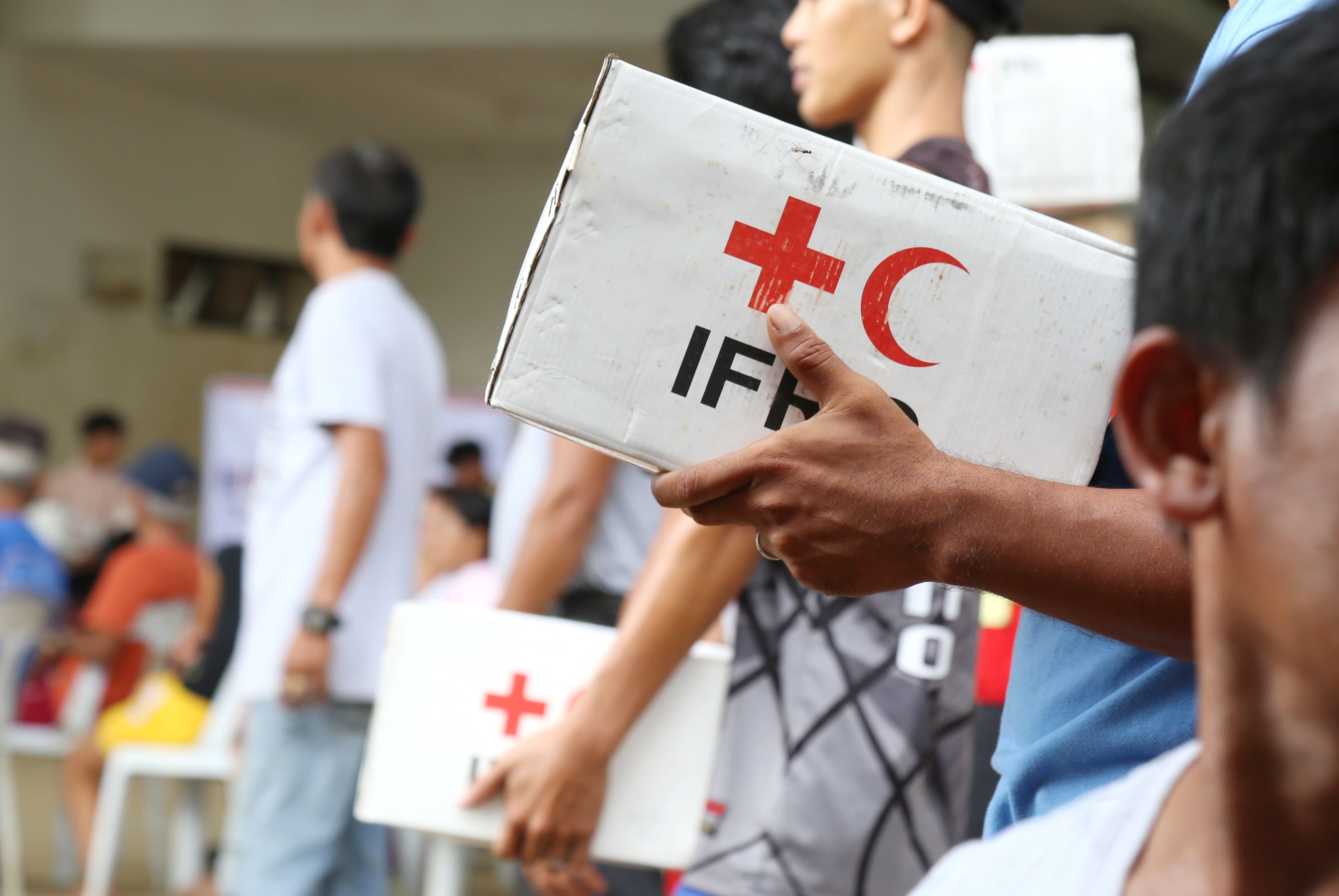
With IFRC support, Philippine Red Cross is focusing on shelter assistance, cash grants and ensuring people have access to safe water and sanitation facilities.
Volunteers across the country continue to serve the communities affected by all three major disasters, while also responding to a constant stream of localised emergencies.
The response so far
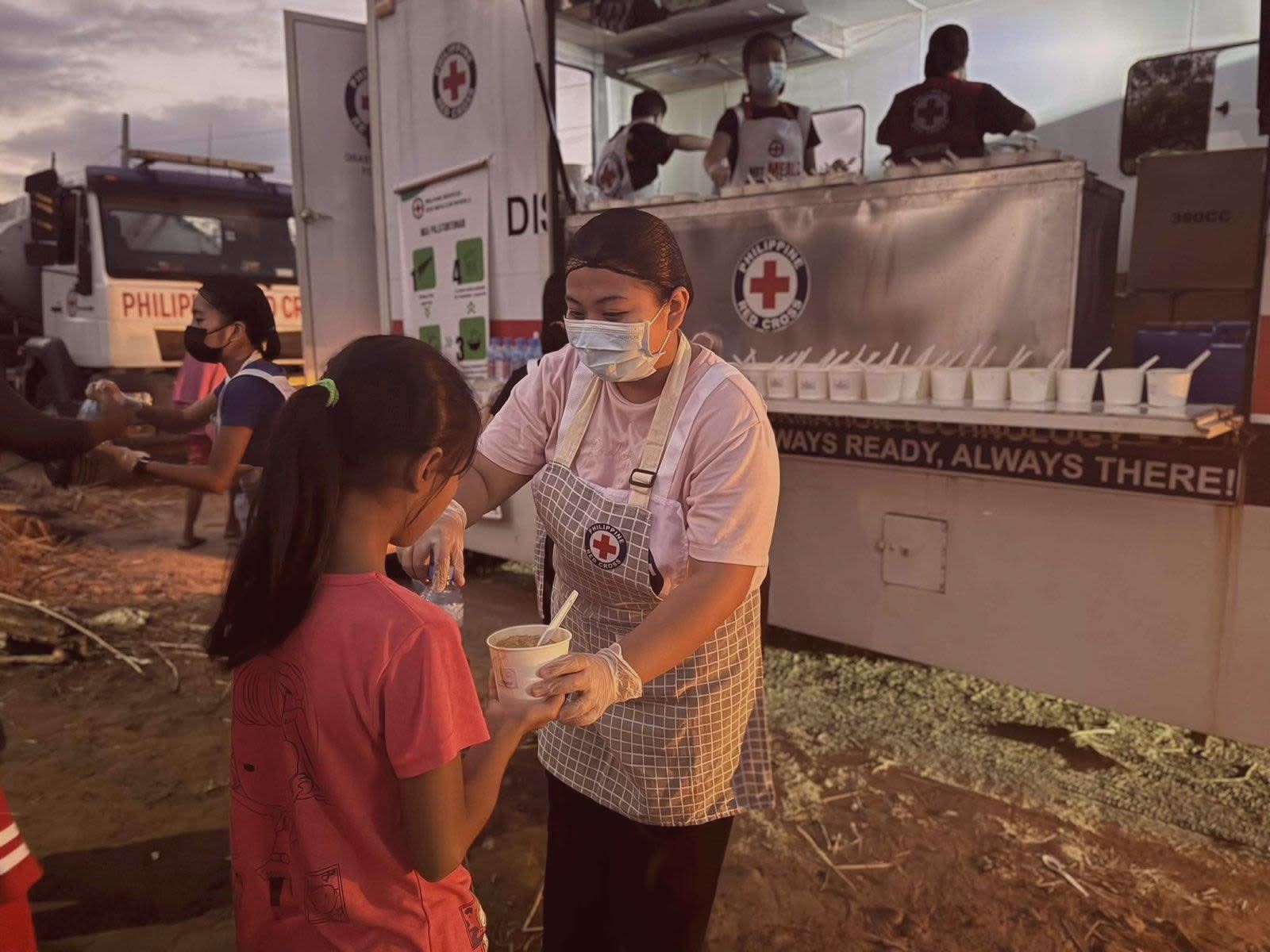
107,600+ people received hot meals
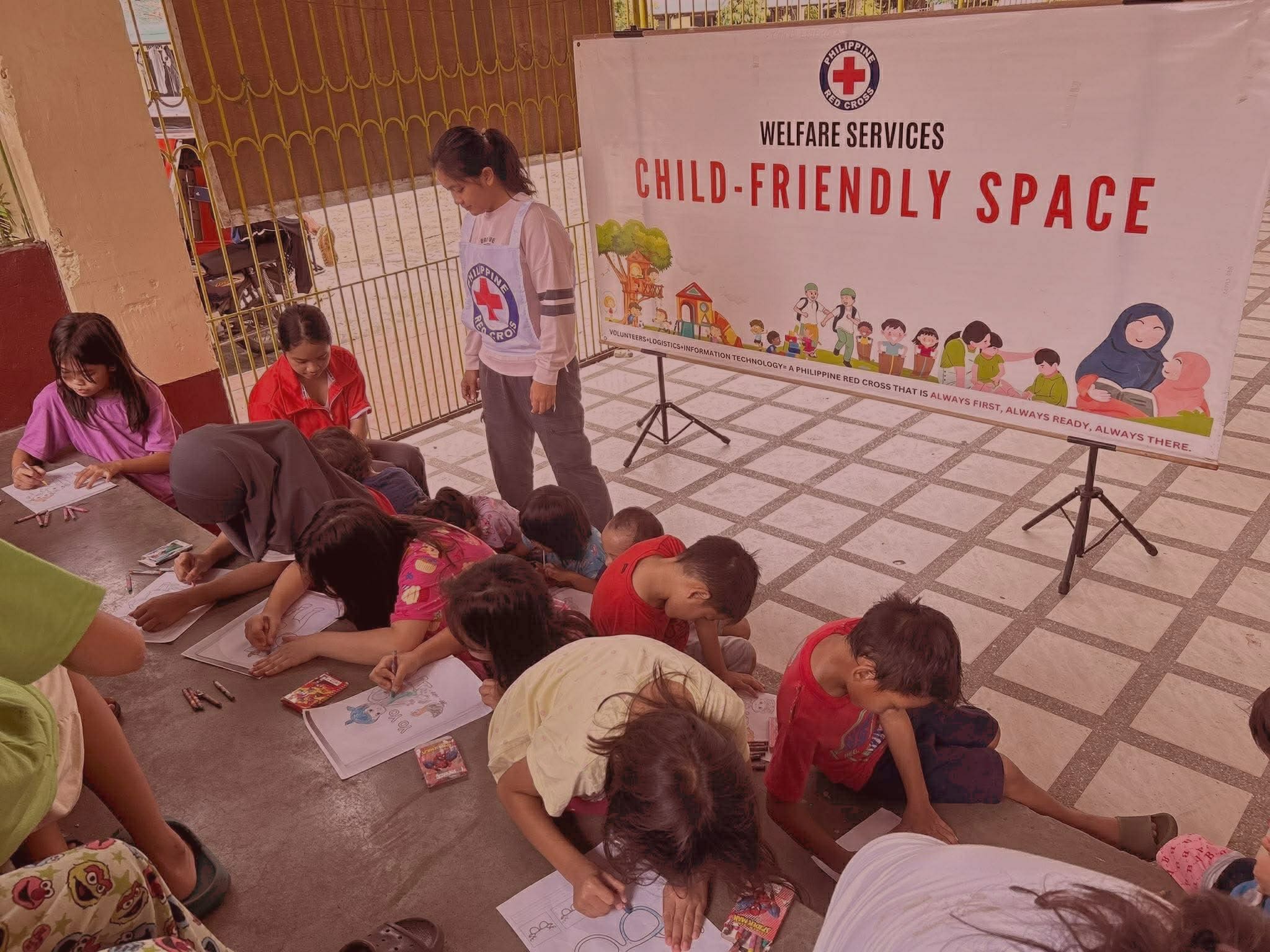
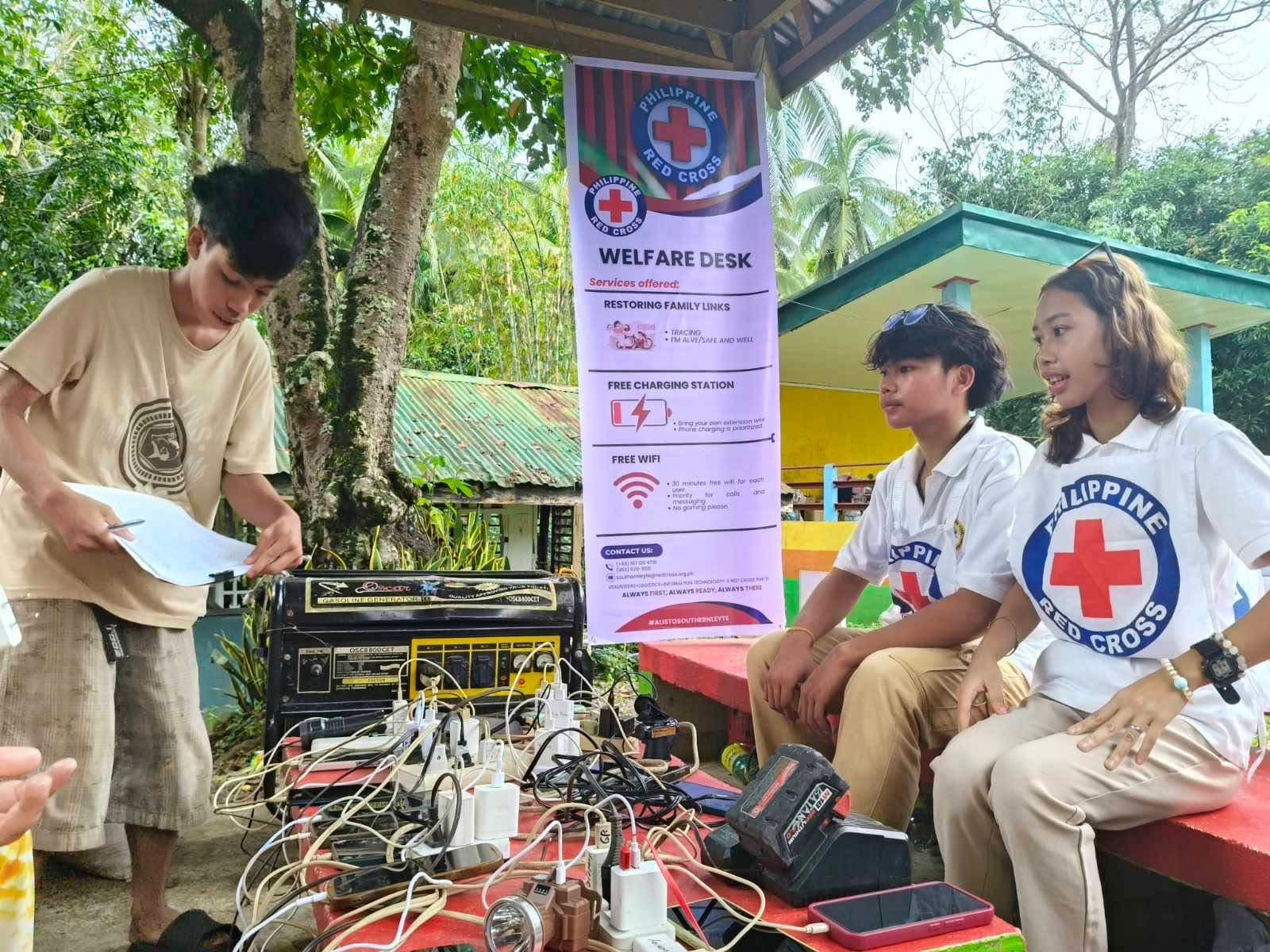
18,000+ people receive psycho-social support
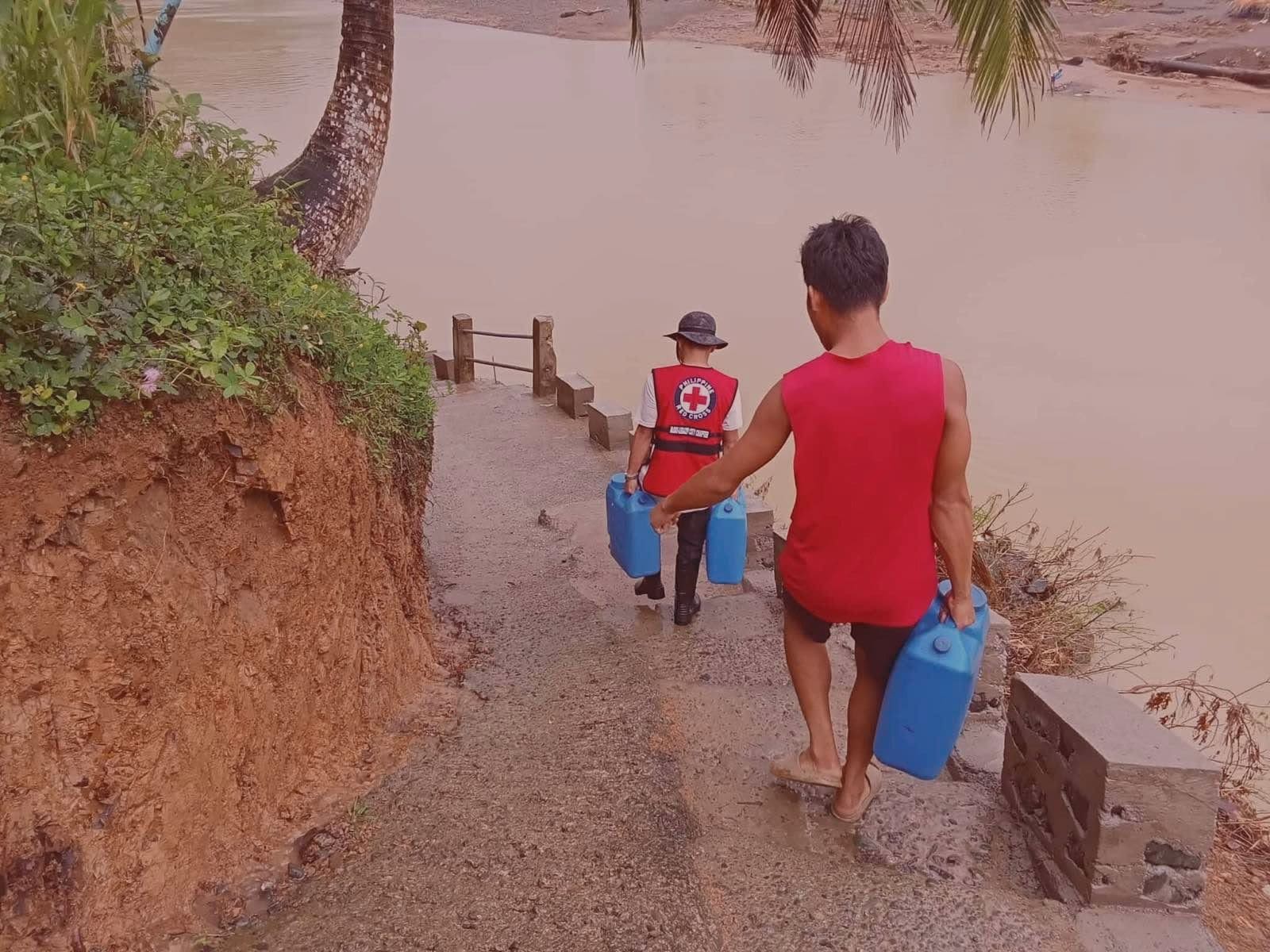
2.3 million litres of safe water distribute to 94,500 people
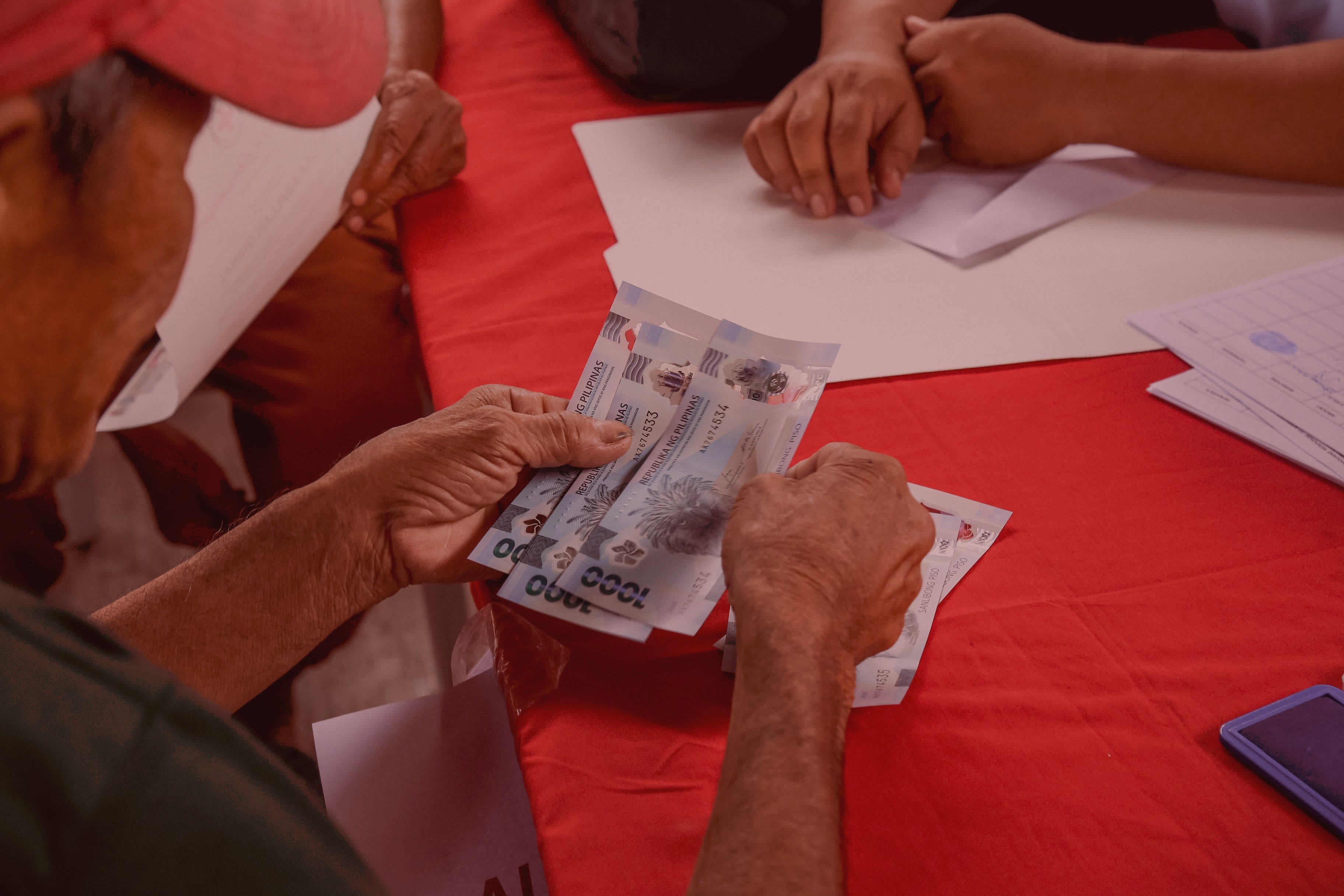
More than 600 families received multi-purpose cash assistance
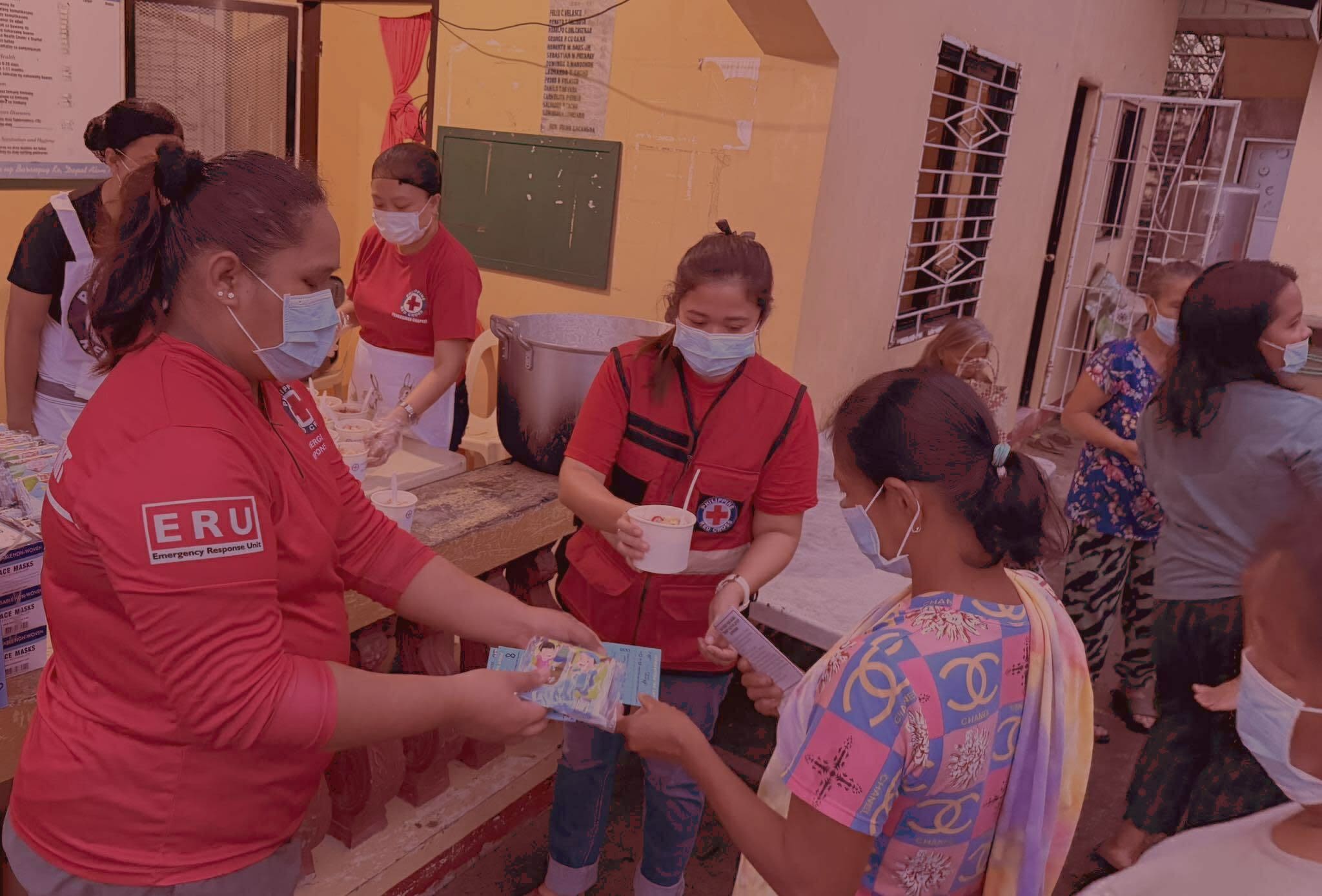
Almost 4,000 families received essential hygiene items
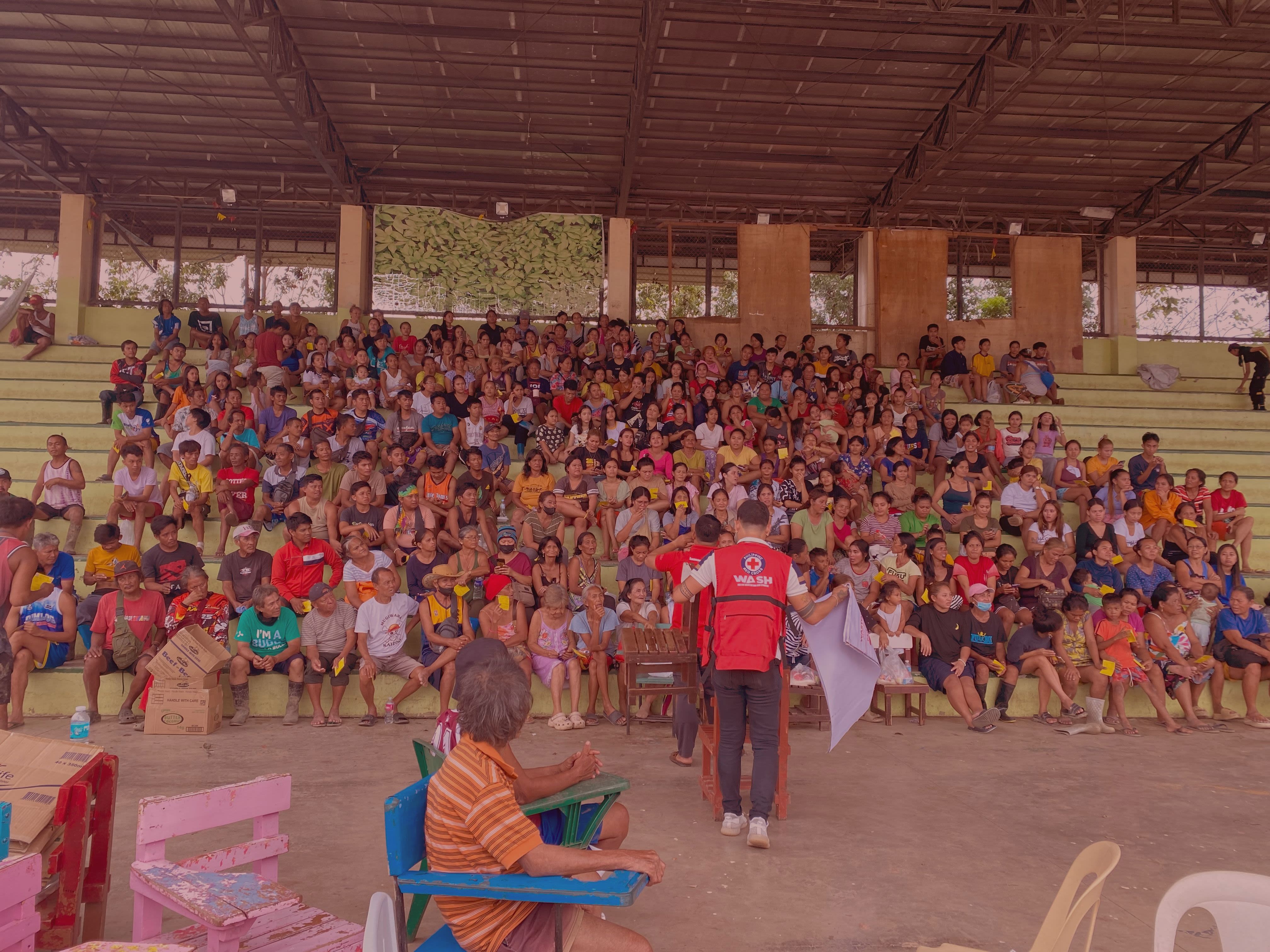
Almost 19,000 people reached through disease prevention sessions
Volunteers: bringing people from ruins to hope
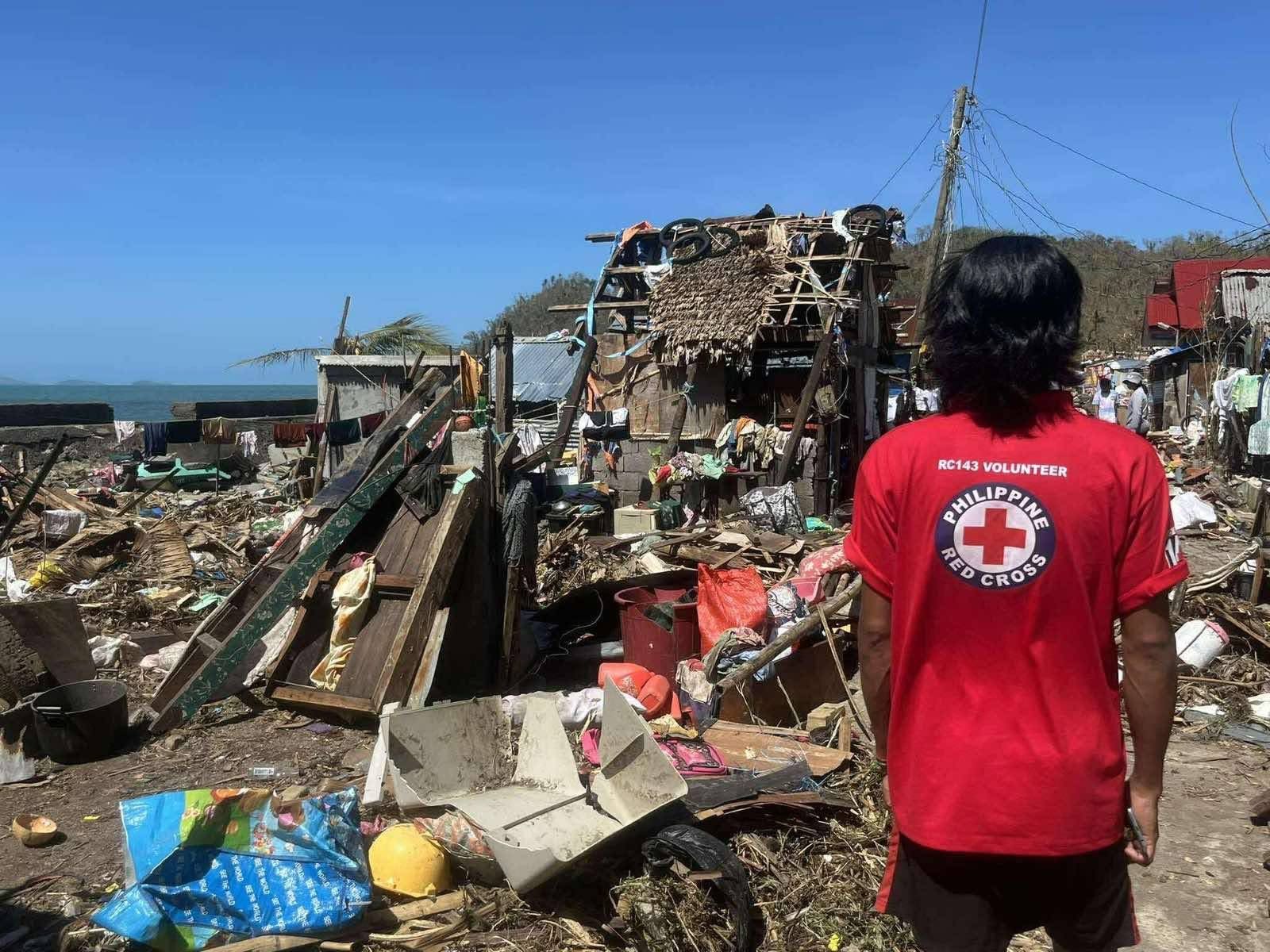


Click here to support Philippine Red Cross in the on-going response.
 Built with Shorthand