30 seconds and a life turned upside down
Three months after the Cebu earthquake shook the Philippines, the aftermath of that sudden, short and powerful quake is still being felt. The Philippines Red Cross and the IFRC are there to help people find a safe path to recovery.

30 seconds
It’s not a lot of time.
It’s about the time it takes to make an instant cup of coffee.
Or to thoroughly wash your hands.
Maybe take a car ride around your block of houses.
But so much can happen even in this short period of time.
For Rona and Margien — and many like them who lived through the earthquake that shook Cebu Province in the Philippines on September 30, 2025 — it was 30 seconds that would change their lives forever.
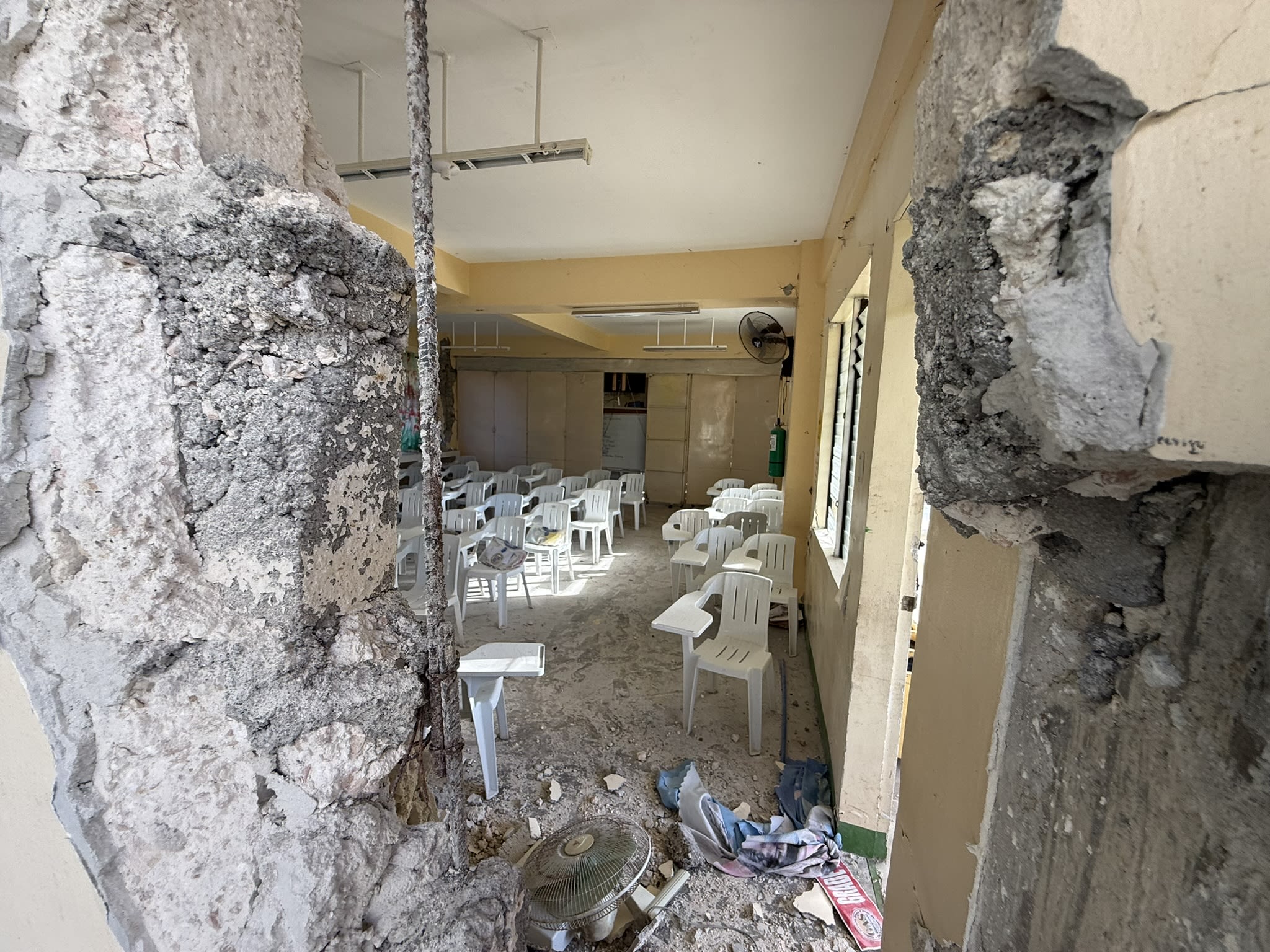
In that fleeting moment of time, Rona lost her two grandchildren and Margien, a Philippine Red Cross member, lost a dear friend and mentor. Hundreds of others also lost loved ones, homes and livelihoods as their world came tumbling down around them.

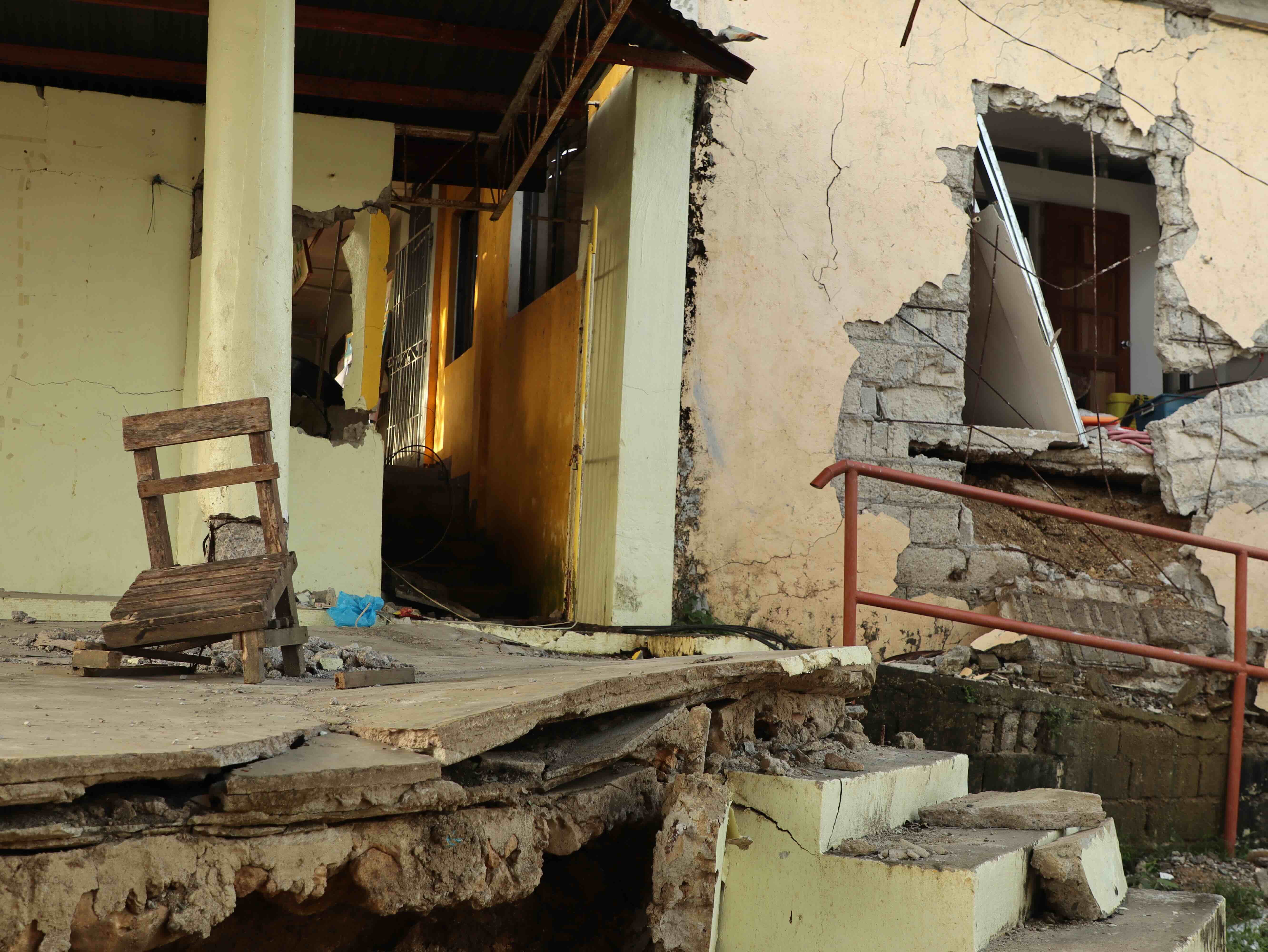
When the earth in Cebu, central Philippines, started shaking at 9.59 pm on 30 September, people were sleeping or relaxing with their families.
It was unexpected.
Violent.
Terrifying.
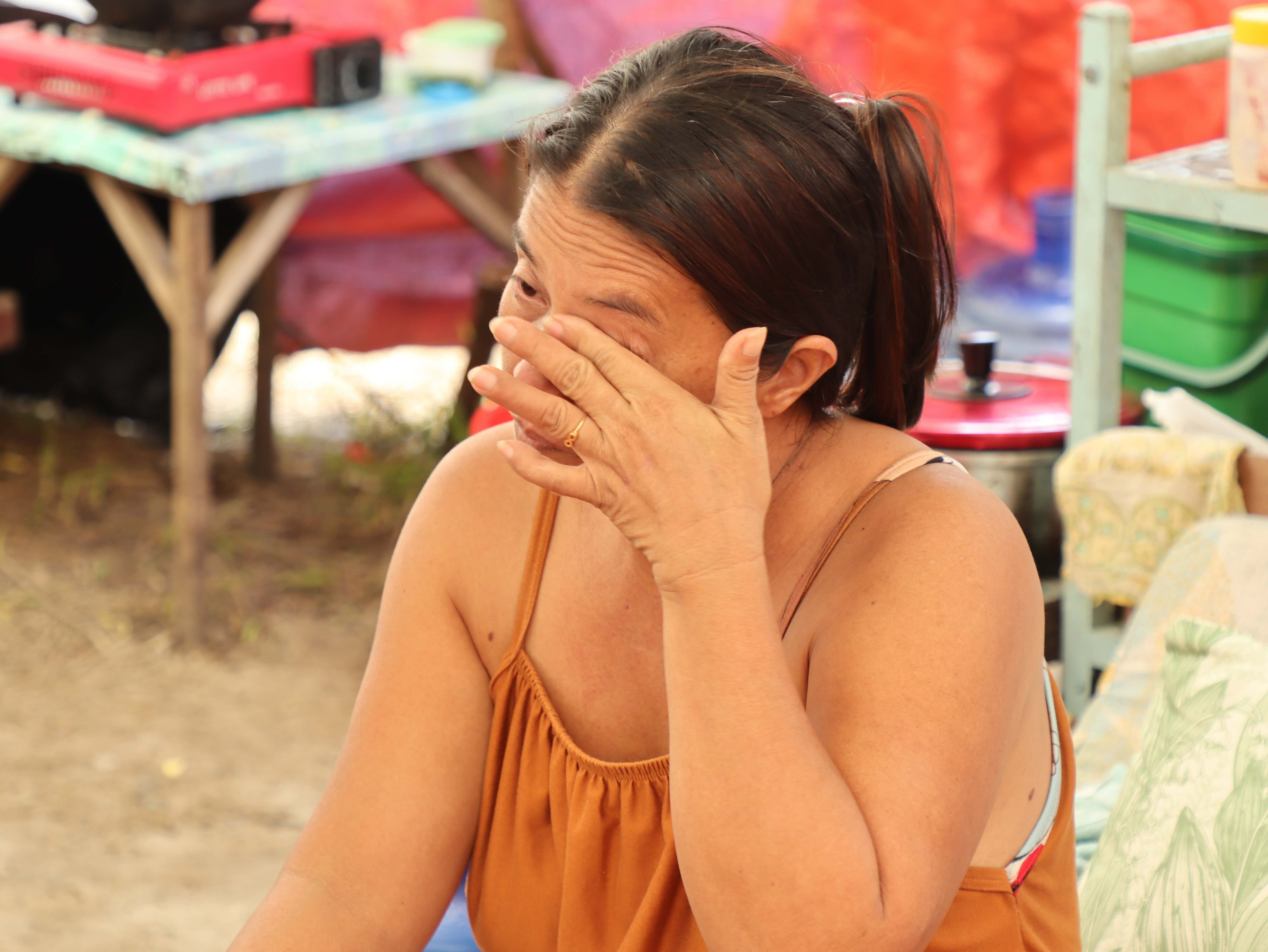
“I tried to run but I could hardly stand,” says Rona Malinao, who lives in Medellin, near the top of Cebu island in central Philippines.
“Then rocks started falling on me and I was trapped. I shouted ‘here I am, please help me’ and my family dug me out from under trees and rocks."
A single mother of four, her house was destroyed in a massive rockslide caused by the earthquake. Two of her children were seriously injured but two of her grandchildren did not survive the quake.
“We couldn’t get to the boys. It was too difficult to get them out,” she says, as she wipes away tears. “Zion was 11 months old and Zachary would have turned 3 on November 13. I was the one who named them both. I miss them so much.”
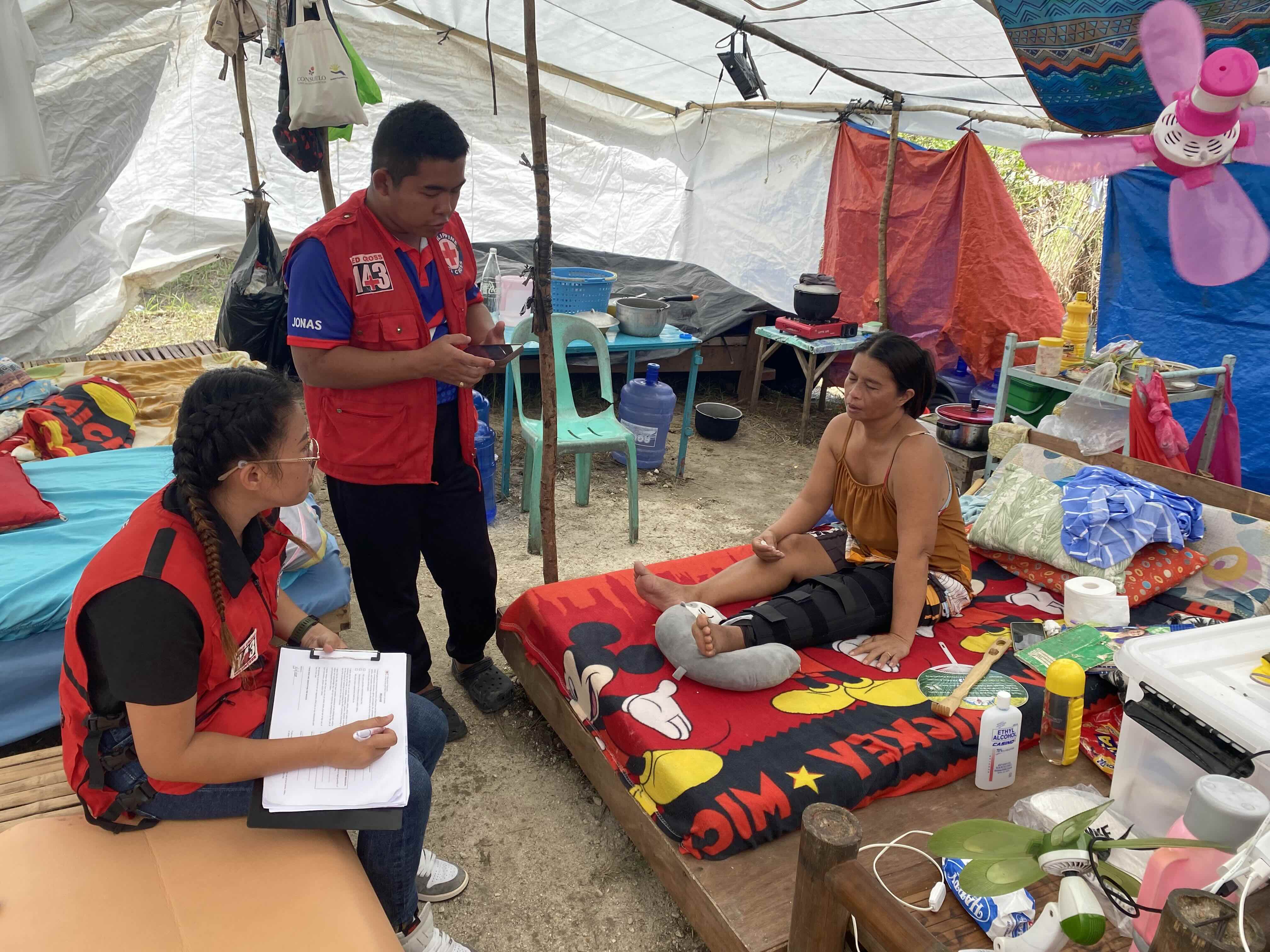
Now they are all now living in a temporary shelter cobbled together from tarpaulins, rope, bits of wood and whatever they could salvage between aftershocks. On top of all that, Rona herself was injured and needed an operation on her knee.

Lasting impact
More than 750,000 people affected.
More than 22,500 people displaced.
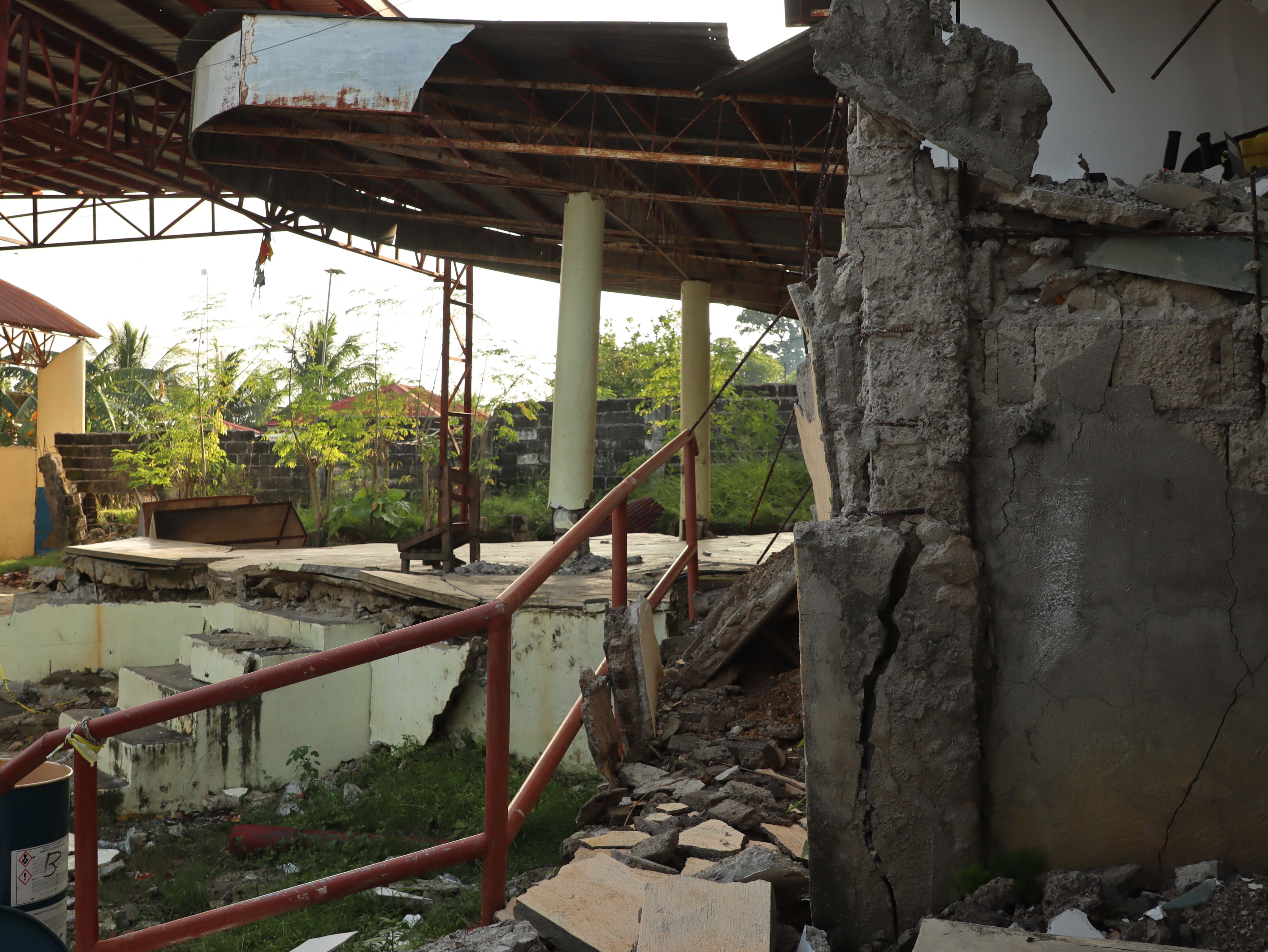
Almost 160,000 homes damaged or destroyed.
Since the initial 6.9 quake, there have been at least 13,500 aftershocks, the strongest of which had a magnitude of 5.8.

Awake at night
Disasters are nothing new to many people in the Philippines. Typhoons hit the Philippines with depressing regularity and gravity.
Typhoon Haiyan killed more than 6,000 people in 2013; Rai caused more than USD 1 billion of damage in 2021, and six typhoons hit within the space of a month in 2024.
But earthquakes are less frequent. Roughly ten major quakes have shaken the Philippines since the year 2000 but most living this particular part of the country had never experienced an earthquake before.
In fact, the specific faultline that caused the September 2025 Cebu earthquake had been dormant for more than 400 years. So earthquakes were not something that kept people awake at night.
They are now.
'Once I knew my family was safe, I started answering calls.'
“I was with my siblings at home when the earthquake started. There are nine of us, including four children,” Philippine Red Cross volunteer Margien Baterna, 29, says. “I didn’t realise at first that it was an earthquake because it built slowly, but then it felt like there was a giant outside.
“When the shaking stopped, I grabbed two of the children and ran outside. Once I knew my family was safe, I started answering calls from people asking for help .”
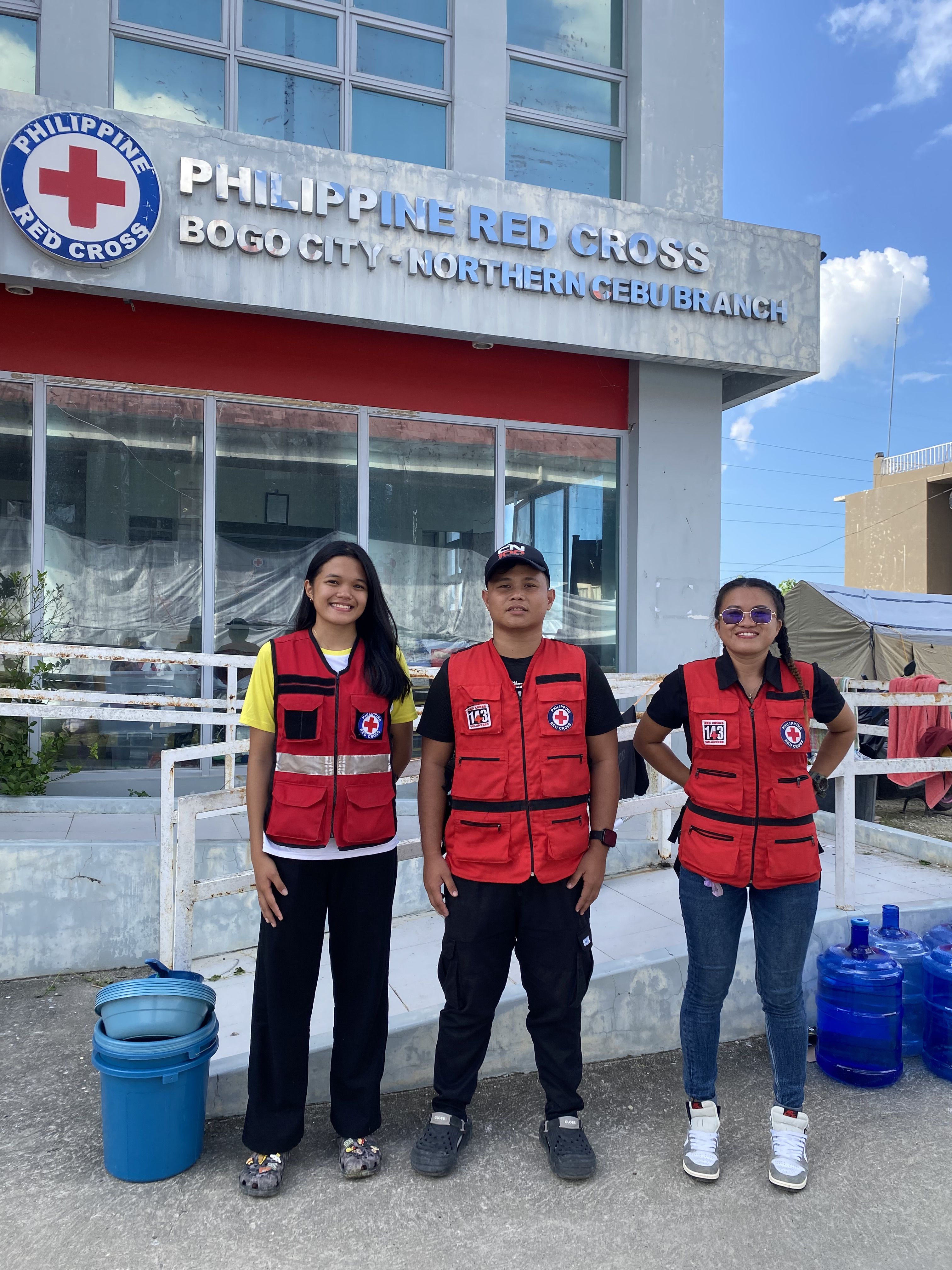
Just like any ordinary night, an emergency response team had been on standby at the Philippine Red Cross Bogo City branch.
After escaping the badly damaged building with a handful of bruises, they helped mobilise volunteers across the city in response to the distress calls flooding in to the Philippine Red Cross 143 emergency number.
In those first few hours, the teams were in constant action: helping with search and rescue, treating people with a variety of injuries, transporting people to the hospital and providing comfort wherever they could. The next day, reinforcements arrived from Cebu City in the centre of the island.
“We were constantly running with the ambulance; one call after another,” Margien says. "Even when your body was resting your mind wasn’t. You’re always looking around to see if it’s safe.”
'It was a nightmare'
One of the emergency calls to which they responded hit the Red Cross team especially hard.
Their team leader Jose Ian Riveral Ho had been found dead in the rubble of his house, curled around his son, who survived.
“It was a nightmare,” Margien says. “I heard the call, and I went there immediately. I broke down. I could not accept it. Ian was my mentor, he is the one who recognised me at Red Cross."
Known to everyone as Ian, he had been a Red Cross volunteer since 2013. A trained emergency medical technician, he was a senior volunteer and Emergency Medical Services Team Leader for the ambulance team.
A first aid instructor and lifeguard, he was very active within the chapter, mentoring many young volunteers.
“If it wasn’t for him, I wouldn’t be here. If Ian was still alive, he would be here with us right now. We will help a lot more people because of him.”

Safe shelter
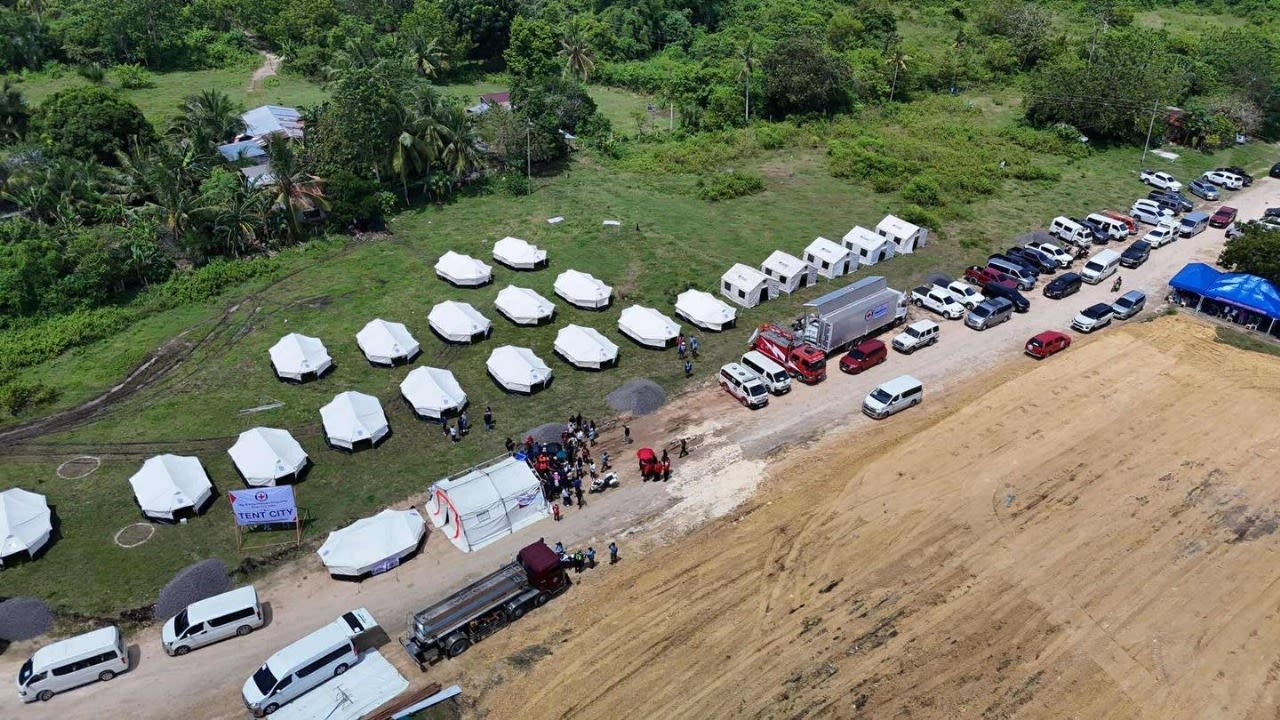
To alleviate some of the suffering, Philippine Red Cross erected two ‘tent cities’ in coordination with local authorities. Teams put up more than 230 family tents, alongside dozens of latrines and bathing areas, and a pool for the children.
Volunteers provided meals, safe water, health services and psychosocial support, including child-friendly spaces to help provide some level of normalcy for the youngest residents.
Impossible choices
However, just two weeks later the warnings about Typhoon Kalmaegi started coming through.
While the storm represented a more familiar threat, it forced people to make impossible choices: stay in tents that were unlikely to survive the winds, venture back into their unstable homes, or take shelter in an evacuation centre, many of which had themselves been damaged.
Read more about Typhoon Kalmaegi’s impacts and the IFRC and Philippine Red Cross Response here.

Easing the pain: The Red Cross response
Red Cross helped those living in the tent cities move to the Bogo Sports Complex – the main evacuation centre – or to stay with friends.
They then started packing down the tents, stopping only when conditions made it too dangerous to continue.
To help ease some of the fear in the evacuation centre, volunteers positioned and staffed a vehicle outside so they could quickly go for help if something happened to the building.
In Medellin, Rona - her leg still immobilised after surgery – and her extended family stayed with friends. They packed down and secured their temporary shelter and meagre belongings, then piled into a small truck to get to safety.
Once the storm had passed, they returned and rebuilt their shelter.
Four days later when Super Typhoon Fung-Wong threatened, they went through the whole process again.
“I dream of having somewhere to be relocated to so we can start again. We need to start a new normal life. A small house can be a big thing.”

Our impact so far
232 family tents erected.
More than 1,600 families received relief items.
More than 3,000 people benefited from psychosocial support.
16,200+ people received 1.3 million+ litres of safe water.
More than 10,400 meals provided and almost 1,300 families received food packs.
Almost 500 volunteers and staff mobilised.
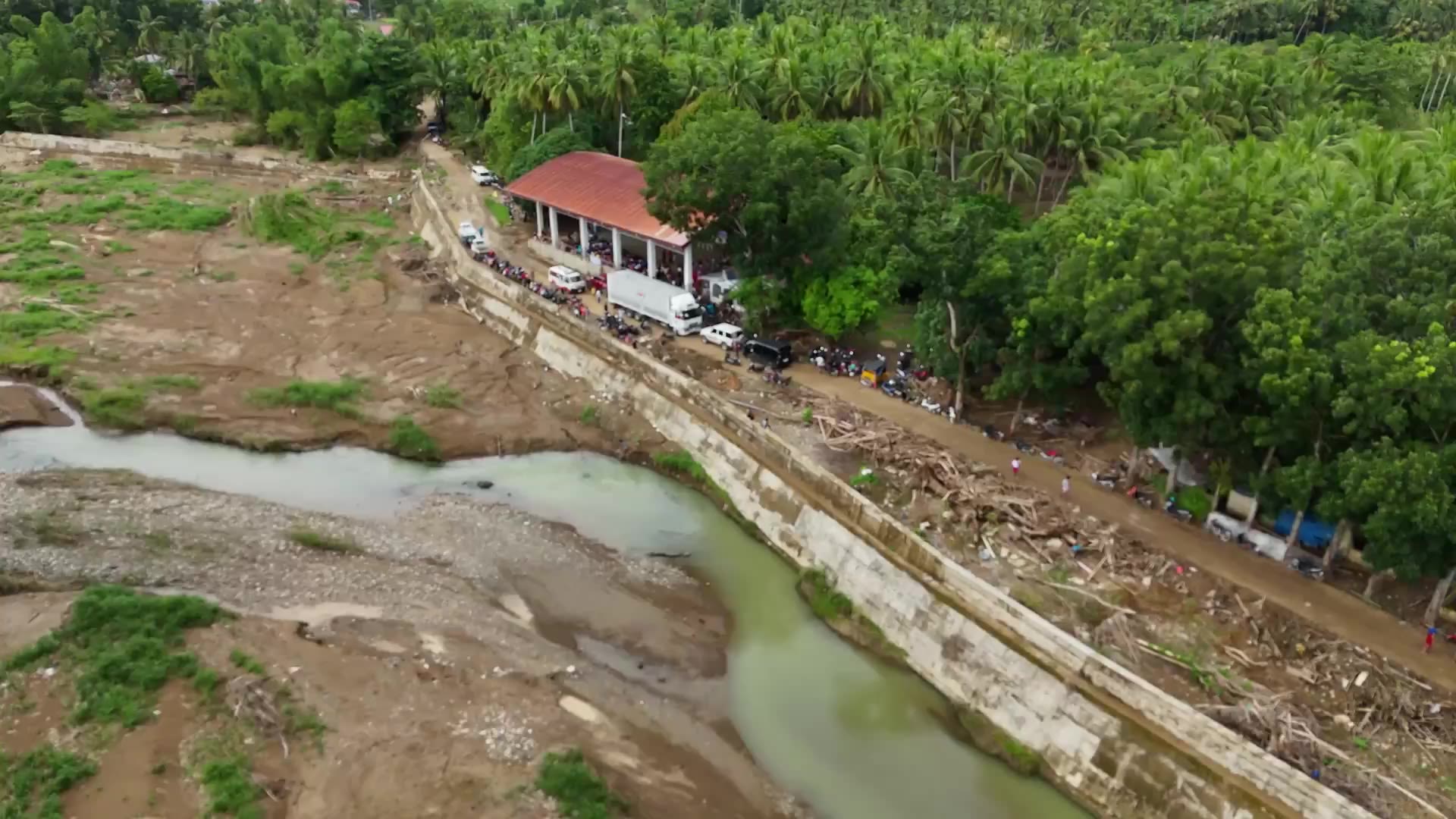

A future shaken
In the first seven days after the first earthquake, Philippine Institute of Volcanology and Seismology recorded more than 7,000 aftershocks, the strongest of which measured 5.1.
Even people whose homes were liveable were too scared to sleep inside, instead going in and out of their homes to use the facilities during the day and sleeping outside or in tents pitched nearby at night.
“We act as if everything is normal,” Margien says. “And then another aftershock comes and we are scared again.”
The situation has left many with a feeling of uncertainty and instability. The sole breadwinner for her family, Yoying Tampus relied on income she made selling groceries from her store.
That store and that income is now gone.
“My store was completely destroyed so I have no source of income,” she says.” I don’t know what to do next. But I have to be strong for my family."
"The shaking was so bad that it was hard to stay standing,” Yoying says. “Every day there is an aftershock and we are scared. I don't know if there is a future.”
Meanwhile, her daughter is in her final semester of a degree in education but doesn't want to go back, so Yoying is trying to motivate her to keep studying so she too can have a future.
“There is no place for weakness. Everyone in the family leans on me, if I fall, everyone falls. This is the first time I've cried in front of anyone. I have no one else to talk to. It's heavy."

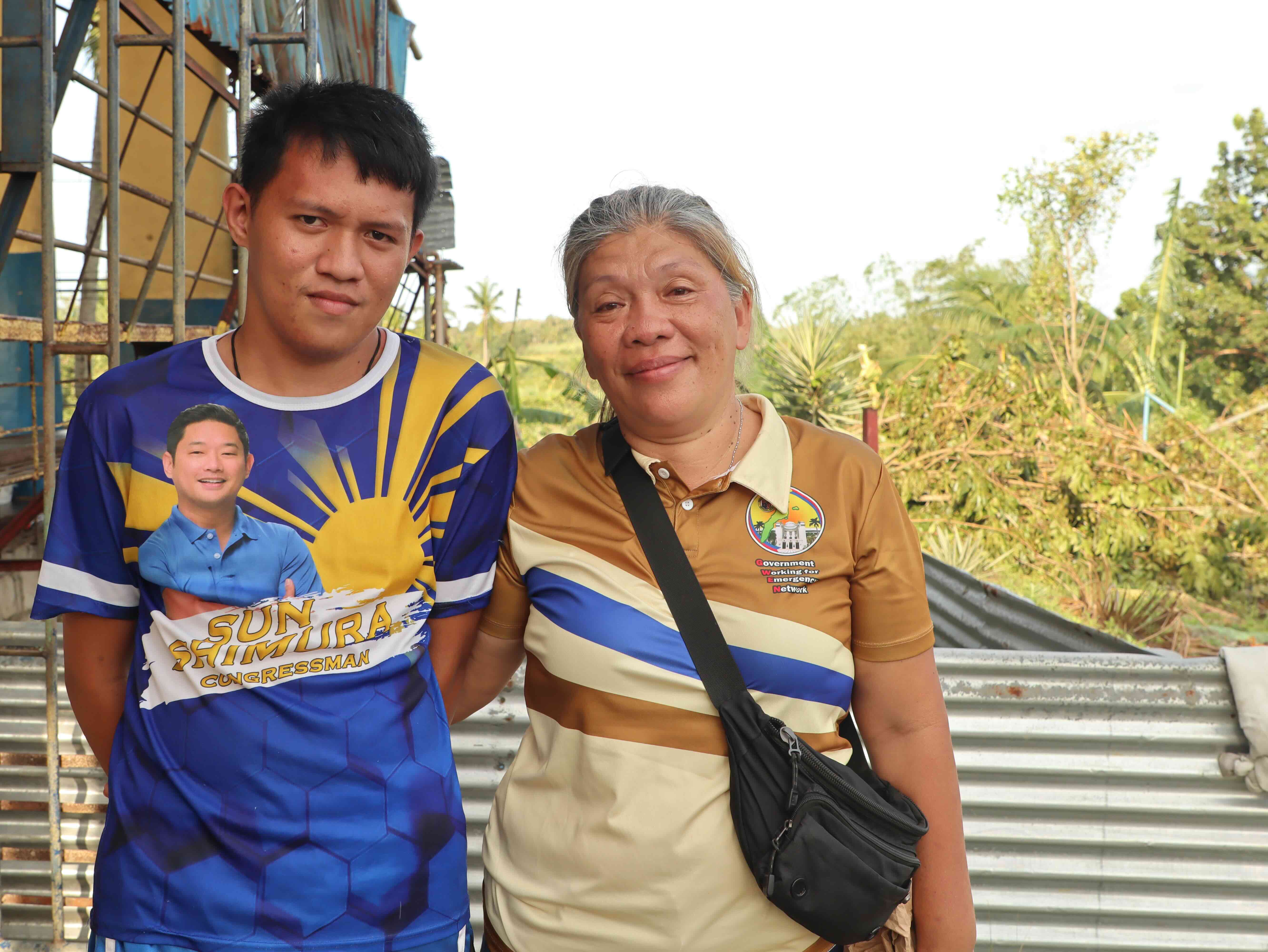
‘Strong for the people’
In the immediate aftermath of the quake, the IFRC rapidly released nearly 1 million Swiss francs in funding through the Disaster Response Emergency Fund to support Philippine Red Cross’ immediate response activities and provide technical support on the ground.
A further 1 million Swiss francs were released to respond to the heightened needs on the ground, due to the compounding effects of the earthquake and typhoons Kalmaegi and Fung-Wong.
IFRC has also launched an emergency appeal to support Philippine Red Cross in scaling up its ability to meet the needs of people affected not only by the earthquake but also by the twin typhoons – Kalmaegi and Fung-Wong.
The focus now
Three months on, the focus has turned to early recovery, particularly in areas of shelter, cash grants to survivors and water sanitation and hygiene.
Philippine Red Cross continues to distribute relief items such as sleeping mats, blankets, mosquito nets, hygiene items and kitchen sets, as well as tools and materials that people can use to repair their homes.
The next step will be supporting shelter options while more permanent solutions can be identified.
At the same time, it means helping people rebuild and strengthen their livelihoods, and providing mental health psychosocial support.
Many people in northern Cebu continue to live in a heightened state of fear and anxiety, which not only takes a psychological toll but can also manifest in physical symptoms such as fatigue and body pains.
Strong aftershocks are now less frequent than during the two months after the earthquake, however, thousands of people are still living in makeshift shelters, with relatives, or in tents with nowhere else to go.
“We have to be strong for other people,” Red Cross volunteer Margien says.
“We have to show them it’s okay, motivate them. We are very tired, but we keep going, because that is how we serve our community.”
As communities begin to rebuild, it is critical that they are able to re-build back better and safer to mitigate the impact of future disasters.
However, there is still a significant funding gap under the Emergency Appeal to support the response to the earthquake and both typhoons.
More than 11 million Swiss francs are still needed to ensure people across the Philippines, including those affected by the Cebu earthquake, get the long-term assistance they need to rebuild their lives.

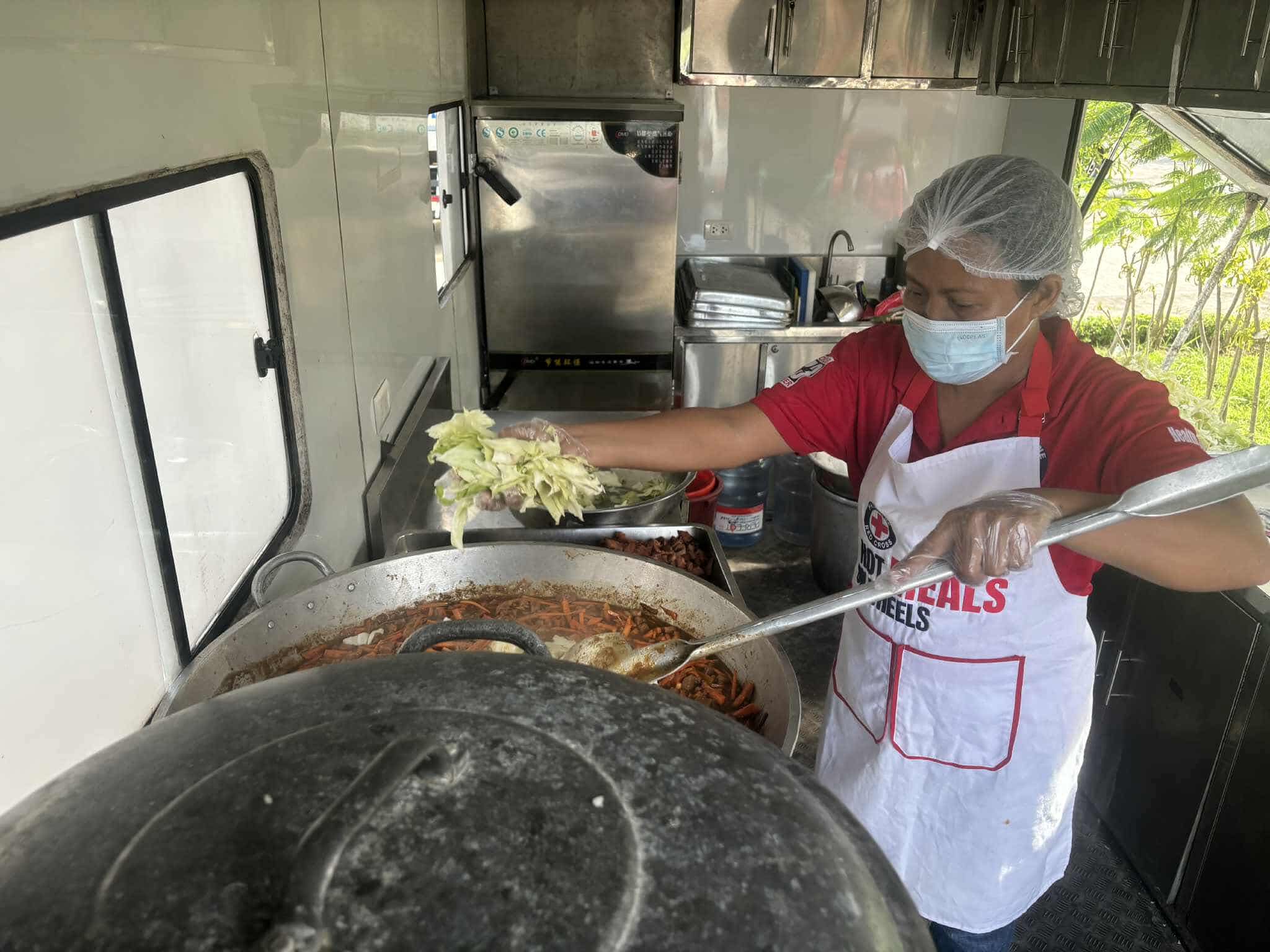
A volunteer prepares a hot meal for earthquake survivors. Photo: Philippine Red Cross Society
A volunteer prepares a hot meal for earthquake survivors. Photo: Philippine Red Cross Society
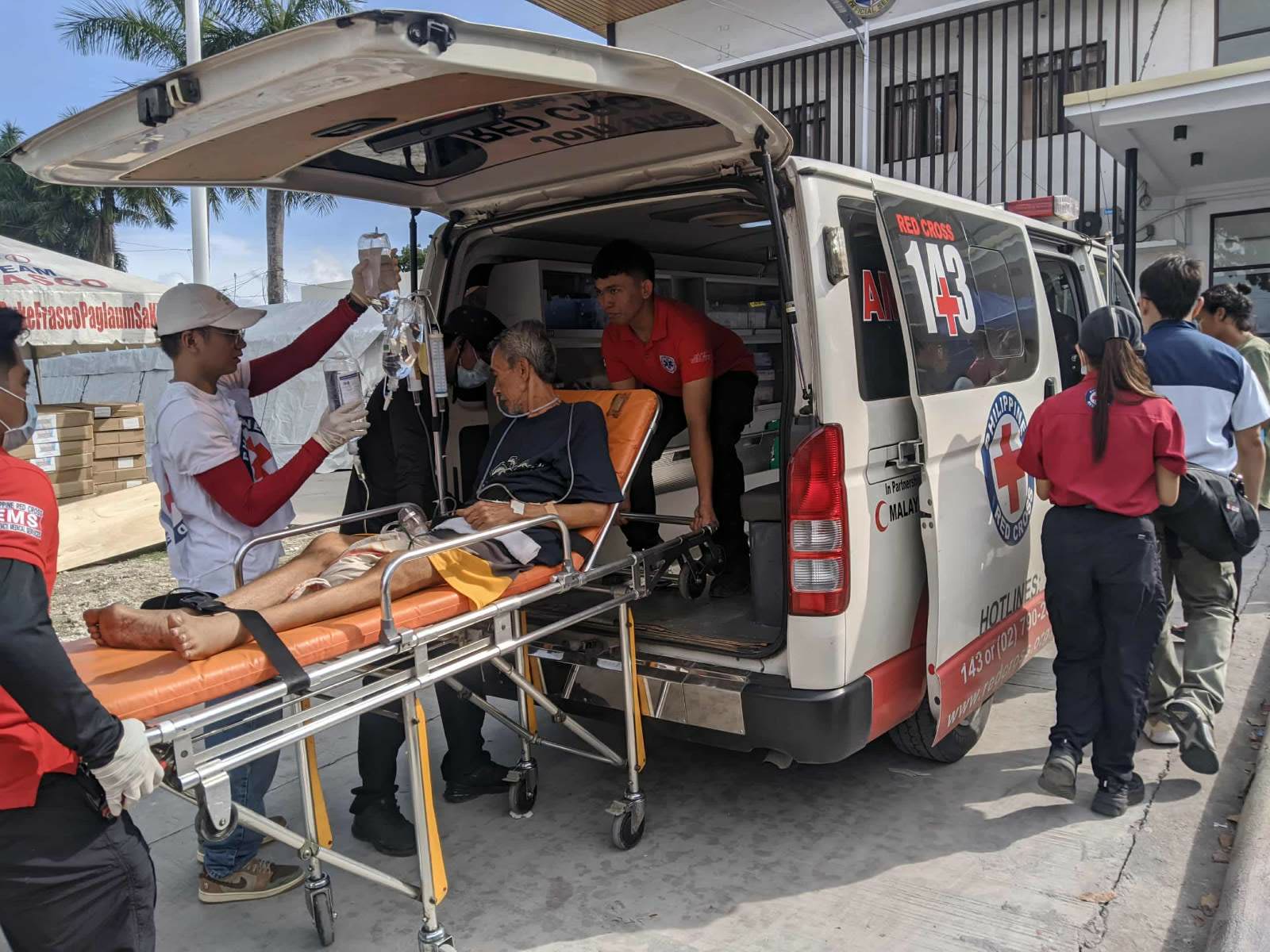
Philippine Red Cross Society emergency medical teams responded immediately when the earthquake struck. Here they transport an injured earthquake survivor. Photo: Philippine Red Cross Society
Philippine Red Cross Society emergency medical teams responded immediately when the earthquake struck. Here they transport an injured earthquake survivor. Photo: Philippine Red Cross Society

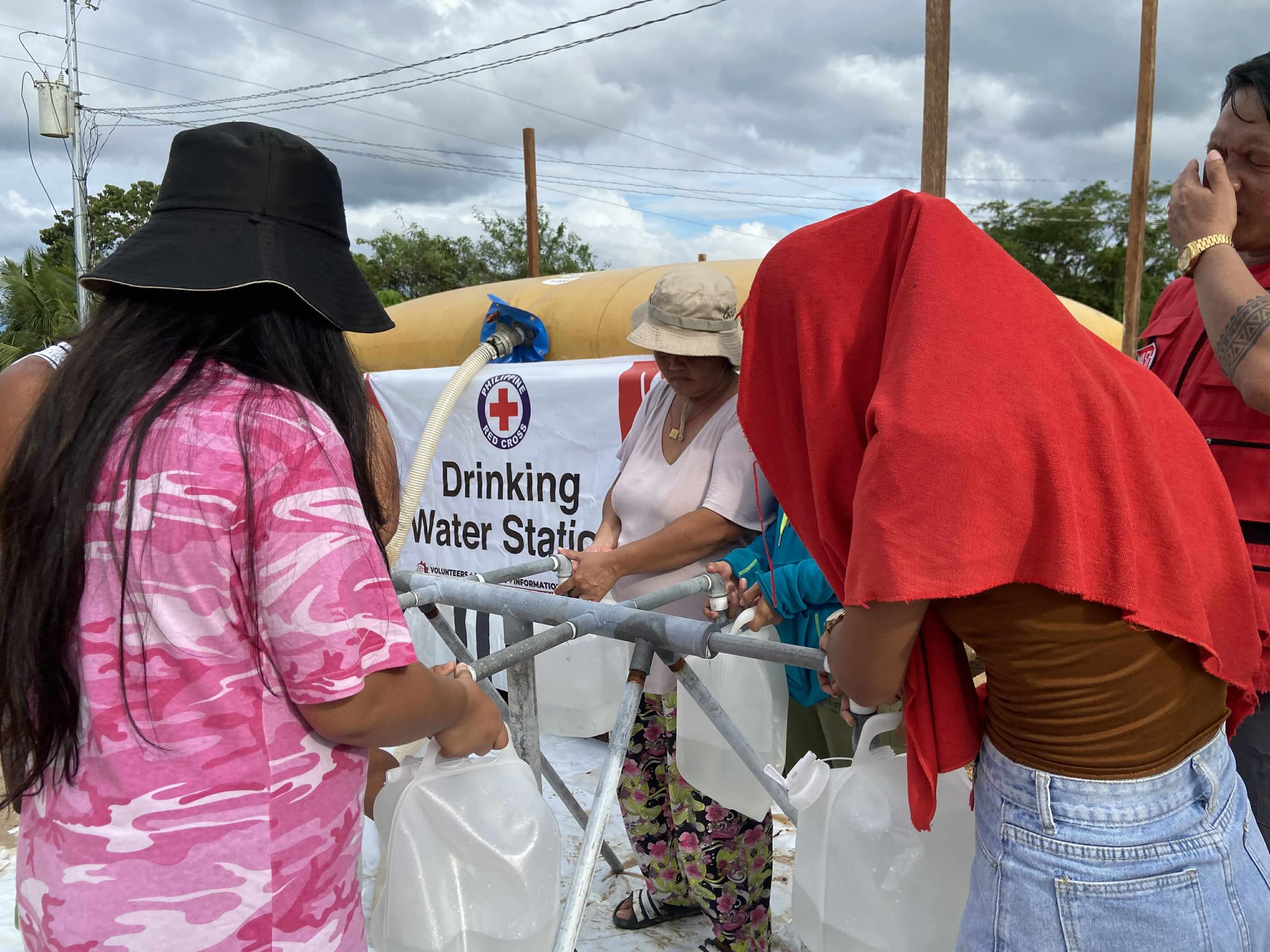
The Philippine Red Cross Society set up stations where people displaced by the quake could access safe, clean drinking water. Photo: Philippine Red Cross Society
The Philippine Red Cross Society set up stations where people displaced by the quake could access safe, clean drinking water. Photo: Philippine Red Cross Society
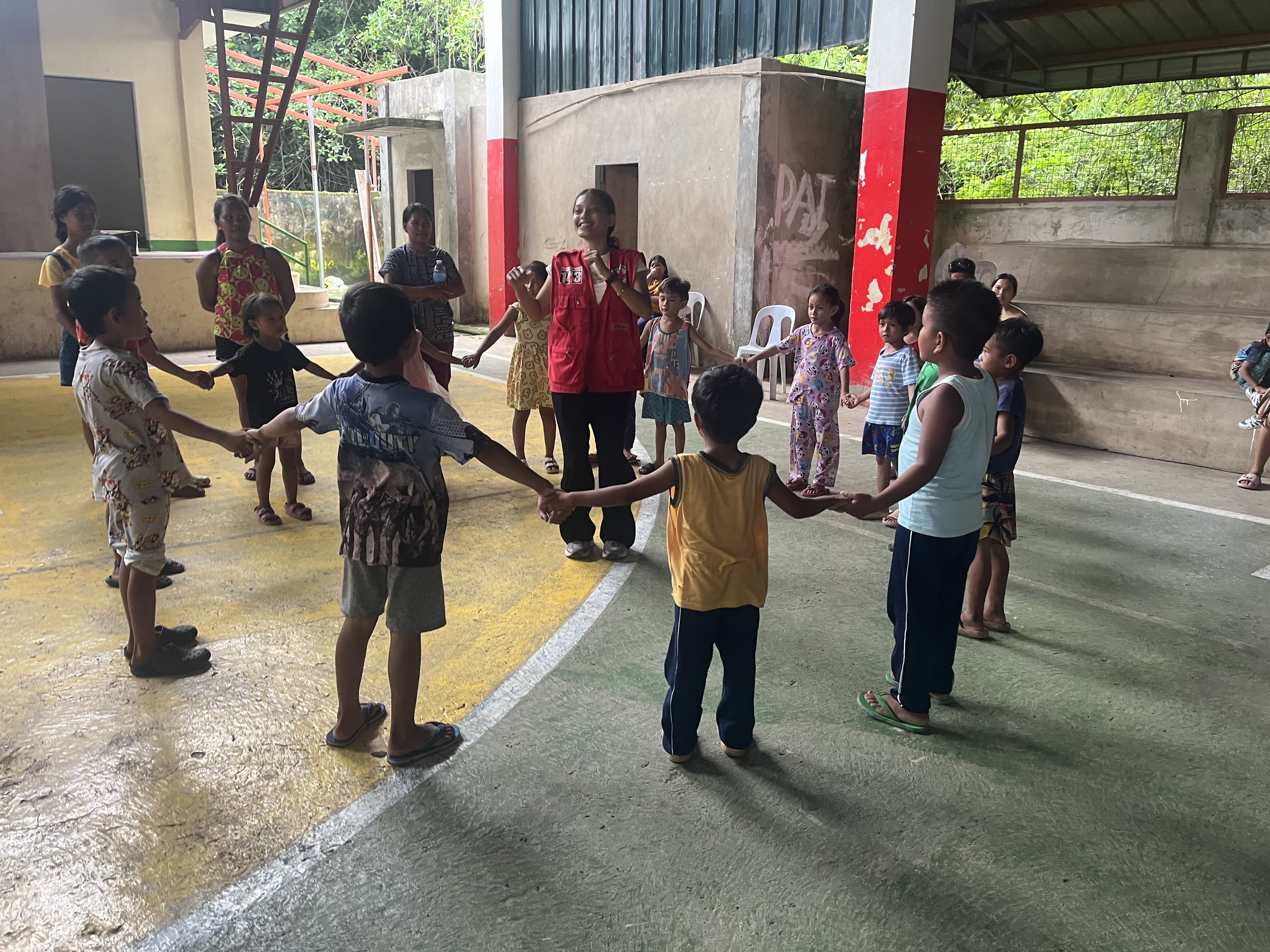
Philippine Red Cross volunteers lead a play session with children to help ease the emotional stress caused by the earthquake — loss of loved ones and homes, and the major disruption in their daily lives. Photo: Philippine Red Cross Society
Philippine Red Cross volunteers lead a play session with children to help ease the emotional stress caused by the earthquake — loss of loved ones and homes, and the major disruption in their daily lives. Photo: Philippine Red Cross Society
Story and photos by Ellie van Baaren
Surge Communications Coordinator, IFRC, The Philippines
 Built with Shorthand

