
The long road to recovery
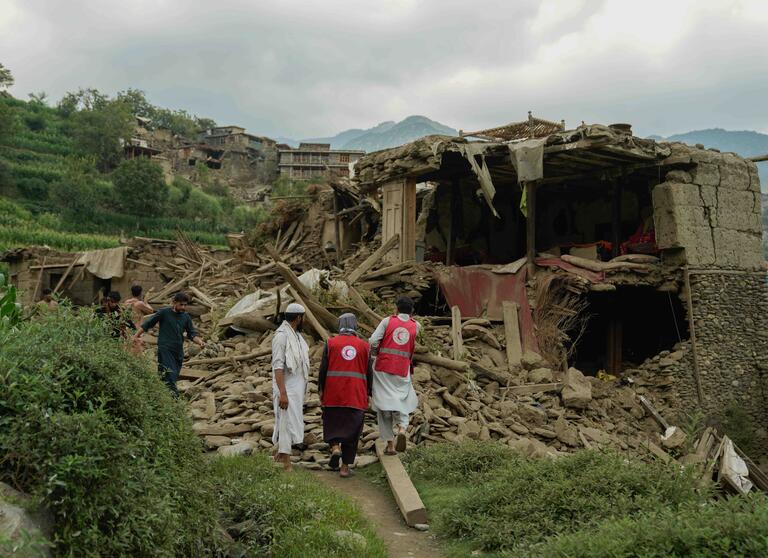
Six months after the earthquake that devastated Arait village in Afghanistan’s Kunar Province, the memory of that night remains painfully vivid. The Afghan Red Crescent is helping people on their journey to recovery, but more support is still urgently needed.

An endless journey
Ibrahim had travelled to Jalalabad—a two‑hour journey from home—unaware that in a matter of seconds, the ground would convulse with such force that his village, along with thousands of homes across the northeast, would come crumbling down.
The 62‑year‑old farmer still remembers the moment his phone rang: the panic in his son’s voice, the trembling words, and the sinking realisation that life as he knew it had been violently altered.
The journey back to Arait felt endless.
Aftershocks rattled the road beneath him, each tremor a reminder of the extreme urgency of his journey. When he finally arrived, the village he had known all his life had been reduced to rubble.
Homes lay flattened, people dug frantically with their bare hands, and the air was thick with dust. He remembers the cries for help, and the overwhelming chaos of disaster.
Ibrahim’s home was among those destroyed. He lost six members of his immediate family: his wife, three daughters, and two granddaughters, including a baby just six months old.
'She wakes up crying'
Across his extended family, dozens more were killed or injured. The scale of loss is something he still struggles to understand.
Among the survivors was his six‑year‑old granddaughter, Nazmina. She had already lost her father at a younger age, and the earthquake then took her mother.
Now, she clings to her grandfather—the only close family she has left. At night, the fear returns.
“She wakes up crying, thinking the mountain is falling again,” Ibrahim says softly. “She sleeps holding my hand, so she feels safe.”
Nazmina is one of many children deeply affected by the disaster. Their recovery will require time, care, and continued support as they navigate trauma no child should ever have to endure.
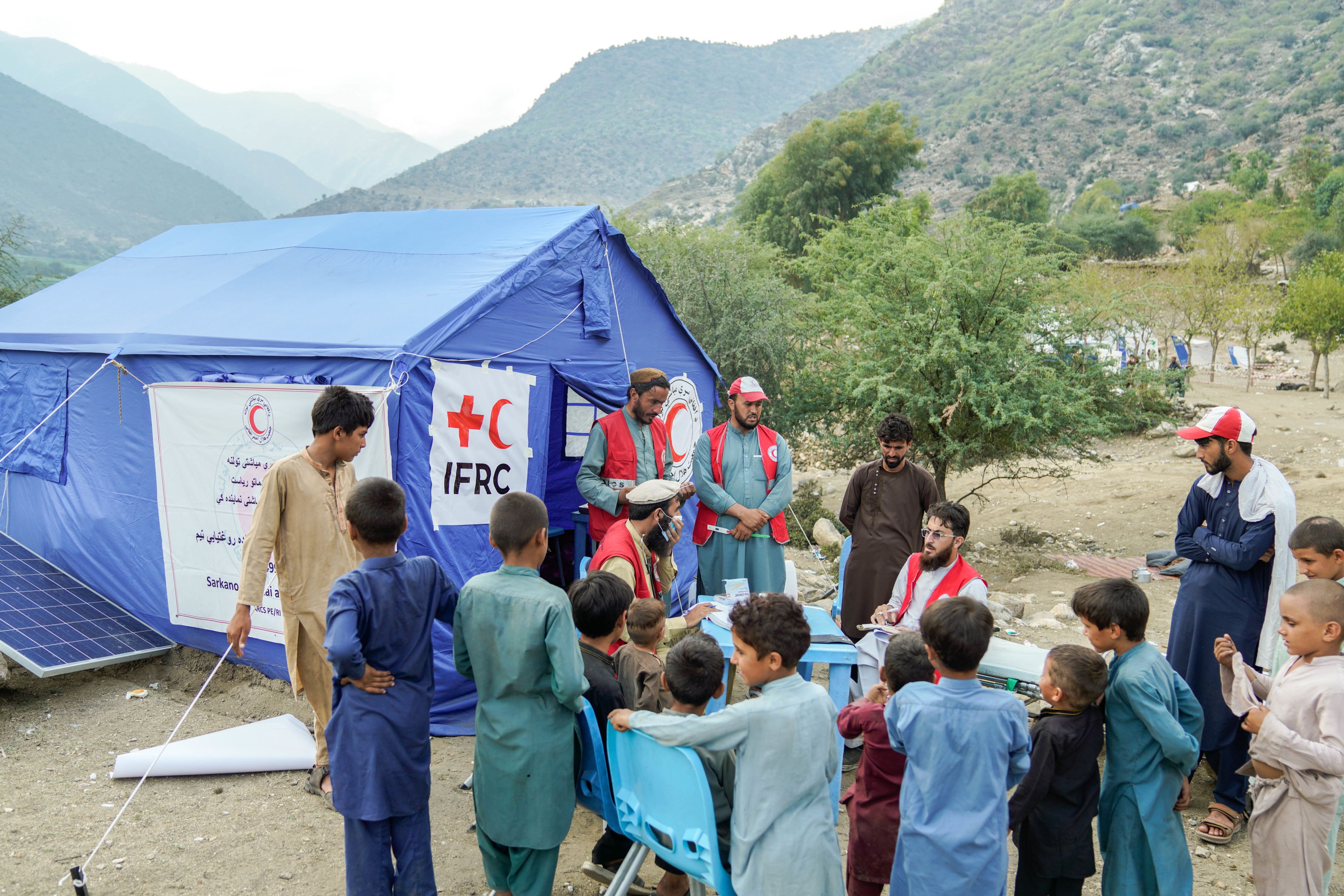
In the hours that followed the earthquake, help began reaching Arait through volunteers from the Afghan Red Crescent Society (ARCS).
Many came from neighbouring communities, arriving even before roads fully reopened. ARCS also managed one of the displacement camps.
“The first people we saw were the Red Crescent,” Ibrahim recalls. “They stayed with us from the first day.”


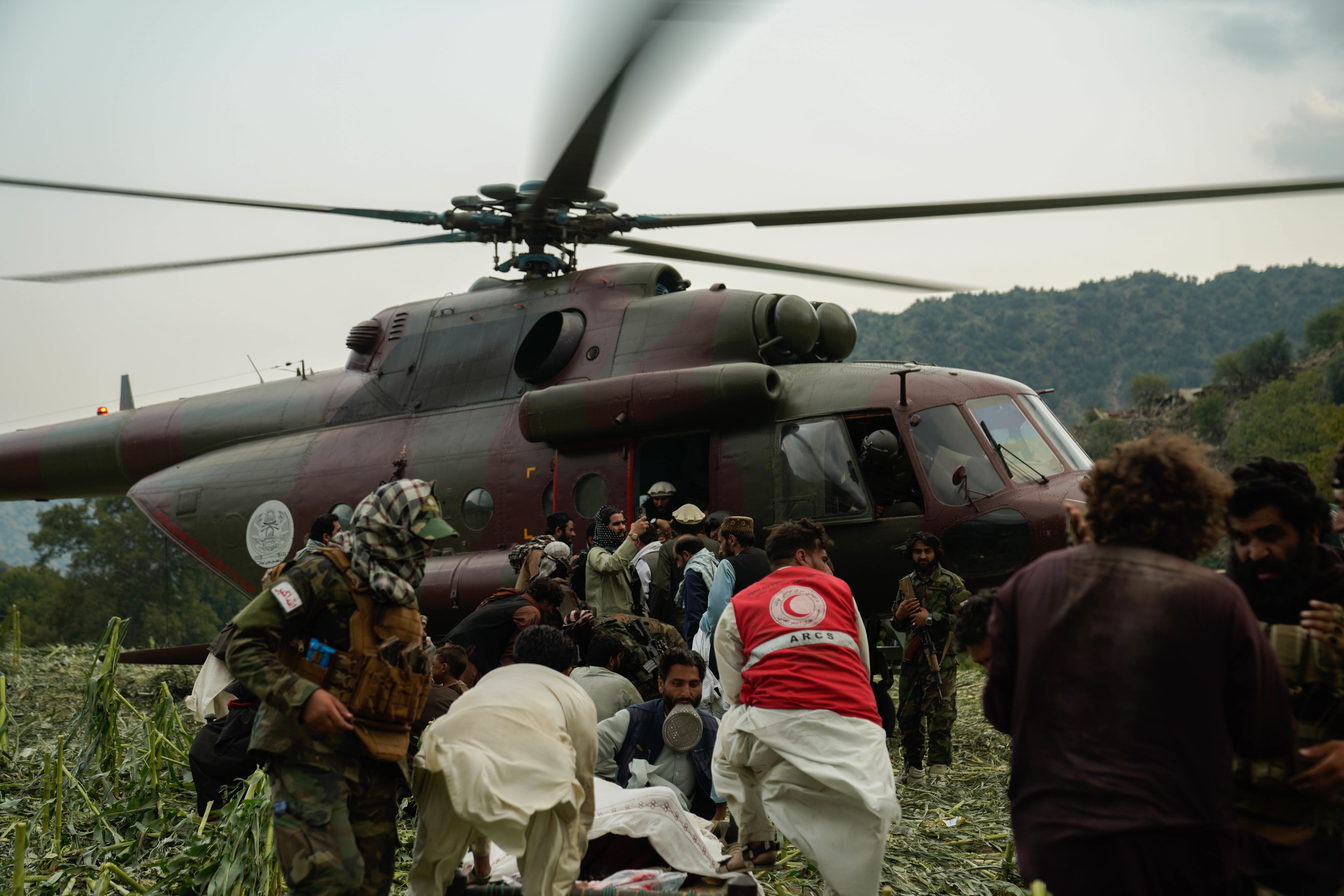
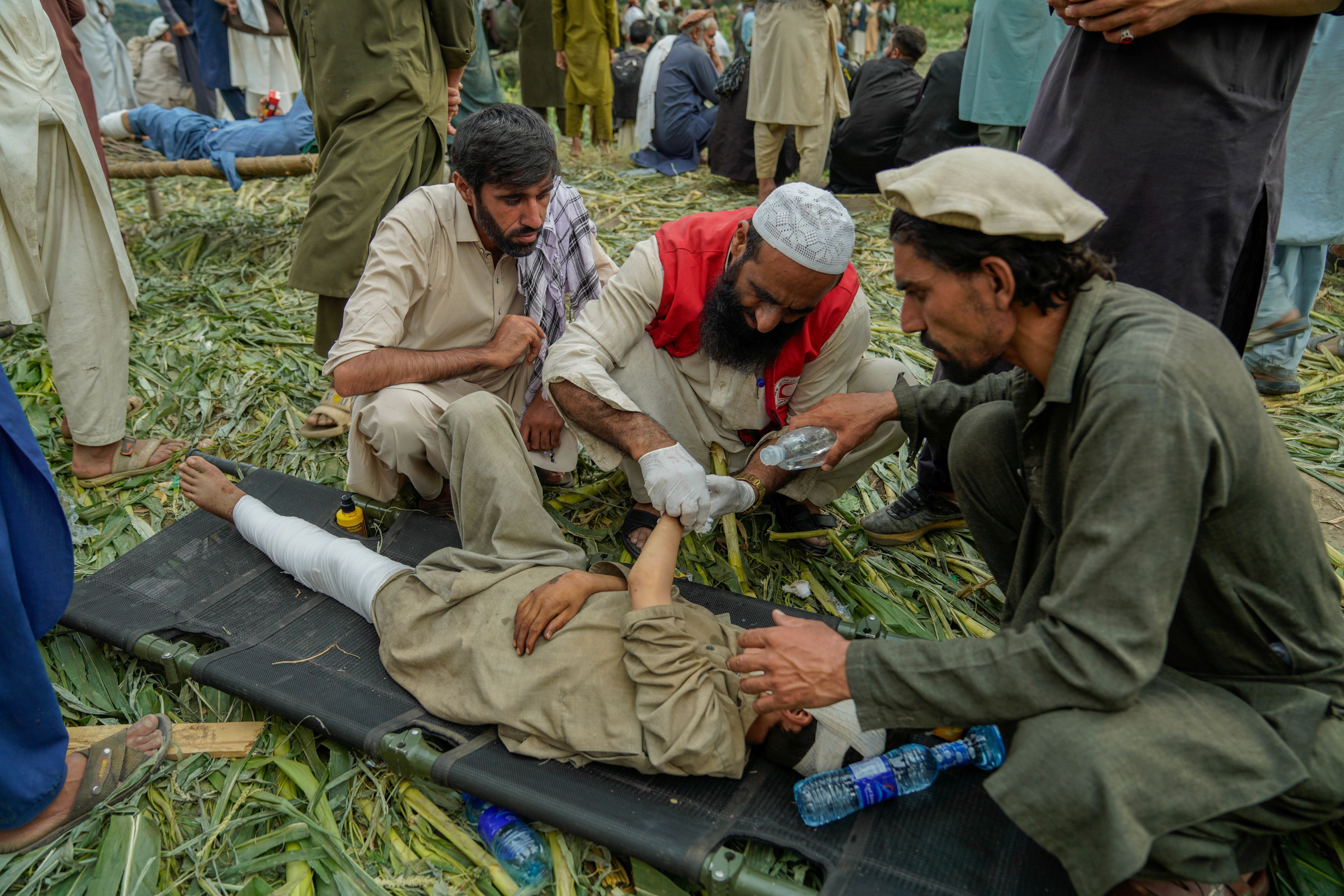
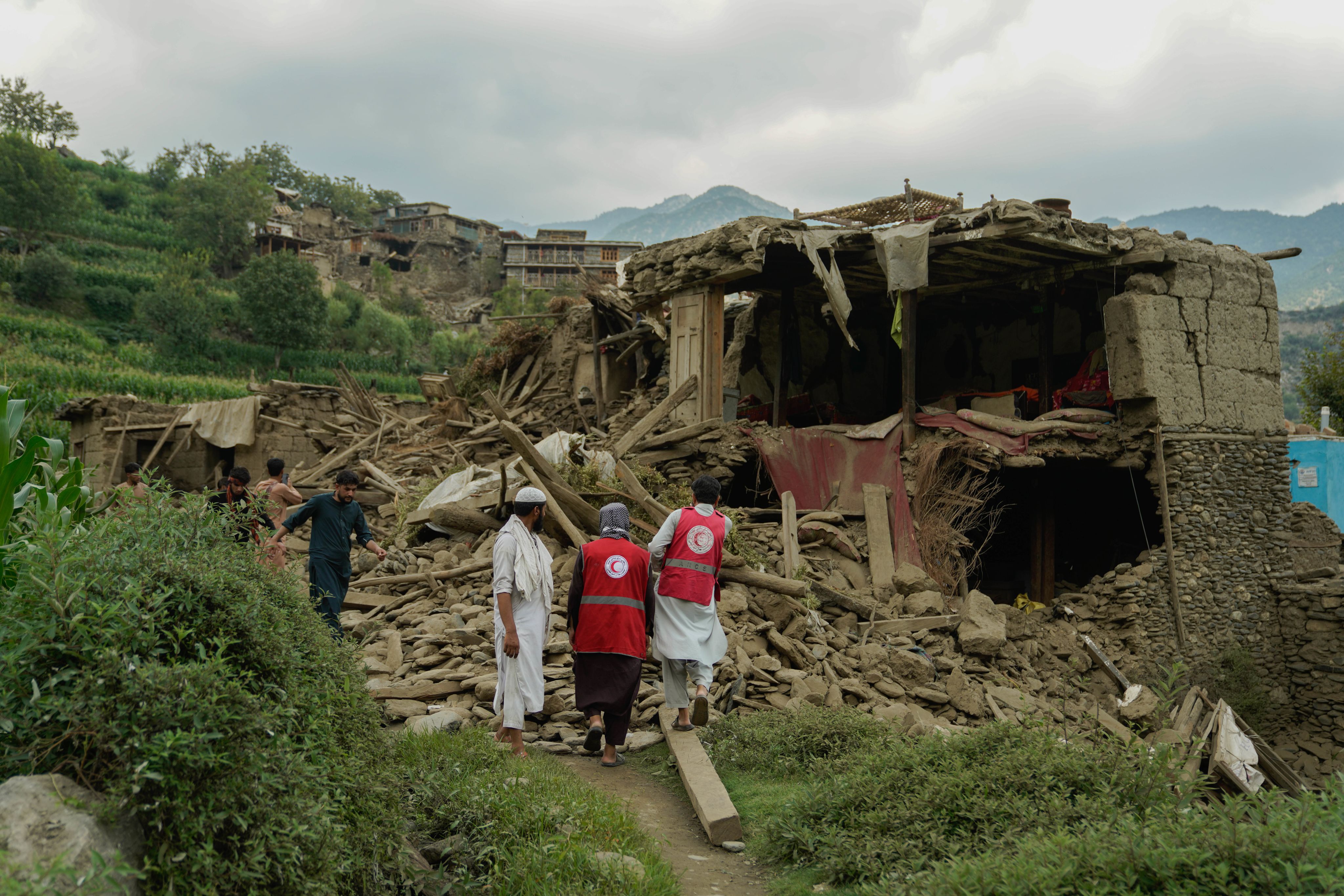
The 6.0‑magnitude earthquake struck southeastern Afghanistan near Jalalabad on the night of 31 August 2025.
Severe shaking spread across Nangarhar and Kunar provinces with impacts extending into Laghman and Nuristan provinces as well.
The earthquake caused widespread devastation, killing more than 2,200 people and injuring over 3,600, while affecting up to 3 million across the region.
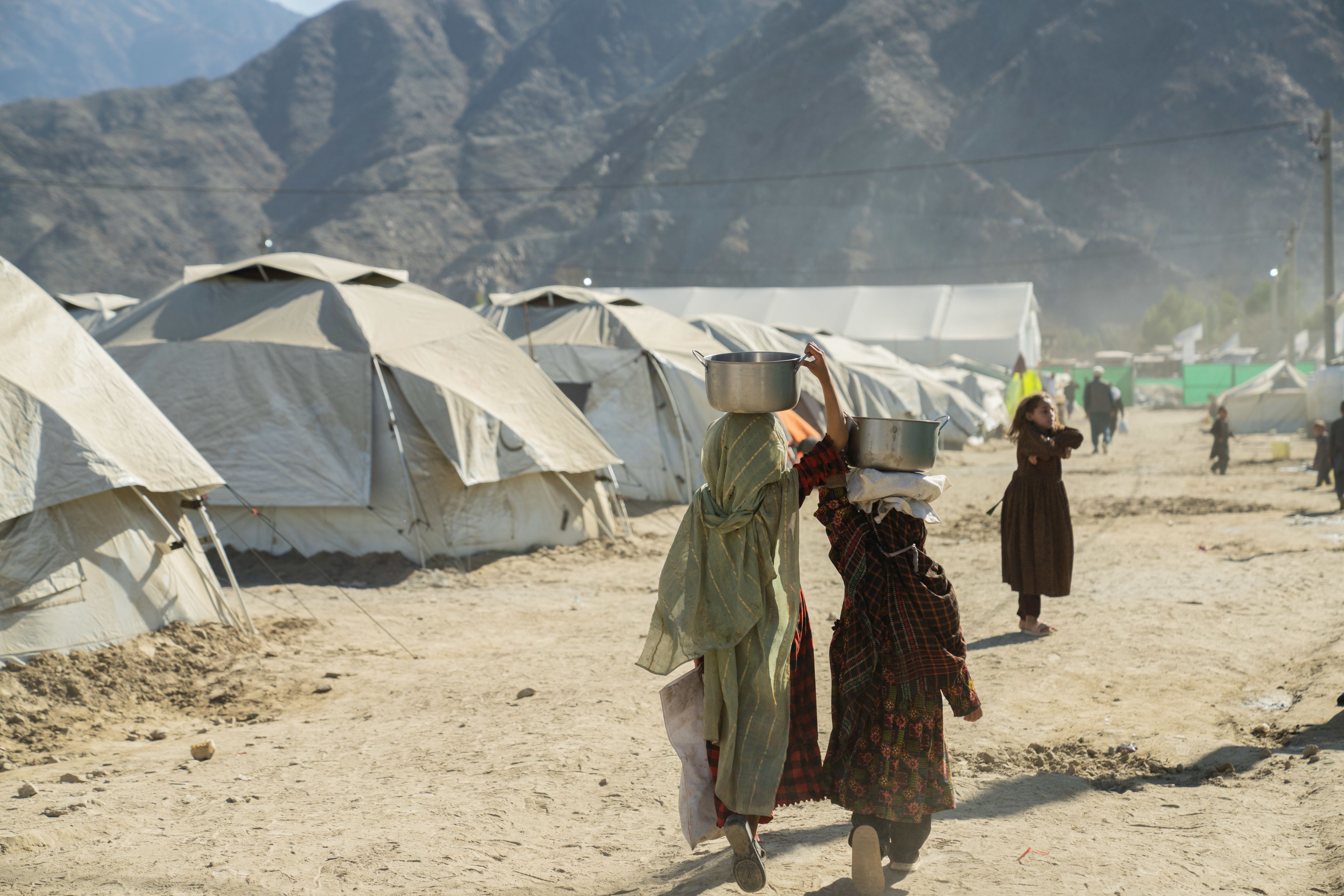
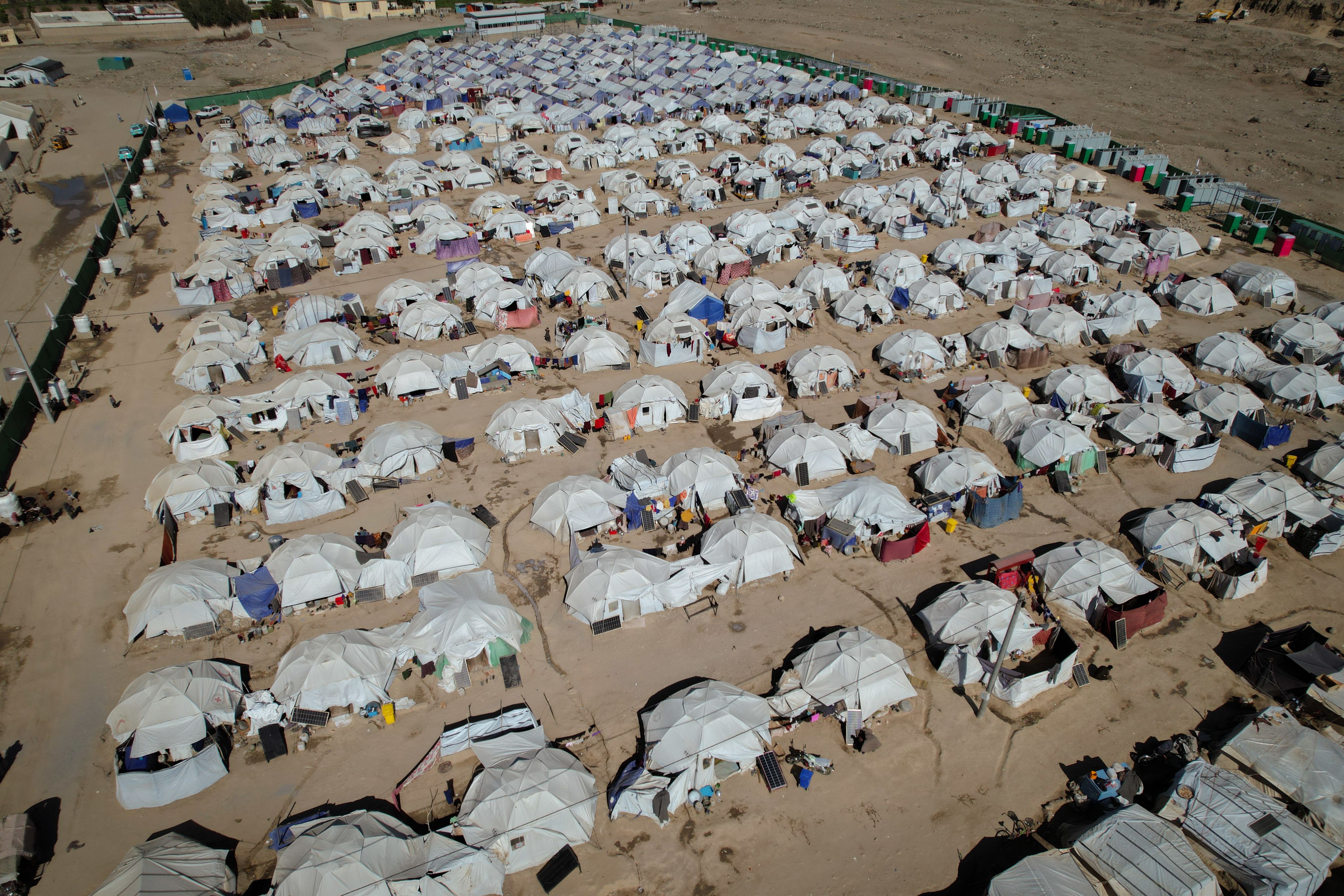
Thousands were displaced after extensive housing collapses, with more than 3,000 families now living in major displacement sites across two districts. Many more scattered into smaller makeshift settlements.
Strong aftershocks followed within minutes, and again on 5 September, deepening the destruction and sense of trauma for survivors. It also complicated early response efforts.
The Afghan Red Crescent quickly activated its Emergency Operations Centre, deploying disaster response teams and volunteers to support rescue efforts, assess damage, and distribute essential supplies.
With 34 provincial branches and more than 31,000 local volunteers, ARCS worked closely with partners to reach families even in areas cut off by landslides and damaged infrastructure.
Volunteers provided emergency food, safe drinking water, tents, blankets, and warm clothing, helping families survive the difficult first weeks.
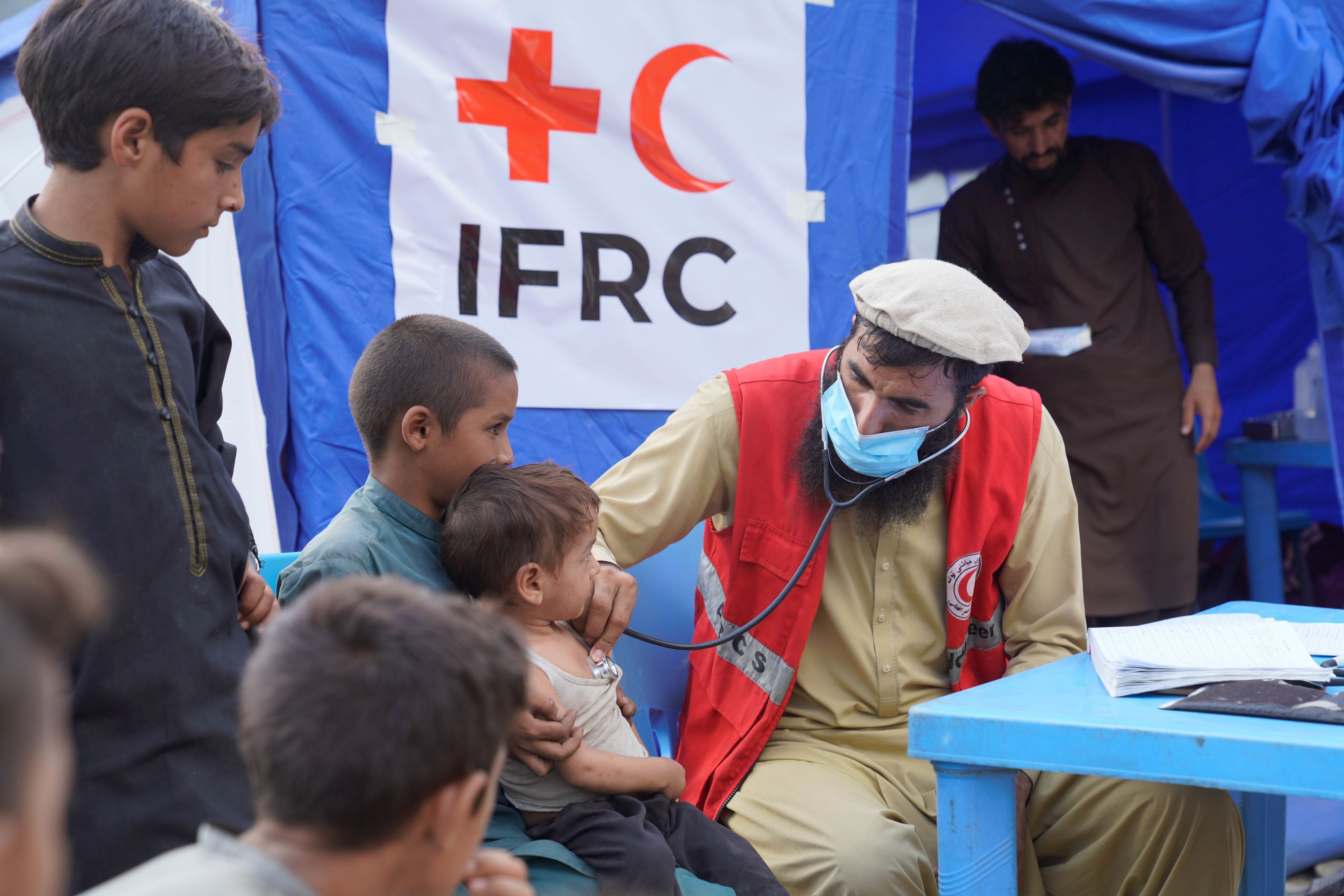
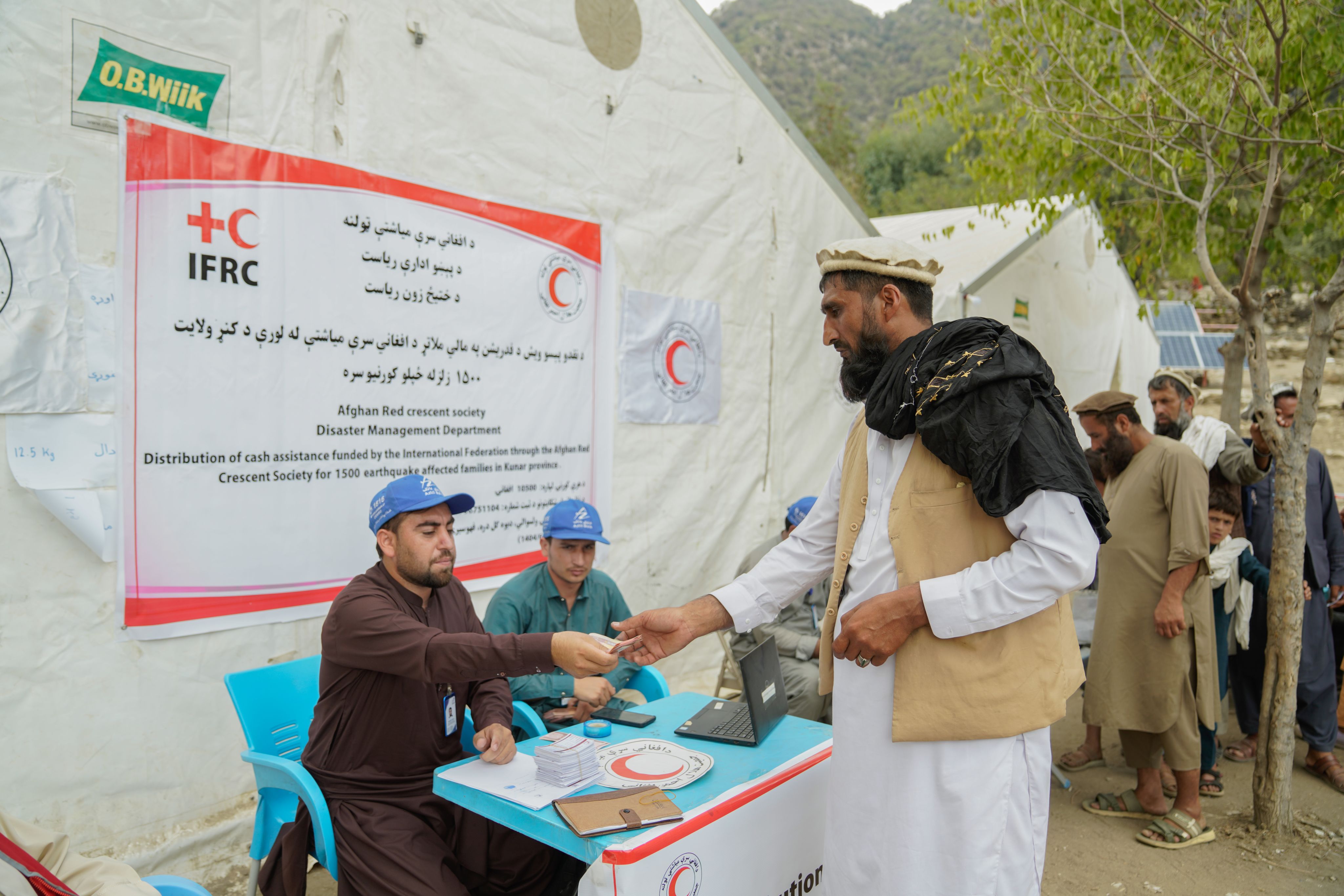
Medical care, cash assistance, and psychosocial support helped people cope with both immediate needs and the emotional shock of losing loved ones, homes, and livelihoods.
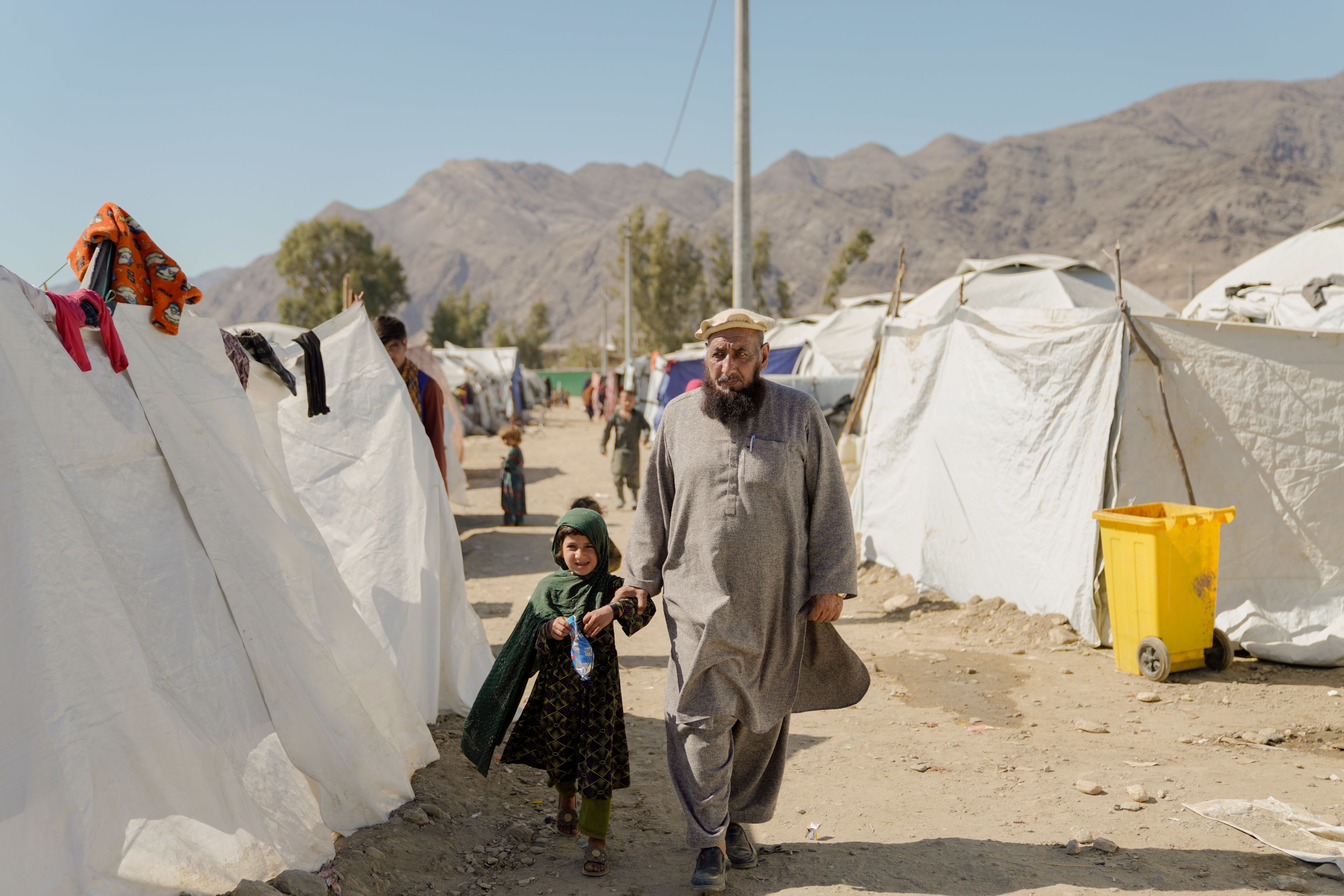
With the support of ARCS, Ibrahim and Nazmina were able to move into a temporary camp where they now live. It offers safety, but not certainty.
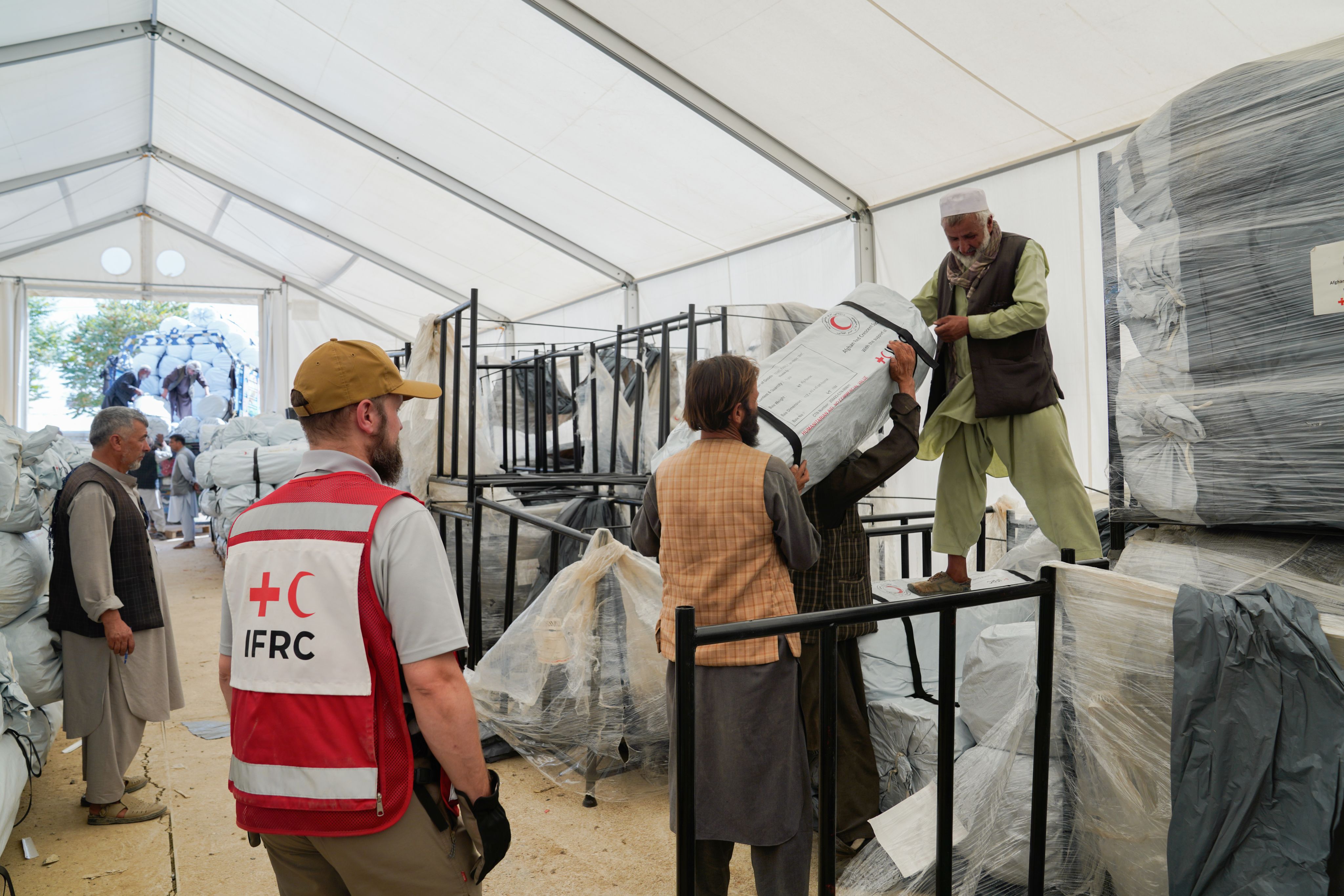
For many, sleep remains restless and even the faintest tremor can bring back the terror of that night.
“No one chooses to live in a camp," says Ibrahim. "We are here because we have no other option. We are alive but it is not the same.”

'We cannot do it alone.'
Before the earthquake, Ibrahim’s farmland was his only source of income. Today, it also holds the graves of his family members.
“We buried our family in our fields,” he explains quietly. “There was nowhere else.”
Rebuilding remains an immense, long‑term challenge for families who have lost homes, livelihoods, and support networks.
Like many in the camp, Ibrahim worries about the future, especially children like Nazmina.
Access to safe housing, restored water sources, and opportunities to earn a living will be essential for families to regain stability and begin rebuilding their lives.
“We will need years to recover,” he says. “We cannot do it alone.”
When asked what he would say to those who have helped, Ibrahim pauses.
“You helped us survive those first days,” he says. “We hope support will continue, so our children can grow up with dignity.”
Each morning, Ibrahim walks through the camp with Nazmina at his side. Despite everything, she still finds moments to laugh.
“We are trying to hold on to hope.”

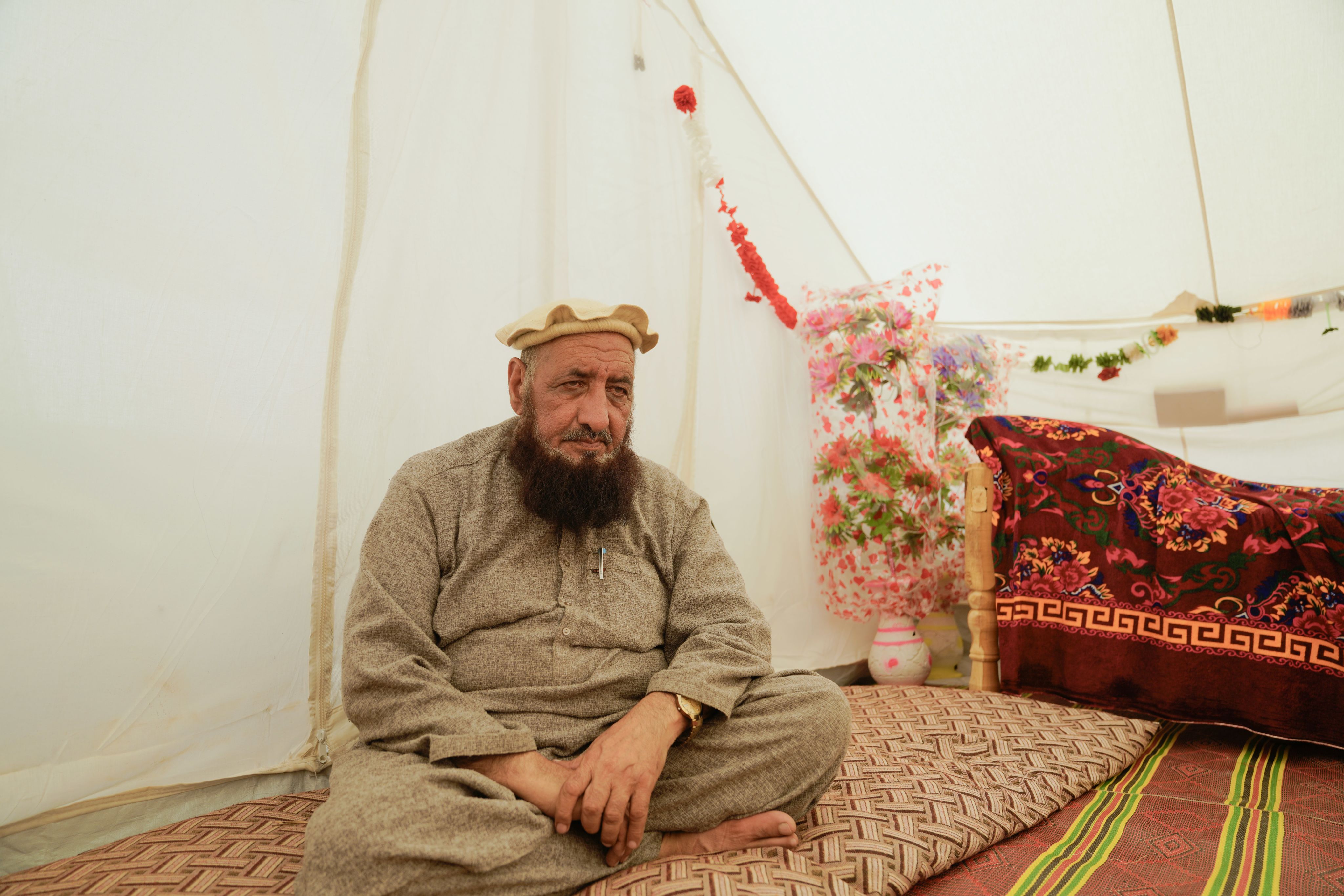
Six months on, during the holy month of Ramadan, 6,486 people remain in the camp where Ibrahim and Nazmina live.
The Afghan Red Crescent continues to provide food, emergency shelter, medical care, cash assistance, and psychosocial support, reaching more than 140,000 people across affected areas.
The IFRC urges continued humanitarian support. This assistance is vital not only to meet immediate needs, but also to help families rebuild their lives and move toward stability and recovery.
A call to action and solidarity
Continued donor support is essential to help people like Ibrahim to rebuild safe homes, restore livelihoods, and to ensure children like Nazmina receive the care they need.
 Built with Shorthand