
Surviving the storm
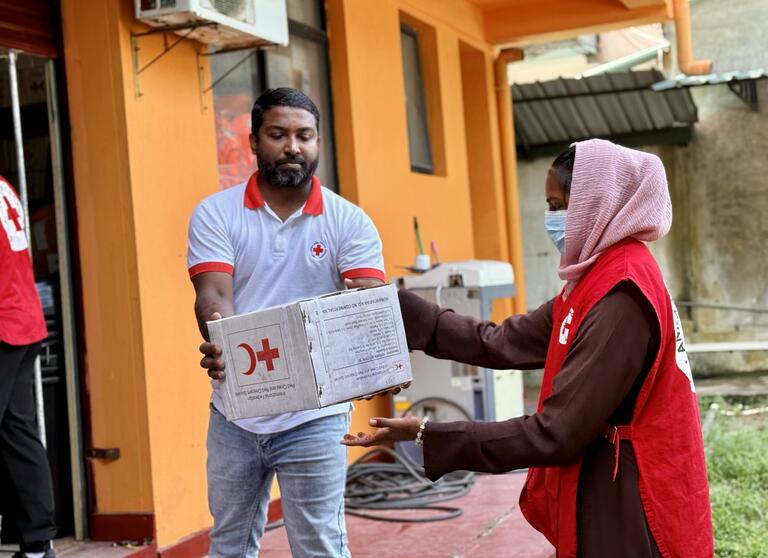
Just more than two months after a major cyclone in Sri Lanka, volunteers continue to help people restart their lives and recover from the trauma of a brutal storm.

Facing the worst natural disaster in decades
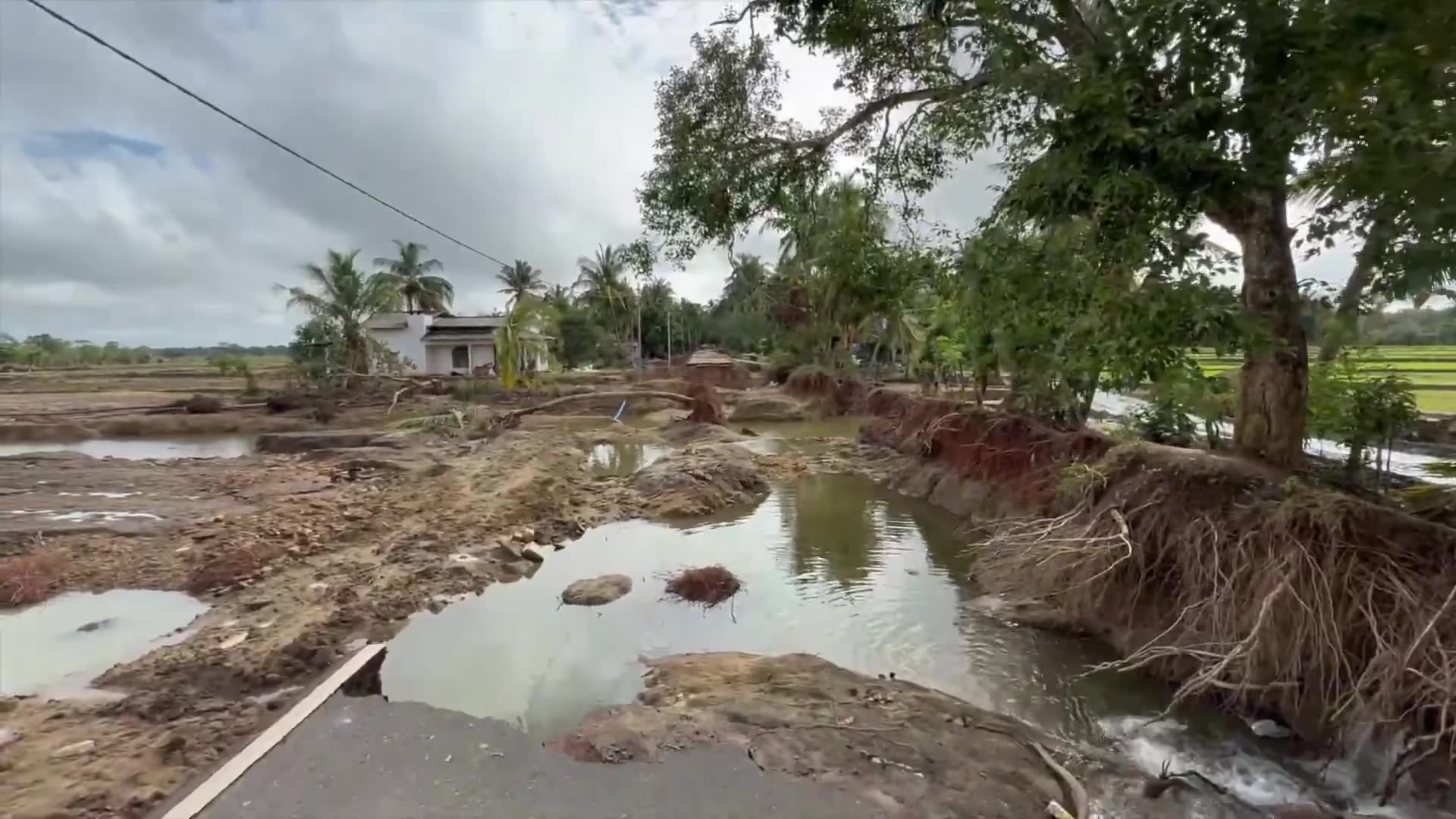
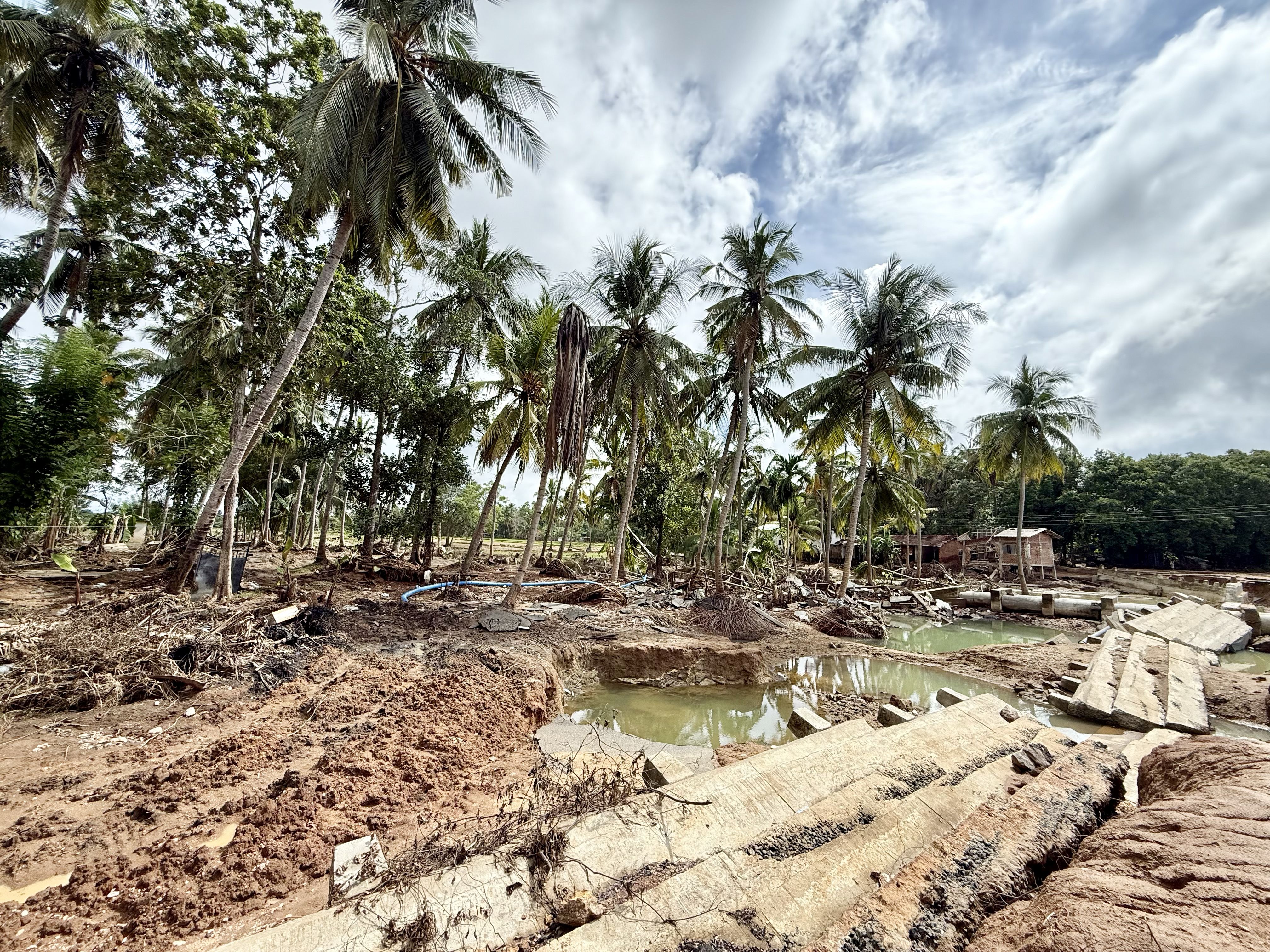
In the last days of November 2025 Cyclone Ditwah barrelled down on Sri Lanka bringing with it a month's worth of rainfall in a few days.
The heavy downpours caused massive flooding and landslides across almost the entire island nation and affected 1.7 million people.
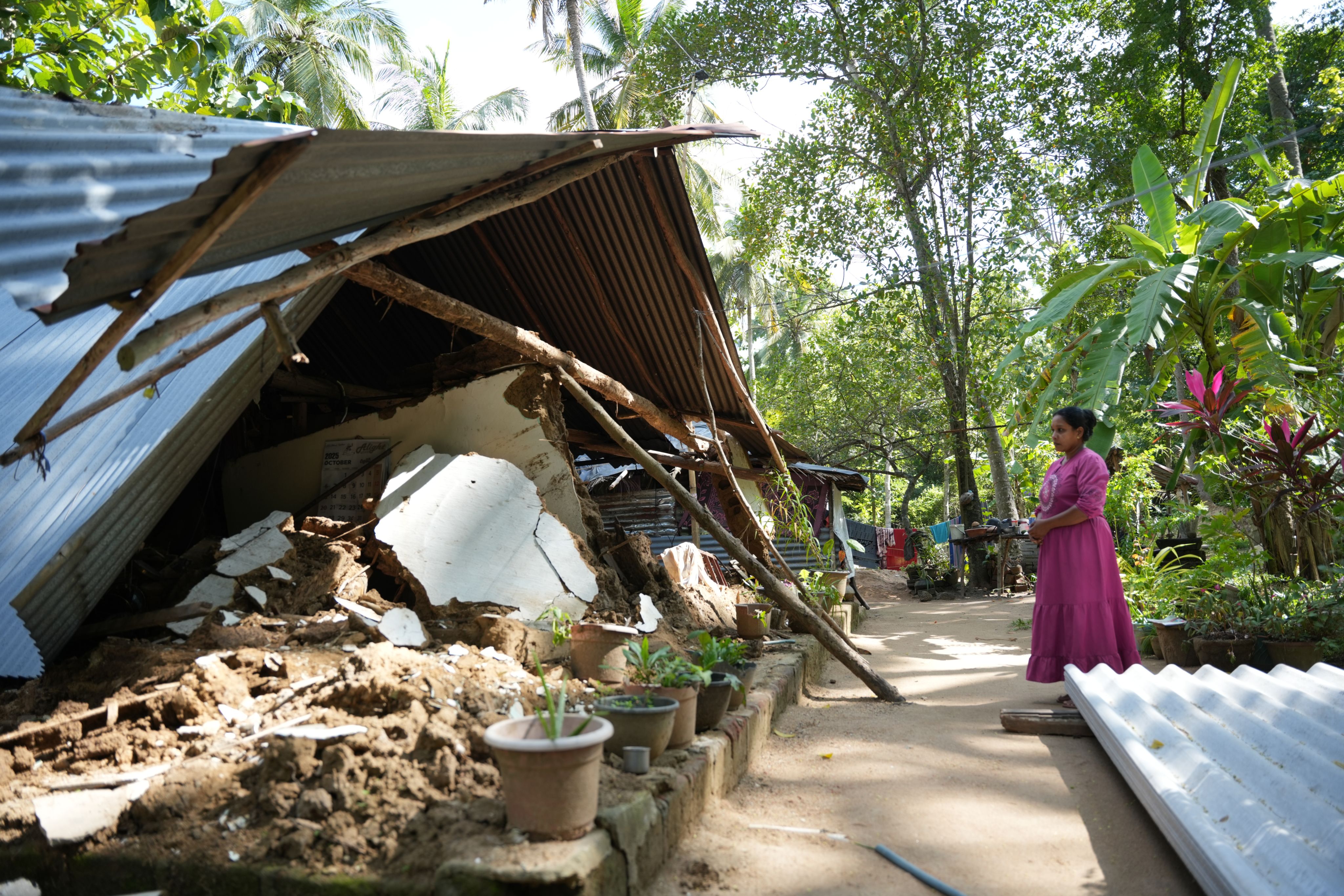
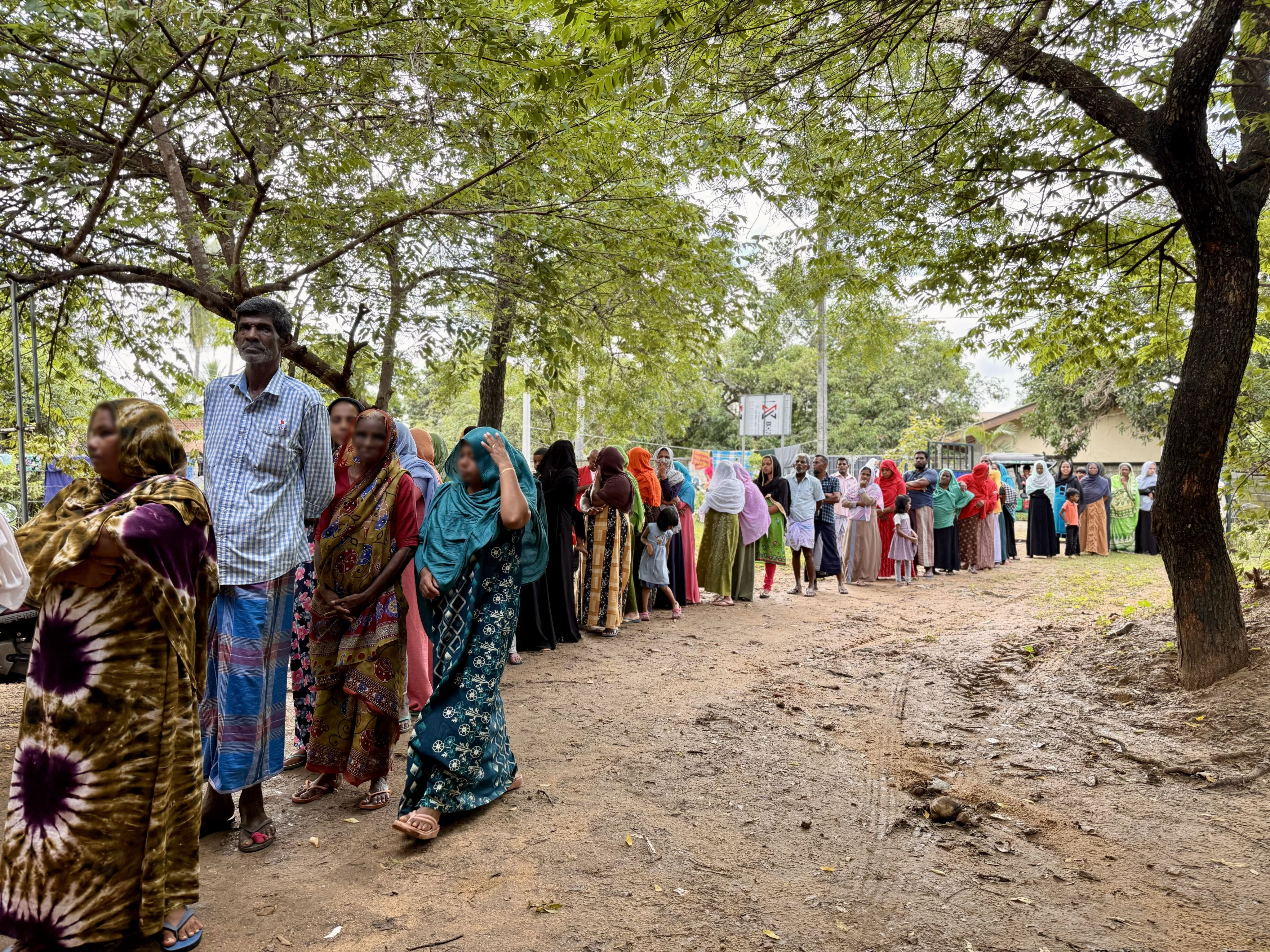
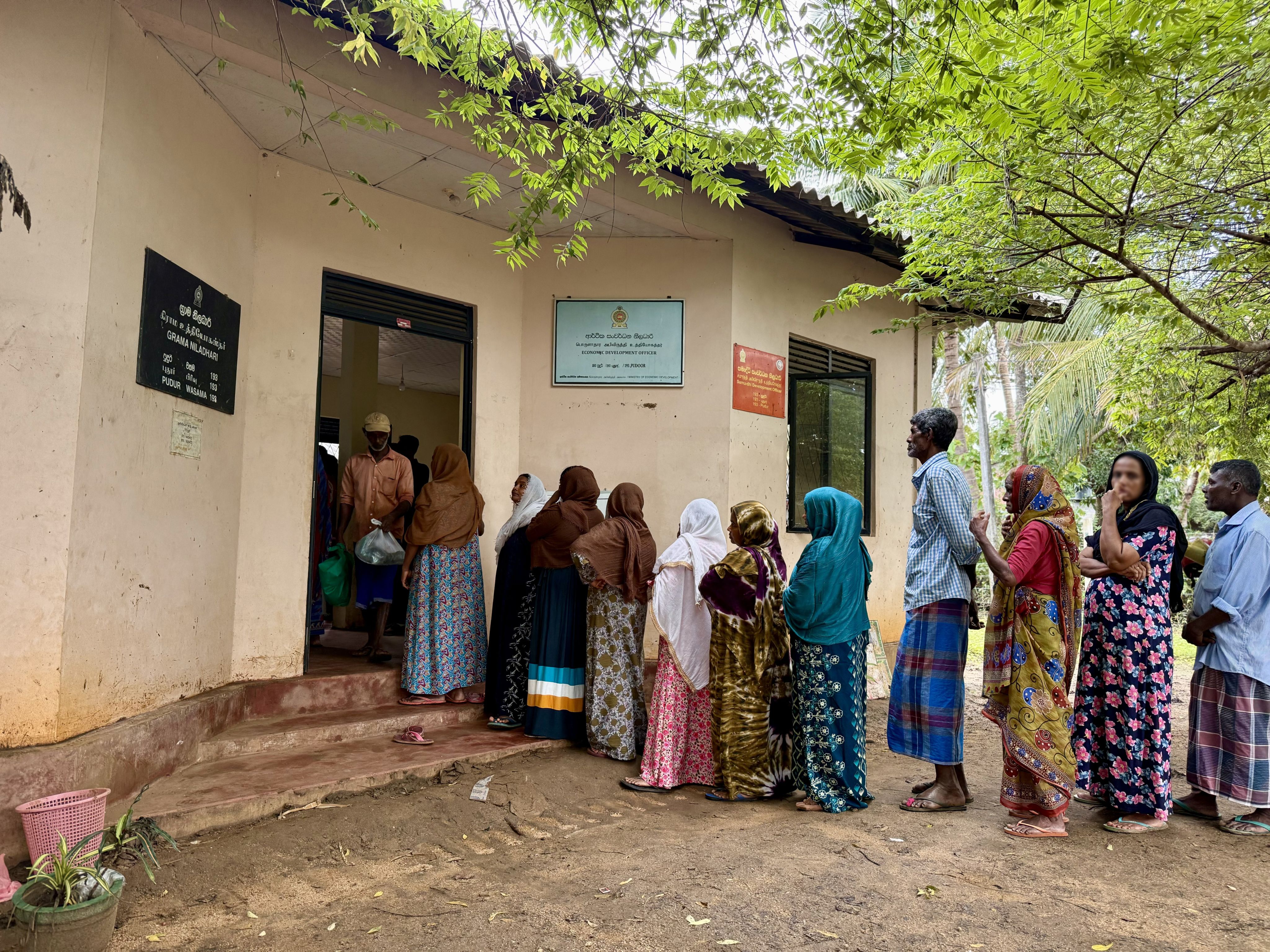
People lost homes and livelihoods and are struggling to rebuild their lives.
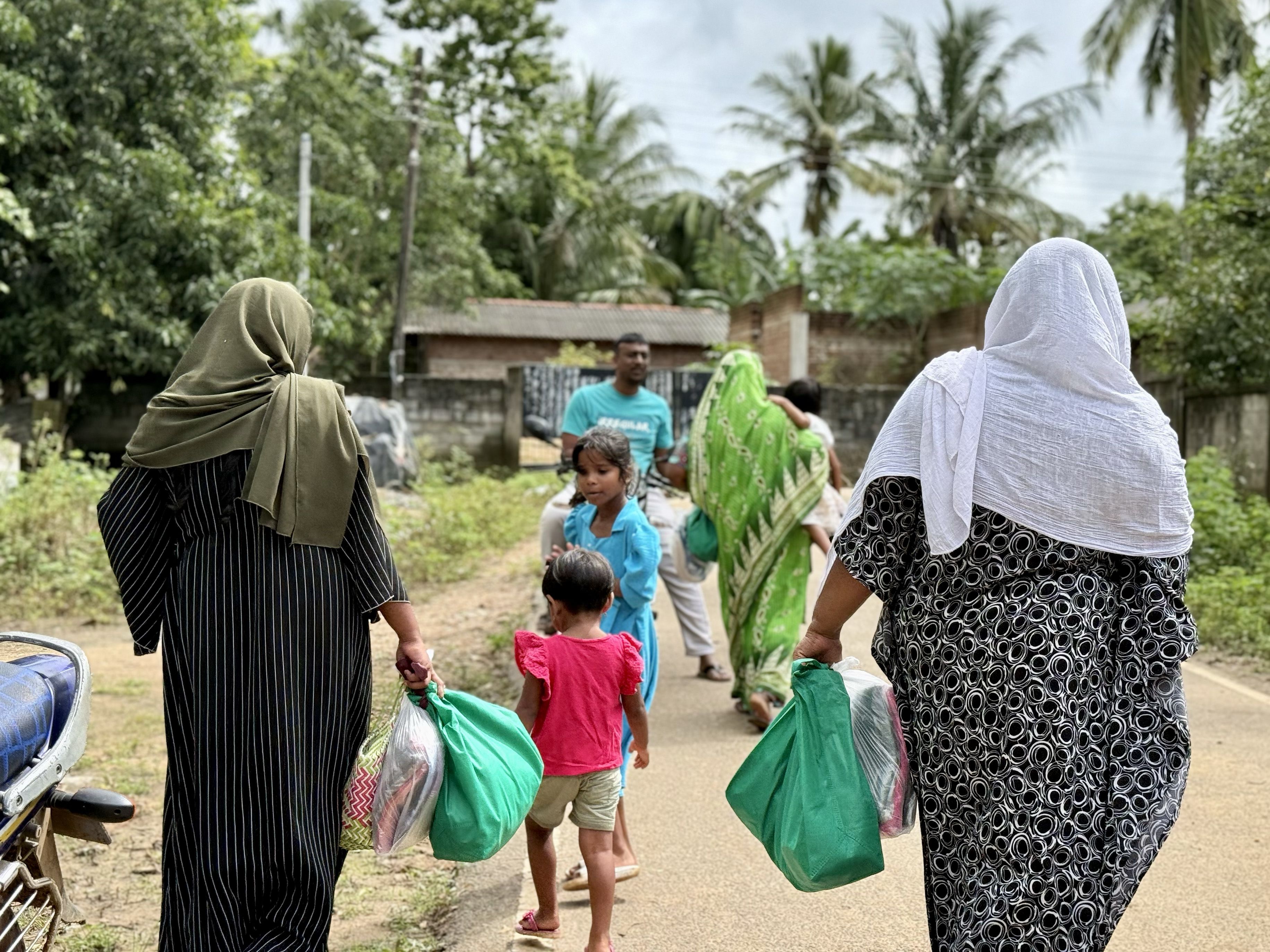
In response, the Sri Lanka Red Cross Society and its volunteers quickly mobilised to support affected communities.
As the world marks the International Year of Volunteers in 2026, we honour the hard work and sacrifices of local volunteers who mobilise to help others even as they too are impacted by the same crises.
We encourage people around the world to join their efforts, either by learning how they can volunteer in their communities, or by supporting their work through donations to their local Red Cross or Red Crescent National Socieities.
The immediate emergency efforts of the Sri Lanka Red Cross were backed by 1 million Swiss francs in emergency funds provided by the IFRC's Disaster Response Emergency Fund.
But a larger global emergency appeal for 14 million Swiss francs was subsequently launched and more is still needed to ensure the volunteers and the impacted communities get the support they need.
According to the Disaster Management Centre of Sri Lanka, more than 1.7 million people were affected nationwide and nearly 115,000 households damaged or destroyed. In the immediate aftermath, the Sri Lanka Red Cross Society mobilized 25 branches and 400 volunteers for assessments, first aid, and relief distribution.
Here are the stories of the people impacted, and the volunteers who jumped into action to respond, save lives, lend a hand and help people rebuild their lives.

'It sounded like bombing'
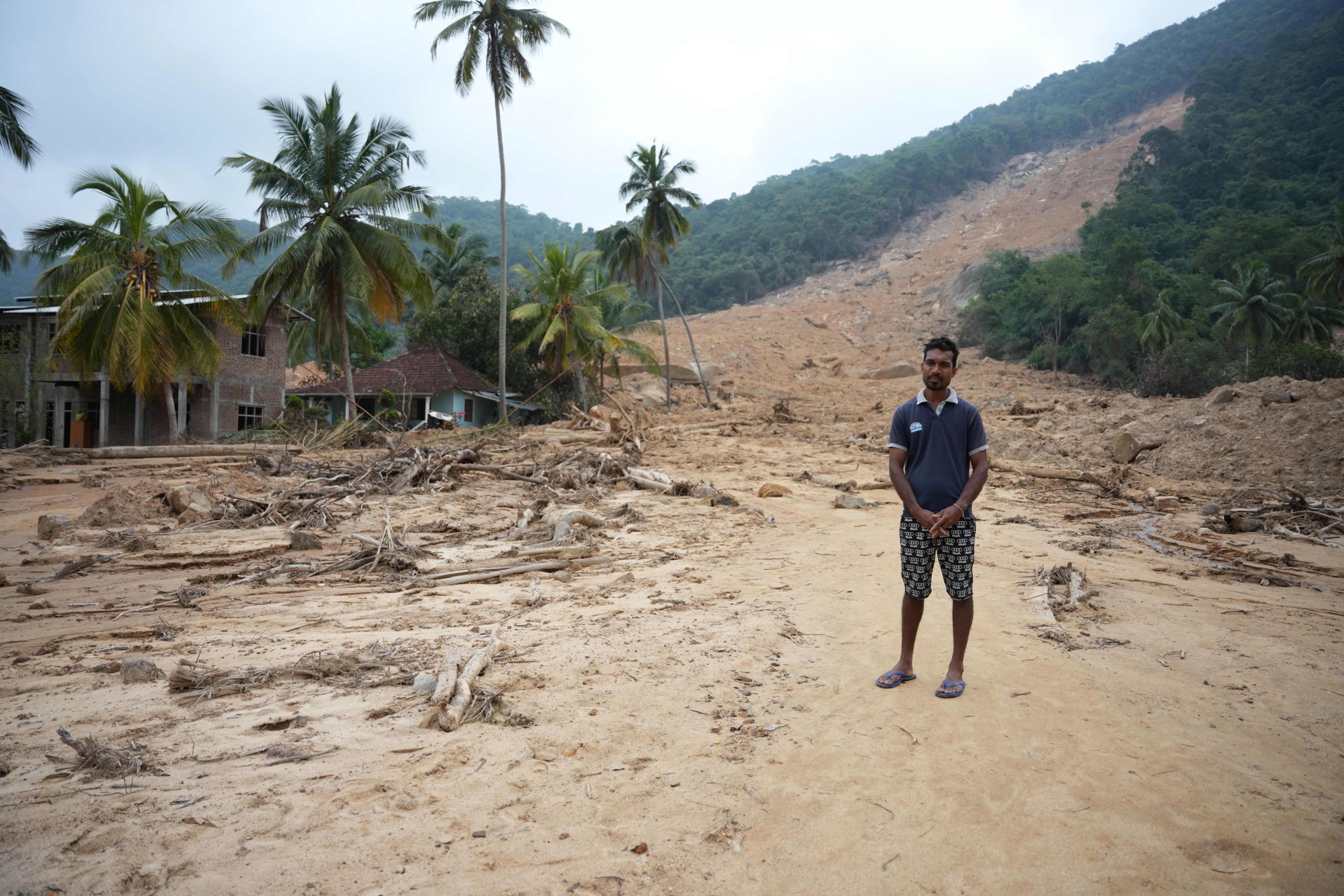
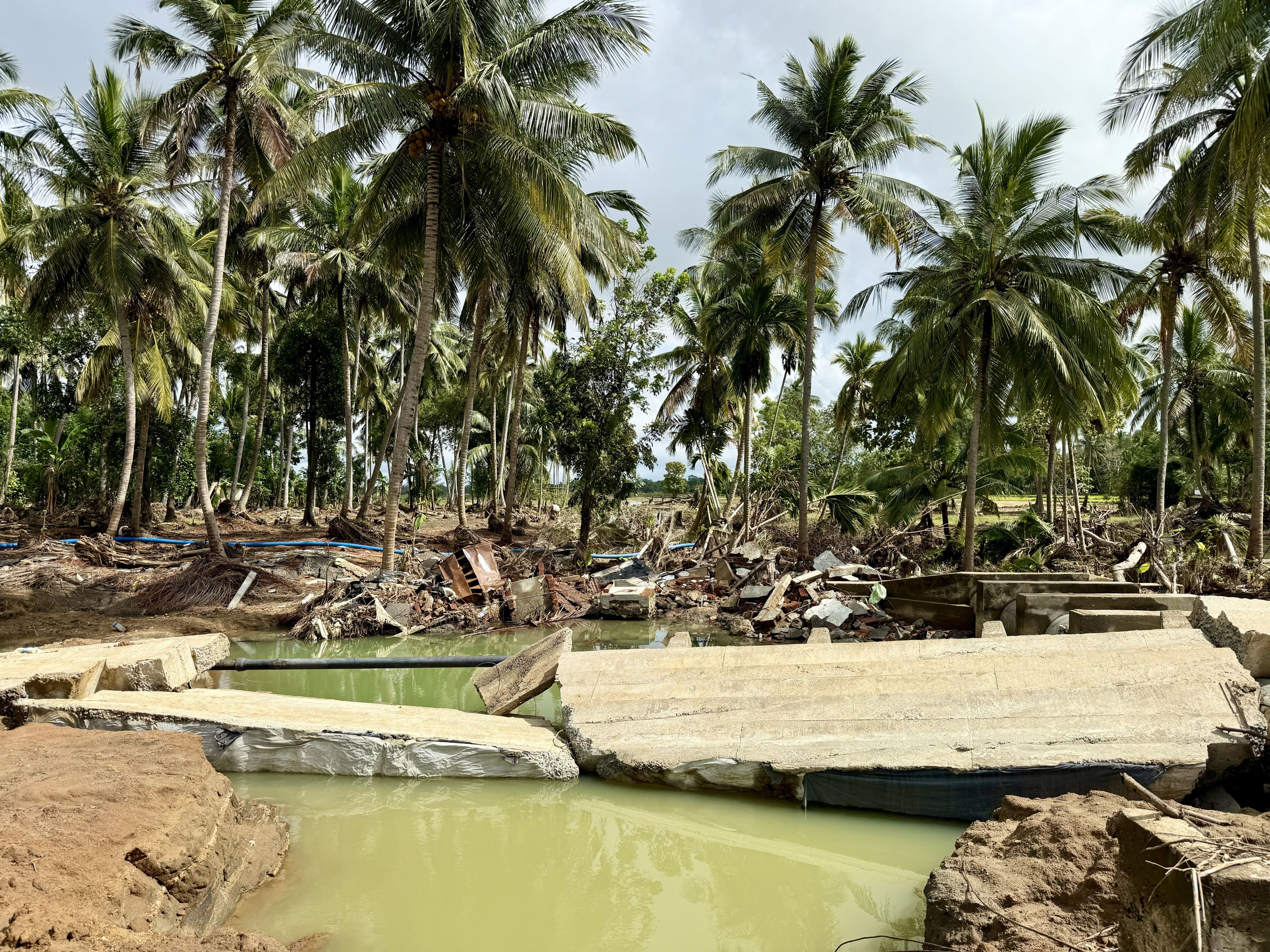
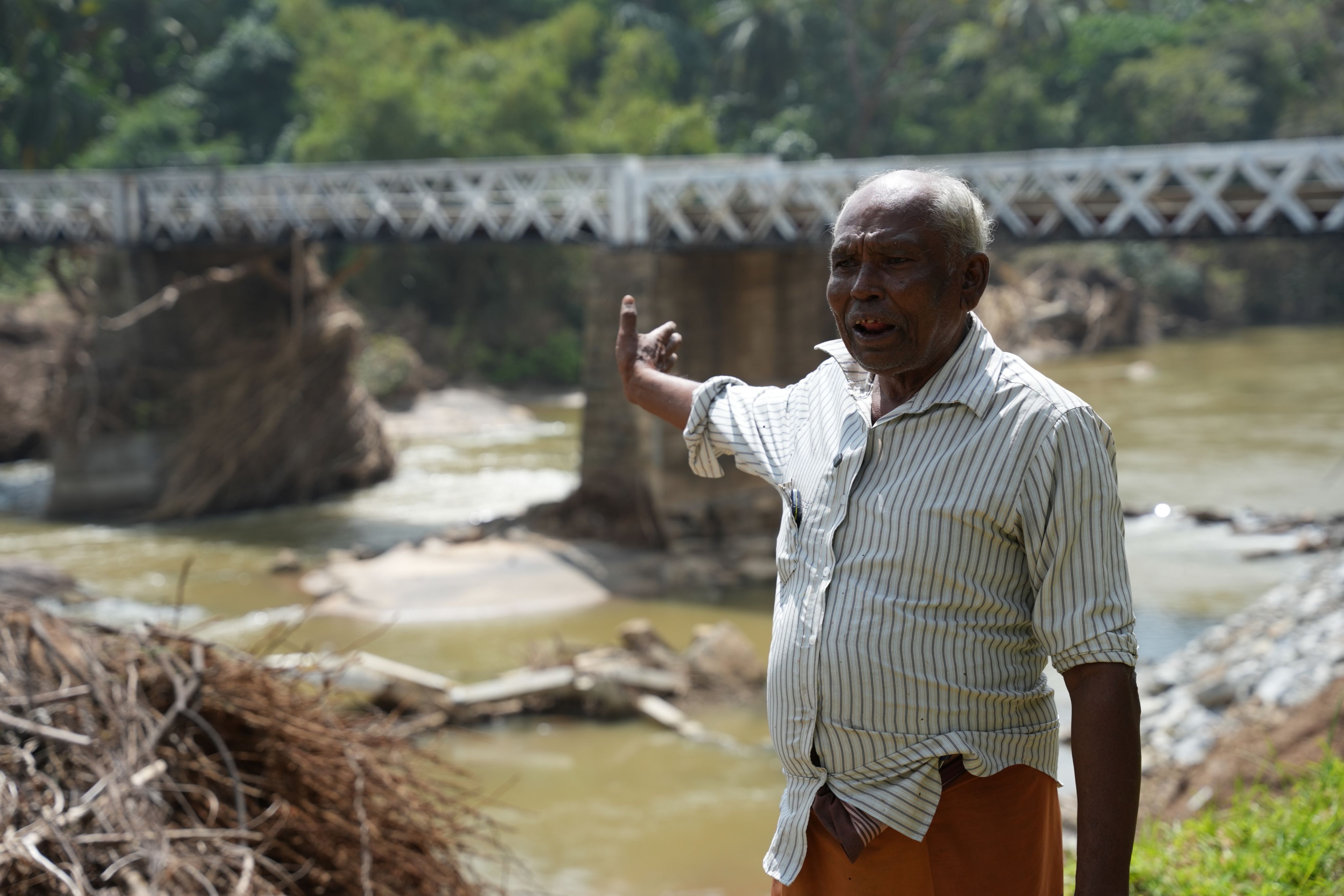
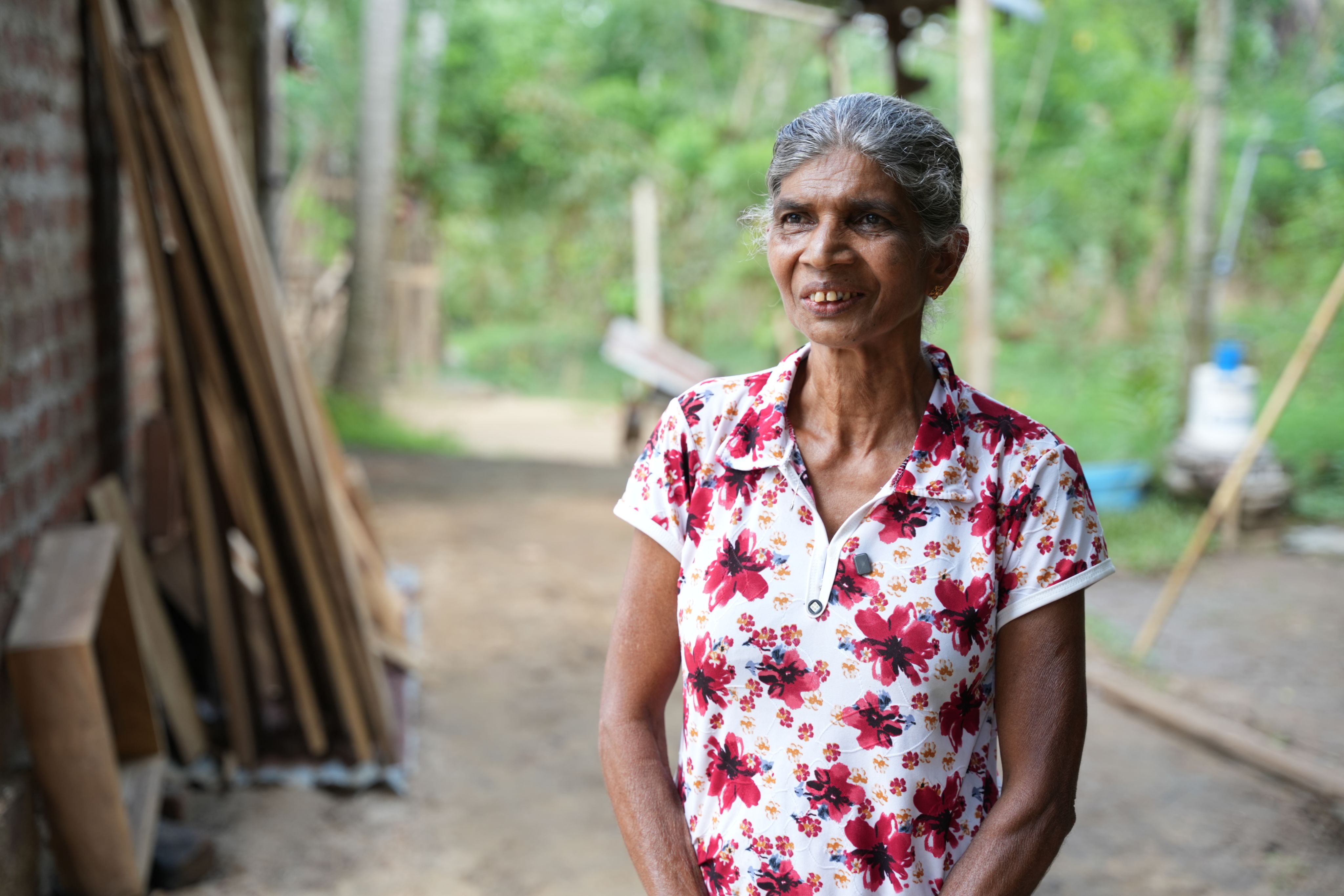
The devastation caused by the flooding and landslides was overwhelming. Here are the stories of just four of the thousands of people who survived the storm but lost almost everything to the floods.
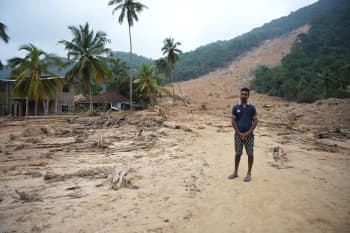
Heartbroken: 35-year-old man still shaken by the storm
"The noise that came sounded like an airplane, and then it started sounding like bombing.
Even at this very moment, my heart skips a beat when I hear even a small sound like the closing of a gate.
At 5 in the morning, when I came out, I couldn't believe what I was seeing.
I was heartbroken to see what had happened to our beautiful village."
– R M A Ratnayke
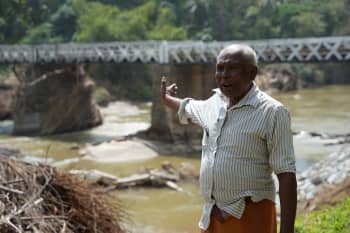
Swept away: 68-year-old starts again from scratch
"I sell lottery tickets near this bridge.
The water rose up to the bridge level, and my lottery cart was swept away.
I lost all the money, lotteries and everything with it."
– A A Sompala
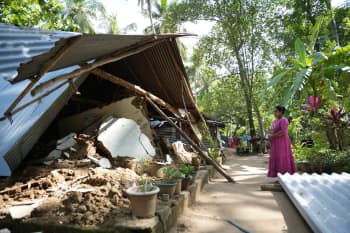
My ancestors' house: A 32-year-old woman's loss
"This is where I was born, my ancestors' house.
We honestly never expected a disaster like this would ever happen.
I couldn't save any of my child's books, clothes or anything."
– R M Namali Dilrukshi
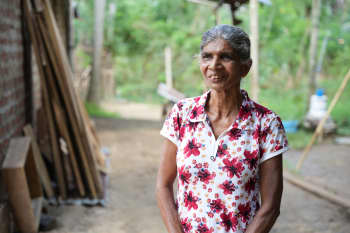
Everything buried: 63-year-old farmer loses her crops
"My husband is a carpenter. Also, he works in the paddy field and does a bit of farming. That's how we survive.
We lost all of that. We had planted wild eggplant over half an acre. It all got buried by the flood."
– Sumanwathi




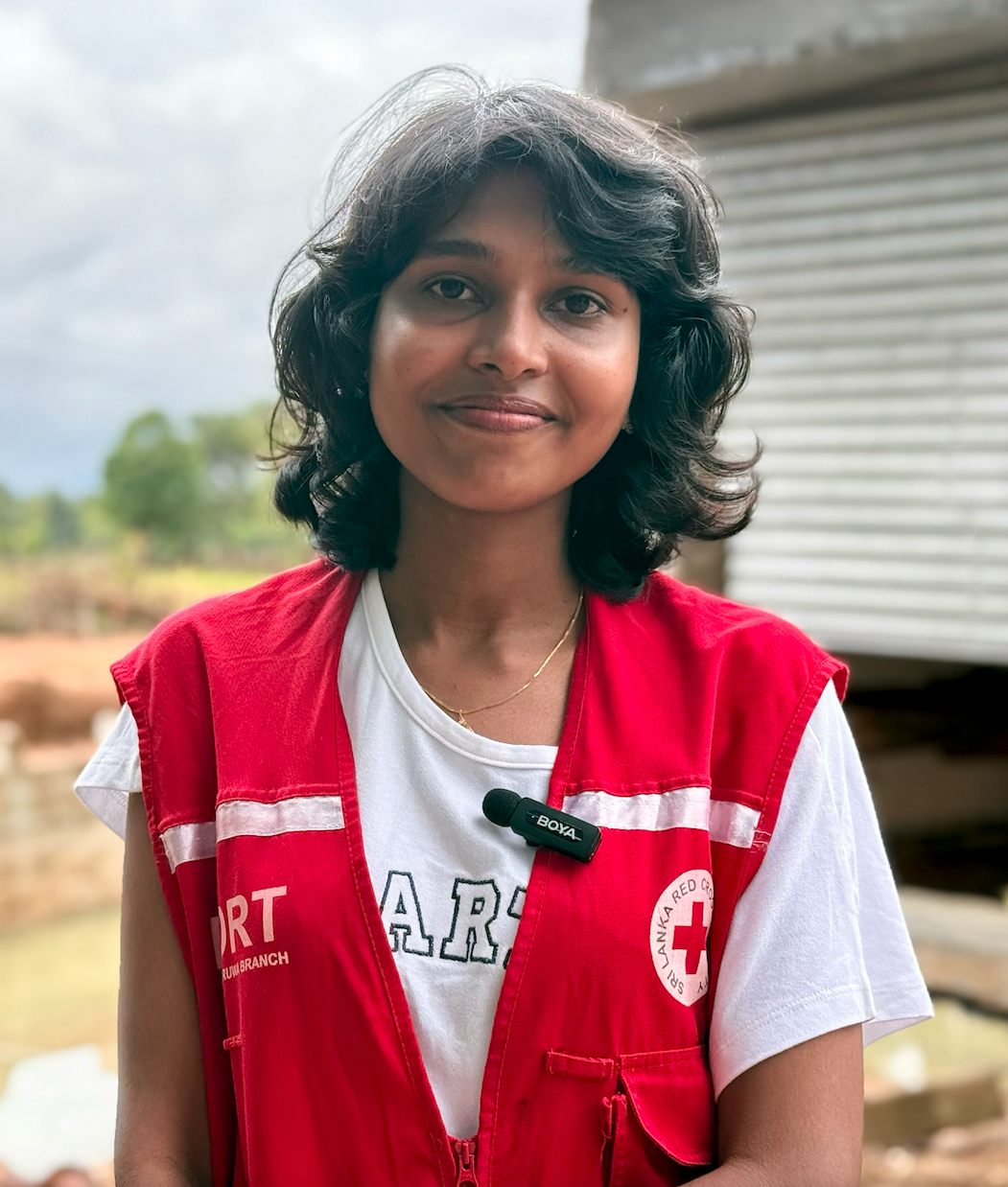
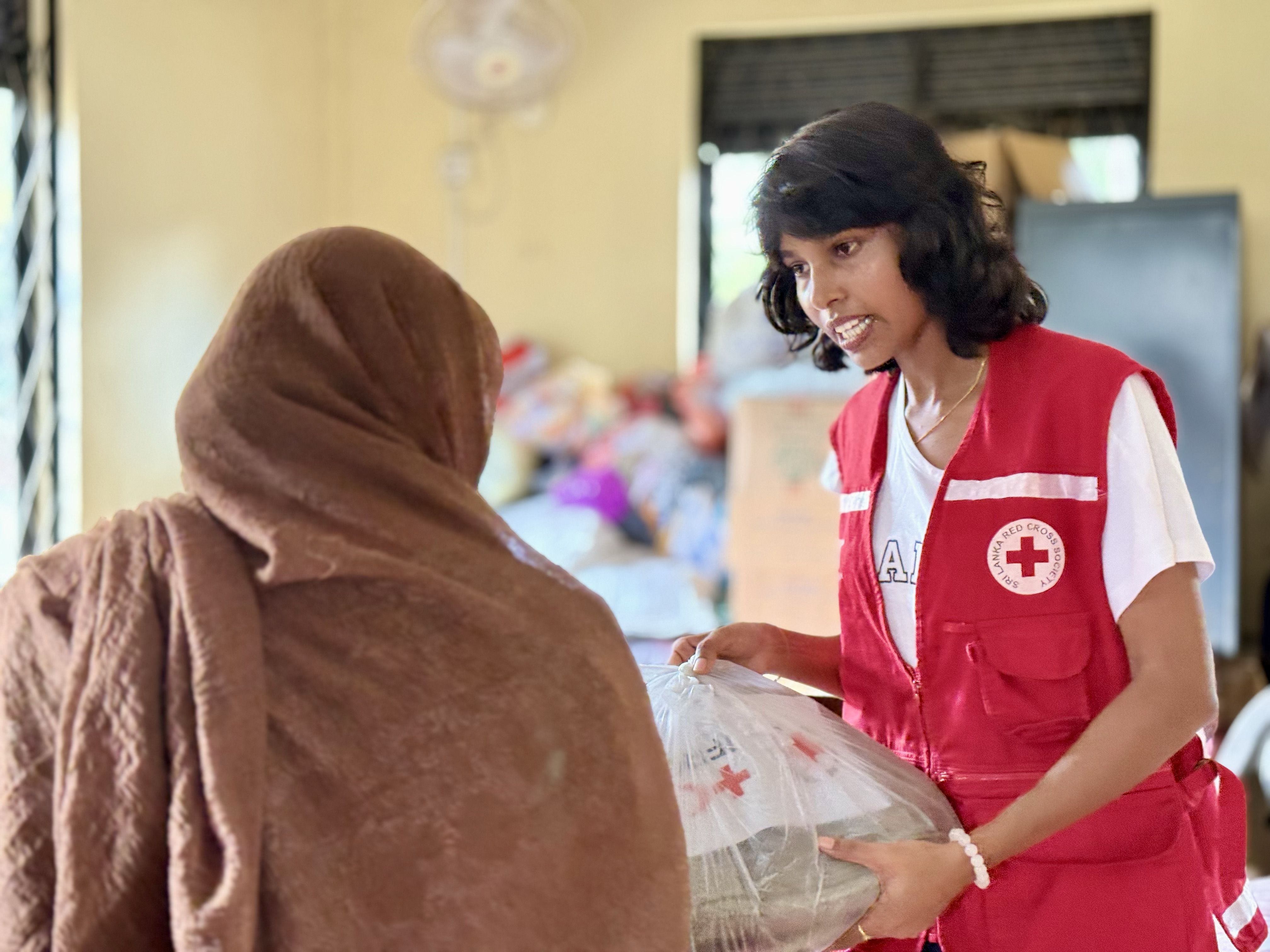
Sri Lanka Red Cross volunteer Chathurika Sewwandi Kumari.
Sri Lanka Red Cross volunteer Chathurika Sewwandi Kumari.
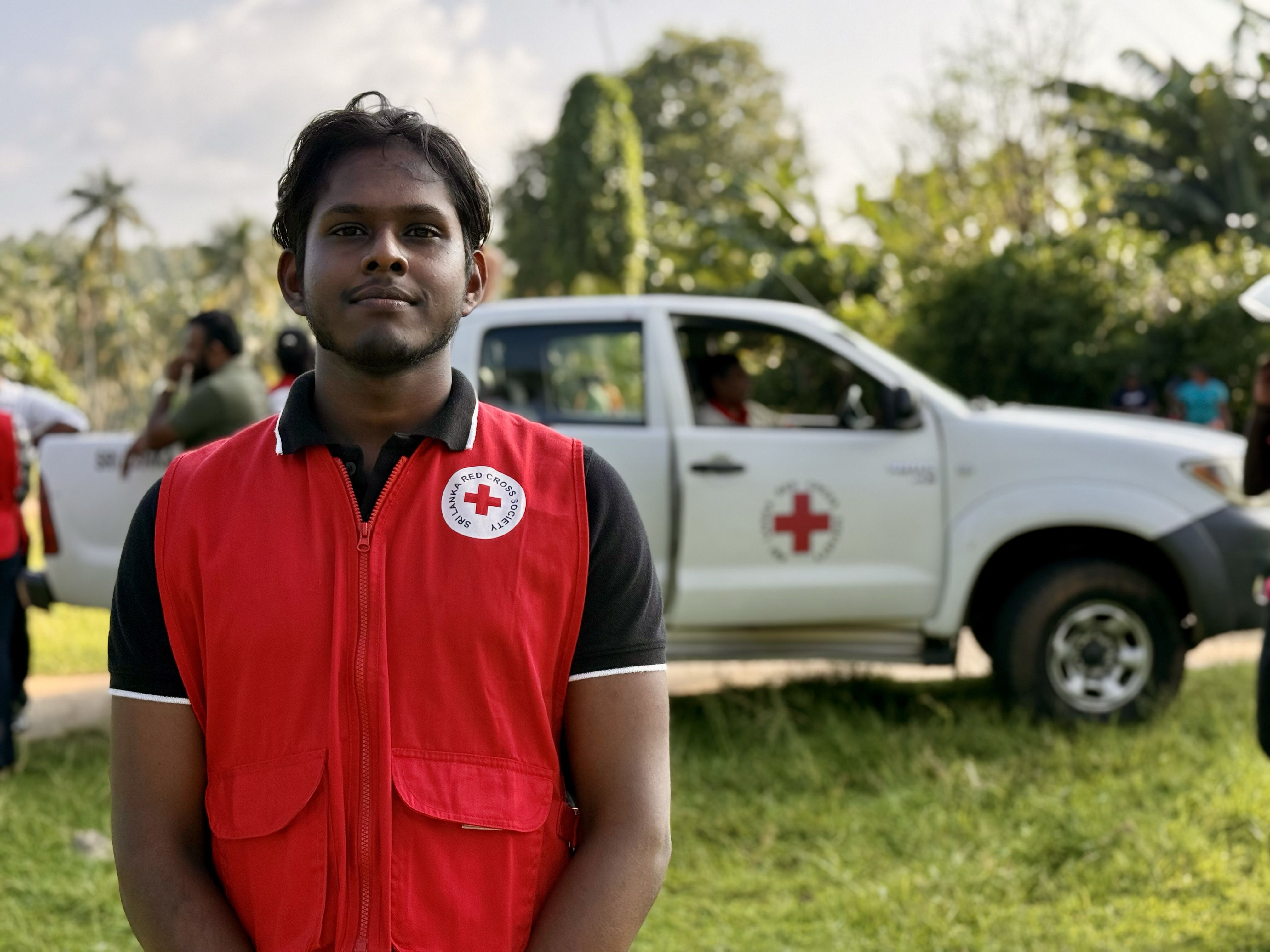
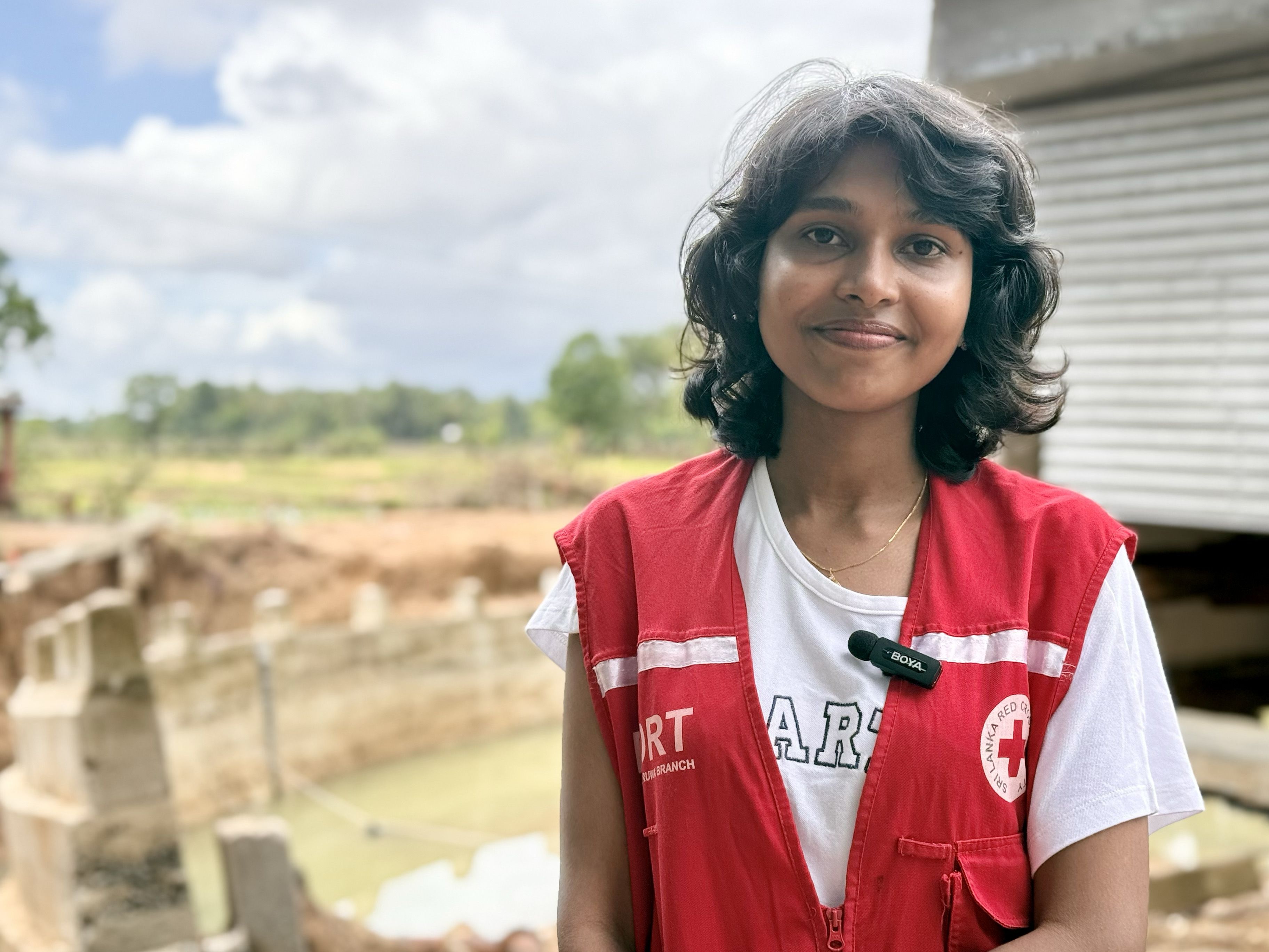
Sri Lanka Red Cross volunteer Kaviji Bandara.
Sri Lanka Red Cross volunteer Kaviji Bandara.
A tale of two volunteers
In the two months since the cyclone, people have struggled to make ends meet and get back on their feet. From the very beginning, and along the road to recovery, they have been accompanied by the volunteers of the Sri Lanka Red Cross Society.
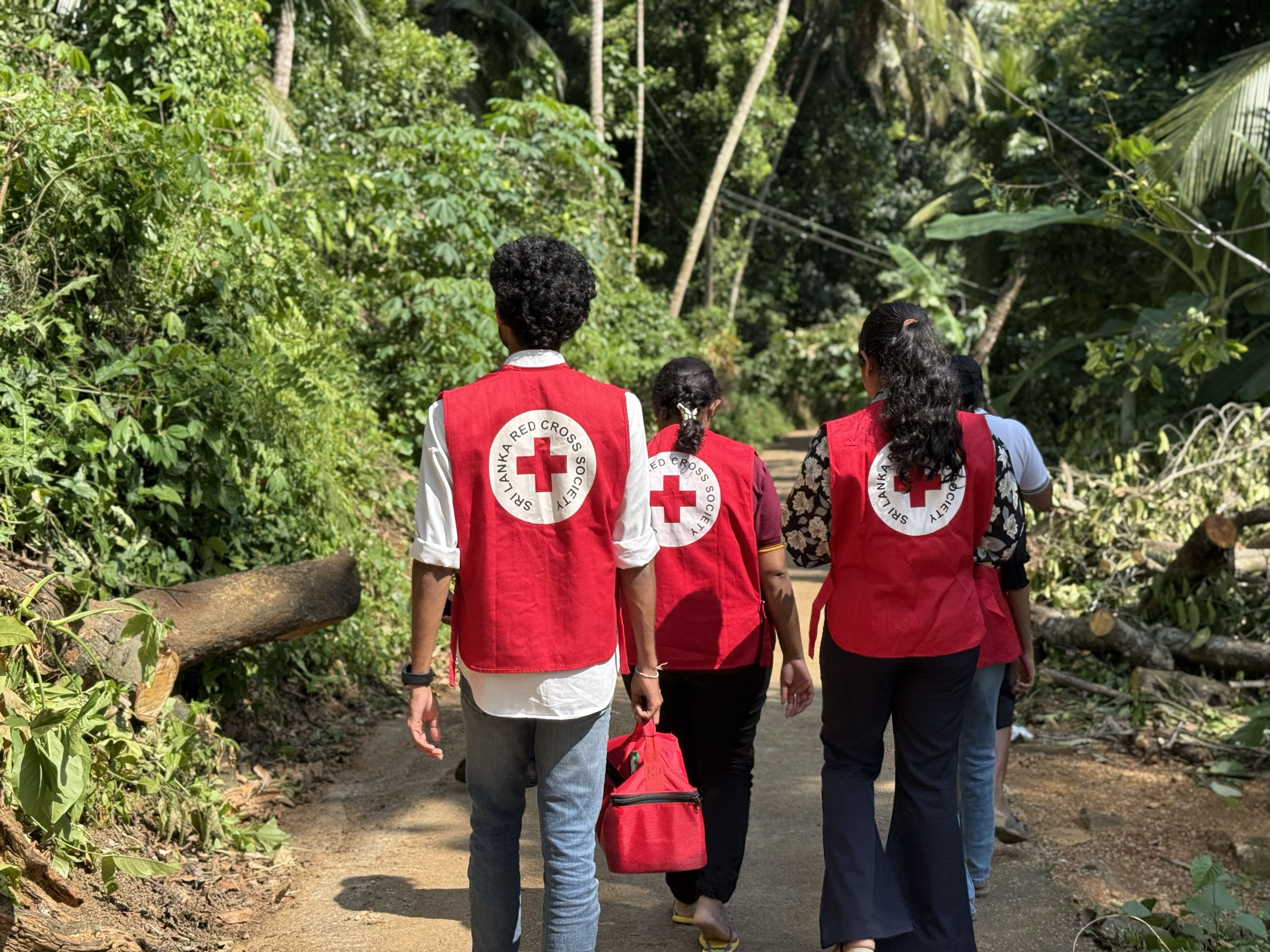
In the districts of Polonnaruwa and Kurunegala two young Red Cross volunteers, along with their peers, sprang into action as soon as it was clear people were in need.
For both Chathurika Sewwandi Kumari and Kaviji Bandara, this was the first time they had to deal with a major emergency.
But they did not hesitate.
“This was the worst in a very long time that people have experienced,” said Chathurika, a volunteer at the Sri Lanka Red Cross Society’s branch in Polonnaruwa.
“Maybe I can help, at least one of them I could help, so that's what I wanted to do.”
The mountainous areas inland have always experienced some flooding every year due to the annual monsoon season, but nothing had prepared the communities for the massive scale of devastation.
For Chathurika, who started volunteering 10 years ago, volunteering runs in the family with both her mother and sister also actively supporting their community.
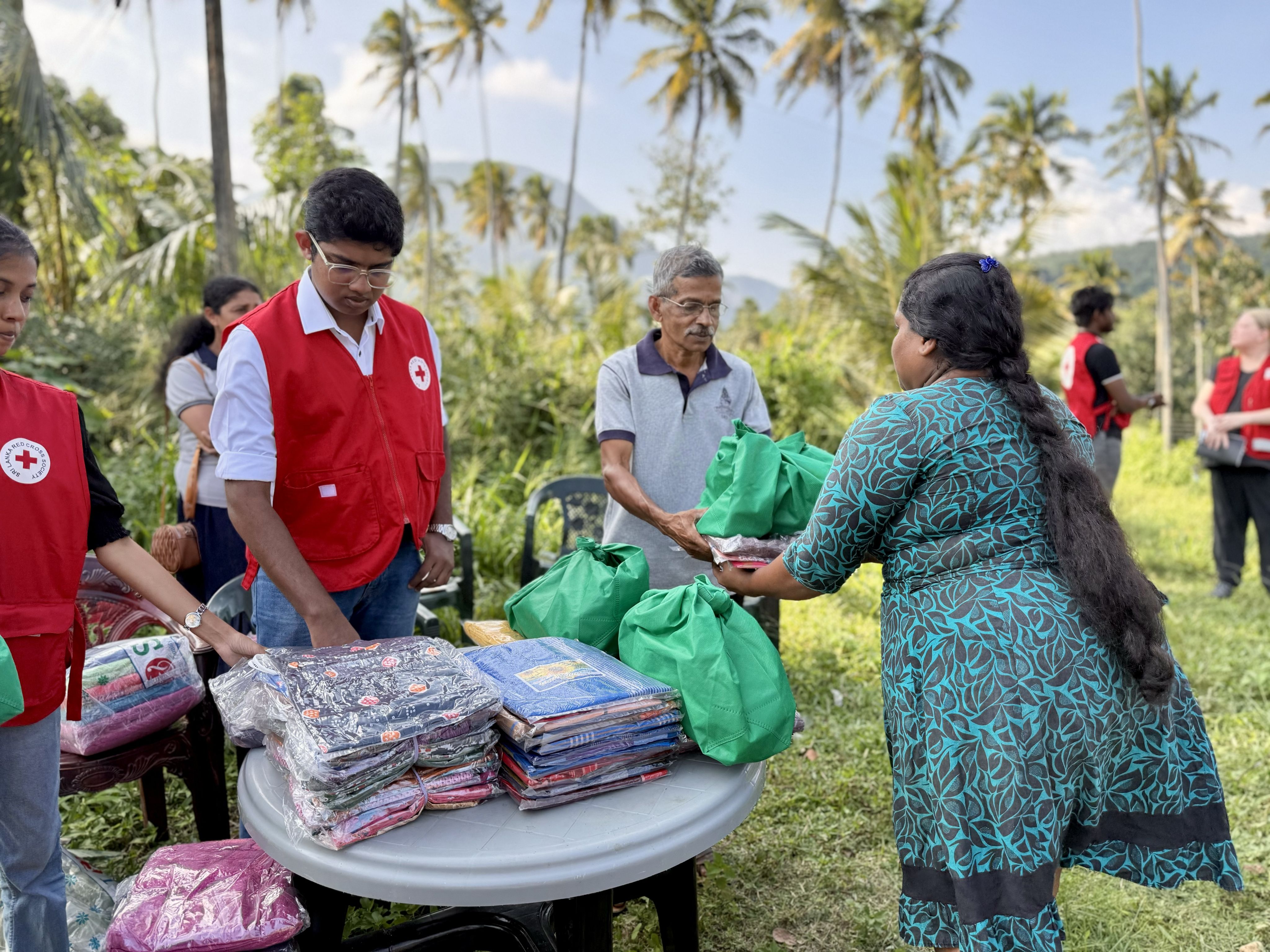
After the cyclone, they distributed food and water and helped treat infections as most of the people had caught parasites from floodwaters.
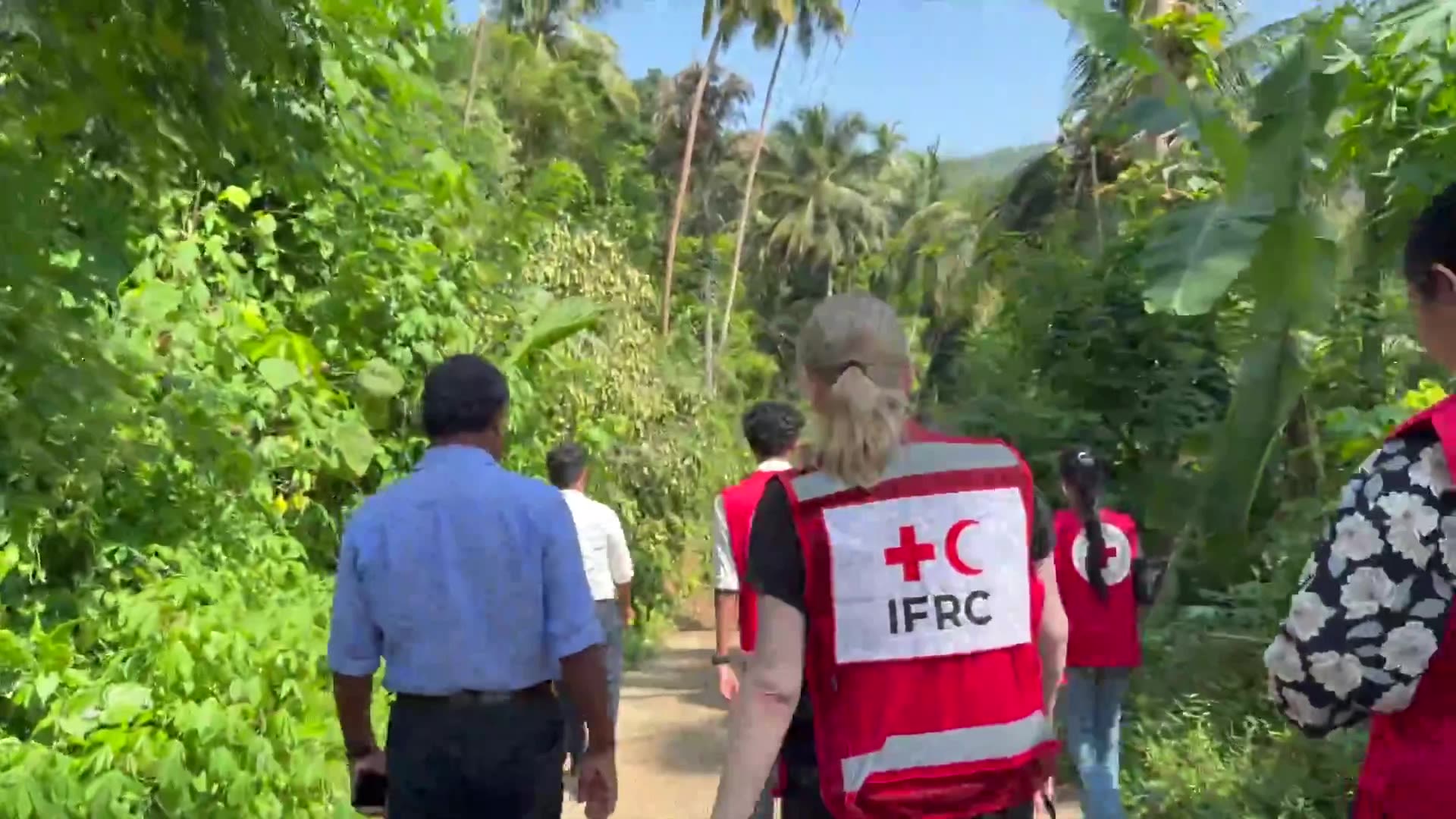
Red Cross teams ran into damaged roads and houses wherever they went, wading in the mud to reach people in need.
'We used our training and faced it'
125 kilometres away, 19-year-old Red Cross volunteer Kaviji Bandara, together with his team, handed out dry rations, hygiene products and sleeping kits to affected families in the district of Kurunegala.
“We didn't have disasters like this before or big resources," he says. "We used our training skills and faced it.
"We distributed water, we made announcements, we collected dry foods and we did many other things."
Bandara says he and the team did whatever they could and gave everything they had. Some encounters have been very emotional.
He recalls what the team experienced when they went to the village of Riddikamma.
"There were some small children aged between 10 and 12. They didn't have many clothes, they didn't have a proper house, they didn't have much food.”
“In this moment, mental health is a priority. We talked with them and told them that this happened to all of us. Not only to them. We gave our full hearts to them.”
For Chathurika meanwhile, her priority is to ensure that people are better prepared for the next possible emergency.
“I think we have to help people further," she says. "Give information to them about what you have to do, where you have to go, whom you have to call and so on.”
And as for her own future, she is also thinking about how to make the world a better place.
“I'm studying physics and computer science. I hope to be a software engineer. I would like to build something new for the world.”

Grateful for your support: more needed to bring the full support needed
With the support of IFRC's Disaster Emergency Relief Fund and Emergency Appeal, more than 45,000 people have been assisted to date with basic necessities, clean up campaigns, well cleaning and first aid.
Overall, IFRC's Emergency Appeal aims to support nearly 600,000 people in the coming two years with multipurpose cash assistance, livelihoods support and water, sanitation and hygiene activities to help families rebuild their lives, homes and livelihoods.
To date, the Emergency Appeal, which seeks 14 million Swiss francs, is 43 per cent funded. Further funding is needed to enable the Sri Lanka Red Cross Society, with the support of the IFRC, to continue with the efforts to provide humanitarian assistance across the country.
Story and text:
Caroline Haga, surge communications coordinator, IFRC
Photos and videos:
Muhamad Fadzil Saadul Baharim, senior audio-visual and social media officer, IFRC and Sri Lanka Red Cross Society
 Built with Shorthand