
Climate of storms
New Red Vest podcast episode explores the link between a warming world and the super storms that recently hit the Caribbean and the Philippines.
You can also listen on any of your favority podcast streaming platforms, including Spotify and Apple Podcasts.
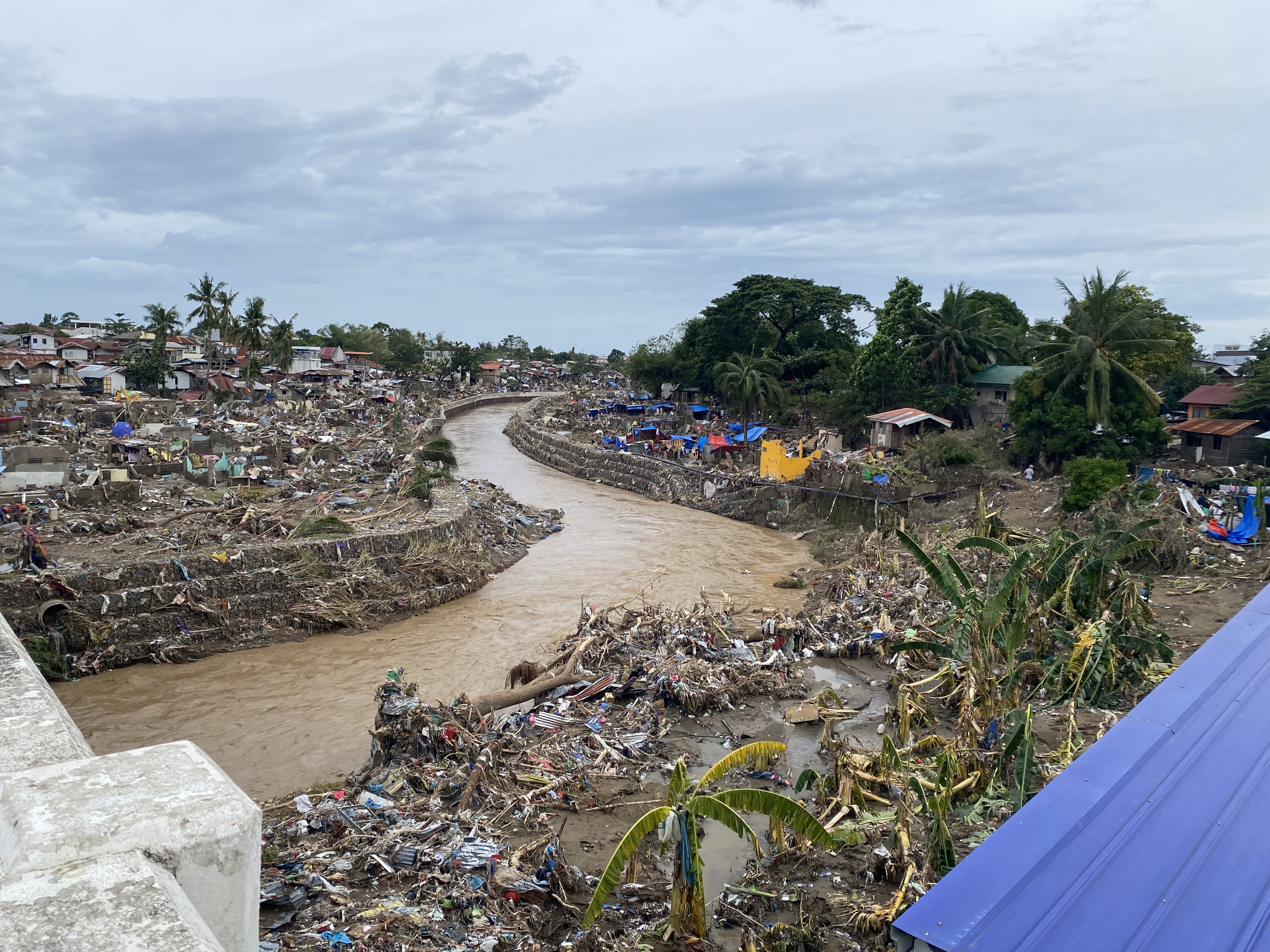

“I've never experienced a hurricane like this ... I lost everything.”
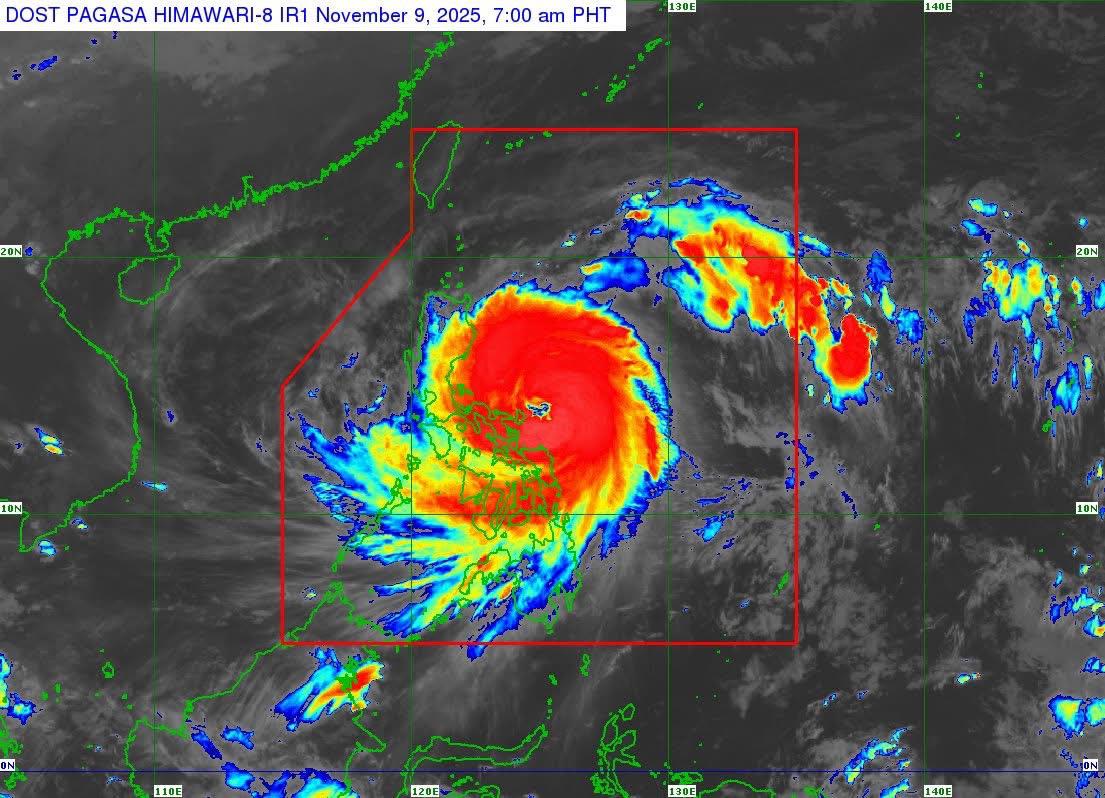
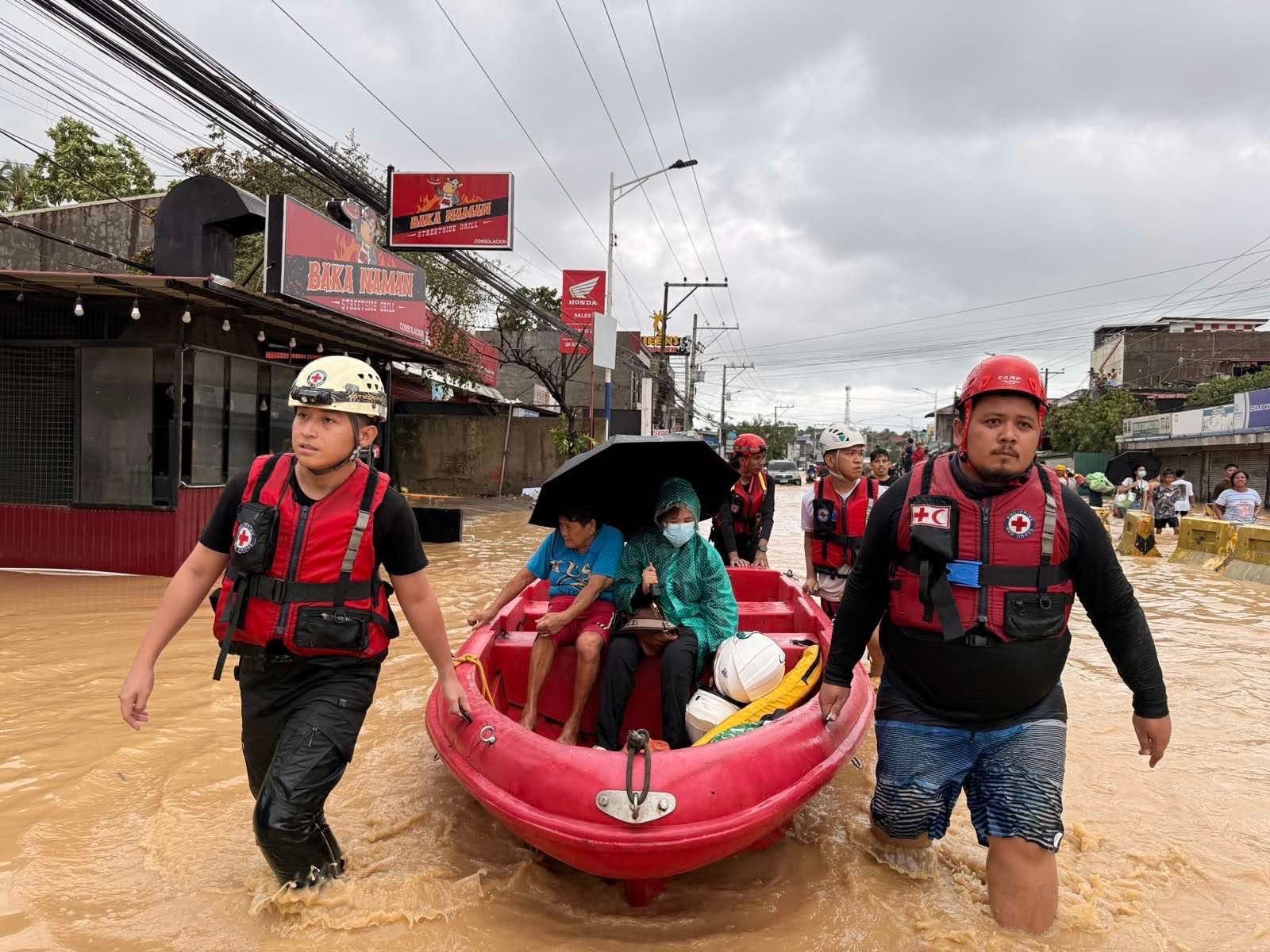
Even in places where tropical storms are normal a part of life, Hurricane Melissa and the two recent Typhoons in the Philippines came as a shock to the millions of people who lives through them.
When Hurricane Melissa made landfall in Jamaica, it was classified as a Category 5 — the strongest storm the island nation is known to have ever experienced.
Why are tropical storms becoming so severe? And why are they becoming more frequent?
Perhaps most importantly, what can we do about it?
These are some of the questions we tackle in this episode. We do it through recorded interviews with people living and working on the front lines of the storms' impact.
And we get additional perspective from three special guests who are experts in the field of emergency preparedness, disaster response and the science of climate change.

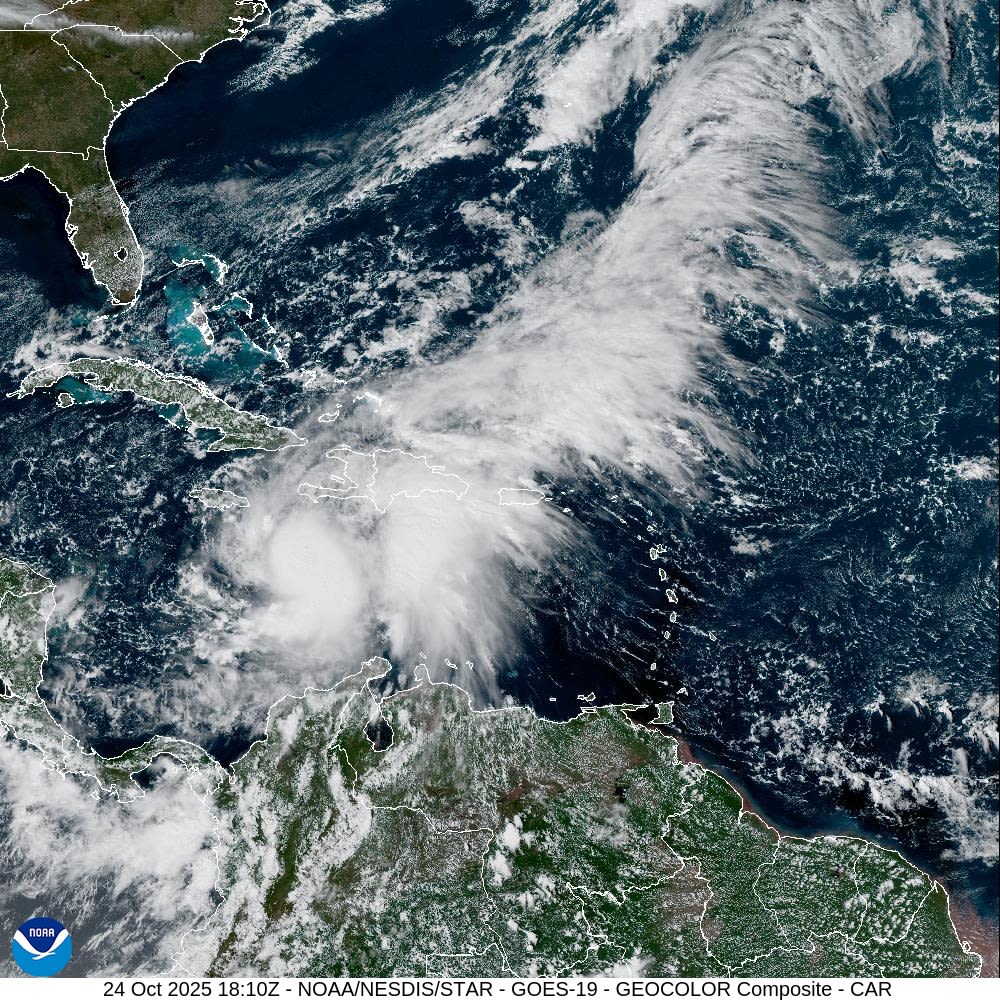



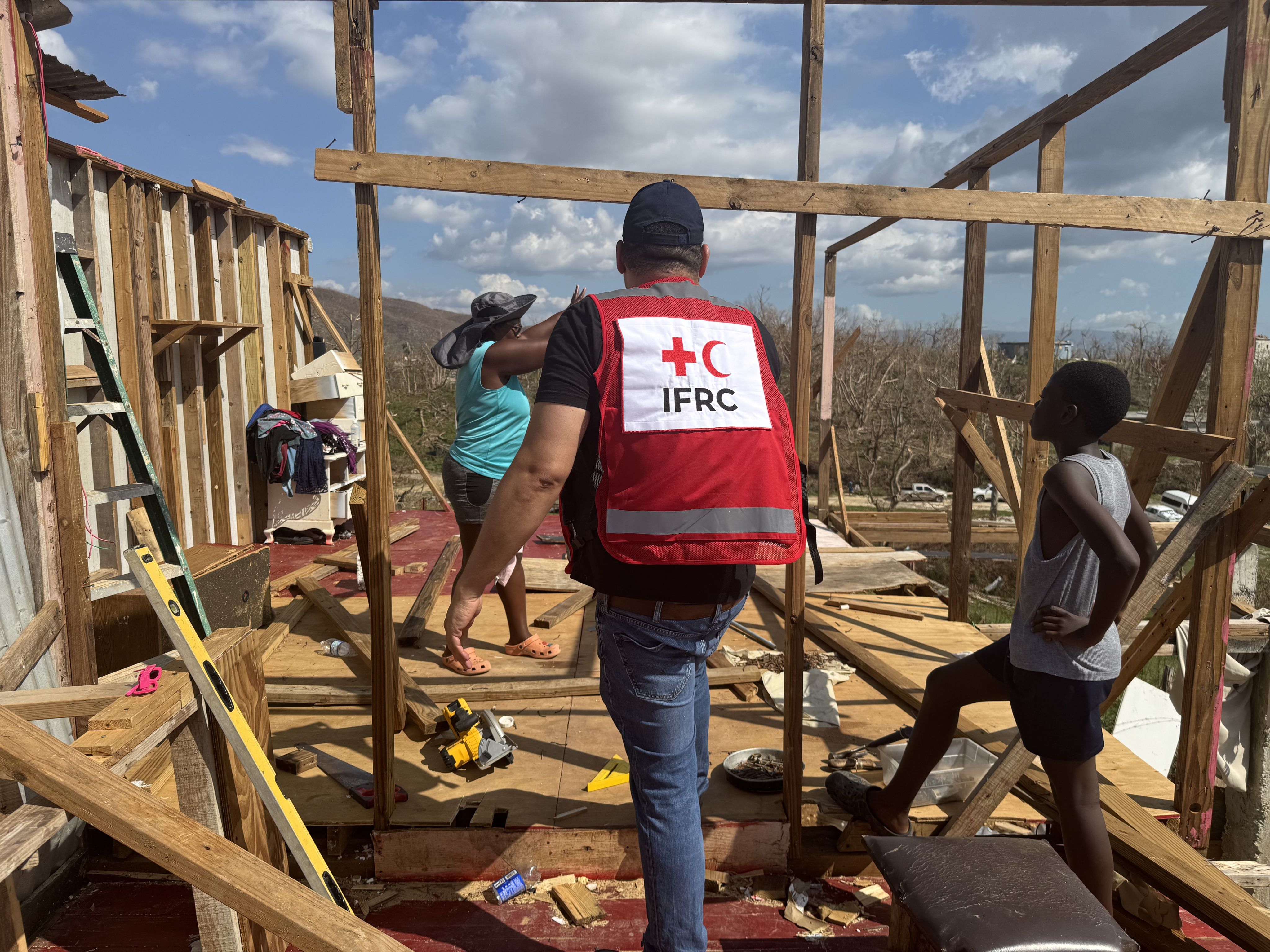
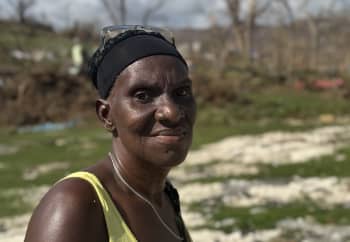
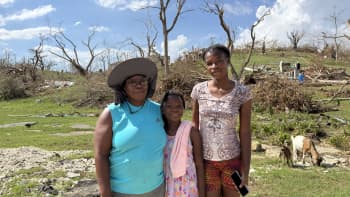
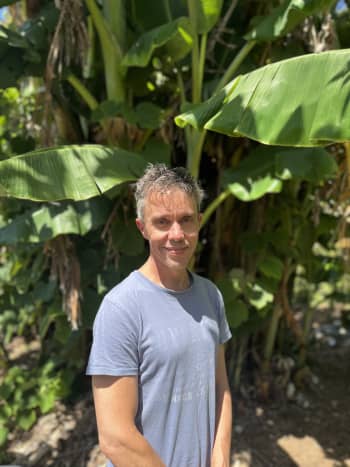
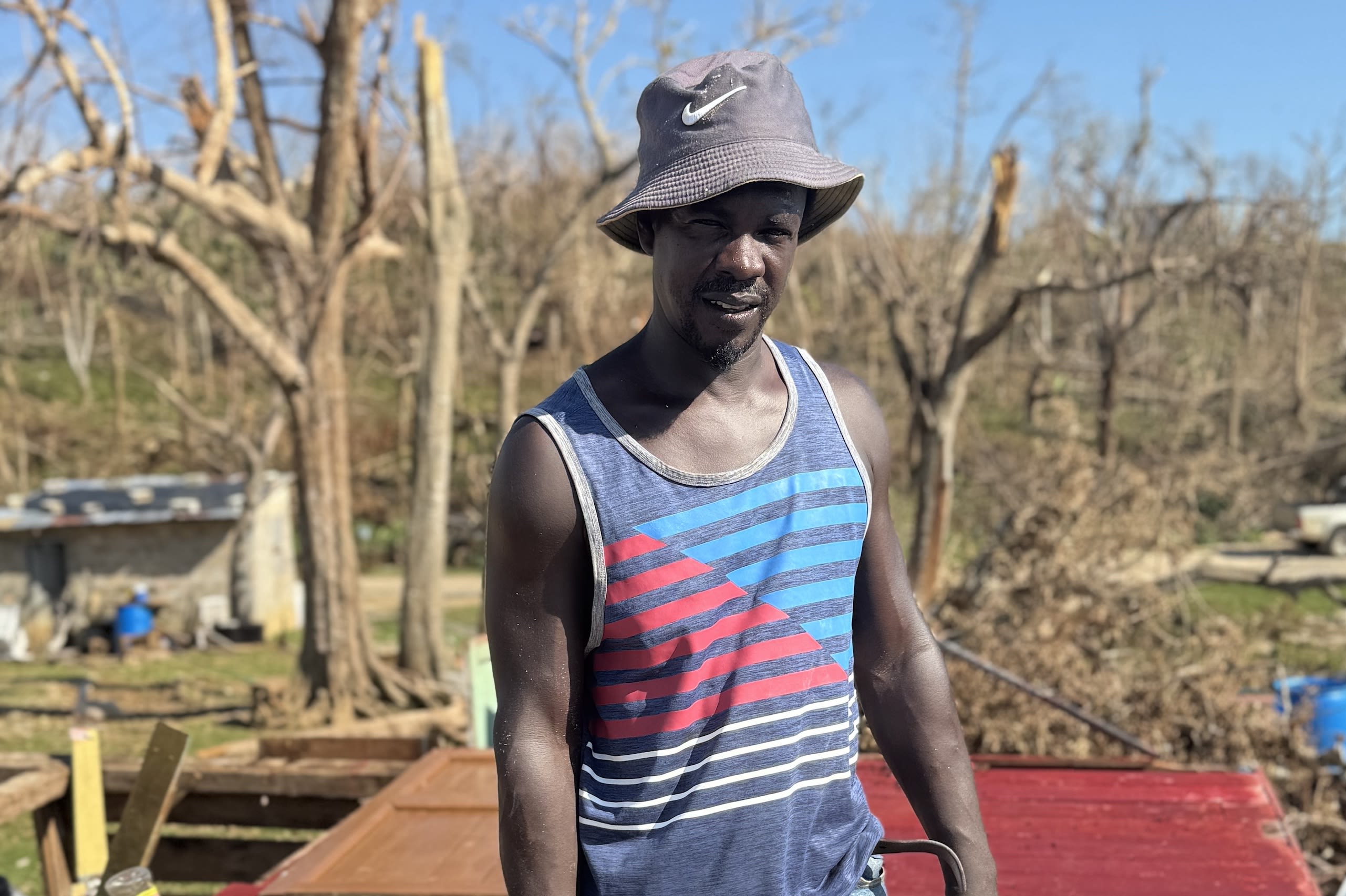
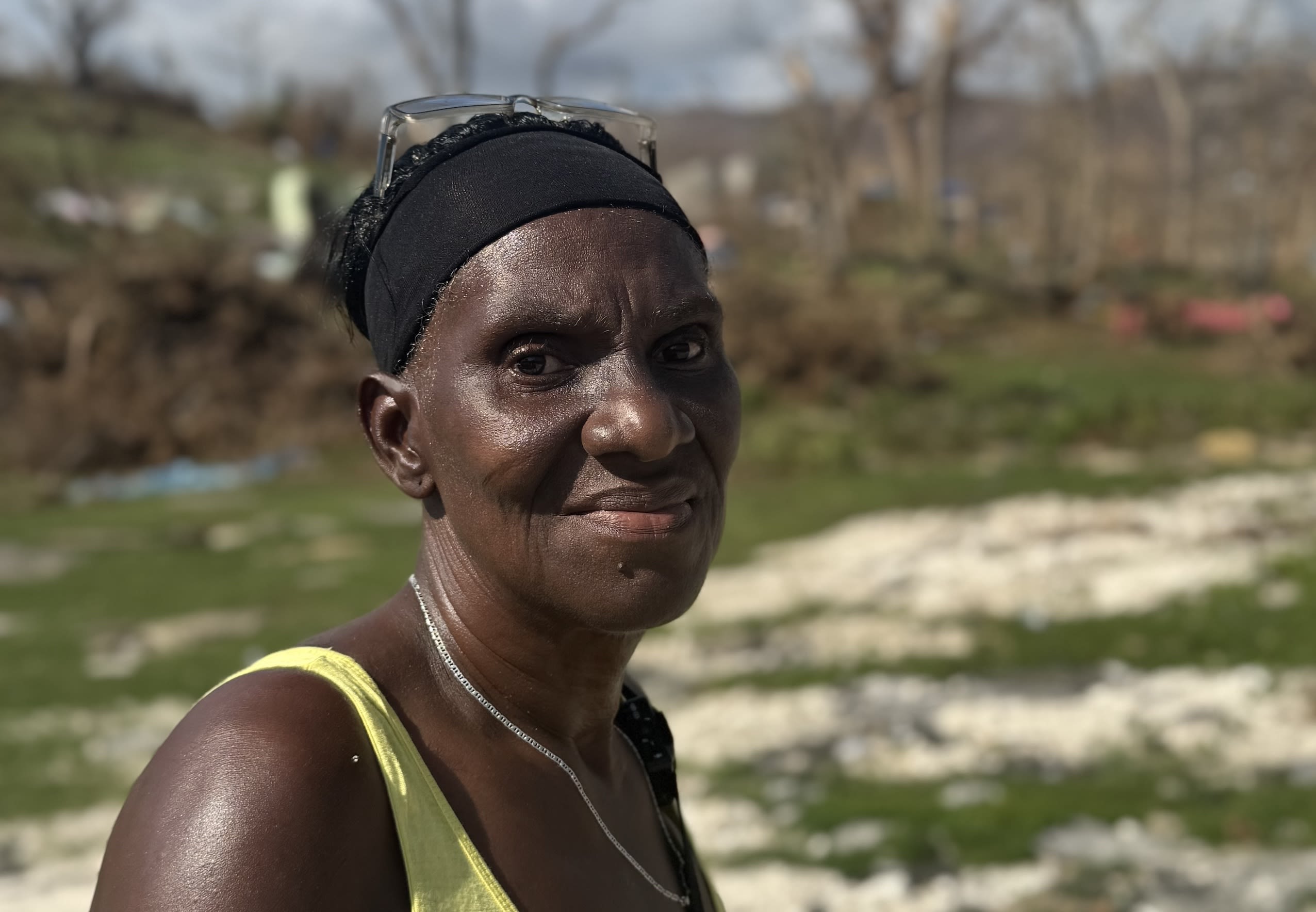
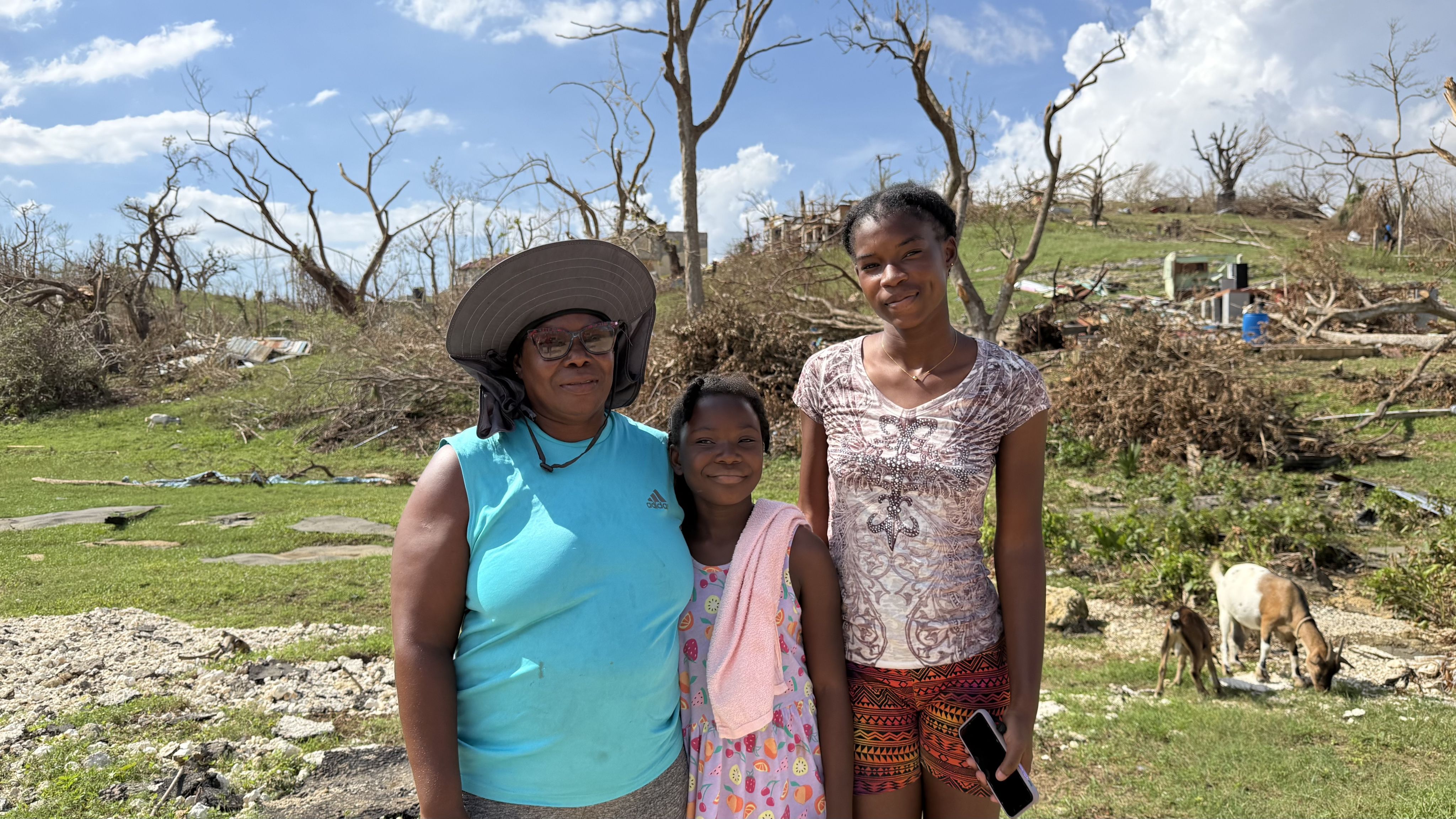
First, we hear from three survivors of the storm, Marlene, Mario and Pauline — all three of whom lost their homes and much more to Hurricane Melissa.
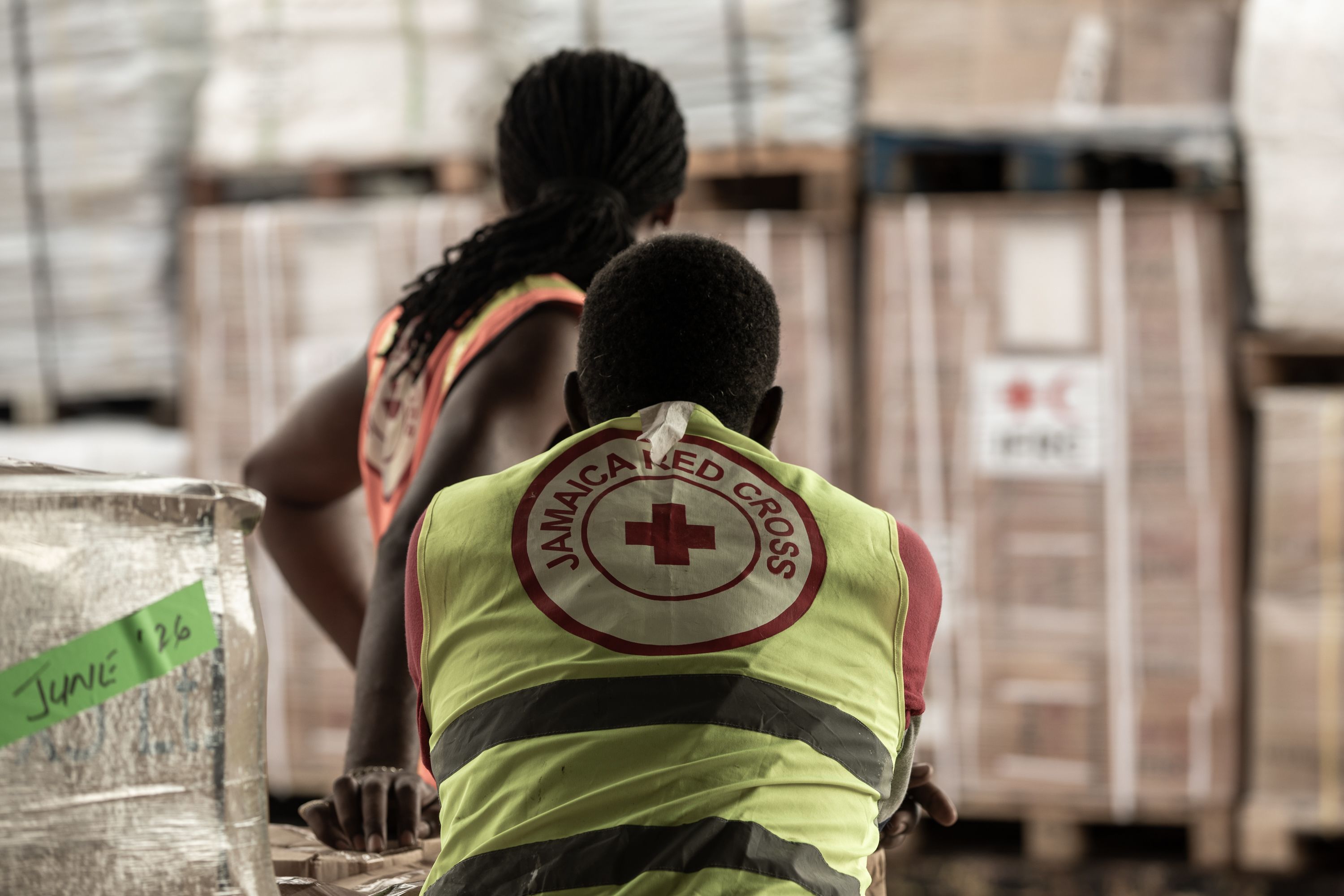
Then we hear from Maceo Sibbles, the branch director of the Jamaican Red Cross's Westmoreland branch, who describes the widespread destruction the Hurricane had on western Jamaica.
He also hails the tireless work of Red Cross volunteers, many of whom also lost their homes in the storm.
One of those volunteers, Rosalyn Bailey, who specializes is psychosocial support, talks about the ways volunteers like her work to reduce the stress and anxiety facing school-aged children, many of whom now live in shelters with other displaced families.
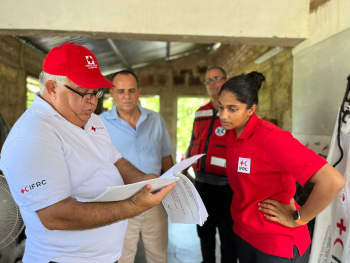
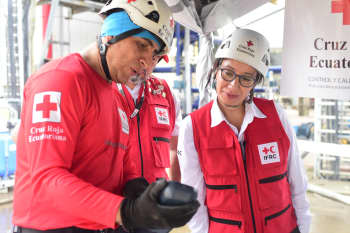
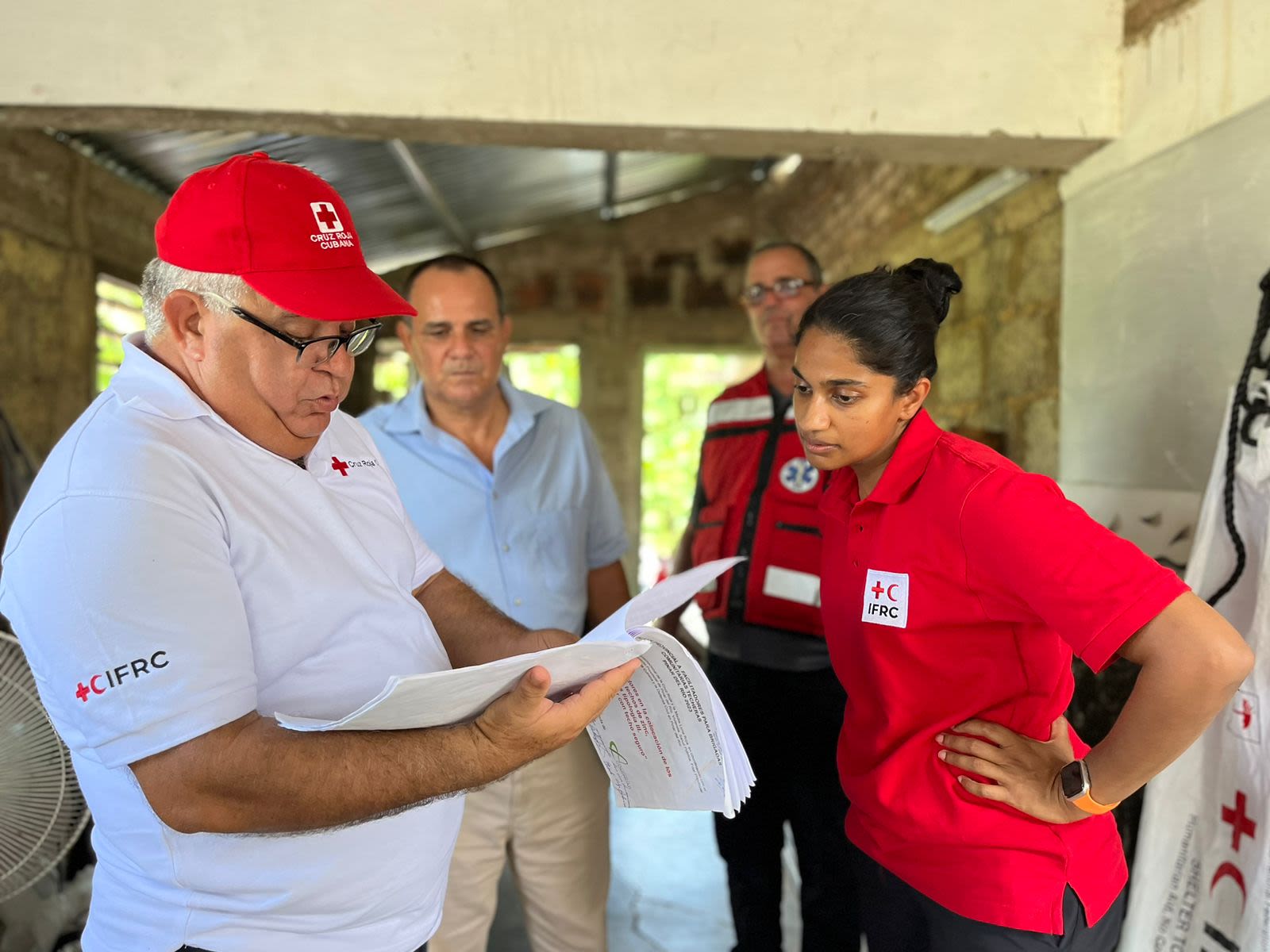
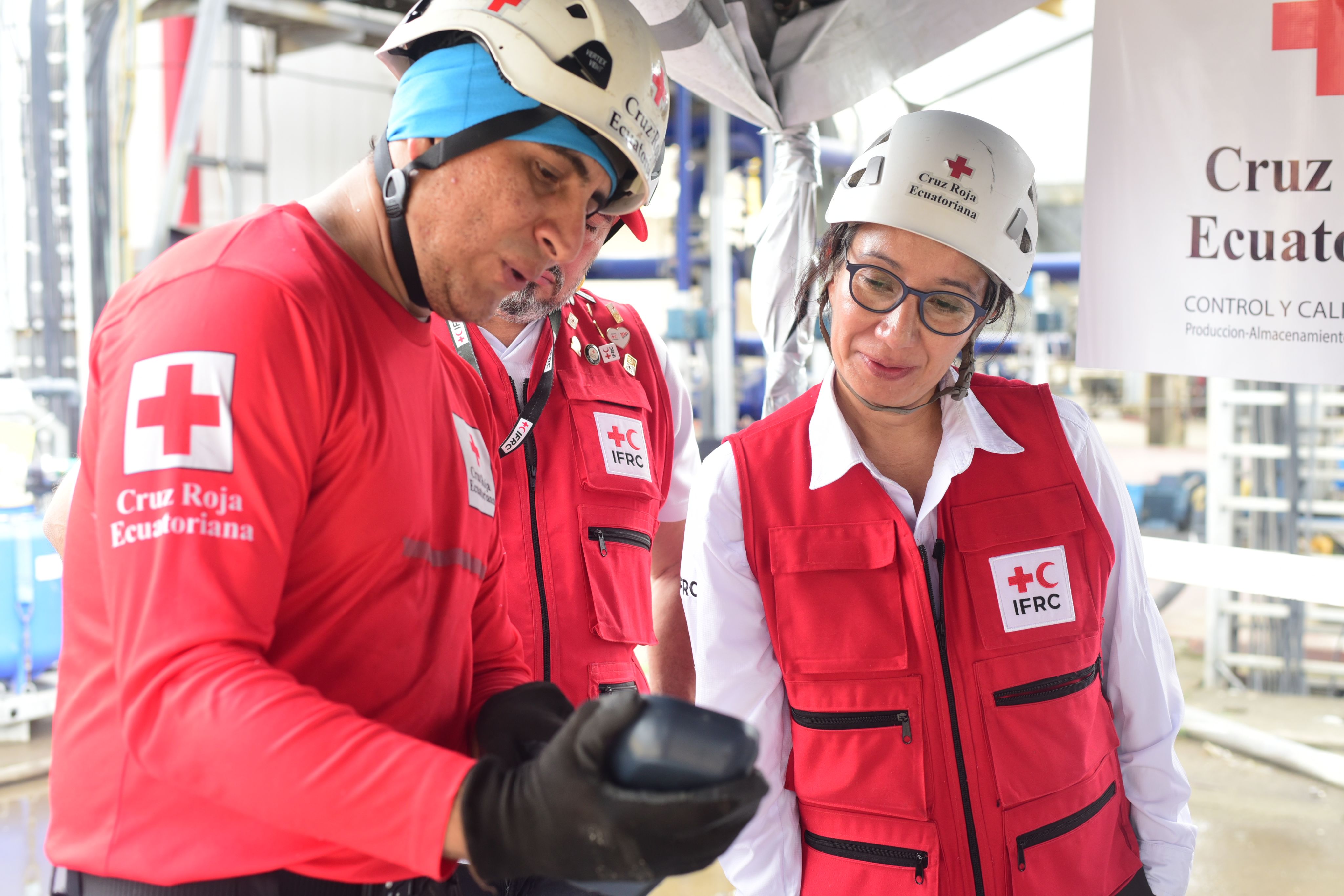
For a more regional and global perspective, we turn to Marianna Kuttothara, the Regional Head of the Health, Disaster, Climate and Crisis for the IFRC, and Maria Martha Tuna, IFRC’s manager of operations for evolving crisis and disasters.
Both work for the IFRC’s Americas regional office at their headquarters in Panama.
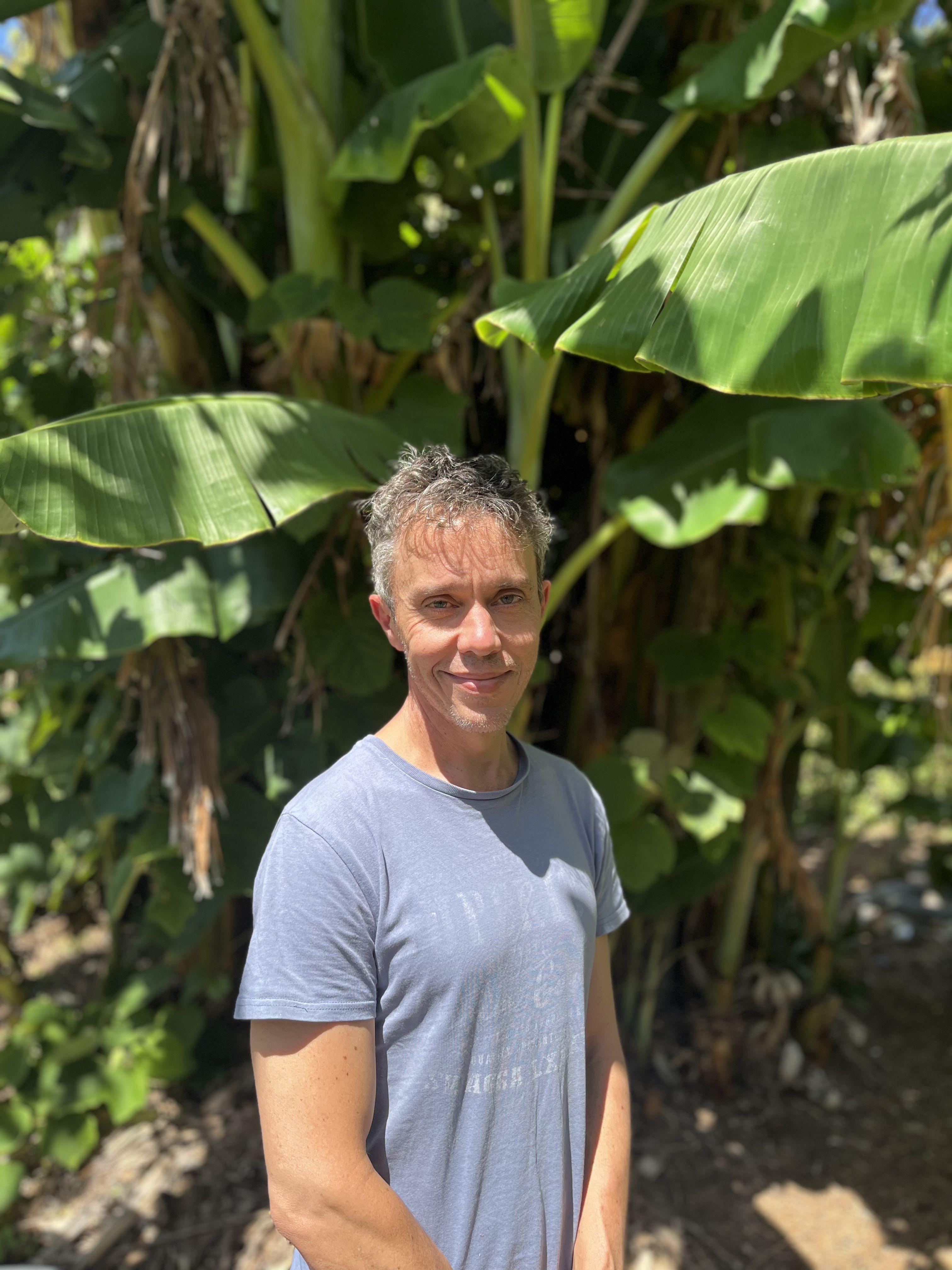
To learn more about the way tropical storms form, and the link between rising ocean temperatures and the creation of super storms, we talked to Christopher Jack, a scientific advisor to the Red Cross Red Crescent Climate Centre.





Where can I find Red Vest podcast?
Red Vest podcast can be found on any of your favorite streaming platforms, including:
Production credits for this episode:
Interviews, videos and photos in Jamaica by Damien Naylor and Lauren Sabin.
Photos from the Philippines thanks to the Philippine Red Cross Society and the IFRC's Ellie van Baaren.
Technical support from Maria-Victoria Langman, senior communications officer for the IFRC based in Panama.
Special thanks to the Jamaican Red Cross and the Philippines Red Cross for their support and for their tireless work in support of people impacted by crisis.
Other resources:
Study: Climate change made Hurricane Melissa more intense and destructive
Donate: Support urgently needed.
Philippines: Earthquake and Typhoons emergency appeal
Cuba: Hurricane Melissa emergency appeal
Jamaica: Hurricane Melissa emergency appeal
Thanks for listening. And don't forget to subscribe!
 Built with Shorthand