
‘There is hope. I can rise again’
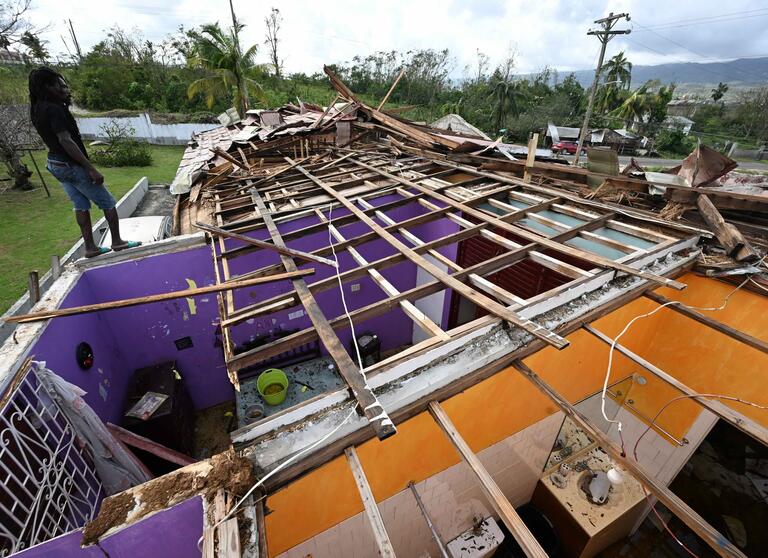
Like thousands of others, Pauline, Mario, Marlene and Dwayne lost everything when Hurricane Melissa ravaged western Jamaica. The skeletal remains of their homes are a constant reminder. But they are resilient and determined to rebuild.
The Red Cross is there, with both material and psychological support. But more help is urgently needed.
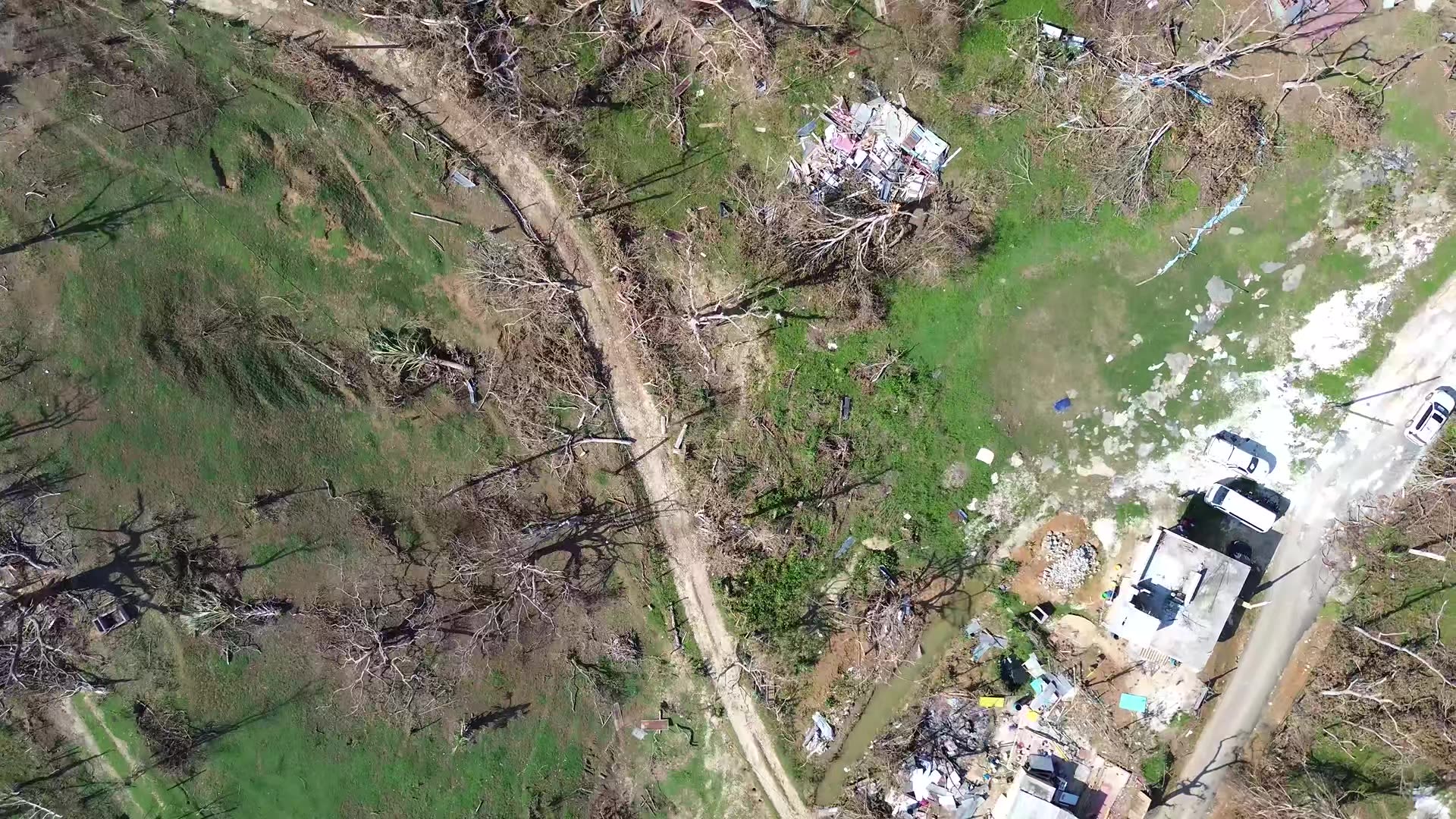

Many still struggle to put their experience into words.
“I can’t really talk about it,” says 31-year-old Mario, who lives with his mother and his son.
“ It was rough, you know. Very rough. I had to run from up there to rescue my mum and my son. It was very, very rough.”
The four walls of his house have folded in on themselves, and the only thing left standing is the shell of a kitchen counter.
“They were sitting right here,” he says, pointing to a spot on the floor next to the kitchen counter where his mother and son were huddled as the house came apart.

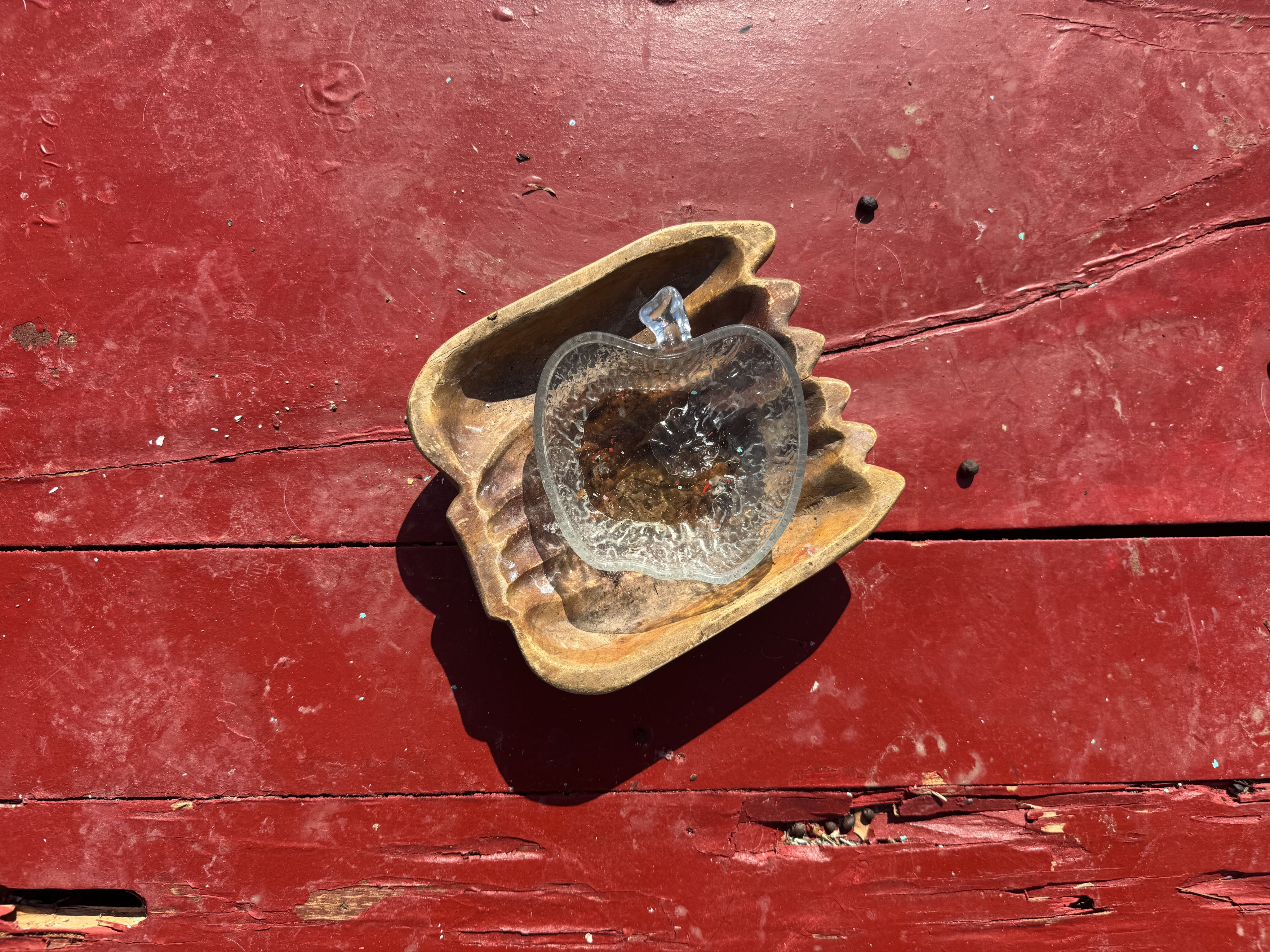
In the centre of what was once a living room, surrounded by utter carnage, lies a glass apple-shaped bowl belonging to his mother.
Remarkably, his only possession untouched by the hurricane. A sign of hope amid the ruins.
Hear Mario's story, along with Marlene and Pauline, in the video below.

Lost to the wind
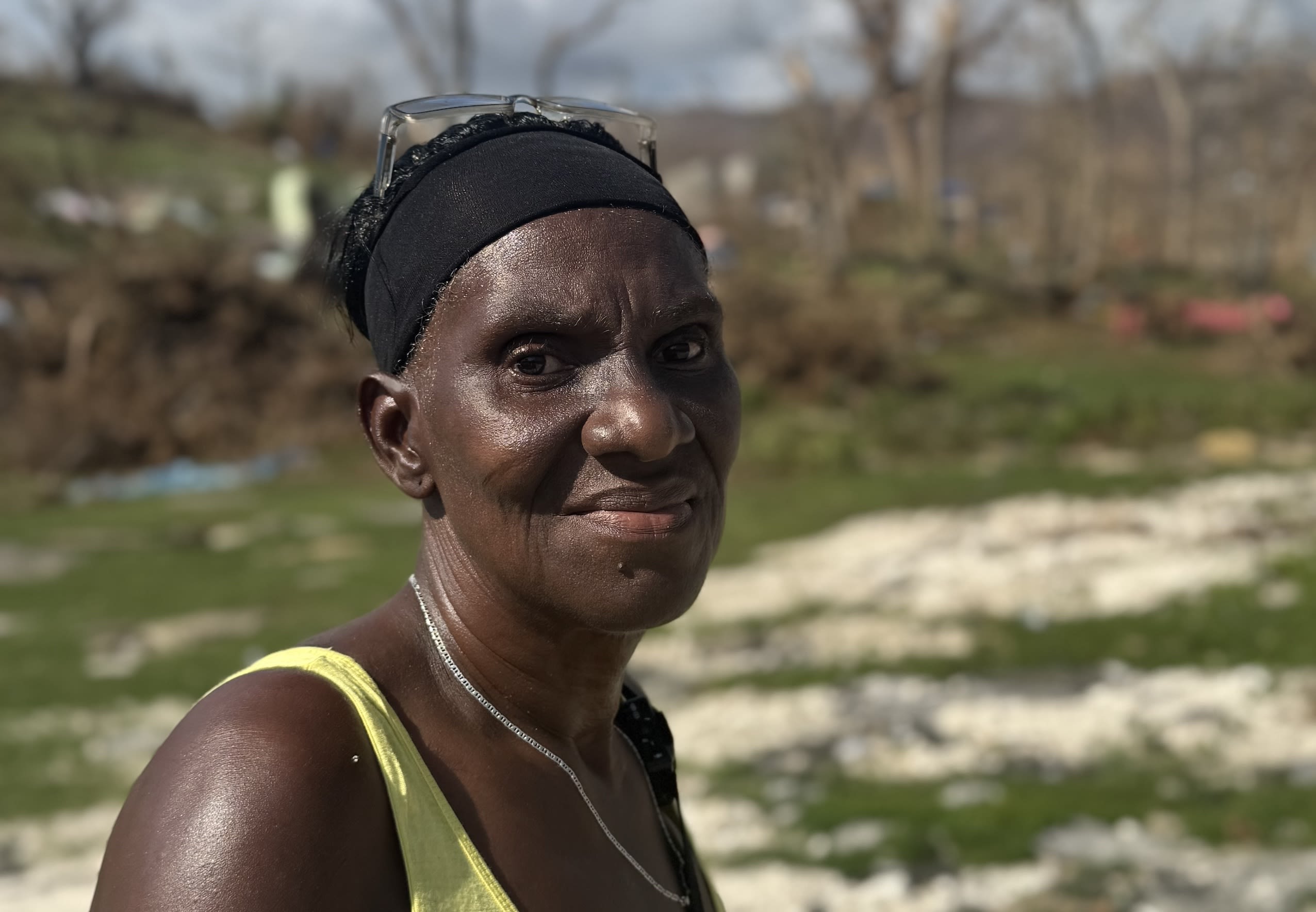
Pauline tells her story after collected a food parcel and tarpaulin from the Jamaica Red Cross.
“Up to yesterday morning, I got up crying,” she says. “To know that I had a house with five beds inside, a dresser, a refrigerator, and the refrigerator in the shop. I lost everything, everything, believe me.
“My son told me, “Mommy, I never knew that a bed could blow away”.
Fortunately, Pauline’s friends and neighbours, whose properties are still standing, have banded together to support her. She even received a pair of slippers from a young girl. If it wasn’t for the kindness and generosity of others, she’d be walking through the mud barefoot.
“Because of goodwill and heart, people whom I know got hurt say, ‘Come, P, take some clothes, wash them, and wear them.’ If it weren’t for others, I would have to stay indoors and not come out. See, even the slippers on my feet. It was a little girl who gave them to me. I have lost everything... everything.”
On top of all that, Pauline also lost her business, a small shop where she forged relationships with neighbours. Children used to come in at Christmas time and she would hand out ice cream and sweets.
“The kids are asking, ‘Aunty Pauline, what are we going to do now that the shop has blown away? We can’t do without you because you always give us sweets and stuff.’”
“My shop was there,” Pauline says, pointing to debris on the hillside. “I used to sell all sorts of things. I was getting good support from my friends, for which I give thanks.
“I grew up with my Grandma, and she always told me, ‘whenever someone buys even a sweet from you, you should always tell them thanks, and give them a hug.’” Pauline says to a Red Cross represeantative. “So, when you came and hugged me today, it reminded me of the hugs that I gave to people when they came to me.
“When you give, you don't know when it will come back to you. So that's what I do, I give, so that I can receive back abundantly. Yes, I feel bad about what I have lost, but life is not gone. There is hope. I can rise again.”

'Everything is gone'
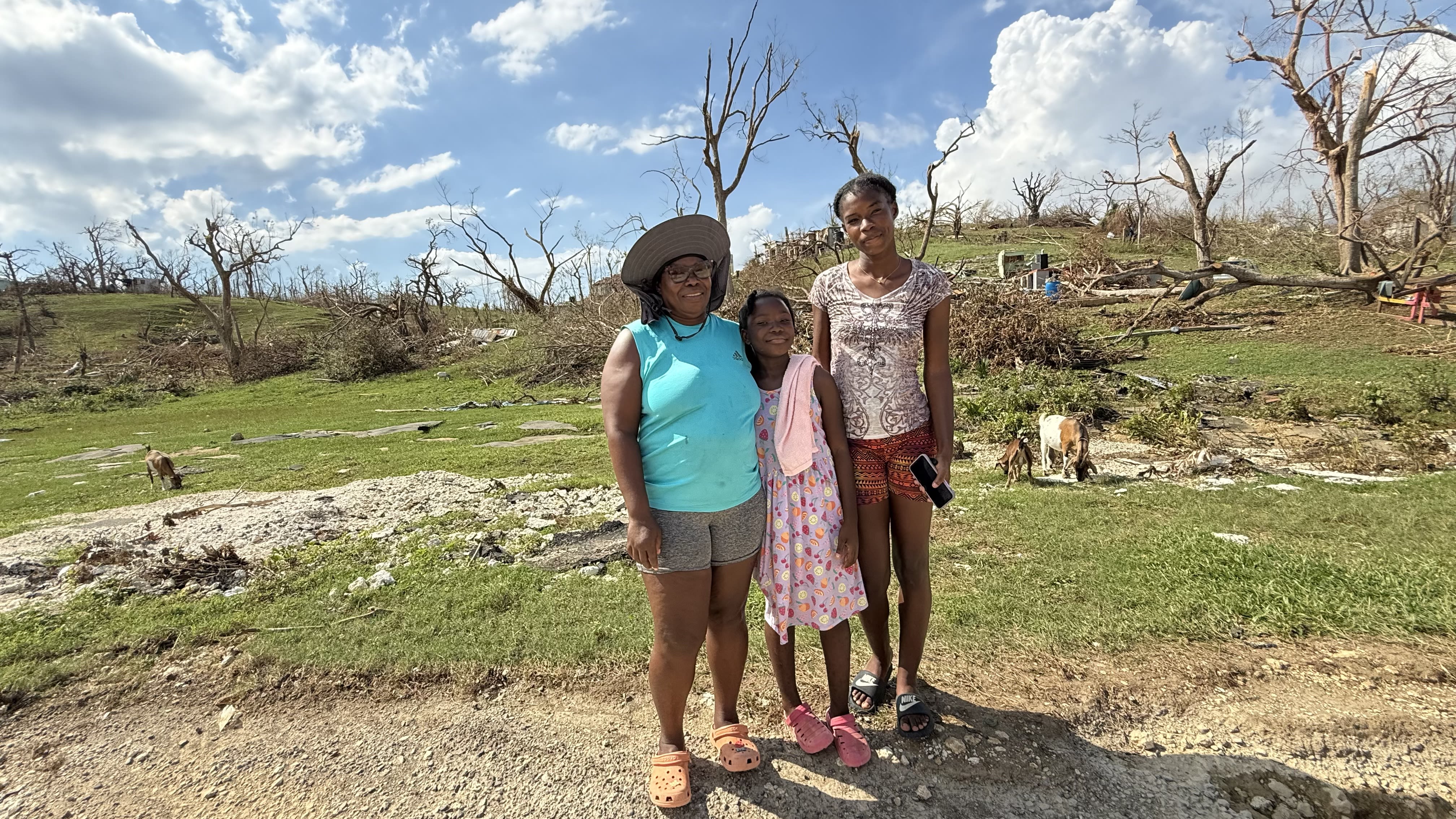
Not far away, in the same community, Marlene lives with her three daughters. Her two youngest daughters Tara and Tiana were with her when the hurricane hit.
Nine-year-old Tiana, explores the wreckage of her home, picking up rusty nails, in the hope that they can rebuild.
“The hurricane was rough. I have never experienced a hurricane like this. It blew away my house, everything is gone,” Marlene says.
“When the hurricane was blowing, that little piece [of concrete] over there was a bathroom and a washroom, we had to curl up in there to not get hurt. Me and the kids and my friends. We rescued many friends there.”
“I’ve been crying all day. Night and day, I can't eat. I’m just drinking water. Our clothes are all over the place. It's rough. I don't know if my blood pressure is high right now. My hands and feet are swollen at night. My feet are swollen and I’m in pain.”
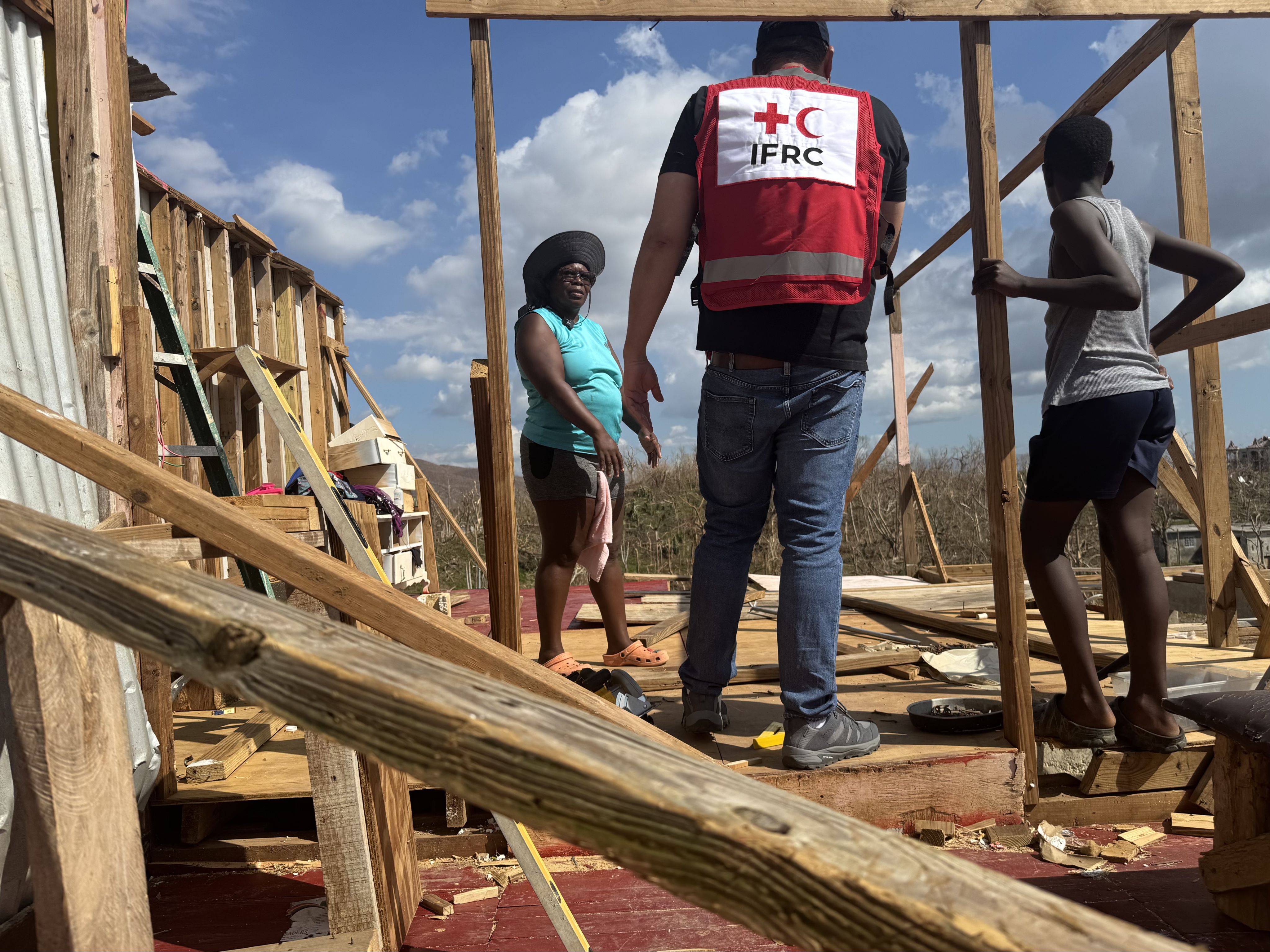
Marlene is operating in survival mode. Having received a tarpaulin from the Jamaica Red Cross she plans to build a makeshift shelter for herself and her daughters. The future and what that looks like, is too difficult to comprehend. Right now, she is just looking for a sense of security.
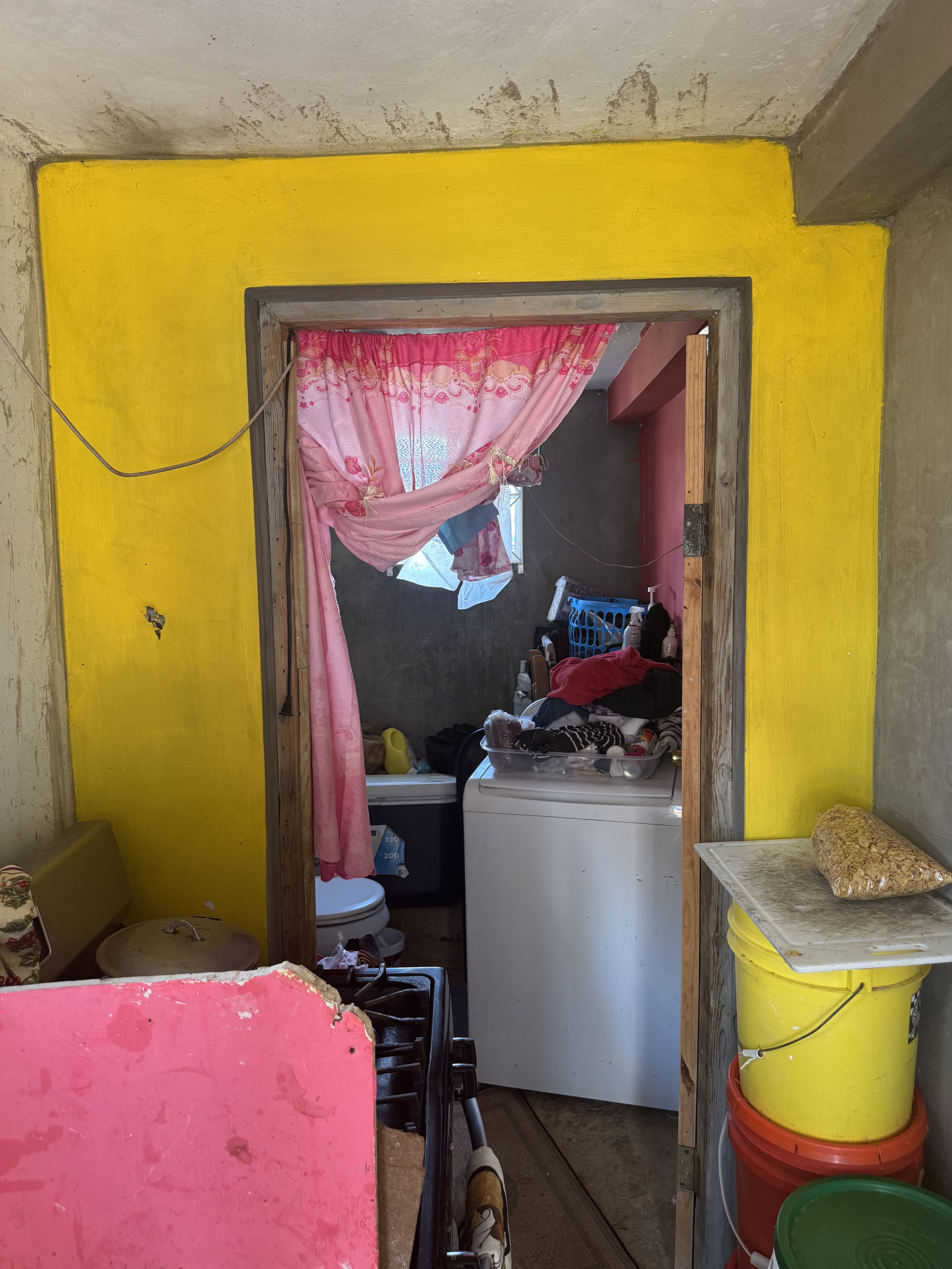
“My biggest need is a house,” she says. “I can take my time and hand-wash my clothes, but my biggest need is a house to put my children. The bed blew away, everything blew away. We have to sleep on the floor now. We have to sleep on our clothes.
“I would like people to know about the hurricane and that we are badly affected, so that people can help us. Reach out to us and help us.”



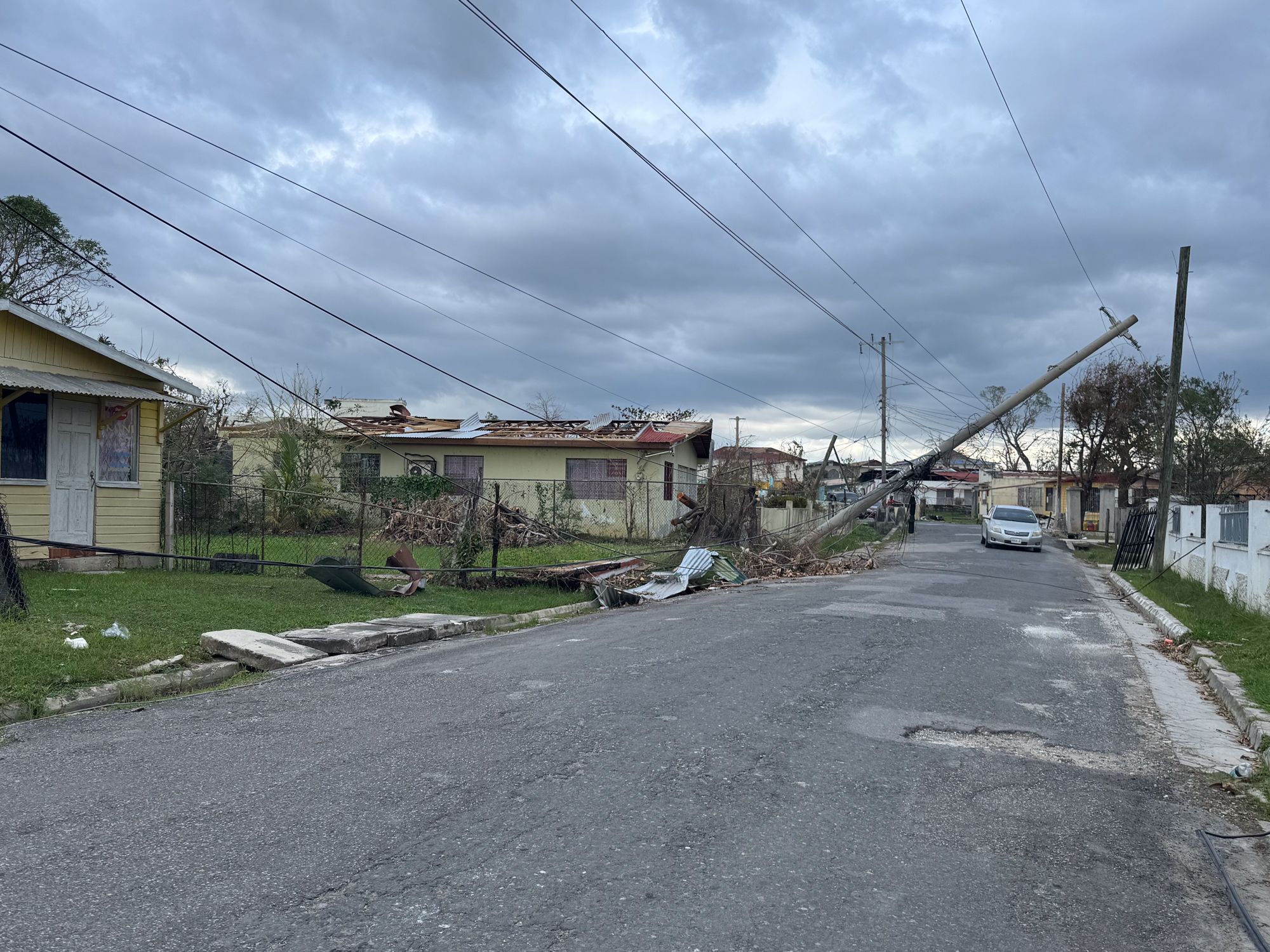
Hurricane Melissa — the strongest storm in Jamaica’s history — has devastated communities across the island, bringing winds of up to 280 km/h, as well as torrential rains and storm surges that left homes destroyed, roads blocked, and thousands displaced.
Nearly 1.9 million people are affected, with many families trapped or living in makeshift shelters as flooding and landslides continue.
The Jamaica Red Cross, supported by the IFRC, is providing emergency shelter, food, clean water, and cash assistance.
This is why the IFRC delivered resources in advance of the storm through its Disaster Response Emergency Fund (IFRC-DREF) and then launched an urgent emergency appeal to support the Jamaica Red Cross as it provides life-saving assistance.
Watch the video below to learn the latest about the IFRC and Jamaica Red Cross response.
'We're here to listen'
At this stage after a crisis, a listening ear can be critical as people process their emotions and what has happened. It can also be a connection and a lifeline to people who need further psychological support.
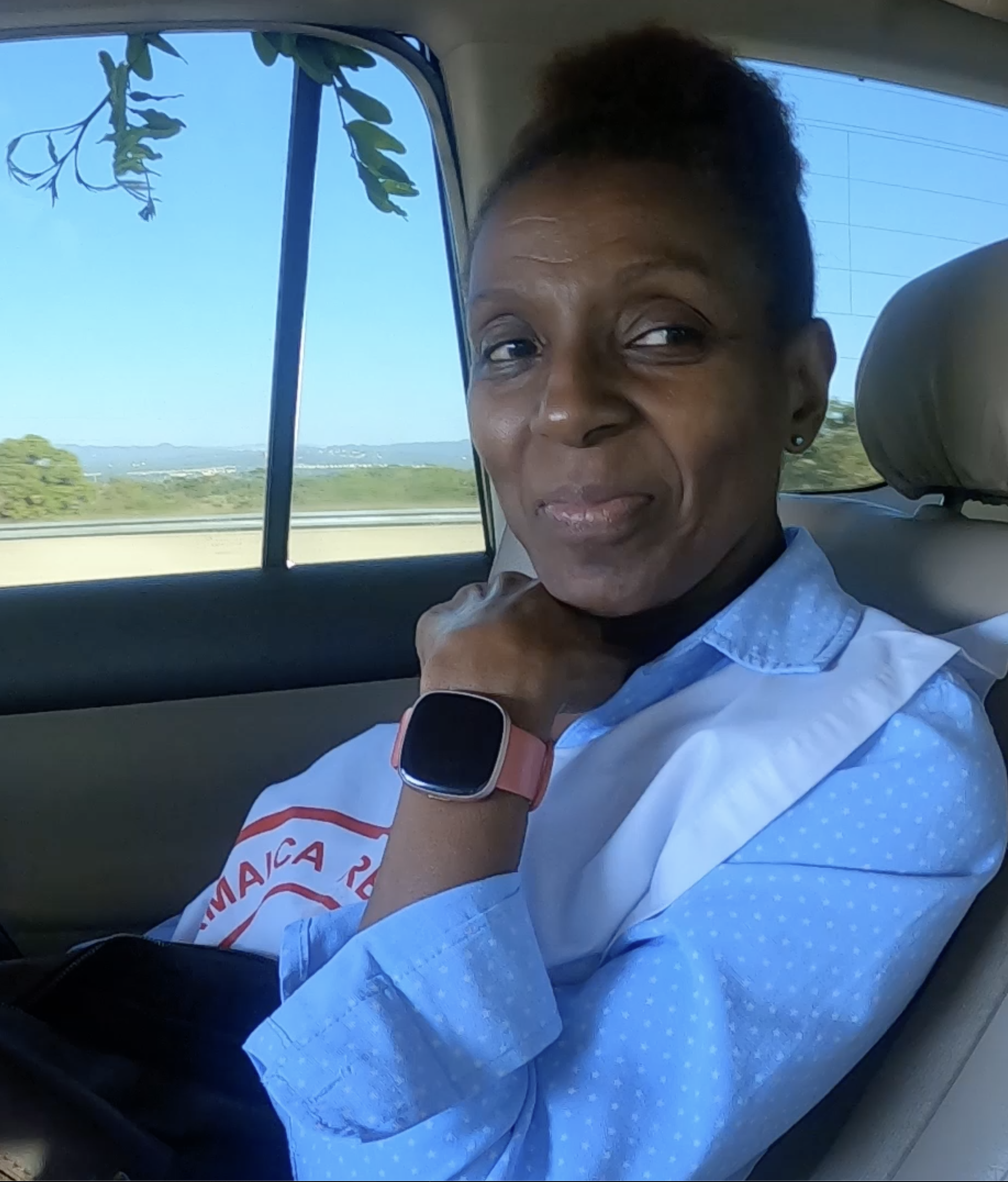
A mental health professional for the past 20 years, Paulette started volunteering with the Red Cross in 2001. So she has a lot of experience working with hurricane survivors. Paulette knows that true healing begins with listening, not just to words, but to silences.
“We're just here to listen," she says. "It’s so important to listen to what a person says and of course to what they are not saying.
“The last hurricane, Hurricane Ivan in Portland Cottage was devastating. I went there maybe twice or three times. It came in the night, so it was really, really difficult for those who experienced it.”
Whilst Paulette is prepared to refer people with more complex needs to other services, she maintains her role is simply to talk, not to diagnose, just to talk.
“Today is not a day to do deep counselling,” she says. “Today is just the day to offer psychological support to people. You know, asking ‘How have you been feeling? Where are you staying? How's it been for you? And if necessary to make referrals.
'Just like going to the doctor'
For Paulette, mental health care should be as routine as visiting a doctor. She hopes to normalise mental health support, particularly as there is still some stigma attached to conversations about mental health and wellbeing in Jamaica.
“I usually just say to persons, you know, looking after your mental illness is like going to the regular doctor,” she says. “If you have diabetes or hypertension, you must go to the doctor. We don’t give people any specific names, I just try to tell them, ‘It’s okay to feel the way you do’. They just need to find somebody they trust to talk about what's been happening.”
Paulette has a specific interest in child mental health support. She believes children have the ability to bounce back after hardship. Saying that, many will be scarred by their experiences for years to come. We are already hearing stories of children crying every time the wind blows.
“It's so important to really help children to manage through this time. That's something that I'm really interested in, helping children,” says Paulette. “Children are resilient, they do bounce back but at the same time they might have nightmares for a while. Then of course, some might have post-traumatic stress disorder.”
The road ahead will be long and hard. Essentials will be scarce. But Paulette’s faith in the Jamaican spirit is unshaken. For Paulette and her team, the focus now is helping people recover, so one day they are ready to face another storm.
“You know we're resilient people. Jamaicans are resilient. I have even seen people even make fun of what's happening. Humour is important too,” she says.
“I know, it's going to be a long road, a very, very long road. But the human spirit is resilient. It's a long road but I do see us bouncing forward.”

'Little and step by step'
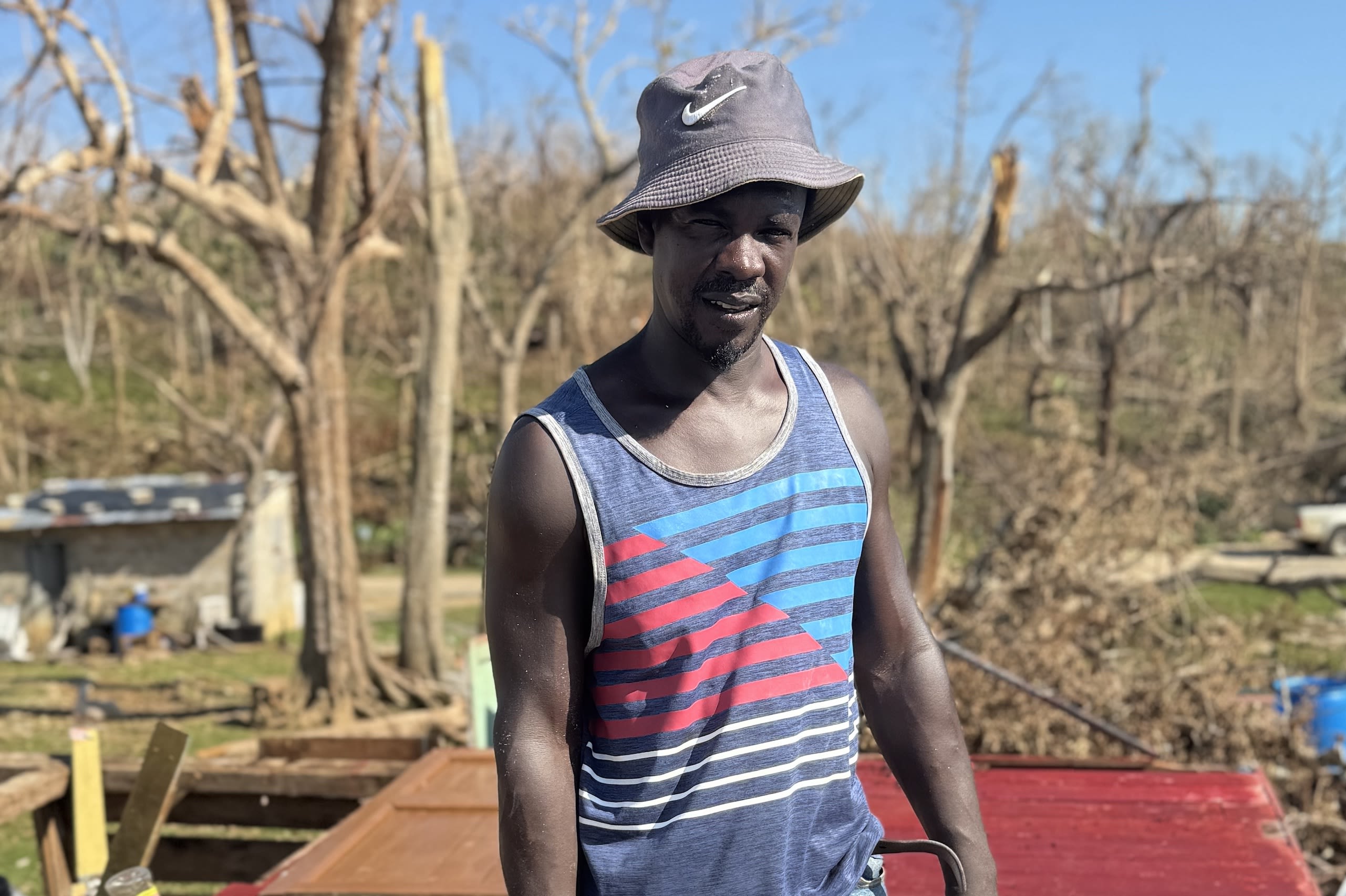
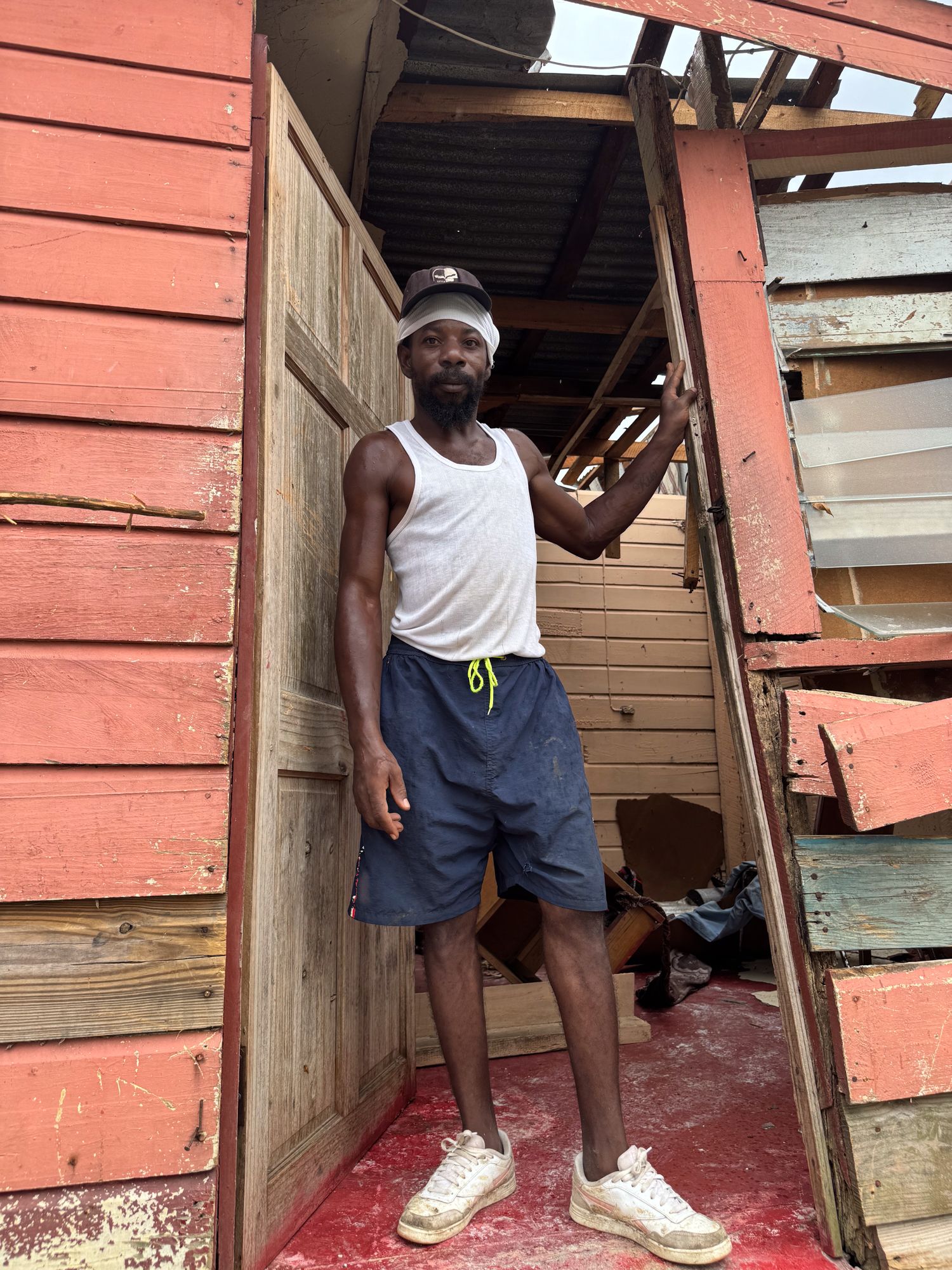
Not far down the road in Independence Park, in Westmoreland Parish, on Jamaica’s western tip, Dwayne is helping to repair his neighbour’s roof.
It's a small gesture of thanks to his neighbour who, in the height of that terrible storm, saved Dwayne's life. Though he sustained some minor injuries, Dwayne managed to escape relatively unscathed.
“My neighbour has done a big favour for me,” he says. “She is the one who rescued me.”
“I was trying to move in the wind, and the wind was blowing me away. The wind threw me over there. See, my hand is bruised. Splinters flew and hit me above my ear, near my temple.
“I fell down into a pool of water. Water filled my mouth and almost drowned me. It was rough, it was not easy. But we fought through it.
“I hid behind a wall for a little while before I could move, because the breeze was blowing hard. It was so powerful, if I went into it, it would carry me away. I just had to stay behind a wall and wait for it to calm down, before I could go outside and run for rescue.”
‘No where to live’
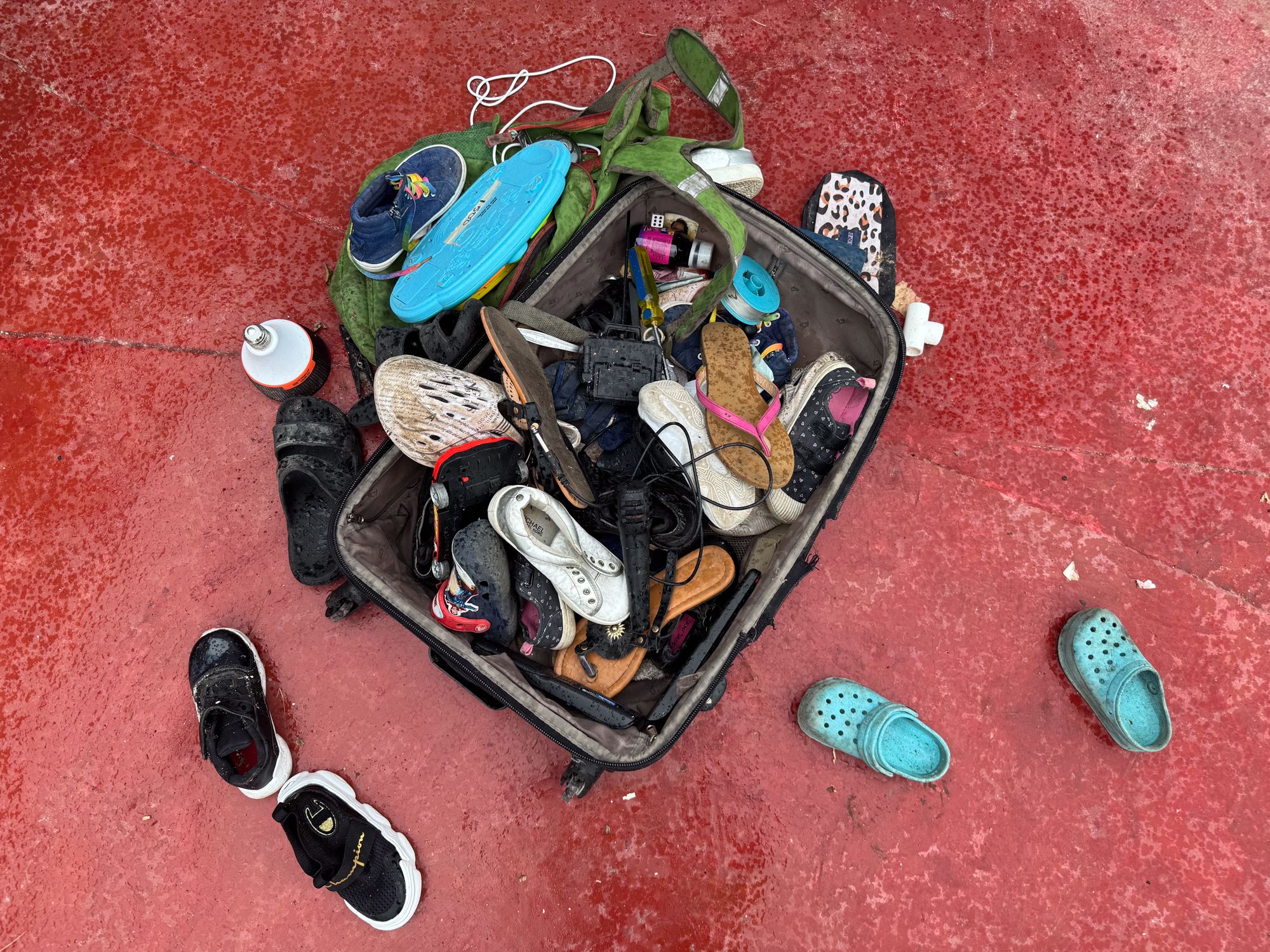
Outside Dwayne’s house are a few belongings he’s managed to salvage, a sodden carpet, a small suitcase of shoes, some tools and a faded armchair. Dwayne describes the moment he returned to his home and saw the extent of the damage.
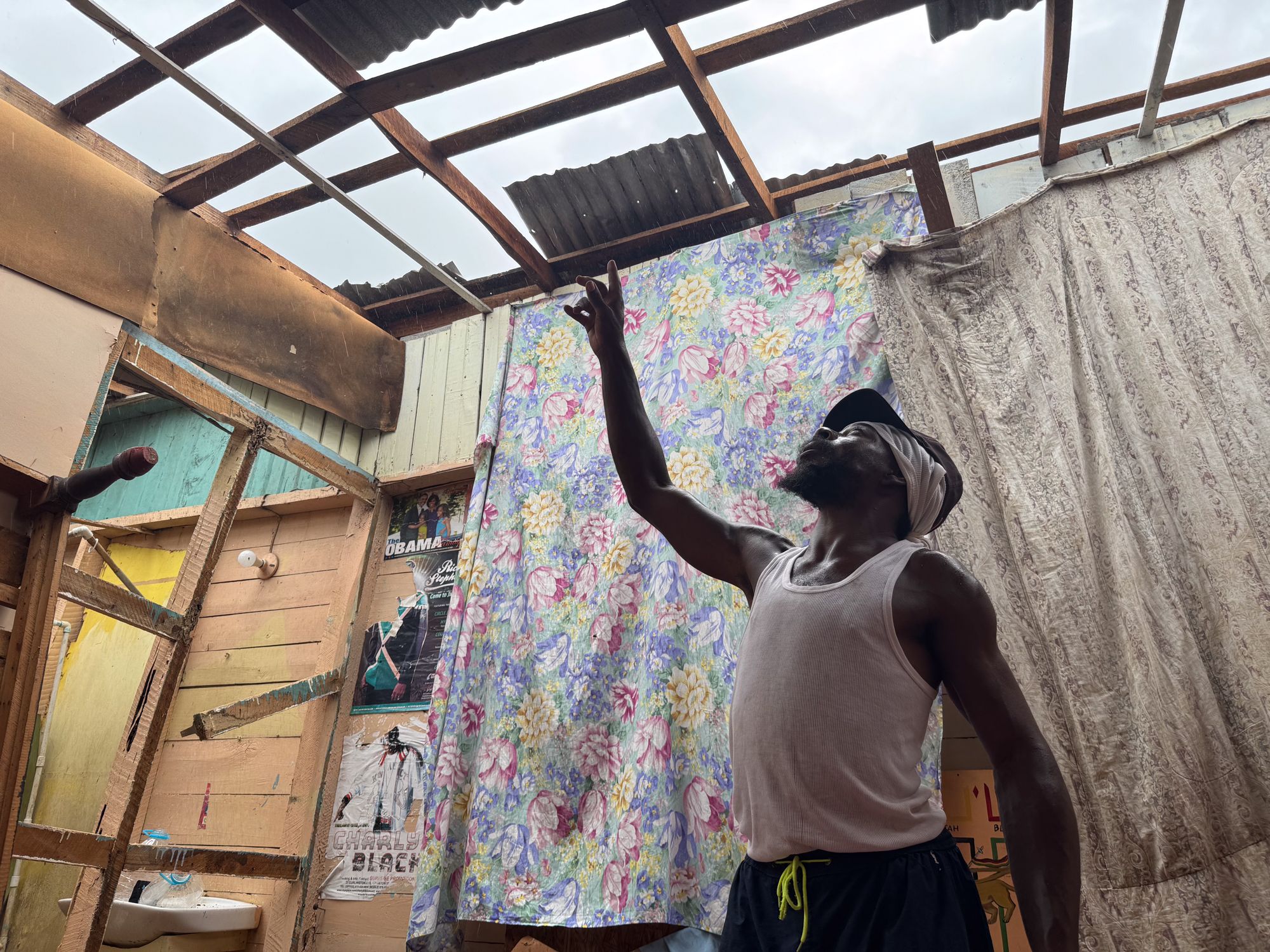
“When the storm calmed down and I came out in the rain,” he says. “I went back to my house and saw everything was destroyed. The house was blown down, everything was gone. I have nowhere to live right now.
“The roof is gone. Everything is gone. The trees fell on it. I live in a shelter right now. We’ve got a little food. People pass by, help us and give us food. We are just out here trying to rebuild something.”
'Step by step, we will finish'
Despite everything, Dwayne has not lost hope. He believes in the resilience of his community and their ability to bounce back.
“My biggest need is a roof over my head, because I can work and sort myself out from there, but I need a roof over my head.
“Jamaica needs help right now, because everywhere is affected. People are living in the streets or on the plaza right now. I know everything can’t be done right away, but if we go little by little and step by step, we will finish.”

 Built with Shorthand