
Forced to move
Communities stand together across Benin
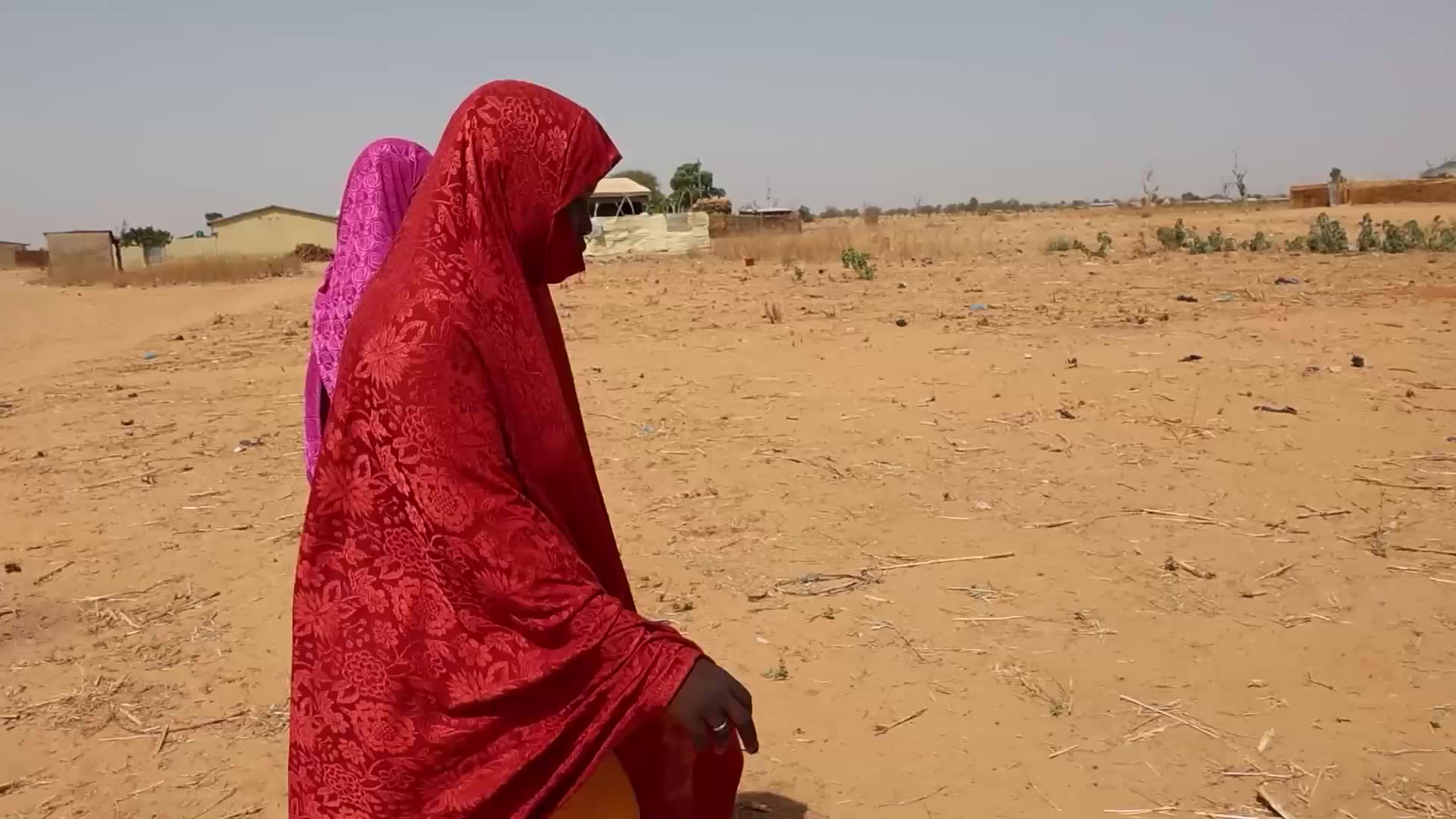

On 14 February 2026, Valentine’s Day, a day when much of the world paused to celebrate love, families in Konkoso community in Niger State, northcentral Nigeria, expressed it in a different way. As violence engulfed their homes, hundreds of residents gathered what little they could carry and began a long journey by foot toward safety. Their destination was Segbana, a border community in Benin Republic, about 187 kilometres away. The residents who escaped death or abduction had no other choice than to seek refuge far away from the comfort of their homes.
The people of Segbana, supported by the local chapter of the Benin Red Cross, opened both their homes and their hearts. For many families arriving exhausted and uncertain, this welcome marked the beginning of a new chapter, one shaped not only by loss, but by solidarity and shared humanity.
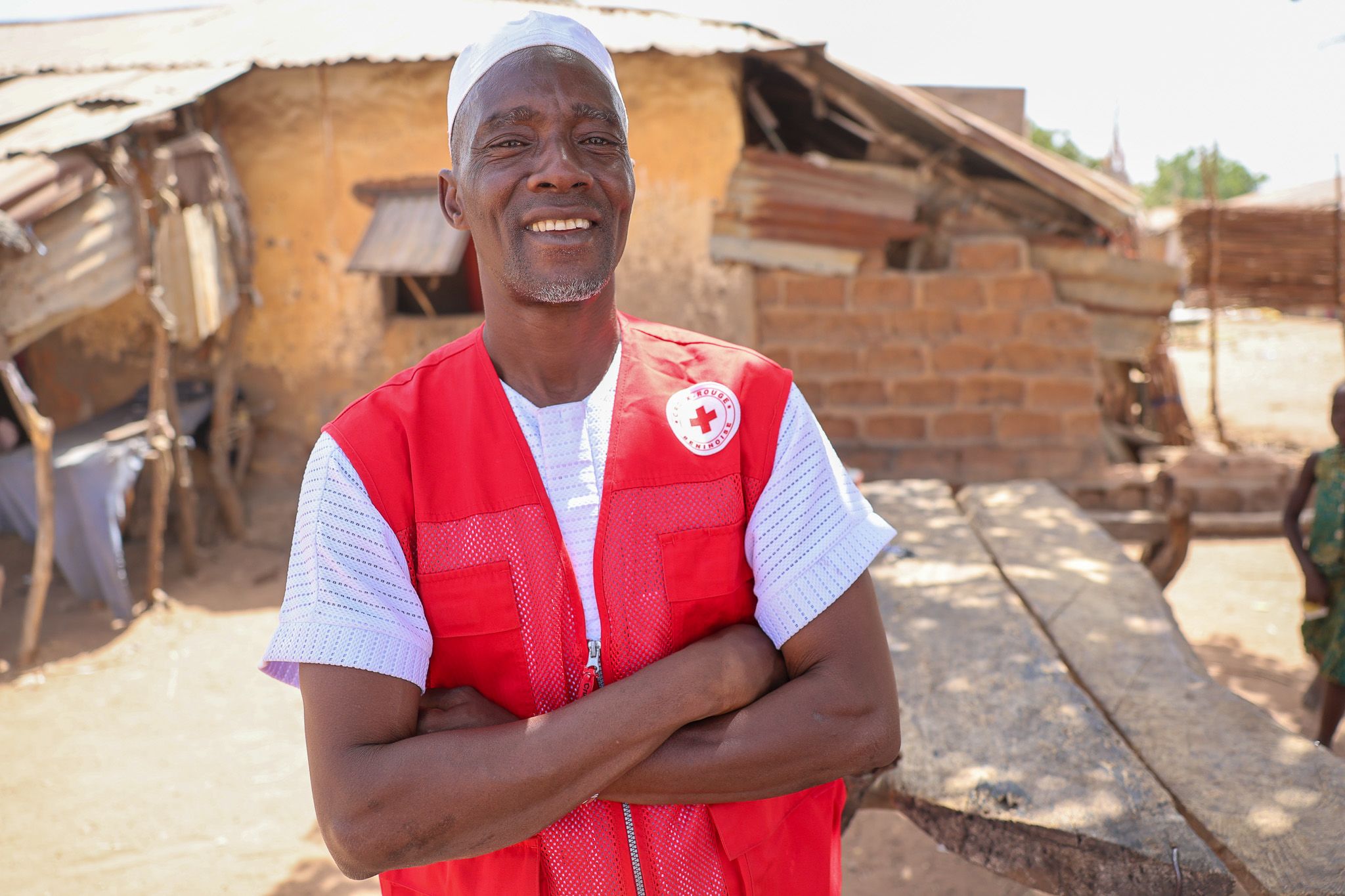
Aliou Guene Koussi, President of the Benin Red Cross in Segbana, captures this spirit warmly: “Yes, the community welcomes them. The parents from Nigeria are all lovely people who bring a breath of fresh air to households and community life."
Even as resources are stretched, generosity continues to define the response. Koussi notes that spaces have been transformed to accommodate as many people as possible: rooms built for two now “house 15, 20 people in some cases.” It is a powerful reflection of a community choosing togetherness over comfort, and kindness over convenience.

Local leaders are also working tirelessly to manage the growing needs. Kora Abdoulrazak, Mayor of Segbana Municipality, acknowledges the pressure while highlighting the community’s resolve:
“The number of displaced people is only increasing, and we are currently dealing with more arrivals. This situation is truly affecting the municipality and is causing difficulties and given the very large number of displaced people, they are obviously being taken in by host families.”
Despite the challenges, what stands out is the unwavering willingness of families to support one another.
For Dahibu Sahidu, a former health worker from Nigeria, the journey to Segbana was one of necessity, but also of resilience. With surrounding communities no longer safe, leaving was the only option. Today, he speaks with gratitude for the warmth he and others have received. At the same time, he looks ahead with quiet determination:
“We need food support, clothing and shelter. We don’t know when we can go back home, so we need support to help us work or learn a skill to help satisfy our needs."

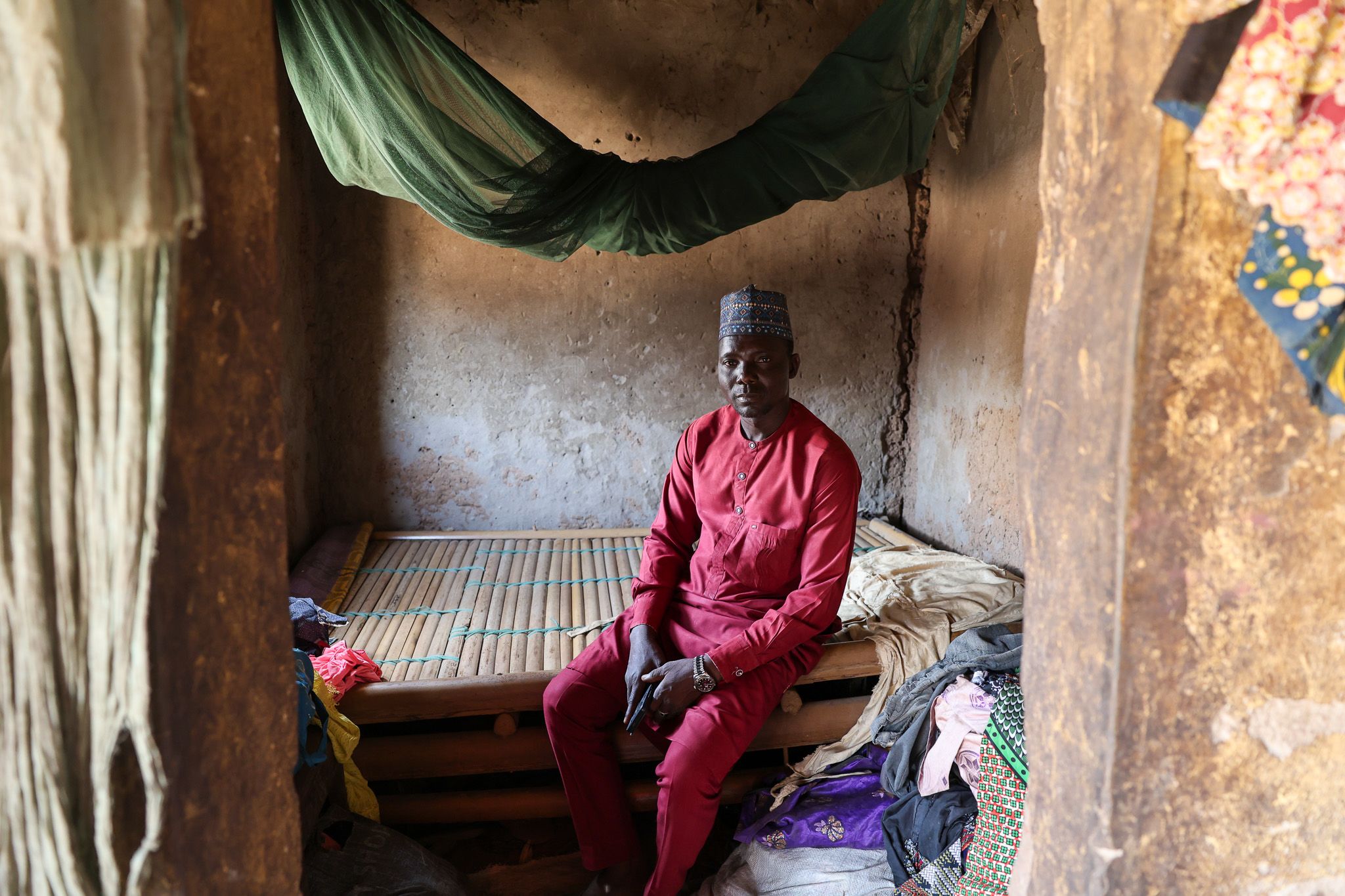
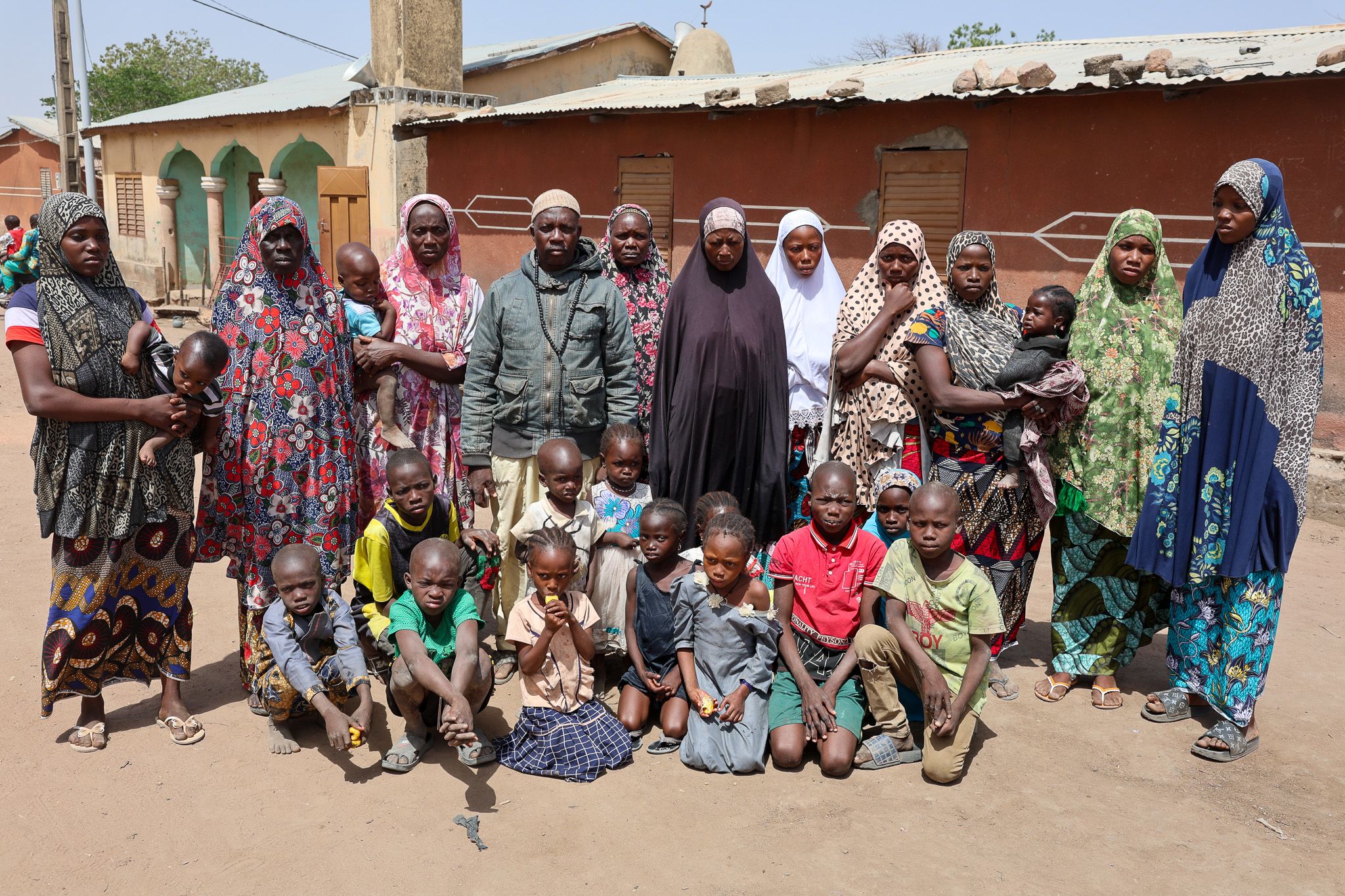
Moustapha Haruna’s story echoes a similar strength. He arrived in Segbana with his large family and almost nothing else. “We didn’t leave with anything, what I’m wearing is what I was able to take with me,” he says. Today, he and his three wives and 25 children rely on the goodwill of their hosts.

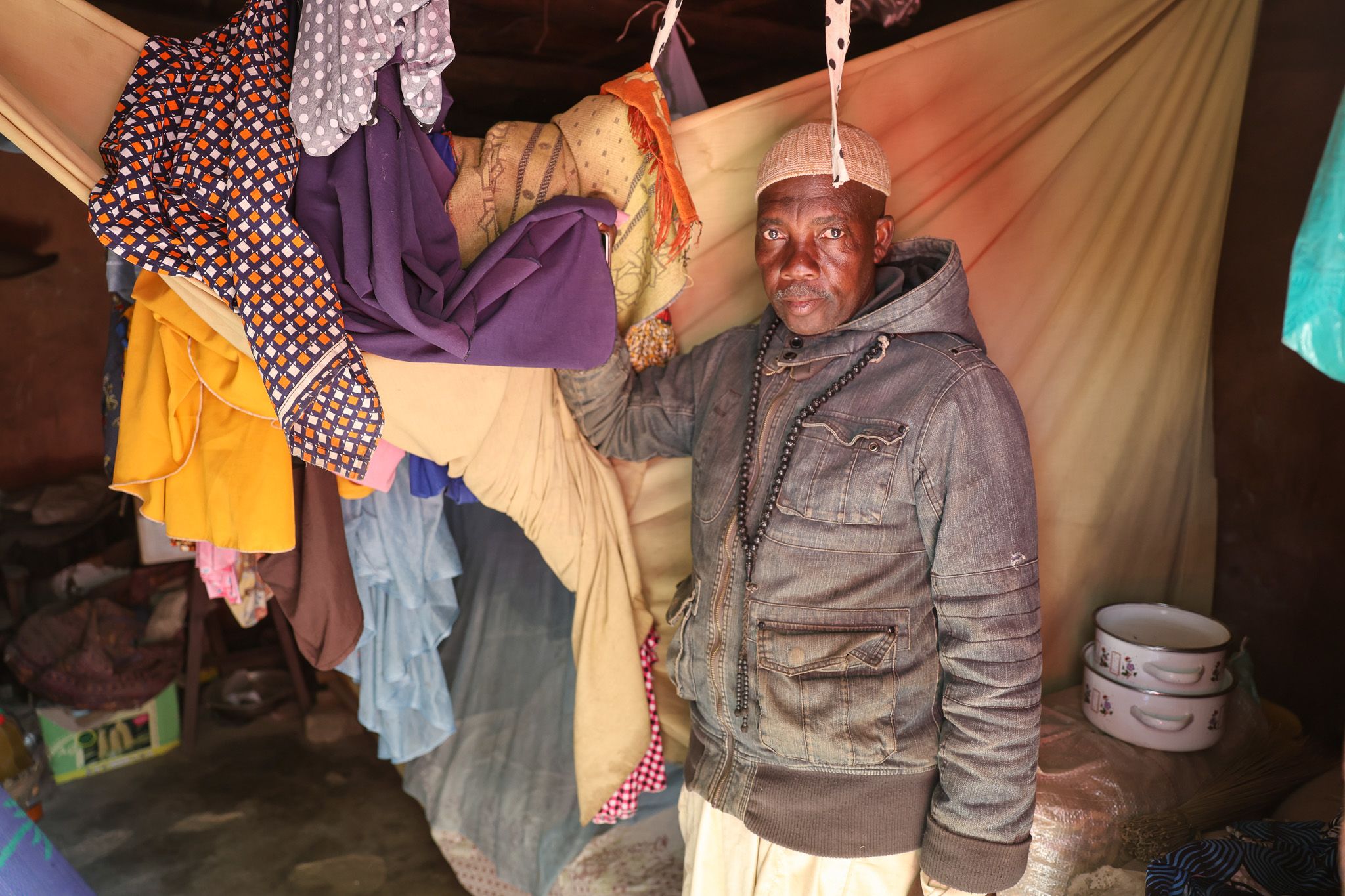
Also, on the Benin-Niger border in Malanville, the story continues with the same threads of challenge and courage. Here, displaced Beninese families live in informal settlements, unable to farm or work as they once did. Still, life continues in small but meaningful ways, children play, communities gather, and hope quietly persists. They also have had to leave their homes and jobs because their communities have become besieged by armed individuals who not only kill, but kidnap residents.

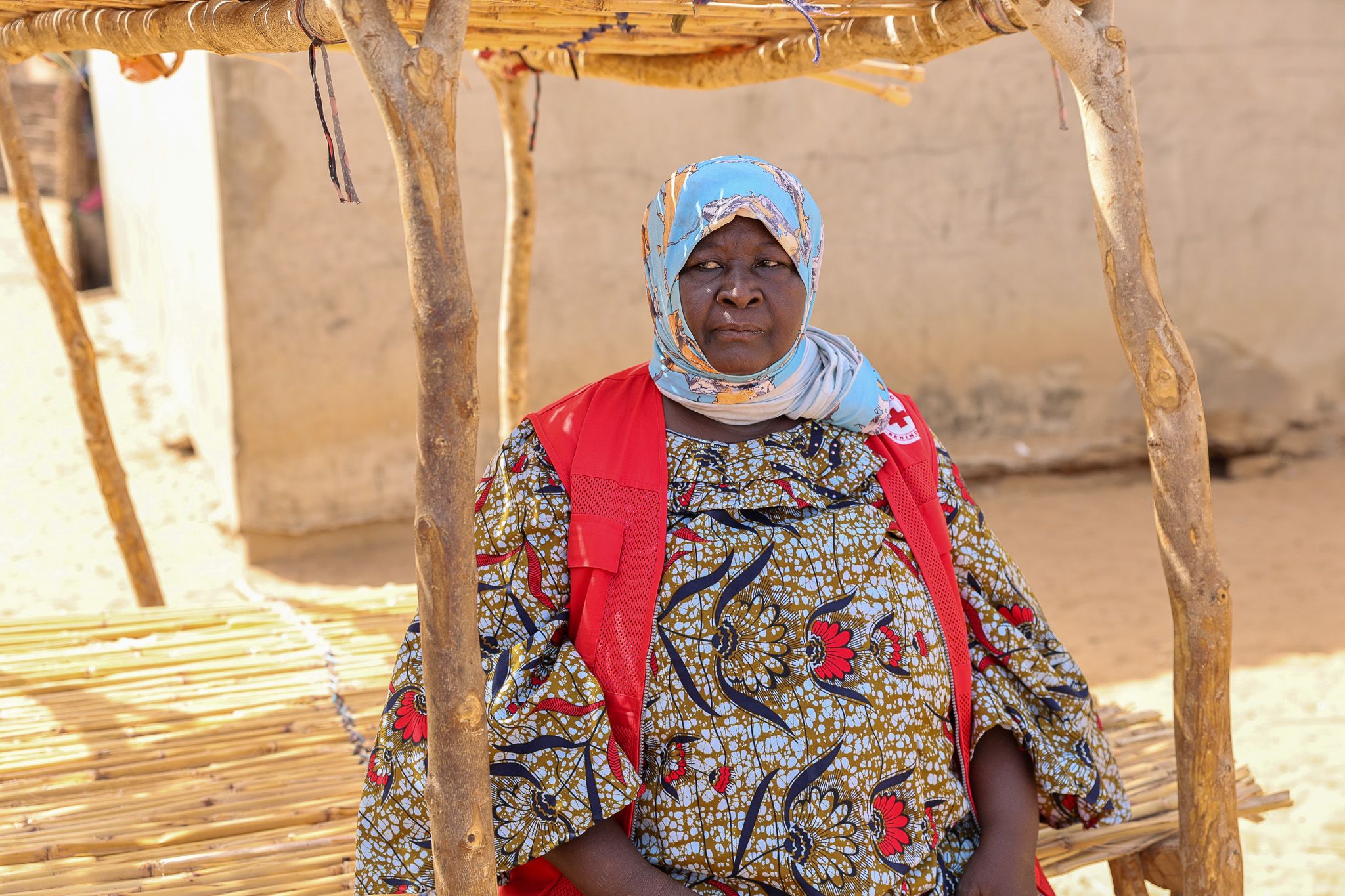
Amadou Kada reflects on the changes he has faced: he “used to be self-sufficient because he had his flock, he farmed and produced agriculture products but now his livelihood is dependent on the kindness of others.” Even so, his story is not only about loss, but about endurance and the belief that self-sufficiency can one day return.
Supporting these communities are dedicated volunteers of the Benin Red Cross, who continue to provide essential services with compassion and commitment. In Malanville, volunteers are helping families stay safe and healthy. As Rabi Alli Bouraima, President of the Malanville chapter, explains:
“Our volunteers are sharing health and hygiene messages with them to keep them safe from and encourage behaviour change.”

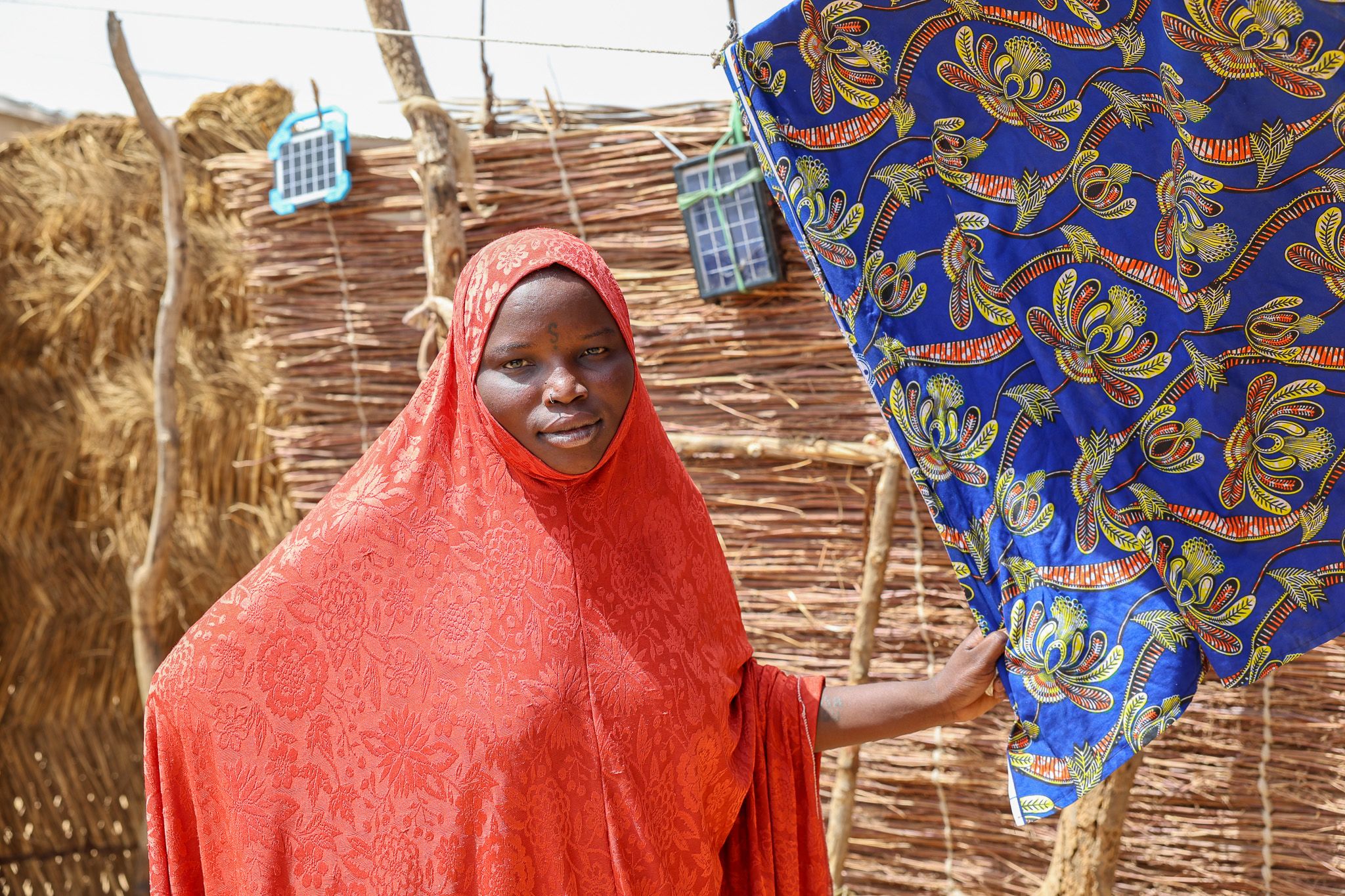
For Nafisah Abdoulaziz, a mother of three, life has changed dramatically. Now living in a one-bedroom space with her brother, she navigates daily challenges with courage. She says, “We want help in terms of food. We also want support that can help us start some kind of self-sustaining activity.”

Efforts are ongoing to expand support. IFRC is preparing additional assistance to help the Benin Red Cross respond to the increasing needs in the northwest. This builds on recent successful action in Tanguiéta in the northwest, where targeted support provided though the IFRC Disaster Response Emergency Fund (IFRC-DREF) helped displaced families begin to recover, providing three cash instalments of 40,500 CFA (USD 73) to meet household needs and support returns, alongside cash assistance for host families and temporary shelter for 50 affected households.
Across Segbana, Malanville, and beyond, these are ultimately stories of people coming together, of communities that refuse to turn away, and of families who, even after being forced to flee, continue to move forward.
 Built with Shorthand