
Tailoring a new future
A family finds a new path back to a sense of security and dignity through hard work, sewing and brightly coloured clothing.

Crossing the river, in search of safety
When Setara Begum first crossed the Naf River into Bangladesh with her husband and young son seven years ago, she says it felt like her heart was breaking into pieces.
She had left the only home she had ever known in Rakhine, Myanmar—a modest house in a small village, and memories of life before the violence. Ahead of her there is a land of strangers, an overcrowded refugee camp, and a future wrapped in uncertainty.
“I still remember that night,” Setara Begum says softly. “We were running through the forest with only a small bag, my husband holding our son, and me holding a sack of cloth with whatever we could carry. My mind was screaming: Where will we go? How will my child survive?”
For days, Setara and her husband Rohmatullah walked with their young son. They were starving, and their legs were too heavy to walk because of tiredness. Fear chased them every step of the way. And yet, there was no choice, violence had forced them to flee.

“I worried about food, about my children, about our safety.'
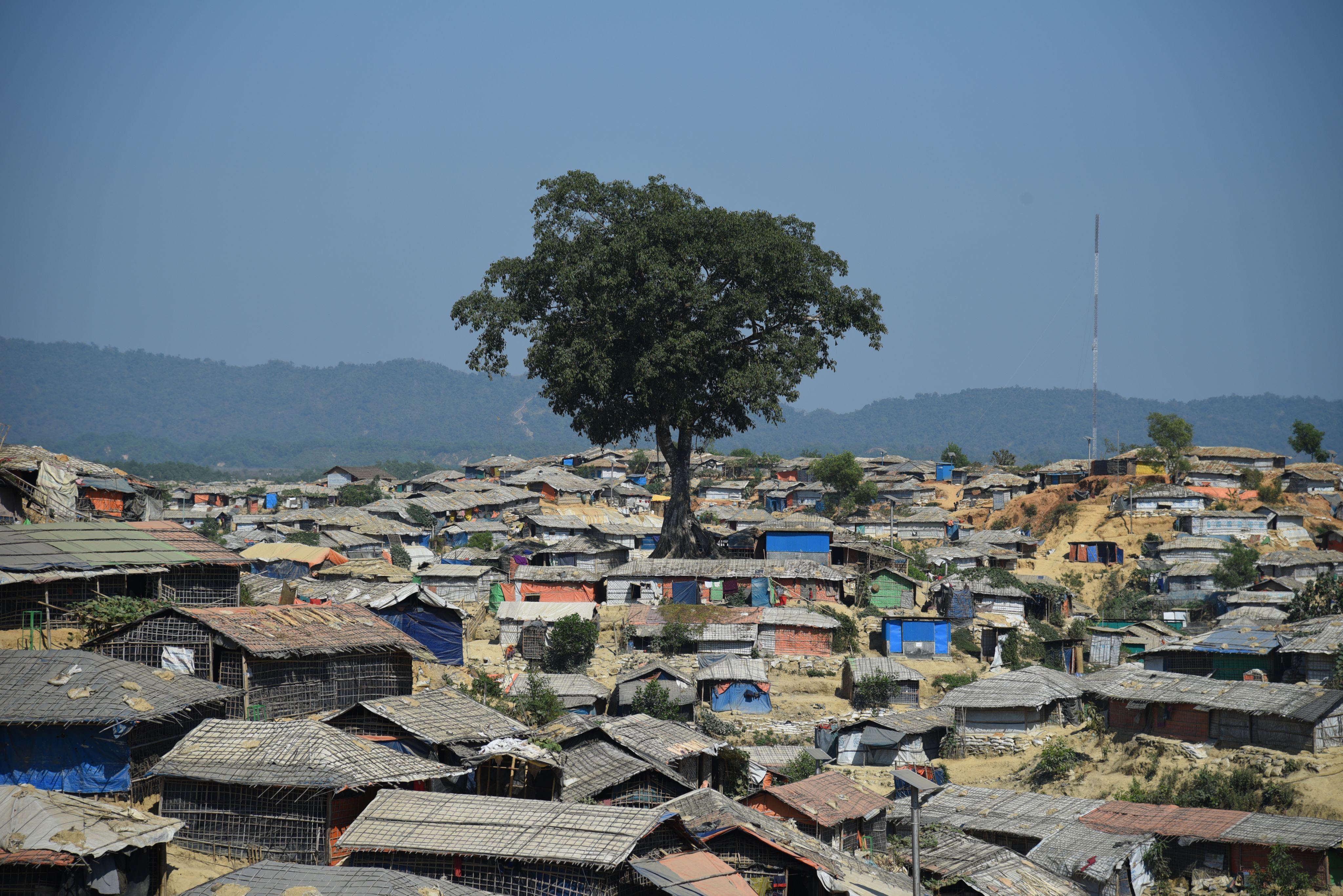
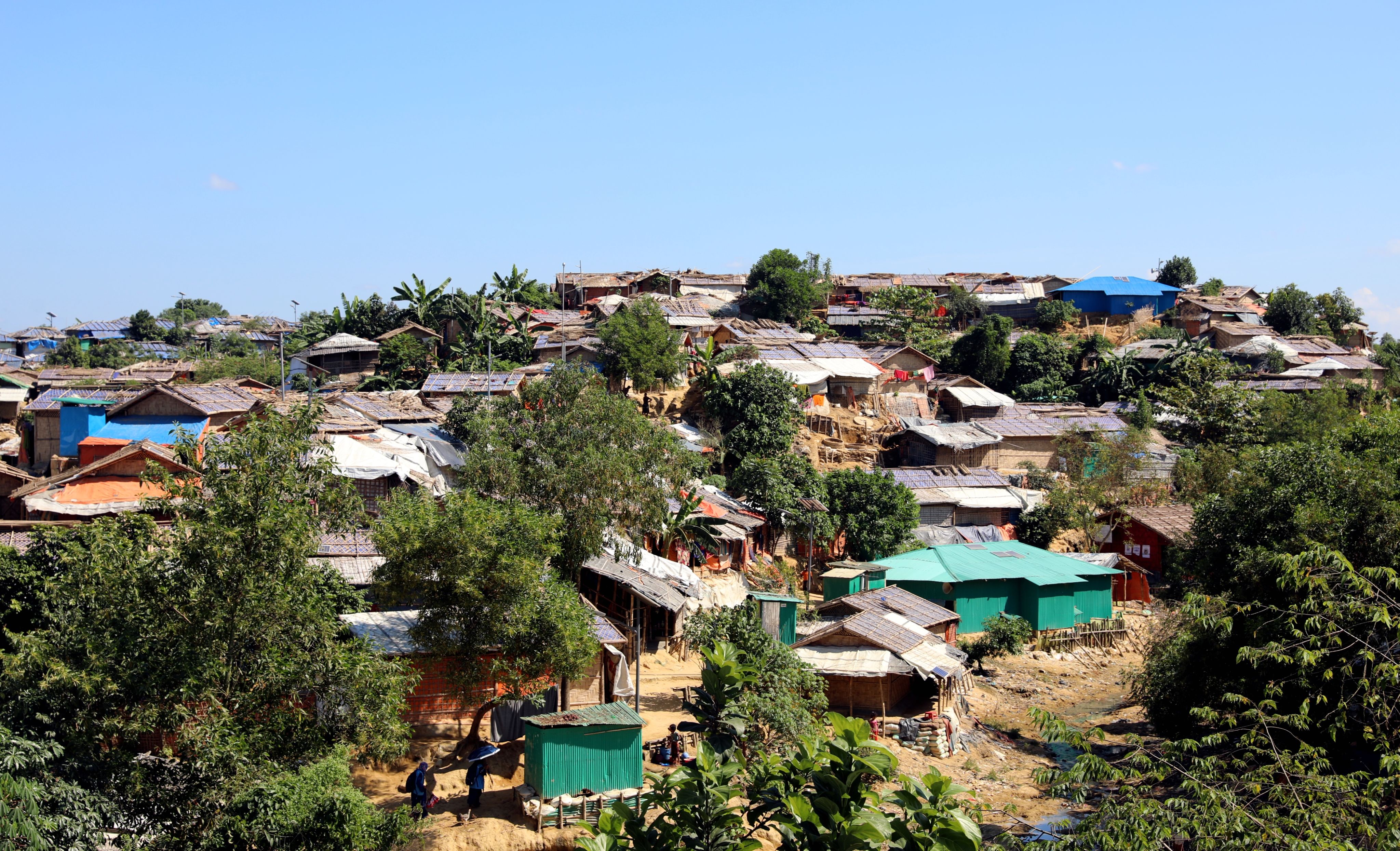
Arriving in Cox’s Bazar, Bangladesh, did not bring the relief she hoped for. The camps were bursting with thousands of families just like hers.
“Everywhere was noise, chaos, people crying,” she recalls. “There was no space, no roof on the head, no clean water. Life was messy.”
Adding to the challenge, her second child was born in the camp—a son who knew nothing of Myanmar. While seeing his face, Setara often wondered: What future does this little boy have in a place where there is no education and no opportunity?
The uncertainty overwhelmed her with a heavy heart.
“At night I could not sleep,” she says. “I worried about food, about my children, about our safety. Leaving your country, it breaks something inside you.”

'I felt safe'
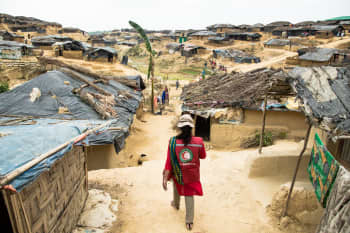
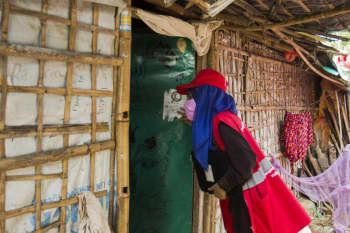
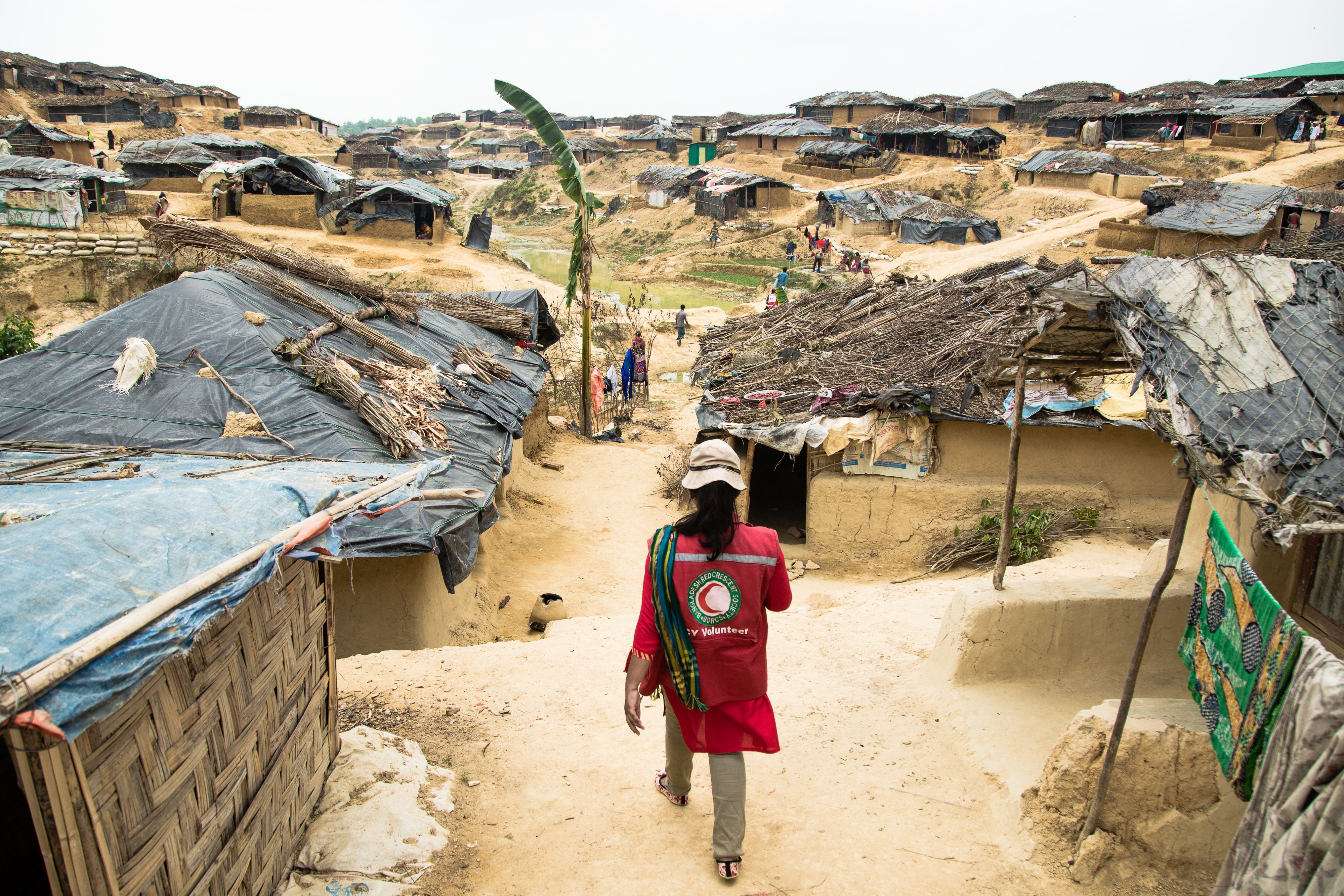
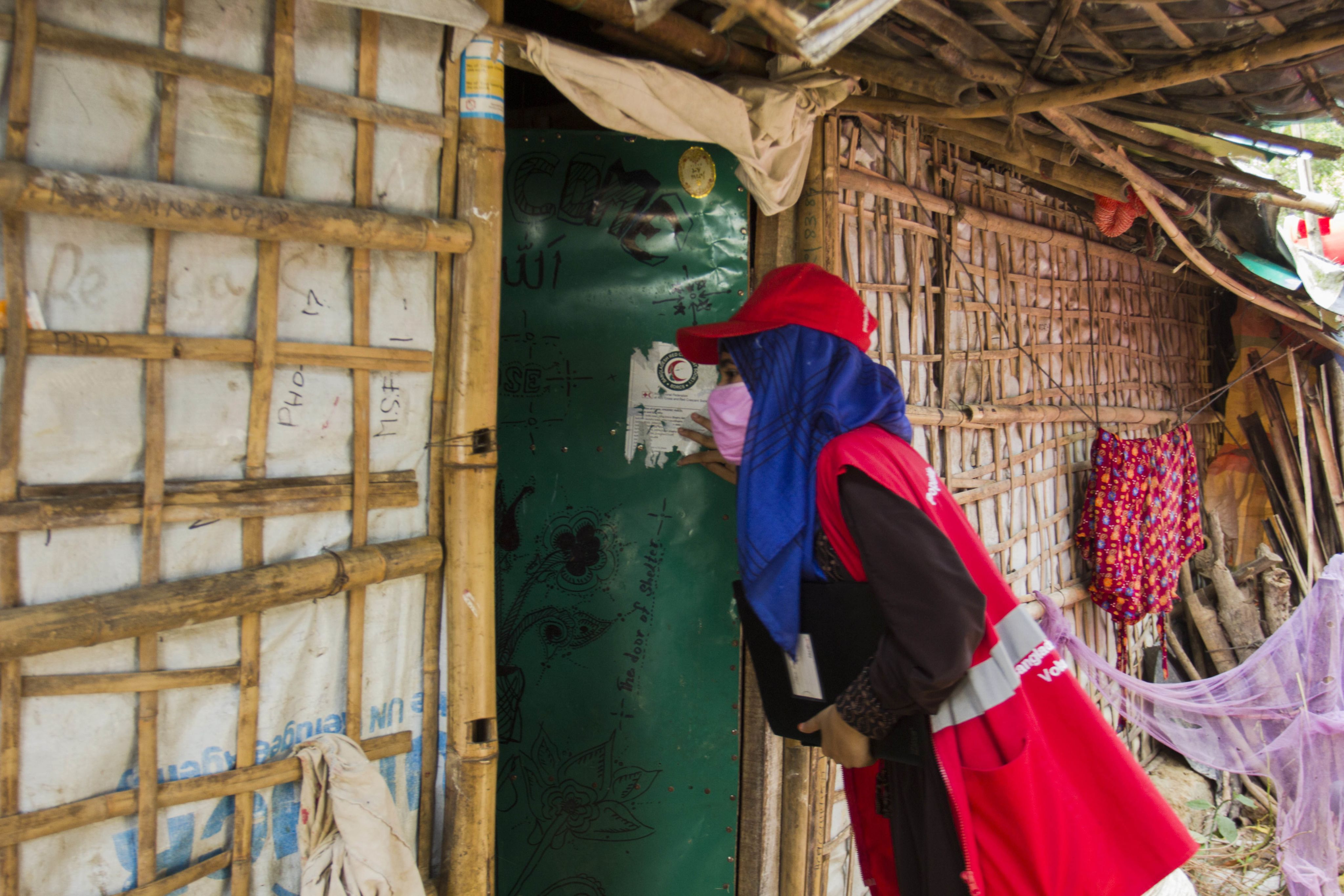
One day, Setara heard voices in her block. Volunteers were moving door to door, spreading information about a centre in the camp.
The centre, they said, was a safe space where women, men, and children could learn skills, find support, and spend their time meaningfully.
At first, Setara was unsure. “I was afraid. What if it is not safe? What if people laugh at me? I had never gone to such a place before.”
But curiosity overcame her fear. One afternoon, holding her son’s hand, she stepped into the centre.
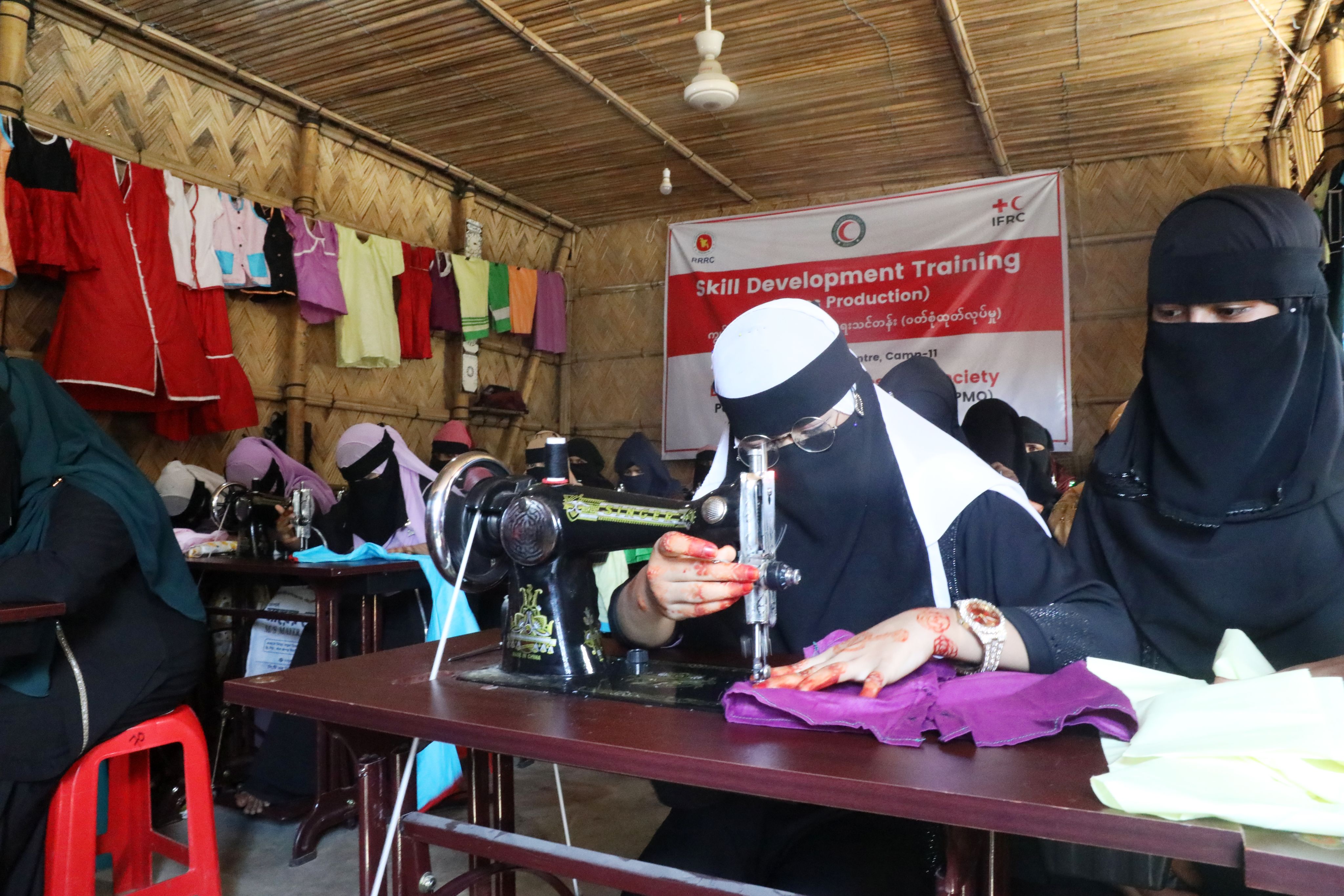
To her surprise, it was nothing like she imagined. Bright fabrics hung on the walls. Women sat together, sewing, talking, laughing. Volunteers greeted her warmly and invited her to sit. “For the first time since leaving Myanmar, I felt peace,” she says with a small smile. “I felt safe.”
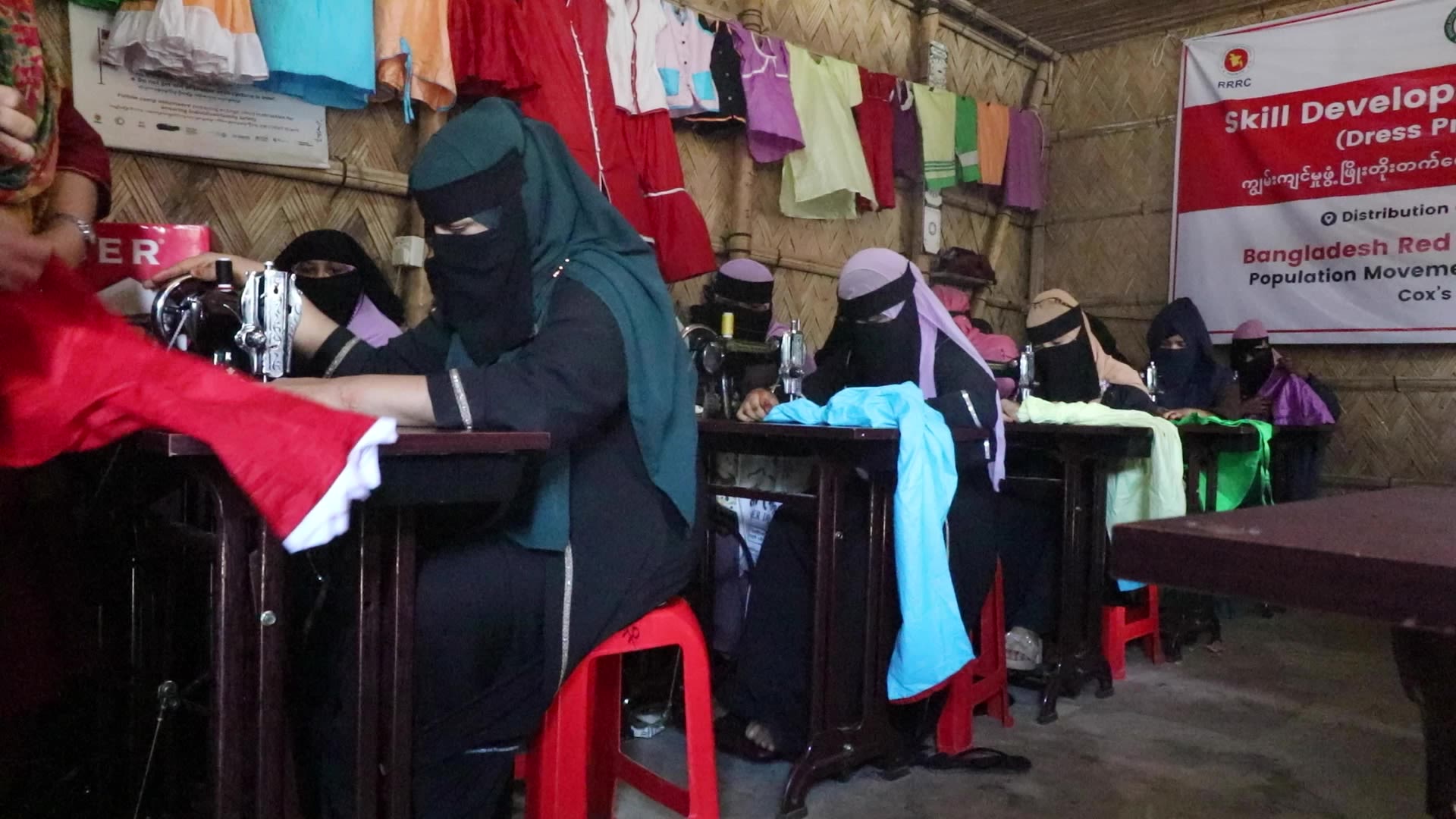
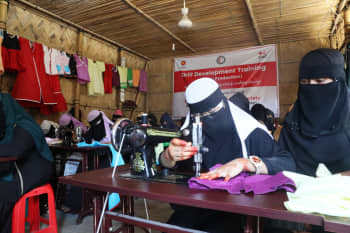
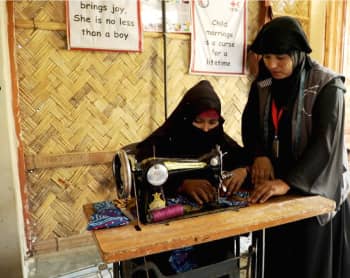
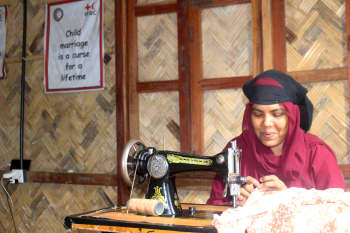
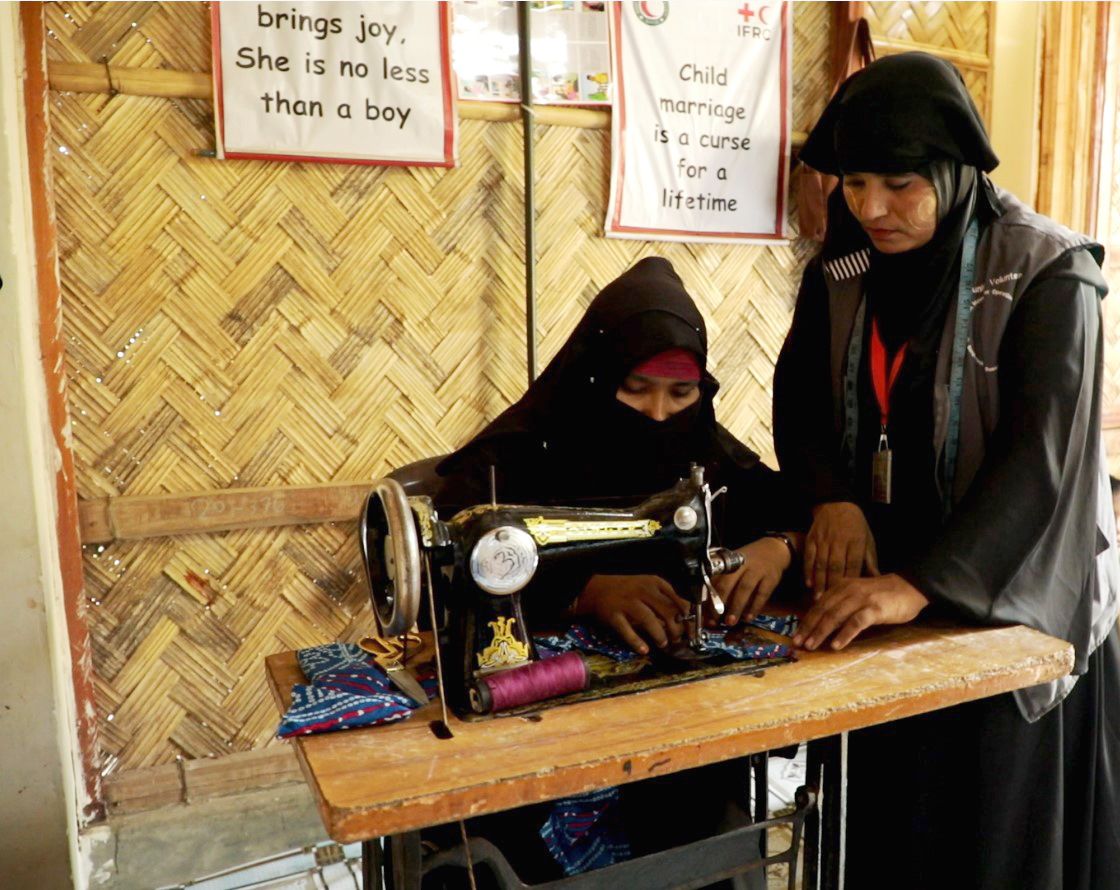
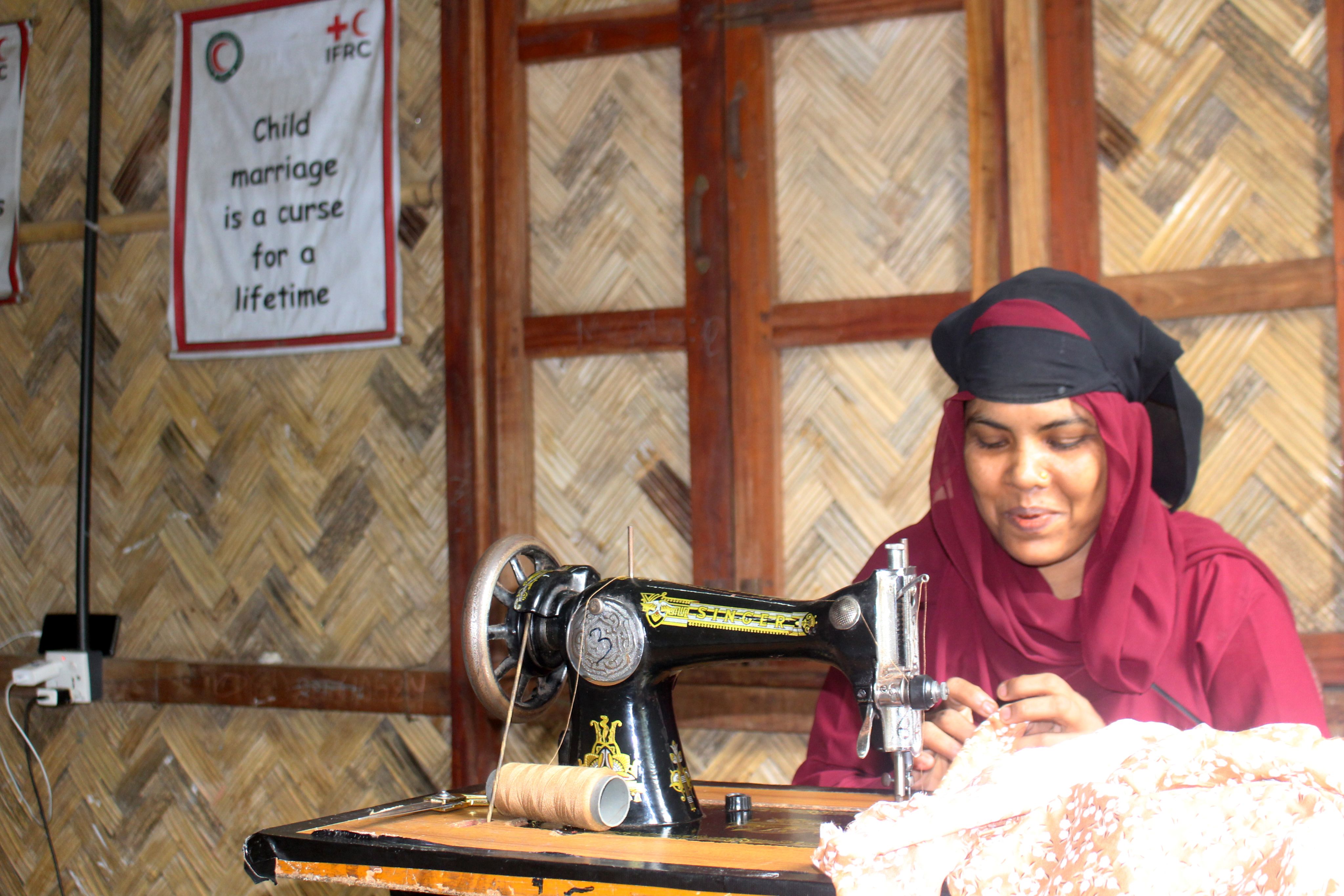
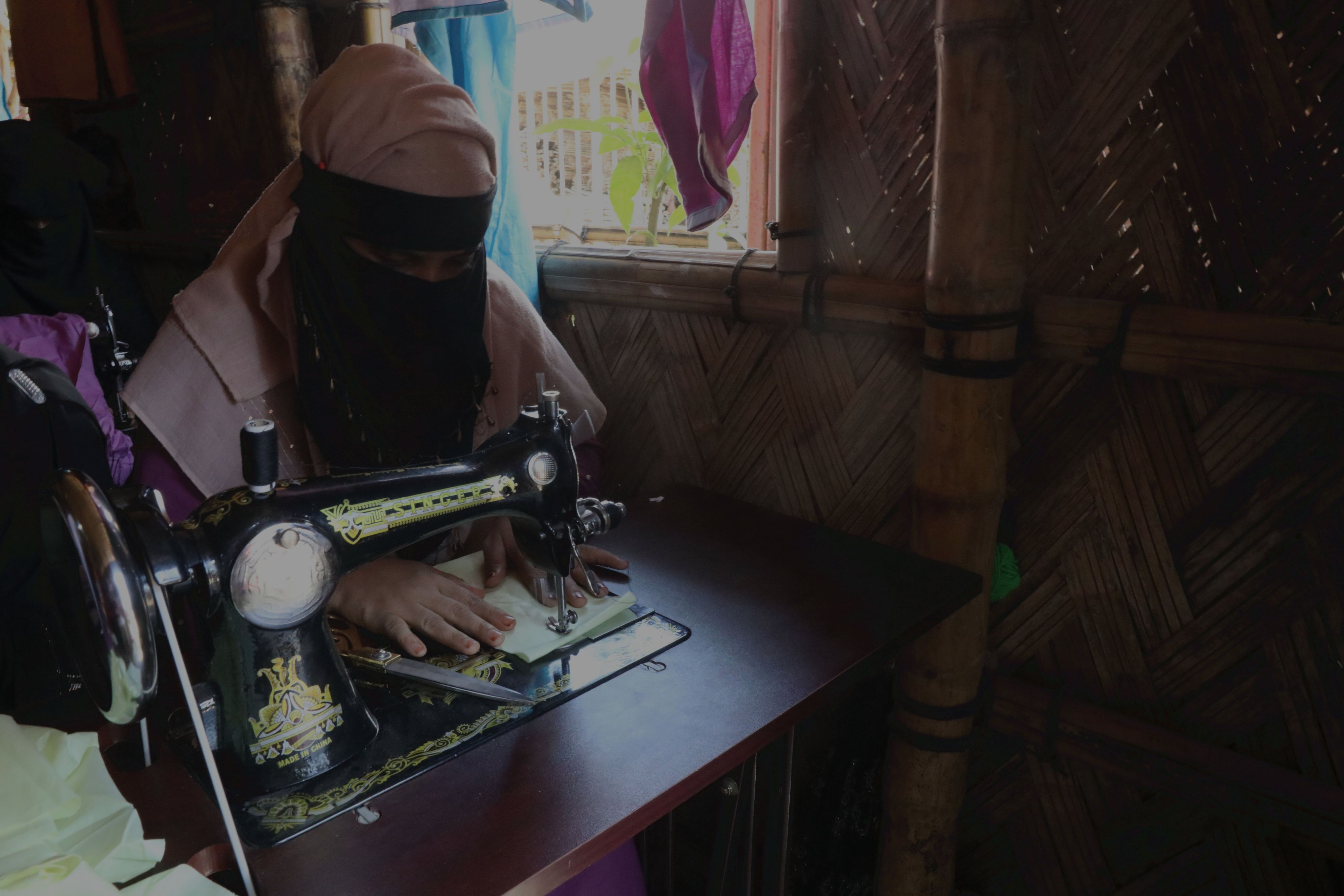
Soon, Setara enrolled in a three-month tailoring course. She learned tailoring, embroidery, making prayers caps and using a sewing machine.
“The first time I finished making a cap, I felt proud,” she replied. “I thought, this is something my hands can do. This is a way to earn, to stand on my own.”
Beyond the skill, the centre gave her a sense of belonging. “We women share our stories here,” she explains. “When I sit here, I feel like I am not alone.”



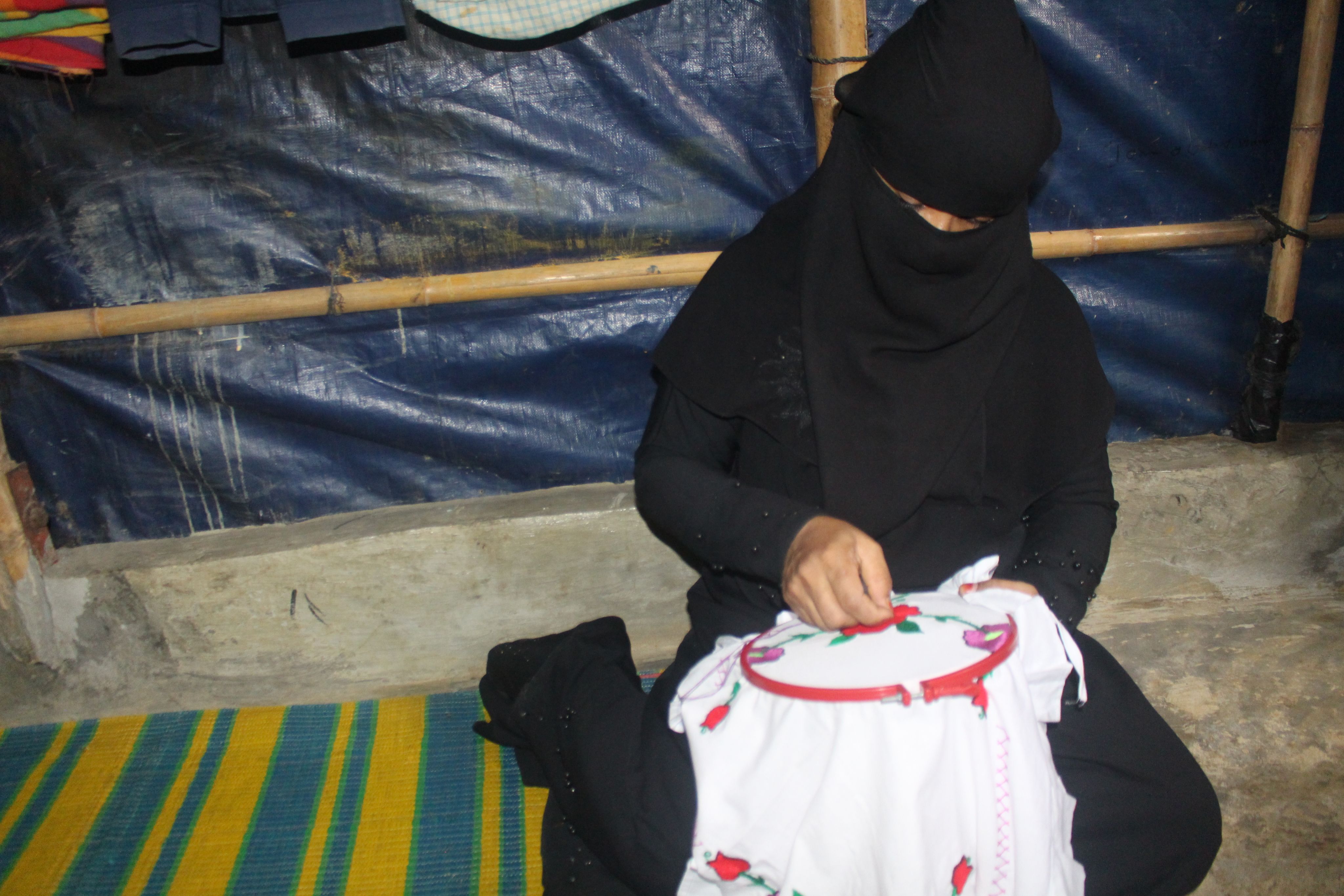
“Of course, I still miss my country. I still dream of returning home one day. But until then, I know my family can live with respect here. My children can grow, my husband can work, and I can also contribute.”
A place of dignity, access, participation and safety
The DAPS – Dignity, Access, Participation and Safety centre is part of a wider initiative by the Bangladesh Red Crescent Society and the IFRC.
These centres are safe spaces designed to restore hope, build skills, and protect vulnerable people in the camps of Cox’s Bazar.
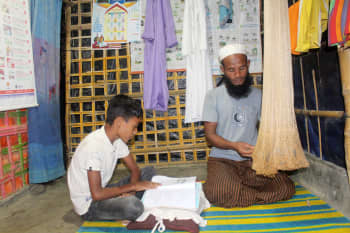
These centres provide different types of training for men and women including fish net making, sewing, embroidery, mat making, basket making. There are playing areas and informal learning facilities for children and adolescents.
There are also different types of awareness sessions on health, hygiene, and protection for all ages of people in the centres.
Meanwhile, community volunteers visit door to door in the camps, so families like Setara know where to find help, as well as a sense of belonging, dignity, and hope.
'We came here broken...this centre gave us hope'
Setara’s excitement was hard to contain.
Every evening, she told her husband Rahmatullah about the things she learned and the supportive environment. At first, he was doubtful.
“He said ‘These things are not for men. Maybe it is just a waste of time,' " Setara recalls.
But because of her persistence saying, one day, her husband accompanied her to the centre. What he saw changed his mind.
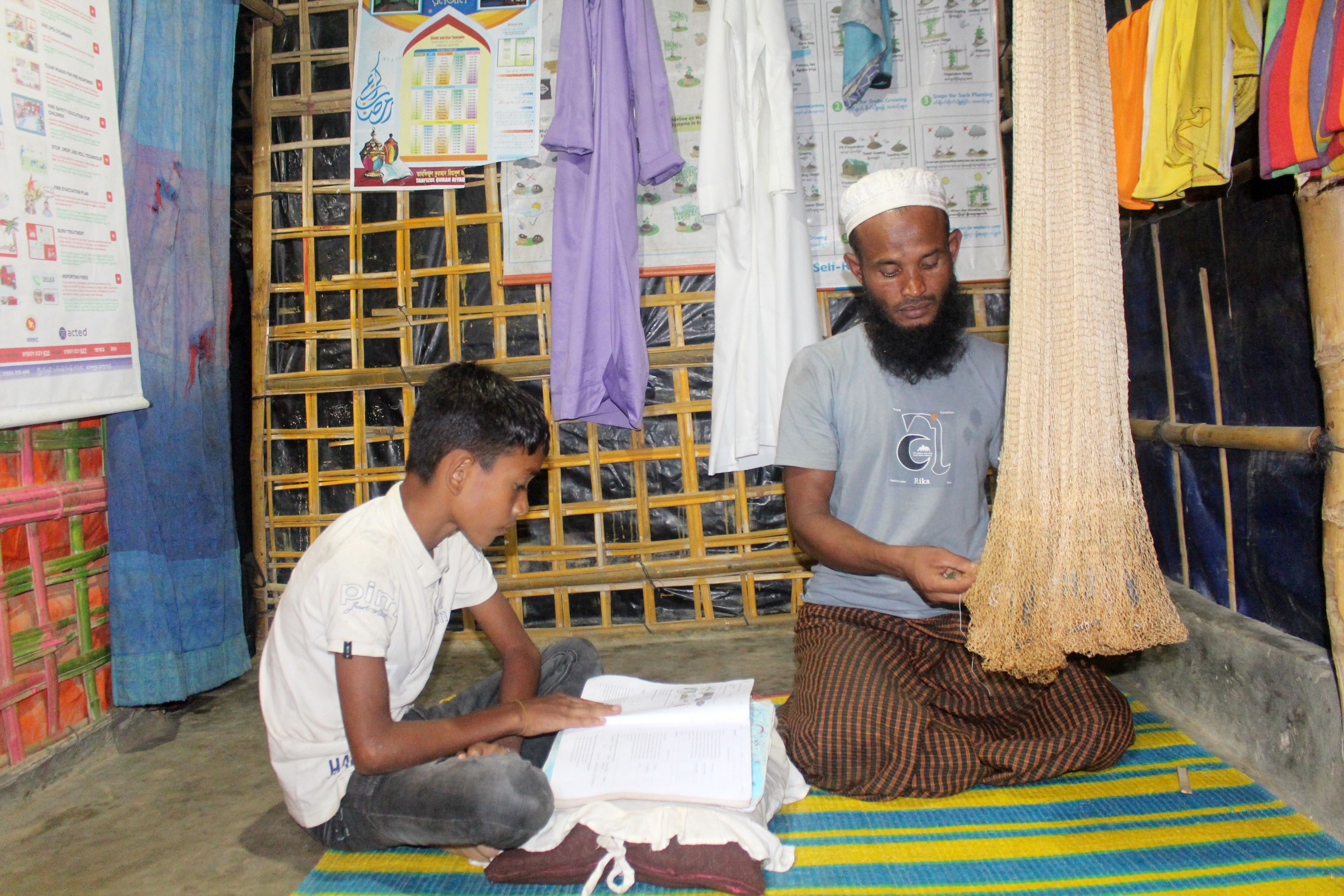
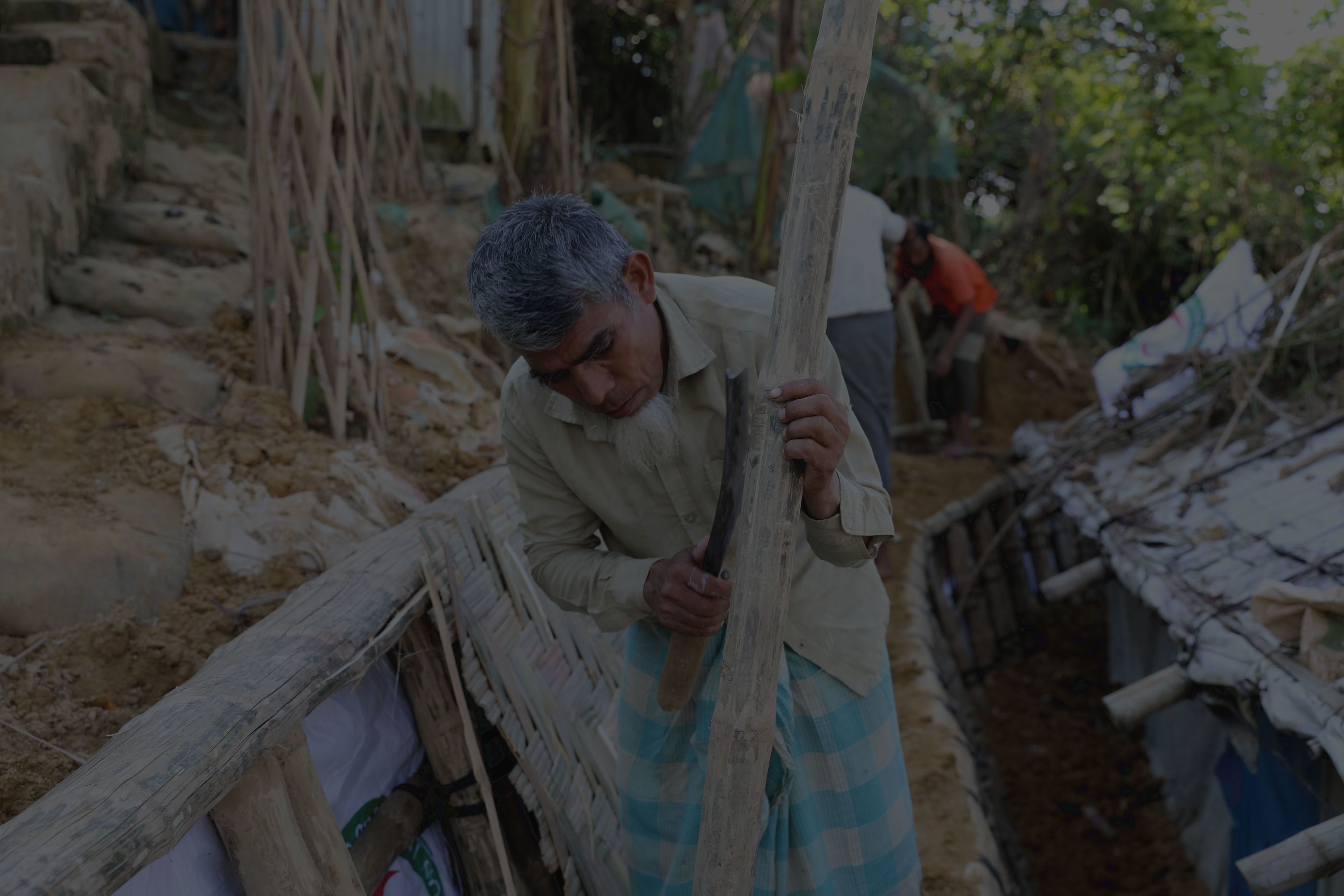
There were separate spaces for men and women, with training in fishing net making and other skills. Soon, he learned how to craft strong, durable fishing nets—something he could use to earn income.
Rahmatullah smiles. “When I go there, I not only learn but also spend good time with other community members. My mind has become calmer.”
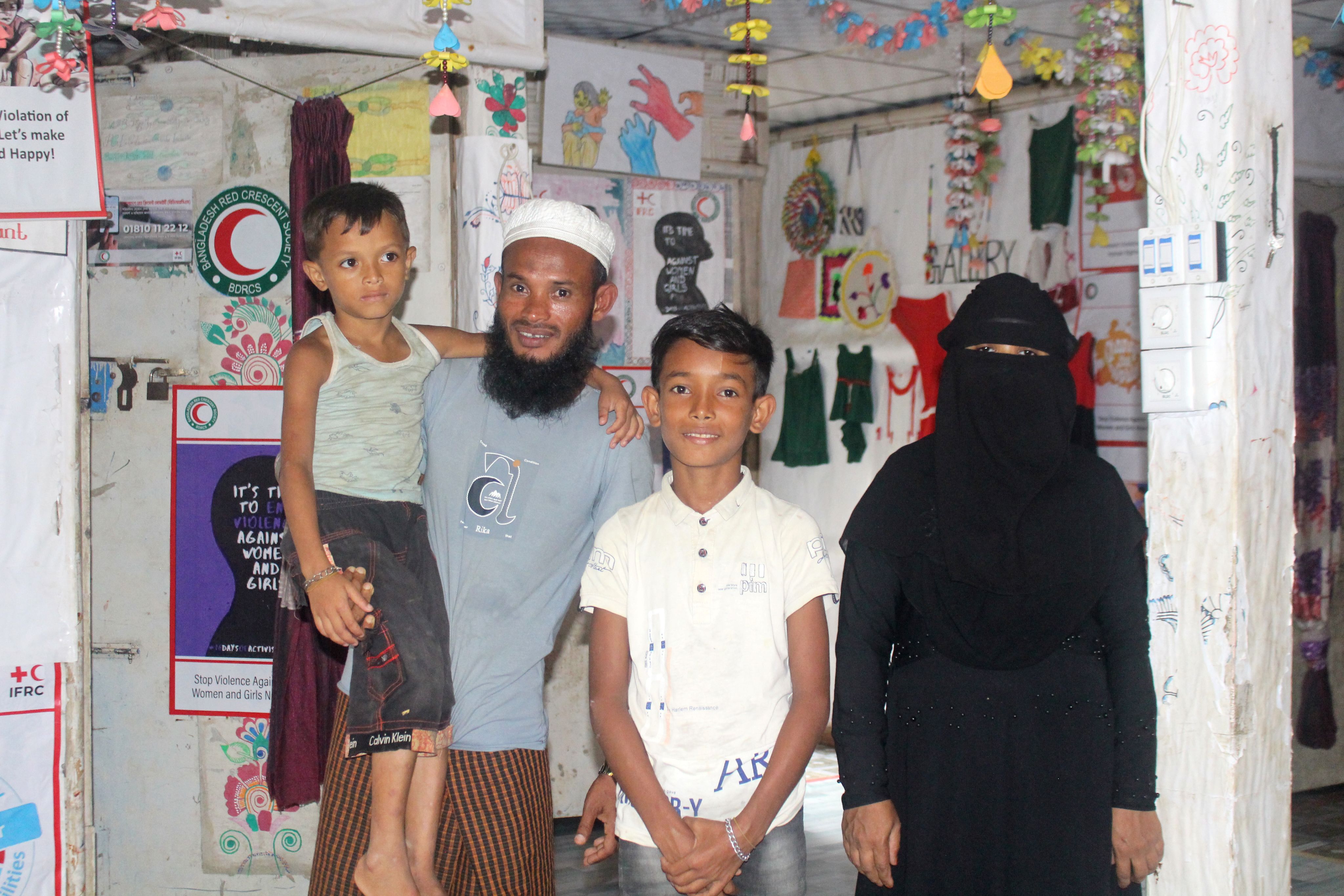
Setara and Rahmatullah then began bringing their children to the centre. For Setara, this was a huge relief.
“In the camp, there are many dangers like kidnapping, children getting lost,” she explains. “When my children are at the centre, I know they are safe.”
Her eldest son Anwar Sadek, now 11, has flourished in the centre. He attends awareness sessions on health, hygiene, and protection.
“He came home one day and told me about dengue,” Setara says, in surprise. “He explained how to avoid mosquito bites better than I knew myself!”
The boy has also learned how to recognize risks like child trafficking. “He told me, ‘Mother, I know now how to protect myself and my little brother.’ Hearing that, I felt my heart was strong,” she added proudly.
The centre is also a place of joy. Her son plays board games with other children, while his younger brother enjoys drawing and playing with toys. “When I see them happy, my mind becomes light,” Setara says.
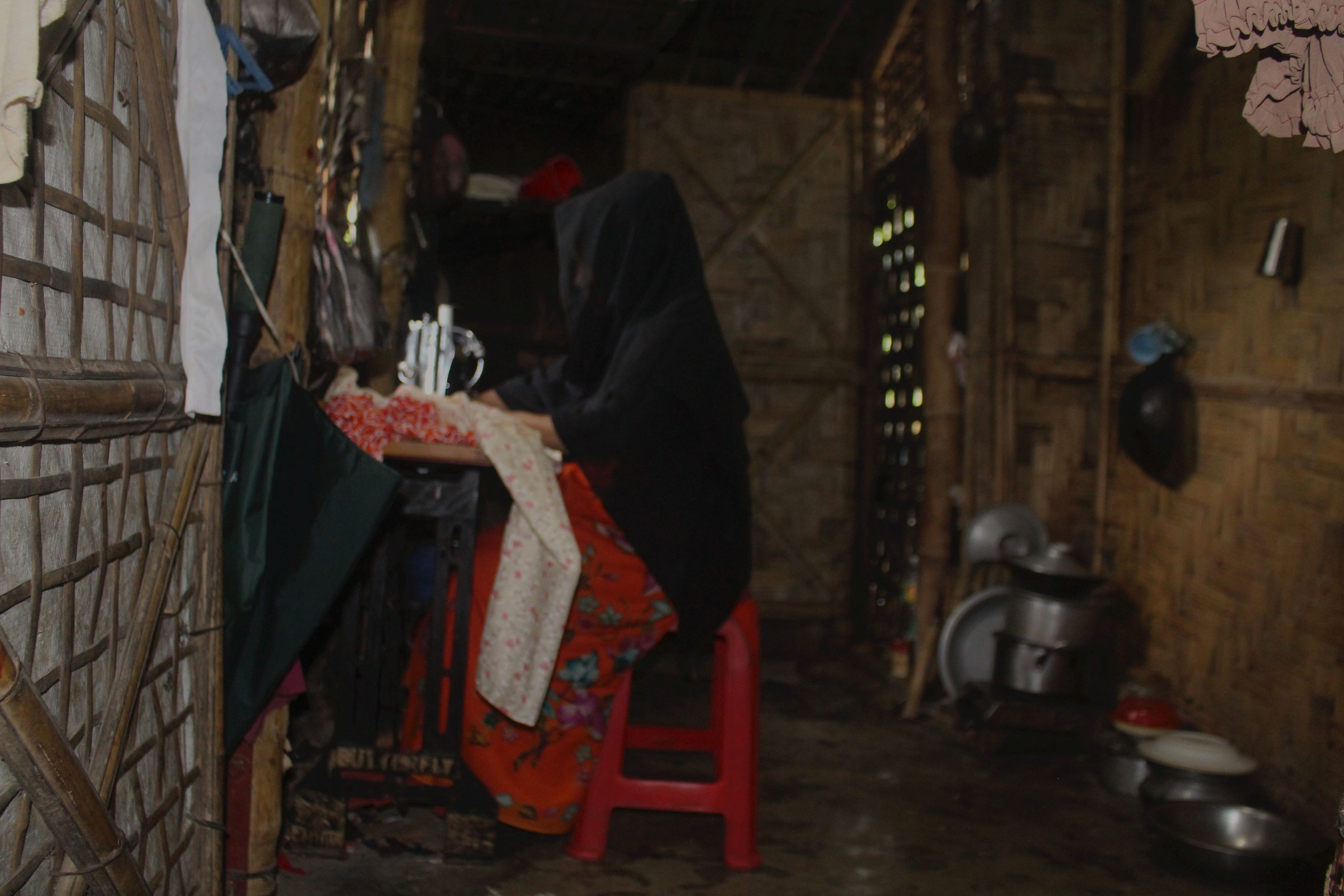
Step by step, the centre has transformed Setara’s family. With tailoring skills, she contributes to household needs. Rahmatullah also earns a small income from fishing nets. Their children are safer, healthier, and more aware. Most importantly, the family feels dignity again.
“We came here broken,” Setara says quietly. “We had nothing, only fear and pain. But this centre gave us hope.”

Dignity, access, participation and safety in numbers
53,000
Number of people, including people with disabilities, who received different types of support from the DAPS centres located in three camps (camp numbers 13, 14 and 19).
18,000
-
Number of people, including people with disabilities, who attended various recreational and structured life skills trainings.
676,000
Number of people who have been supported so far with shelter, health care, wash and hygiene, livelihoods, as well as initiatives aimed atensuring protection and inclusion, as well as ongoing communityengagement and accountability.
All photos and videos by Abu Taleb Md Saqib / IFRC
 Built with Shorthand