
Life after Ebola
The stories of survivors from the 16th outbreak in the Democratic Republic of the Congo highlight the pain the people have endured — and the work still to be done.
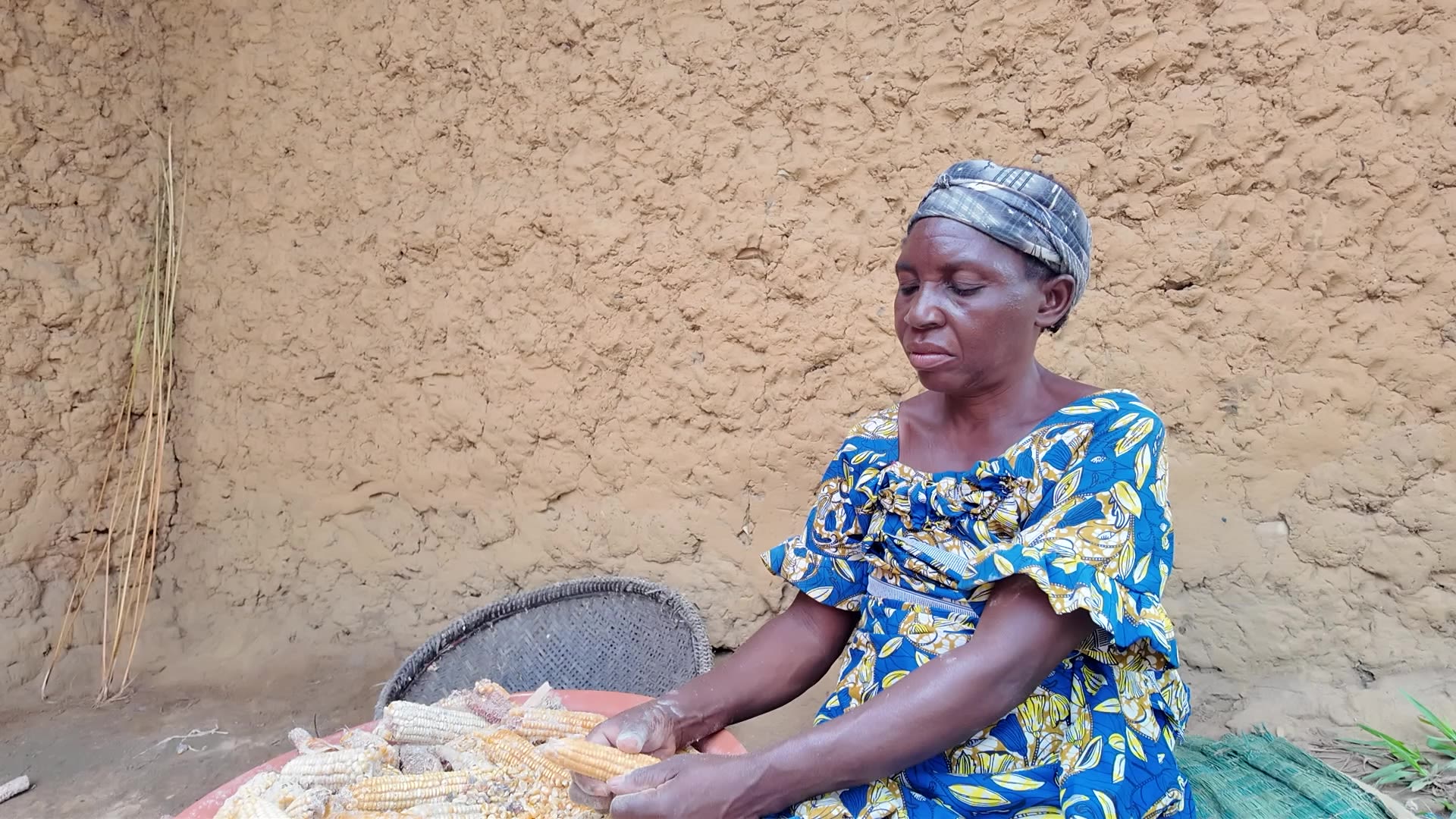

A story of survival, stigma and social support
In Kasai Province, in the Democratic Republic of the Congo, Ebola struck already fragile communities, turning lives upside down in just a few days.
Families torn apart, children left orphaned, survivors left alone to face stigma and extreme hardship.
For many, the suffering did not end at the hospital. It left deep human and social scars, far beyond the symptoms.
Grief over lost loved ones. Huge gaps left in the community fabric. And enduring social stigma on the shoulders of those who survived.
That's why even now that the Ebola outbreak has been declared officially over, it is critical to listen to the stories of survivors.
Inspiration for action
In this way, we can act more urgently and effectively to ensure communities have strong health surveillance systems, robust community engagement and communication to counter harmful and stigmatising misinformation.
These have been some of the central pillars of the IFRC's support for the Red Cross of the Democratic Republic of the Congo, along with promotion of community health and access to water, sanitation and hygiene. Thanks to the valiant work of Red Cross and other health workers and volunteers, reported cases of Ebola have now dropped to zero.
Behind the reported cases and the numbers, however, are the faces, voices, and stories that highlight Ebola's painful legacy.
Three of those survivors are Chantal, Esthère, and Alydor, who courageously share what Ebola took from them… and how, despite everything, they continue to live, protect their children, and hold on to hope.
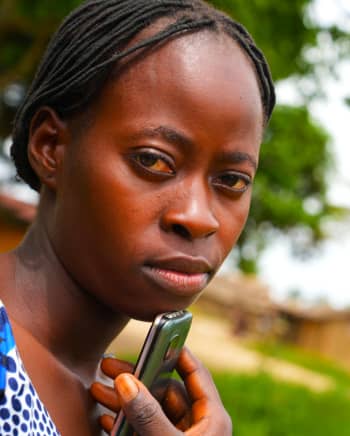
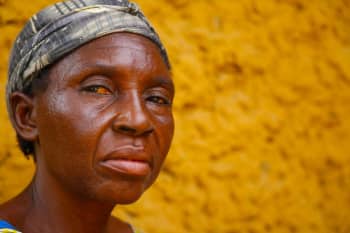



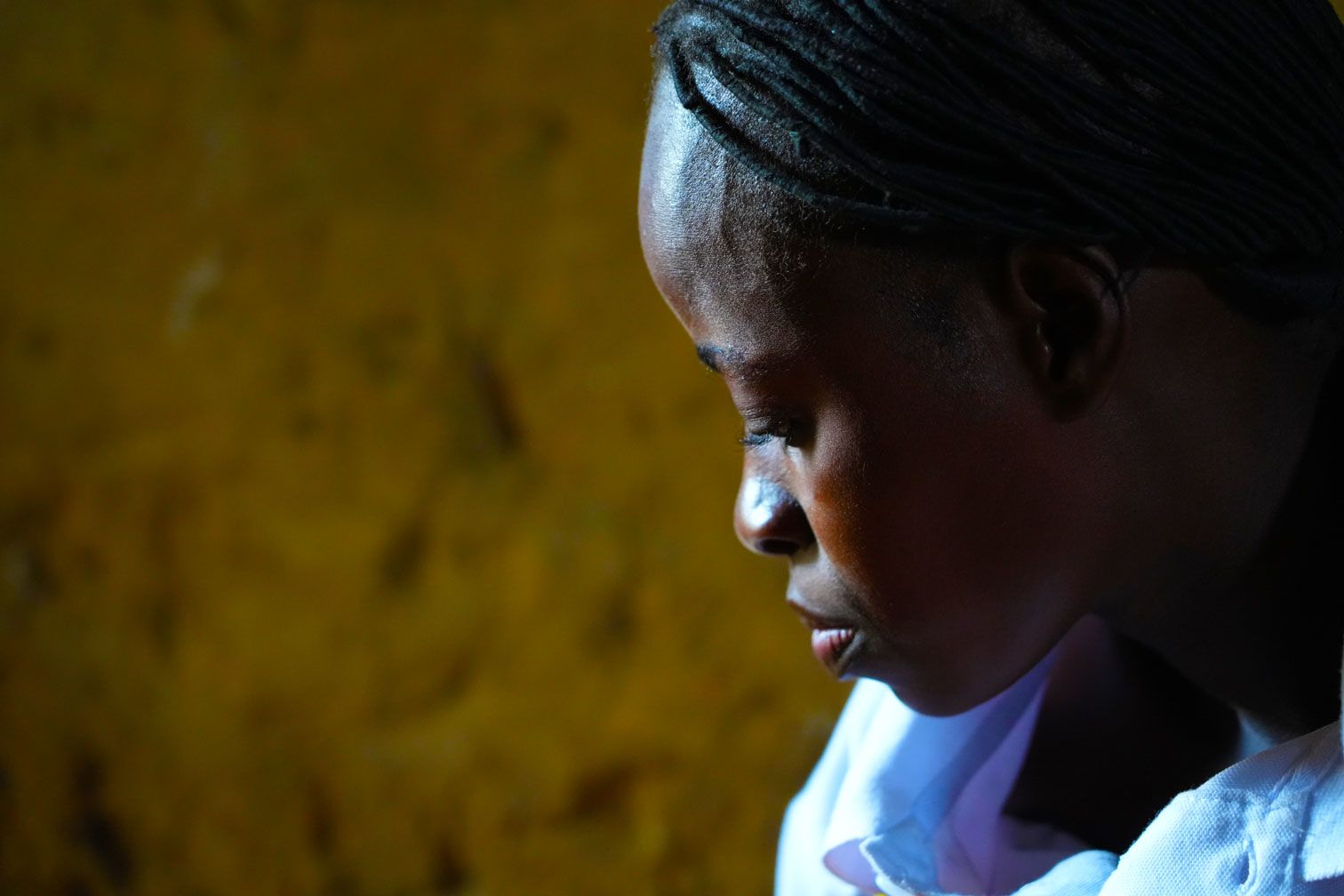
'I survived Ebola, but I lost everything afterward'
Chantal's story
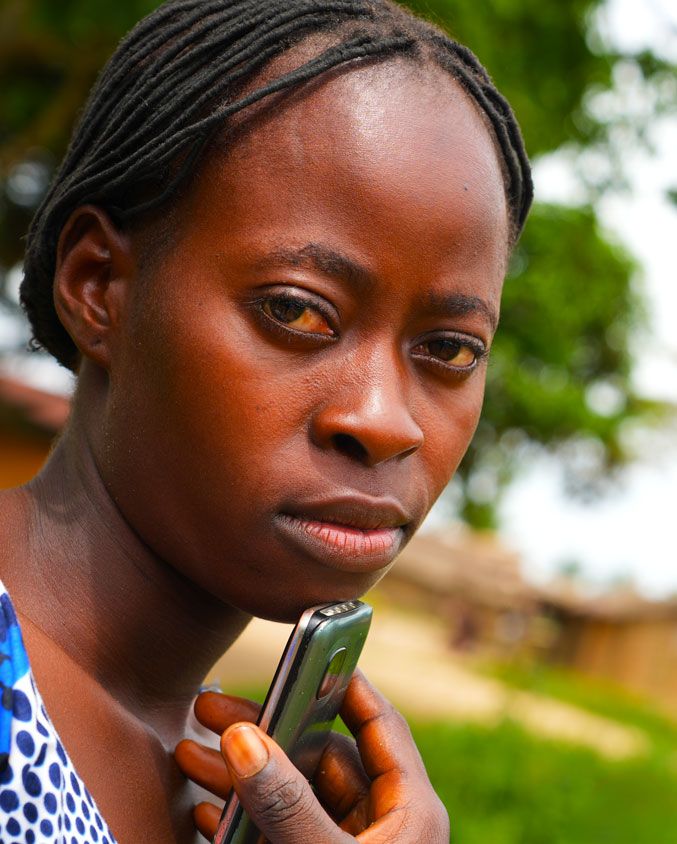
"When Ebola arrived in our village, we did not yet know what it was. My younger sister was the index case of this 16th outbreak in the DRC.
"After returning from working in the fields, she began to suffer from severe headaches. She was pregnant and nearing the end of her pregnancy. We took her to the hospital, but the treatments had no effect.
"Then, one Monday, she started bleeding from her nose. That night, she passed away. We still did not know what she had died from, but she had just given birth to a baby girl. So I stayed at the hospital to care for the newborn, not knowing that the child had been infected by her mother.
"A few days later, the baby also died. Then one of my aunts fell ill. She died too. After that, another aunt. And then it was my turn to be struck by the disease.
"I remember the moment I realized I was infected. I was vomiting blood. I had no appetite. I went days without eating. I started praying to stay alive.
"At the hospital, where I was placed in isolation, people arrived every day, and people died every day. I spent a month there, and during this outbreak, I was the second person to recover. I came out alive… but at what cost?!
"Even today, I suffer from what the disease left behind
"We lost four people in our household. I am the only one who recovered. Several of my belongings were burned to reduce the risk of contamination.
"After my recovery, the hardships continued. People began to avoid me. At the market, some even refused to take my money, afraid of being infected. Before the disease, I ran a small restaurant. No one comes anymore.
"Even today, I suffer. Not only from the illness, but from what it left behind. I am cured, but pushed aside. I still have not received the support I need to care for my two children. I worry deeply about their future.
"And when I think about how the disease appeared in our family, I can’t help but ask myself… Why us?"

'Despite the risks, I wish I had been by his side until his last breath'
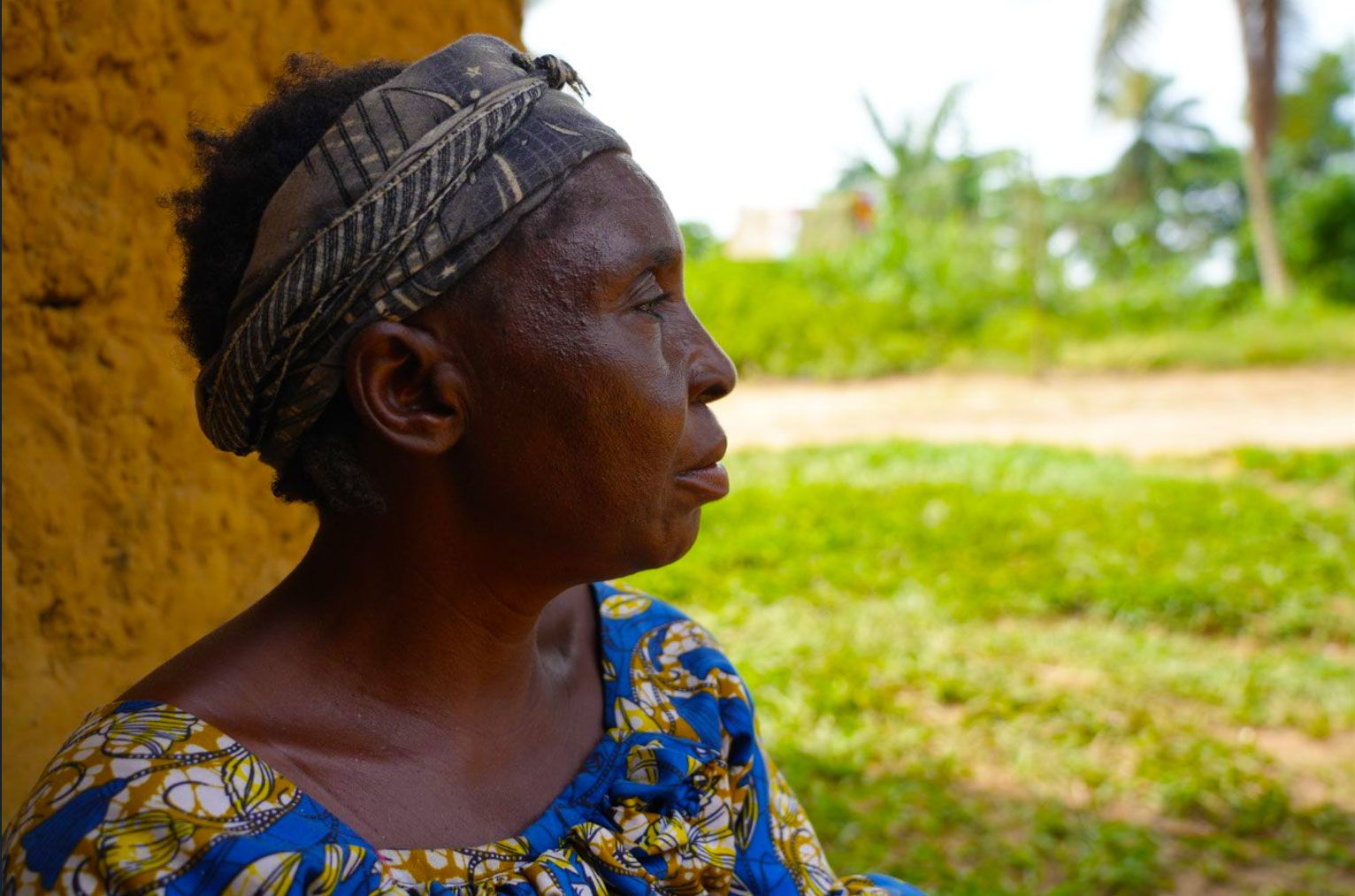
Esther's story
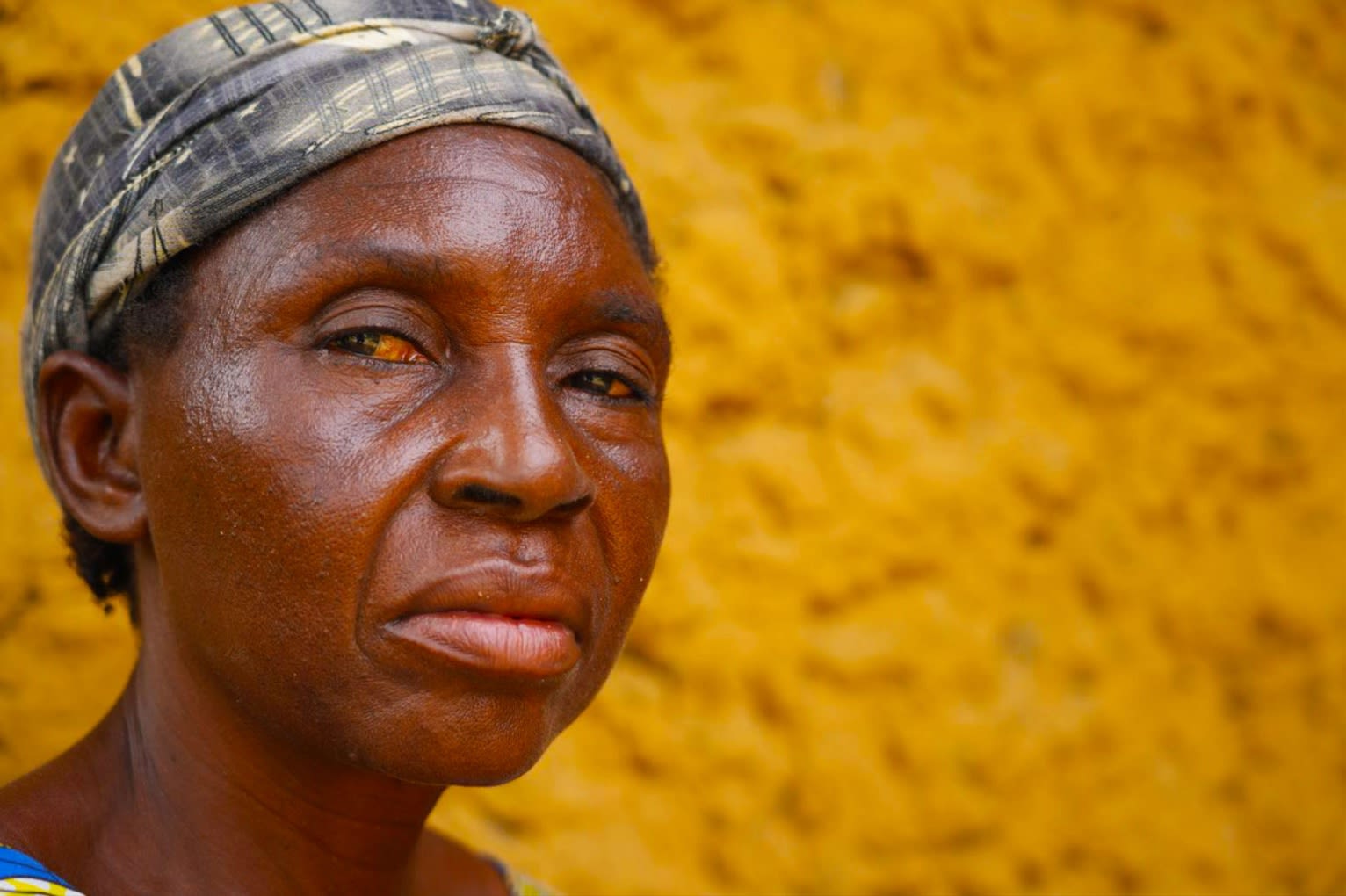
"At first, my husband had simple joint pain. The next day, he started vomiting. Then came the diarrhea. Despite treatment, the symptoms worsened. The following Saturday, he died and was buried within 24 hours. Everything happened so fast.
"I stayed with my husband until his last day, but not until his last breath. I remember the moment he was dying. The doctors wanted me to leave because the situation was so serious.
“' You must leave, Madam, you have a large family,' they told me. 'If he dies, you must be there for them. If you stay, you risk being infected yourself.'
"I don’t know by what miracle I had not been infected up to that point, but I still didn’t want to leave him alone. So four of them came to force me out. They disinfected me with chlorinated water and, as a precaution, burned my clothes.
"I stayed outside, unable to go back in, worried knowing he was alone. Around 10 p.m., they came to tell me he had passed away. I then had to inform our children who were at home. That night, I cried without stopping, outside the hospital, inconsolable.
"After the mourning, I stopped eating. My body became pale. My feet swelled. My thoughts were confused: I could not understand this disease that had taken my husband. I was also angry because our belongings had been burned. They said it was a precaution, but nothing was replaced.
"I found myself alone, in grief and hardship
"In the days that followed, conflicts began with the family. I was given an ultimatum to leave the house. They demanded my late husband’s belongings. With the children, where would I go? It distressed me so deeply that it affected my health.
"The hardest part after his death was the isolation. People in the neighborhood stopped visiting me. They said I was cursed, that I could bring them misfortune. Others were afraid I might infect them, even though I was healthy.
"I found myself alone, in grief and hardship. Alone with my children, now orphans, to comfort me. But one question still remains in my mind: how did this disease come to our home?"

'My son survived Ebola. His mother did not.'
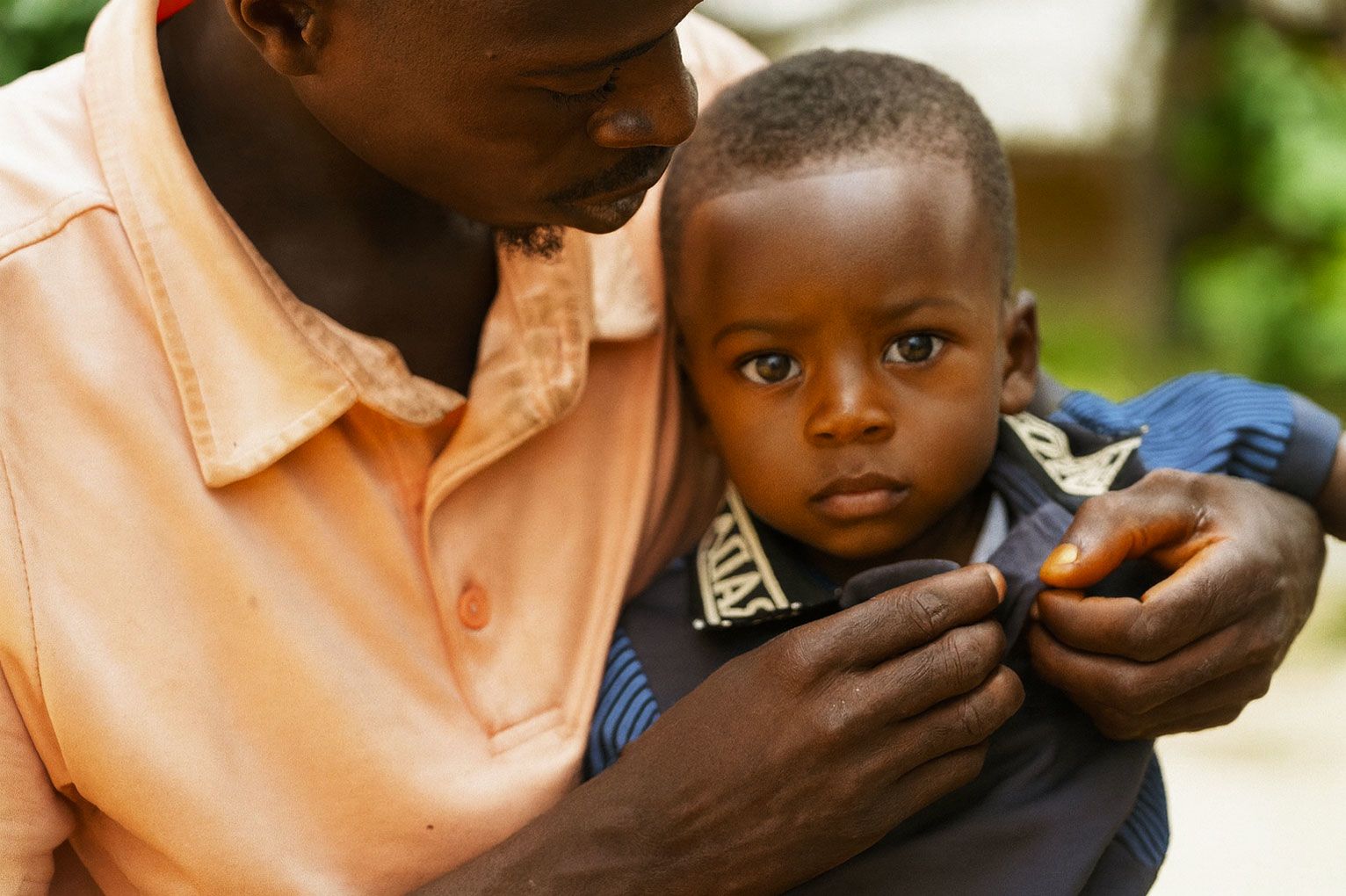
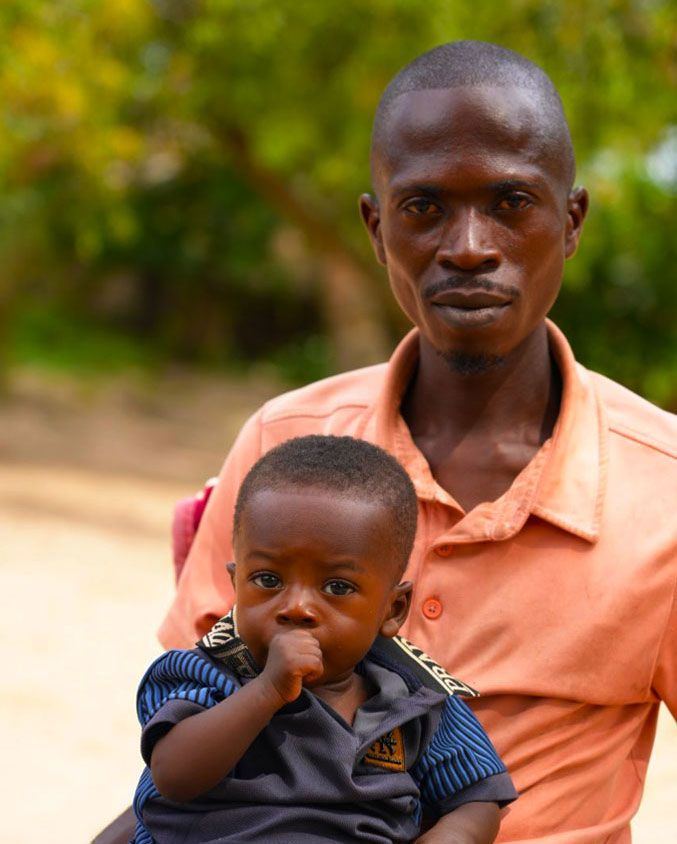
Alydor's story
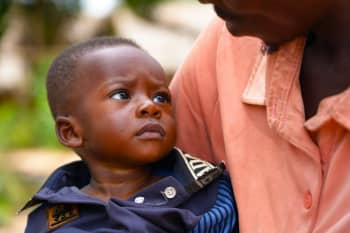
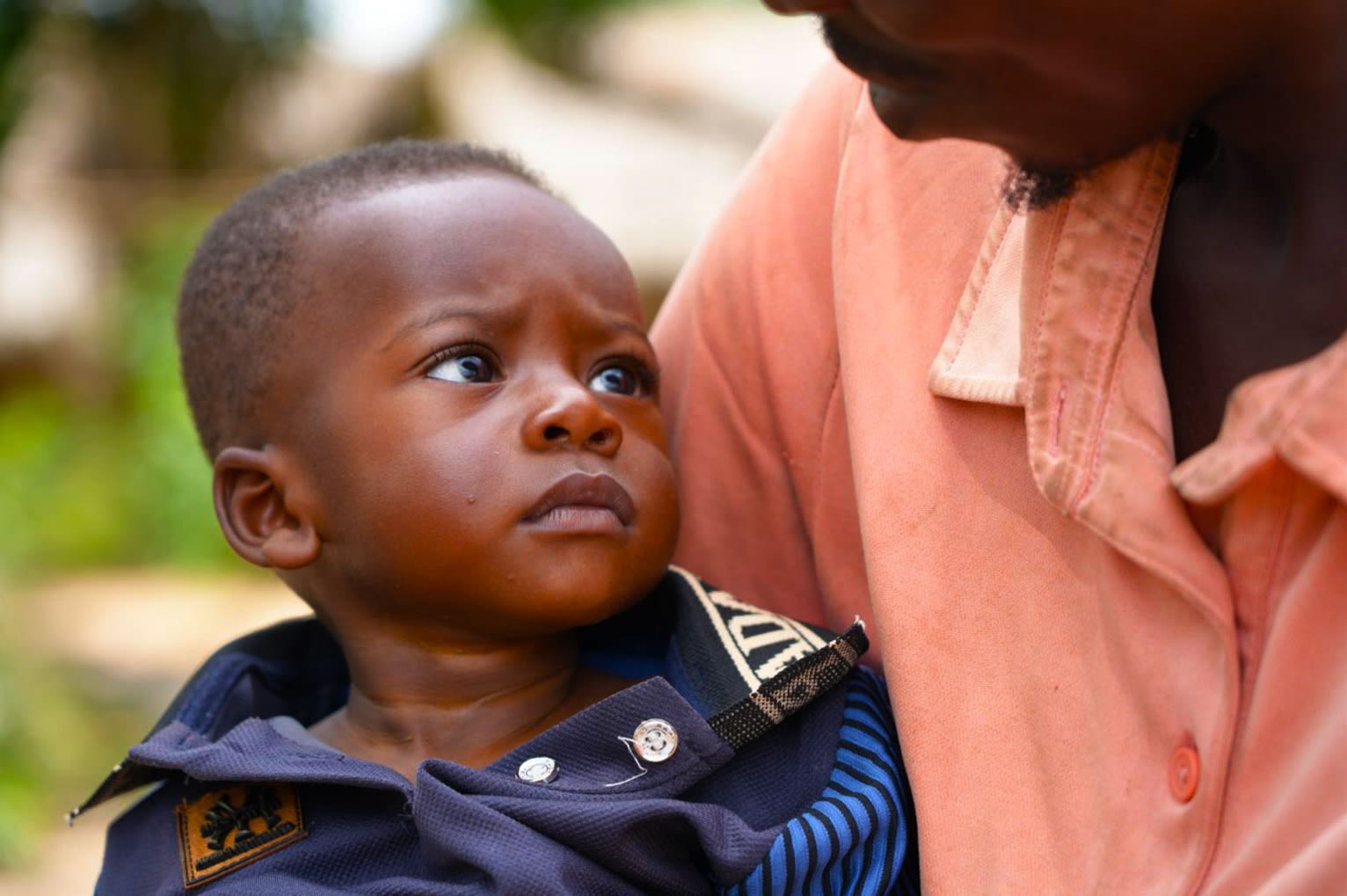
"My son was only four months old when he contracted the Ebola virus. He was infected by his mother, who died from it. Everything happened too quickly for me to truly understand what was happening to us.
"From one day to the next, I saw my wife begin to vomit, have diarrhea, and then bleed from her orifices. Two days later, the tests revealed she was positive for the Ebola virus. She died the following day.
"As a precaution, Grégoire, our child whom she was breastfeeding, was placed in isolation. I did not see him again for a month. I felt completely powerless: I had lost my wife, and I could lose my son at any moment.
"When they finally brought him back to me, cured, my emotion was overwhelming. But for us, a new life full of challenges began. Grégoire cries for his mother, perhaps to be breastfed? I found myself isolated in caring for him, because people are afraid he might infect them.
"All of this happened in a context where I lost everything: as a precaution, several of our belongings were seized and burned to reduce the risk of contamination.
"Grégoire cries for his mother, perhaps to be breastfed?
"Today, I struggle to make ends meet. I can no longer even go to my field to farm. I used to spend several weeks there, but that would mean abandoning my son, with no guarantee that he would be cared for. So now, I live on alms and the generosity of my community."

Throughout this 16th Ebola outbreak, the Red Cross of the Democratic Republic of the Congo, with support from the IFRC, mobilized volunteers at the heart of communities to carry out community-based surveillance, door-to-door awareness-raising, psychosocial support, and safe and dignified burials.
Watch this video to learn more about the critical role that Red Cross volunteers played in ensuring people were buried safely, without further contamination of family and friends, and in a dignified manner. These actions helped limit the risk of transmission while respecting families and local practices.
The work to be done
While the outbreak is now under control, we call for continued investment in community surveillance and preparedness to prevent future flare-ups and sustainably strengthen community resilience.
A key part of this is ensuring that communities understand the virus, know how to recognise the symptoms, protect themselves and others, and not fall victim to misinformation and social stigmas associated with the disease.
Watch this video to learn more about how the Red Cross supports survivors suffering from social stigma.
Texts, photos and videos by Alex Lock/IFRC
More resources and articles:
 Built with Shorthand

