
Quiet strength
Three years of conflict in Sudan have caused the largest mass displacement of people in the world. While the crisis gets little outside attention and support, the people of Sudan persevere. In this episode of Red Vest podcast, we hear from remarkable people who are working every day to get the word out and make life better for millions, despite the costs.
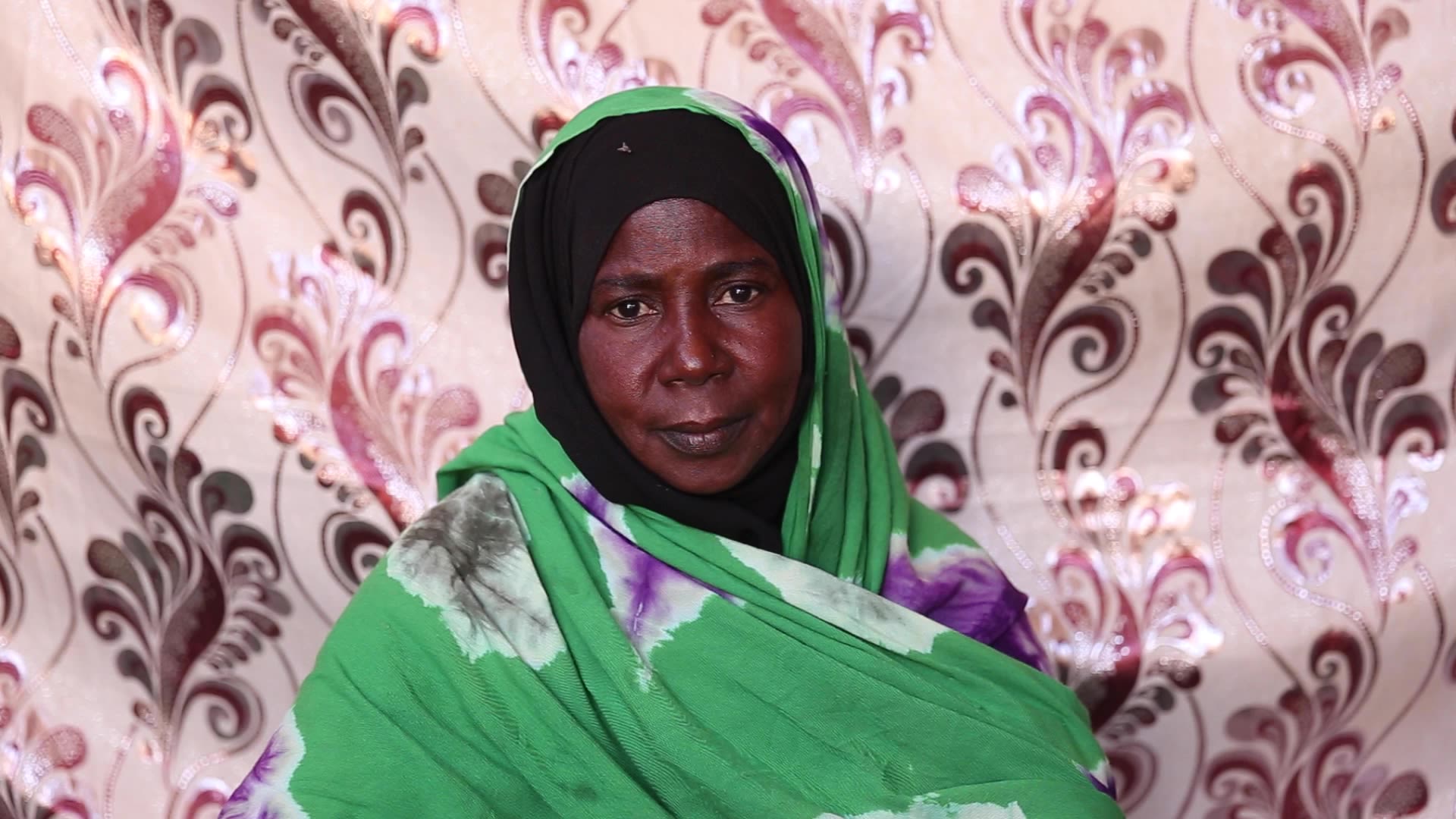

From doctor, midwife and homeowner, to refugee living in a camp in a foreign land.
One of several remarkable people featured in this episode of Red Vest podcast, Awatif now lives with thousands of others in the Farshana refugee camp on Chad's eastern border with Sudan. Here is an excerpt of her story.
"We no longer hear the sound of gunfire, and we no longer hear the sound of people fighting.
We are relieved psychologically, but we are in great need, because we lost everything, and we need a lot, because the families are spread out.
The war at the beginning, started during Ramadan. I was in neighborhoods where there were many clashes. When the situation became very difficult, I took my children and brought them to my sister's home in a safer area.
Then I returned home and continued working there. Women came to my house to give birth. Even when my siblings told me the work was dangerous, I said I was saving lives.
There were no ambulances, no hospital access, no staff except midwives. Our bags were always ready. Whenever I was needed, I would take my bag and go out.
The situation became worse after 10 days, and when women were delivering their babies, they would carry the women, because there were no cars.
The situation worsened. No one could get in or out, no one could even reach shops. I only took my documents, not even something to drink, and we left.
At that time, my salary was high. I went on missions and would come back. I opened a bank account, I saved money and put it in a bank. I built a house and had water, electricity, food ready in the fridge. I supported my family, but when the war came, I lost everything."

'The saddest month'
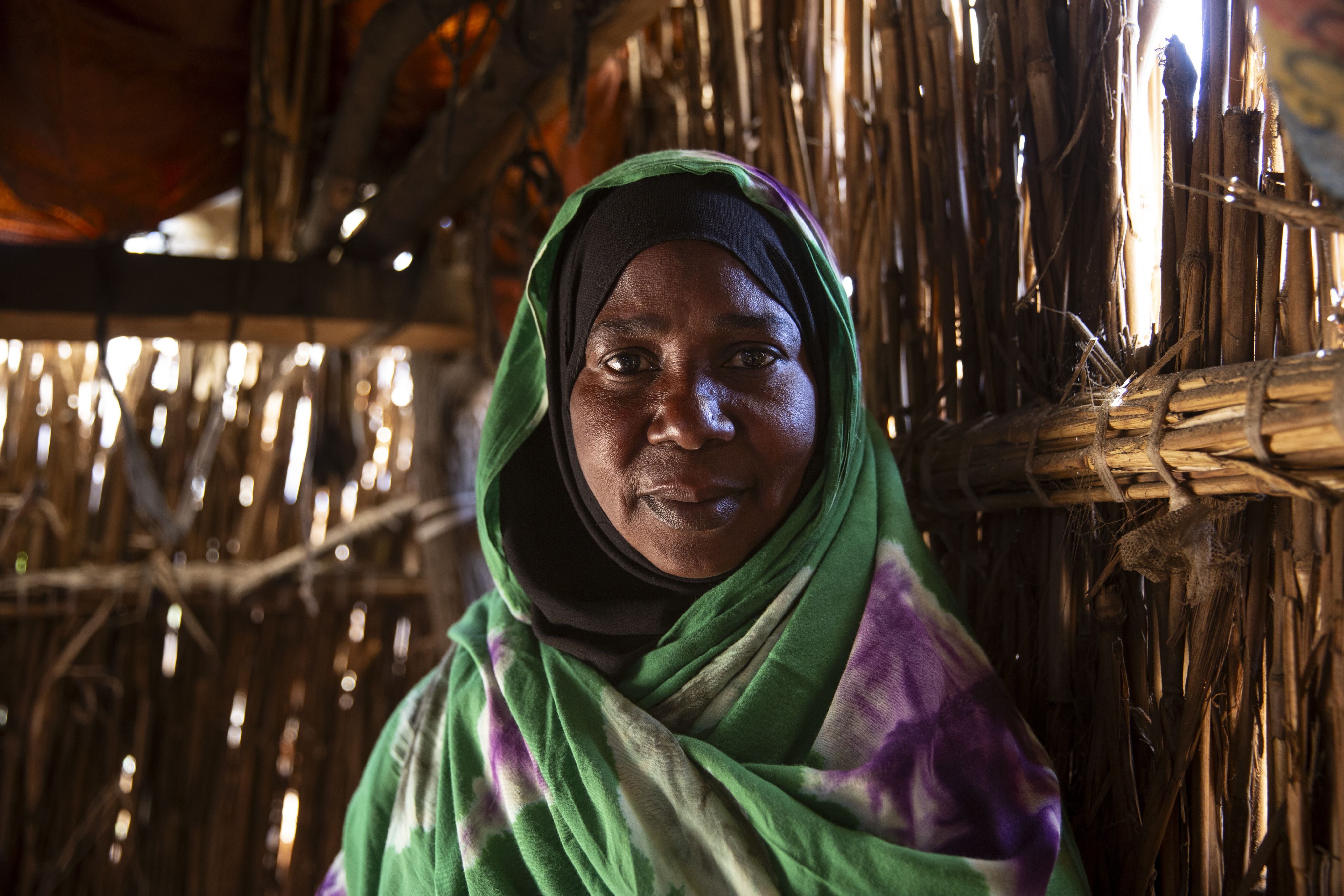
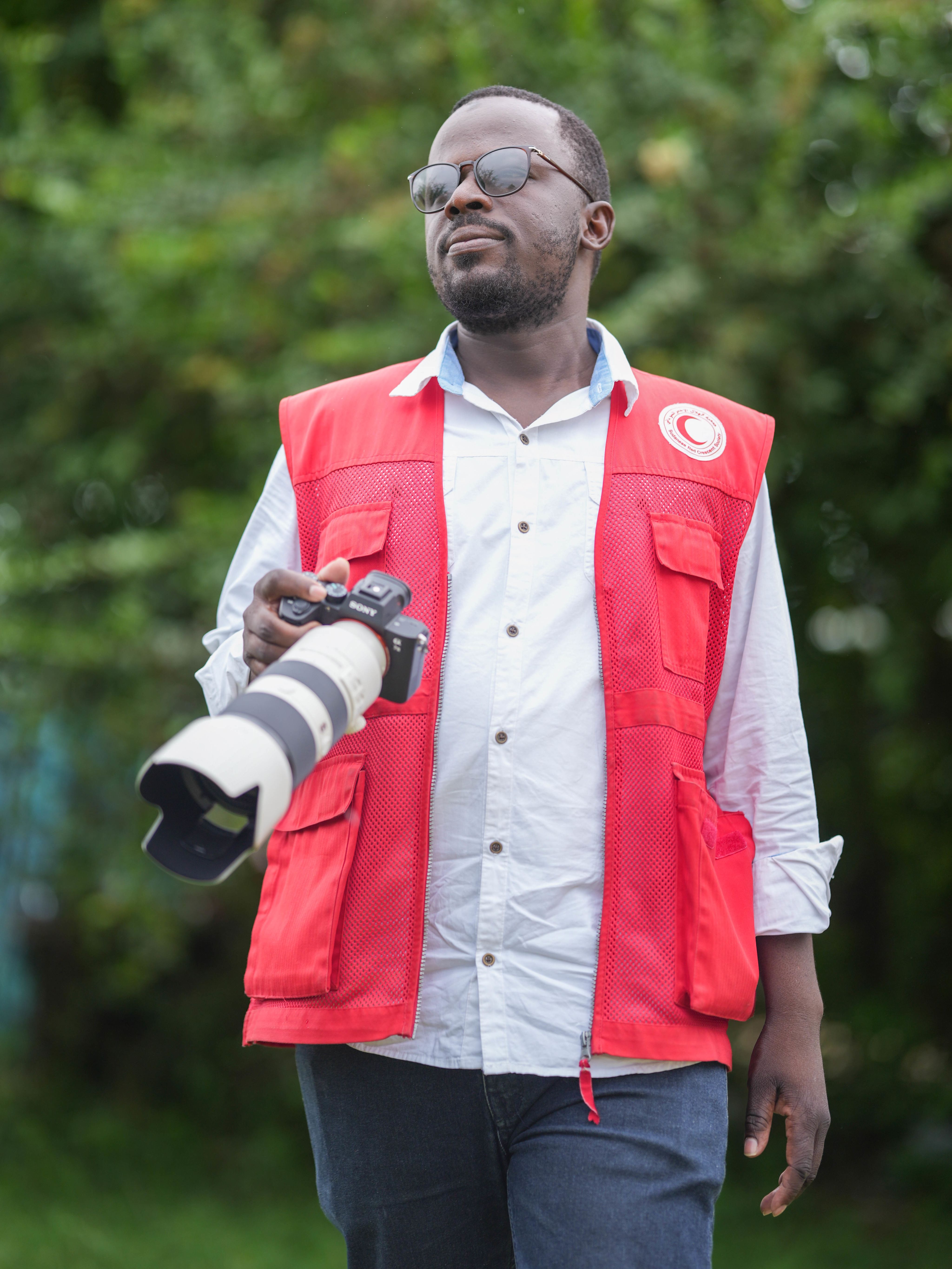
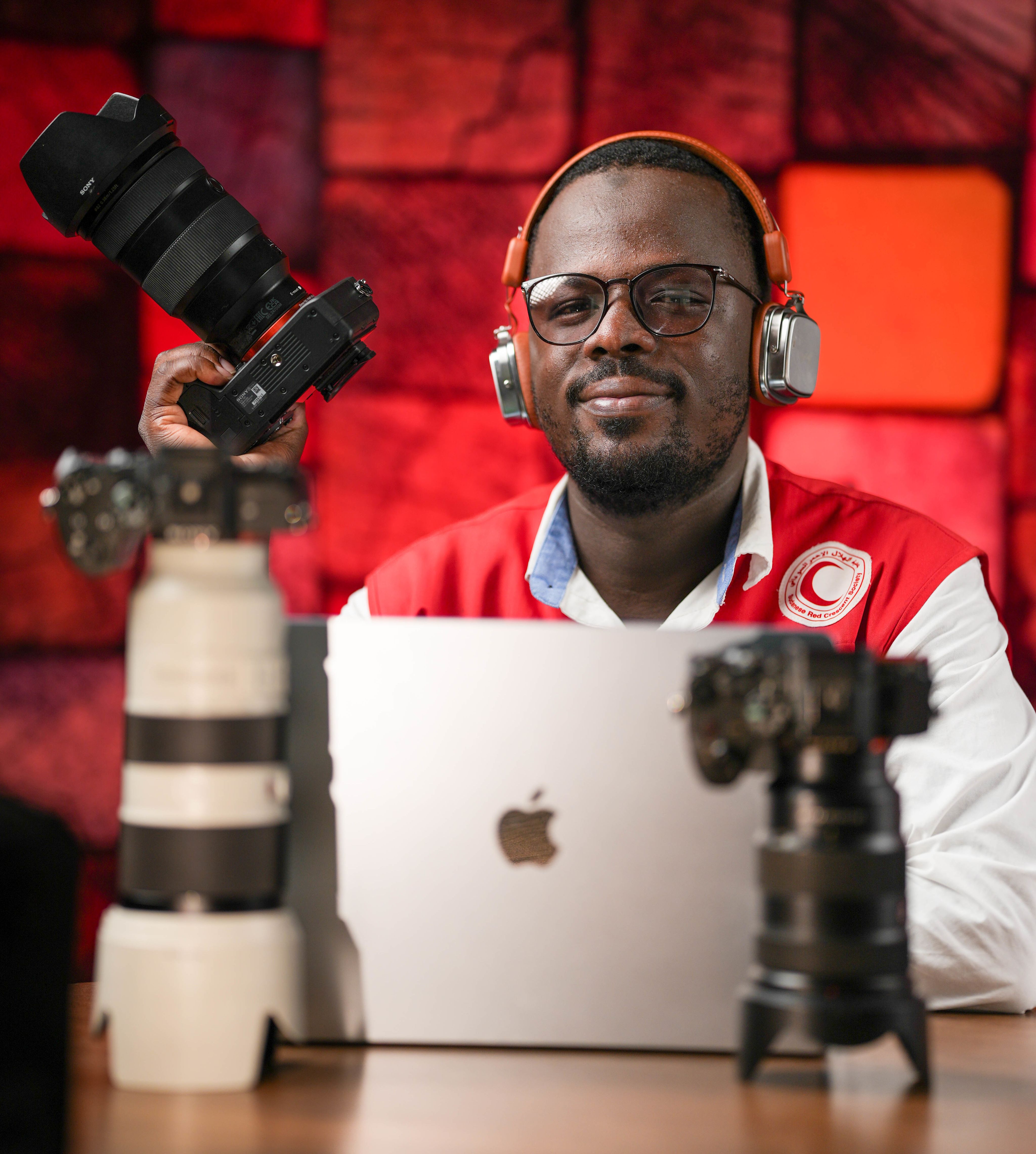
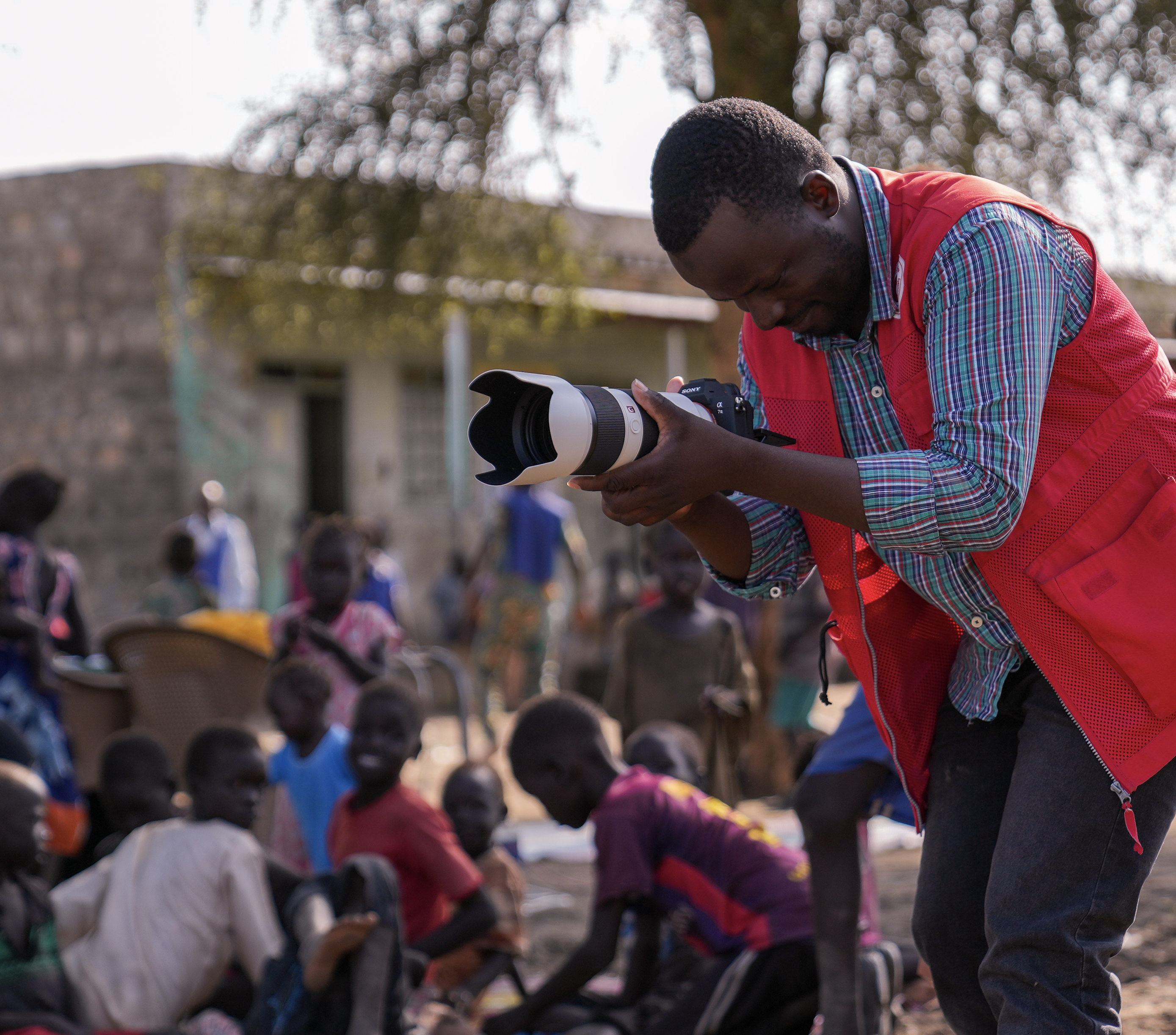
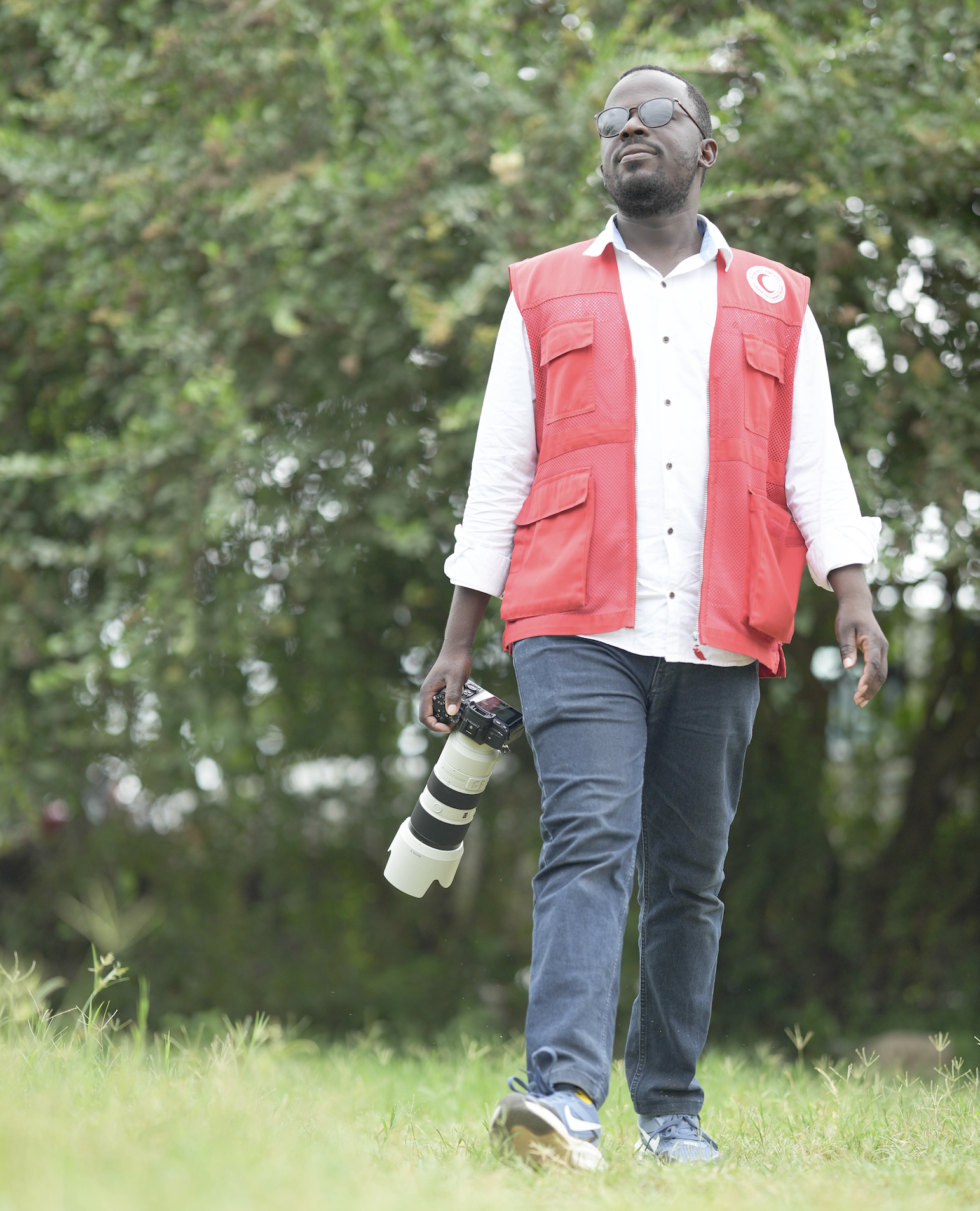
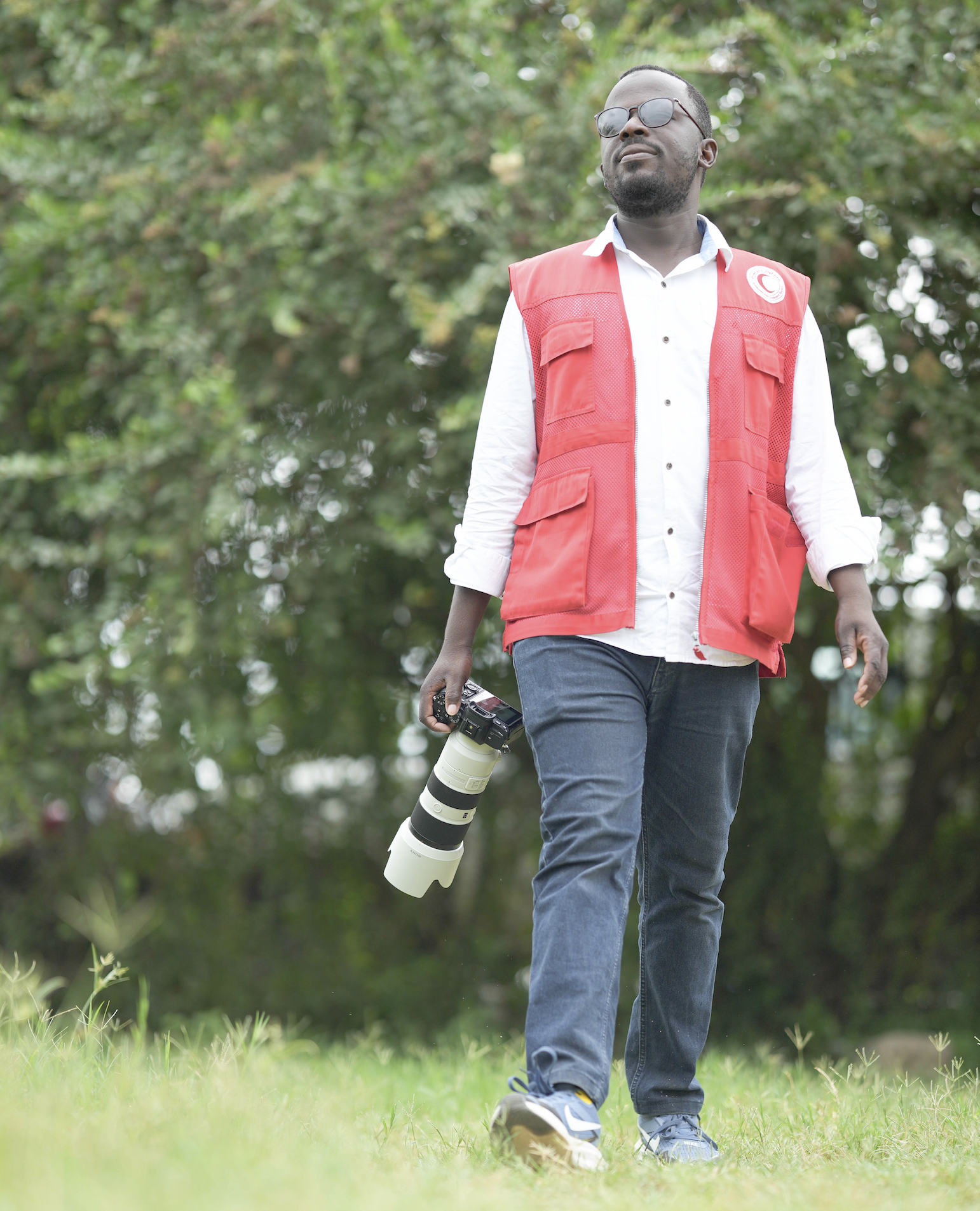
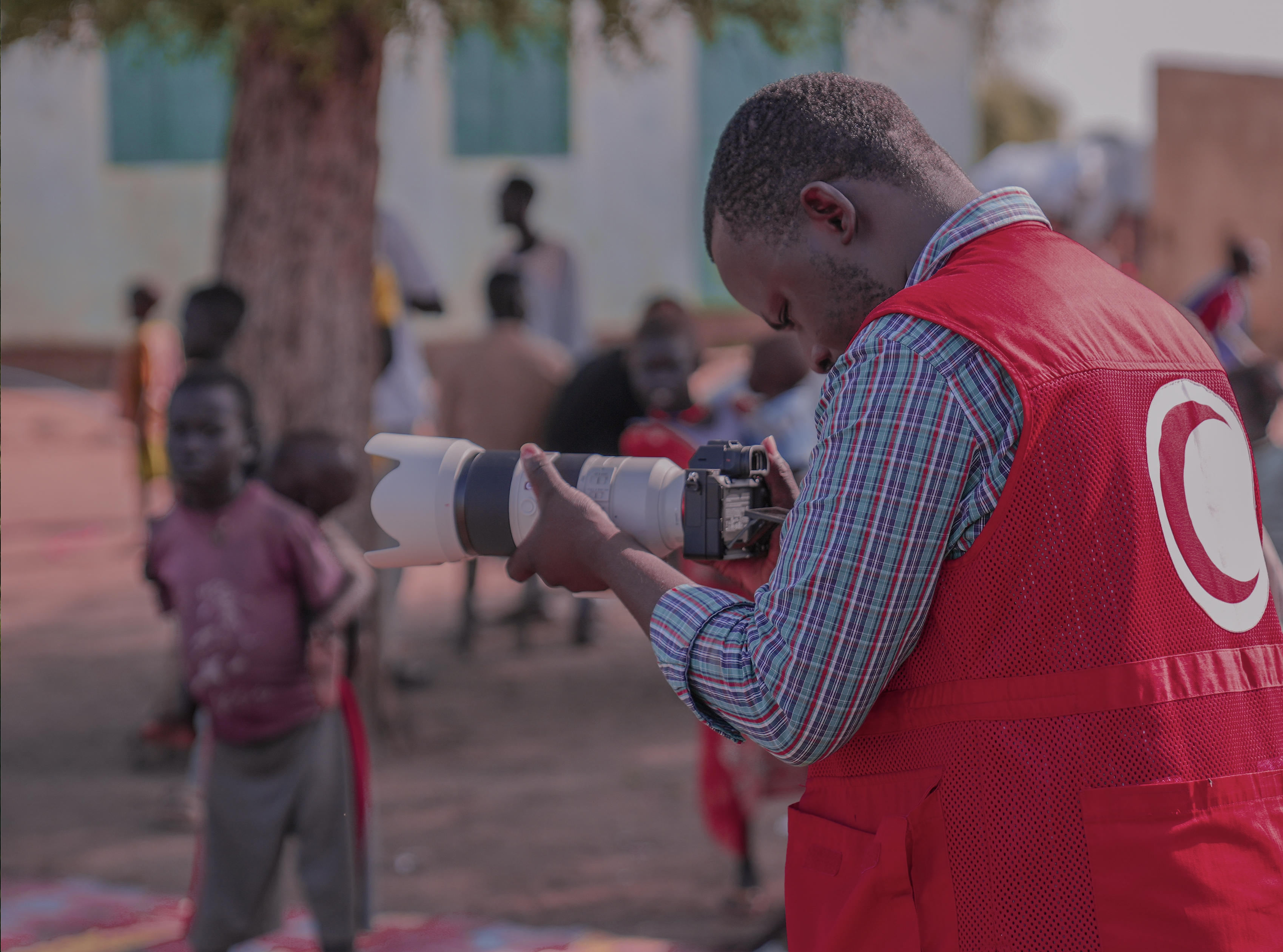
One of our key narrators for this episode, Mahmoud Omar is a photographer and videographer for the Sudanese Red Crescent who has been capturing and sharing the stories of people impacted by the Sudan conflict. Here is an excerpt of his story:
"April, April...the saddest, worst month in 2023.
My life was so good until 13 of April. On my way to work, I noticed unusual movement in Khartoum, many military vehicles in the road. The people are not happy.
There is something wrong and because my previous experience in Blue Nile with conflicts, I could feel something was wrong.
I immediately booked my ticket and traveled on Friday to Blue Nile. And the next day, the conflict started.
And like many people, we thought that it might only last for short time. But as you know, until now the conflict is still happening.

Returning to Khartoum: 'My favourite place'
Mahmoud also talks about what it was like to return to Khartoum after three years away. People are now able to return to the capital and so we explore whether this fact signals a lessening of humanitarian needs.
Short answer: Unfortunately, it does not.
While the dynamics of the conflict are allowing thousands of people to return, many come back to find their houses burned to the ground or looted. Meanwhile, the city overall still lacks basic services and infrastructure. Water systems, electricity sources and even schools have been destroyed. Still, for Mahmoud, it was a welcome return.
What was it like after almost three years, to return to Khartoum?
Returning to Khartoum meant a lot, and it was nostalgic to come back because I have many memories in Khartoum – with my friends, with my university, with my previous organization, with my people there.
Is it much calmer? Are these places still the same?
To be honest, the place is not the same, but it's good, but because I missed my people, some of whom are no longer there because they lost their lives in the conflict.
During the three years of conflict in Sudan, a total of 22 Sudanese Red Crescent volunteers were killed in the line of duty. [Find their names on the IFRC In Memoriam page].
Where is the hope for Sudan? Where do you see the light for Sudan's future?
The people. The people in Sudan are still very generous, and the people still help each other.
I hope this is the last conflict in Sudan. I hope to do the best with Sudanese Red Crescent and just to have very quiet life. I don't need noise, I don't need conflict. I don't need any negative things.
How has this conflict shaped you as a person?
I have become more aware and more patient and more connected to people's realities. And it taught me that strength is not always loud, sometimes it's quiet, but very powerful.
What do you mean by that?
I think my my images are very quiet, but very powerful, because I can reflect the bad situation of people, and it may be opportunity to know the situation of people in camps, in conflict places, and to help to get help from others.




A special city and a crossroads for African culture
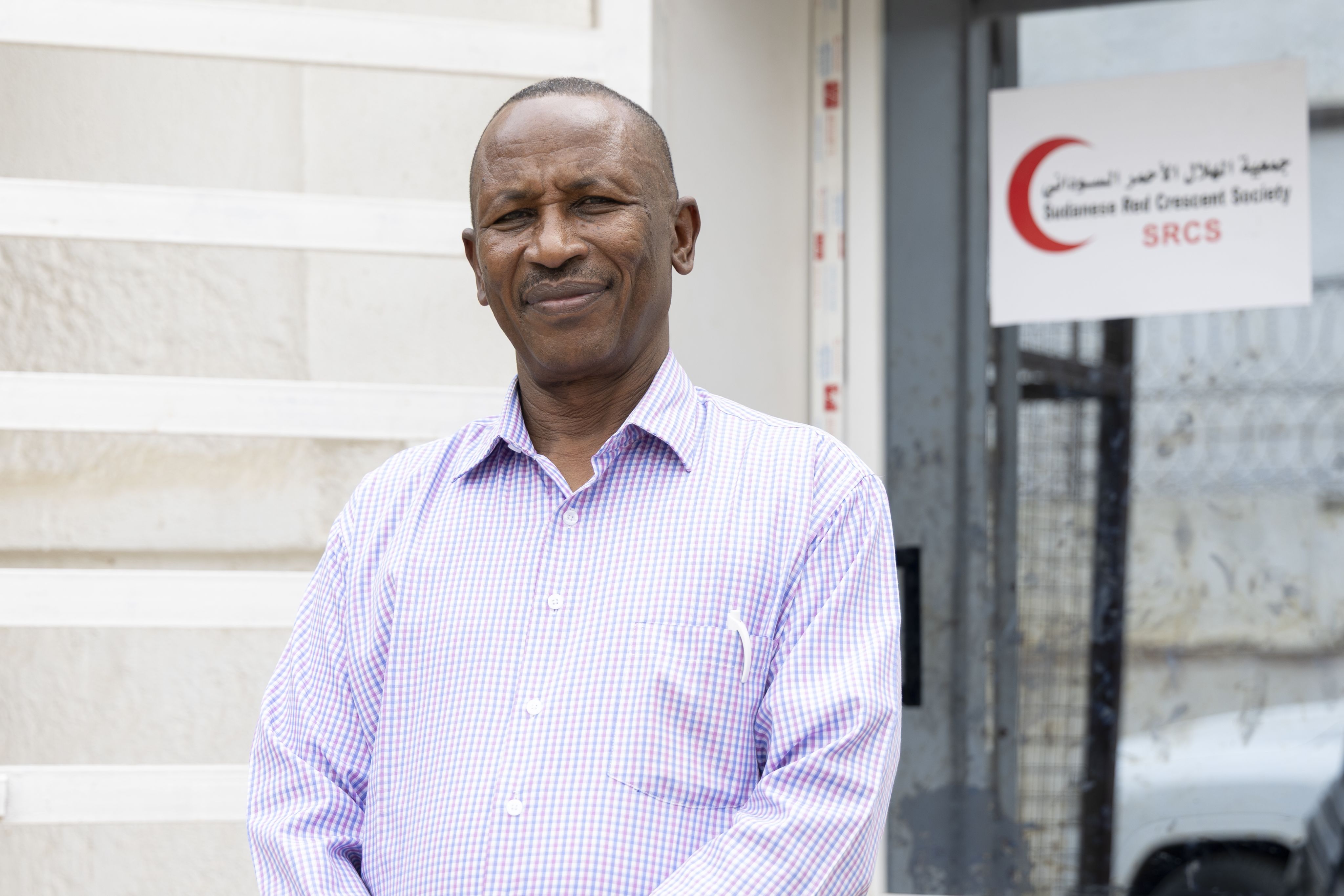
The third narrator for this episode is Barakat El Kanani, who works for the IFRC in Port Sudan, and has more than 20 years of experience with the Sudanese Red Crescent. He is from Darfur, where he served as branch director for the Sudanese Red Crescent in North Darfur for many years, among other experiences. He talks about the impact of the conflict on Sudan's rich and diverse cultural heritage.
"Sudan is a country which is quite rich of diversity in terms of culture, with many cultural practices, musical forms, different types of singing and theater. Every single city of Sudan has specific cultural features.
As a country, there is also a lot of interaction. People are very connected to the other parts of the country.
Unfortunately, this has been highly disturbed since this conflict started, because people were forced to flee their home lands and go to other areas. We are talking about a country where more than 10 million people were forced to leave their homes.
For me, in the past, I used to read stories and historical books, and analyse these books, and I would visit some of the huge libraries in Khartoum. All this is not possible now, because the libraries have been destroyed or even burned.
Khartoum is a very is a very special city in Africa, being one of the main cities in the southern Saharan region, It is also a link between the cultures of Northern Africa with the southern Saharan Africa, as well as Arabic and Sudanese culture.
That's one reason there were also so many public and private libraries and museums. We have the Sudanese National Museum, where there is a collection of historical heritage materials. Unfortunately, all this has been either looted or destroyed. That's also one of the very tragic effects of the ongoing conflict.

The IFRC role in supporting the people of Sudan
The IFRC has been in Sudan for more than 30 years, and we are there to support the Sudanese Red Crescent in its response to humanitarian emergencies.
The IFRC is supporting both financially and technically with technical advice in building capacity in the National Society. It also launched an emergency appeal to raise money to support the Sudanese Red Crescent's efforts and provide critical goods and services to people in need.
Our main focus of the response has been cash distribution, as well as physical and mental health, and immediate relief with food, shelter and water, sanitation and hygiene.
Why cash?
Cash is a very efficient way of reaching people in areas that might be hard to access with large amounts of physical products. It is also a good way of supporting people because they can use the money for what they need, be it food, medicine, or even school fees. It also helps support local markets, which are under great stress during times of conflict.
Credits
This podcast would not have been possible without the generous work and time of:
Mahmoud Omar, photographer and videographer for the Sudanese Red Crescent
Barakat El Kanani, IFRC consultant for the Country Cluster Delegation of Sudan and Eritrea.
Anette Andresen, communications coordinator for the IFRC's Sudan Complex Emergency response
Alexi Aubin, communications officer and content producer for the IFRC's Sudan Complex Emergency three year appeal.
Dedication
This episode is dedicated to the brave staff and volunteers of the Sudanese Red Crescent, 22 of whom have lost their lives in the line of duty since the most recent conflict began in 2023.
 Built with Shorthand

