
The Papas’ Club
In northern Nigeria, fathers break down barriers to fight against hunger and for family health.
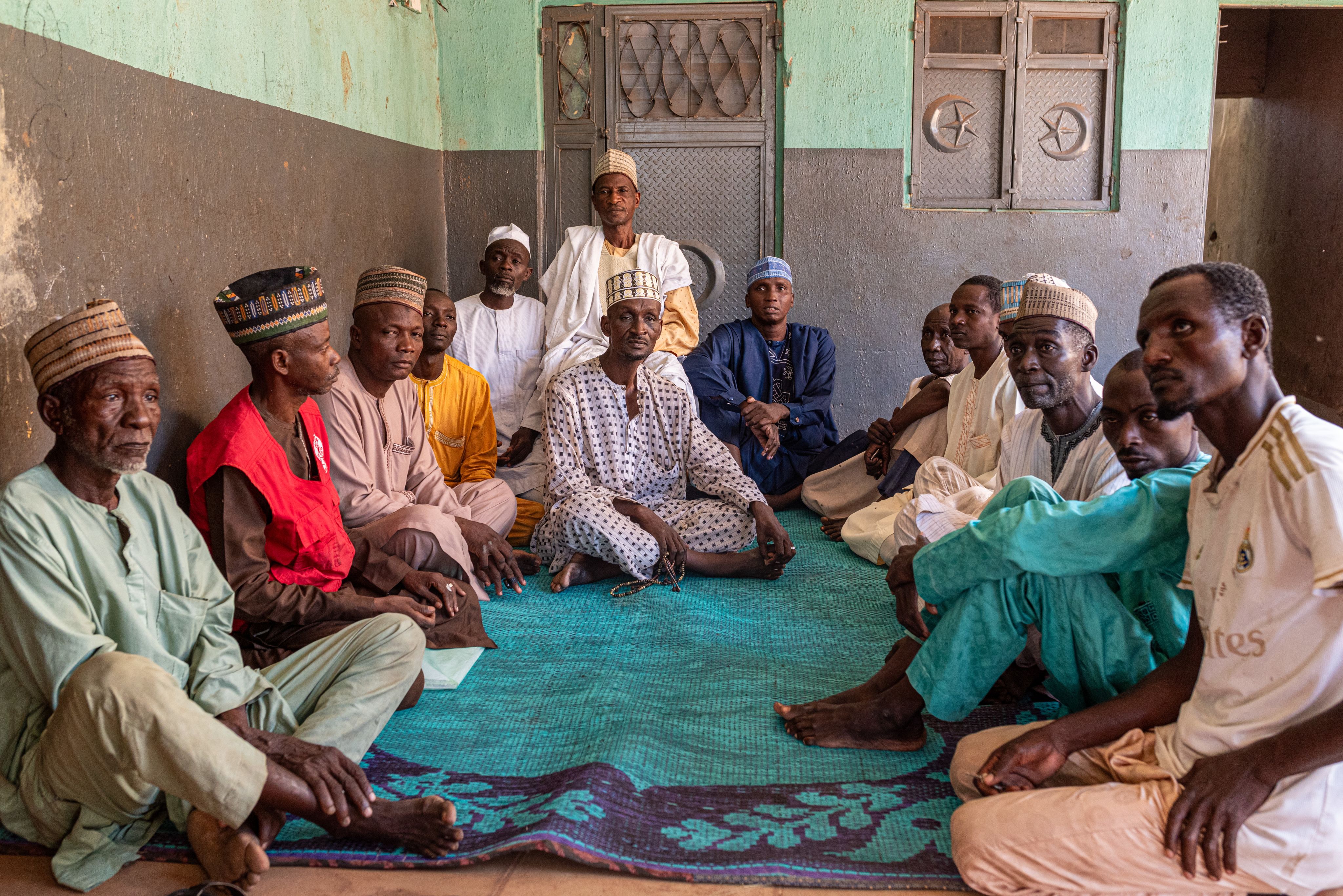

In a culture where men make most key decisions – yet don’t get involved in family health – Papas’ Clubs give men and women a stronger voice in the face of a food security crisis. ‘The nutrition of the family has become everybody’s business.
Every movement that seeks to change behavior needs allies. In northeast Nigeria, the Nigerian Red Cross has found some of its strongest allies in fathers.
In communities across Adamawa, Borno, and Yobe states, men have come together under Papas’ Club, a collective supported by the Nigerian Red Cross and the IFRC.
The club brings fathers into the heart of community change, helping them advocate for women’s rights, improve child health, and build stronger households.

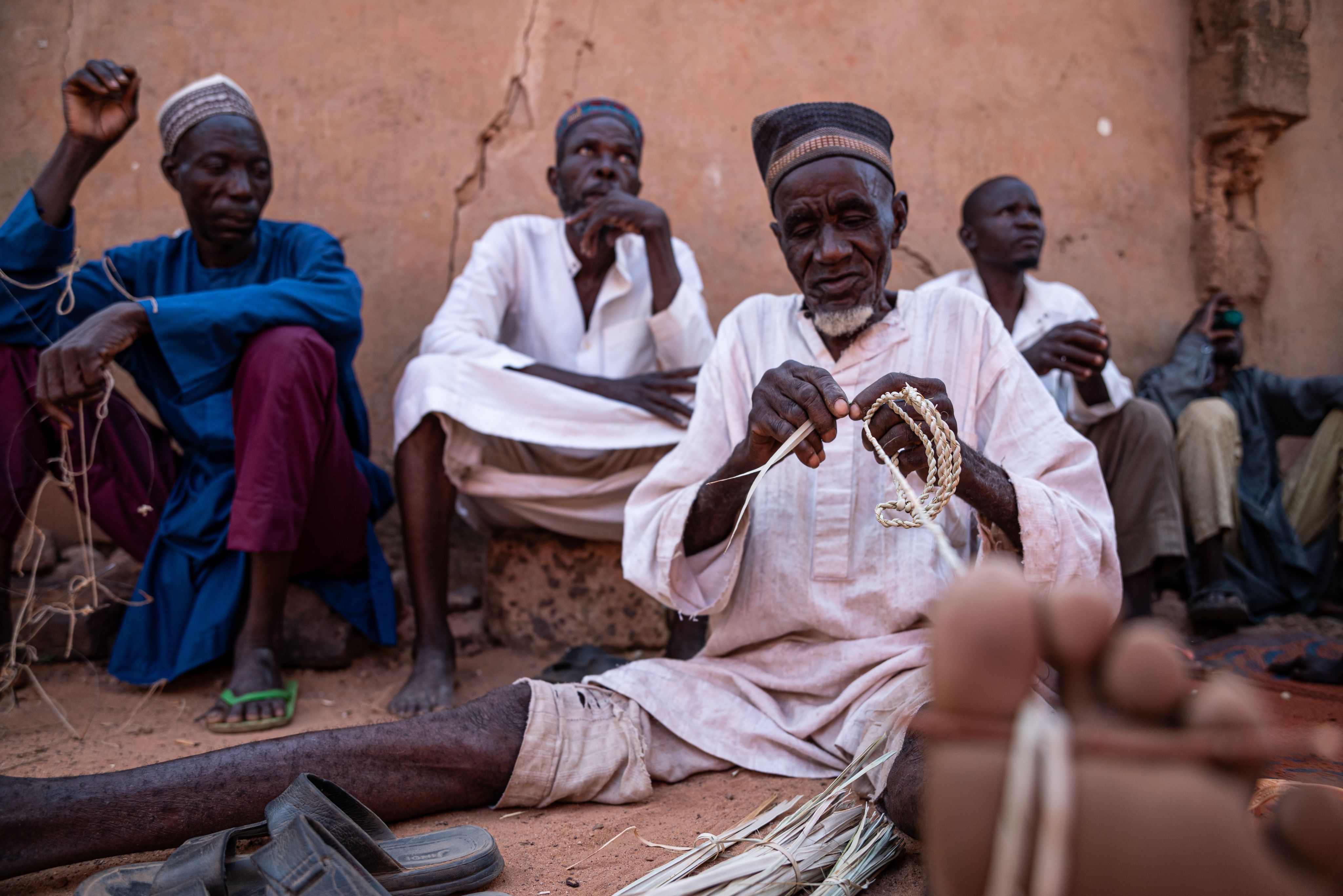
“Before, we treated our wives like slaves without minding how they felt. We didn’t help them do things,” admits Pwavi Sanagon Kushi, a community leader and Papas’ Club member.
“Tradition made us believe that women are less than men. But Papas’ Club taught us about gender equality. Now we treat women equally and give them a sense of belonging.”
This kind of transformation matters. In many Nigerian households, fathers decide how money is spent and whether families can seek healthcare. Yet they are often excluded from discussions on nutrition and child wellbeing.
Papas’ Club was designed to change this dynamic.
“Fathers are the ones who are traditionally empowered to advocate for their children’s needs and give permission for healthcare visits or household changes,” explains Dr. Idaraobong Ekanem, Senior Disaster Management Officer, IFRC Abuja Delegation. “We wanted a space where fathers could learn, support each other, and take an active part in fighting malnutrition.”

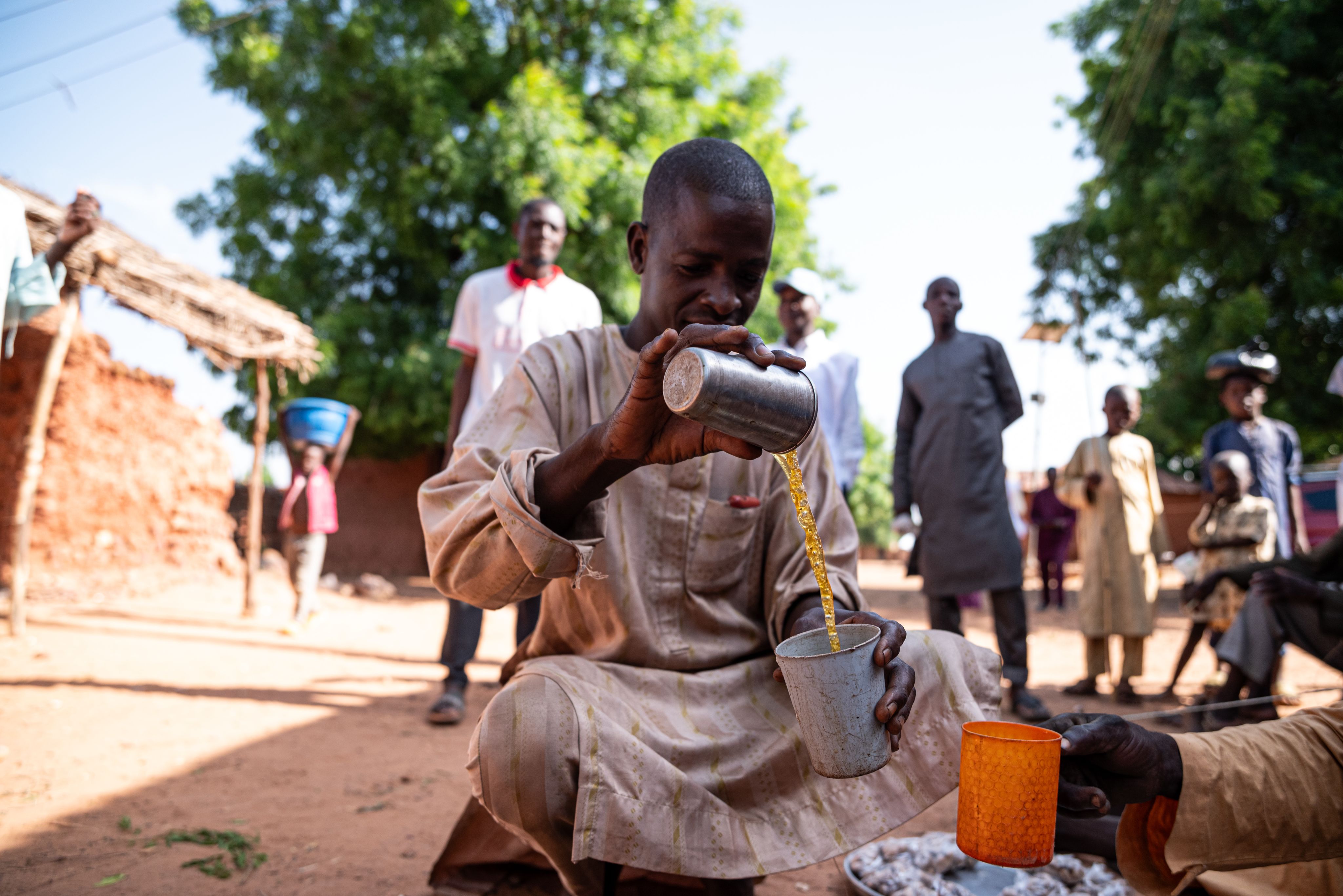
In August 2024, with IFRC support through its DREF programme, the Nigerian Red Cross established Papas’ Clubs in response to rising cases of acute malnutrition. The approach relied on simple, locally available solutions.
“We trained fathers on nutrition, hygiene, and positive parenting,” says Ekanem. “The Papas’ Club held healthy cooking demonstrations, supported local production of Tom Brown (a fortified cereal blend), organized community clean-up campaigns, and created peer groups where men could openly discuss child feeding practices and health.”

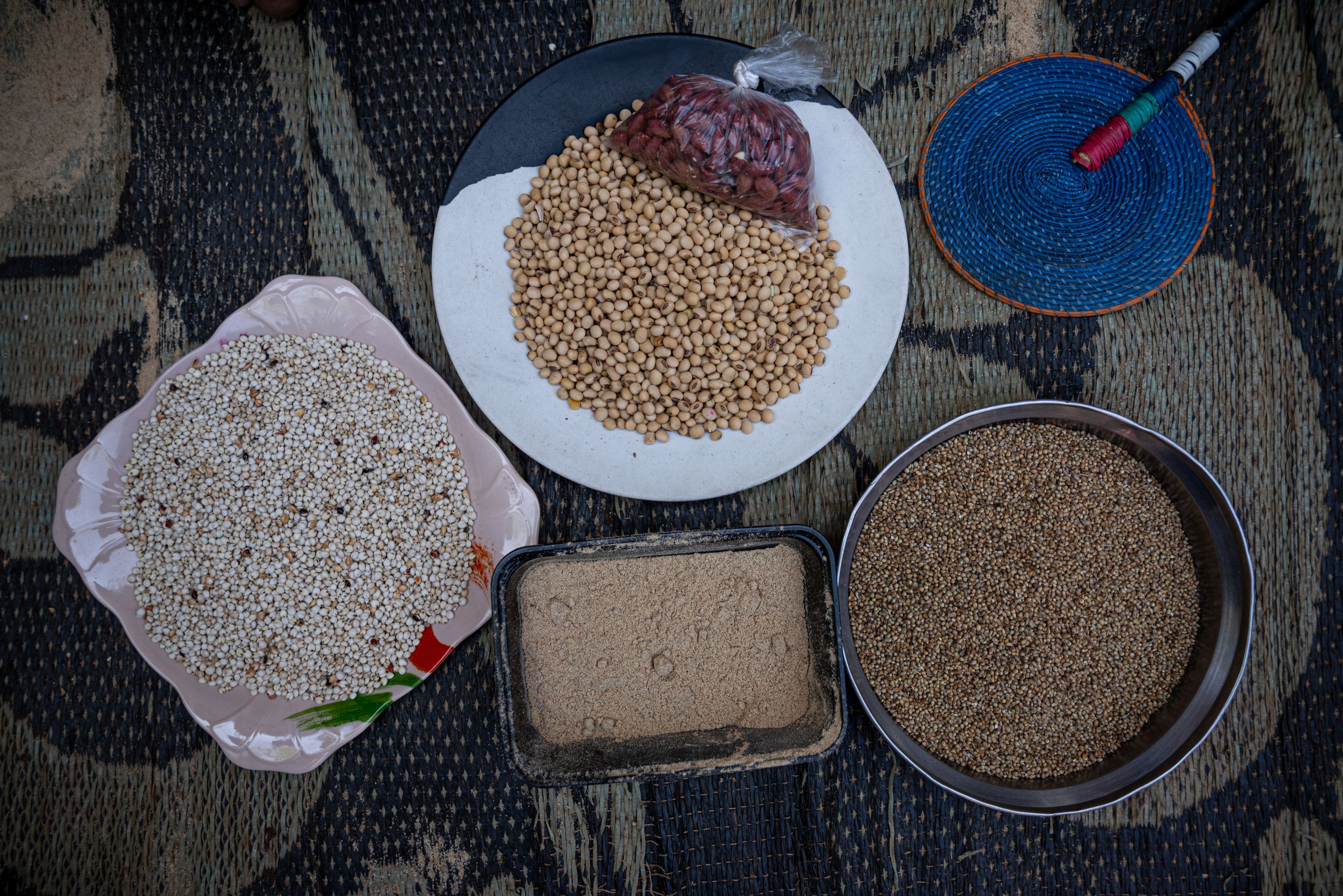
Fathers are taking ownership of family nutrition in new ways. “The nutrition of the family has become everybody’s business,” says Ikwo Imoke, Project Manager for the Nigeria Malnutrition Appeal at the Nigerian Red Cross. “The men have now taken up responsibility and leadership for their family nutrition.”
But the work of Papas’ Club goes beyond feeding families. As a companion to Mothers’ Clubs, the groups are also teaching men about WASH practices, disaster risk reduction, and financial resilience.
“We’ve trained them on disaster preparedness, set up Village Savings and Loans Associations (VSLA), and provided climate-resilient seedlings, manure, and simple farm tools,” Ekanem explains. “Now, they’re saving money, preparing for floods, and investing in better nutrition.”

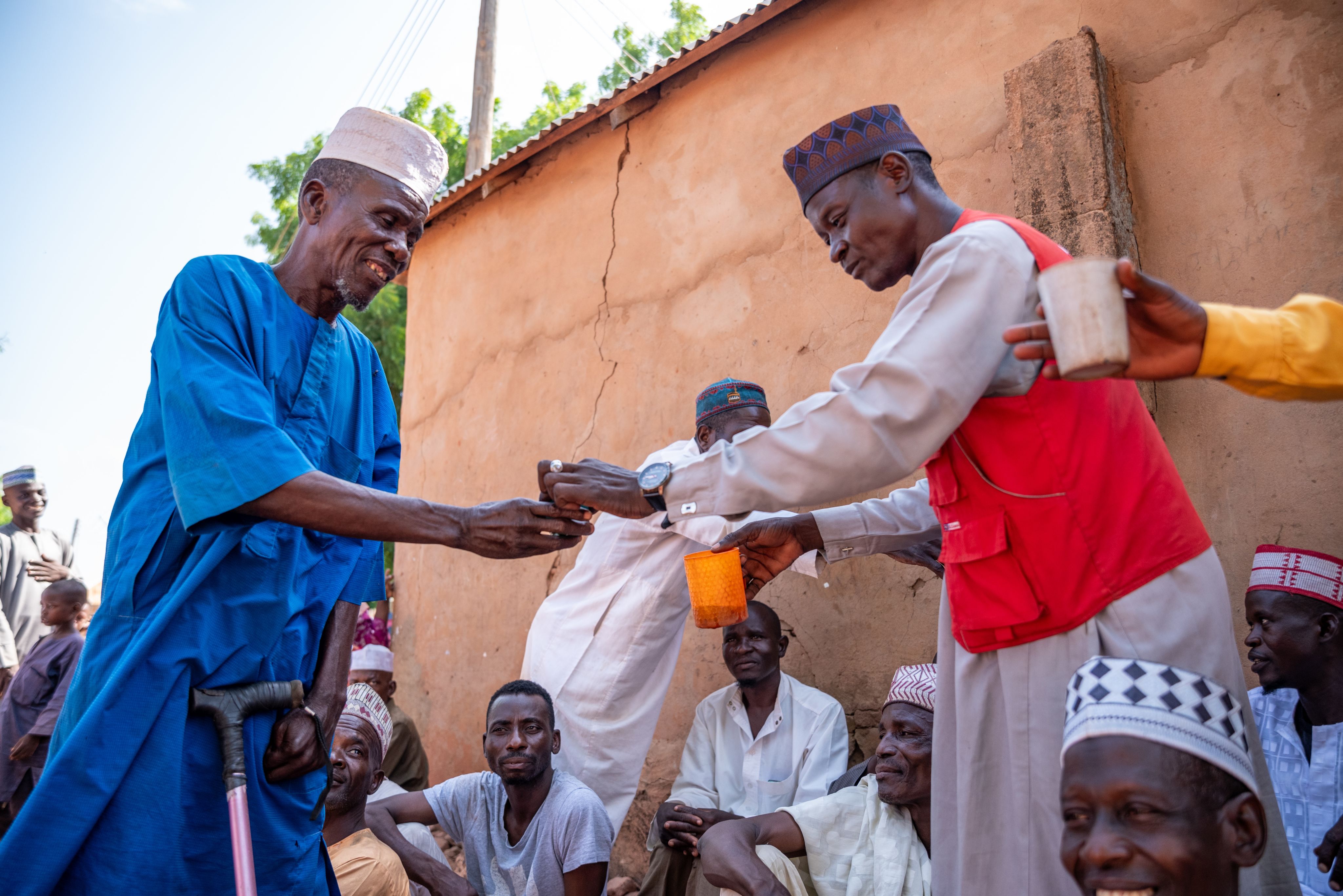
Samaila Manuga, 50, oversees activities during a Papa’s Club meeting in Gumbi, Nigeria.Papa’s Club is an initiative where fathers are supported through livelihood programs, primarily the construction of backyard gardens. The produce grown in these gardens is mainly consumed by the family, while any excess can be sold to supplement household income.
Samaila Manuga, 50, oversees activities during a Papa’s Club meeting in Gumbi, Nigeria.Papa’s Club is an initiative where fathers are supported through livelihood programs, primarily the construction of backyard gardens. The produce grown in these gardens is mainly consumed by the family, while any excess can be sold to supplement household income.
The Nigerian Red Cross has since scaled up its malnutrition response to five additional states, making Papas’ Club a cornerstone of its work. For the Red Cross, this model represents more than just a programme. it’s a way to empower communities with solutions that will last long after humanitarian operations end.
“Papas’ Club complements and strengthens the activities of Mothers’ Clubs,” Imoke adds. “They meet once a week, facilitated by Red Cross volunteers, to receive basic education on Maternal Infant and Young Children Nutrition (MIYCN). This gives them the information they need to make better decisions for family nutrition.”
For the Red Cross, the value of Papas’ Club is clear: fathers are not only partners in the fight against malnutrition, they are champions of resilience. They are reshaping traditions, supporting women, and ensuring children grow up healthier and stronger.
As Pwavi reflects: “Papas’ Club taught us to live in a clean and healthy environment for the benefit of our children.”
 Built with Shorthand