
The power of women and water
Women and water are at the heart of every thriving community. When they are respected and protected families grow stronger and futures become brighter.
Special World Water Day 2026 report. #LocalEverywhere
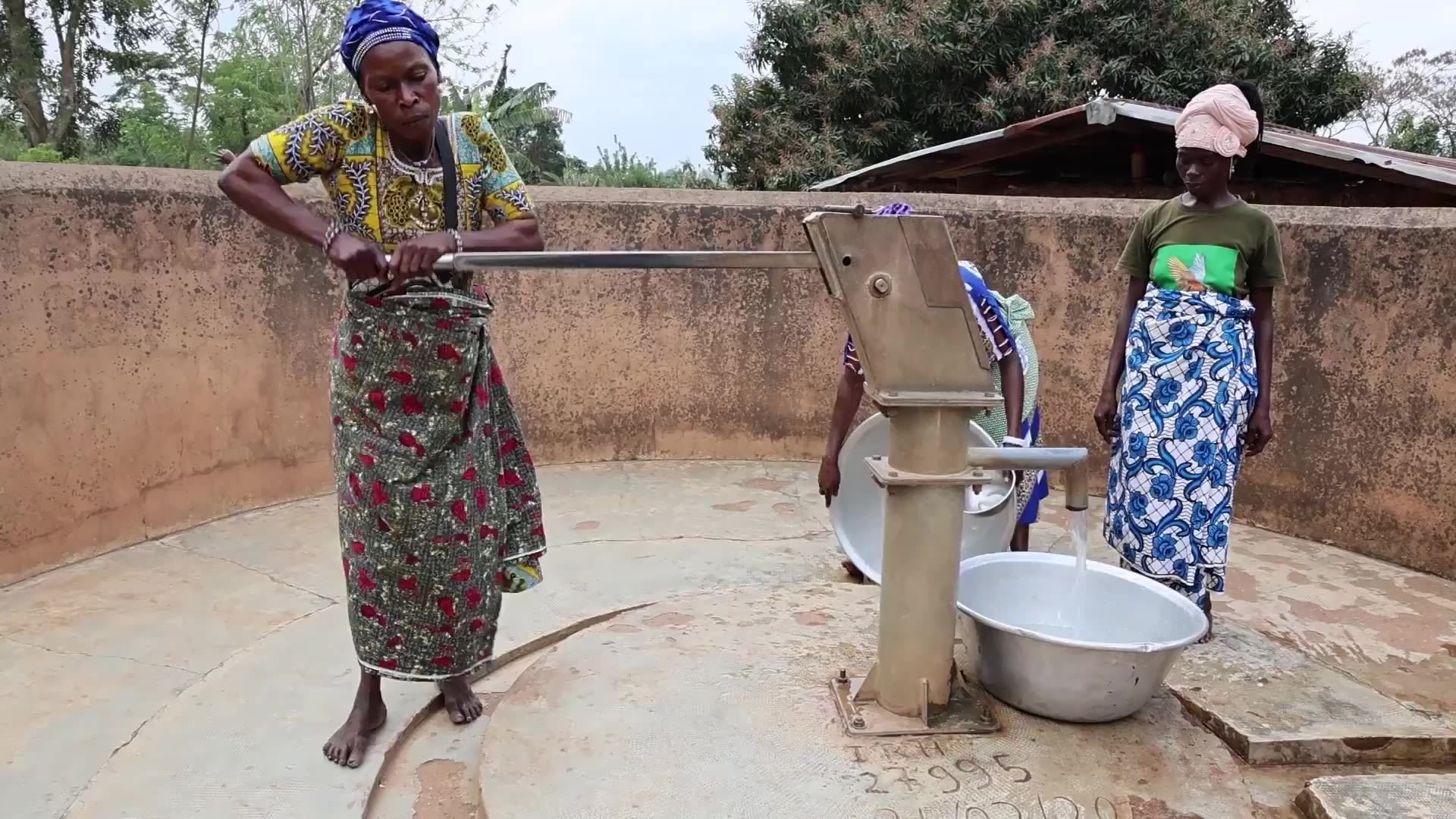

Dangers unseen
Water nourishes, restores, and sustains. In much the same way, the women of the Mothers Club in Lonfoloko village in Togo nurture the next generations, protecting their households, and quietly guarding against dangers seen.
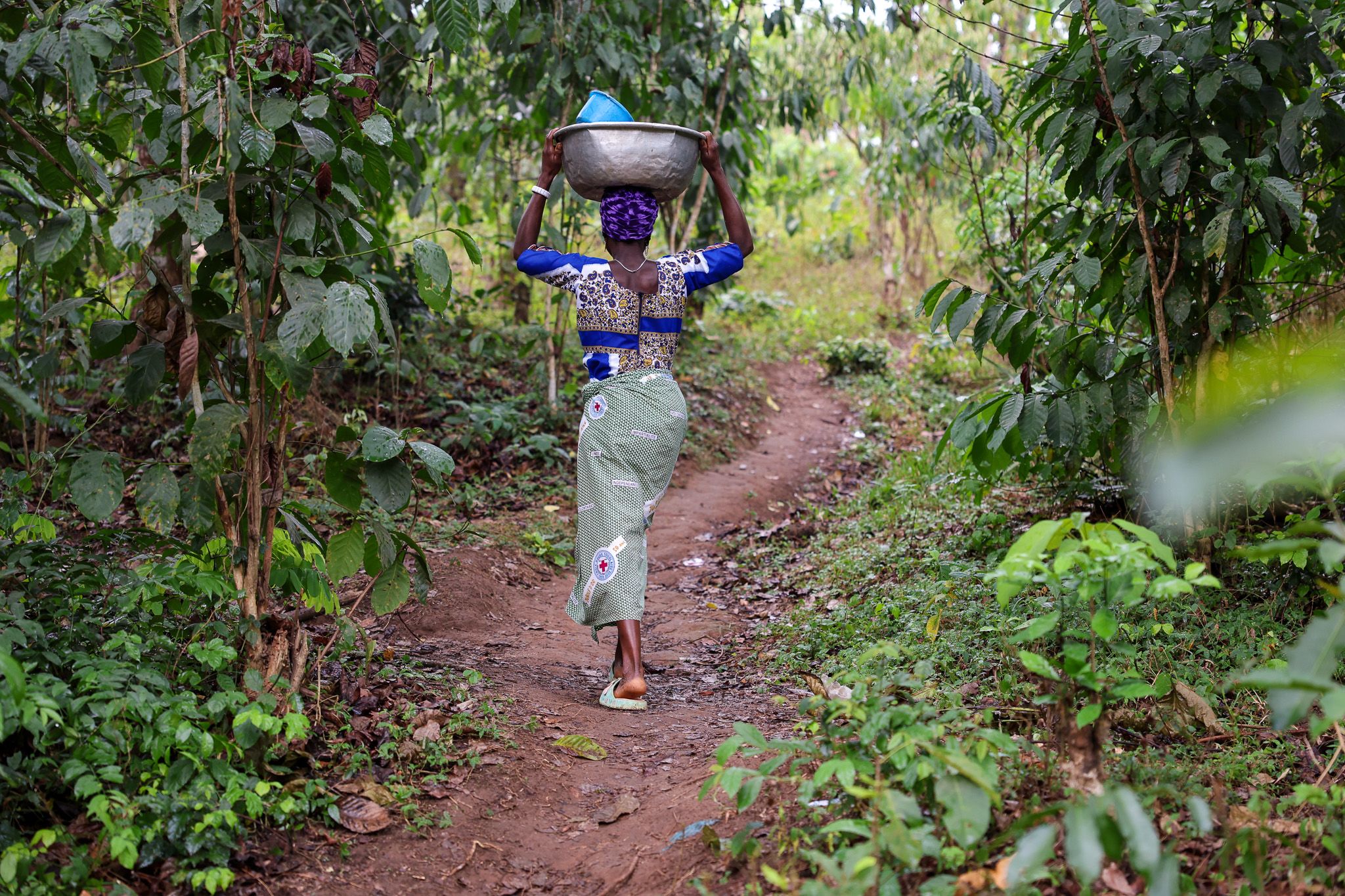
This is particularly the case when it comes to water. In most households, it's the women who collect and carry the water to their homes in the village.
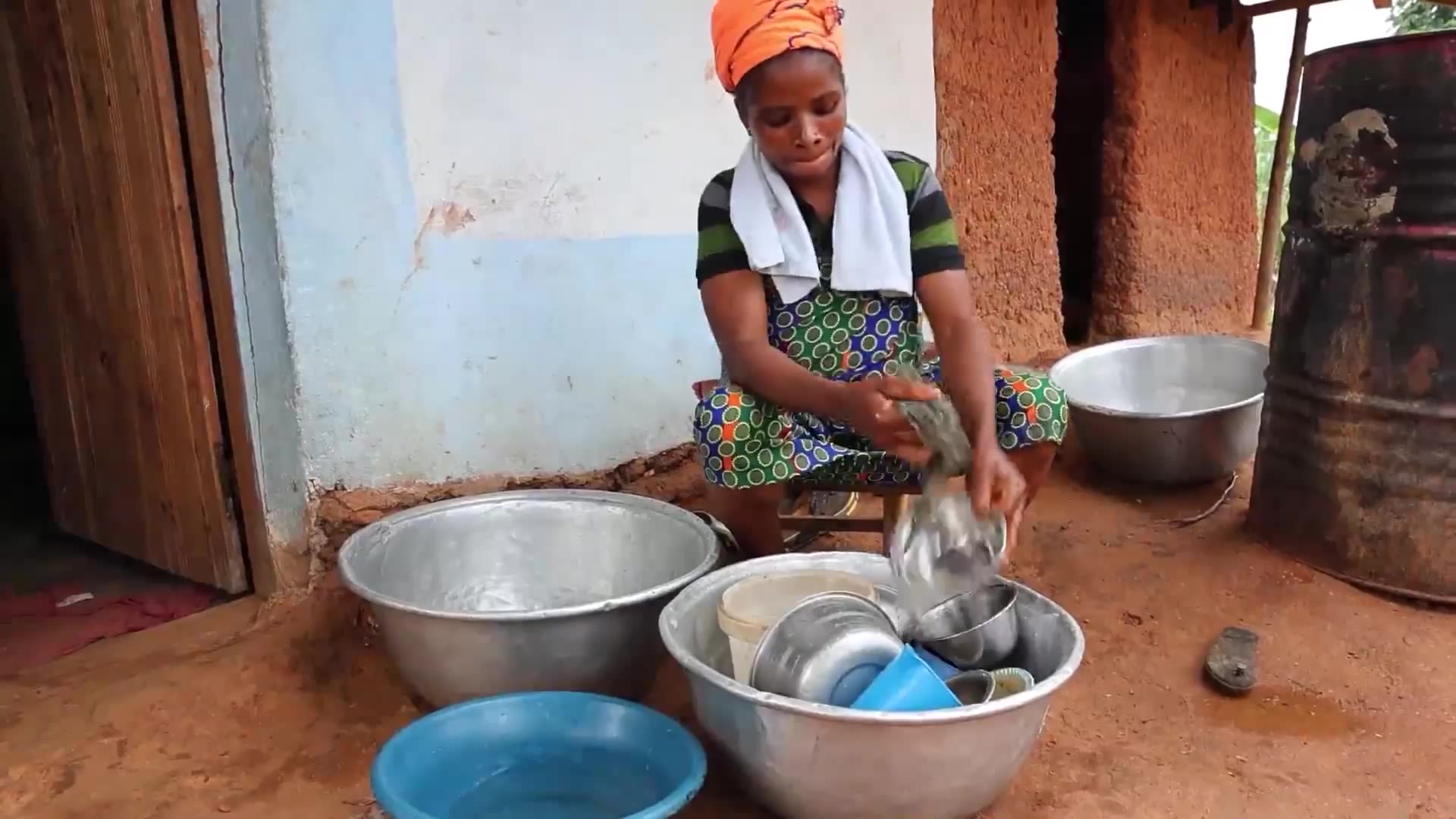
It's also their jobs to use that water to clean, cook, and keep the children healthy. Too often, the only water they can access is far away and sometimes it's not clean or safe enough to use.
Abalo Enyoname, president of the local Club des Mères or Mothers Club, shared how difficult life once was when they had to rely only on a nearby stream for all their water needs.
People, she says, “used to fall ill with diarrhea as a result of the contaminated water from the stream.”

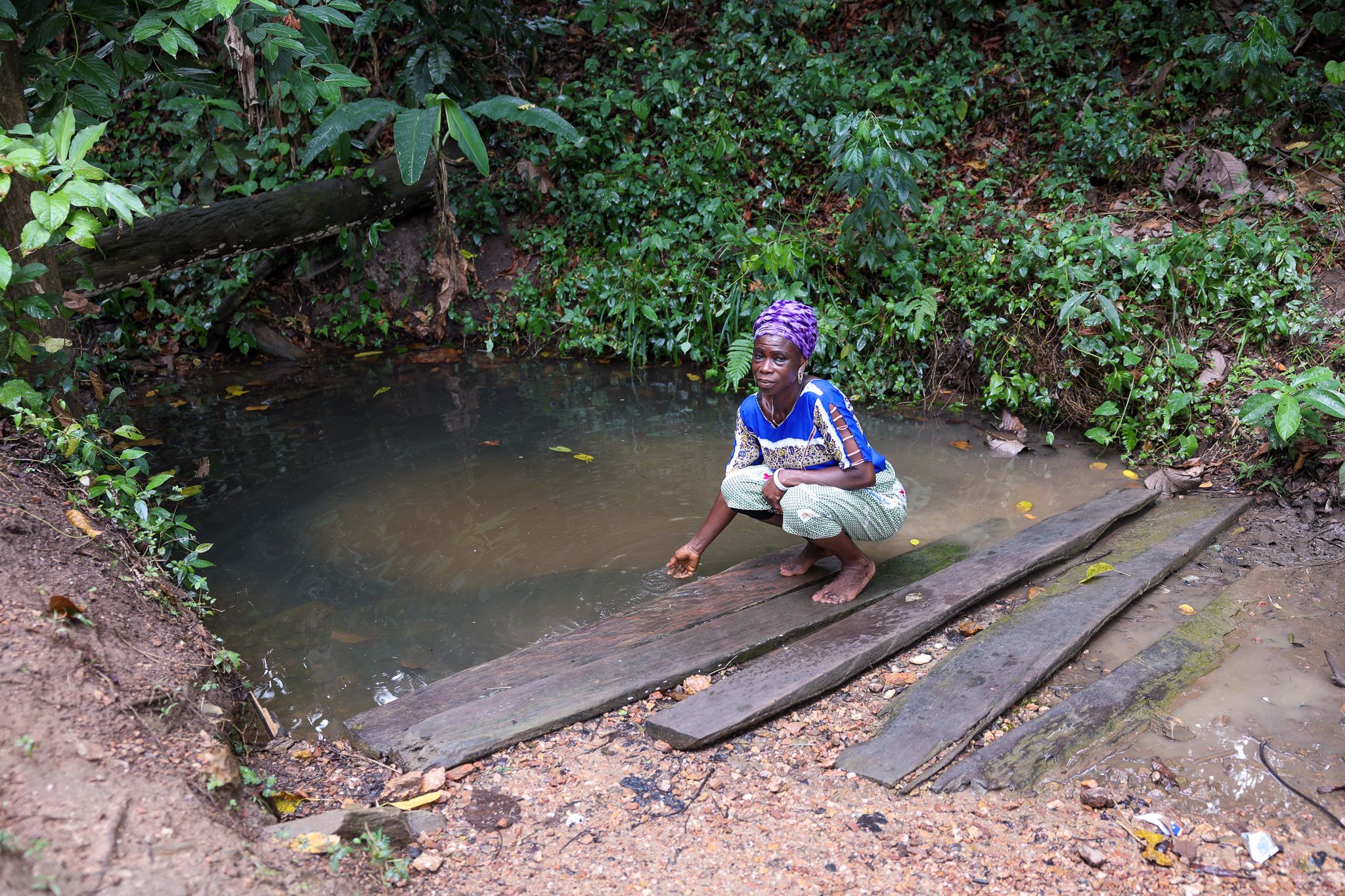
A long walk every day
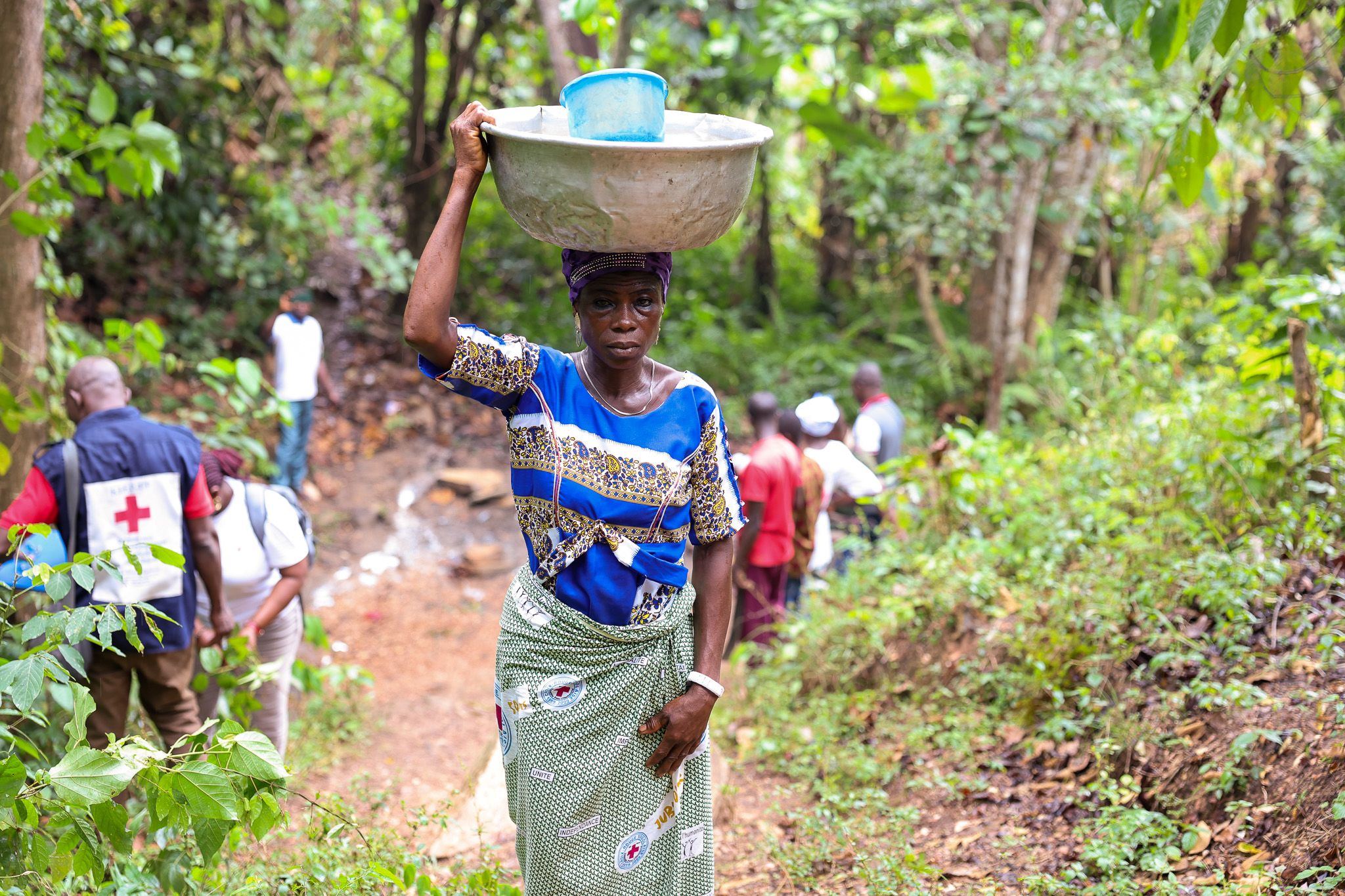
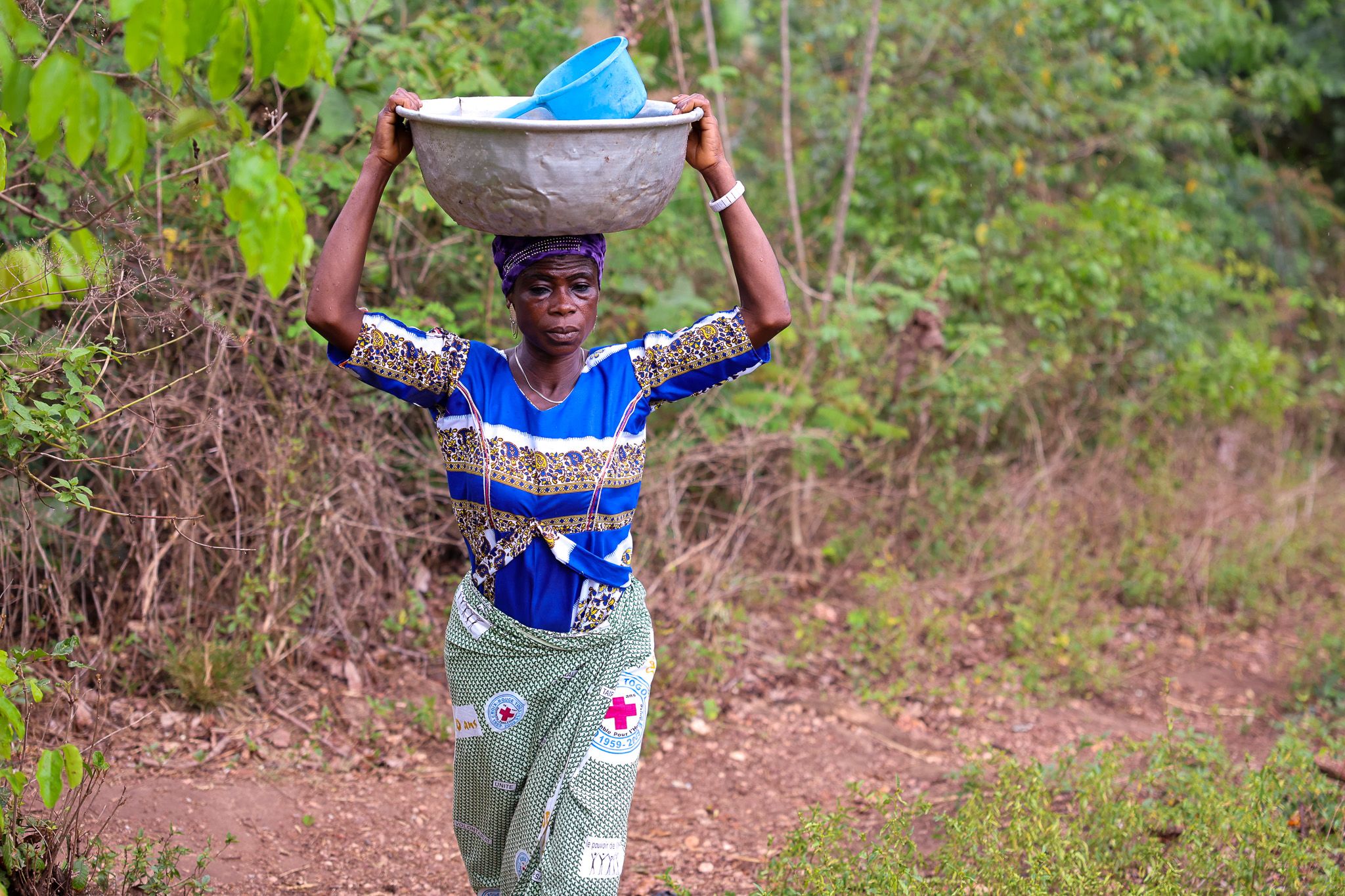
The women of Lonfoloko still walk to a nearby stream to fetch water that they use mainly for bathing and washing clothes and other household utensils.

Hope and action
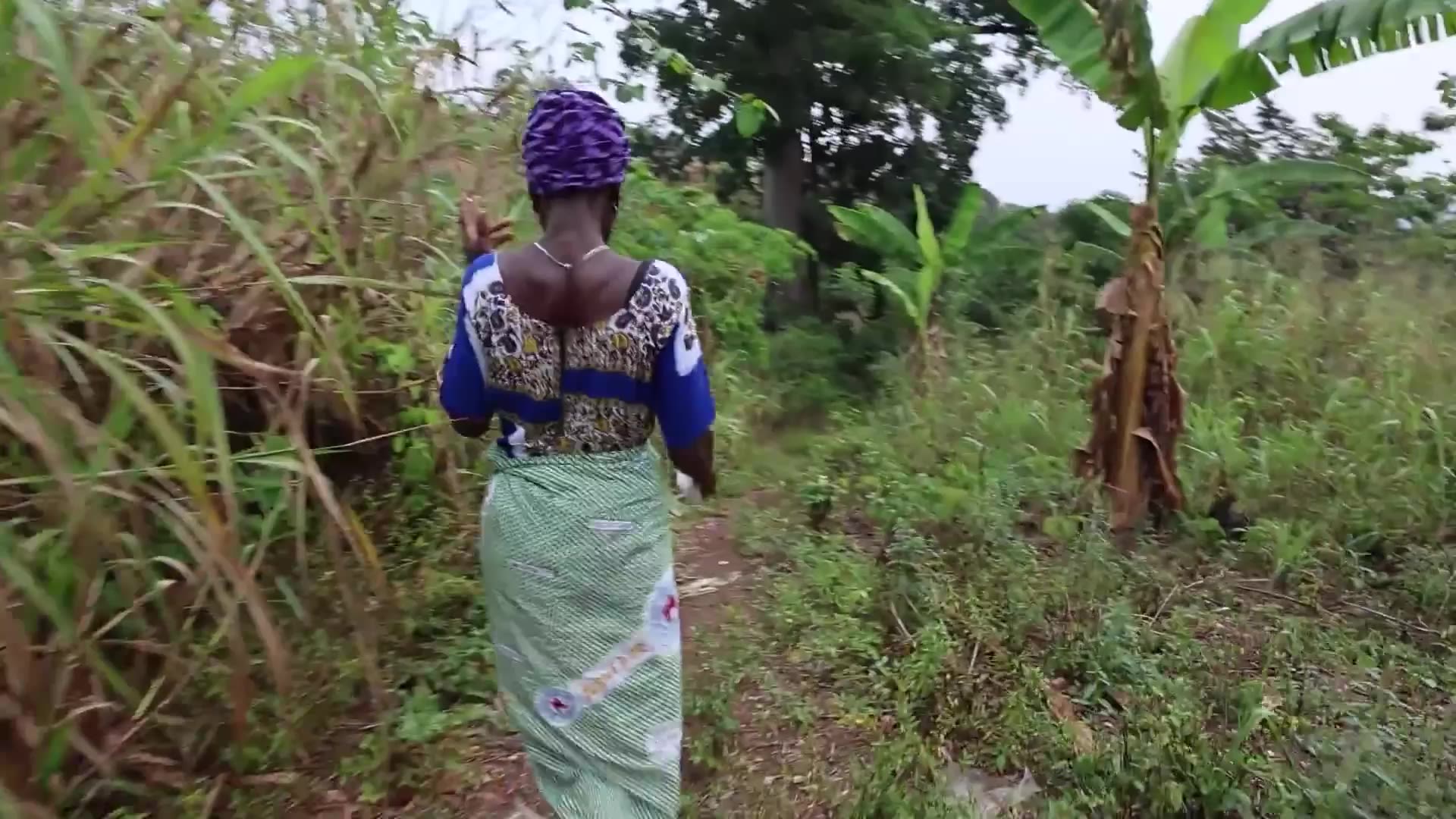
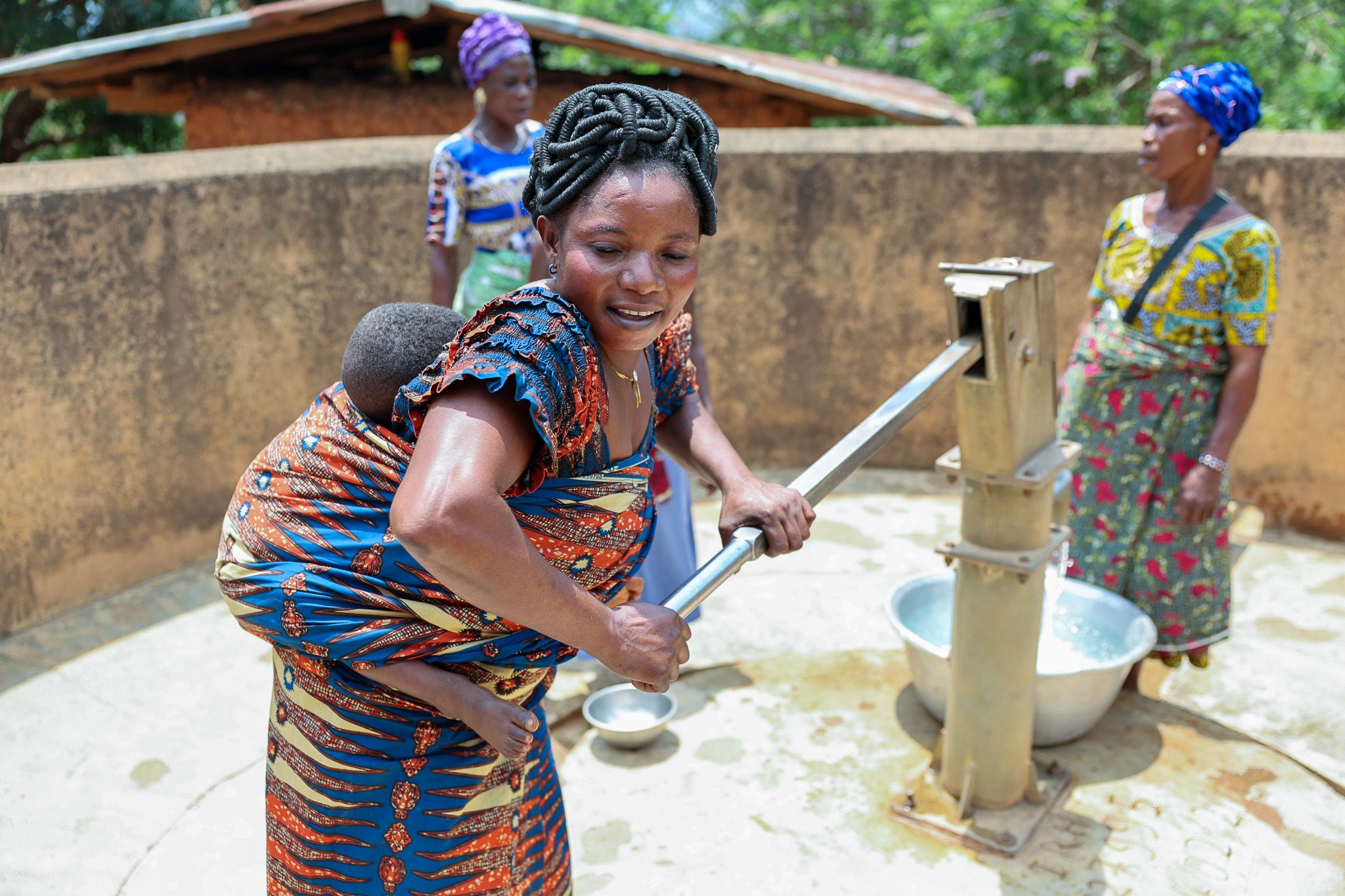
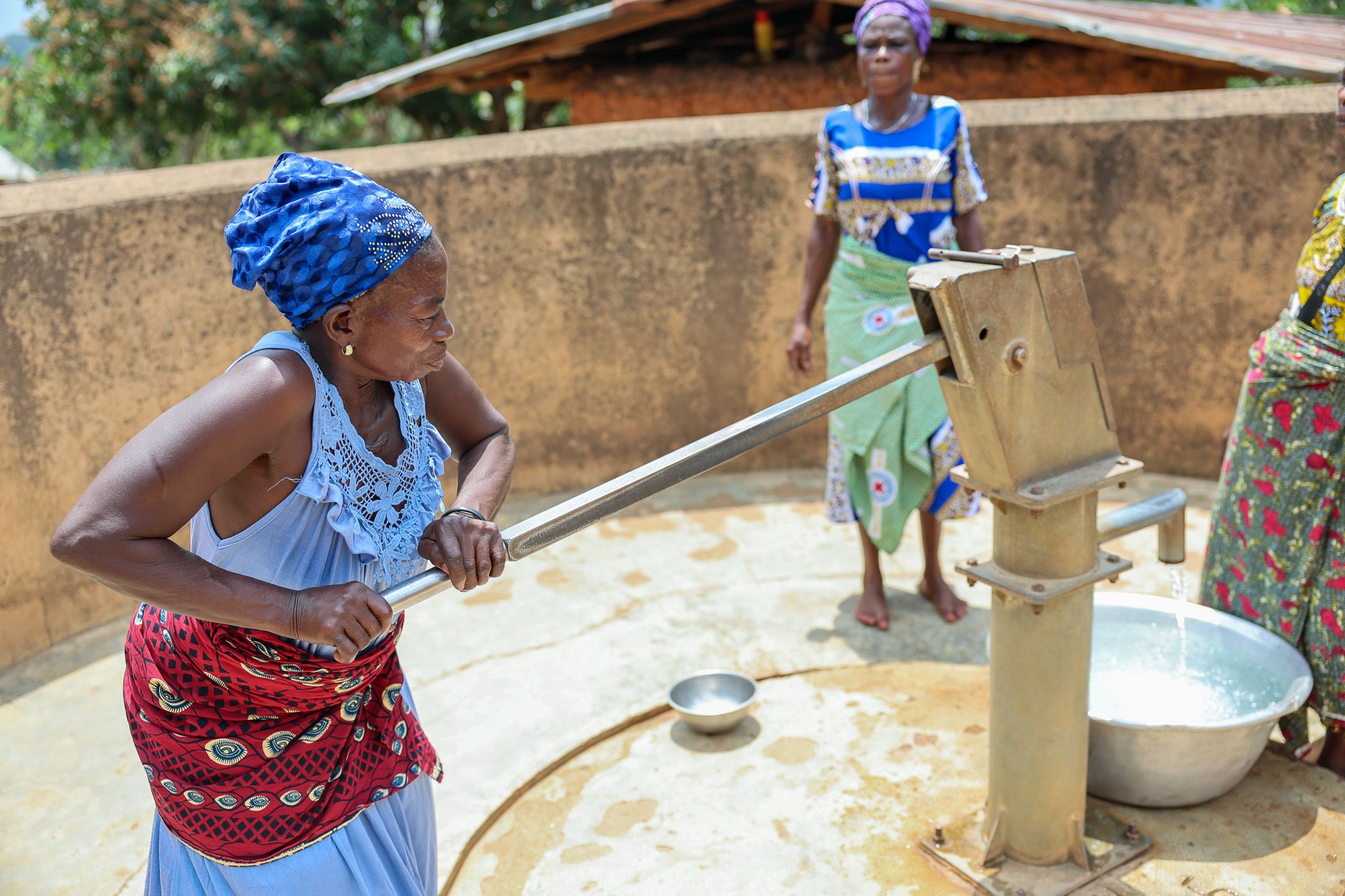
Today, however, Lonfoloko tells a story of hope and collective action. In 2016, a hand-pumped borehole was constructed by the Government of Togo financed by the Islamic Development Bank.
Now, this durable source of fresh water is managed by the community itself, with leadership from volunteers of the Togolese Red Cross and the active involvement of the Mothers Club.
How it works:
In short, each household pays 25 West African Francs (CFA) — the equivalent of around CHF 0.03445 — for 25 litres of water. That money helps keep the pumps going as the money is used to maintain the pump.
The funds are collected by the Red Cross's Mothers Club volunteers and the maintenance is managed by a local water committee, which also includes Mothers Club members.
In this way, the women are not only users, they are leaders, mobilizers and decision-makers in water governance.
Through its Mothers' Club volunteers, the Togolese Red Cross also carries out community outreach in local areas to promote good hygiene and sanitation practices.
Togo Red Cross volunteers also manage a community feedback mechanism that gives community members an opportunity to provide their perspectives on how the project is going and how it can be improved. The IFRC, meanwhile, provides technical support and capacity building to the Red Cross staff and volunteers.
Part of a larger strategy
The Lonfoloko project is part of a larger initiative that aims to improve quality of life in Togo by helping to reduce waterborne diseases and by supporting the government’s strategy to reduce poverty among vulnerable populations.
This strategy aims to improve access to safe, adequate, and sustainable water sources as well as sanitation and hygiene services. It also promotes positive hygiene practices, specifically in urban and peri-urban areas of four prefectures (Bas-Mono, Kpele, Akebou, and Mo).
To date, more than 40,000 people have been reached by the 300 volunteers trained to engage in the project. As a result of these efforts, Mothers Club president Abalo Enyonam says diarrheal diseases have been drastically reduced in her community.

Ownership and pride
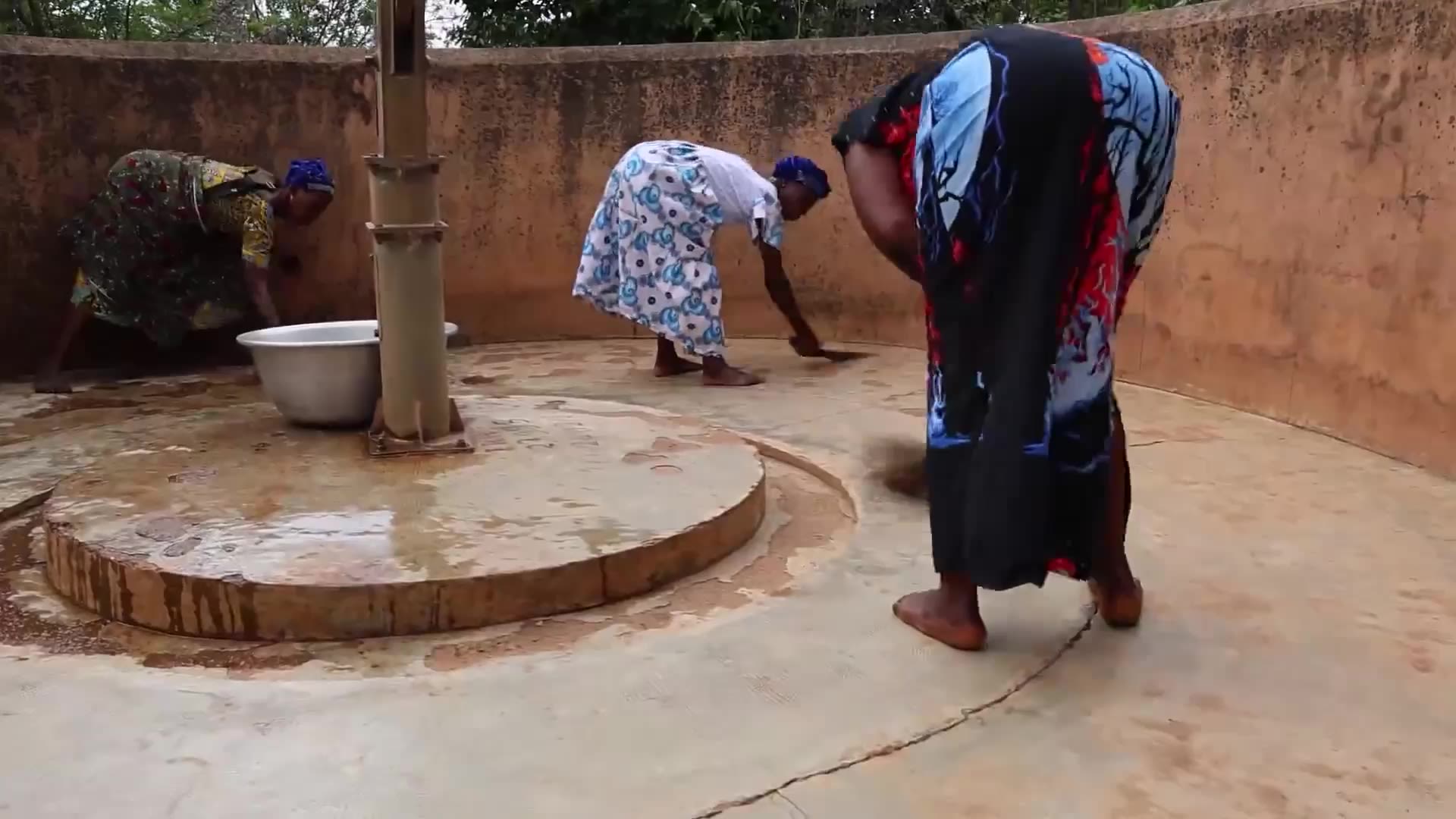
Every Wednesday, members of the Mothers Club gather to sweep and wash the water point, a simple but powerful act of ownership and pride.
Through this shared responsibility, the community has not only protected its water source but also lifted a heavy burden from the shoulders of its women.

A journey to health
Lonfoloko’s journey shows what is possible when communities come together and when women are placed at the center of solutions.
Access to clean water strengthens health, restores dignity, and advances equality. It helps rebalance a scale that has long weighed heavily against women and girls.

'They don't have to suffer'
When we ensure safe water for all, we do more than improve public health, we create space for women to thrive. And when women thrive, entire communities rise with them.

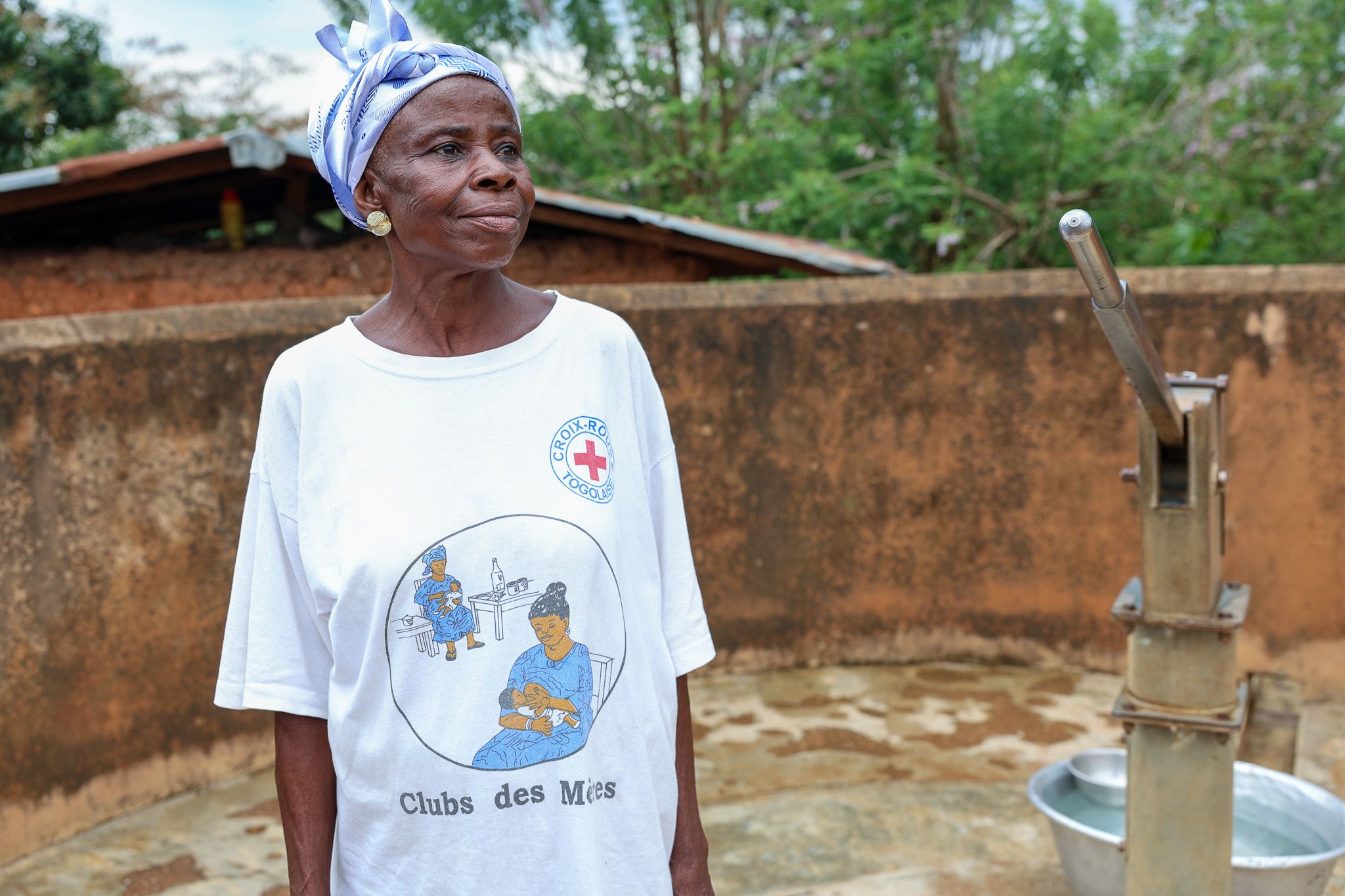
The results are remarkable, says Abalo Enyoname, president of the local Club des Mères or Mothers Club in Lonfoloko village.
“We do not experience water borne illnesses anymore and the women now have more time to themselves because they don’t have to suffer to collect water any longer,” she says.

Read more World Water Day stories:
Learn more:
The IFRC approach to water, sanitation and hygiene
Learn more about IFRC and water:
IFRC's approach to water, sanitation and hygiene (WASH)
More resources about water, sanitation and hygiene at the IFRC
Credits
Story and photos by Aduratomi Bolade
IFRC Senior Officer, communications
 Built with Shorthand