
The Cuban Red Cross brings water, healthcare, and support to communities affected by Hurricane Melissa
Five women tell us how the Cuban Red Cross’s assistance has restored their joy, peace of mind, and sense of security.

Water is the most basic resource for human survival.
However, when a hurricane strikes, water shows its two sides: on the one hand, it is a destructive force that can devastate entire communities; on the other hand, it is a vital resource that is key to ensuring health once the storm has passed.
For women, both an excess and a shortage of water can exacerbate inequalities and increase risks. Globally, women are responsible for collecting water in seven out of ten rural households facing shortages.

Even before Hurricane Melissa hit, the water supply in municipalities such as San Luis in Santiago de Cuba was already placing an unfair burden on women.
With supply cycles exceeding 160 days, searching for water became an exhausting daily routine for women such as Ariana García Díaz, a San Luis resident, who describes the situation before the storm:
“The water situation was truly critical. We hadn’t had running water in the community for almost five months, so we had to carry water from a well quite a distance away.”
This physical effort, combined with caring for children and the elderly, put women under greater pressure and made them more vulnerable.
On World Water Day, we recognise the work of the Cuban Red Cross and the IFRC in facilitating access to water for Ariana and many other women in the aftermath of Hurricane Melissa in late October 2025.

When water becomes a threat: mosquitoes and flooding
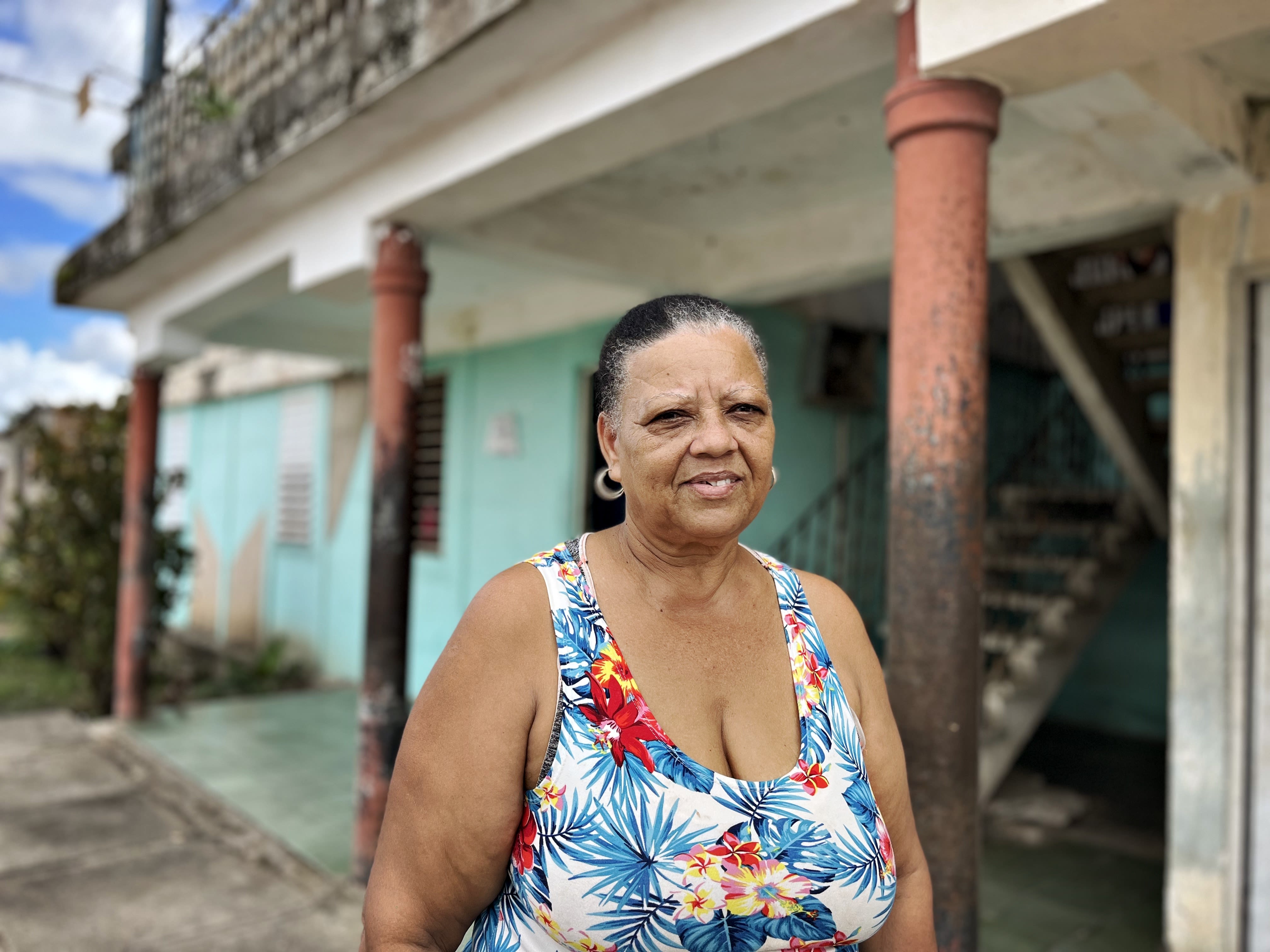
For many families, the disaster began days after the clouds had cleared. Mirta Valdivia Suárez, a resident of Granma and mother of four children, recounts how water became her enemy:
"Three days after the hurricane had passed, on Thursday morning, we were warned to keep an eye on the rising rivers and that evacuations were going to begin because the dams couldn’t hold back that much water."
"Early on Friday morning, a surge of water burst the walls of the shrimp farm, and that’s when the water started flooding in. By 4:00 a.m., the water had reached the houses, and those of us who hadn’t been able to evacuate were calling for help."
"My house was one of the first to be flooded because that’s where the water burst through. It washed away parts of the walls and tore apart parts of the roof."

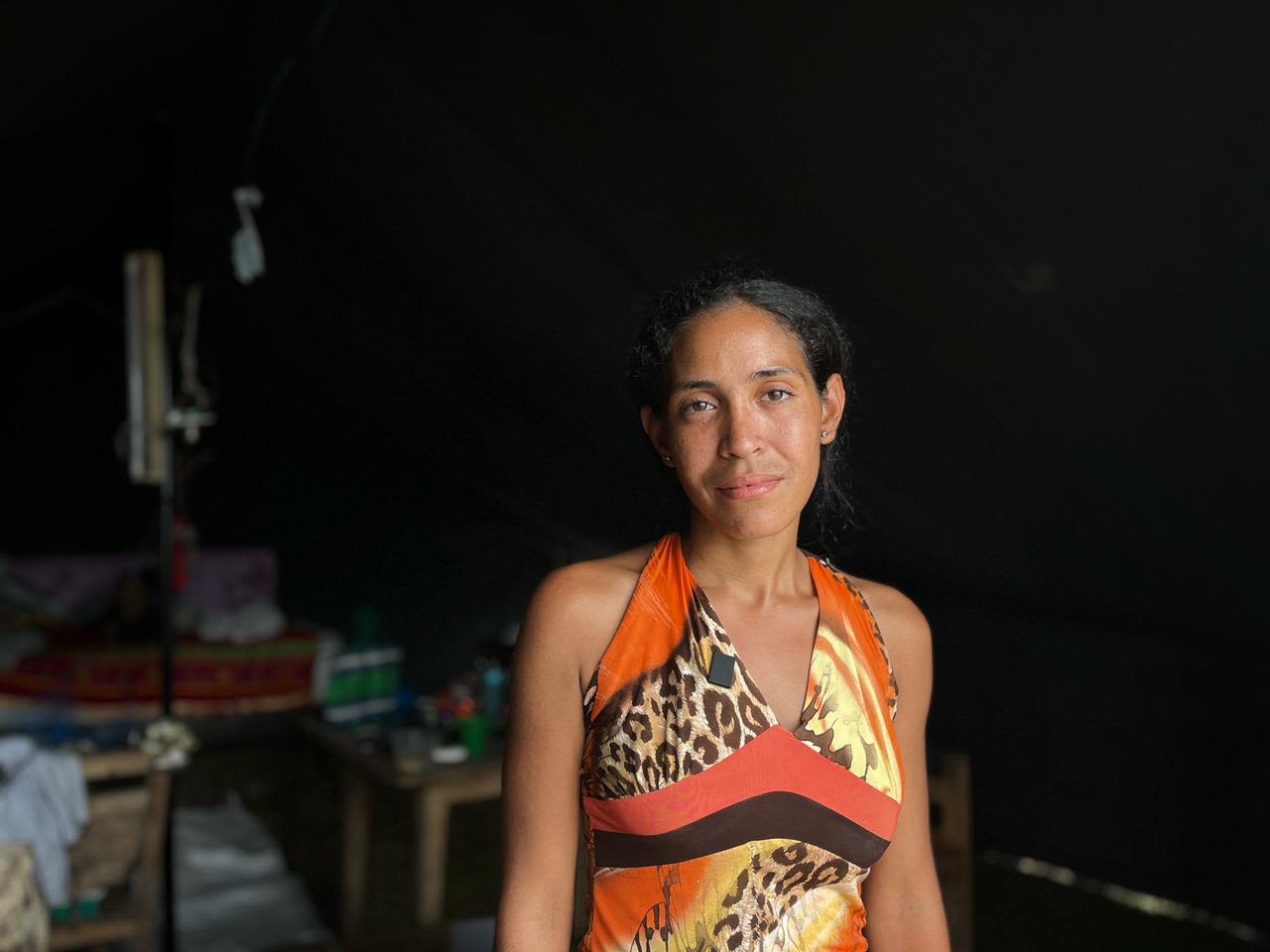
Stagnant water and the collapse of drainage systems exacerbated the epidemic that the country was already experiencing before Melissa struck. By mid-December 2025, there had been more than 43,000 cases of arboviral diseases (Dengue, Zika and Chikungunya). More than 30,000 people required hospitalisation.
Berta González, a local fisherwoman whose home was reduced to rubble, describes the impact of diseases linked to standing water after the hurricane:
"The hurricane has left behind many epidemics and insects, mainly mosquitoes and sand flies, which don't let you rest day or night — you can barely sleep."
"Many people are sick. I know people whose legs have been badly affected. They can’t move their hands or walk, and they lose their sense of taste and smell."

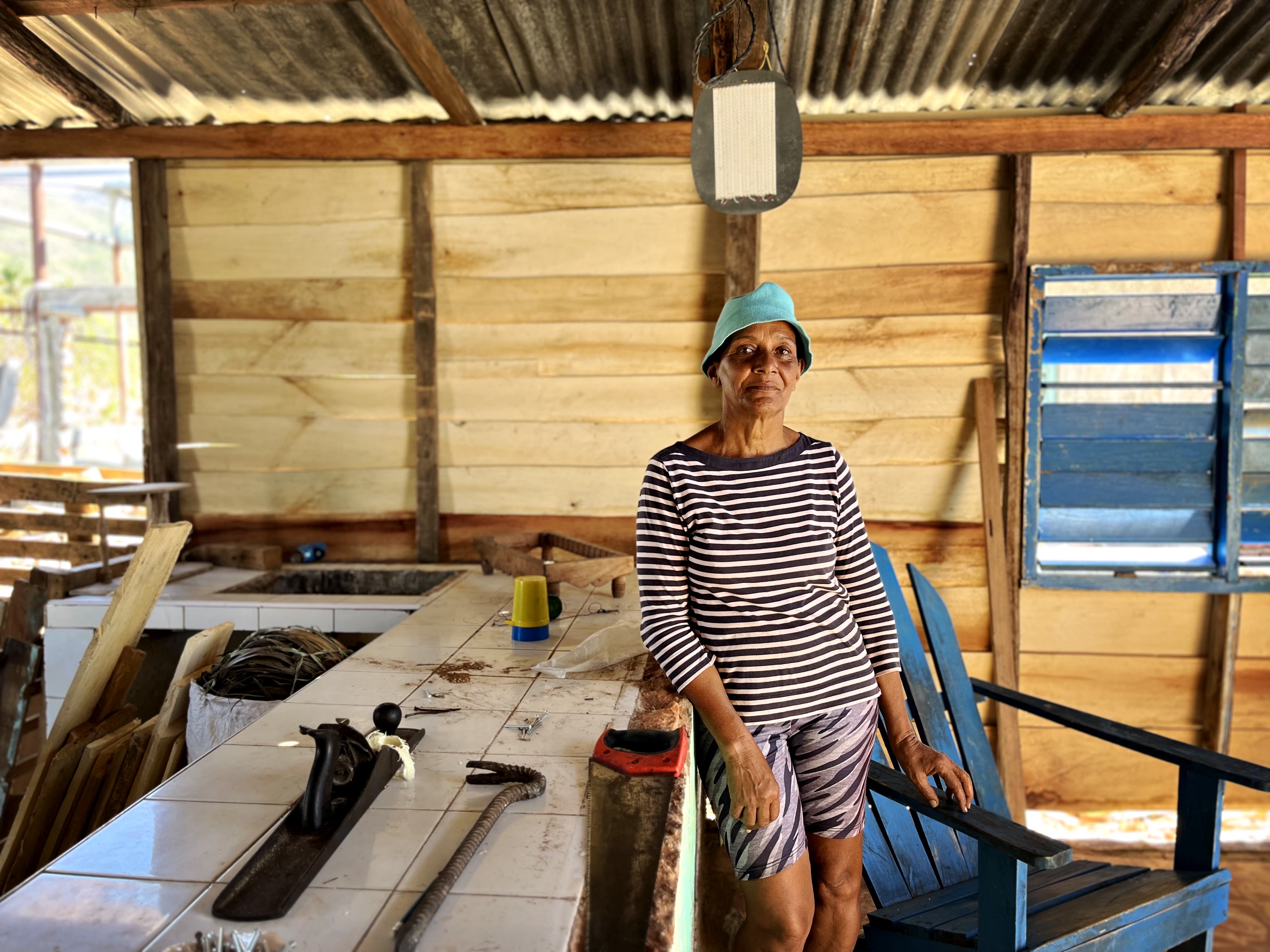
The response to Hurricane Melissa has been a complex operation for the Cuban Red Cross due to the convergence of disasters and power shortages.
Nevertheless, they have been doing everything in their power since before the hurricane made landfall. Their network of over 39,000 trained volunteers was the first to reach remote areas.
To support their efforts, the IFRC launched an Emergency Appeal to raise 18 million Swiss francs (USD 18 million), which will help the Cuban Red Cross assist 100,000 people affected by Hurricane Melissa and the arbovirus outbreak.
Between November 2025 and January 2026, 5,000 people received humanitarian assistance in the form of mosquito nets, sleeping blankets, hygiene and kitchen items, solar lamps and tools to rebuild their homes.
Cuban Red Cross teams have helped to rehabilitate 22 of the 97 water pumping stations that were damaged. Priority has been given to those linked to healthcare and productive activities.

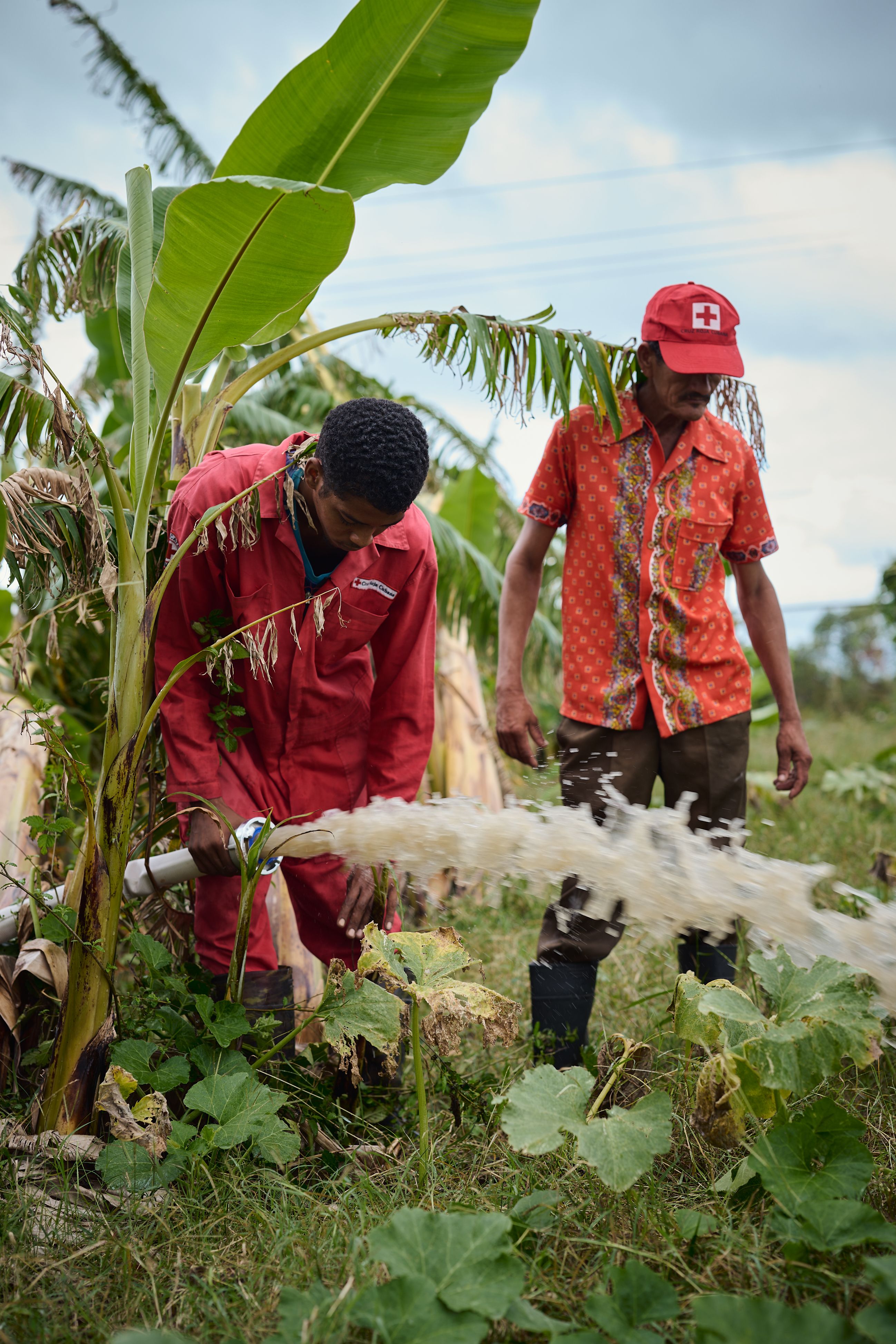
The San Luis water treatment plant: a breath of relief for the community
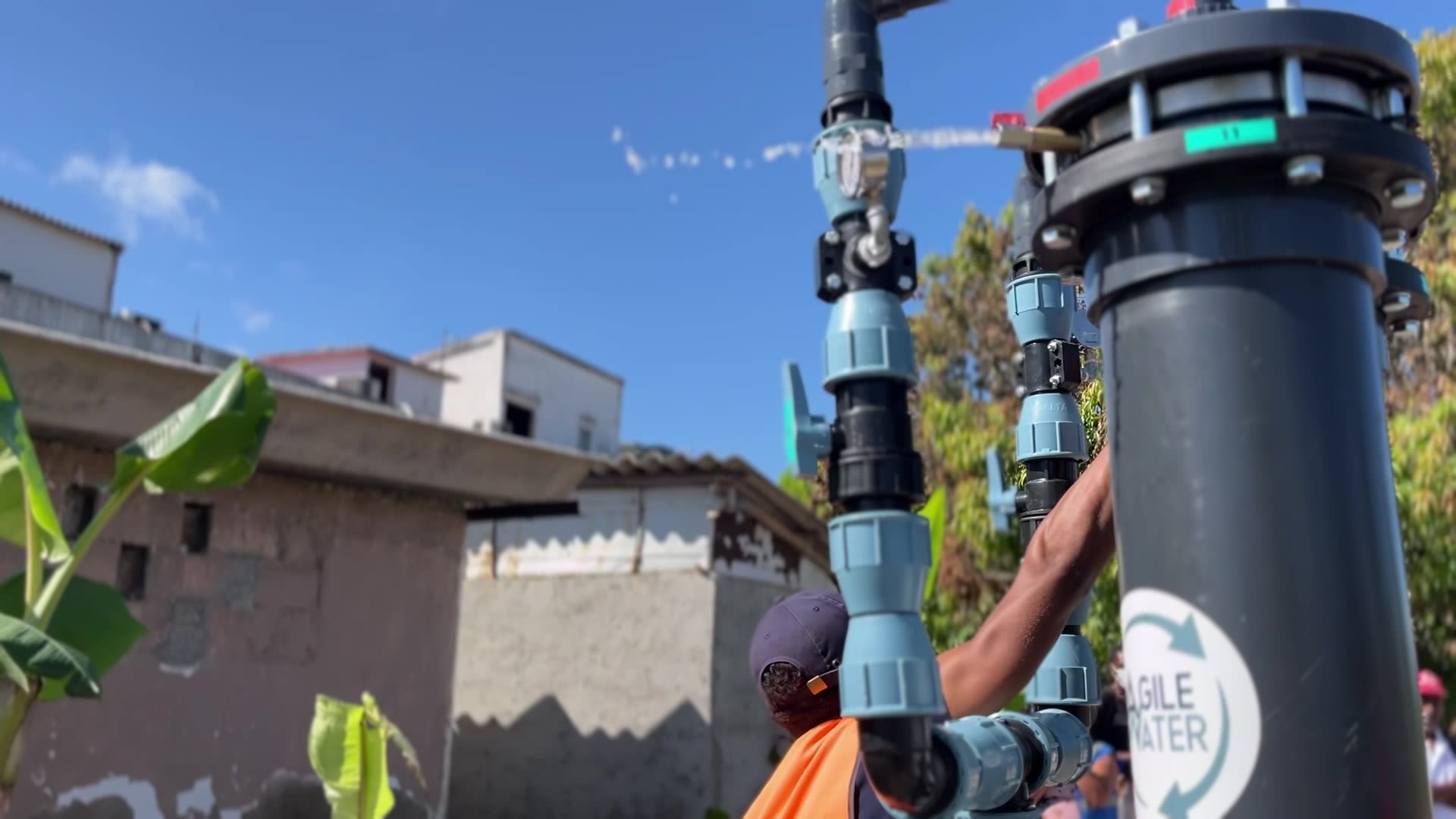
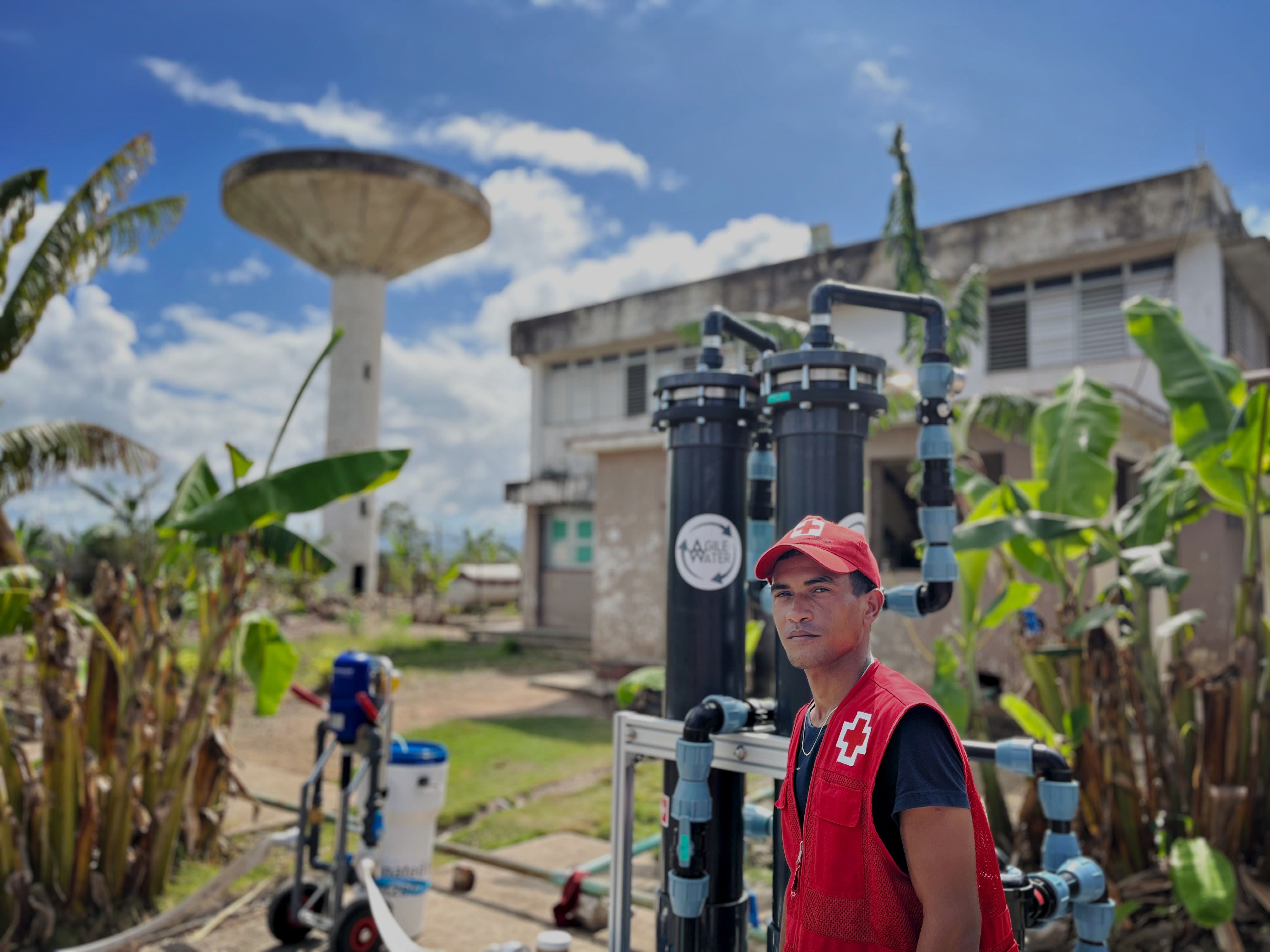
A key milestone in this response was the installation of a water treatment plant at San Luis Hospital in Santiago de Cuba. Thanks to technical and financial support from the Swiss government and the Swiss Red Cross, this plant has been able to supply drinking water to 3,521 patients.
Before this intervention, the situation was desperate. Ariadna Peña Calderín, director of San Luis Municipal General Hospital, explains the radical change:
"The water treatment plant has had a huge impact because we can now distribute clean water to the various departments of our hospital, which uses around 700 m³ per day.' Water is essential in tackling the arbovirus outbreak and preventing cholera. I am very grateful for the collaboration between the Swiss government, the municipality and the Red Cross."
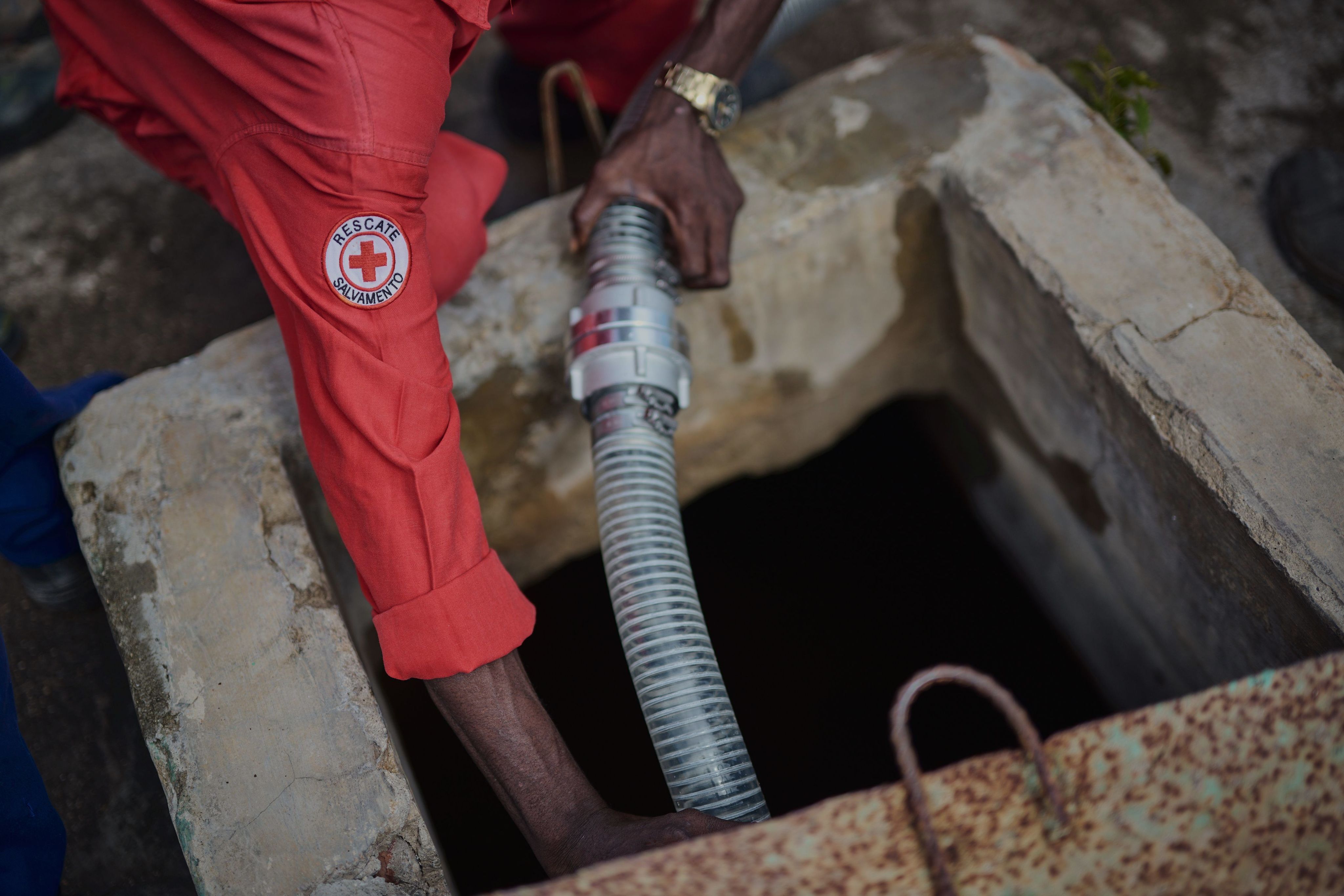
Additionally, the Cuban Red Cross has installed 5,000- and 10,000-litre storage tanks in 11 communities and has distributed 3.3 million litres of water, enough to meet the basic weekly needs of 30,000 people.
For the women of San Luis, access to the plant has meant an end to walking for miles with heavy buckets.

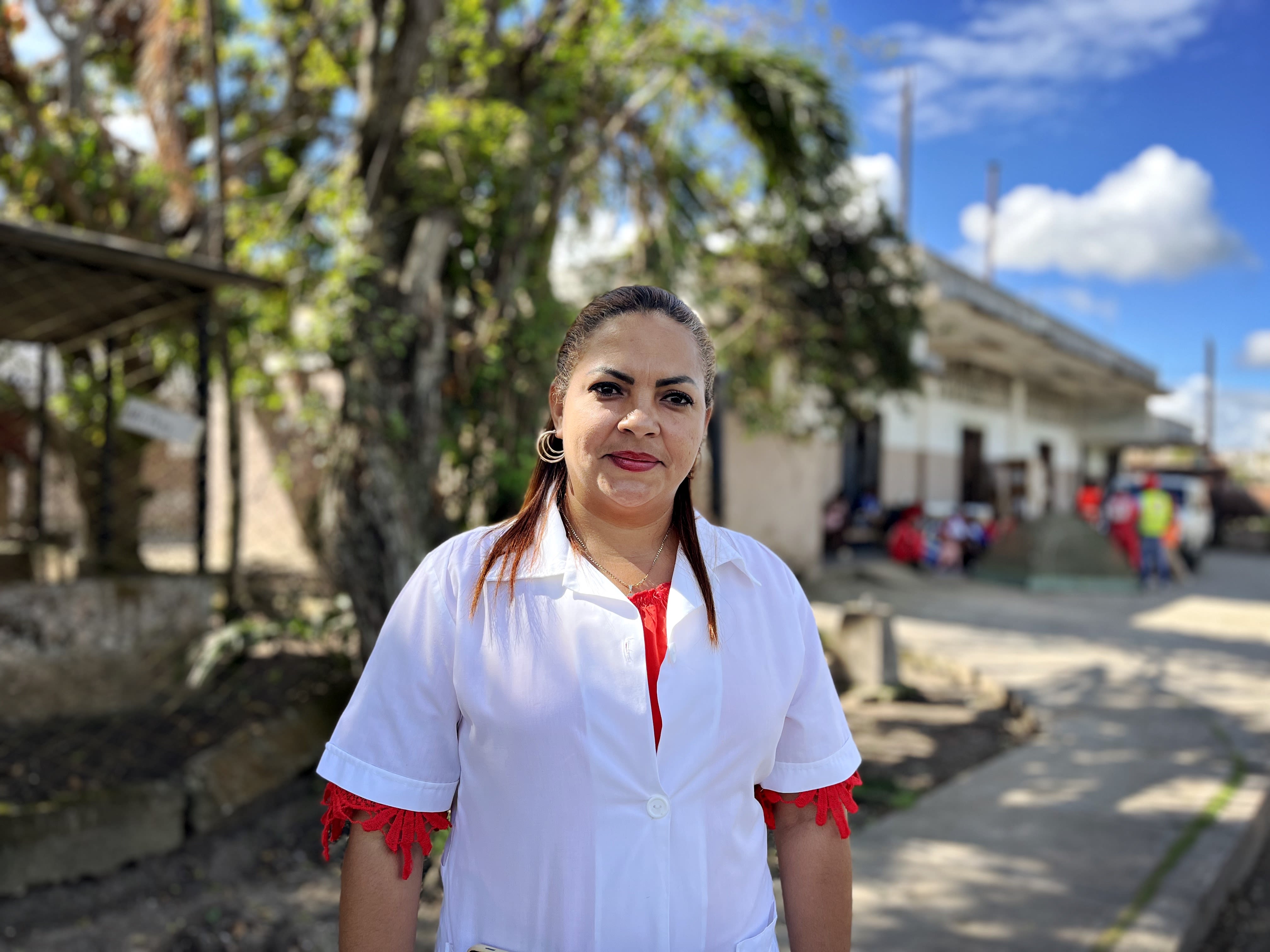
The impact of comprehensive assistance on daily life
Access to clean water and humanitarian aid items, such as mosquito nets, can significantly improve people’s mental health, particularly for women who often take on the responsibility of managing the household during times of crisis.
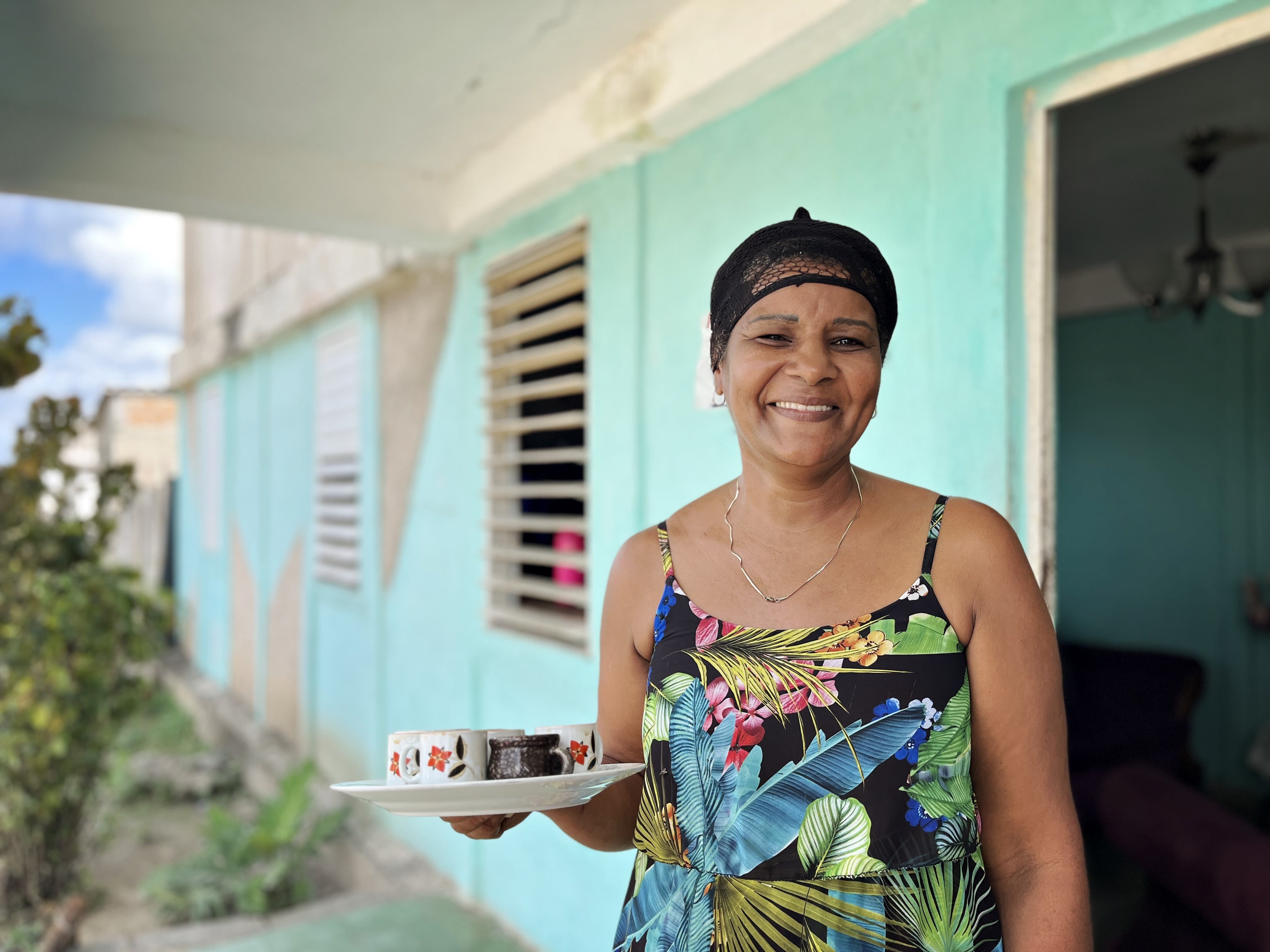
The anxiety of being unable to clean the home or provide water for the family causes constant stress. This is why the arrival of water in the yard was met with such emotion. Zuleidy López Velásquez describes this with powerful simplicity:
"I feel good because we don't have to walk so far to collect water. It's practically in the yard."
"Water is one of the most important things you must have. Without it, you can’t do any household chores."
This joy is the result of a humanitarian operation that recognises the importance of water for a full and safe life.
Having clean water nearby enables women to regain time for themselves, their economic recovery and their mental health.

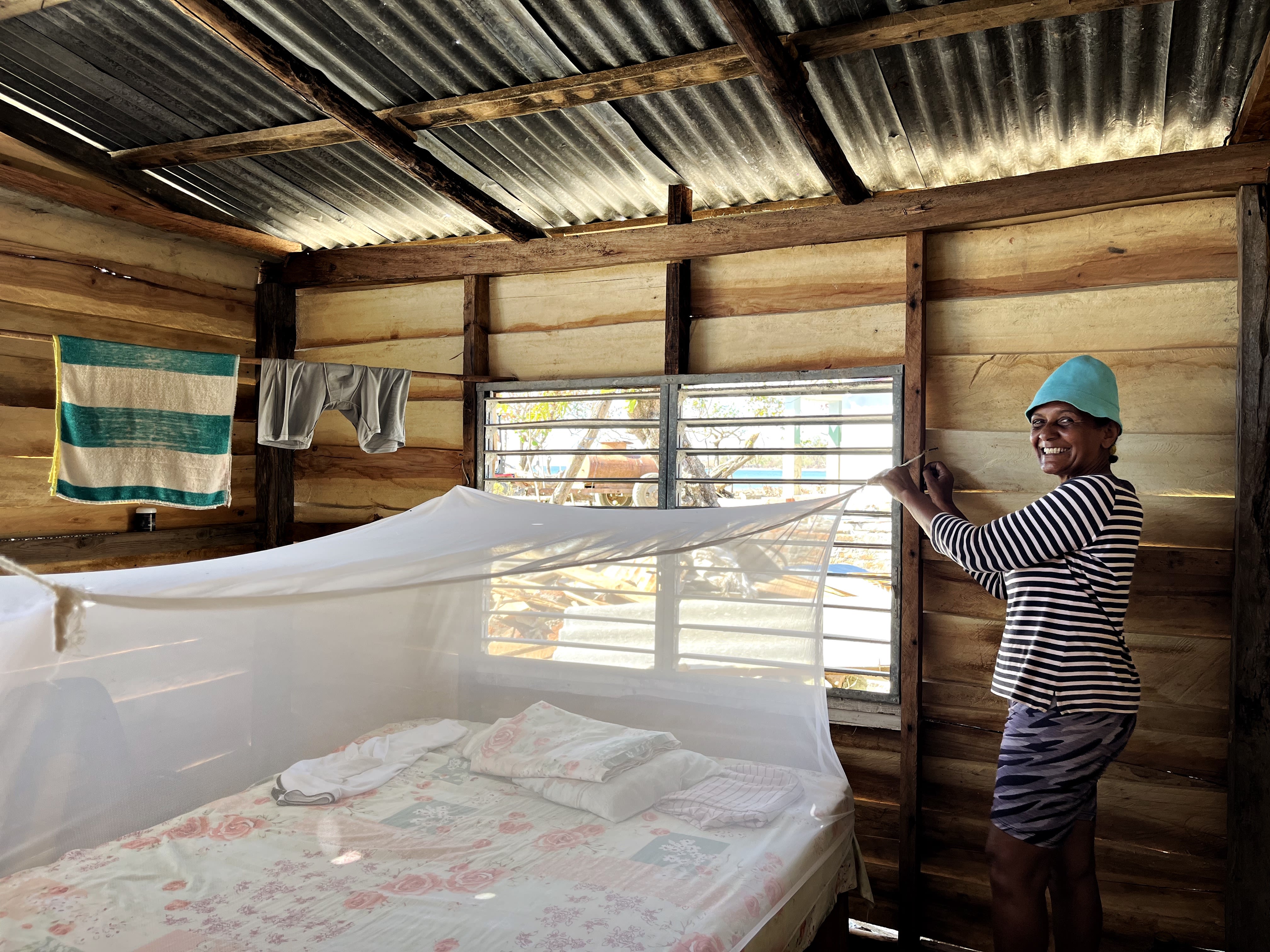
Similarly, distributing mosquito nets and solar lamps has enabled families to enjoy a good night’s sleep. In the context of prolonged nationwide blackouts, a solar lamp provides more than just light; it ensures safety.
For Berta, the mosquito net finally allowed her to sleep at night without fear of disease.
"After having a bath and eating, we go to bed and sleep soundly because the mosquitoes no longer bite or bother us or transmit diseases."
Psychosocial support and community health promotion are integrated throughout the response. The Cuban Red Cross has provided psychological first aid and psychosocial support to over 500 people in 35 evacuation centres, distribution points and remote communities.
These distributions are complemented by hygiene promotion, disease prevention messages, and mental health interventions that are tailored to the post-hurricane context.

Energy constraints threaten continuity
The response is under threat due to fuel and energy shortages, which are exacerbating existing humanitarian needs and affecting waste collection, health service continuity, and supply chains.
The Cuban Red Cross and the IFRC's strategy aims to repair damage, ensure the continuity of humanitarian services, and prevent the population's needs from worsening.
Installing decentralised photovoltaic systems will mean that women in Santiago, Granma and Holguín will no longer have to rely on unavailable fuel. Solar energy will enable water treatment plants to continue operating, keep vaccines cold, and provide solar lamps to light the nights of reconstruction.
This approach aims to ensure that water purification and communications are not dependent on an unstable power grid or scarce fuels.

A call for international solidarity
Although thousands of people have received assistance with basic necessities and access to clean water, the Emergency Appeal is only 28% funded. The Red Cross aims to help the remaining 95,000 people, and this support depends on international solidarity.
On World Water Day, Cuba's experience serves as a reminder that access to clean water is the first step towards recovery from any disaster. Rebuilding the lives of Ariana, Mirta, Berta, Zuleidy and thousands more cannot wait.
As Berta sums up from her home under construction:
"I am a strong woman. With the help of the Red Cross and all of you who want to help us, we will move forward and succeed."
 Built with Shorthand

