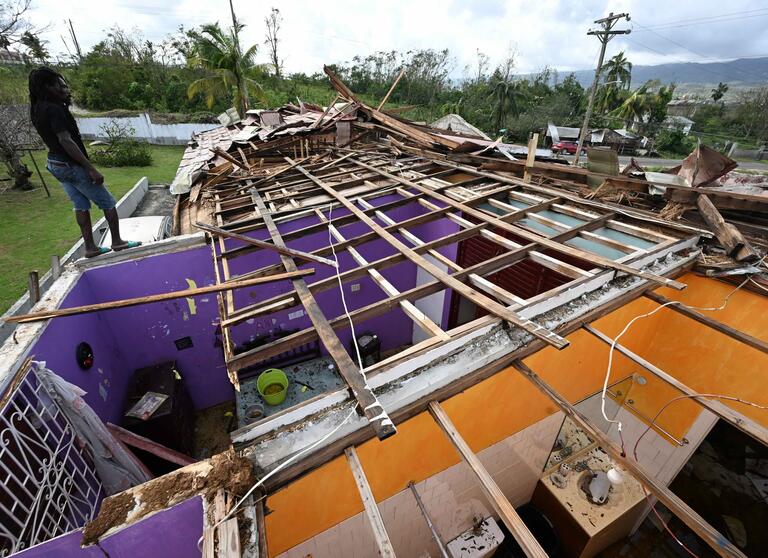

Torrential rain and intense winds from Hurricane Melissa threaten hundreds of thousands of people in the central Caribbean. The National Red Cross Societies in Cuba, Haiti, Jamaica and the Dominican Republic are fully operational, providing support to the communities most at risk in the form of preparedness and early response measures.
In Cuba, the Cuban Red Cross is helping with preventive evacuations, offering psychosocial support, and helping families to get back in touch with each other.
Psychological support in the face of a hurricane threat is essential for effective disaster management. It helps the population move from paralyzing fear to active preparedness and a resilient mindset, saving lives and promoting better long-term psychological recovery by providing a sense of calm, control, and human connection.
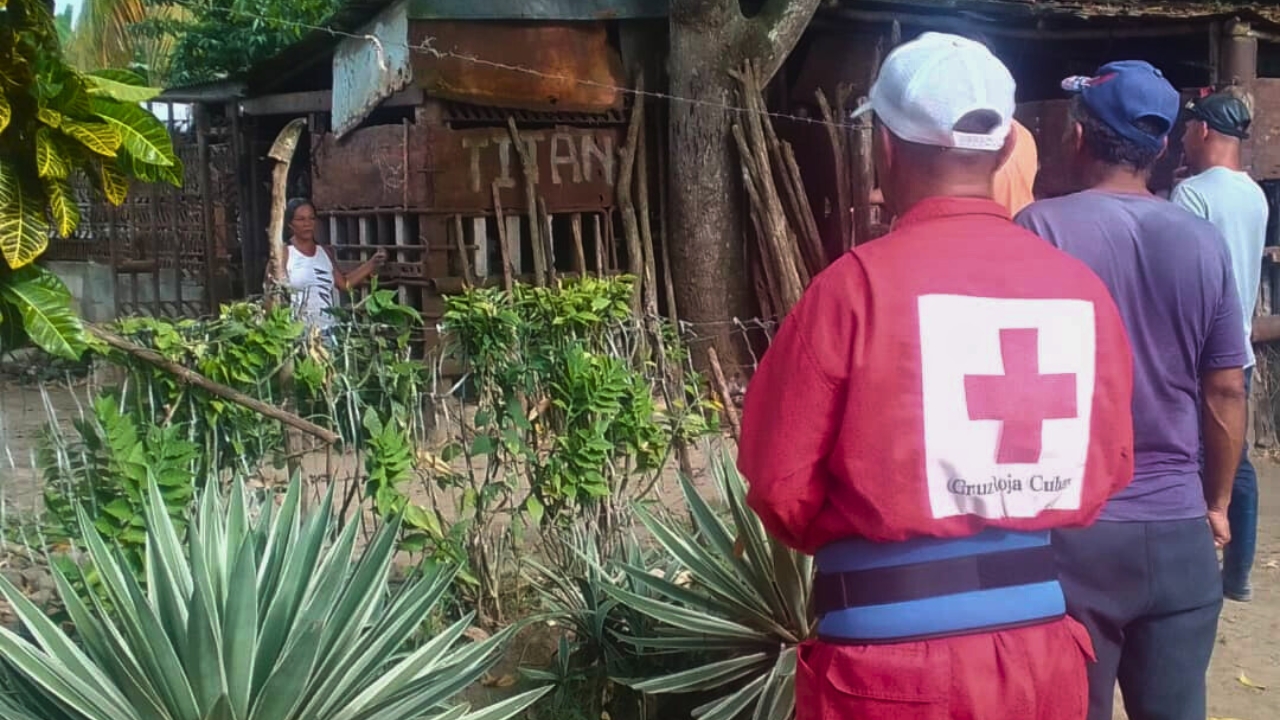
Ahead of the arrival of Hurricane Melissa, Cuban Red Cross volunteers are supporting communities most at risk.
Photo: Cuban Red Cross
'All hands on deck'
In Haiti, the Haitian Red Cross has activated the Jérémie Emergency Operations Centre and is coordinating preparedness measures with local authorities. Volunteers are disseminating preventive messages to inform families how to protect themselves in the event of an impact.
In Jamaica, where more than 165,000 people are at risk, the Disaster Response Emergency Fund (IFRC-DREF) has allocated 80,000 Swiss francs for anticipatory action, including pre-positioning vital supplies, preparing shelters, and strengthening community response capacity.
“Right now, we are in full operations mode," says Horace Glance, deputy operations manager for the Jamaican Red Cross. "All 13 branches and all staff have been activated since last Wednesday. It’s all-hands-on-deck, all systems go.”
“If the forecast holds true, and we do have a category 4 hurricane bearing down on us, it’s going to be a huge event for Jamaica,” Glance said in an interview with ABC News (see the full video below) on Sunday 26. “We’ve never had such a major hurricane coming across the island, making landfall and its eye passing over us.
“So the usual things such as landslides, as well as coastal, riveraine and urban flooding, would be expected but it’s going to be a lot more with an event this size in terms of the volume of water ... as well as more severe winds than we’ve ever experienced.”
In the Dominican Republic, volunteers from the San Pedro branch have carried out rescues and preventive evacuations in flood-affected communities, as well as helping to transfer patients from the local hospital to safer medical centres.
Preparation and early action are crucial in a region that is highly vulnerable to the effects of storms and hurricanes. The rapid intensification of these phenomena, exacerbated by climate change, reduces reaction time and increases the risk of human and material losses.
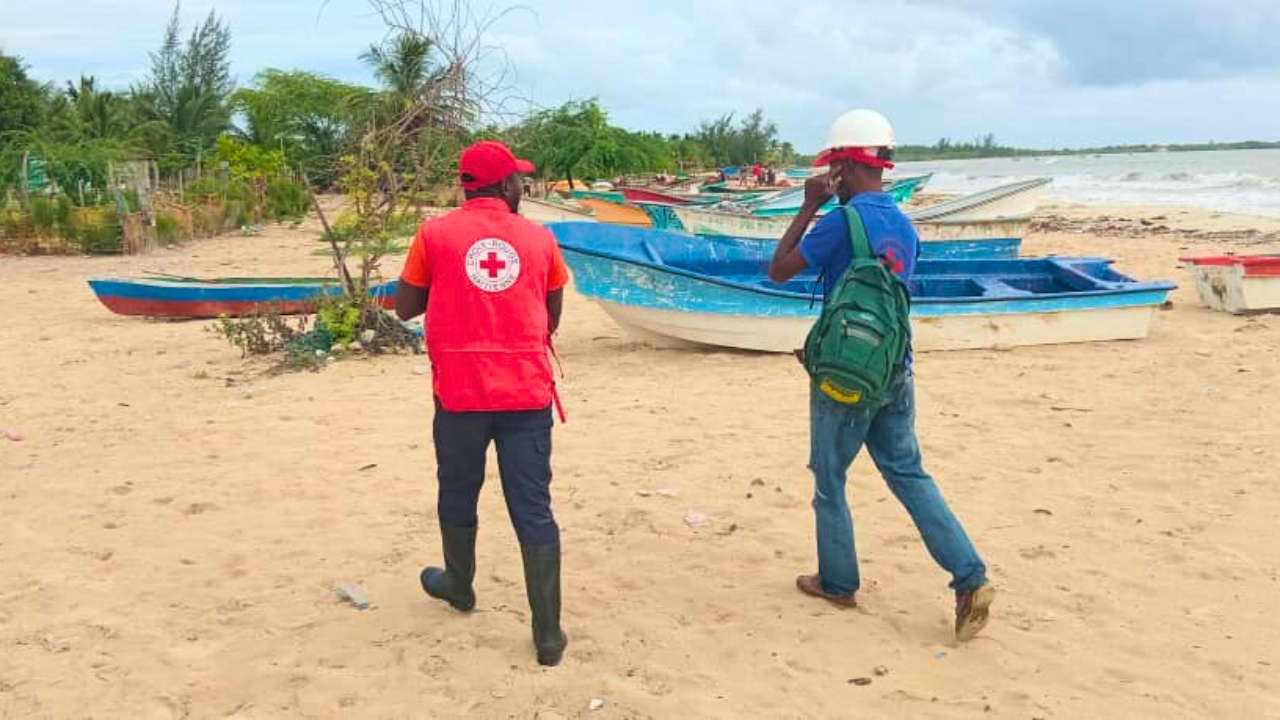
In Haiti, Red Cross volunteers are spreading preventative messages within communities to mitigate the impact of Hurricane Melissa.
Photo: Haiti Red Cross
While climate change and climate-related disasters and hazards can affect anyone, their effects are not felt equally by all. In North America, Central America and the Caribbean, it is the most vulnerable groups — women, children, displaced people, indigenous communities and those affected by violence, poverty and discrimination — who are at the greatest risk from hurricanes and storms.
This is why the IFRC and its network of National Societies work to take action before disasters strike, combining weather forecasts with risk analysis, strengthening early warning systems and positioning humanitarian aid in strategic locations.
In response to the 2025 hurricane season and beyond, the Red Cross network is continuing to strengthen community resilience in over 28 countries by integrating science, local knowledge, and solidarity to protect communities from the growing risks posed by climate change.