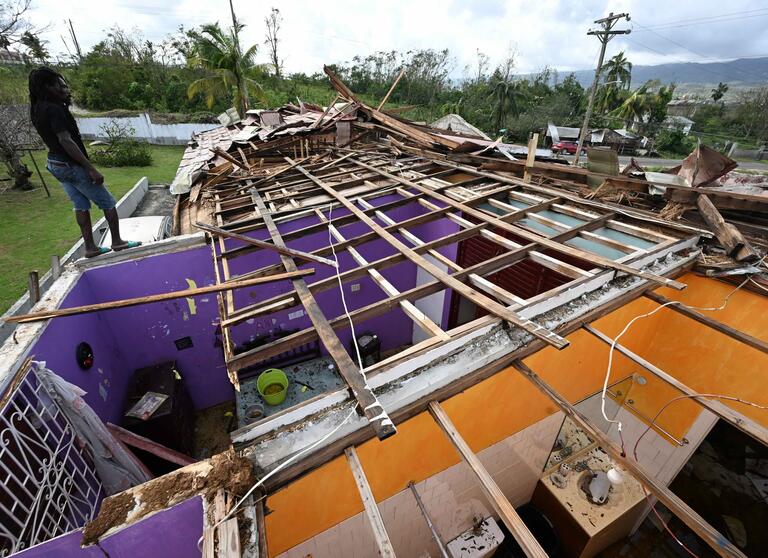
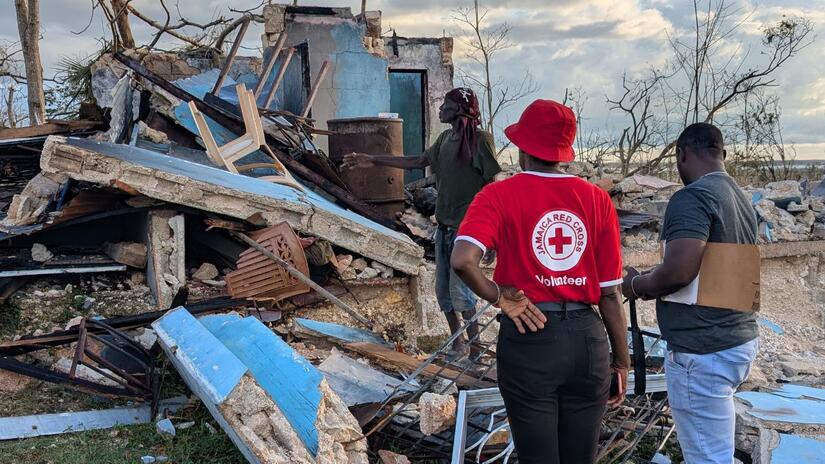
For the people who lived through Hurricane Melissa, it was a storm like no other they had ever experienced.
Melissa made landfall in southwestern Jamaica on 28 October as a Category 5 hurricane, with winds exceeding 160 mph, making it the most severe storm to hit the island in known history. Then, it moved eastward towards Cuba, where it struck twelve hours later as a Category 3 hurricane.
Fortunately, the severity of the hurricane was not entirely unexpected. Thanks to forecasts, the Red Cross network in the region had already begun preparing for the storm.
A week before landfall, when the first weather forecasts showed the formation of Hurricane Melissa and its possible paths in the central Caribbean, the Red Cross was already active, coordinating with local groups and agencies, warning the communities and helping them prepare, and placing critical supplies in places where they were likely to be needed most.
Local Red Cross teams in Cuba, Jamaica, the Dominican Republic and Haiti, activated their contingency plans and began preparing communities for what would become one of the most powerful hurricanes ever recorded in the Atlantic.
The damage in Jamaica was devastating.
The government estimates that losses amount to around 30 percent of the national GDP. Flooding destroyed roads and damaged crops, leaving more than 70 percent of the population without electricity. Around 7,200 people sought shelter in the 881 shelters that were opened across the country, eight of which are still being managed by the Jamaican Red Cross.
“It was very traumatic. I lost my storeroom, my shed down there, and the water in the gully was rising. When I peeped through the window and saw the kind of breeze along with the rain, it was very traumatic,” says Mr. Lawrence, Doctor, former Emergency Chair for the Red Cross St Elizabeth branch. “As you can see, all my fruit trees have died. The fish that I feed every morning they turned over, they all swam away.”
In Cuba, winds of up to 195 km/h and heavy rainfall caused rivers to overflow and triggered landslides, interrupting basic services. It is estimated that 2.2 million people have been severely affected.
“We were not able to arrive to Santiago because the road is blocked by what is full of water,” said Nicolás Segura, IFRC’s Disaster Response Coordinator for the Latin Caribbean. “We were able to see a lot of damage, a lot of devastation, a lot of dead animals on the road and also a couple of road accidents and people trying to get to their houses, trying to recover everything.”
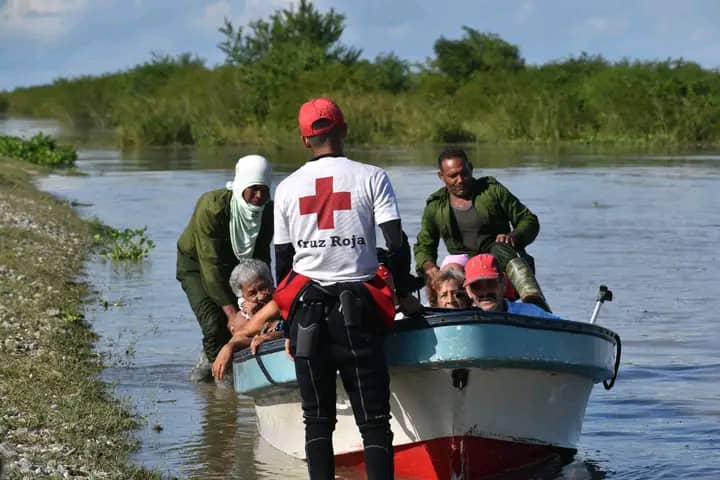
In Granma, Cuban Red Cross volunteers carry out search and rescue operations amid widespread destruction caused by Hurricane Melissa.
Photo: Cuban Red Cross
Anticipatory action saves lives
In Jamaica, the Red Cross launched preventive measures in eight high-risk parishes, supported by the IFRC’s Disaster Response Emergency Fund (IFRC-DREF). Volunteers visited at-risk communities to disseminate early warning messages, prepared shelters and distributed essential items..
Thanks to these measures, more than 300 people and five institutions received essential non-food items and preparedness support well before the storm made landfall.
Meanwhile, the Cuban Red Cross activated its contingency plan for hydrometeorological events, deploying staff and volunteers to vulnerable areas. They reinforced community communications, checked evacuation centres and pre-positioned humanitarian aid kits and rescue equipment in provinces such as Granma, Santiago de Cuba and Holguín.
This advance preparation meant that, when Melissa finally made landfall, both National Societies were ready to respond immediately without wasting any critical time.
From day one, teams on both islands have been working tirelessly.
The Jamaica Red Cross mobilised 400 volunteers and immediately distributed 750 blankets, 250 cleaning kits, 250 hygiene kits, 250 shelter tool kits and 500 tarpaulins. In Cuba, specialised brigades have supported evacuations, rescued over 500 people, and provided psychosocial support to families in crisis.
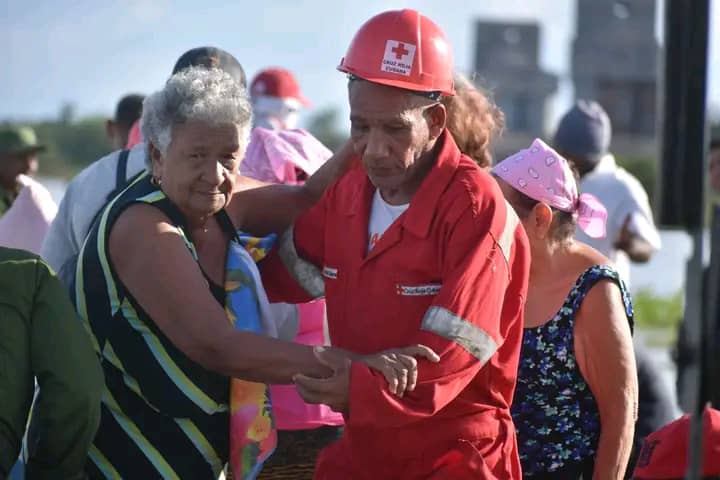
The Cuban Red Cross has supported preventive evacuations, search and rescue efforts, and rapid assessments. Volunteers have also provided psychosocial support and helped families reconnect with each other.
Photo: Cuban Red Cross
International appeals for recovery support
The scale of the disaster has prompted the International Federation of Red Cross and Red Crescent Societies (IFRC) to launch two emergency appeals to strengthen operations in both countries.
The emergency appeal in Jamaica aims to raise 19 million Swiss francs (US$23 million) to assist 180,000 people over the next two years. The operation will provide shelter, livelihoods, and cash assistance, helping families rebuild safely and recover with dignity.
Special attention will be given to single mothers, families with young children or older adults, and people with disabilities. All interventions will be guided by protection, gender inclusion and community engagement and accountability, ensuring that assistance is fair and transparent, and helping communities prepare for future climate crises.
In Cuba, the emergency appeal aims to raise CHF 15 million (USD 18 million) to support 100,000 people in the worst-affected provinces. The operation combines emergency relief, early recovery, and long-term resilience, helping families rebuild homes, restore safe water, and recover their health and livelihoods.
This two-year appeal invests in climate-resilient reconstruction. Families will receive roofing kits, tools, and training in safe, sustainable building techniques, along with solar-powered water systems to secure clean water even when power fails. The goal: help communities recover today and then have what they need to resist tomorrow’s storms.
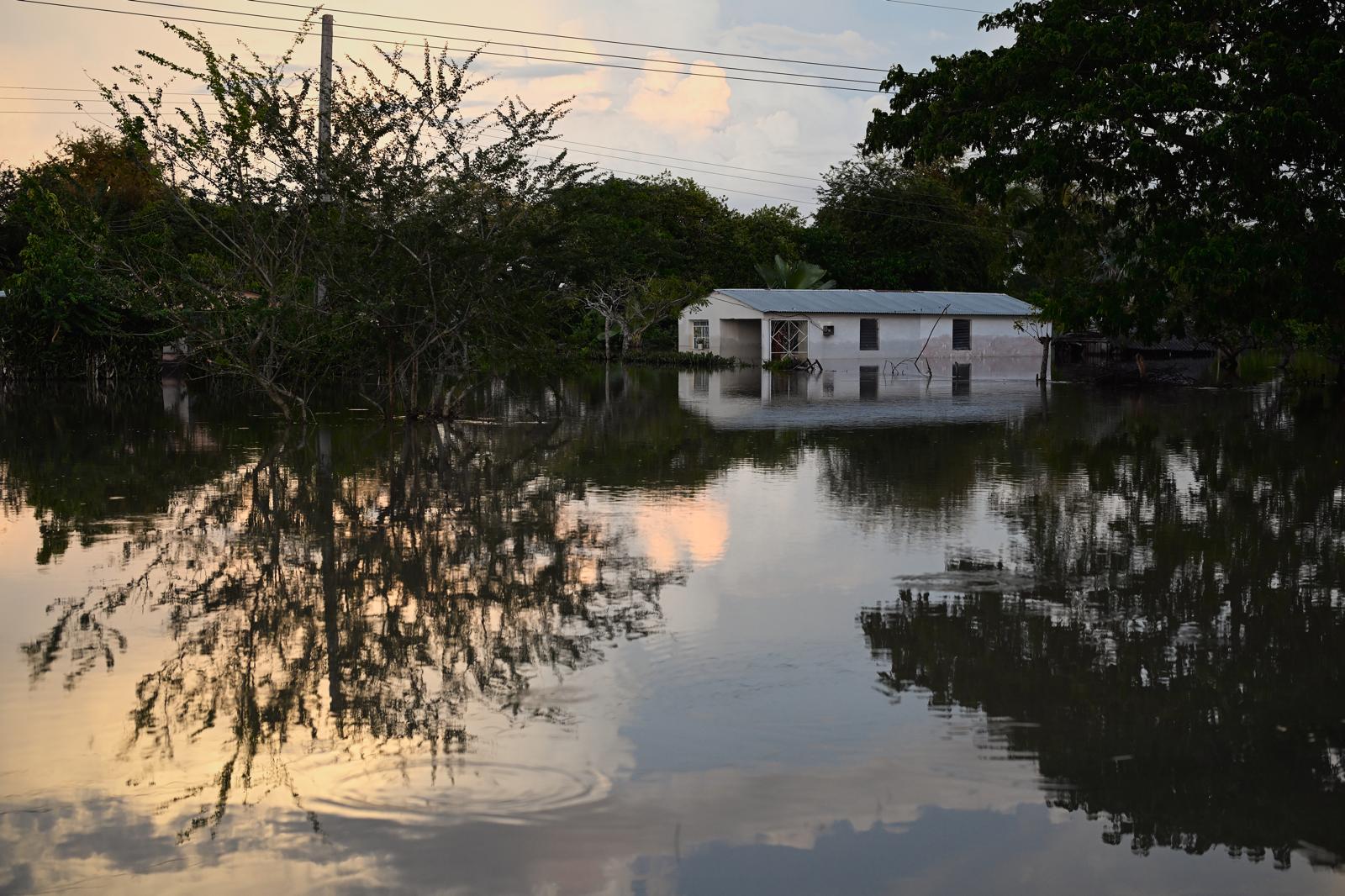
The Swiss Red Cross is deploying a specialized team that will install water purification plants and storage tanks to provide clean water for affected communities by Hurricane Melissa, as part of a bilateral cooperation between the Cuban Red Cross and the Swiss Embassy in Havana.
Photo: Swiss Red Cross / Cuban Red Cross
Active global network
In the seven days following the storm, the Red Cross's global network delivered over 180 tonnes of humanitarian supplies to the Caribbean. These included shelter kits, cleaning kits, kitchen sets, hygiene kits, jerry cans, buckets and blankets.
On Sunday, 2 November, an IFRC charter flight landed in Santiago de Cuba with the first 20 tons of humanitarian aid for those affected by Hurricane Melissa.
'We are in the warehouses where we have our 20-tonne load of humanitarian aid that arrived recently. Our objective is to check it and establish distribution guidelines', said Luis Enrique Calderón Rodríguez on 4 November. He is the Head of Operations and Rescue at the Cuban Red Cross. 'We have already verified that the loads are ready and that we can begin delivering to families today.'
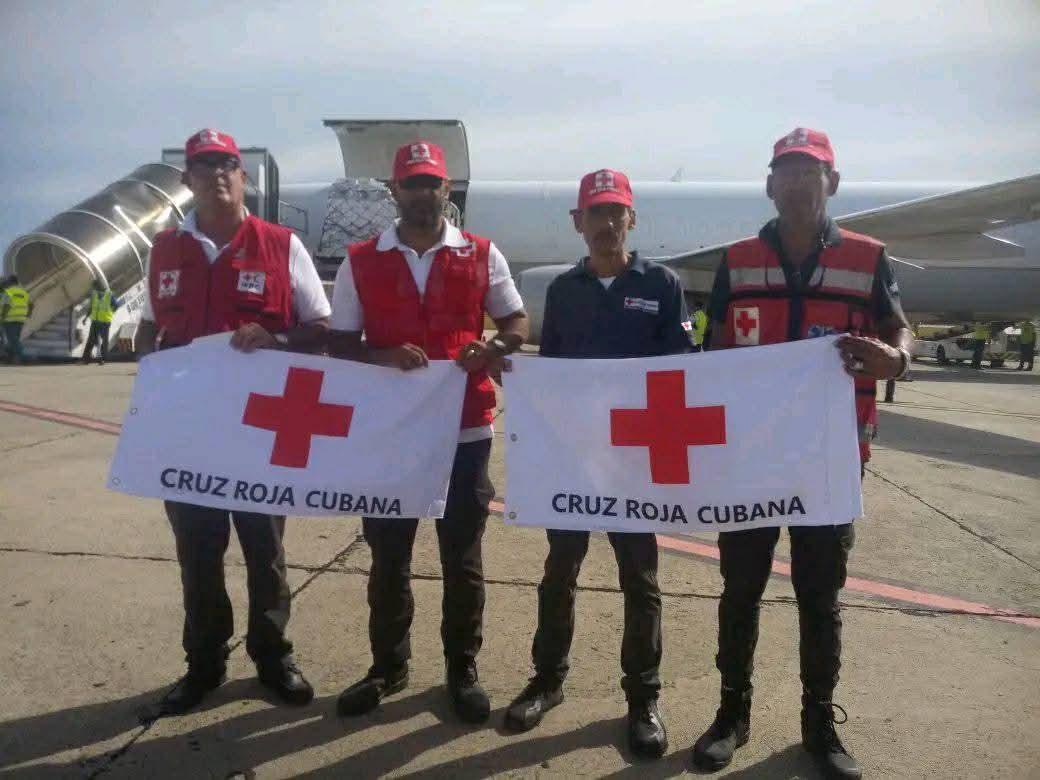
A charter flight from the IFRC landed in Santiago de Cuba on Sunday, November 2, with the first 20 tons of humanitarian aid for people affected by Hurricane Melissa.
Photo: Cuban Red Cross
This shipment enables the Cuban Red Cross to provide urgent humanitarian assistance to 1,500 people in the most affected areas, including kitchen kits, hygiene kits, bedding, blankets, mosquito nets, solar lamps, shelter tool kits and plastic sheeting.
In Jamaica, 160 tons of Red Cross humanitarian aid arrived in the seven days following Melissa's landfall. Shipments reinforce local distribution, enabling thousands of families to receive hygiene, cleaning, and cooking items in the early days of the emergency.
These actions were made possible by international solidarity. The Canadian Red Cross, the French Red Cross's Regional Intervention Platform of the Americas-Caribbean (PIRAC) and the IFRC's Regional Logistics Centre in Panama coordinated the shipment of supplies by air and sea to ensure aid reached those most in need quickly.
Volunteers from the Cuban and Jamaican Red Cross Societies, meanwhile, are still extremely busy throughout the region, carrying out damage and needs assessments, distributing emergency supplies, cleaning up and providing emotional support.
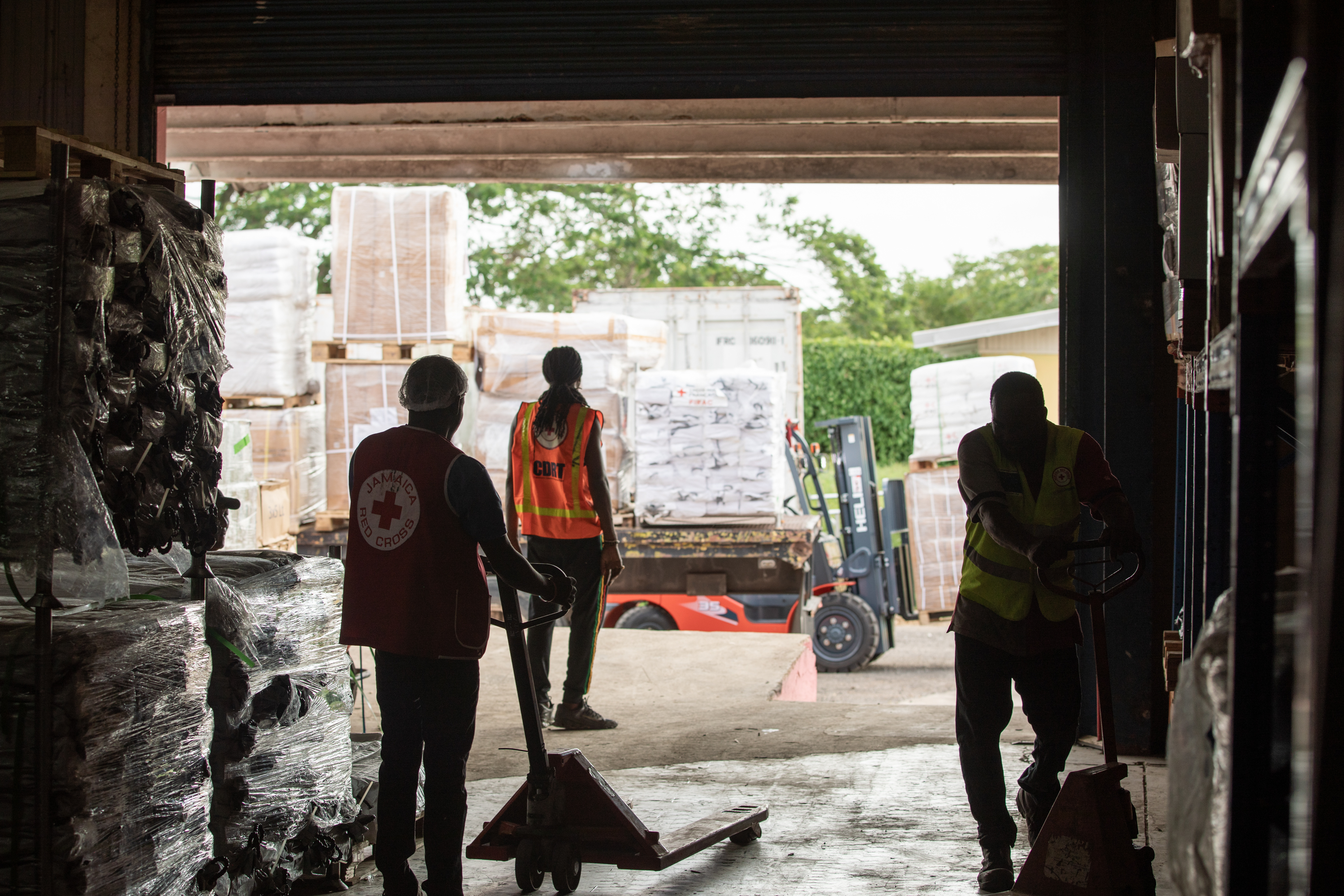
A shipment of 50 tons of humanitarian aid being unloaded into the warehouse at the Jamaica Red Cross Headquarters in Central Village, St Catherine.
Photo: Damien Fulton Naylor/IFRC
Helping people cope with shock and loss
Not all the support being provided comes in the form of physical goods or supplies.
There is a strong and widespread need for psychosocial support in the worst-affected communities, including among Red Cross members. Volunteers and staff have been working tirelessly for days. Some volunteers have seen their homes completely destroyed.
“We recognise that there is a very real and strong need for health services, medical care, and psychosocial support,” said Ruth Howard to BBC on October 31, Howard is the Deputy Public Relations Chair for the Jamaica Red Cross. “The psychosocial support is essential, because this has been one of the most traumatic events that many of our people have ever experienced in their lives,” she continued.
Yet they continue to support those most in need, demonstrating that Red Cross help begins in communities. Every kit delivered, every safe evacuation and every hug of support is made possible by these dedicated volunteers.
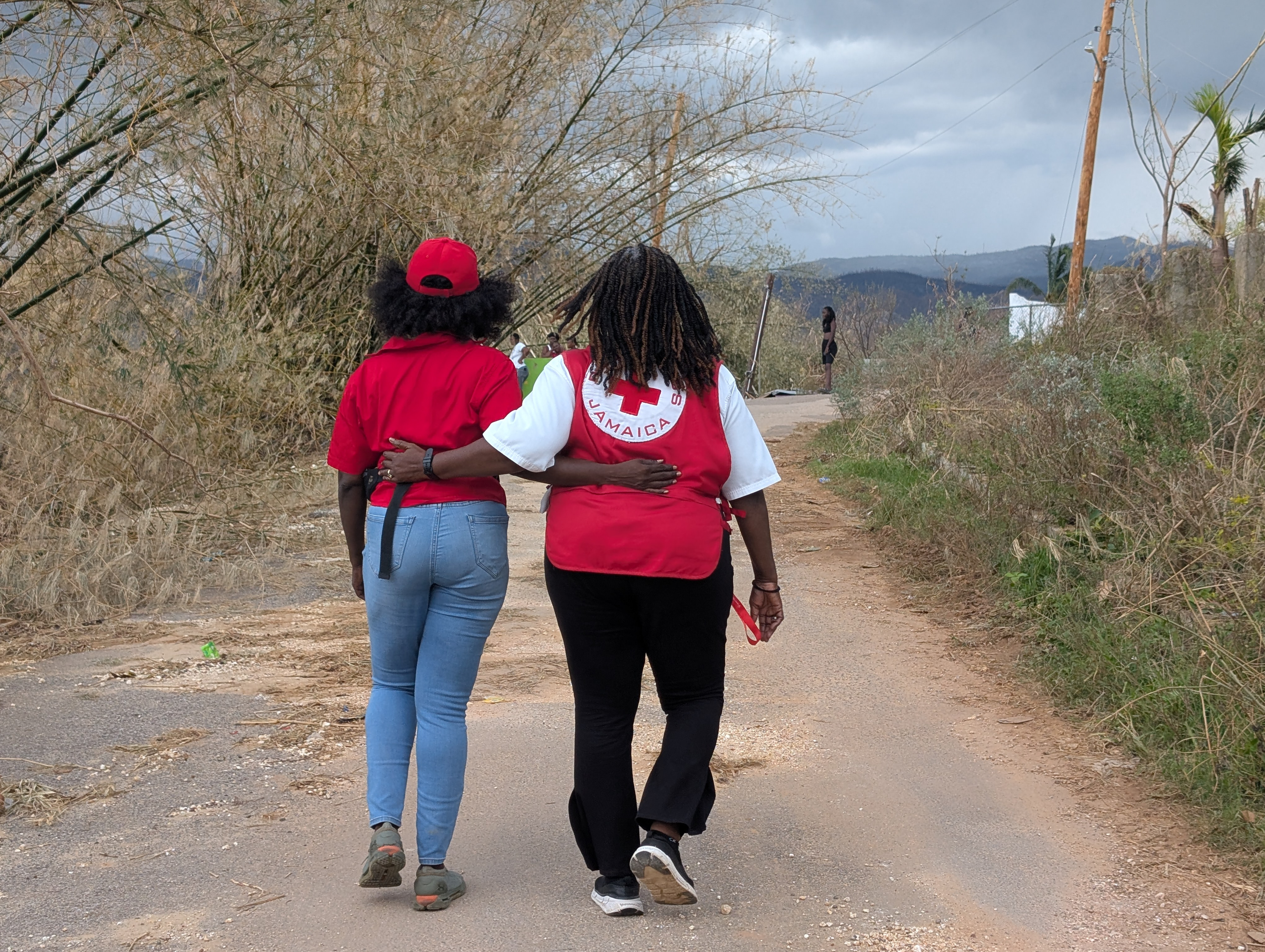
A Mental Health and Psychosocial Support team is supporting affected communities and responders, recognizing the significant psychological toll of the storm and its aftermath. Each time a team is deployed to distribute humanitarian aid, they are accompanied by a member of the psychosocial team.
Photo: Clarisse Smitas/IFRC
Hurricane Melissa reminded us once again that preparedness saves lives. The anticipatory actions implemented before the storm made landfall proved their effectiveness, making the difference between total devastation and resilience.
Over the next months, the IFRC and the National Societies of Jamaica and Cuba will continue to collaborate to bolster community resilience in the face of future climate events.