
The missing pillar
IFRC report reveals why mental health must be part of any emergency response.
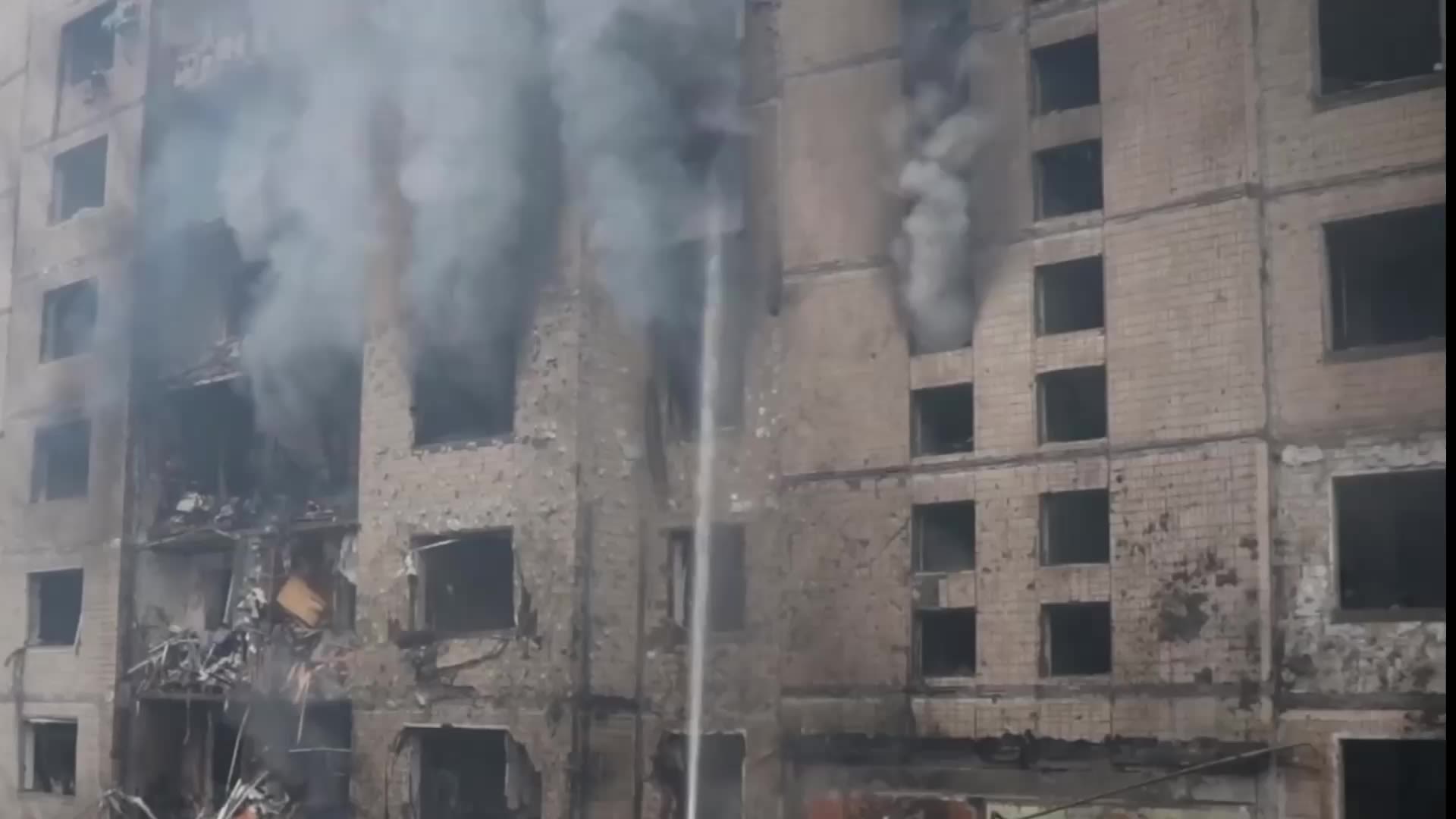

In emergencies, visible damage draws most attention: collapsed buildings, medical needs, or urgent shortages of food, water, and shelter.
But many wounds are invisible. Long after bridges are rebuilt, disasters leave fear, grief, and trauma in people’s lives. Mental health must be part of every emergency response, but are we ready to provide it?
This is one of the key questions addressed in a new IFRC report — Mental health – a missing pillar in Europe’s emergency preparedness — that underlines why mental health needs to be included as a key part of crisis preparedness.
The report draws on data collected by the Ukrainian Red Cross highlighting the significant impact of armed conflict on mental health and it includes findings from an online survey in five European countries. The survey explored how people perceive their readiness for crises such as natural disasters or armed conflicts.

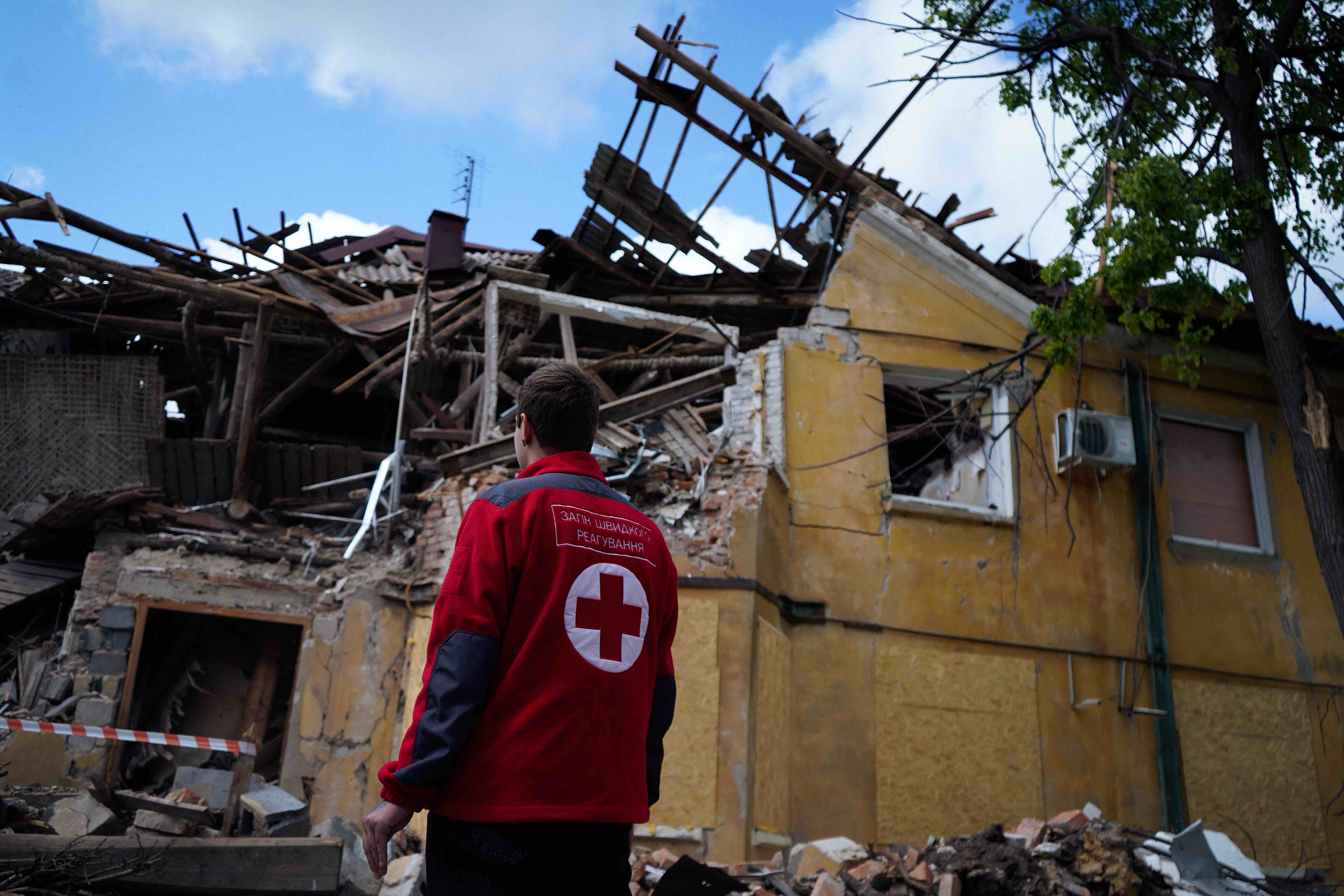
A Ukrainian Red Cross volunteer stands outside a home destroyed by bombing. Photo: Ukraine Red Cross Society
A Ukrainian Red Cross volunteer stands outside a home destroyed by bombing. Photo: Ukraine Red Cross Society

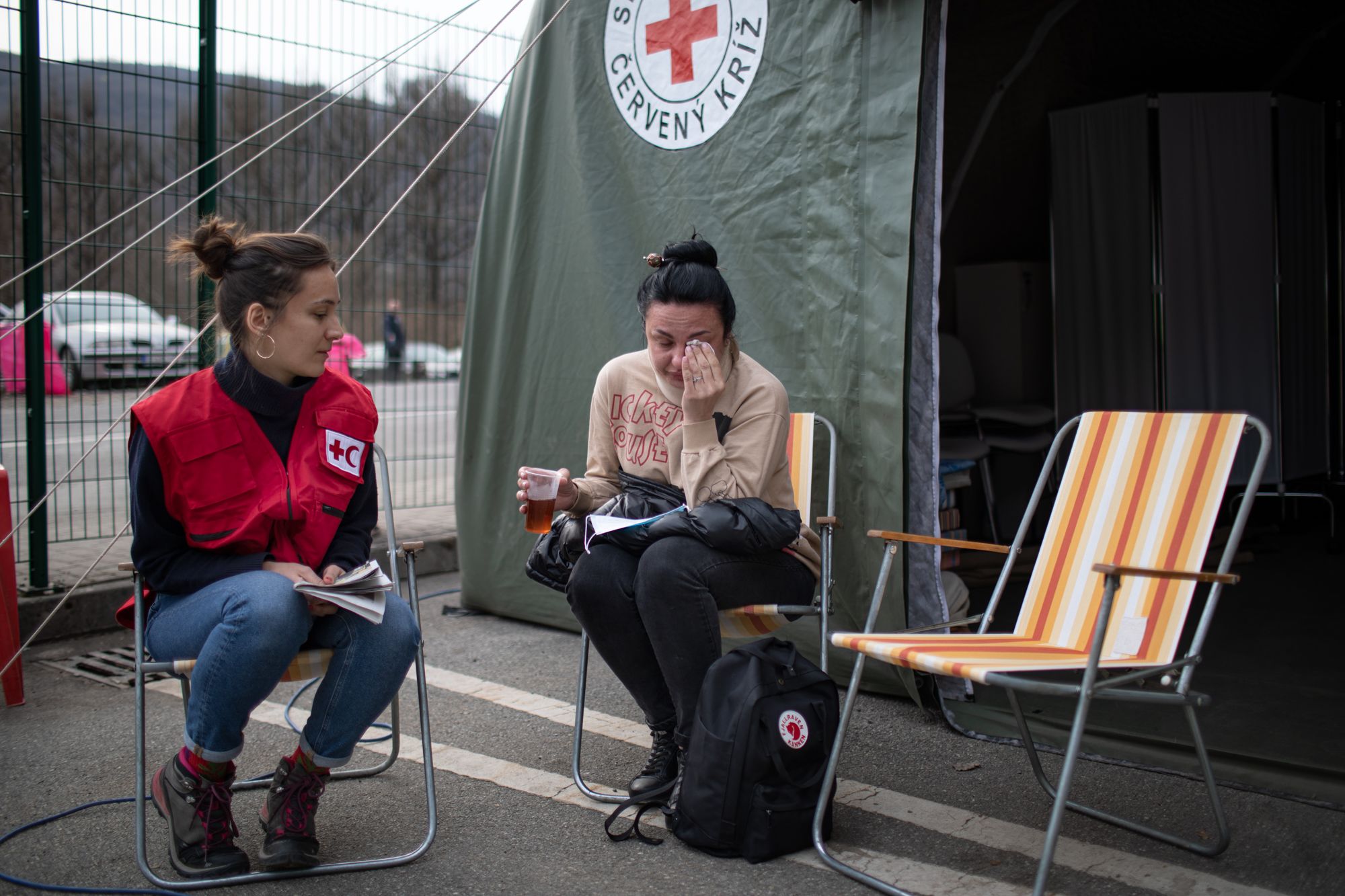
At the Slovak border with Ukraine, a Ukrainian refugee named Iryna gets some comfort from an IFRC delegate at a Slovak Red Cross post set up to assist refugees with first-aid, psychosocial support and a variety of other critical services for families fleeing conflict. Photo: IFRC
At the Slovak border with Ukraine, a Ukrainian refugee named Iryna gets some comfort from an IFRC delegate at a Slovak Red Cross post set up to assist refugees with first-aid, psychosocial support and a variety of other critical services for families fleeing conflict. Photo: IFRC

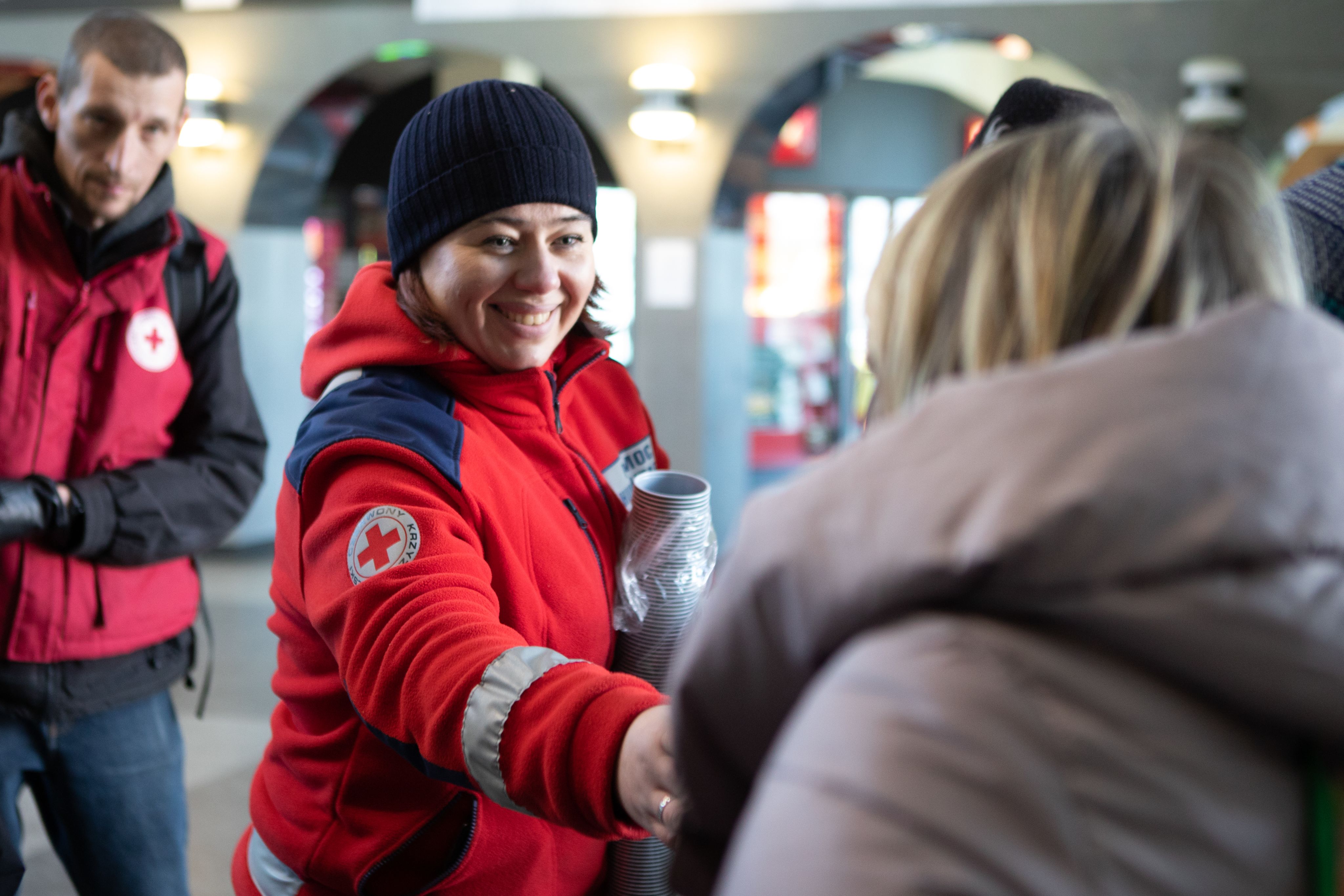
A volunteer for the Polish Red Cross in the Lublin branch, Emilia, hands out tea at the train station in Lublin, where refugees from Ukraine were coming in by train. Photo: Anette Selmer-Andresen/IFRC
A volunteer for the Polish Red Cross in the Lublin branch, Emilia, hands out tea at the train station in Lublin, where refugees from Ukraine were coming in by train. Photo: Anette Selmer-Andresen/IFRC
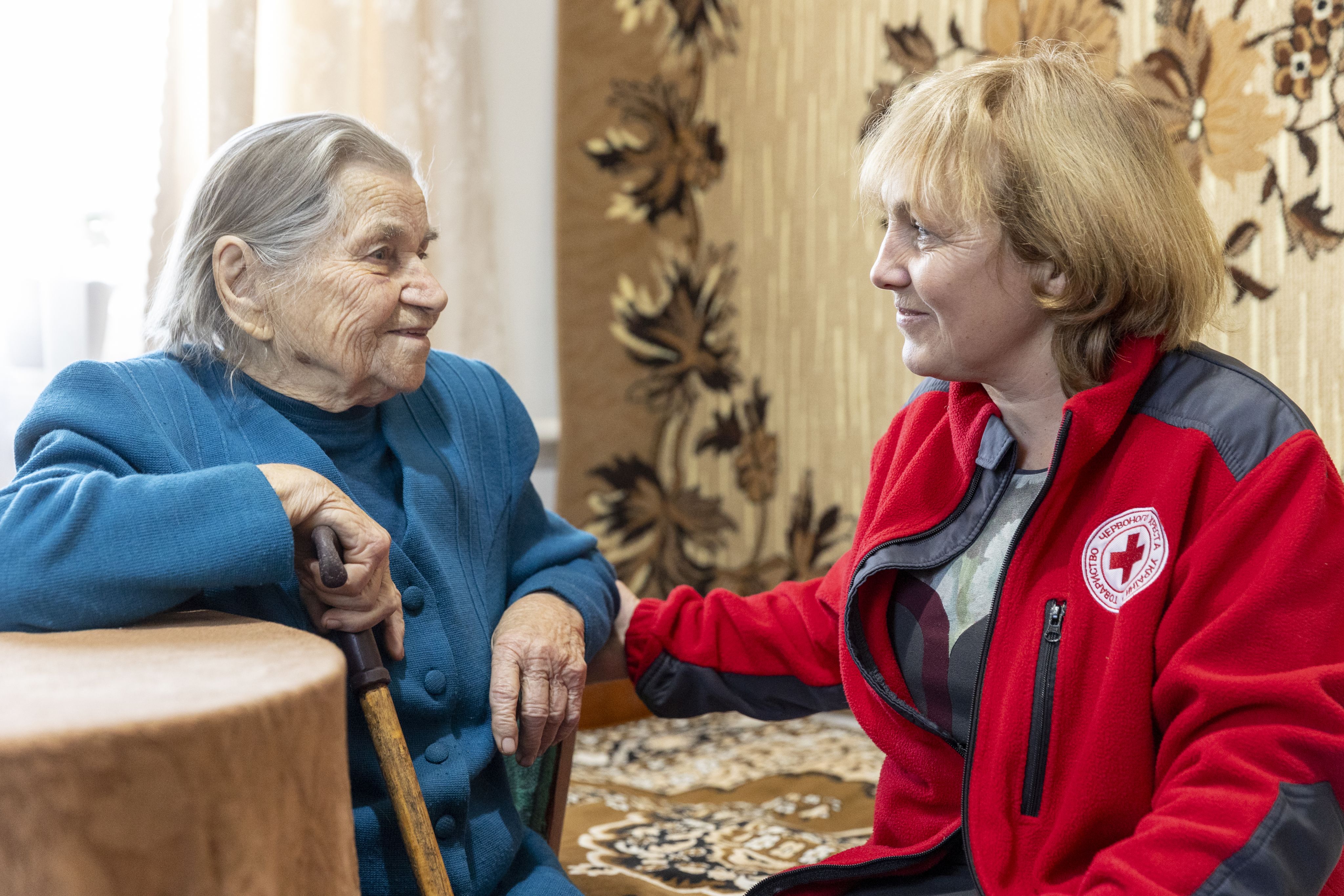
92-year-old Maria Basok shares a smile with and Ukrain Red Cross staffmember Tetyana Kereya as part of the Red Cross’s home-based care initiative in Lanivtsi, Ternopil Oblast, Ukraine. Photo: IFRC
92-year-old Maria Basok shares a smile with and Ukrain Red Cross staffmember Tetyana Kereya as part of the Red Cross’s home-based care initiative in Lanivtsi, Ternopil Oblast, Ukraine. Photo: IFRC
Beyond the battlefield: the mental toll of armed conflict
Anxiety, sleepless nights, worries about the future: the toll of armed conflict on mental health is substantial. Not just for those under shelling, but for entire communities, and for those who have fled their homes.
Around 1 in 5 people living in conflict-affected areas experience a mental health condition such as depression, anxiety, or PTSD. Yet, for depression alone, fewer than 1 in 10 receive adequate care.
The international armed conflict in Ukraine makes the impact of armed conflict on mental health painfully clear. Four in five say they or loved ones have experienced traumatic events since the escalation of the conflict, weighing on mental health.
A nationwide survey from Ukrainian Red Cross (144,000 respondents) showcases that 56 per cent of people report needing psychological support either immediately or on a regular basis. There is not enough support available to deal with the needs, however. Only 19 per cent of survey respondents reported being able to access mental health care.
The research also reveals that people in Ukraine perceive certain groups — older people, children, survivors of violence, people with disabilities and military veterans— to be more at risk of experiencing mental health issues because of the armed conflict.
The mental health impact reaches far beyond borders: those who have fled the conflict often face new challenges in the places to which they move. They likely do not know the language, culture or systems, or they are worrying or grieving about loved ones. They may also feel great uncertainty about their financial stability or about the future. For many who have fled Ukraine, the armed conflict weighs heavy on the mind.
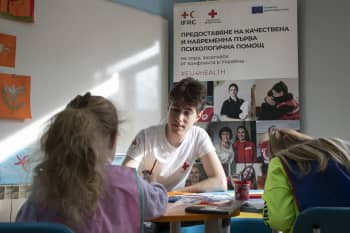
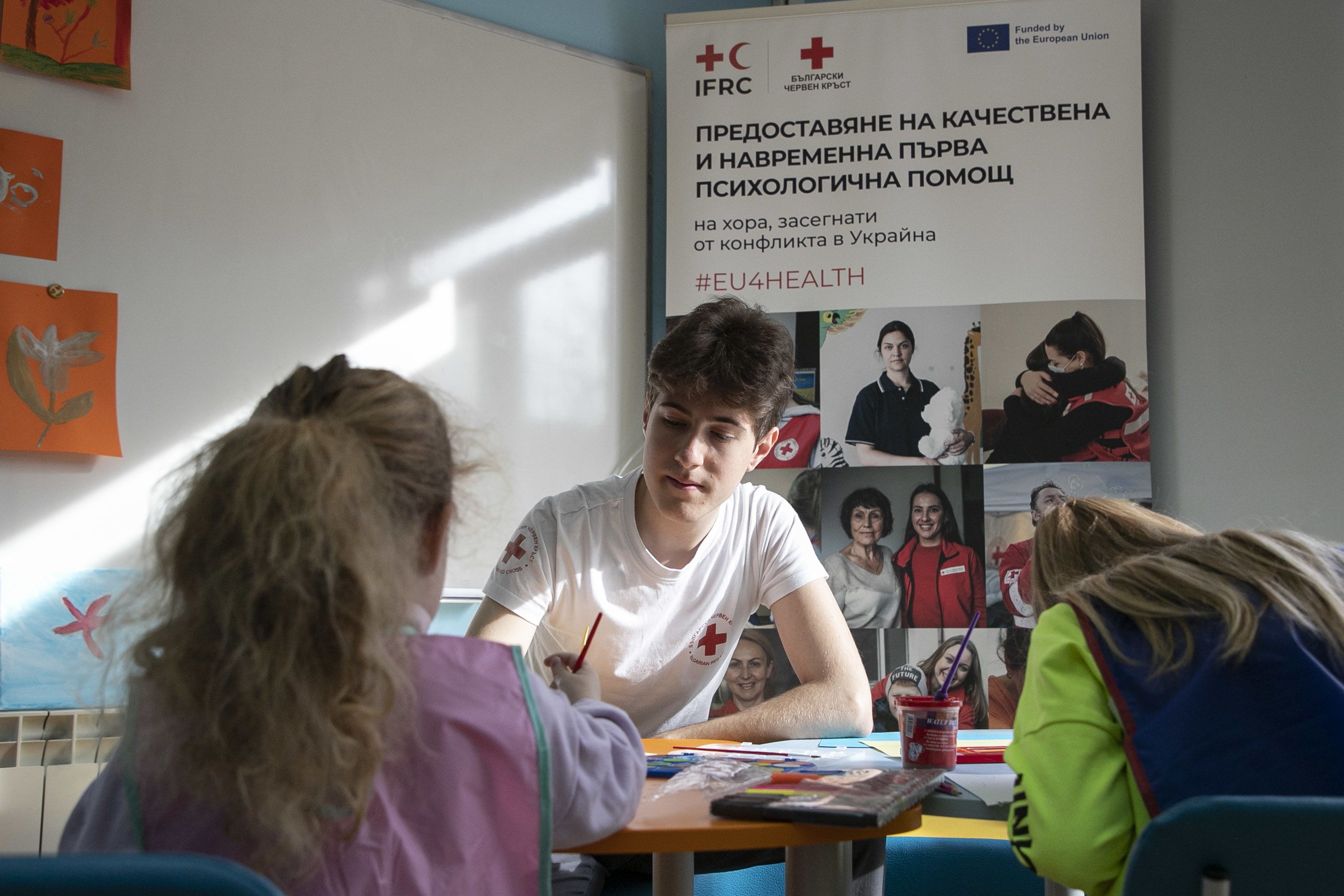
In Ukraine and 36 other countries, the Red Cross Red Crescent has been responding to these mental health needs. By offering professional support, places to connect, training, and activities to support mental health. One of the largest mental health initiatives in IFRC history is its partnership with the European Union-funded EU4 Health initiative.
The goal behind the initiative is to build stronger, more resilient and more accessible health systems. A key part of the EU4Health programme includes a partnership with the IFRC to provide psychological first aid and mental health services to people throughout Europe who have been impacted by the conflict in Ukraine.
Türkiye and Syria: when an earthquake shatters families, hopes and dreams
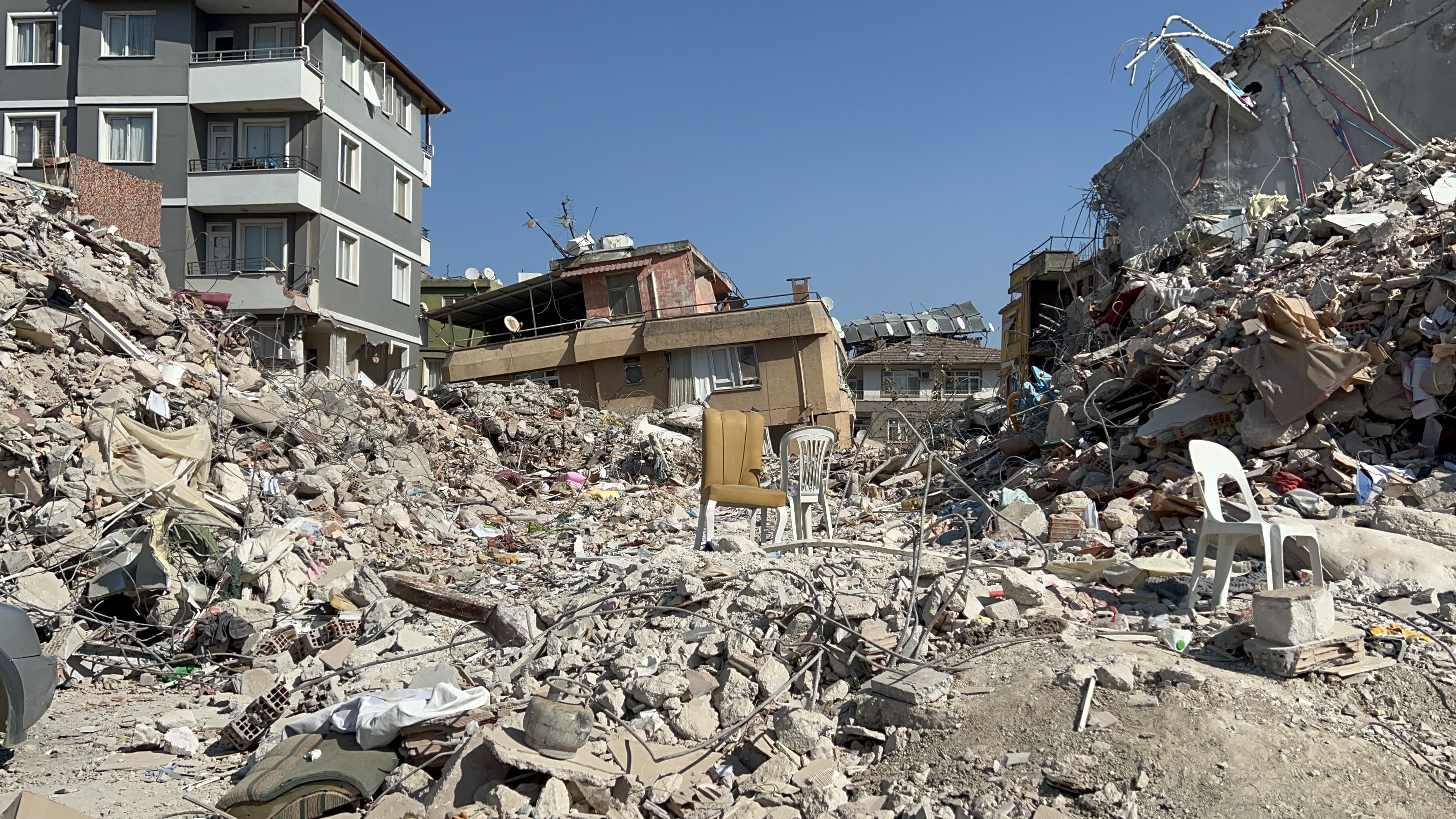
The earthquakes in Türkiye and Syria in February 2023 showcase how a few seconds can impact mental health for years to come. They caused extensive destruction and over 50,000 people lost their lives in the region.
After the disaster, many mourned the loss of loved ones and many homes and livelihoods were destroyed. People have been living in temporary shelters (‘container cities’) for years, not knowing where to go from there and how to start life over from scratch again.
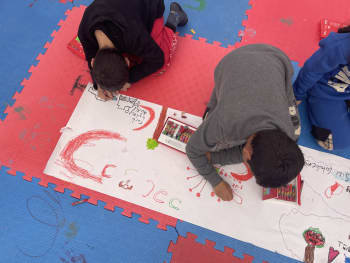
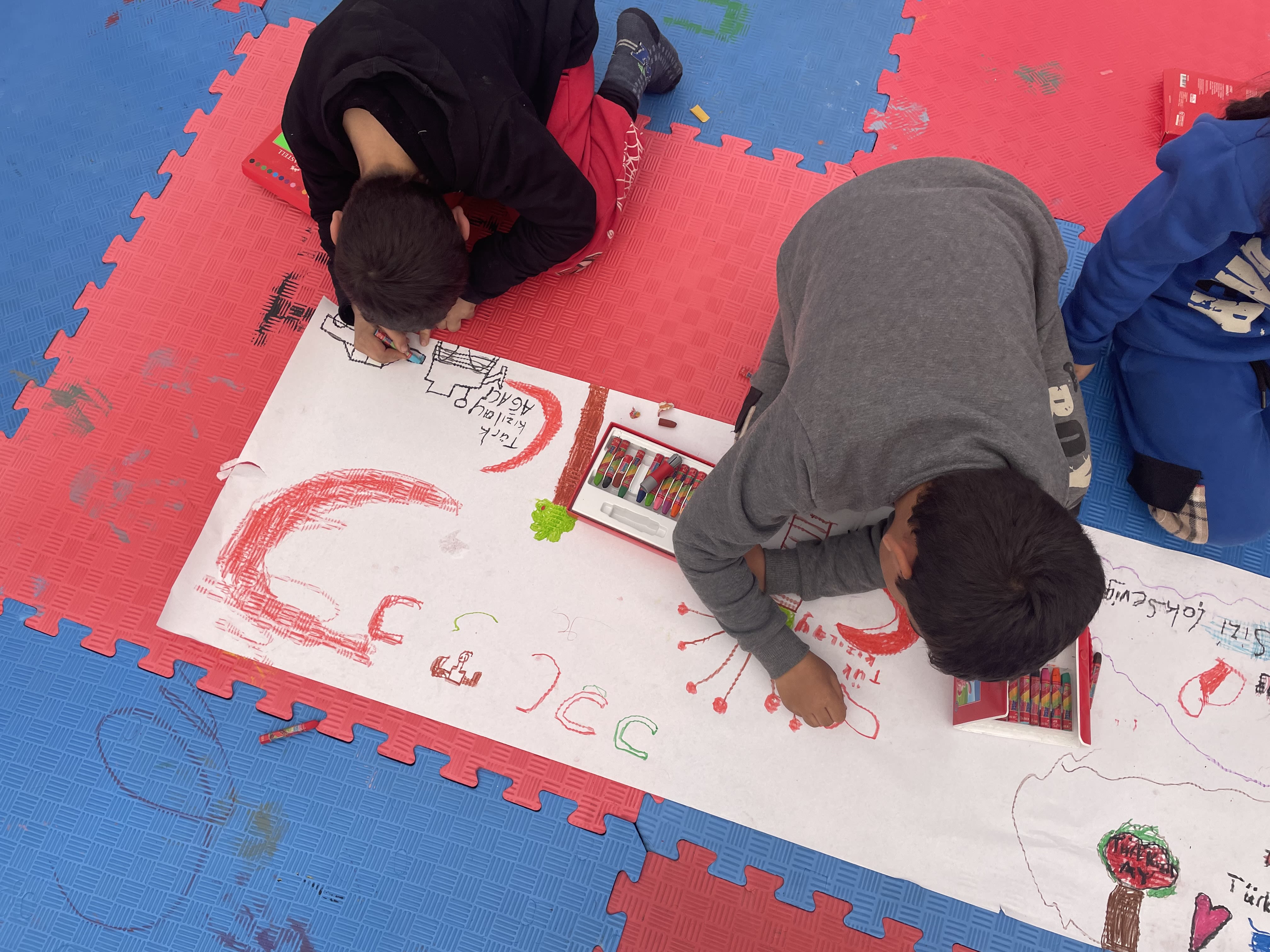
Turkish Red Crescent established Community Service Centres in six of the hardest-hit provinces — Hatay, Kahramanmaraş, Adıyaman, Gaziantep, Malatya, and Osmaniye. These centres became safe spaces where people could access counseling, attend group sessions, and reconnect with others. Mobile teams reached remote districts, ensuring no one was left behind.
By late 2024, more than 150,000 direct MHPSS service interactions had taken place. These included one-to-one counseling for over 10,000 people, psychoeducation sessions for nearly 30,000, and group activities for more than 70,000.
Clinical psychologist Aise Sumeyye Dal said Red Crescent psychosocial teams responding to the disaster see post-traumatic stress disorder (PTSD) and depression in their clients.
She says that her concern is for the entire community but she’s particularly worried about children as this trauma could potentially trigger bigger issues in the future.
“Many children have lost a parent or close relative, their routines are disrupted, and they don’t have their own beds, their toys, or their former schools and friends. So, what we have is a series of compounding traumas for so many people impacted by these earthquakes.


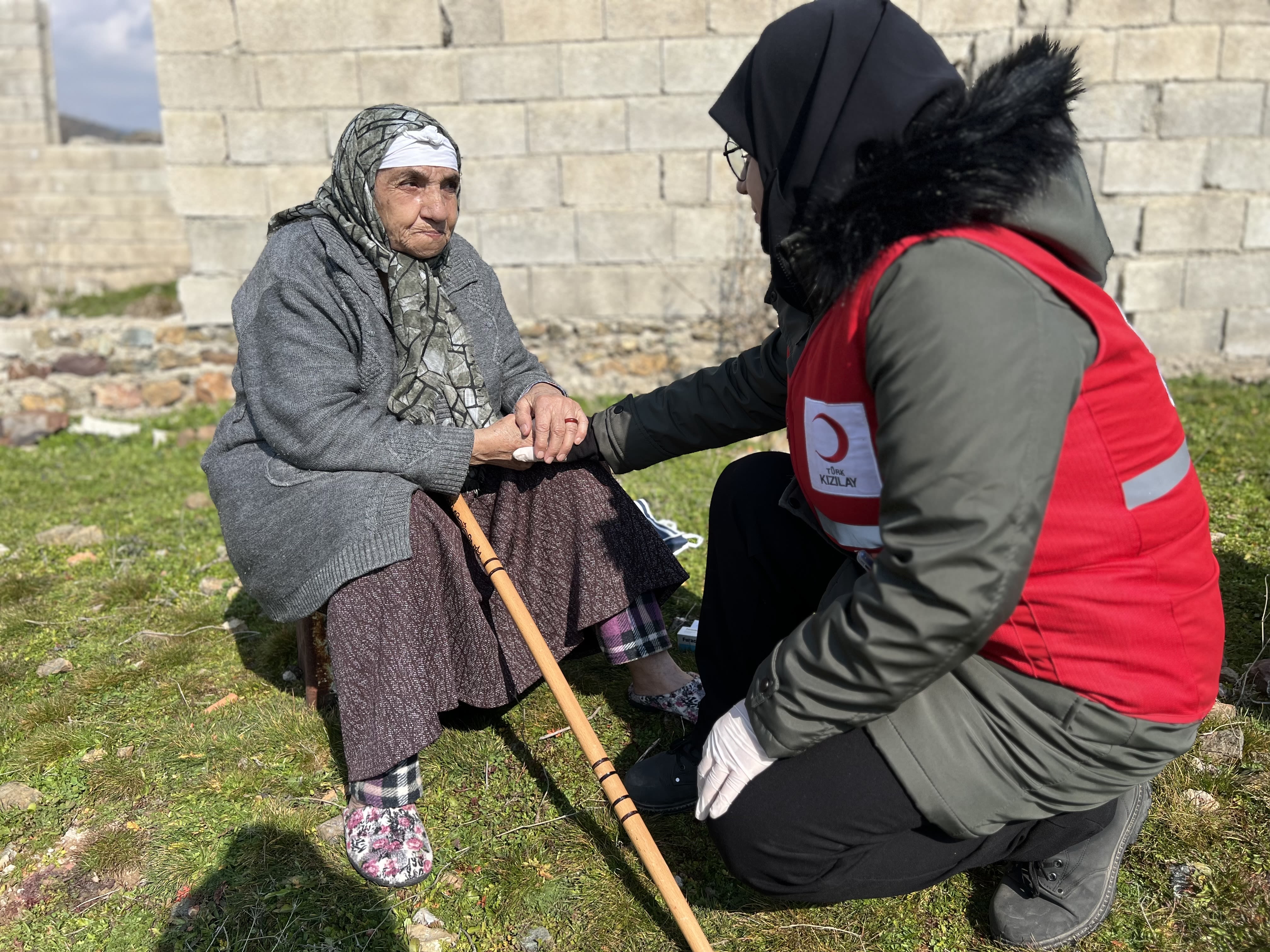

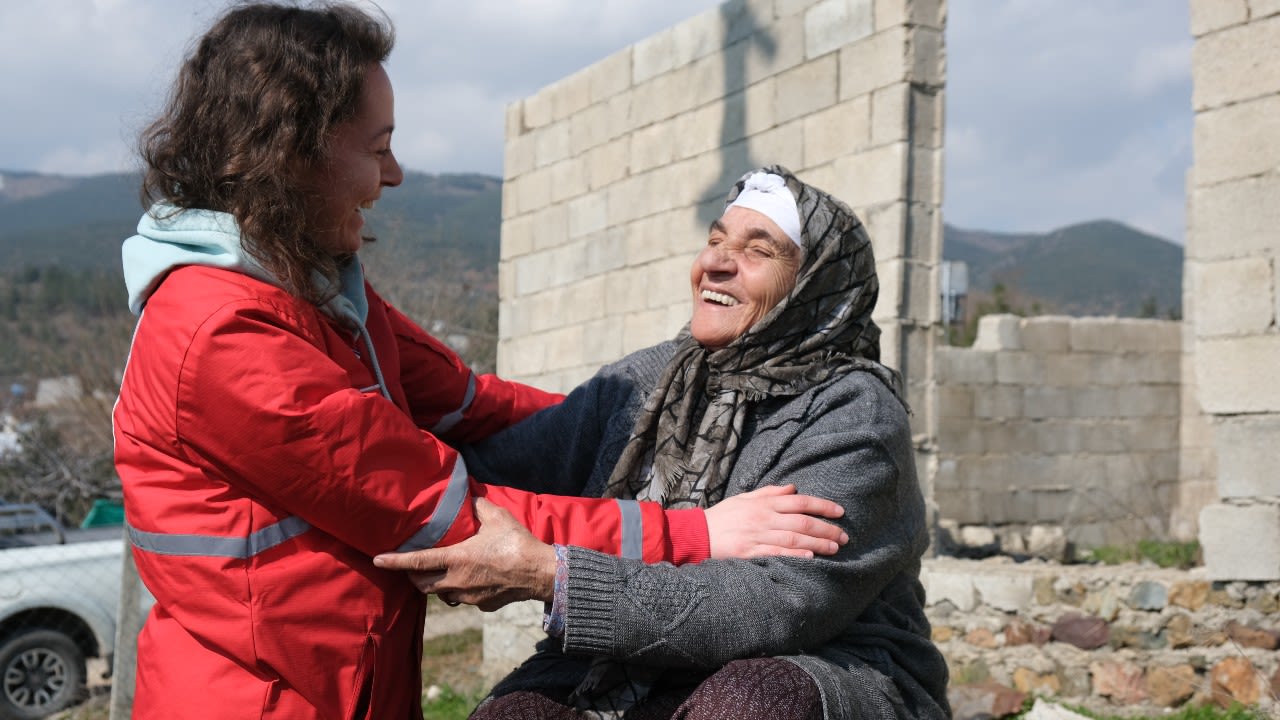

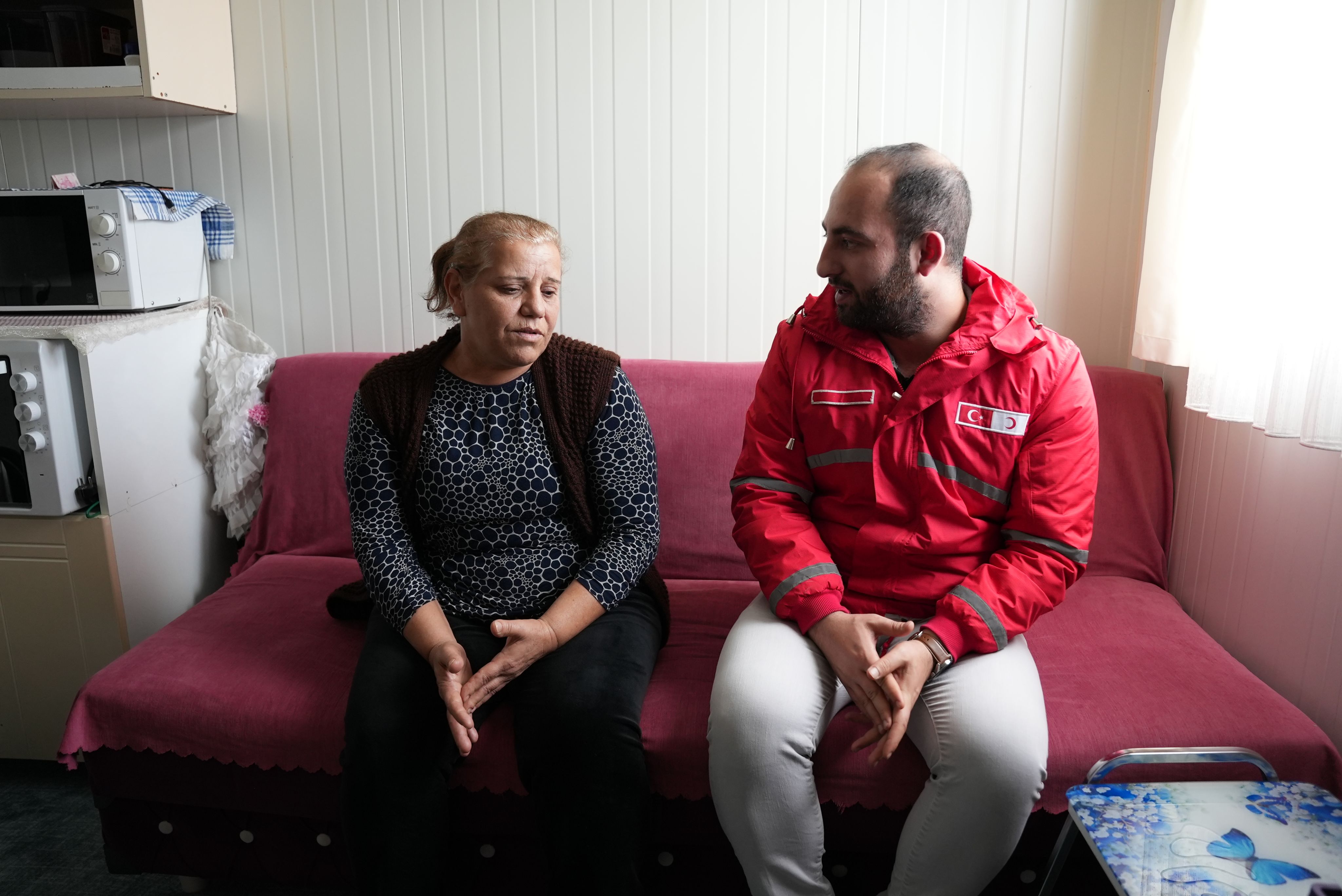
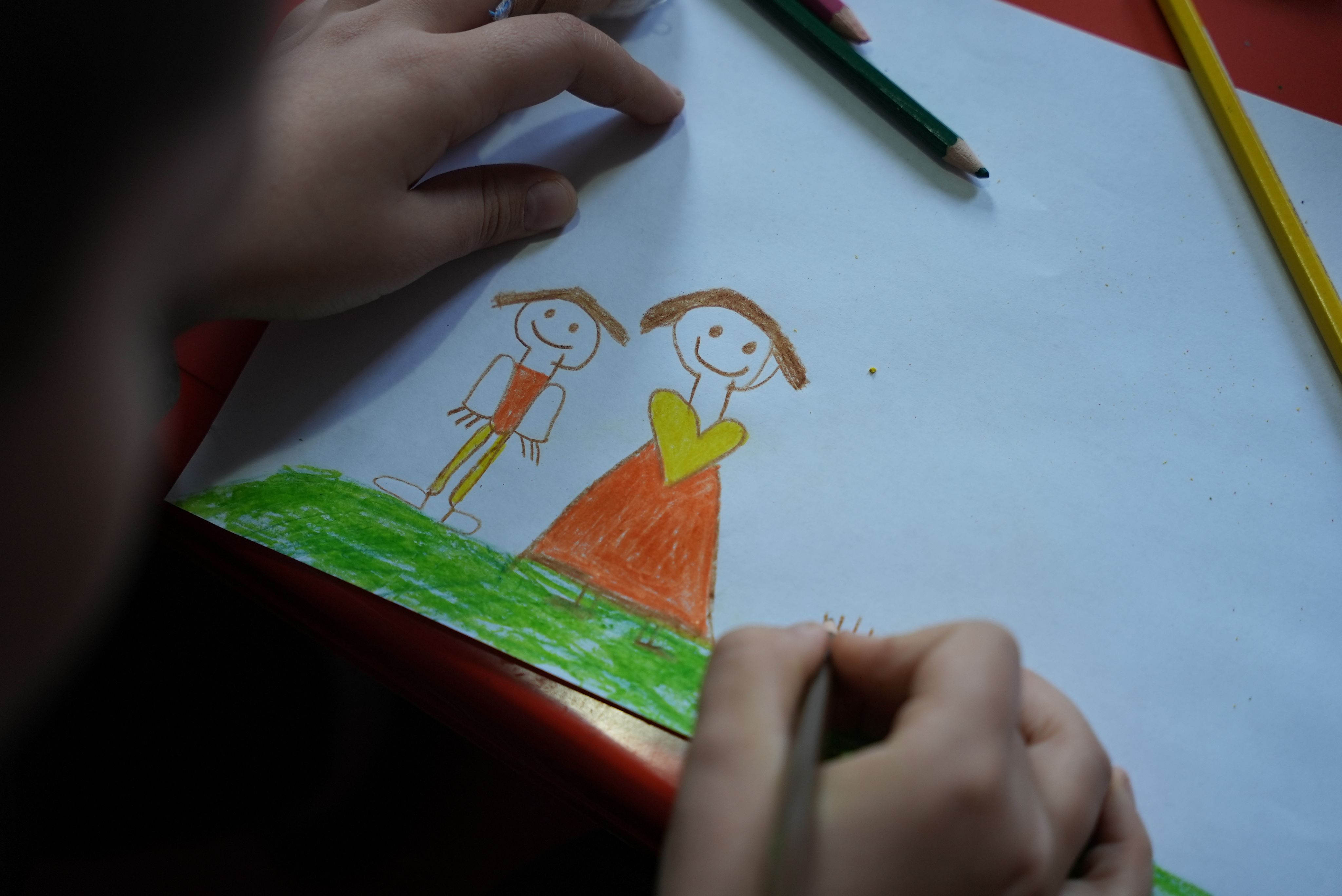
Canan’s story: From fear to freedom
'Now I am very confident … I can enter buildings again, even high-rises.'

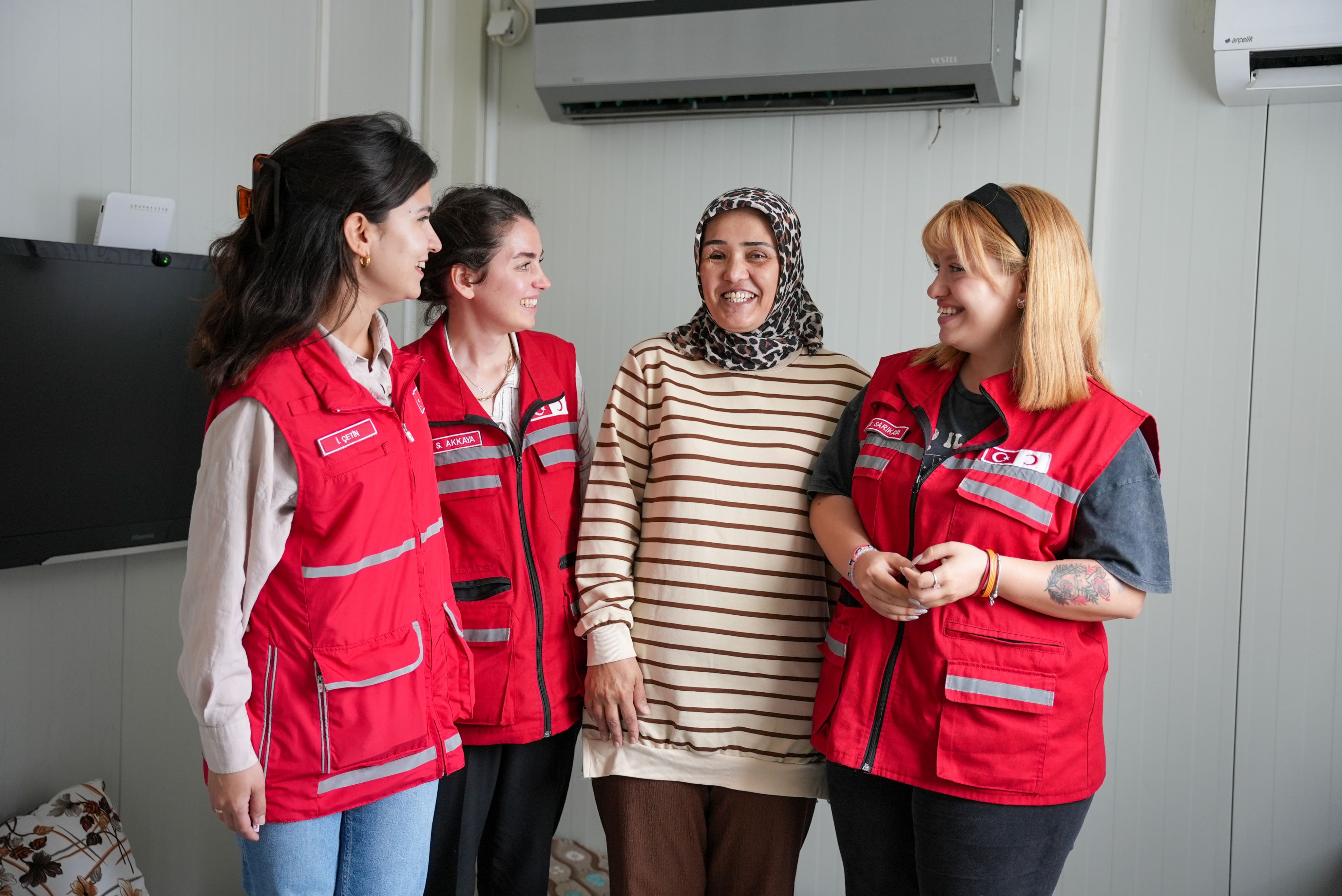
Before the earthquakes of 2023, Canan, a mother of four in Hatay, Türkiye, lived a quiet life. But when the ground shook, her world collapsed — both literally and emotionally.
Debris struck her face and back, leaving her with permanent injuries, including the loss of vision in one eye and damage to her eyelid.
These physical scars deeply affected her self-esteem and sense of safety. She retreated from social life, being afraid she might draw pity or stares.
“I didn’t want to show my face to anyone,” she said."I could not enter concrete buildings, I was terrified."
Canan’s journey to recovery began at a time when she was living in a “container city” where authorities had created liveable spaces for displaced families within metal shipping containers and the Turkish Red Crescent had set up a Community Service Centre.
There, she received trauma counseling that helped her rebuild her confidence and overcome her fear of entering buildings again.
“I even got over that. Now I am very confident … I can enter buildings again, even high-rises,” she says.
The power of collective response
Time and again, the IFRC network has shown that early, practical support at a family and community level makes a difference when it comes to mental health. When combined with informal emotional support from families and peers, most people do not require professional psychological care, easing the burden on formal health systems.
But are communities ready to take on this role? Recent data from five European countries shows only one in seven people feels mentally prepared to face large emergencies, according to a recent IFRC survey.
Luckily, many people are very willing to help others in times of distress. Four out of five people say they are willing to give emotional support to others, but only one in four feels very confident in doing so.
A total of 45 percent of those unsure say they are afraid their attempt to support someone might make things worse. Many said that basic training would help close this gap in confidence.
Many Red Cross Red Crescent National Societies train communities, teachers and first responders in key skills like Psychological First Aid. This allows anyone to bring comfort, calm and care in difficult moments.



We cannot start when disaster strikes
Mental health is health. In catastrophes, it can’t wait. However, less than 2 per cent of global health budgets are allocated to mental health, leaving gaps in availability and access. In crises, with service provision disruption, these gaps are only exacerbated, leaving many with nowhere to turn.
If disaster strikes, mental health needs spike, and without preparedness, countries will be unable to address these needs. Governments, donors, policy makers and other stakeholders have a clear opportunity to close the mental health preparedness gap, by investing in access, integration in preparedness plan, and community-based action.
In 2024, the IFRC network supported 9.4 million mental health and psychosocial support services globally, and we stand by to do the same in the future, supported by communities. Together, we can be there, when it matters most.
Why mental health in emergencies matters: Watch the video below.




 Built with Shorthand

