Faster, closer, safer
Local action backed by global solidarity.
This is the formula behind the Programmatic Partnership.
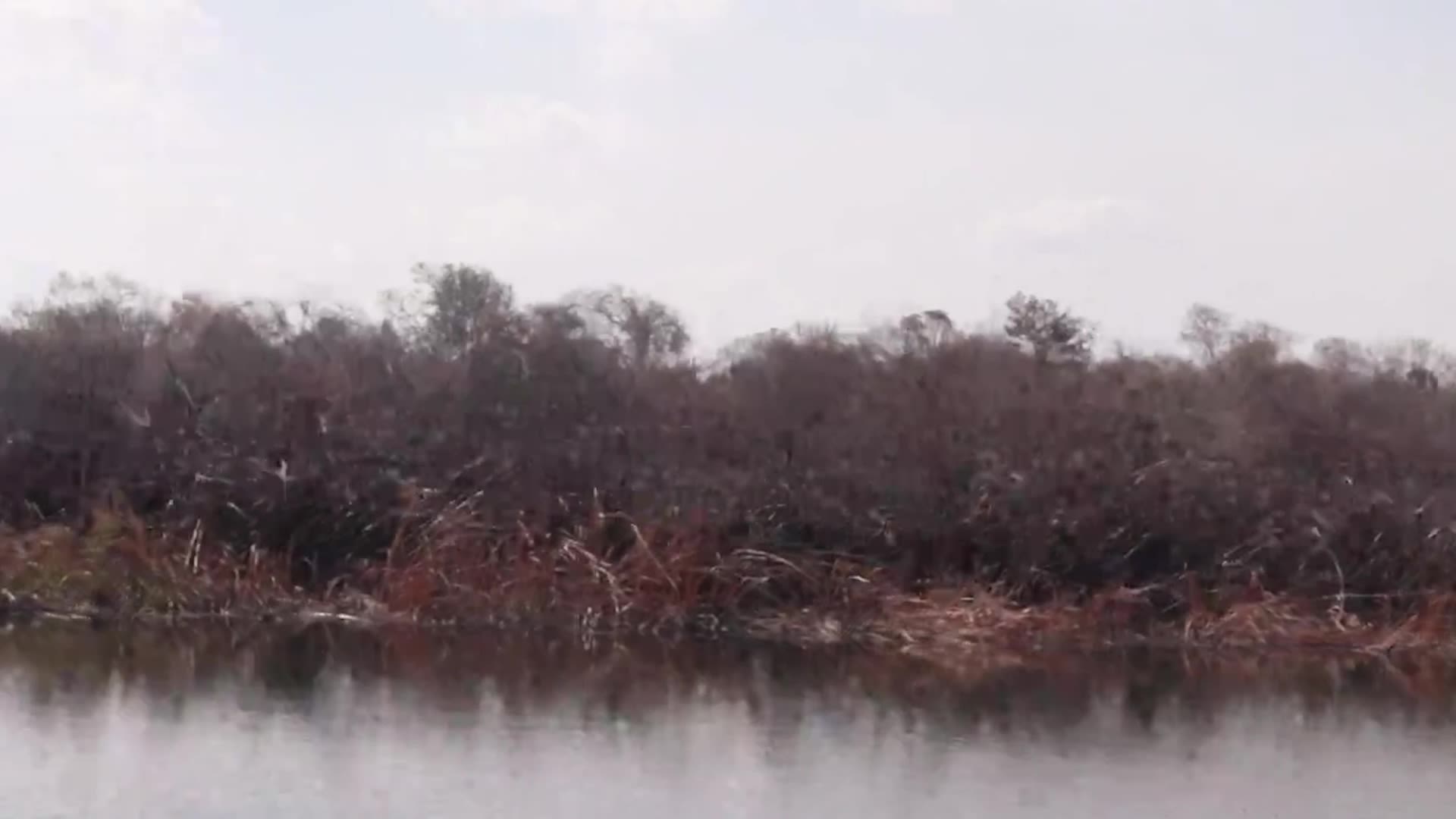

This innovative and ambitious three-year partnership between the IFRC and European Commission’s European Civil Protection and Humanitarian Aid Operations (DG-ECHO) has supported a wide range of life-saving and life-changing local efforts to improve local health, support local livelihoods and help people recover from crisis and disasters.
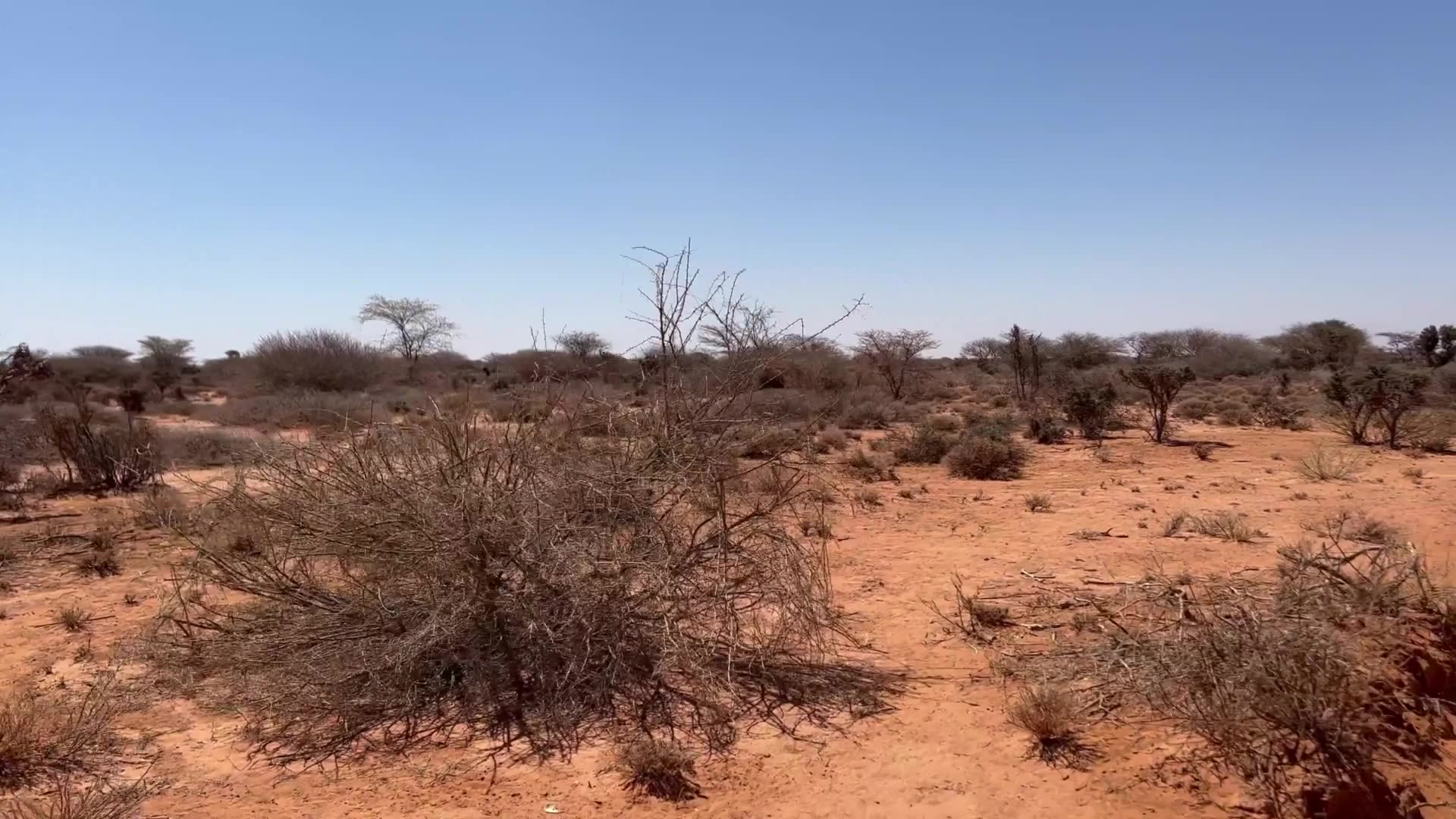

Anchored in local capacity
The story of the Programmatic Partnership begins in 2022. It's the story of an innovative partnership that is changing the way humanitarian assistance is conceived and will be delivered in the 21st century.
The idea was to foster more coherent, scalable, and sustainable humanitarian action — anchored in the capacities of local actors and supported through coordinated action across the IFRC network.
The idea is simple, yet ambitious: to promote “integrated, multi-hazard, and risk-informed programming, moving beyond fragmented project-based models to a more holistic, adaptive, and locally driven approach.”
In short, a focus on supporting local solutions that last because they are initiated and led by people in the impacted communities, with support from a global network.
This means looking at the entire range of risks that people face. It makes no sense to build new shelters, or provide clean water, if there are no early warning systems or epidemic response plans to protect people's homes and health from the next potential crisis.
Under the banner “Stronger, Faster, Safer”, it supports local communities in their quest to be more resilient to all nature of shocks and crisis, to respond to these shocks more quickly and in a way that ensures the most vulnerable at the center of ensuring everyone is protected.
Global solidarity, local impact
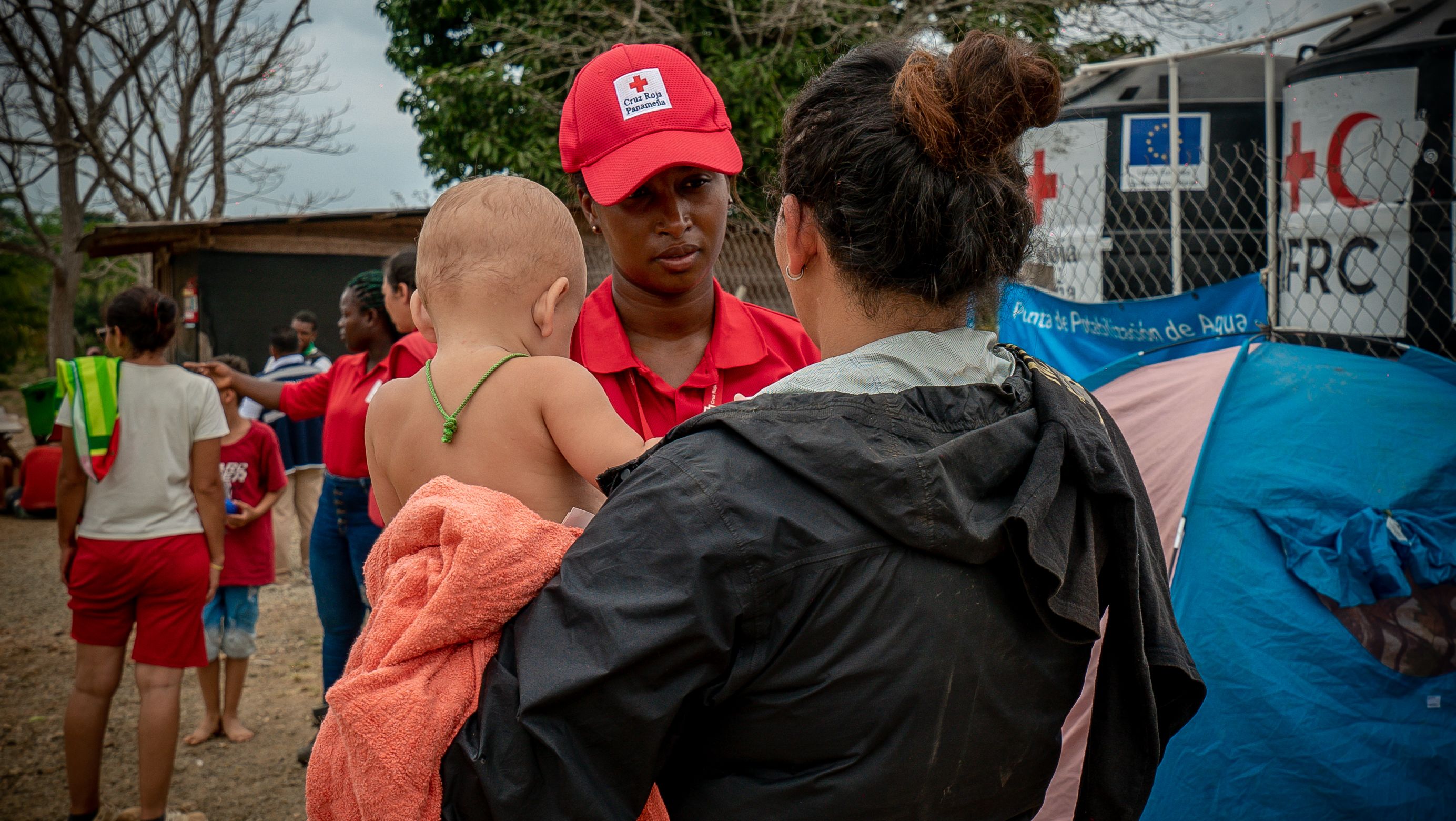
How many people has this partnership reached? In the last three years, the Programmatic Partnership has reached more than 16.9 million people with tools to help protect them from disasters and outbreaks. And it's improved the wellbeing of millions more with cash and voucher support, water, sanitation and hygiene, among many other things.
7.84 million
People covered by formal disaster preparedness and anticipatory action plans.
9.57 million
People reached by epidemic and pandemic preparedness and response activities.
5.02 million
People covered by a functional early warning system.
849,168
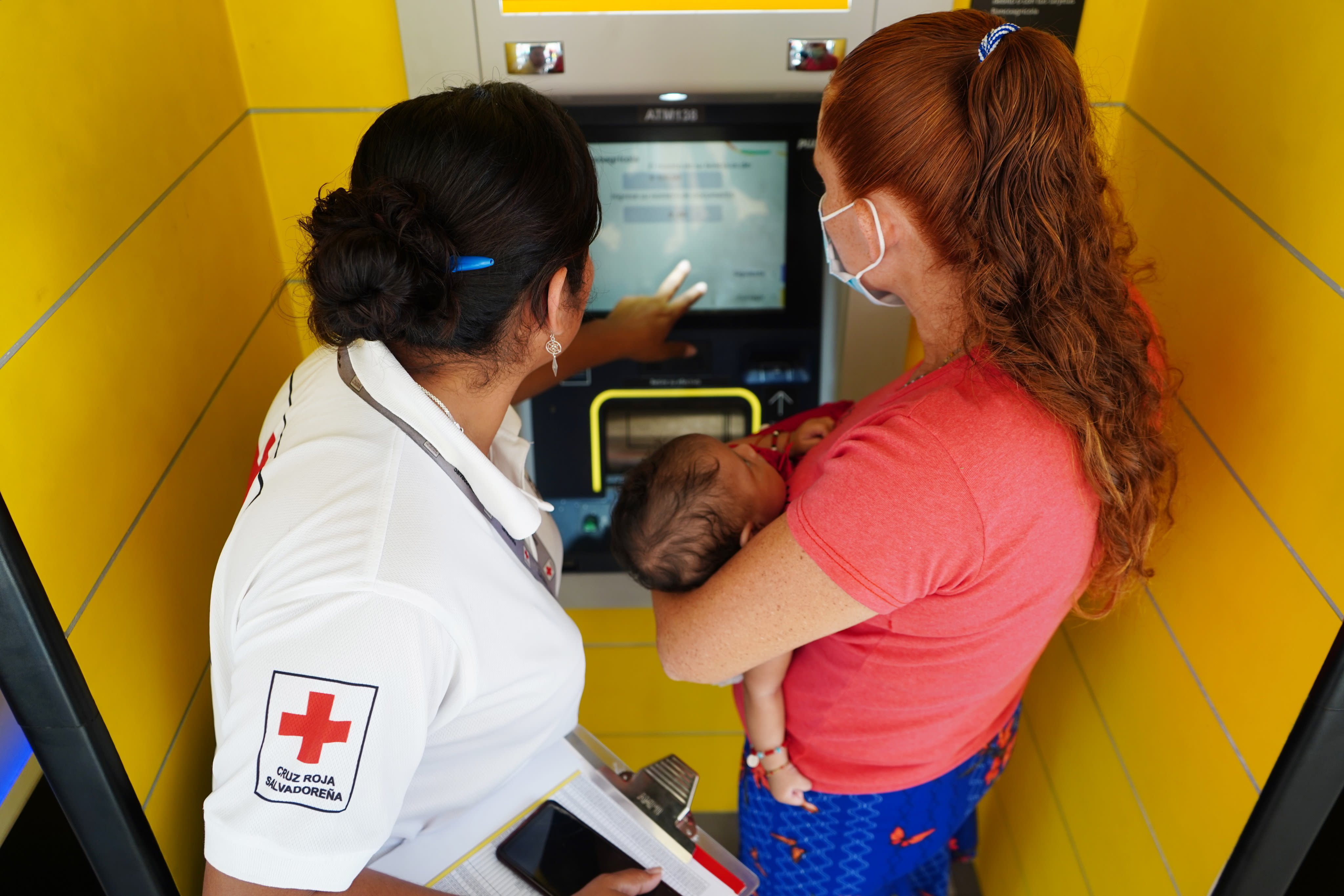
People reached through cash transfers and vouchers.
1.61 million
People reached with water, sanitation and hygiene services.
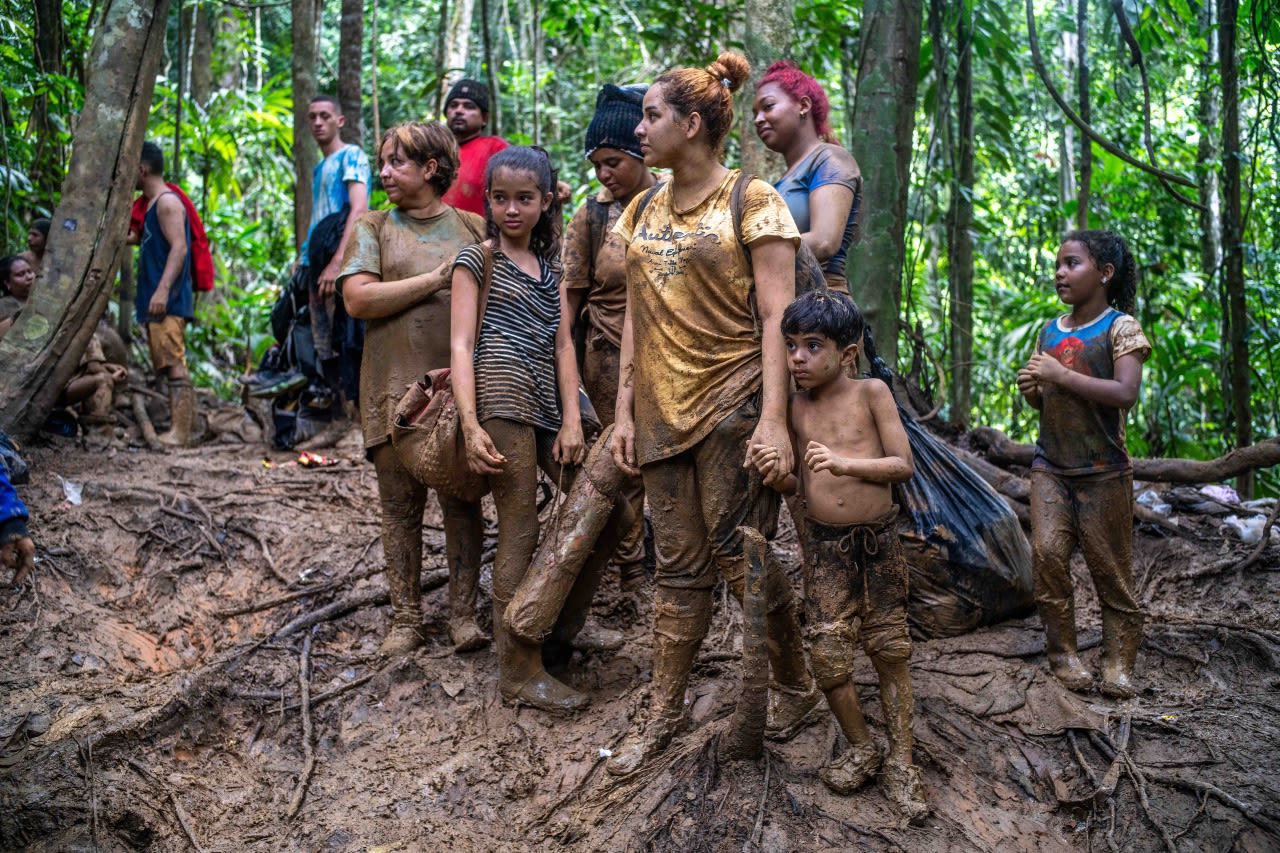
1.48 million
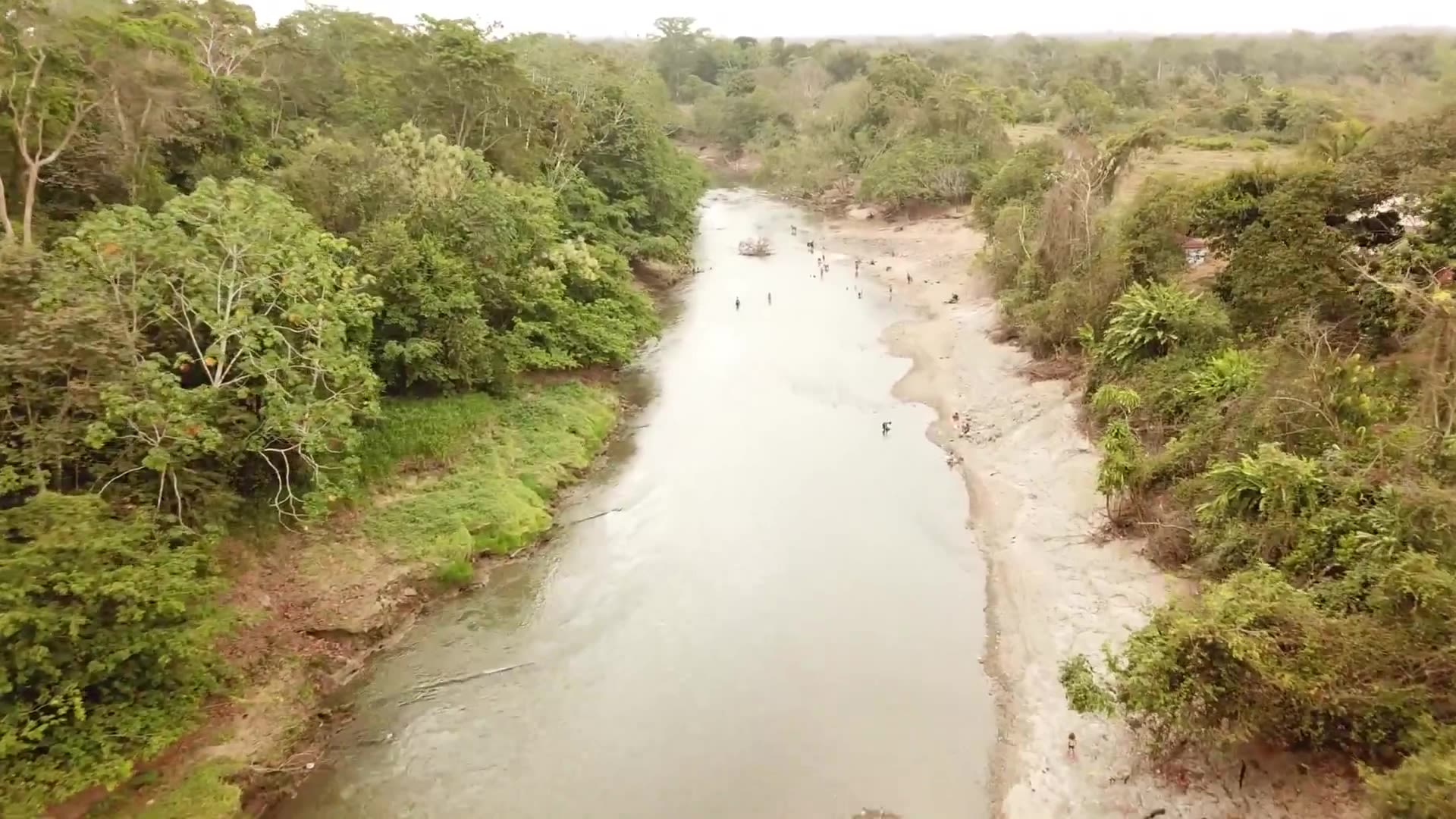
People on the move reached by Humanitarian Assistance and Protection.

Three stories, a common thread
Meet Alif, Therese and Shahid.
From three very different parts of the world, these three remarkable people whose stories show what the Programmatic Partnership is all about.
Alif
Therese
Shahid
Keeping children like Alif healthy and in school
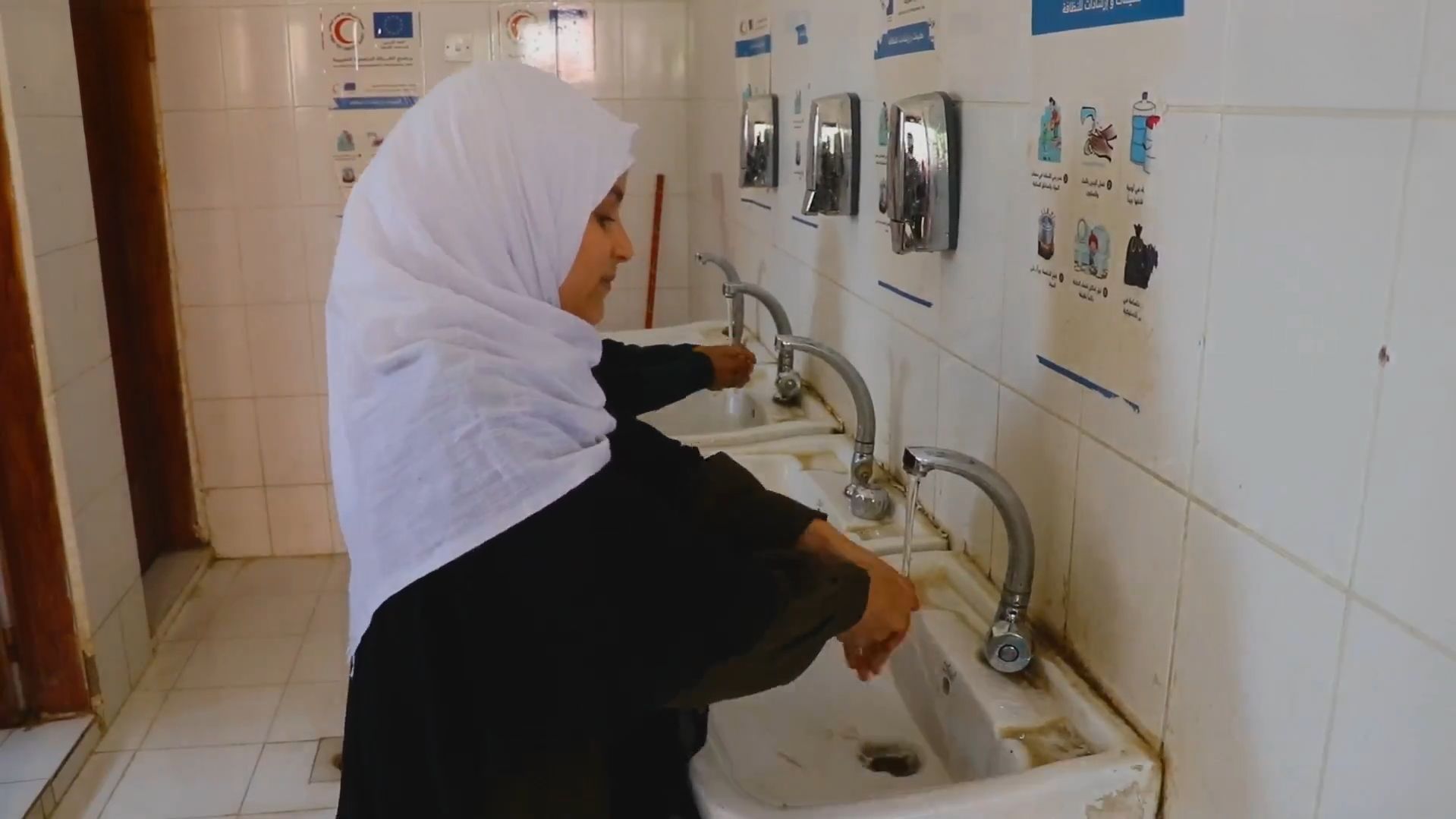
In the Yemeni city of Dhamar, first-grader Alif Aqabat washes her hands before lunch at the Asmaa School for Girls, a place of learning where for many years, lack of clean water meant many students avoided school.
“I couldn’t use the bathrooms or drink the water,” she recalls. “I told my mom I couldn’t stay because it wasn’t clean.”
Teachers like Afrah Al-Ashwal saw firsthand how this impacted the children. “We had lots of problems, especially students catching diseases,” she explained.
Mothers leading the way in Cameroon
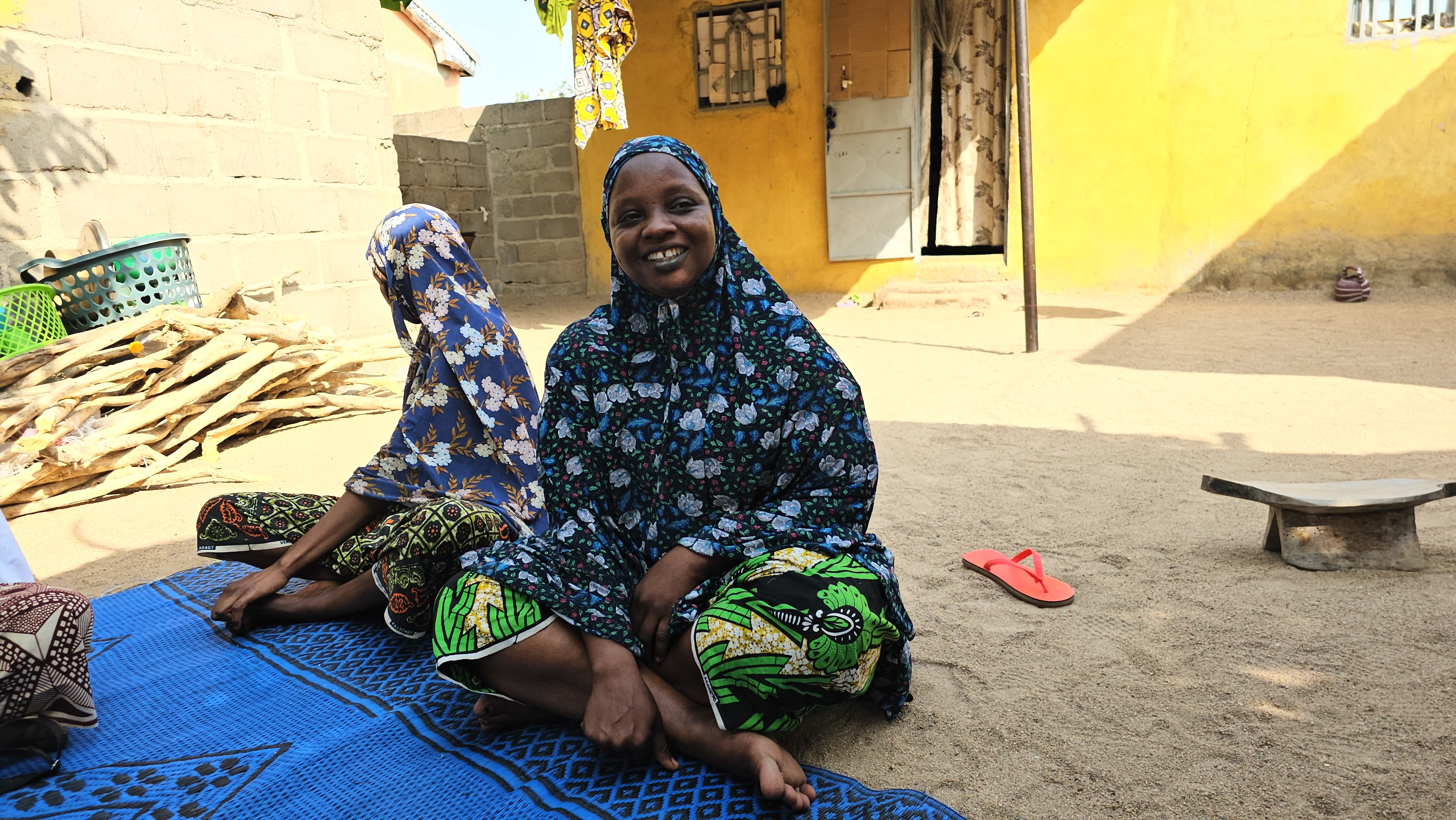
Meanwhile, a half a world away, Tchinabi Thérèse explains basics of menstrual hygiene and pre-natal care to a group of young women, and some parents, in a village in Cameroon’s Far North region.
"In the past, many women did not understand the importance of vaccination, menstrual hygiene, or prenatal consultations,” says Thérèse, a mother of six who serves president of the Kodek mothers' club.
A survivor and a future teacher
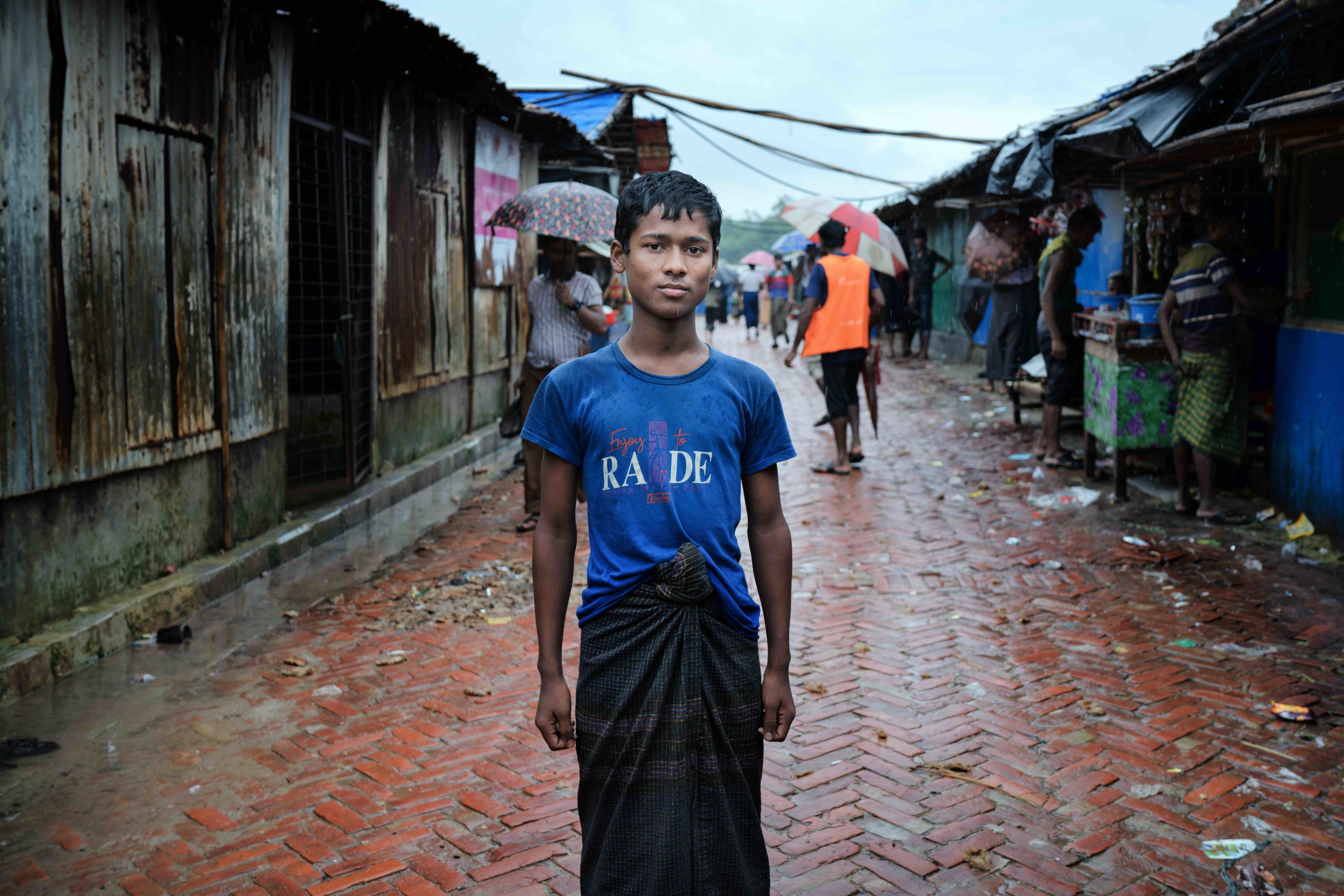
Meanwhile, amid the vast expanse of bamboo huts in Cox’s Bazar Camp-11, Bangladesh, Mohammad Shahid is doing his best to live like any average teenager. He loves to play football, he goes to school and he has big dreams for the future.
“I want to be a teacher and educate people in my community when I grow up,“ he says.
But this young man’s dreams were almost cut short one terrifying day, when the relative peace of camp life was brutally interrupted by a roaring blaze that tore through their bamboo haven. Shahid remembers the roaring flames consuming the family home and the sounds of despair echoing through the camp.
“During the fire incident we started running around and I went missing,” he recalls. “I was searching for my parents and was in anxiety and fear.”
The family was finally reunited, but the house that had protected them from rain, winds and heatwaves was gone, burnt to the ground along with some 2,000 other homes in the camp.
le, amid

Yemeni first-grader first-grader Alif Aqabat washes her hands in new sinks provided by the Yemen Red Crescent with support of the Programmatic Partnership. Photo: Yemen Red Crescent Society
Yemeni first-grader first-grader Alif Aqabat washes her hands in new sinks provided by the Yemen Red Crescent with support of the Programmatic Partnership. Photo: Yemen Red Crescent Society

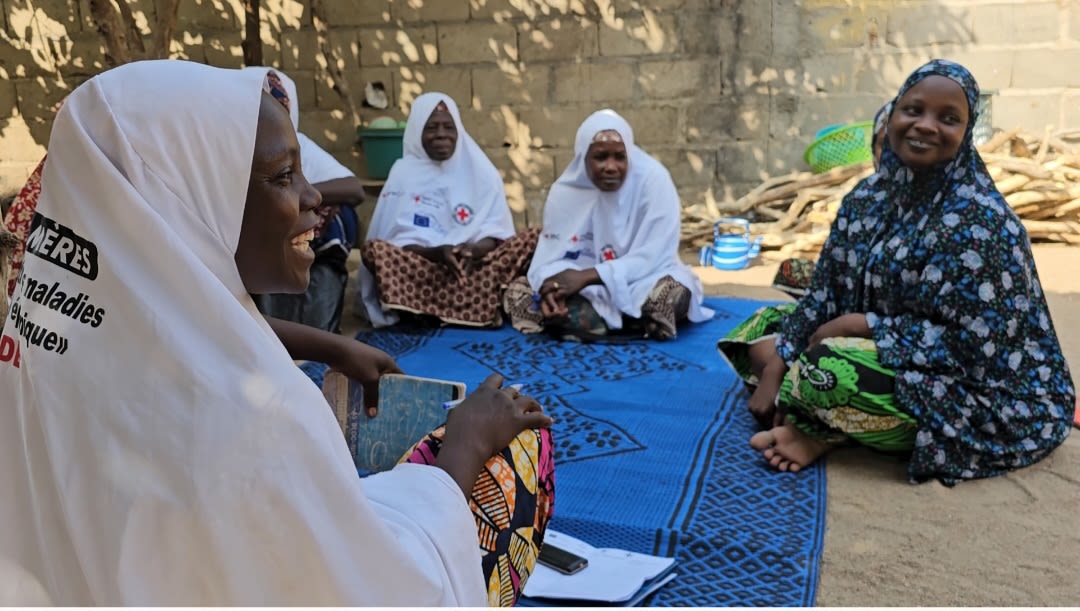
Tchinabi Thérèse (right), president of the local mothers’ club, explains basics of menstrual hygiene and pre-natal care to a group of young women, and some parents, in a village in Cameroon’s Far North region. Photo: IFRC
Tchinabi Thérèse (right), president of the local mothers’ club, explains basics of menstrual hygiene and pre-natal care to a group of young women, and some parents, in a village in Cameroon’s Far North region. Photo: IFRC

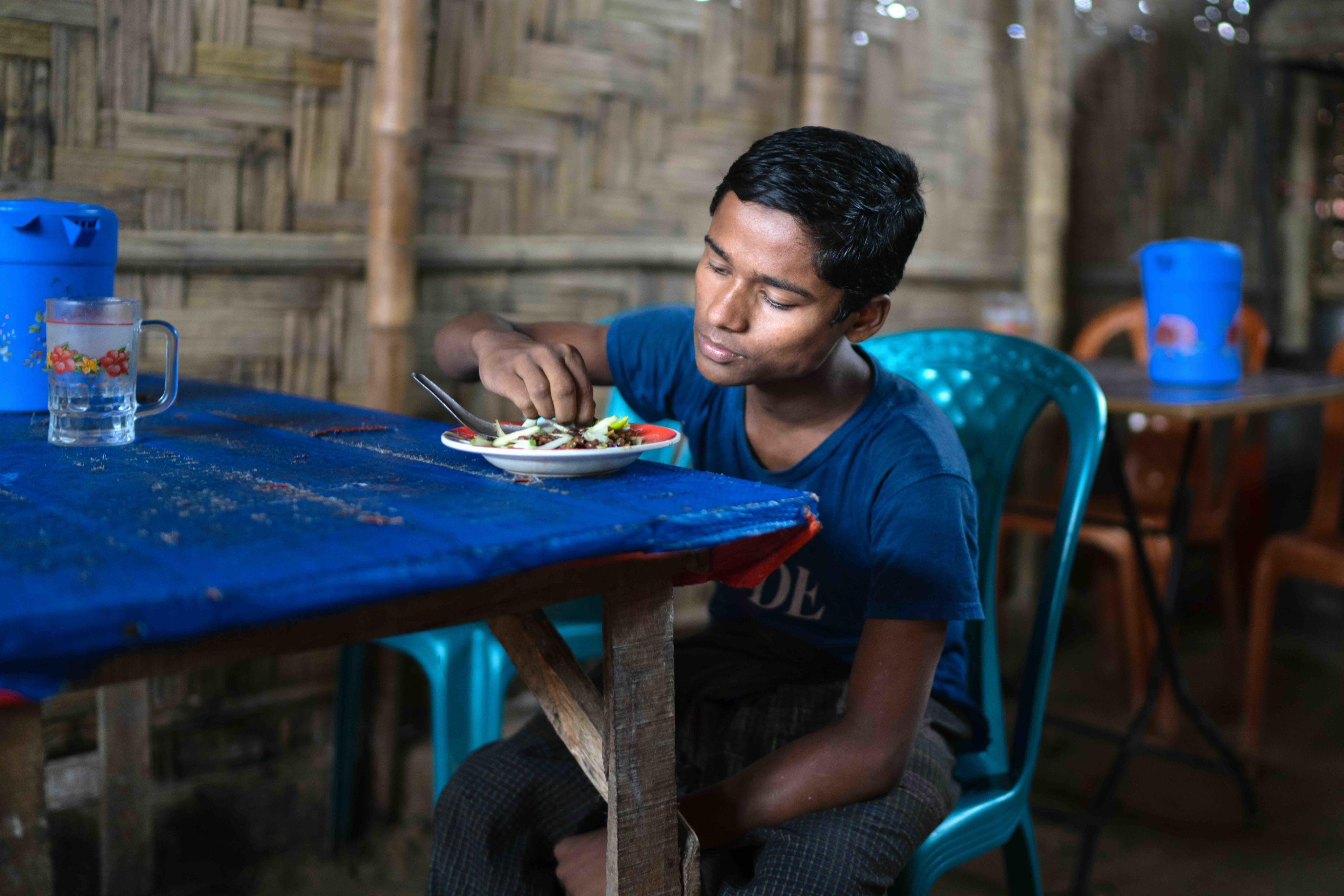
Mohammed Shahid has a meal inside a new shelter constructed with support from the Bangladesh Red Crescent and the Programmatic Partnership. Photo: IFRC
Mohammed Shahid has a meal inside a new shelter constructed with support from the Bangladesh Red Crescent and the Programmatic Partnership. Photo: IFRC
How did the partnership help Alif, Therese, Shahid and their communities?


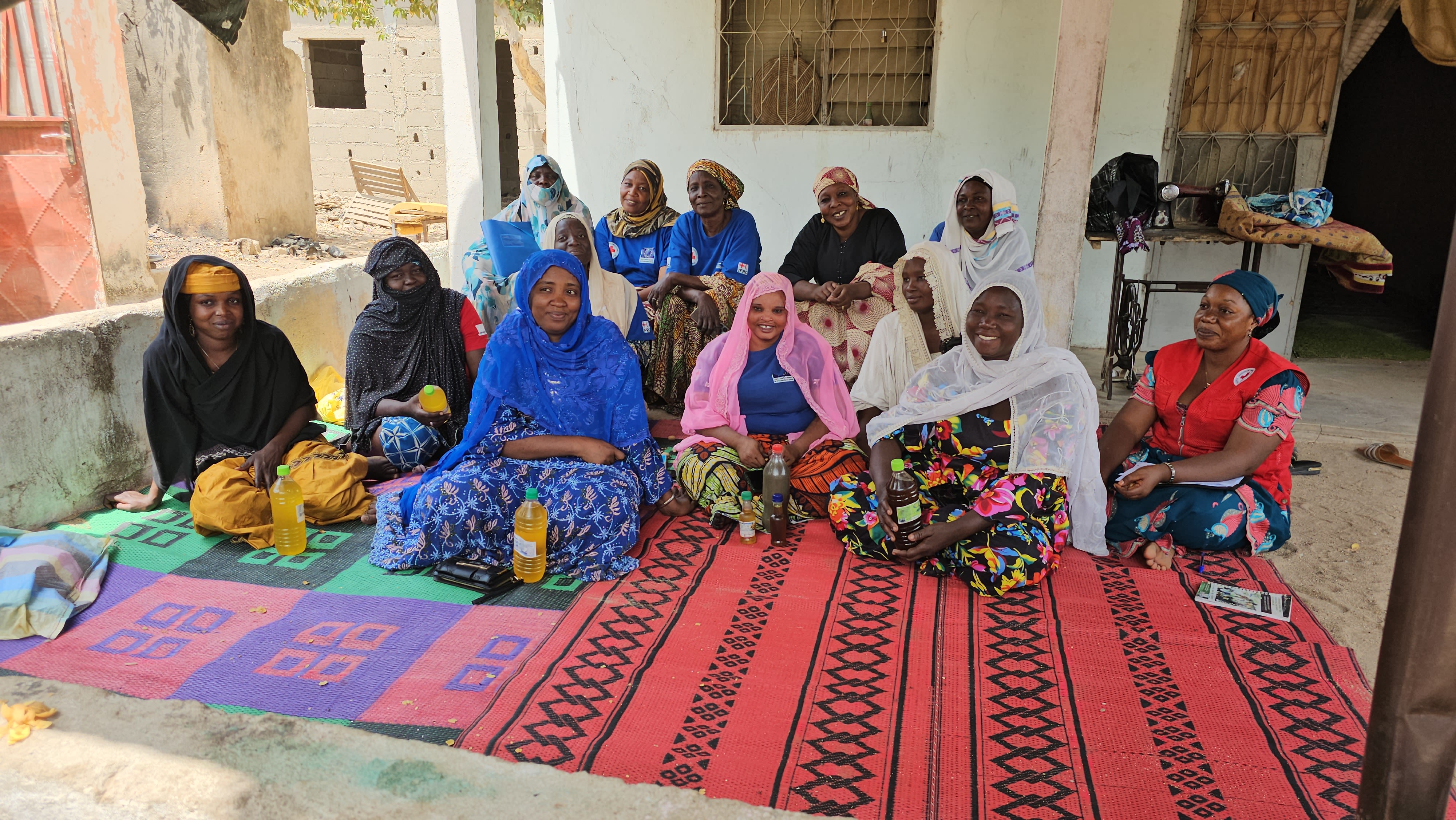
Members of the Kodek Mothers Club in Cameroon’s Far North region. Photo: IFRC
Members of the Kodek Mothers Club in Cameroon’s Far North region. Photo: IFRC
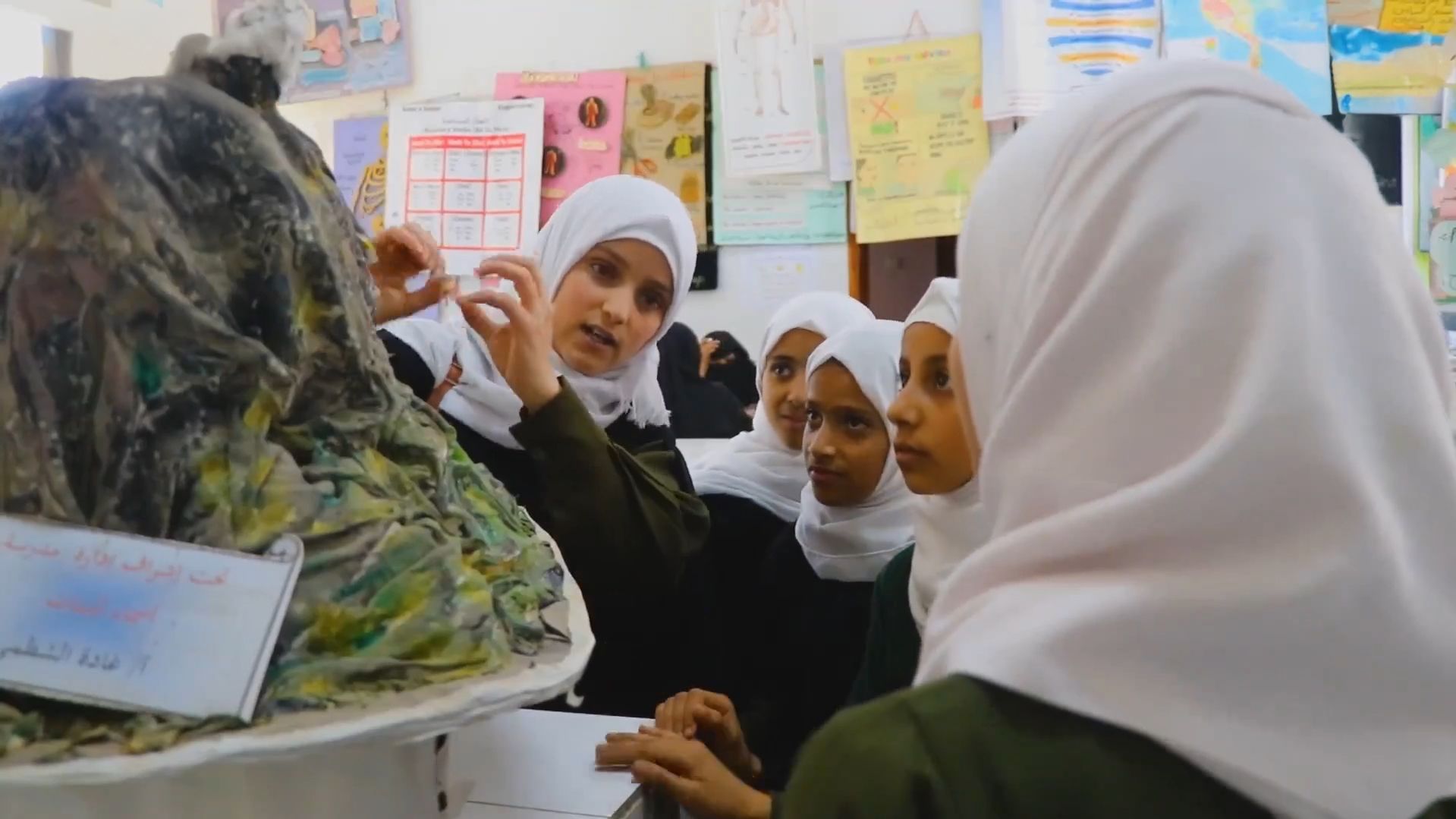
Yemeni first-grader first-grader Alif Aqabat shows other students her science project. Photo: Yemen Red Crescent Society
Yemeni first-grader first-grader Alif Aqabat shows other students her science project. Photo: Yemen Red Crescent Society
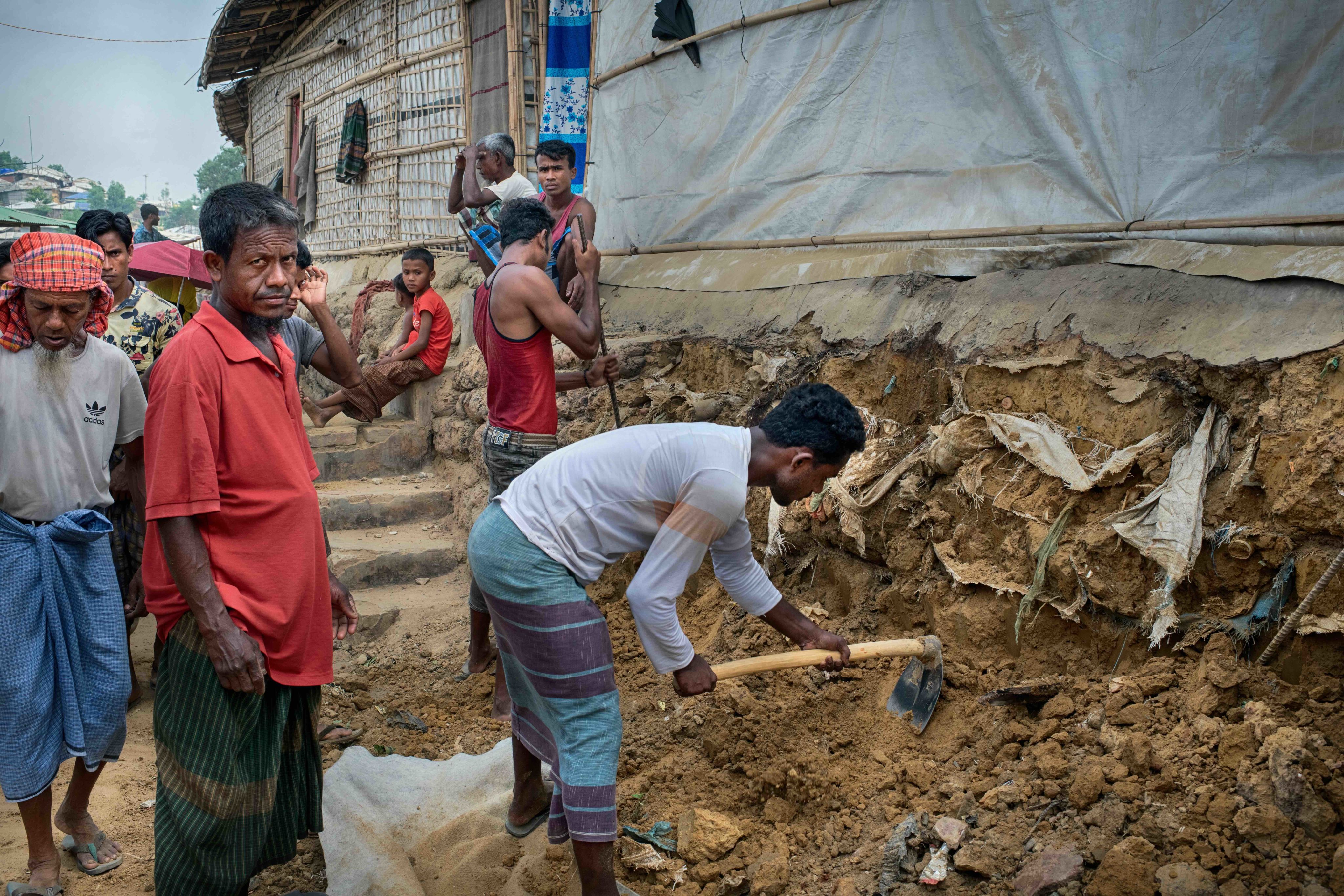
Residents of the Coxs Bazar camp restore damaged shelters with support from the Bangladesh Red Crescent, the IFRC and the Programmatic Partnership with the European Union. Photo IFRC.
Residents of the Coxs Bazar camp restore damaged shelters with support from the Bangladesh Red Crescent, the IFRC and the Programmatic Partnership with the European Union. Photo IFRC.
Mothers keeping their communities healthy
In Cameroon’s Far North region, the partnership supported the Kodek’s mothers club, which is at the forefront of preventing unnecessary death and illness in communities with little health care access.
The mothers’ club works also with local parents to allow young girls to stay in school and they support a wide range of income-generating projects that provide women with their reliable sources of revenue.
“Today, thanks to the training provided by the Red Cross, we know how to explain these topics to our community and convince them to adopt good practices," says Therese.
The projects include a community farm that grows millet and cowpeas, a project in which members produce artisanal oils (sesame, balanites, moringa), a farm that raises sheep and many other initiatives.
Safer water and a healthier learning environment
At the Asmaa School for Girls, meanwhile, the partnership helped the Yemen Red Crescent to make much-needed renovations to improve water safety and hygiene.
New water taps were installed, and proper plumbing was put in place for the bathrooms.
The renovations were one of several initiatives by the Yemen Red Crescent Society, and supported by the Programmatic Partnership, to upgrade or install new clean water and sanitation services in communities where needs are most acute.
New shelters, new hope
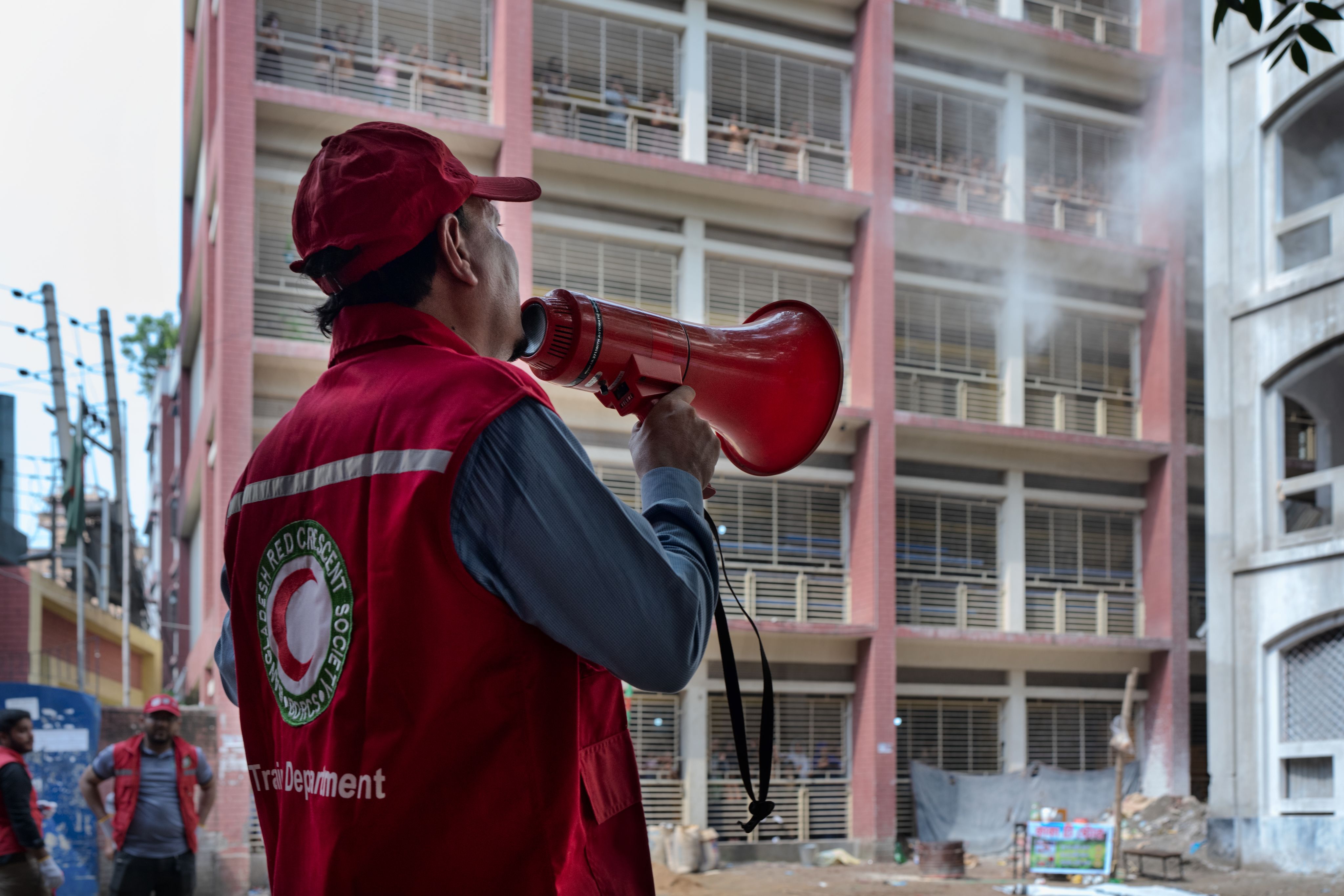
And in case of the fire that took away Mohammed's home, the Bangladesh Red Crescent Society and the IFRC swiftly came to their aid.
"We provided them various support to build shelters," says Asmat Ullah, a volunteer with the Bangladesh Red Crescent Society who himself comes from the displaced community in Cox’s Bazar.
“When the fires broke out. Many people suffered. We distributed bamboo, tarpaulin and ropes and necessary support to the families who lost their houses.”
On top of that, support from the Programmatic Partnership allowed the Red Crescent to construct hundreds of new shelters as well as improve early-warning systems throughout the sprawling camp complex that keep people safe from fires, storms and potential flooding, among other things.
More stories of impact and change
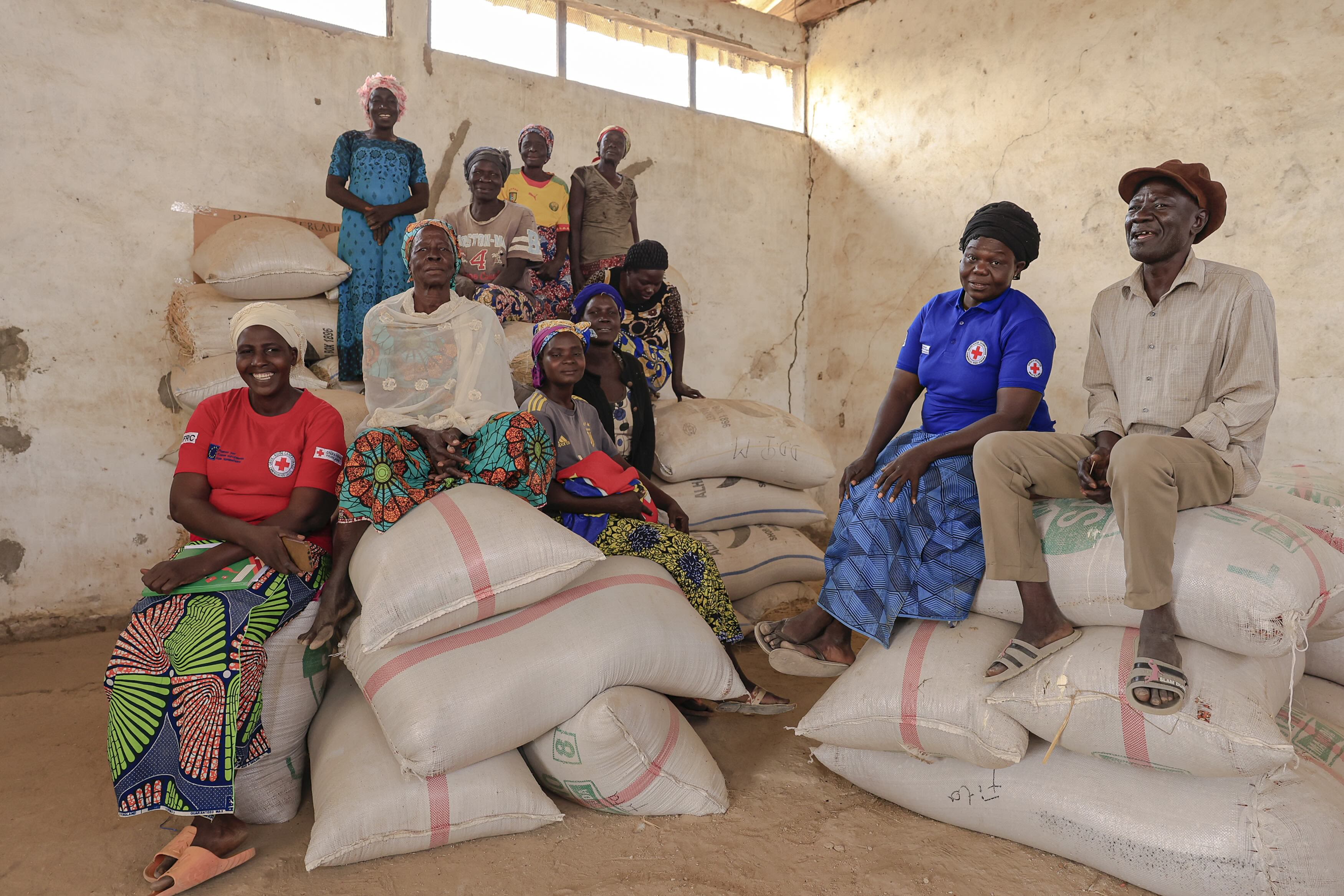
From grain to gain: A story of women’s empowerment and food security in Cameroon
In Kartoua, a remote village in Cameroon’s Far North region, women are not just storing millet — they are storing hope. Through a women-led cereal bank, they are turning vulnerability into strength, and solidarity into survival.
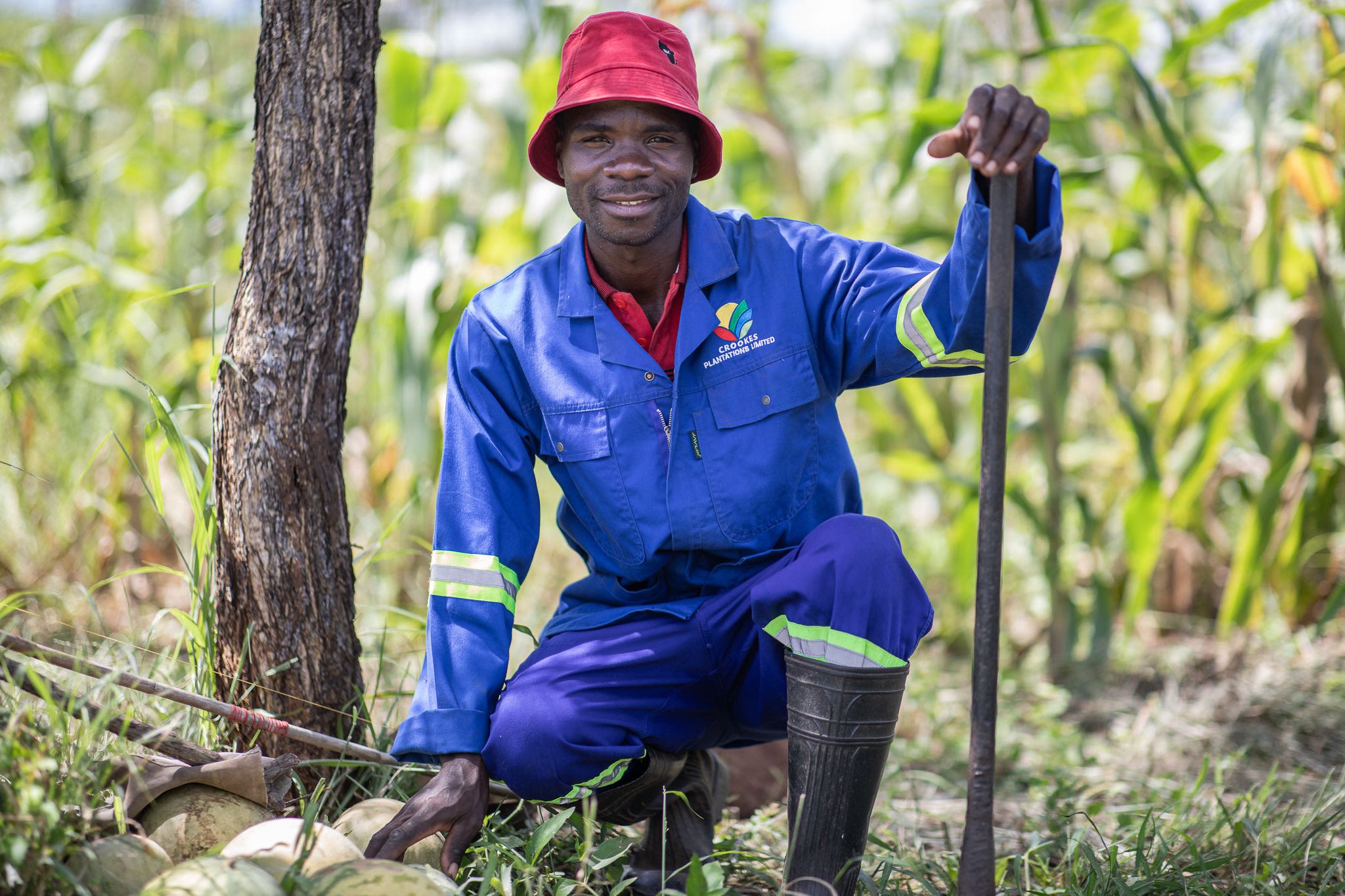
‘Now I can take care of my own family’
In the Lubombo region of Eswatini, near the town of Big Bend, 39-year-old Bongani Masuku looks over at his field of maize. He just harvested a section last week.“But there is still work to do,” Bongani says and starts working the land.
Hope amid the heat: A volunteer keeps us cool
Volunteers like Fatema Khatun help neighbors through sweltering heatwaves in Bangladesh.
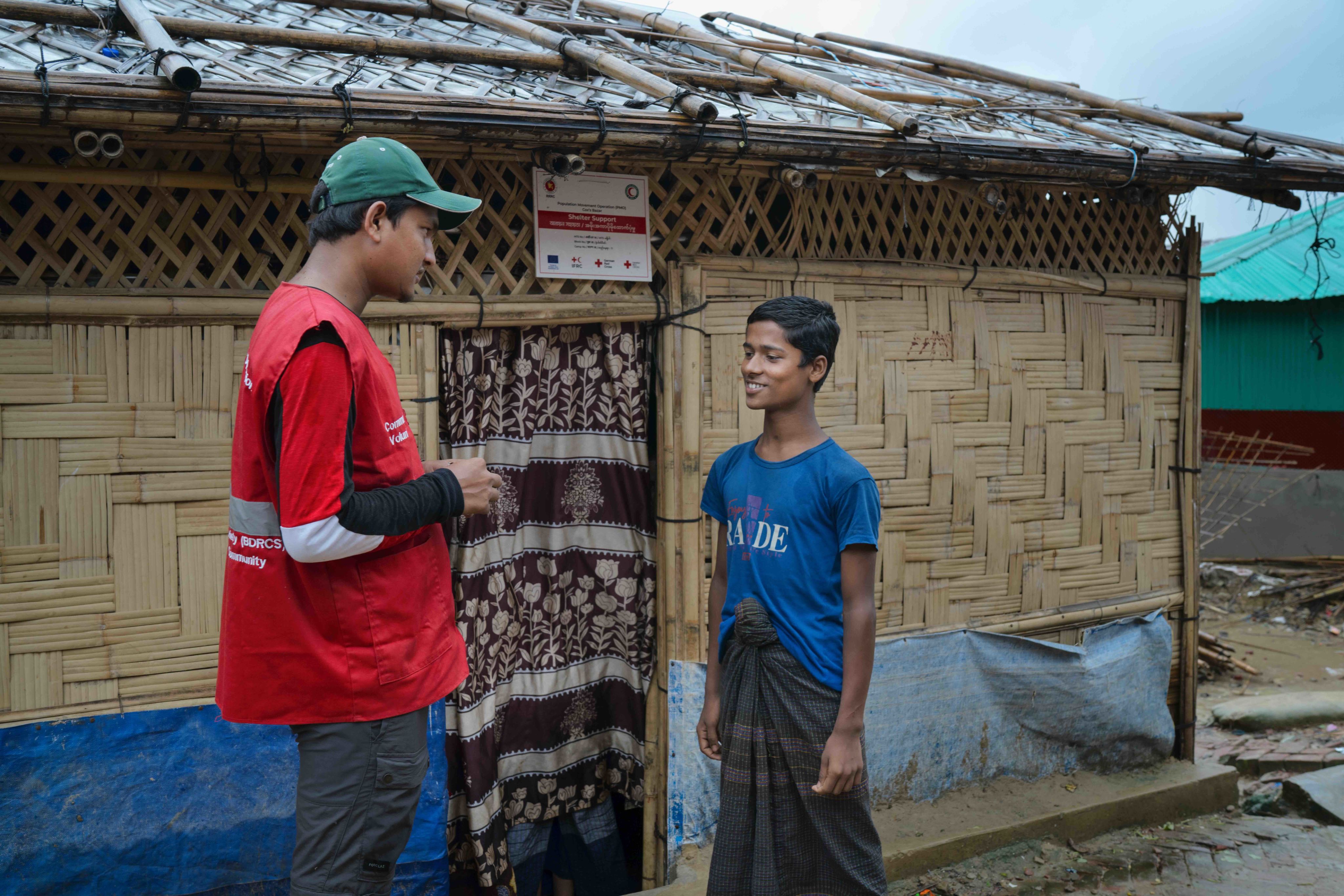
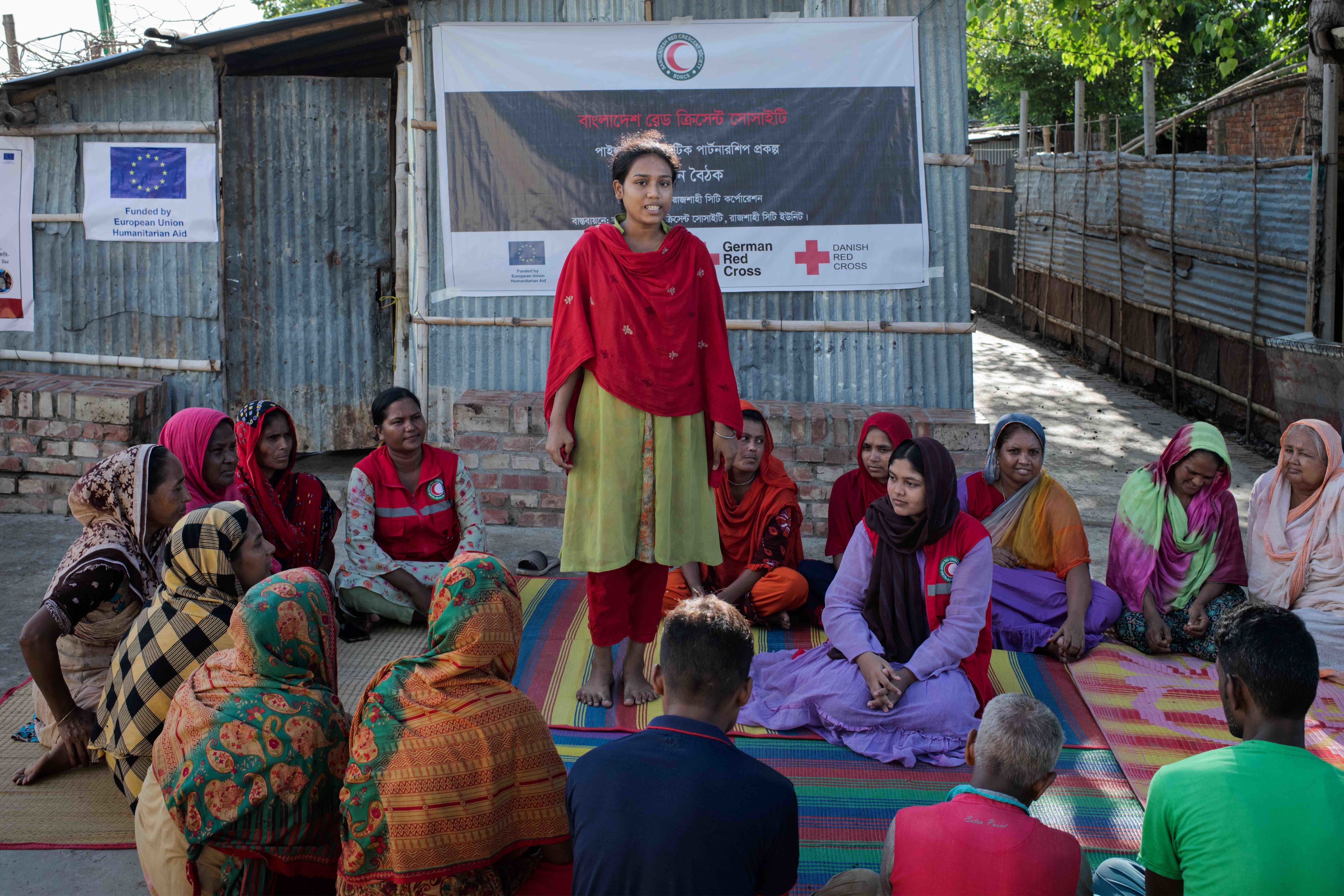
Rising from the ashes in Bangladesh
Amid the vast expanse of bamboo huts in Cox’s Bazar Camp-11, Bangladesh, 14-year-old Mohammad Shahid is in many ways like any average teenager.
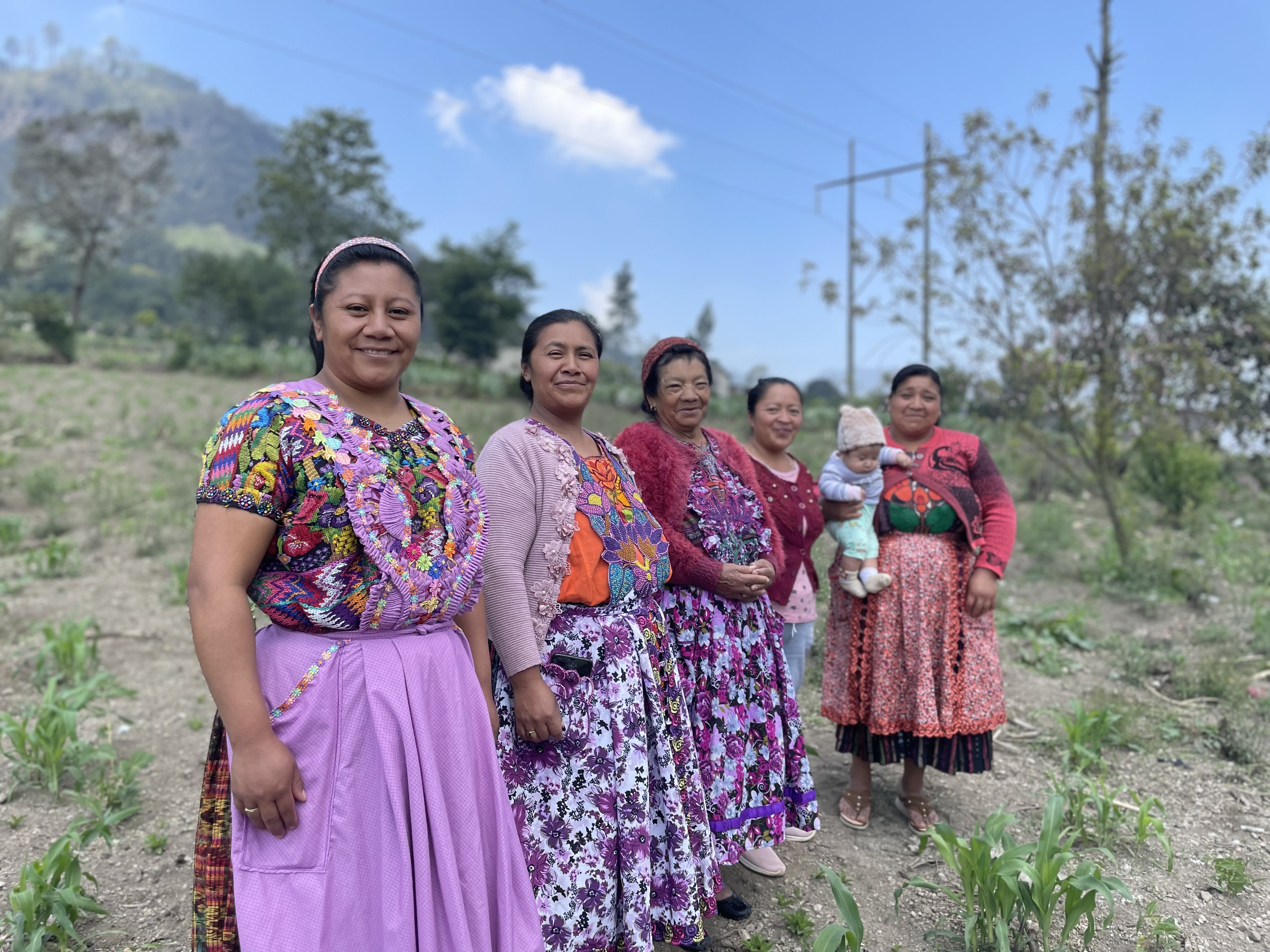
Rural women at the heart of community health
In western Guatemala, rural women are life-saving messengers, providing trusted health information to their local communities.
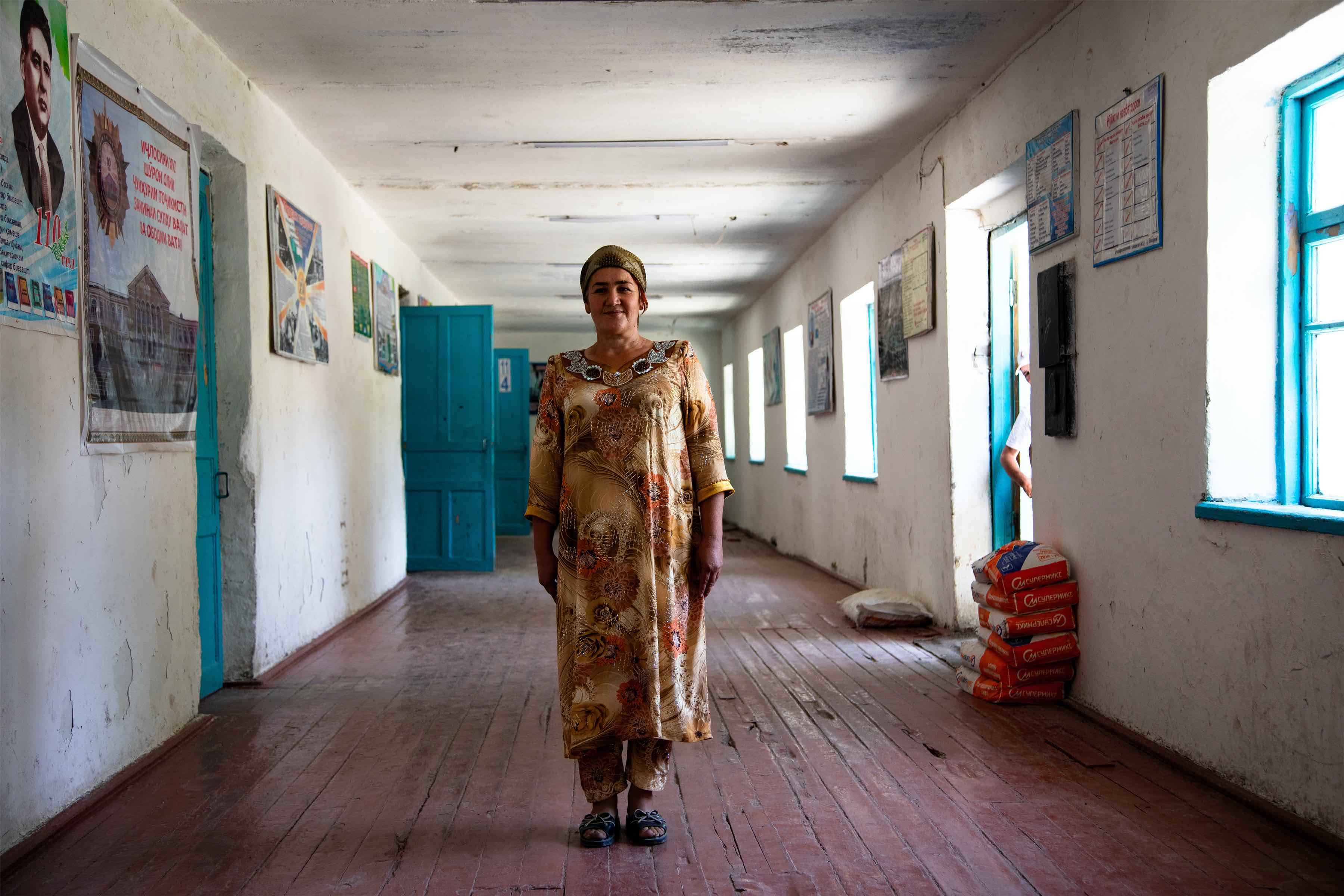
From landslides to landmines, keeping people safe and healthy
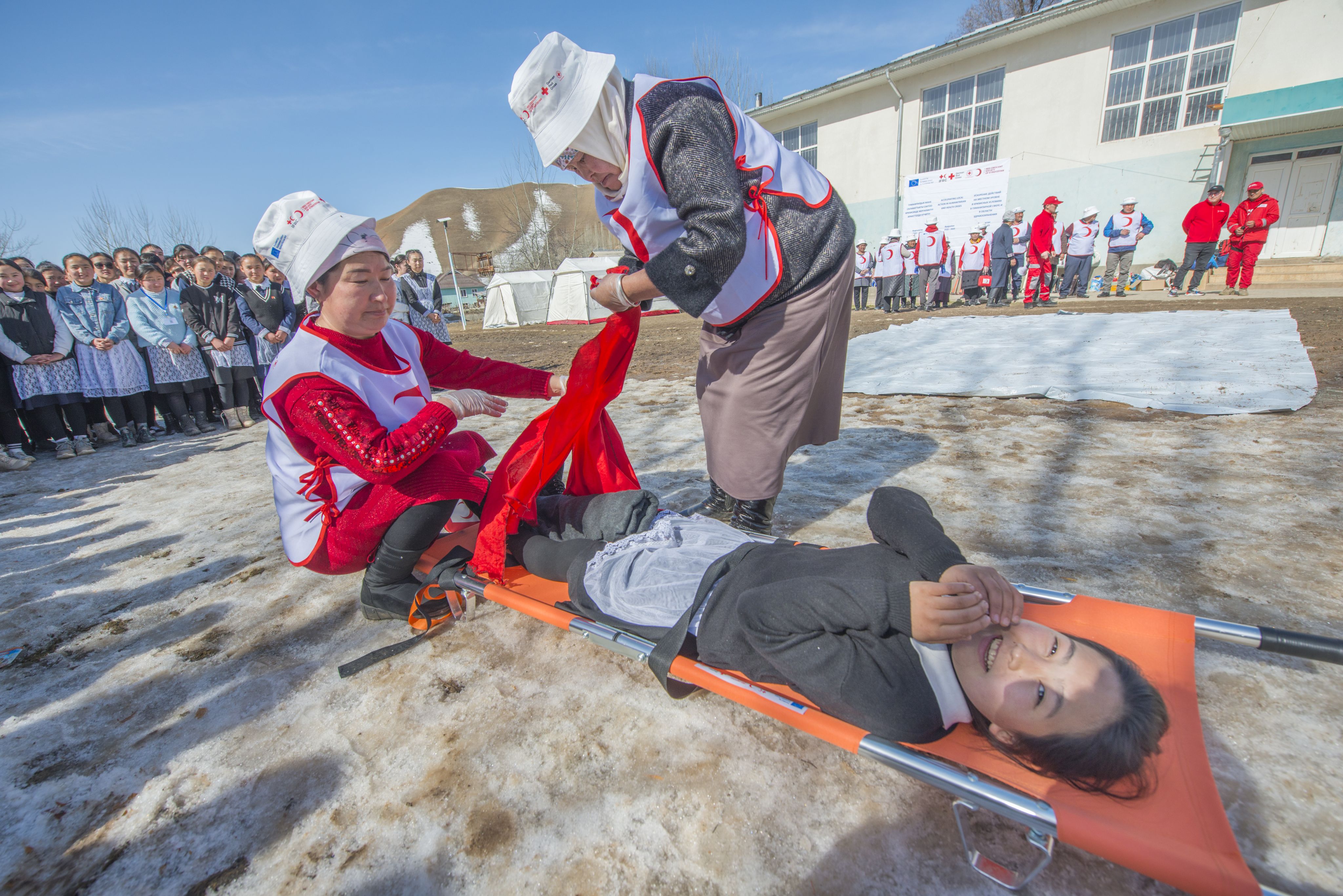
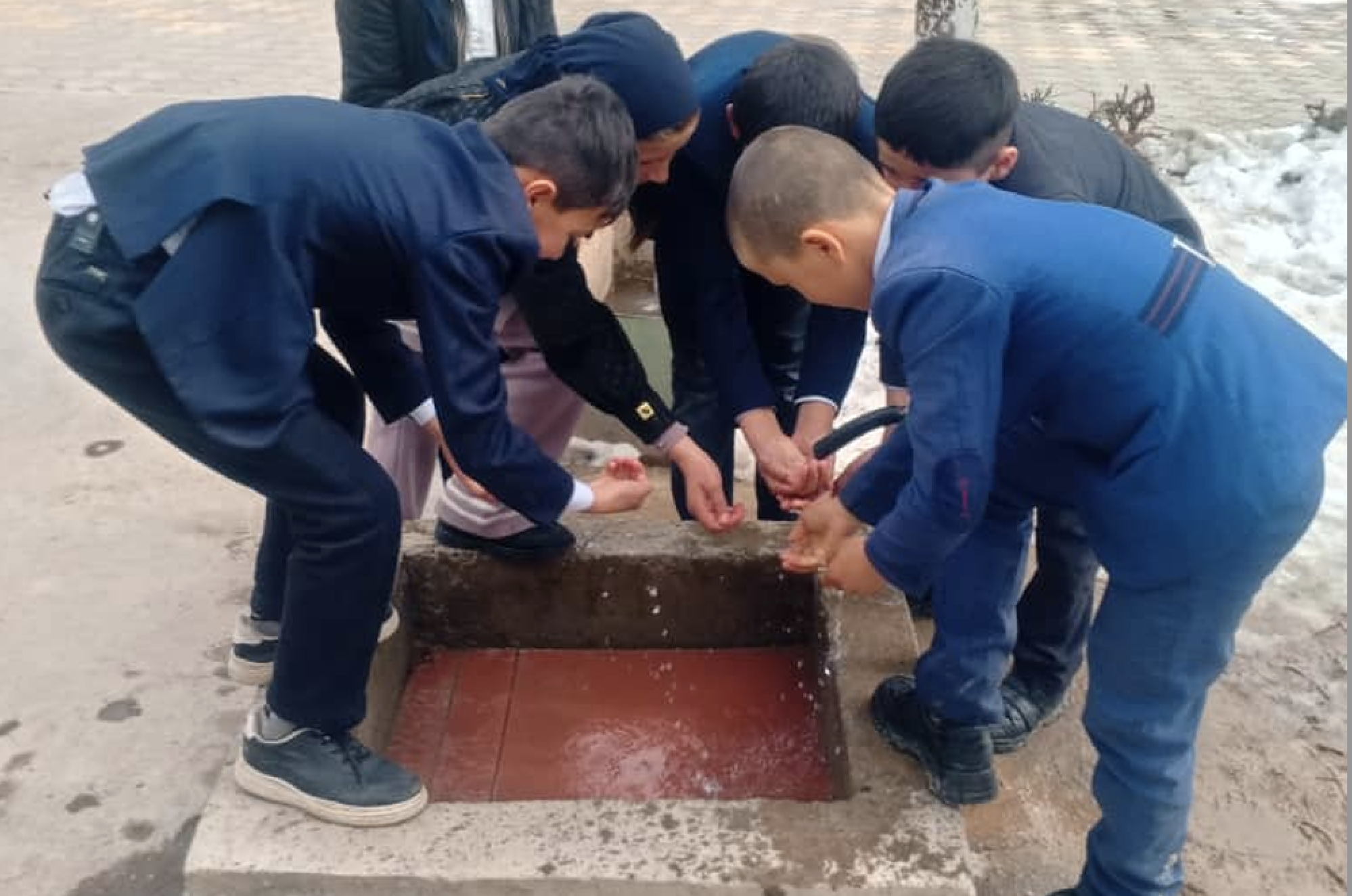
Tajikistan is prone to natural disasters such as mudflows, floods, landslides, earthquakes, avalanches, heat and cold waves. The increasing impact of climate change is exacerbating these hazards and the vulnerability of many rural communities.
The Programmatic Partnership has supported humanitarian action in 25 countries.
This work has been done hand-in-hand by Red Cross and Red Crescent National Societies across Africa, Asia, Europe and Latin America, including our National Societies in:
• Burkina Faso
• Bangladesh
• Cambodia
• Cameroon
• Chad
• Congo (Republic of)
• Democratic Republic of Congo
• Ecuador
• El Salvador
• Eswatini
• Guatemala
• Honduras
• Kyrgyzstan
• Lebanon
• Madagascar
• Mali
• Niger
• Panama
• The occupied Palestinian Territory
• Somalia
• South Sudan
• Tajikistan
• Uganda
• Yemen
• Zambia
Twelve National Societies from the European Union have also been key to the partnership:
• Austrian Red Cross
• Belgian Red Cross
• Danish Red Cross
• French Red Cross
• Finnish Red Cross
• German Red Cross
• Italian Red Cross
• Luxembourg Red Cross
• Netherlands Red Cross
• Norwegian Red Cross
• Spanish Red Cross
• Swedish Red Cross
A partnership between:
|
|
|



 Built with Shorthand