
The power of motherhood and fatherhood
In northern Nigeria, groups of mothers and fathers lead the fight against chronic hunger. They're challenging social norms and creating durable, local solutions.

Green, yellow, red
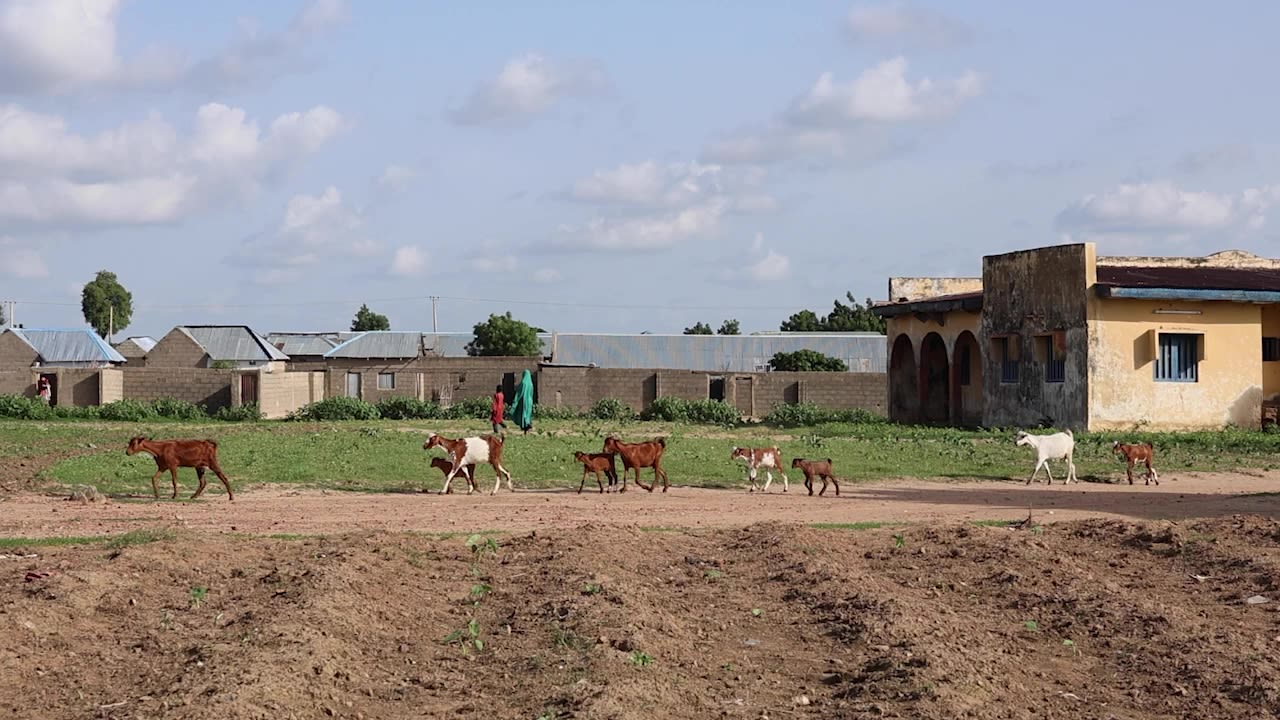
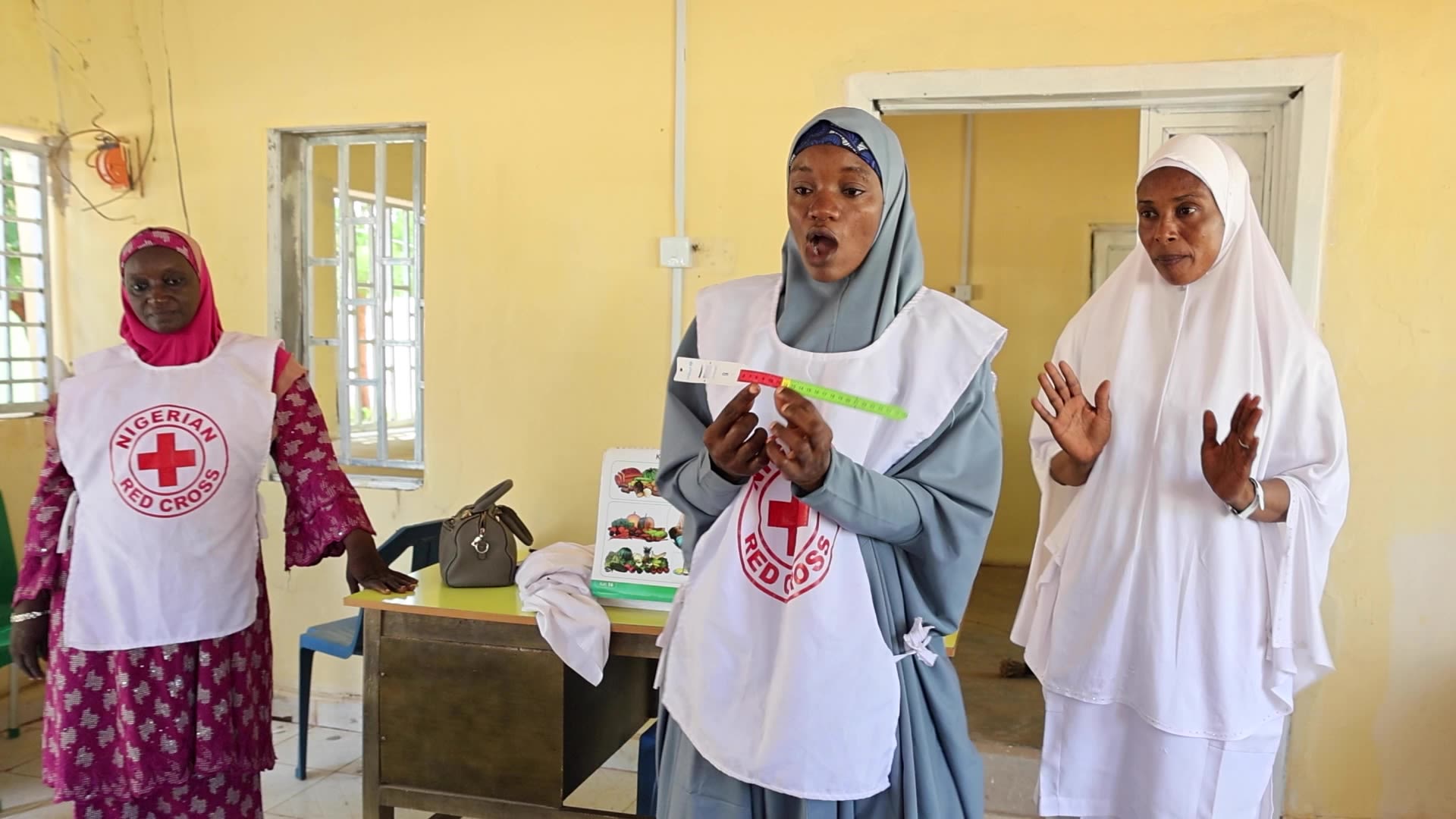
In a village in northern Nigeria, a volunteer for the Nigerian Red Cross named Jemilah holds a small multi-colored fabric band as she speaks to a gathering of about 30 women, most of whom who are holding infant children.
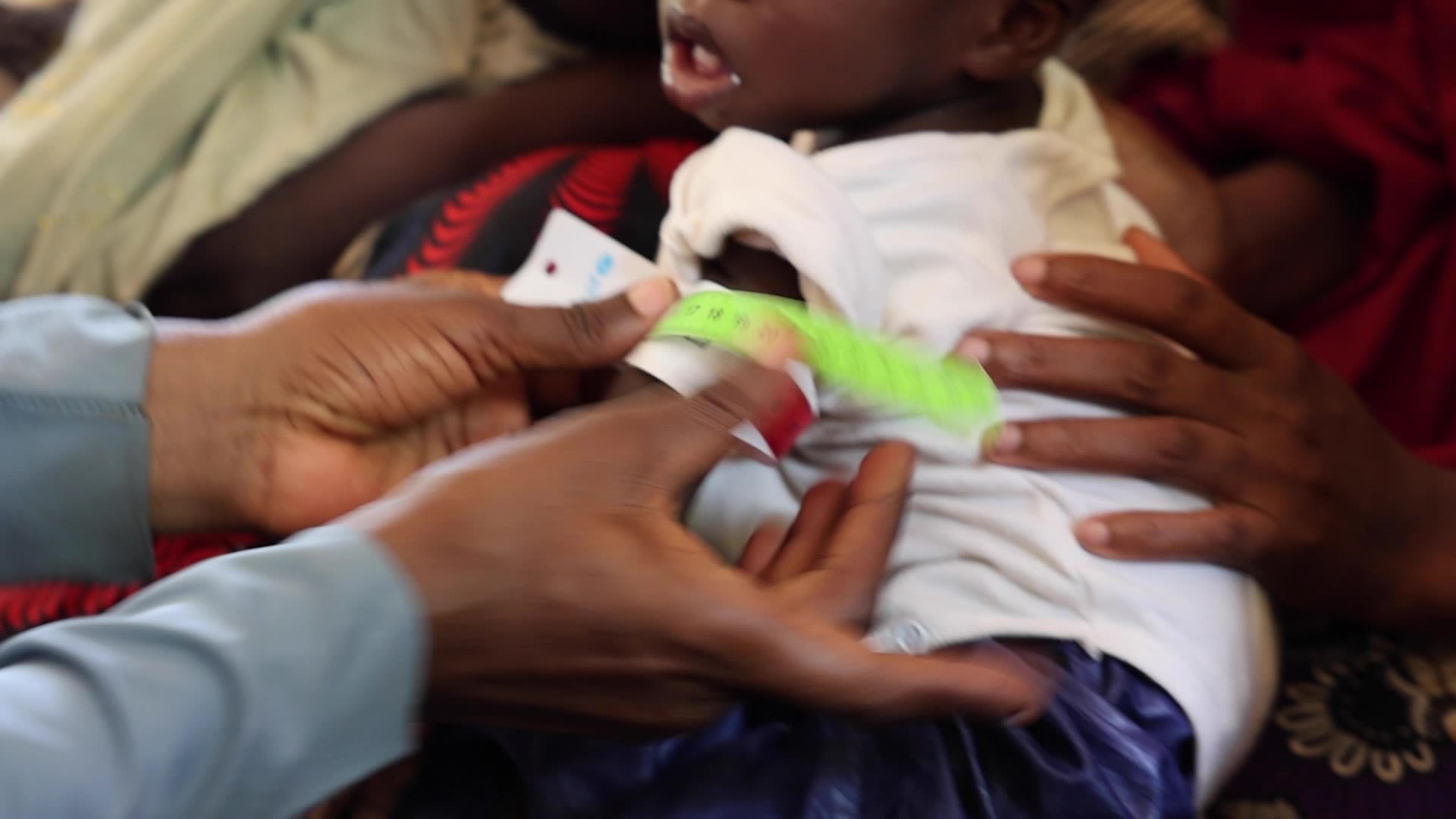
Going around the room, she places the band around each infant's arm. The band has three colors: green, yellow, and red. If the band becomes tight around the child's arm at the part of the band that's green, then the child is doing OK.
If the band tightens around the part that's yellow, the child is probably malnourished. If it's in the red, then the child is likely suffering from a potentially life-threatening level of malnutrition.
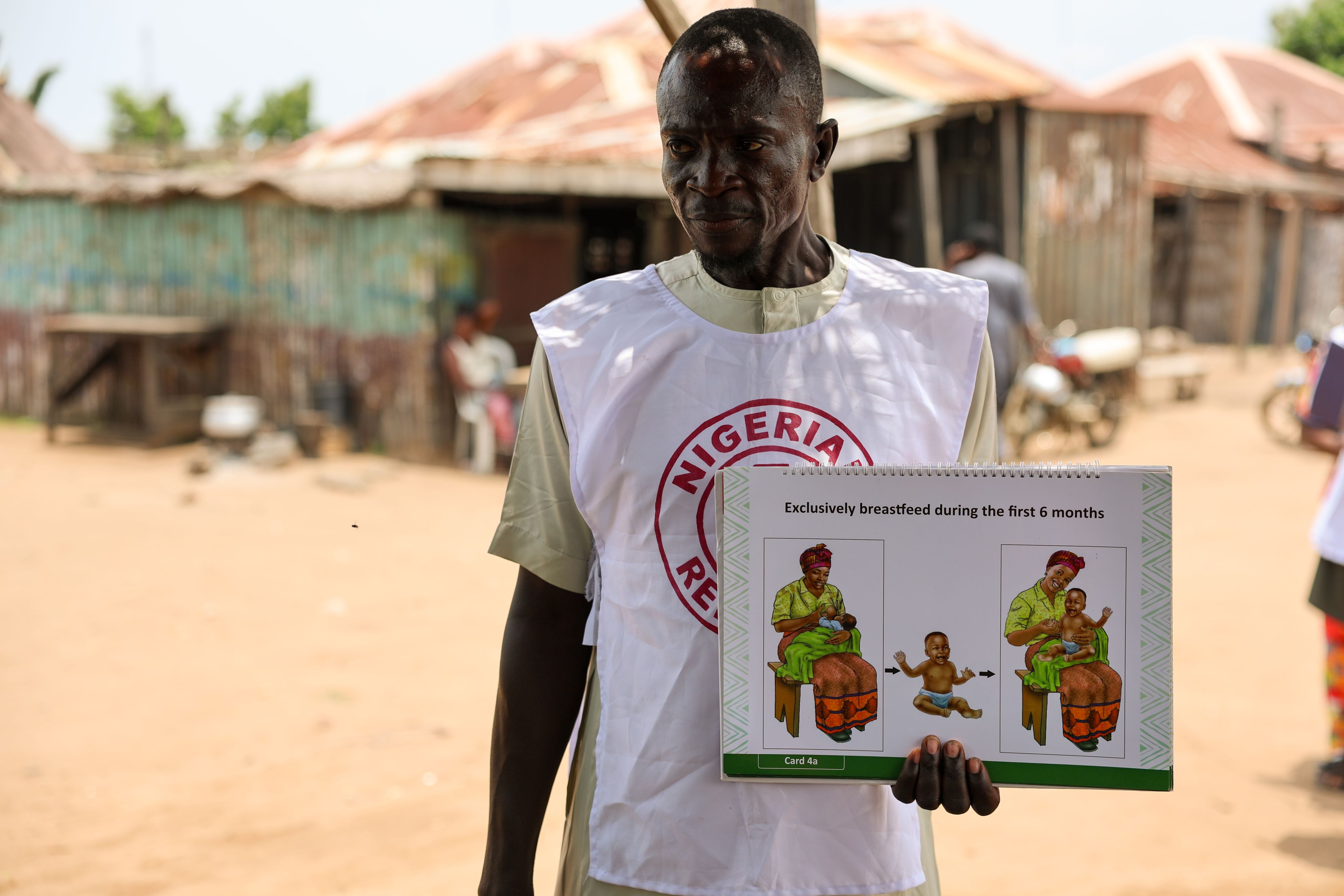
“If it's in the red color, we refer them to the malnutrition center,” Jemilah explains. “But if the baby is in the yellow, then we help educate the mother in nutrition, on how to breastfeed, and to use only breast milk up to 6 months of age.
“Then after six months, they will introduce complimentary feeding for the baby so that the baby will not enter the malnourish stage.”
Listen as Jemilah sets the stage for this episode of IFRC's Red Vest podcast.

Too many in the red
The problem is that far too many children in the room and around northern Nigeria are coming up in the yellow or in the red.
An estimated 2 million children now suffer from severe acute malnutrition in Nigeria, yet only 2 in 10 are receiving treatment.
This is due to a number of compounding factors including conflict, displacement, climate shocks, economic pressures and weakened health services.
But local communities are finding solutions. In this episode of Red Vest podcast, we take you to several remote villages in northern Nigeria where local communities are developing durable solutions. They're doing it through the power of motherhood and fatherhood, and by challenging long-held traditional norms.
Our guides will be Jamila, the Nigerian Red Cross volunteer, along with Ikwo Imoke, the health coordinator for the Nigerian Red Cross, and Aduratomi Bolade, communications officer for the IFRC, which has been mobilizing resources through an emergency appeal to address the malnutrition crisis.
You'll also be introduced to another key character: Tom Brown. But you’ll have to listen to the episode to learn how Tom Brown is helping to bring thousands of children back from the brink of severe malnutrition.
You can also listen to this episode on any of your favorite podcast streaming platforms, including:
And don't forget to subscribe so you can hear more immersive audio stories like this one.

So what is a mother’s club?
The Nigerian Red Cross’s Ikwo Imoke explains:
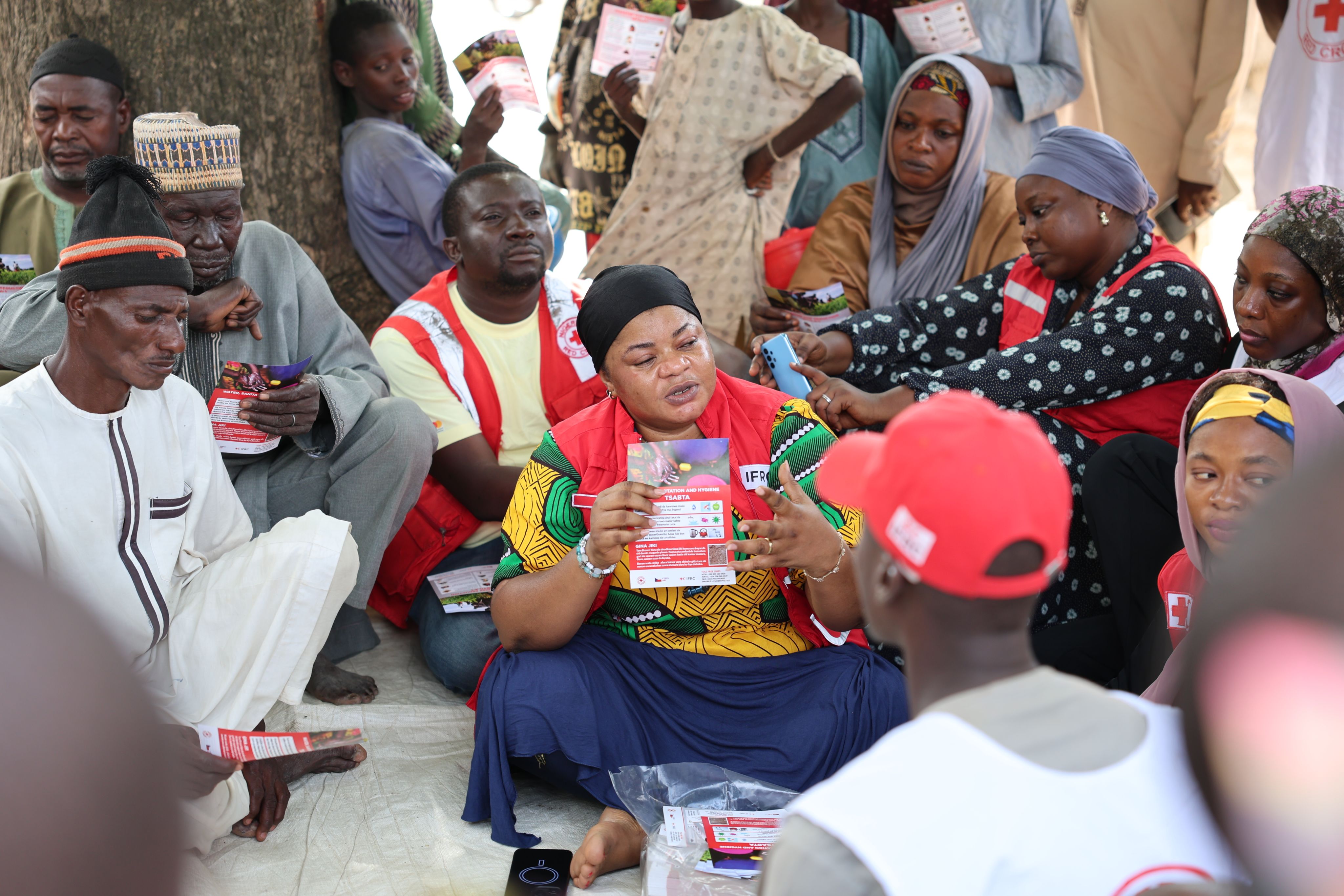
“A mother’s club is a group of women that we bring together – mothers, sisters, aunties, and women in the affected communities.
We give them basic education on how to feed their children with locally available food items that they can source at very little cost. And then we also teach them some basic hygiene habits: basic hand washing, when and how to wash their hands, how to cover and process their food, how to collect water, how to store it and dispense without introducing any form of infection that might cause diseases to spread.
Why mothers?
“Whenever there's a crisis, we know that the most vulnerable people, the people who are most affected are primarily women and children. And the mothers tend to stick more to the children.”
“In most homes, the man is busy looking for means of livelihood for the families. So, we thought it was crucial for the mothers to be educated and be given basic knowledge, adequate for them to make informed decisions.”
The Red Cross volunteers like Jemilah also share knowledge on how to make a nutritious and easily digestible baby food using a mix of locally available and affordable grains and beans. This nutritious mix replaces the less nutritious starch-based foods often relied on in Nigerian homes.
Beyond just food
But the mothers clubs go far beyond food.
Red Cross volunteers and mother’s club leaders also share lessons in making soap from locally sourced materials, on how to produce sesame oil for cooking and other purposes, and in making delicious snacks made of sesame seeds and honey, among other things.
All these can be used in the household or be sold by mothers club members to bring revenue into the group.
“The reason why we teach them the skill is we want them to depend on themselves,” says Jemilah, the Nigerian Red Cross volunteer.
“So if their husbandd don't have enough money to give them so they can buy something that they they need, they will have the skills to make these things and sell them.”
This is the other magic ingredient that goes into the mother's clubs. It's not just about helping women make extra income. It's about a collective response that benefits the larger group. Listen to Ikwo speak more about that in the episode.

And what about the fathers?
“We learned from experience that some women were not able to join the mothers club because they did not have the permission of their husbands.
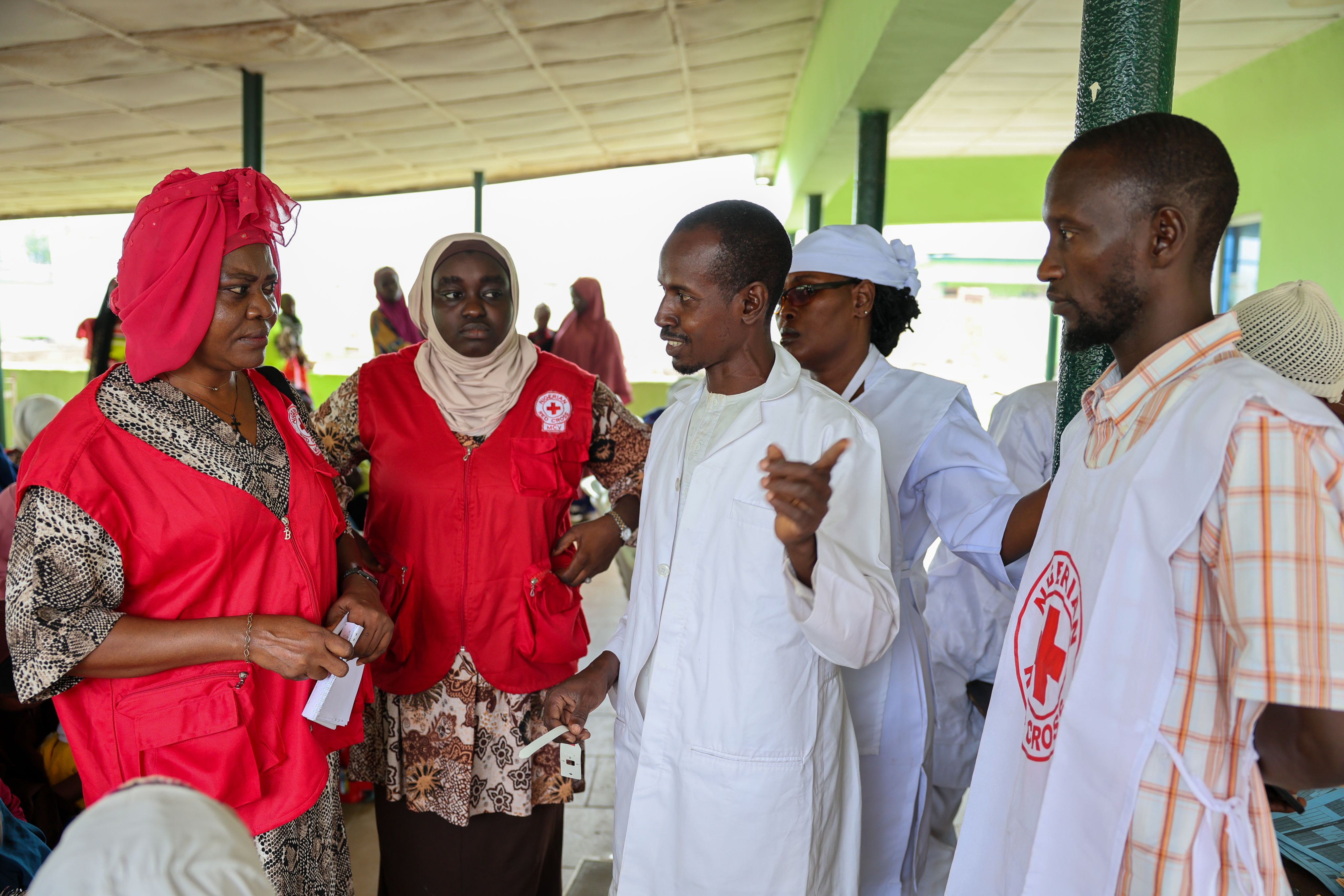
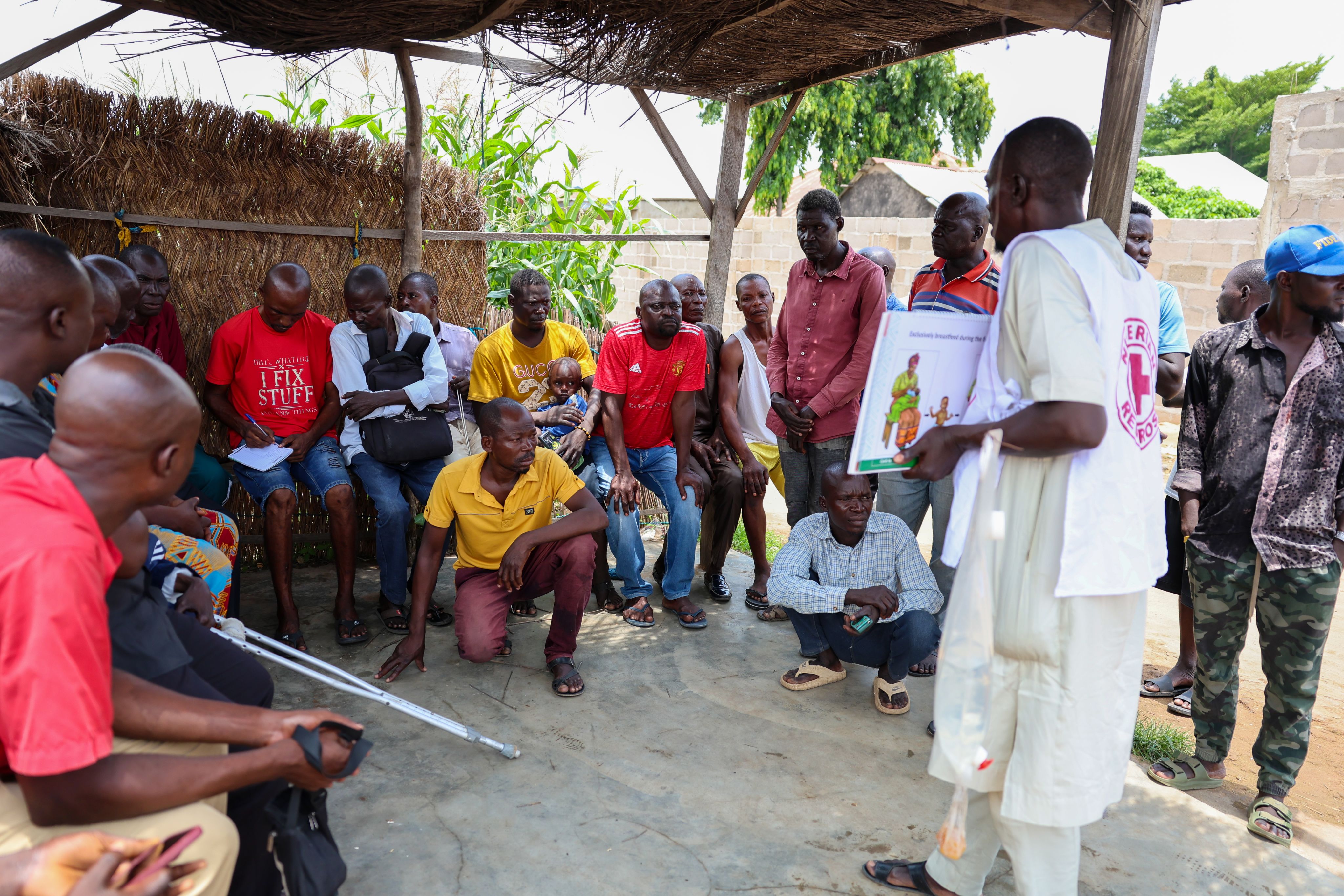
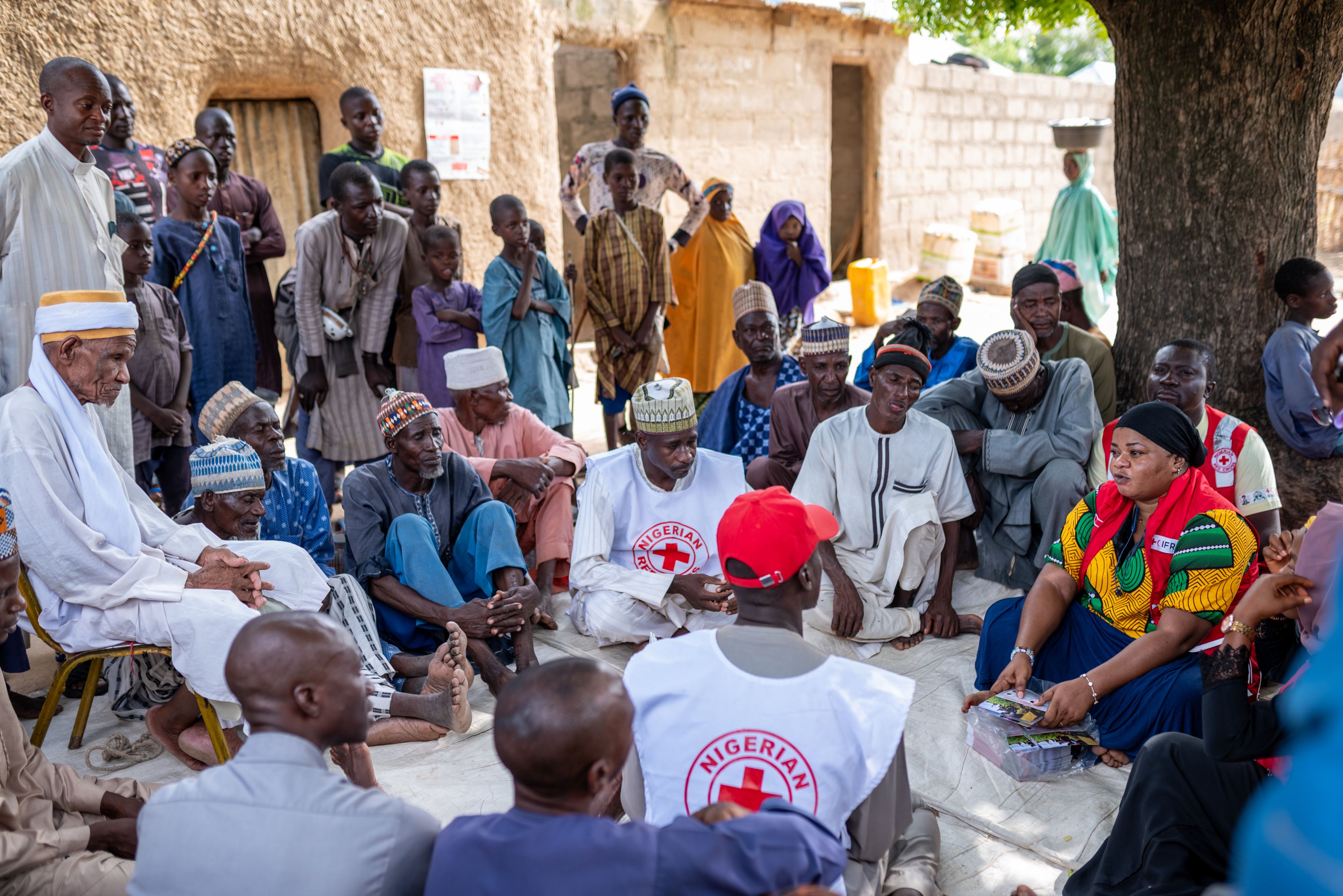
So we started what we call the Papas Clubs, where the men do similar kinds of activities as the women – they come together once a week to discuss issues around nutrition with our volunteers.
“So the men now are more involved in the nutrition of the family and now they understand more why their wives should be given the permission to attend the mother's club. Now they understand why the feeding of the child and supporting family health should be prioritized.”
In many communities, having the husband’s support can be a matter of life and death. To make her point, Ikwo tells the story of a severely malnourished child in one of the villages she visited where a father refused to allow his severely malnourished child to go to the treatment centre, despite the pleadings of his wife, his wife’s family and lcoal health authorities.
“It was heartbreaking,” recalls Ikwo, who talks more about the child’s story in the episode.
“Unfortunately there's nothing we could have done about it,” adds Aduratomi Bolade, the IFRC’s communications officer in Abuja, who was also there that day. “And there's really nothing that the woman could do … she's more or less helpless. Which is one of the strong reasons why Papa's Club should be should be encouraged.”
According to Ikwo Imoke, the Fathers Clubs are in fact having a tremendous impact in terms of helping mothers and fathers work more closely together on family health.
“Because now we don't struggle so much because now they understand why we are bringing these women together and what the women are learning when they meet with the Red Cross.

A happy family
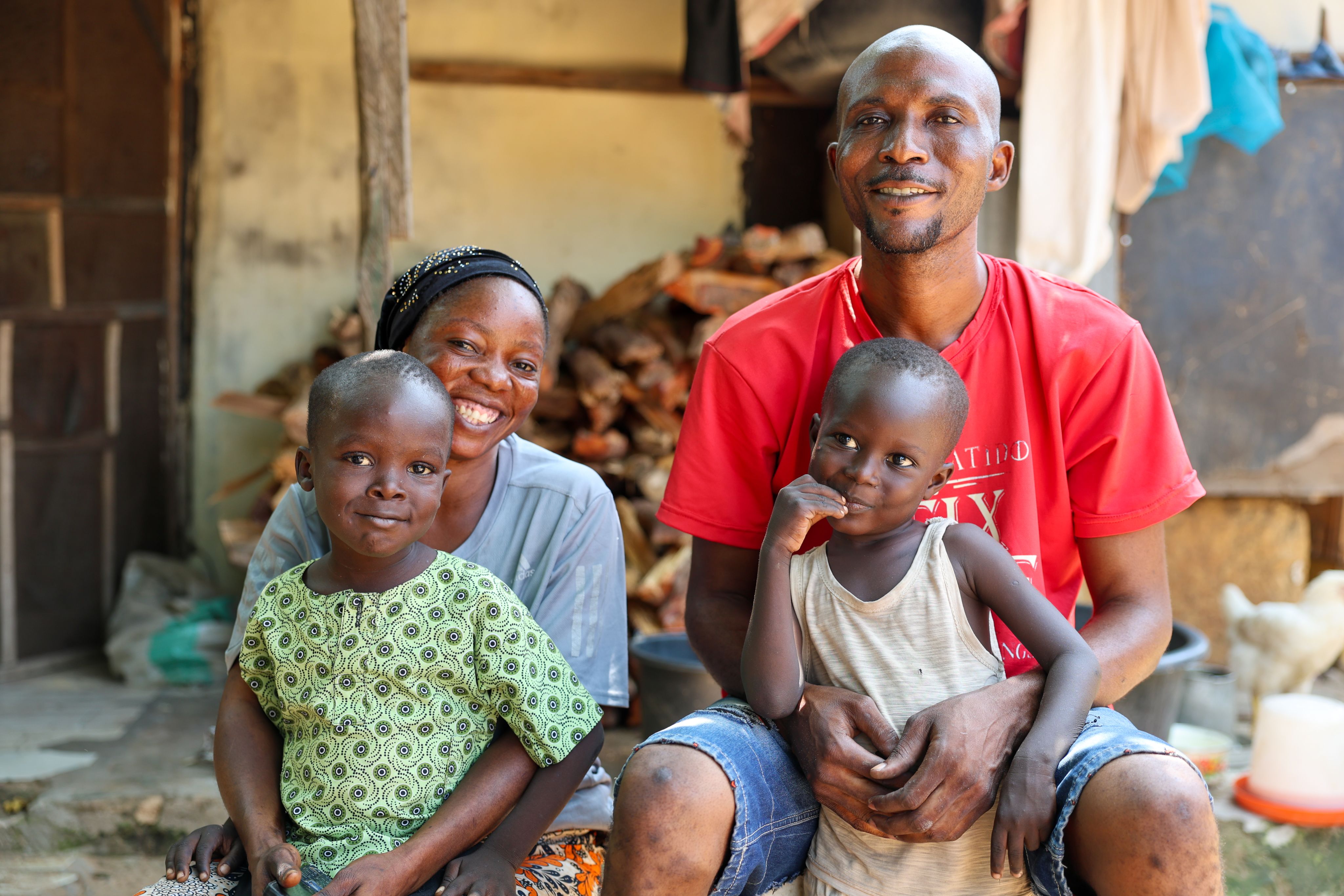
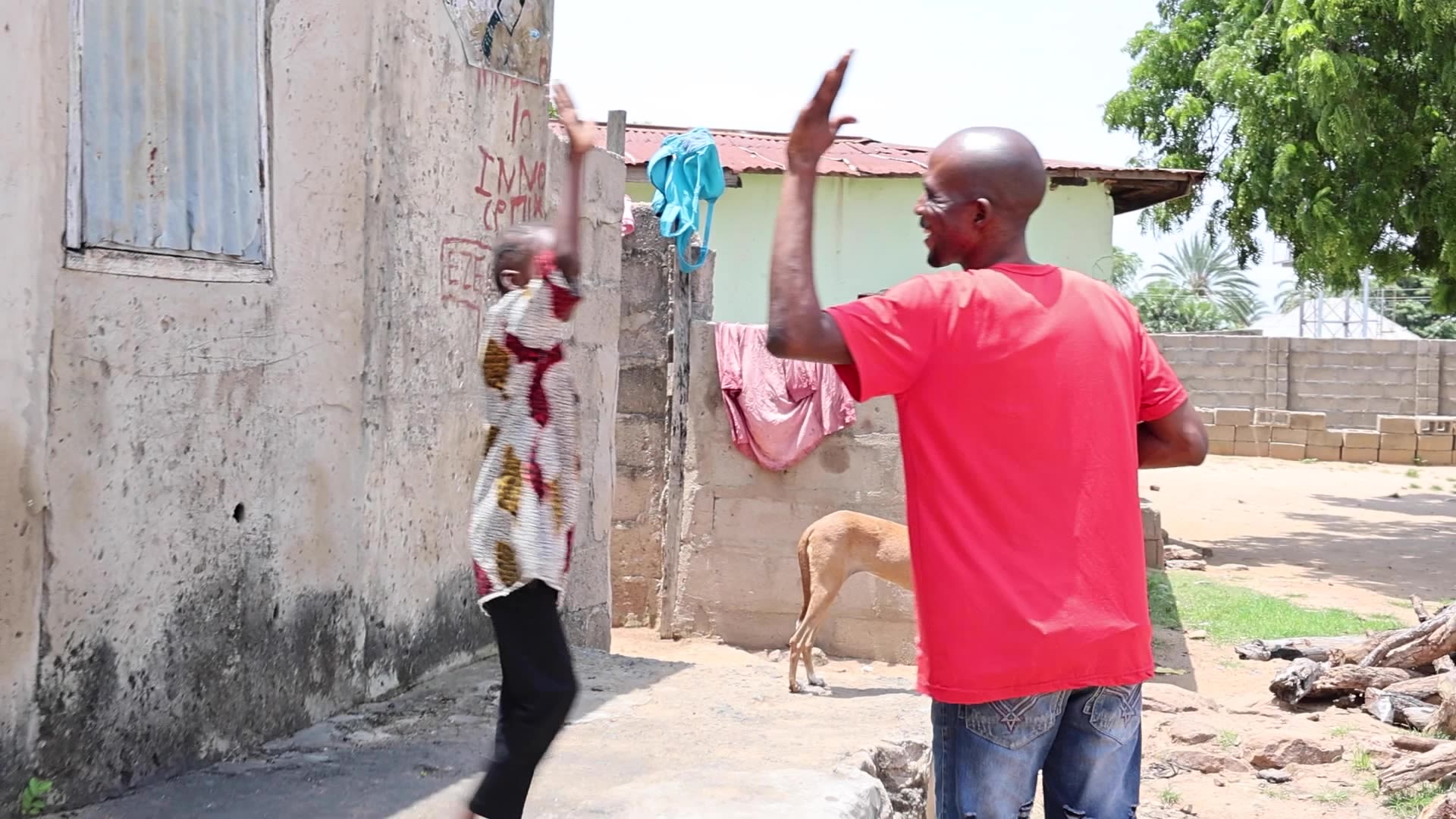
In that same village, meanwhile, another father named Pwavi Sanagon Kushi is walking through the narrow alleyways near his home, picking up litter, chatting with friends and neighbors. And once he's home, he starts cleaning up his yard, sweeping up leaves, and stacking wood to make a small cooking fire so his wife can make the evening meal.
“Papa's Club has created a lot of awareness to us concerning how we should live and gives a clean environment for our children to live,” Pwave says.
“Before, we looked at our wives like slaves, without minding how they feel. You know, all these traditions and other things that made us to believe that women are less than men. So when papas come, we treat them equally and give them a sense of belonging.”
The Papas Clubs are showing us how to go wit, the modern generation concerning washing hands before you start eating and before you start anything, and you will clean your environment. You make sure that that place is clean for the health of your children and the family.
How does his wife feel about these changes? “Sometimes if she's cooking, I will be holding children and make sure that I pumper them so that they will not cry much. And sometimes I even ask her to step aside. I will cook. So my wife is happy more than before now.


All photos, videos and interviews used in this web story and included in this episode of Red Vest podcast we're produced by Aduratomi Bolade, IFRC senior communications officer based in Abuja, Nigeria.
Special thanks to Jemilah and Ikwo Imoke of the Nigerian Red Cross, and all other volunteers who make this work, and this podcast episode, possible.
 Built with Shorthand