
Protecting children on the move
On International Migrants Day, 18 December, we reaffirm our collective responsibility to ensure migration is safer, more inclusive, and more humane — particularly for the most vulnerable.
How the IFRC protects children on the move.

A right to safety
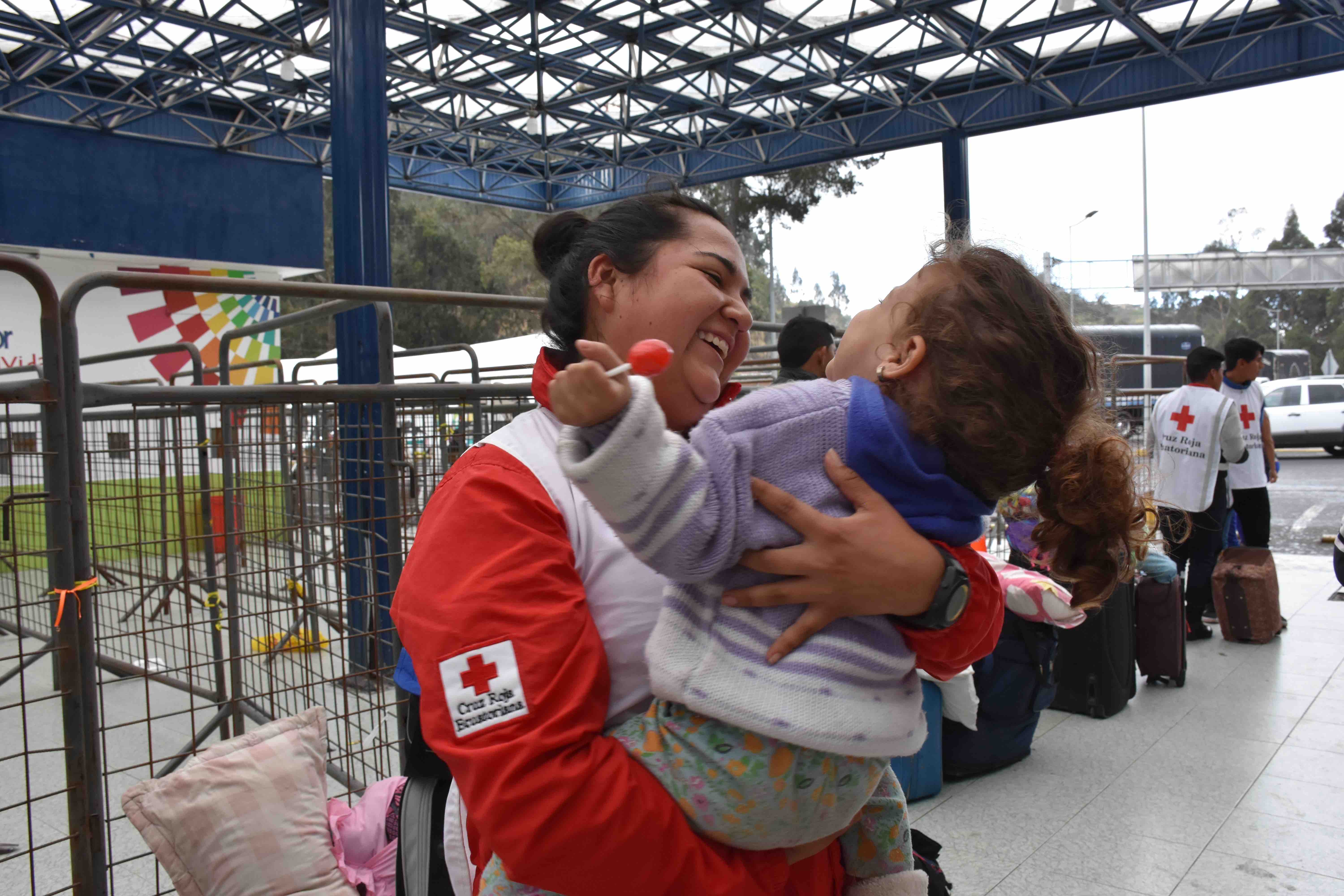
Every child has the right to safety, education, and care. Yet in times of disaster, conflict, or hardship, these basic rights often vanish, especially for children on the move.
When separated from family or traveling alone, they face heightened risks of violence, exploitation, and even death.
Today, more than 218,000 unaccompanied and separated children worldwide are increasingly unsafe as humanitarian funding cuts reduce essential services.
For the IFRC network, protecting and assisting these children is not optional, it is central to who we are and to the work we do.
Along borders and migration routes, over 160 National Societies provide migrants and refugees tailored assistance to millions of migrants and refugees annually.
But the scale of need continues to grow, and urgent action is required. International Migrants Day, marked each year on 18 December, is a moment to reaffirm our collective responsibility to ensure that migration is safer, more inclusive, and more humane.

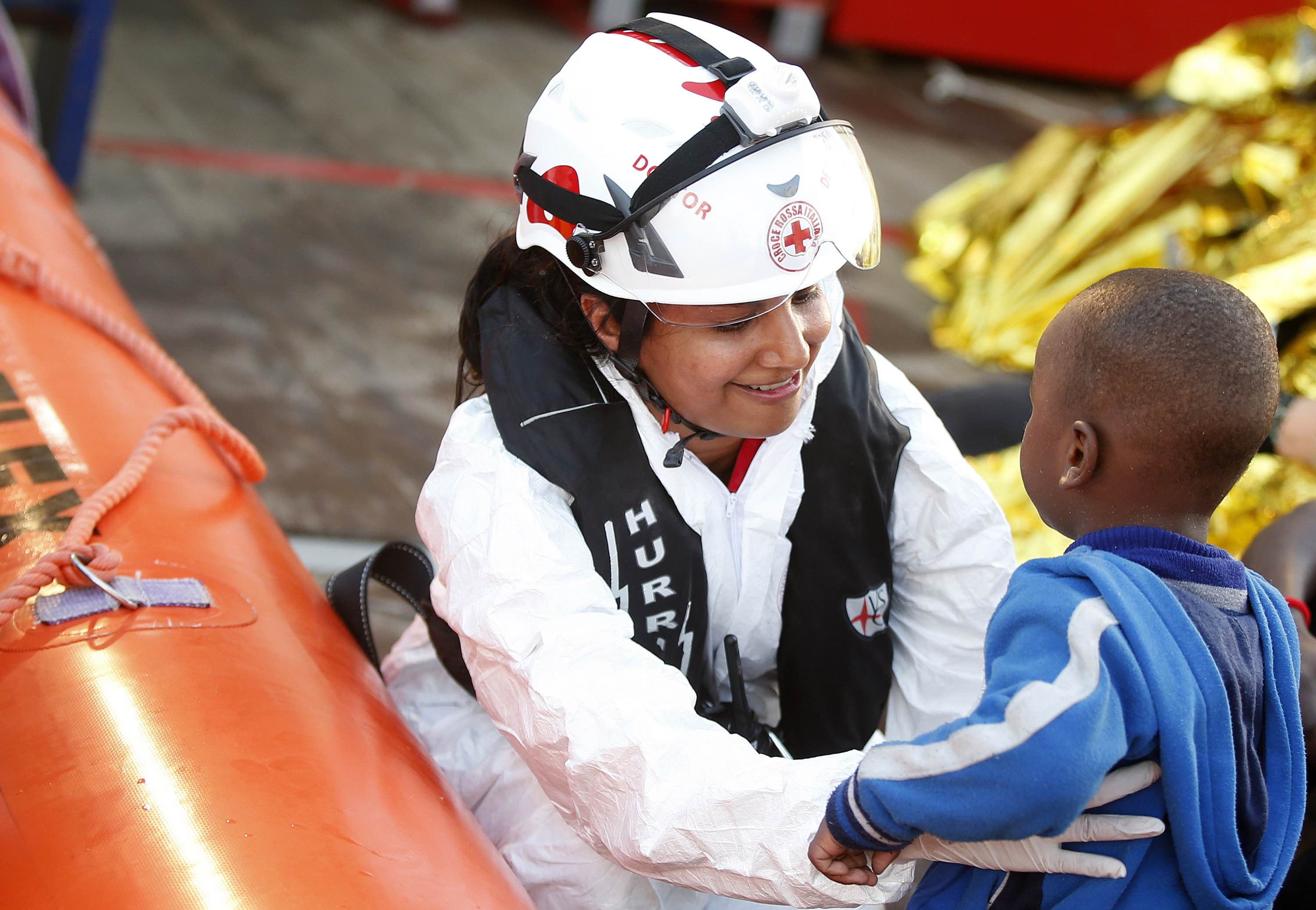
How the IFRC network protects and assists children on the move, including unaccompanied and separated children
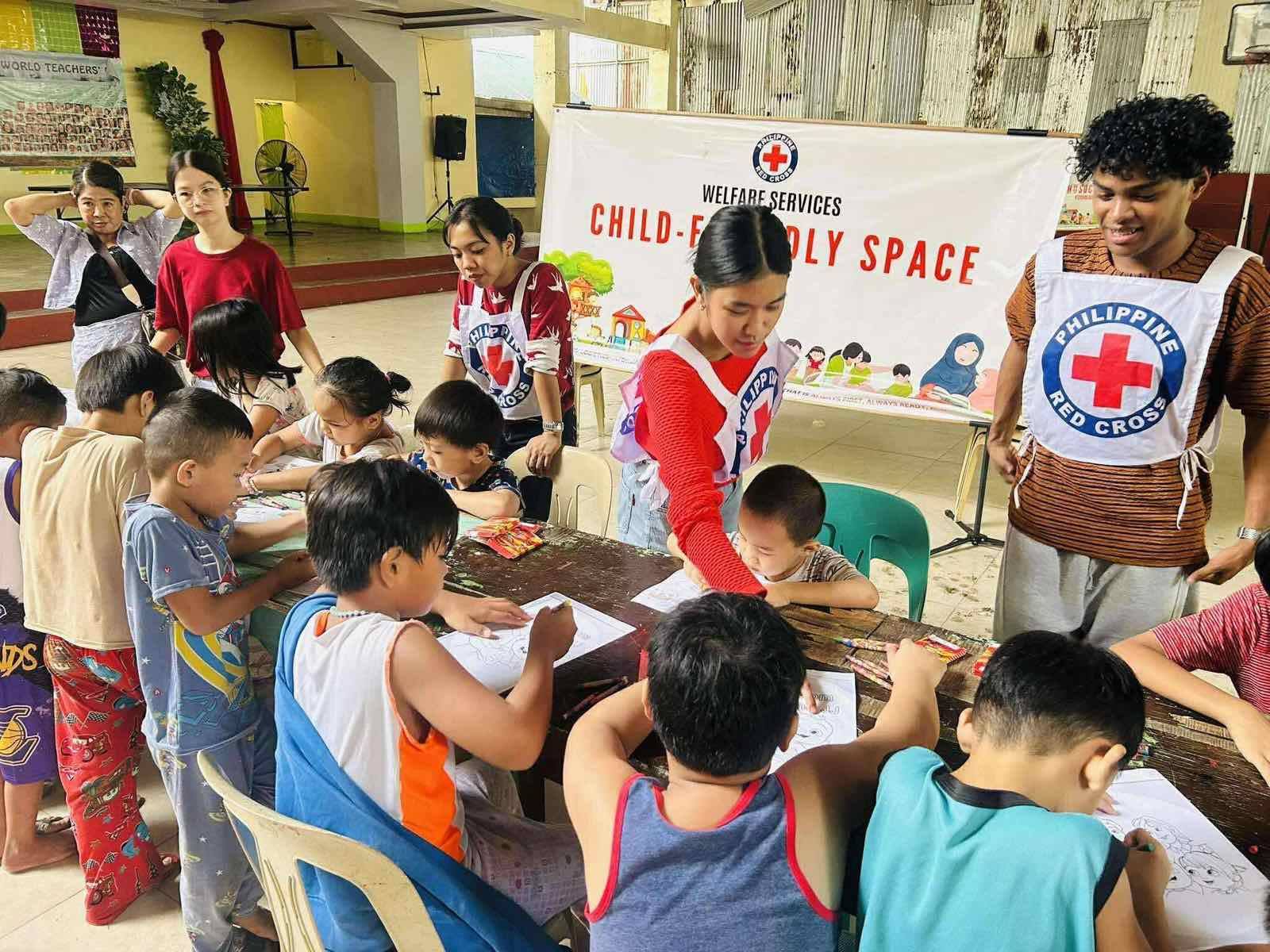
National Societies deliver essential, life-saving services for children on the move, including:
· Safe shelter, food, water, and basic relief
· Mental health and psychosocial support (MHPSS)
· Protection referrals and access to education and healthcare
· Restoring Family Links (RFL) and, where required, guardianship
To enable fast, safe, and consistent responses, the IFRC Network also invests in preparedness and quality:
· Training local volunteers on child protection, safeguarding and trauma-informed approaches
· Strengthening protection referral and coordination across countries
· Improving sex, age and disability disaggregated data collection
· Pre-positioning gender-sensitive child protection supplies
The IFRC Secretariat supports this work by providing technical guidance, advocacy, coordination, capacity strengthening, tools and frameworks.

Child protection in action
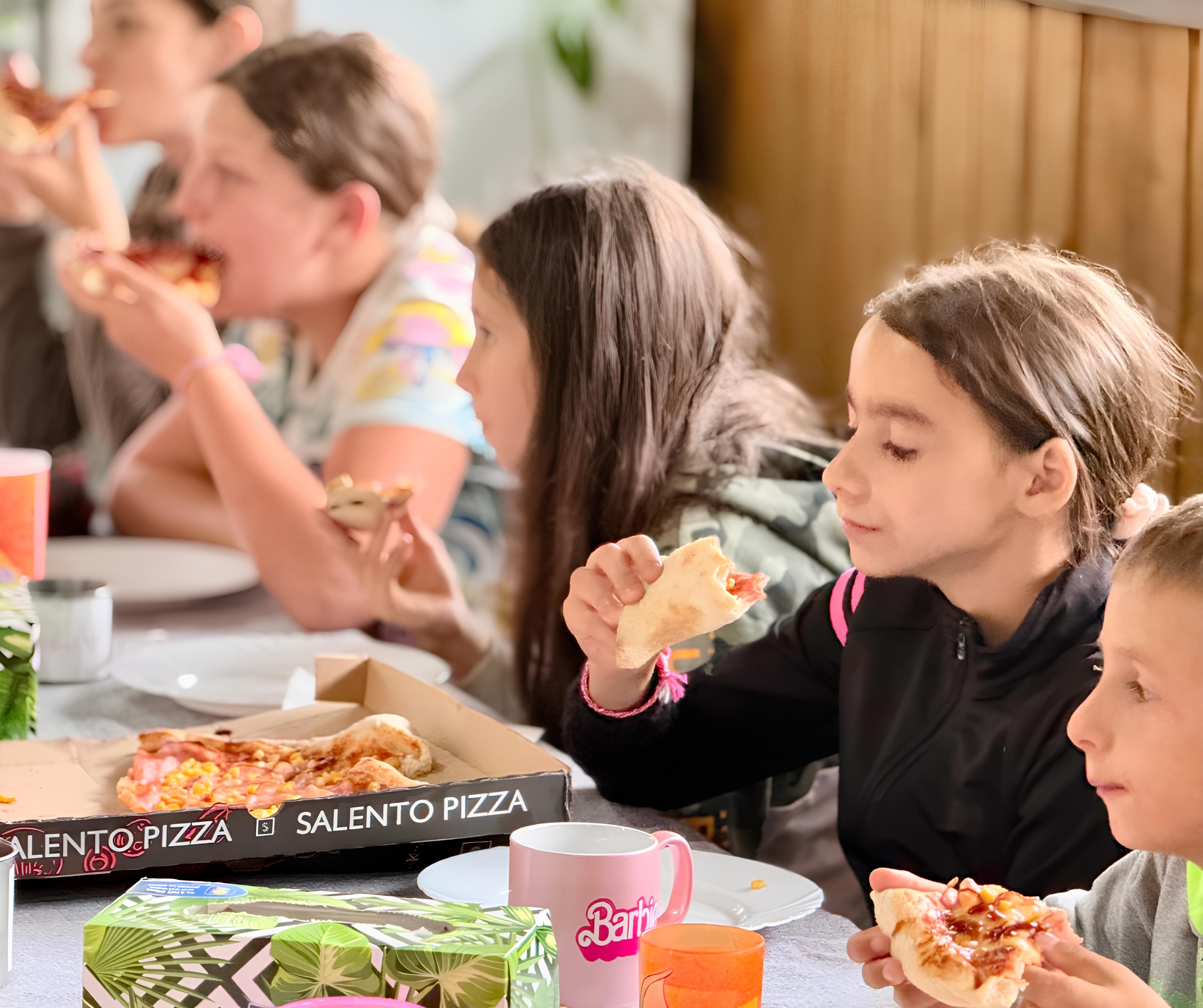
Three examples of Red Cross and Red Crescent National Societies ensuring child protection takes top priority in emergency response.
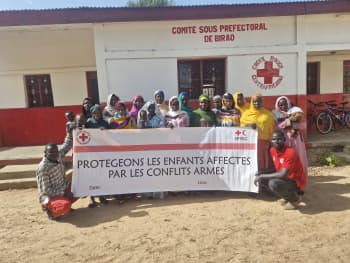
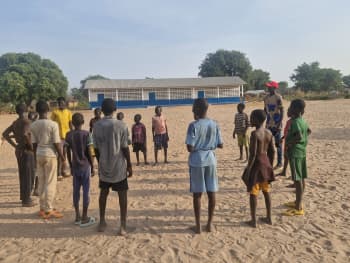
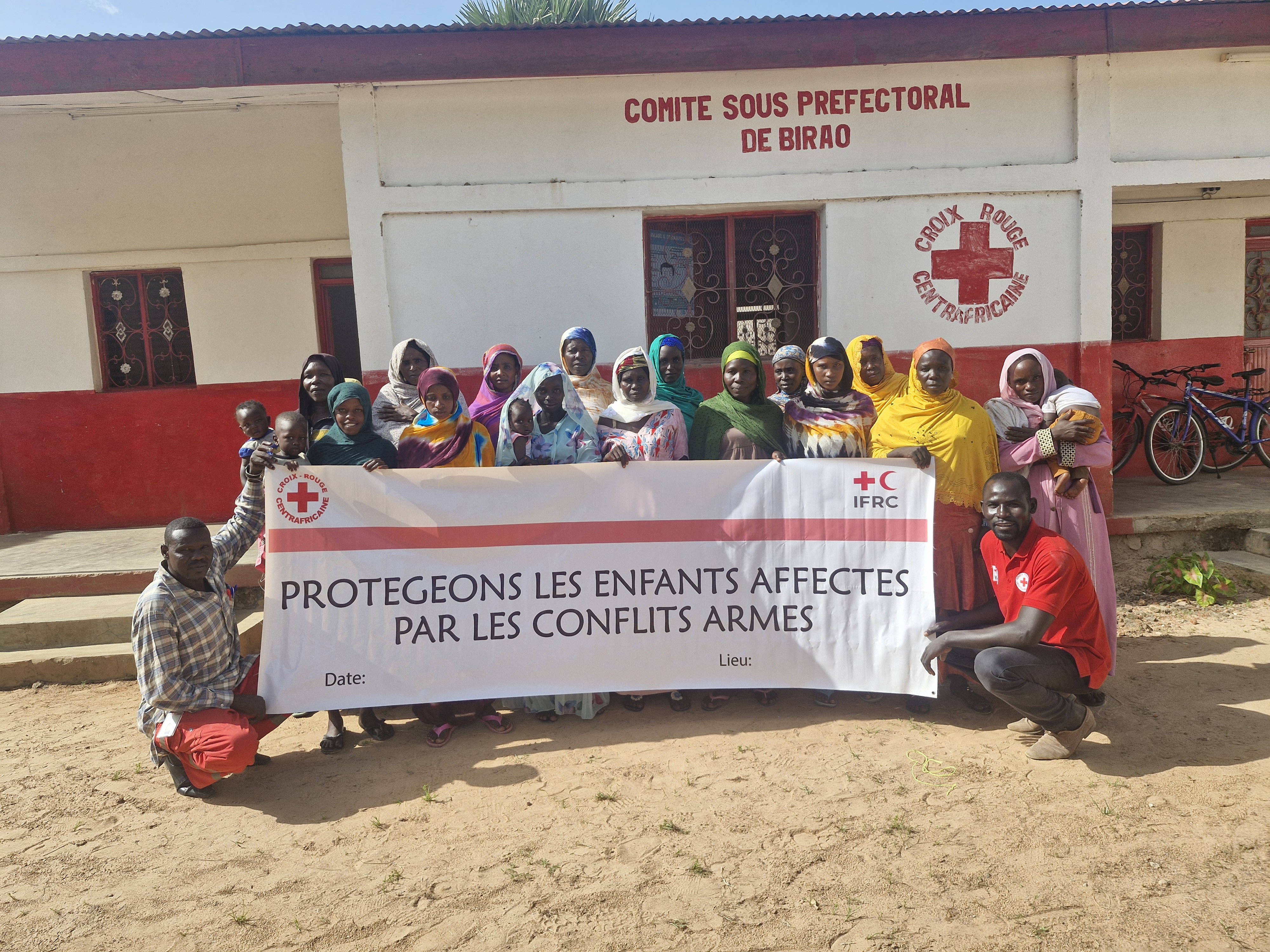
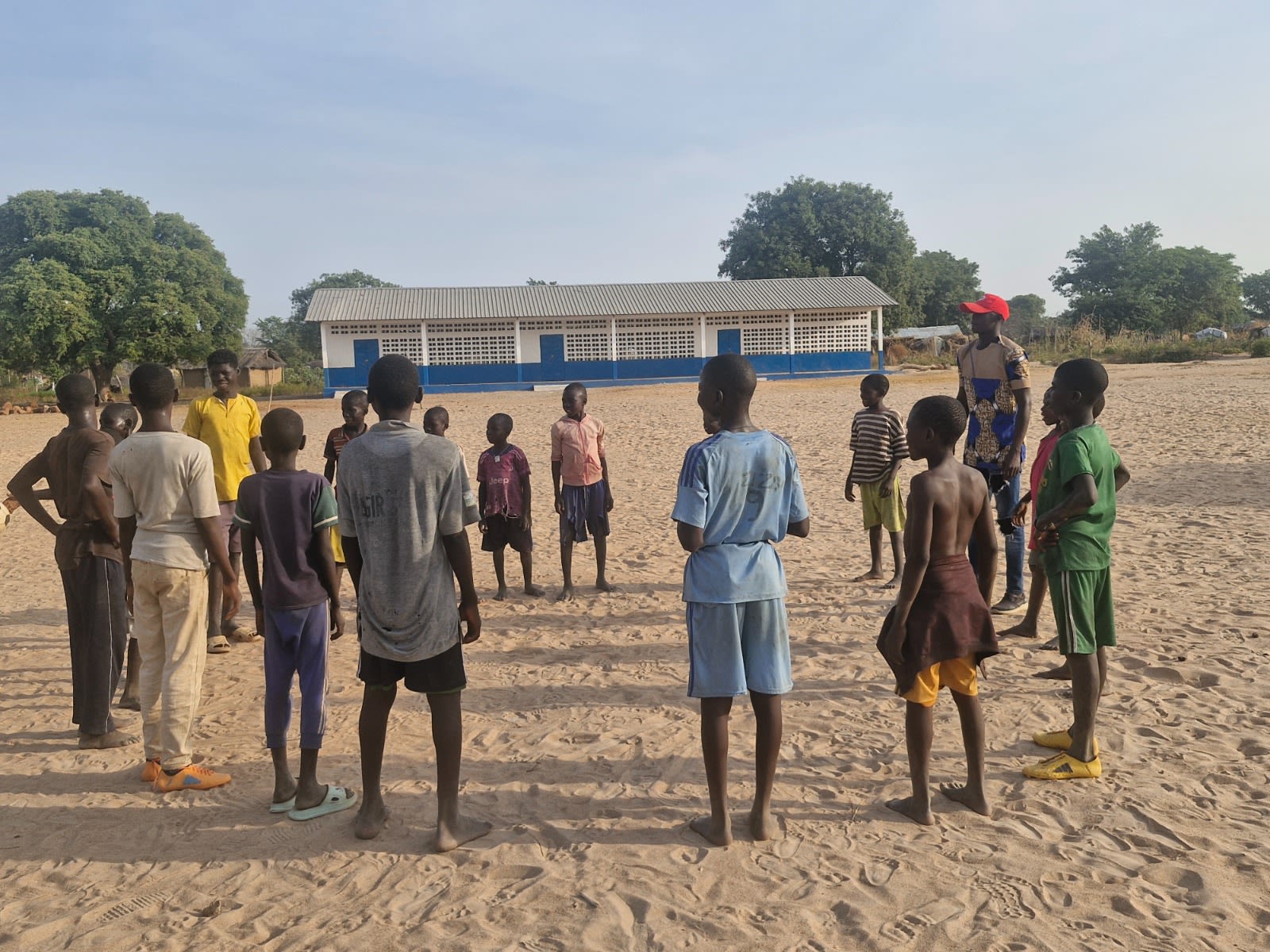
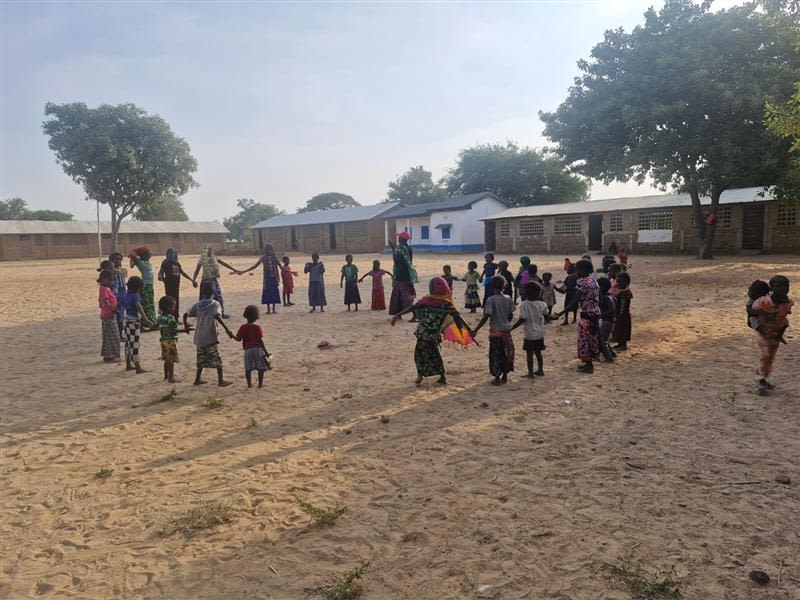
In the Central African Republic, families displaced from Sudan have found refuge in Birao, often under precarious and challenging conditions.
Faced with this reality, international solidarity and humanitarian action become essential pillars for restoring hope.
Since August 2025, the Central African Red Cross, with the support of the IFRC and funding from the Norwegian Ministry of Foreign Affairs through the Norwegian Red Cross, has been implementing an ambitious project to protect children affected by armed conflict.
This programme has already enabled more than 100 displaced children to attend school, by providing school supplies and covering enrolment fees.
Education is key to breaking the cycle of vulnerability and opening the door to a better future.
Beyond education, 20 vulnerable families have received income-generating activity (IGA) kits, helping them regain economic autonomy and meet their essential needs.
These concrete actions reflect a strong commitment: to alleviate suffering, restore dignity, and strengthen the resilience of migrant communities.
Uganda Red Cross
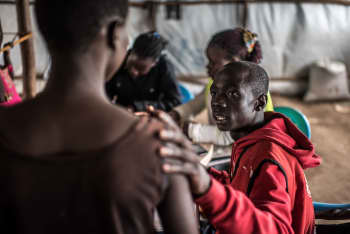
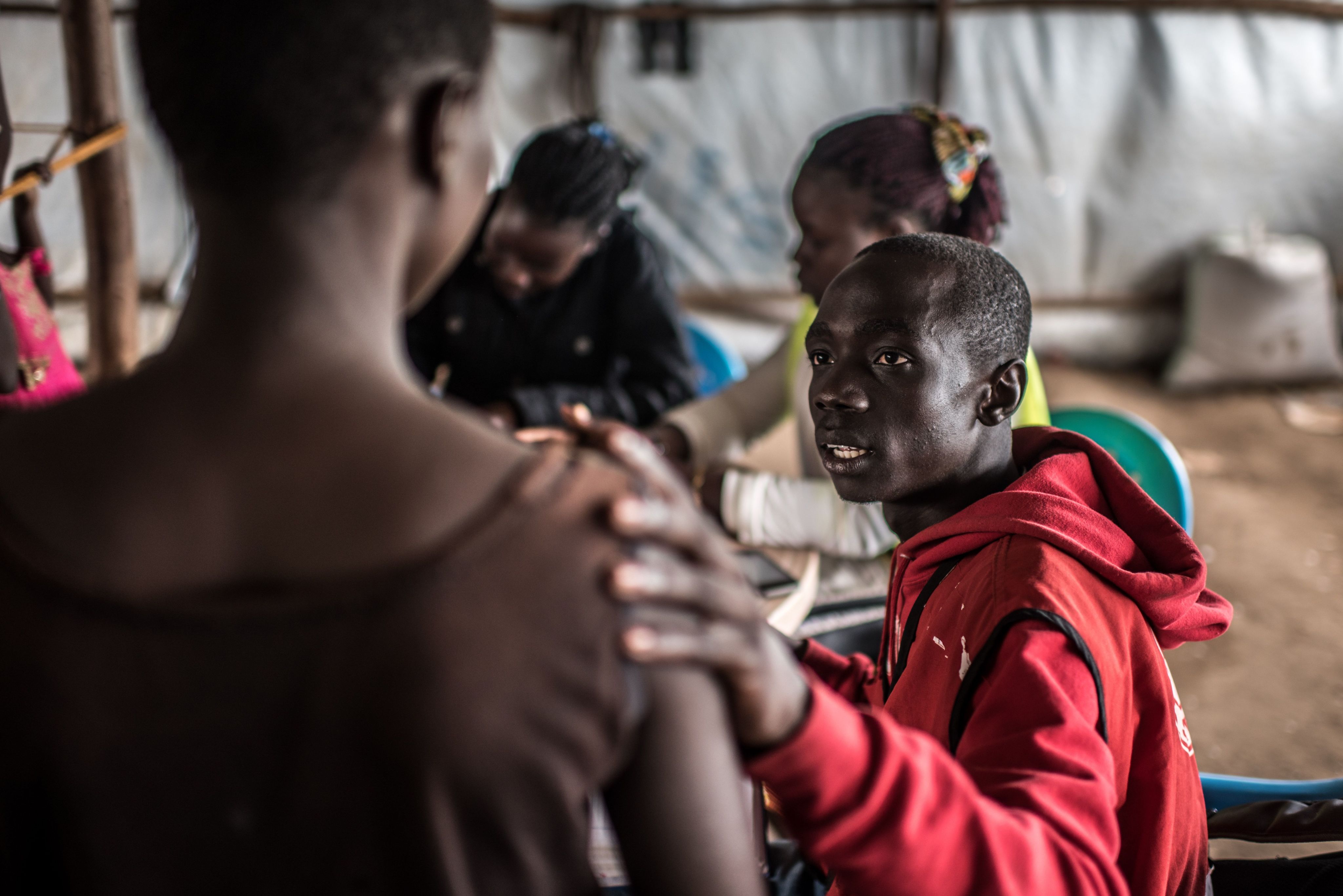
In 2024, Uganda Red Cross implemented a four-month IFRC-DREF-funded Population Movement Operation responding to the arrival of thousands of child migrants fleeing conflict.
Services for unaccompanied and separated children included rapid registration, family tracing, international phone calls, and referrals delivered at borders, transit centres, reception facilities, and settlements.
The local Uganda Red Cross reach was scaled up through partnerships with government authorities, such as the Office of the Prime Minister, local NGOs, UNHCR, and different members of the Red Cross and Red Crescent Movement.
Syrian Arab Red Crescent
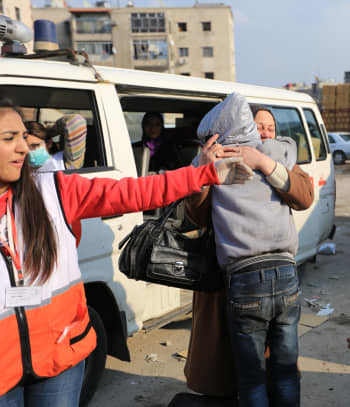
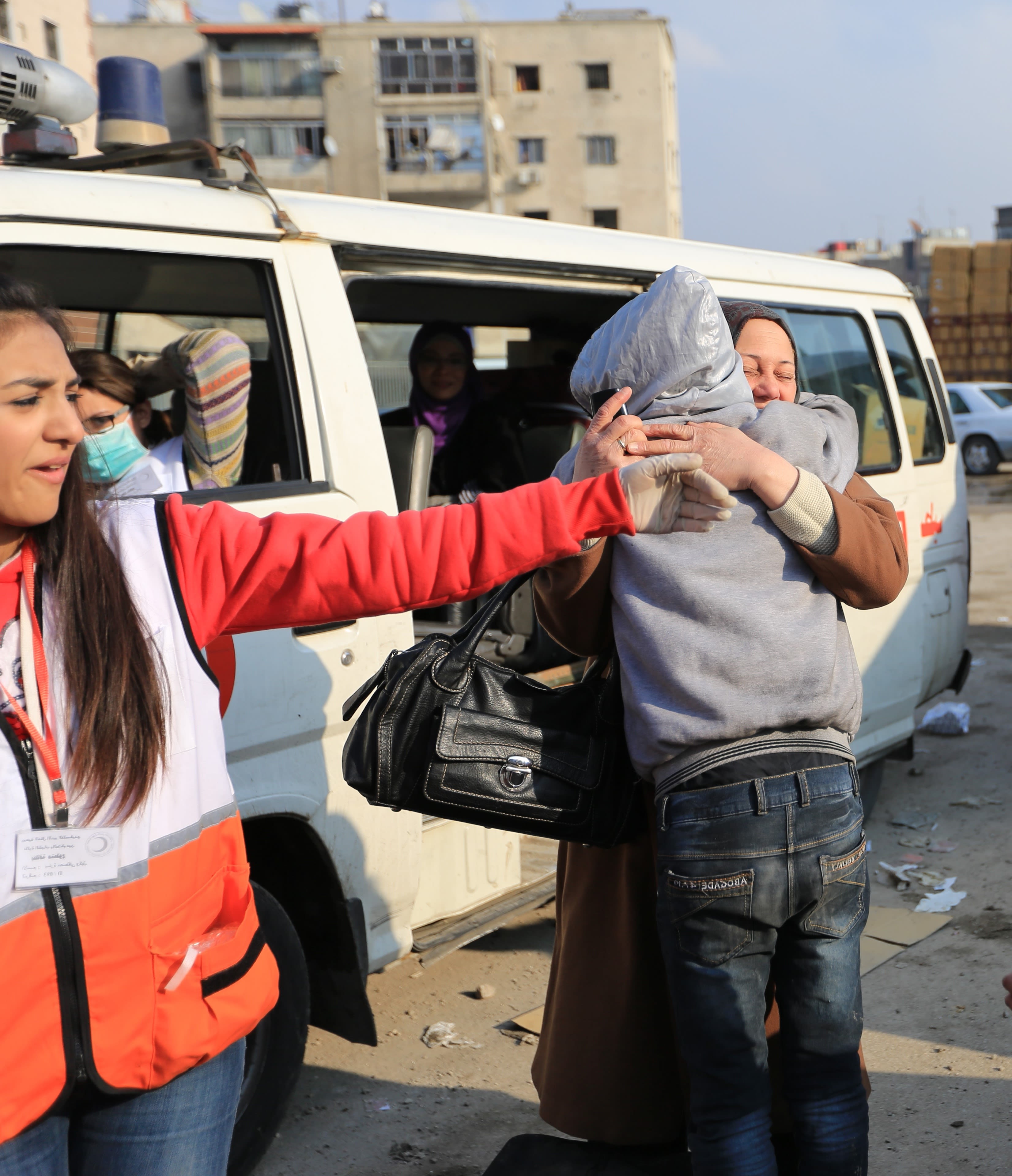
During an influx of people crossing from Lebanon into Syria due to escalating hostilities in Lebanon, the Syrian Arab Red Crescent distributedprotective bracelets for all children to identify them and their respective caregiver.
This was to limit children becoming separated at the Jdeidet Yabous border crossing. A total of 1,750 bracelets were provided, with parents briefed on how to use the bracelets and actions to take and who to reach if a child was separated.
Thanks to the bracelets, no children became separated.
Colombian Red Cross Society
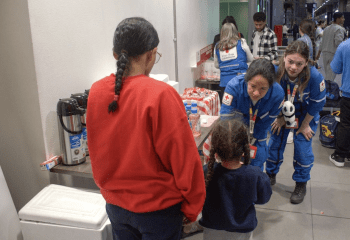
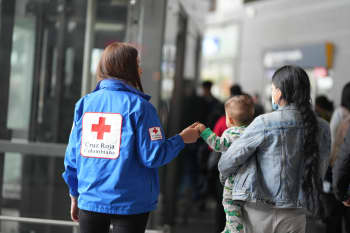
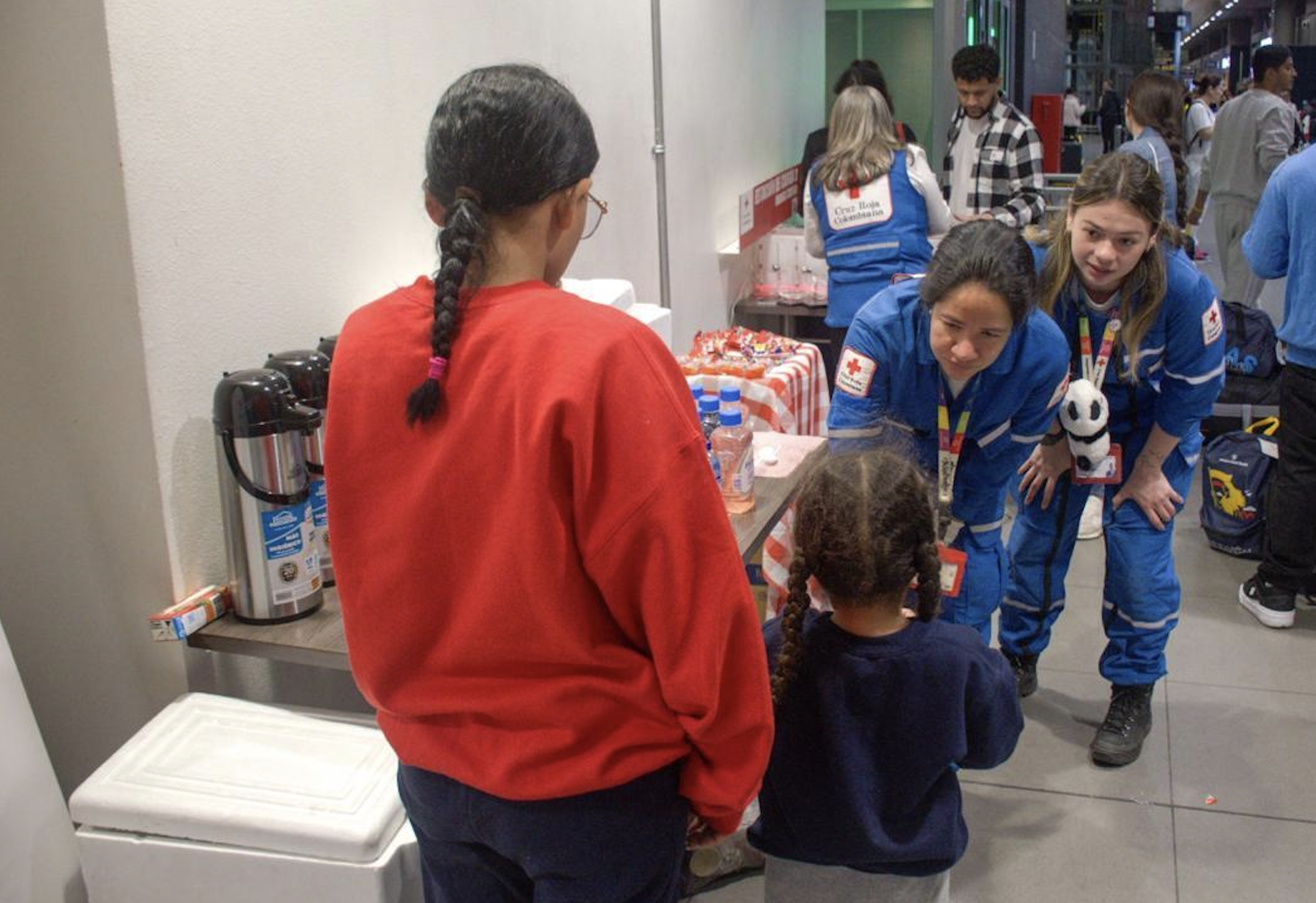
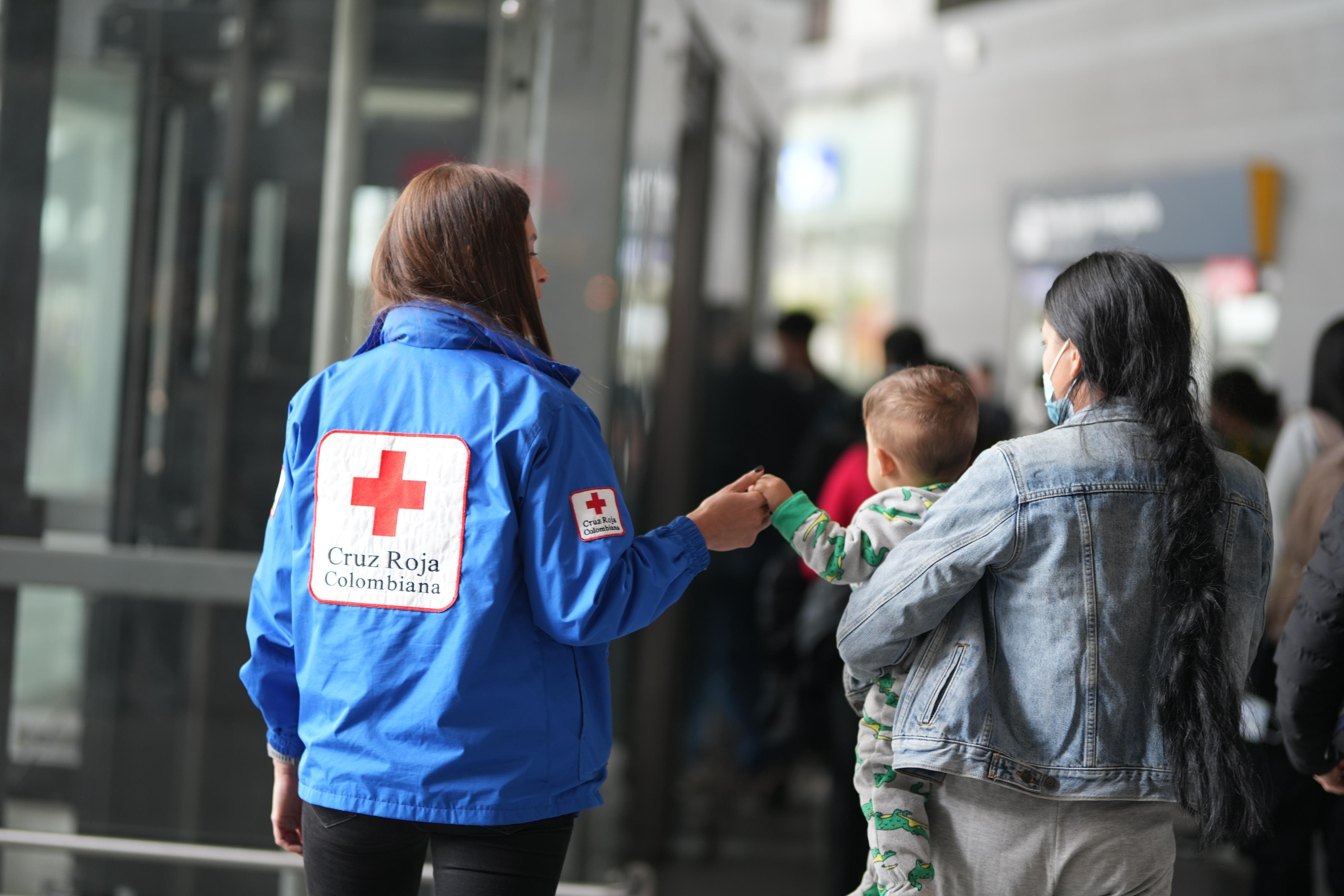
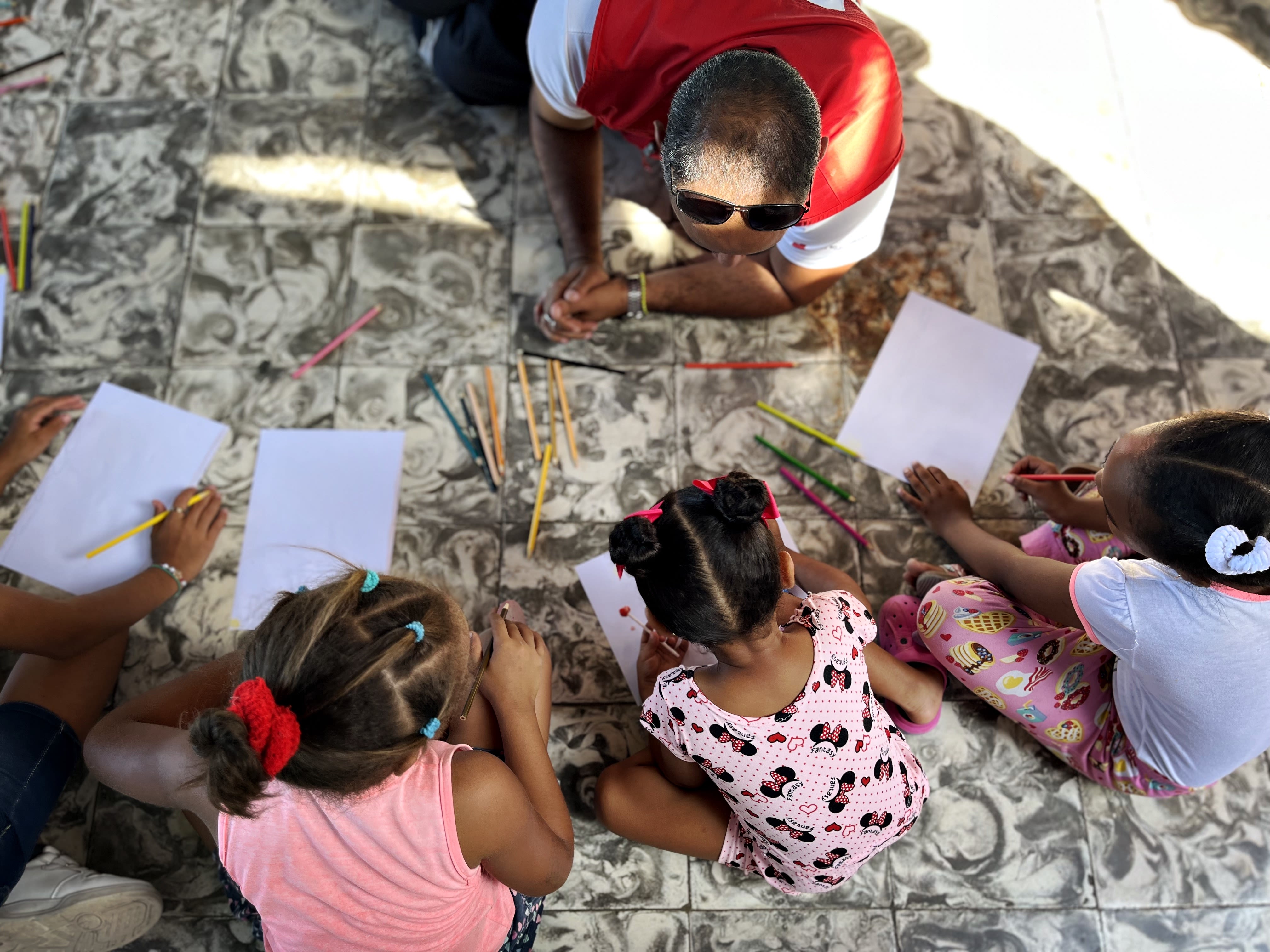
The Colombian Red Cross demonstrates this commitment every week in its auxiliary role, when its staff and volunteers support Colombians, including children, returning on flights from the United States.
What started as an unexpected request has evolved into a well-organised, compassionate and deeply humane response centred on protection, active listening and adaptability.
As of 16 December 2025, the Colombian Red Cross has assisted 5,334 people arriving on 47 flights operated by the Colombian Air Force to El Dorado Airport. Among those who arrived were children.
“Although we were facing an unknown scenario, our staff and volunteers arrived with a clear mission: to assist our fellow citizens with compassion and dedication," says Elizabeth Becerra, leader of the Colombian Red Cross migration team.
"Some accompanied children, while others provided psychosocial support, shared a hot meal or provided primary healthcare, once again demonstrating the humanitarian commitment that characterises us.”





Priorities and examples of our impact
In 2026, the IFRC’s top priorities to protect and assist child migrants will be:
Scaling-up child protection action within the IFRC's Disaster Response Emergency Fund.

Rolling out new Guidance Note on Protection and Assistance to Unaccompanied and Separated Children for National Societies.
Supporting National Societies to improve and expand services and preparedness activities.

Enhancing capacity of National Societies to ensure meaningful child participation.

Ensuring National Societies have in place child safeguarding systems.

What you can do
Include protection and assistance for unaccompanied and separated children into your programming regardless of your sector – learn more about actions you can take through the IFRC co-led Massive Open Online Course on Protecting Children Moving Alone, which is available in multiple languages.
Additional resources
The PGI case studies describing action by National Societies to protect and assist unaccompanied and separated children (30+ examples and growing)
IFRC Position Paper on Protecting and Assisting Children on the Move
IFRC Adolescent friendly communication material on migrating alone and on Restoring Family Links, available in multiple languages
IFRC advocacy report on child migrants and Sexual and Gender-based Violence
 Built with Shorthand