
Water without fear
In the town of Renk, South Sudan, life has changed rapidly. Once a small and relatively quiet town along the banks of the Nile River, Renk has become a place of refuge for tens of thousands of people fleeing the Sudan conflict. With so many people arriving, one of the biggest challenges is access to safe water.
Special World Water Day 2026 Report / #LocalEverywhere

A daily struggle
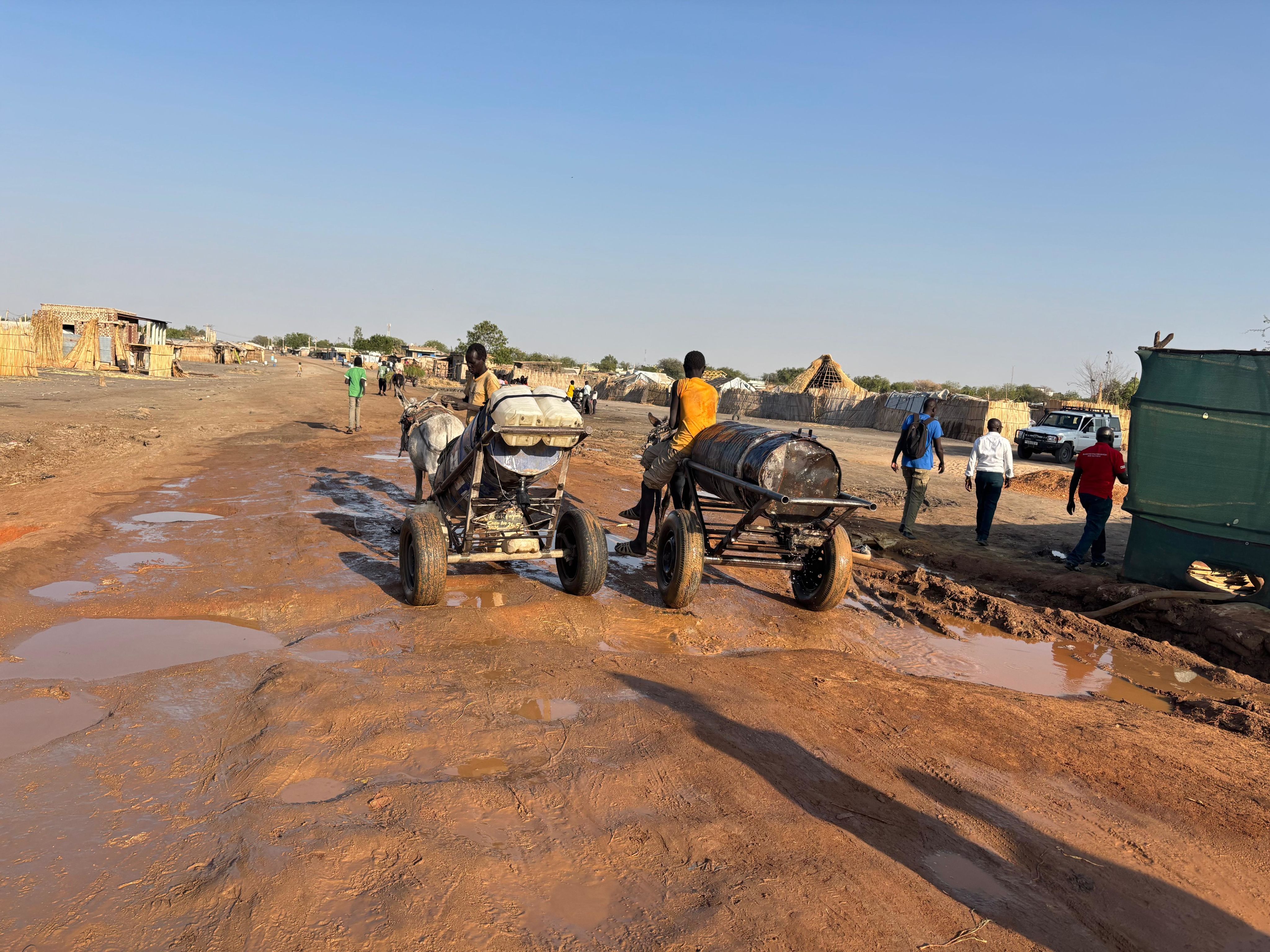
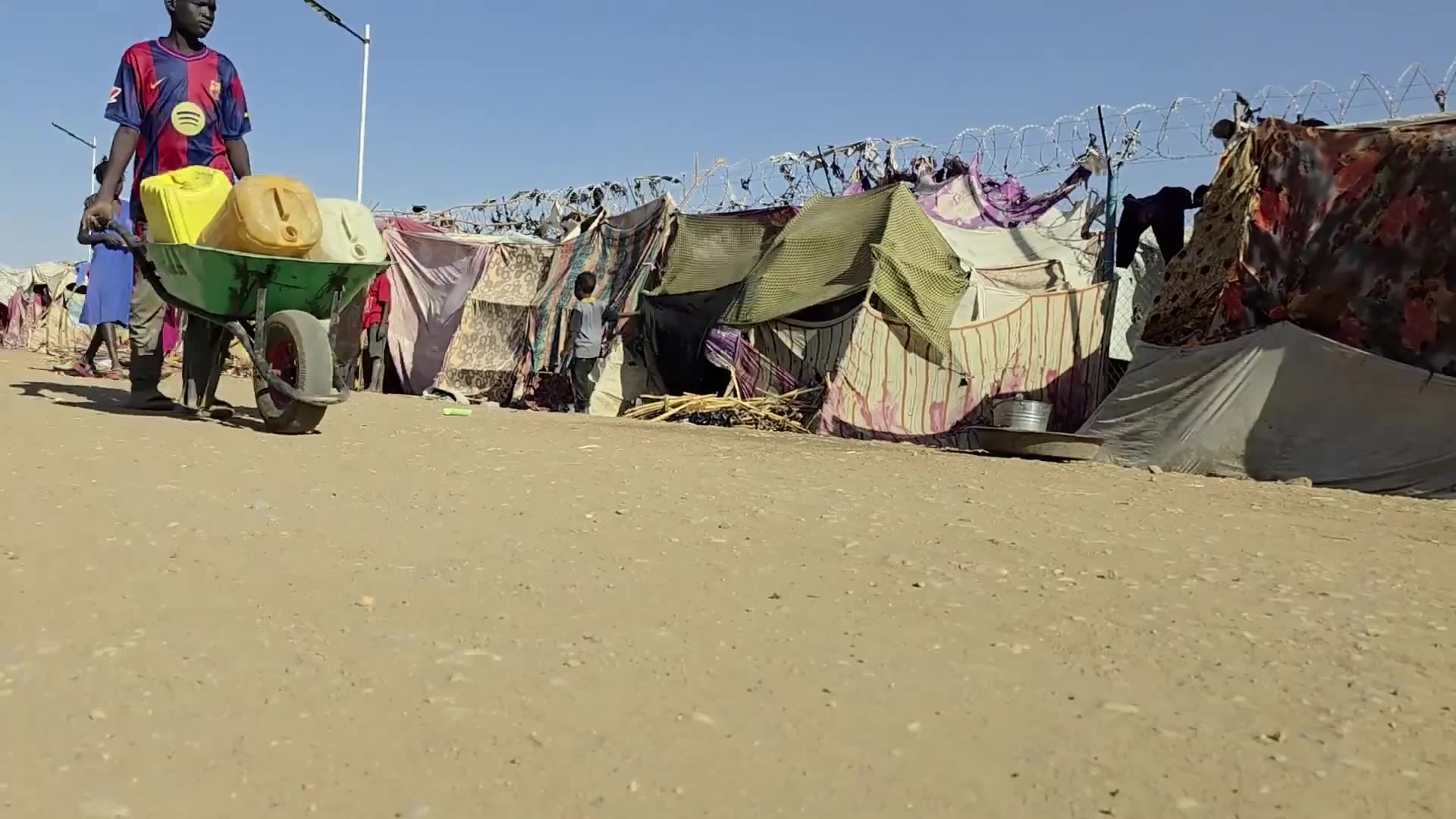
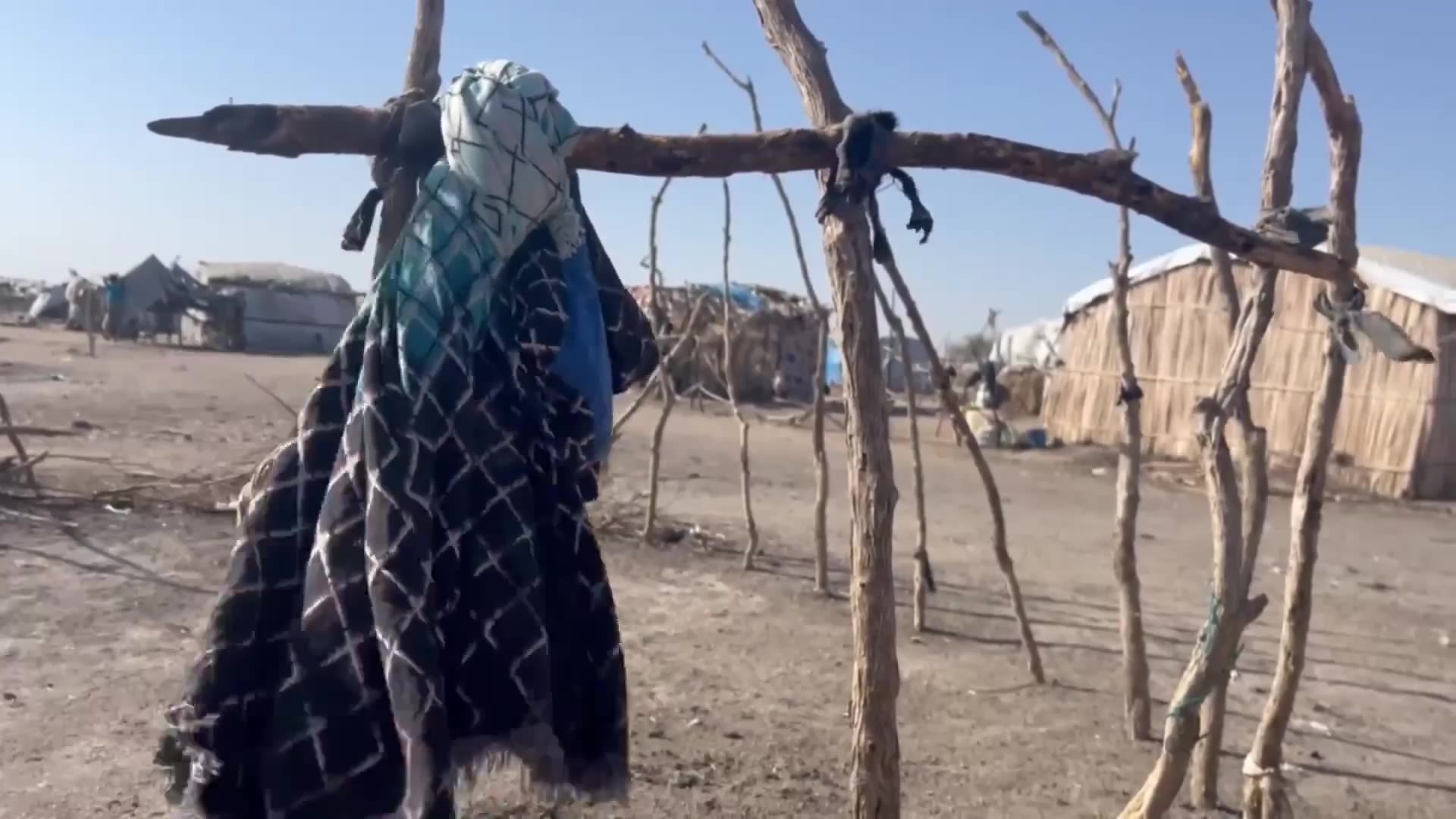
In the camps and informal settlements in and around Renk, people live in small, makeshift tents or huts made of branches and fabric. Inside, entire families sleep on woven mats and try their best to maintain some sense of normalcy in a world turned upside down.
To stay healthy, safe and clean, people here often go long distances, or wait in long lives to fetch even small amounts of water. They use that water very sparingly to cook, wash clothes and keep their bodies clean.

'This place will soon be flooded'
At the same time, the thousands of people living here know that they are not at all prepared for the rainy season.
If the past in any guide, the parched, hard earth here will soon become inundated with flowing, unclean water that will destroy what few belongings people have maintained and likely force people to urgently pick up and leave once again.
For people like 27-year-old Achan, who lives in a makeshift tent in an informal settlement camp known as 'Camp Zero', the precious resource they now use so sparingly will become their nemesis.
'When the rains come, this place will soon be flooded, and we don’t know what will happen,”says Achan, who has lived in Camp Zero with her family since 2023.

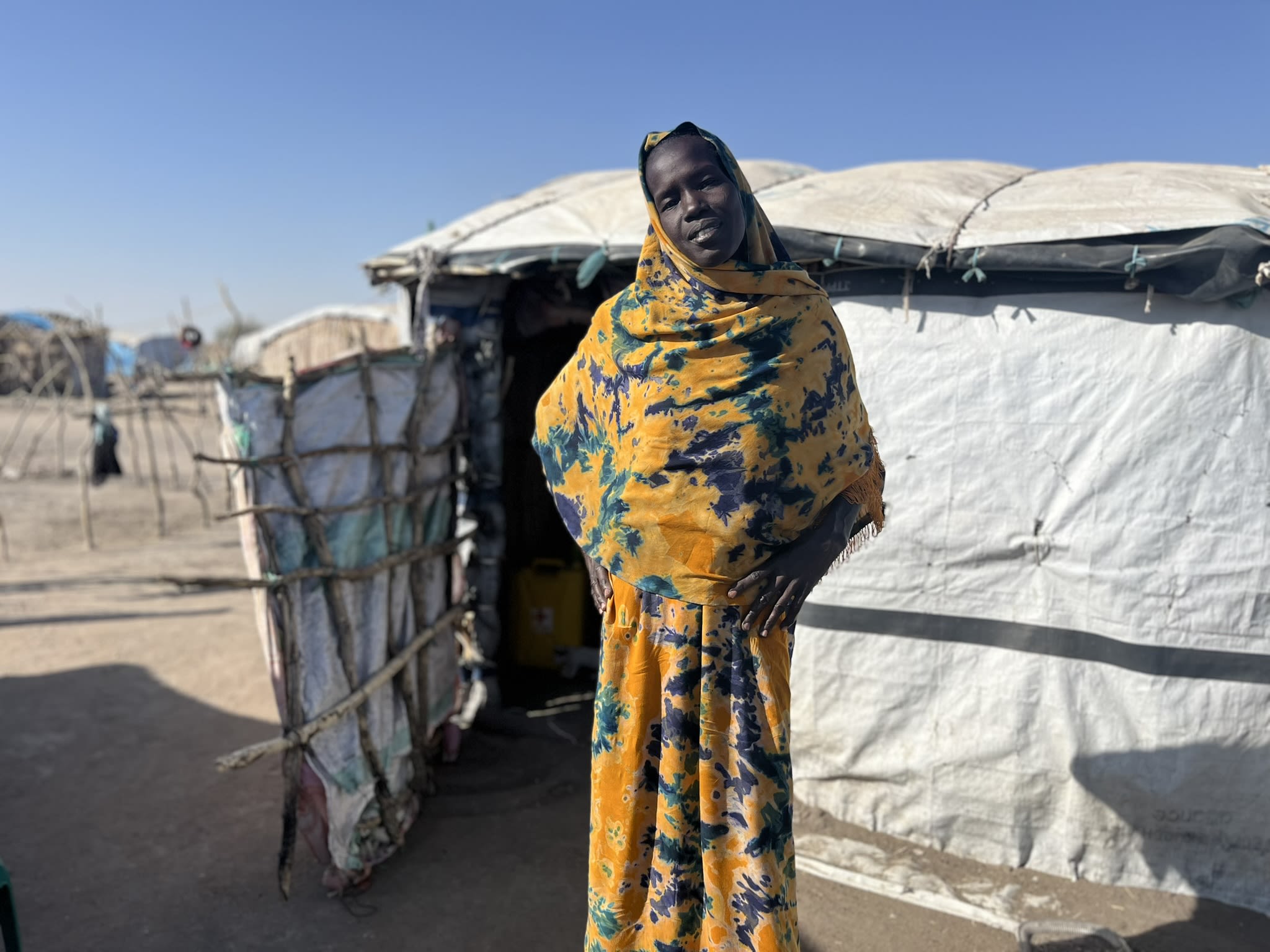

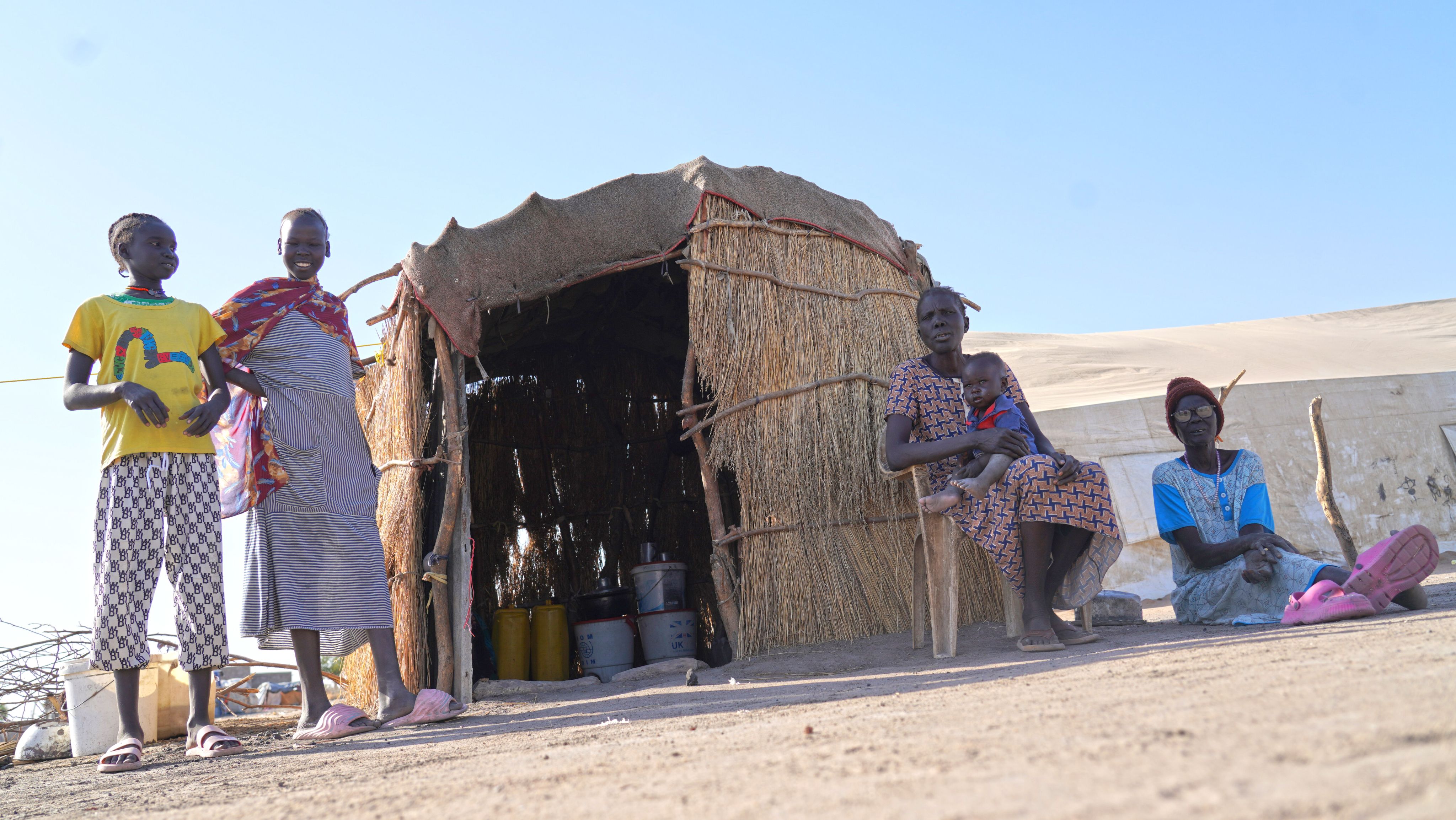
Photo: John Dor/South Sudan Red Cross/IFRC
Photo: John Dor/South Sudan Red Cross/IFRC

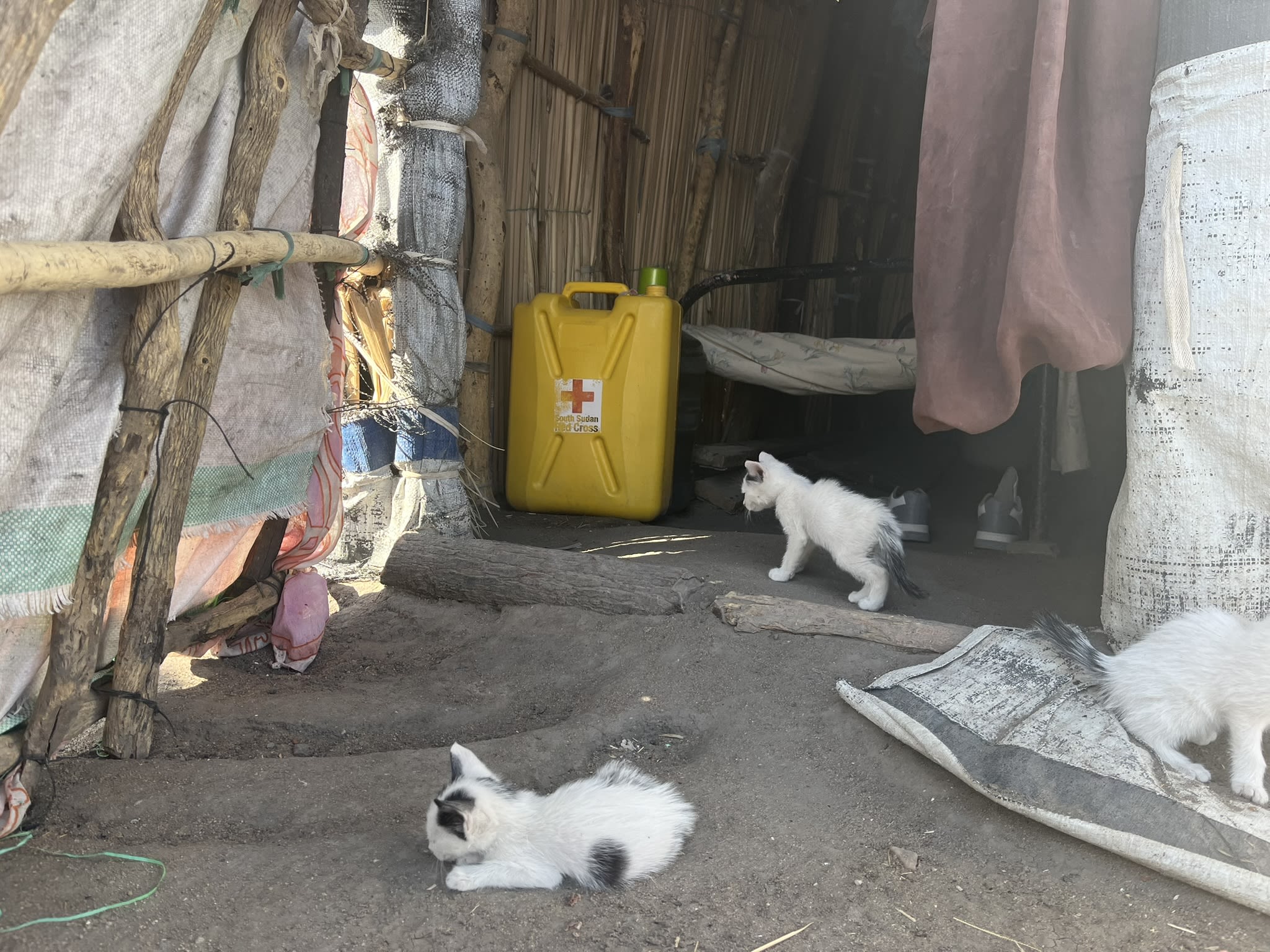
Photo: John Dor/South Sudan Red Cross/IFRC
Photo: John Dor/South Sudan Red Cross/IFRC
Pushed again by conflict; fearing the rain
Like many living in the informal settlement known as 'Camp Zero', Achan fled the civil conflict in South Sudan and went north to Sudan.
After the conflict in Sudan erupted, she decided to return to South Sudan, where she lives in Camp Zero with roughly another 1,000 people.
“I live here in Renk with my children," says Achan. "My children sleep together in a bed, and I sleep on the floor. But that is the least of my worries. There is not enough food for us every day.
"I am very worried about the rainy season. not just for my tent, but for everyone in the camp. Some shelters are so fragile, made only with bedsheets and clothes.
"When the rains come, this place will soon be flooded, and we don’t know what will happen.”
To drink water without fear
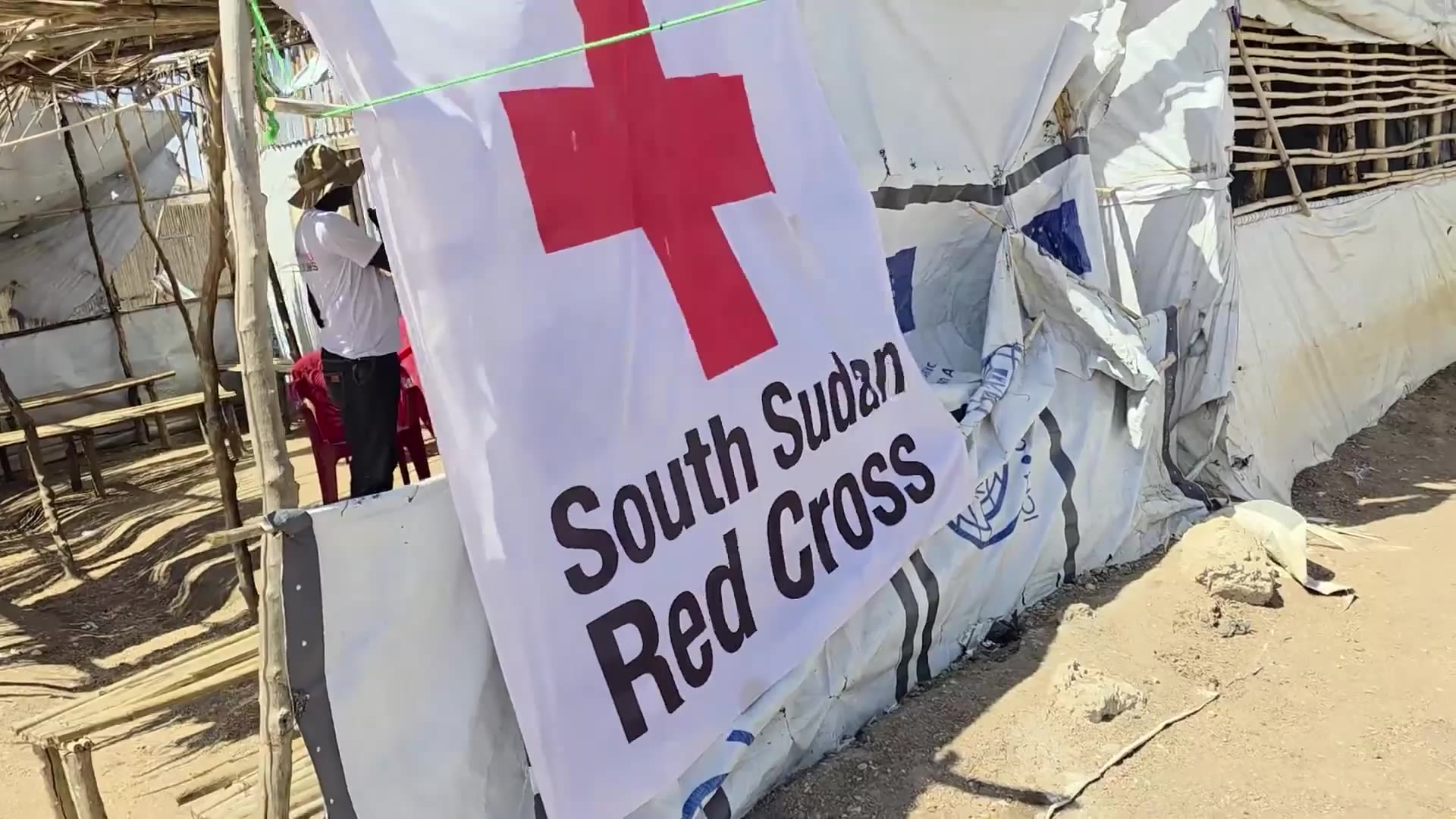
Within this dire situation, the South Sudan Red Cross has been supporting the community with its most urgent needs, while also providing critical services that will also be essential during the rainy season.
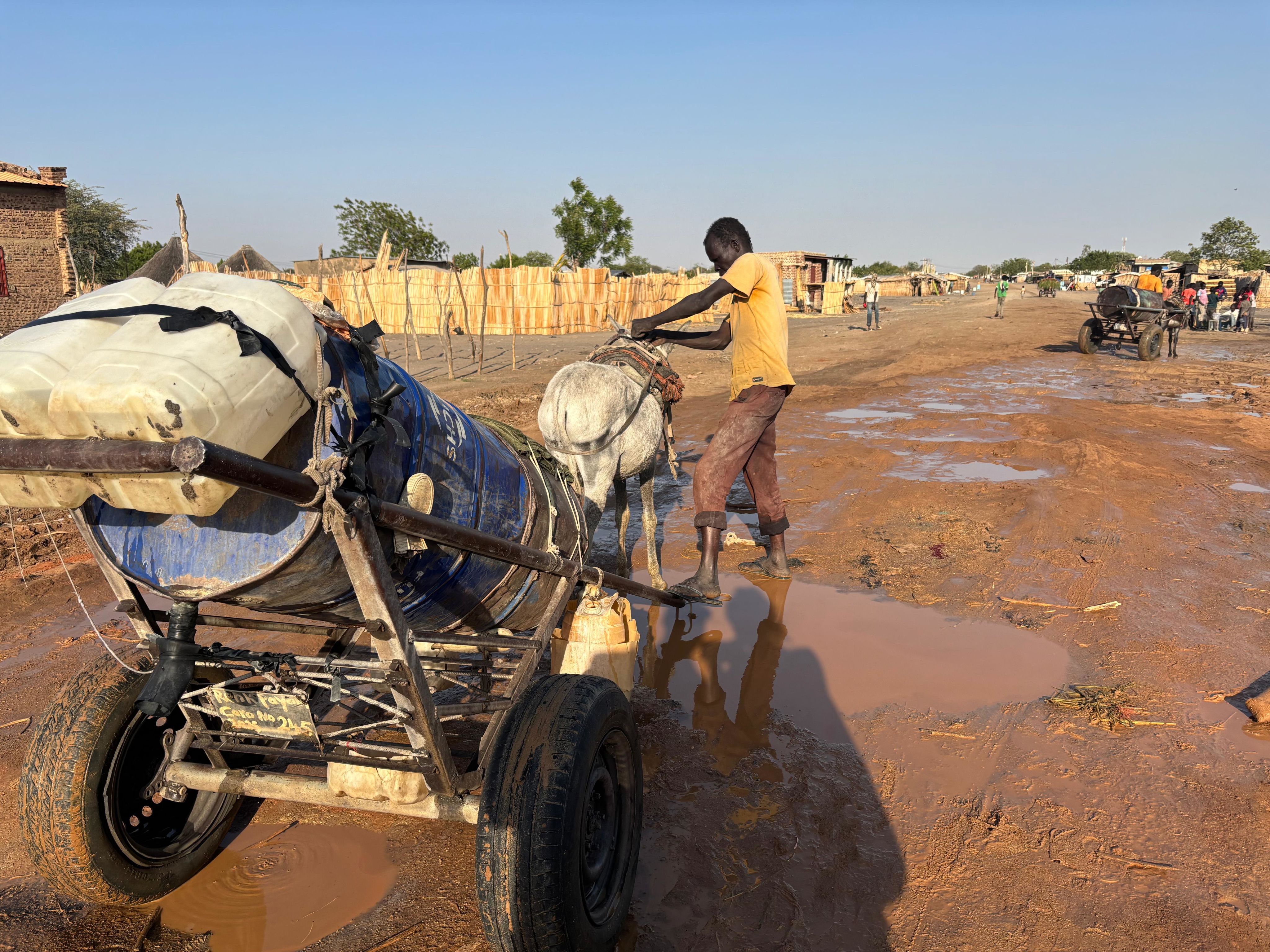
Since the beginning, South Sudan Red Cross volunteers have installed multiple latrines and they continue to deliver clean water by truck every day, helping to reduce health risks and improve living conditions.
To ensure people continue to have safe and convenient access to clean water, the South Sudan Red Cross has also installed a water treatment system in Renk.
Under this system, water is pumped from the Nile into a large tank, where the water is treated to make it safe to drink.
Every day, hundreds of litres of water are treated and distributed to families. Around 3,000 households now rely on this clean water every day.
“Now, we can drink water without fear,” says one resident. “It protects our children from diseases.”

A search for clean water
These sources of clean water are critical to making sure people in the camps stay as healthy as possible.
"At first, people were just drinking water from the river,” explains Maju, operations coordinator for the South Sudan Red Cross in Renk.
“And it’s not even always the river itself," he explains, adding that sometimes people get water from stagnant pools left behind after occasional flooding. "It is very unhealthy to drink.”

Staying healthy, clean and safe
Access to clean water and hygiene facilities is also an issue of safety — particularly for women and girls, who often must walk long distances to do basic daily tasks such as fetching firewood or collecting water.
Even going to the bathroom can bring women into very vulnerable situations.
For this reason, the Red Cross is also helping families build their own household latrines, improving hygiene and dignity in crowded settlements.
One family received a latrine next to their home, because their daughter is disabled and cannot walk to shared facilities.
“Before, it was very difficult for her,” her father says. “Now she can use the toilet safely near our house. We also invite neighbours from the community to use it, to improve hygiene.”
Walk for kilometres to get water
Water scarcity is a serious challenge in nearby Gosfami, where around 90,000 people found safety after fleeing the conflict in Sudan. Last year brought very little rain, leaving the area extremely dry.
“There is simply not enough groundwater to drill boreholes,” says Maju. “If people cannot access safe water, they have to walk all the way to the town of Renk, which around 15 kilometres.”
For now, water trucks from the South Sudan Red Cross bring water into the community every day. But the situation may soon become more complicated.
During the rainy season, the land around Gosfami becomes wet and muddy. While the settlement itself does not usually flood, the roads leading to it often do. Streams and floodwaters can cut off access completely.
“If the roads flood, bringing water here will become very difficult,” Maju explains. “It can easily lead to the spread of diseases.”

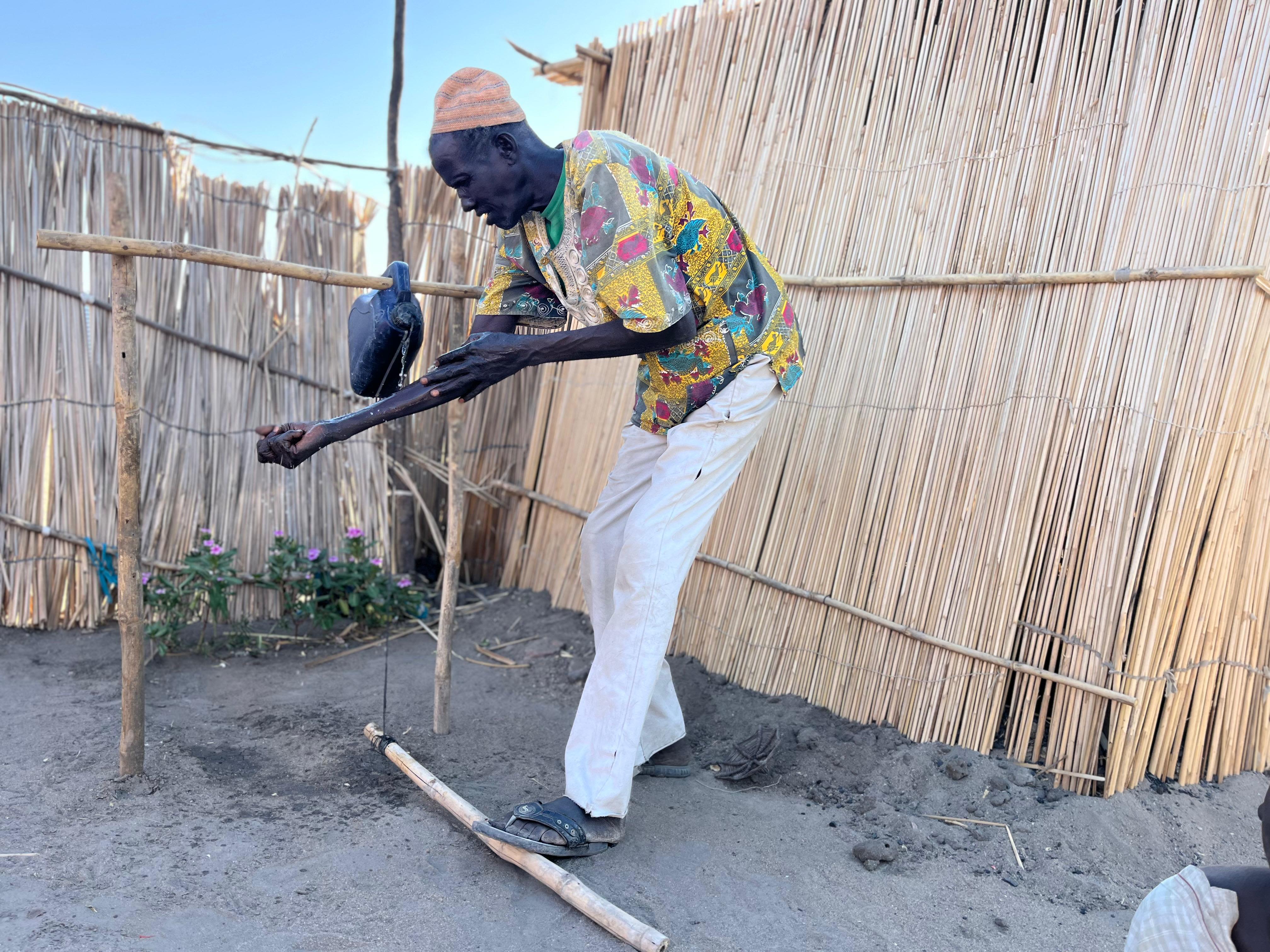
Life in 'Camp Zero' and other settlements
Despite the challenges, teams of the South Sudan Red Cross continue working every day to ensure families have access to safe water and that they can live as safely, and in as good health, as possible. Access to clean water here is more than a basic need, it brings hope for communities do their best to rebuild and go about their lives even in the most challenging of circumstances.
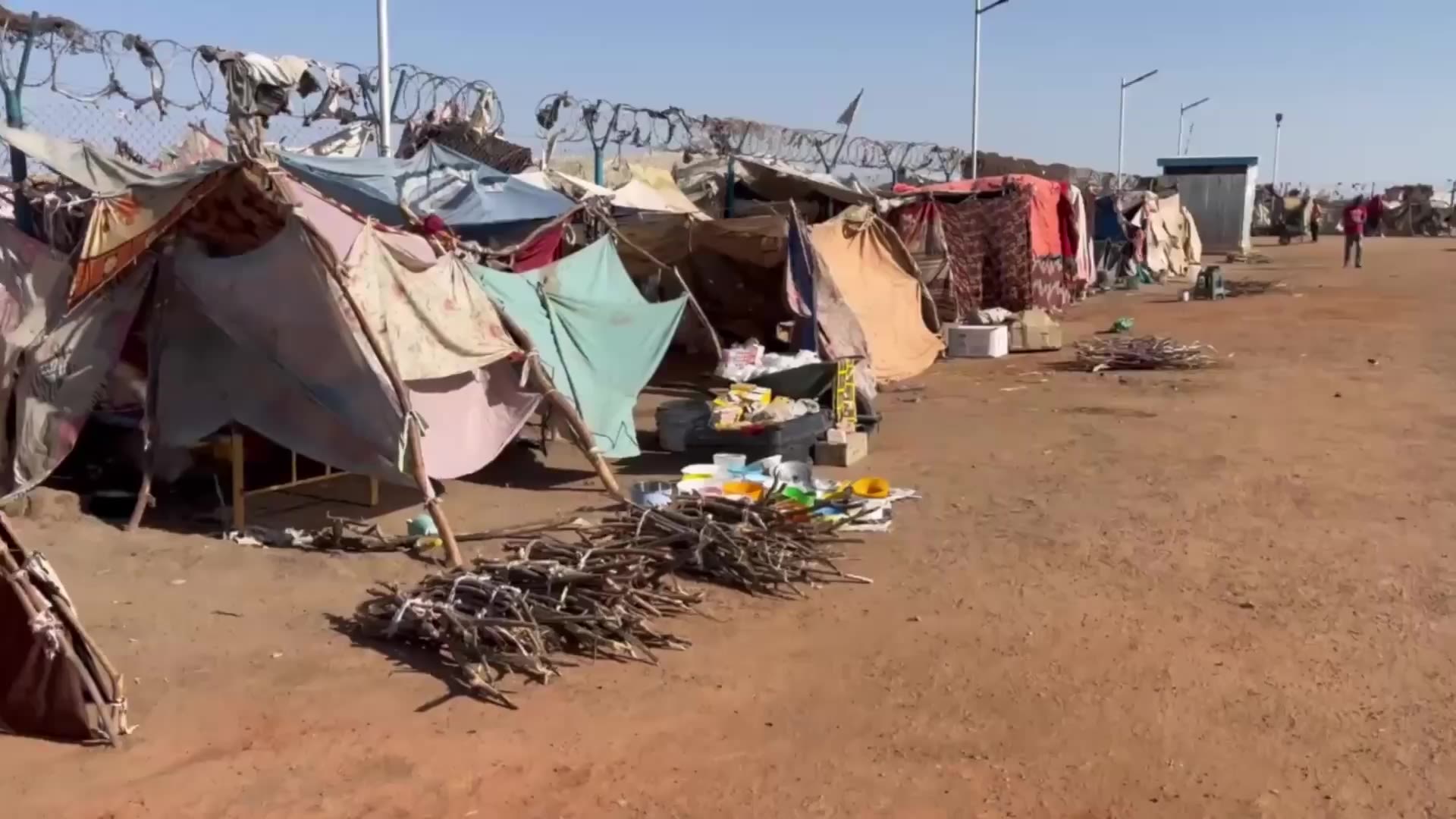

Help support the South Sudan Red Cross' efforts to help the very resilient people of Camp Zero and other settlements in and around Renk.

Read more World Water Day stories:
Learn more:
The IFRC approach to water, sanitation and hygiene
Story credits:
Story, photos and video by:
Daniëlle Brouwer
Communication Coordinator Sudan and Neighbouring Countries, IFRC
and
John Dor
South Sudan Red Cross
 Built with Shorthand

