Nairobi/Geneva – 8 September 2025 — The Ministry of Health of the Democratic Republic of Congo (DRC) has officially declared a new outbreak of Ebola virus disease (EVD) in Kasaï Province. This marks the country’s 16th recorded Ebola epidemic and the first in this region since 2008.
The International Federation of Red Cross and Red Crescent Societies (IFRC), in coordination with the DRC Red Cross, DRC Ministry of Health, WHO, and key humanitarian partners, is rapidly intensifying Ebola response efforts. Priority actions include deploying rapid response teams and volunteers within communities, strengthening surveillance and contact tracing, and initiating targeted vaccination for frontline workers and contacts. Over 2,000 doses of the Ervebo vaccine are already pre-positioned in Kinshasa for immediate deployment.
The outbreak was confirmed after the death of a 34-year-old pregnant woman on 20 August in Bulape health zone. This was followed by the deaths of a nurse and a laboratory technician who had treated her. According to Government figures, to date, 28 suspected cases, including 16 deaths, have been recorded—a fatality rate of 57%. Alarmingly, four of the deaths are among healthcare workers, underscoring the risks faced by frontline responders.
Ariel Kestens, IFRC Kinshasa country cluster head of delegation, says:
“Every hour matters when it comes to containing Ebola. Our priority is to protect healthcare workers, support communities with trusted information, and ensure life-saving resources reach those who need them most before the outbreak spreads further.”
The outbreak is currently concentrated in the health zones of Bulape and Mweka in Kasaï Province, where serious operational challenges are hindering the response. Road access from Kinshasa takes up to three days, delaying the rapid deployment of teams and supplies, while the nearest isolation unit has only 15 beds—far below what is needed for the escalating caseload. Genetic sequencing has also confirmed that this Ebola strain is different from the one identified in Equateur between 2007 and 2009, complicating the response.
Gregoire Mateso, President of the DRC Red Cross says:
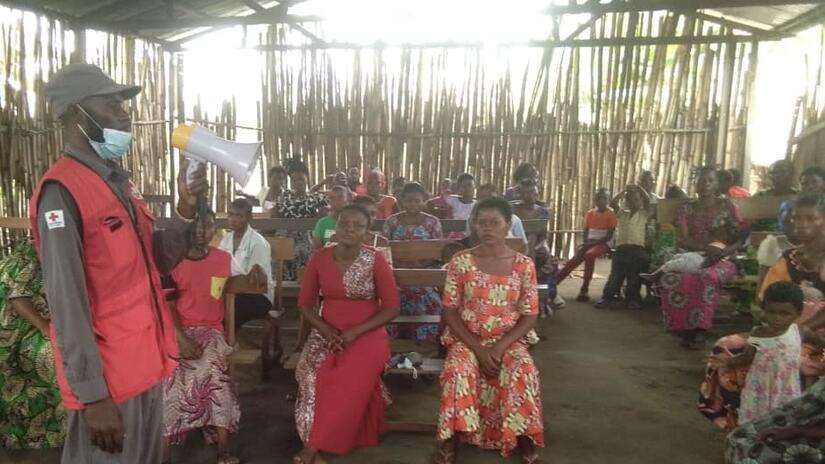
“DRC Red Cross volunteers aren’t just messengers, they’re trusted neighbors, working together with community leaders and local authorities, sharing accurate Ebola information through trusted, door-to-door dialogue, dispelling rumours, answering questions, and helping families stay safe.”
The Ministry of Health has urged communities to remain vigilant, respect preventive measures, and report any suspected cases.
The IFRC and its partners call on the international community to urgently mobilize resources to prevent the epidemic from worsening and spreading further.
More information
To request an interview, contact: [email protected]
In DRC:
Jean-Michel Ntalemwa: +243 999 842 933
In Nairobi:
Cate Kamatu: +254 728 815 266
Susan Mbalu: +254 733 827 654
In Geneva:
Tommaso Della Longa: +41 79 708 43 67
Hannah Copeland: +41 76 236 9109