Annual Report 2024
Executive Summary


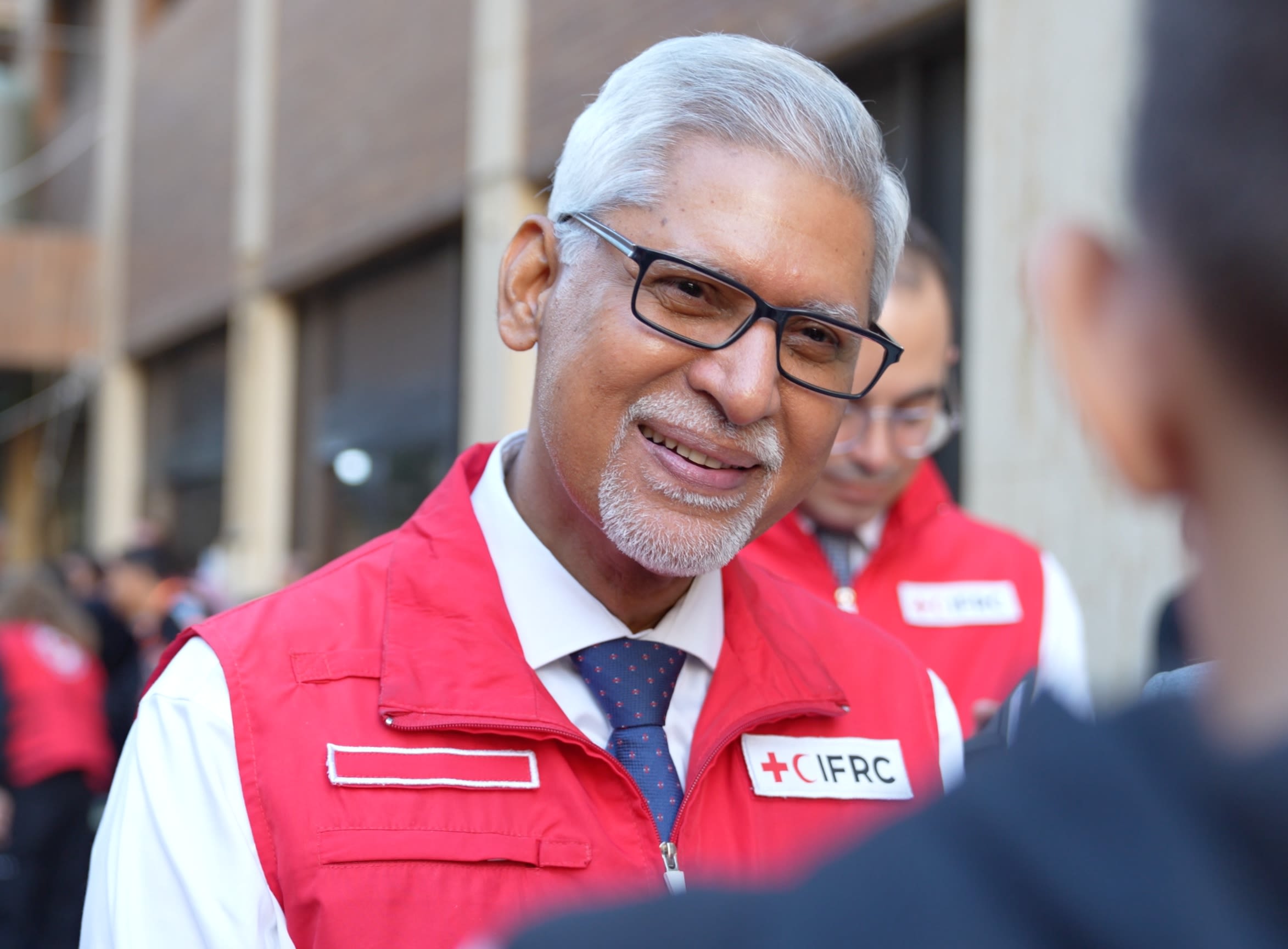
Message from the Secretary General
Welcome to this special summary of the 2024 Annual Report of the International Federation of Red Cross and Red Crescent Societies (IFRC).
The story of 2024 was a very painful one for communities around the world, with devastating crises becoming more complex and protracted, threats to community health and cohesion, terrible suffering experienced by people on the move and increasing climate-related risks.
This online summary gives you an overview of how the IFRC supported and coordinated its 191 member National Societies in 2024 to meet the rising challenges across the world identified by our Strategy 2030.
The IFRC works to ensure that our international disaster and crisis response mechanisms are as local as possible – with National Societies as the lead agency in their own countries – and as international as necessary. Locally led humanitarian action is not only more efficient; it is also far more cost-effective.
For example, our Disaster Response Emergency Fund, the IFRC-DREF, channels a massive 76.5% of its allocations directly to the IFRC’s member National Societies – powering truly local action that saves donor resources while providing all the safeguards of transparency and accountability.
The IFRC is fully committed to supporting National Societies in the delivery of their life-saving and life-changing services, and to advocating for the safety, security and wellbeing of the 16 million volunteers who deliver these services every day, in communities large and small, for the people in greatest need of our support.
In 2024, we worked to ensure that all investment in the IFRC was translated into meaningful support to communities in need, delivered through the principled local action of our member National Societies. In an increasing polarized and uncertain world, this community-based work is more important than ever.
It is a privilege to lead the IFRC’s support to our National Societies, but we are only able to do this thanks to the generosity and trust of our many donors and supporters.
In 2024, you enabled the IFRC to meet the needs of National Societies who then achieved tremendous impact where it is needed the most – in communities. This summary will give you a look into the lives you saved, and the lives you changed.
Jagan Chapagain
Secretary General and CEO

About the International Federation of Red Cross and Red Crescent Societies
The International Federation of Red Cross and Red Crescent Societies (IFRC) is the world’s largest humanitarian membership organization. It consists of 191 National Red Cross and Red Crescent Societies, and the IFRC secretariat, which supports, coordinates and represents National Societies, and promotes their local humanitarian action.
Together, we are one global network ensuring principled, effective and locally led humanitarian action that has a transformative positive impact on the lives of at-risk communities around the world.
The IFRC works to ensure that National Societies, as key local actors, have the necessary capacities and robust systems to meet humanitarian needs in their own communities whether large or small, no matter how remote, wherever andwhenever these needs may arise.
The IFRC coordinates international humanitarian operations carried out in preparedness for and response to disastersand crises and ensures strong cooperation within the International Red Cross and Red Crescent Movement, and withexternal partners.
With its status as an international organization, the IFRC also represents National Societies in the highest-level international discussions and influences humanitarian policy and decision-making through principled humanitarian diplomacy. The IFRC also facilitates National Society access to funding that is often not available to national organizations.
The IFRC also plays an important role in supporting individual member National Societies in their development as strong and accountable partners of choice, and in strengthening the integrity and accountability of the entire network.
All work and activities are inspired by, and carried out in accordance with, the Fundamental Principles of the International Red Cross and Red Crescent Movement: Humanity; Neutrality; Impartiality; Independence; Voluntary Service; Unity, and Universality.
The IFRC is an independent humanitarian organization which is not governmental, political, racial or sectarian in character.
Its goal is to “inspire, encourage, facilitate and promote at all times all forms of humanitarian activities by National Societies with a view to preventing and alleviating human suffering and thereby contributing to the maintenance and promotion of human dignity and peace in the world”.


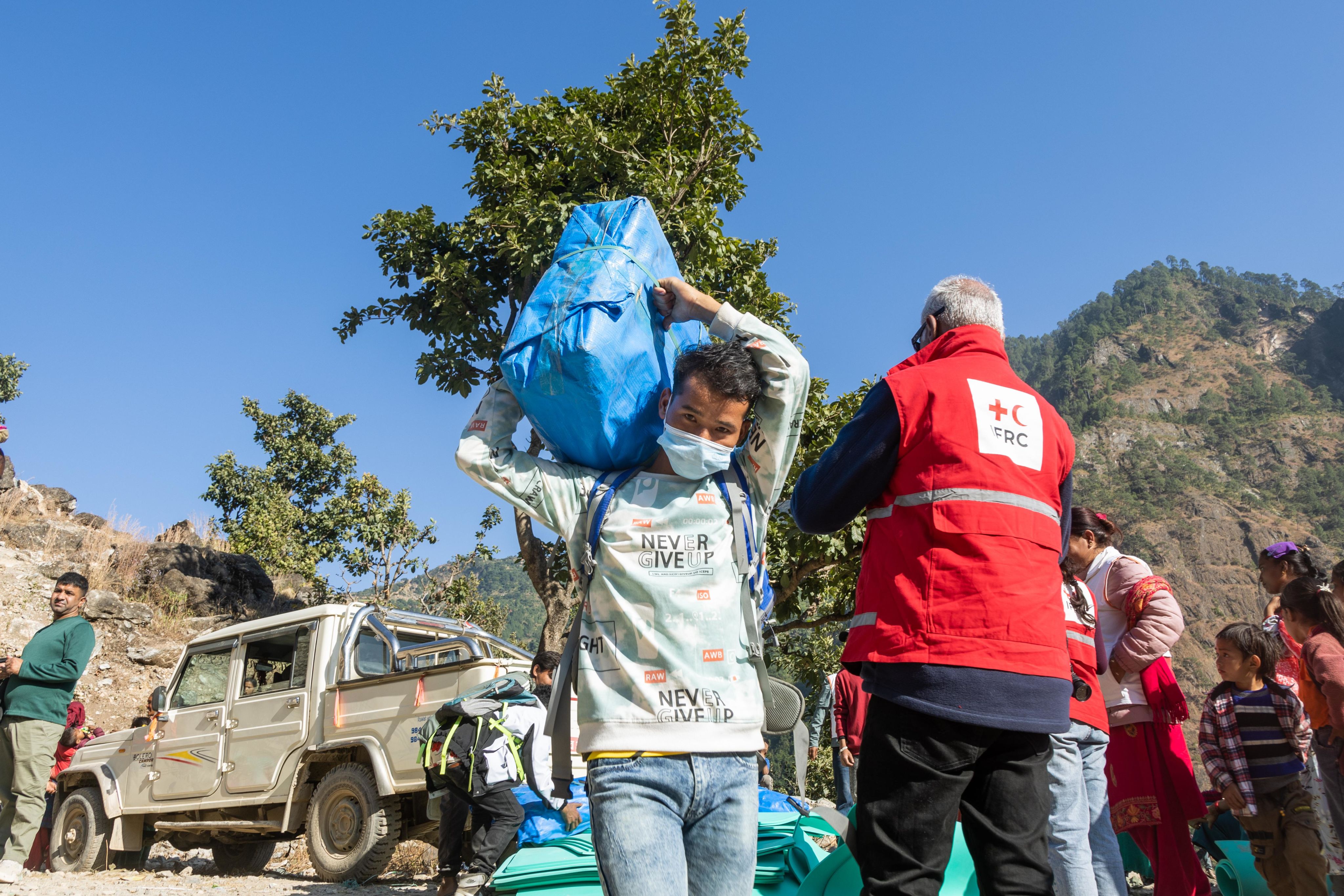
Tribute to volunteers and staff killed in 2024
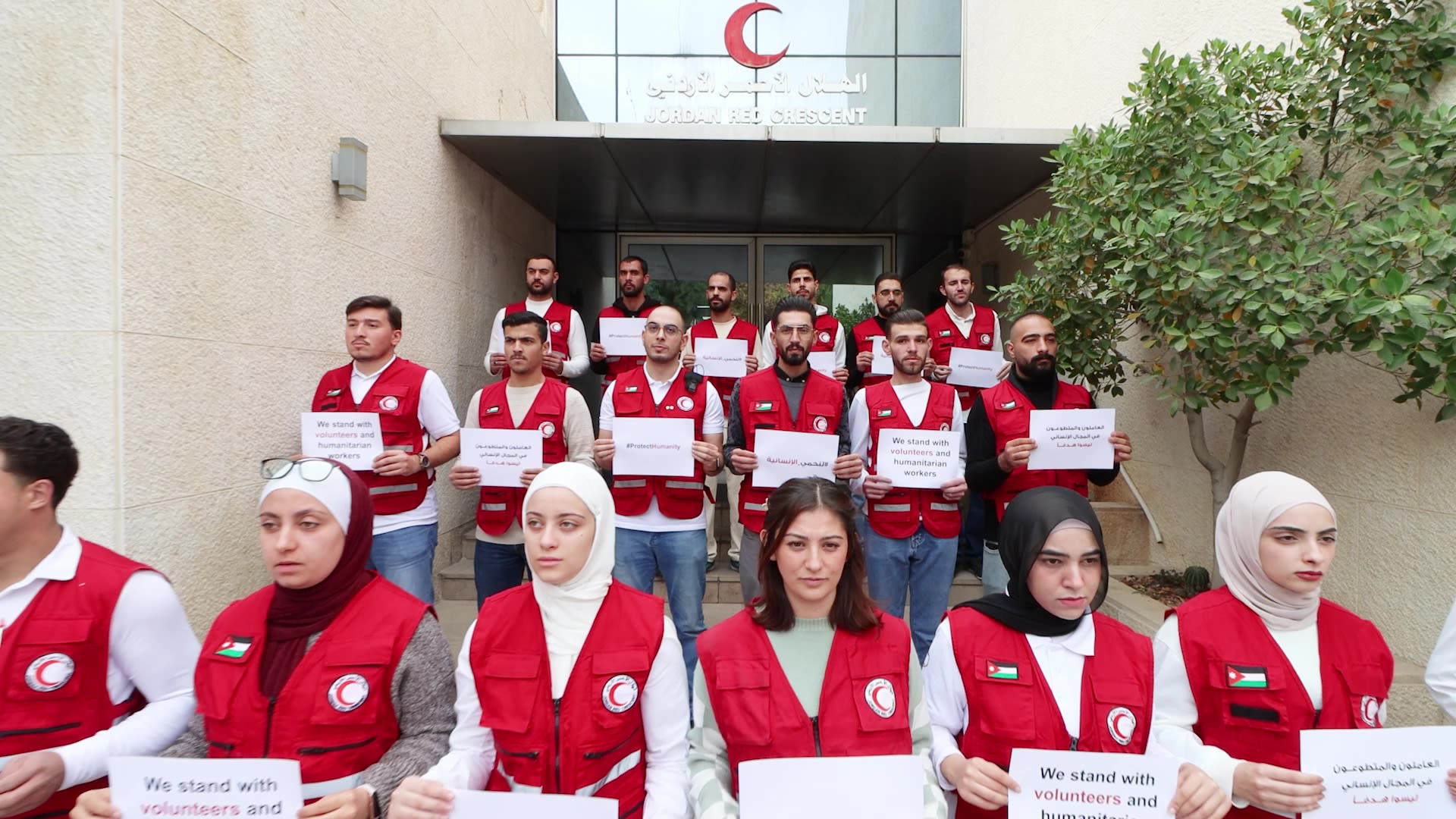

In 2024, 32 National Society volunteers and staff – including ambulance drivers, paramedics, community-based volunteers and other first responders – died or were killed while working urgently to save people in crisis.
Only three of these tragic deaths happened as a result of accidents. The majority – 29 people – died in violent attacks. They were all killed despite being clearly marked/identified as Red Cross or Red Crescent personnel – it being marked ontheir person, on ambulances, health facilities or National Society premises. This is among the highest levels of global violence against IFRC network teams ever experienced.


Seven National Societies suffered death and loss in 2024: the Palestine Red Crescent Society (18 people); the Sudanese Red Crescent Society (eight people); the Iranian Red Crescent (two people); the Algerian Red Crescent (one person); the Ethiopian Red Cross Society (one person); the Red Cross of the Democratic Republic of Congo (one person),and the Syrian Arab Red Crescent (one person).
National Society staff and volunteers are often the first on the scene of any disaster or crisis, ready to save lives, and provide medical and psychosocial support to the people in greatest need. They often face great risks in situations of violence and conflict, during pandemics and health crises, or at the scene of earthquakes, wildfires or floods.
Every humanitarian killed is a lifeline cut.
Without their compassionate support, entire communities can lose access to care and hope, and people in crisis are left without help. Volunteers and staff must be able to work safely. Without safe access, National Societies cannot help the people who need it most.

In 2024, the IFRC expressed outrage and heartbreak at the death of each volunteer and continually restated the urgent need for humanitarian workers to be protected. They are #NotATarget.
The IFRC advocated at the highest levels for greater protection and respect for principled humanitarian action, and launched The Red Family Fund as an additional form of support to the families of volunteers and staff killed on duty.
A global campaign was also launched to raise awareness about the urgent need to ensure the safety and protection of all humanitarian workers, under the simple but powerful plea to #ProtectHumanity.
2024 in numbers

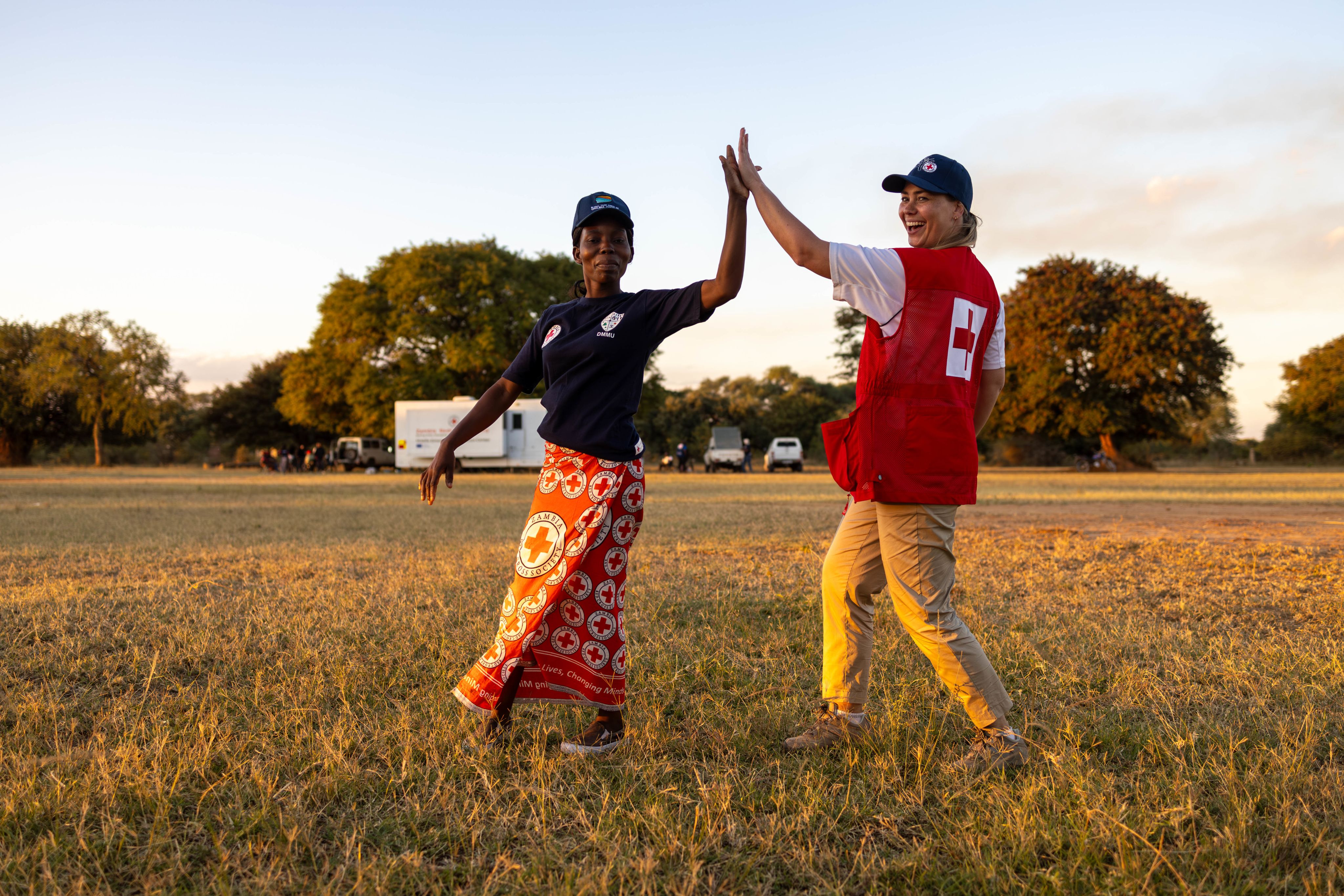
In 2024, the IFRC network supported:
26 million people
in climate and environment
26.5 million people
in disasters and crises
89.8 million people
in health and wellbeing
11.6 million people
in migration and displacement
16.7 million people
in values, power and inclusion


Response to emergencies in 2024:
265
active emergency operations
113.3 million
people supported
32
Emergency Appeals launched
205
operations supported by IFRC-DREF
27
Early Action Protocols approved
The IFRC's Strategic Priorities flow from the five global challenges identified by Strategy 2030 as the most pressing existing and emerging risks of the decade.
The priorities - Climate and environment; Disasters and crises; Health and wellbeing; Migration and displacement, and Values, power and inclusion - are interconnected and require committed local action to manage them and bring about positive change.
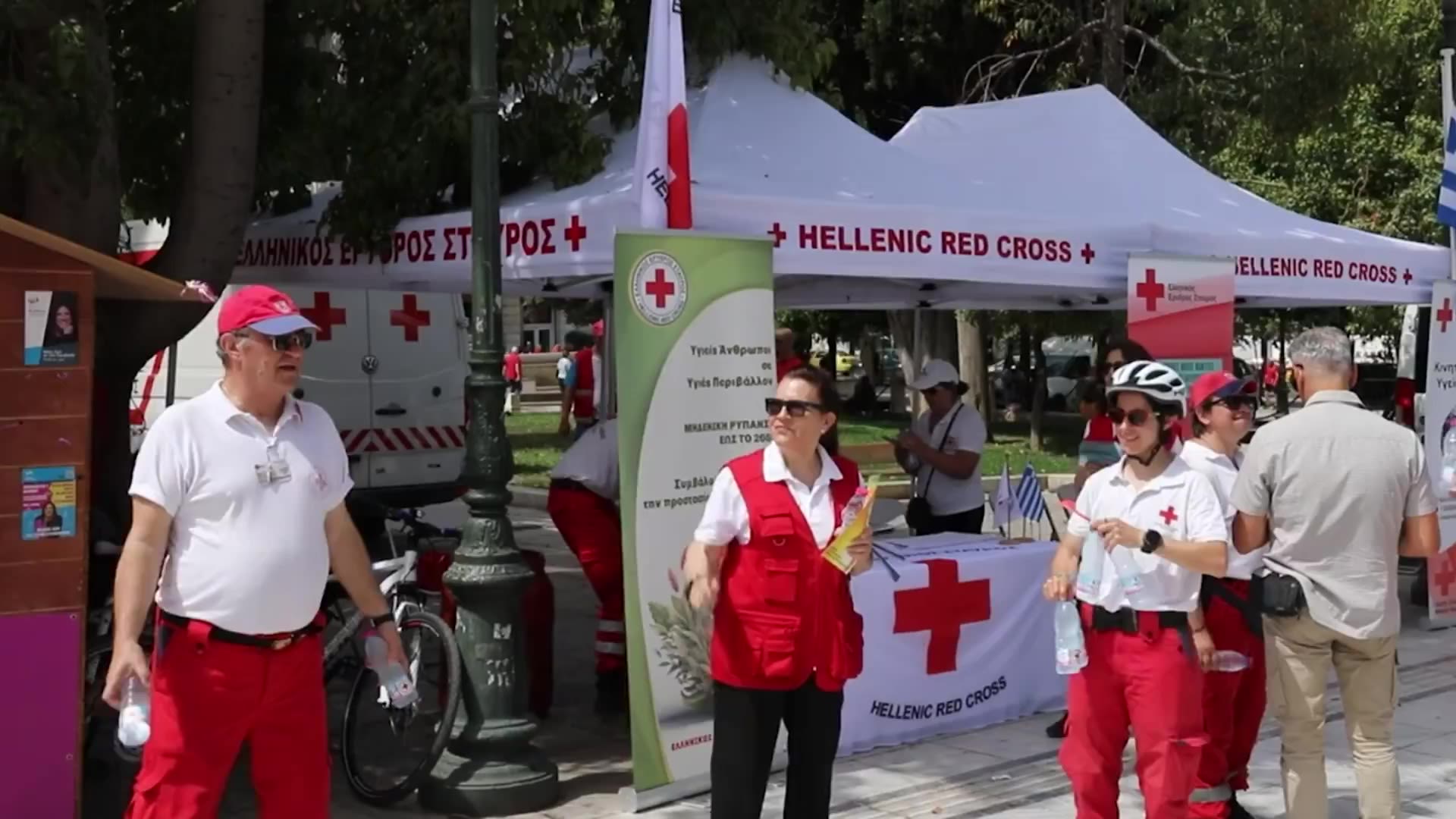

Strategic Priority 1:
Climate and environment

Extensive community-based work to adapt, mitigate, anticipate and build resilience to climate and environment challenges was organized and funded through the IFRC’s Global Climate Resilience Platform in 2024. This ambitious and innovative approach aims to mobilize 1 billion Swiss francs to build locally led climate resilience by ensuring resources reach communities in the world’s 100 most climate-vulnerable countries.
More than 318 million Swiss francs in funding for locally led climate action programming has been raised and channelled to these countries since January 2023. Work under the platform focuses on three pillars: early warning and anticipatory action; nature-based solutions, and safety nets and shock-responsive social protection.


This work was scaled up through the IFRC’s Climate Action Journey, which was launched in May 2024. This allowed climate action programmes to be scaled up quickly using a new approach driven by community consultations, using a standardized ‘menu of locally led interventions’ as a framework. More than 40 National Societies were engaged in the journey in 2024.
The Movement-driven Climate and Environment Charter for Humanitarian Organizations reached more than 470 signatories in 2024 , including 140 National Societies. At the same time, community-based work across the world was boosted by the Zurich Climate Resilience Alliance and the Zurich Foundation’s Urban Climate Resilience Programme.

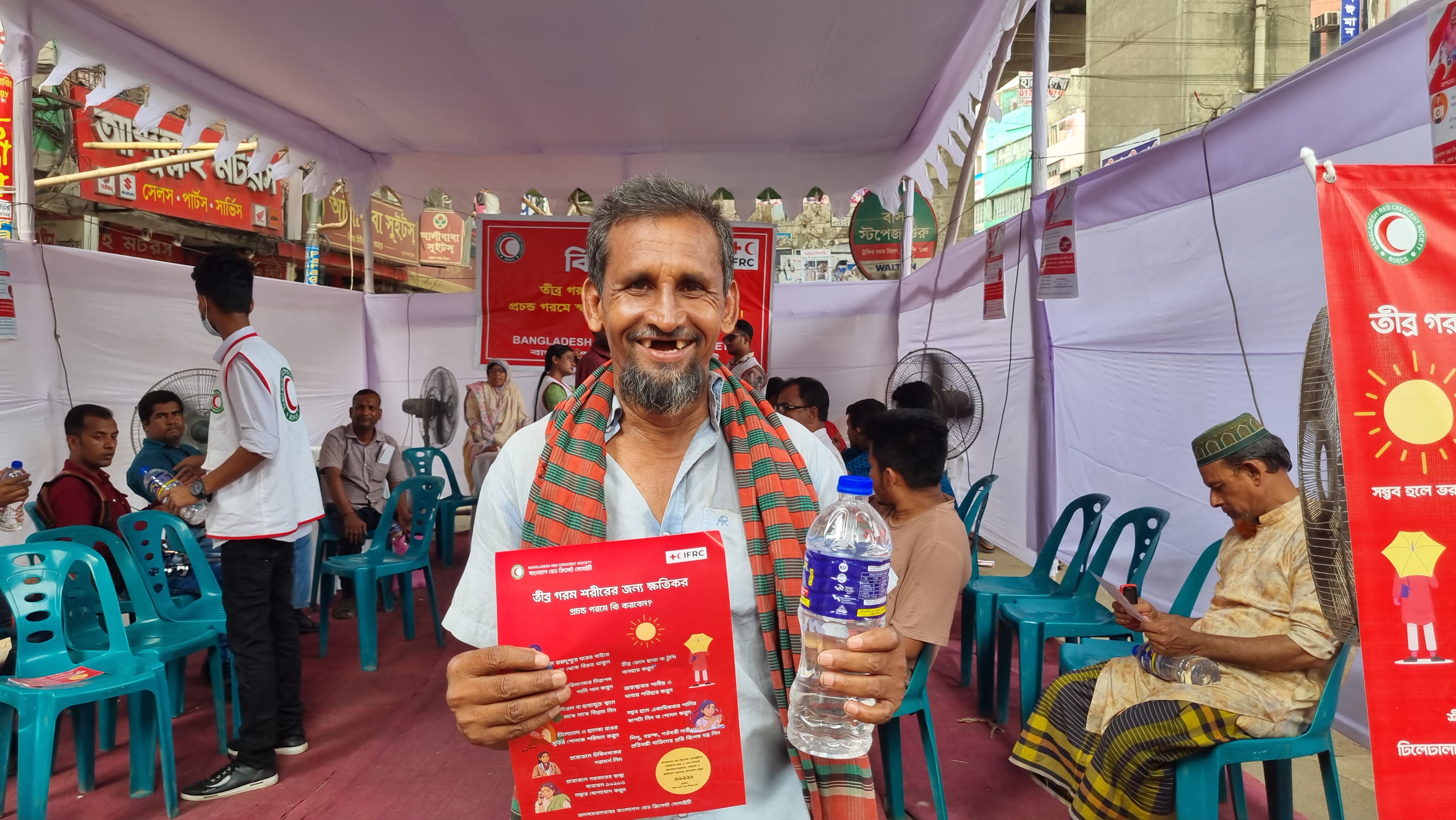
Work to tackle the rising dangers of heat around the world was enhanced by the launch of the Extreme Heat Initiative at COP29 in November 2024, by a coalition including the IFRC, UNDRR, WHO, WMO, Rockefeller Foundation and USAID, aiming to raise 500 million US dollars to protect 100 million people by 2030.
Meanwhile, the Pan-African Tree-Planting Initiative continued with African National Societies planting and caring for a massive 34 million trees across the continent in 2024.
Strategic Priority 2:
Disasters and crises

In 2024, the IFRC's Disaster Response Emergency Fund (IFRC-DREF) allocated 85.3 million Swiss francs across 167 operations, allowing 97 National Societies to support more than 24.4 million people affected by disasters, crises and socio-economic emergencies.
This marks a significant increase from 2023, when 14.6 million people were supported through 160 operations led by 90 National Societies. The increase in humanitarian needs is driven by the growing impact of climate change and complex emergencies worldwide.

National Societies’ preparedness to respond to crises continued to be strengthened through the Preparedness for Effective Response (PER) approach, in line with the National Society Preparedness Framework. An additional ten National Societies undertook the PER process in 2024, bringing the cumulative total to 106 National Societies.
The IFRC supported National Societies in the UN-led Early Warnings for All (EW4All) initiative, which aims to ensure that everyone on earth is protected by early warning systems by 2027. In 2024, 34 National Societies implemented activities contributing towards the EW4All initiative.
The Water at the Heart of Climate Action programme was launched in October 2024. Funded by the Netherlands Ministry for Foreign Affairs, this 55 million-euro initiative strengthens early warning systems and local climate resilience. It is managed by the IFRC in close partnership with the United Nations Office for Disaster Risk Reduction and the World Meteorological Organization.

The IFRC’s disaster law programme celebrated 20 years of impact in 2024. This year, 59 National Societies were trained in legislative advocacy to improve their positioning within disaster management frameworks; 26 governments were supported in disaster law issues, and IFRC disaster law recommendations were included in ten new legal instruments.
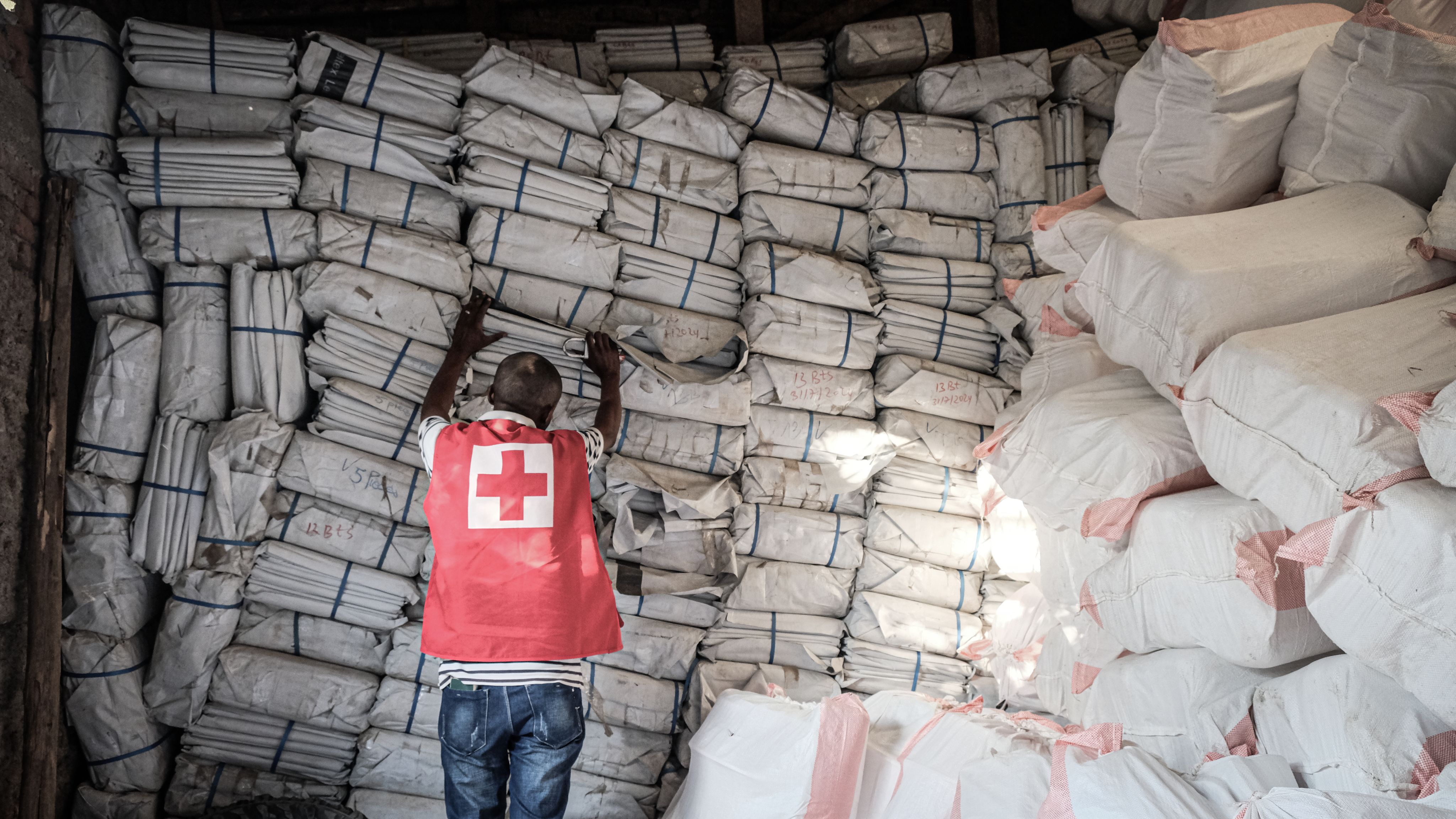
All IFRC support to National Societies is designed to build their capacities and reach so that hands-on international involvement is needed less, in line with localization efforts. However, some crises can overwhelm the capacities of even the strongest National Society. To this end, the IFRC’s Surge facility now has a diverse pool of 5,400 active professionals from 182 of the IFRC’s 191 National Societies.
The IFRC network continues to be a world leader in cash assistance, giving crisis-affected people choice, preserving their dignity and respecting their agency. In 2024, 48% of IFRC-DREFs and Emergency Appeals delivered cash assistance totalling 18 million Swiss francs in more than 60 countries. Cash preparedness progressed significantly in 2024, with 97 National Societies engaged, putting IFRC on track to meet its 2025–2026 target of 100.

In the area of food security and livelihoods, the IFRC focused on agrifood systems innovation to support the Food and Nutrition Resilience Programme in Africa. The IFRC expanded its partnership with FAO to foster locally driven food security and livelihoods programmes. The IFRC also joined the SEADS programme to enhance crop-related livelihood support across Africa, Asia Pacific and the Americas. This equips communities with the tools and support needed to withstand shocks and build resilience.
The IFRC GO platform continues to be the primary information management source for IFRC network activity in preparing for, responding to and learning from disasters and crises. In 2024, new and improved services included newly revamped country pages; further development of the Montandon Global Crisis Data Bank (more than 1 million hazard and impact records added), and the continued development of the Preparedness for Effective Response data collection and visualization flow.
Strategic Priority 3:
Health and wellbeing

IFRC support to National Societies in health and wellbeing in 2024 continued through the four pillars of the IFRC’s Health and Care Framework, namely Global Health Security; Global Health Protection and Universal Health Coverage; Global Water Security and Transformative Partnerships.
The REACH initiative – a partnership between the IFRC, Africa Centre for Disease Control – scales up, trains, supports and integrates community health workforces within public health systems to help bridge healthcare gaps. In 2024, the IFRC worked with Health Ministries and National Societies to launch REACH in Burkina Faso, Kenya, Nigeria and South Sudan alongside work continuing in 12 priority countries. Some 1,000 community health workers have now been trained and deployed to meet people’s healthcare needs.
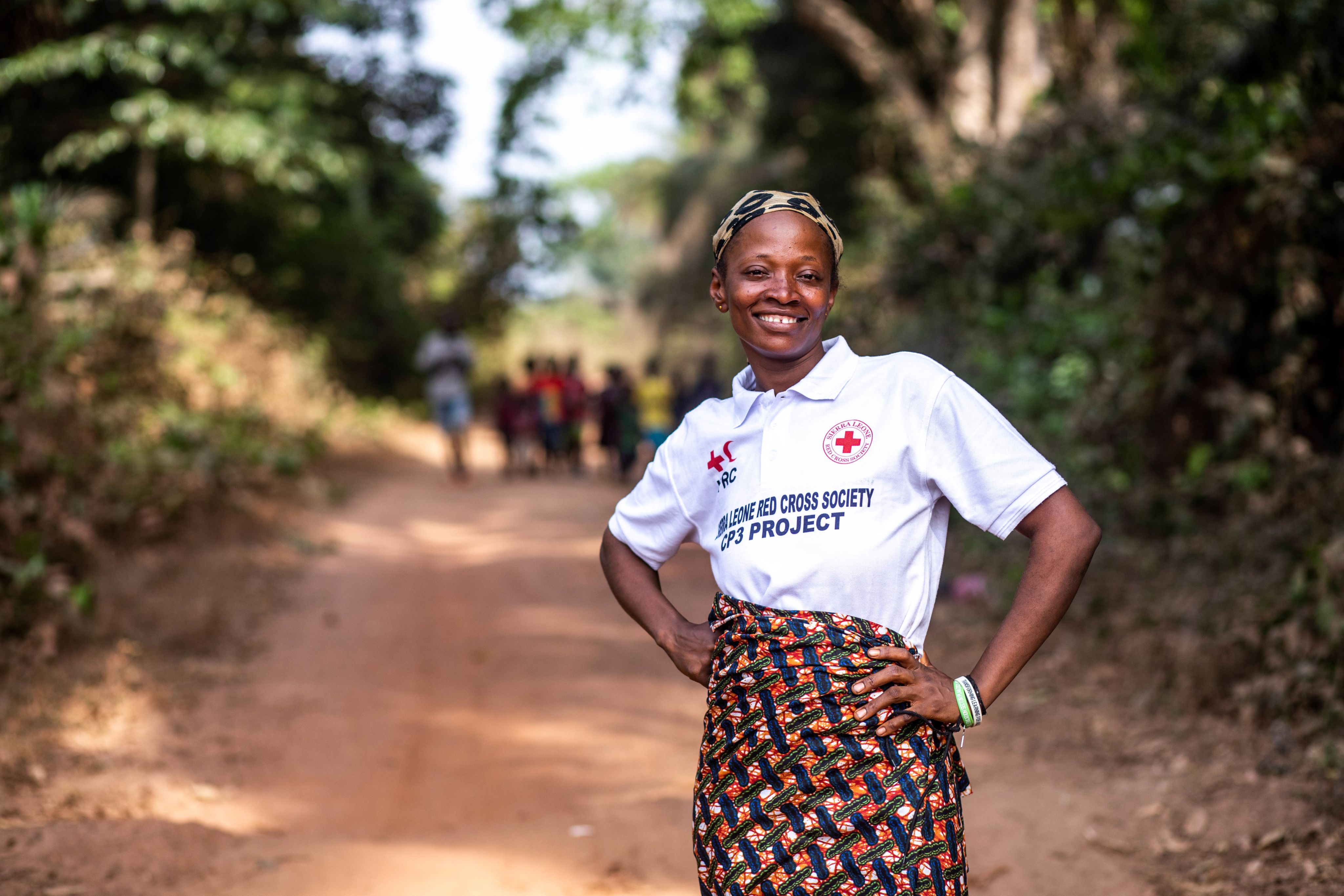
The Community Epidemic and Pandemic Preparedness Programme (CP3) – a multi-country programme funded by USAID – was active in seven countries in 2024. Life-saving information on epidemic and pandemic prevention, preparedness and response was provided through 690,533 household visits. National Societies reached nearly 2.2 million people with epidemic-related health information. A total of 6,222 community volunteers were engaged in community-based surveillance, sharing 7,108 health risks alerts for timely investigation and action.
Some 234.8 million people were reached by National Societies implementing the Saving Lives and Livelihoods initiative – a 1.5 billion US dollar partnership between the Africa CDC and the Mastercard Foundation – with more than 35 million doses of vaccines administered, fully vaccinating more than half (51.8%) of the continent’s eligible population.
National Society emergency health work in 2024 was supported, for example, through the deployment of a public health Emergency Response Unit to Comoros as part of efforts to contain a cholera outbreak. There were 20 epidemic response allocations from the IFRC-DREF in 2024 (not including the loan for the mpox appeal). The IFRC-DREF responded to outbreaks of cholera, dengue, diphtheria, Lassa Fever, lymphatic filariasis measles, and polio in every IFRC region.

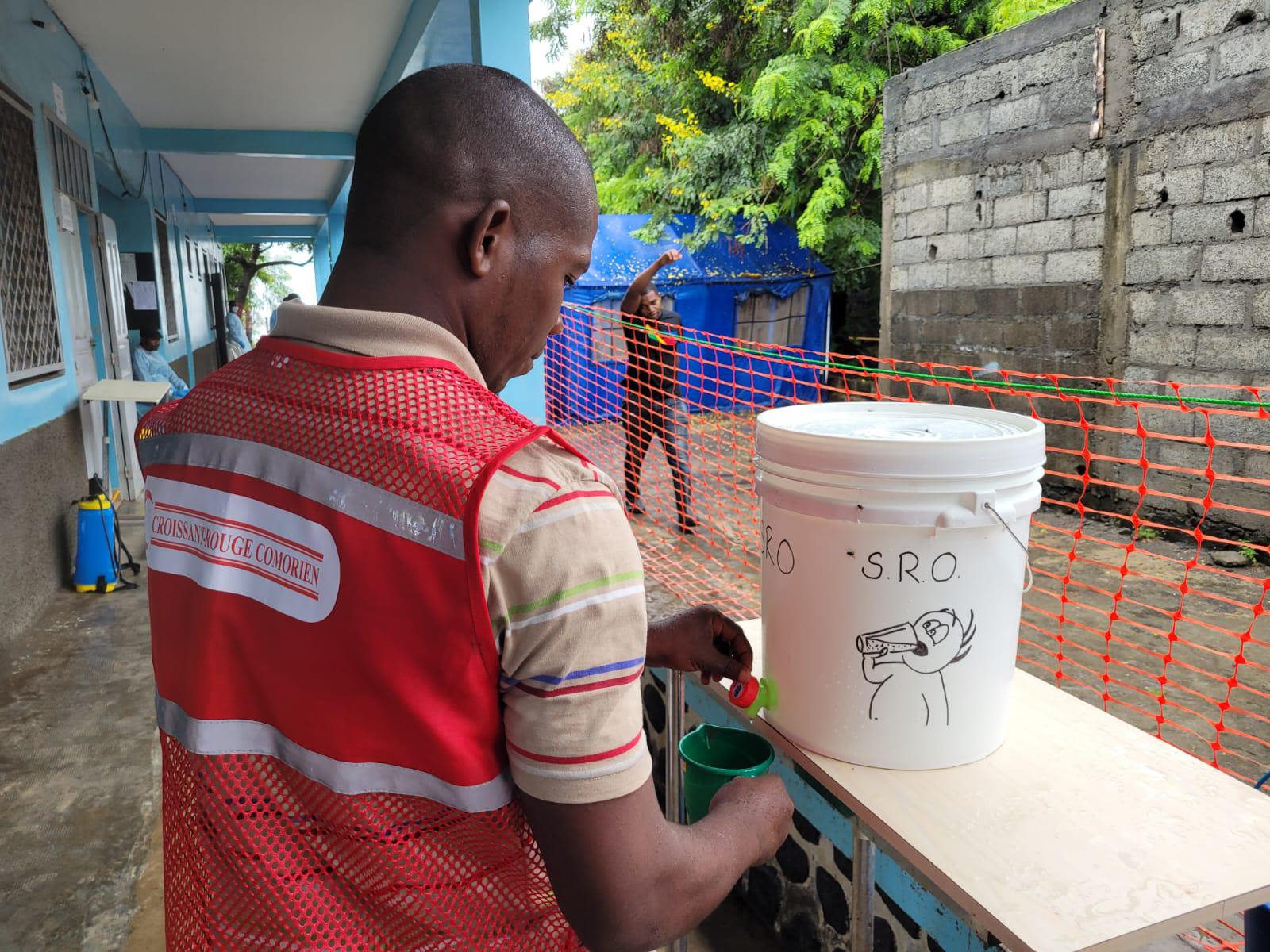
The Collective Service – an interagency initiative between the IFRC, UNICEF, WHO and GOARN for the coordinated delivery of risk communication and community engagement in public health emergencies – served National Societies in 19 countries in east and southern Africa in 2024 through coordination, technical support, capacity building and advocacy.
In 2024, the IFRC and National Societies continued to strengthen knowledge and leadership on climate health actions in both policy and programming. At the same time, migration and health work was strengthened through the provision of first aid, essential healthcare, and mental health and psychosocial support at IFRC network Humanitarian Service Points.

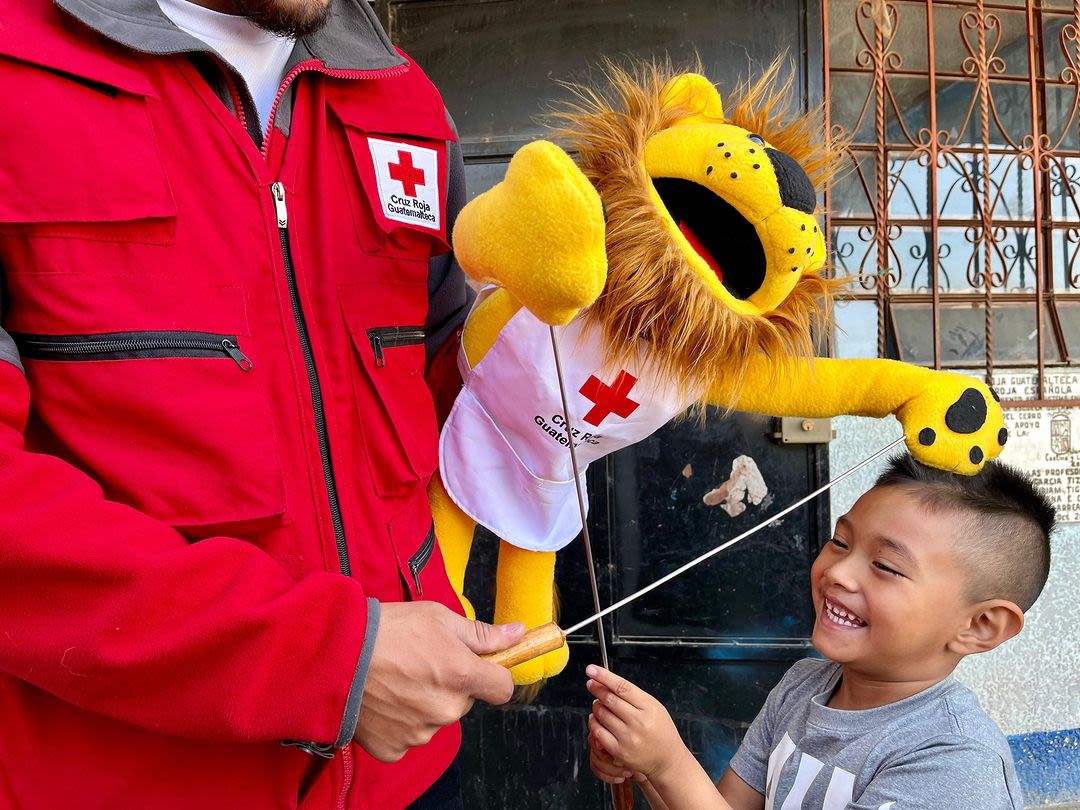
Seven National Societies were recognized through the International First Aid Attestation programme in 2024. The IFRC’s Universal First Aid App was improved by the addition of a geo-targeted push notification system that allows National Societies to deliver prevention and response messages to users in case of heatwaves or other health-threatening emergencies. National Societies working in commercial first aid were supported to expand and enhance their services by the IFRC Global First Aid Reference Centre.
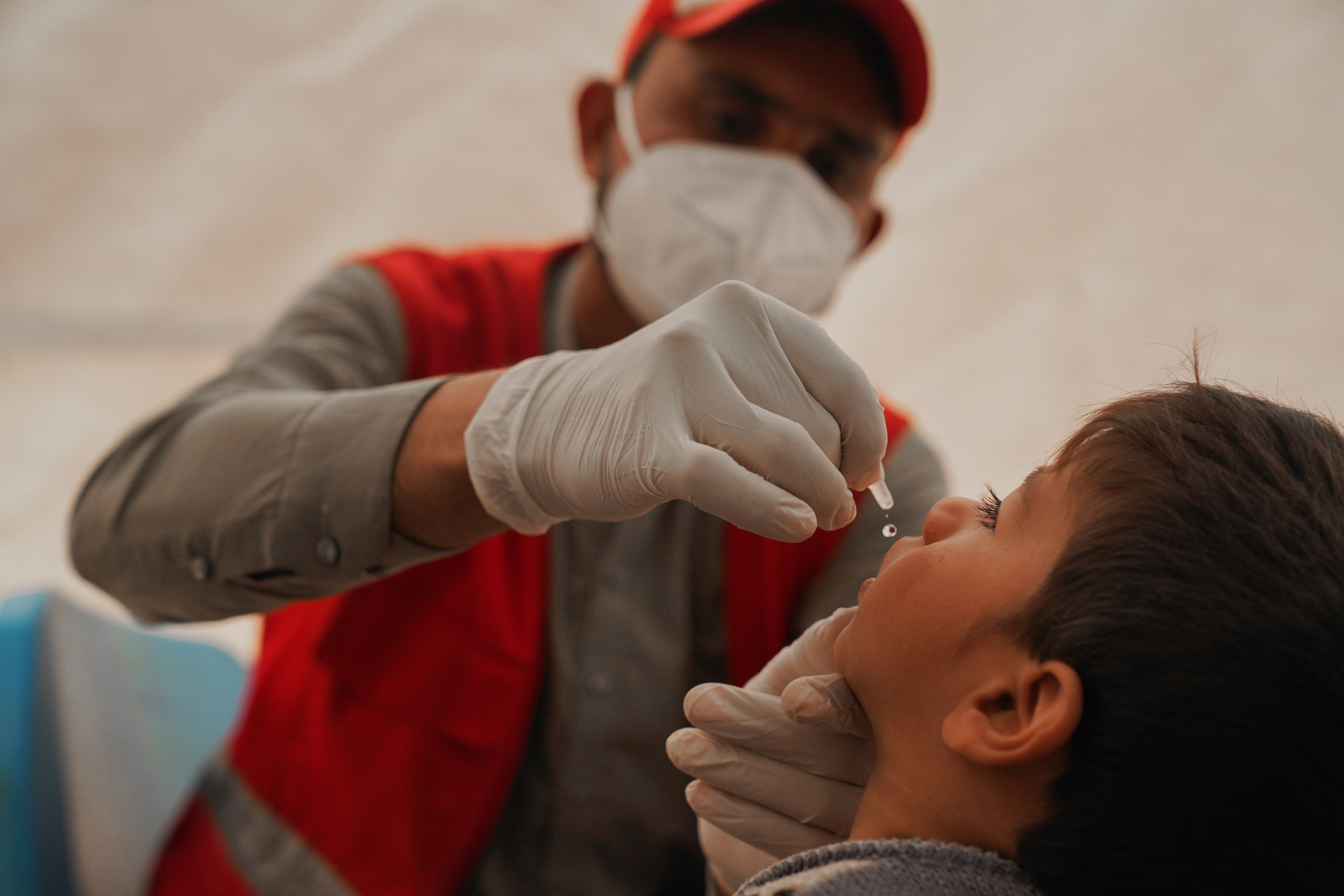
In 2024, National Societies and the IFRC played a critical role in strengthening immunization coverage worldwide and ensuring equitable vaccine access, particularly in fragile and conflict-affected settings – ensuring life-saving vaccines reach the most at-risk people, even in the most challenging environments.

The Alliance for Malaria Prevention Partnership, housed and chaired by the IFRC, provided support to 20 countries, supporting planning and implementation for distribution of 169 million insecticide-treated nets. Based on an estimate that each net in a household is used by two people, these nets are protecting more than 338 million people, primarily in sub-Saharan Africa where the disease is endemic, saving approximately 185,000 lives.
In February 2024, a former IFRC Psychosocial Centre was transformed as the International Red Cross and Red Crescent Movement Mental Health and Psychosocial Support Hub. The European Commission’s EU4Health programme continued to provide psychological first aid and mental health services to more than 348,000 people affected by the conflict in Ukraine.
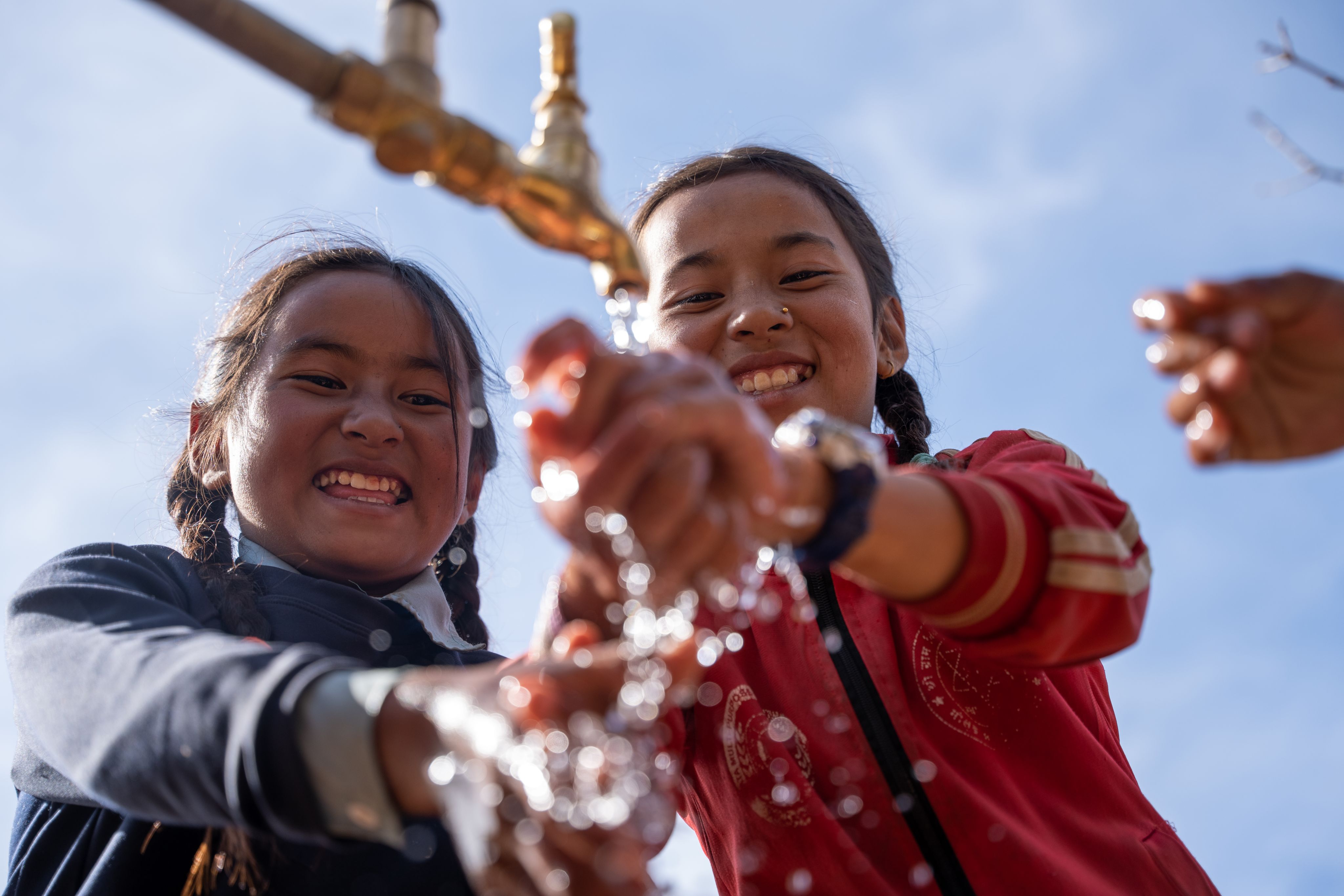
The IFRC launched its Global Water Security Operational Direction 2024–2030, significantly enhancing the traditional water, sanitation and hygiene (WASH) agenda, and highlighting water security as a way to ensure a more robust water sector and more resilient communities.
The IFRC-hosted Country Support Platform, which is the operational arm of the Global Task Force on Cholera Control, continued to support countries with a high cholera burden. Ten countries are now being supported in developing and implementing National Cholera Plans.
Strategic Priority 4:
Migration and displacement

In 2024, the first ever Movement Migration Strategy (2024–2030) was adopted by the Council of Delegates. This builds on the previous IFRC Global Migration Strategy 2018–2022, and for the first time brings together all components of the Movement in a collective strategic framework on migration.
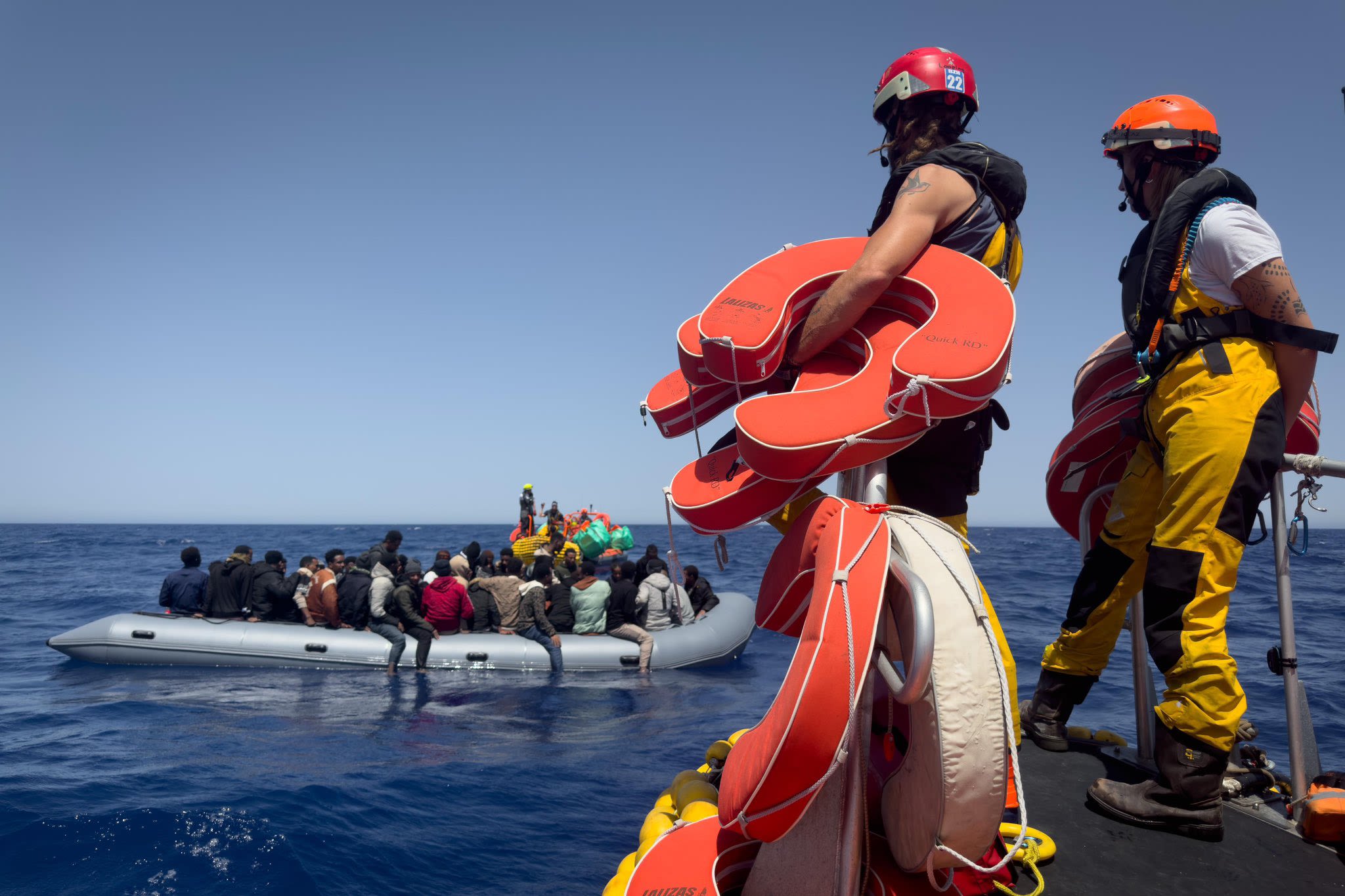
The IFRC continued to support the implementation, scale-up and strategic coordination of the Global Route Based Migration Programme with a focus on effective programming and strategic cross-border and route-based cooperation through Humanitarian Service Points (HSPs). This support includes the IFRC’s HSP @ Sea operation, in partnership with SOS Méditerranée on board the Ocean Viking search and rescue vessel. HSPs are a vital source of humanitarian assistance and protection to people on the move, offering support in more than a hundred locations.

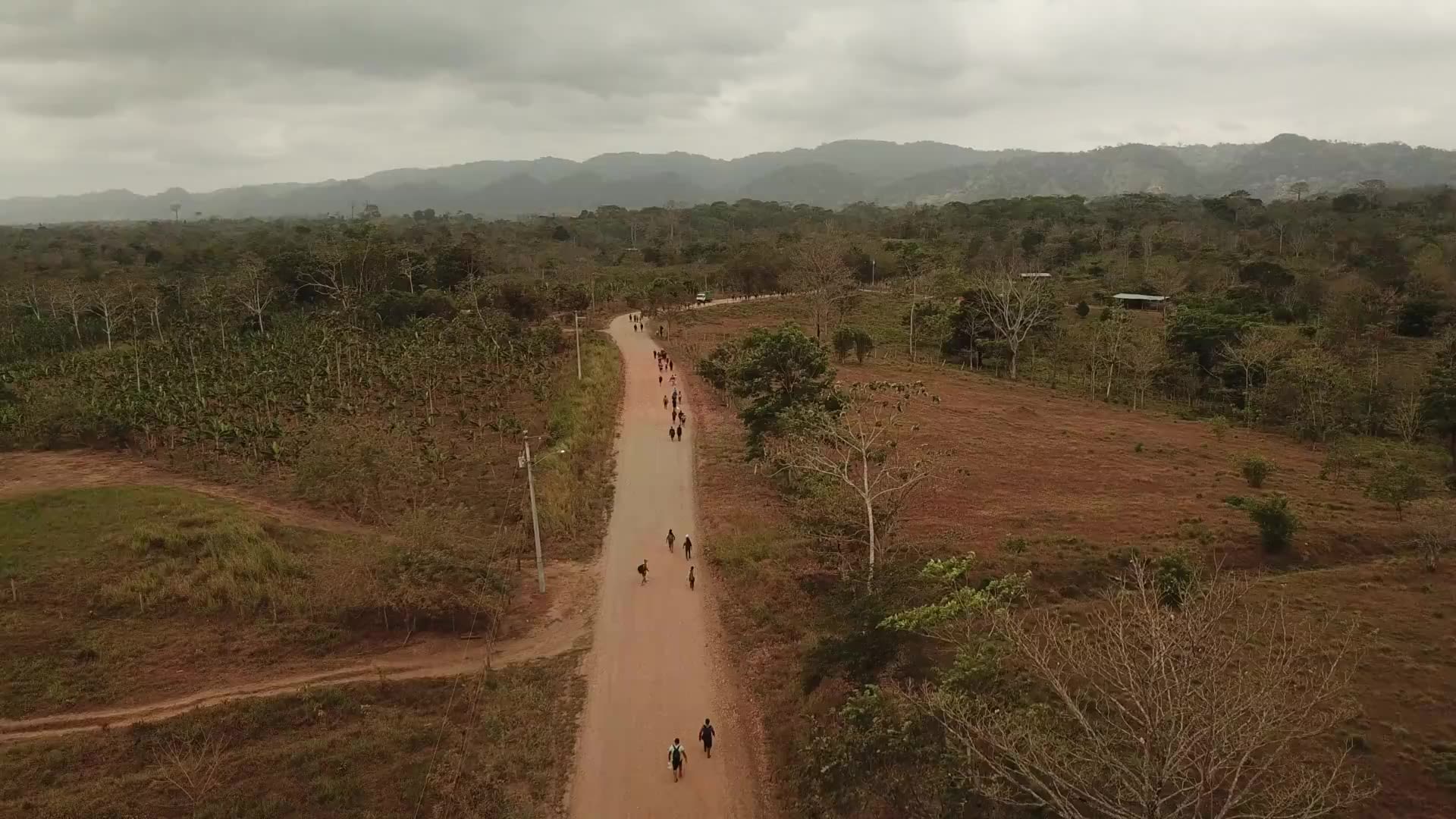
The work of HSPs – and the dangers faced by people on the move – were highlighted in 2024 through an IFRC photo exhibition called Echoes From The Jungle, featuring the work of Pulitzer Prize finalist Federico Rios, taken on assignment in the Darién jungle for the New York Times. The exhibition was supported by the European Union.
In 2024, the IFRC supported 50 National Societies in implementing emergency operations focused on addressing the needs of migrants, refugees and other displaced communities with services including multipurpose cash, shelter, education, water, sanitation and hygiene, livelihoods, and disaster risk reduction activities.

Migration and displacement considerations were integrated into the Preparedness for Effective Response (PER) approach and National Societies were also supported in exploring Anticipatory Action for population movement.
Climate-related displacement was explored in 2024 through regional research reports on addressing displacement in the context of disasters and climate change. National Societies were also supported in work with returning migrants in their communities of origin, where they can face challenges in accessing essential services and longer-term support.
In 2024, a second dialogue on Humanitarian Action at Sea, with the Centre for Humanitarian Action at Sea, and other relevant partners from the private sector, academia and the humanitarian community, was held in Geneva. Closed door dialogue allowed for open discussion on the need for effective and efficient search and rescue to save lives at sea.

In 2024, the IFRC also supported other advocacy areas for the network. This includes reporting on progress against pledges made at the Global Refugee Forum, coordinating and attending the Consultations on Resettlement and Complementary Pathways with National Societies.
In 2024, work on meaningful participation further progressed with the Global Migration Lab working closely with the IFRC to develop a global analysis and policy brief on efforts to build in meaningful participation approaches, including to humanitarian diplomacy.
Strategic Priority 5:
Values, power and inclusion
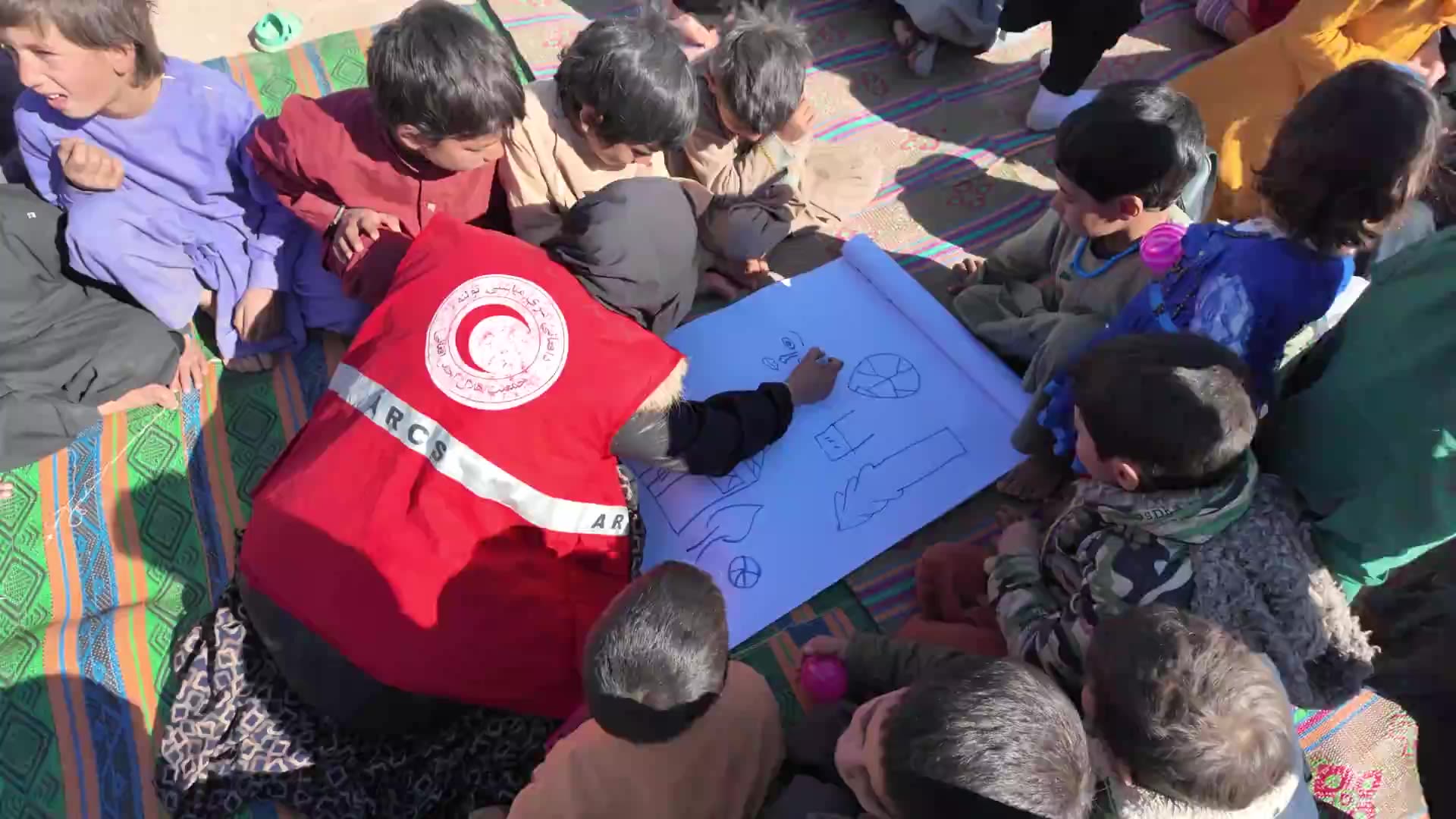

The IFRC’s work in support of National Societies in 2024 included a strong focus on protection, gender and inclusion, which is the network’s approach to addressing the causes, risks and consequences of violence, discrimination and exclusion.
In 2024, 23.2 million people were reached with programming in protection, gender and inclusion (PGI); 94 National Societies had policies on the prevention of sexual exploitation and abuse in place (63) or in draft form (31), and 63 National Societies had child safeguarding policies in place. All IFRC Emergency Appeals included the minimum standards for protection, gender and inclusion, as did 87% of IFRC-DREF allocations.
The 2024 Red Cross and Red Crescent Statutory Meetings fostered greater sustained integration of PGI throughout the Movement. This included the adoption of the Protection in the Movement resolution. Safeguarding was further integrated into programming, training, funding and the new National Society Certification System.
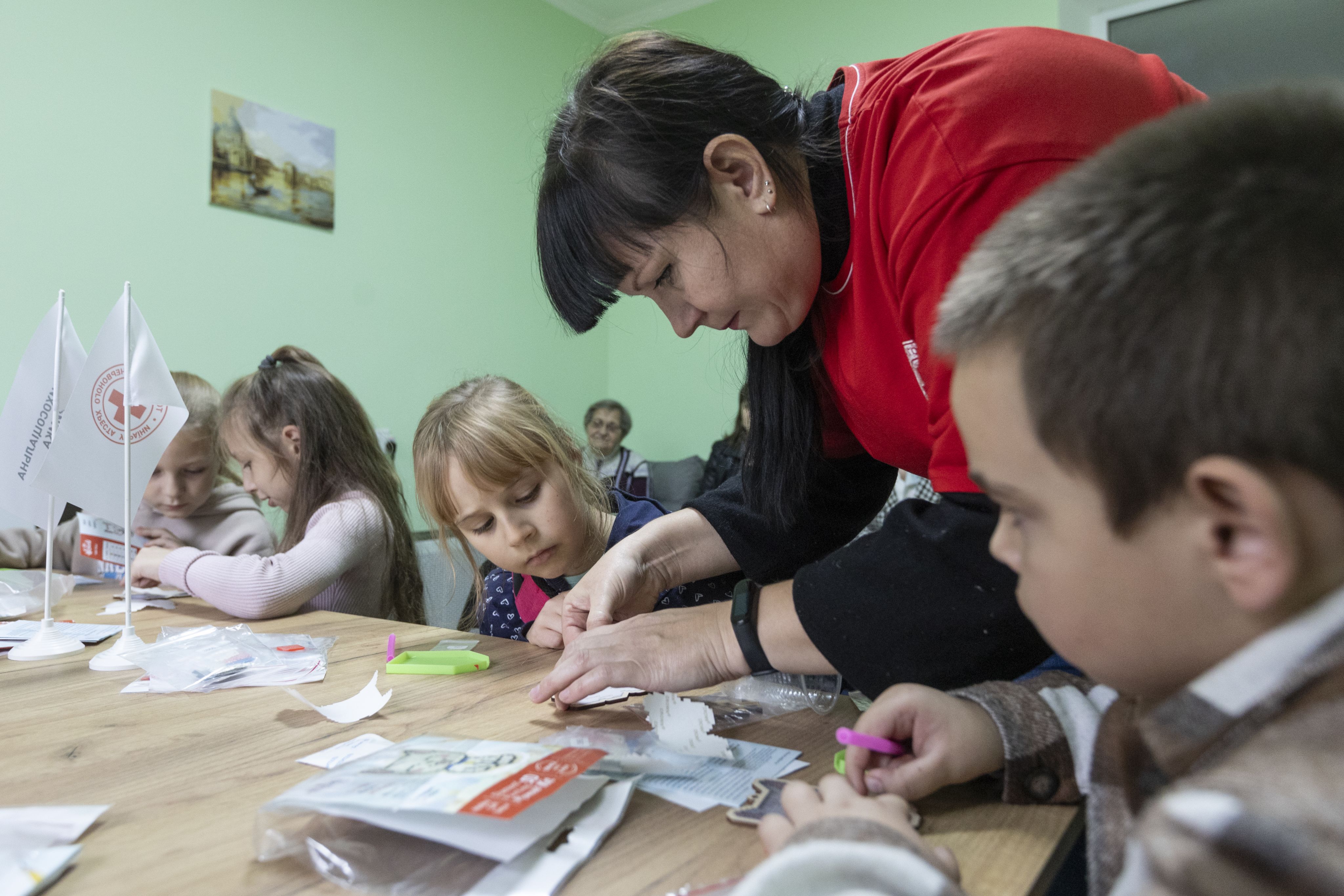
The IFRC launched and provided training in a new Child Participation Toolkit which equips National Societies to be able to engage children safely and meaningfully so that humanitarian aid and services adequately and efficiently meet their needs, and so that children can trust and identify emergency information required for their survival in crises.
The three-year Children Affected by Armed Conflict programme began, with the IFRC providing support to National Societies in their implementation of the child-focused, community-based project, which includes support for child friendly spaces, education, restoring family links, childcare centres, sport programmes and child safeguarding.
In addition, new operational guidance on the Building Blocks for Disability Inclusive programming was developed with the Finnish Red Cross, and launched at the Disability Inclusion Forum Humanity for All.

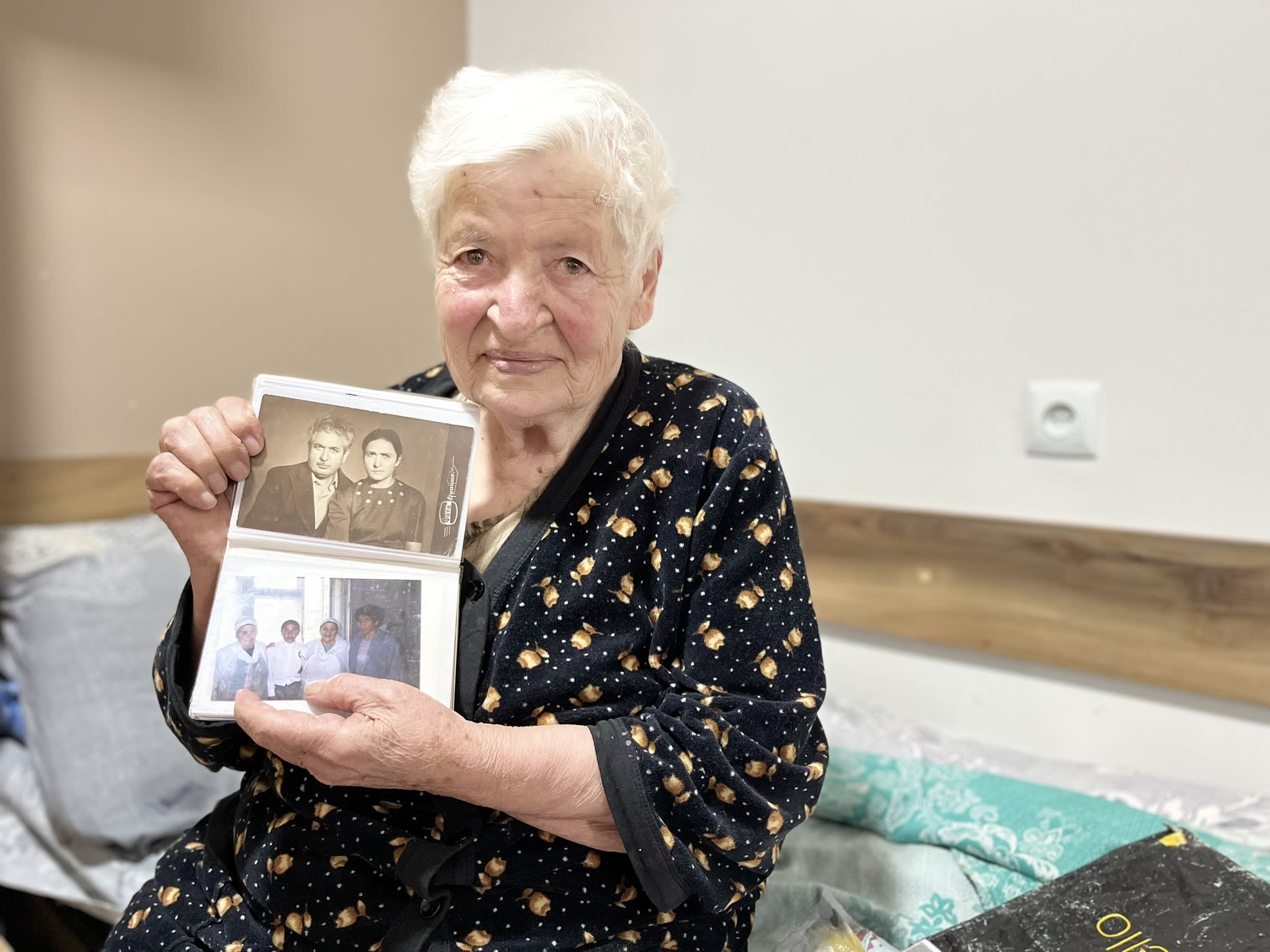
Data from the IFRC Federation-wide Data and Reporting System shows that 32 million people were reached with education programming by National Societies and the IFRC in 2023, a 17% increase from 2022’s figure. Guided by the IFRC Strategic Framework on Education 2020–2030, the IFRC launched the RED Education initiative in 2024, which aims to reach 40 million children and youth, and 1 million teachers in 100,000 schools across 100 countries by 2030.
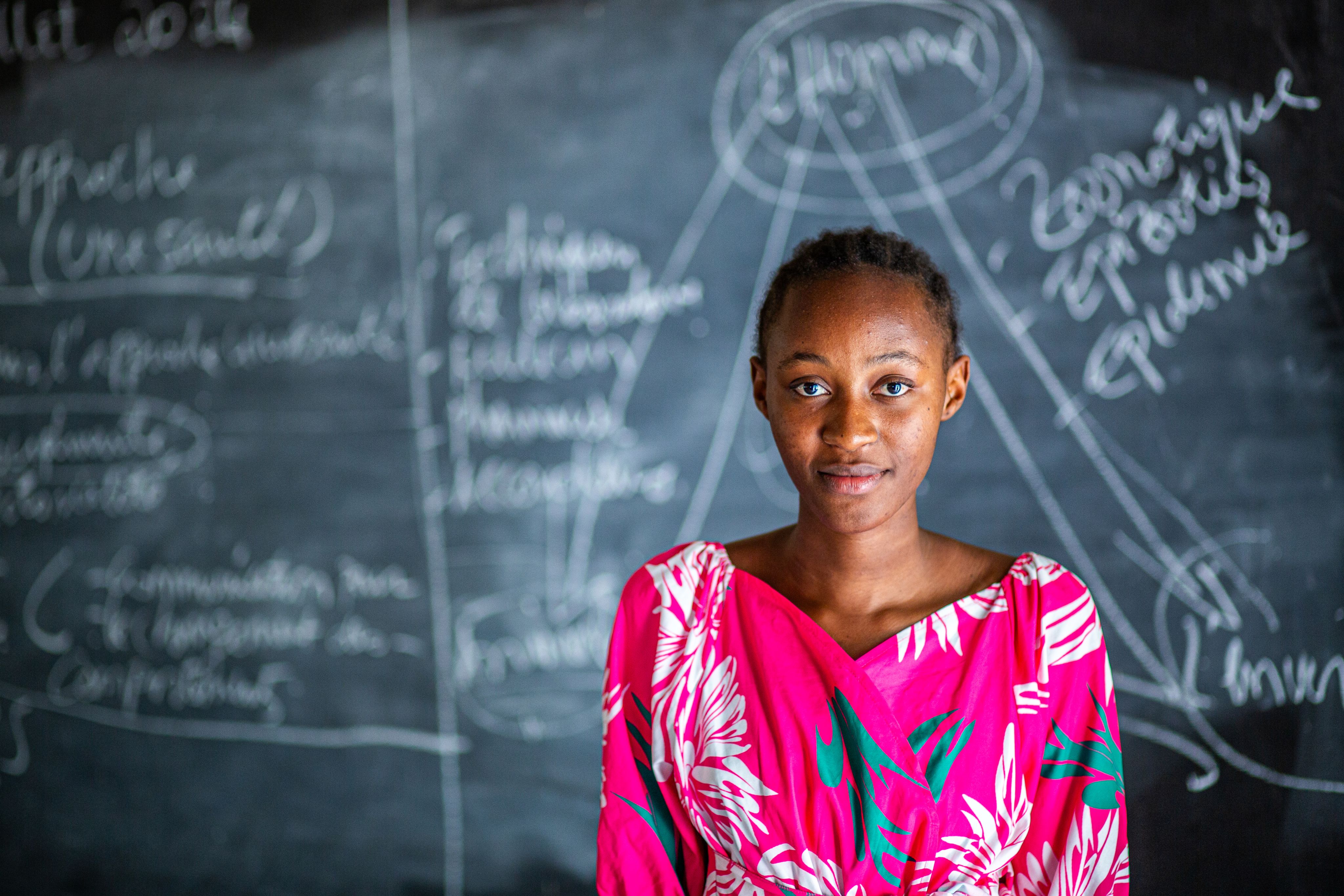
Community engagement and accountability activities in 2024 included strengthening capacity to collect, analyze and use community insights. These insights are invaluable for global advocacy, for example, by profiling community voices on climate impact and ensuring they are decision-makers in locally led climate action.
To enhance community trust, the IFRC has created the Community Trust Index, an evidence-based tool allowing National Societies to use data to create action plans. Launched in May 2024, the new Community Trust Index platform provides key data collected in an initial eight countries.

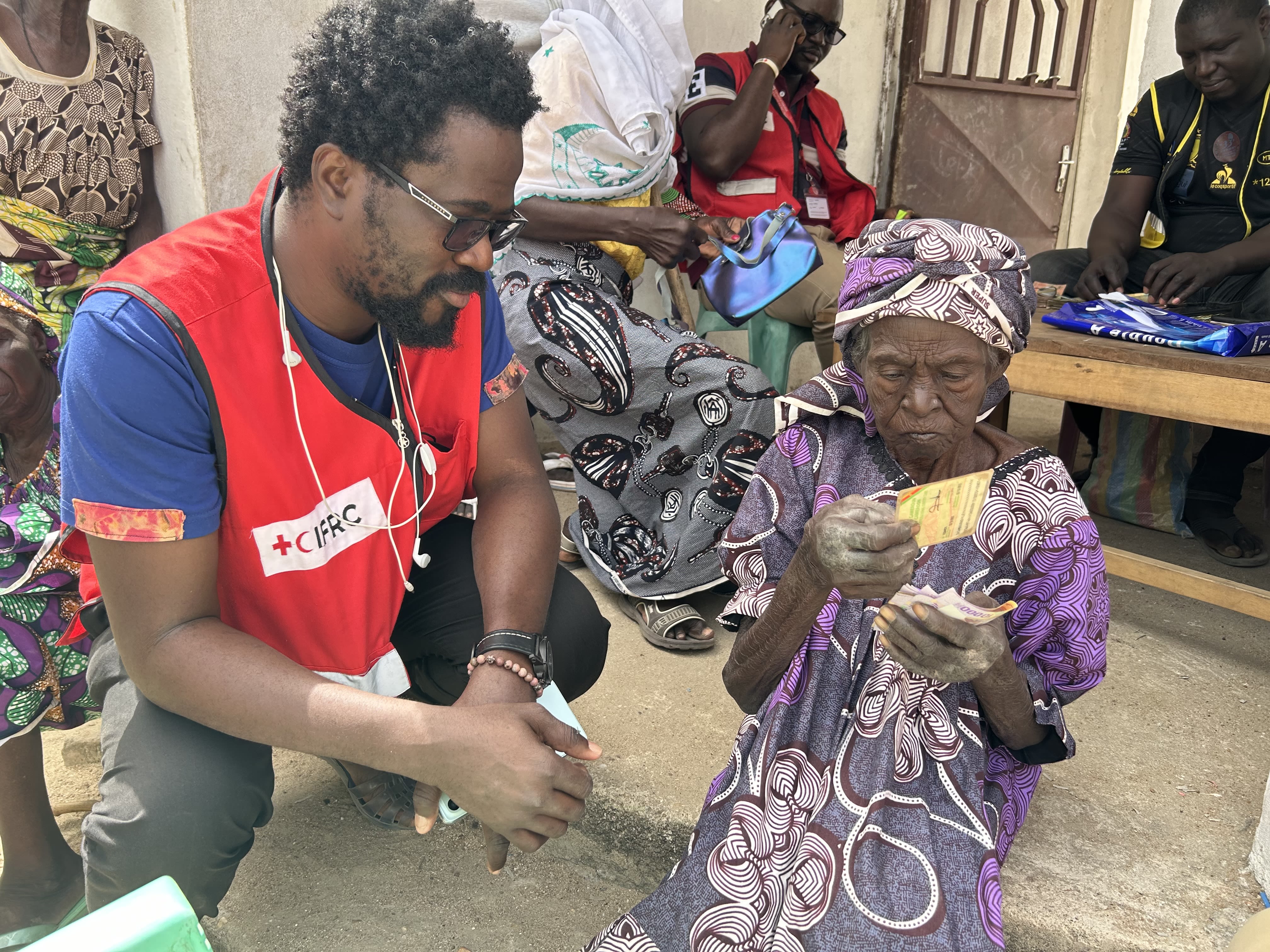
This work builds on the Building Trust in COVID-19 vaccines in Humanitarian Settings project which concluded in March 2024. The project was implemented in 15 National Societies and its final evaluation demonstrated an impact on health outcomes as well as trust and participation on both community and societal levels.
To address challenges in mainstreaming CEA, the IFRC launched the CEA Ambassadors Network in 2024. This provides sustained technical and financial support to National Societies committed to scaling up their community engagement approaches and accountability systems.
The IFRC's four Enabling Functions are Strategic and operational coordination; National Society development; humanitarian diplomacy, and accountability and agility.
This vital work is powered by Regular Resources - unearmarked donations - which allow the IFRC to provide tailored support to National Societies.

Enabling Action 1:
Strategic and operational coordination

The second annual survey on the unified planning and reporting process showed increased engagement by the membership compared to 2023, while pointing to the need for continued dissemination and accessibility of guidance, capacity building, more predictable processes at national level, and increased promotion and resource mobilization.
In 2024, the 2023 annual reports on the unified plans of 101 countries were completed and published internally and externally. This closed the first full round of unified planning and reporting since the launch of the approach. For the 2025 unified planning process, in total, 127 country-level unified plans for 2025 or multiyear were submitted, against a goal of 136. External IFRC network country plans for 2025 are published on ifrc.org.
A major milestone was reached with the development and launch of the IFRC network Indicator Bank, boosting the IFRC network’s collective ability to plan, monitor and report effectively across both emergency response and longer-term programmes by establishing common standards, improved quality and ease of access.
The Federation-wide Databank and Reporting System (FDRS), 2023 annual data collection from all National Societies, was completed before year end by 181 National Societies, supporting the demonstration of the global reach of the IFRC network.
A special edition of the Everyone Counts report was published in 2024 to capture the collective performance of the IFRC network at the midpoint of Strategy 2030, and feed priority setting for the next five years. A two-year bridge, Response, Resilience, Respect, was produced in 2024 to define the IFRC strategic framework for 2025–2026, and update priorities and approaches in a rapidly evolving humanitarian context.

In 2024, the IFRC carried out extensive work with National Societies and its own Heads of Delegation to enhance capacities and streamline processes to lead strategic coordination efforts. This included the creation of a Pocket Checklist for Coordination, a concise set of actions required at national level before, during and after a crisis.
Significant progress was also made in developing guidance to enhance Membership coordination in operations, including the creation of a practical toolkit. In 2024, more than 71 country activationforms for either Integration Services or Administrative Services provided by the IFRC were approved. The One Framework Agreement for Integration Services was signed with the French Red Cross, bringing the number of countries receiving Integration Services to 33.
The IFRC continued to better integrate its expert Reference Centres – each focused on a vital area of humanitarian work – into the network’s locally led humanitarian action. A mechanism of global governance and strategic coordination was established in 2024.
The Way of Working – a network-wide transformative process to operationalize the goals and transformations envisaged in Strategy 2030 and the Agenda for Renewal – received steady and committed support from National Societies in 2024. The IFRC began mainstreaming the Way of Working following a conference hosted by the Norwegian Red Cross, marking the end of the initiative’s pilot phase. In October, during the 2024 Statutory Meetings, 35 National Societies submitted a Pledge to demonstrate their commitment to the Way of Working.
The 2024 Council of Delegates marked the end of the Strengthening Movement Coordination and Cooperation (SMCC) initiative. Fourteen Movement Coordination Agreements were finalized in the course of 2024, while several others were in development.

The IFRC continued to play an active role in cooperation and coordination with external partners through the Inter-Agency Standing Committee (IASC), Steering Committee for Humanitarian Response (SCHR) and the Grand Bargain, including co-chairing the IASC Task Force on Accountability to Affected Populations and sub-working group on climate.
The IFRC, as convenor of the Global Shelter Cluster in disaster contexts, worked throughout 2024 to strengthen shelter coordination at country level, while enhancing National Society impact.C Plan and Budget
Enabling Function 2:
National Society development


The IFRC provided tailored support to several National Societies experiencing emergencies this year, including the rapid response deployment of National Society development specialists.
A research study on National Society development in fragile, complex, protracted conflict and violence-affected contexts was commissioned in 2024, by a global task force led by the British Red Cross and comprising of the IFRC, ICRC and the National Societies of Australia, Canada, Denmark, Germany and the United States. Additional research commissioned by the British Red Cross, IFRC and ICRC also explored the impact of National Society development investment in branch development and the auxiliary role.

In 2024, the Afghan Red Crescent, Slovakia Red Cross and the Ukraine Red Cross Society, completed Phase 2 of their Organizational Capacity Assessments. The National Societies of Colombia and El Salvador also underwent OCA Phase 2 (peer review) assessments.
The IFRC has been developing a new concept of IFRC Certification in line with international standards. This has been a consultative process in partnership with a working group of 15 National Societies. The IFRC’s Governing Board endorsed this proposal in 2024.
A Branch Development Framework was launched to support National Societies in strengthening their branches – a vital part of effective locally led action. A Branch Development Community of Practice was also launched this year, with the review and revision of the IFRC’s Branch Organizational Assessment Tool (BOCA) begun in September 2024.
The National Society Financial Sustainability Framework was launched in May 2024 and was widely disseminated alongside work to support National Societies in improving their financial sustainability and fundraising capacities.
For the second consecutive year, the IFRC organized the Diploma in Fundraising Management course for the Europe and Central Asia Region, with representation from 14 National Societies including some from the Africa Region. A resource mobilization programme offered by the IFRC in Europe provided comprehensive technical and strategic support to 20 National Societies.
In 2024, the IFRC’s three pooled development funds – the Capacity Building Fund, National Society Investment Alliance and Empress Shôken Fund – together disbursed 8.3 million Swiss francs across 73 grants supporting 58 National Societies, with 11 receiving multi-fund support.

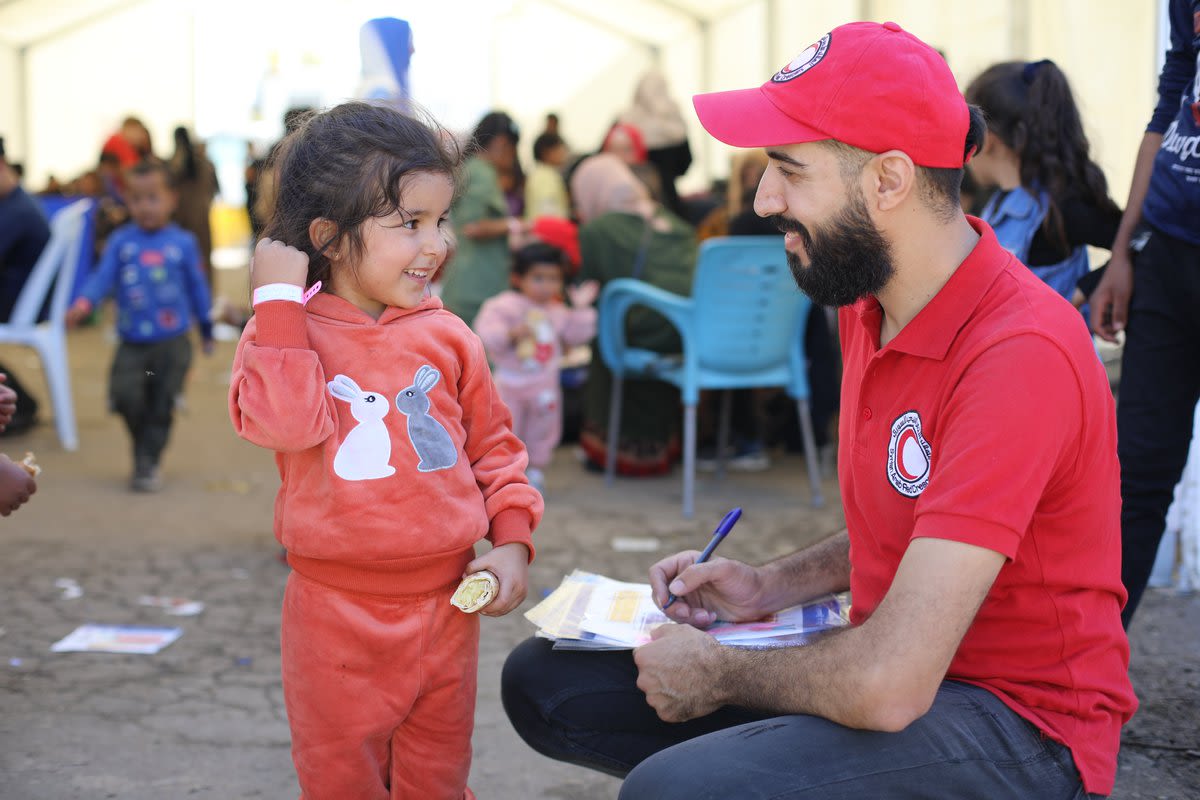
The IFRC’s Capacity Building Fund allocated 4.2 million Swiss francs across 43 grants in 2024, with the highest demand for enhancing systems and digital capabilities, fostering youth engagement and ensuring financial sustainability.
The National Society Investment Alliance, managed by the IFRC and ICRC, funded 13 initiatives (five Accelerators), investing 3.6 million Swiss francs in support of National Societies operating in fragile and complex contexts.
The Empress Shôken Fund, also co-managed by the IFRC and ICRC, disbursed its 103rd cycle in 2024, supporting the innovative projects of 17 National Societies for a total of 485,597 Swiss francs.
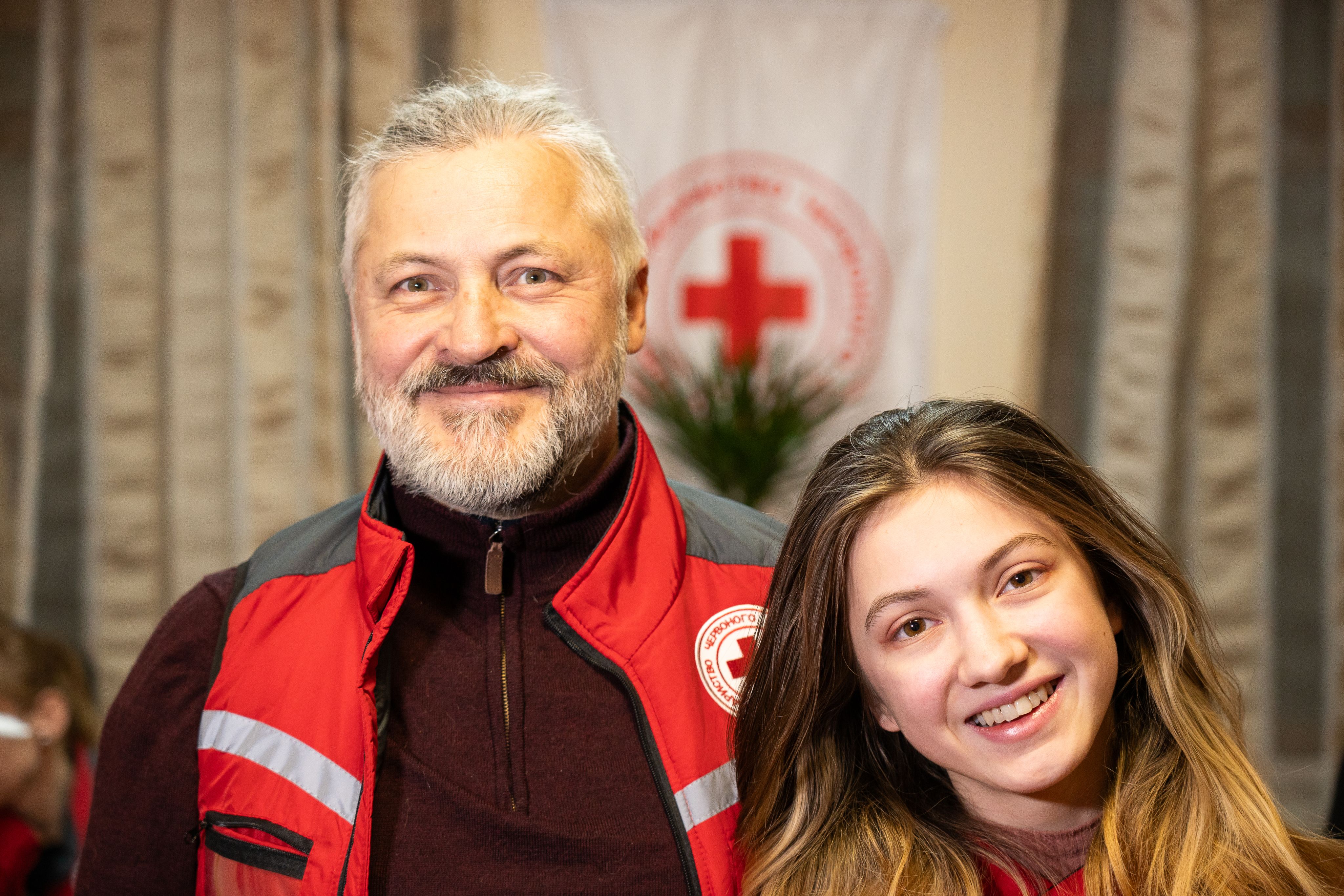
In 2024, the IFRC achieved significant milestones in modernizing volunteer management through the development of a robust Volunteer Data Management System (VDMS). This work included the testing and implementation of a scalable and cost-effective VDMS which was launched on International Volunteer Day, during the IFRC’s General Assembly.
Conflict and emergencies profoundly affected thousands of Red Cross and Red Crescent staff and volunteers in 2024, with 32 personnel being killed on duty – 29 due to violence and three in accidents. Many others endured injuries, trauma and significant hardship.
At the 2024 General Assembly, the IFRC President launched the Red Family Fund to provide one-time financial assistance to the families of National Society volunteers and staff who die in the line of duty. In 2024, the 13 Standards developed by the IFRC to facilitate the safety, security and wellbeing of volunteers were mainstreamed for volunteering management in all emergencies.
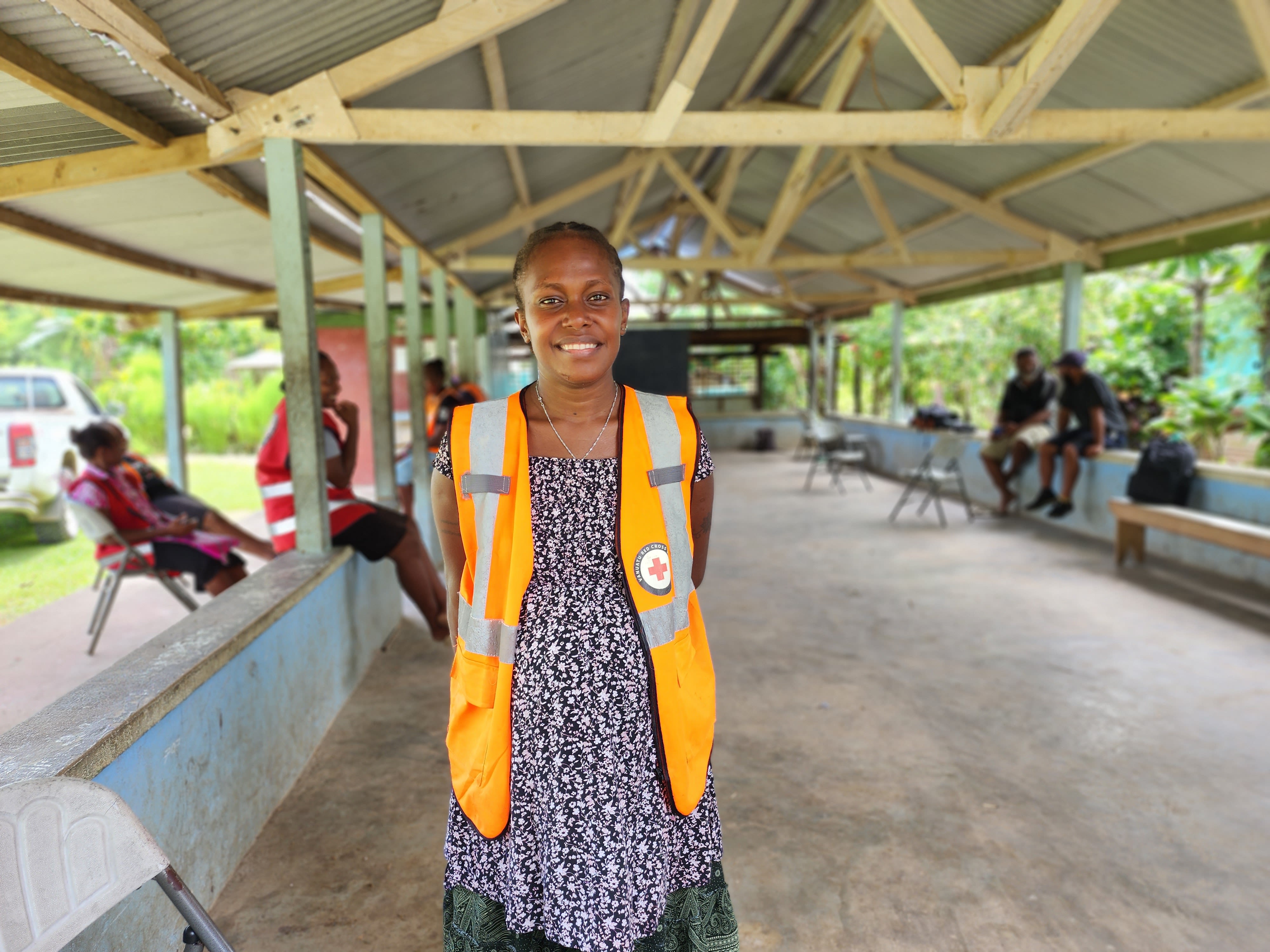
On behalf of the Big Six, the IFRC is acting as the custodian for the Youth Empowerment Fund through the GlobalYouth Mobilization funded by EU DGINTPA. In the first Open Call cycle, 410 remarkable youth-led solutions were selected for funding. Each addresses at least one of the 17 United Nations Sustainable Development Goals at grass-roots level.
Funding from the Youth Empowerment Fund was also used to support the IFRC’s Limitless Youth Innovation Academy. In 2024, 6,700 Limitless participants gained skills and knowledge in innovation, leadership and climate change.
Significant progress was made in knowledge development in 2024, with IFRC’s Communities of Practice engaging more than 4,700 staff and volunteers from 177 National Societies across 18 global communities and 43 sub-communities. Following extensive user research, foundations were laid for a next-generation AI-enabled IFRC extranet, while a prototype online resource – provisionally named the National Society Transformation Platform – was developed to help National Societies strengthen their core organizational capabilities.
Enabling Function 3:
Humanitarian diplomacy


A global humanitarian diplomacy forum was assembled in April 2024, bringing HD practitioners from National Societies and the IFRC together to discuss and agree initiatives to bring about positive change in the lives of people at risk. These discussions informed the creation of the IFRC’s Humanitarian Diplomacy Global Strategy 2024–2027.
In the context of operations and emergencies, IFRC humanitarian diplomacy remained focused on the promotion of locally led and principled humanitarian action (including unimpeded access, non-politization of aid, funding, sanctions and humanitarian exemptions), alongside work to raise awareness of the Fundamental Principles. At the same time, support was provided for increased diplomatic efforts by affected National Societies, including supporting them to engage domestically, as well as in multilateral processes and in donor capitals.

The 34th International Conference of the Red Cross and Red Crescent in 2024 was a critical opportunity to build awareness of National Society work and expertise, shift the narrative on critical global issues, and generate international commitments such as Resolutions.
The IFRC led or co-led the development of three Resolutions:
Protecting people from the humanitarian impacts of extreme climate and weather events: Working together to strengthen anticipatory action.
Strengthening disaster risk governance through comprehensive legal and regulatory frameworks.
Enabling local leadership capacity and delivery in principled humanitarian action and strengthening resilience.

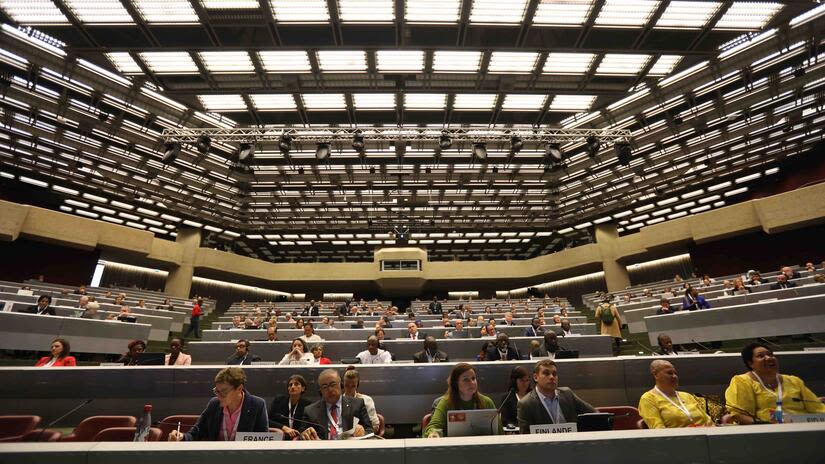
This year, the IFRC worked to highlight the urgent need for the greater protection of humanitarian workers. This was the top priority for the IFRC at the UN General Assembly, which involved bilateral engagement with States, side events and a multi-stakeholder pledge at the 34th International Conference. This was supported by research and analysis, and complementary communications efforts including a campaign, articles and interviews.
The IFRC continues to lead in the area of climate change and disaster risk financing, for example through its Geneva climate convening series, and strong engagement in UNFCCC processes including COP, the Bonn Climate Conference, Santiago Network and meetings of the board of the Fund for Responding to Loss and Damage. IFRC engagement has focused on local action across adaptation and loss and damage, and access to finance at local level.
A particularly important development this year was the adoption of a UN resolution that approves the development of an international disaster law treaty on the ‘protection of persons in the event of disasters’. The IFRC was the only non-governmental actor that was informally part of the Core Group of States that led this development.

The IFRC continues to drive advocacy in migration and displacement, co-leading and convening important forums and workstreams, positioning the network as a critical and credible actor, and influencing the language in key texts including the UN Secretary General’s Report on Global Compact for Migration implementation launched at the UNGA in December 2024.
The IFRC’s permanent presence in major policy and diplomacy spaces allowed great progress to be made in 2024 with the African Union (through the Representation Office in Addis Ababa, Ethiopia), with the European Union and European Commission (through the Red Cross EU Office in Brussels, Belgium) and with States (through the Representation Office to the United Nations in New York City, USA).

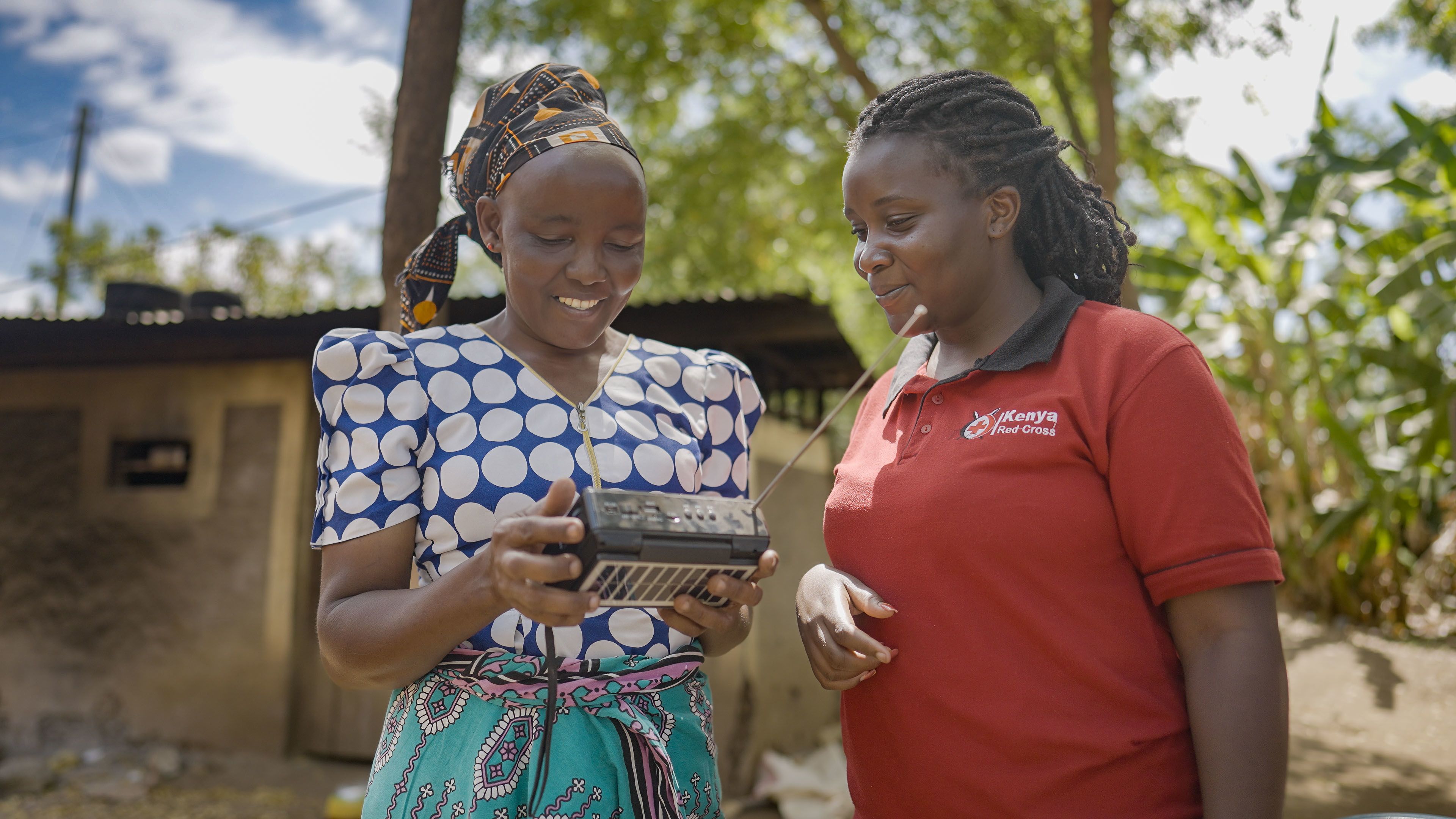
The IFRC’s global communications team worked throughout the year to raise global awareness of humanitarian crises, emergency responses and strategic events through proactive, strategic and emergency media outreach. A total of 1,154 media inquiries were handled, resulting in more than 6,000 media mentions globally, while 66 press releases and 26 statements were issued.
By the end of the year, the IFRC’s social media presence had reached 6.6 million followers across all platforms. The multilingual website ifrc.org – a central hub for all online communications offered in Arabic, English, French and Spanish – had some 4.7 million users in 2024, an increase of 1.3 million compared to the previous year.
Enabling Function 4: Accountability and agility

The IFRC launched a Community of Practice on Strengthening Integrity in October 2024 to serve as a platform for dialogue and learning on integrity-strengthening across the Movement. A progress report on follow-up work carried outafter a Statement of Integrity was adopted by the 2019 Council of Delegates was published in advance of the 2024 Statutory Meetings.
The IFRC’s ‘whole of organization’ approach to safeguarding continued in 2024 with the launch of a Policy on the Prevention of Sexual Exploitation and Abuse. An Essential Care Package for people affected by safeguarding incidents and a stand- ard Safeguarding Incident Intake Form and Safety and Protection Assessment were both developed to support standardized procedures for safe, survivor-centred response.
The IFRC’s Risk Management Policy and Framework was rolled out across the organization in 2024, while the Governing Board approved the Top Governance Risks and initiated regular discussions of these as part of future agendas. Risk management was embedded in several major programmes and operations this year while the Emergency Response Framework and the Immediate Response Protocol now have clear directions on how risk management should be used across operations.
In 2024, acting on lessons learned during the implementation of the 2023 audit plan, the Office of Internal Audit and Investigations focused on strategic and root-cause risk areas, resulting in more targeted and high-impact audit outcomes while reducing the emphasis on delegation-level audits. The deployment of the Integrity Line was supported by several interested National Societies, bringing the total number of National Societies with a whistleblowing capability to 31.
A successful collaboration with Kroll culminated in the publication of best practice guidelines for investigations into fraud and sexual misconduct. These guidelines are now publicly accessible on ifrc.org, setting a new benchmark in transparency and accountability.
Work continued to strengthen results-based management at the IFRC and throughout the network. Based on work accomplished in 2024 and consultations within the network, a decision was made to continue with three main areas of collective work: knowledge management, capacity building and learning; using Artificial Intelligence in PMER; and donor requirements for reporting and accountability. In 2024, a new webpage on ifrc.org was also set up to publicly profile the Federation-wide RBM approach as a key element of the network’s accountability.

A total of 50 evaluations and related exercises were issued on the IFRC Evaluation and Research Databank. The IFRC Framework for Evaluations was updated and approved in April 2024.
During 2024, the IFRC implemented the Enterprise Resource Planning Finance Modules, resulting in a more transparent, efficient and better-connected financial management system. Capacity review and risk assessment of finance policies and procedures continued in all IFRC Regions. By the end of the year, 50 National Societies completed the process, and moved to the new working modality of Fund Transfer, for stronger accountability.


In 2024, the IFRC Digital Transformation Department made significant progress in advancing the National Society Minimum Technology Blueprint programme, working closely with Microsoft and its recommended implementation partners to co-design and pilot the approach. The IFRC also introduced a Solution and Application Landscape Mapping process, which has proven to be a valuable tool in assessing National Societies’ digital landscapes and identifying gaps.
Guidelines for the responsible use of AI across the IFRC were developed and published in 2024. At the same time, the data and digital literacy work- stream advanced with the deployment of a data literacy assessment tool and thedevelopment of a competency framework for data literacy.
The IFRC is committed to pioneering efficient and sustainable supply chain solutions that drive innovation, collaboration and preparedness to ensure a stronger, more agile humanitarian response worldwide. This includes global supply chains when international assistance is required and supporting National Societies to build effective national supply chains for domestic response. A transformative new strategy, One Red Supply Chain, was developed in 2024.
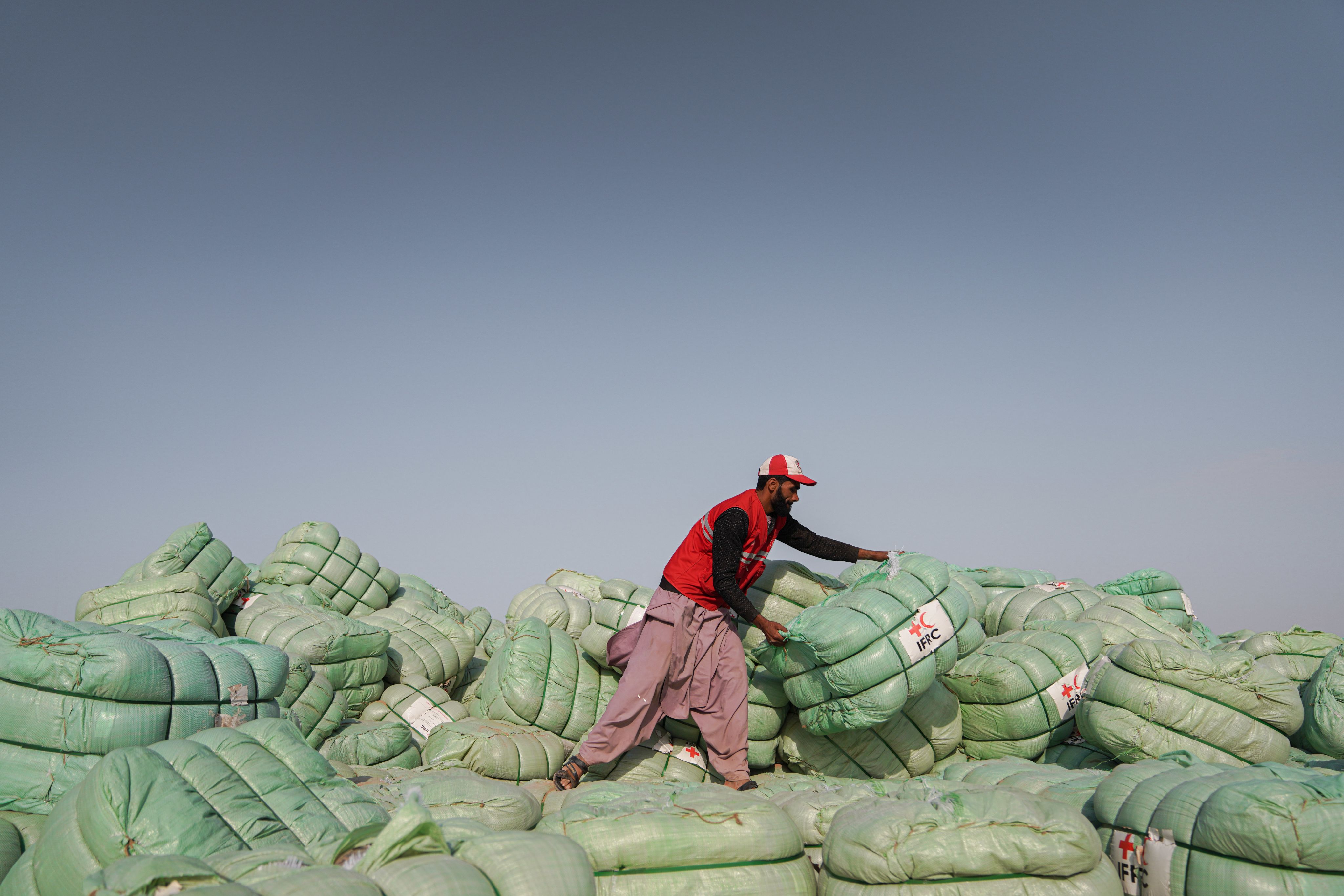
Procurement and quality assurance support totalling around 225 million Swiss francs was managed for more than 400 procurement files in 2024, while 30 long-term framework agreements were finalized. Sixteen humanitarian emergency response operations were supported in 2024.
The IFRC’s work in environmental sustainability in 2024 included collaborations with the WREC Coalition in Bangladesh to identify greener supply chain options, piloting sustainable supply-chain tools in El Salvador through Sustainable Supply Chain Alliance funding, and engaging with the CAA to define a climate and environment roadmap with clear reduction targets.
In 2024, the IFRC provided strategic and authoritative legal advice to the leadership and operations on a wide array of complex and sensitive legal matters, managing the legal and compliance risk of the organization and ensuring the recognition of the IFRC’s legal status as an international organization. Legal tools and model agreements were updated while internal practices were refined. At the same time, Legal also played a key role in the Constitutional Review launched in 2022, and supported the Election Committee with the appointment and election of all constitutional commissions and committees. Data protection capacities across the IFRC and our network were enhanced alongside work designed to safeguard IFRC operations and reduce risks associated with restricted transactions, ensuring the delivery of humanitarian assistance in contexts affected by sanctions.
In 2024, the IFRC’s security team responded to 4,400 requests for support from IFRC and National Society managers, while the safety and security of IFRC network operations around the world was enhanced by the face-to-face training of 330 National Society and IFRC personnel. The e-learning course Stay Safe 2.0 continued to build security awareness and capacities using interactive methodology based on the latest pedagogical approaches. By the end of 2024, more than 108,000 users had completed the course since its launch in 2022, and an increasing number of National Societies are making the course mandatory for their staff and volunteers.
In 2024, the IFRC’s governance support team supported the work of the Compliance and Mediation Committee (CMC) by handling ten integrity cases. The CMC successfully closed one integrity case in August 2024. Extensive work was carried out in support of IFRC’s governance bodies including the smooth running of the Governing Board meetings throughout the year.
Further, the team led the organization of the successful 2024 Statutory Meetings of the Red Cross and Red Crescent from 22–31 October, which attracted more than 2,400 attendees – 184 National Societies, 171 States (high contracting parties of the Geneva Conventions), the IFRC and ICRC, and more than 50 observer organizations.
In 2024, the IFRC’s Global Services Centre expanded its office in Hungary and provided enhanced support to the IFRC and National Societies, with the introduction of new services and positions in Human Resources, Logistics and Finance among others. Progress was made in enhancing security, upgrading infrastructure and improving operational efficiency, exemplified by the management of 294 security incidents, upgrading equipment across 23 offices, and introducing a new system for improved tracking and cost management.
Read the full Annual Report:
This report contains a detailed account of work and achievements across the Strategic Priorities and Enabling Functions.
It shines a spotlight on major IFRC programmes and functions such as the IFRC-DREF and the DG ECHO Pilot Programmatic Partnership, and includes country-level information on humanitarian work carried out across all five IFRC Regions.
The report also presents the IFRC's full audited accounts for the year.
Download the full Annual Report

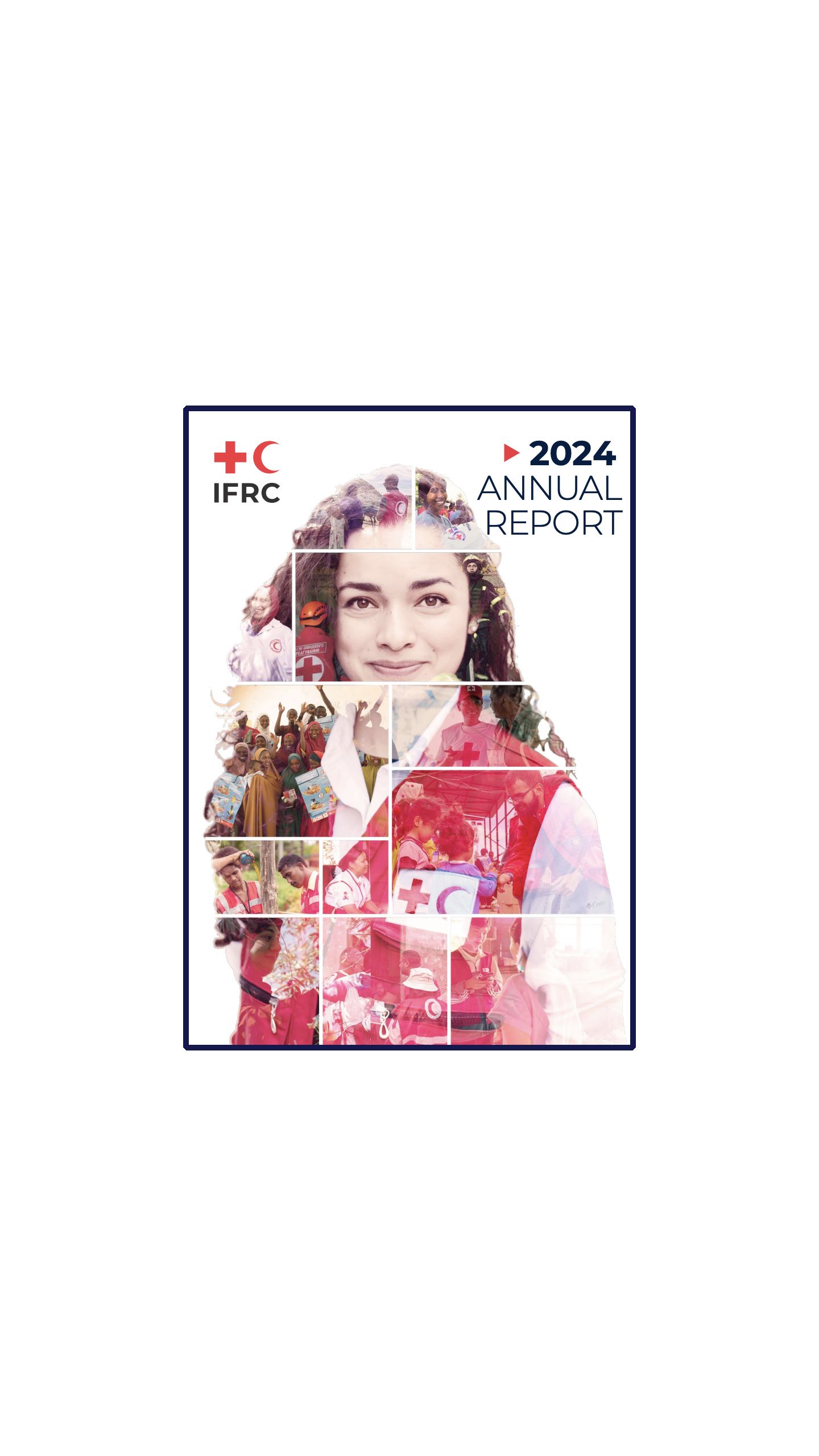
Photo and video credits
1. A child plays in a Panama Red Cross/IFRC safe space near the Darién jungle. © IFRC
2. IFRC Secretary General Jagan Chapagain in Beirut, Lebanon. © Lebanese Red Cross
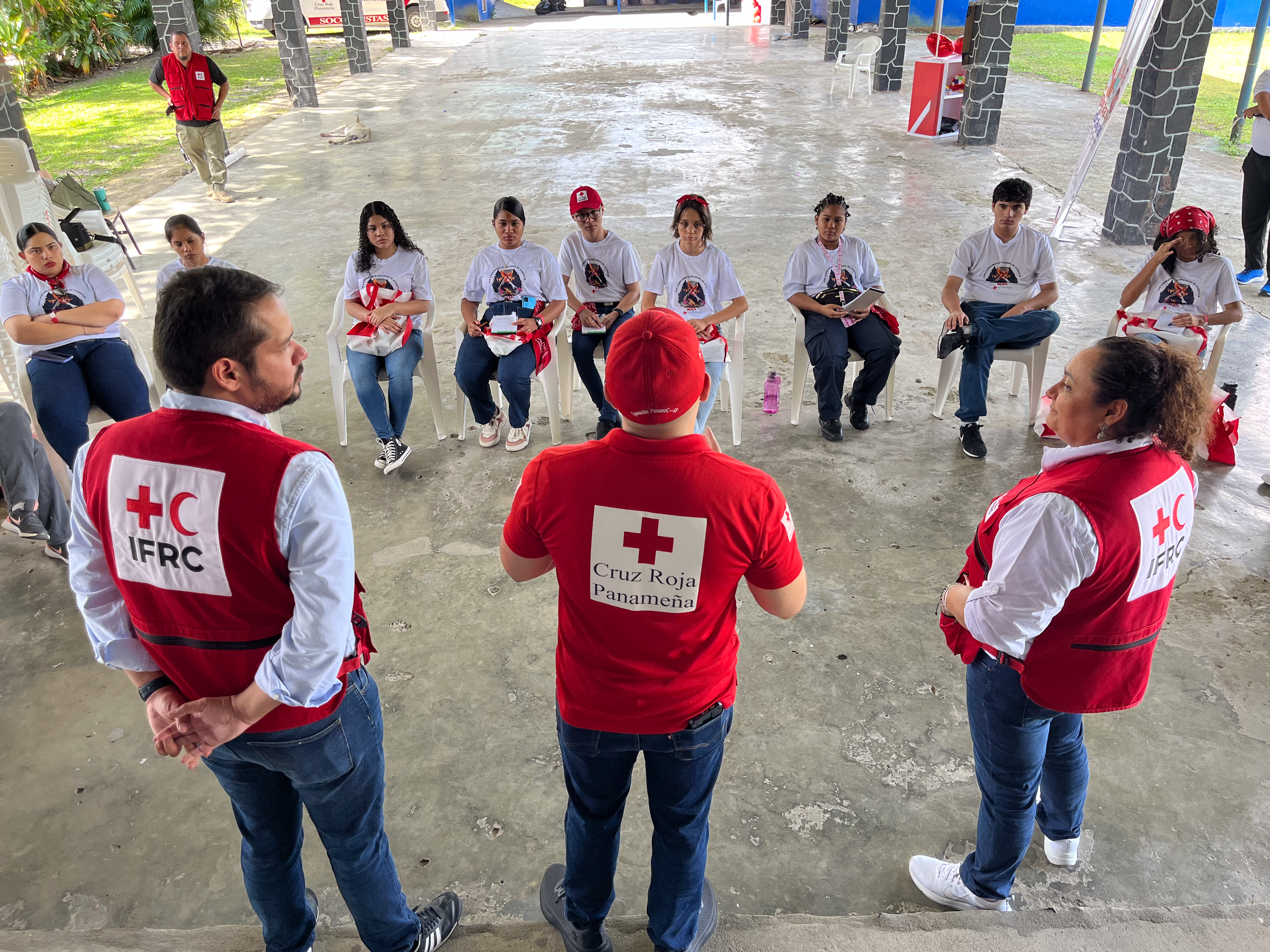
3. Panama Red Cross Youth Camp. © IFRC
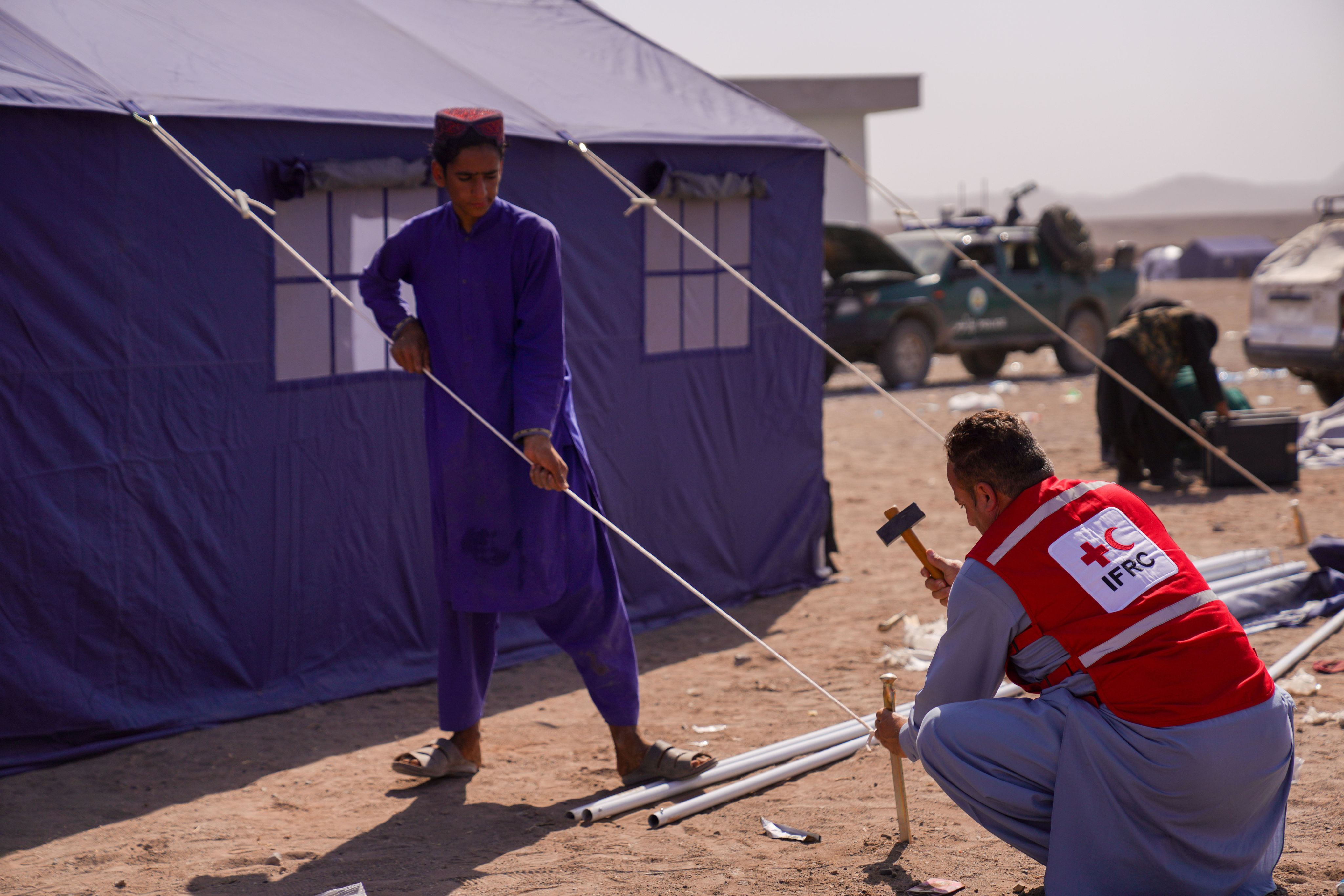
4. IFRC and Afghan Red Crescent Society teams provide shelter. © IFRC
5. Emergency assistance in Nepal. © IFRC
6. Marking International Volunteers Day in Jordan. © Jordan National Red Crescent Society
7. #ProtectHumanity campaign card. © IFRC
8. #ProtectHumanity campaign card. © IFRC
9. Zambia Red Cross and Netherlands Red Cross work together in Zambia. © Netherlands Red Cross Society
10. Hellenic Red Cross raise awareness of heatwave dangers. © Hellenic Red Cross
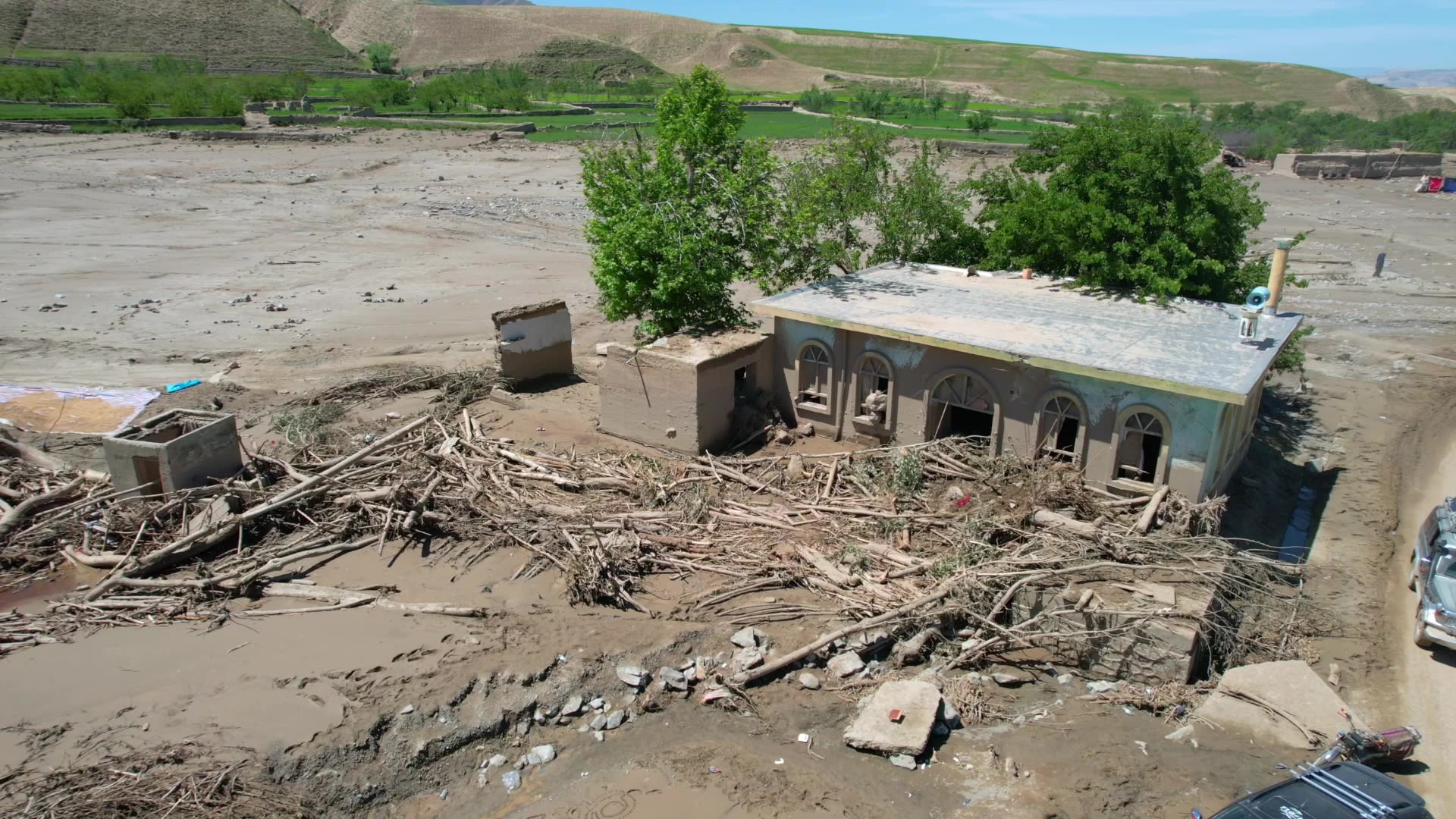
11. The aftermath of severe flooding in Baghlan province, Afghanistan. © IFRC
12. Mongolia Red Cross and IFRC visit traditional herder families affected by dzud. © IFRC
13. A rickshaw driver visits a cooling station in Dhaka, Bangladesh. © Bangladesh Red Crescent Society
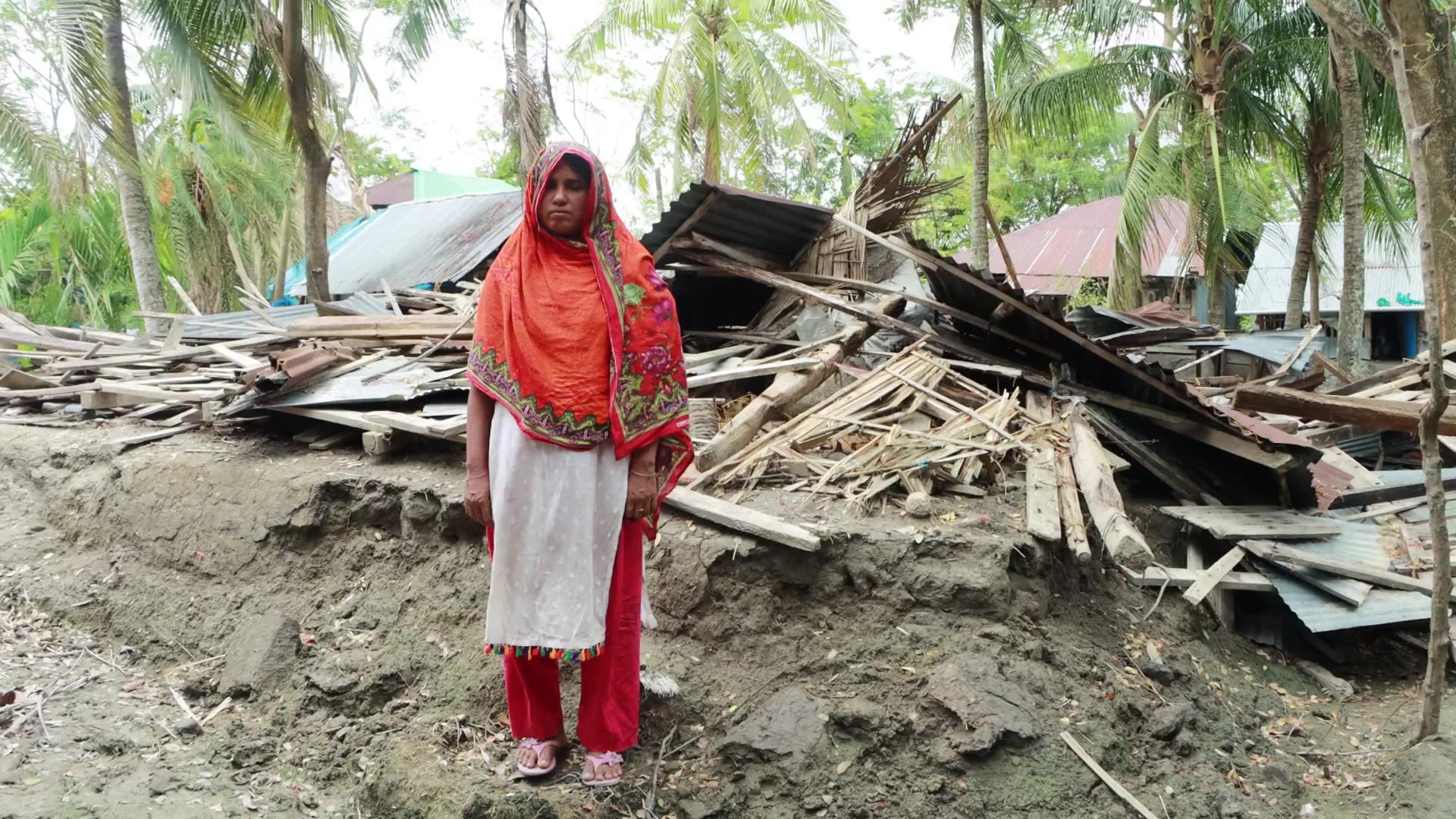
14. The aftermath of Cyclone Remal in Bagerhat, Bangladesh. © IFRC
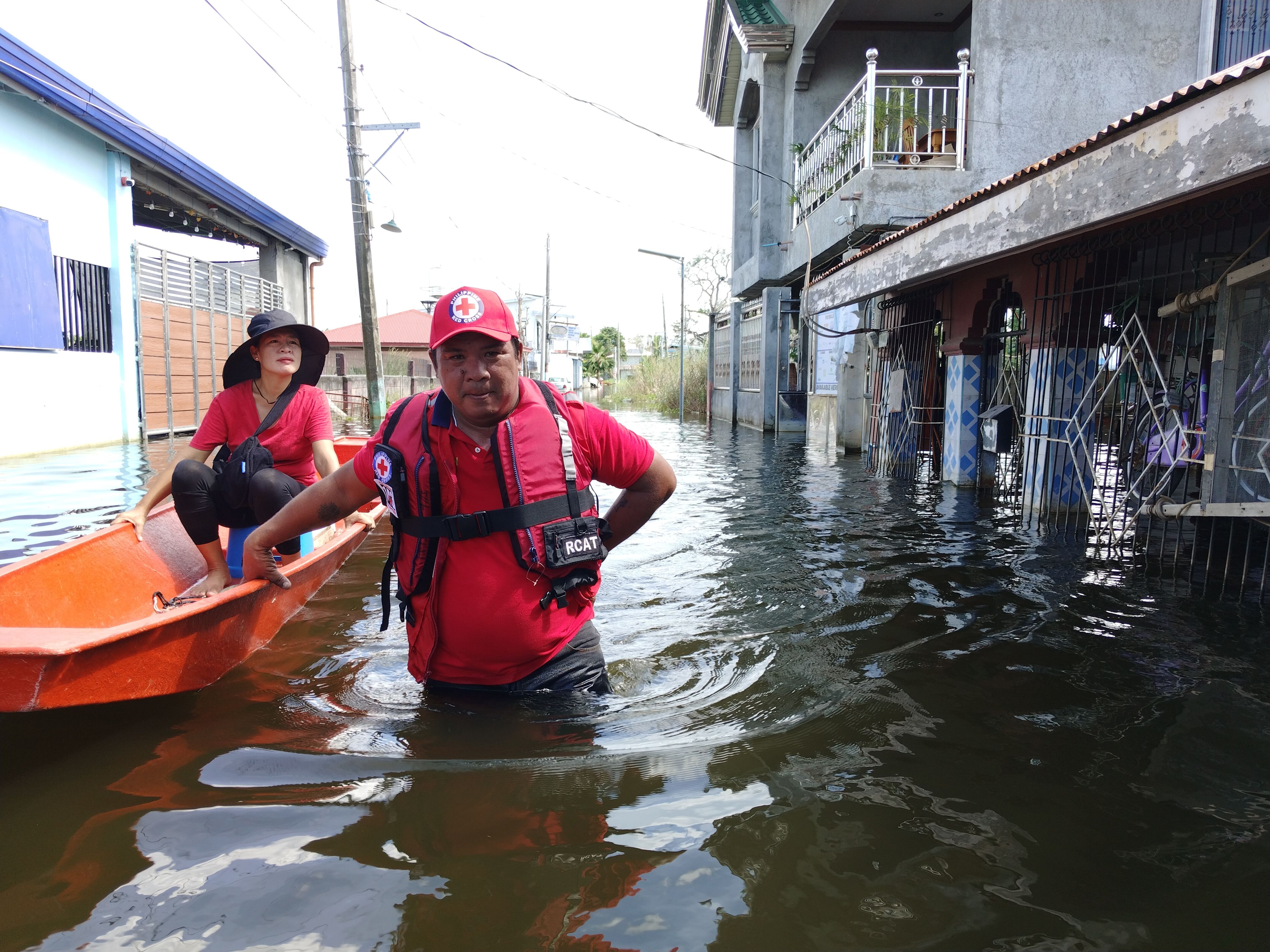
15. Philippine Red Cross responds to flooding after Super Typhoon Carina. © IFRC
16. Essential household goods kits ready for deployment in Democratic Republic of the Congo. © IFRC
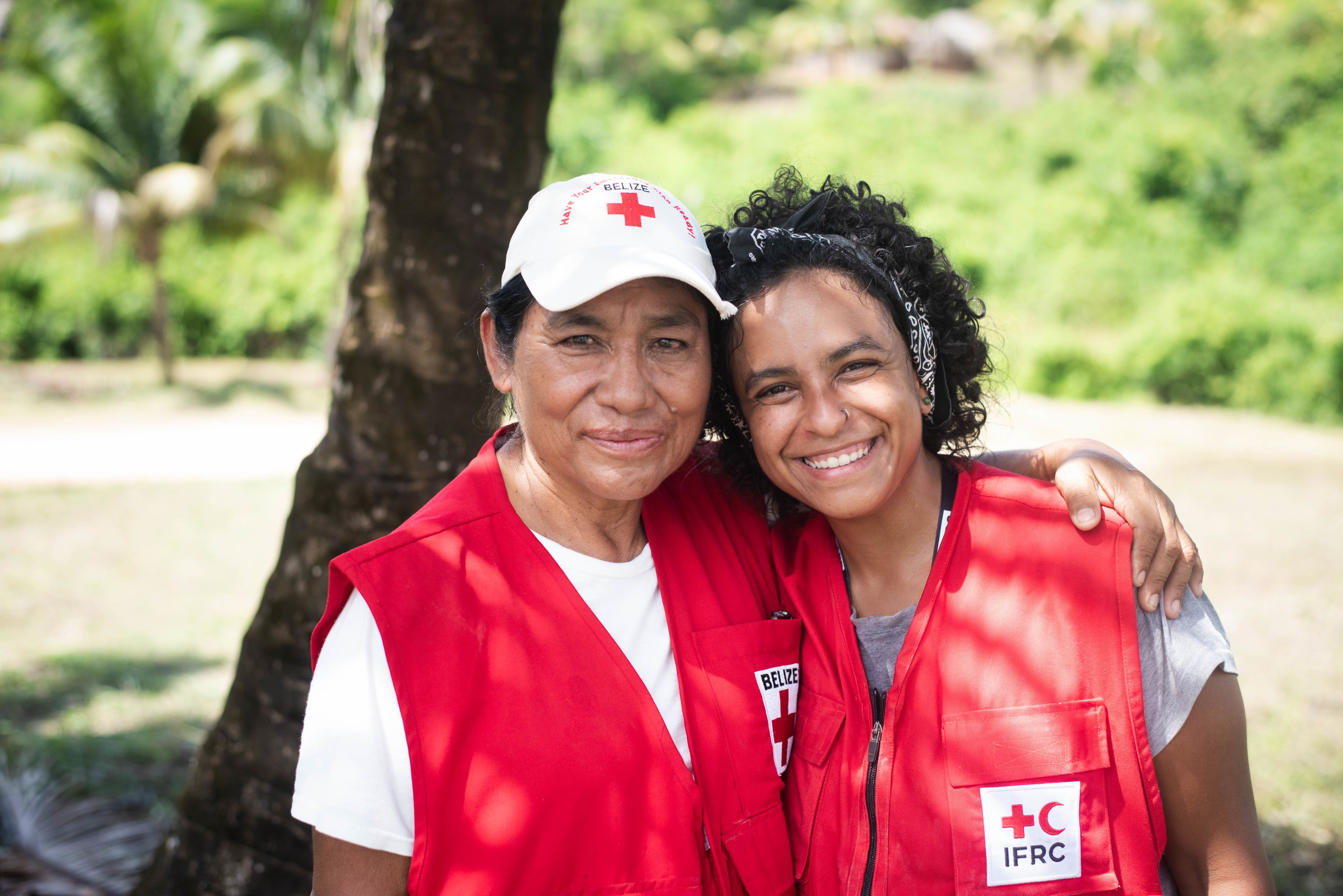
17. Belize Red Cross and IFRC work together in support of the Otoxhal community. © IFRC
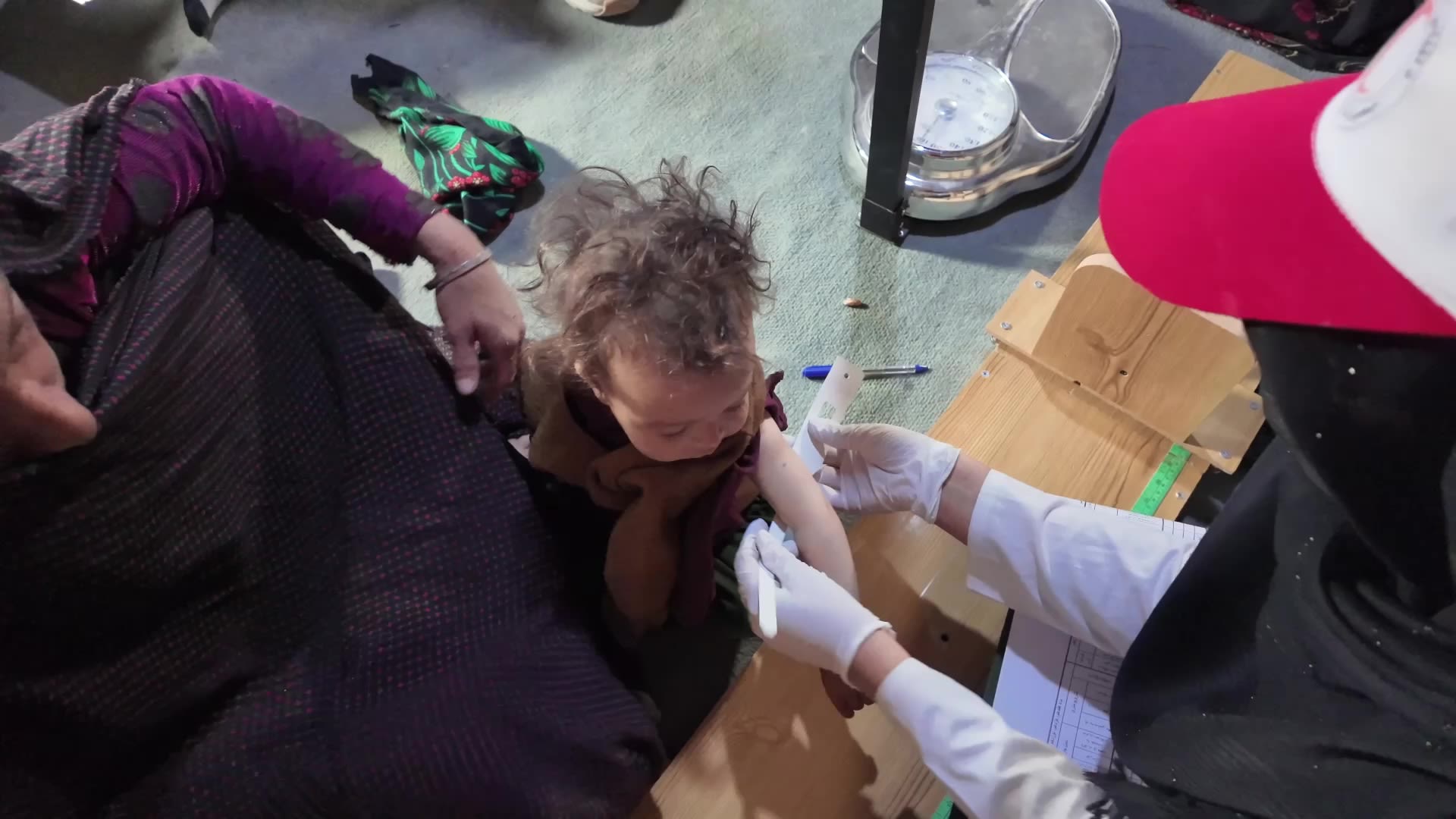
18. Afghan Red Crescent mobile health teams provide support to women and children. © IFRC
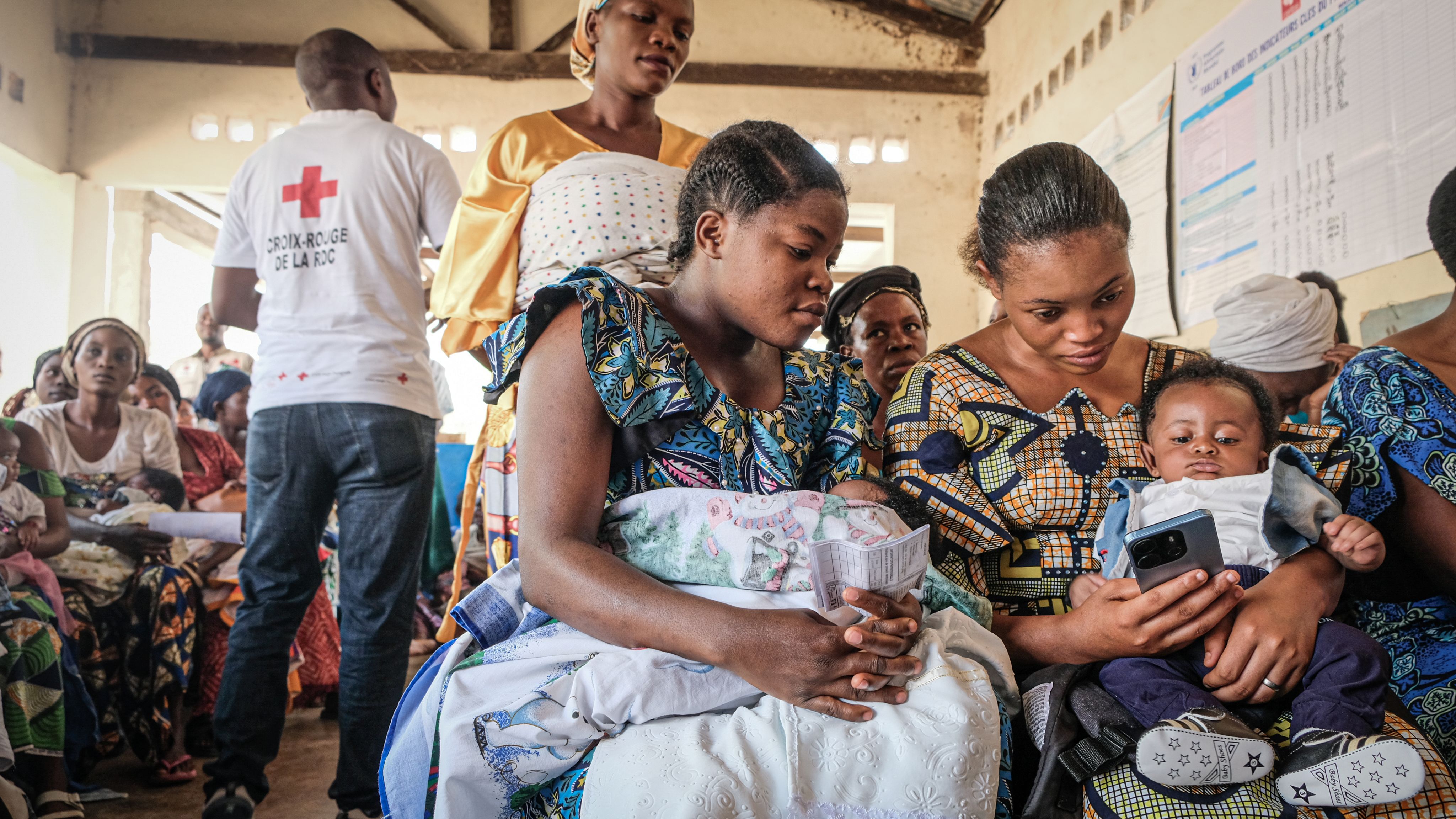
19. Women and children attend an information session about the dangers of mpox in South Kivu, Democratic Republic of the Congo. © IFRC
20. Comoros Red Crescent responds to an outbreak of cholera. © Canadian Red Cross
21. Guatemalan Red Cross uses community theatre to teach children about disease prevention with IFRC support. © Guatemalan Red Cross
22. Afghan Red Crescent teams provide services for people returning from Pakistan. © IFRC
23. Nepal Red Cross programmes improve water and sanitation provision in communities. © IFRC
24. People on the move head for the Darién jungle, Panama. © IFRC
25. Rescuers from the IFRC/SOS Mediterranee vessel Ocean Viking prepare to assist people in distress. © SOS Mediterranee
26. Children are supported by Myanmar Red Cross. © Myanmar Red Cross
27. Svetlana fled Ukraine and received support from the Bulgarian Red Cross, later joining them as a volunteer. © IFRC
28. Volunteers from the Afghan Red Crescent provide a safe and fun space for children affected by disaster. © IFRC
29. Ukrainian Red Cross volunteers provide psychosocial support for children affected by the crisis in the country. © Swiss Red Cross
30. Margarita, 85, lives in an Elders House run by the Armenian Red Cross and IFRC. © IFRC
31. Jemimo, a student at a nursing school run by the Red Cross Society of Democratic Republic of the Congo. © IFRC
32. IFRC staff collect feedback from people supported by cash services provided by Cameroon Red Cross. © IFRC
33. Sudan Red Crescent volunteers. © IFRC
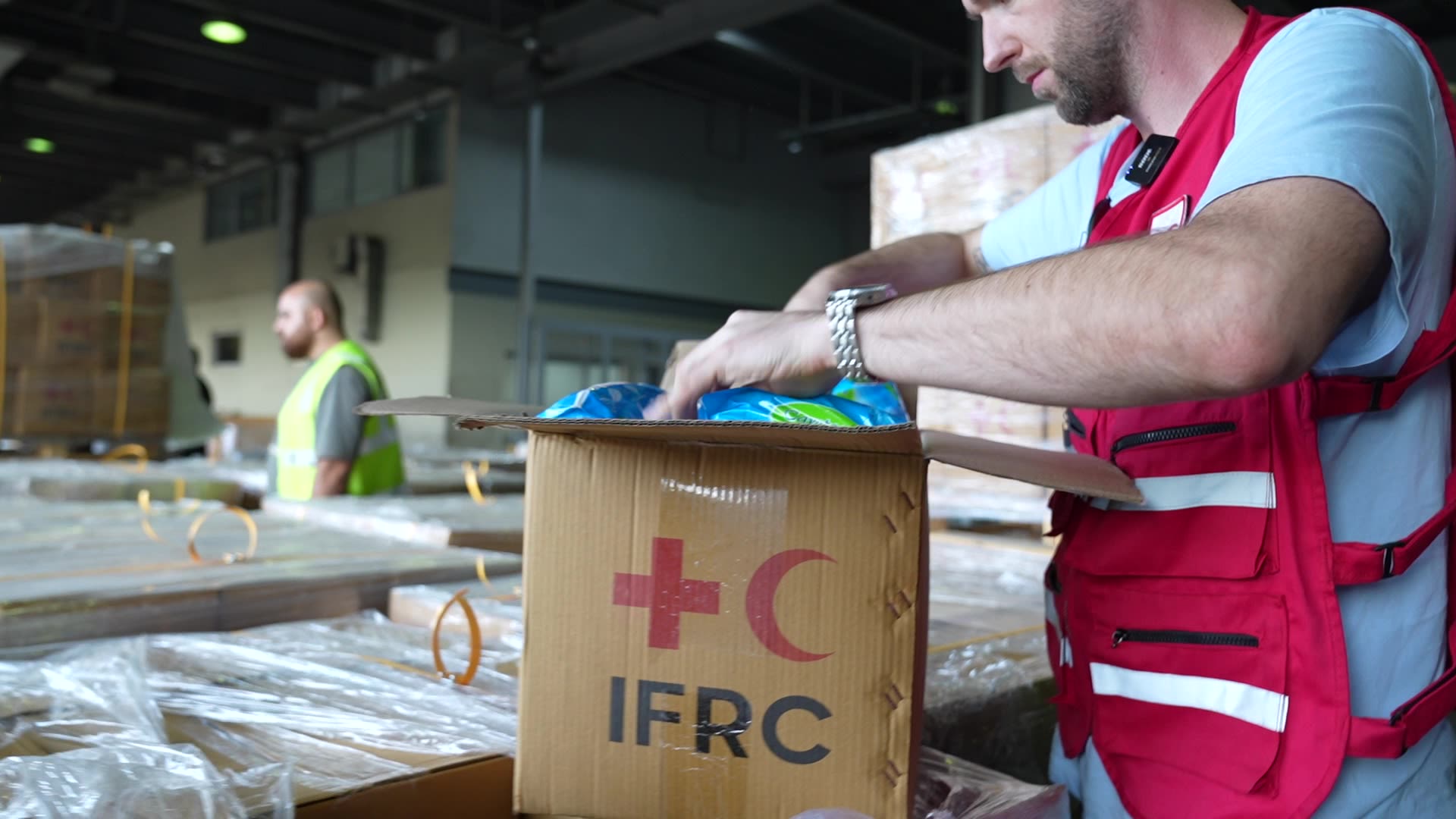
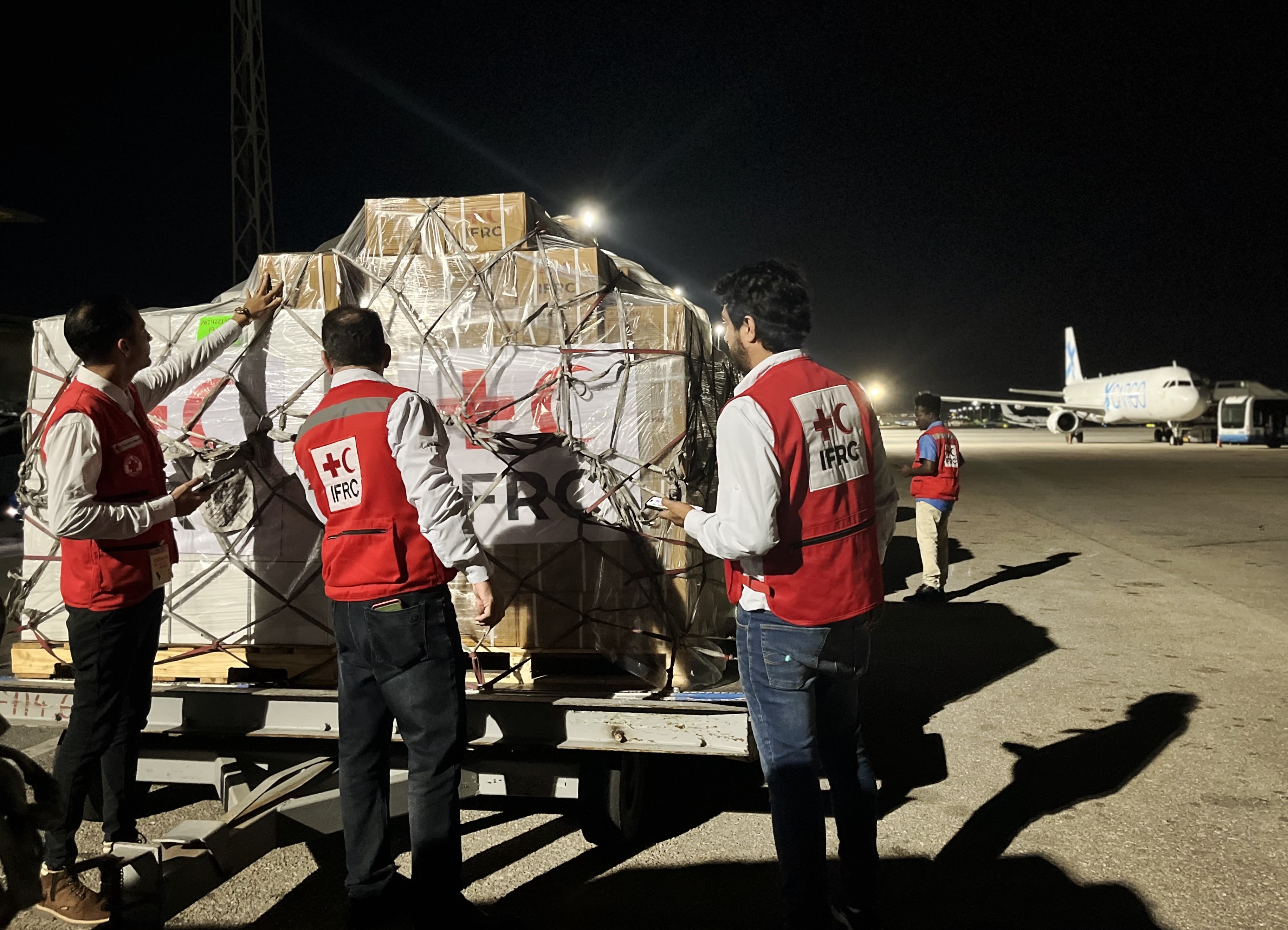
34. IFRC staff sort a delivery of humanitarian aid at Rafik Hariri Airport in Beirut, Lebanon. © Lebanese Red Cross
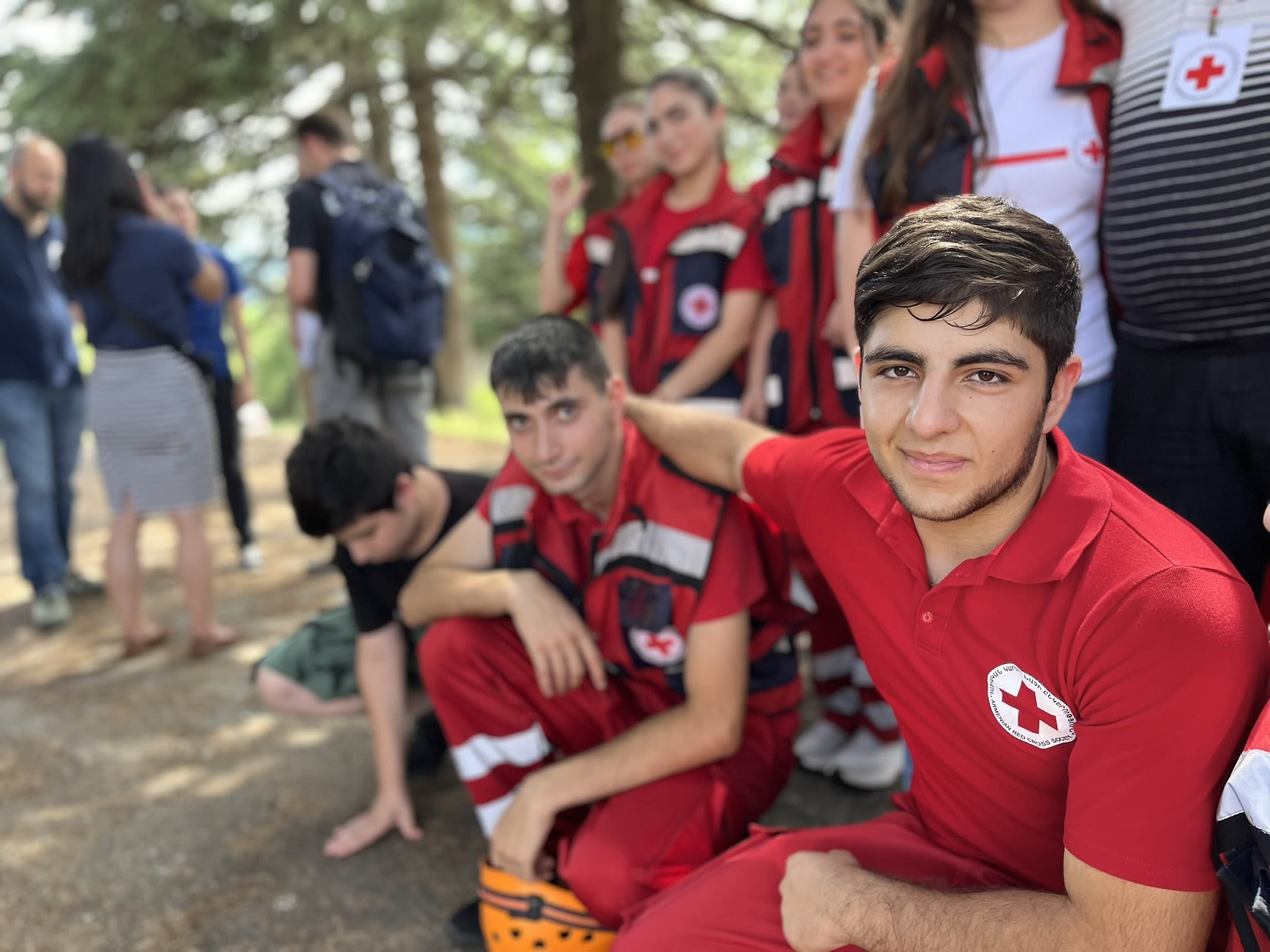
35. Armenian Red Cross disaster response volunteers. © IFRC
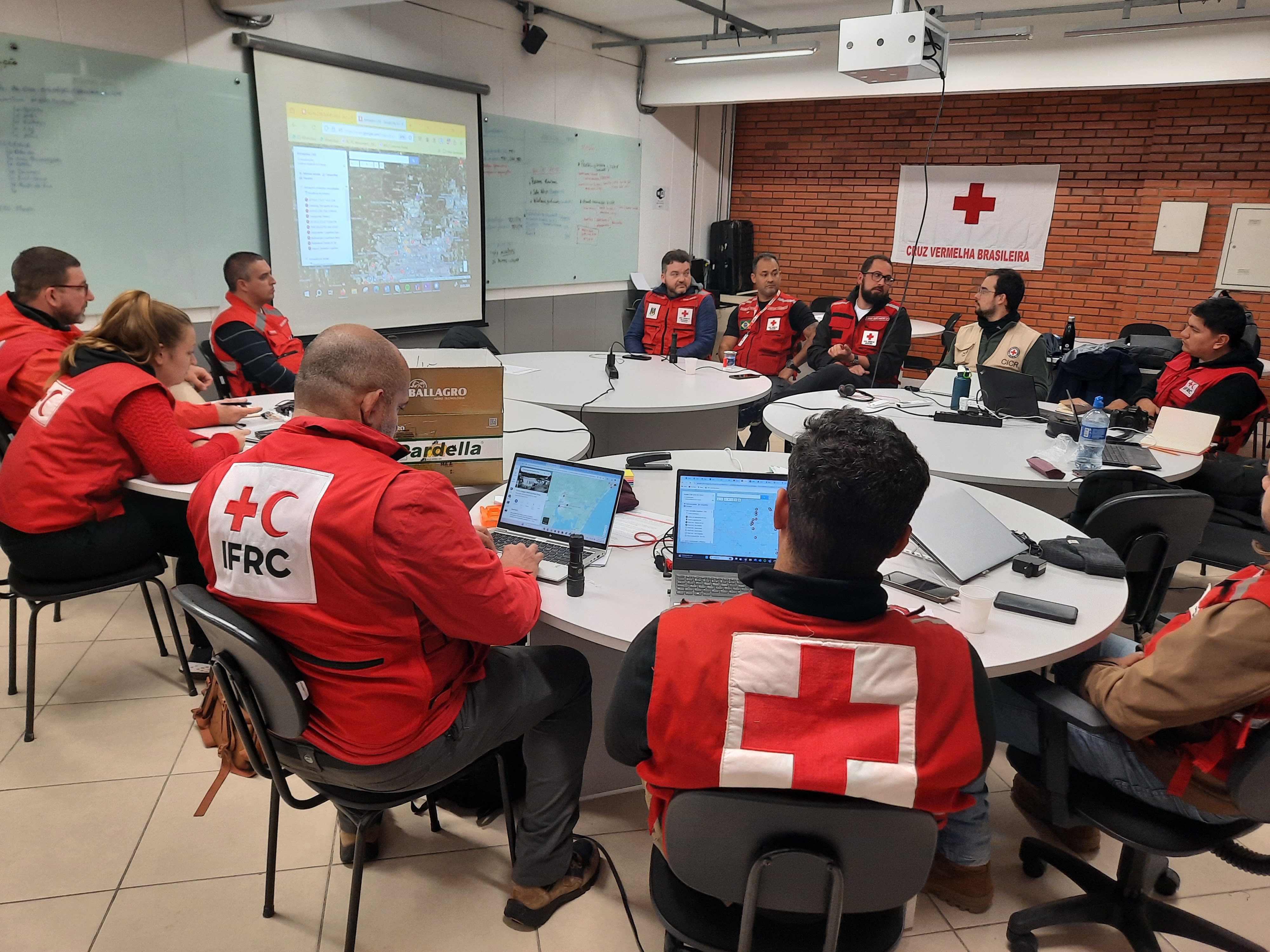
36. Brazil Red Cross and IFRC teams coordinate the response following flooding in the country. © IFRC
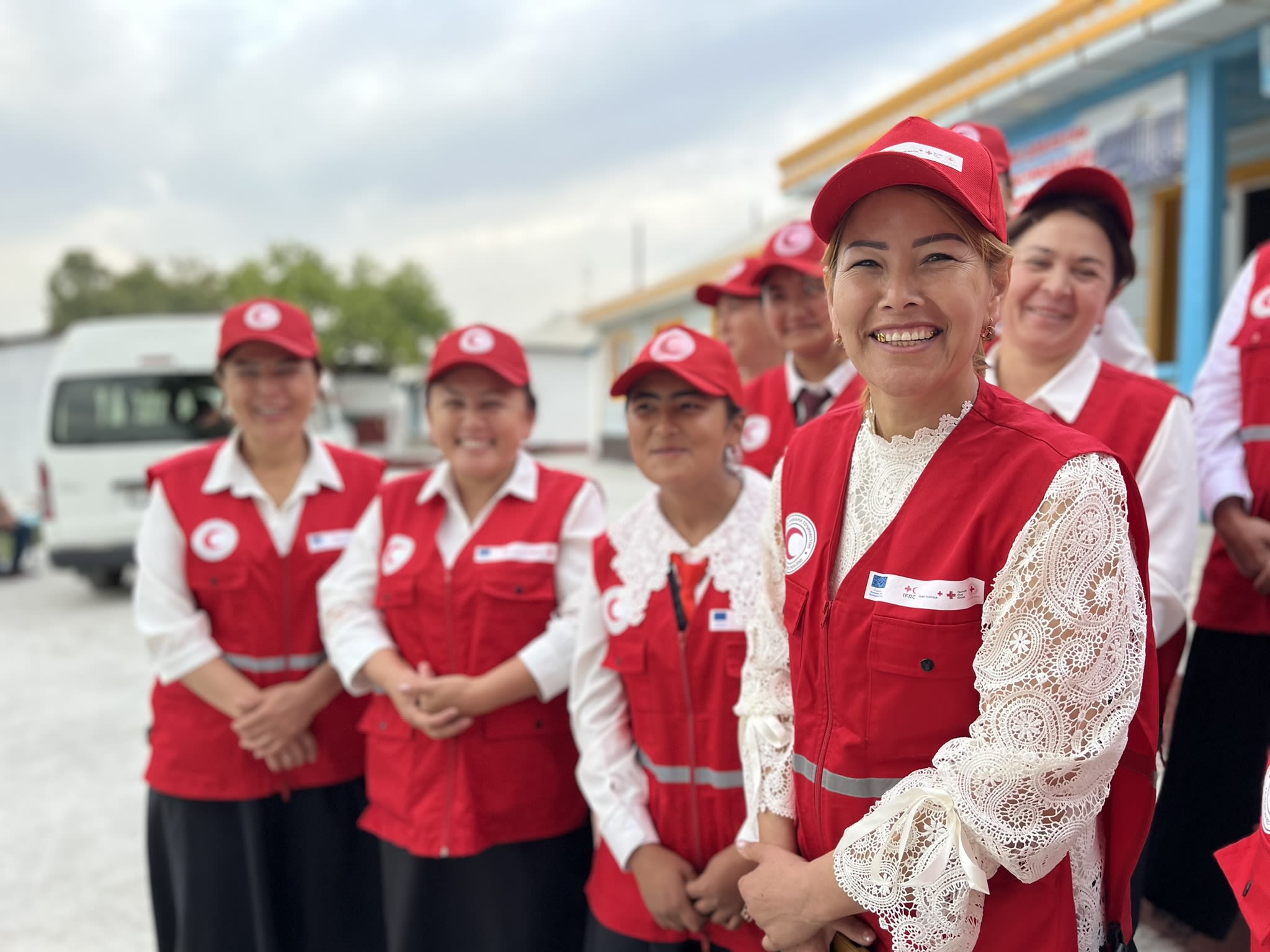
37. Volunteers of the Red Crescent Society of Tajikistan. © IFRC
38. IFRC staff manage a delivery of relief items in Cuba following Hurricane Oscar. © IFRC
39. The IFRC Capacity Building Fund supported digital transformation at Costa Rica Red Cross. © Costa Rica Red Cross
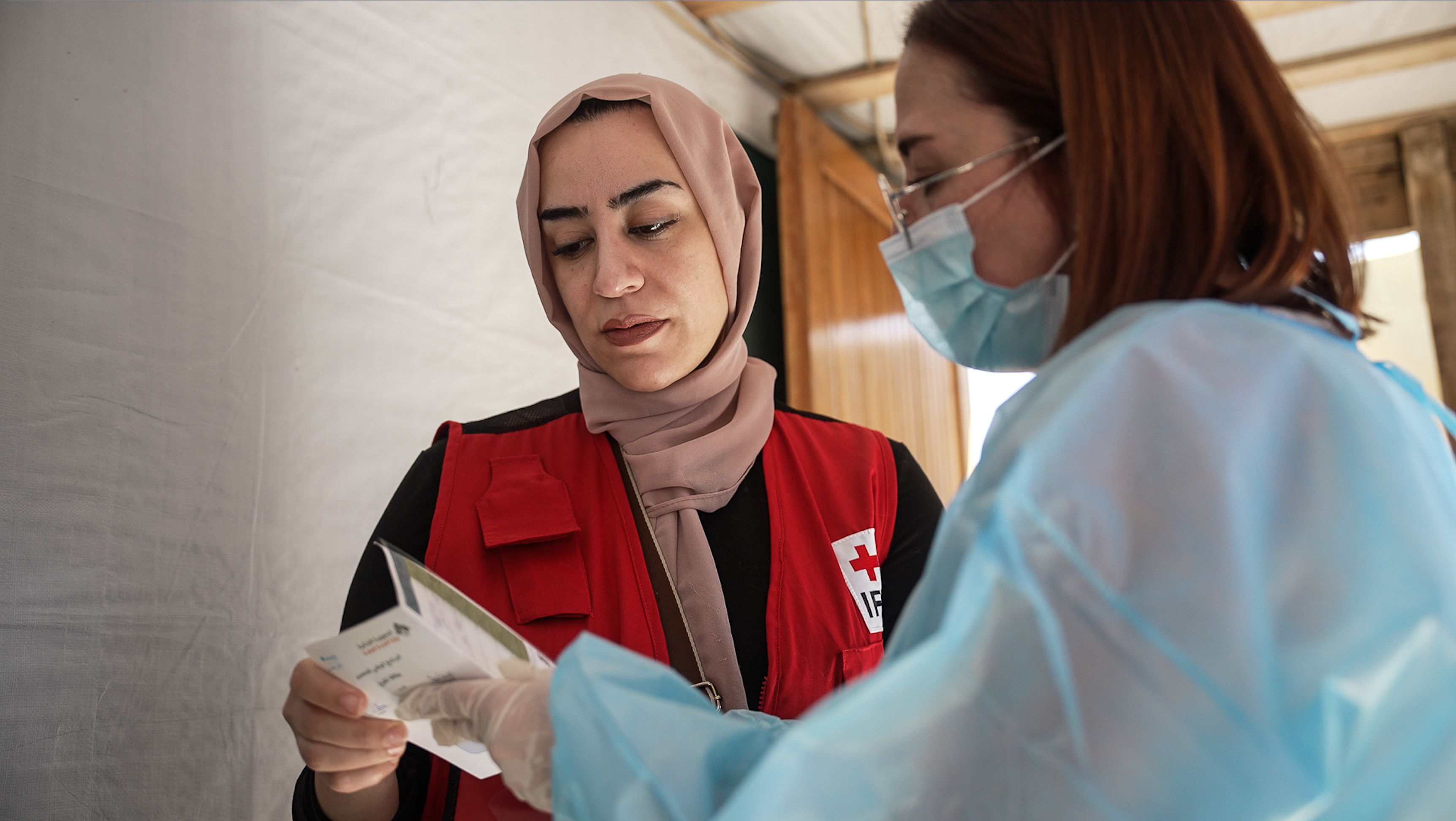
40. IFRC and Lebanon Red Cross work together to manage childhood vaccinations. © Lebanese Red Cross
41. Rebecca, a volunteer with the Sierra Leone Red Cross Society. © Sierra Leone Red Cross
42. The Syrian Arab Red Crescent provides support to people displaced from Lebanon. © Syrian Arab Red Crescent
43. Andrii and Alisa, father and daughter, both volunteer with the Ukrainian Red Cross Society. © Swedish Red Cross
44. Vanuatu Red Cross youth volunteers. © Nicky Kuautonga/Island Roots
45. Delegates at the International Conference of the Red Cross and Red Crescent. © IFRC
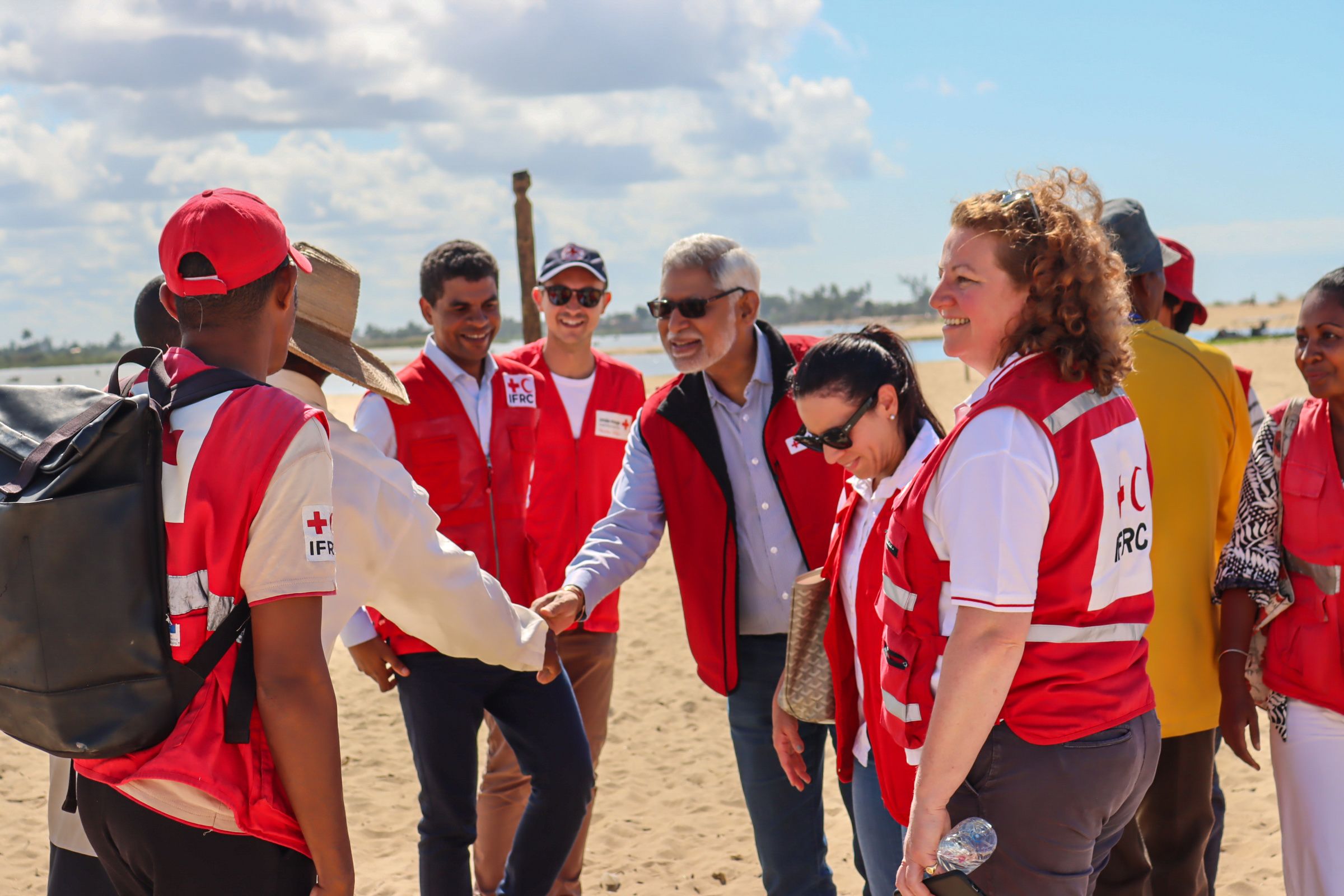
46. IFRC Secretary General Jagan Chapagain greets His Excellency Paul Bekkers, Ambassador of The Netherlands, during a mission to Madagascar. © IFRC
47. Attendees at the Council of Delegates. © IFRC
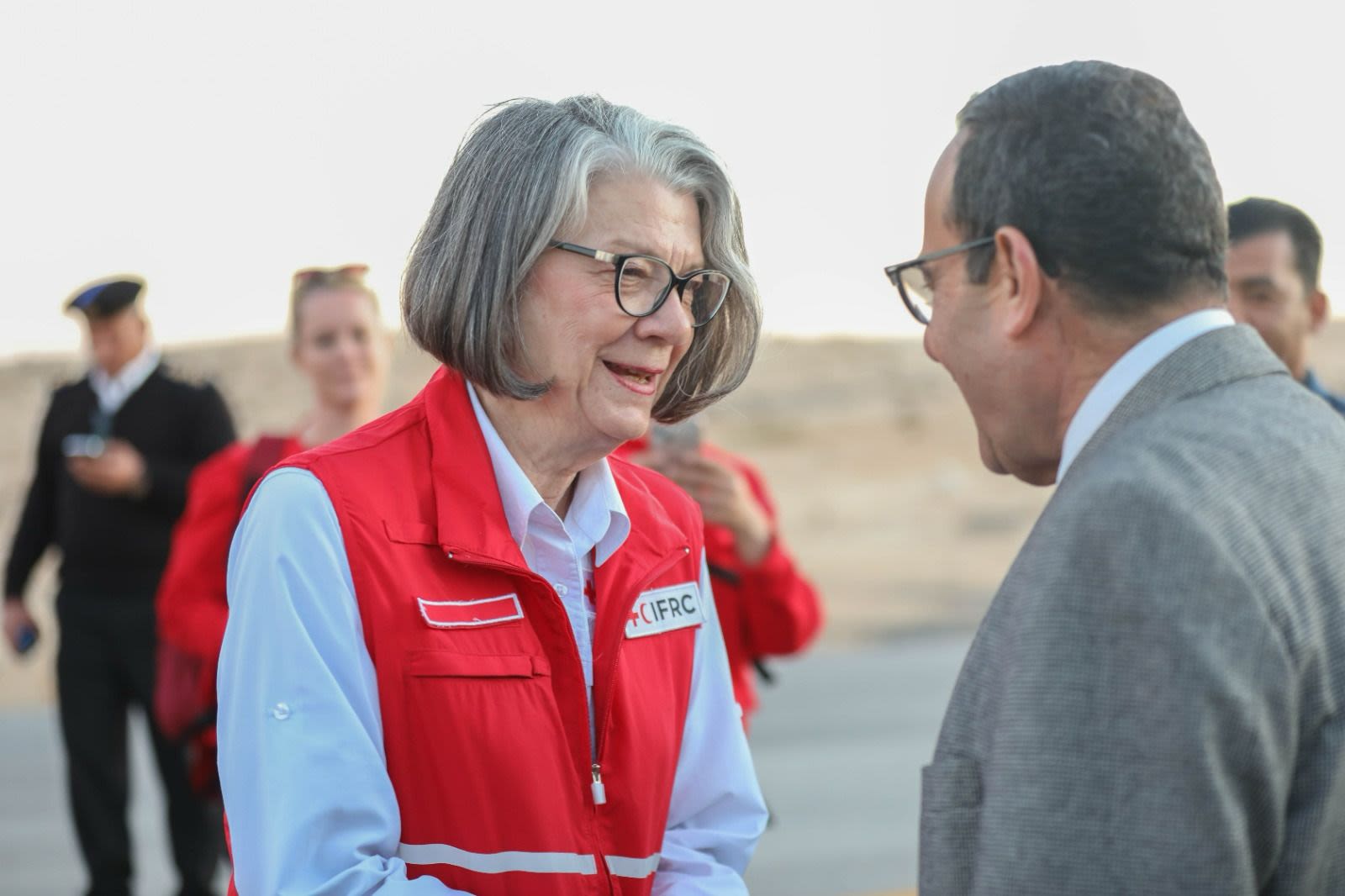
48. IFRC President Kate Forbes visits the Egyptian Red Crescent Society. © Palestine Red Crescent Society
49. Kenya Red Cross volunteers and staff use community radio to share trustworthy information. © IFRC
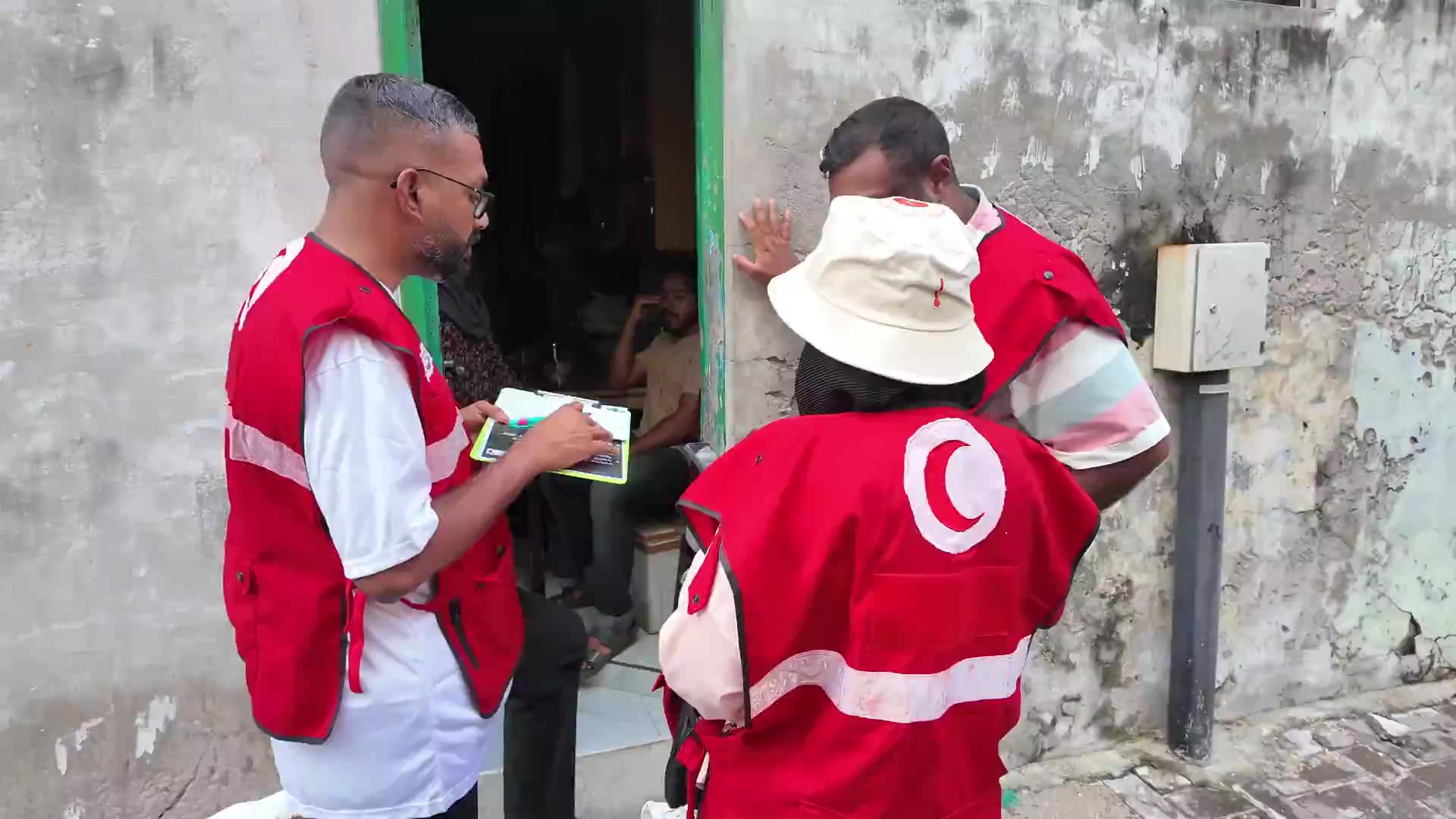
50. Maldivian Red Crescent volunteers seek out community opinions following flooding in the capital, Male. © IFRC
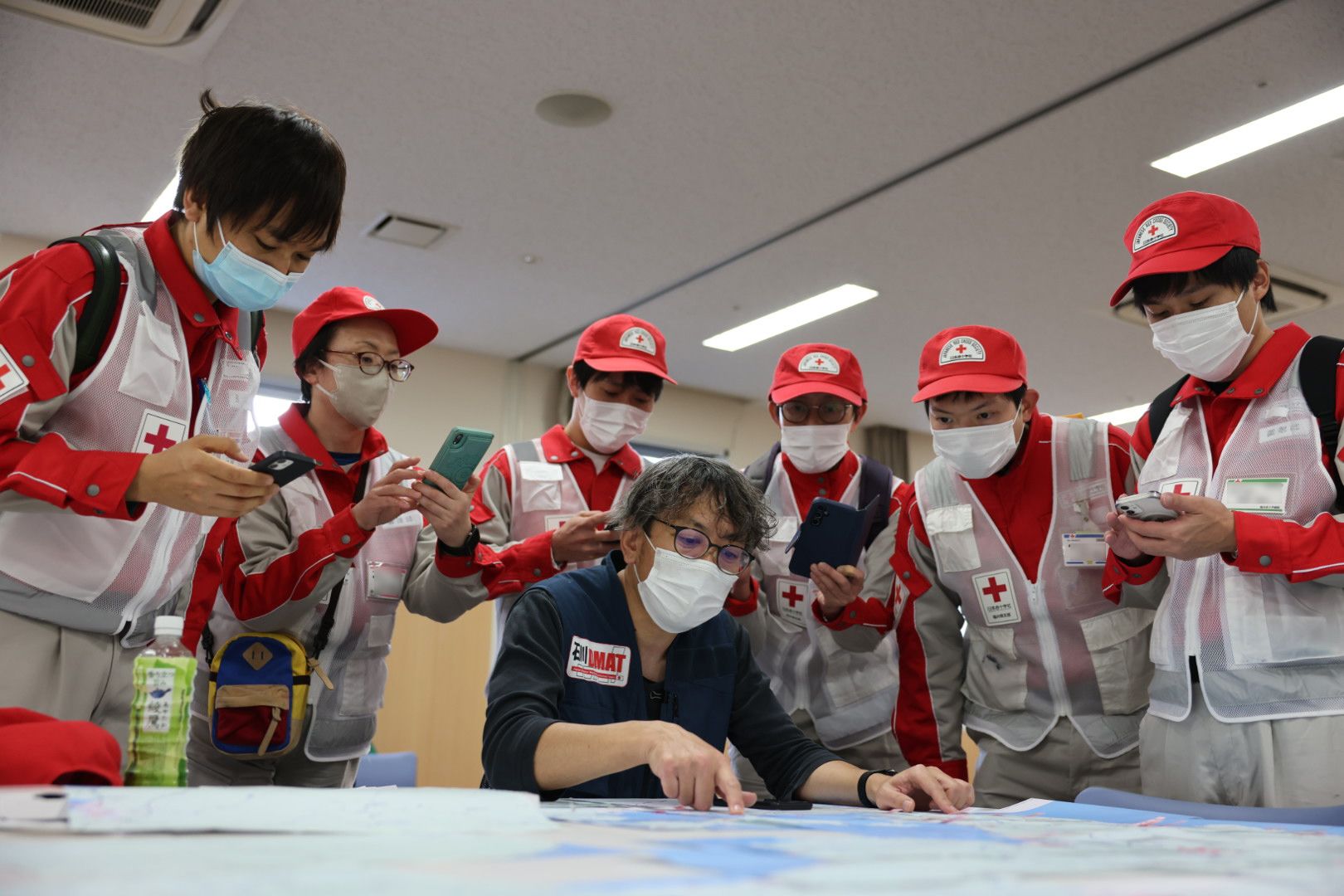
51. A Japanese Red Cross emergency medical team plans a response following the Noto earthquake. © Japanese Red Cross
52. Costa Rica Red Cross upgraded its digital capabilities with IFRC support. © Costa Rica Red Cross
53. Afghan Red Crescent teams manage relief goods delivered from IFRC. © IFRC
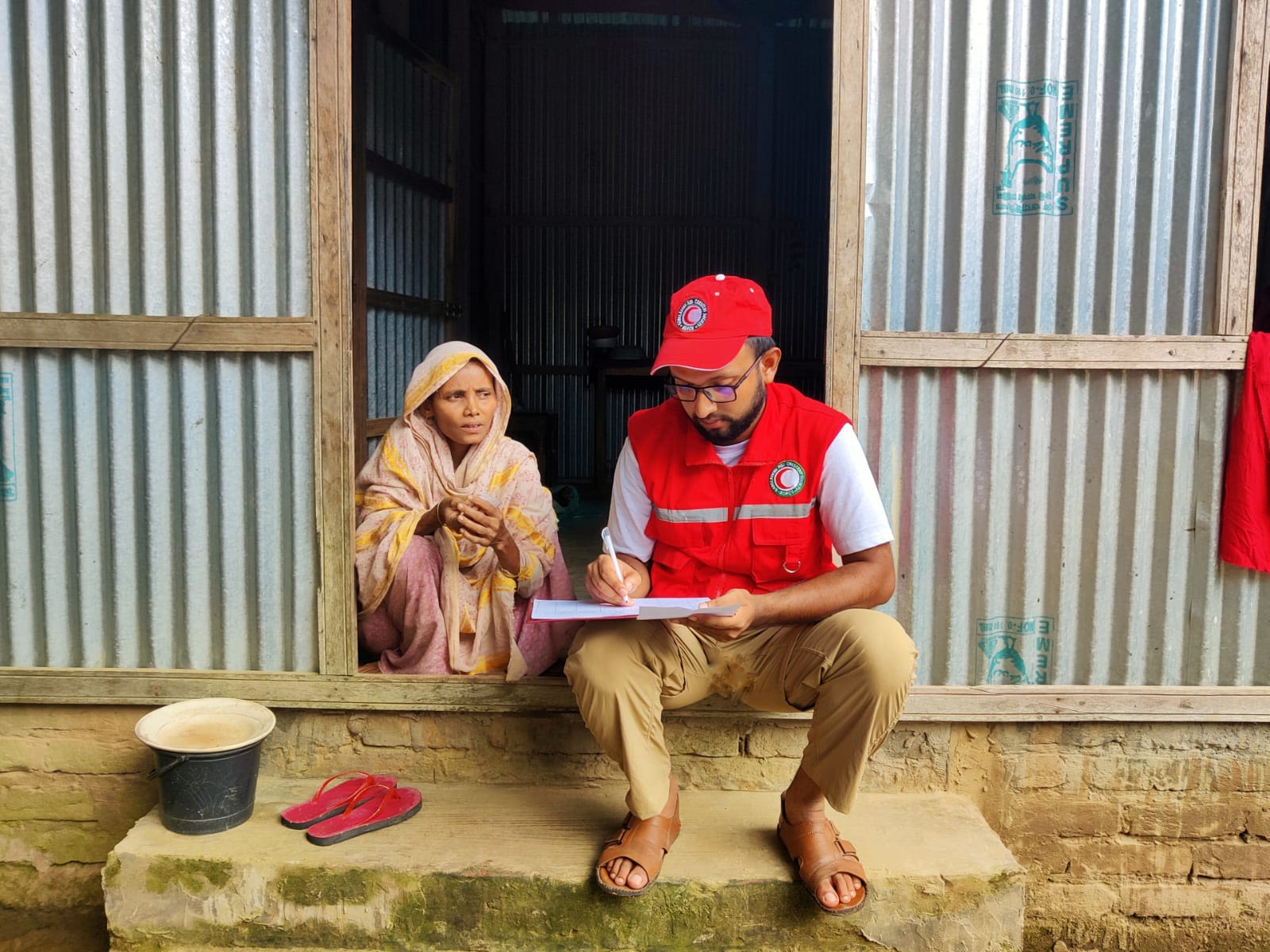
54. Bangladesh Red Crescent volunteers and staff ask community members what their needs are after flooding. © IFRC
 Built with Shorthand