Lost and found at sea
IFRC Red Vest podcast Episode 1, Season 5.


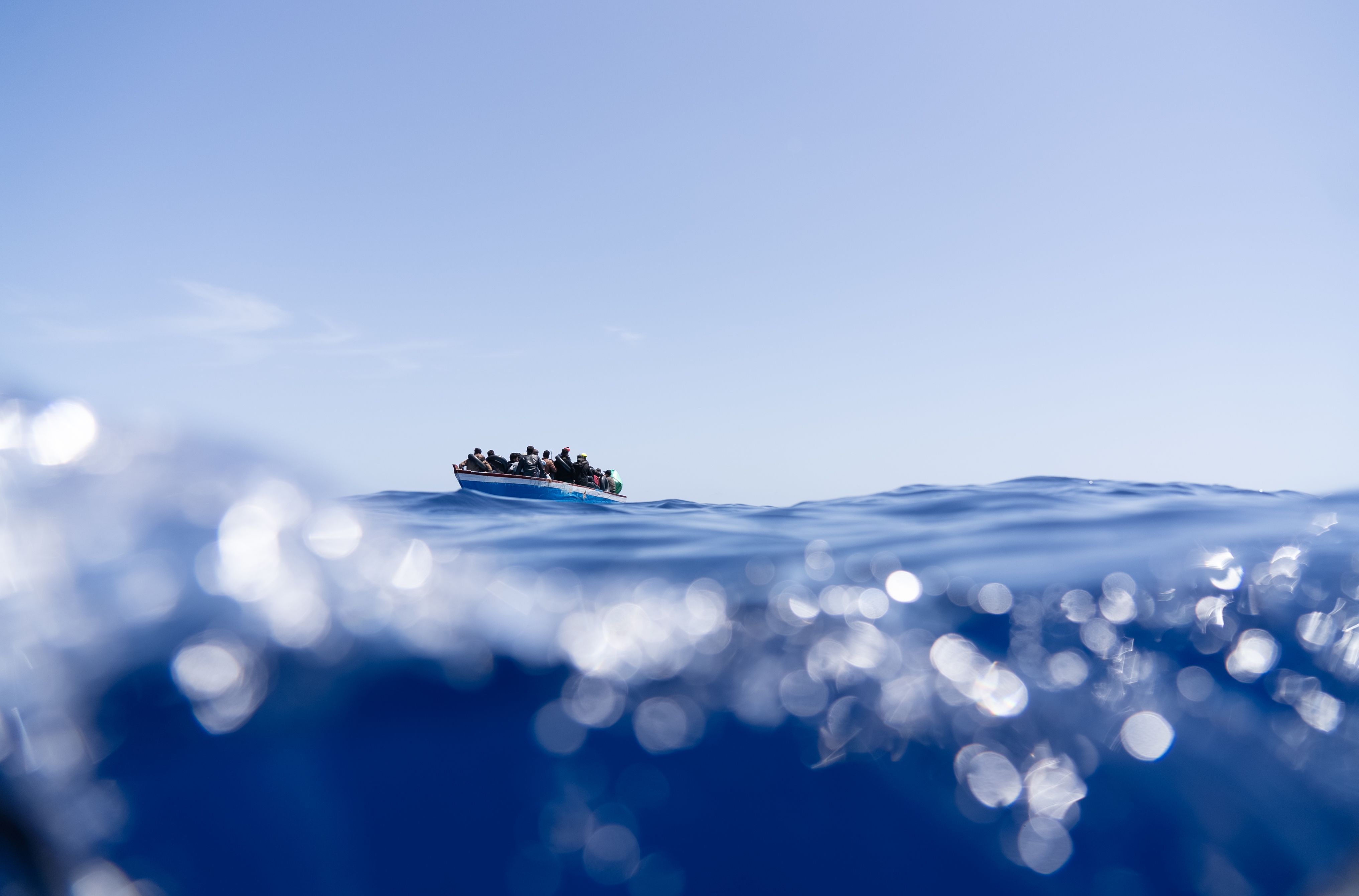
It’s one of the most demanding and unusual humanitarian missions happening in the world today, and it’s being carried out at sea, by the crew of the Ocean Viking rescue vessel.
Chartered by SOS MEDITERRANEE in partnership with the International Federation of Red Cross and Red Crescent Societies (IFRC), the ship patrols the Mediterranean Sea to rescue people in deep distress at sea.
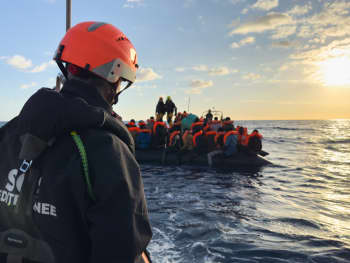
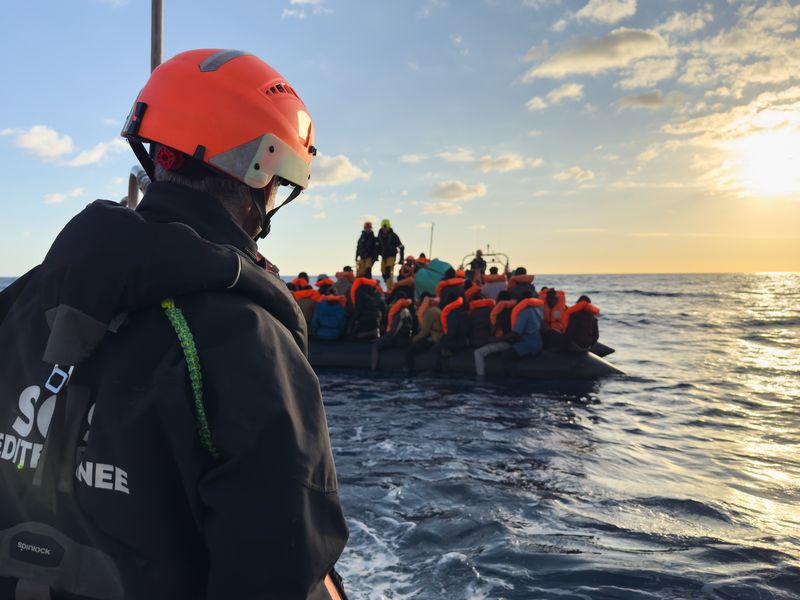
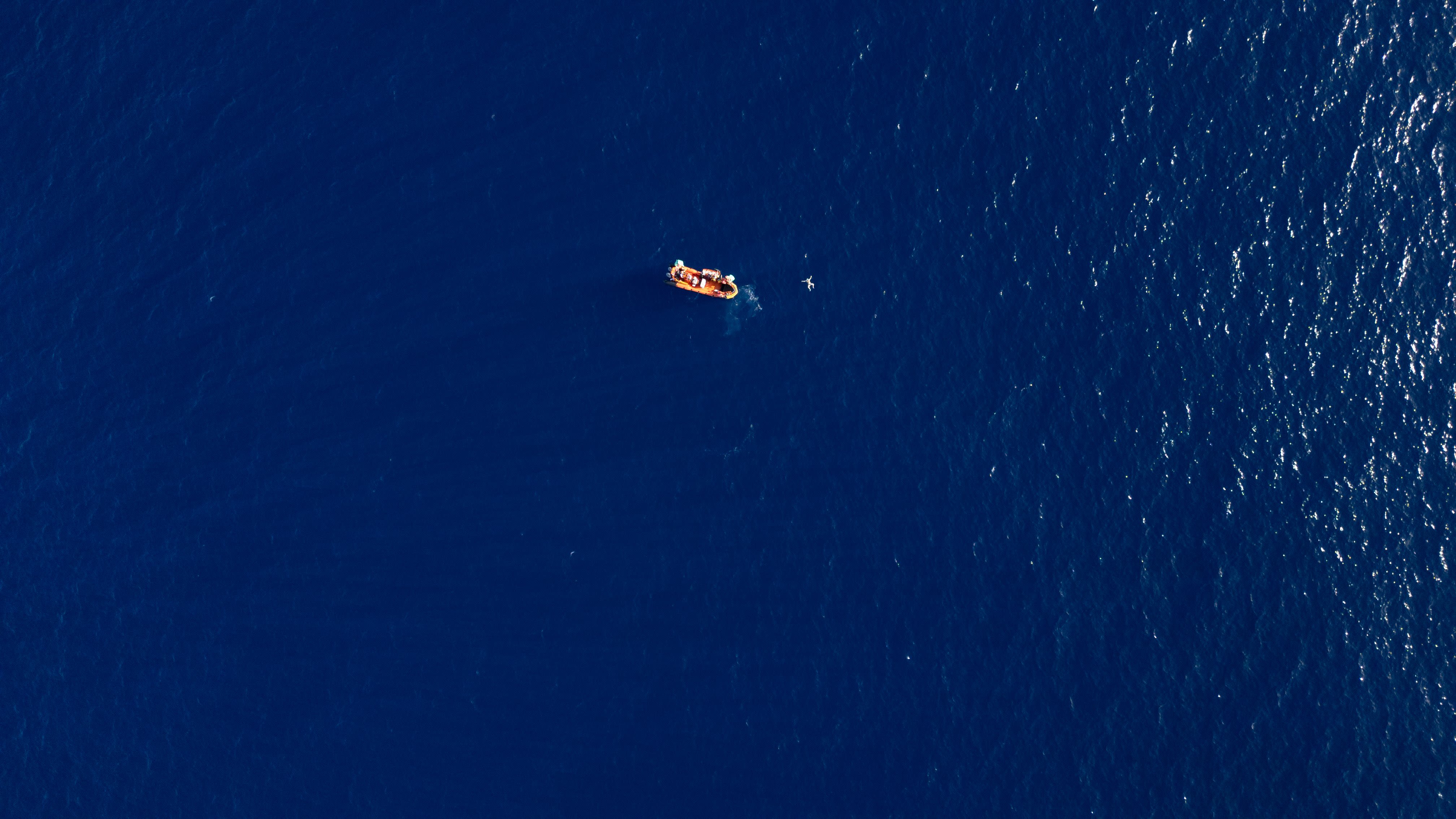
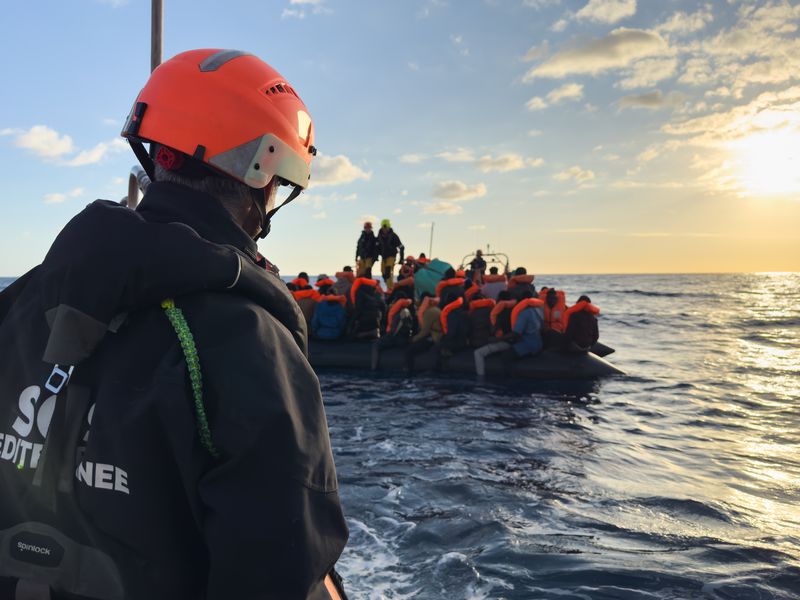
Crew members spend months at sea, living in tiny berths, constantly on the lookout for boats in distress — small dinghies, full of people, lost among the waves.
It’s a dangerous assignment. Rescues often happen at night, during times of heavy winds and choppy seas. And it’s not only the forces of nature that make this mission perilous – only a week ago, after this podcast was recorded, the Ocean Viking was hit by multiple gunshots.
So why do they do it? How did the people lost at sea find themselves in these perilous situations? And how does the Ocean Viking crew find them on the vast seascape of the Mediterranean?
In this episode we take you on board the Ocean Viking with Sara Mancinelli, the IFRC operations manager aboard the Ocean Viking and Camille Coletta, IFRC’s protection coordinator aboard the ship. We hear first from Camille who we reached as the ship was off Malta.

Camille: “Right now I'm in the midwife room. It's where women sometimes hear the heartbeat of their baby for the first time, because most of the time they haven’t had access to healthcare at all where they were. So it's a really special place.
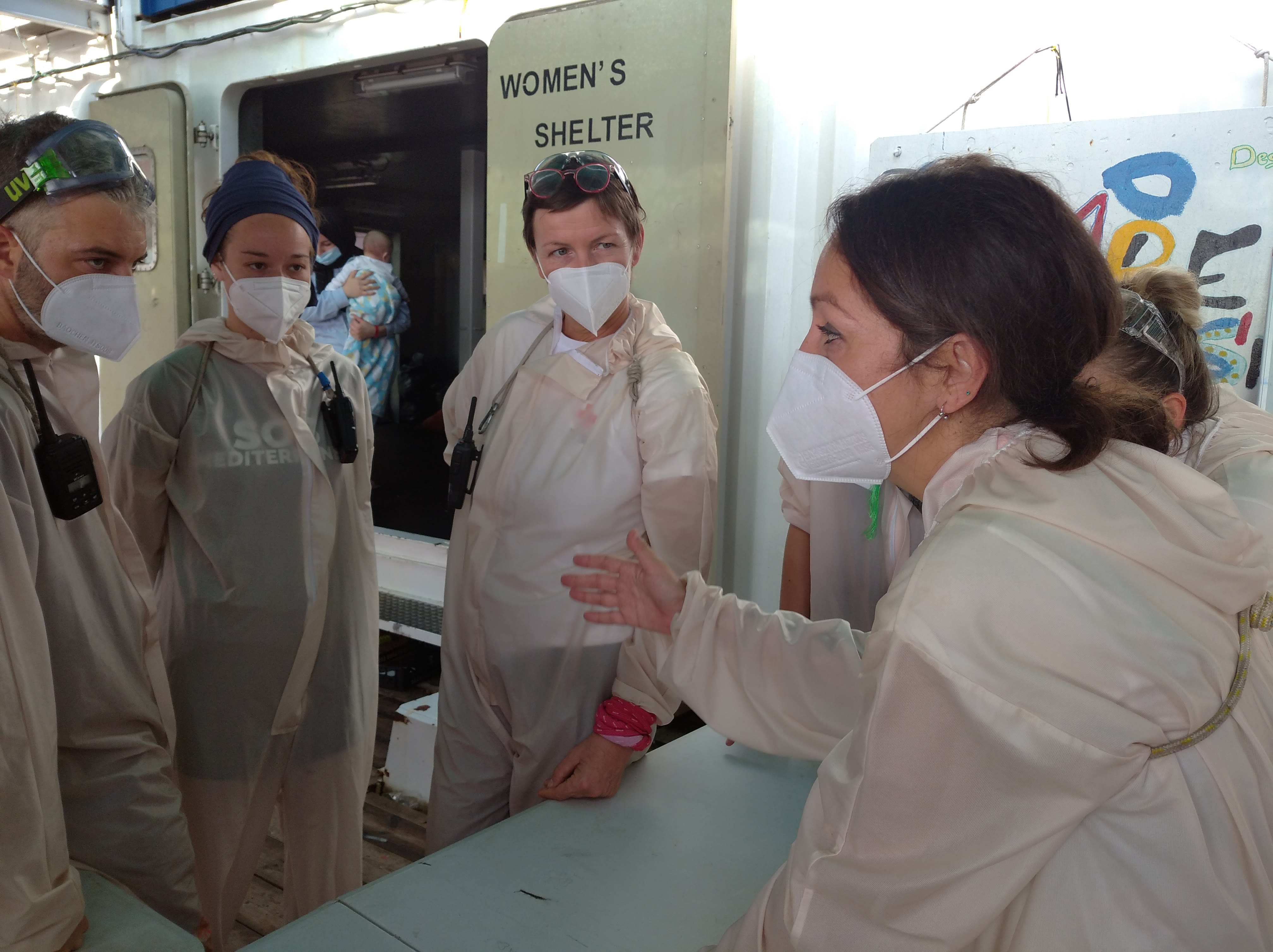
As soon as we are at sea, the crew starts to prepare and we have a lot of training about how to live in a boat, and about all the various rescues that could happen, because every rescue is different. Because of the kind of boat, or the number of people on board.
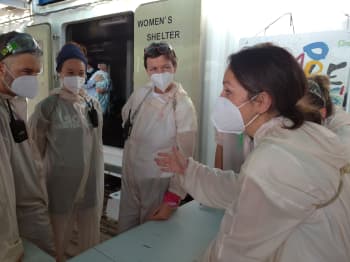
We try to prepare as one crew, but we have different teams. We have a rescue team, a medical team and we have my team, the protection team, with protection delegates and a cultural facilitator.
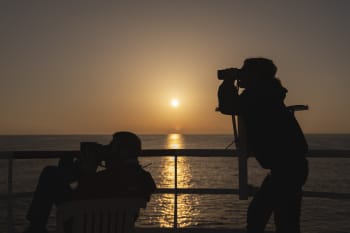
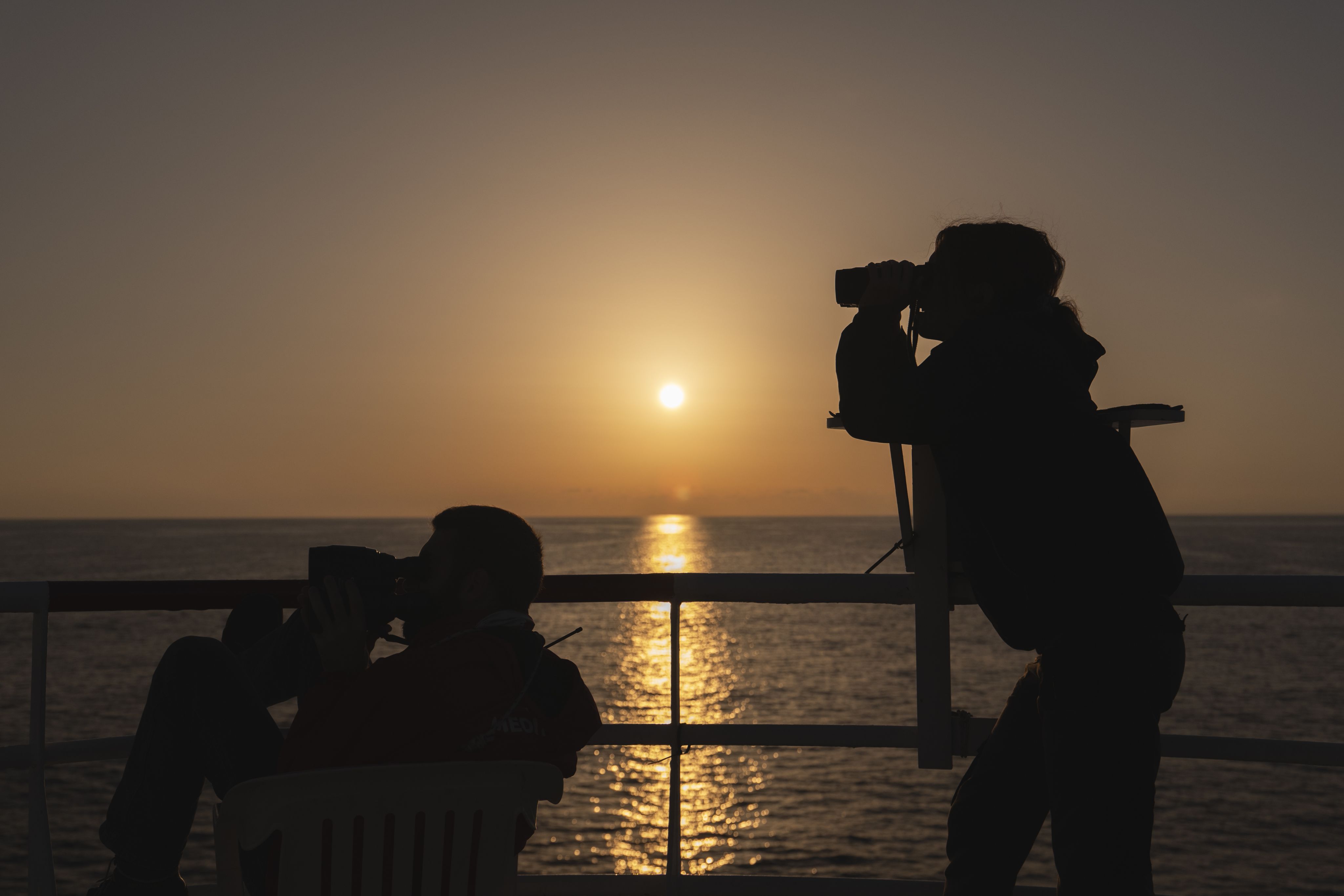
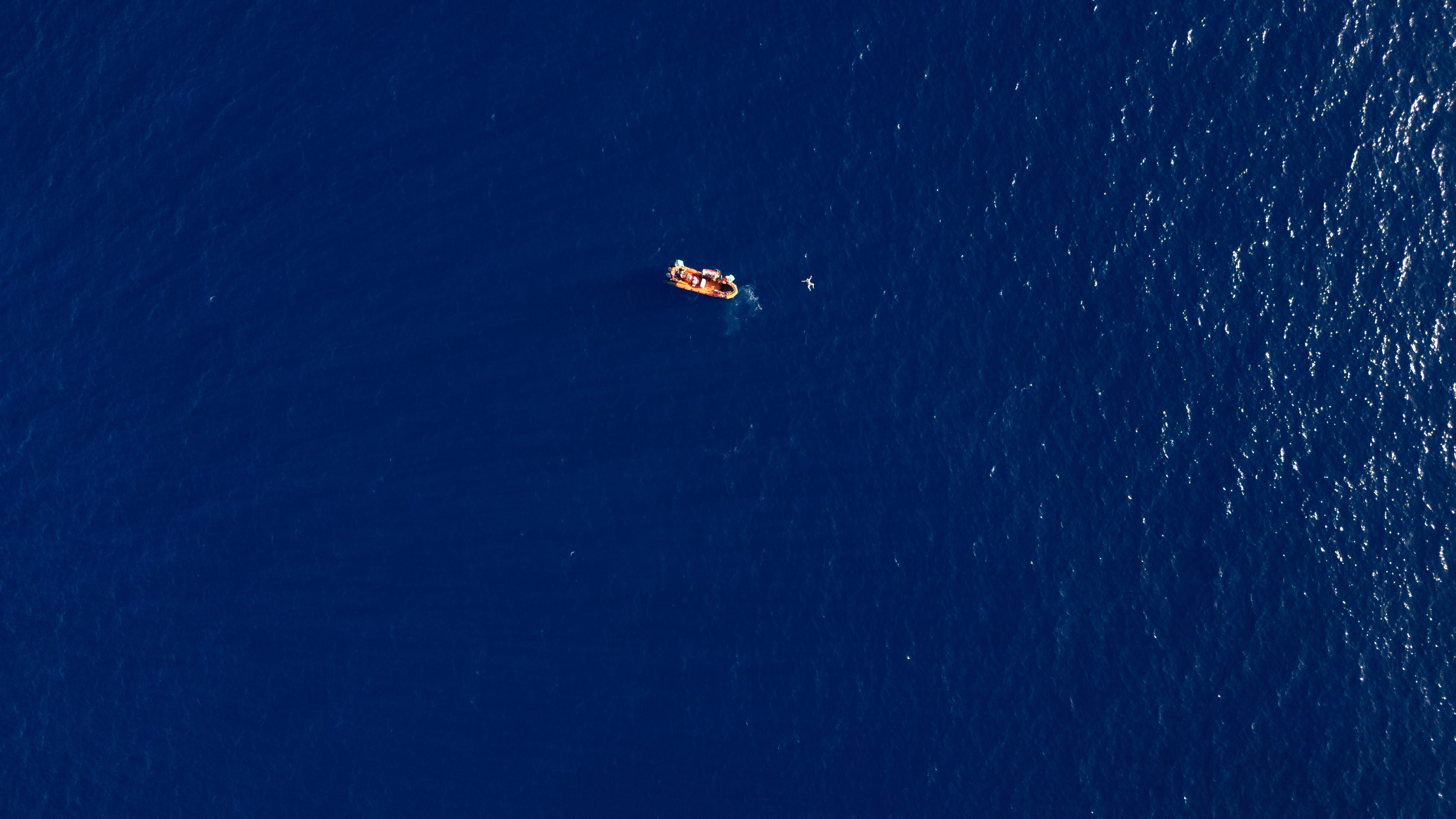
The work starts well before the rescue. We participate in the lookout. We go on top next to the bridge with binoculars and we look for any kind of boat in distress. We could receive a distress case from Alarm Phone or some news from airplanes that say there is a boat in distress, and this is the moment when we concentrate and focus on finding people who might need our help.
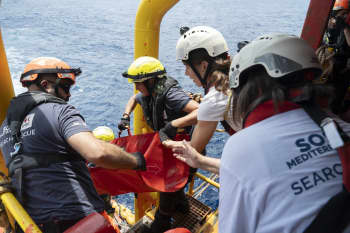
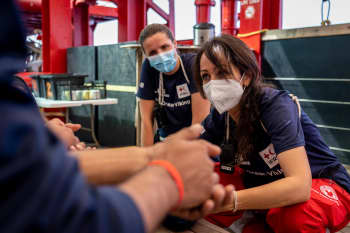
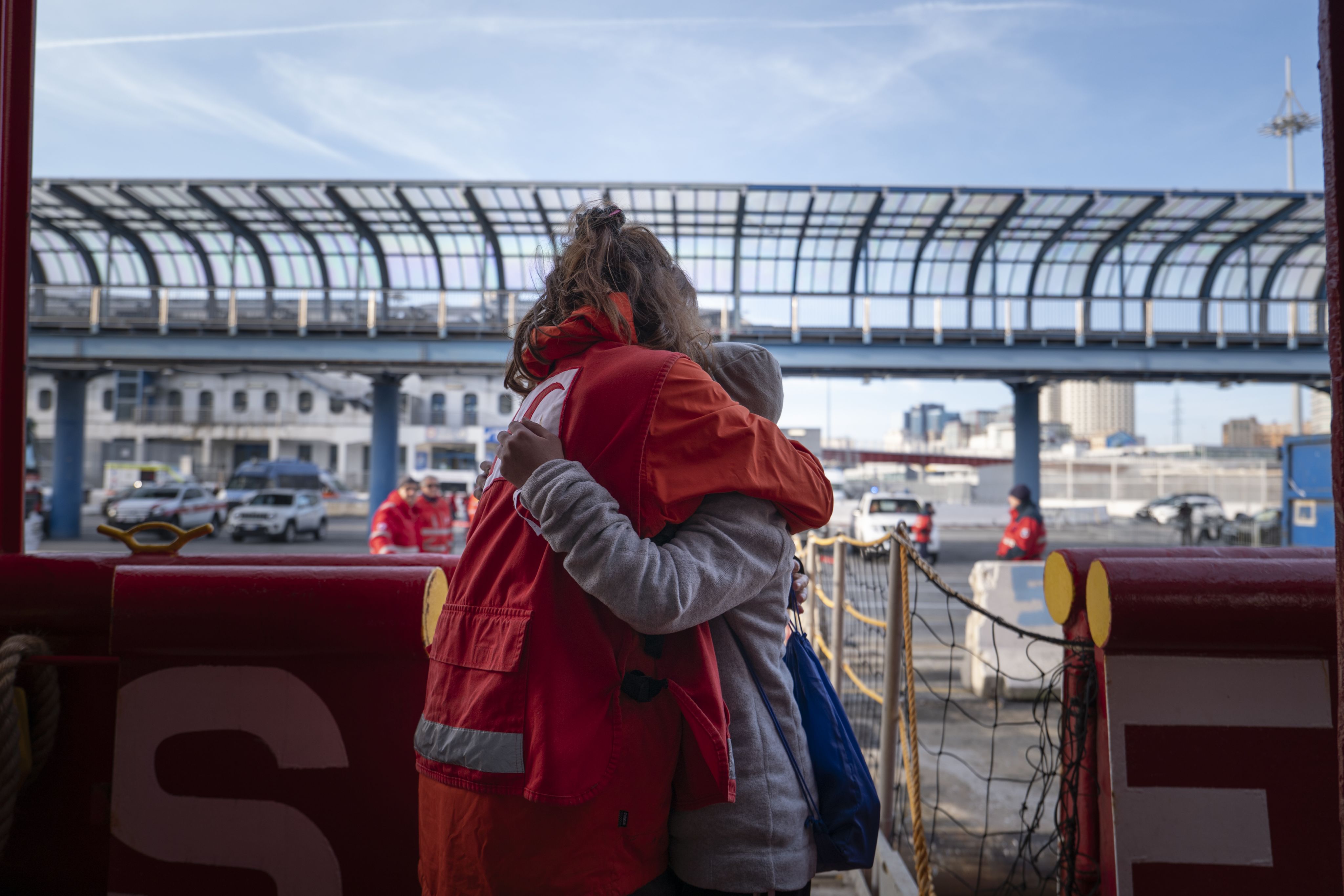
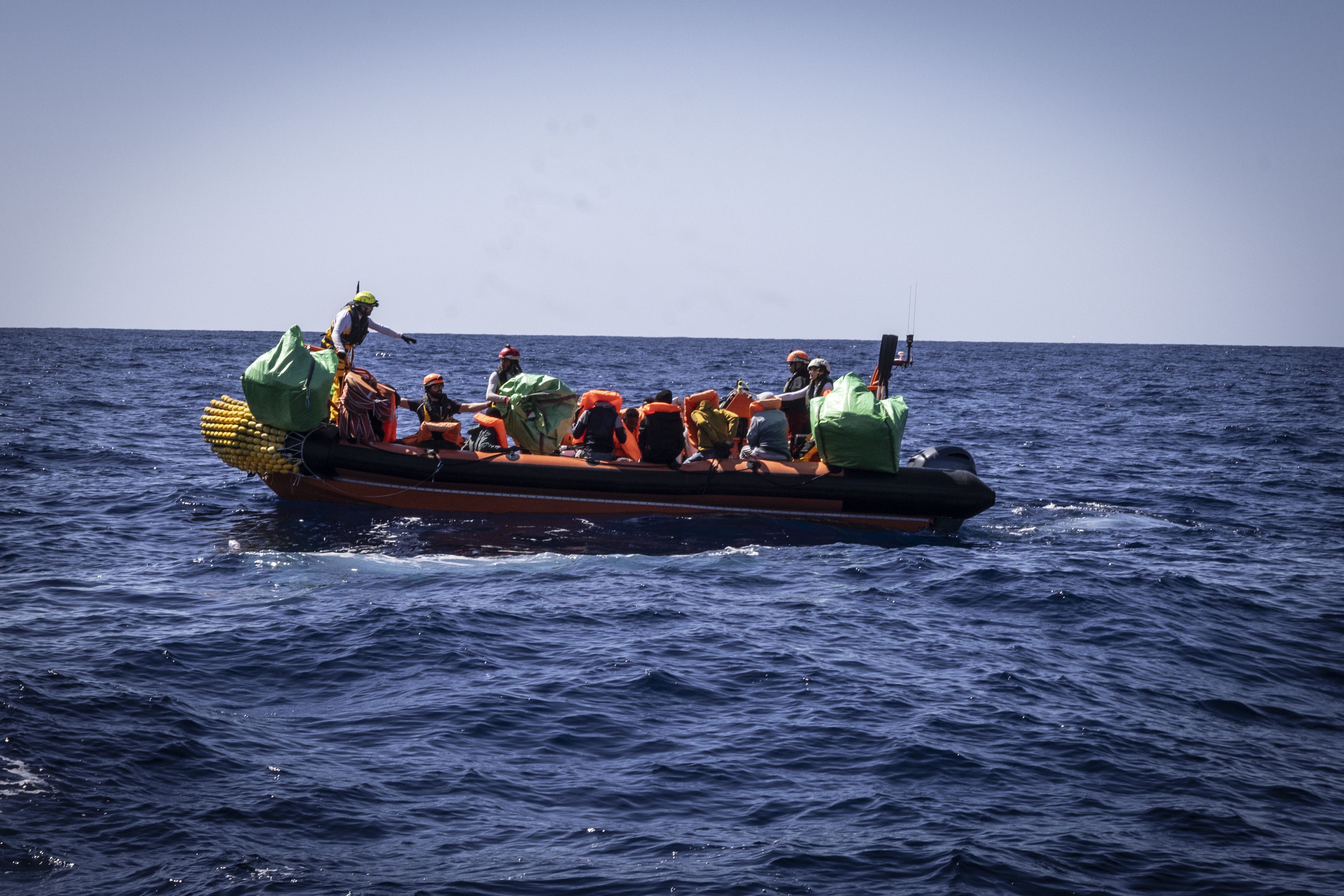
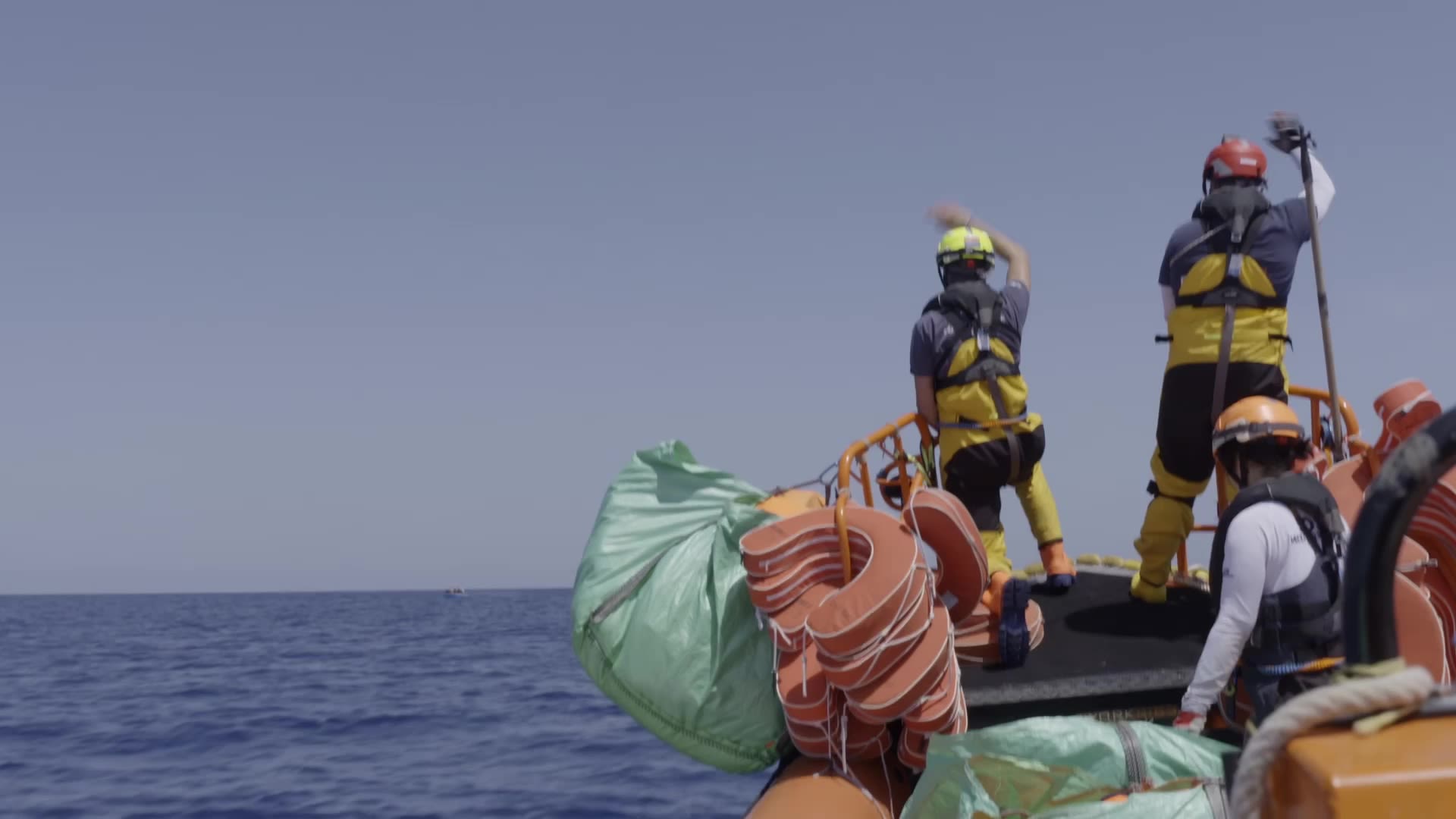
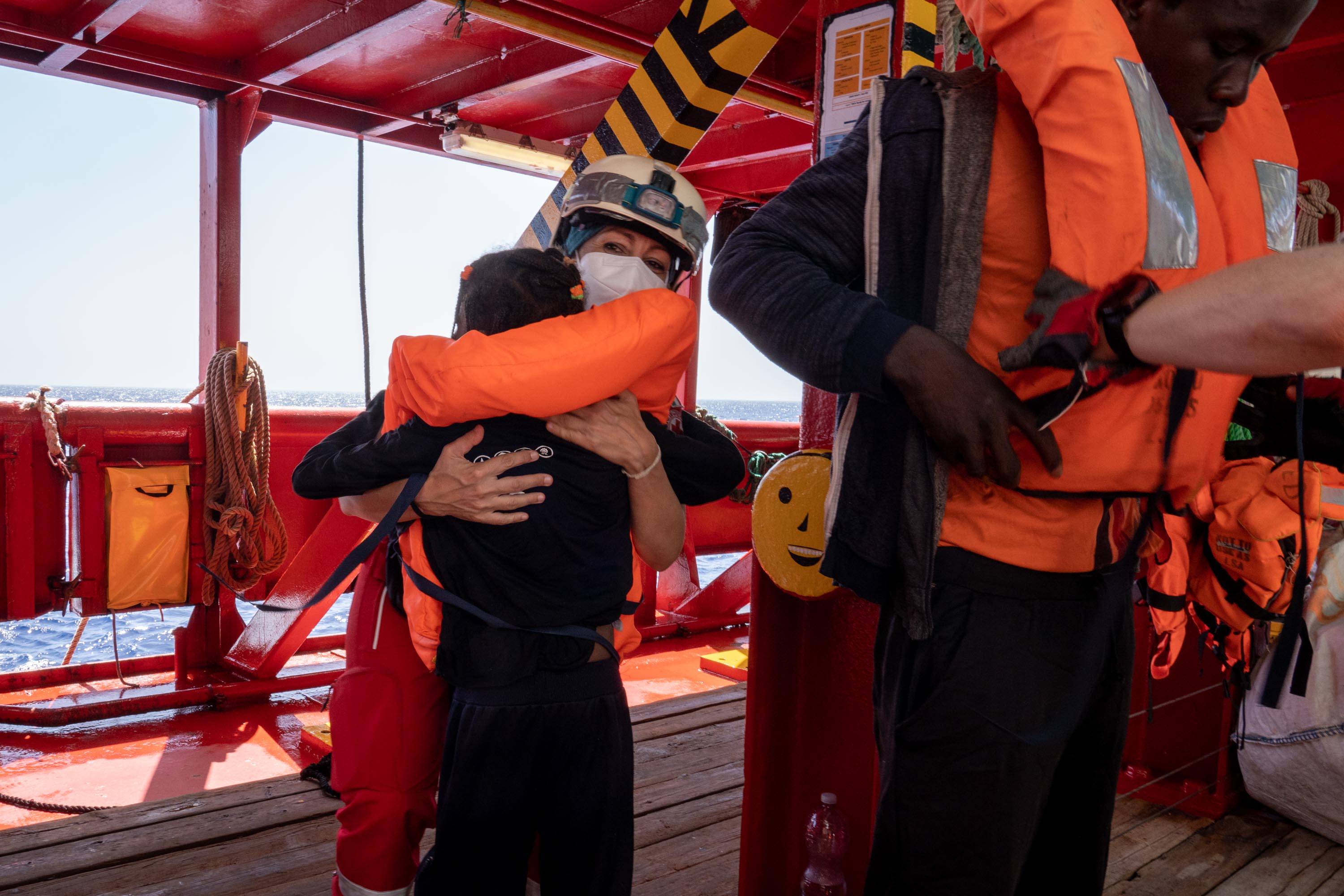
During the rescue, our job really starts. The fast boats go to meet the boat in distress to evacuate people and the survivors begin to arrive on board. We start by welcoming them and just telling them ‘you are safe – welcome on board the Ocean Viking’.

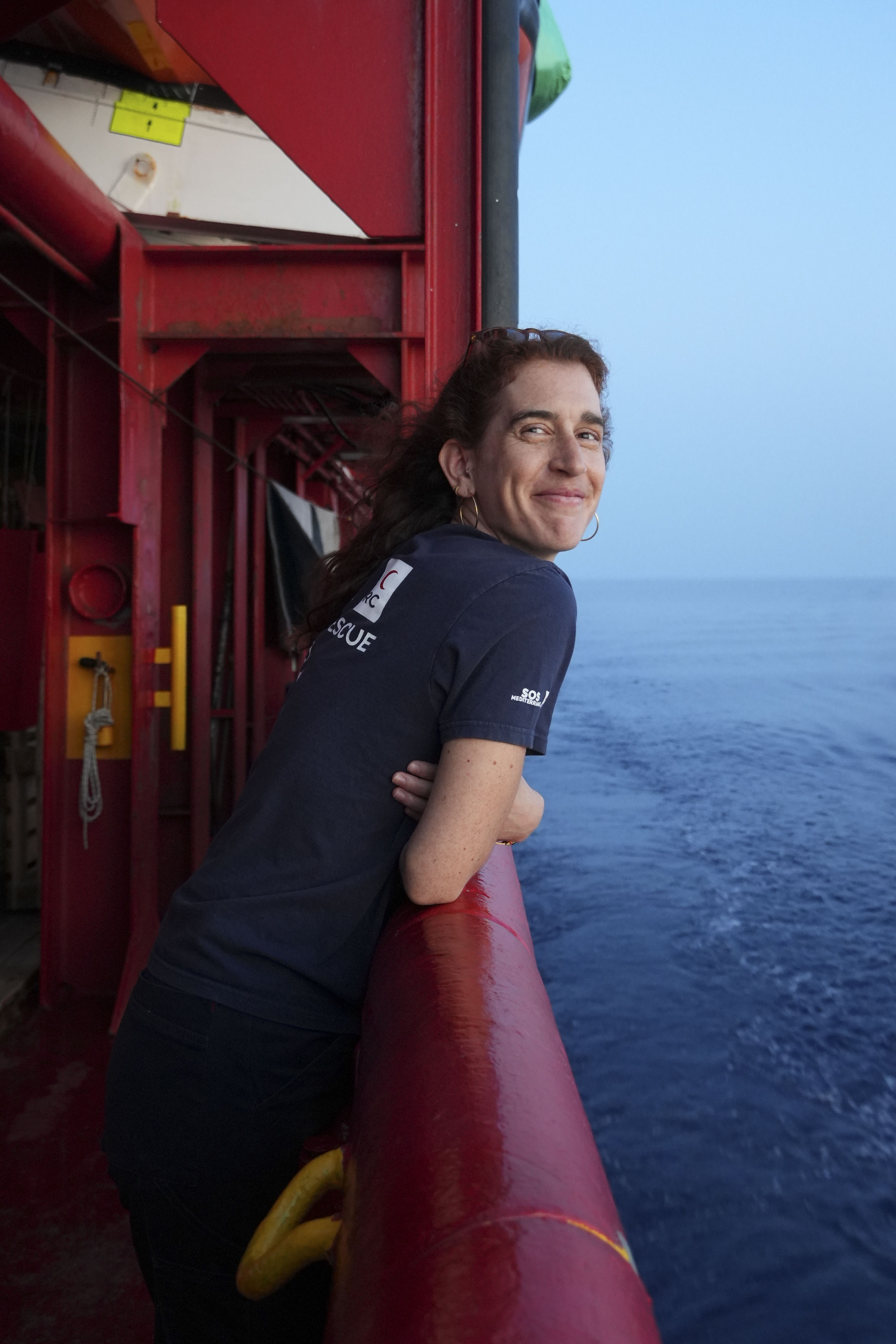
Camille Coletta, team leader for the IFRC protection team aboard the Ocean Viking.
Camille Coletta, team leader for the IFRC protection team aboard the Ocean Viking.
Because you know, most of the time the journey started a long time ago. They had to flee their country because of persecution, because of really serious matters, and sometimes they think the journey will last only a few days. But most of the time it lasts months and sometimes even years.


Sara: The majority of people we rescue have been through serious forms of violence in their countries of origin or transit and they often present signs of torture, physical and sexual violence.
It is not even really a choice if you come from a situation in which violation of human rights, poverty, abuse, war are part of your daily life and the fact that for these people there is no other way than to embark for such a dangerous journey to reach our safe Europe.

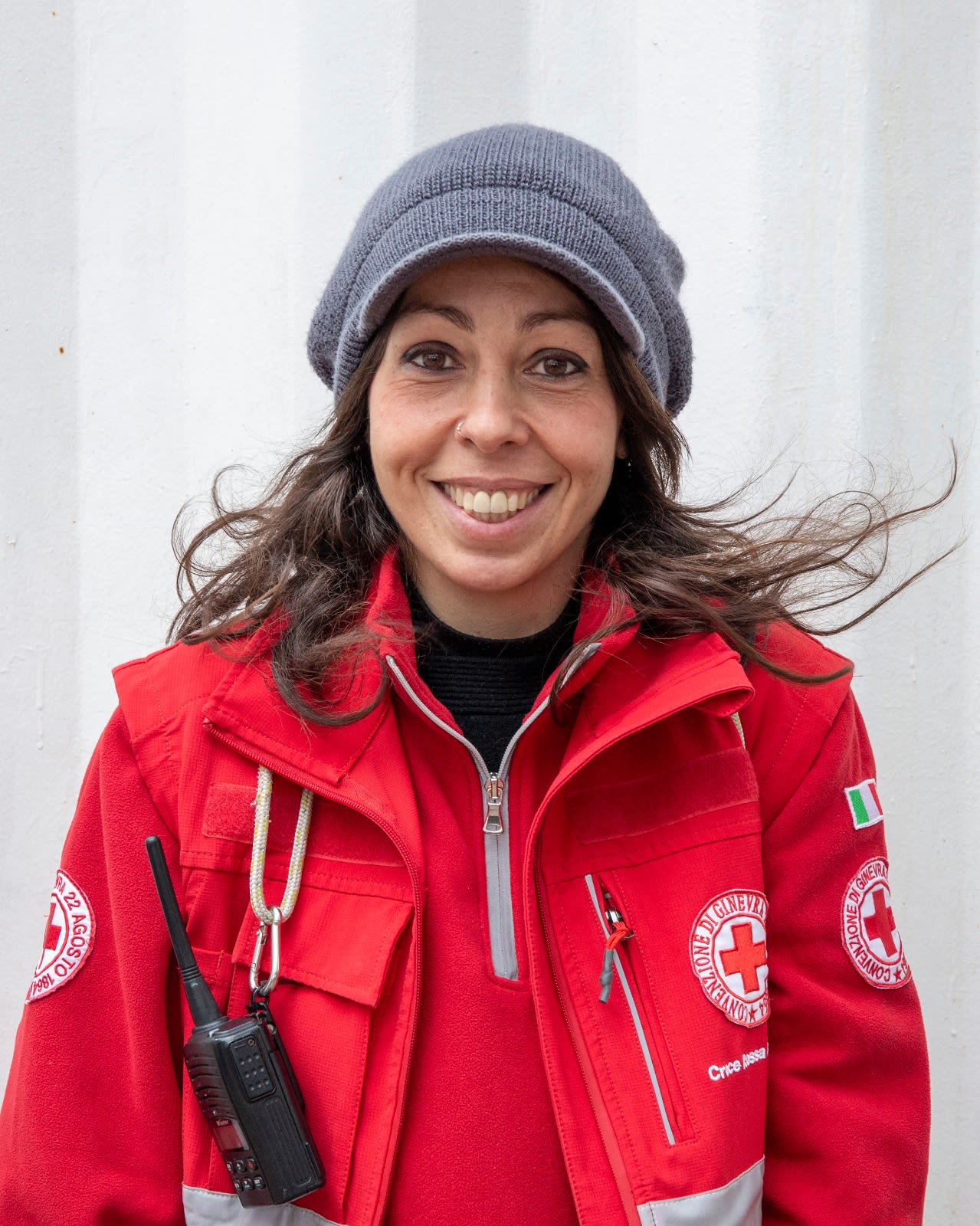
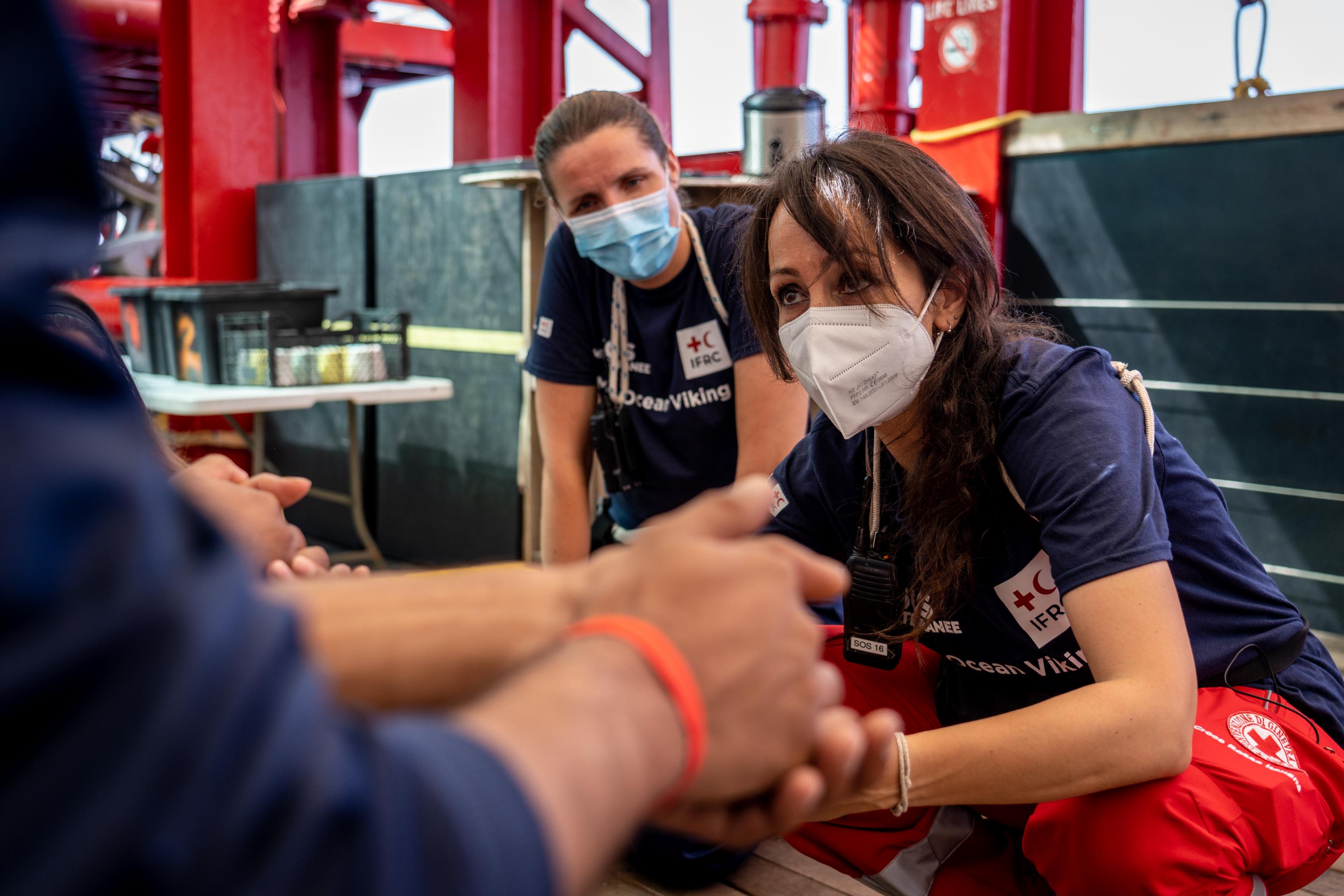
Sara Mancinelli, IFRC operations manager aboard the Ocean Viking.
Sara Mancinelli, IFRC operations manager aboard the Ocean Viking.
So this journey has an impact on their physical health but also on the psychological wellbeing. Sometimes, they are not even able to talk, to express themselves. Sometimes we had people just crying on board and it's difficult because the short time that we spend with them on board of the ship, it's not enough to create the space needed to let them open up their personal feelings.
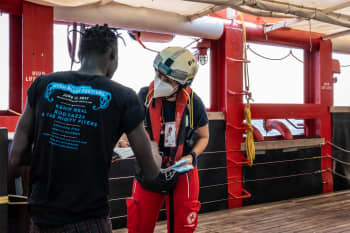

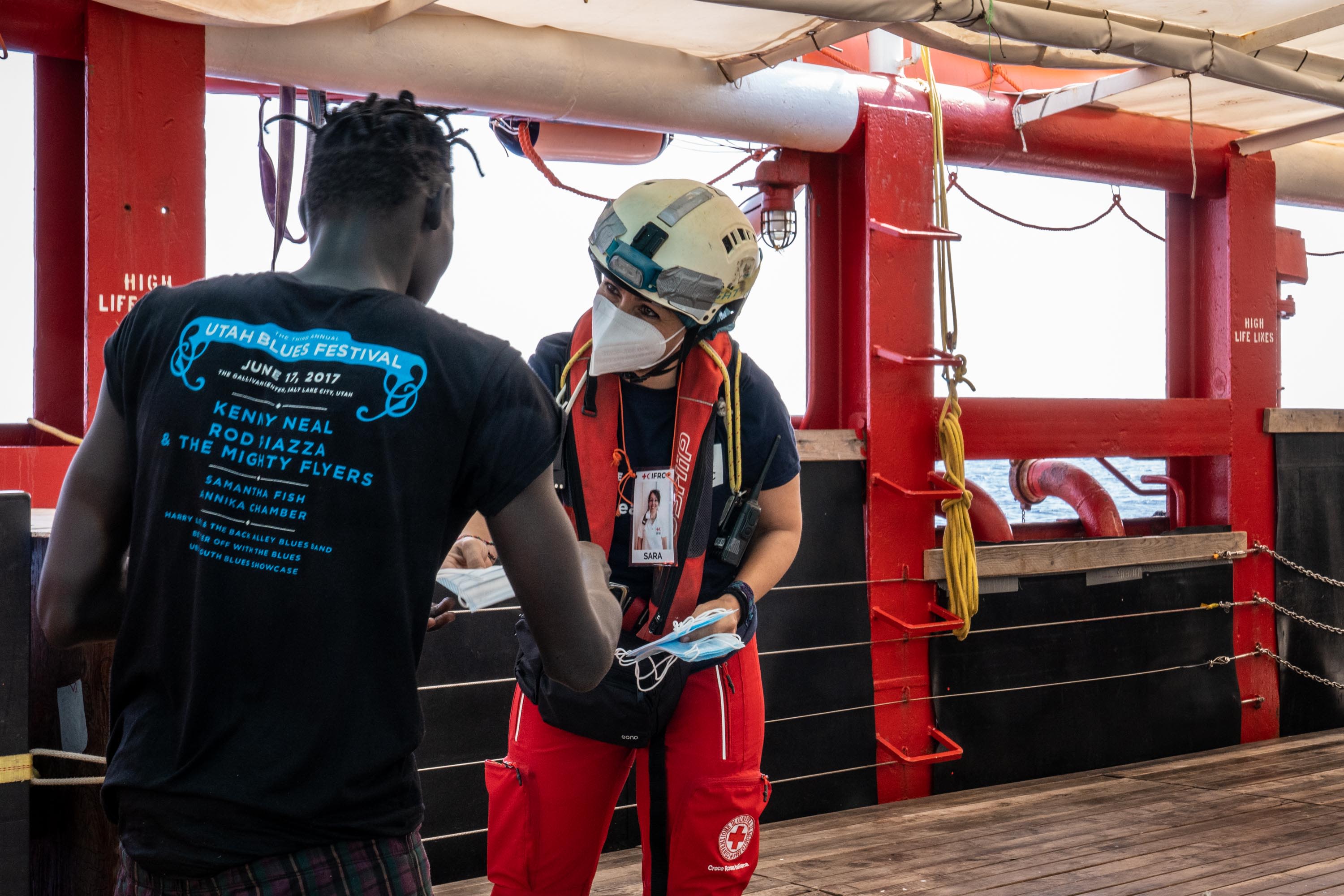

Camille: Most of the time they are at sea for days and there is a mix of gasoline and salty water that gives a chemical burn. So they also need medical help quite fast and one of the first things we do is give them access to shower because with soap, it removes the gasoline.
It’s important to say that the boats they are using are not suitable to cross the Mediterranean. They are really bad boats. Sometimes they are inflatable or wooden boats that can capsize really easily because of the weather, the waves. The inflatable boats, get destroyed very easily.
Plus, most of the time you don't have an experienced captain who knows the weather, who knows where to go. The sea is a really dangerous environment and most of the time they get lost. And most of the time they're not wearing life jackets and cannot swim. So if someone falls from the boat, and it happens like a lot of time, they're not able to save them.
Sara: It is devastating when we are not able to reach a boat in distress on time. Either because of shipwrecks – and in these cases you just find the boat or pieces of the boat or dead bodies – or because they are intercepted and they are brought back to Libya.
Then of course there are specific events as in March last year when we rescued the boat with 25 people on board and we learned from them that there were approximately 60 more people on board, including women and at least a child, who perished between the departure and the moment we found the boat.
They died one after the other, one in front of the other, and there were no dead bodies on the boat because they had become a burden and were thrown into the sea. These are things that you don't easily forget.
Camille: Not finding boats is one of the hardest things because you never really know what happened: Was it intercepted and taken back to Libya or did it not make it and everybody on board died? For me it's really difficult because you never know what happened and you will never know.
Sara: I will be honest, there have been moments when I said to myself that maybe it was the moment to stop, because to be constantly exposed to this kind of situation, it's something not easy to deal with. But at the same time I have to admit, these are only moments. Personally, my motivation never went away. It's still strong and I think that it's so crucial that the search and rescue keeps going.


Lives saved, lives lost
2,500+
Number of people known to have died trying to cross the Mediterranean Sea last year.
42,000+
Number of people the Ocean Viking has rescued from the Mediterranean Sea since 2016.
1,300+
Number of people the Ocean Viking has rescued so far this year.

The most joyful moments are when we are able to perform the rescue, and bring all the survivors to safety on board. And the second one is when they disembark, even if I know that it's not the end of the challenges.

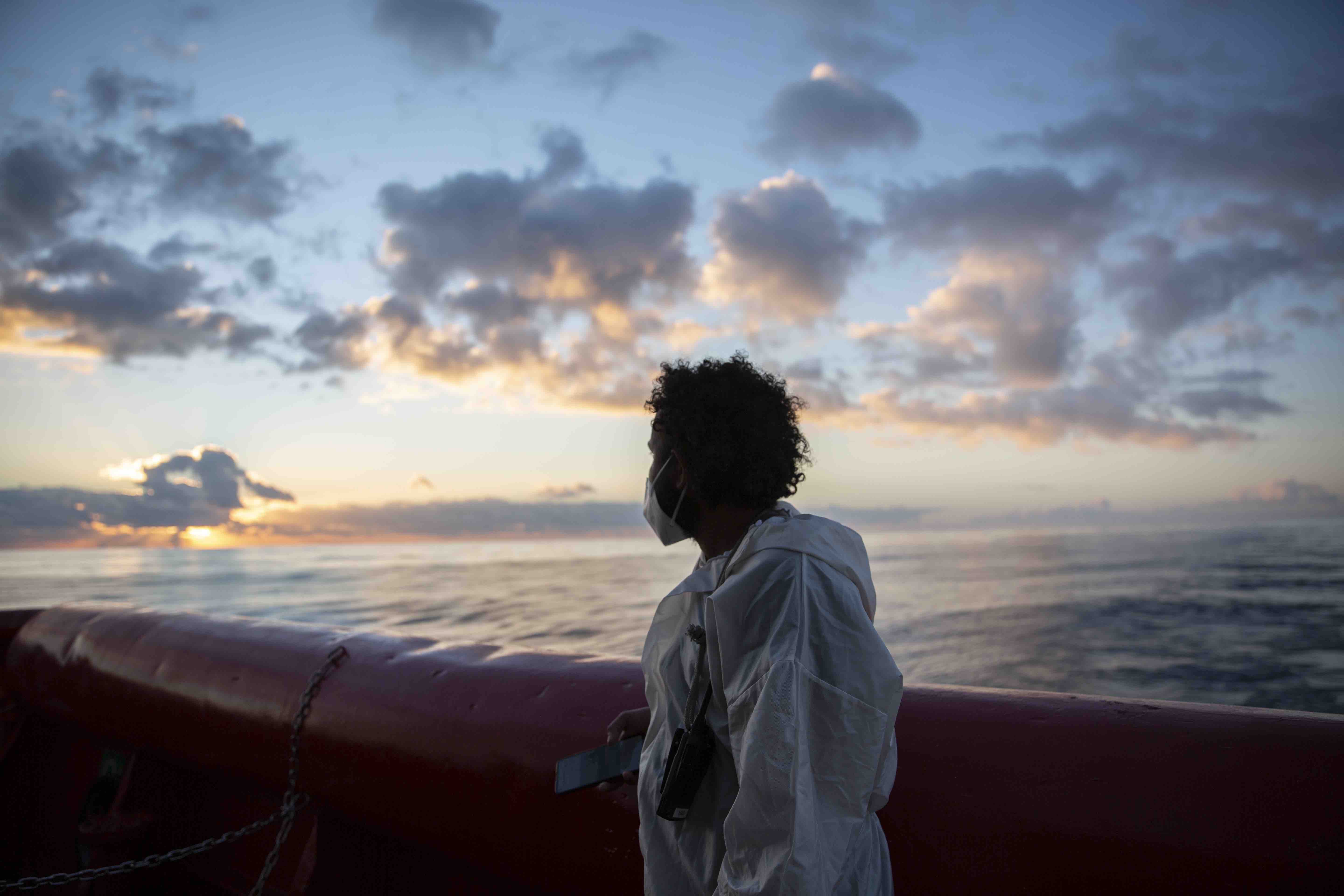
Camille: Now, I'm speaking with you from the deck, at the end of the boat – called the “aft” of the ship. I’ve spent a lot of time here with people looking at the sea behind us. Something about this place invites people, when you watch the sea with them, to reflect and to share more about your story, about who you are, about what are your hopes, what you want in life.
The sea is a hostile environment, but it's also beautiful and it's an inspiring environment too.
Sometimes I call it a sea of love, even if I saw the most horrible things on this sea. It's also where I saw beautiful things like the resilience of people and love. It's a very special place to me.
Sara: The most joyful moments on board is when we are able to perform the rescue, and bring all the survivors to safety on board. And the second one is when they disembark, even if I know that it's not the end of the challenges for them, as they will have to face many other complicated steps and procedures.
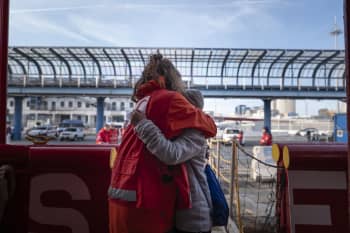
Camille: The most joyful moment for me is when you can announce to which port of safety where they will disembark. We always gather all of them on the main deck, and we announce to which safe port we will go. Sometimes people break into songs, or start dancing, applauding, crying, laughing.
It’s a release of so much tension and fear when they know when they will arrive and where they will arrive. It's always a beautiful moment for me.
Sara: There are two ways my perspective has changed. The first one is that I cannot look at the sea in the same way anymore. For most people, the sea represents something connected to holidays, to relaxing moments, to calm. But I can't avoid thinking how many lives have been lost in those waters.
And the second thing I understand now much more is the meaning of putting someone in such horrible conditions they have to choose to risk their lives crossing the Mediterranean Sea.
Camille: I think this experience changed me a lot. What is really impressive is being able to witness so much resilience from people. I'm really amazed at how we, as as humans can be so resilient. And to be able to be at that precise moment of rescuing a life is also really something special. It does change you – you're not the same after.

Find us on your favourite streaming platform
Not finding your platform here? Just search "Red Vest" wherever you listen to your favourite podasts. And don't forget to subscribe!
 Built with Shorthand