
Volunteer hearts
With 2026 designated as the 'International Year of Volunteers', IFRC's Red Vest podcast explores the key questions at the heart of volunteering: Why do they do it? Why do people have the drive to help their fellow human beings, with no expectation of personal reward or reciprocation?

'To me, that is priceless'
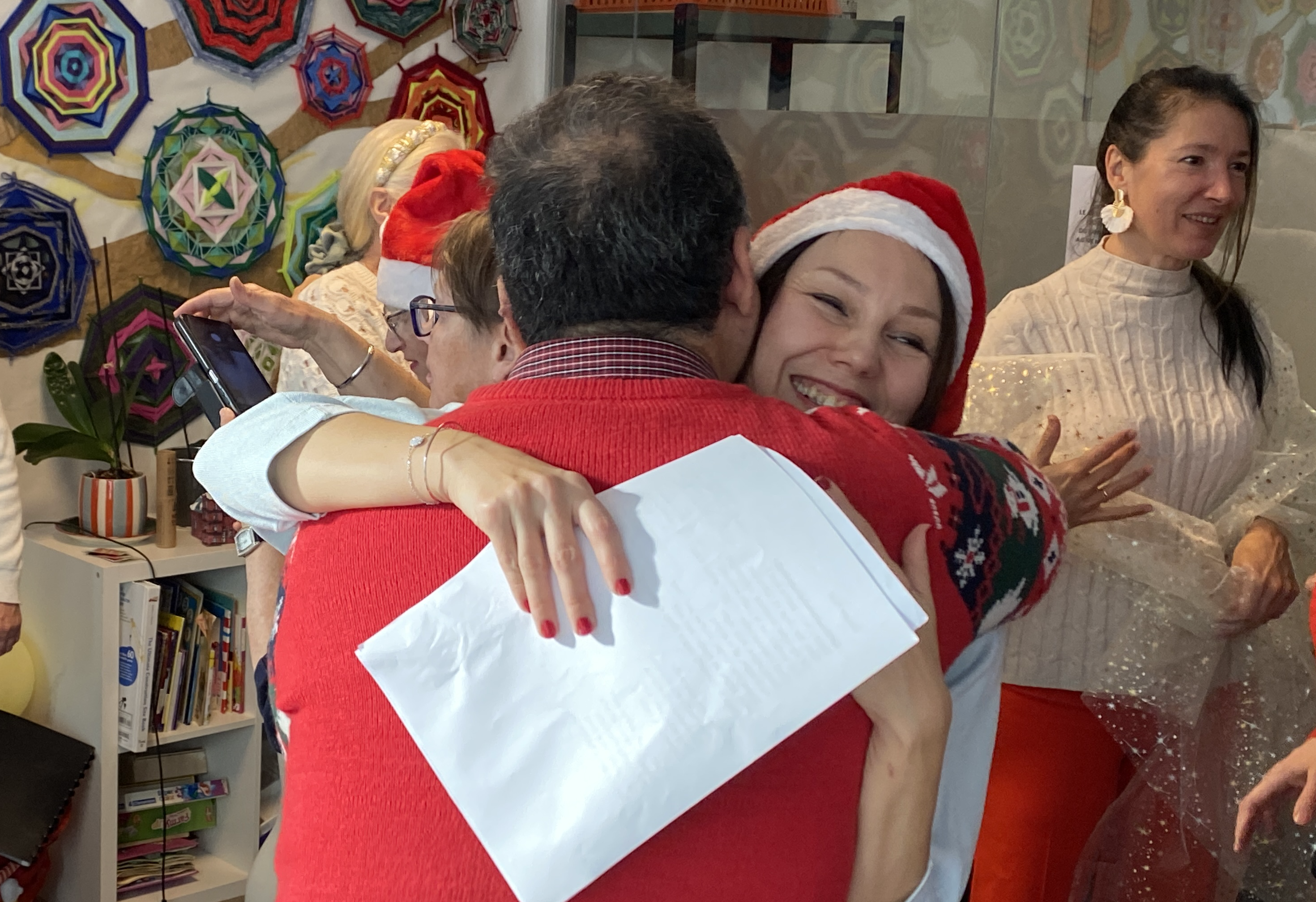
At the Geneva Red Cross Day Welcome Day Center for Refugees in downtown Geneva, Switzerland, a volunteer named Johnny leads a small choir made up almost entirely of refugees from around the world.
The activities at the center are carried out almost entirely by volunteers like Johnny. Many of them are themselves refugees.
With 2026 being designated as the ‘International Year of Volunteers’, what better time to come to this center to answer some fundamental questions about volunteering?
After all, this busy little center sits in the city where the world's largest volunteer network first took shape more than 150 years ago.
This episode of Red Vest podcast will be the first in a series to mark the Year of the Volunteer. We’ll explore the ways in which volunteering opens new doors and exposes people to new experiences, the critical role that local volunteers play in addressing the world’s biggest challenges, and the dangers and risks they face trying to help others in need.
In this episode, we explore the very core of volunteering: Why do they do it? Why do they give their time so generously, so regularly, with no intention of any particular reward?
A sense of safety, reassurance and belonging.
To answer that questions, we start with someone who has herself benefitted from the work of many volunteers at the center. Her name is Maria, a mother of three from Ukraine.
“I love singing so I’m attending the choir classes”, she says. “I love it so much. I also go to drawing classes, as well as yoga and French courses. My husband comes here for the business English course.”
At the centre, Maria says, she’s found a sense of safety, community and reassurance. One of the main reasons is Johnny Bizot, the volunteer who leads the choir and who is himself an asylum seeker from Venezuela.
“The first time I came to visit the centre I just wanted to see what it could offer,” he says. “Then I came, once more, like a month later, to try the French workshops.”
When Johnny realized it would take longer than he hoped to find an apartment and get settled, he realized he needed to spend that time doing something productive. So he started offering support services in Spanish and Portuguese to other asylum seekers at the centre.
“Volunteer work is something I like doing, but at the same time, it is my opportunity to give back what Geneva and Switzerland is giving to me.”
It wasn’t long before Johnny’s infectious love of music caught the attention of others and before long, he was offering guitar lessons and creating a choir.
“You can see everyone singing with a smile on their face,” he says. “The objective is to give people who are away from home — not because they chose to be, but because life sometimes pushes you— to find this moment to share and just connect through music. To me, that is priceless.”
'I need to feel useful'
What’s clear from talking to people here is that the volunteers here bring a lot of talent and skill to the table, and they are often highly educated and experienced.
One volunteer from Ukraine named Alina spends most of her time as a consultant, helping people resolve various challenges of daily life. But she has also used her skills and experience as an educator and author in Ukraine to design a curriculum and learning games for children at the center.
When we meet her, she is sitting patiently beside another refugee from Ukraine as they go through various types of paperwork. The two sit quietly as Alina guides, explains and translates.
“After three months of living in Geneva I came here because I had a great stress, and I needed a safe space where I can be useful, where I can control the situation and not feel that I am victim,” Alina says.
“I need to be useful. And this was space where I can use my power, my skills — because I had a lot of experience in Ukraine — and I have used these skills to help change my life and the life of my clients here.”
Small steps solve big problems
Similarly, another volunteer named Ziad wanted to use his experience living in Switzerland and going through the asylum process for seven months, to help others in a similar situation.
“I experienced everything that they are going through,” he says, who is from Syria. “I could use my skills to help people because I can speak many languages. I could translate. I could help people so and they will be able to do something and help the community that has also welcomed me.”
Volunteers like Ziad often help solve very concrete problems that ease pressures on the refugees as well as on the communities where they now live.
Sometimes volunteers help clients make calls, or doctors’ appointments, or understand bills that arrive in the mail.
They might help the refugees fill out official documents, or prepare files for housing applications.
Others give classes in English or French, lead activities or classes in art, yoga or writing. Other might also simply set up decorations and refreshments, then welcome people as they arrive.
“Small actions can solve big problems,” says Ziad. “Sometimes with just a small conversation, or guiding people to the services, they could solve this problem. Sometimes they come very stressed, and then they leave the center with a smile. I think this is the most rewarding thing that I ever got.”
'I can relate'
Those volunteers who are also refugees offer other crucial elements. Sometimes they share a common language, but just as important a sense of shared experience or understanding.
“When I left Ukraine, I had to walk three days on foot through fields and forests, and by the end, I was noticed and I was shot at, but I got to escape,” says Artem, a volunteer and refugee from Ukraine.
“I got through razor wire, I swam across a trench, and then I got here. So, yeah, I'm feeling myself a refugee, and in this way, the people here are the same as me. I can relate.”
This is one of the reasons that Artem can help resolve complex or very sensitive issues that might prove more challenging for other volunteers or local social service workers.
“It's a different kind of bond, another kind of trust, because you can relate to them,” he continues.
“You get why they don't know something and you're not judging them. So they never feel ashamed. With me, they never need to hide anything, they are transparent with me.”
Stay tuned for the next episode of Red Vest podcast: Part 2 in our series marking the 'International Year of the Volunteer.'

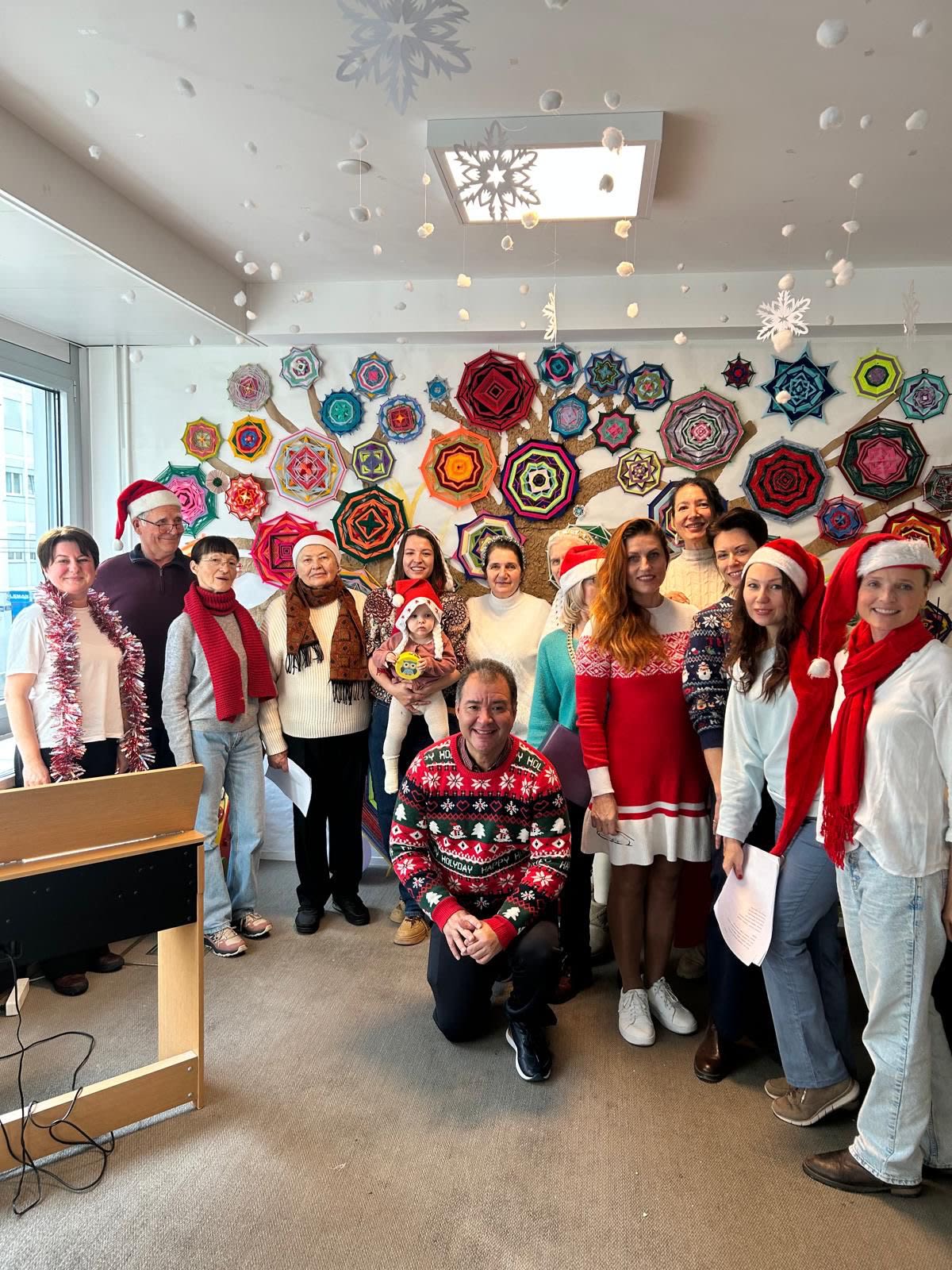
Johnny Bizot, a volunteer and refugee from Venezuela, kneels in front of the choir following a recent holiday concert.
Johnny Bizot, a volunteer and refugee from Venezuela, kneels in front of the choir following a recent holiday concert.

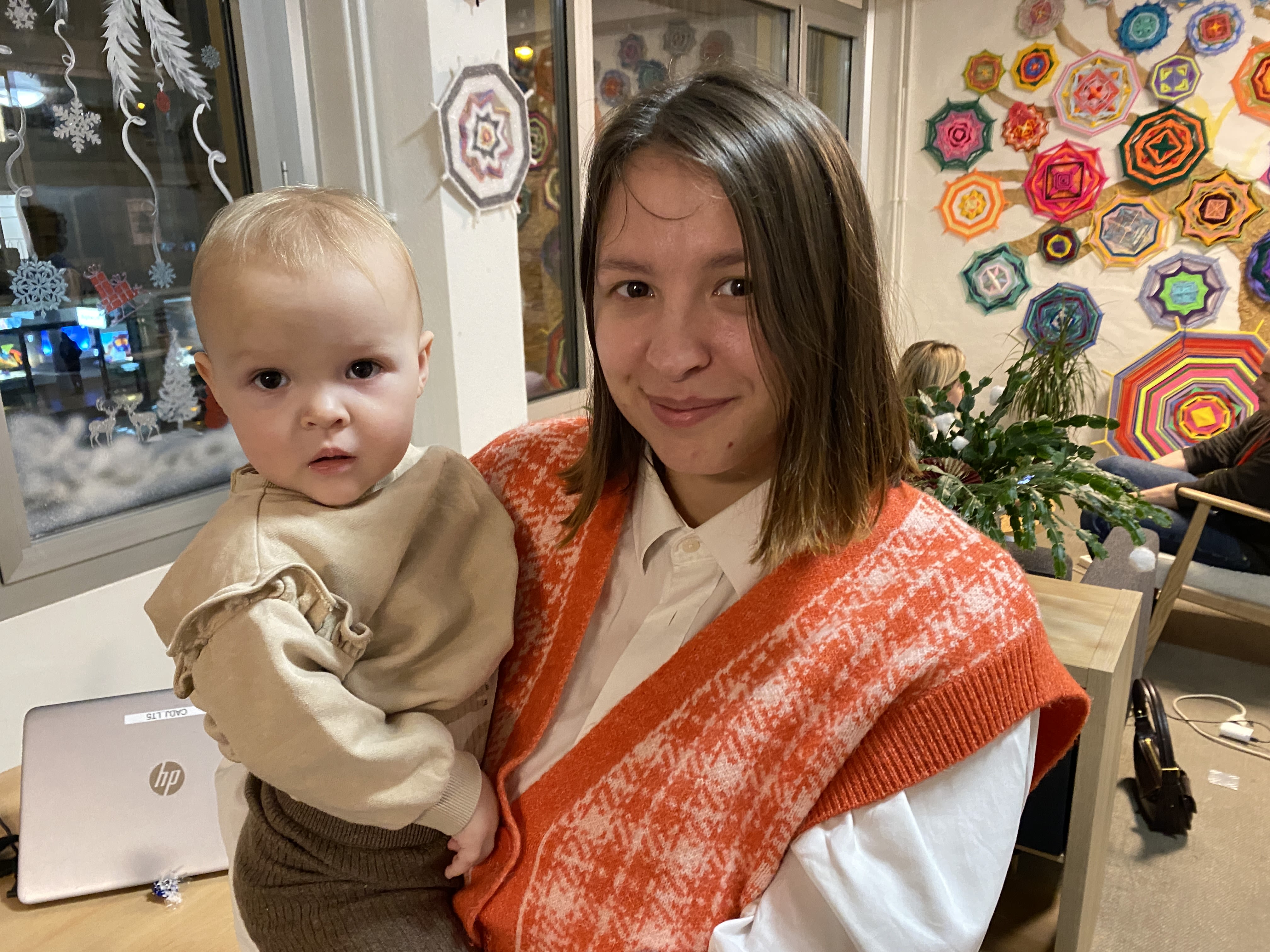
Maria, a refugee from Ukraine, says the volunteers at the Refugee Welcome Day Center run by the Geneva Red Cross have changed her life. From a feeling of stress and uncertainty, she now feels more safe and reassured about the future.
Maria, a refugee from Ukraine, says the volunteers at the Refugee Welcome Day Center run by the Geneva Red Cross have changed her life. From a feeling of stress and uncertainty, she now feels more safe and reassured about the future.
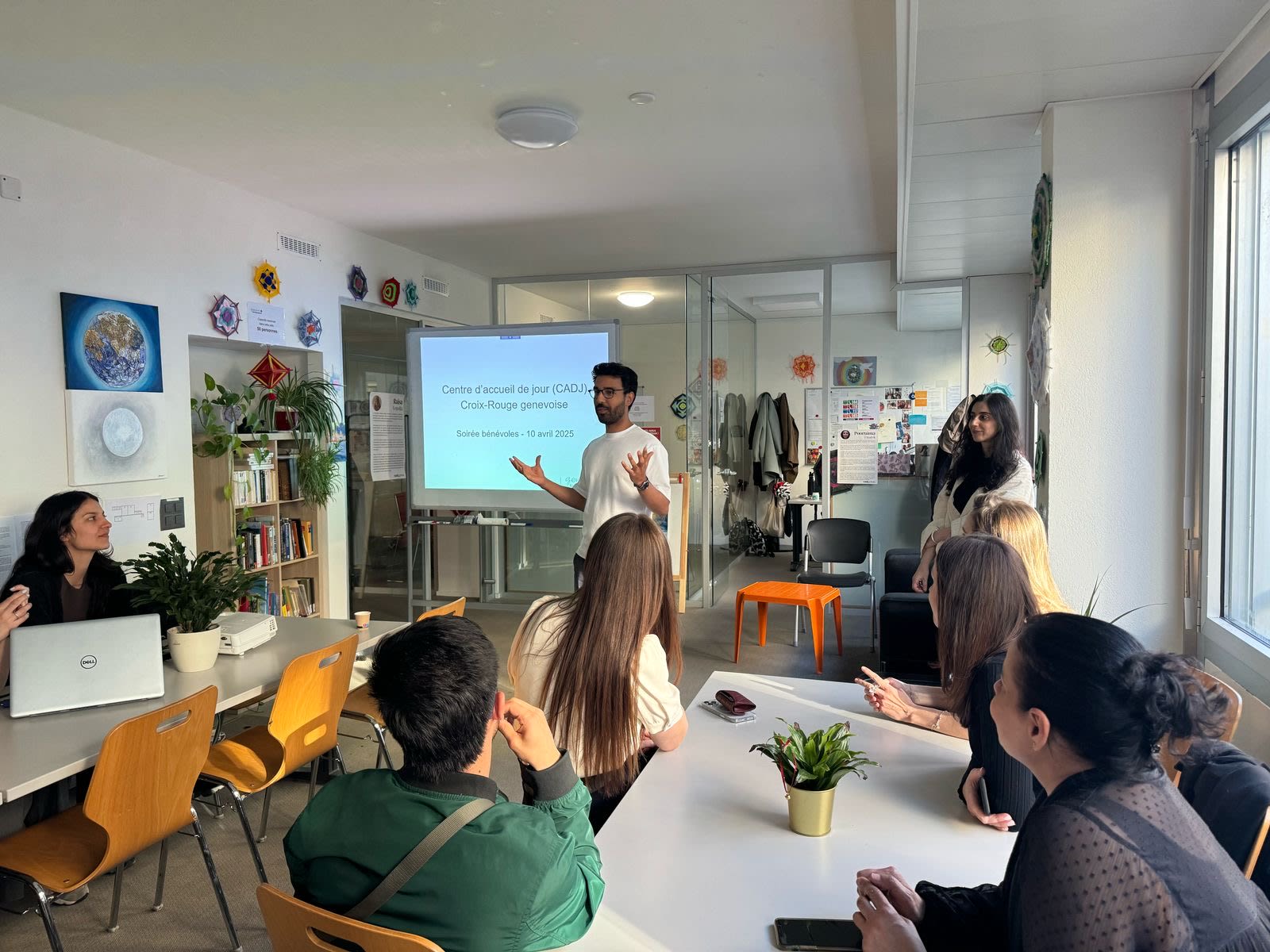
Classes, workshops and other events at the day centre help refugees learn French, the local language, as well as English and other skills. They also guide participants through activities such as making short films, producing a small magazine, and various arts and crafts, among other things.
Classes, workshops and other events at the day centre help refugees learn French, the local language, as well as English and other skills. They also guide participants through activities such as making short films, producing a small magazine, and various arts and crafts, among other things.

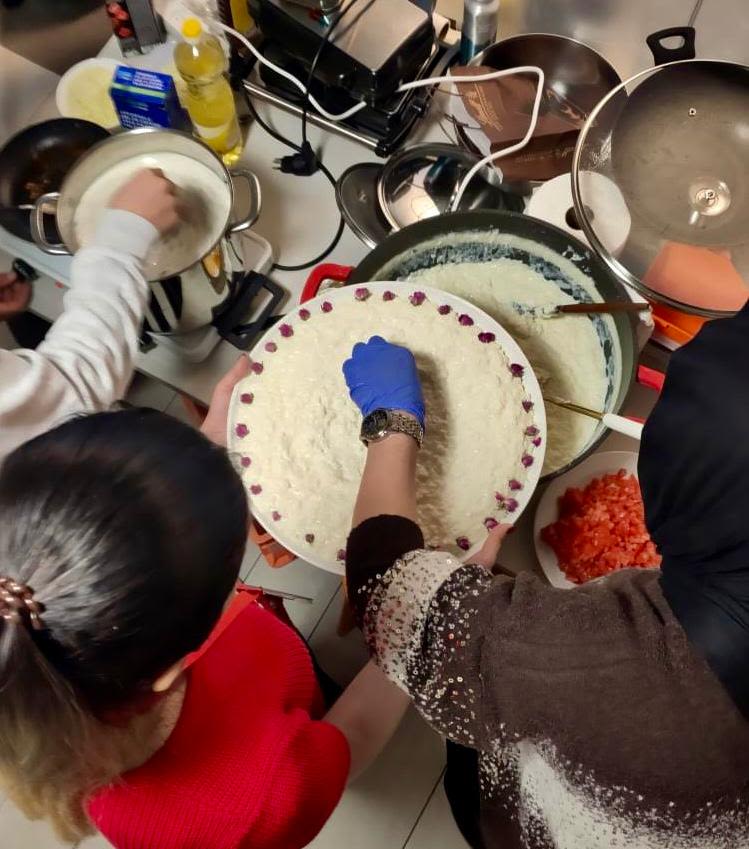
Preparing and sharing food is also a key ingredient in the recipe that makes the centre feel welcoming, friendly and secure — a place people feel they can express their feelings and be themselves.
Preparing and sharing food is also a key ingredient in the recipe that makes the centre feel welcoming, friendly and secure — a place people feel they can express their feelings and be themselves.
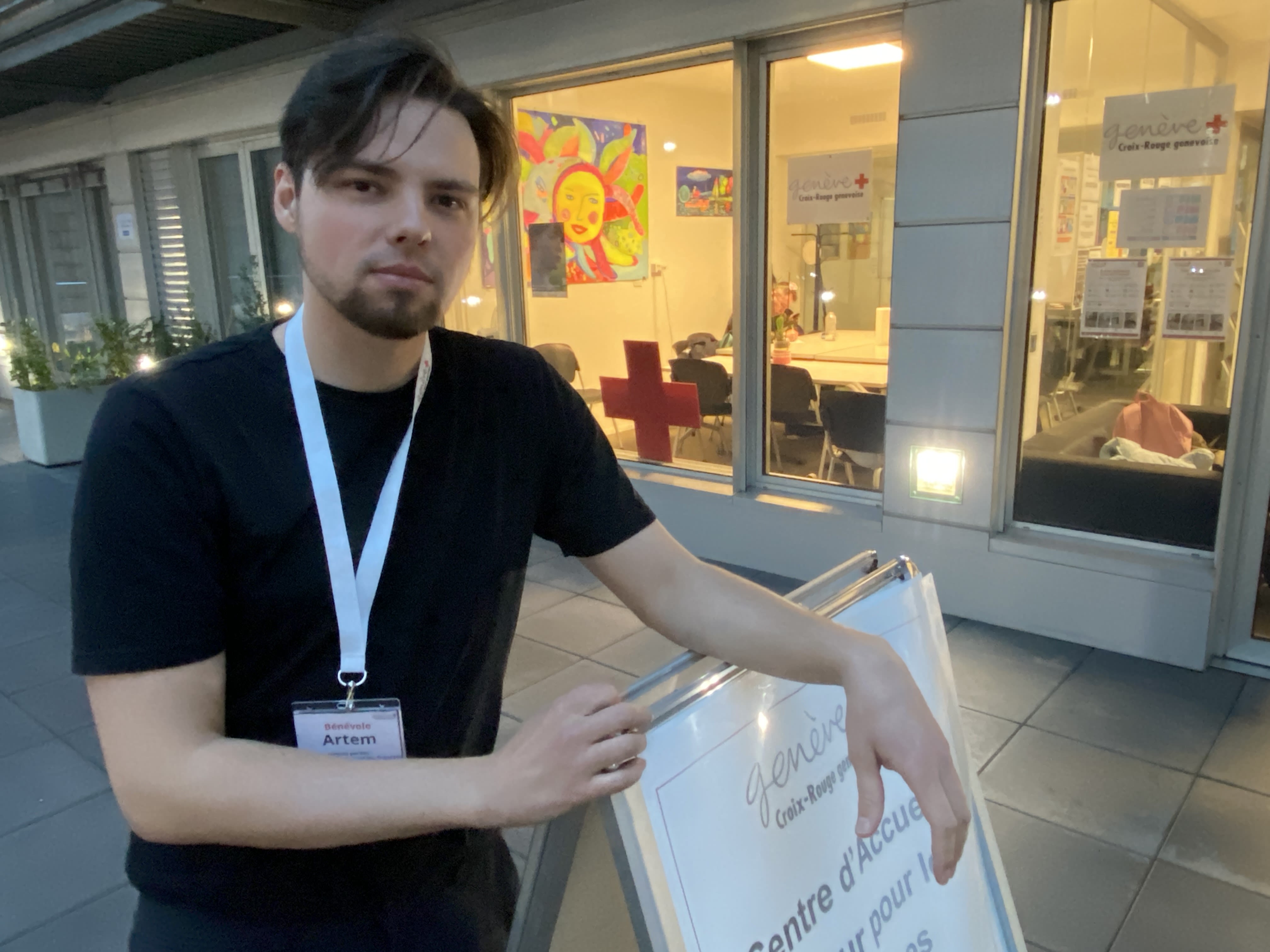
'I can relate,' says Artem Kotenko, speaking about the challenges that refugees face in a new country. Artem is one of many volunteers at the centre who is also a refugee.
'I can relate,' says Artem Kotenko, speaking about the challenges that refugees face in a new country. Artem is one of many volunteers at the centre who is also a refugee.
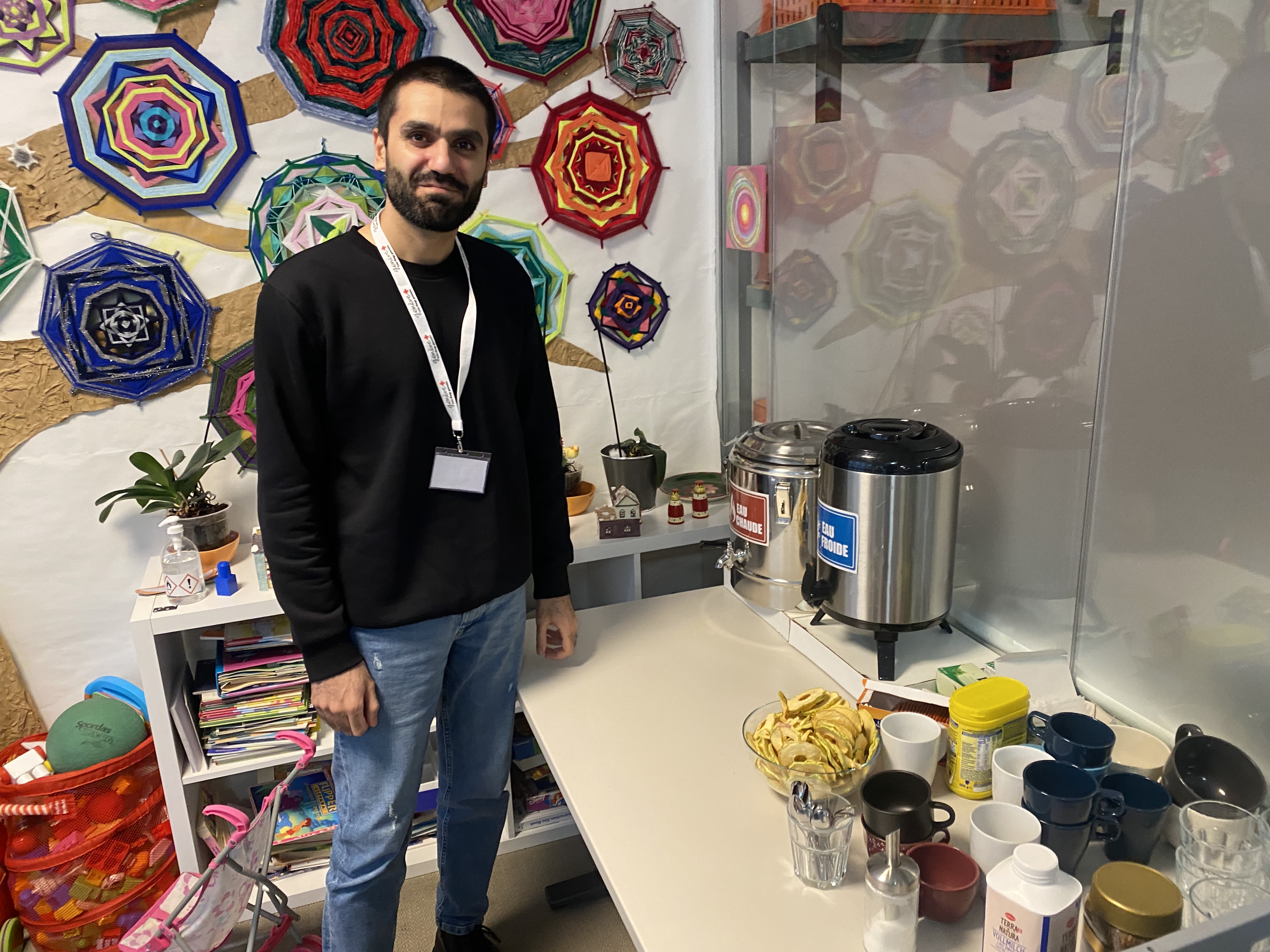
“Small actions can solve big problems,” says Ziad, a volunteer and refugee from Syria who volunteers several times a week, helping people fill out important forms, make calls, pay bills, apply for jobs and housing and many other tasks.
“Small actions can solve big problems,” says Ziad, a volunteer and refugee from Syria who volunteers several times a week, helping people fill out important forms, make calls, pay bills, apply for jobs and housing and many other tasks.
 Built with Shorthand