
Eight actions taken by the Red Cross network in the Americas to protect women and girls affected by crises and disasters

When a hurricane, flood, fire or prolonged drought strikes, the images we usually see after the disaster are damaged houses, lost crops and blocked roads afterwards.
However, disasters also have invisible impacts. Crises tend to amplify existing inequalities. Among these are gender inequalities.
Women and girls often face a greater risk of violence, heavier care responsibilities, obstacles to accessing healthcare, and additional challenges in rebuilding their livelihoods.
This is not because they are inherently more vulnerable, but because inequality restricts their access to resources, information and decision-making power.
Understanding these dynamics is key to improving responses. That is why the International Federation of Red Cross and Red Crescent Societies (IFRC) promotes an approach that prioritises protection, gender, and inclusion, ensuring that humanitarian aid reaches everyone safely, with dignity, and equitably.
In the Red Cross and Red Crescent humanitarian operations around the world, this approach translates into concrete actions to address inequalities.
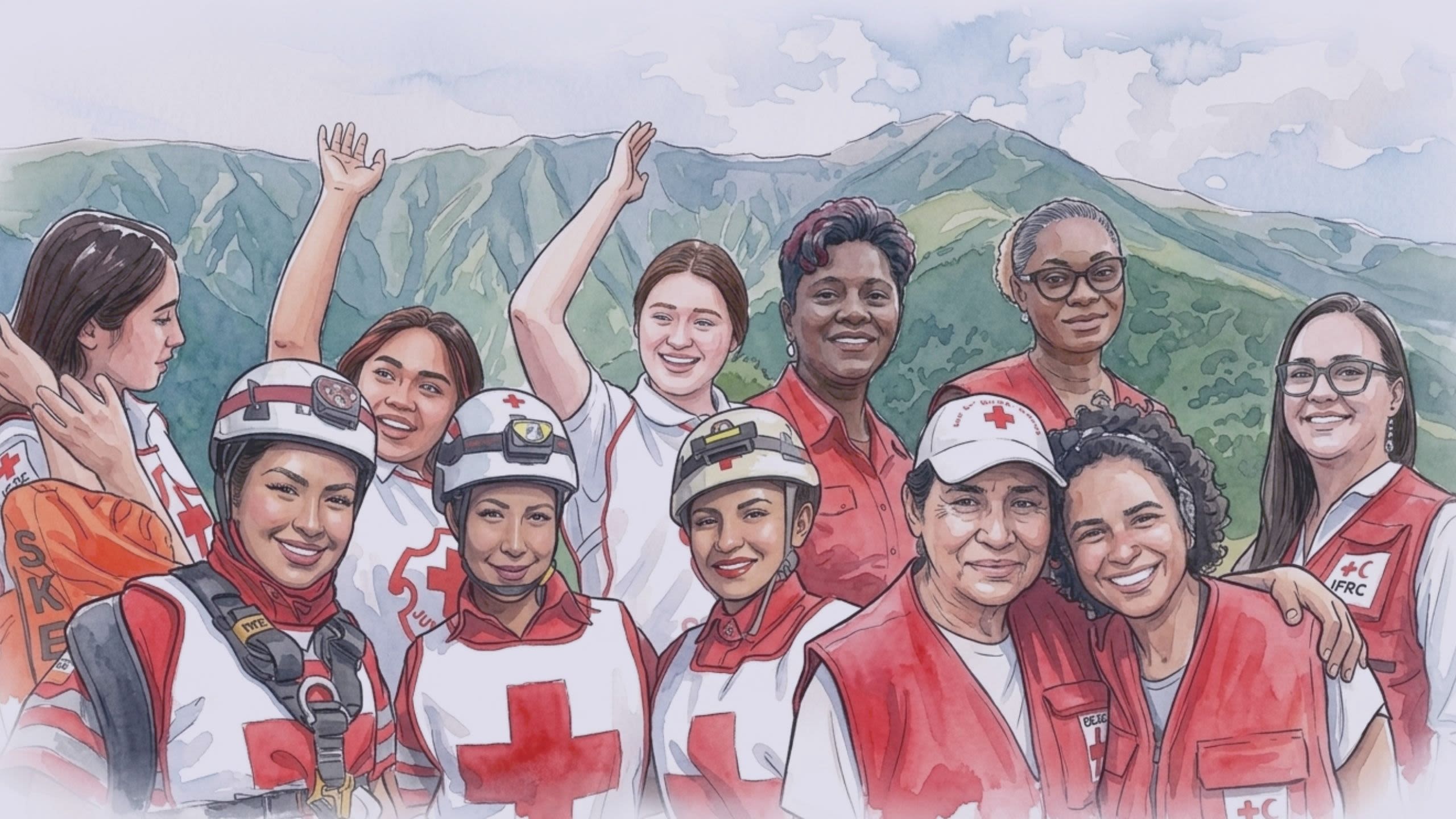
On International Women's Day, we present eight actions of the Red Cross network in the Americas to ensure that disaster responses recognise the risks and needs of women, girls, and adolescents.
1. Protection: safety is a humanitarian priority
When an emergency strikes, the loss of housing, the closure of schools and health centres, displacement, and the breakdown of community networks can increase the risk of violence, abuse, and exploitation, particularly for women and children.
In Haiti, for instance, the recruitment and use of children by armed groups surged by around 200% in 2025, accounting for 30–50% of their membership. This illustrates how instability and institutional collapse can heighten risks for children.
Faced with these challenges, National Red Cross societies are working to create safe environments and integrate protection into humanitarian responses.
This includes providing safe spaces for children, training volunteers to recognise protection risks and setting up referral systems for specialised services when cases of violence are identified.
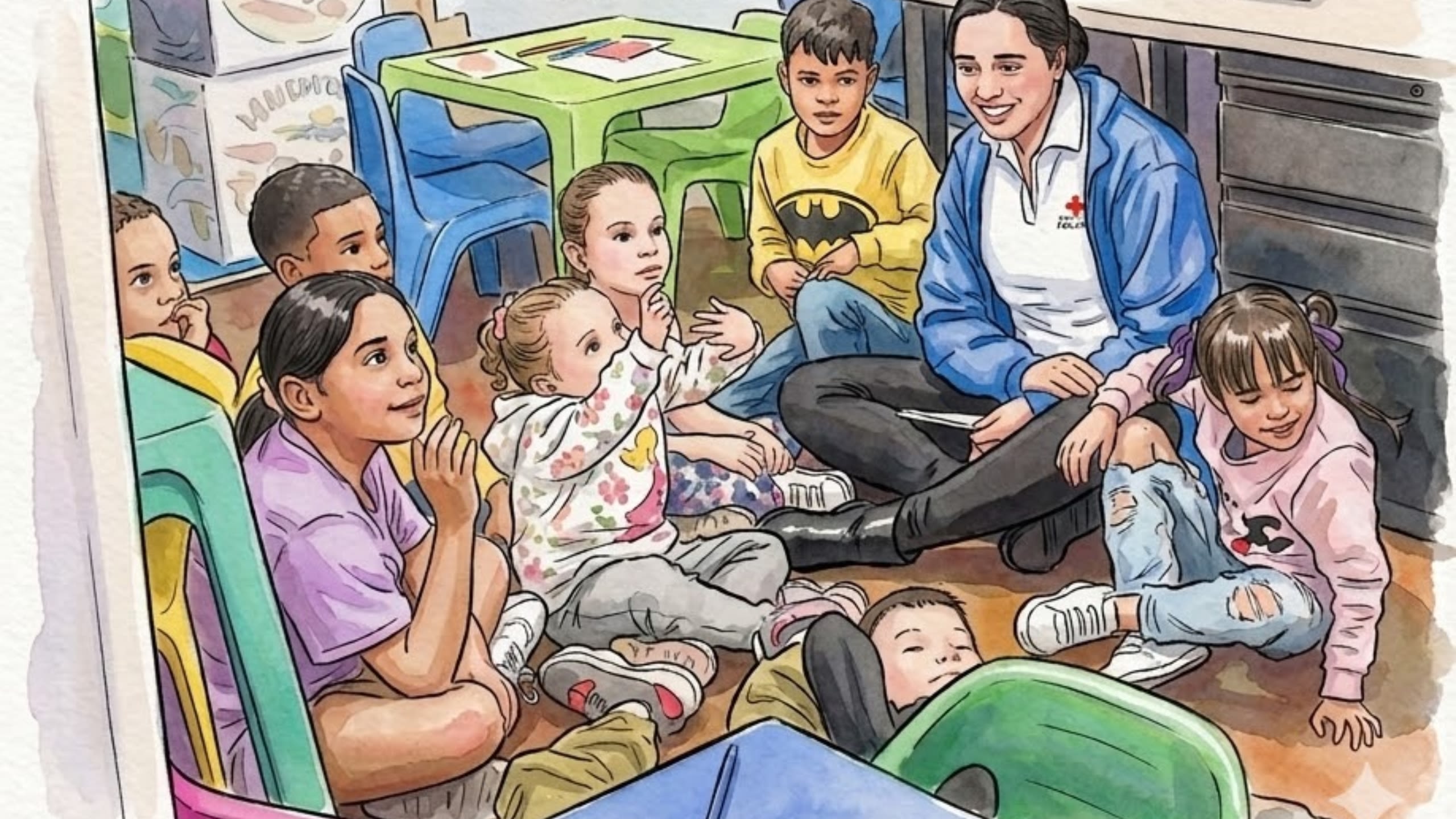
In Colombia, the Colombian Red Cross runs shelters in Cundinamarca and Bogotá where it provides specialised services for women and girls of all ages, including those displaced by violence.
"We have a safe space for children, where they feel free to have fun and play while their mothers and fathers attend training courses on employability as well as social and life skills workshops, so they can start over."

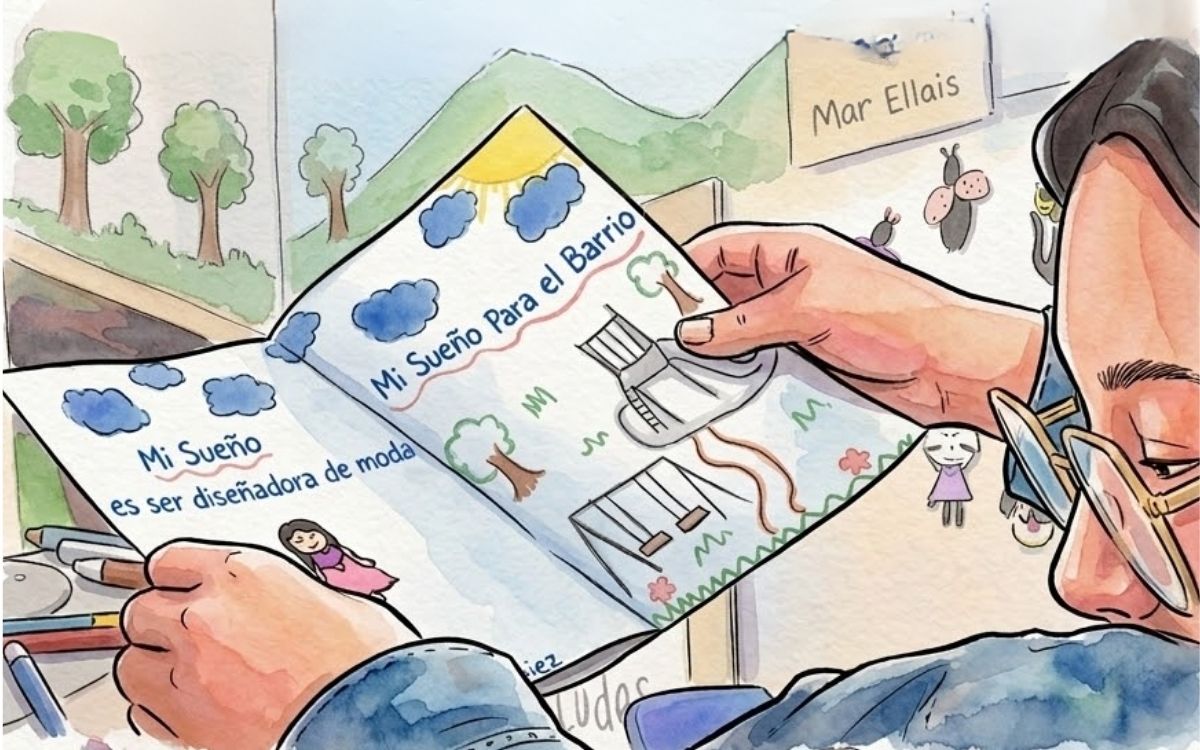
At the Colombia Red Cross’s Centre for Comprehensive Attention and Development, teams provide sexual and reproductive health services, nutritional assessments, access to medication, and the distribution of protection kits. They also support women in finding employment and continuing their education.
2. Equitable distribution of care tasks
After a disaster, access to water becomes more difficult, food becomes scarce and damaged homes need to be cleaned and rebuilt. In many contexts, these tasks primarily fall to women.
The amount of unpaid care work can triple after a disaster. In some flood-affected areas, for example, women spend much of their time cleaning homes and removing mud, which limits their participation in economic recovery activities.
Scarcity of basic resources also increases the time spent collecting water or fuel, exacerbating structural inequalities in the distribution of domestic work.
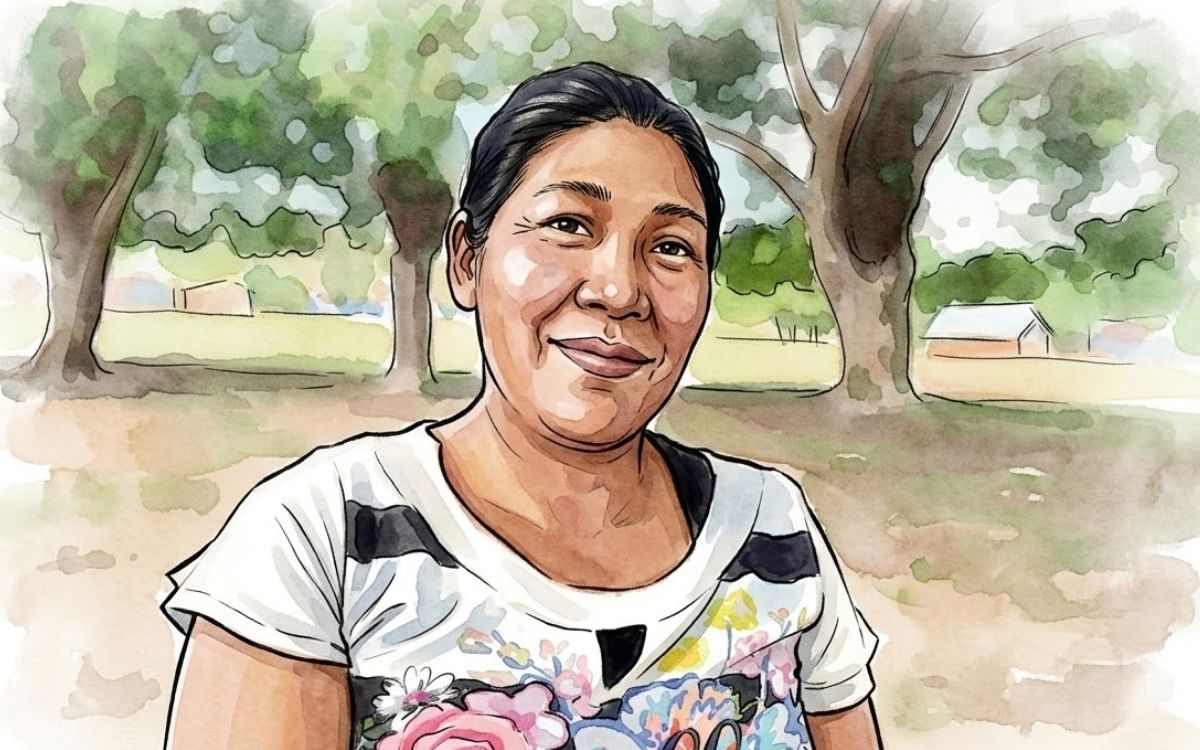
“In our community, we tackle fires by working together. While the men fight the fire, we women organize a communal pot with what we have—corn, plantains, cassava, rice—to feed the people and make the scarce food go further.”
Red Cross humanitarian operations aim to alleviate this burden by restoring essential services, such as access to clean water and sanitation, and by encouraging communities to share responsibilities more fairly.
3. Emotional well-being: healing is part of recovery
Mental health issues can double in the aftermath of a disaster, which can last for months or even years.
Following floods, women frequently experience significantly higher levels of stress due to increased domestic responsibilities.
In times of fear, confusion and loss, psychosocial support and mental healthcare are vital for recovery. This is why the IFRC incorporates mental health and psychosocial support programmes into its humanitarian responses.
After Hurricane Melissa struck in October 2025, the population of Cuba and Jamaica reported significant psychological repercussions.
These included high levels of stress and anxiety, persistent fear, sleep disorders, and grief over the loss of homes, livelihoods and loved ones.
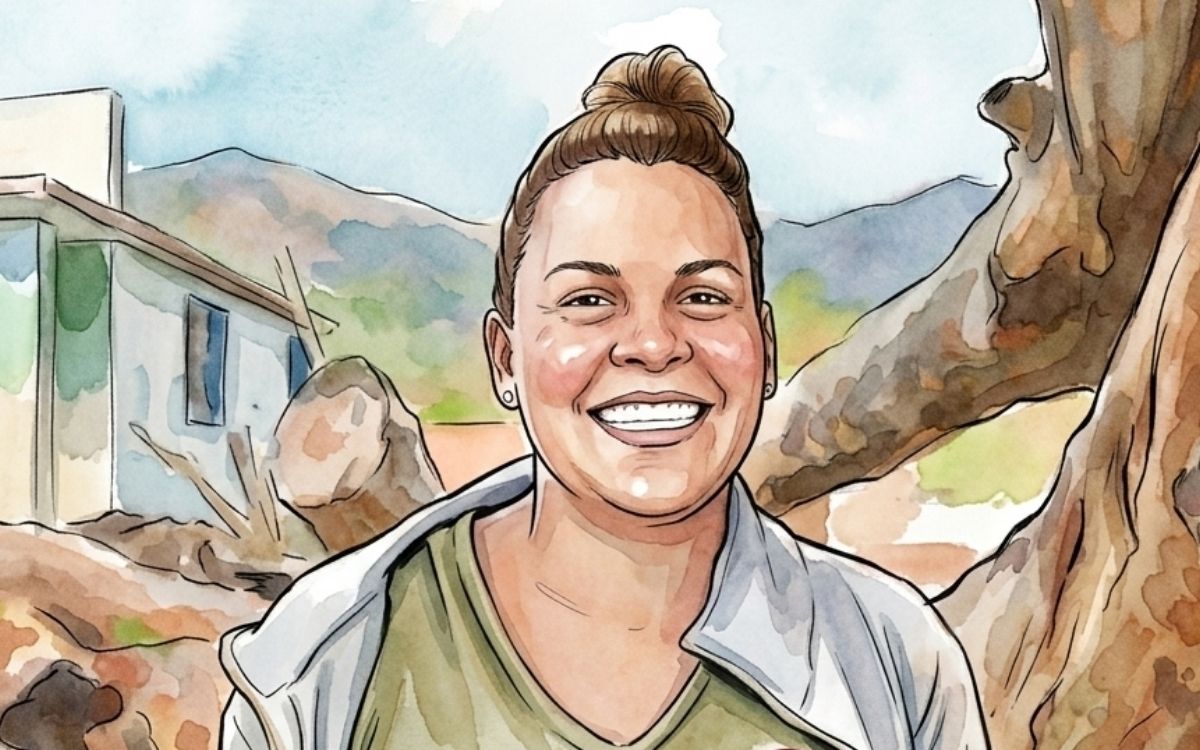
"When something so drastic happens, you think you'll never sleep again, that you'll never recover. But we are living proof that the techniques the Red Cross taught us really help. They taught us ways to breathe better, relieve stress, and sleep more peacefully. Even the children benefited, using drawings to express the sadness they felt over the aftermath of Melissa."
With the support of two IFRC emergency appeals, volunteers and specialists from the Cuban and Jamaican National Red Cross Societies have provided vital mental health and psychosocial support to adults and children affected by Hurricane Melissa.
Their actions include providing psychological first aid, running community support sessions and child-friendly activities, and referring individuals to specialised care when necessary.
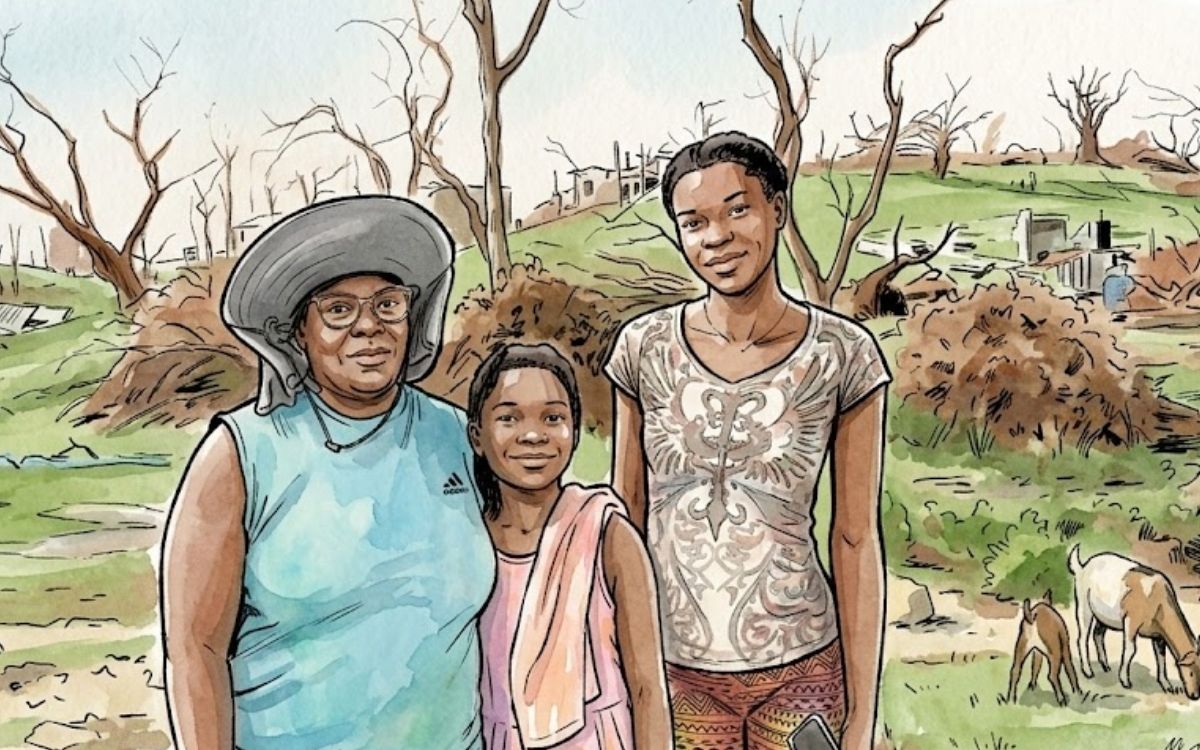
“I’ve been crying all day. Night and day, I can't eat. I’m just drinking water. Our clothes are all over the place. It's rough. I don't know if my blood pressure is high right now. My hands and feet are swollen at night. My feet are swollen and I’m in pain.”

4. Comprehensive health: an individualised response
In Latin America and the Caribbean, almost 40% of hospitals providing emergency sexual and reproductive health services are situated in areas at high risk of natural hazards, which endangers the continuity of care during events such as hurricanes or earthquakes.
When these services are affected, thousands of women may be left without access to essential care during pregnancy, childbirth or breastfeeding. Furthermore, a lack of safe drinking water and sanitation can lead to an increase in waterborne diseases, which particularly affects pregnant or breastfeeding women and their infants.
The Red Cross's humanitarian response includes strengthening health services, distributing hygiene and menstrual health items, and providing access to safe water and sanitation facilities.
For example, the Paraguayan Red Cross Reina Sofía Hospital was able to remodel its inpatient wards and purchase two new ultrasound machines for the diagnostic area in 2025 thanks to the IFRC Capacity Building Fund.
These improvements strengthen care for pregnant women, newborns and premature babies, reducing risks and ensuring safe, protective environments.
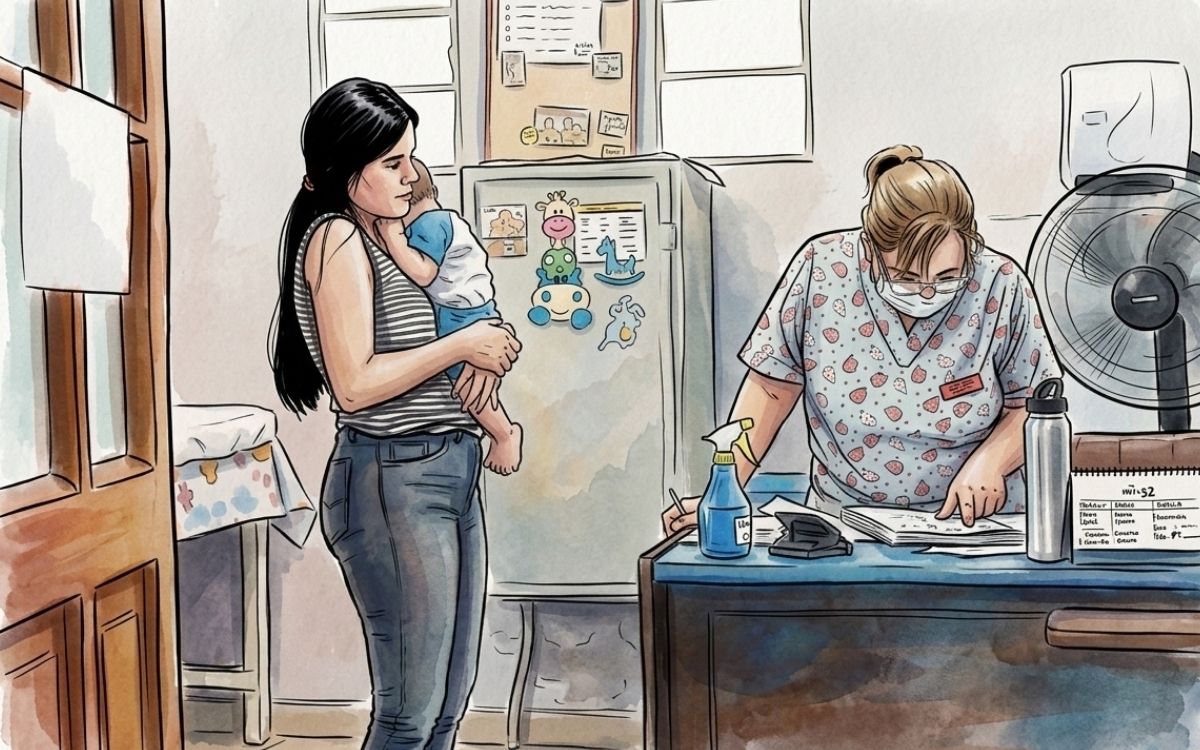
“For the Paraguayan Red Cross, we are proud to say that we are raising the standards of our hospital to provide ever-better care for mothers and their children.”
5. Restoring livelihoods to rebuild autonomy
When a fire destroys crops, businesses or jobs, the process of economic recovery can be lengthy. Women often face greater barriers to rebuilding their livelihoods due to unequal access to land, resources, financing and formal employment.
To support recovery, Red Cross humanitarian operations in the Americas often include cash transfer programmes, enabling women and their families to meet urgent needs and resume daily activities.
In early June 2024, the Belize Red Cross activated an emergency operation funded by the IFRC Disaster Response Emergency Fund (IFRC-DREF) in response to forest fires that burned thousands of hectares.
As part of this response, 204 farming families in San Pedro Columbia and other villages in Toledo were given vouchers to spend at two local agricultural supply stores.
Cirilia, leader of the fire brigade, is one of the farmers who used the vouchers to purchase agricultural supplies.
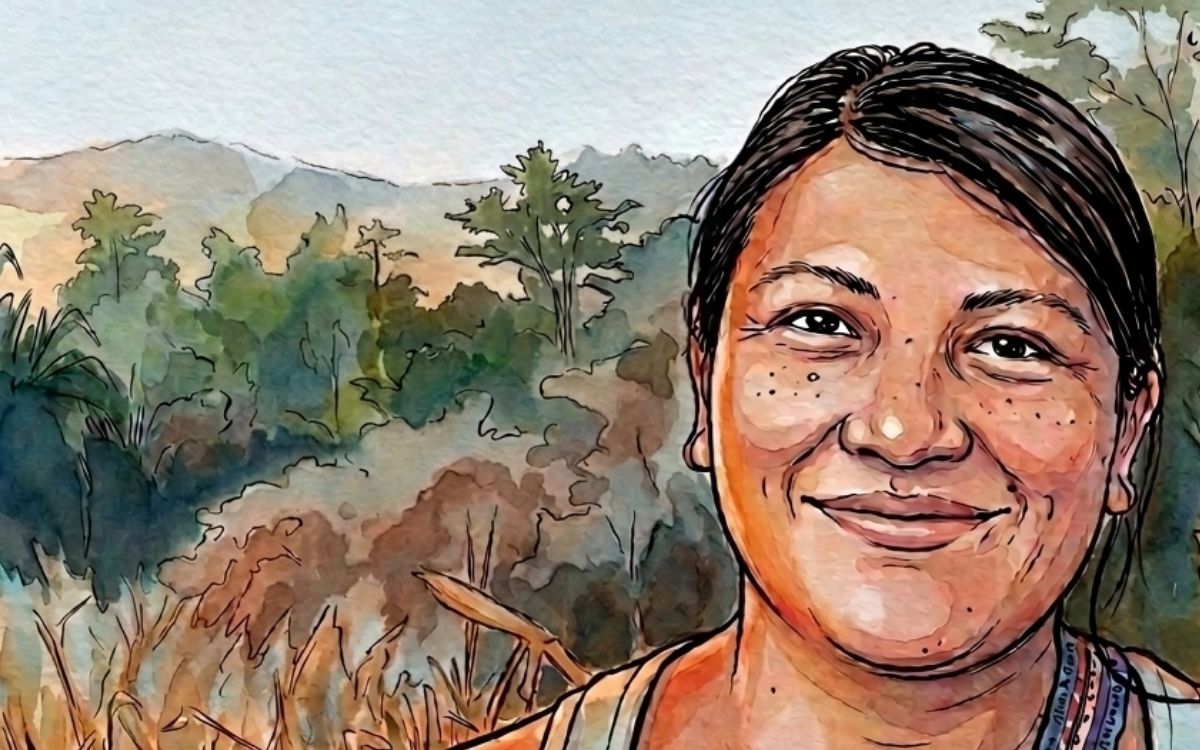
“I am determined to be proactive in protecting my farm and my family. I am going to buy seeds, especially vegetable seeds, because my children love gardening. I also plan to buy gardening tools and equipment to use on the farm.”
In Carriacou, Grenada, cash transfers helped Louise and many other families meet their priority needs after Hurricane Beryl hit in 2024.
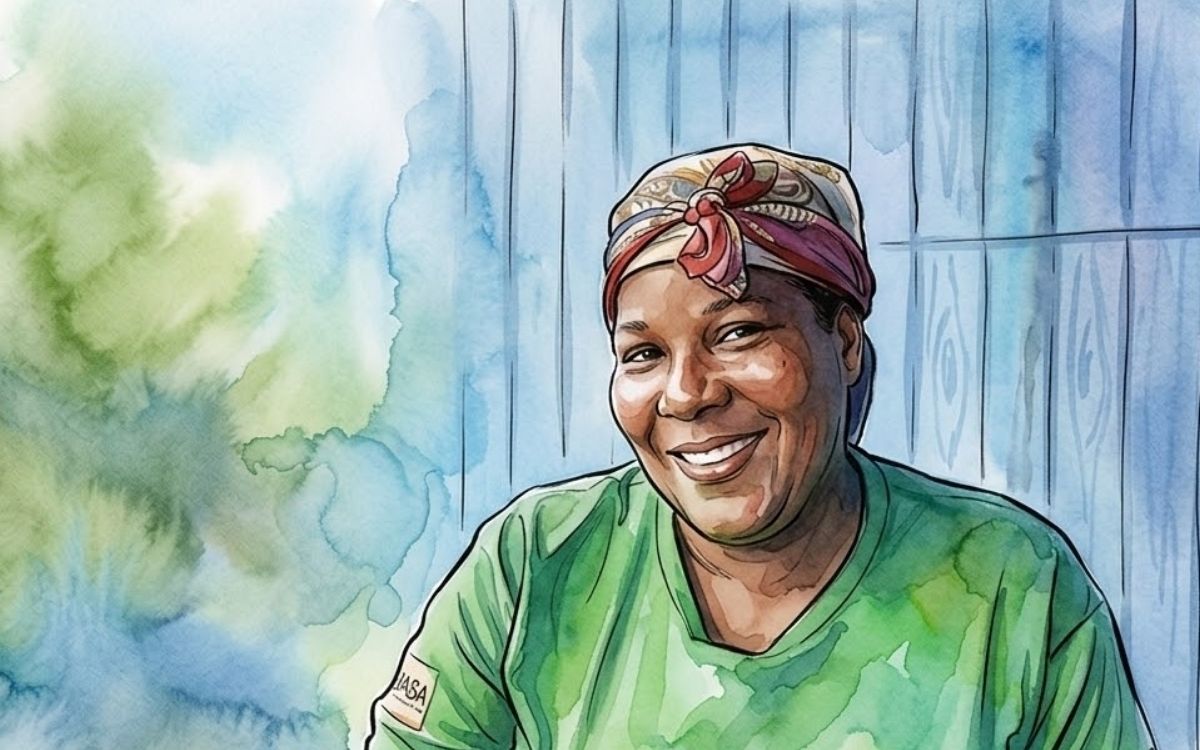
“One year after Beryl hit, we still need water, food, psychological counseling, a shelter. I am really thankful because thanks to Red Cross cash assistance I got water and my medication and food. So thank you, thank you, thank you, because after Beryl and up till now, some of us are still without jobs and when you have money, you have power, you feel independent”.
6. Information as aid: knowledge saves lives
When our main source of water becomes contaminated, access to information is as important as having a purification system.
Knowing where to find help and how to protect your health can mean the difference between safety and danger.
This is why the IFRC promotes an information-as-aid approach, ensuring communities receive clear, accessible and context-specific information to protect and empower them.
When women have access to reliable information, they can make safer decisions for themselves and their families.
Following the oil spill and floods in Ecuador in March 2025, for example, the Ecuadorian Red Cross included community education on safe water use and protection, as well as risk and disease prevention, in its response to address the uncertainty and many questions that arose.
The participation of local volunteers, who knew the area and its inhabitants well, was crucial in disseminating information. Central to the response were individuals such as Evelyn Angulo, a Red Cross volunteer from the Esmeraldas branch.
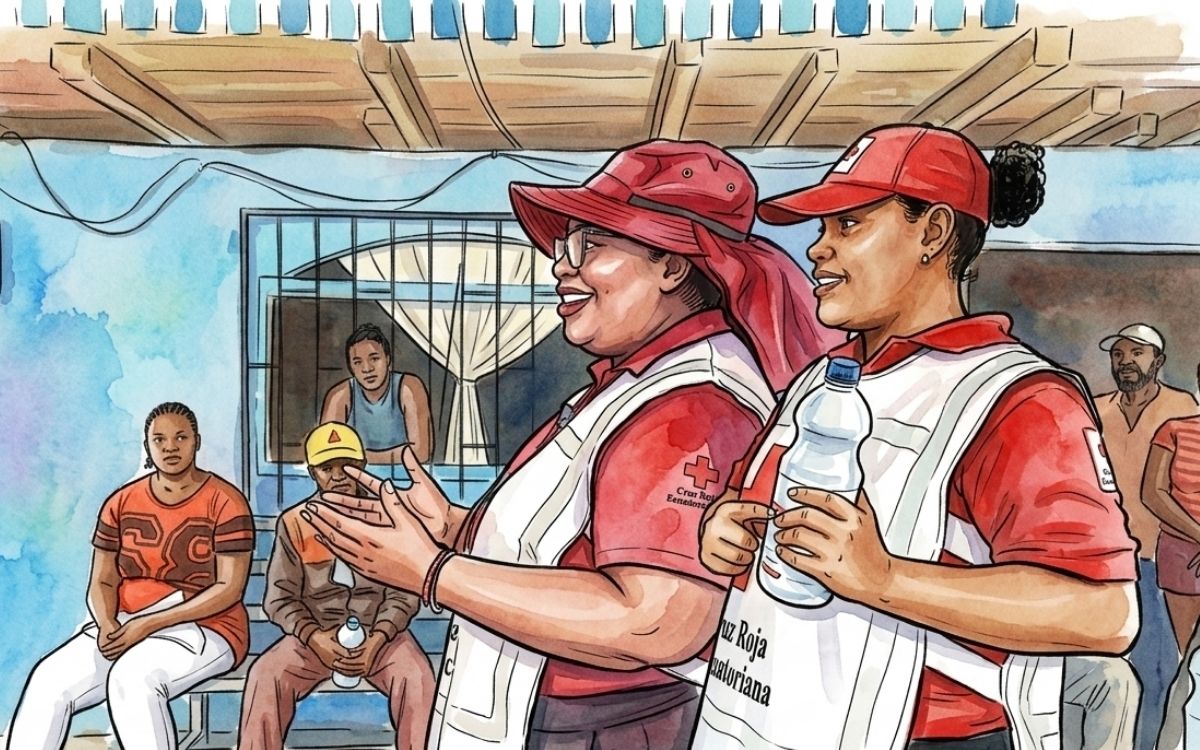
“Every time we bring water, we also bring a message. We teach people how to store it and how to avoid disease. There is a lot of fear because they don't know if the water is really clean. Our job is to build trust and provide support.”
Thanks to people like Evelyn, families such as Narcisa's received not only drinking water, but also knowledge.
"Before, we didn't know how to look after water properly or how to purify it. Now I know how to protect my family. This information was as important as the water itself. Otherwise, even with water, we could still get sick.”
7. Community engagement and recognition of local knowledge
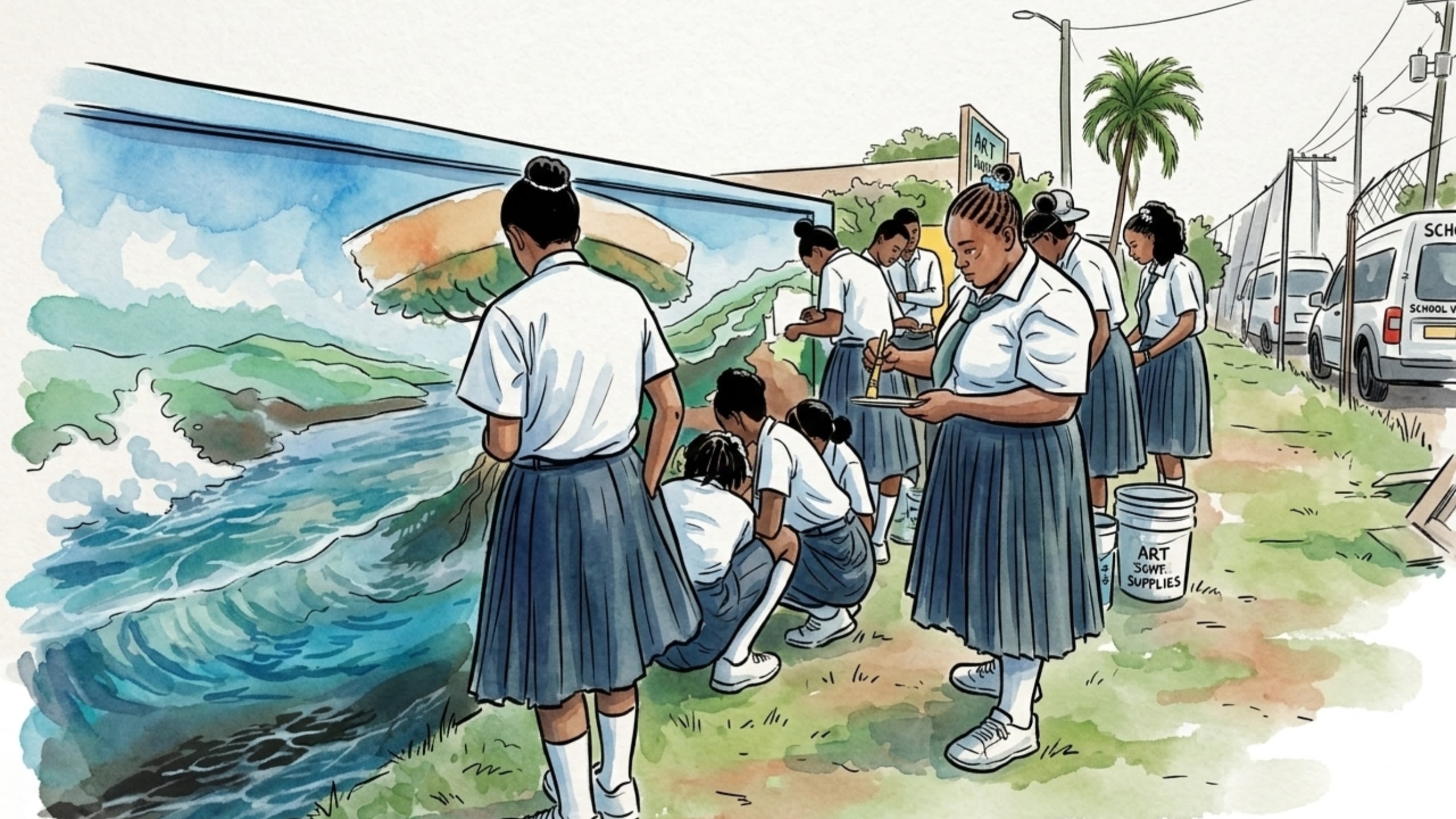
Despite facing barriers, women play a central role in building community resilience. In many rural and indigenous regions, for example, they are the guardians of knowledge relating to agriculture, biodiversity and the sustainable management of natural resources. However, this knowledge is often excluded from formal decision-making processes.
Humanitarian action aims to encourage the active involvement of women and local communities in planning and implementing responses.
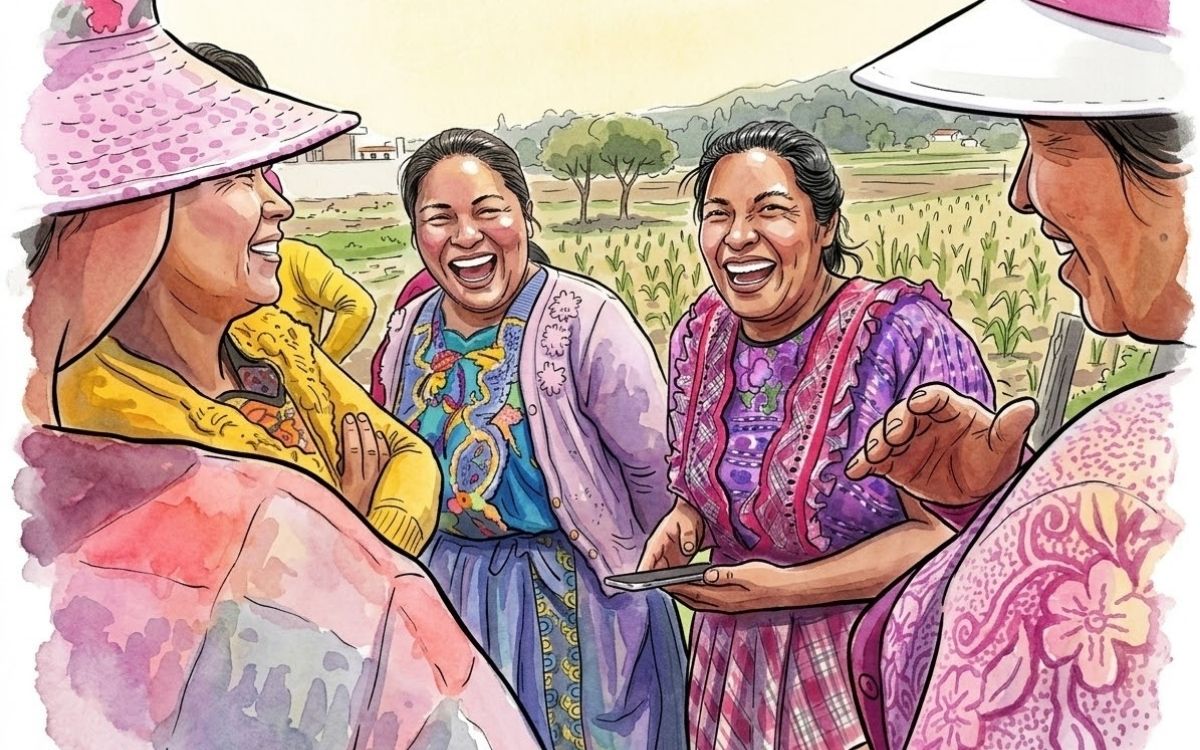
In Xecaracoj, a rural community in Quetzaltenango, Guatemala, indigenous women received training on key health issues and established a local health committee with the support of the Guatemalan Red Cross, to promote healthy practices within their community.
“We have spread the new knowledge that the Guatemalan Red Cross has given us to inform men, boys, and girls about things as simple as washing our hands, cleaning our homes and streets, and even the importance of breastfeeding and nutrition.”
8. Data for better action
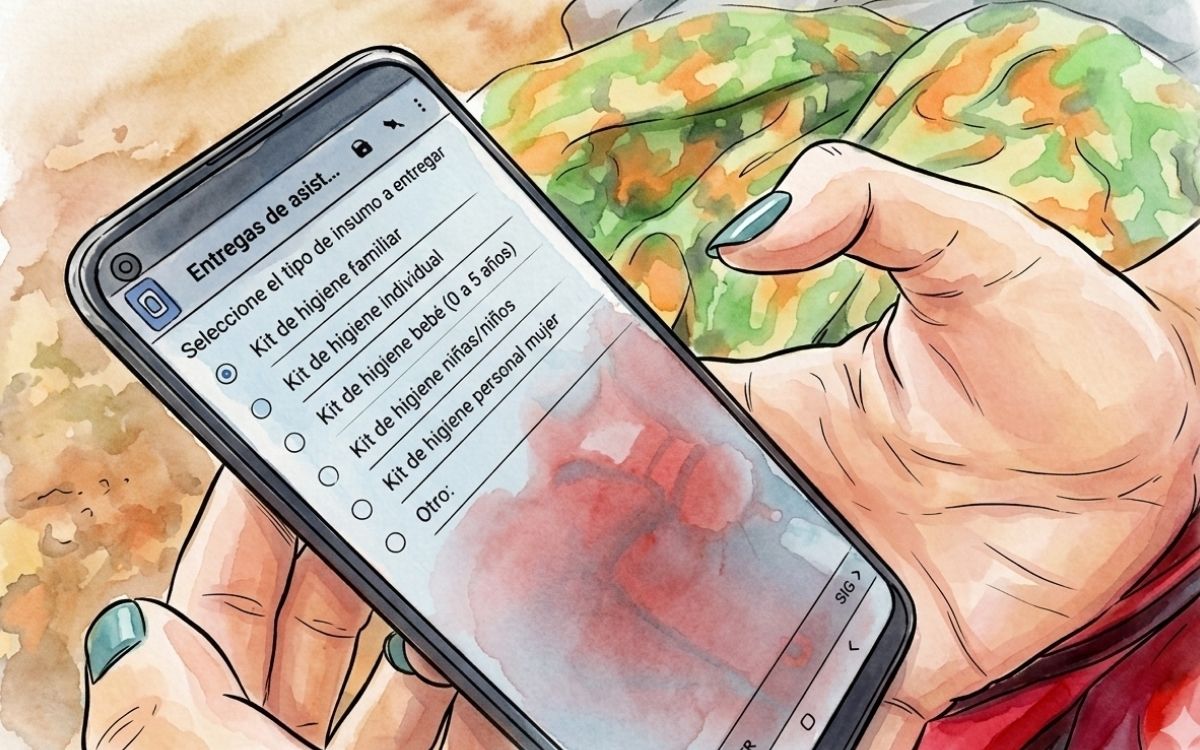
Collecting data disaggregated by factors such as gender and age provides a better understanding of who is affected and what their specific needs are.
Without this information, many gaps may remain invisible. The Red Cross's monitoring and evaluation tools enable the collection of differentiated data, helping to ensure that humanitarian aid reaches those who need it most and that responses can be adapted to diverse realities.
In Honduras, for example, the Red Cross identified gaps in health services for migrants in transit, setting up a new Humanitarian Service Point in Tegucigalpa to address these issues.
AI generated illustration created using a picture from the IFRC network.
AI generated illustration created using a picture from the IFRC network.
All illustrations in this article were generated by AI using IFRC network pictures.
 Built with Shorthand