
Voices that pave the way
Women's leadership in humanitarian action
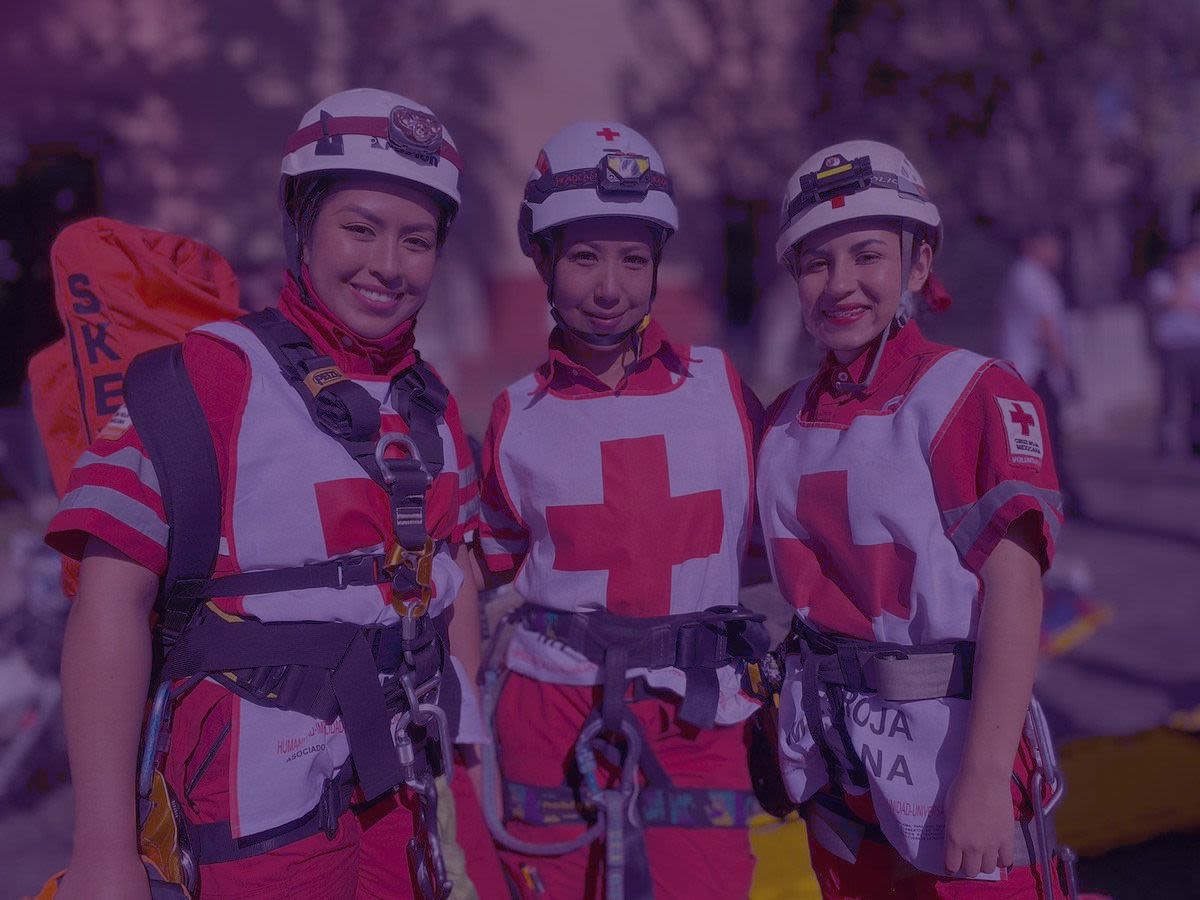


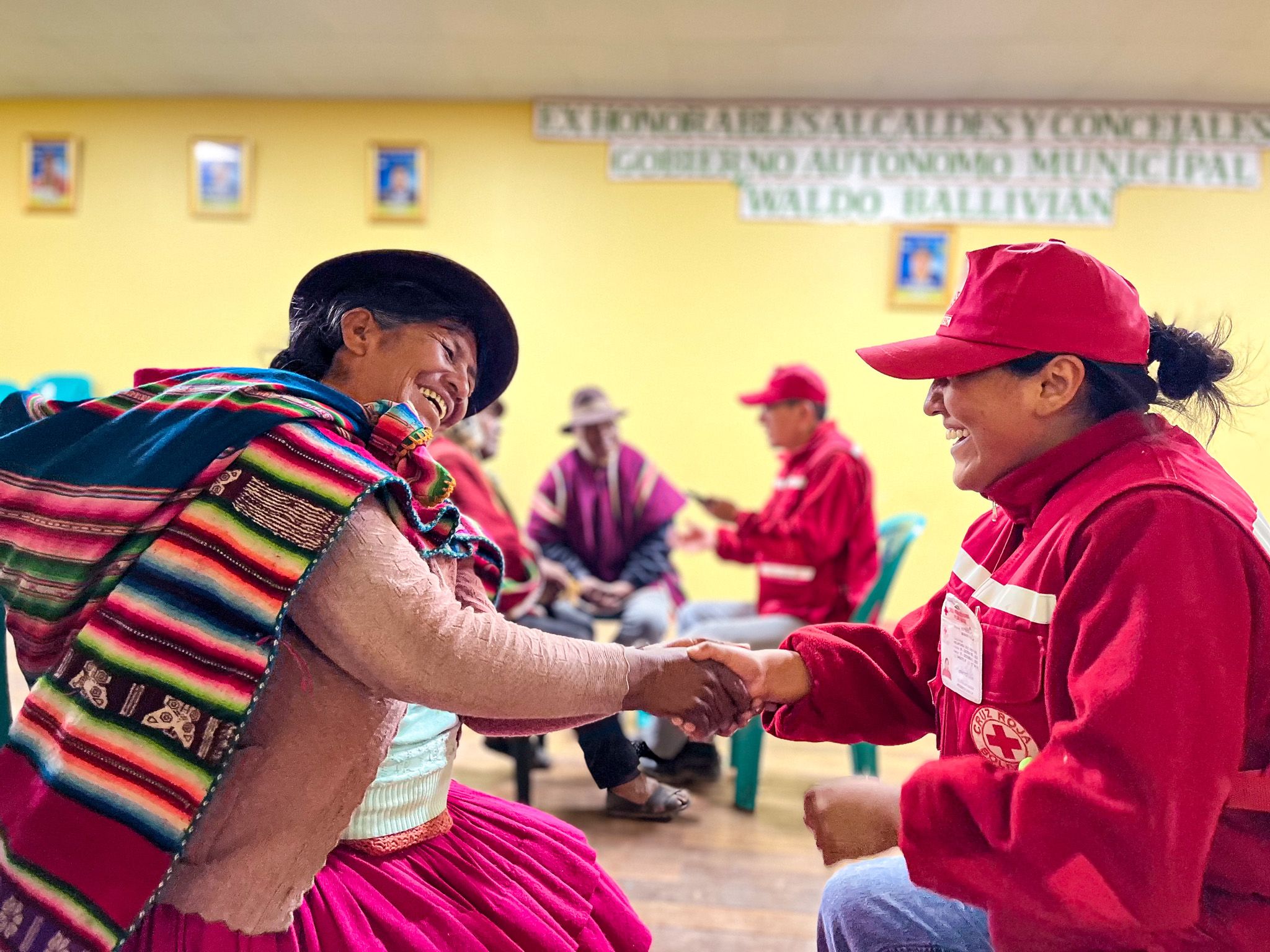
The loud roar of the plane landing in Maiquetía, Venezuela, the icy breeze of the Bolivian highlands, the sight of damp earth upon descending in Peru, and the warm smell of a lunch that for a moment tastes like home.
Each sensation marks the beginning of a story of change.
This is how Gloria Morón, Suany Soriano, Yanci López and Paula Taja experienced it.
For each of them, that first contact with an international emergency was also the starting point for a profound transformation.

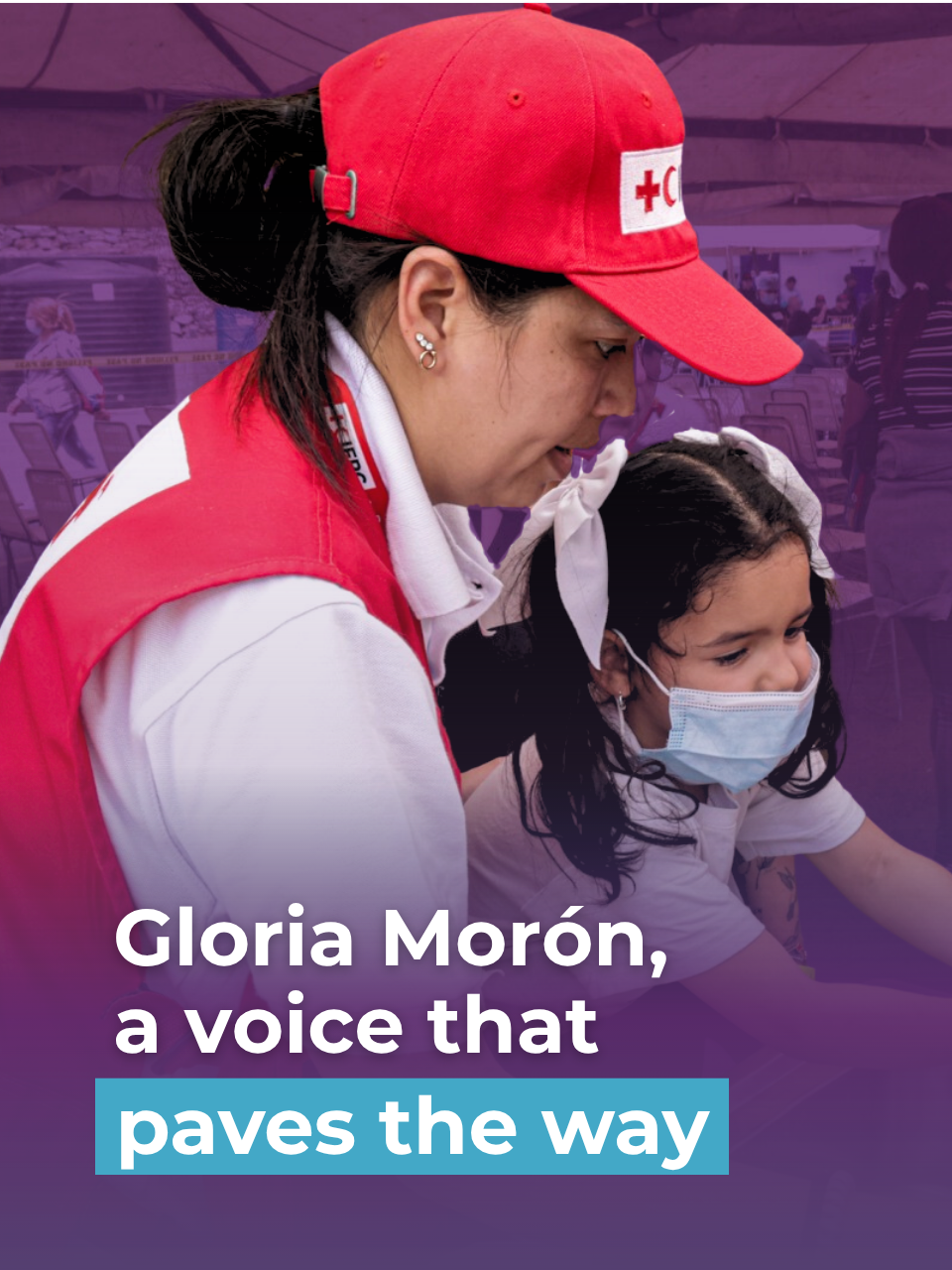
Gloria, Operations Manager in Venezuela, confesses that the sound of the airplane engine “is now a familiar sound”, a sign that her work is about to begin.
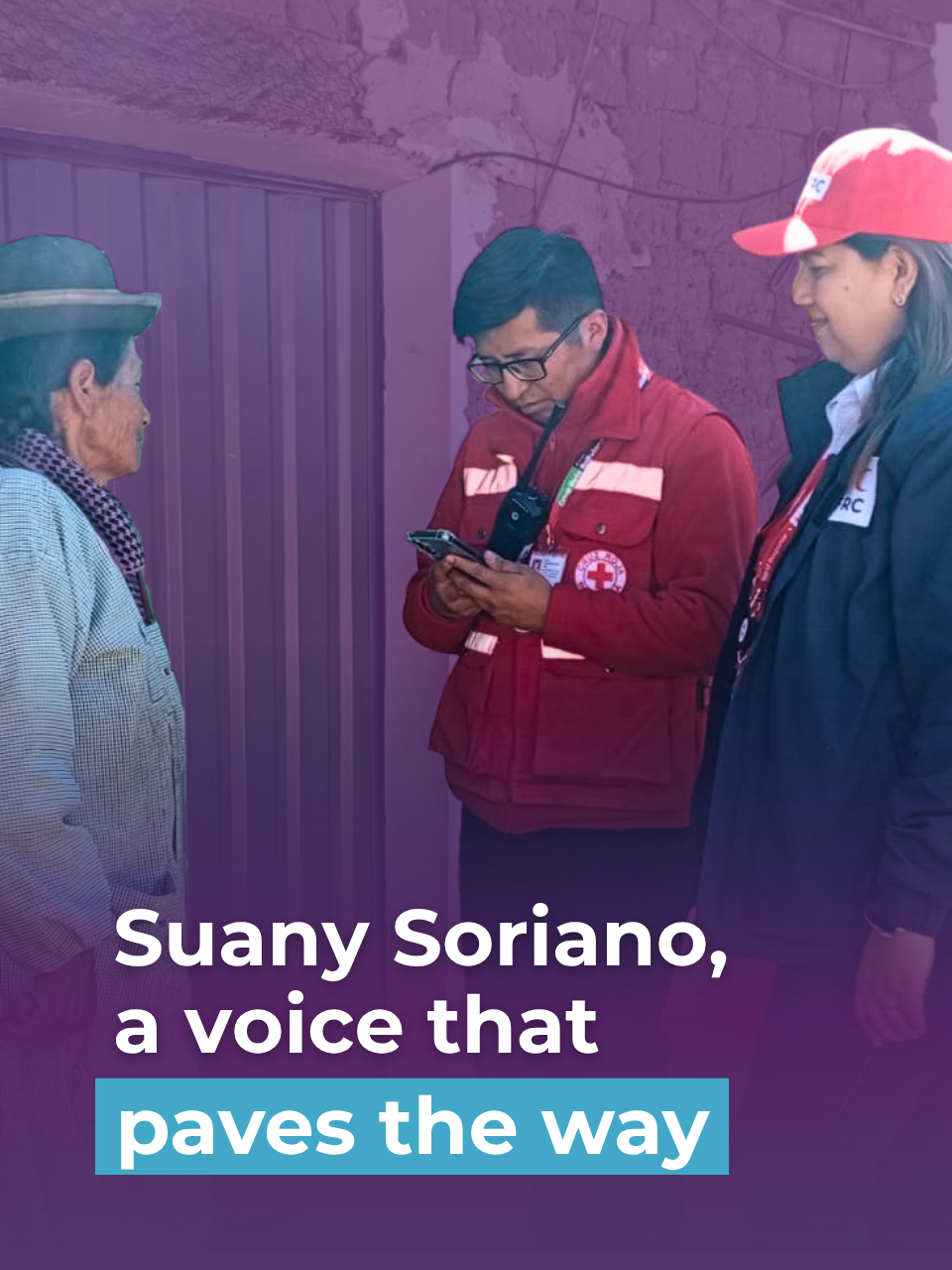
Suany, Cash and Voucher Assistance Coordinator in Bolivia, recalls “the cold” she felt when she arrived at her new destination after leaving her tropical country.
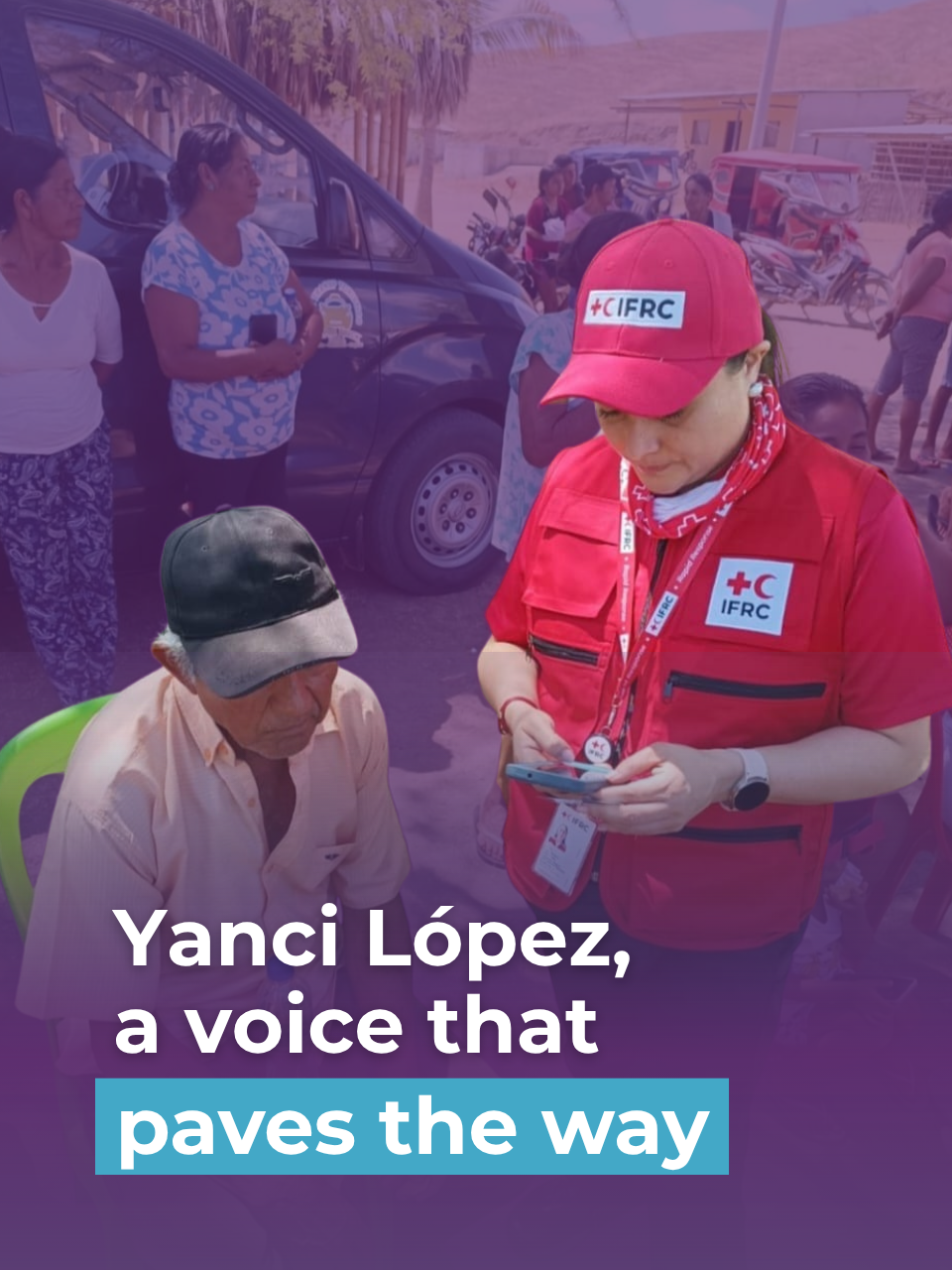
Yanci, Operations Manager in Peru, talks about the view from the plane and how her mind was already beginning to devise work strategies before landing.
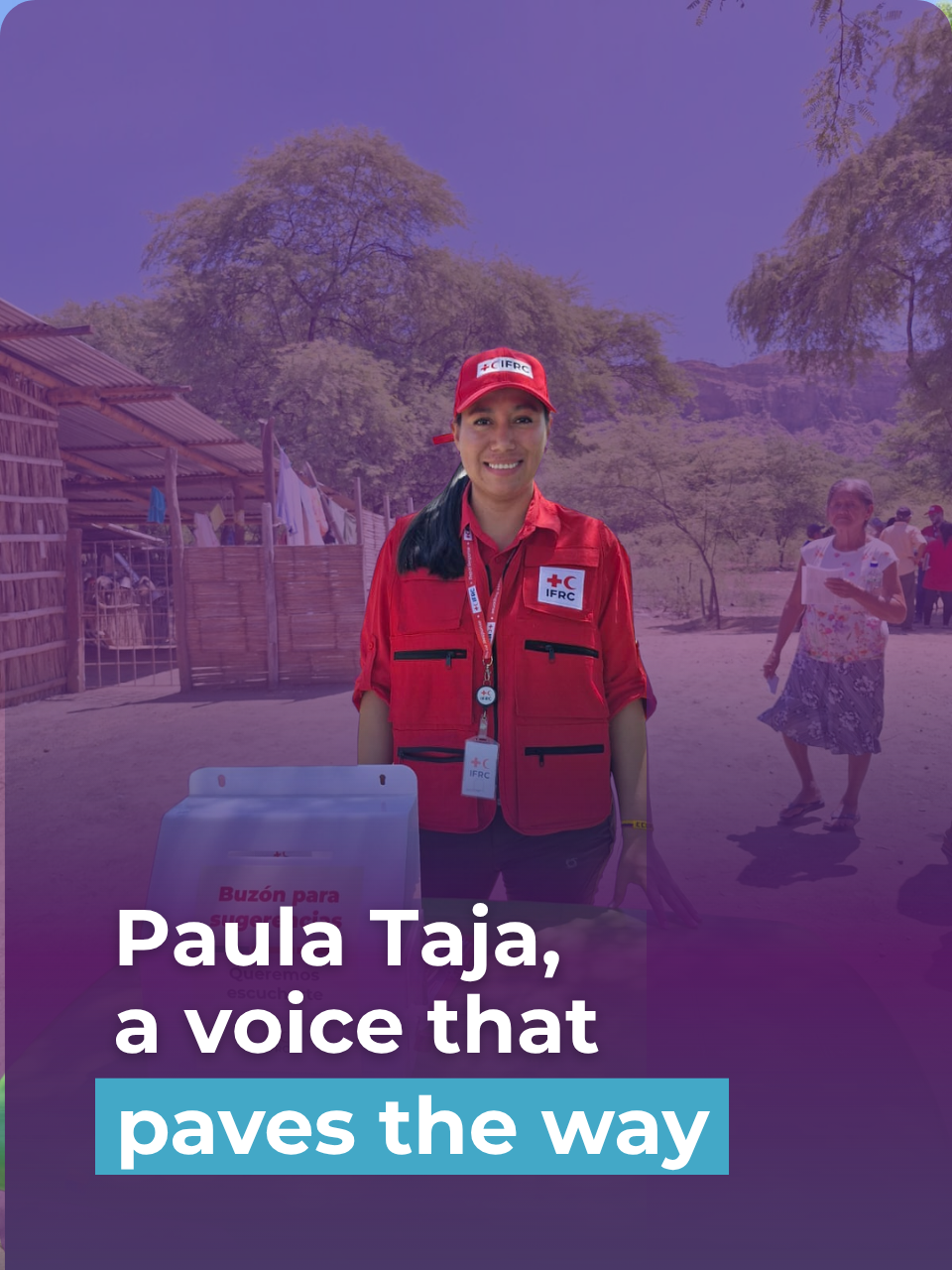
Paula, Deputy Operations Manager in Peru, remembers how one of her first team lunches, amid the chaos, tasted “like home.”
For all of them, fear and uncertainty mingled with excitement and the conviction that they were ready, even if they didn’t know it yet.
They are not just here for their vocation. This is also the result of a regional process that has paved the way for them.
Since 2019, the Regional Project on Gender Equality and Leadership in Emergency Operations in the Americas, promoted by the IFRC with technical and financial support from the Spanish Agency for International Development Cooperation (AECID) and the Canadian Red Cross, has trained and supported women to take on these roles, creating real, not symbolic, opportunities.
“Before, it was a challenge to apply for an international deployment; today we know that there are mentors, training, and processes that support us.”
Their participation is living proof of how capacities are strengthened when there is a system in place to support them.

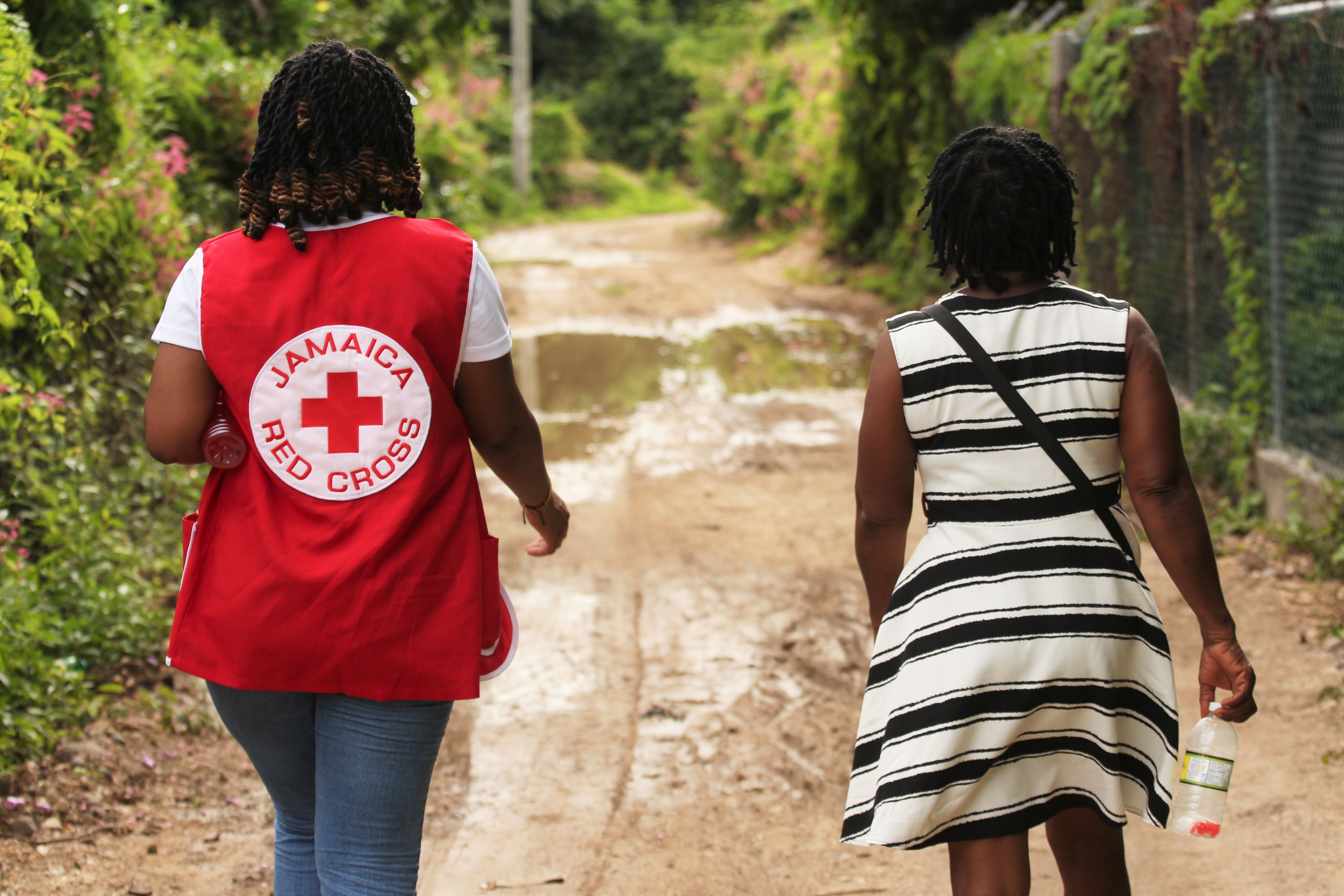
Taking on a leadership role in emergencies means making decisions that affect lives.
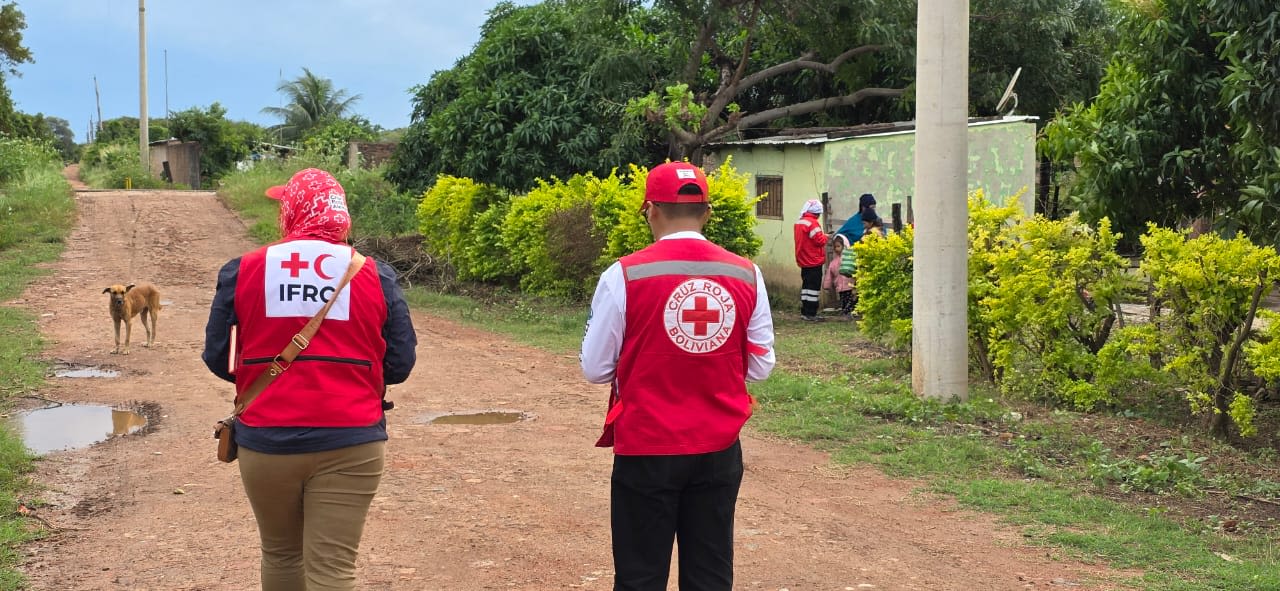
Suany recounts how she stopped a delivery when she detected problems in a community:
“I had to leave families without help at that moment, but I protected the team.”

Gloria sums it up this way:
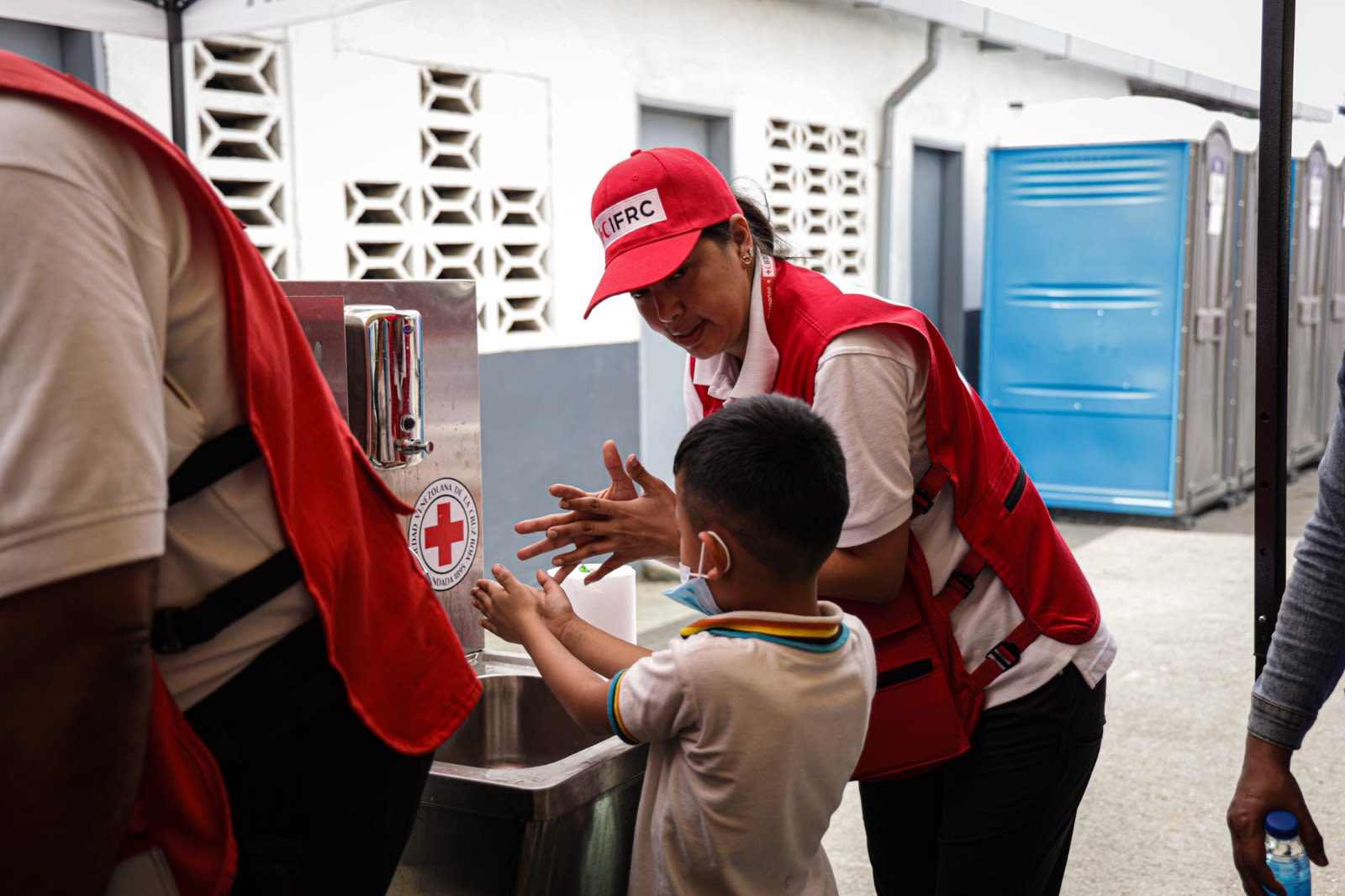
“Every family has a story, and choosing hurts.”

Yanci faces another kind of dilemma, one that goes beyond the operational:
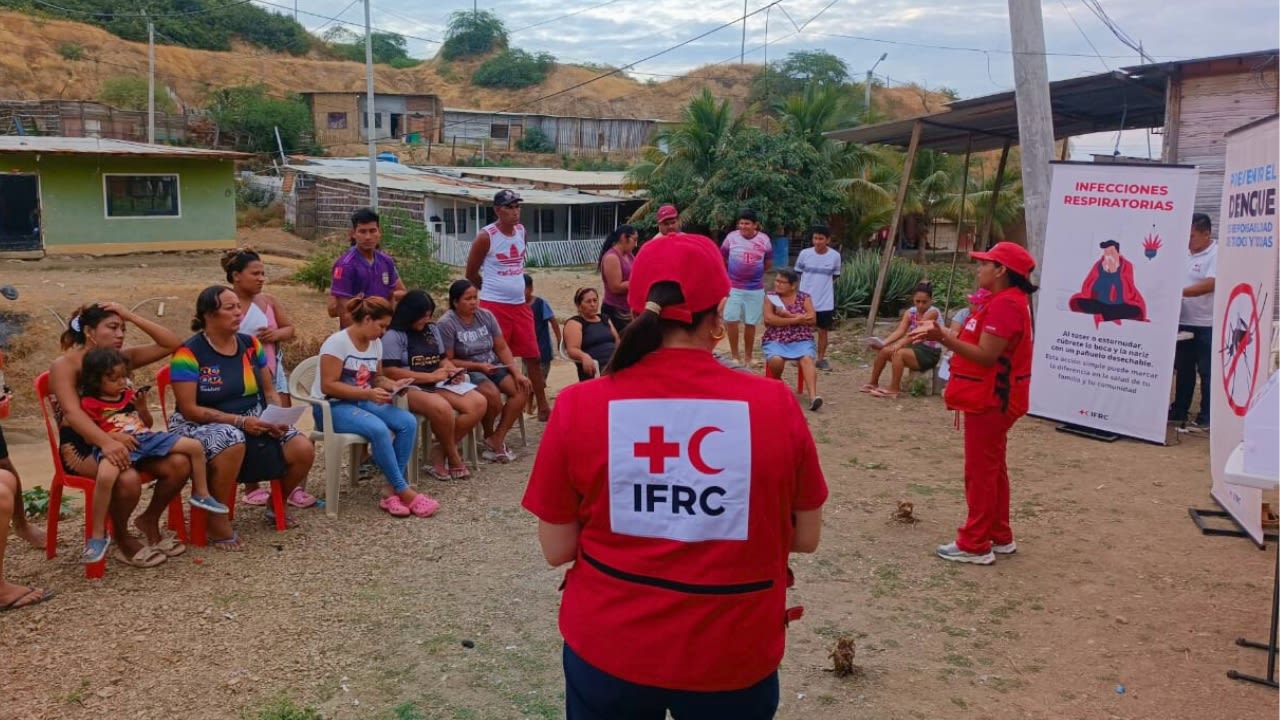
“I am the mother of a teenage daughter, when you are on an operation, you have to decide between being there for an important moment for her or saving lives. It’s a daily emotional and logistical balancing act”

When talking to her, Yanci says it with a force that transcends the field:
“Sometimes, as the saying goes, I have to die so that I can give life and safeguard the lives of people who need it”.
She describes her life as multifaceted: strategist, caregiver, manager, and emotional support all at the same time.
In this context, the Caregiver Support Fund, an essential part of the program, becomes a transformative tool. It allows women like Yanci to spread their wings knowing that their family responsibilities are covered.
It is not just about facilitating an operation, but about recognizing that women’s leadership needs real conditions to grow. When you support caregivers, you also support the humanitarian mission.
“That support is real. Availability is also a privilege. Having networks that make this possible should not be another barrier”
The investment is not only measured in operational results, but also in the possibility that every woman knows she is not alone when she says yes to an international Red Cross, Red Crescent mission.
The change is also cultural and personal. Gloria admits that in operational meetings where she was “the only woman and the youngest”, she had to repeat her ideas until she was heard.
“It’s hard to get them to see you as capable. But there comes a point when you stop asking for permission”.

Suany and Paula agree that the most difficult barrier to break down is often within oneself:
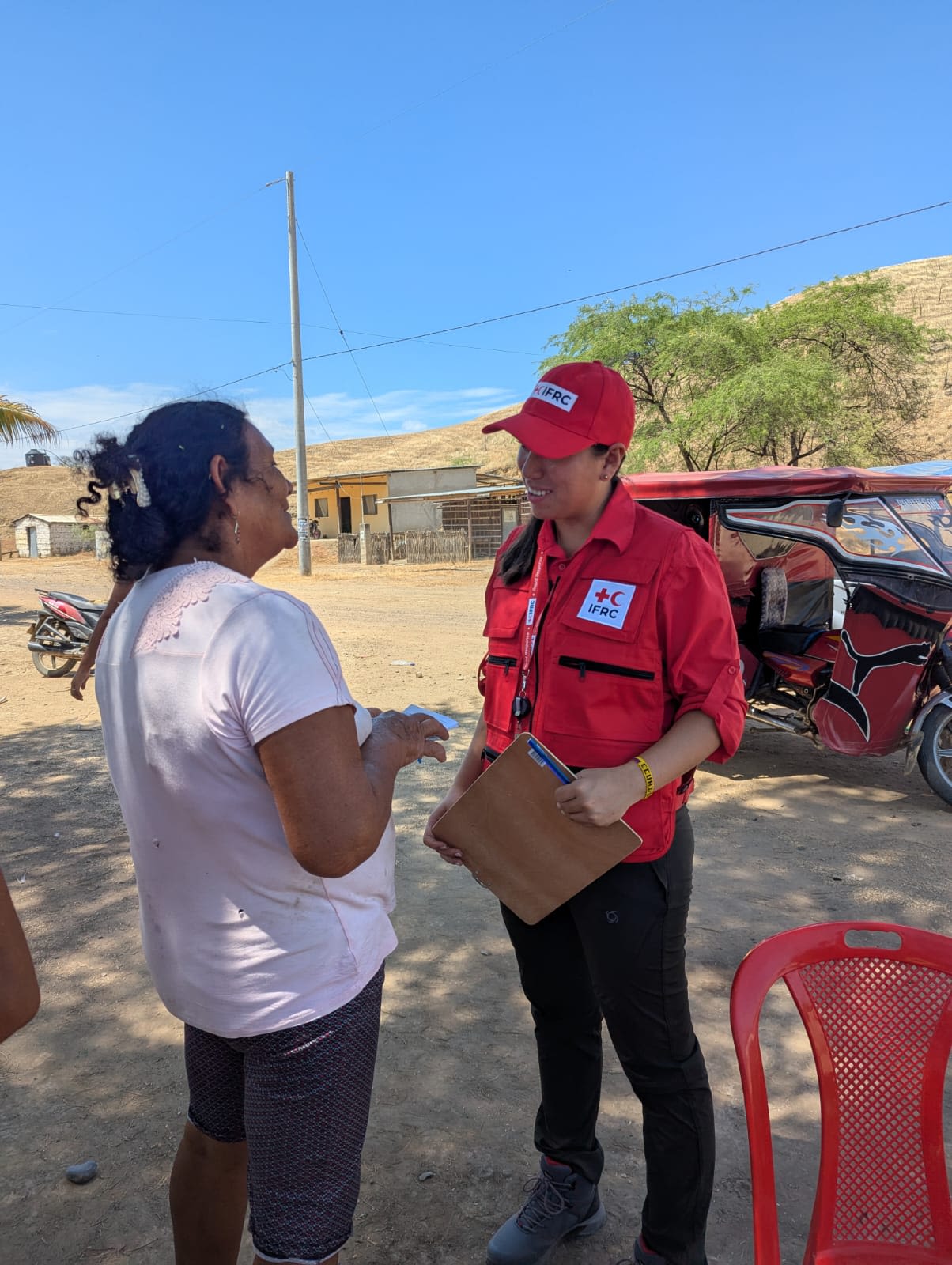
“We hesitate, we don’t apply, we don’t believe we are capable. But we are”.
Gloria adds with a smile:
“The heaviest burden is fear... but you have to try, even if you’re afraid”.
That is perhaps the most powerful message among them: believe in yourself. Paula sums it up tenderly:
“I doubted many times... but if I’m here, it’s for a reason. It’s time to keep going”.
Gloria acknowledges that it was her husband who first told her to trust herself:
“Sometimes others see in us what we are not yet able to see”.
And Suany highlights the value of learning from others:
“Putting on the glasses of those who have been there before helps us see further. This path is traveled together”

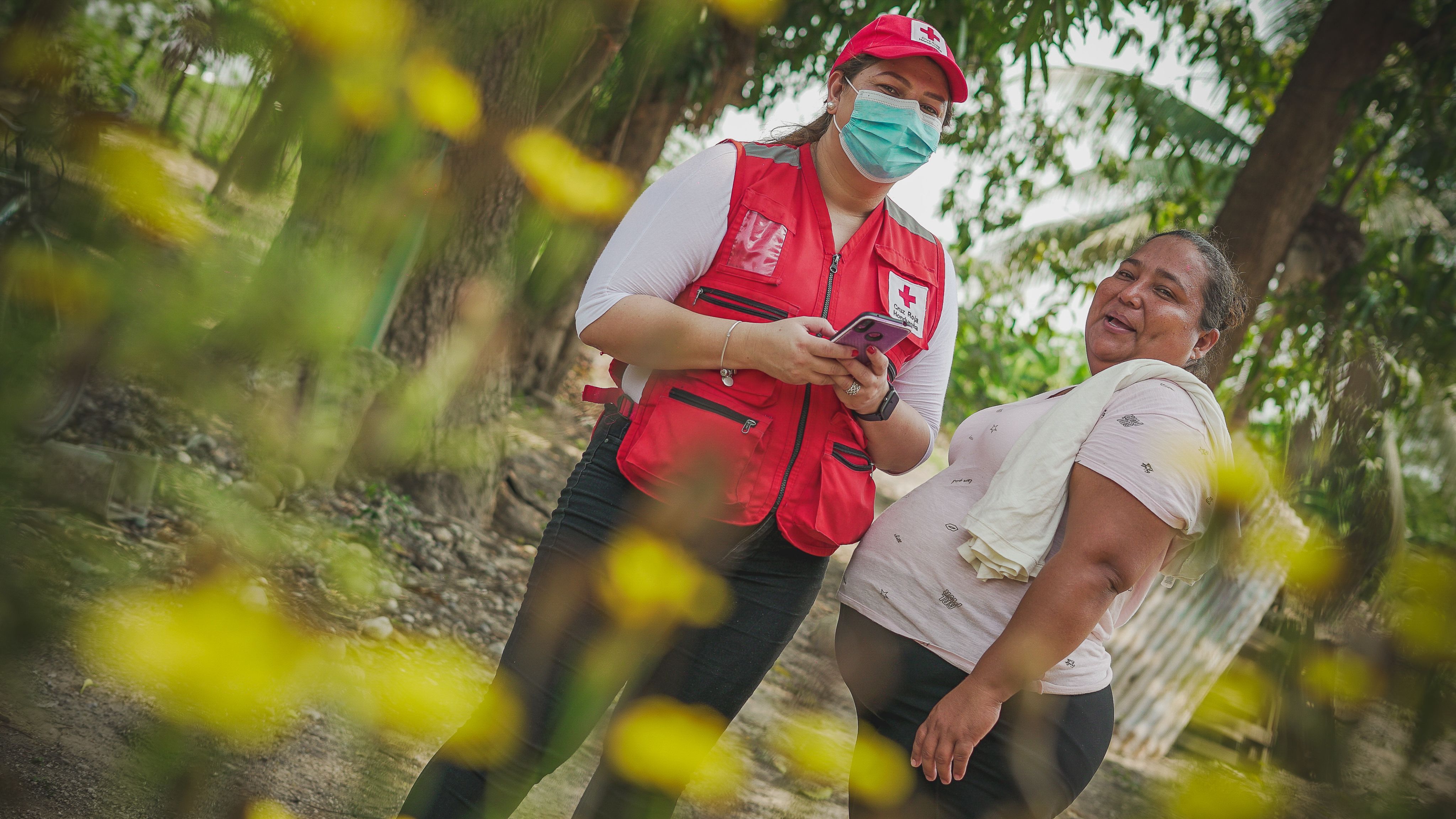

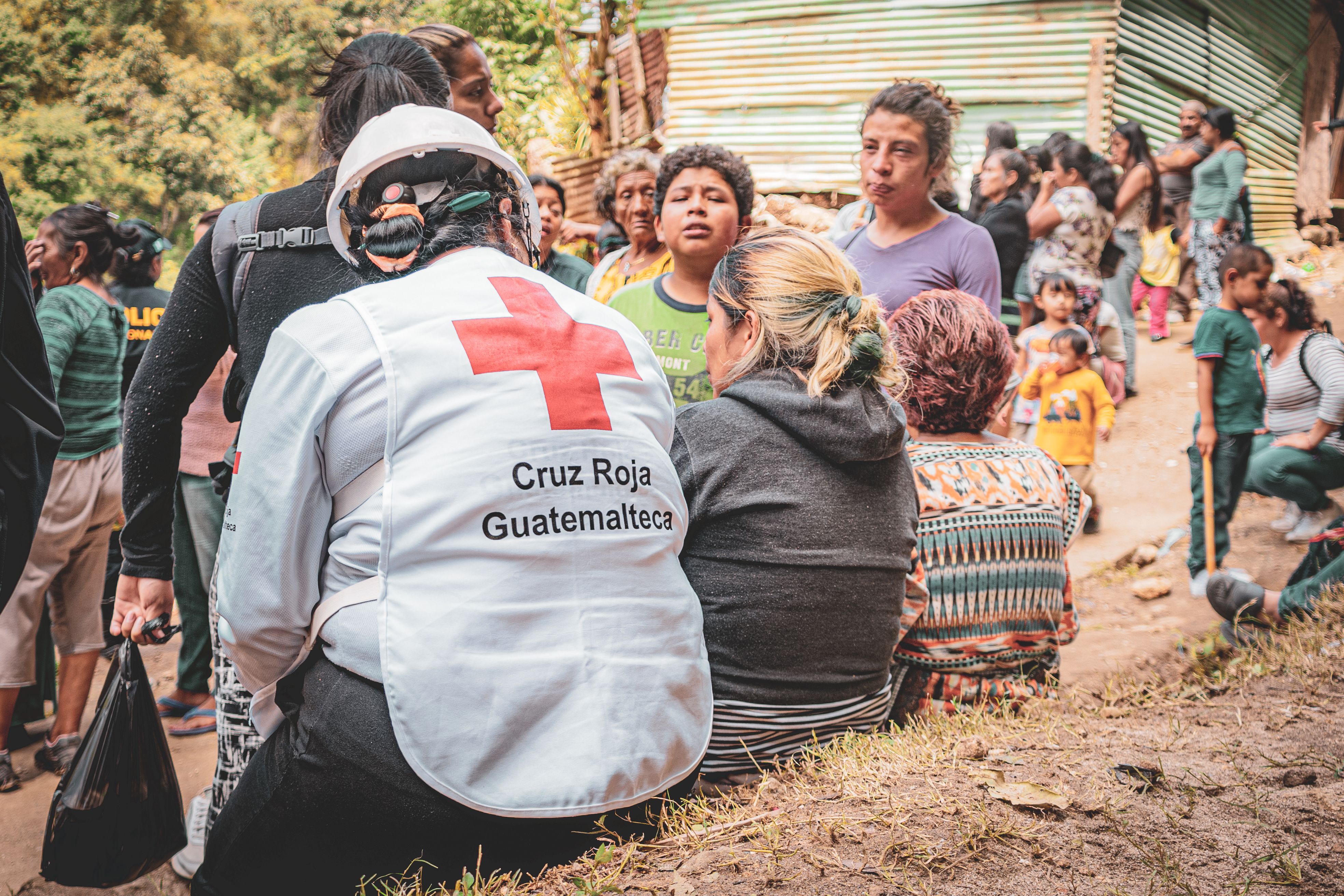

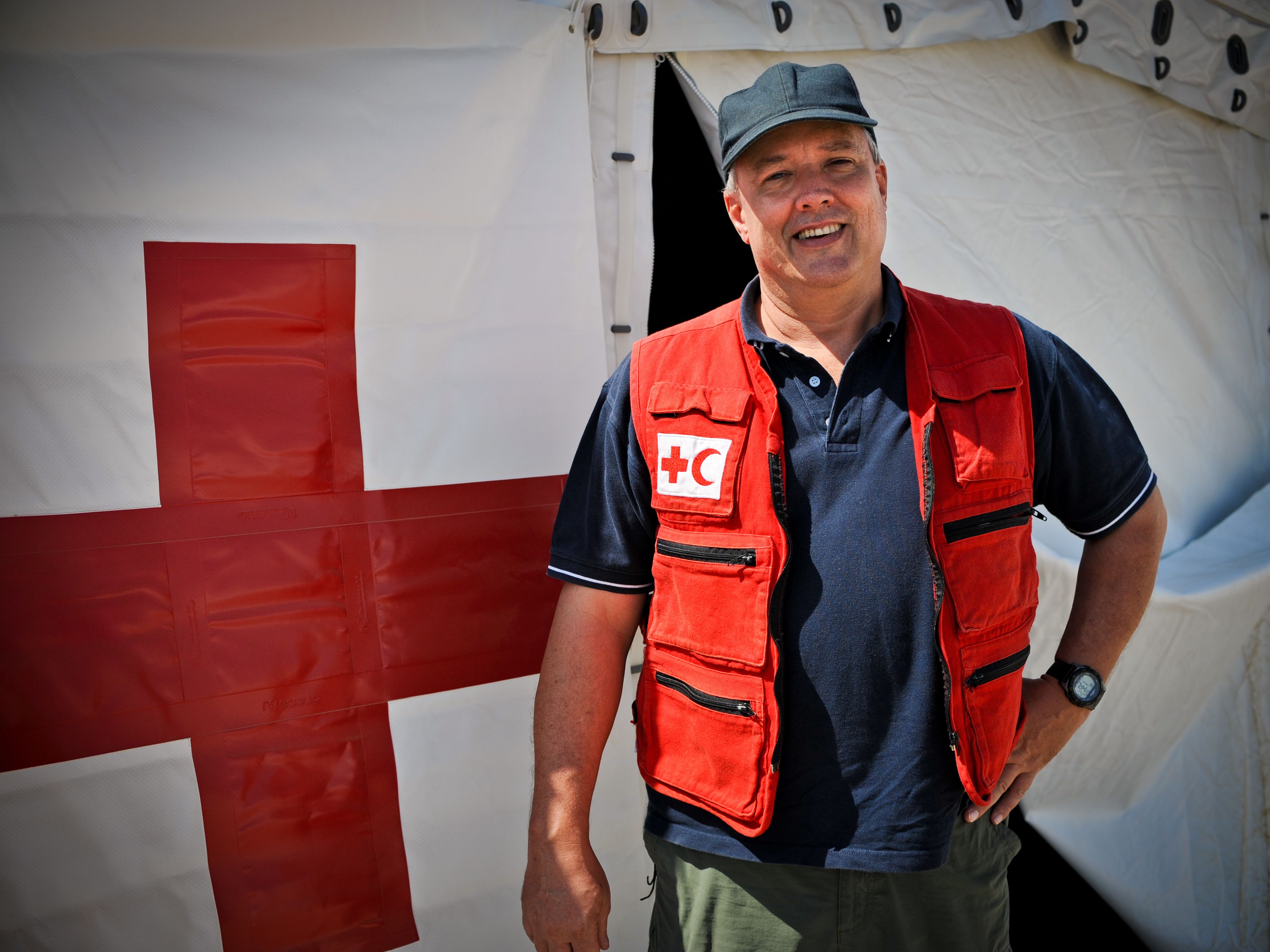

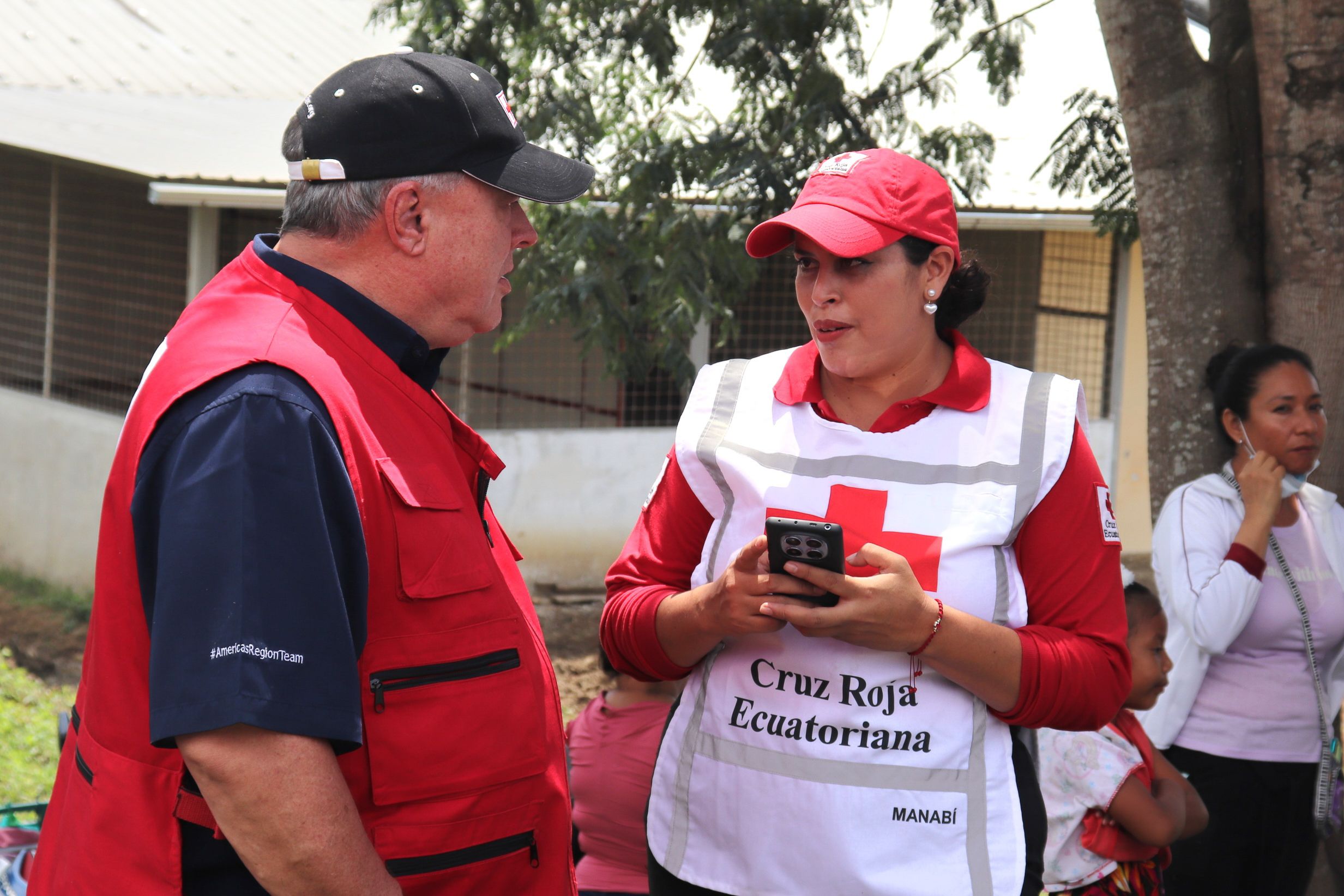

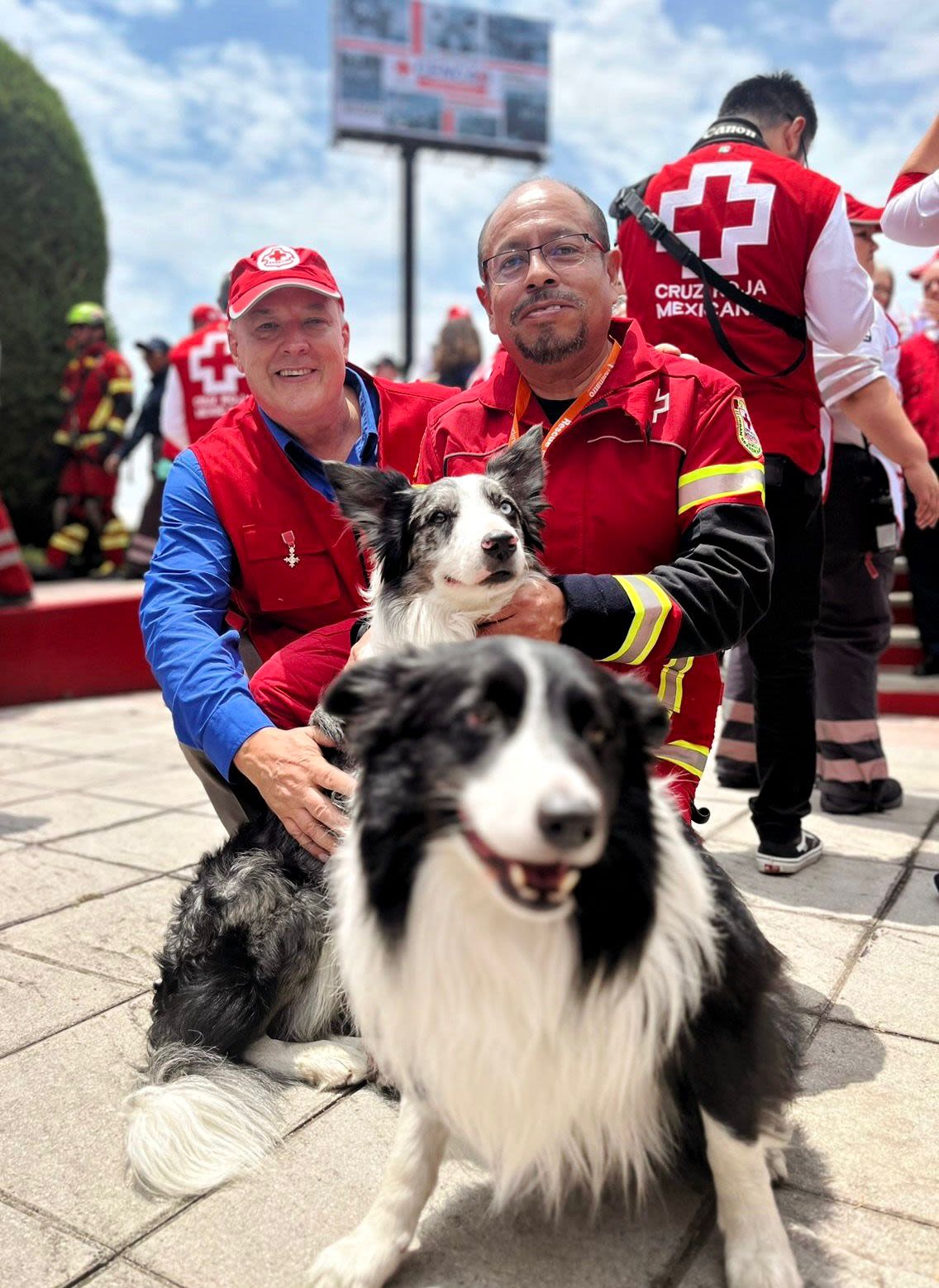
Because change does not depend only on them. There are also men who have been fundamental allies.
Steve McAndrew, head of the IFRC’s Andean Countries Cluster, speaks proudly about having promoted processes as head of Emergency Operations (HEOPS). Steve supported fair access to operational roles:
“We designed tests, interviews, and simulations to level the field. More than 50 per cent of those who joined were women, many of whom now lead operations in the region”.
For Steve, real change happens
“when systems support talent, regardless of gender, and when men are also actively committed to equity”.
Raziel Uranga, Security Coordinator in Ecuador, agrees. For him, the change is also systemic:
“They (women) build links with the community in weeks, something that takes the rest of us months. If we want better results, we need to create structures that allow that talent to be on the ground”.
Raziel also highlights the value of “woman-to-woman” coaching, because
“they share realities that we men sometimes cannot even imagine”.
Steve and Raziel agree that the change is not symbolic: it is sustained, planned, and backed by institutional decisions.
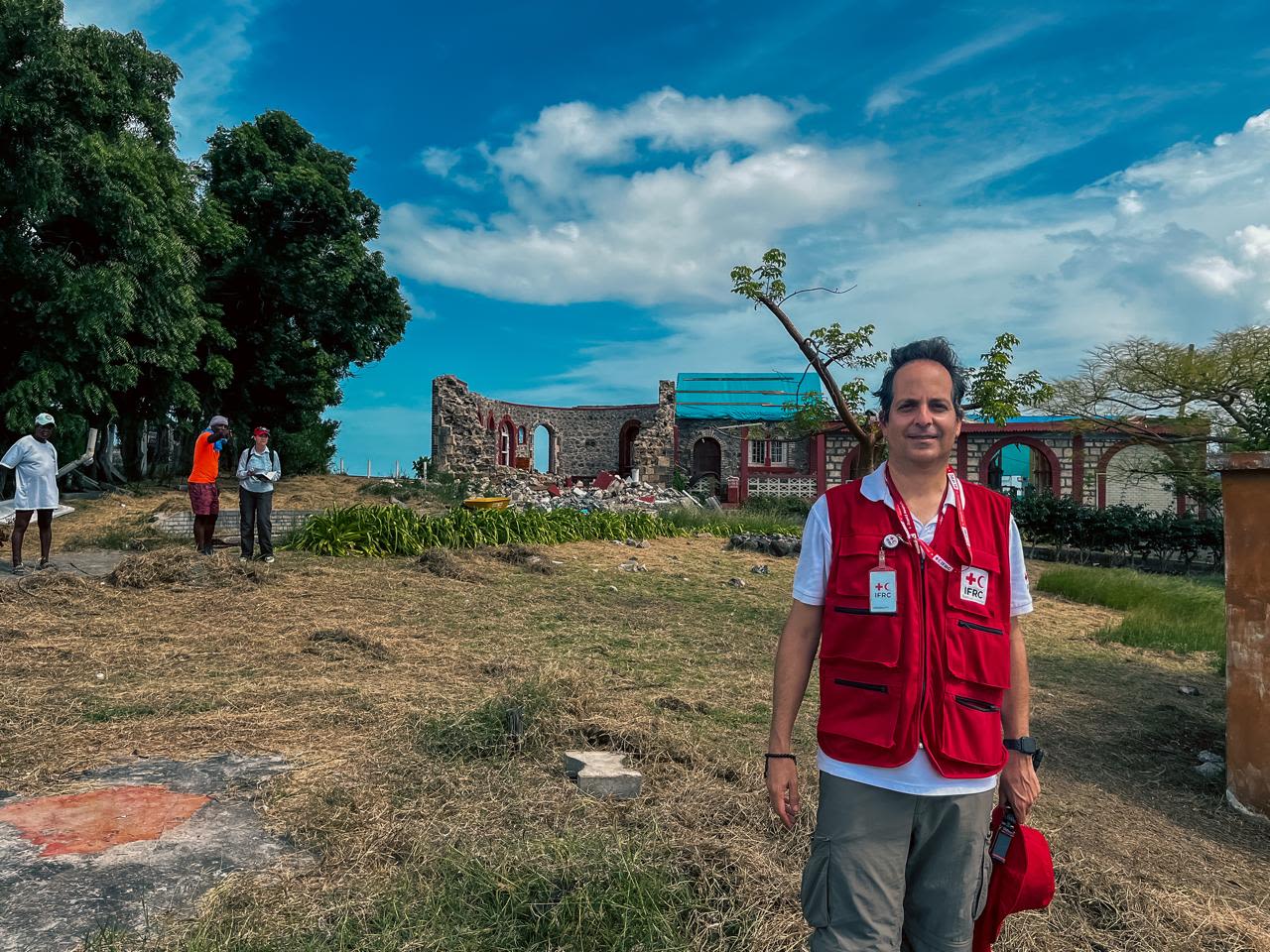

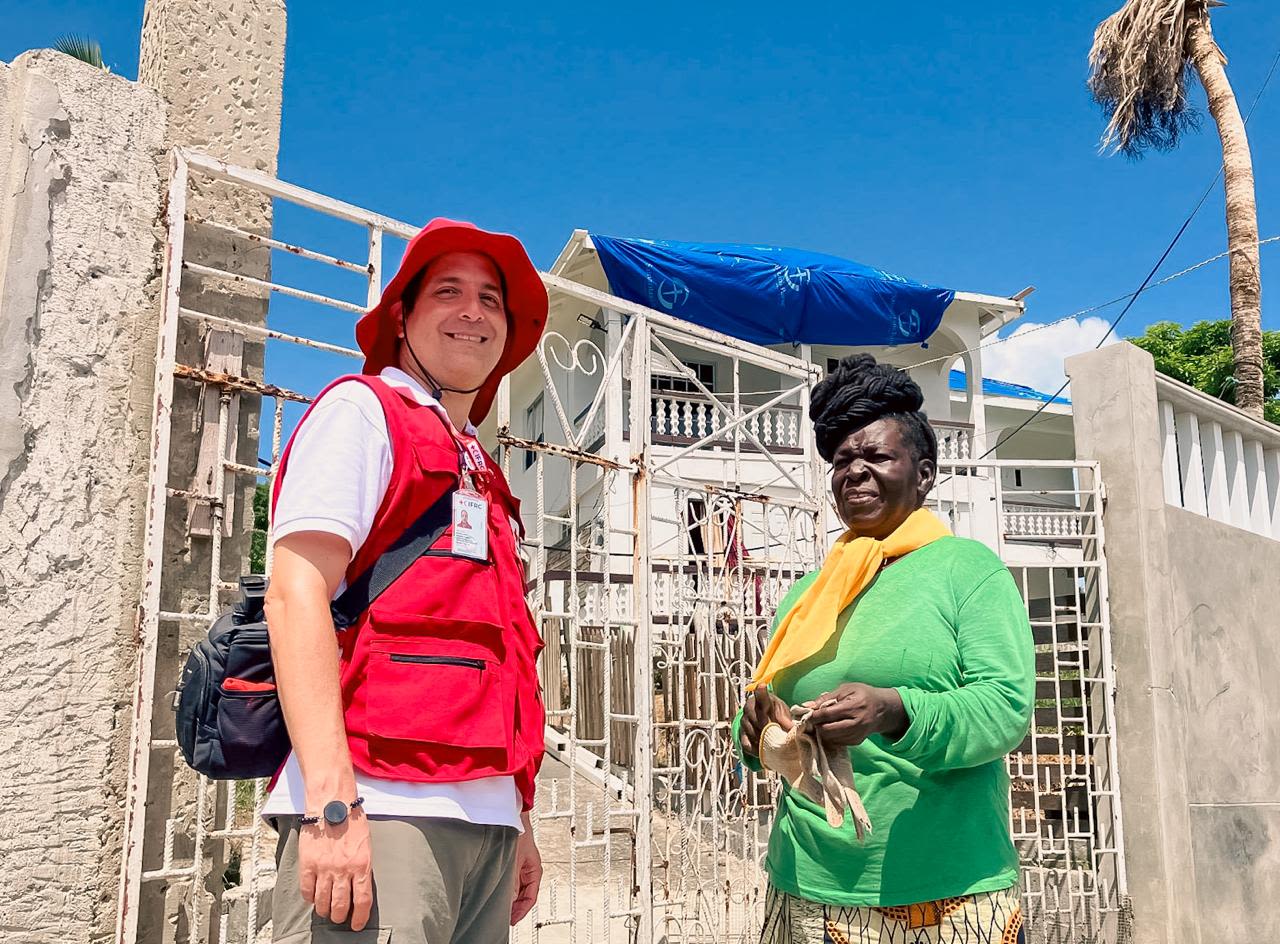
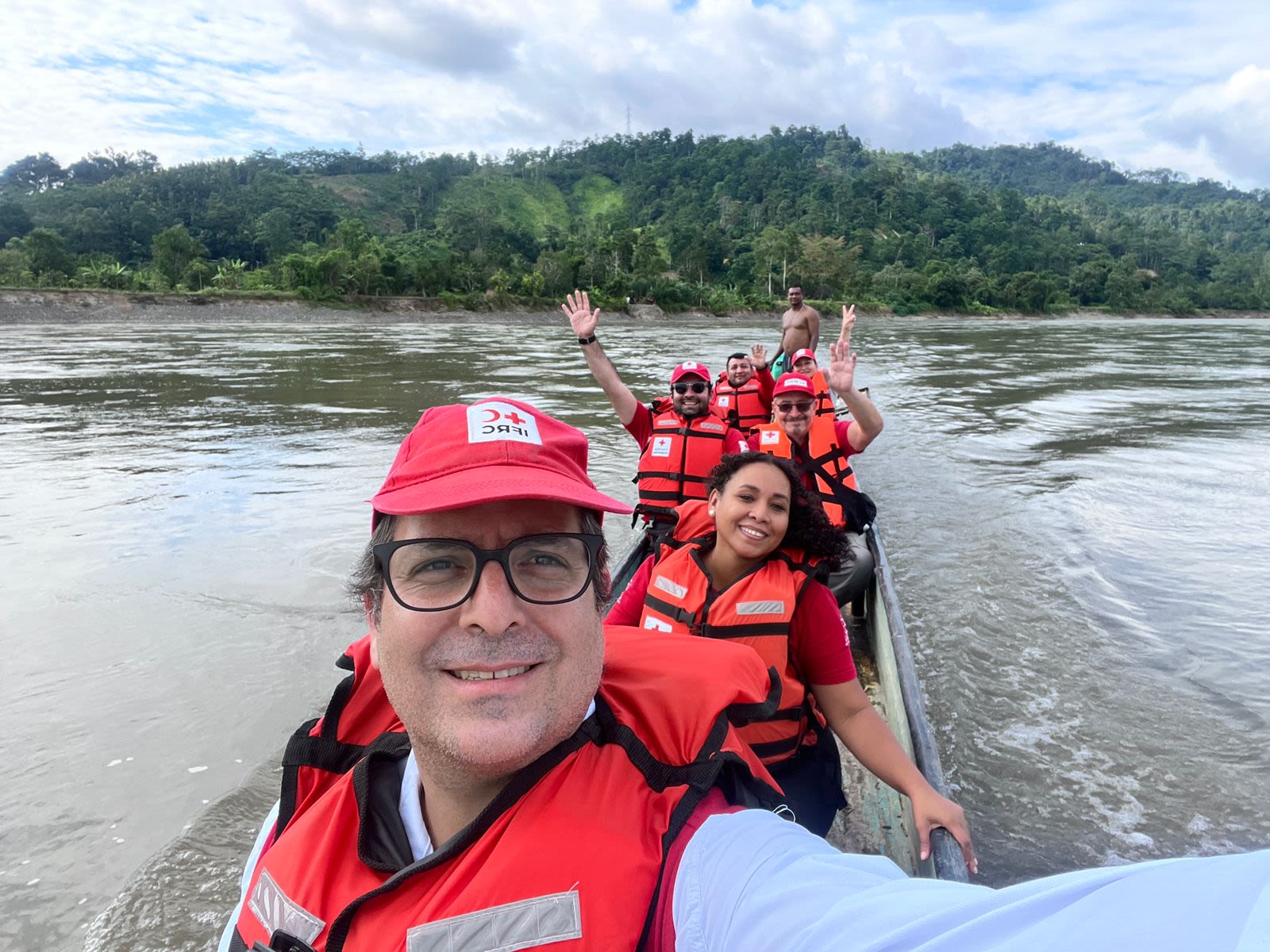
Women exercise a different form of leadership: empathetic, firm, strategic. Yanci describes it this way:
“Leading with equity is not about having all the answers, but about building them together with the team. It’s about containing emotions and deciding with reason when the heart wants to rush ahead”.
Suany, redefines her technical role as human support:
“We don’t just give money, we are financial advisors in vulnerable contexts. It’s another way of caring”.

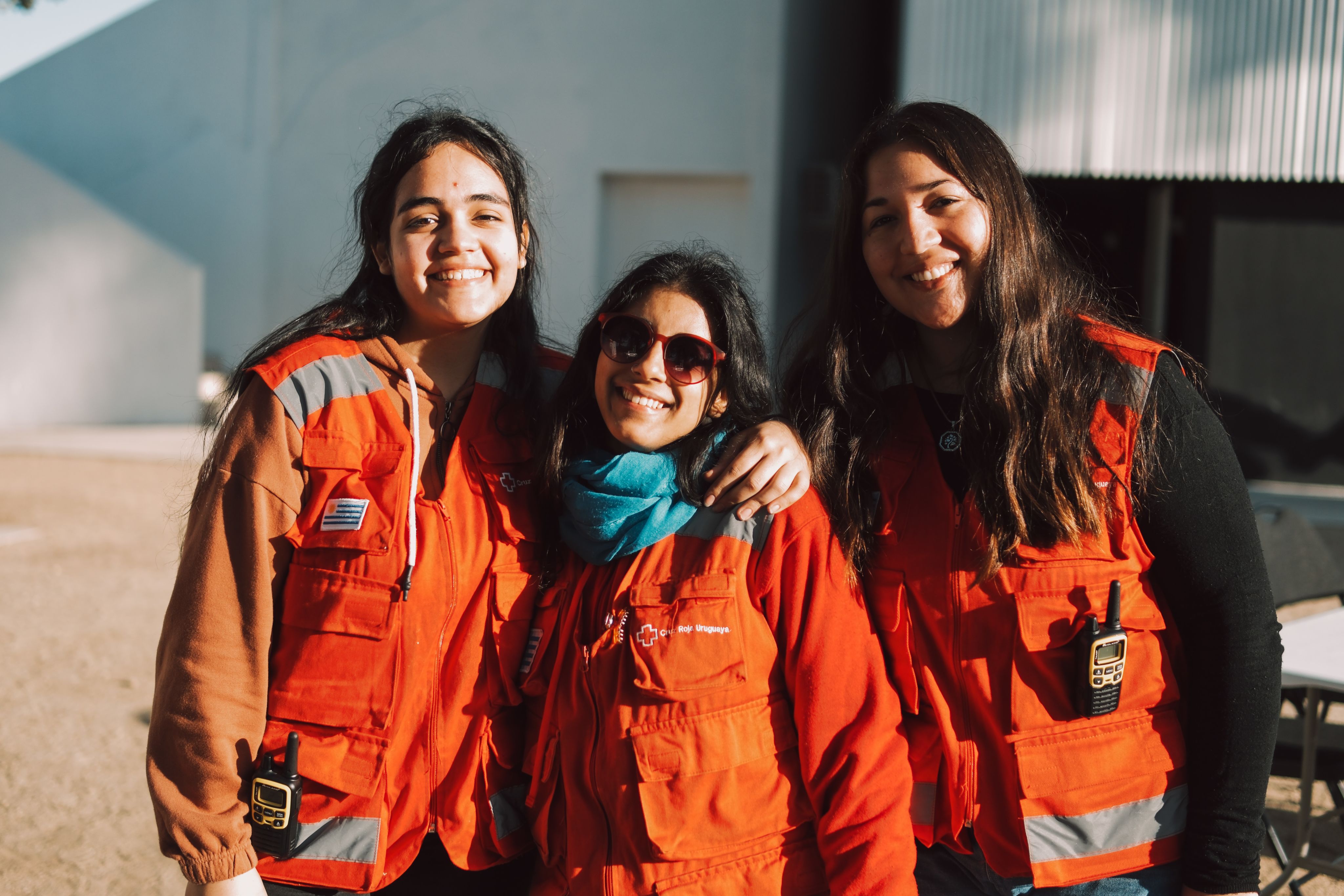
Let’s go back to the beginning. The plane lands. This time, four women get off: Gloria, Paula, Suany, and Yanci.
This is not an exception; they are part of a new rhythm, a new way of understanding leadership in emergencies.
Their firm steps, clear decisions, and shared voices remind us that change is not decreed, it is built.
Because when a woman leads, she does not do so alone: she is accompanied by a diverse network of men and women who believe in her ability, and a program that transforms structures so that leadership with equity is a possible, sustainable, and shared reality.
|
|
|

 Built with Shorthand